
Histamine is a small chemical messenger that the body makes from the amino acid histidine. Mast cells and other blood cells store it, and nerve cells in the brain use it too. It takes part in allergic reactions, in the release of stomach acid and in staying awake. Bacteria can make it as well, and that is how it gets into food.
In food, histamine is a sign of age or mishandling, not a nutrient. When fish is not kept cold, bacteria with an enzyme called histidine decarboxylase turn its histidine into histamine. Bacteria do the same in some aged cheese. Cooking, canning and freezing do not remove it, and a food with a lot of it can look and smell normal.
Two facts surprise most readers. The name scombroid comes from the mackerel and tuna family, but mahi-mahi, bluefish and sardines have caused the same poisoning. And many people believe they cannot tolerate histamine in food. Yet a placebo-controlled challenge, which compared histamine with a dummy, ruled that out in 50 of 59 patients who suspected it.
Health benefits of histamine
Dietary histamine has no proven health benefit, and none of the studies below tests it as a treatment. The body’s own histamine does real work, explained in the section on how histamine works. But eating more of it is not known to help anyone. These studies are about its effects and risks.
The best-documented effect is scombroid fish poisoning from fish that was not kept cold. The evidence on histamine intolerance is weak and contested. A systematic review found its strongest support for a low-histamine diet in chronic hives. A review of challenge tests to 2001 found no conclusive study showing an effect.
A 2023 placebo-controlled challenge ruled the condition out in 50 of 59 patients. Here are 20 studies, strongest evidence first, including the ones that found nothing.
A low-histamine diet had its strongest support in chronic hives
This systematic review of food chemical diets covered 21 studies in adults. They were 8 randomized trials, 4 non-randomized trials, 4 cohorts with placebo-controlled challenge and 5 other observational studies. Food chemical diets may improve condition-specific symptoms, and the strongest support was in chronic urticaria (hives). The authors say further well-designed trials are needed to separate the effect of single food chemicals.
Review to 2001: no proven link between food amines and intolerance
This review covered 13 oral challenge studies of biogenic amines, such as histamine, in susceptible patients: 5 with positive and 8 with negative results. Six of the 10 eligible studies were inconclusive, and the 4 conclusive ones all found no effect, including one on red wine. The authors saw no scientific basis for diet advice on biogenic amines. The search ended in 2001, so later trials are not included.
Placebo test ruled out intolerance in 50 of 59 who suspected it
59 patients, mostly middle-aged women, took histamine or a placebo (dummy) in a single-blind challenge. Placebo caused symptoms in 37 (62.7%). Objective symptoms after histamine but not placebo appeared in 4 patients (6.8%), and 5 more (8.5%) were called possible cases. Three quarters had felt better on a low-histamine diet, but that did not predict a positive challenge. Serum DAO tended to be lower with intolerance but varied widely without it.
In chronic hives, only 17% reacted to histamine in a double-blind test
157 patients with chronic spontaneous urticaria gave a food history and followed a histamine-free diet low in pseudoallergens. Then they took 75 mg of histamine or placebo by mouth, double-blind, and history did not predict who had a wheal (raised skin) reaction. 34% had a history of histamine intolerance, and 46% had less urticaria activity on the diet. Only 2 of 157 were positive on history, diet and challenge. The authors conclude hives due to histamine intolerance seem rare, and the diet probably works for reasons other than lower histamine.
Show 16 more studies
Single symptoms did not repeat, but DAO capsules lowered total scores
At four Austrian centers, patients suspected of histamine intolerance first had an open challenge with 75 mg of liquid histamine. The 39 who reacted entered a randomized, double-blind crossover test: histamine or histamine-free tea, plus DAO capsules or placebo. Single symptoms came and went unpredictably, but the total symptom score fell with DAO compared with placebo. The authors suggest using a total symptom score for diagnosis.
DAO shortened migraine attacks by 1.4 hours; placebo by 0.9 hours
100 people with episodic migraine and low DAO (below 80 HDU/ml) took a DAO enzyme supplement or placebo for one month, double-blind. Hours of pain fell from 6.14 to 4.76 with DAO and from 7.53 to 6.68 with placebo, a drop that could be chance. Number of attacks and pain intensity fell in both groups, and no adverse effects were recorded. The authors call for longer studies, and one author works at a clinic for DAO deficiency.
33 of 45 improved on a histamine-free diet, with no placebo group
Forty-five patients with food or wine intolerance (17) or chronic headache (28) ate a histamine-free diet for 4 weeks. Eight had total remission and 12 saw no change, and headaches became less frequent, shorter and milder. The authors saw symptoms come back after histamine-rich food and ease with antihistamines. This 1993 study was uncontrolled.
In atopic dermatitis, 11 of 36 had worse eczema after histamine
After a week on a histamine-free diet, 12 of 36 patients had a clearly better SCORAD eczema score. Then, in a double-blind, placebo-controlled test with histamine hydrochloride, 11 of 36 got worse. Blood histamine was higher than in controls, but blood histamine and DAO activity did not predict who reacted.
DAO lowered a hives score by 3.8 points when DAO was low
22 patients whose hives were not fully controlled by antihistamines took part in this double-blind, placebo-controlled crossover trial, and 20 finished. They took one DAO capsule twice a day before meals for 30 days. In patients with low blood DAO at the start, the urticaria activity score (UAS-7) fell by 3.8 points more than with placebo. They also cut their daily antihistamine dose slightly.
Open pilot: symptoms improved on DAO capsules and returned after stopping
28 people with histamine intolerance took DAO capsules before meals for 4 weeks, with no placebo group. They rated 22 symptoms on a questionnaire, and every symptom improved. After they stopped, symptom sums rose again. One author is employed by the capsule maker, Sciotec, which supplied the capsules and paid for study monitoring and data analysis.
A low-histamine diet did not change DAO blood levels, though symptoms eased
18 people with histamine intolerance ate a low-histamine diet and a mixed diet in turn, in random order. Serum DAO rose after the low-histamine phase in 10 of the 18 and was unchanged or lower in the other 8. That did not differ from a control group on a normal diet. Patients reported fewer gut and skin symptoms on the low-histamine diet, and the authors still support the diet, with structured reintroduction, as a diagnostic step.
In children with mild asthma, a high-histamine diet worsened airflow
Twenty-one children ate a high- or low-histamine Mediterranean-style diet for 4 weeks each, in random order, with a 2-week break between; 18 finished. Mean airflow obstruction was clearly higher in the high-histamine period, and symptoms tended to be longer and more severe. The study was a small pilot.
75 mg of histamine caused symptoms in 5 of 10 healthy women
The women, on a histamine-free diet, drank 75 mg of pure histamine or placebo tea on consecutive days, in random order, double-blind. None reacted to placebo. Five had no reaction. One had a fast heart rate, low blood pressure and a runny nose. Four had delayed diarrhea, gas, headache or itching starting 3 to 24 hours later. Blood histamine and DAO did not change in the first 80 minutes.
Fish behind histamine poisoning averaged 1,107 mg/kg of histamine
This systematic review and meta-analysis covered 55 reports of 103 incidents, from 1959 to 2013. The pooled mean was 1,107.21 mg/kg, but levels varied hugely, and a new incident could be expected anywhere from 24.12 to 50,822.78 mg/kg. The fish was mainly tuna or species of the marlin family (Istiophoridae). Sex, alcohol, medication and histamine-releasing foods showed no clear link to poisoning.
US, 2011 to 2023: 192 scombroid outbreaks made 597 people ill
This CDC surveillance report covered marine toxin outbreaks. For scombroid toxin, 6 people were hospitalized, and tuna was behind 76% of outbreaks with a known food. Of 131 reports with importation data, 53% involved imported fish, and 57% of 181 with a known place of preparation were sit-down restaurants. The authors advise keeping seafood below 40 °F (4.4 °C) from catch to consumption.
Eight patients on isoniazid reacted to fish paste below the toxic level
In this hospital outbreak, the fish paste held 32 mg of histamine per 100 g, and 378 other inpatients had no symptoms. The tuberculosis patients had flushing, headache, palpitations, itching, wheezing and diarrhea 20 minutes to 2 hours after dinner. The paste was made from poorly stored saury, all eight took isoniazid, and their serum MAO was low. The authors suspect the drug lowered histamine breakdown, and note the level was below the 50 mg per 100 g usually given as toxic.
Serum DAO rose on a histamine-reduced diet, in step with adherence
This look back at the charts of 101 people with histamine intolerance added a questionnaire after a median of 13 months. Of 63 who answered, 50 had better symptoms or none. DAO rose clearly in people who kept to the diet strictly or occasionally. There was no control group, and a 2023 challenge study found serum DAO a weak marker (see above).
Tuna loins warmed 2 hours daily built up high histamine
In this lab test, albacore tuna loins were kept for 7 to 12 days at 0 to 2, 3 to 4 or 6 to 7 °C. Each day they were warmed for 2 hours at 20 or 30 °C. Loins kept at 6 to 7 °C reached 544.5 to 4,156.6 mg/kg. Those kept at 0 to 2 °C and warmed to 30 °C held 67 to 382 mg/kg. Loins frozen first reached 23 to 48 and 124.7 to 2,435.8 mg/kg. The most active histamine makers were the bacteria Morganella morganii, Klebsiella oxytoca, Staphylococcus hominis and Enterococcus hirae.
Pigs given histamine fell severely ill only when DAO was blocked
In this randomized experiment, 30 pigs got 60 mg of histamine by mouth, and half had the DAO enzyme blocked. Only the blocked group had low blood pressure, flushing and vomiting, and 3 of 15 died. Their plasma histamine reached up to 160 ng/ml, against under 5 ng/ml in the others. The authors argue that many drugs and alcohol can block DAO, but this tested a blockade in animals, not ordinary food.
Common pain and migraine drugs did not block DAO in lab tests
In test-tube and gut-cell tests, ibuprofen, aspirin, paracetamol, zolmitriptan and sumatriptan did not inhibit DAO. Naproxen lowered DAO protein in human intestinal cell cultures, but not its activity. The authors suggest DAO supplements could be combined with these drugs in migraine, which no trial here tested. Three authors are members of DR-Healthcare-AB Biotek, according to the conflict statement.
Foods high in histamine
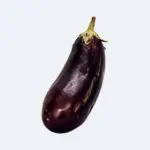
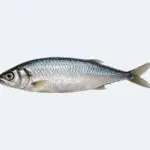
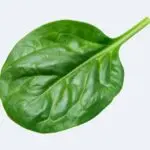
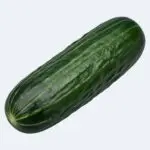
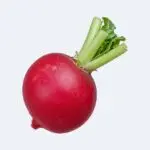
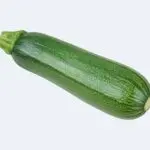
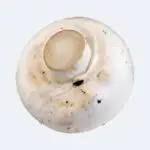
Histamine in food is not a fixed number like the vitamin C in an orange. It depends on how the food was made, aged, stored and handled. The ranking below uses Frida, the Danish food composition database. In it eggplant (3.4 mg per 100 g) and spinach (2.6 mg) come first, then sardines (1.2 mg).
These are single values for one food. No aged cheese, wine, fermented sausage or fish sauce appears in that top ten, yet published surveys show the biggest spread. EFSA, the EU’s food safety agency, says fish are behind most reported poisonings, followed by cheese.
In EFSA’s 2011 data, pooled from European countries, 85% of cheese samples and 73% of fish samples had no measurable histamine. The highest cheese sample held 1,850 mg/kg and the highest fish sample 8,910 mg/kg.
By that arithmetic, 27 g of the top cheese sample or 6 g of the top fish sample holds 50 mg. That is the level EFSA used as a no-effect amount for healthy people (see below). At the average cheese value of 20.9 to 62 mg/kg, it would take about 0.8 to 2.4 kg of cheese. The table adds EFSA’s food categories and two single measurements.
Per serving. No daily amount is set, so bars compare each food with the top food.
Per 100 g. No daily amount is set, so bars compare each food with the top food.
Per 100 kcal: the same calories of each food, for a fair comparison. Bars compare each food with the top food.
Food labels have no Daily Value or Reference Intake for histamine, so the % compares each food with the top food.
- 1.
- 2.
- 3.
- 4.
- 5.
- 6.
- 7.
- 8.

- 9.

- 10.



- 1.
- 2.
- 3.
- 4.
- 5.
- 6.
- 7.

- 8.
- 9.

- 10.


- 1.
- 2.
- 3.
- 4.
- 5.
- 6.
- 7.
- 8.
- 9.
- 10.


| Food | Average, mg/kg | Highest sample, mg/kg | Source |
|---|---|---|---|
| Dried anchovies (54 samples) | 348 | 2,860 | 1 |
| Fish sauce (72 samples) | 196 to 197 | 758 | 1 |
| Fermented vegetables (9 samples) | 39.4 to 42.6 | 92 | 1 |
| Cheese, all types (2,143 samples) | 20.9 to 62 | 1,850 | 1 |
| Hard cheese (1,067 samples) | 25.2 to 65.1 | 1,240 | 1 |
| Blue cheese (678 samples) | 21.8 to 63.8 | 1,850 | 1 |
| Washed rind cheese (296 samples) | 8.5 to 54.4 | 392 | 1 |
| Fresh cheese (98 samples) | 3.2 to 38.5 | 119 | 1 |
| Fish and fish products, other than anchovies and fermented fish (6,329 samples) | 26.8 to 31.2 | 8,910 | 1 |
| Fermented sausages (374 samples) | 23.0 to 23.6 | 400 | 1 |
| Red wine (300 samples) | 3.6 to 3.7 | 34.3 | 1 |
| White wine (225 samples) | 0.8 to 0.9 | 55 | 1 |
| Beer (188 samples) | 1.4 | 21.6 | 1 |
| Other vegetables (26 samples) | 2.9 to 3.1 | 75.7 | 1 |
| Yogurt (7 samples) | 0.5 | 1 | 1 |
| Albacore tuna loins kept at 6 to 7 °C and warmed to 30 °C for 2 hours a day (lab test) | Range 544.5 to 4,156.6 | 4,156.6 | 2 |
| Ground saury paste served in a hospital outbreak (32 mg per 100 g) | One sample, 320 | 320 | 3 |
Sources
- EFSA Panel on Biological Hazards (BIOHAZ). Scientific opinion on risk based control of biogenic amine formation in fermented foods. EFSA J. 2011;9(10):2393. Table 10, occurrence data on histamine (mg/kg), from European monitoring data.
- Economou V, Brett MM, Papadopoulou C, et al. Changes in histamine and microbiological analyses in fresh and frozen tuna muscle during temperature abuse. Food Addit Contam. 2007.
- Miki M, Ishikawa T, Okayama H. An outbreak of histamine poisoning after ingestion of the ground saury paste in eight patients taking isoniazid in tuberculous ward. Intern Med. 2005. Reported as 32 mg per 100 g, which is 320 mg/kg.
How histamine works
Most of what we know about how histamine acts comes from lab work, animals and receptor studies, plus a few small human challenge tests. Three ideas matter for food. Bacteria make histamine when fish or cheese is warm or old, and two enzymes clear it from the body. The limits for fish sit far below the levels seen in outbreaks.
Here is each one, and what has been seen in people.
Bacteria make it from histidine when food is warm or old
Fish with a lot of free histidine are the ones most often behind poisoning. Bacterial histidine decarboxylase turns that histidine into histamine. A 2010 review by an FDA scientist points out that scombroid poisoning is unusual among seafood toxins. It comes from mishandling, not from something the fish ate, and poor cooling after harvest is the usual cause.
Time and temperature decide how much forms. FDA’s 2024 policy document says fresh fish holds negligible free histamine. None forms until bacteria reach about 1 million to 100 million per gram, and then it builds up exponentially.
One study it cites measured histamine in freshly caught fish in ppm (parts per million). It stayed under 35 ppm for 24 hours, unless the temperature stayed at 23.9 °C (75 °F) or higher. A tuna test shows how little warmth it takes.
Drawn to scale. Each bar runs from the lowest to the highest value the study reported for that storage condition. The dashed line marks the EU upper limit for fish, 200 mg/kg.
Loins that were frozen first ended with less histamine in the same test. A Japanese lab study found that freezing greatly lowers the histamine-making ability of the bacteria, especially Photobacterium phosphoreum. Freezing does not remove histamine that has already formed, according to the FDA document.
The body makes its own, and acts through four receptors
The body stores histamine in mast cells, related blood cells and nerve cells. It acts through four receptors, called H1 to H4. Blocking H1 gives the classic antihistamines for allergies, and blocking H2 led to drugs for excess stomach acid and ulcers. The H3 receptor acts as a brake in the brain, and blocking it promotes waking.
H4 sits on immune cells. In the gut, a review says the effects of histamine depend on which receptors a cell carries. Its protective or harmful role in gut inflammation is still poorly defined.
Two enzymes clear it, and one works in the gut
Diamine oxidase (DAO) is the main enzyme that breaks down histamine from food. It is a secreted protein, made mostly by cells of the gut lining and the kidney. It is thought to mop up histamine outside cells. The second enzyme, HNMT, works only inside cells and is found mainly in the liver, kidney, lymph nodes, eye and lung.
Monoamine oxidase (MAO) acts on what HNMT makes. EFSA adds that alcohol and some drugs are known to lower DAO activity, citing earlier work.
A simplified sketch of the two routes, not to scale. The roles come from a review and from EFSA’s 2011 opinion.
This is the basis of the idea of histamine intolerance: too little DAO activity, or too much histamine, so that the load builds up. The idea is still unproven. In the 2023 challenge study, serum DAO tended to be lower in patients with plausible intolerance but varied widely in those without.
A 2025 review notes that no validated biomarker (a reliable blood or lab marker) exists. A 2007 review goes further. It argues that histamine released by the body’s own mast cells in allergy is a bigger concern than histamine in food.
Fish limits sit well below the levels seen in outbreaks
FDA’s November 2024 policy treats 35 ppm in fish as evidence of time and temperature abuse. It treats 200 ppm as a level at which illness is possible, in line with a 2013 FAO/WHO expert report.
As EFSA summarizes EU law, nine samples are tested. For fish species rich in histidine, the limits are 100 mg/kg (m) and 200 mg/kg (M). For fish matured in brine, they are 200 and 400 mg/kg. Fish behind poisoning averaged far more than that.
Drawn to scale. The outbreak bar is the pooled average across 103 incidents. The 95% confidence interval for that average runs from 423 to 2,901 mg/kg, and single incidents varied far more.
The link between dose and illness is not simple. The FDA scientist’s review says that deviations from the expected dose-response have led to several proposed mechanisms, none proven. EFSA notes that spoiled fish tends to be more toxic than the same amount of pure histamine. Outbreaks were reported at 213 mg/kg in tuna burgers and 365 mg/kg in canned anchovies.
EFSA also points out that histamine can differ a lot between fish in a batch, and even between portions of one fish. So the sample tested may not match what was eaten.
What has been seen in people
The strongest human evidence is for fish poisoning, which is well documented. US surveillance counted 192 outbreaks and 597 illnesses from 2011 to 2023, and a meta-analysis found very high histamine in the fish. For the body’s handling of ordinary dietary histamine, the human studies are small and disagree.
Five of 10 healthy women reacted to 75 mg, yet a challenge study of 59 patients ruled out intolerance in 50. DAO capsules lowered total symptom scores in one crossover trial. They shortened migraine attacks by 1.4 hours, against 0.9 hours on placebo, but those trials were small, and some authors work for makers. All of these are among the study cards above.
Sources
- Hungerford JM. Scombroid poisoning: a review. Toxicon. 2010.
- Economou V, Brett MM, Papadopoulou C, et al. Changes in histamine and microbiological analyses in fresh and frozen tuna muscle during temperature abuse. Food Addit Contam. 2007.
- Kanki M, Yoda T, Tsukamoto T, Baba E. Histidine decarboxylases and their role in accumulation of histamine in tuna and dried saury. Appl Environ Microbiol. 2007.
- Sec. 540.525 Scombrotoxin (Histamine)-forming Fish and Fishery Products, Decomposition and Histamine (CPG 7108.24). US Food and Drug Administration. November 2024.
- Panula P, Chazot PL, Cowart M, et al. International Union of Basic and Clinical Pharmacology. XCVIII. Histamine receptors. Pharmacol Rev. 2015. Several authors work for drug companies.
- Smolinska S, Jutel M, Crameri R, O’Mahony L. Histamine and gut mucosal immune regulation. Allergy. 2014.
- Maintz L, Novak N. Histamine and histamine intolerance. Am J Clin Nutr. 2007.
- EFSA Panel on Biological Hazards (BIOHAZ). Scientific opinion on risk based control of biogenic amine formation in fermented foods. EFSA J. 2011;9(10):2393.
- Fogel WA, Lewinski A, Jochem J. Histamine in food: is there anything to worry about? Biochem Soc Trans. 2007.
- Jackson K, Busse W, Gálvez-Martín P, et al. Evidence for dietary management of histamine intolerance. Int J Mol Sci. 2025. Funded by Bioiberica, a maker of a DAO ingredient, whose employees are authors.
- Bent RK, Kugler C, Faihs V, et al. Placebo-controlled histamine challenge disproves suspicion of histamine intolerance. J Allergy Clin Immunol Pract. 2023.
- Colombo FM, Cattaneo P, Confalonieri E, Bernardi C. Histamine food poisonings: a systematic review and meta-analysis. Crit Rev Food Sci Nutr. 2018.
- Hartley CM, Hoang ST, Roberts VA, Chard AN. Foodborne disease outbreaks associated with marine toxins, United States, 2011-2023. MMWR Surveill Summ. 2026.
Is histamine in food safe? Limits, fish poisoning and drug interactions
For most healthy people, the histamine in a normal, well-kept meal is not a concern, because enzymes clear it quickly. EFSA’s 2011 opinion found no adverse effects in healthy volunteers at 25 to 50 mg of histamine per person per meal. It used 50 mg as a potential no-effect level and acute reference dose (a safe single amount) for healthy people.
That rests on a small group, 66 healthy and 74 sensitive people, and some healthy volunteers tolerated up to six times more. For people with histamine intolerance, EFSA said only levels below detection can be called safe.
For fish, FDA’s 2024 guidance allows action at 35 ppm (decomposition) and 200 ppm (injurious to health). EU law sets 100 and 200 mg/kg.
- Fish poisoning. Symptoms include nausea, vomiting, diarrhea, a burning or peppery feeling in the mouth, hives, itching, a red rash and low blood pressure. They start within minutes of eating and last from a few hours to 24 hours, and antihistamines work. In the US surveillance report, 6 of 597 people made ill were hospitalized. Fish with a lot of histamine may look normal, and cooking will not fix it, so keep fish cold from the start.
- Histamine intolerance. It is not an established diagnosis. A 2007 review calls for blinded, placebo-controlled tests, and a 2025 review notes there is no validated biomarker. Because a challenge ruled it out in 50 of 59 patients, ask a doctor about other causes before starting a long list of avoided foods.
- DAO supplements. Trials used one capsule twice a day before meals for 30 days, or a month of supplement, and one reported no adverse effects. Some of this research has ties to makers. An author of the open pilot works for the capsule maker, and a 2025 review was funded by a maker of a DAO ingredient. We found no official safety opinion or upper level for DAO capsules.
- Drugs and alcohol. EFSA lists several cases of histamine poisoning in patients taking isoniazid, and in the hospital outbreak above all eight patients took it. EFSA notes that drugs that inhibit DAO, and alcohol, reduce DAO activity. A 1988 pig experiment found severe illness only when DAO was blocked. We found no controlled human trial of food histamine with these drugs, and in the lab, common pain and migraine drugs did not inhibit DAO. People who take monoamine oxidase inhibitors (MAOIs) also face a separate issue with tyramine, another amine in aged food. EFSA reported no adverse effects at 6 mg of tyramine per meal for classical MAOIs. Ask a pharmacist about your own medicines.
How to limit histamine in food
- Keep fish cold. CDC advises keeping seafood below 40 °F (4.4 °C) from catch to consumption. In the tuna test, loins held at 6 to 7 °C ended at 544.5 to 4,156.6 mg/kg. Loins held at 0 to 2 °C ended at 67 to 382.
- Do not count on cooking or freezing. FDA says histamine cannot reliably be removed by washing, freezing or heating once it has formed. A fish that sat warm stays risky.
- Test a suspected intolerance with a doctor. A low-histamine diet with a structured reintroduction is used as a diagnostic step. A placebo-controlled challenge found most suspected cases were not intolerance.
Sources
- EFSA Panel on Biological Hazards (BIOHAZ). Scientific opinion on risk based control of biogenic amine formation in fermented foods. EFSA J. 2011;9(10):2393.
- Sec. 540.525 Scombrotoxin (Histamine)-forming Fish and Fishery Products, Decomposition and Histamine (CPG 7108.24). US Food and Drug Administration. November 2024.
- Taylor SL, Stratton JE, Nordlee JA. Histamine poisoning (scombroid fish poisoning): an allergy-like intoxication. J Toxicol Clin Toxicol. 1989.
- Hartley CM, Hoang ST, Roberts VA, Chard AN. Foodborne disease outbreaks associated with marine toxins, United States, 2011-2023. MMWR Surveill Summ. 2026.
- Maintz L, Novak N. Histamine and histamine intolerance. Am J Clin Nutr. 2007.
- Jackson K, Busse W, Gálvez-Martín P, et al. Evidence for dietary management of histamine intolerance. Int J Mol Sci. 2025. Funded by Bioiberica, a maker of a DAO ingredient, whose employees are authors.
- Bent RK, Kugler C, Faihs V, et al. Placebo-controlled histamine challenge disproves suspicion of histamine intolerance. J Allergy Clin Immunol Pract. 2023.
- Rentzos G, Weisheit A, Ekerljung L, van Odijk J. Measurement of diamine oxidase (DAO) during low-histamine or ordinary diet in patients with histamine intolerance. Eur J Clin Nutr. 2024.
- Sattler J, Häfner D, Klotter HJ, Lorenz W, Wagner PK. Food-induced histaminosis as an epidemiological problem. Agents Actions. 1988.
- Tobajas Y, Alemany-Fornés M, Samarra I, et al. Diamine oxidase interactions with anti-inflammatory and anti-migraine medicines in the treatment of migraine. J Clin Med. 2023.
- Miki M, Ishikawa T, Okayama H. An outbreak of histamine poisoning after ingestion of the ground saury paste in eight patients taking isoniazid in tuberculous ward. Intern Med. 2005.
- Yacoub MR, Ramirez GA, Berti A, et al. Diamine oxidase supplementation in chronic spontaneous urticaria: a randomized, double-blind placebo-controlled study. Int Arch Allergy Immunol. 2018.
- Izquierdo-Casas J, Comas-Basté O, Latorre-Moratalla ML, et al. Diamine oxidase (DAO) supplement reduces headache in episodic migraine patients with DAO deficiency: a randomized double-blind trial. Clin Nutr. 2019.
History of histamine
Histamine was first described in 1910 by the British scientists Henry Dale and P. P. Laidlaw, under the clumsy name β-imidazolylethylamine. By 1913 it was called histamine, a blend meaning “tissue amine.”
Over the next century, work on its receptors produced antihistamines for allergies. It also produced drugs that block the H2 receptor, which changed the treatment of excess stomach acid and ulcers.
The food story is separate. Poisoning from spoiled fish was named scombroid after the mackerel family, Scombridae, which includes tuna. Yet non-scombroid fish such as mahi-mahi, bluefish and sardines have caused it too. Histamine is the only biogenic amine with limits in European law, and the EU criteria for fish date from 2005.
In November 2024 the FDA cut its guidance levels. The old decomposition trigger was 2 or more samples at 50 ppm; the new trigger is 1 or more at 35 ppm. It also added a 200 ppm level for illness.
Sources
- Histamine. Wikipedia.
- Tiligada E, Ennis M. Histamine pharmacology: from Sir Henry Dale to the 21st century. Br J Pharmacol. 2020.
- Jones AW. Perspectives in drug development and clinical pharmacology: the discovery of histamine H1 and H2 antagonists. Clin Pharmacol Drug Dev. 2016.
- Taylor SL, Stratton JE, Nordlee JA. Histamine poisoning (scombroid fish poisoning): an allergy-like intoxication. J Toxicol Clin Toxicol. 1989.
- Visciano P, Schirone M, Tofalo R, Suzzi G. Histamine poisoning and control measures in fish and fishery products. Front Microbiol. 2014.
- Sec. 540.525 Scombrotoxin (Histamine)-forming Fish and Fishery Products, Decomposition and Histamine (CPG 7108.24). US Food and Drug Administration. November 2024.
Frequently asked questions about histamine
What does histamine do in the body?
It is a chemical messenger that acts through four receptors, H1 to H4. It takes part in allergic reactions, in the release of stomach acid and, in the brain, in staying awake. The body stores it in mast cells, related blood cells and nerve cells. Histamine from food has no known benefit.
Which foods are highest in histamine?
In EFSA’s European data, the highest averages were in dried anchovies (348 mg/kg) and fish sauce (196 to 197). Fermented vegetables (39 to 43), cheese (20.9 to 62) and fermented sausages (23) followed. Averages hide a wide spread: the top cheese sample held 1,850 mg/kg, and most cheese and fish samples had none measurable. Fish kept warm can reach thousands of mg/kg.
What are the symptoms of scombroid (histamine) fish poisoning?
Typical symptoms are nausea, vomiting, diarrhea, a burning or peppery taste, hives, itching, a red rash and low blood pressure. They start within minutes of eating and last from a few hours to 24 hours, and antihistamines work. In US reports for 2011 to 2023, 6 of 597 people made ill were hospitalized.
Does cooking or freezing remove histamine?
No. FDA says that once histamine has formed, it cannot reliably be removed by washing, freezing or heating. Freezing before a fish is mishandled can lower later formation. In a tuna test, frozen-first loins reached 23 to 48 mg/kg at 0 to 2 °C, against 67 to 382 for fresh ones.
Is histamine intolerance real?
The evidence is weak and contested. In a placebo-controlled challenge, intolerance was ruled out in 50 of 59 patients who suspected it, and 37 reacted to placebo. Another trial found single symptoms could not be reproduced on repeat tests. A few patients did react to histamine and not to placebo, so a small group may exist, but no reliable test has been validated.
Does a low-histamine diet work?
It helps some people, but we cannot say that histamine is the reason. A systematic review found its strongest support in chronic hives, and 33 of 45 patients improved on a histamine-free diet in an uncontrolled study. In 157 people with hives, though, a histamine-free, pseudoallergen-low diet helped 46%, and only 17% reacted to histamine in a blinded test. A review of challenge tests to 2001 found no proven link.
Do DAO enzyme supplements work?
The trials are small and mixed. A DAO capsule shortened migraine attacks by 1.4 hours, against 0.9 hours on placebo. It lowered a hives score by 3.8 points in 20 people with low DAO, and cut total symptom scores in a crossover trial of 39. An open pilot of 28 had no placebo group and an author employed by the maker, and no large trial is in the studies above.
Does red wine cause headaches because of histamine?
Not clearly. EFSA’s data put red wine at 3.6 to 3.7 mg per liter on average, with a highest sample of 34.3. In one test, 4 mg of histamine in sparkling wine triggered symptoms in 12 of 40 people with histamine intolerance, but not in healthy volunteers. A review of challenge tests found one conclusive study, and it showed no link between wine intolerance and biogenic amines.