15 minerals
Minerals
Boron
Boron is a trace element that plants need but that no health agency calls essential for people. Here is what small human studies show on bones, joints and testosterone, which foods supply it, and where the safe limit sits.
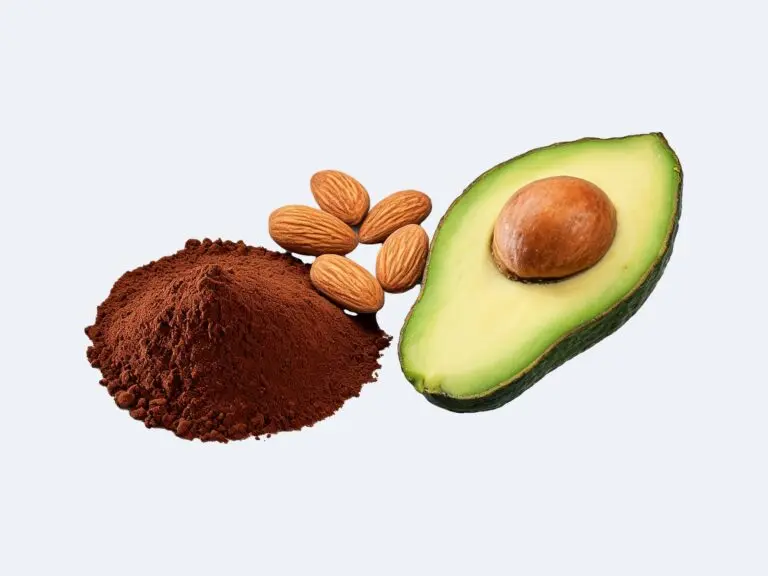
Top source: avocados, 2.29 mg per ½ avocado (101 g)
Top source: cocoa powder, 2.68 mg per 100 g
Minerals
Calcium
Calcium is 99% bone, yet pills add only 0.7% to 1.8% to bone density and have not clearly cut fractures in healthy older adults. Here is what 39 studies and the EU and US health authorities say about bones, pregnancy, heart risk and kidney stones. Plus which foods and forms absorb well, and how much is safe.
DV 1,300 mg (FDA) · RI 800 mg (EU)
RI 800 mg (EU) · DV 1,300 mg (FDA)
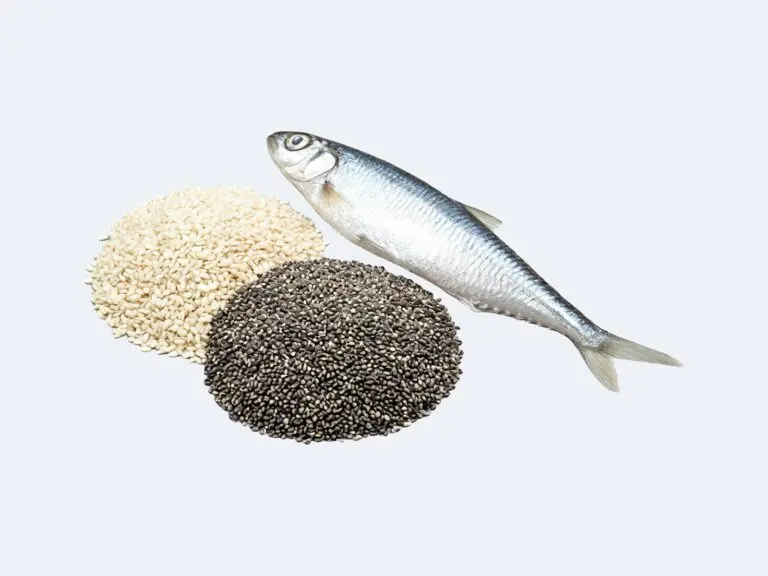
Top source: sardines, 27% DV per 1 can (92 g)
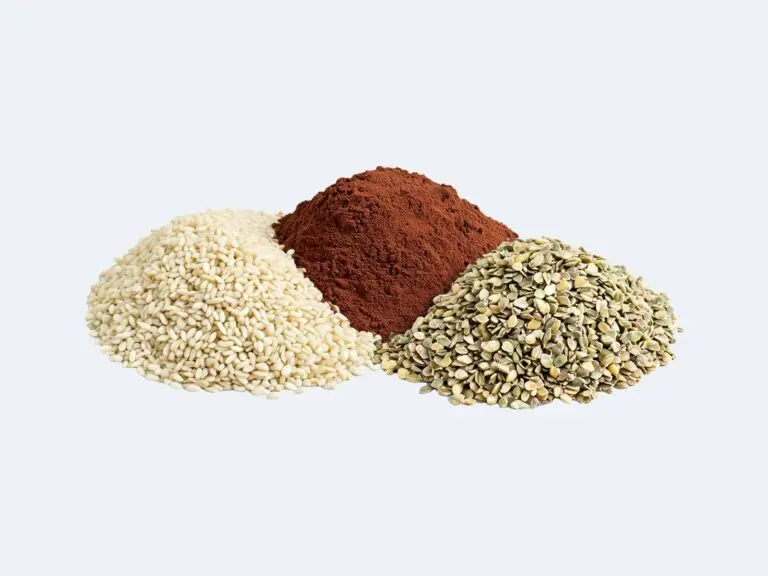
Top source: sesame seeds, 75% DV per 100 g
Top source: sardines, 44% RI per 1 can (92 g)
Top source: sesame seeds, 122% RI per 100 g
Minerals
Chromium
The US sets a daily target for chromium, but Europe’s food safety agency found no proof that healthy people benefit from it. Here is what 29 studies and official reports say about blood sugar, weight loss, picolinate safety and the forms sold as supplements.
DV 35 µg (FDA) · RI 40 µg (EU)
RI 40 µg (EU) · DV 35 µg (FDA)
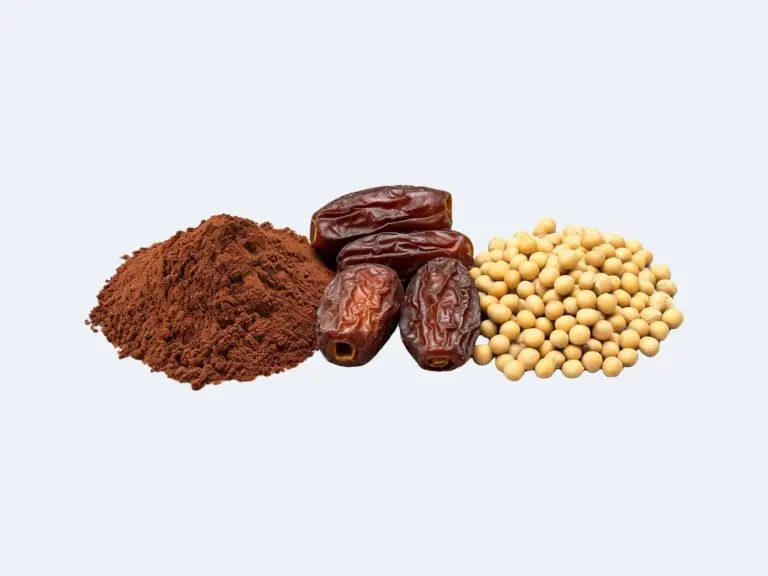
Top source: dates, 110% DV per 2 dates (48 g)
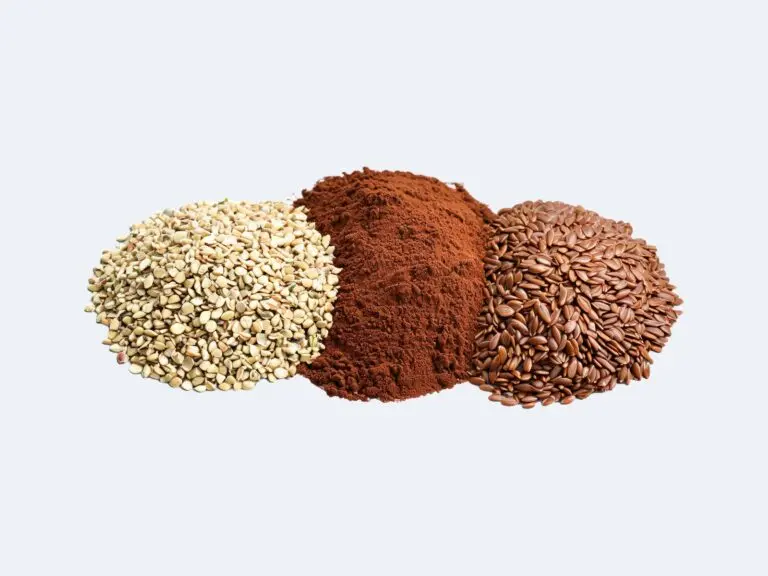
Top source: cocoa powder, 494% DV per 100 g
Top source: dates, 96% RI per 2 dates (48 g)
Top source: cocoa powder, 433% RI per 100 g
Minerals
Copper
A healthy adult holds only 50 to 120 mg of copper. The body absorbs 55.6% of it on a low-copper diet but only 12.4% on a high one. Here is what 27 studies and official reports say about deficiency, the zinc link, heart disease, Alzheimer’s disease, supplement forms and safe limits.
DV 0.9 mg (FDA) · RI 1 mg (EU)
RI 1 mg (EU) · DV 0.9 mg (FDA)
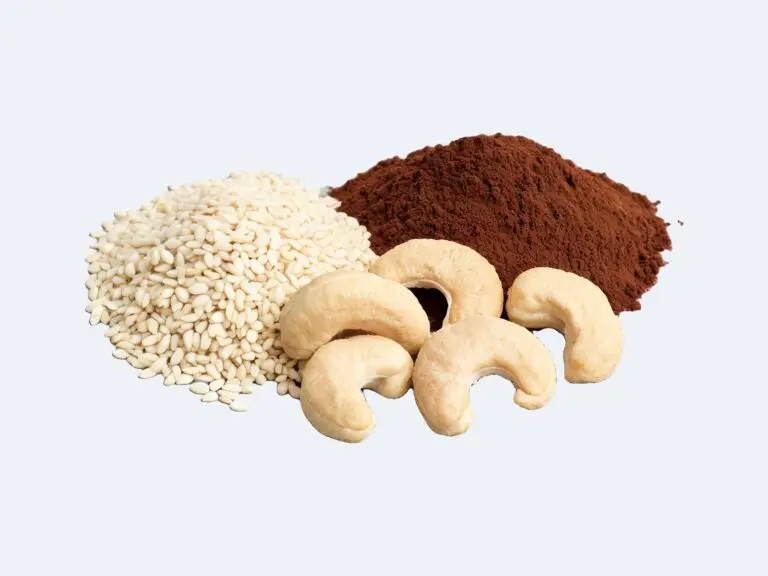
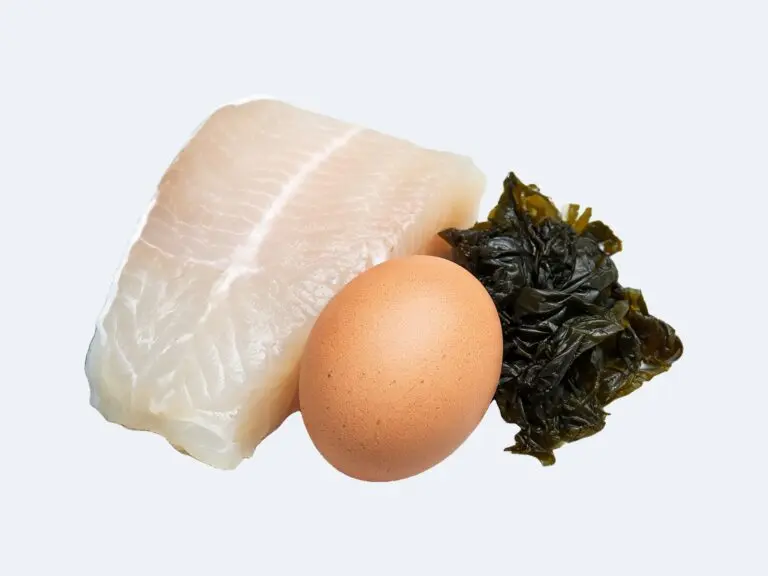
Top source: oysters, 149% DV per 3 oz (85 g)
Top source: sesame seeds, 454% DV per 100 g
Top source: oysters, 134% RI per 3 oz (85 g)
Top source: sesame seeds, 408% RI per 100 g
Minerals
Fluoride
Fluoride toothpaste has the strongest evidence for preventing cavities. The cavity benefit of fluoridated water looks smaller in modern studies than in older ones. This page sets out what Cochrane, the US National Toxicology Program, EFSA and the WHO each say about teeth, bones and children’s IQ. It also covers how much is too much.
RI 3,500 µg (EU)
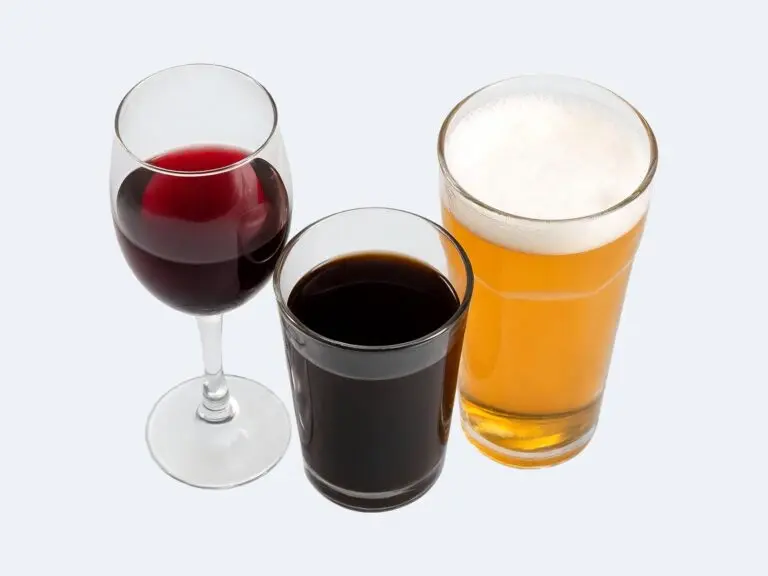
Top source: coffee, 215 µg per 1 cup (237 g)
Top source: red wine, 105 µg per 100 g
Top source: coffee, 6% RI per 1 cup (237 g)
Top source: red wine, 3% RI per 100 g
Minerals
Iodine
Sea salt and Himalayan salt are not usually iodized. Yet your thyroid needs iodine to make its hormones, and a growing child’s brain depends on it. Here is what trials found on pregnancy and schoolchildren, why too much iodine can harm, and which foods and forms to look at.
DV 150 µg (FDA) · RI 150 µg (EU)
RI 150 µg (EU) · DV 150 µg (FDA)
Minerals
Iron
Your body has no way to get rid of extra iron, so a liver hormone controls how much it absorbs. Here is what 43 studies show about iron pills, their forms, daily versus alternate-day dosing, food sources and safety, including for young children.
DV 18 mg (FDA) · RI 14 mg (EU)
RI 14 mg (EU) · DV 18 mg (FDA)
Top source: soybeans, 49% DV per 1 cup (172 g)
Top source: thyme, 97% DV per 100 g
Top source: soybeans, 63% RI per 1 cup (172 g)
Top source: thyme, 125% RI per 100 g
Minerals
Magnesium
Less than 1% of the magnesium in your body is in your blood, so a normal blood test does not show your stores. Here is what trials found on sleep, cramps, blood pressure and migraine, which supplement forms absorb best and which foods top the list.
DV 420 mg (FDA) · RI 375 mg (EU)
RI 375 mg (EU) · DV 420 mg (FDA)
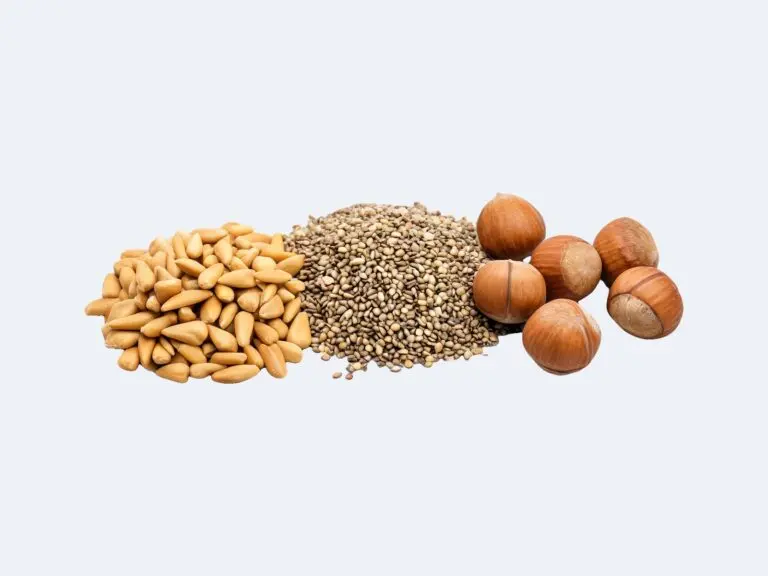
Top source: hemp seeds, 50% DV per 3 tbsp (30 g)
Top source: hemp seeds, 167% DV per 100 g
Top source: hemp seeds, 56% RI per 3 tbsp (30 g)
Top source: hemp seeds, 187% RI per 100 g
Minerals
Manganese
Manganese is a trace mineral that almost nobody lacks. Yet it is one of the few where researchers worry more about too much than too little. Here is what 25 studies show about its benefits, food sources, supplement forms and safe limits.
DV 2.3 mg (FDA) · RI 2 mg (EU)
RI 2 mg (EU) · DV 2.3 mg (FDA)
Top source: pine nuts, 108% DV per 1 oz (28 g)
Top source: pine nuts, 383% DV per 100 g
Top source: pine nuts, 125% RI per 1 oz (28 g)
Top source: pine nuts, 440% RI per 100 g
Minerals
Molybdenum
Only one case of dietary molybdenum deficiency has ever been reported, in a patient fed through a vein with no molybdenum in the solution. Here is what the few human studies show, how much you need, and which foods and forms supply it. We also explain why the copper link seen in cattle is not clearly seen in people.
DV 45 µg (FDA) · RI 50 µg (EU)
RI 50 µg (EU) · DV 45 µg (FDA)
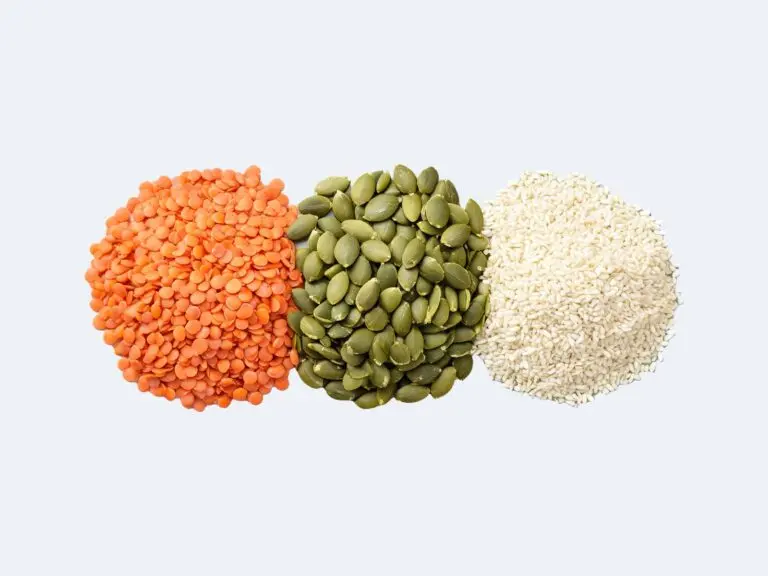
Top source: lentils, 836% DV per 1 cup (198 g)
Top source: lentils, 422% DV per 100 g
Top source: lentils, 752% RI per 1 cup (198 g)
Top source: lentils, 380% RI per 100 g
Minerals
Phosphorus
Most Americans eat more phosphorus than they need, and the phosphate added to processed food is absorbed more fully than the phosphorus in plants. Here is what studies show on kidney disease, heart risk and bones, which supplement and additive forms differ, and which foods supply it.
DV 1,250 mg (FDA) · RI 700 mg (EU)
RI 700 mg (EU) · DV 1,250 mg (FDA)
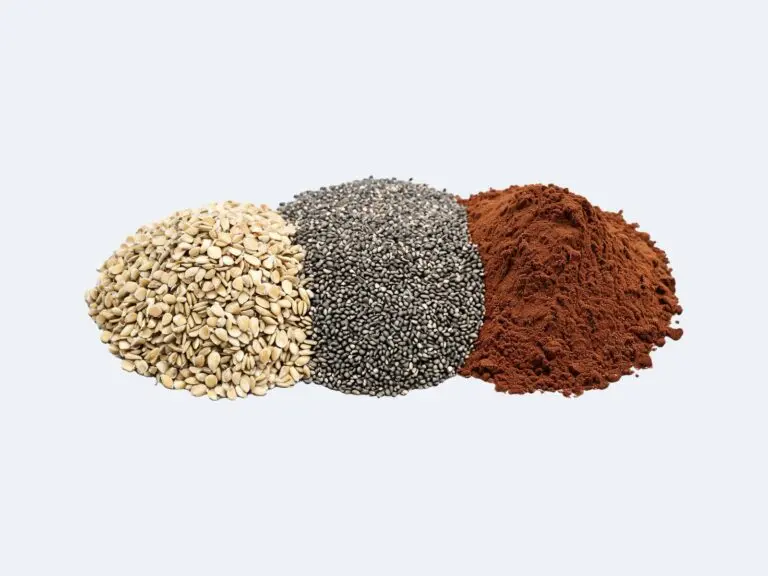
Top source: hemp seeds, 40% DV per 3 tbsp (30 g)
Top source: hemp seeds, 132% DV per 100 g
Top source: hemp seeds, 71% RI per 3 tbsp (30 g)
Top source: hemp seeds, 236% RI per 100 g
Minerals
Potassium
The official US target for potassium was cut in 2019, yet food labels still use the old 4,700 mg. Here is what trials found on blood pressure, stroke, salt substitutes and kidney stones, how supplement forms differ, and who should be careful.
DV 4,700 mg (FDA) · RI 2,000 mg (EU)
RI 2,000 mg (EU) · DV 4,700 mg (FDA)
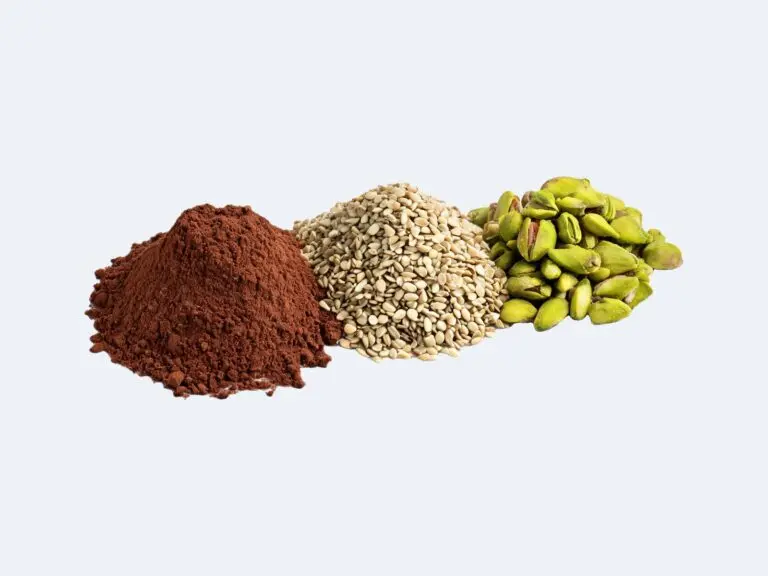
Top source: adzuki beans, 26% DV per 1 cup (230 g)
Top source: cocoa powder, 32% DV per 100 g
Top source: adzuki beans, 61% RI per 1 cup (230 g)
Top source: cocoa powder, 76% RI per 100 g
Minerals
Selenium
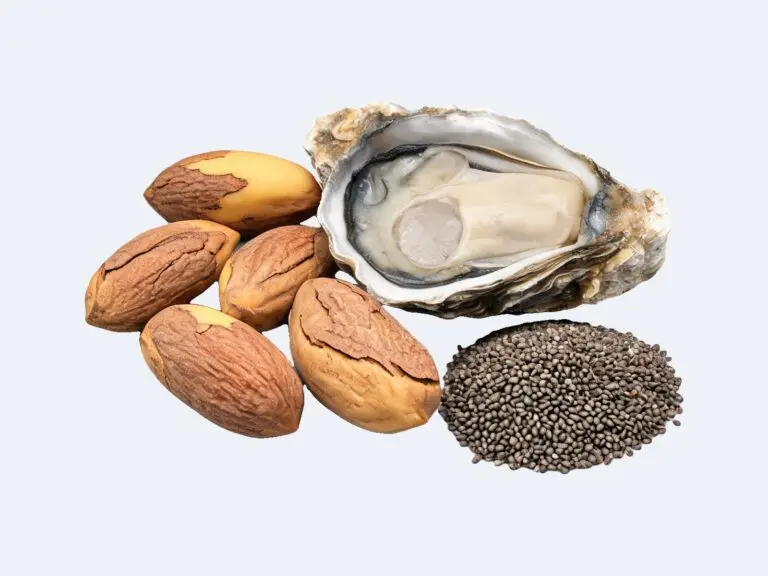
Selenium protects cells and helps make thyroid hormone, but the gap between enough and too much is narrow. Here is what trials found on cancer, diabetes, the thyroid and the heart, and which forms absorb best. We also explain why one Brazil nut can supply anywhere from 11% to 288% of a day’s need.
DV 55 µg (FDA) · RI 55 µg (EU)
RI 55 µg (EU) · DV 55 µg (FDA)
Top source: brazil nuts, 988% DV per 1 oz (28 g)
Top source: brazil nuts, 3,485% DV per 100 g
Top source: brazil nuts, 988% RI per 1 oz (28 g)
Top source: brazil nuts, 3,485% RI per 100 g
Minerals
Sodium
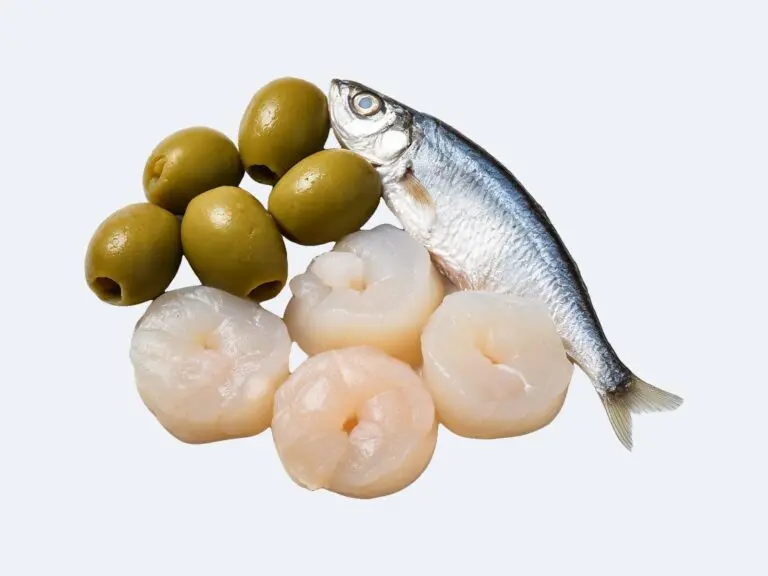
The US adequate intake for sodium is 1,500 mg a day, yet the average American eats about 3,400 mg. More than 70% of it comes from packaged and restaurant food. Here is what trials found on blood pressure, heart disease and salt substitutes, and where the debate over eating too little stands.
DV 2,300 mg (FDA) · RI 2,400 mg (EU)
RI 2,400 mg (EU) · DV 2,300 mg (FDA)
Top source: shrimp, 35% DV per 3 oz (85 g)
Top source: shrimp, 41% DV per 100 g
Top source: shrimp, 34% RI per 3 oz (85 g)
Top source: shrimp, 39% RI per 100 g
Minerals
Zinc
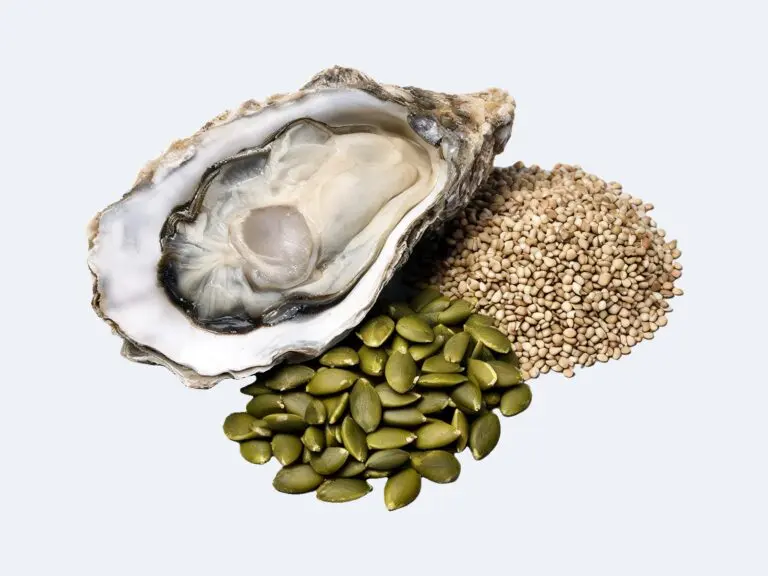
The body holds only about 1.5 to 2.5 g of zinc and has no real store, so it needs a steady supply from food. Here is what 31 studies and official reports say about colds, children’s diarrhea and eye health. Plus which forms to buy, and when too much zinc turns harmful.
DV 11 mg (FDA) · RI 10 mg (EU)
RI 10 mg (EU) · DV 11 mg (FDA)
Top source: oysters, 128% DV per 3 oz (85 g)
Top source: oysters, 151% DV per 100 g
Top source: oysters, 141% RI per 3 oz (85 g)
Top source: oysters, 166% RI per 100 g


