13 vitamins
Vitamins
Vitamin A
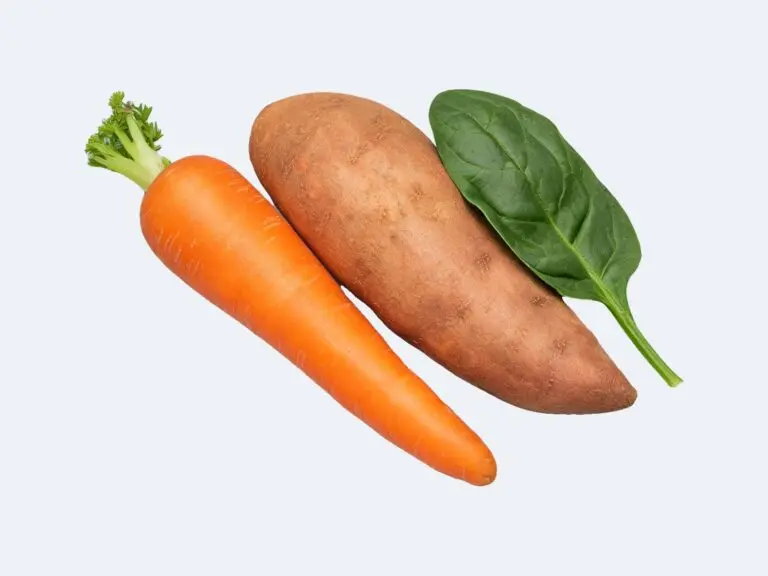
Vitamin A comes in two kinds that the body treats very differently. Retinol comes from animal foods, and beta-carotene from plants, which the body converts at a poor and uneven rate. Here is what trials found on deficiency, pregnancy, smokers and the eye, how much you need, and which foods and supplement forms deliver it.
DV 900 µg (FDA) · RI 800 µg (EU)
RI 800 µg (EU) · DV 900 µg (FDA)
Top source: sweet potatoes, 132% DV per 1 medium (151 g)
Top source: carrots, 93% DV per 100 g
Top source: sweet potatoes, 149% RI per 1 medium (151 g)
Top source: carrots, 104% RI per 100 g
Vitamins
Vitamin B1 (Thiamine)
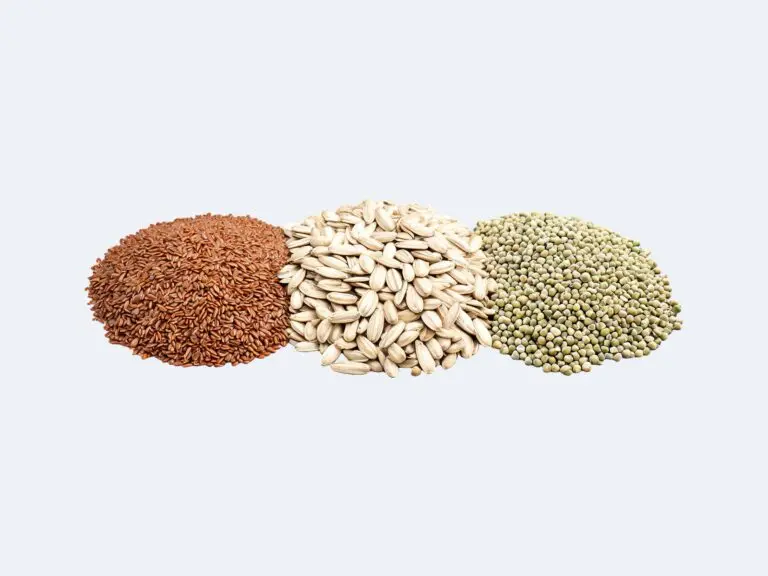
Your body stores only 25 to 30 mg of thiamine, and its half-life is 9 to 18 days. So a steady supply matters more than a big dose. This page weighs 25 studies on heart failure, sepsis, alcohol, nerve damage, fortified food and benfotiamine.
DV 1.2 mg (FDA) · RI 1.1 mg (EU)
RI 1.1 mg (EU) · DV 1.2 mg (FDA)
Top source: navy beans, 36% DV per 1 cup (182 g)
Top source: flaxseeds, 137% DV per 100 g
Top source: navy beans, 39% RI per 1 cup (182 g)
Top source: flaxseeds, 149% RI per 100 g
Vitamins
Vitamin B12 (Cobalamin)
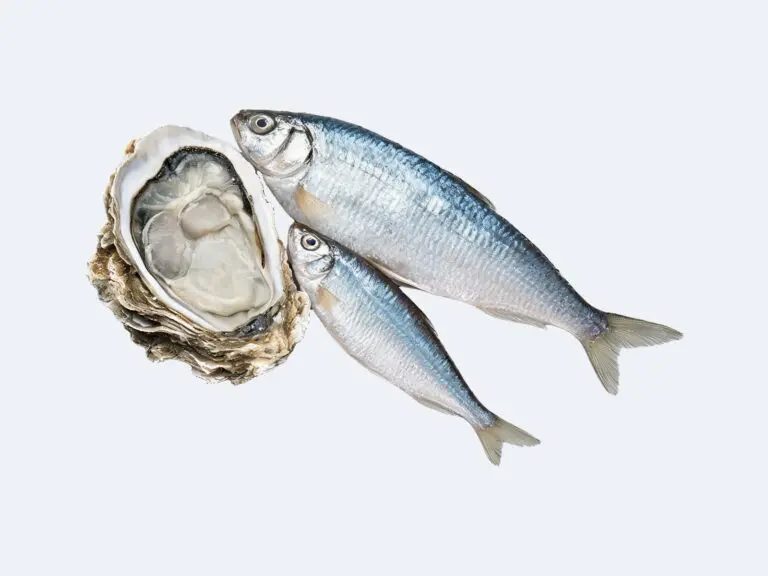
Only bacteria make vitamin B12. The body keeps a store that can last for years, which is why a shortfall can hide for so long. Here is what trials found on energy, memory, heart disease and cancer, which supplement forms work, and which foods top the list.
DV 2.4 µg (FDA) · RI 2.5 µg (EU)
RI 2.5 µg (EU) · DV 2.4 µg (FDA)
Top source: oysters, 567% DV per 3 oz (85 g)
Top source: oysters, 667% DV per 100 g
Top source: oysters, 544% RI per 3 oz (85 g)
Top source: oysters, 640% RI per 100 g
Vitamins
Vitamin B2 (Riboflavin)
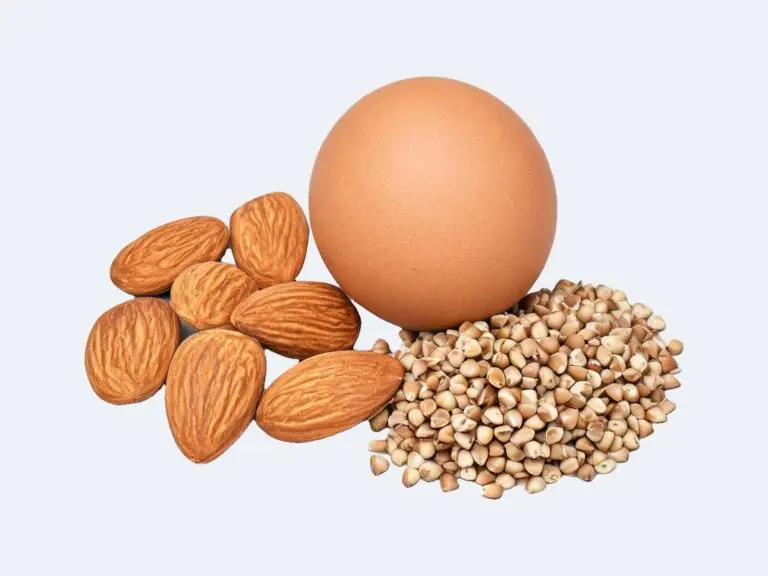
Your gut can absorb only about 27 mg of riboflavin from one dose, and the rest leaves in urine. Here is what 24 studies and reports found on migraine, blood pressure, cataracts and anemia. Plus which foods are richest, and how light and boiling take riboflavin away.
DV 1.3 mg (FDA) · RI 1.4 mg (EU)
RI 1.4 mg (EU) · DV 1.3 mg (FDA)
Top source: soybeans, 38% DV per 1 cup (172 g)
Top source: almonds, 88% DV per 100 g
Top source: soybeans, 35% RI per 1 cup (172 g)
Top source: almonds, 81% RI per 100 g
Vitamins
Vitamin B3 (Niacin)
Niacin is the B vitamin your body can also make from the amino acid tryptophan, and the cholesterol vitamin that failed its biggest heart trials. This page weighs 34 studies on pellagra, flushing, skin cancer, NAD precursors and the forms sold as supplements.
DV 16 mg (FDA) · RI 16 mg (EU)
RI 16 mg (EU) · DV 16 mg (FDA)
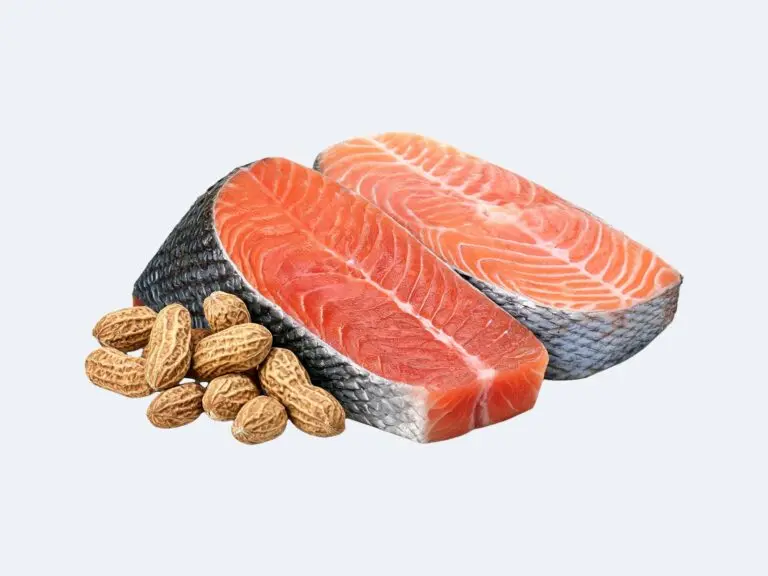
Top source: tuna, 82% DV per 3 oz (85 g)
Top source: tuna, 96% DV per 100 g
Top source: tuna, 82% RI per 3 oz (85 g)
Top source: tuna, 96% RI per 100 g
Vitamins
Vitamin B5 (Pantothenic acid)
Pantothenic acid is named from the Greek for “from everywhere” because almost every food holds some. So true deficiency has been seen only in severe malnutrition and in experiments. This page weighs 23 studies on cholesterol, acne, hair, wounds and exercise, and says plainly where the evidence is thin.
DV 5 mg (FDA) · RI 6 mg (EU)
RI 6 mg (EU) · DV 5 mg (FDA)
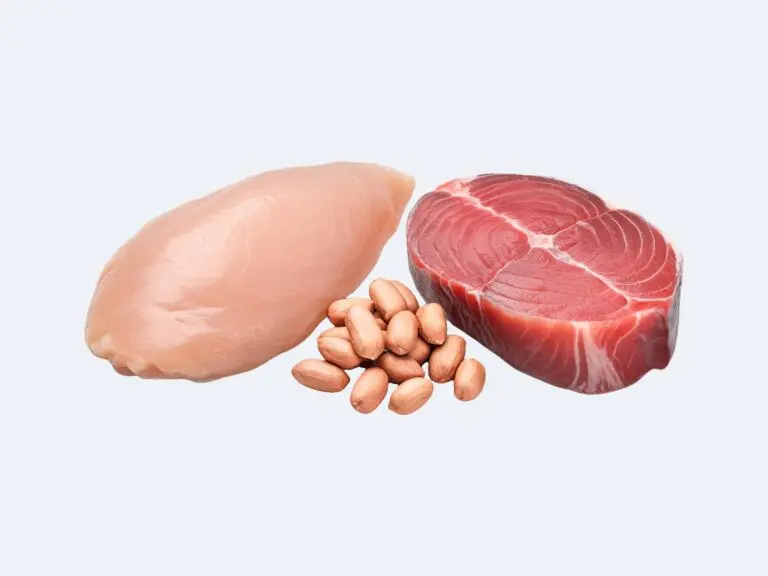
Top source: chicken breast, 34% DV per 4 oz (113 g)
Top source: peanuts, 35% DV per 100 g
Top source: chicken breast, 28% RI per 4 oz (113 g)
Top source: peanuts, 29% RI per 100 g
Vitamins
Vitamin B6 (Pyridoxine)
Most of the body's vitamin B6 sits in muscle. B6 is one of the few vitamins where supplements, not shortfalls, are the safety worry. The EU upper limit is 12 mg a day and the US limit is 100 mg. Here is what trials found on pregnancy nausea, premenstrual symptoms, heart disease and mood. Plus how the supplement forms compare, and which foods lead the list.
DV 1.7 mg (FDA) · RI 1.4 mg (EU)
RI 1.4 mg (EU) · DV 1.7 mg (FDA)
Top source: chicken breast, 54% DV per 4 oz (113 g)
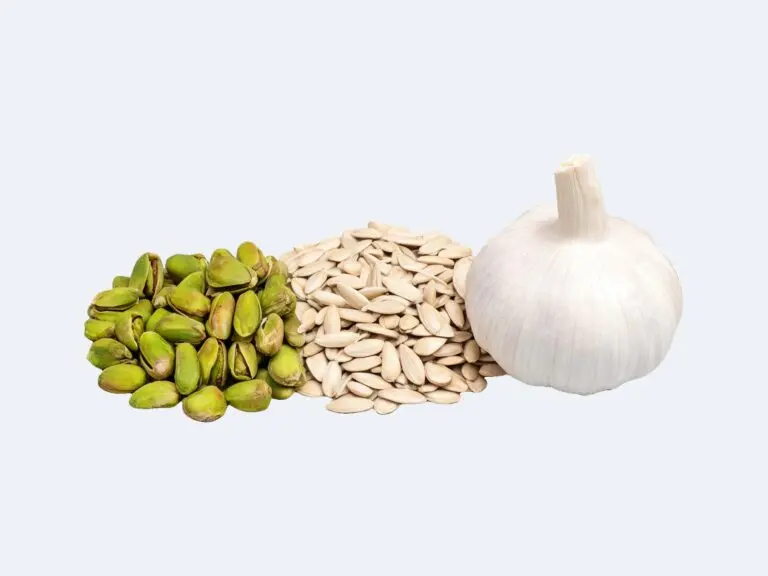
Top source: pistachio nuts, 100% DV per 100 g
Top source: chicken breast, 65% RI per 4 oz (113 g)
Top source: pistachio nuts, 121% RI per 100 g
Vitamins
Vitamin B7 (Biotin)
Biotin is sold for hair and nails, but reviews find gains only in people with a deficiency or a rare disorder. High doses can make blood tests give wrong results. This page weighs 26 studies on hair, nails, multiple sclerosis, pregnancy and lab test interference.
DV 30 µg (FDA) · RI 50 µg (EU)
RI 50 µg (EU) · DV 30 µg (FDA)
Top source: oysters, 116% DV per 3 oz (85 g)
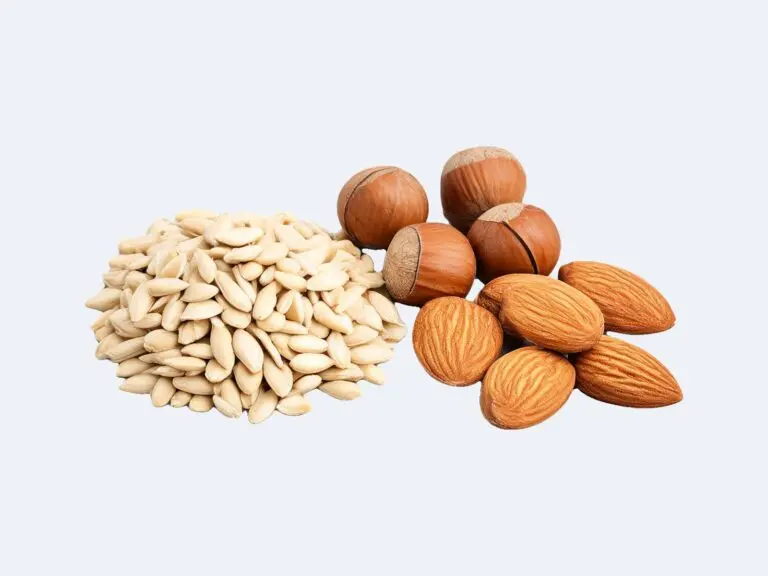
Top source: sunflower seeds, 333% DV per 100 g
Top source: oysters, 70% RI per 3 oz (85 g)
Top source: sunflower seeds, 200% RI per 100 g
Vitamins
Vitamin B9 (Folate)
Folate gets its name from the Latin for leaf. The neural tube it protects closes 21 to 28 days after conception, often before a pregnancy is known. This page weighs 35 studies on folic acid, methylfolate, stroke, cancer and food sources.
RI 200 µg (EU)
Top source: cranberry beans, 366 µg per 1 cup (177 g)
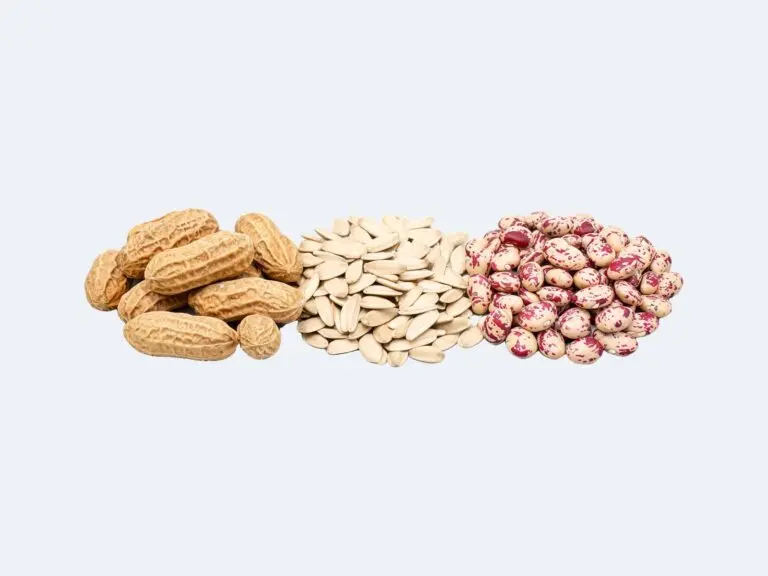
Top source: peanuts, 240 µg per 100 g
Top source: cranberry beans, 183% RI per 1 cup (177 g)
Top source: peanuts, 120% RI per 100 g
Vitamins
Vitamin C
People cannot make vitamin C, and about 10 mg a day is enough to prevent scurvy, yet the US allowance is 75 to 90 mg. Here is what trials found on colds, iron, heart disease and supplement forms, and which foods lead the list.
DV 90 mg (FDA) · RI 80 mg (EU)
RI 80 mg (EU) · DV 90 mg (FDA)
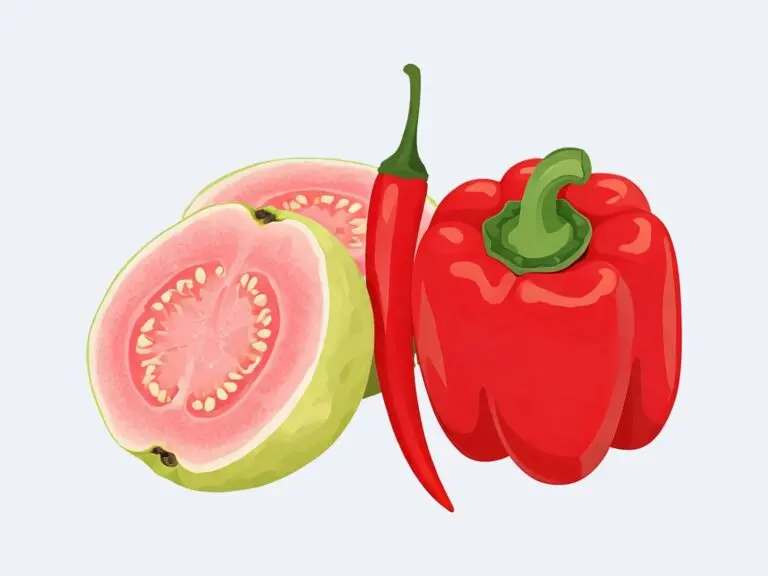
Top source: bell peppers, 169% DV per 1 medium (119 g)
Top source: guava, 254% DV per 100 g
Top source: bell peppers, 190% RI per 1 medium (119 g)
Top source: guava, 285% RI per 100 g
Vitamins
Vitamin D
Your skin makes vitamin D from sunlight, but at high latitudes in winter it can make none. Large trials of daily supplements in adults not chosen for deficiency found no fewer fractures, cancers or heart events. Here is what 35 studies show about who gains from supplements, which form works, how much is too much and which foods help.
DV 20 µg (FDA) · RI 5 µg (EU)
RI 5 µg (EU) · DV 20 µg (FDA)
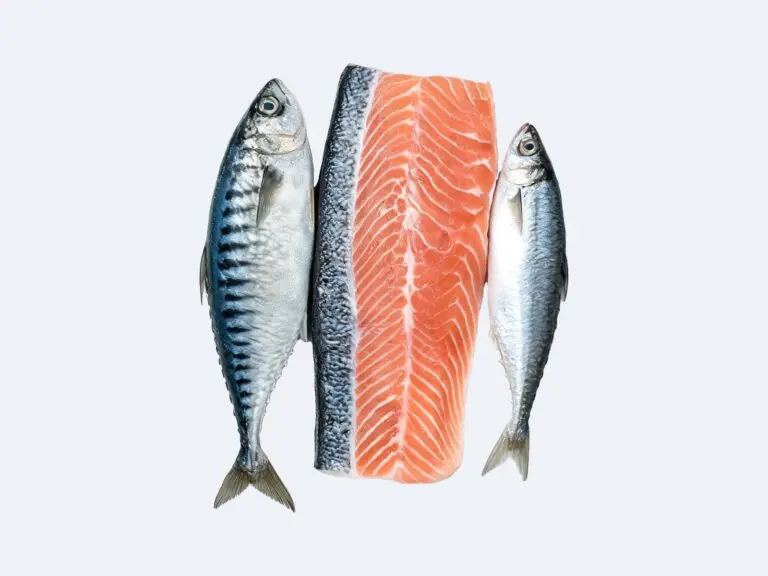
Top source: mackerel, 90% DV per 1 fillet (112 g)
Top source: mackerel, 81% DV per 100 g
Top source: mackerel, 361% RI per 1 fillet (112 g)
Top source: mackerel, 322% RI per 100 g
Vitamins
Vitamin E
A capsule labeled 400 IU can hold 268 mg or 180 mg of vitamin E, depending on whether it is natural or synthetic. Large trials found no clear protection against heart disease or cancer. Here is what 34 studies show, which foods lead the list, and where supplements can do harm.
DV 15 mg (FDA) · RI 12 mg (EU)
RI 12 mg (EU) · DV 15 mg (FDA)
Top source: sunflower seeds, 66% DV per 1 oz (28 g)
Top source: sunflower seeds, 234% DV per 100 g
Top source: sunflower seeds, 83% RI per 1 oz (28 g)
Top source: sunflower seeds, 293% RI per 100 g
Vitamins
Vitamin K
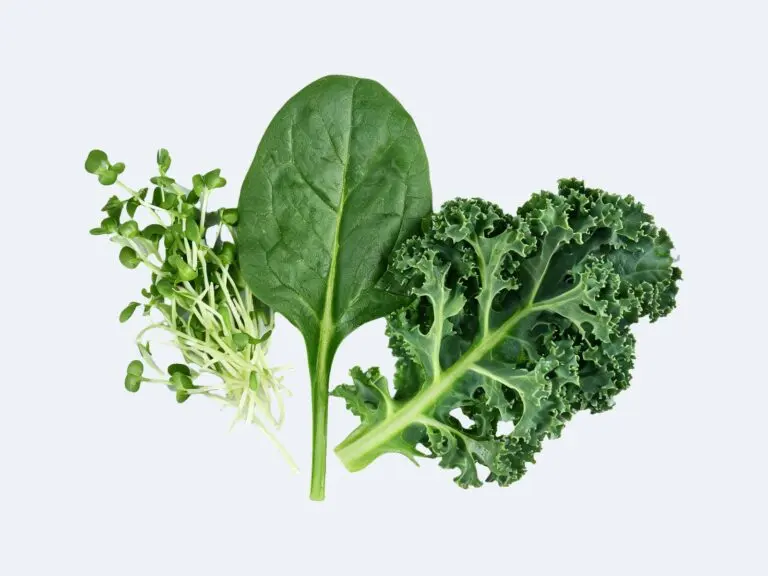
The body absorbs only 4% to 17% as much vitamin K from spinach as from a tablet, yet deficiency in healthy adults is very rare. Here is what trials found on bones, arteries and warfarin, how K1 and K2 differ, and which foods lead the list.
DV 120 µg (FDA) · RI 75 µg (EU)
RI 75 µg (EU) · DV 120 µg (FDA)
Top source: garden cress, 226% DV per 1 cup (50 g)
Top source: parsley, 1,367% DV per 100 g
Top source: garden cress, 361% RI per 1 cup (50 g)
Top source: parsley, 2,187% RI per 100 g


