16 carbohydrates
Carbohydrates
Fiber
Fiber is the part of plant food your enzymes cannot digest. US adults eat about 16 g of it a day against an adequate intake of 25 to 38 g. Here is what 35 studies show about cholesterol, bowel health, blood sugar, cancer and weight. Plus which kinds of fiber do what, and how much you need.
DV 28 g (FDA)
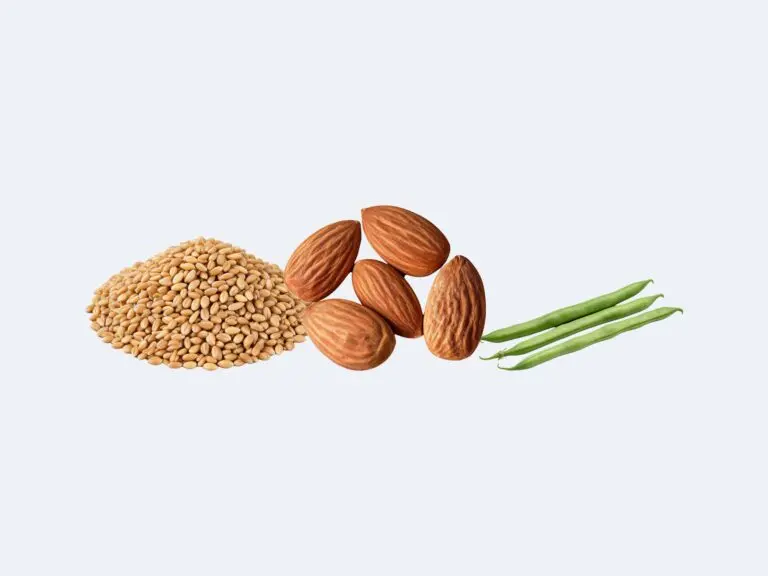
Top source: navy beans, 68% DV per 1 cup (182 g)
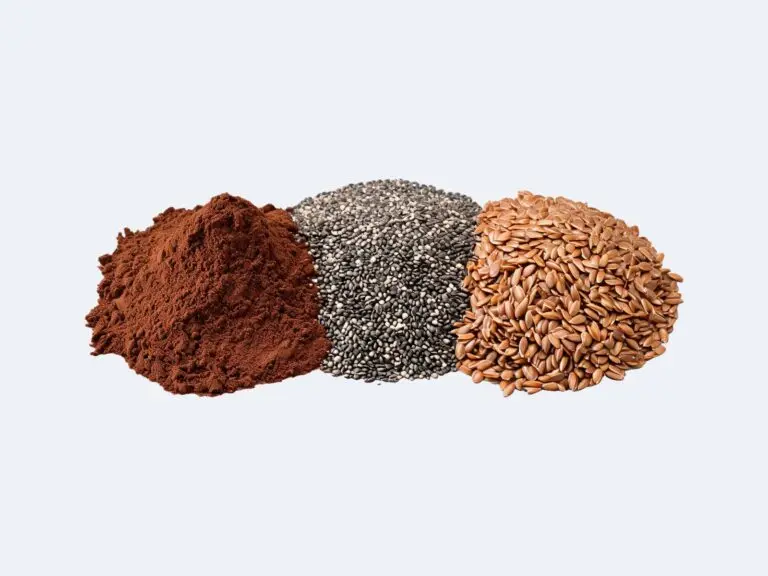
Top source: cocoa powder, 132% DV per 100 g
Top source: navy beans, 19.1 g per 1 cup (182 g)
Top source: cocoa powder, 37 g per 100 g
Fiber
Insoluble fiber
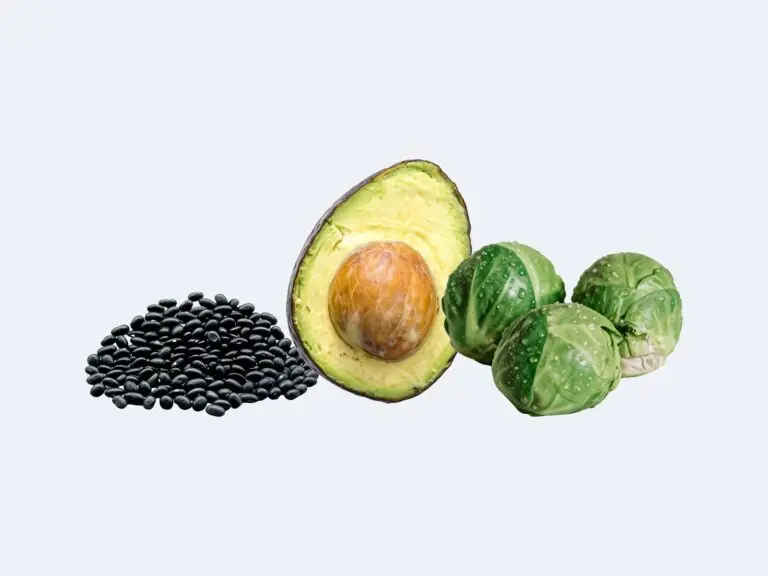
Insoluble fiber is the part of plant food that does not dissolve in water, such as cellulose and lignin. It adds bulk to stool and is fermented only a little by gut bacteria.
Insoluble fiber
Cellulose
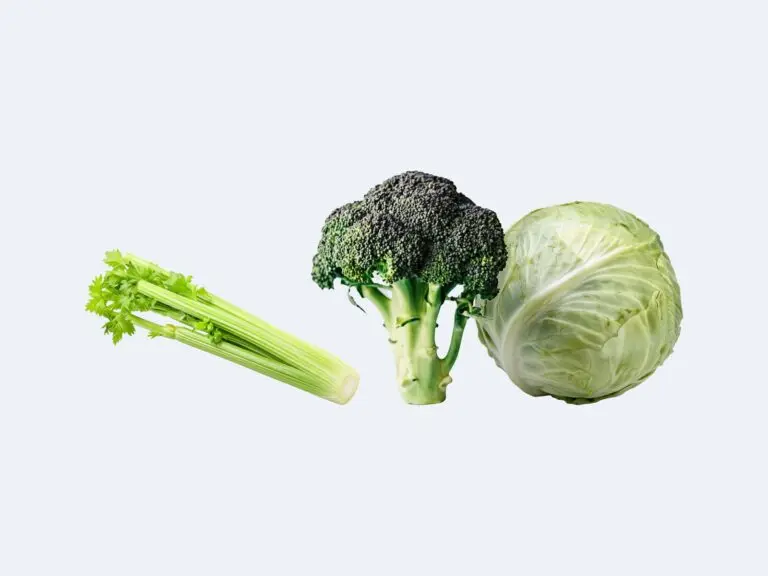
Cellulose is the glucose chain that gives plants their stiffness, and your body digests little of it. It adds bulk to stool and is used widely as a food additive.
Insoluble fiber
Lignin
Lignin is the woody part of plant fiber, and it is not a carbohydrate. Only three small human trials have tested it, and none found a significant effect.
Fiber
Soluble fiber
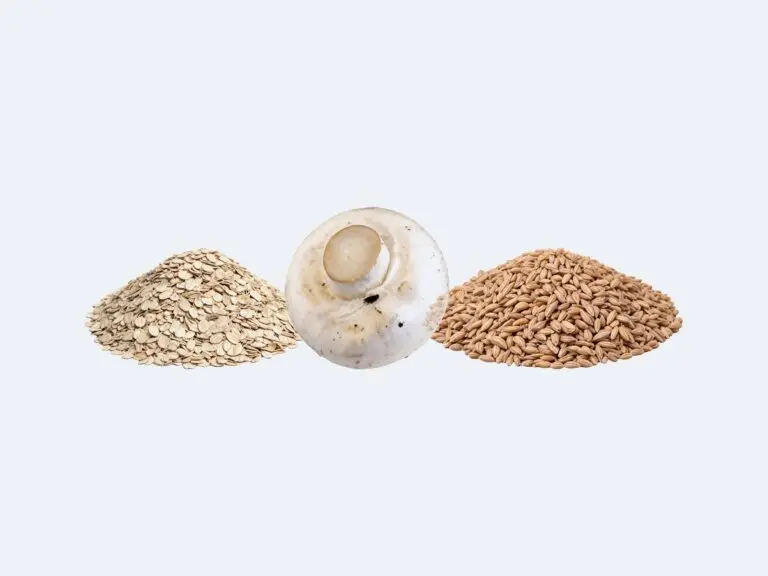
Soluble fiber dissolves in water and forms gels, as pectin, beta-glucan, psyllium and inulin do. How thick a gel it makes predicts its effect on cholesterol and blood sugar better than solubility itself.
Soluble fiber
Beta-glucan
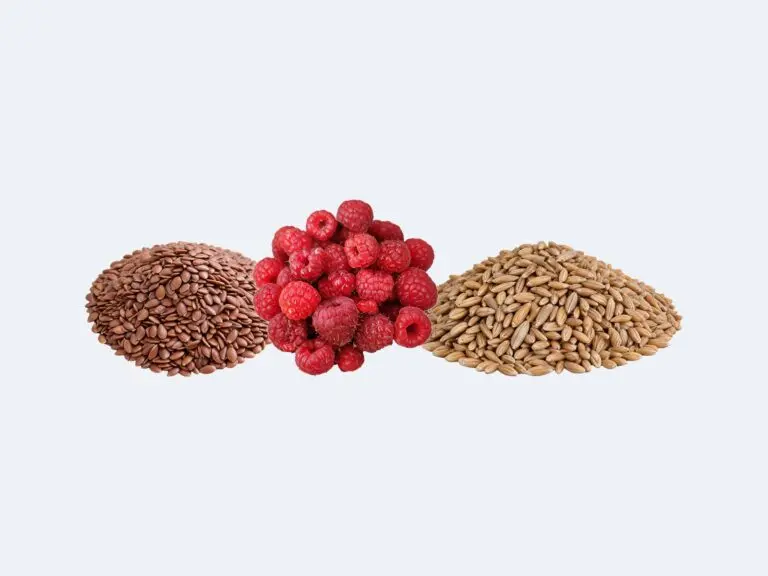
Beta-glucan is the soluble, gel-forming fiber of oats and barley. About 3 g a day lowers LDL cholesterol, and how long its chains are matters as much as how much you eat.
Soluble fiber
Fructans (inulin)
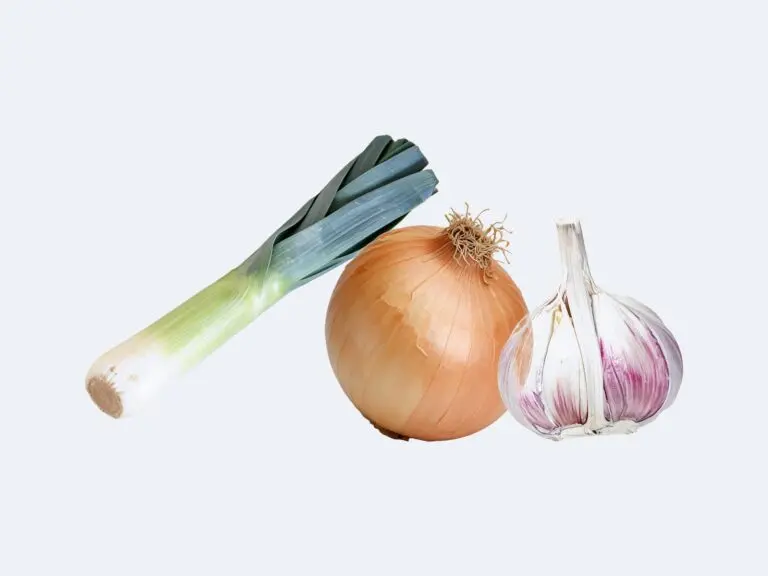
Inulin and other fructans are chains of fructose that the small intestine cannot digest, so they feed gut bacteria. The same fructans can trigger symptoms in people with irritable bowel syndrome.
Soluble fiber
Pectin
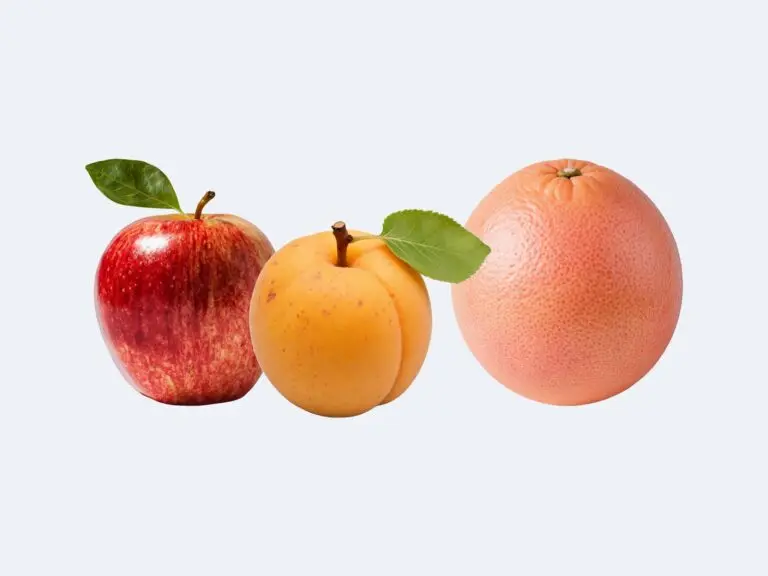
Pectin is the gel-forming fiber that sets jam and sits in the cell walls of fruits and vegetables. The EU accepts that 6 g a day helps keep blood cholesterol normal, and the type of pectin changes how well it works.
Carbohydrates
Starch
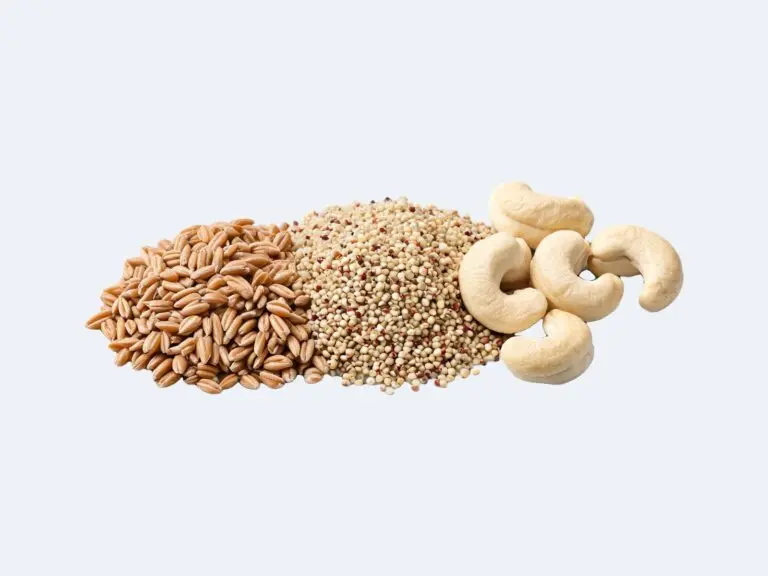
Starch is the plant's energy store, and the body digests most of it to glucose. But a small share escapes to feed gut bacteria, and that share changes when you cook and cool it. Here is what 25 studies show about blood sugar, resistant starch, whole grains versus refined grains, and acrylamide in fried and baked foods.
Top source: potatoes, 32.6 g per 1 medium potato (213 g)
Top source: spelt, 53.9 g per 100 g
Carbohydrates
Sugars
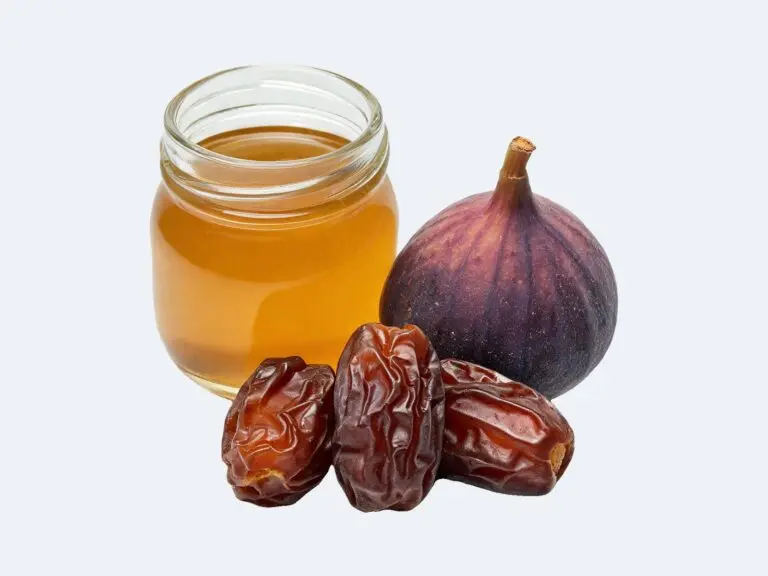
The sugar in a whole apple and the sugar in apple juice are the same molecules. Yet the WHO limit counts one and leaves out the other. This page sorts 34 studies and reports on teeth, weight, diabetes, the liver and sugar taxes. It also shows where the sugar industry shaped the story.
RI 90 g (EU)
Top source: dates, 31.9 g per 2 dates (48 g)
Top source: honey, 82.1 g per 100 g
Top source: dates, 35% RI per 2 dates (48 g)
Top source: honey, 91% RI per 100 g
Sugars
Fructose
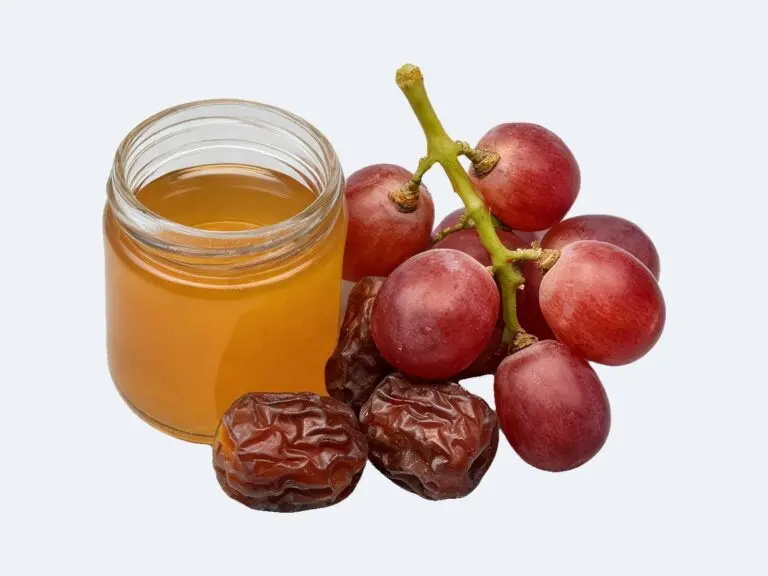
Fructose is the sugar of fruit and honey and half of table sugar, and the liver handles it very differently from glucose. Here is what 30 studies show about weight, fatty liver, gout, fruit versus juice, HFCS and intolerance, and how much is too much.
Top source: dates, 15.3 g per 2 dates (48 g)
Top source: honey, 40.9 g per 100 g

Sugars
Galactose
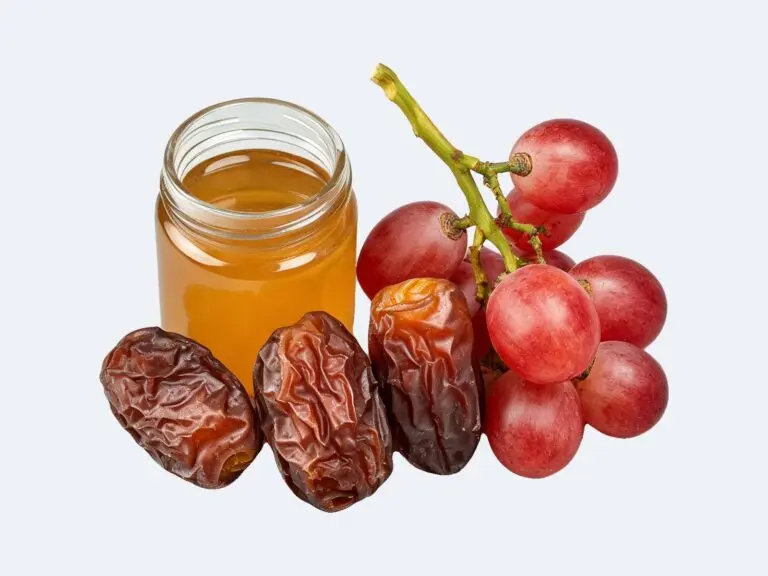
Galactose is the other half of milk sugar, and your body makes grams of its own every day. Here is what 20 studies show about galactosemia, milk and cataract or earlier death, and the lab aging model, and where the evidence runs thin.
Top source: cherries, 0.91 g per 1 cup (154 g)
Top source: honey, 3.1 g per 100 g
Sugars
Glucose
Glucose is the sugar your cells and brain run on, yet most of it comes from starch, not from foods that contain free glucose. Here is what 30 studies show about blood sugar, the glycemic index, sports drinks and treating low blood sugar, and how much you need.
Top source: dates, 16.2 g per 2 dates (48 g)
Top source: honey, 35.8 g per 100 g
Sugars
Lactose
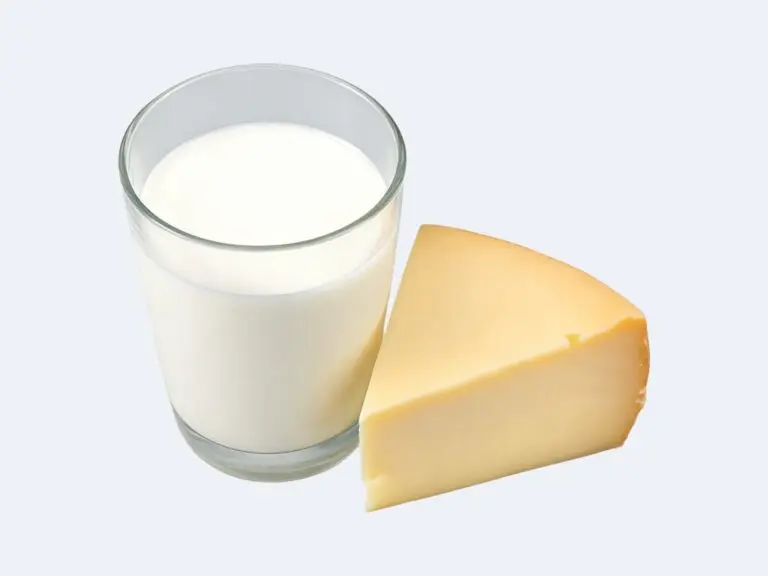
Lactose is the sugar of milk, and most adults worldwide stop making the enzyme that splits it. Here is what 23 studies show about who really has a problem, how much milk most people tolerate, and what helps.
Top source: semi-skimmed cows milk, 12.3 g per 1 cup (246 g)
Top source: semi-skimmed cows milk, 5.01 g per 100 g
Sugars
Maltose
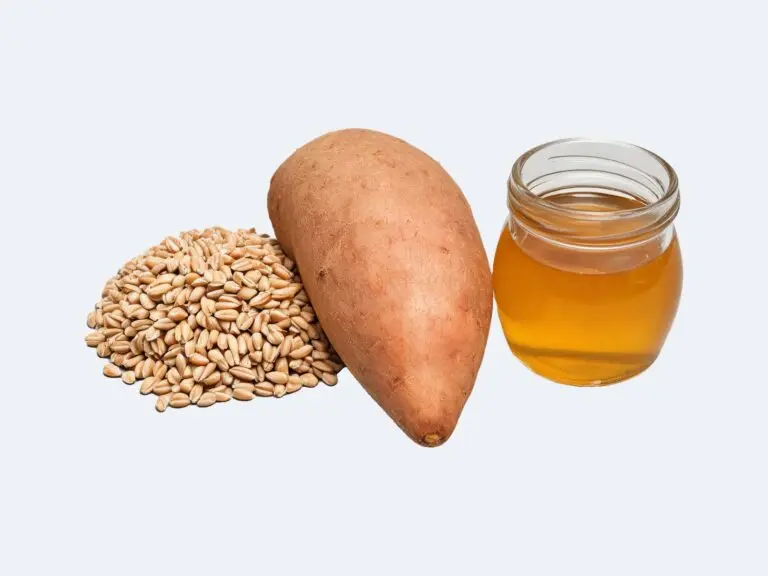
Maltose is malt sugar: two glucose units that your own amylase makes when it breaks starch down. Here is what 18 studies show about digestion, sports drinks, teeth, glucose meters and rare enzyme deficiencies. We also explain why almost nothing has tested maltose by itself.
Top source: sweet potatoes, 5.04 g per 1 medium (151 g)
Top source: spelt, 5.15 g per 100 g
Sugars
Sucrose
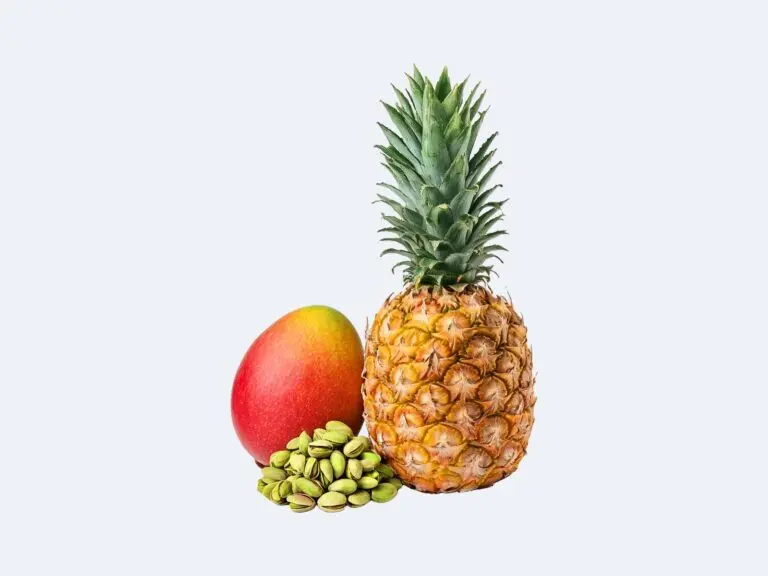
Sucrose is table sugar: glucose joined to fructose, split by an enzyme on the gut lining. Here is what 30 studies show about weight, teeth, children’s behavior, diabetes and newborn pain relief, and how much is too much.
Top source: mango, 11.5 g per 1 cup (165 g)
Top source: mango, 6.97 g per 100 g


