
Oxalic acid is a small organic acid that plants make and store, often as tiny crystals of calcium oxalate. A plant biology review says the crystals help the plant regulate its calcium and protect it from being eaten. In food the acid appears as oxalate. That means soluble salts, such as sodium or potassium oxalate, and insoluble calcium oxalate.
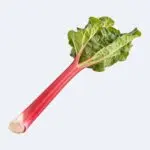
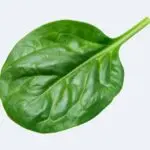
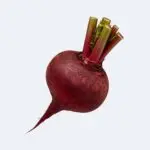
Spinach, rhubarb, beets, sorrel and cocoa are well-known sources.
Some of those crystals are needle-shaped, and in plants of the arum family they can irritate the mouth. Rhubarb leaves are often blamed for poisonings because of their oxalate. But one review says anthraquinone compounds are thought to be the cause instead.
Your body makes oxalate too. Older estimates gave food only 10 to 20% of the oxalate in urine, while controlled-diet work found 24 to 42%.
Here is the part most people do not know. How much oxalate you absorb depends heavily on the calcium in the same diet. In healthy volunteers, 17% of an oxalate dose was absorbed with 200 mg of calcium a day, and only 2.6% with 1,200 mg.
Dietary oxalate has no known benefit for people, so this page is about what it does and who should be careful.
Health benefits of oxalic acid
Dietary oxalate has no known benefit for people. The body does not use it, and nearly all absorbed oxalate leaves in the urine. So the studies below are about its effects and risks, not benefits, and none of them reaches strong evidence.
The best-supported findings are these. Calcium eaten with oxalate sharply cuts how much is absorbed. High doses of vitamin C raise urinary oxalate. Weight-loss surgery that causes fat malabsorption raises oxalate and stone risk, and boiling lowers the oxalate in vegetables.
In everyday diets, oxalate intake is a modest stone risk at most. Here is what 26 studies found, strongest evidence first, including the ones that found little or nothing.
Normal to high calcium, low protein and low sodium may cut stones
This systematic review covered 31 studies, 26 randomized trials and 5 non-randomized, in adults and children with calcium oxalate or calcium phosphate stones. Such a diet may reduce stone recurrence, but the evidence is low certainty. More water, thiazide drugs, alkali treatment and allopurinol may help too. A low-oxalate diet is not among the measures named in the abstract, and PCORI and AHRQ funded the review.
More calcium, less oxalate absorbed: from 17% down to 2.6%
Healthy volunteers took a labeled dose of sodium oxalate, a soluble salt, at calcium intakes from 200 to 1,800 mg a day. Between 200 and 1,200 mg the absorbed share fell in a straight line, about 1 percentage point for each 70 mg of calcium. At 1,800 mg absorption was 1.7%. A salt dose is not the same as oxalate bound in food, and the abstract does not give the number of volunteers.
Very high calcium kept urinary oxalate far lower on a high-oxalate diet
Fourteen healthy men ate standardized diets holding 2,220 mg of oxalate, about 20 times an average diet. They did it once with 1,211 mg of calcium and once with 3,858 mg, about three times as much. Urinary oxalate was 780 µmol a day with normal calcium and 326 µmol with high calcium, against 322 µmol on a free-choice diet. Calcium oxalate crystals showed up in 5 of 8 morning urines on the oxalate diet and once on the high-calcium diet.
Food supplied 24% to 42% of urinary oxalate, more than once assumed
Adults ate controlled diets with 10, 50 or 250 mg of oxalate per 2,500 kcal, plus formula diets. The share from food rose with intake, against the 10 to 20% once assumed. When calcium in the 250 mg diet was cut from 1,002 to 391 mg, urinary oxalate rose by 28.2% and the food share reached 52.6%. The abstract does not give the number of people.
Show 22 more studies
High-dose vitamin C raised urinary oxalate in 19 of 48 people
29 stone formers and 19 people without stones ate a controlled diet, in random order. They took 1,000 mg of vitamin C twice a day for 6 days and none for 6 days. Stone formers and others responded alike. In the 19 responders, oxalate absorption rose 31% (10.5% against 8.0%), and the body’s own oxalate production rose 39%. The paper notes the recommended upper limit for vitamin C is 2,000 mg a day.
2 g of vitamin C daily raised urinary oxalate, stones or not
12 healthy people and 12 stone formers ate a controlled diet for two 6-day phases, in random order. They took 1 g of vitamin C or placebo twice a day. Oxalate in 24-hour urine was 34.7 against 28.5 mg in healthy people and 41.0 against 30.5 mg in stone formers. Calcium oxalate saturation rose in both groups, and urinary pH did not change; the authors advise stone formers to stay under 2 g a day.
Calcium in spinach was absorbed at 5.1%, against 27.6% from milk
13 healthy adults ate test meals with 200 mg of tracer-labeled calcium each, in random order. The spinach held a slight excess of oxalate over calcium, so nearly all its calcium was probably bound. Absorption from milk was higher in every person.
Oxalate absorption was 5.9% from almonds and 1.8% from black beans
Eleven healthy volunteers ate a test meal with 120 mg of oxalate, and absorption was judged from the oxalate in urine over 24 hours. A labeled oxalate dose of 20 mg mixed into the foods was absorbed at 7.9% and 8.6%. So the label did not behave like the oxalate built into the foods, and the authors link the gap to the share of soluble oxalate.
A DASH-style diet did not clearly beat a low-oxalate diet
57 recurrent stone formers with urine oxalate above 40 mg a day were randomized for 8 weeks, and 41 finished. DASH is a diet rich in fruit, vegetables and low-fat dairy. On it, urinary oxalate tended to be 9.0 mg a day higher, yet calcium oxalate saturation tended to be lower. Urine also held more magnesium and citrate, and the authors list the small sample, as-treated analysis and results that could be chance as limits.
After bariatric surgery, an oxalate load raised urinary oxalate much more
Urine was collected from 61 patients a median of 48 months after surgery, and from 30 obese controls. A load of 375 mg of oxalate, taken as spinach juice, was tested in 22 patients after surgery and 21 obese controls. The 6-hour rise was clearly higher after surgery, and higher than before surgery in 10 patients. The authors read it as more oxalate absorbed by the gut.
After gastric bypass, plasma oxalate and stone-forming saturation rose
11 severely obese people (9 had Roux-en-Y bypass, 2 had a biliopancreatic diversion) were measured before surgery and at 6 and 12 months. Plasma oxalate and urinary calcium oxalate saturation rose. Fecal fat was higher after surgery, pointing to fat malabsorption. The authors conclude that enteric hyperoxaluria, too much oxalate in urine from the gut, is often present after operations that use malabsorption for weight loss.
Top oxalate intake: 21 to 22% higher stone risk in some groups
The study followed three US cohorts: 45,985 men, 92,872 older women and 101,824 younger women, with 4,605 stones. Food questionnaires came every 4 years. The highest fifth of oxalate intake had higher risk in men and older women, but not in younger women. Average intake was 183 to 214 mg a day, and spinach gave over 40% of it. Spinach 8 or more times a month, against less than once, went with 30% higher risk in men and 34% in older women. Still, the authors conclude the data do not implicate dietary oxalate as a major risk factor.
79% higher kidney stone risk after Roux-en-Y gastric bypass
This meta-analysis pooled 12 observational studies (1.79 times the risk). After surgery, calcium oxalate saturation was higher and urine citrate and volume were lower than before. Urine oxalate was higher than in people who had no surgery. Observational studies cannot show cause.
Men on high-dose vitamin C pills had 19% higher stone risk
Three cohorts with 156,735 women and 40,536 men had 6,245 stones over about 11 years. In men, supplements of 1,000 mg or more a day went with 1.19 times the risk. The top group of total intake went with 1.43 times, and women showed no rise. Vitamin C from food was not linked, though few people ate over 700 mg a day from food, and intake came from food questionnaires.
Each daily cup of tea: 8% lower stone risk in women
The Nurses’ Health Study followed 81,093 women for 8 years, and 719 had stones. Per 240 mL serving a day, risk was 10% lower for coffee and 9% lower for decaf. The highest fluid intake went with 38% lower risk, and grapefruit juice with 44% higher risk. Black tea carries oxalate, but in this study more tea went with fewer stones.
Vegetarians had fewer kidney stones than heavy meat eaters
The Oxford arm of the EPIC cohort followed 51,336 people, and 303 had a first hospital stone episode. Vegetarians had lower risk than people eating over 100 g of meat a day. High intakes of fresh fruit, wholegrain fiber and magnesium also went with lower risk, and high zinc with higher risk. The abstract does not report oxalate intake, so it cannot say what role oxalate played.
Kidney disease: high urine oxalate went with more progression and kidney failure
This cohort followed 3,123 people with chronic kidney disease over 22,318 person-years. The top fifth, 27.8 mg or more in 24 hours, was compared with under 11.5 mg. It had a 33% higher risk of kidney disease progression (1.33 times) and 45% higher risk of kidney failure (1.45 times). Urine oxalate reflects both food and the body’s own production, so this does not show food was the cause. Two authors report grants or fees from Allena Pharmaceuticals.
Stone formers less often carried an oxalate-eating gut bacterium
This case-control study compared 247 people with recurrent calcium oxalate stones and 259 matched controls. Stool culture found Oxalobacter formigenes in 17% of stone formers against 38% of controls. After adjusting for dietary oxalate and antibiotic use, carriers of the bacterium had 0.3 times the odds of stones. Surprisingly, urinary oxalate did not differ with colonization.
After bariatric surgery, urinary oxalate was much higher
58 people without stones had laparoscopic Roux-en-Y bypass (52) or biliopancreatic diversion (6). Urine collected at least 6 months later averaged 67.2 mg of oxalate a day, against 34.1 mg in controls from a commercial database. Of the 58, 74% had high oxalate in at least one collection and 26% had more than 100 mg a day in at least one. The diversion group averaged 90 mg and the bypass group 62 mg.
Single center: 23 oxalate stone or kidney cases after gastric bypass
This look back covered people with calcium oxalate stones (21) or oxalate nephropathy (2) after Roux-en-Y bypass, with a mean follow-up of 55 months. All had enteric hyperoxaluria, and 2 needed long-term dialysis. Of the 21 with stones, 14 had never had one before surgery, and 19 needed lithotripsy or another procedure. These are selected cases, so the review cannot give how often it happens.
In oxalate kidney damage, 33% of patients died
This systematic review of 57 case reports and 10 case series covered 108 biopsy-proven cases of secondary oxalate nephropathy. More than half needed kidney replacement therapy, such as dialysis. Fat malabsorption was the attributed cause in 88% and excessive dietary oxalate in 20%. The authors call the condition rare but potentially devastating, and call for prevention and treatment studies.
Four men got acute kidney injury after eating star fruit
This case series from Sri Lanka covered men aged 28, 50, 54 and 55. They had nausea, vomiting, abdominal and back pain, then low urine output, and two needed hemodialysis. Urine and kidney biopsies showed calcium oxalate crystals, and all recovered normal kidney function within a month. A case series cannot say how common this is.
Large amounts of sour star fruit juice caused acute kidney damage
These were the first two reported cases, from Taiwan; both needed hemodialysis for acute oxalate nephropathy. Both people drank pure or lightly diluted juice as a folk remedy, and kidney function returned after 4 weeks. The authors say commercial juice is pickled and diluted, which cuts its oxalate markedly. An empty stomach and dehydration may add risk.
A woman got kidney failure after a green smoothie juice cleanse
This case report describes a 65-year-old woman whose juice came from oxalate-rich leafy vegetables and fruits; her kidney function had been normal before. Acute oxalate nephropathy progressed to end-stage kidney disease. She had a remote gastric bypass and recent prolonged antibiotics. The authors name those as risk factors, along with chronic kidney disease.
High-dose hospital vitamin C was the only cause found for kidney damage
A 57-year-old woman got about 30 g of vitamin C over 2.5 months in intensive care. She had septic shock from Legionella pneumonia and kidney injury, and needed kidney replacement therapy for 75 days. A biopsy on day 72 showed severe acute oxalate nephropathy, and her eGFR (a kidney function score) was 24 at month 6. This was a hospital treatment, not dietary vitamin C.
Boiling cut soluble oxalate in vegetables by 30 to 87%, steaming less
This was a food analysis, not a study in people. Nine kinds of raw and cooked vegetables were tested with an enzyme method. Steaming cut soluble oxalate by 5 to 53%, and baked potatoes lost none. Almost all the oxalate lost in boiling and steaming turned up in the cooking water, and losses of insoluble oxalate ranged from 0 to 74%. Soluble oxalate seems to be absorbed better, so the authors suggest boiling.
Foods high in oxalic acid
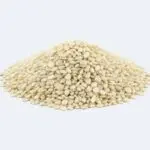
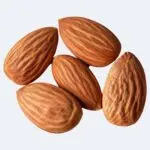
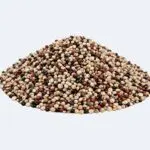
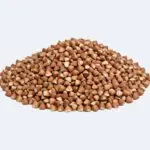
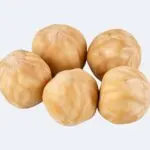
Oxalate is mostly a plant compound, and meat is generally low in it. Among vegetables, spinach, rhubarb, sorrel, chard and beet greens, and purslane lead. Cocoa, sesame seeds, wheat bran, almonds and dry beans are also high.
The ranking below uses the total oxalate values of one laboratory in Bonn (sources 1 and 3). We use them wherever our food is the same form as the food analysed, plus a Danish database value for cocoa powder. Our beans, lentils, chickpeas and sweet potatoes are cooked, while the published values are for dry seeds or raw tubers, so they are not ranked.
Published measurements vary widely. Raw spinach is 320 to 1,260 mg per 100 g in older values and 1,959 mg in a newer one. Eleven soybean cultivars ranged from 670 to 3,500 mg per 100 g of dry seed.
Average intake in three US cohorts was 183 to 214 mg a day, and spinach supplied more than 40% of it. Depending on the study, 100 g of raw spinach holds from 970 mg (the average of older values) to 1,959 mg.
Tea matters in some diets. A test of 32 teas found black tea at 4.68 to 5.11 mg of soluble oxalate per gram of leaf. So six cups a day would give about 18 to 99 mg.
Per serving. No daily amount is set, so bars compare each food with the top food.
Per 100 g. No daily amount is set, so bars compare each food with the top food.
Per 100 kcal: the same calories of each food, for a fair comparison. Bars compare each food with the top food.
Food labels have no Daily Value or Reference Intake for oxalic acid, so the % compares each food with the top food.
- 1.
- 2.
- 3.
- 4.
- 5.
- 6.
- 7.
- 8.
- 9.
- 10.


- 1.
- 2.
- 3.
- 4.
- 5.
- 6.
- 7.
- 8.
- 9.
- 10.

- 1.
- 2.
- 3.
- 4.
- 5.
- 6.
- 7.
- 8.
- 9.
- 10.

Sources
- Siener R. Nutrition and kidney stone disease. Nutrients. 2021. Table 3, which quotes measurements from the author’s laboratory in Bonn (HPLC-enzyme-reactor method) and cooked spinach at 364 mg per 100 g.
- Noonan SC, Savage GP. Oxalate content of foods and its effect on humans. Asia Pac J Clin Nutr. 1999. Table 1, fresh weight, values quoted from earlier analyses.
- Siener R, Hönow R, Voss S, Seidler A, Hesse A. Oxalate content of cereals and cereal products. J Agric Food Chem. 2006.
- Massey LK, Palmer RG, Horner HT. Oxalate content of soybean seeds (Glycine max: Leguminosae), soyfoods, and other edible legumes. J Agric Food Chem. 2001.
- Charrier MJ, Savage GP, Vanhanen L. Oxalate content and calcium binding capacity of tea and herbal teas. Asia Pac J Clin Nutr. 2002.
- Taylor EN, Curhan GC. Oxalate intake and the risk for nephrolithiasis. J Am Soc Nephrol. 2007. Average intakes and the share from spinach.
How oxalic acid works
Most of what we know about the body’s handling of oxalate comes from feeding studies in people, with the kidney damage mechanism coming from mice. Four ideas explain most of it. Oxalate binds calcium in the gut, what is absorbed leaves in urine, crystals can inflame the kidney, and some gut bacteria break it down. Here is each one, and what has been seen in people.
It ties up calcium in the gut
In the gut, oxalate and calcium form calcium oxalate, which is not absorbed and leaves in stool. That works in both directions. Calcium eaten with oxalate keeps oxalate out of your body, and oxalate in a food keeps that food’s own calcium out too. In healthy volunteers, oxalate absorption fell in a straight line as daily calcium rose from 200 to 1,200 mg.
Drawn to scale. The dose was sodium oxalate, a soluble salt, given to healthy volunteers.
The reverse is why spinach is a poor calcium source. It holds plenty of calcium, but nearly all of it is bound to oxalate. Oxalate absorption also differs by food: 5.9% from almonds against 1.8% from black beans in one test. A review puts food oxalate absorption at 2 to 15%.
Drawn to scale. Both test meals held 200 mg of calcium. The spinach held a slight excess of oxalate over its calcium.
Most of what is absorbed leaves in the urine
Once oxalate is absorbed, the body cannot break it down, and the kidneys send it out in urine. There it can bind calcium and form stones, and higher urinary oxalate raises the risk of calcium oxalate stones. A 2019 review says about half of urinary oxalate comes from food and half from the body’s own production.
The controlled-diet study below shows how much the share moves with intake and with calcium.
Drawn to scale. Diets were set at 2,500 kcal a day. The abstract gives the calcium only for the two 250 mg diets.
Crystals can inflame the kidney
In mice, calcium oxalate crystals in the kidney did more than block tubes. They activated immune cells through NLRP3, a switch that sets off the inflammatory signal IL-1β. Mice missing parts of that switch had little inflammation or kidney damage even with the same amount of crystals, and blocking IL-1 protected them.
This may help explain why large oxalate loads injure the kidney, but it was shown in mice.
The chain of events described in mice. It has not been shown to work the same way in people.
Some gut bacteria break it down
Oxalobacter formigenes is a gut bacterium that digests oxalate. In a case-control study, 17% of people with recurrent stones carried it, against 38% of controls. Oral probiotics meant to break down oxalate have given promising but mixed results, according to a 2011 review. Prolonged antibiotics were one of the risk factors in the green smoothie case above.
What has been seen in people
The calcium effect is large in controlled feeding studies. 17% of a dose was absorbed at 200 mg of calcium against 2.6% at 1,200 mg. At 3,858 mg, urinary oxalate did not rise even on a 20-fold oxalate load.
The effect of ordinary food oxalate on stones is modest. Between the lowest and highest fifth of intake, risk was 21 to 22% higher in men and older women.
The big effects come when absorption is raised, as after weight-loss surgery (79% higher stone risk). They also come when very large amounts are taken, as in the star fruit and smoothie cases. All of these are among the study cards above.
Sources
- Franceschi VR, Nakata PA. Calcium oxalate in plants: formation and function. Annu Rev Plant Biol. 2005.
- Noonan SC, Savage GP. Oxalate content of foods and its effect on humans. Asia Pac J Clin Nutr. 1999.
- von Unruh GE, Voss S, Sauerbruch T, Hesse A. Dependence of oxalate absorption on the daily calcium intake. J Am Soc Nephrol. 2004.
- Heaney RP, Weaver CM, Recker RR. Calcium absorbability from spinach. Am J Clin Nutr. 1988.
- Chai W, Liebman M. Assessment of oxalate absorption from almonds and black beans with and without the use of an extrinsic label. J Urol. 2004.
- Liebman M, Al-Wahsh IA. Probiotics and other key determinants of dietary oxalate absorption. Adv Nutr. 2011.
- Massey LK, Palmer RG, Horner HT. Oxalate content of soybean seeds (Glycine max: Leguminosae), soyfoods, and other edible legumes. J Agric Food Chem. 2001. Abstract used for the point that absorbed oxalate cannot be metabolized and is excreted in urine.
- Mitchell T, Kumar P, Reddy T, et al. Dietary oxalate and kidney stone formation. Am J Physiol Renal Physiol. 2019.
- Holmes RP, Goodman HO, Assimos DG. Contribution of dietary oxalate to urinary oxalate excretion. Kidney Int. 2001.
- Mulay SR, Kulkarni OP, Rupanagudi KV, et al. Calcium oxalate crystals induce renal inflammation by NLRP3-mediated IL-1β secretion. J Clin Invest. 2013.
- Kaufman DW, Kelly JP, Curhan GC, et al. Oxalobacter formigenes may reduce the risk of calcium oxalate kidney stones. J Am Soc Nephrol. 2008.
- Hess B, Jost C, Zipperle L, Takkinen R, Jaeger P. High-calcium intake abolishes hyperoxaluria and reduces urinary crystallization during a 20-fold normal oxalate load in humans. Nephrol Dial Transplant. 1998.
- Taylor EN, Curhan GC. Oxalate intake and the risk for nephrolithiasis. J Am Soc Nephrol. 2007.
Is oxalic acid safe? Foods, supplements and who should be careful
For most people, the oxalate in a normal diet is not a safety concern. In three US cohorts, average intake was 183 to 214 mg a day. The authors said the data do not implicate dietary oxalate as a major risk factor for stones. We found no upper intake level set for dietary oxalate.
The American Urological Association’s 2014 guideline covers people with calcium oxalate stones and relatively high urinary oxalate. It advises them to limit oxalate-rich foods and keep calcium intake normal, and grades that advice as expert opinion, not trial evidence. A review describes one fatal poisoning from sorrel soup and puts the smallest fatal dose at 4 to 5 g of oxalate.
- Kidney stones. Most kidney stones are calcium oxalate. Authors of a 2019 review advise stone formers to stay hydrated, avoid oxalate-rich foods and eat enough calcium. They suggest that urinary oxalate above 25 mg a day may be worth lowering. A 2026 systematic review found that a diet with normal to high calcium may reduce recurrence, with low certainty.
- Very large amounts. Case reports describe kidney failure after large amounts of star fruit juice and after a green smoothie cleanse. In a review of 108 cases, 20% were attributed to excessive dietary oxalate. Chronic kidney disease, gastric bypass and recent antibiotics raise the risk. These cases are rare, and they cannot show how common the problem is.
- Gut surgery, fat malabsorption and rare genetic disease. After Roux-en-Y bypass, stone risk was 79% higher in a meta-analysis. Treatment options for enteric hyperoxaluria are fixing the gut problem, strict diet changes and calcium salts to bind oxalate. Their effect on stones or kidney disease is unproven. Primary hyperoxaluria is a separate inherited condition in which the liver makes too much oxalate, and diet is not its cause. In a 6-month trial in 39 people, the drug lumasiran cut urinary oxalate by 65.4%. That was 53.5 percentage points more than placebo, and its maker, Alnylam, funded the trial.
- Vitamin C supplements. The body turns some vitamin C into oxalate. Taking 1,000 mg twice a day raised urinary oxalate in 40% of 48 people. Men taking 1,000 mg or more as supplements had 19% higher stone risk in a cohort. If you have had stones, ask your doctor before taking high-dose vitamin C.
How to lower oxalate in your diet
- Eat calcium with oxalate-rich foods. Oxalate absorption fell from 17% to 2.6% as calcium rose from 200 to 1,200 mg a day. The authors of the 20-fold-load trial advise getting enough calcium, especially at oxalate-rich meals.
- Boil, then throw out the water. Boiling cut soluble oxalate by 30 to 87% and steaming by 5 to 53%. Almost all the lost oxalate was in the cooking water.
- Get calcium from low-oxalate foods. Spinach calcium was absorbed at 5.1% against 27.6% from milk. In 11 women, calcium from kale, a low-oxalate vegetable, was absorbed at 40.9% against 32.1% from milk.
Sources
- Pearle MS, Goldfarb DS, Assimos DG, et al. Medical management of kidney stones: AUA guideline. J Urol. 2014. The oxalate statement was read in the guideline text. A 2026 update exists (Part I).
- Taylor EN, Curhan GC. Oxalate intake and the risk for nephrolithiasis. J Am Soc Nephrol. 2007.
- Noonan SC, Savage GP. Oxalate content of foods and its effect on humans. Asia Pac J Clin Nutr. 1999. Fatal dose range.
- Mitchell T, Kumar P, Reddy T, et al. Dietary oxalate and kidney stone formation. Am J Physiol Renal Physiol. 2019.
- Asher GN, Viprakasit DP, Aymes SE, et al. Prevention of recurrent nephrolithiasis in adults and children: a systematic review. Ann Intern Med. 2026.
- Herath N, Kodithuwakku G, Dissanayake T, et al. Acute kidney injury following star fruit ingestion: a case series. Wilderness Environ Med. 2021.
- Makkapati S, D’Agati VD, Balsam L. “Green smoothie cleanse” causing acute oxalate nephropathy. Am J Kidney Dis. 2018.
- Lumlertgul N, Siribamrungwong M, Jaber BL, Susantitaphong P. Secondary oxalate nephropathy: a systematic review. Kidney Int Rep. 2018.
- Upala S, Jaruvongvanich V, Sanguankeo A. Risk of nephrolithiasis, hyperoxaluria, and calcium oxalate supersaturation increased after Roux-en-Y gastric bypass surgery: a systematic review and meta-analysis. Surg Obes Relat Dis. 2016.
- Witting C, Langman CB, Assimos D, et al. Pathophysiology and treatment of enteric hyperoxaluria. Clin J Am Soc Nephrol. 2021.
- Garrelfs SF, Frishberg Y, Hulton SA, et al. Lumasiran, an RNAi therapeutic for primary hyperoxaluria type 1. N Engl J Med. 2021. Funded by Alnylam Pharmaceuticals, whose staff are among the authors.
- Massey LK, Liebman M, Kynast-Gales SA. Ascorbate increases human oxaluria and kidney stone risk. J Nutr. 2005.
- Ferraro PM, Curhan GC, Gambaro G, Taylor EN. Total, dietary, and supplemental vitamin C intake and risk of incident kidney stones. Am J Kidney Dis. 2016.
- von Unruh GE, Voss S, Sauerbruch T, Hesse A. Dependence of oxalate absorption on the daily calcium intake. J Am Soc Nephrol. 2004.
- Hess B, Jost C, Zipperle L, Takkinen R, Jaeger P. High-calcium intake abolishes hyperoxaluria and reduces urinary crystallization during a 20-fold normal oxalate load in humans. Nephrol Dial Transplant. 1998.
- Chai W, Liebman M. Effect of different cooking methods on vegetable oxalate content. J Agric Food Chem. 2005.
- Heaney RP, Weaver CM, Recker RR. Calcium absorbability from spinach. Am J Clin Nutr. 1988.
- Heaney RP, Weaver CM. Calcium absorption from kale. Am J Clin Nutr. 1990.
Frequently asked questions about oxalic acid
Does oxalic acid have any health benefits?
No benefit is known. The body does not use dietary oxalate, and nearly all absorbed oxalate leaves in the urine. The 26 studies on this page are about its effects and risks, and none found a benefit from eating it. That does not make oxalate-containing foods a problem for most people. In three US cohorts, the authors did not see dietary oxalate as a major risk factor for stones.
Which foods are highest in oxalate?
Among vegetables, spinach, rhubarb, sorrel, chard and beet greens, and purslane lead. Raw spinach holds 320 to 1,260 mg per 100 g in older values and 1,959 mg in a newer one. Sesame seeds, cocoa powder, wheat bran, almonds and dry beans are also high. In three US cohorts, spinach supplied more than 40% of oxalate intake.
Does oxalate cause kidney stones?
It can contribute, but food oxalate is a modest risk for most people. In three US cohorts, the highest fifth of intake had 21 to 22% higher stone risk in men and older women. Younger women had no higher risk. The authors said the data do not implicate dietary oxalate as a major risk factor. Roux-en-Y gastric bypass raises the risk more, by 79% in a meta-analysis of observational studies.
Should you avoid spinach because of oxalate?
The cohort studies do not support avoiding it for most people. Eating spinach 8 or more times a month, against less than once, went with 30% higher stone risk in men and 34% in older women. Its calcium is poorly absorbed, 5.1% against 27.6% for milk. If you have had calcium oxalate stones, ask your doctor, since the AUA advises limiting oxalate-rich foods when urinary oxalate is high.
Does cooking reduce oxalate?
Boiling does, steaming less so. Boiling cut soluble oxalate in vegetables by 30 to 87% and steaming by 5 to 53%, and baked potatoes lost none. Almost all the lost oxalate was in the cooking water, so discard it. A review table lists raw spinach at 1,959 mg per 100 g and cooked at 364 mg.
Does calcium block oxalate absorption?
Yes. In healthy volunteers, 17% of an oxalate dose was absorbed with 200 mg of calcium a day. Only 2.6% was absorbed with 1,200 mg, and 1.7% with 1,800 mg. In 14 men eating 20 times the usual oxalate, 3,858 mg of calcium kept urinary oxalate at normal levels. The authors advise calcium especially during oxalate-rich meals.
Does vitamin C raise oxalate?
High doses do. The body converts some vitamin C to oxalate, and 1,000 mg twice a day raised urinary oxalate in 19 of 48 people. In a cohort, men taking 1,000 mg or more as supplements had 19% higher stone risk, and women had no clear rise. Vitamin C from food was not linked.
Can oxalate harm the kidneys without causing stones?
Rarely, yes. Oxalate nephropathy, where crystals damage the kidney itself, has followed large amounts of star fruit juice and a green smoothie cleanse. In a review of 108 cases, 88% were attributed to fat malabsorption and 20% to excess dietary oxalate, and 33% of patients died. It is rare, and risk is higher with kidney disease, gastric bypass or recent antibiotics.