
Tyramine is a small molecule called a biogenic amine, made from the amino acid tyrosine. The human body makes traces of it, and EFSA lists it among the “trace amines” believed to act as nerve messengers. In food, bacteria with an enzyme called tyrosine decarboxylase make it as cheese, sausage, fish, soy products and beer age or ferment.
In food, tyramine is a sign of aging and bacterial activity, not a nutrient. For most people it is not a concern, because an enzyme in the gut wall, MAO-A, breaks it down. EFSA found no adverse effects in healthy people at 600 mg in one meal, far more than most foods hold. It matters for people who take certain drugs that block that enzyme. It is a close relative of histamine, the other amine that builds up in aged and spoiled food.
Two facts surprise most readers. The first is how little it takes when the enzyme is blocked: with the classic MAOI antidepressant tranylcypromine, 35 mg in a meal raised blood pressure, against 1,200 mg on placebo. The second is that the link to migraine, repeated almost everywhere, is weak. In a double-blind test of 80 migraine patients, placebo caused headaches as severe as tyramine, and in more people.
Health benefits of tyramine
Dietary tyramine has no known health benefit, and none of the studies below tests it as a treatment. The body’s own traces do real work as messengers, but eating more of it is not known to help anyone. These studies are about its effects and risks. The best-documented effect is a rise in blood pressure in people taking MAO inhibitor (MAOI) drugs, the “cheese effect.” In healthy volunteers not taking those drugs it took hundreds of milligrams. The evidence that tyramine sets off migraine is weak and mixed, and several tests found no effect. No finding here reaches strong evidence: the human tests are small, mostly old, and some were run by drug makers. Here are 24 studies, strongest evidence first, including the ones that found nothing.
With a meal, a classic MAOI cut the tyramine dose that raised blood pressure from 1,200 mg to 35 mg in healthy volunteers
Double-blind, placebo-controlled, parallel-group study (n=16). Tyramine was mixed into a normal meal in rising daily doses until systolic pressure rose by at least 30 mmHg. With tranylcypromine, a classic MAOI, the mean dose fell from 1,200 mg (range 1,000 to 1,600) on placebo to 35 mg (20 to 50). With moclobemide, a reversible MAOI, it fell from 1,450 mg (800 to 2,000) to 306 mg (150 to 500). Taken with a meal, tyramine needed a dose 2.8 times higher than on an empty stomach.
In 49 healthy people, 200 to 800 mg of tyramine raised systolic pressure by 30 mmHg, and tranylcypromine made them 56 times more sensitive
Oral tyramine pressor tests: 124 tests in 49 unmedicated volunteers, 99 in 29 people taking brofaromine (a reversible MAO-A inhibitor) and 73 in 12 people taking tranylcypromine. Sensitivity rose about 7-fold on brofaromine and 56-fold on tranylcypromine. Sex, age and weight did not predict the dose, and repeat tests in one person varied by about 10%. Pressure rose by more than 60 mmHg in 13% of 296 oral tests, which the authors call easily controlled. The authors worked at a drug company’s pharmacology institute.
On the selegiline patch at 6 mg a day, tyramine sensitivity rose only 1.85-fold in healthy men, more than 20 times less than with tranylcypromine
Oral tyramine pressor test in healthy males after 9 days with the selegiline transdermal system (6 mg per 24 hours). The sensitivity factor was 1.85 ± 0.10, and 33 days of treatment added only a small, not clinically meaningful rise. A higher patch dose (12 mg per 24 hours) raised it more, and a meal reduced the effect. The authors conclude 6 mg can be used without tyramine restrictions. The first author works at Somerset Pharmaceuticals. A correction was later published for a dosage error in the text.
In 80 people with migraine, 200 mg of tyramine set off headache in 8, but retesting did not repeat it in 7 of them, and placebo did as well
Double-blind study. Headache followed tyramine and not placebo in eight people, yet seven who were retested did not react the same way. Placebo produced headaches as severe as tyramine and in even more patients. The authors conclude that dietary tyramine alone is rarely, if ever, the main trigger of an attack, though it may play a part in particular physiologic states.
Show 20 more studies
In 12 healthy men on the 6 mg selegiline patch, meals with about 400 mg of tyramine from aged cheeses caused no clinically significant blood pressure change
Open-label phase I study. Vital signs were recorded during tyramine challenges on placebo and after 13 consecutive days of the patch at steady state. No pressor effect on systolic pressure and no hypertensive crisis occurred. The authors conclude the 6 mg patch may be used without concern for dietary tyramine. The first author works at Somerset Pharmaceuticals.
The antibiotic linezolid made 8 of 10 volunteers more sensitive to tyramine, against 11 of 11 on moclobemide and 1 of 10 on placebo
Volunteers took linezolid (625 mg twice a day), moclobemide (150 mg three times a day) or placebo for up to 7 days. A response meant that the oral tyramine dose raising systolic pressure by 30 mmHg was at least halved. Responses returned to baseline within 2 days of stopping. The authors judged linezolid’s MAO-inhibiting effect similar to moclobemide’s, a drug used without food restrictions. The first author works at Pharmacia & Upjohn.
At the usual 100 mg dose, safinamide raised tyramine sensitivity 2.15-fold, against 3.12 for selegiline and 9.98 for phenelzine
Randomized, double-blind study in healthy volunteers with placebo, comparator (selegiline 10 mg a day) and positive control (phenelzine 30 mg a day) groups. Oral tyramine was given fasting. Sensitivity factors were 1.52 on placebo, 2.15 on safinamide 100 mg and 2.74 on 350 mg. The authors suggest safinamide can be given without tyramine-related dietary restrictions. The first author works at Merck Serono.
In 72 people with Parkinson’s disease on rasagiline, tyramine challenges of 50 to 75 mg caused no consistent blood pressure rise
Challenges were done at the end of two double-blind, placebo-controlled trials, in 72 rasagiline-treated and 38 placebo-treated patients. In 55 patients with early disease, none reacted on rasagiline or placebo. In 55 patients also taking levodopa, 3 of 22 on 0.5 mg and 1 of 21 on placebo had a symptom-free rise of 30 mmHg or more, and 0 of 12 on 1 mg did. The authors conclude 0.5 to 2 mg a day can be used without specific tyramine restriction.
In 25 people with migraine, headache followed tyramine alone in only 2 and placebo caused headaches too
Double-blind, placebo-controlled study in three groups: migraine alone, migraine with epilepsy, and migraine set off by foods containing tyramine. Headache occurred in 12 of 50 sessions, 10 of them in the diet-triggered group. The rest followed placebo or both capsules. Brain-wave changes after tyramine in 11 of 15 patients with epilepsy or diet-triggered migraine did not track headache. The authors found no significant link between tyramine and headache.
Blood pressure responses to tyramine did not differ between people with migraine and controls, but those with a food-trigger history were more likely to get a headache
Patients with migraine, with or without a history of food-triggered attacks, had oral and intravenous tyramine tests. Those with cluster headache also matched controls. Five men with low platelet MAO activity needed less intravenous tyramine to raise pressure by 30 mmHg. The authors read this as a sign that platelet MAO partly reflects whole-body MAO.
Of 11 published tests of the tyramine-migraine idea, 6 supported it and 4 did not, and every supportive result came from one laboratory
Critical review. The hypothesis was proposed by Hanington in 1967. Placebo capsules gave very different headache rates from study to study, and the methods were too different to compare directly. The author still concludes the tyramine hypothesis appears to have some validity.
Red wine with negligible tyramine provoked migraine in 9 of 11 patients who blamed it, and vodka in none of 8
Patients who believed red wine but not alcohol in general set off their migraine were given red wine or a vodka mixture with the same alcohol, from dark bottles to hide color and taste. Other migraine patients and controls had no attacks from either drink. The authors conclude red wine holds a migraine trigger that is neither alcohol nor tyramine. The groups were small.
A review of more than 150 papers found that few foods now contain problematic tyramine levels, and even matured cheeses are usually safe in healthy-sized portions
Single-author review of recent papers on the tyramine content of foods, which the author links to starter cultures and hygiene rules. It covers cheeses, fish and soy sauces, salami-type sausages, dried meats, beers, wines and condiments. The author argues the harm from the pressor response has been overstated, but notes people vary, so a doctor’s judgment and some care are still needed.
A prescriber’s guide to the MAOI diet says tyramine tables are imprecise because levels vary widely within one kind of food
Review for doctors on the diet for classic MAOIs (phenelzine, tranylcypromine, isocarboxazid) and high-dose selegiline. Modern production has cut tyramine in most foods, but some caution remains, and the authors say minimizing a small number of risky foods is all that is required. The author list includes a consultant to drug companies.
A review of MAOI diet and drug rules says hypertensive crisis occurs only in rare cases, yet fear of it keeps MAOIs underused
Narrative review in a journal supplement. It names tyramine foods, and serotonergic and sympathomimetic drugs, as causes of rare crises and serotonin syndrome. It adds that newer MAOIs and delivery methods lower the risk.
In Spain, dry fermented sausages gave a mean of 6.2 mg of tyramine per meal, and a 34% chance of passing 6 mg for people on MAOIs
Probabilistic estimate that combined tyramine in 474 sausage samples with Spanish consumption data. The authors call the risk of hypertensive crisis from sausages alone negligible for healthy people. For people taking MAOIs the chance of passing the 6 mg per meal threshold was estimated at 34%.
A 51-year-old woman on tranylcypromine had a hypertensive crisis and heart muscle injury after eating soft cheese
Case report. She came with chest pain, palpitations and headache, and had a similar episode 2 months earlier that was first diagnosed as a heart attack, with a troponin of 2768 ng/L (reference under 17). Heart tests and tests for adrenal tumors were normal. The authors count it as the fourth reported case with a heart-marker rise linked to an MAOI.
A modest amount of tap beer set off a hypertensive crisis in a patient taking an MAOI, the second well-documented case
Case report. The authors say it matches an earlier report that was very similar in the offending drink, the quantity and the reaction. They conclude that all tap (draft) beers should be absolutely restricted on MAOI diets.
Chicken liver kept 9 days held 63.84 mg of tyramine per 30 g, and sauerkraut 7.75 mg per 250 g
Fifty-one food samples were assayed by liquid chromatography. Servings with 6 mg or more were called dangerously high; the other high ones were soy sauce (0.941 mg per ml) and air-dried sausage. Sausages, beverages, sliced meats and fruits including raspberries and bananas were otherwise safe or safe in moderation. A second aim was the effect of freshness; the aged liver gave the highest value.
Pizzas from large chains had no significant tyramine, but soy sauce and week-old tofu did
Pizzas, soy sauces and other soy products were assayed by liquid chromatography, with 6 mg or less counted as safe. Even double-pepperoni, double-cheese pizzas were low. Soy products varied widely: tofu stored a week had a clinically significant level, and one soy sauce was high. The authors advise caution with gourmet pizzas that use aged cheese.
In Spanish soy products, some sufu samples held 1,700 mg/kg of tyramine, and none was found in non-fermented ones
Commercial soy products were tested. Tyramine and other bacterial amines were found in practically all fermented products, with high variability, and the highest amounts were in sufu, tamari and soybean paste. Some sufu also held 700 mg/kg of histamine. The authors say people taking MAO or diamine oxidase inhibitors should avoid these products.
In 292 samples of Korean fermented seasonings, cheonggukjang had the most tyramine at 312.89 mg/kg
Soy sauce, gochujang, doenjang, ssamjang and cheonggukjang from 50 commercial brands were analyzed. The authors say people on classic MAOIs should take care with cheonggukjang. Stir-frying left 51.45% of total amines in soy sauce and 57.08% in gochujang. They judge all five seasonings safe for the general population.
In commercial cheeses, tyramine was the most common biogenic amine, and the highest levels were in blue cheeses made from raw milk
Cheeses from raw and pasteurized milk of different origins and ripening times were analyzed by HPLC. Amine levels were lower in cheeses ripened for a short time than a long time, and higher with raw than pasteurized milk. A PCR test for tyramine-making bacteria agreed well with the chemical results.
In Dutch-type cheese, tyramine rose with each day of ripening and was higher at the rind than in the core
Two dairies’ pasteurized-milk cheeses were sampled up to 176 days. Tyramine rose by about 0.88 mg/kg per day in one dairy and 0.50 mg/kg per day in the other. Ripening time explained 67% of the variation, the part of the cheese 28% and the starter culture 4%. Enterococci and Lactobacillus curvatus carried the tyrosine decarboxylase gene.
Foods high in tyramine
Tyramine in food is not a fixed number like the vitamin C in an orange. It depends on the food, how long it aged, how it was stored and which bacteria were present. The ranking below uses Frida, the Danish food composition database. In it sardines come first (10 mg per 100 g), then avocados (2.3 mg) and chicken breast (2.28 mg). These are single values for one food. No aged cheese, cured sausage, soy sauce or tap beer appears, yet published surveys show the biggest amounts and the widest spread.
In EFSA’s European data, the highest averages were in fermented sausages (136 mg/kg), fish sauce (105 to 107), cheese (68.5 to 104), fermented fish (47.2 to 49.1) and fermented vegetables (45 to 47.4). Averages hide a wide spread. Three quarters of cheese samples had no measurable tyramine, yet the highest cheese sample, a blue cheese, held 2,130 mg/kg. By that arithmetic, 6 mg of tyramine, EFSA’s level for classic MAOIs, is in about 58 to 88 g of cheese at the average value, or under 3 g of the top sample. The table adds EFSA’s categories and three single measurements.
Per serving. No daily amount is set, so bars compare each food with the top food.
Per 100 g. No daily amount is set, so bars compare each food with the top food.
Per 100 kcal: the same calories of each food, for a fair comparison. Bars compare each food with the top food.
Food labels have no Daily Value or Reference Intake for tyramine, so the % compares each food with the top food.
- 1.
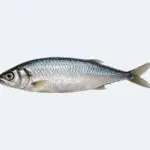
- 2.
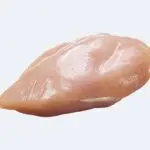
- 3.
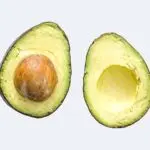
- 4.
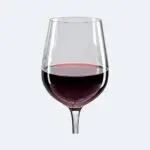
- 5.
- 6.
- 7.

- 8.
- 9.
- 10.


- 1.
- 2.
- 3.
- 4.
- 5.
- 6.
- 7.
- 8.
- 9.
- 10.
- 1.
- 2.
- 3.
- 4.
- 5.
- 6.
- 7.
- 8.
- 9.
- 10.
| Food | Average, mg/kg | Highest sample, mg/kg | Source |
|---|---|---|---|
| Fermented sausages (369 samples) | 136 | 1,740 | 1 |
| Other ripened meat products (92 samples) | 44 to 44.2 | 387 | 1 |
| Fish sauce (71 samples) | 105 to 107 | 741 | 1 |
| Cheese, all types (2,377 samples) | 68.5 to 104 | 2,130 | 1 |
| Hard cheese (1,303 samples) | 82.9 to 113 | 1,450 | 1 |
| Blue cheese (676 samples) | 63.2 to 104 | 2,130 | 1 |
| Washed rind cheese (296 samples) | 31.6 to 76.1 | 1,900 | 1 |
| Fresh cheese (98 samples) | 12.8 to 48 | 457 | 1 |
| Acid curd cheese (4 samples) | 335 | 480 | 1 |
| Fermented fish meat (70 samples) | 47.2 to 49.1 | 627 | 1 |
| Fermented vegetables (9 samples) | 45 to 47.4 | 91 | 1 |
| Fish and fish products, other than fermented (1,281 samples) | 6.8 to 14.6 | 634 | 1 |
| Beer (188 samples, mg/l) | 6 | 46.8 | 1 |
| Red wine (296 samples, mg/l) | 2.7 to 2.9 | 18.5 | 1 |
| White wine (224 samples, mg/l) | 1.1 to 1.2 | 10 | 1 |
| Yogurt (7 samples) | 1.9 | 5.2 | 1 |
| Chicken liver aged 9 days (one sample, per 30 g serving) | One sample, 63.84 mg per serving | 63.84 mg per serving | 2 |
| Sauerkraut (one sample, per 250 g serving) | One sample, 7.75 mg per serving | 7.75 mg per serving | 2 |
| Soy sauce (one sample, mg per ml) | One sample, 0.941 mg per ml | 0.941 mg per ml | 2 |
| Sufu, some samples (fermented tofu) | Not stated | 1,700 | 3 |
| Cheonggukjang (Korean fermented soybean), highest of five seasonings | 312.89 | Not stated | 4 |
Sources
- EFSA Panel on Biological Hazards (BIOHAZ). Scientific opinion on risk based control of biogenic amine formation in fermented foods. EFSA J. 2011;9(10):2393. Table 11, occurrence data on tyramine (mg/kg), from European monitoring data.
- Walker SE, Shulman KI, Tailor SA, Gardner D. Tyramine content of previously restricted foods in monoamine oxidase inhibitor diets. J Clin Psychopharmacol. 1996.
- Toro-Funes N, Bosch-Fuste J, Latorre-Moratalla ML, et al. Biologically active amines in fermented and non-fermented commercial soybean products from the Spanish market. Food Chem. 2015.
- Shi B, Moon B. Monitoring and risk assessment of biogenic amines in Korean commercial fermented seasonings. Heliyon. 2023.
How tyramine works
Most of what we know comes from food chemistry, small tests in volunteers and animal work. Four ideas matter: bacteria make tyramine as food ages, a gut enzyme normally clears it, MAOI drugs remove that barrier, and a meal blunts the effect. Here is each one, and what has been seen in people.
Bacteria make it from tyrosine as food ages
EFSA explains that tyrosine decarboxylase turns tyrosine into tyramine. The main tyramine makers in cheese and fermented sausage are Gram-positive bacteria, including Enterococcus and Lactobacillus, and in fermented drinks some Lactobacillus and Leuconostoc species. EFSA adds that long storage, especially at warm temperatures, makes food more open to amine formation.
Cheese studies show the pattern. In Dutch-type cheese, tyramine climbed with every day of ripening, and the same Enterococcus and Lactobacillus curvatus strains carried the gene. In Edam, cheeses held in a 10 °C ripening cellar for the whole 98 days had the most tyramine, and moving them to 5 °C after 23 days gave the lowest. The starter bacteria Lactococcus lactis showed no such enzyme activity in that test.
A simplified sketch of the route, not to scale. The steps come from EFSA’s 2011 opinion and cheese studies.
A gut enzyme normally clears it
EFSA notes that MAO-A is the form of the enzyme in the stomach and intestine, and that it breaks tyramine down and so prevents it from entering the body. In volunteers who took no drugs, 200 to 800 mg of tyramine on an empty stomach was needed to raise systolic pressure by 30 mmHg, and the dose varied little from test to test in the same person.
A meal helps further. In one study the dose needed was 2.8 times higher with a meal than fasting, and EFSA says fat and protein in a meal lower the pressor response and that tyramine levels in the blood are 2 to 3 times lower. On this basis EFSA reads the human studies as needing 600 to 2,000 mg of tyramine in a meal to raise systolic pressure by 30 mmHg in healthy people.
MAOI drugs remove the barrier, and the effect depends on the drug
With the barrier blocked, much less tyramine reaches the blood. EFSA compiled studies showing sensitivity rising 20 to 56 times on classic MAOIs such as tranylcypromine, about 13 times on phenelzine, 5 to 7 times on moclobemide and 2 to 5 times on selegiline. The chart shows one of those studies.
Drawn to scale. Each bar is a mean dose from one double-blind study of 16 volunteers, eaten with a meal. Ranges were 800 to 2,000, 150 to 500, 1,000 to 1,600 and 20 to 50 mg.
Drugs that block only MAO-B behave differently. A review explains that blocking MAO-A, or both forms, causes the cheese effect, while blocking only MAO-B can happen without a dangerous pressor reaction. That is why the trials of rasagiline and safinamide found little change. Selegiline by mouth loses its selectivity at higher doses, which is why a patch that bypasses the gut was developed and tested.
Tyramine works by releasing the body’s own norepinephrine
EFSA describes trace amines as indirect sympathomimetics: they release norepinephrine, which narrows blood vessels and raises pressure. A 2011 review adds that the trace amine-associated receptors probably mediate the pressor response, and that drugs that block norepinephrine reuptake strongly protect against tyramine-induced hypertension.
How much is too much, according to EFSA
EFSA found too little data to set a no-effect level in humans, but gave three figures from limited studies. No adverse effects were seen at up to 600 mg per meal in people not taking MAOIs, up to 50 mg for third-generation MAOIs and up to 6 mg for classic ones. It says the 6 mg level would be easily exceeded by fermented food. Similar figures appear elsewhere: a high-tyramine meal is defined on the selegiline patch label as up to 40 mg.
Drawn to scale. These are the amounts per meal at which no adverse effect was observed in limited studies, as EFSA reports them, not legal limits.
Why the migraine link is unclear
Migraine patients had lower urinary tyramine sulfate output after an oral tyramine dose than controls in a 62-person study, a sign of weaker sulfate conjugation, one way the body clears tyramine. Against that, a small crossover study found migraine attacks after both intravenous dopamine and tyramine tests, and the authors saw it as an effect of the adrenergic system, not a specific one of tyramine. EFSA also notes that a 1967 test reporting headache in 80% on 125 mg of tyramine, against 8% on placebo, was judged not accurate enough to be conclusive by a later review.
What has been seen in people
The human evidence is clearest for MAOI drugs. In healthy volunteers, 35 mg of tyramine in a meal raised pressure on tranylcypromine, against 1,200 mg on placebo, and a case report links a soft cheese to a hypertensive crisis in a woman taking it. Newer drugs change the picture: the 6 mg selegiline patch raised sensitivity 1.85-fold, and rasagiline and safinamide trials found small changes. For migraine, the small tests are mixed: 6 of 11 published tests supported the idea, 4 did not, and the large double-blind test of 80 patients found placebo did as well. All of these are among the study cards above.
Sources
- EFSA Panel on Biological Hazards (BIOHAZ). Scientific opinion on risk based control of biogenic amine formation in fermented foods. EFSA J. 2011;9(10):2393.
- Komprda T, Burdychová R, Dohnal V, et al. Tyramine production in Dutch-type semi-hard cheese from two different producers. Food Microbiol. 2008.
- Bunková L, Bunka F, Mantlová G, et al. The effect of ripening and storage conditions on the distribution of tyramine, putrescine and cadaverine in Edam-cheese. Food Microbiol. 2010.
- Berlin I, Zimmer R, Cournot A, et al. Determination and comparison of the pressor effect of tyramine during long-term moclobemide and tranylcypromine treatment in healthy volunteers. Clin Pharmacol Ther. 1989.
- Bieck PR, Antonin KH. Oral tyramine pressor test and the safety of monoamine oxidase inhibitor drugs: comparison of brofaromine and tranylcypromine in healthy subjects. J Clin Psychopharmacol. 1988.
- Finberg JP, Gillman K. Selective inhibitors of monoamine oxidase type B and the “cheese effect”. Int Rev Neurobiol. 2011.
- Barrett JS, Hochadel TJ, Morales RJ, et al. Pressor response to tyramine after single 24-hour application of a selegiline transdermal system in healthy males. J Clin Pharmacol. 1997.
- Gillman PK. Advances pertaining to the pharmacology and interactions of irreversible nonselective monoamine oxidase inhibitors. J Clin Psychopharmacol. 2011.
- Merikangas KR, Stevens DE, Merikangas JR, et al. Tyramine conjugation deficit in migraine, tension-type headache, and depression. Biol Psychiatry. 1995.
- Ghose K, Carroll JD. Mechanism of tyramine-induced migraine: similarity with dopamine and interactions with disulfiram and propranolol in migraine patients. Neuropsychobiology. 1984.
- Jansen SC, van Dusseldorp M, Bottema KC, Dubois AE. Intolerance to dietary biogenic amines: a review. Ann Allergy Asthma Immunol. 2003.
- EMSAM (selegiline transdermal system) prescribing information. DailyMed, US National Library of Medicine. Revised May 2020.
Is tyramine in food safe? MAOI drugs, migraine and limits
For most healthy people, the tyramine in ordinary food is not a concern. EFSA’s 2011 opinion said there was too little information to set a no-effect level, but that no adverse effects had been seen in healthy people not taking MAOI drugs at 600 mg per meal, a level it said would not be passed even by combining the five main high-tyramine foods in one meal. Its calculated levels of concern for healthy people were higher than any sample in its data. For people on MAOI drugs, EFSA gave 50 mg per meal for third-generation drugs and 6 mg for classic ones. We found no upper level or acceptable daily intake for tyramine set by a regulator.
- Classic MAOIs (phenelzine, tranylcypromine, isocarboxazid). These carry the real risk, and a case report describes heart muscle injury after soft cheese. A 1996 diet proposal advised avoiding aged cheese, aged or cured meats, spoiled meat, poultry or fish, fava bean pods, yeast extract, sauerkraut, soy sauce and soybean condiments, and tap beer, and found bottled beer and wine acceptable in moderation. A sudden severe headache, chest pain or palpitations after eating while on an MAOI needs urgent care. Follow your prescriber’s list.
- Selegiline patch and Parkinson’s drugs. The label for the selegiline patch says no modified diet is required at 6 mg per 24 hours. At 9 or 12 mg the listed foods must be avoided from the first day and for 2 weeks after a dose cut or stopping. Trials of rasagiline and safinamide found no need for tyramine restrictions at the doses tested.
- Other drugs. The antibiotic linezolid raised tyramine sensitivity in 8 of 10 volunteers, a response the authors judged similar to moclobemide’s. Tell your pharmacist about any antibiotic you start while on an MAOI.
- Migraine. Tyramine is a doubtful trigger. A review of 11 tests found 6 supportive and 4 not, and an 80-patient test found placebo did as well. If you suspect a food, a headache diary is a fairer test than avoiding a long list.
How to limit tyramine in food
- Choose fresh over aged. In EFSA’s data fresh cheese averaged 12.8 to 48 mg/kg against 82.9 to 113 for hard cheese. Pizzas from large chains had no significant tyramine, while a week-old tofu and one soy sauce did. The selegiline label lists processed cheese, mozzarella, ricotta, cottage cheese and yogurt as acceptable.
- Eat leftovers and meat fresh. Tyramine builds during storage. Chicken liver kept 9 days held 63.84 mg per 30 g, and in Edam cheese a cooler 5 °C store gave less than a 10 °C cellar.
- Pick bottled over tap beer, and keep portions small. A 1996 diet proposal found bottled beer and wine acceptable in moderation, and two case reports link tap beer to crises. EFSA’s beer data show 6 mg/l on average, with a top sample of 46.8.
Sources
- EFSA Panel on Biological Hazards (BIOHAZ). Scientific opinion on risk based control of biogenic amine formation in fermented foods. EFSA J. 2011;9(10):2393.
- EMSAM (selegiline transdermal system) prescribing information. DailyMed, US National Library of Medicine. Revised May 2020.
- Gardner DM, Shulman KI, Walker SE, Tailor SA. The making of a user friendly MAOI diet. J Clin Psychiatry. 1996.
- Salter M, Kenney A. Myocardial injury from tranylcypromine-induced hypertensive crisis secondary to excessive tyramine intake. Cardiovasc Toxicol. 2018.
- deMarcaida JA, Schwid SR, White WB, et al. Effects of tyramine administration in Parkinson’s disease patients treated with selective MAO-B inhibitor rasagiline. Mov Disord. 2006.
- Marquet A, Kupas K, Johne A, et al. The effect of safinamide, a novel drug for Parkinson’s disease, on pressor response to oral tyramine. Clin Pharmacol Ther. 2012. The first author works at Merck Serono.
- Antal EJ, Hendershot PE, Batts DH, et al. Linezolid, a novel oxazolidinone antibiotic: assessment of monoamine oxidase inhibition using pressor response to oral tyramine. J Clin Pharmacol. 2001.
- Kohlenberg RJ. Tyramine sensitivity in dietary migraine: a critical review. Headache. 1982.
- Ziegler DK, Stewart R. Failure of tyramine to induce migraine. Neurology. 1977.
- Shulman KI, Walker SE. Refining the MAOI diet: tyramine content of pizzas and soy products. J Clin Psychiatry. 1999.
- Walker SE, Shulman KI, Tailor SA, Gardner D. Tyramine content of previously restricted foods in monoamine oxidase inhibitor diets. J Clin Psychopharmacol. 1996.
- Bunková L, Bunka F, Mantlová G, et al. The effect of ripening and storage conditions on the distribution of tyramine, putrescine and cadaverine in Edam-cheese. Food Microbiol. 2010.
- Shulman KI, Tailor SA, Walker SE, Gardner DM. Tap (draft) beer and monoamine oxidase inhibitor dietary restrictions. Can J Psychiatry. 1997.
History of tyramine
Tyramine came to doctors’ attention in the early 1960s, when reports of high blood pressure in people taking MAOI antidepressants began to multiply. A 1989 review credits the researcher Asatoor with showing that an MAOI plus a tyramine-rich food caused the “cheese reaction,” and says the risk of brain bleeding and death made clinicians hesitant to prescribe these drugs. A 1963 letter by Barry Blackwell in The Lancet carried the title “Hypertensive crisis due to monoamine-oxidase inhibitors,” and in 1965 he and a colleague published “Tyramine in cheese related to hypertensive crises after monoamine-oxidase inhibition.”
Later work narrowed the rules. In 1989 a research team assayed more than 100 foods and found only a few needed absolute restriction: all aged cheeses, concentrated yeast extracts, sauerkraut and broad bean pods. In 1997, after a second case report, authors advised absolute restriction of all tap beer. A 2018 review argues that modern starter cultures and hygiene rules have cut tyramine in many foods, and the selegiline patch label, revised in 2020, says a modified diet is not required at the 6 mg dose. The migraine idea began separately: a 1982 review dates the claim that oral tyramine causes migraine to Hanington in 1967, and EFSA’s 2011 opinion left it unresolved.
Sources
- Tyramine. Wikipedia.
- Brown C, Taniguchi G, Yip K. The monoamine oxidase inhibitor-tyramine interaction. J Clin Pharmacol. 1989.
- Blackwell B. Hypertensive crisis due to monoamine-oxidase inhibitors. Lancet. 1963.
- Blackwell B, Mabbitt LA. Tyramine in cheese related to hypertensive crises after monoamine-oxidase inhibition. Lancet. 1965.
- Shulman KI, Walker SE, MacKenzie S, Knowles S. Dietary restriction, tyramine, and the use of monoamine oxidase inhibitors. J Clin Psychopharmacol. 1989.
- Shulman KI, Tailor SA, Walker SE, Gardner DM. Tap (draft) beer and monoamine oxidase inhibitor dietary restrictions. Can J Psychiatry. 1997.
- Gillman PK. A reassessment of the safety profile of monoamine oxidase inhibitors: elucidating tired old tyramine myths. J Neural Transm (Vienna). 2018.
- EMSAM (selegiline transdermal system) prescribing information. DailyMed, US National Library of Medicine. Revised May 2020.
- Kohlenberg RJ. Tyramine sensitivity in dietary migraine: a critical review. Headache. 1982.
- EFSA Panel on Biological Hazards (BIOHAZ). Scientific opinion on risk based control of biogenic amine formation in fermented foods. EFSA J. 2011;9(10):2393.
Frequently asked questions about tyramine
What is tyramine and what does it do?
It is a biogenic amine made from the amino acid tyrosine. In the body it acts as a trace amine that releases norepinephrine and can raise blood pressure. Bacteria make it in aged and fermented food. Tyramine from food has no known benefit.
Which foods are highest in tyramine?
In EFSA’s European data, the highest averages were in fermented sausages (136 mg/kg), fish sauce (105 to 107), cheese (68.5 to 104), fermented fish (47.2 to 49.1) and fermented vegetables (45 to 47.4). The spread is wide: the top cheese sample held 2,130 mg/kg, while three quarters of cheese samples had none measurable.
What is the cheese effect with MAOI drugs?
It is a sharp rise in blood pressure after eating a tyramine-rich food while taking an MAOI. The drug blocks the gut enzyme that normally clears tyramine. With tranylcypromine, 35 mg in a meal raised pressure by 30 mmHg, against 1,200 mg on placebo. The rise can injure the heart, as one case report shows.
Do I need to avoid tyramine on the selegiline patch or Parkinson’s drugs?
Not at the lowest patch dose. The label says no modified diet is required at 6 mg per 24 hours, while 9 and 12 mg need the food list from the first day and for 2 weeks after stopping. Trials of rasagiline and safinamide found no need for tyramine restrictions at the doses tested. Ask your prescriber about your own drug.
Does tyramine cause migraines?
The evidence is weak and mixed. In a double-blind test of 80 migraine patients, placebo caused headaches as severe as tyramine, and in more patients. A review of 11 tests found 6 supportive and 4 not, with all the supportive ones from one laboratory. Red wine with little tyramine set off migraine in 9 of 11 patients who blamed it.
Is tap beer higher in tyramine than bottled beer?
Probably, but our sources do not give a split. EFSA’s beer data show 6 mg/l on average with a top sample of 46.8, without separating tap from bottled. Two case reports link tap beer to crises in people on MAOIs, and a 1996 MAOI diet proposal restricts tap beer and allows bottled beer in moderation.
Is soy sauce high in tyramine?
It can be, and it varies. One soy sauce in a food assay held 0.941 mg per ml, and another study found one high soy sauce among those tested. Fermented soy products such as sufu, tamari and soybean paste had the most in Spanish products, with 1,700 mg/kg in some sufu samples.
How is tyramine different from histamine?
Both are amines that bacteria make in aged and spoiled food, but they act differently. Tyramine raises blood pressure through norepinephrine and matters mainly with MAOI drugs. Histamine causes the flushing and hives of fish poisoning. EFSA treats both as the most food-safety relevant.