
Choline is an essential nutrient, but it is not a vitamin, a mineral or a typical phytonutrient. It is a small water-soluble molecule that every plant and animal cell needs to build its membranes. Your body also uses it to make acetylcholine, a messenger for memory, mood and muscle control. It also passes on methyl groups (small chemical tags) in metabolism, according to the NIH (the US National Institutes of Health).
The liver makes some choline, but not enough, so the rest has to come from food. About half of the choline Americans eat is phosphatidylcholine, which lecithin is rich in.
Eggs gave lecithin its name. In 1850 Theodore Gobley named it after the Greek word for egg yolk. In 1862 Adolph Strecker heated lecithin from bile and named the new chemical he found choline.
Eggs are still the top choline food in the USDA ranking below. One large egg holds 147 mg, which is 27% of the Daily Value (the daily amount used on US food labels).
Many people fall short of the official targets. In US survey data from 2009 to 2012, only 10.8% of people aged 2 and up reached the adequate intake for choline. An adequate intake is a target set when the data are too thin for a firm requirement. The NIH says about 90% to 95% of pregnant women eat less than it.
Outright deficiency is rare in healthy people, though. Read the targets with care too. The US value for men rests on one hospital study of 16 men, and the value for women was scaled from it. That is how EFSA, the EU’s food safety agency, describes it.
Health benefits of choline
The top findings from 29 studies, strongest evidence first
What the stars mean
- Strong. Several randomized trials, pooled in a meta-analysis, point the same way, or regulators (FDA or EFSA) have approved the claim.
- Moderate. Good randomized trials support it, but there are fewer of them, or their results vary.
- Limited. Small, short or single trials, or mixed results. Promising, but it needs confirmation.
Population and lab studies get no stars: they show a link or a mechanism, not proof.
How we rate evidence →- ★★★Adequate daily intakes set for adultsThe EU sets an adequate intake of 400 mg a day for adults. The US sets 550 mg for men and 425 mg for women, and the men’s value rests on one trial of 16 men.
- ★★★EU accepts claims for lipids, liver and homocysteineEFSA found a cause and effect link for normal lipid metabolism, normal liver function and normal homocysteine metabolism. A food needs at least 82.5 mg of choline per 100 g, per 100 ml or per portion to carry them.
- ★★Too little choline damaged liver and muscleIn 57 adults fed almost no choline, fatty liver or muscle damage hit 77% of men and 80% of postmenopausal women. This was within 42 days, and organ function returned to normal when choline was added back.
- ★★Pregnancy supplement did not help infant memoryIn 140 pregnant women, 750 mg a day of phosphatidylcholine did not improve infant memory or language at 10 and 12 months. They already ate about 360 mg of choline a day, and later effects were not tested.
- ★★Eating eggs did not clearly change blood TMAOTMAO is a compound that gut bacteria make from egg choline. Across 6 trials of eating eggs, blood TMAO, choline and betaine did not change clearly, and results were uncertain.
All 29 studies, strongest evidence first
The EU allows three choline claims: lipids, liver and homocysteine
EFSA’s panel found a cause and effect link for all three in 2011: normal lipid metabolism, normal liver function and normal homocysteine metabolism. The claims are listed in Regulation (EU) No 432/2012. To carry them, a food must hold at least 82.5 mg of choline per 100 g, per 100 ml or per portion. The panel did not support claims for nerve or thinking (cognitive) function, because no usable references were provided.
EFSA sets an adequate intake of 400 mg a day for adults
EFSA’s 2016 panel could not set an average requirement, so it set adequate intakes. They include 480 mg of choline in pregnancy and 520 mg while breastfeeding. The adult value rests on average intakes in healthy EU populations (about 370 mg a day) and on a depletion study. In that study, about 70% of the people who showed organ damage recovered on up to about 400 mg per 70 kg of body weight. No blood marker of choline status was suitable for setting a value.
US adequate intake: 550 mg for men, 425 mg for women
The Institute of Medicine (IOM) set these values in 1998 for ages 19 and up, to prevent liver damage. They are adequate intakes, because the data were too thin for a recommended allowance. Pregnancy is 450 mg and breastfeeding 550 mg, as listed by the NIH Office of Dietary Supplements (updated June 2022). EFSA notes the men’s value rests on one trial of 16 men, scaled by body weight for women, so the IOM called it uncertain.
On almost no choline, most men and postmenopausal women showed organ damage
In a controlled feeding study, 57 adults first ate 550 mg per 70 kg of body weight for 10 days. Then they got under 50 mg per 70 kg for up to 42 days. Fatty liver or muscle damage hit 77% of the 26 men and 80% of the 15 postmenopausal women, against 44% of the 16 premenopausal women. Organ function returned to normal when choline was added back. Six men showed these signs even at 550 mg, the US adequate intake, and 400 µg (micrograms) of folic acid made no difference.
750 mg phosphatidylcholine in pregnancy did not help infant memory or language
This double-blind trial ran in 140 pregnant women, from 18 weeks of pregnancy until 90 days after birth. They already ate about 360 mg of choline a day in food. At 10 and 12 months, the 99 infants tested did not differ between groups in global development, language, short-term visuospatial memory or long-term episodic memory. The authors say later effects, or effects in mothers on much lower-choline diets, remain untested.
Across 6 trials, eggs did not change blood TMAO, choline or betaine
This meta-analysis (a study that pools earlier studies) combined 6 randomized trials of eating eggs in adults. In a randomized trial, chance decides who gets what. Results were uncertain: choline and betaine varied a lot between trials, and a higher egg dose went with lower choline and betaine levels. The authors rate the certainty of the evidence as moderate and ask for longer, better trials.
Choline in pregnancy and infancy: more babies showed a brain-inhibition response
100 healthy pregnant women took phosphatidylcholine that doubled normal dietary levels, or a placebo (dummy pill), from the second trimester to 3 months after birth. At 5 weeks, 76% of infants on choline showed the brain-inhibition response, against 43% on placebo. There was no difference at 13 weeks, and this P50 response is a lab measure of sensory gating, not a test of thinking. No adverse effects were seen in mothers or infants.
Choline for 9 months helped memory only in younger children with FASD
In this pilot trial, 60 children aged 2.5 to 5 with fetal alcohol spectrum disorders (FASD) took 500 mg of choline a day. The gain was in a secondary memory test, only after an adjustment, and mainly under age 4. The authors list baseline differences and ceiling effects as limits. The only side effect linked to choline was a fishy body odor.
625 mg for 6 weeks did not help school-age children with FASD
55 children aged 5 to 10 with fetal alcohol spectrum disorders took choline daily (29 children) or a placebo (26) in a randomized trial. Memory, executive function and attention did not improve. Neither compliance nor dietary choline predicted the outcome. The authors say the findings do not support this dose and length for school-aged children.
High-dose choline cut fasting homocysteine 18% in men with mildly raised levels
In this crossover trial, 26 healthy men took about 2.6 g of choline a day as a phosphatidylcholine supplement for 2 weeks. They also took a placebo oil for 2 weeks. The rise in homocysteine after a methionine load fell by 29%. The dose is nearly five times the US adequate intake for men, and the trial did not test heart disease.
930 mg in late pregnancy gave faster infant reactions than 480 mg
In a controlled feeding study, women in the last trimester were randomized, 13 per group, to 480 mg or 930 mg of choline a day. They kept taking it until delivery. Infants (24 tested) were assessed at 4, 7, 10 and 13 months, and mean reaction time was faster in the 930 mg group. The trial is very small, and funders included the Egg Nutrition Center and The Beef Checkoff; the authors state the funders had no role.
At age 7, children of the 930 mg group held attention better
This follow-up of the feeding trial in the card above tested 20 children at age 7. Their mothers had taken the higher dose or 480 mg of choline a day. The higher-dose group did better on the main score of a sustained attention test. With so few children, the result needs confirming.
2 g of choline in drip feeding reversed fatty liver signs
15 patients who got at least 80% of their nutrition by vein took part in a randomized trial for 24 weeks. 7 got added choline chloride and 8 got usual feeding. Liver density on CT scans improved from week 4 and the liver enzyme ALT fell, and fatty liver returned 10 weeks after choline was stopped. These patients could not eat normally, so they are not typical eaters.
In six men, water-soluble choline quickly raised TMAO; egg phosphatidylcholine did not
In a crossover study, 6 healthy men took a single 550 mg dose of choline in different forms, at least a week apart. These were choline chloride, bitartrate, glycerophosphocholine and egg phosphatidylcholine. All four raised plasma choline and betaine to a similar extent, and egg phosphatidylcholine peaked latest, at about 3 hours. The authors prefer egg phosphatidylcholine, but that preference assumes TMAO is harmful.
More dietary choline went with higher death risk in 6 cohorts
This dose-response meta-analysis pooled 6 cohort studies with 482,778 people. Each extra 100 mg of dietary choline a day went with a 6% higher risk of death from any cause (1.06 times the risk). It went with an 11% higher risk of death from cardiovascular disease (1.11 times). Results varied a lot between studies; the authors say few studies were available and ask for better ones, and cohort links cannot show cause.
High phosphatidylcholine intake went with higher death risk in two US cohorts
The study followed 80,978 women in the Nurses’ Health Study and 39,434 men in the Health Professionals Follow-Up Study. The top fifth of phosphatidylcholine intake had an 11% higher risk of death (1.11 times the risk). Its risk of cardiovascular death was 26% higher (1.26 times), and the links were stronger in people with diabetes. Phosphatidylcholine comes mainly from eggs, red meat and fish, so the study cannot fully separate it from those foods.
High blood TMAO went with more deaths and heart events
This umbrella review pulled together 24 meta-analyses, but it did not test choline intake. Of 18 outcomes, 6 showed highly suggestive evidence, including death from any cause, cardiovascular death, major heart events, high blood pressure, diabetes and kidney function. The authors say TMAO might be a biomarker, a measurable sign in the blood. Trials are needed to learn whether lowering it helps.
Gut bacteria made TMAO from two eggs; high TMAO tracked heart events
In a meal challenge, healthy people ate two eggs and labeled phosphatidylcholine; TMAO rose, antibiotics suppressed it, and it came back after they stopped. Then 4,007 patients having elective coronary angiography were followed for 3 years. The highest TMAO fourth had 2.54 times the risk of a major heart event of the lowest fourth. These were heart patients, so the result may not apply to healthy people.
Choline linked to less fatty liver, but less so after weight adjustment
The study covered 56,195 Chinese adults, and fatty liver was self-reported. The top fifth of intake had odds of 0.68 in women and 0.75 in men, against the bottom group. After adjusting for metabolic disease and BMI, the odds were 0.88 and 0.85, and the range was wide enough to include no effect. The link stayed only in normal-weight women, at 0.72.
In 14,430 adults, choline intake showed no clear link to heart disease
Over 14 years there were 1,072 coronary events, and the top fourth of choline intake had 1.22 times the risk of the bottom fourth. That difference could be chance, and no link appeared after correcting for measurement error. The authors conclude that higher choline and betaine intakes were not protective.
More phosphatidylcholine, 28% lower dementia risk in Finnish men
The study followed 2,497 men from eastern Finland for 21.9 years, and 337 were diagnosed with dementia. The lower risk in the headline is for the top fourth of phosphatidylcholine intake; total choline intake showed no link. Total choline averaged 431 mg a day. In a subset of 482 men, higher intakes of both went with better verbal fluency and memory tests.
More choline went with better memory and healthier brain scans
The Framingham Offspring cohort covered 1,391 adults without dementia, aged 36 to 83, with intake from food questionnaires. Verbal and visual memory scores were better with higher intake at the time of testing. Higher intake years earlier went with less white-matter damage on brain scans: odds of 0.56 for large white-matter hyperintensities.
More choline in pregnancy, slightly better child visual memory at 7
In the Project Viva cohort of 895 mothers, mean second-trimester intake was 328 mg a day. Children of mothers in the top fourth scored 1.4 points higher on a visual memory test. First-trimester intake pointed the same way, but more weakly. The authors call the difference modest.
No link between maternal choline and cognition at age 3
This came from the same Project Viva cohort as the card above, with 1,210 mother-child pairs and younger children. Folate intake in the first trimester did relate to language scores. Choline, betaine and methionine did not.
Low blood choline in pregnancy went with more neural tube defects
This prospective study used stored blood from more than 180,000 pregnancies in California: 80 with a neural tube defect and 409 controls. Women in the lowest tenth of blood choline in mid-pregnancy had 2.4 times the odds of a neural tube defect in the baby. The highest tenth had odds of 0.14, but the range (0.02 to 1.0) is wide. The population had folic acid fortification.
Blood choline and betaine did not differ in neural tube defect pregnancies
The study measured them in early pregnancy, in two groups of pregnant women. The first comparison had 71 affected pregnancies against 214 controls. The authors say adding choline to folic acid may not reduce risk further. One PEMT gene variant did differ and needs confirming.
Mice given choline developed more atherosclerosis, via gut bacteria
This study combined a broad scan of blood chemicals (metabolomics) in people with experiments in mice. Choline, TMAO and betaine in blood predicted cardiovascular risk in a clinical cohort. In mice, choline or TMAO promoted atherosclerosis (artery plaque), and germ-free mice confirmed a role for gut bacteria in making TMAO from dietary choline. Suppressing the bacteria blocked the choline effect, but this is animal work, and the human results above conflict.
Mice lacking PEMT and fed no choline developed liver failure
These mice developed steatohepatitis (fatty, inflamed liver) and liver failure. The authors trace it to a low ratio of phosphatidylcholine to phosphatidylethanolamine, which weakened cell membranes. Mice that also could not secrete phosphatidylcholine into bile kept a normal ratio and avoided liver failure. The authors note that patients with steatohepatitis have a lowered ratio too.
Choline in pregnant rats changed brain cells in their young
The rats got choline for 6 days of pregnancy. Their young, tested at 20 to 25 days old, had larger cell bodies and more branching of dendrites. They also had a stronger excitatory response in the hippocampus, a memory region of the brain. This is a rat study of structure, not memory in people, where trials of choline in pregnancy are mixed.
Foods high in choline
Eggs lead all three USDA rankings on this page. One large egg holds 147 mg, 27% of the 550 mg Daily Value, and eggs hold 294 mg per 100 g.
Shrimp comes second, with 115 mg in 3 oz and 135 mg per 100 g. Next per serving is chicken breast (92.8 mg in 4 oz), with soybeans and navy beans close behind. Per 100 g, chicken breast (82.1 mg) and flaxseeds (78.7 mg) follow shrimp. The ranking below has the full list.
Beef liver is not in our ranking, but the NIH fact sheet lists pan-fried beef liver at 356 mg in 3 oz. That is 65% of the Daily Value and more than two eggs. By that arithmetic, three large eggs give 441 mg, just above the 425 mg US adequate intake for women.
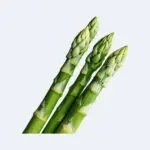
Per 100 kcal, low-calorie vegetables rank high: cauliflower gives 177 mg and endive 98.8 mg, against 205 mg for eggs.
Per serving. Bars show the share of the Daily Value (550 mg a day).
Per 100 g. Bars show the share of the Daily Value (550 mg a day).
Per serving. No daily amount is set, so bars compare each food with the top food.
Per 100 g. No daily amount is set, so bars compare each food with the top food.
Per 100 kcal: the same calories of each food, for a fair comparison. Bars compare each food with the top food.
- 1.

- 2.
- 3.

- 4.
- 5.
- 6.
- 7.
- 8.

- 9.
- 10.


- 1.
- 2.
- 3.
- 4.
- 5.
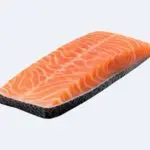
- 6.
- 7.
- 8.
- 9.

- 10.


- 1.
- 2.
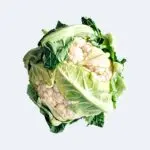
- 3.
- 4.

- 5.

- 6.
- 7.
- 8.
- 9.
- 10.



Sources
- FoodData Central. US Department of Agriculture, Agricultural Research Service. Values as shown in the ranking above.
- Choline: fact sheet for health professionals. National Institutes of Health, Office of Dietary Supplements. Updated June 2, 2022.
How choline works
Most of the biochemistry below is well established. But the details come from reviews, cell work and animal studies rather than from trials of extra choline in people. Four ideas cover most of it. Choline is built into cell membranes, helps move fat out of the liver, passes on methyl groups and becomes the nerve messenger acetylcholine.
Gut bacteria add a fifth, less welcome route. Here is each one, and what has been seen in people.
It is built into cell membranes
Cells make phosphatidylcholine from choline, and this is the main fate of the choline they take in. Phosphatidylcholine is a major part of membranes, which is why the NIH says all plant and animal cells need choline. In mice, losing the enzymes that turn choline into phosphatidylcholine is so harmful that some knockouts die as embryos.
Three uses of choline in the body. Not to scale.
It helps carry fat out of the liver
The liver packs fat into particles called VLDL and sends them into the blood. That step needs phosphatidylcholine, so without enough choline, fat piles up in liver cells. Mice that cannot make their own phosphatidylcholine and are fed no choline lose the right balance of membrane fats and develop liver failure.
People show it too. In a feeding study, going without choline led to fatty liver or muscle damage in many volunteers. In patients fed by vein, added choline improved fatty liver signs.
How the liver exports fat, simplified. Not to scale. The VLDL step is described in cell and animal work.
It passes on methyl groups
Choline can be converted to betaine, and betaine can hand a methyl group to homocysteine, turning it back into methionine. This links choline to the folate pathway. When your diet is low in folate, the need for choline goes up, according to the NIH.
In one crossover trial, a high dose of choline lowered homocysteine in men. EFSA still says homocysteine cannot be used to set an intake target, because many other things influence it.
It becomes a nerve messenger
Nerves use choline to make acetylcholine. This is why choline gets so much attention for memory and brain development, but the human evidence is not settled. In 2011 EFSA did not support a claim for choline and cognitive function.
A 2015 review of 13 studies, as summarized by the NIH, found that supplements did not clearly improve thinking (cognition) in healthy adults. Studies in pregnancy are mixed, as the cards above show.
Gut bacteria turn some choline into TMAO
Choline that is not absorbed is left for gut bacteria, which turn it into trimethylamine (TMA). The liver converts TMA to TMAO. In mice, this route promoted atherosclerosis, and in a test in people, antibiotics lowered TMAO after an egg meal.
Seafood also contains TMAO directly. Water-soluble choline supplements raised TMAO in a small crossover study, but egg phosphatidylcholine did not.
The route from choline to TMAO. Not to scale. It is described in human challenge tests and in mice.
What has been seen in people
The clearest result in people is about deficiency. In a feeding study of 57 adults, going without choline caused fatty liver or muscle damage in many. It reversed when choline was added back. Beyond that, the picture is mixed.
In pregnancy, one trial of 140 women found no gain in infant tests. Small feeding trials at 930 mg a day found faster reaction times and better attention. For the heart, cohort studies disagree, and trials of eggs found no change in TMAO. All of these are among the study cards above.
Sources
- Li Z, Vance DE. Phosphatidylcholine and choline homeostasis. J Lipid Res. 2008.
- EFSA Panel on Dietetic Products, Nutrition and Allergies (NDA). Dietary Reference Values for choline. EFSA J. 2016.
- Choline: fact sheet for health professionals. National Institutes of Health, Office of Dietary Supplements. Updated June 2, 2022.
- Li Z, Agellon LB, Allen TM, et al. The ratio of phosphatidylcholine to phosphatidylethanolamine influences membrane integrity and steatohepatitis. Cell Metab. 2006.
- Wang Z, Klipfell E, Bennett BJ, et al. Gut flora metabolism of phosphatidylcholine promotes cardiovascular disease. Nature. 2011.
- Tang WH, Wang Z, Levison BS, et al. Intestinal microbial metabolism of phosphatidylcholine and cardiovascular risk. N Engl J Med. 2013.
- Böckmann KA, Franz AR, Minarski M, et al. Differential metabolism of choline supplements in adult volunteers. Eur J Nutr. 2022.
- Olthof MR, Brink EJ, Katan MB, Verhoef P. Choline supplemented as phosphatidylcholine decreases fasting and postmethionine-loading plasma homocysteine concentrations in healthy men. Am J Clin Nutr. 2005.
- EFSA Panel on Dietetic Products, Nutrition and Allergies (NDA). Scientific opinion on the substantiation of health claims related to choline. EFSA J. 2011.
- Leermakers ET, Moreira EM, Kiefte-de Jong JC, et al. Effects of choline on health across the life course: a systematic review. Nutr Rev. 2015.
- Phillips IR, Shephard EA. Primary trimethylaminuria. GeneReviews. University of Washington, Seattle. Updated 2020.
- Fischer LM, daCosta KA, Kwock L, et al. Sex and menopausal status influence human dietary requirements for the nutrient choline. Am J Clin Nutr. 2007.
- Buchman AL, Ament ME, Sohel M, et al. Choline deficiency causes reversible hepatic abnormalities in patients receiving parenteral nutrition: proof of a human choline requirement. JPEN J Parenter Enteral Nutr. 2001.
Is choline safe? Supplements, dose and interactions
Choline from food is not a concern for most people. The US sets a tolerable upper intake level, the most you should get each day, from food and supplements. It is 3,500 mg a day for adults and 3,000 mg for ages 14 to 18.
For children it is 2,000 mg for ages 9 to 13 and 1,000 mg for ages 1 to 8. The NIH says the upper level applies to pregnancy and breastfeeding too.
The IOM took 7.5 g a day as the lowest dose with adverse effects. Seven people with Alzheimer’s disease had low blood pressure with nausea and diarrhea at that dose. The IOM noted a fishy body odor at 8 to 20 g a day in other studies, and applied a safety factor of 2. We found no upper level in EFSA’s 2016 opinion, which only describes the US one.
- Doses and side effects. Supplements typically hold 10 to 250 mg of choline. The NIH lists a fishy body odor, vomiting, sweating, salivation, low blood pressure and liver toxicity at high intakes. In children given 500 mg a day for 9 months, the only side effect linked to choline was a fishy body odor. In pregnancy, 750 mg a day of phosphatidylcholine was well tolerated.
- Fishy odor and trimethylaminuria. People with two faulty copies of the FMO3 gene excrete trimethylamine in urine, breath and sweat, which smells like rotting fish. Management can include limiting choline-rich foods such as eggs and liver. The diet should still be planned so that choline intake meets recommendations, according to GeneReviews.
- Heart disease and TMAO. It is unsettled whether choline from food raises heart risk. Some cohorts found higher mortality with higher intake, and others found no link. The NIH says more research is needed.
- Pregnancy and medicines. The NIH says choline is not known to have clinically relevant drug interactions. It also says prenatal supplements usually contain little or no choline. Ask your doctor or dietitian before taking a supplement, particularly if you are pregnant or take regular medicines.
How to get more choline
- Best food. One large egg gives 147 mg, 27% of the Daily Value, and beef liver gives 356 mg in 3 oz, according to the NIH. Chicken breast (92.8 mg in 4 oz) and soybeans (81.7 mg per cup) are other good choices in our ranking.
- Food over pills. Supplements usually hold 10 to 250 mg, so one egg gives more than most. No studies have compared how well your body absorbs choline bitartrate, phosphatidylcholine and lecithin. Phosphatidylcholine from eggs did not raise TMAO in a six-man test.
- Eat enough folate. When your diet is low in folate, choline becomes the main source of methyl groups and the need for it rises. So a low-folate diet is a reason to pay closer attention to choline.
Sources
- Institute of Medicine, Food and Nutrition Board. Dietary Reference Intakes for thiamin, riboflavin, niacin, vitamin B6, folate, vitamin B12, pantothenic acid, biotin, and choline. National Academy Press. 1998.
- EFSA Panel on Dietetic Products, Nutrition and Allergies (NDA). Dietary Reference Values for choline. EFSA J. 2016.
- Choline: fact sheet for health professionals. National Institutes of Health, Office of Dietary Supplements. Updated June 2, 2022.
- Wozniak JR, Fuglestad AJ, Eckerle JK, et al. Choline supplementation in children with fetal alcohol spectrum disorders: a randomized, double-blind, placebo-controlled trial. Am J Clin Nutr. 2015.
- Cheatham CL, Goldman BD, Fischer LM, et al. Phosphatidylcholine supplementation in pregnant women consuming moderate-choline diets does not enhance infant cognitive function. Am J Clin Nutr. 2012.
- Phillips IR, Shephard EA. Primary trimethylaminuria. GeneReviews. University of Washington, Seattle. Updated 2020.
- Böckmann KA, Franz AR, Minarski M, et al. Differential metabolism of choline supplements in adult volunteers. Eur J Nutr. 2022.
- Sharifi-Zahabi E, Soltani S, Asiaei S, et al. Higher dietary choline intake is associated with increased risk of all-cause and cause-specific mortality. Nutr Res. 2024.
- Bidulescu A, Chambless LE, Siega-Riz AM, Zeisel SH, Heiss G. Usual choline and betaine dietary intake and incident coronary heart disease: the Atherosclerosis Risk in Communities (ARIC) study. BMC Cardiovasc Disord. 2007.
- Wallace TC, Fulgoni VL. Assessment of total choline intakes in the United States. J Am Coll Nutr. 2016.
History of choline
The story starts in Paris. In 1850 Theodore Gobley described a substance he called lecithin, from the Greek for egg yolk. In 1862 Adolph Strecker found that heating lecithin from bile produced a new nitrogen-containing chemical, which he named choline.
Three years later Oscar Liebreich found a substance called neurine in the brain. It took time to show that neurine and choline were the same molecule.
The roles came one by one. Eugene Kennedy described the pathway that builds choline into phosphatidylcholine in 1954, and Jon Bremer and David Greenberg found a second route in 1960. Otto Loewi and Henry Dale established its part in the nerve messenger acetylcholine. In the 1930s Charles Best showed in Toronto that choline prevented fatty liver in dogs and rats.
Whether people need it in the diet took longer. In a hospital study in 1991, healthy men fed no choline for three weeks showed signs of early liver dysfunction. In 1998 the US Institute of Medicine set adequate intakes for choline, and in 2016 EFSA set 400 mg a day for adults. The EU listed health claims for choline in Regulation 432/2012.
Sources
- Zeisel SH. A brief history of choline. Ann Nutr Metab. 2012.
- Zeisel SH, Da Costa KA, Franklin PD, et al. Choline, an essential nutrient for humans. FASEB J. 1991.
- Institute of Medicine, Food and Nutrition Board. Dietary Reference Intakes for thiamin, riboflavin, niacin, vitamin B6, folate, vitamin B12, pantothenic acid, biotin, and choline. National Academy Press. 1998.
- Choline: fact sheet for health professionals. National Institutes of Health, Office of Dietary Supplements. Updated June 2, 2022.
- EFSA Panel on Dietetic Products, Nutrition and Allergies (NDA). Dietary Reference Values for choline. EFSA J. 2016.
- Commission Regulation (EU) No 432/2012 establishing a list of permitted health claims made on foods. Official Journal of the European Union. 2012.
Frequently asked questions about choline
What does choline do for the body?
Every cell uses choline to build membranes, and your body also uses it to make acetylcholine and to pass on methyl groups. The clearest human evidence is about deficiency. In a feeding study, 77% of men and 80% of postmenopausal women fed almost no choline developed fatty liver or muscle damage.
The EU authorizes claims for liver function, lipid metabolism and homocysteine metabolism. Benefits of extra choline beyond that are unproven.
How much choline do you need a day?
The US adequate intake for ages 19 and up is 550 mg for men and 425 mg for women. It is 450 mg in pregnancy and 550 mg while breastfeeding. EFSA sets 400 mg for adults, 480 mg in pregnancy and 520 mg while breastfeeding. These are adequate intakes, not firm requirements, because the data were too thin to set averages. The NIH reports average US intakes of 402 mg for men and 278 mg for women in 2013 to 2014.
Which foods are highest in choline?
Eggs lead our USDA ranking, with 147 mg in one large egg and 294 mg per 100 g. Per serving, shrimp (115 mg in 3 oz) and chicken breast (92.8 mg in 4 oz) follow. Soybeans (81.7 mg per cup) and navy beans (81.4 mg per cup) come next. The NIH lists pan-fried beef liver at 356 mg in 3 oz, which is not in our ranking.
Does choline have side effects?
At food amounts, not for most people. The NIH says high intakes can cause a fishy body odor, vomiting, sweating, salivation, low blood pressure and liver toxicity. The US upper level is 3,500 mg a day for adults. In children given 500 mg a day for 9 months, the only side effect linked to choline was a fishy body odor. The NIH knows of no clinically relevant drug interactions.
Is choline important in pregnancy?
Needs rise: the US adequate intake is 450 mg and EFSA’s is 480 mg. The NIH says about 90% to 95% of pregnant women eat less than the US value. Evidence that extra choline helps the baby’s brain is mixed. A trial of 140 women taking 750 mg a day found no difference in infant tests. A small trial found faster reaction times with 930 mg than with 480 mg. For neural tube defects, one study linked low blood choline to higher odds and another found no difference. Ask your doctor, since prenatal supplements usually contain little or no choline.
Does choline raise TMAO and heart risk?
Gut bacteria turn some choline into TMA, which the liver turns into TMAO. In cohorts, high blood TMAO goes with more heart events; in one study the top fourth had 2.54 times the risk. Whether eating choline raises heart risk is unsettled. ARIC found no clear link (1.22 times the risk, which could be chance). A meta-analysis of 6 cohorts found 11% higher cardiovascular mortality per 100 mg. A meta-analysis of 6 trials found eggs did not change TMAO.
What is the difference between choline and lecithin?
Lecithin is a substance rich in phosphatidylcholine, and phosphatidylcholine is the main form of choline in food. So lecithin is a source of choline, not a separate nutrient. Supplements come as choline bitartrate, phosphatidylcholine or lecithin, and the NIH says no studies have compared how well your body absorbs them. In a six-man test, water-soluble forms raised TMAO quickly and egg phosphatidylcholine did not.
Can you get enough choline on a plant-based diet?
Animal foods are the richest sources, but plant foods contribute. The NIH lists roasted soybeans (½ cup) at 107 mg and a large baked potato at 57 mg. It lists canned kidney beans (½ cup) at 45 mg, cooked quinoa (1 cup) at 43 mg and boiled broccoli (½ cup) at 31 mg. Compare that with an adequate intake of 425 mg for women. We did not review studies of vegan diets, so we cannot say how many people on them reach the target.