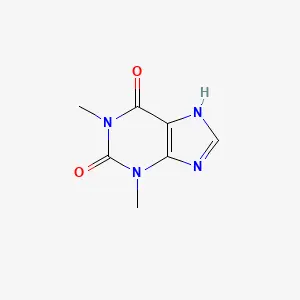
Theophylline is a methylxanthine, a small plant compound in the same family as caffeine and theobromine. Chemists call it 1,3-dimethylxanthine. Its name comes from Thea, an old genus name for tea, plus the Greek word for leaf.
Tea leaves carry a little of it, and so do cocoa and coffee. In plants, the first step in breaking down caffeine makes theophylline. That step is typically very slow in plants that build up caffeine, such as tea.
Theophylline is also a prescription drug for asthma and COPD, a long-term lung disease that blocks airflow. That is where people get confused. A tablet in one US label holds 300 or 450 mg. A 200 ml cup of green tea, at the amounts measured in one study, holds about 2 to 4 mg.
Doctors check blood levels of the drug because the gap between a helpful level and a harmful one is narrow. This page covers both: the trace in food, and what trials of the drug show. It does not tell anyone how to take the medicine.
One thing most readers do not know: your body makes some theophylline from the caffeine you drink. In 10 healthy adults given 200 mg of caffeine, about 9% of its breakdown went down the theophylline path. And a tea plant found in Guizhou, China, is almost free of caffeine but rich in theobromine and theophylline.
Health benefits of theophylline
The top findings from 24 studies, strongest evidence first
What the stars mean
- Strong. Several randomized trials, pooled in a meta-analysis, point the same way, or regulators (FDA or EFSA) have approved the claim.
- Moderate. Good randomized trials support it, but there are fewer of them, or their results vary.
- Limited. Small, short or single trials, or mixed results. Promising, but it needs confirmation.
Population and lab studies get no stars: they show a link or a mechanism, not proof.
How we rate evidence →- ★★COPD: a little more airflow, no fewer flare-upsIn 20 trials, theophylline tablets raised FEV1 (air blown out in one second) by 100 ml over placebo, but nausea was 7.7 times as likely. Added to steroid inhalers, low-dose theophylline did not cut flare-ups in 1,578 people (2.24 against 2.23 a year).
- ★★No fewer poor-control episodes in asthmaIn 489 people with poorly controlled asthma, low-dose theophylline (300 mg a day) gave 4.9 episodes of poor control a year, the same as placebo. In people not using inhaled steroids, it did improve control.
- ★★More side effects than inhaled asthma drugsIn 13 trials with 1,344 people, theophylline tablets were compared with the inhaler salmeterol. Lung function (FEV1) did not clearly differ, but side effects were 0.44 times as common with salmeterol.
- ★★Drip theophylline shortened asthma hospital staysIn 42 trials of theophylline or aminophylline given into a vein, stays were shorter and heart rate lower than with active drugs. Beta-2 agonists improved FEV1 more, and the result depended on the other drugs given.
- ★★Better breathing but triple the vomiting in childrenIn 7 trials with 380 children with severe asthma attacks, aminophylline given into a vein improved FEV1 at 6 to 8 hours and later. Vomiting risk tripled, while hospital stay and deaths did not clearly differ.
All 24 studies, strongest evidence first
Adding low-dose theophylline to steroid inhalers did not reduce COPD flare-ups
This was the TWICS drug trial at 121 UK sites, randomized, double-blind and placebo-controlled, in 1,578 people with COPD. Adults with at least 2 flare-ups in the previous year took 200 mg once or twice a day, or a placebo, for a year. The dose aimed at a blood level of 1 to 5 mg/L. Flare-ups per year were 2.24 on theophylline and 2.23 on placebo (0.99 times the rate), and nausea 10.9% against 7.9%. The authors say the findings do not support this use.
In COPD, theophylline raised FEV1 about 100 ml but brought nausea
This Cochrane review pooled 20 randomized trials of theophylline tablets against placebo in stable COPD, with other treatments that varied from none to several. FEV1 rose by 100 ml over placebo and FVC, the total air breathed out, by 210 ml, but walking distance did not improve. Nausea was 7.7 times as likely. Very few people dropped out, so the authors note that participants may have been known to tolerate the drug.
In poorly controlled asthma, low-dose theophylline did not cut poor-control episodes
This 24-week randomized, double-masked drug trial included 489 people with poorly controlled asthma. They took theophylline 300 mg a day, montelukast 10 mg a day or placebo. Episodes of poor control per person per year were 4.9 on theophylline and 4.9 on placebo, and lung function improved only slightly. Nausea was more common in the first 4 weeks. In people not using inhaled steroids, theophylline did improve control, symptoms and lung function.
In 13 asthma trials, theophylline caused more side effects than inhaled bronchodilators
This Cochrane review of 13 trials with 1,344 people compared theophylline tablets with inhaled long-acting beta-2 agonists, airway-opening inhalers such as salmeterol. FEV1 did not clearly differ. Salmeterol gave better morning and evening peak flow (by 16.71 and 15.58 L/min) and less rescue inhaler use. Adverse events were 0.44 times as common with salmeterol, including digestive (0.30) and nervous system (0.50) events, and trial quality varied.
Against active drugs, intravenous theophylline shortened hospital stay in asthma
This meta-analysis pooled 52 study arms from 42 randomized trials of theophylline or aminophylline (theophylline with ethylenediamine), a drug given into a vein in hospital. Of the arms, 29 had an active comparison drug and 23 a placebo or no drug. Compared with an active drug, heart rate was lower and hospital stay shorter, while beta-2 agonists improved FEV1 more. Admission rate and rescue medicine use did not differ, and the result depended on the other drugs given.
In severe attacks in children, aminophylline helped breathing but tripled vomiting risk
This Cochrane review pooled 7 randomized trials, all of high quality, with 380 children admitted with acute severe asthma. Aminophylline, a hospital drug given into a vein, was added to steroids and inhaled drugs. FEV1 improved at 6 to 8 hours, 12 to 18 hours and 24 hours. Length of stay, symptoms, mechanical ventilation, seizures, arrhythmias (irregular heartbeats) and deaths did not clearly differ.
COPD theophylline: no fewer flare-ups, linked to more hospital stays and deaths
This systematic review and meta-analysis pooled 7 studies with 47,556 people taking low-dose theophylline plus inhaled steroids. Study sizes ranged from 24 to 10,816, and the abstract does not say how many were randomized. Flare-ups were 1.08 times as likely, a gap that could be chance, and results varied very widely between studies. It was linked to more hospital stays (1.12 times) and deaths (1.19 times) and to better lung function, but the authors advise against adding it.
In children’s severe attacks, aminophylline did not clearly shorten hospital stay
This meta-analysis pooled 9 randomized trials in 546 children and teens with severe asthma attacks, comparing second-line drugs given into a vein. For aminophylline, hospital stay did not clearly differ, and it caused more nausea and vomiting. In critically ill children on ventilators it was 12.99 hours shorter, but the range included no difference. The authors rate the evidence as low to very low certainty.
In critical childhood asthma, methylxanthine drips ranked behind magnesium and beta agonists
This network meta-analysis, which compares several treatments at once, pooled 12 randomized trials with 852 children. It compared intravenous bronchodilators (airway-opening drugs given into a vein) added to steroids and inhaled drugs. Magnesium sulfate ranked first, then intravenous short-acting beta agonists, then intravenous methylxanthines (aminophylline or theophylline). Magnesium cut ICU stay by 4.0 days, and the authors say larger, high-quality trials are still needed.
Adding theophylline raised FEV1 2.49 points more than extra steroid
This meta-analysis pooled 4 randomized parallel-group trials in symptomatic asthma, comparing theophylline added to an inhaled steroid with a higher steroid dose. FEV1 as a percent of predicted was 2.49 percentage points higher, while peak flow did not differ. Predicted means the expected value for your age, height and sex. The authors conclude the two options improve lung function to a similar degree.
Low-dose budesonide plus theophylline worked at least as well as double-dose budesonide
This 3-month double-blind drug trial included 62 people with moderate asthma who had symptoms despite an inhaled steroid. Theophylline (250 or 375 mg twice a day, by body weight) was added to 400 µg (micrograms) of budesonide. This gave larger gains in FVC and FEV1 than 800 µg of budesonide, with similar falls in rescue inhaler use. Blood cortisol fell only on the high steroid dose. The median theophylline level was 8.7 µg/mL, below the 10 to 20 range the authors call therapeutic.
Low-dose steroid plus theophylline did not clearly differ from high-dose steroid
This 6-month drug trial in general practice included 155 people with asthma, and 130 finished. They stayed on low-dose inhaled steroid, added theophylline 400 mg a day, or switched to high-dose steroid. There were no overall differences in peak flow, symptoms, exacerbations (flare-ups) or side effects. Evening peak flow was 20.6 L/min higher with theophylline than with low-dose steroid alone, which could be chance. The authors say a larger study may be needed.
Adding low-dose theophylline did not clearly ease airway sensitivity, but zafirlukast did
In a randomized crossover trial, 24 people with asthma added theophylline to inhaled beclomethasone. The dose was 200 to 300 mg twice a day (mean trough level, the lowest point, 6.7 mg/L). Airway sensitivity to methacholine improved by 0.7 doubling doses with theophylline against 0.4 with low-dose steroid alone, which could be chance. It improved by 1.1 with zafirlukast, an anti-leukotriene drug, but neither added anything on top of a medium steroid dose.
In children, low-dose theophylline did not change symptoms or inhaler use
In this double-blind, placebo-controlled drug trial, 36 children on regular inhaled steroids took theophylline for 12 weeks. The dose was 10 mg/kg of body weight a day (mean blood level 7.1 mg/L). Peak flow rose from 86% to 95% of predicted, and a blood marker of allergic inflammation, ECP, fell from 43.2 to 26.5 µg/L. The authors say the study failed to show a clinical or immune benefit.
In smokers with asthma, adding theophylline raised peak flow 39.9 L/min
This double-blind pilot drug trial ran for 4 weeks in 68 smokers with asthma. They took beclometasone 200 µg a day, low-dose theophylline 400 mg a day, or both. Against the steroid alone, the combination raised peak flow by 39.9 L/min and lowered the asthma control score by 0.47. It also raised FEV1 by 165 mL, a borderline result, while theophylline alone improved the score but not lung function. The authors call for larger trials.
Theophylline did not raise HDAC activity or cut COPD flare-ups
In this 52-week double-blind pilot drug trial, 70 people with severe COPD were on an inhaled steroid and long-acting beta-2 agonist. Of them, 36 also took low-dose theophylline, 100 mg twice a day, and 34 took placebo. HDAC activity (an enzyme that helps steroids work) in blood monocytes and sputum macrophages, inflammatory markers and flare-up rates were all similar between groups. It tested in people the cell finding described in the lab cards below.
Caffeine, a theophylline relative in tea, modestly improved lung function in asthma
This Cochrane review pooled 7 small crossover trials with 75 people with mild to moderate asthma. In 6 trials with 55 people, oral caffeine under 5 mg/kg improved FEV1 over placebo for up to 2 hours. The gain averaged about 5% (standardized difference 0.72). Coffee against decaffeinated coffee did not change exhaled nitric oxide in 20 people, and all of this is caffeine, not theophylline.
In preterm infants, theophylline caused more fast heartbeat and feeding problems
This Cochrane review pooled 5 small randomized trials with 108 preterm infants with apnea (pauses in breathing). This is a drug use in newborn units, not related to food. Theophylline worked like caffeine: the two drugs did not differ in treatment failure or apnea at 1 to 3 days or 5 to 7 days. Adverse effects that led to a dose change were 0.17 times as common with caffeine, and no trial reported use of ventilation.
About 9% of caffeine’s breakdown went the theophylline way
Ten healthy adults took 200 mg of caffeine. In blood, paraxanthine made up 63% of the three dimethylxanthines over 24 hours, theobromine 27% and theophylline 10%. In urine, 78% of the breakdown ran through the paraxanthine pathway, 14% through theobromine and 9% (plus or minus 4) through theophylline.
In 6 healthy people, about 3% of a caffeine dose became theophylline
Caffeine was broken down into theophylline, paraxanthine, theobromine (6% of the dose) and other products, by removing methyl groups or adding oxygen. About 70% of the dose was recovered in urine. The study looked at how the body handles caffeine, not at health effects.
Smokers cleared theophylline faster: 0.053 versus 0.032 L per hour per kg
Healthy smokers and nonsmokers took steady oral doses of the drug. In smokers, the breakdown routes to 1-methyluric acid and 3-methylxanthine ran about twice as fast (1.99 and 2.10 times). The authors conclude that smoking switches on the liver enzymes (cytochrome P450) that break theophylline down.
Top signs of high theophylline in children: vomiting (52%), fast heartbeat (47%)
This hospital review looked back at 163 children, median age 3.0 years, seen from 1980 to 1988 with levels above 24 µg/mL. Poisoning came on during regular treatment in 126, after one large swallowed dose in 20, and after both in 17. Levels above 50 µg/mL always caused symptoms, while 29% had none at 25 to 50. Nine children had seizures, including 5 who had been neurologically normal.
At therapeutic levels, theophylline raised HDAC activity in lung cells
Cell experiments in epithelial cells and macrophages, plus a test in living animals. Low-dose theophylline raised histone deacetylase (HDAC) activity, which corticosteroids use to switch off inflammatory genes. The effect appeared at therapeutic concentrations and was separate from PDE inhibition and adenosine blocking. The two human trials above did not show a clinical gain from this route.
In COPD lung cells, theophylline raised HDAC activity sixfold
This cell study used lung macrophages from people with COPD. Their HDAC activity was 51% lower than in healthy controls, and they released more IL-8 and TNF-alpha, which the steroid dexamethasone barely suppressed. In cell extracts theophylline raised HDAC activity sixfold and helped dexamethasone suppress IL-8, an effect blocked by an HDAC inhibitor. The authors suggest it might restore steroid responsiveness.
Foods high in theophylline
No food is truly high in theophylline. Tea leaves are the best-known source. A 2024 study of 60 green tea infusions from four countries measured theophylline and caffeine. Country averages were 0.85 to 1.96 mg of theophylline per gram of dry leaf, against 21.7 to 32.4 mg of caffeine.
Country by country, theophylline is roughly 3 to 7% of the caffeine amount. NutriScrolls has no USDA ranking for theophylline, so the table below uses published measurements. Cocoa holds only traces, and its main xanthine is theobromine.
The tea study steeped 1 g of leaf in 100 ml of hot water. Its authors say this follows the usual 2 g in 200 ml. By our arithmetic from the country averages, a 200 ml cup then holds roughly 1.7 to 3.9 mg of theophylline. It also holds 43 to 65 mg of caffeine.
One US prescription tablet holds 300 or 450 mg of theophylline. Matching just the 300 mg tablet would take roughly 80 to 180 cups. Amounts vary: a Peruvian survey found theophylline in four of five coffee powders but in only one of five bottled herbal teas.
| Food | Amount (unit as published) | Source |
|---|---|---|
| Green tea leaf infusion, Japan | Mean 1.96 mg/g dry weight (range 0.64 to 3.46) | 1 |
| Green tea leaf infusion, mainland China | Mean 0.85 mg/g dry weight (range 0.46 to 1.17) | 1 |
| Green tea leaf infusion, South Korea | Mean 1.24 mg/g dry weight (range 0.67 to 1.67) | 1 |
| Green tea leaf infusion, Taiwan | Mean 1.37 mg/g dry weight (range 0.97 to 1.61) | 1 |
| Green and black tea from Turkey (methylxanthine fraction extracted from dried tea) | Green 2.06 µg/mL, black 3.40 µg/mL (caffeine 176.50 and 368.25 µg/mL) | 2 |
| Coffee powder, 5 brands in Lima | 0.79 to 0.95 mg per 100 g in four brands, below detection in one (caffeine 49 to 964 mg per 100 g) | 3 |
| Ready-to-drink herbal teas, 5 products in Lima | 0.17 mg/L in one, below detection in four | 3 |
| Chocolate milk, 5 brands in Lima | Below detection (theobromine 1.70 to 12.24 mg/L) | 3 |
| Cocoa beans | Trace amounts (cocoa powder about 1.9% theobromine and 0.21% caffeine) | 4 |
Sources
- Jakabová S, Árvay J, Šnirc M, et al. HPLC-DAD method for simultaneous determination of gallic acid, catechins, and methylxanthines and its application in quantitative analysis and origin identification of green tea. Heliyon. 2024.
- Attar A, Altikatoglu Yapaoz M. The analysis of methylxanthine fractions obtained from Camellia sinensis cultivated in Turkey and effects on the in vitro inhibition of CYP2D6 enzyme. Biotechnol Appl Biochem. 2023.
- Gonzales-Yépez KA, Vilela JL, Reátegui O. Determination of Caffeine, Theobromine, and Theophylline by HPLC-DAD in Beverages Commonly Consumed in Lima, Peru. Int J Food Sci. 2023.
- Shively CA, Tarka SM Jr. Methylxanthine composition and consumption patterns of cocoa and chocolate products. Prog Clin Biol Res. 1984.
- Mi X, Yang C, Qiao D, et al. De novo full length transcriptome analysis of a naturally caffeine-free tea plant reveals specificity in secondary metabolic regulation. Sci Rep. 2023.
How theophylline works
Most of what we know about how theophylline works comes from test tubes, cells and animals, and from how the drug behaves in blood. Three ideas come up most. At higher blood levels it relaxes airway muscle, and it blocks the receptors for a body signal called adenosine. At low levels it may switch on an enzyme that helps steroids work.
We add a short note on how your own body makes some theophylline from caffeine.
At higher blood levels it relaxes airway muscle
A 2013 review says airways widen (bronchodilation) because theophylline blocks phosphodiesterase 3 (PDE3), an enzyme that breaks down a messenger inside cells. The US prescribing label says animal studies point to PDE III and, to a lesser extent, PDE IV.
The catch is the blood level. The label says bronchodilation occurs from 5 to 20 mcg/mL (micrograms per milliliter). Adverse reactions become more frequent and severe above 20, and a peak of 10 to 15 gives most of the benefit with less risk. The same review links nausea, vomiting and headaches to PDE inhibition.
Drawn to scale, in micrograms per milliliter (mcg/mL, the same as mg/L) of blood serum. The arrows mean the range continues higher. The first bar is the target of the TWICS trial; the others come from the US prescribing label.
It blocks adenosine, which explains many side effects
Adenosine is a natural signaling chemical in the body, and the label calls it a depressant of the central nervous system. Theophylline blocks its receptors. The 2013 review says that at higher concentrations, this adenosine A1-receptor block brings heart rhythm problems and seizures. The label links it to changes in blood flow in the brain.
It also means doctors may need a higher dose of adenosine when they give it as a drug to someone taking theophylline. A 2005 review adds that PDE inhibition and adenosine blocking both need higher concentrations than the anti-inflammatory effect below.
The grey shape is a receptor on a cell surface. Theophylline takes the place of adenosine in the receptor, so the signal does not pass.
At low levels it may help steroids work
In cell experiments, low concentrations of theophylline raised the activity of histone deacetylases (HDACs), enzymes that steroids use to switch off inflammatory genes. This happened at therapeutic levels and apart from PDE inhibition and adenosine blocking. In extracts of macrophages from people with COPD, it raised HDAC activity sixfold. A 2005 review adds that how it activates HDAC is not yet known.
This did not carry over to people. A 70-person pilot found no change in HDAC activity or flare-ups after a year, and the 1,578-person TWICS trial found no fewer flare-ups.
Your body makes some from caffeine
Caffeine is broken down in the liver into three dimethylxanthines: paraxanthine, theobromine and theophylline. In 6 healthy people, about 3% of a caffeine dose became theophylline. In 10 adults who took 200 mg, the theophylline route carried about 9% of the breakdown, against 78% for paraxanthine.
Theophylline can also go the other way: the label says about 6% of a theophylline dose is turned into caffeine.
Drawn to scale. The shares come from urine collected for 24 hours after 200 mg of caffeine; the study reports a spread of plus or minus 4 points around the theophylline figure.
What has been seen in people
These actions are easier to show in a dish than in a person. At higher blood levels the drug does open airways a little. In 20 COPD trials, FEV1 rose by about 100 ml, but nausea was much more likely.
The cell finding that low doses help steroids has not been borne out in the largest trial, a pilot trial or a pooled analysis. None of them found fewer flare-ups, and all are among the study cards above.
Sources
- Barnes PJ. Theophylline. Am J Respir Crit Care Med. 2013.
- Barnes PJ. Theophylline in chronic obstructive pulmonary disease: new horizons. Proc Am Thorac Soc. 2005.
- Tilley SL. Methylxanthines in asthma. Handb Exp Pharmacol. 2011.
- Ito K, Lim S, Caramori G, et al. A molecular mechanism of action of theophylline: Induction of histone deacetylase activity to decrease inflammatory gene expression. Proc Natl Acad Sci U S A. 2002.
- Cosio BG, Tsaprouni L, Ito K, et al. Theophylline restores histone deacetylase activity and steroid responses in COPD macrophages. J Exp Med. 2004.
- Devereux G, Cotton S, Fielding S, et al. Effect of Theophylline as Adjunct to Inhaled Corticosteroids on Exacerbations in Patients With COPD: A Randomized Clinical Trial. JAMA. 2018.
- Rodopoulos N, Norman A. Assessment of dimethylxanthine formation from caffeine in healthy adults: comparison between plasma and saliva concentrations and urinary excretion of metabolites. Scand J Clin Lab Invest. 1996.
- Tang-Liu DD, Williams RL, Riegelman S. Disposition of caffeine and its metabolites in man. J Pharmacol Exp Ther. 1983.
- Ashihara H, Kato M, Crozier A. Distribution, biosynthesis and catabolism of methylxanthines in plants. Handb Exp Pharmacol. 2011.
- Theophylline extended-release tablets: prescribing information. DailyMed, US National Library of Medicine. Amneal Pharmaceuticals label, effective August 2026.
Is theophylline safe? Food amounts, the drug and interactions
At food amounts, a few milligrams in a cup of tea, we found no official intake limit set for theophylline. The drug is a different matter. Reviews describe a narrow therapeutic range and large differences between people.
The US label says adverse reactions become more frequent and severe above 20 mcg/mL of blood. The usual aim for a peak is 10 to 15. That is why prescribers measure blood levels. Never start, stop or change the medicine without your prescriber.
- Signs of too much. Nausea, vomiting and a fast heartbeat are common early signs. Seizures and dangerous heart rhythms are life-threatening. The label says seizures at levels above 30 mcg/mL are often resistant to anticonvulsant (anti-seizure) drugs. In 163 children with high levels, vomiting and fast heartbeat were the most common signs. A 4-year-old had seizures after swallowing a parent’s tablets and recovered. Keep tablets out of reach, and call poison control or emergency services after any extra dose.
- Drug interactions. The label lists average rises in theophylline levels of 40% with ciprofloxacin, 70% with cimetidine and 35% with erythromycin. It says fluvoxamine acts like cimetidine. It lists falls of 20 to 40% with rifampin and 30% with carbamazepine. A case report describes a level moving into the toxic range after clinafloxacin was added. Tell every prescriber you take theophylline, including for short courses of antibiotics.
- Smoking, St. John’s wort and diet. The label says theophylline clearance rises by about 50% in young adult tobacco smokers and 80% in elderly smokers. Marijuana smoking counts too, and starting or stopping smoking should be reported. St. John’s wort lowers levels, and stopping it can raise them. Daily charcoal-broiled beef and low-carbohydrate, high-protein diets speed clearance.
- Pregnancy, breastfeeding and infants. The label says to use it in pregnancy only if the benefit justifies the risk. Breast milk holds about the same level as the mother’s blood and may cause irritability in infants. The label lists neonates, children under 1 year and adults over 60 among those who need closer monitoring.
How to get more theophylline
- Best food. Green tea, at 0.85 to 1.96 mg per gram of dry leaf, gives roughly 2 to 4 mg in a 200 ml cup. The same cup holds about 43 to 65 mg of caffeine, so you cannot pick tea for theophylline alone.
- Your body adds some. In 10 adults, about 9% of the breakdown of 200 mg of caffeine went through the theophylline route.
- Food does not replace the medicine. A 300 mg tablet is roughly 80 to 180 cups of tea, and the drug is dosed and monitored by a doctor.
Sources
- Theophylline extended-release tablets: prescribing information. DailyMed, US National Library of Medicine. Amneal Pharmaceuticals label, effective August 2026.
- Skinner MH. Adverse reactions and interactions with theophylline. Drug Saf. 1990.
- Ram FS, Jones PW, Castro AA, et al. Oral theophylline for chronic obstructive pulmonary disease. Cochrane Database Syst Rev. 2002.
- Powell EC, Reynolds SL, Rubenstein JS. Theophylline toxicity in children: a retrospective review. Pediatr Emerg Care. 1993.
- Greene SC, Halmer T, Carey JM, et al. Theophylline toxicity: An old poisoning for a new generation of physicians. Turk J Emerg Med. 2018.
- Matuschka PR, Vissing RS. Clinafloxacin-theophylline drug interaction. Ann Pharmacother. 1995.
- Grygiel JJ, Birkett DJ. Cigarette smoking and theophylline clearance and metabolism. Clin Pharmacol Ther. 1981.
- Jakabová S, Árvay J, Šnirc M, et al. HPLC-DAD method for simultaneous determination of gallic acid, catechins, and methylxanthines and its application in quantitative analysis and origin identification of green tea. Heliyon. 2024.
- Rodopoulos N, Norman A. Assessment of dimethylxanthine formation from caffeine in healthy adults: comparison between plasma and saliva concentrations and urinary excretion of metabolites. Scand J Clin Lab Invest. 1996.
History of theophylline
Theophylline was found in tea. The German scientist Albrecht Kossel took it from tea leaves and identified it in 1888. The name comes from the old tea genus Thea and the Greek word for leaf.
Emil Fischer and Lorenz Ach described a chemical synthesis in 1895, and Wilhelm Traube introduced a second route in 1900. The first clinical use, in 1902, was as a diuretic, a drug that makes you pass more urine.
The asthma story came about 20 years later. Samuel Hirsch found its effect on bronchial spasm in the early 1920s. But the drug kept being used mainly as a diuretic and heart remedy. In 1936 its favorable effect in asthma was highlighted, and that too hardly spread its use.
Use grew only in the 1970s, once its metabolism was understood and slow-release forms were made. These let doctors tune blood levels. A 2013 review notes it has treated airway disease for more than 80 years, and that its use declined as inhaled beta-2 agonists spread.
Today it is mostly an add-on. The 2013 review calls it add-on therapy for asthma not controlled on inhaled steroids and for severe COPD. The 2018 TWICS trial found no fewer COPD flare-ups with low-dose theophylline added to inhaled steroids.
Sources
- Wettengel R. Theophylline: past, present and future. Arzneimittelforschung. 1998.
- Barnes PJ. Theophylline. Am J Respir Crit Care Med. 2013.
- Devereux G, Cotton S, Fielding S, et al. Effect of Theophylline as Adjunct to Inhaled Corticosteroids on Exacerbations in Patients With COPD: A Randomized Clinical Trial. JAMA. 2018.
- Monteiro J, Alves MG, Oliveira PF, et al. Pharmacological potential of methylxanthines: Retrospective analysis and future expectations. Crit Rev Food Sci Nutr. 2019.
- Theophylline. Wikipedia.
Frequently asked questions about theophylline
What is theophylline used for?
Theophylline is a prescription drug for the symptoms and airflow blockage of chronic asthma, according to its US label. The label also lists other chronic lung diseases such as emphysema and chronic bronchitis. It is now usually an add-on for asthma not controlled on inhaled steroids and for severe COPD. Doctors check blood levels because the gap between helpful and harmful levels is narrow.
Which foods contain theophylline?
Tea leaves are the best-known source. In one study, green tea averaged 0.85 to 1.96 mg per gram of dry leaf by country. Cocoa has traces, and four of five coffee powders in a Peruvian survey held 0.79 to 0.95 mg per 100 g. All of these are tiny next to the drug.
How much theophylline is in a cup of tea?
Roughly 1.7 to 3.9 mg in a 200 ml cup of green tea, by our arithmetic. The study behind it steeped 1 g of leaf in 100 ml of water. The same cup holds about 43 to 65 mg of caffeine. One US prescription tablet holds 300 or 450 mg.
Is theophylline the same as caffeine?
No. They are close relatives: caffeine is 1,3,7-trimethylxanthine and theophylline is 1,3-dimethylxanthine. Green tea in one study held roughly 3 to 7% as much theophylline as caffeine. In preterm infants with apnea, theophylline worked like caffeine but caused more fast heartbeat and feeding problems. Adverse effects were 0.17 times as common with caffeine.
Does caffeine turn into theophylline in the body?
Yes, a little. About 3% of a caffeine dose became theophylline in 6 healthy people. In 10 adults who took 200 mg, the theophylline route carried about 9% of caffeine’s breakdown. Most of it goes to paraxanthine, 78% in that study.
What are the signs of too much theophylline?
Nausea, vomiting and a fast heartbeat come first, and seizures and dangerous heart rhythms follow at high levels. In 163 children with high levels, vomiting (52%) and fast heartbeat (47%) were the most common signs. If someone may have taken too much, call poison control or emergency services at once.
Does theophylline help asthma and COPD?
A little, with trade-offs. In 20 COPD trials it raised FEV1 by about 100 ml but made nausea much more likely (relative risk 7.7). The 1,578-person TWICS trial found no fewer COPD flare-ups. A 489-person asthma trial found no fewer episodes of poor control. Inhaled long-acting bronchodilators caused fewer side effects in 13 asthma trials.
What changes theophylline levels in the blood?
Smoking speeds clearance by about 50% in young adults and 80% in elderly smokers, per the US label. Ciprofloxacin raises levels by about 40% and cimetidine by 70%, while rifampin lowers them by 20 to 40%. St. John’s wort also lowers levels. Tell your prescriber if you start or stop smoking or any medicine.