Foods High in Folate (Vitamin B9)

Top folate foods: Peanuts (240 mcg per 100 g), Sunflower seeds (227 mcg). See all 136 foods ranked per serving and per 100 g. Data from USDA.

Foods high in vitamin B9

Per serving. No daily amount is set, so bars compare each food with the top food.

Per 100 g. No daily amount is set, so bars compare each food with the top food.

Per serving. Bars show the share of the EU Reference Intake (200 µg a day). The line marks 100%.

Per 100 g. Bars show the share of the EU Reference Intake (200 µg a day). The line marks 100%.

Per 100 kcal: the same calories of each food, for a fair comparison. Bars compare each food with the top food.

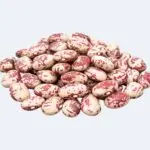
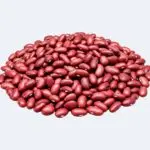
  1. 1.Cranberry beansBeans and Legumes · per 1 cup (177 g)366 µg183% of the Reference Intake
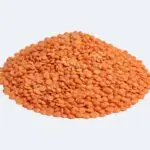
  2. 2.LentilsBeans and Legumes · per 1 cup (198 g)358 µg179% of the Reference Intake
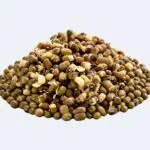
  3. 3.Mung beansBeans and Legumes · per 1 cup (202 g)321 µg161% of the Reference Intake
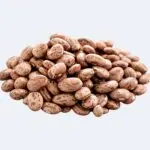
  4. 4.Pinto beansBeans and Legumes · per 1 cup (171 g)294 µg147% of the Reference Intake
  5. 5.ChickpeasBeans and Legumes · per 1 cup (164 g)282 µg141% of the Reference Intake
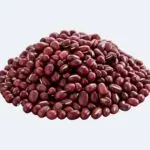
  6. 6.Adzuki beansBeans and Legumes · per 1 cup (230 g)278 µg139% of the Reference Intake
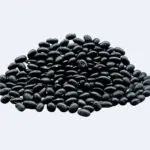
  7. 7.Black beansBeans and Legumes · per 1 cup (172 g)256 µg128% of the Reference Intake
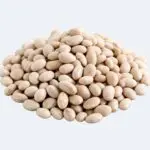
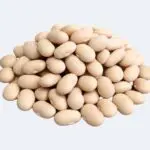
  8. 8.Navy beansBeans and Legumes · per 1 cup (182 g)255 µg127% of the Reference Intake
  9. 9.Kidney beansBeans and Legumes · per 1 cup (177 g)230 µg115% of the Reference Intake
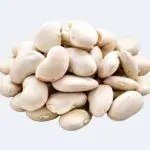
  10. 10.Great northern beansBeans and Legumes · per 1 cup (177 g)181 µg90% of the Reference Intake
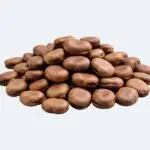
  11. 11.Fava beansBeans and Legumes · per 1 cup (170 g)177 µg88% of the Reference Intake
  12. 12.Lima beansBeans and Legumes · per 1 cup (188 g)156 µg78% of the Reference Intake
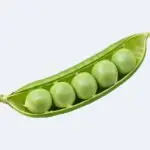
  13. 13.PeasBeans and Legumes · per 1 cup (160 g)101 µg50% of the Reference Intake
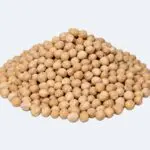
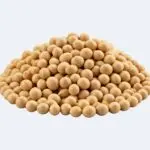
  14. 14.SoybeansBeans and Legumes · per 1 cup (172 g)92.9 µg46% of the Reference Intake
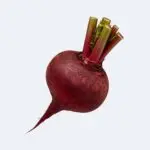
  15. 15.BeetsVegetables · per 1 beet (82 g)89.4 µg45% of the Reference Intake
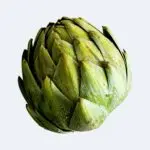
  16. 16.ArtichokeVegetables · per 1 artichoke (128 g)87 µg44% of the Reference Intake
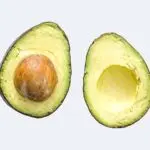
  17. 17.AvocadosFruits · per ½ avocado (101 g)81.4 µg41% of the Reference Intake
  18. 18.QuinoaGrains · per ¼ cup (43 g)78.2 µg39% of the Reference Intake
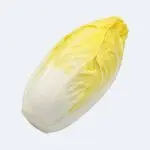
  19. 19.EndiveVegetables · per 1 cup (50 g)71 µg36% of the Reference Intake
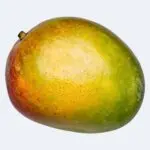
  20. 20.MangoFruits · per 1 cup (165 g)71 µg35% of the Reference Intake
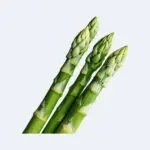
  21. 21.AsparagusVegetables · per 1 cup (134 g)69.7 µg35% of the Reference Intake
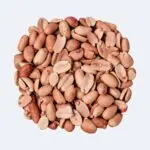
  22. 22.PeanutsNuts and Seeds · per 1 oz (28 g)68 µg34% of the Reference Intake
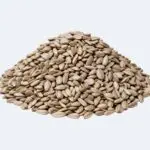
  23. 23.Sunflower seedsNuts and Seeds · per 1 oz (28 g)64.4 µg32% of the Reference Intake
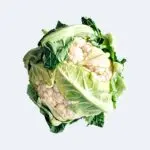
  24. 24.CauliflowerVegetables · per 1 cup (107 g)61 µg30% of the Reference Intake
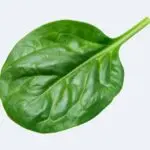
  25. 25.SpinachVegetables · per 1 cup (30 g)58.2 µg29% of the Reference Intake
  1. 1.PeanutsNuts and Seeds240 µg120% of the Reference Intake
  2. 2.Sunflower seedsNuts and Seeds227 µg114% of the Reference Intake
  3. 3.Cranberry beansBeans and Legumes207 µg103% of the Reference Intake
  4. 4.SpinachVegetables194 µg97% of the Reference Intake
  5. 5.QuinoaGrains184 µg92% of the Reference Intake
  6. 6.LentilsBeans and Legumes181 µg91% of the Reference Intake
  7. 7.ChickpeasBeans and Legumes172 µg86% of the Reference Intake
  8. 8.Pinto beansBeans and Legumes172 µg86% of the Reference Intake
  9. 9.Mung beansBeans and Legumes159 µg80% of the Reference Intake
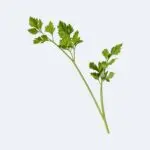
  10. 10.ParsleyHerbs and spices152 µg76% of the Reference Intake
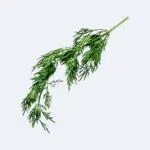
  11. 11.DillHerbs and spices150 µg75% of the Reference Intake
  12. 12.Black beansBeans and Legumes149 µg75% of the Reference Intake
  13. 13.EndiveVegetables142 µg71% of the Reference Intake
  14. 14.Navy beansBeans and Legumes140 µg70% of the Reference Intake
  15. 15.Kidney beansBeans and Legumes130 µg65% of the Reference Intake
  16. 16.Adzuki beansBeans and Legumes121 µg61% of the Reference Intake
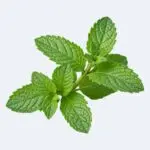
  17. 17.PeppermintHerbs and spices114 µg57% of the Reference Intake
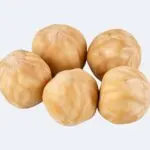
  18. 18.HazelnutsNuts and Seeds113 µg56% of the Reference Intake
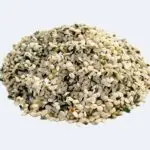
  19. 19.Hemp seedsNuts and Seeds110 µg55% of the Reference Intake
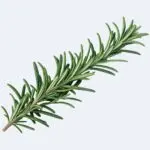
  20. 20.RosemaryHerbs and spices109 µg55% of the Reference Intake
  21. 21.BeetsVegetables109 µg55% of the Reference Intake
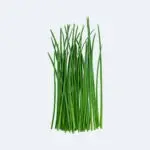
  22. 22.ChivesHerbs and spices105 µg53% of the Reference Intake
  23. 23.Fava beansBeans and Legumes104 µg52% of the Reference Intake
  24. 24.Great northern beansBeans and Legumes102 µg51% of the Reference Intake
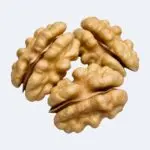
  25. 25.WalnutsNuts and Seeds98 µg49% of the Reference Intake
  1. 1.SpinachVegetables843 µg
  2. 2.EndiveVegetables835 µg
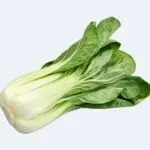
  3. 3.Bok choyVegetables508 µg
  4. 4.ParsleyHerbs and spices422 µg
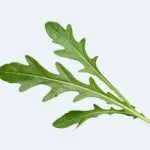
  5. 5.ArugulaVegetables388 µg
  6. 6.ChivesHerbs and spices350 µg
  7. 7.DillHerbs and spices349 µg
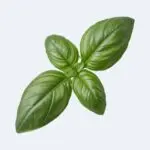
  8. 8.BasilHerbs and spices296 µg
  9. 9.CorianderHerbs and spices270 µg
  10. 10.AsparagusVegetables260 µg
  11. 11.CeleryVegetables257 µg
  12. 12.BeetsVegetables253 µg
  13. 13.Garden cressVegetables250 µg
  14. 14.CauliflowerVegetables228 µg
  15. 15.BroccoliVegetables210 µg
  16. 16.Iceberg lettuceVegetables207 µg
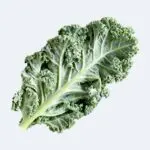
  17. 17.KaleVegetables177 µg
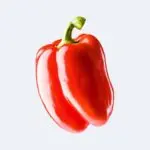
  18. 18.Bell peppersVegetables177 µg
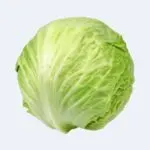
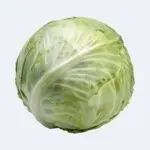
  19. 19.CabbageVegetables172 µg
  20. 20.PeppermintHerbs and spices163 µg
  21. 21.RadishesVegetables156 µg
  22. 22.LentilsBeans and Legumes156 µg
  23. 23.Cranberry beansBeans and Legumes152 µg
  24. 24.Mung beansBeans and Legumes151 µg
  25. 25.ArtichokeVegetables145 µg

Draft: content follows in phase 4.