
Iron is a mineral your body cannot do without. It sits at the core of hemoglobin, the protein in red blood cells that carries oxygen from the lungs to the tissues. It is also at the core of myoglobin, which supplies oxygen to muscle.
An adult holds 3 to 4 g of iron, most of it in hemoglobin, says the NIH (the US National Institutes of Health). Iron is also needed for growth, brain development and the making of some hormones.
Here is the part most people do not know: your body has no way to get rid of extra iron on purpose. Hurrell and Egli put it plainly: iron balance is controlled by absorption alone, because the body has no way to excrete iron.
The brake is a liver hormone called hepcidin. It was first described in 2000 and 2001 as a germ-killing peptide (a small protein) in blood and urine. Later work showed that it controls iron. It is why one iron pill can lower how much you absorb from the next.
Too little iron is common. The WHO (World Health Organization) estimates that iron deficiency causes about half of the 1.62 billion cases of anemia worldwide, the NIH reports. Anemia means too few healthy red blood cells. Young children, women who menstruate and pregnant women are most at risk.
Too much is a real risk as well. US labels on iron pills warn that accidental overdose is a leading cause of fatal poisoning in children under 6. About 4.4 in 1,000 White people carry two copies of the gene change behind hereditary hemochromatosis, which makes the body absorb too much iron. This page covers both sides.
Health benefits of iron
The top findings from 43 studies, strongest evidence first
What the stars mean
- Strong. Several randomized trials, pooled in a meta-analysis, point the same way, or regulators (FDA or EFSA) have approved the claim.
- Moderate. Good randomized trials support it, but there are fewer of them, or their results vary.
- Limited. Small, short or single trials, or mixed results. Promising, but it needs confirmation.
Population and lab studies get no stars: they show a link or a mechanism, not proof.
How we rate evidence →- ★★★Less anemia in women who menstruateDaily iron supplements made anemia less than half as likely (0.39 times the risk across 67 trials). Tiredness eased too.
- ★★★Less iron-deficiency anemia in pregnancyDaily iron supplements in pregnancy cut iron-deficiency anemia at term from 18.4% to 5.0% (7 trials). Low birth weight fell from 6.1% to 5.2%.
- ★★★Less anemia in young children, no development gainIn 35 trials of children aged 4 to 23 months, daily iron supplements made iron-deficiency anemia 0.14 times as likely. Mental and motor development scores did not differ.
- ★★★More constipation and other gut side effectsIn women who menstruate, daily iron supplements made constipation 2.07 times as likely. Ferrous sulfate pills raised the odds of gut side effects 2.32 times across 20 trials against placebo.
- ★★★Little or no difference in malariaIn 40 trials of children in malaria areas, iron supplements made clinical malaria 0.93 times as likely. It may slightly raise malaria where prevention and treatment were lacking, and slightly lower it where they existed.
All 28 studies, strongest evidence first
In menstruating women, daily iron made anemia less than half as likely
This Cochrane review (Cochrane is a group known for careful reviews of trials) pooled 67 trials with 8,506 women. Anemia was 0.39 times as likely on iron, hemoglobin rose by 5.30 g/L, and iron deficiency fell to 0.62 times the risk. Tiredness eased, but constipation (2.07 times the risk) and loose stools (2.13) became more common. Only 10 trials had a low overall risk of bias, and the review could not say whether iron helps thinking, because trials disagreed.
Daily iron in pregnancy cut iron-deficiency anemia from 18.4% to 5.0%
This Cochrane review pooled 57 trials with 48,971 women; trials of iron with folic acid were analyzed separately. The anemia result, at term, comes from 7 trials with 2,704 women (0.41 times the risk, moderate-certainty evidence). Low birth weight fell from 6.1% to 5.2%, with little to no difference in preterm birth (0.93) or maternal death. Side effects were reported by 21.6% against 18.0%, but the evidence is very uncertain.
Iron sharply cut anemia in young children, but not development scores
This meta-analysis (a study that pools earlier studies) covered 35 trials with 42,306 children aged 4 to 23 months. Daily iron made iron-deficiency anemia 0.14 times as likely, but mental development (mean difference 1.65) and motor development (1.05) did not differ. Children on iron gained slightly less length and weight and had more vomiting (1.38 times the risk) and fever (1.16). Only 9 trials were at low risk of bias, and the authors call the safety and growth effects uncertain.
In malaria areas, iron made little or no difference to malaria
This Cochrane review pooled 40 trials in 33,785 children and found clinical malaria 0.93 times as likely on iron. Iron may slightly raise malaria where prevention and treatment services were lacking (1.15, low certainty) and slightly lower it where they existed (0.91). Most data on iron with folic acid come from the Pemba trial below. The authors say iron can be given without screening if malaria services work well.
The EU authorizes seven iron claims, including oxygen transport and less tiredness
Regulation (EU) No 432/2012 lists normal oxygen transport, normal formation of red blood cells and hemoglobin, and the reduction of tiredness and fatigue. It also lists normal cognitive function, normal energy-yielding metabolism, normal function of the immune system and a role in cell division. A food or supplement can carry them only if it is at least a source of iron, as defined in Regulation (EC) No 1924/2006. That means a significant amount as defined in Directive 90/496/EEC. The wording is about iron’s normal role, not about a benefit from extra iron.
The EU also allows two claims about absorbing iron
The claims say that vitamin C increases iron absorption, and that meat or fish improves the absorption of iron from other foods. The vitamin C claim is allowed only for food that is at least a source of vitamin C. The meat or fish claim needs at least 50 g of meat or fish in a single quantified portion. Consumers must be told the effect comes from eating 50 g of meat or fish with foods that contain non-heme iron, the form in plants.
Daily iron probably cut anemia in pregnant women with normal iron
This meta-analysis pooled 8 trials with 2,822 women; no observational studies qualified. Iron-deficiency anemia at term was 0.51 times as likely, and low birth weight 0.30 times as likely (2 trials, 361 infants). Both results had moderate-certainty evidence. Iron deficiency at term fell too (0.74), with low certainty.
Iron and folic acid raised serious harm in Pemba children
In a high-malaria area, 24,076 children aged 1 to 35 months got iron and folic acid, with or without zinc, or a placebo (dummy pill). The daily dose was 12.5 mg of iron and 50 µg (micrograms) of folic acid, half for infants, and the iron groups were stopped early. Children on iron were 12% more likely to die or need hospital treatment for an adverse event, and 11% more likely to be admitted. Deaths were 15% higher, but the range included no effect. The authors say iron can help deficient children where malaria and infections are treated, but might harm children who are not iron deficient.
In breastfed infants without anemia, iron did not improve development
In Poland and Sweden, 221 breastfed infants without anemia were assigned by chance to iron or a placebo; 200 were in the main result. Iron was 1 mg per kg of body weight a day, as micronized ferric pyrophosphate, from age 4 to 9 months. At 12 months the motor score difference was −1.07 points, small enough to be chance, and scores did not differ at 24 and 36 months. Iron did not clearly lower iron deficiency (0.46 times the risk, wide range), and some authors report fees from food and drug companies.
In low-iron adults without anemia, iron eased fatigue but not fitness
This systematic review (a structured search for all trials on a question) covered 18 trials with 1,170 people. In 4 trials with 714 people, iron reduced self-reported fatigue (standardized mean difference, a measure of effect size, −0.38). Maximal oxygen uptake, a measure of fitness, did not differ (0.11, 9 trials, 235 people). Hemoglobin rose by 4.01 g/L, and the authors report no competing interests.
Six trials: iron eased fatigue in iron deficiency without anemia
This meta-analysis pooled six randomized trials, whose results agreed closely, and six cross-sectional studies (snapshots of people at a single point in time). In the trials, iron eased fatigue (effect size 0.33). In the cross-sectional studies the link between iron deficiency without anemia and fatigue was not clear (effect size 0.10), and removing one study changed that. The authors call for clearer criteria for who might benefit.
In tired women without anemia, iron cut fatigue more than placebo
In French primary care, 198 tired women without anemia took iron or a placebo for 12 weeks. All had ferritin (a blood marker of iron stores) under 50 µg/L, and took 80 mg of iron a day as ferrous sulfate. The trial was closed-label with blinded observers, not double-blind. Fatigue scores fell 47.7% on iron and 28.8% on placebo, a difference of 18.9%. Quality of life, depression and anxiety did not change, while hemoglobin rose 0.32 g/dL and ferritin 11.4 µg/L more than on placebo.
Swiss trial: 4 weeks of iron cut fatigue by 29%, against 13%
In Swiss primary care, 144 women with unexplained fatigue but no anemia took iron or a placebo. It was a double-blind trial (neither the women nor the researchers knew who got what) of ferrous sulfate, 80 mg of elemental iron a day. The difference was 0.95 points on a 10-point scale. In a subgroup analysis, only women with ferritin of 50 µg/L or less improved.
In school-age children, daily iron improved overall thinking scores
This meta-analysis pooled 32 studies with 7,089 children aged 5 to 12, 31 of them in low- or middle-income settings. Overall thinking scores rose (standardized mean difference 0.50), and in anemic children IQ rose by 4.55 points. Attention and concentration improved too. Iron cut the risk of anemia by 50% and of iron deficiency by 79%, but safety data were limited.
In older children, teens and women, iron improved attention and concentration
Across 14 trials, iron improved attention and concentration (standardized mean difference 0.59). IQ rose by 2.5 points in anemic groups but not in non-anemic ones, and memory, motor skills and school achievement did not change. The authors found no trials in men or older people and call the studies small, short and generally weak. They also saw signs of publication bias, where studies with positive results are more likely to be published.
Without anemia, iron eased fatigue and anxiety, helped short-term memory
This meta-analysis pooled 18 studies (12 randomized trials, 6 before-and-after studies) with 1,408 children, teens and menstruating adults without anemia. In the trials, the effect sizes were 0.34 for fatigue and for anxiety and 0.53 for short-term memory, with no gain in attention or depression. The effects vanished when people with iron deficiency were left out. So the gain appears to belong to people who are low in iron.
In heart failure, IV iron cut hospital stays and heart deaths combined
Intravenous (IV) iron is a drug given by infusion, not a supplement. In 10 trials with 3,373 iron-deficient people, 1,759 on IV iron, it cut heart-failure admissions and heart deaths combined (0.75 times the rate). Effects on heart death alone (odds ratio 0.86) and death from any cause (0.93) were inconclusive. People with transferrin saturation (how full the blood’s iron carrier is) under 20% may have gained more.
An iron infusion left 50% feeling much or moderately better, against 28%
In the FAIR-HF trial, 459 patients with heart failure and iron deficiency got an iron drug or saline (salt water) for 24 weeks. The drug was 200 mg of intravenous ferric carboxymaltose (a prescription drug), assigned 2 to 1 against saline. NYHA class I or II (no or slight limits on activity) was reached by 47% against 30%. Walking distance and quality of life improved, deaths and side effects were similar, and the registered sponsor was the drug company Vifor Pharma.
Ferric carboxymaltose did not clearly beat placebo in 3,065 heart failure patients
In the HEART-FID trial, patients got infusions every 6 months as needed, or placebo, on top of standard care. By month 12, 8.6% had died on the drug against 10.3% on placebo, with 297 against 332 heart-failure hospital stays. The combined score of death, hospital stays and walking distance missed the trial’s strict bar for a clear result. Serious adverse events were similar (27.0% against 26.2%), and the trial was funded by American Regent, a Daiichi Sankyo group company.
Oral iron pills did not improve exercise capacity in heart failure
IRONOUT HF was a phase 2 trial at 23 US sites with 225 people with heart failure and iron deficiency. They took 150 mg of iron polysaccharide or a placebo twice a day for 16 weeks. Peak oxygen uptake changed by +23 mL/min on iron and −2 mL/min on placebo, a gap that could be chance. Walking distance, NT-proBNP (a heart-strain marker) and quality-of-life scores did not differ, and the authors say the results do not support oral iron here.
In restless legs, iron cut symptom scores 3.78 points more than placebo
This Cochrane review pooled 10 studies with 428 people followed for 2 to 16 weeks. The 3.78-point result, on a 0 to 40 scale, comes from 7 trials with 345 people. Certainty was moderate, but results varied a lot between trials. Side effects were not clearly more common on iron (1.48 times the risk, wide range).
Severe iron deficiency in infancy went with lower test scores years later
This follow-up study in Costa Rica re-tested 87% of 191 children at 11 to 14 years. The 48 who had severe, chronic iron deficiency as infants were compared with 114 who had good iron status before or after treatment. Even after treatment and adjusting for background, gaps remained in arithmetic, written expression, motor skills and some memory tasks, and more had repeated a grade. An observational study like this cannot prove iron deficiency was the cause.
Two gene copies: iron-overload disease in 28.4% of men, 1.2% of women
The Melbourne Collaborative Cohort Study followed 31,192 people of northern European descent, aged 40 to 69, for an average of 12 years. A random sample of 1,438 had detailed testing, including all 203 C282Y homozygotes (people with the gene change from both parents). Only one other person had documented iron-overload disease. Men with ferritin of 1,000 µg/L or more more often reported fatigue, arthritis medicine and liver disease.
The most heme iron went with higher type 2 diabetes risk
This meta-analysis pooled 16 studies. Four measured heme-iron intake (9,246 people with diabetes and 179,689 without), and the top intake group had 1.31 times the risk. Twelve measured ferritin, where the top group had 1.66 times the risk in prospective studies and 2.29 times in cross-sectional ones. These are associations from observational data and do not show that iron causes diabetes.
Higher heme-iron intake went with a 14% higher colorectal cancer risk
This meta-analysis pooled 8 prospective studies (which follow people forward in time), comparing the highest and lowest intakes (relative risk 1.14). Each extra 1 mg a day of heme iron went with 1.11 times the risk, while zinc intake went the other way (0.83). This is observational and does not prove cause.
Long-term acid-reducing pills went with 2.5 times the odds of iron deficiency
In a US health system, 77,046 patients with new iron deficiency were compared with 389,314 people without it, leaving out known risk factors. Two or more years of proton pump inhibitors (strong stomach-acid reducers) went with 2.49 times the odds. The link grew with higher doses and faded after the drugs were stopped. Histamine-2 blockers, another kind of acid reducer, went with 1.58 times the odds.
US child iron injuries rose to 3,000 a year in 1986
This analysis used national injury and poison-center data for 1980 to 1996. Injuries rose from about 1,200 a year, and deaths peaked at 10 in 1991 before falling to 2 by 1995. About a third of the injuries involved infants under 2, a third 2-year-olds and a third children aged 3 or 4. Children often got the iron from a child-resistant container that they or another child opened, or that an adult left open.
After unit-dose packaging, child iron deaths fell from 29 to 1
The US required unit-dose packaging (each dose sealed on its own) for iron supplements in 1997. The deaths counted were in children under 6, from poison-center reports for the 10 years before the rule and the 5 years after. Iron ingestion calls fell from 2.99 to 1.91 per 1,000 calls about young children. The author concludes that unit-dose packaging works, but a before-and-after design cannot rule out other causes.
Foods high in iron
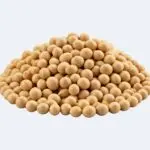
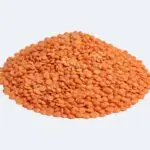
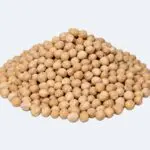
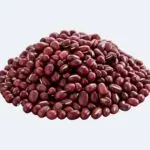
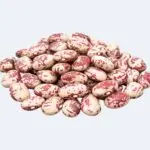
Soybeans lead our ranking per serving, which uses USDA (US Department of Agriculture) data. One cup (172 g) gives 8.84 mg, 49% of the Daily Value. Lentils (6.59 mg per cup) and chickpeas (4.74 mg per cup) follow. Next come adzuki beans and lima beans, then oysters at 4.34 mg in 3 oz, the only animal food in the top 10.
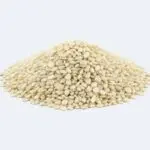
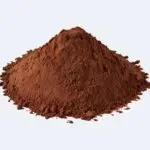
Per 100 g, herbs and seeds lead: thyme (17.5 mg), sesame seeds (14.6 mg) and cocoa powder (13.9 mg). A real serving of those is far smaller than 100 g. See the pages for soybeans, lentils, chickpeas, oysters, sesame seeds and cocoa powder.
Beef liver and fortified cereals are not in our ranking. The NIH lists pan-fried beef liver at 5 mg in 3 oz (28% of the Daily Value). Fortified breakfast cereals give up to 18 mg a serving (100%). In the US, about half of dietary iron comes from bread, cereal and other grain products.
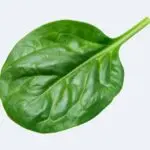
Heme iron, the kind in meat and seafood, is better absorbed than the non-heme iron in plants. Phytate and polyphenols (natural plant compounds) hold plant iron back. The NIH notes that spinach is a good source on paper, but its bioavailability (how much your body absorbs) is low because of these blockers. Vitamin C (see vitamin C) and meat raise absorption of plant iron.
Per serving. Bars show the share of the Daily Value (18 mg a day).
Per 100 g. Bars show the share of the Daily Value (18 mg a day).
Per serving. Bars show the share of the EU Reference Intake (14 mg a day).
Per 100 g. Bars show the share of the EU Reference Intake (14 mg a day). The line marks 100%.
Per 100 kcal: the same calories of each food, for a fair comparison. Bars compare each food with the top food.
- 1.
- 2.
- 3.
- 4.
- 5.
- 6.

- 7.
- 8.
- 9.
- 10.


- 1.

- 2.
- 3.
- 4.
- 5.
- 6.
- 7.
- 8.

- 9.
- 10.



- 1.
- 2.

- 3.
- 4.

- 5.
- 6.

- 7.
- 8.
- 9.
- 10.



Sources
- FoodData Central. US Department of Agriculture, Agricultural Research Service. Values as shown in the ranking above.
- Iron: fact sheet for health professionals. National Institutes of Health, Office of Dietary Supplements. Updated September 4, 2025.
How iron works
The basic biology of iron is well established. But it comes from reviews, cell and animal work, and absorption studies in small groups of people, not from trials of extra iron. Four ideas cover most of it.
Iron carries oxygen and does other jobs. The body controls its iron through absorption and the hormone hepcidin. What you eat with iron changes how much you take in, and the timing of a supplement matters. Here is each one, and what has been seen in people.
It carries oxygen and does other jobs
Hemoglobin and myoglobin are the best-known iron proteins. The NIH says iron also supports cell function, growth and the making of some hormones. The EU authorizes claims for iron in energy-yielding metabolism, the immune system and cell division.
Iron is stored as ferritin and moved in the blood by transferrin. Small amounts are lost in urine, feces, sweat and shed skin cells, and more in women who menstruate. Pasricha and colleagues note that iron deficiency can cause clinical and functional problems even without anemia.
The body controls iron through hepcidin
Because the body cannot excrete iron on purpose, the gate is at absorption. Hepcidin is made by the liver and binds ferroportin, the protein that lets iron out of gut cells and storage cells. The bound ferroportin is pulled into the cell and broken down, so less iron reaches the blood.
Iron stores raise hepcidin, and so does inflammation. In human volunteers and mice, the immune messenger IL-6 was necessary and sufficient to switch it on. That explains why infection lowers blood iron and why oral iron works less well during inflammation. The NIH adds that hepcidin controls both absorption and where iron sits in the body.
How hepcidin controls iron, simplified. Not to scale. The ferroportin step was shown in cell cultures, and the IL-6 link in cell cultures, mice and human volunteers.
What you eat with iron changes how much you absorb
Plants and fortified foods hold only non-heme iron, while meat, seafood and poultry hold both heme and non-heme iron. The NIH says heme iron is more bioavailable. It puts bioavailability at 14% to 18% from mixed diets rich in meat, seafood and vitamin C, and 5% to 12% from vegetarian diets.
In single-meal studies, the blockers are strong. Phytate in grains and beans cut absorption by 64% at 25 mg and 82% at 250 mg. Black tea cut it by 79% to 94%, and 165 mg of calcium by 50% to 60%; calcium also lowered heme iron absorption. In the same bread-meal work, vitamin C counteracted phytate.
Drawn to scale, in percent. Each bar comes from a separate study of bread meals in healthy adults, so the bars are not directly comparable. The phytate doses are expressed as phytate phosphorus. The lighter part of a bar shows the range between the lowest and highest result.
Whole diets blunt these effects. In a five-day study of complete diets, vitamin C intakes from 51 to 247 mg a day made no clear difference to iron absorption. The NIH says the enhancers and blockers have little effect on most people’s iron status in a typical Western diet. Iron status itself matters more: Hurrell and Egli report that status generally has a greater effect than diet makeup.
When you take a supplement matters
Hepcidin also explains an odd result. In 54 young women without anemia but with low ferritin, doses of 60 mg or more raised hepcidin. Then, 24 hours later, the share of iron absorbed was 35% to 45% lower. A sixfold rise in dose (40 to 240 mg) gave only a threefold rise in iron absorbed (6.7 to 18.1 mg).
In two more small trials, the same 60 mg dose was absorbed better on alternate days than on consecutive days. Splitting a dose across the day did not help. In 19 women with anemia, the first dose was absorbed 40% to 50% better than a dose on the second day in a row. The same held for a dose taken after a day off.
Drawn to scale. Isotope-labeled ferrous sulfate in 40 iron-depleted women; the alternate-day group took the same 14 doses over 28 days. Hepcidin was higher in the daily group.
What has been seen in people
Where people are short of iron, the effects are clear. Supplements raise hemoglobin and prevent anemia in menstruating women, in pregnancy and in young children, as the study cards above show.
The hepcidin results have led to trials of alternate-day dosing. So far, one trial shows similar iron stores with fewer stomach side effects. A pooled analysis of 11 trials found a small edge for daily dosing that could be chance.
Beyond deficiency the pattern is mixed. Low-iron adults had less fatigue, and school-age children gained in thinking skills. Breastfed infants without anemia saw no benefit, and there were harm signals in a malaria area.
Sources
- Iron: fact sheet for health professionals. National Institutes of Health, Office of Dietary Supplements. Updated September 4, 2025.
- Hurrell R, Egli I. Iron bioavailability and dietary reference values. Am J Clin Nutr. 2010.
- Krause A, Neitz S, Mägert HJ, et al. LEAP-1, a novel highly disulfide-bonded human peptide, exhibits antimicrobial activity. FEBS Lett. 2000.
- Park CH, Valore EV, Waring AJ, Ganz T. Hepcidin, a urinary antimicrobial peptide synthesized in the liver. J Biol Chem. 2001.
- Nemeth E, Tuttle MS, Powelson J, et al. Hepcidin regulates cellular iron efflux by binding to ferroportin and inducing its internalization. Science. 2004.
- Nemeth E, Rivera S, Gabayan V, et al. IL-6 mediates hypoferremia of inflammation by inducing the synthesis of the iron regulatory hormone hepcidin. J Clin Invest. 2004.
- Drakesmith H, Prentice AM. Hepcidin and the iron-infection axis. Science. 2012.
- Pasricha SR, Tye-Din J, Muckenthaler MU, Swinkels DW. Iron deficiency. Lancet. 2021.
- Moretti D, Goede JS, Zeder C, et al. Oral iron supplements increase hepcidin and decrease iron absorption from daily or twice-daily doses in iron-depleted young women. Blood. 2015.
- Stoffel NU, Cercamondi CI, Brittenham G, et al. Iron absorption from oral iron supplements given on consecutive versus alternate days and as single morning doses versus twice-daily split dosing in iron-depleted women: two open-label, randomised controlled trials. Lancet Haematol. 2017.
- Stoffel NU, Zeder C, Brittenham GM, Moretti D, Zimmermann MB. Iron absorption from supplements is greater with alternate day than with consecutive day dosing in iron-deficient anemic women. Haematologica. 2020.
- von Siebenthal HK, Gessler S, Vallelian F, et al. Alternate day versus consecutive day oral iron supplementation in iron-depleted women: a randomized double-blind placebo-controlled study. EClinicalMedicine. 2023.
- Dhanvijay AD, Patidar V, Singh J, et al. Efficacy of daily versus alternate day oral iron supplementation for management of anaemia among general population: a systematic review and meta-analysis. BMC Pharmacol Toxicol. 2025.
- Hallberg L, Brune M, Rossander L. Iron absorption in man: ascorbic acid and dose-dependent inhibition by phytate. Am J Clin Nutr. 1989.
- Hallberg L, Brune M, Erlandsson M, Sandberg AS, Rossander-Hultén L. Calcium: effect of different amounts on nonheme- and heme-iron absorption in humans. Am J Clin Nutr. 1991.
- Hurrell RF, Reddy M, Cook JD. Inhibition of non-haem iron absorption in man by polyphenolic-containing beverages. Br J Nutr. 1999.
- Cook JD, Reddy MB. Effect of ascorbic acid intake on nonheme-iron absorption from a complete diet. Am J Clin Nutr. 2001.
- Commission Regulation (EU) No 432/2012 establishing a list of permitted health claims made on foods. Official Journal of the European Union. 2012.
How much iron do you need?
Adults need 8 mg of iron a day, except women aged 19 to 50, who need 18 mg. These are the US Recommended Dietary Allowances (RDAs, the daily amounts that cover nearly all healthy people). EFSA (the EU’s food safety agency) sets a Population Reference Intake, its version of the RDA. It is 11 mg a day for men and postmenopausal women and 16 mg for premenopausal women.
In pregnancy, the US value rises to 27 mg a day and EFSA’s is 16 mg. While breastfeeding, the US values are 10 mg at ages 14 to 18 and 9 mg at 19 to 50, and EFSA’s is 16 mg. After 50, US women need 8 mg, the same as men, and EFSA’s 11 mg applies to men and postmenopausal women.
The NIH says the requirement is 1.8 times higher for people on vegetarian diets, because plant iron is absorbed less well. The table below shows the full US and EU values by age.
Iron: recommended intake per day
US: Adequate Intake / Recommended Dietary Allowance (NASEM). EU: Population Reference Intake (EFSA).
| Age and sex | US (RDA) | EU (PRI) |
|---|---|---|
| Men, 31–50 years | 8 mg | 11 mg |
| Women, 31–50 years | 18 mg | 16 mg |
All ages, pregnancy and breastfeeding
| Age and sex | US (AI/RDA) | EU (PRI) |
|---|---|---|
| Infants 0–6 months | 0.27 mg | None set |
| Infants 7–11 months | None set | 11 mg |
| Infants 7–12 months | 11 mg | None set |
| Children 1–3 years | 7 mg | None set |
| Children 1–6 years | None set | 7 mg |
| Children 4–8 years | 10 mg | None set |
| Children 7–11 years | None set | 11 mg |
| Females 9–13 years | 8 mg | None set |
| Males 9–13 years | 8 mg | None set |
| Children 12–17 years, female | None set | 13 mg |
| Children 12–17 years, male | None set | 11 mg |
| Females 14–18 years | 15 mg | None set |
| Males 14–18 years | 11 mg | None set |
| Women, premenopausal | None set | 16 mg |
| Adults 18+ years, male | None set | 11 mg |
| Females 19–30 years | 18 mg | None set |
| Males 19–30 years | 8 mg | None set |
| Females 31–50 years | 18 mg | None set |
| Males 31–50 years | 8 mg | None set |
| Women, postmenopausal | None set | 11 mg |
| Females 51–70 years | 8 mg | None set |
| Males 51–70 years | 8 mg | None set |
| Females >70 years | 8 mg | None set |
| Males >70 years | 8 mg | None set |
| Pregnancy 14–18 years | 27 mg | None set |
| Pregnancy | None set | 16 mg |
| Pregnancy 19–30 years | 27 mg | None set |
| Pregnancy 31–50 years | 27 mg | None set |
| Lactation 14–18 years | 10 mg | None set |
| Lactation | None set | 16 mg |
| Lactation 19–30 years | 9 mg | None set |
| Lactation 31–50 years | 9 mg | None set |
EU and US age bands differ; "None set" means that body sets no value for the group. Label reference: FDA Daily Value 18 mg, EU Reference Intake 14 mg.EU and US age bands differ; "None set" means that body sets no value for the group. Label reference: EU Reference Intake 14 mg, FDA Daily Value 18 mg.
Iron deficiency: signs and who is at risk
Deficiency runs in stages, the NIH explains. Iron stores fall first. Next, the supply to red blood cell production drops while hemoglobin is still normal. Last comes iron-deficiency anemia, with low hemoglobin and small, pale red cells.
People with anemia may have weakness, fatigue, trouble concentrating, and stomach and bowel problems. In infants, it can affect thinking and behavior in ways that might be irreversible.
A ferritin level below 30 µg/L suggests iron deficiency, and below 10 µg/L suggests anemia from it. Inflammation can push ferritin up, so doctors combine tests. Hemoglobin below 11 g/dL in children under 10, or below 12 g/dL from age 10, suggests iron-deficiency anemia. But hemoglobin alone is neither sensitive nor specific: it misses some cases and flags others.
Groups at higher risk include pregnant women, infants and young children, and women with heavy periods (at least 10% of menstruating women by some estimates). Frequent blood donors are at risk too, as 25% to 35% develop iron deficiency. So are people with cancer, bowel disorders or bowel surgery, and people with heart failure (about 60% are iron deficient).
Because the cause matters, a doctor should look for it. The Lancet review says that includes screening for celiac disease and, in men and postmenopausal women, looking for bleeding in the gut. A blood test is the sensible first step before taking iron on your own.
Sources
- Iron: fact sheet for health professionals. National Institutes of Health, Office of Dietary Supplements. Updated September 4, 2025.
- EFSA Panel on Dietetic Products, Nutrition and Allergies (NDA). Scientific opinion on dietary reference values for iron. EFSA J. 2015.
- Pasricha SR, Tye-Din J, Muckenthaler MU, Swinkels DW. Iron deficiency. Lancet. 2021.
Forms of iron: absorption and effects
Iron pills differ in how much iron they hold, how well they dissolve and how they feel in the stomach. The NIH says ferrous and ferric salts are the most common forms. It says ferrous iron is more bioavailable than ferric because it dissolves better. High doses (45 mg a day or more) may cause nausea and constipation.
Supplement Facts panels list elemental iron, so you do not need to work it out from the salt. Taking iron with food can ease side effects, the NIH adds.
The honest bottom line: ferrous sulfate is the best-studied form and the usual comparison. In head-to-head trials, other forms have matched it on hemoglobin or done worse (iron polysaccharide complex in toddlers, heme iron after gastric bypass). In a pooled analysis, bisglycinate did a little better in pregnancy. Claims of fewer side effects are mixed, and most trials measure absorption or hemoglobin over weeks, not long-term health.
The trials above used these forms. Ferrous sulfate was used in the two fatigue trials (80 mg of iron a day) and in the absorption trials. Iron polysaccharide was used in the oral heart failure trial, and micronized ferric pyrophosphate in the breastfed-infant trial. Intravenous ferric carboxymaltose was used in FAIR-HF and HEART-FID.
There are 15 comparisons below, and they are counted in this page’s total of 43 studies.
| Form | Share of iron by weight | What studies show | Source |
|---|---|---|---|
| Ferrous sulfate | 20% | The usual comparison. Raised the odds of stomach and bowel side effects 2.32 times against placebo. Beat iron polysaccharide complex in toddlers and heme iron polypeptide after gastric bypass. | 1, 2, 7, 11 |
| Ferrous gluconate | 12% | In a trial in blood donors, 37.5 mg of iron a day restored lost hemoglobin and iron in less than half the time of no supplement. A review found side effects in 30.9% of users, but not in head-to-head trials. We found no randomized trial against ferrous sulfate. | 1, 3 |
| Ferrous fumarate | 33% | Absorbed about as well as ferrous sulfate in women, infants and toddlers. Highest side-effect rate (47.0%) in the review of mixed study designs. | 1, 3, 4 |
| Ferrous bisglycinate (amino acid chelate) | Not stated | Absorbed 6.0% against 1.7% for ferrous sulfate from maize porridge. In pregnancy, higher hemoglobin and fewer stomach and bowel events in a meta-analysis; no difference in children. | 1, 5, 6 |
| Ferric salts (ferric citrate, ferric sulfate) | Not stated | The NIH says ferric iron is less bioavailable than ferrous. Ferric trisglycinate was absorbed 2.3% from maize. | 1, 5 |
| Ferric maltol (prescription) | Not stated | In inflammatory bowel disease, raised hemoglobin by 2.25 g/dL more than placebo at 12 weeks in people who had failed ferrous products. The sponsor was the maker. | 12 |
| Iron polysaccharide complex | Not stated | Raised hemoglobin 1.0 g/dL less than ferrous sulfate in toddlers, with more diarrhea. Did not help exercise capacity in heart failure. | 7, 13 |
| Iron(III) polymaltose complex | Not stated | In pregnancy, similar hemoglobin rise and fewer side effects in an open-label trial. In 118 children, ferrous sulfate gave higher hemoglobin and fewer complaints. | 8, 9 |
| Heme iron polypeptide | Not stated | No better than ferrous sulfate in Gambian infants; no response after gastric bypass in 14 women. The NIH says it might cause fewer stomach and bowel effects. | 1, 10, 11 |
| Sucrosomal iron (ferric pyrophosphate in a lipid carrier) | Not stated | Evidence is mostly small studies of this one product, and a 2023 review included authors who work for the company that developed it (Alesco) and for Pharmanutra, which markets sucrosomal iron products. A 60-patient open-label trial compared it with no iron, not with another form. | 14, 15 |
| Intravenous iron (iron sucrose, ferric carboxymaltose; prescription drugs) | Not applicable | More hemoglobin than oral iron in pregnancy, fewer stomach effects, but severe infusion reactions were more common (risk ratio 2.47) across 103 trials. | 16, 17, 18 |
Some smaller points. In 19 women with anemia, the first dose was absorbed 40% to 50% better than a dose on the second day in a row. So was a dose taken after a day off. One 200 mg dose on alternate days gave about twice the iron of 100 mg on consecutive days.
In pregnancy, a Cochrane review of intermittent against daily iron found similar outcomes for mothers and babies, with fewer side effects (0.56 times the risk). But the evidence was of low or very low quality. In a Danish trial of 80 pregnant women, 25 mg of bisglycinate prevented deficiency about as well as 50 mg of ferrous sulfate. It also caused fewer stomach complaints.
For carbonyl iron and several forms sold as gentle, we found no head-to-head randomized trial. The NIH only says some forms “might” cause fewer stomach and bowel effects.
All 15 studies, strongest evidence first
Ferrous sulfate raised the odds of gut side effects 2.32 times
This meta-analysis pooled 43 randomized trials with 6,831 adults, and the placebo comparison used 20 of them. Compared with intravenous iron, the odds were 3.05 times as high, and in 7 trials of pregnant women (1,028 women) 3.33 times. The effect did not clearly depend on dose. Two authors report consulting on iron supplements and a patent on new iron compounds.
In anemic pregnant women, IV iron raised hemoglobin more than iron pills
This Cochrane review pooled 13 trials with 3,939 pregnant women with iron-deficiency anemia, most often comparing iron sucrose (an IV drug) with ferrous sulfate. After 3 to 6 weeks, hemoglobin was 0.49 g/dL higher with IV iron. Anemia was less likely (0.81 times the risk), and transfusion rates did not differ (0.97). Adverse events were not clearly higher (1.05), though individual side effects were reported inconsistently.
In pregnancy, ferrous bisglycinate gave higher hemoglobin and fewer gut side effects
This meta-analysis pooled 17 trials lasting 4 to 20 weeks, comparing bisglycinate with other iron supplements. In 9 trials of pregnant women, hemoglobin was higher (standardized mean difference 0.54) and gut side effects were less frequent (0.36 times the rate). In 4 trials of children, hemoglobin and ferritin did not differ.
Only IV iron sucrose and ferric carboxymaltose clearly beat ferrous sulfate
This network meta-analysis compared many iron preparations for anemia in pregnancy at once, using 53 eligible trials (9,145 women). Hemoglobin data came from 30 trials with 3,243 women, and 22 of the 30 had a high or medium risk of bias. At 4 weeks, iron sucrose raised hemoglobin 7.17 g/L more than oral ferrous sulfate. Ferric carboxymaltose raised it 8.52 g/L more (one trial, wide range), and evidence for other preparations was insufficient.
In anemic toddlers, ferrous sulfate beat iron polysaccharide complex on hemoglobin
For 12 weeks, 80 toddlers aged 9 to 48 months with iron-deficiency anemia got 3 mg per kg of elemental iron a day as drops. Hemoglobin rose 1.0 g/dL more on ferrous sulfate: from 7.9 to 11.9 g/dL, against 7.7 to 11.1 g/dL on the complex. Anemia fully resolved in 29% against 6%, and diarrhea was reported more with the complex (58% against 35%). Only 59 children finished.
In anemic Gambian infants, heme iron did no better than ferrous sulfate
In this trial, 208 anemic infants in The Gambia got 10 mg of elemental iron a day for 84 days, given under direct observation. Anemia fell from 83.7% to 46.2% on ferrous sulfate and from 84.6% to 47.1% on heme iron polypeptide, and hemoglobin and ferritin did not differ. Heme iron gave higher serum iron (by 48.4%) and transferrin saturation (by 52.3%). Side effects did not differ.
Every-other-day iron gave the same ferritin with fewer gut effects
In this Swiss trial, 150 young women with ferritin of 30 µg/L or less took 100 mg of iron daily or every other day. The trial was double-masked (nobody knew who was on which schedule) and used placebo, with equal total doses over 180 days. Median ferritin was 43.8 against 44.8 µg/L, and gut side effects on iron days were 1.56 times as common with daily dosing. Iron deficiency at 6 months was 11.4% against 3.0%, and hepcidin was higher with daily dosing.
In bowel disease with anemia, ferric maltol raised hemoglobin more than placebo
In this double-blind trial, 128 people with inflammatory bowel disease and anemia, who had failed earlier ferrous iron products, took ferric maltol or a placebo. Ferric maltol (a prescription oral iron) was 30 mg twice a day, and at 12 weeks hemoglobin was 2.25 g/dL higher than on placebo. Hemoglobin was normal in two-thirds by week 12, and safety was similar to placebo. The registered sponsor was the drug company Shield Therapeutics.
Daily iron had a small, uncertain hemoglobin edge over alternate days
This meta-analysis pooled 11 trials in 1,014 people. Daily dosing gave a hemoglobin edge of 0.28 over alternate-day dosing, small enough to be chance. Adverse events were similar (1.07 times the risk), though a metallic taste was more common with daily dosing. The authors rate the certainty of most results as very low and advise individualized decisions.
Alternate-day iron was absorbed better: 21.8% against 16.3%
In 40 women with low iron stores, 60 mg on alternate days was absorbed better than on consecutive days. The two open-label trials used ferrous sulfate tagged with isotopes (traceable forms of iron). In study 1, the 14 doses given on alternate days gave 175.3 mg of absorbed iron against 131.0 mg, and hepcidin was lower. In study 2 (20 women), splitting 120 mg into two doses did not raise absorption (13.1% against 11.8%) and raised hepcidin. The authors say anemic patients should be studied.
In anemic pregnancy, iron polymaltose matched ferrous sulfate with fewer side effects
In this exploratory, open-label trial, 80 pregnant women with anemia took iron(III) polymaltose complex or ferrous sulfate. The dose was 100 mg of iron twice a day for 90 days. Hemoglobin rose 2.16 against 1.93 g/dL, a difference that could be chance, and side effects hit 29.3% against 56.4%. Serum ferritin was higher with the complex (179 against 157 ng/mL), and the authors conclude at least equivalent efficacy.
Ferrous fumarate was absorbed about as well as ferrous sulfate
Mexican women, infants (6 to 24 months) and young children without anemia drank a sweetened maize and milk drink with isotope-tagged iron. It held 4 mg of iron for women and 2.5 mg for the others. Absorption was 17.5% against 20.5% in women, 7.0% against 7.2% in infants and 6.3% against 5.9% in children aged 2 to 5. No difference was clear, and the authors say more work is needed for foods meant to treat iron deficiency.
In maize porridge, bisglycinate iron was absorbed at 6.0%, sulfate at 1.7%
This isotope study in 10 men with enough iron traced the iron from ferrous bisglycinate, ferrous sulfate and ferric trisglycinate in blood. Ferric trisglycinate was poorly absorbed from maize (2.3%). Absorption of all forms fell as ferritin rose. So the body still controls how much it takes from this form.
After gastric bypass, ferrous sulfate raised hemoglobin; heme iron did not
In this single-blind trial, 14 iron-deficient women took ferrous sulfate or heme iron polypeptide for 8 weeks after gastric bypass; it was stopped early. Six took ferrous sulfate, 195 mg a day, and 8 took heme iron polypeptide, 31.5 to 94.5 mg a day. On ferrous sulfate, hemoglobin rose from 10.8 to 13.0 g/dL and ferritin from 4.9 to 15.5 µg/L. Hemoglobin did not change on heme iron, but the trial is very small, and the Gambian infants above showed no such gap.
A review of 111 studies: side-effect rates differed widely between forms
It covered 10,695 patients. Rates ran from 4.1% for extended-release ferrous sulfate with mucoproteose to 47.0% for ferrous fumarate. Other rates were 7.3% for iron protein succinylate, 23.5% for ferrous glycine sulfate, 30.9% for ferrous gluconate and 32.3% for ferrous sulfate without mucoproteose. Study designs varied, so these are not head-to-head comparisons; searches ended in January 2009.
Sources
- Iron: fact sheet for health professionals. National Institutes of Health, Office of Dietary Supplements. Updated September 4, 2025.
- Tolkien Z, Stecher L, Mander AP, Pereira DI, Powell JJ. Ferrous sulfate supplementation causes significant gastrointestinal side-effects in adults: a systematic review and meta-analysis. PLoS One. 2015.
- Cancelo-Hidalgo MJ, Castelo-Branco C, Palacios S, et al. Tolerability of different oral iron supplements: a systematic review. Curr Med Res Opin. 2013.
- Harrington M, Hotz C, Zeder C, et al. A comparison of the bioavailability of ferrous fumarate and ferrous sulfate in non-anemic Mexican women and children consuming a sweetened maize and milk drink. Eur J Clin Nutr. 2011.
- Bovell-Benjamin AC, Viteri FE, Allen LH. Iron absorption from ferrous bisglycinate and ferric trisglycinate in whole maize is regulated by iron status. Am J Clin Nutr. 2000.
- Fischer JAJ, Cherian AM, Bone JN, Karakochuk CD. The effects of oral ferrous bisglycinate supplementation on hemoglobin and ferritin concentrations in adults and children: a systematic review and meta-analysis of randomized controlled trials. Nutr Rev. 2023.
- Powers JM, Buchanan GR, Adix L, et al. Effect of low-dose ferrous sulfate vs iron polysaccharide complex on hemoglobin concentration in young children with nutritional iron-deficiency anemia: a randomized clinical trial. JAMA. 2017.
- Ortiz R, Toblli JE, Romero JD, et al. Efficacy and safety of oral iron(III) polymaltose complex versus ferrous sulfate in pregnant women with iron-deficiency anemia: a multicenter, randomized, controlled study. J Matern Fetal Neonatal Med. 2011.
- Bopche AV, Dwivedi R, Mishra R, Patel GS. Ferrous sulfate versus iron polymaltose complex for treatment of iron deficiency anemia in children. Indian Pediatr. 2009.
- Bah M, Verhoef H, Okoh E, et al. Heme iron compared with ferrous iron salts to treat iron deficiency anemia in Gambian children: a randomized controlled trial. Am J Clin Nutr. 2025.
- Mischler RA, Armah SM, Craig BA, et al. Comparison of oral iron supplement formulations for normalization of iron status following Roux-en-Y gastric bypass surgery: a randomized trial. Obes Surg. 2018.
- Gasche C, Ahmad T, Tulassay Z, et al. Ferric maltol is effective in correcting iron deficiency anemia in patients with inflammatory bowel disease: results from a phase-3 clinical trial program. Inflamm Bowel Dis. 2015.
- Lewis GD, Malhotra R, Hernandez AF, et al. Effect of oral iron repletion on exercise capacity in patients with heart failure with reduced ejection fraction and iron deficiency: the IRONOUT HF randomized clinical trial. JAMA. 2017.
- Gómez-Ramírez S, Brilli E, Tarantino G, Girelli D, Muñoz M. Sucrosomial iron: an updated review of its clinical efficacy for the treatment of iron deficiency. Pharmaceuticals (Basel). 2023.
- Zuccarini A, Cicognini D, Tancredi R, et al. Randomized trial of sucrosomial iron supplementation in patients with chemotherapy-related anemia treated with ESA. Support Care Cancer. 2022.
- Nicholson L, Axon E, Daru J, Rogozińska E. Effect and safety of intravenous iron compared to oral iron for treatment of iron deficiency anaemia in pregnancy. Cochrane Database Syst Rev. 2024.
- Rogozińska E, Daru J, Nicolaides M, et al. Iron preparations for women of reproductive age with iron deficiency anaemia in pregnancy (FRIDA): a systematic review and network meta-analysis. Lancet Haematol. 2021.
- Avni T, Bieber A, Grossman A, et al. The safety of intravenous iron preparations: systematic review and meta-analysis. Mayo Clin Proc. 2015.
- Stoffel NU, Cercamondi CI, Brittenham G, et al. Iron absorption from oral iron supplements given on consecutive versus alternate days and as single morning doses versus twice-daily split dosing in iron-depleted women: two open-label, randomised controlled trials. Lancet Haematol. 2017.
- Stoffel NU, Zeder C, Brittenham GM, Moretti D, Zimmermann MB. Iron absorption from supplements is greater with alternate day than with consecutive day dosing in iron-deficient anemic women. Haematologica. 2020.
- von Siebenthal HK, Gessler S, Vallelian F, et al. Alternate day versus consecutive day oral iron supplementation in iron-depleted women: a randomized double-blind placebo-controlled study. EClinicalMedicine. 2023.
- Dhanvijay AD, Patidar V, Singh J, et al. Efficacy of daily versus alternate day oral iron supplementation for management of anaemia among general population: a systematic review and meta-analysis. BMC Pharmacol Toxicol. 2025.
- Moretti D, Goede JS, Zeder C, et al. Oral iron supplements increase hepcidin and decrease iron absorption from daily or twice-daily doses in iron-depleted young women. Blood. 2015.
- Peña-Rosas JP, De-Regil LM, Gomez Malave H, Flores-Urrutia MC, Dowswell T. Intermittent oral iron supplementation during pregnancy. Cochrane Database Syst Rev. 2015.
- Milman N, Jønsson L, Dyre P, Pedersen PL, Larsen LG. Ferrous bisglycinate 25 mg iron is as effective as ferrous sulfate 50 mg iron in the prophylaxis of iron deficiency and anemia during pregnancy in a randomized trial. J Perinat Med. 2014.
Is iron safe? Supplements, dose and interactions
Adults with normal bowel function have very little risk of iron overload from food, the NIH says. The US tolerable upper intake level, the most per day that is likely safe, is 45 mg for ages 14 and up. For infants and children up to 13, it is 40 mg. It was set from the stomach and bowel effects of iron salts and covers food and supplements together; doctors sometimes prescribe more for anemia.
EFSA could not set an upper level for iron, either in 2004 or in its 2024 review. Instead, in 2024 it set a safe level of intake of 40 mg a day for adults, including pregnant and breastfeeding women. For children and teenagers it rises with age, from 10 mg a day at ages 1 to 3 to 35 mg at 15 to 17. A safe level is a weaker tool than an upper level, because it does not say where the risk starts to rise.
In 2004 the panel judged the risk from food iron, including fortified foods, to be low. The exception was people with two copies of the hemochromatosis gene, up to 0.5% of the population. It warned that supplements may raise the share of men and postmenopausal women with signs of high iron stores in blood tests.
- Stomach and bowel side effects. High doses can cause nausea, constipation, stomach pain, vomiting and diarrhea, the NIH says. In the Cochrane review of menstruating women, constipation was twice as likely on iron (2.07 times the risk). Taking iron with food helps, and in a trial, alternate-day dosing caused fewer stomach side effects (1.56 times as common with daily dosing). Supplements with 25 mg of iron or more can also lower zinc absorption.
- Children and accidental overdose. The FDA requires solid iron supplements to carry a warning. It says accidental overdose of iron-containing products is a leading cause of fatal poisoning in children under 6. Keep the product out of reach of children. In case of accidental overdose, call a doctor or poison control center immediately. At least 43 US children died from iron supplements between 1983 and 2000, the NIH says. Swallowing more than 20 mg per kg of body weight can damage the intestine. Never give a child an adult iron product.
- Hemochromatosis and iron overload. About 4.4 in 1,000 White people inherit the common gene change from both parents. The NIH says the American Association for the Study of Liver Diseases advises people with hemochromatosis to avoid iron and vitamin C supplements. In the Melbourne cohort, 28.4% of men who carry it from both parents had iron-overload disease, against 1.2% of women. The EASL guideline (European liver experts) says early diagnosis and treatment by phlebotomy (regular blood removal) can prevent cirrhosis, liver cancer, diabetes and joint damage. Higher heme-iron intake has been linked to type 2 diabetes and colorectal cancer in observational studies, which cannot show cause.
- Infants and malaria areas. A large trial in Pemba linked iron and folic acid to more hospital admissions. The Cochrane review, though, found no overall increase in clinical malaria. The WHO advises giving iron in malaria-endemic areas along with steps to prevent, diagnose and treat malaria, the NIH says.
- Medicines. Taken with ferrous sulfate, levothyroxine (a thyroid hormone pill) worked less well in 14 people: TSH rose from 1.6 to 5.4 mU/L. The NIH says some labels advise waiting 4 hours. Ferrous sulfate cut peak levodopa (a Parkinson’s drug) levels by 55% in 8 healthy volunteers. In crossover trials, it lowered absorption of the antibiotics norfloxacin by 73%, ciprofloxacin by 57% and ofloxacin by 25%. The authors advised against taking norfloxacin or ciprofloxacin together with it. Proton pump inhibitors reduce stomach acid and iron absorption: two or more years of use went with 2.49 times the odds of iron deficiency. Calcium supplements should also be taken at a different time.
- Who should ask a doctor first. Pregnant women: the ACOG (US obstetricians) advises low-dose iron. The USPSTF (a US prevention panel) finds the evidence insufficient for routine supplements. Also men and postmenopausal women, people with heart failure, bowel disease or kidney disease, anyone who takes the medicines above, and parents of young children.
How to get more iron
- Pair plant iron with vitamin C or a little meat or fish. The EU authorizes claims for both, and in single-meal studies vitamin C offset phytate. But in complete diets, vitamin C intakes of 51 to 247 mg a day made no clear difference. So a vitamin C pill is not a fix for a low-iron diet.
- Keep tea, coffee and calcium away from iron-rich meals and pills. Black tea cut absorption from a bread meal by 79% to 94%, and 165 mg of calcium by 50% to 60%. Adding milk to tea or coffee changed little. The NIH suggests taking calcium and iron supplements at different times of the day.
- Cook in cast iron and look for fortified foods. In a review of three trials, food cooked in iron pots raised hemoglobin in anemic or iron-deficient people. Results were shaped by use, age, malaria and hookworm. Wheat and other flours are fortified with iron in the US and Canada.
Sources
- Iron: fact sheet for health professionals. National Institutes of Health, Office of Dietary Supplements. Updated September 4, 2025.
- EFSA Panel on Dietetic Products, Nutrition and Allergies (NDA). Opinion on the tolerable upper intake level of iron (adopted 19 October 2004). In: Tolerable upper intake levels for vitamins and minerals. European Food Safety Authority. 2006.
- EFSA Panel on Nutrition, Novel Foods and Food Allergens (NDA). Scientific opinion on the tolerable upper intake level for iron. EFSA J. 2024.
- 21 CFR 101.17(e): dietary supplements containing iron or iron salts. Code of Federal Regulations, US Food and Drug Administration.
- European Association for the Study of the Liver. EASL clinical practice guidelines on haemochromatosis. J Hepatol. 2022.
- Campbell NR, Hasinoff BB, Stalts H, Rao B, Wong NC. Ferrous sulfate reduces thyroxine efficacy in patients with hypothyroidism. Ann Intern Med. 1992.
- Campbell NR, Hasinoff B. Ferrous sulfate reduces levodopa bioavailability: chelation as a possible mechanism. Clin Pharmacol Ther. 1989.
- Lehto P, Kivistö KT, Neuvonen PJ. The effect of ferrous sulphate on the absorption of norfloxacin, ciprofloxacin and ofloxacin. Br J Clin Pharmacol. 1994.
- Polk RE, Healy DP, Sahai J, Drwal L, Racht E. Effect of ferrous sulfate and multivitamins with zinc on absorption of ciprofloxacin in normal volunteers. Antimicrob Agents Chemother. 1989.
- Hutchinson C, Geissler CA, Powell JJ, Bomford A. Proton pump inhibitors suppress absorption of dietary non-haem iron in hereditary haemochromatosis. Gut. 2007.
- Hallberg L, Brune M, Erlandsson M, Sandberg AS, Rossander-Hultén L. Calcium: effect of different amounts on nonheme- and heme-iron absorption in humans. Am J Clin Nutr. 1991.
- Hurrell RF, Reddy M, Cook JD. Inhibition of non-haem iron absorption in man by polyphenolic-containing beverages. Br J Nutr. 1999.
- Cook JD, Reddy MB. Effect of ascorbic acid intake on nonheme-iron absorption from a complete diet. Am J Clin Nutr. 2001.
- Geerligs PD, Brabin BJ, Omari AA. Food prepared in iron cooking pots as an intervention for reducing iron deficiency anaemia in developing countries: a systematic review. J Hum Nutr Diet. 2003.
- von Siebenthal HK, Gessler S, Vallelian F, et al. Alternate day versus consecutive day oral iron supplementation in iron-depleted women: a randomized double-blind placebo-controlled study. EClinicalMedicine. 2023.
- Stoffel NU, Cercamondi CI, Brittenham G, et al. Iron absorption from oral iron supplements given on consecutive versus alternate days and as single morning doses versus twice-daily split dosing in iron-depleted women: two open-label, randomised controlled trials. Lancet Haematol. 2017.
- Commission Regulation (EU) No 432/2012 establishing a list of permitted health claims made on foods. Official Journal of the European Union. 2012.
History of iron
For centuries, young women fell ill with a condition called chlorosis, or green sickness. It was named at the start of the 17th century. Many explanations were offered, including psychological ones, before it was recognized as hypochromic anemia (pale red cells), or iron deficiency.
In the 19th century, hydrotherapy (water cures) gave way to iron therapy, and by the early 20th century the disease had disappeared. In 1898 Catharine van Tussenbroek, the first female Dutch gynecologist, pointed to the social factors at its root.
The hormone that controls iron was found by accident. In 2000 one team reported a new germ-killing peptide from human blood. In 2001 another described a peptide from human urine and named it hepcidin, for its liver origin and its killing of microbes. In 2004 two papers showed that hepcidin binds ferroportin and shuts the iron door, and that the inflammation messenger IL-6 switches it on.
Iron’s danger to children produced a rare public health success. The US required unit-dose packaging of iron supplements in 1997. In the years after, poison-center deaths in children under 6 fell from 29 to 1, as the study cards above show. A court decision led the FDA to drop the packaging requirement in 2003, but the warning label remains.
Sources
- Starobinski J. Chlorosis: the “green sickness”. Psychol Med. 1981.
- Treffers PE. Chlorosis, the lost disease of languid young women [article in Dutch]. Ned Tijdschr Geneeskd. 2003.
- Krause A, Neitz S, Mägert HJ, et al. LEAP-1, a novel highly disulfide-bonded human peptide, exhibits antimicrobial activity. FEBS Lett. 2000.
- Park CH, Valore EV, Waring AJ, Ganz T. Hepcidin, a urinary antimicrobial peptide synthesized in the liver. J Biol Chem. 2001.
- Nemeth E, Tuttle MS, Powelson J, et al. Hepcidin regulates cellular iron efflux by binding to ferroportin and inducing its internalization. Science. 2004.
- Nemeth E, Rivera S, Gabayan V, et al. IL-6 mediates hypoferremia of inflammation by inducing the synthesis of the iron regulatory hormone hepcidin. J Clin Invest. 2004.
- Iron: fact sheet for health professionals. National Institutes of Health, Office of Dietary Supplements. Updated September 4, 2025.
- 21 CFR 101.17(e): dietary supplements containing iron or iron salts. Code of Federal Regulations, US Food and Drug Administration.
Frequently asked questions about iron
Which foods are highest in iron?
In our USDA ranking per serving, soybeans lead with 8.84 mg in one cup (49% of the Daily Value). Lentils (6.59 mg per cup) and chickpeas (4.74 mg per cup) follow, and oysters give 4.34 mg in 3 oz. The NIH lists pan-fried beef liver at 5 mg in 3 oz and fortified breakfast cereals at up to 18 mg a serving. Heme iron from meat and seafood is better absorbed than the plant iron in beans.
How much iron do vegetarians need?
The NIH says the requirement is 1.8 times higher for people on vegetarian diets, because plant iron is absorbed less well. That works out to about 14 mg a day for men and 32 mg for women aged 19 to 50. Bioavailability is 5% to 12% on vegetarian diets against 14% to 18% on mixed diets. Ask for a ferritin test before taking a supplement.
Does coffee or tea block iron absorption?
Yes, in test meals. Black tea cut iron absorption from a bread meal by 79% to 94%, peppermint tea by 84% and cocoa by 71%. Adding milk to tea or coffee changed little, and the NIH says such effects are smaller in a typical Western diet. The simple way around it is to drink them away from iron-rich meals and iron pills.
Is it better to take iron every day or every other day?
Absorption is better on alternate days: 21.8% against 16.3% in a trial of iron-depleted women, because each dose raises hepcidin for about 24 hours. A larger trial found the same ferritin with fewer stomach side effects on alternate days. A pooled analysis of 11 trials found a small edge for daily dosing that could be chance, with very low certainty. Ask your doctor, especially if you are anemic or pregnant.
Which form of iron is best tolerated?
No form has been shown to be clearly gentler in every group. Ferrous sulfate raised stomach side effects 2.32 times against placebo, while bisglycinate caused fewer gut problems than other iron in pregnancy (0.36 times the rate). Iron polysaccharide complex caused more diarrhea than ferrous sulfate in toddlers (58% against 35%). Taking iron with food also helps, the NIH says.
Does iron help with tiredness if I am not anemic?
Possibly, if your iron stores are low. Pooled trials in adults with low ferritin but no anemia found less self-reported fatigue (standardized mean difference −0.38), but no change in exercise tests. In one trial, the gain was only in women with ferritin of 50 µg/L or less. If your iron is normal, the evidence of benefit is thin, so a blood test comes first.
Can too much iron be harmful?
Yes. The US upper level for adults is 45 mg a day, and the EU safe level is 40 mg a day. Both count food and supplements together.
Doses of 45 mg a day or more make stomach upset more likely. People with hemochromatosis can build up iron in the liver, heart and pancreas. Iron pills are also a leading cause of fatal poisoning in children under 6, which is why US labels carry a warning. Men and postmenopausal women should not take iron without a reason.
Does cooking in a cast iron pan add iron?
It can. A review of three trials found that food cooked in iron pots raised hemoglobin in anemic or iron-deficient people. Results depended on how the pots were used and on malaria and hookworm. The review’s authors call it a promising approach that needs more research; it adds to, but does not replace, a diet with enough iron.