
Magnesium is an essential mineral. Your body uses it in more than 300 enzyme reactions, says the NIH (the US National Institutes of Health). These reactions make energy, build protein and DNA, and control nerves and muscles. An adult body holds about 25 g of magnesium, and 50% to 60% of it sits in bone.
Here is the part most people do not know: less than 1% of your body’s magnesium is in the blood. The body keeps that level under tight control, so a normal blood test does not show how much you have stored. The NIH says serum levels (the amount in the liquid part of blood) have little link with total body magnesium. NHANES, the US national health survey, has not measured serum magnesium since 1974.
Many people eat less than the targets. In US survey data from 2013 to 2016, 48% of Americans got less magnesium from food and drinks than their average requirement. Outright deficiency is uncommon in healthy people, because the kidneys limit how much is lost.
The EU target is not a measured requirement either. EFSA, the EU’s food safety agency, set it from what people in nine EU countries actually eat.
Health benefits of magnesium
The top findings from 39 studies, strongest evidence first
What the stars mean
- Strong. Several randomized trials, pooled in a meta-analysis, point the same way, or regulators (FDA or EFSA) have approved the claim.
- Moderate. Good randomized trials support it, but there are fewer of them, or their results vary.
- Limited. Small, short or single trials, or mixed results. Promising, but it needs confirmation.
Population and lab studies get no stars: they show a link or a mechanism, not proof.
How we rate evidence →- ★★★Fewer seizures in pregnancy with pre-eclampsiaA magnesium sulfate drip in hospital cut the risk of seizures to 0.41 times the risk without it, across 6 trials. In one large trial, seizures struck 0.8% of women on magnesium and 1.9% on placebo; this was not a pill.
- ★★★Unlikely to prevent cramps in older adultsMagnesium supplements gave 0.18 fewer night leg cramps a week than a dummy pill in older adults, a gap that could be chance. Gut side effects such as diarrhea hit 11% to 37% on magnesium.
- ★★Slightly lower blood pressure from supplementsAcross 34 trials, the top number fell about 2 points (2.00 mm Hg systolic) on magnesium supplements. A review of 12 trials in people with raised blood pressure found no clear drop in the top number.
- ★★Less constipation with magnesium oxideIn adults with long-term constipation, symptoms improved in 68.3% on magnesium oxide, against 11.7% on placebo, over 28 days. A smaller trial in women found 70.6% against 25.0%.
- ★★May help prevent migraine, results mixedA US guideline rates magnesium probably effective for migraine, but the dose exceeds the upper level for supplements, so use it only under medical direction. In one trial attacks fell 41.6% on 600 mg a day, against 15.8% on placebo; another found no benefit.
All 27 studies, strongest evidence first
The EU allows ten magnesium health claims, none of them treatment claims
Regulation (EU) No 432/2012 says magnesium contributes to less tiredness and fatigue, electrolyte balance, normal energy metabolism, and normal nerve, muscle and psychological function. It also contributes to normal protein synthesis and normal bones and teeth, and has a role in cell division. A food may carry the claims only if it is at least a source of magnesium (Regulation (EC) No 1924/2006). As a rule, that means 15% of the 375 mg EU Reference Intake per 100 g (Regulation (EU) No 1169/2011).
A Cochrane review: magnesium unlikely to prevent muscle cramps in older adults
This Cochrane review pooled 11 trials in 735 people, and one review author wrote an included study. In 5 studies of 307 older adults with night leg cramps, magnesium gave 0.18 fewer cramps a week than a placebo (dummy pill). That gap could be chance (moderate-certainty evidence); pregnancy results conflicted, and no trials covered exercise cramps. Gut side effects such as diarrhea hit 11% to 37% of people on magnesium and 10% to 14% on placebo.
A hospital magnesium drip more than halved the risk of eclampsia
A Cochrane review pooled 6 trials in 11,444 women with pre-eclampsia, a dangerous rise in blood pressure in pregnancy. Magnesium sulfate cut their risk of eclampsia (seizures) to 0.41 times the risk on placebo or no anticonvulsant. About a quarter of women had side effects, mainly flushing (24% against 5%). This is a hospital treatment, not an oral supplement, so it says nothing about pills.
The Magpie trial: magnesium sulfate cut eclampsia risk by 58%
The trial gave 10,141 women with pre-eclampsia, in hospitals in 33 countries, magnesium sulfate or a placebo. Eclampsia struck 0.8% on magnesium against 1.9% on placebo, and side effects 24% against 5%. For women treated before delivery, the baby’s risk of dying did not clearly differ. As in the Cochrane review, this was a hospital drip, not a supplement.
Magnesium supplements lowered blood pressure by about 2 mm Hg
This review pooled 34 trials in 2,028 adults, with or without high blood pressure. They took a median 368 mg a day for a median of 3 months. Against placebo, systolic pressure (the top number) fell 2.00 mm Hg and diastolic pressure (the bottom number) 1.78 mm Hg. Results may still vary for reasons the authors could not explain, and one author works at the Center for Magnesium Education and Research.
Top blood pressure number 2.81 mm Hg lower in a 2025 review
The 38 trials gave 2,709 people a median 365 mg of elemental magnesium a day for 12 weeks. The bottom number fell 2.05 mm Hg. The top number fell 7.68 mm Hg in people with high blood pressure on medicines and 5.97 mm Hg in people with low blood magnesium. There was no clear drop at normal pressure, results varied a lot between trials, and bigger doses did not give bigger drops.
Cochrane review: no clear drop in the top blood pressure number
It pooled 12 trials in 545 adults with raised blood pressure, lasting 8 to 26 weeks. The top number fell 1.3 mm Hg, a change that could be chance. The bottom number fell 2.2 mm Hg, and that drop was clear. The trials differed widely, and the authors judged the evidence for a real effect weak and probably due to bias.
Magnesium modestly lowered long-term blood sugar in type 2 diabetes
In 18 trials of oral magnesium, HbA1c (long-term blood sugar) was 0.48 points lower after 24 weeks. The authors estimate a 0.73-point drop at 500 mg a day. Fasting sugar fell an estimated 7.11 mg/dl at 360 mg a day, on weak evidence. The authors say the trials do not yet support guidelines, and the American Diabetes Association (cited by the NIH) agrees the evidence is too thin.
Magnesium oxide eased constipation: 68% improved, against 12% on placebo
90 adults with long-term constipation (93% women, mean age 42) took magnesium oxide, senna or a placebo for 28 days. The magnesium oxide dose was 1.5 g a day, the weight of the compound rather than of magnesium, and senna was 1.0 g. Symptoms improved in 68.3% on magnesium oxide, 69.2% on senna and 11.7% on placebo, with no severe side effects from treatment. Magnesium oxide is an osmotic laxative: unabsorbed magnesium salts hold water in the bowel, the NIH says.
A US guideline rates magnesium probably effective for preventing migraine (Level B)
The American Academy of Neurology and the American Headache Society reviewed studies from 1999 to 2009. Magnesium joined riboflavin, feverfew and several anti-inflammatory drugs as probably effective. Butterbur reached the top grade, Level A. The usual migraine dose is above the upper level for supplements, so the NIH says to use it only under a health professional’s direction.
Magnesium oxide did not reduce hot flashes in breast cancer survivors
289 breast cancer survivors took magnesium oxide at 800 or 1,200 mg a day, or a placebo. Hot flash scores and frequency were similar in all groups. Diarrhea was more common on magnesium and constipation less common. The authors conclude that the results do not support magnesium oxide for hot flashes.
A 2026 review does not back magnesium as a routine insomnia treatment
The review looked at 12 trials of magnesium given alone. Results were inconsistent across questionnaires, brain-wave tests (EEG), wrist motion sensors and wearable devices, and the doses, forms and people varied a lot. The certainty of the evidence was low to very low. The authors say magnesium may give modest benefits on some self-reported outcomes in some adults.
Older adults fell asleep about 17 minutes sooner in three small trials
The 3 trials pooled 151 older adults with insomnia. Falling asleep took 17.36 minutes less than on placebo. Total sleep time rose 16.06 minutes, but that could be chance. All trials had a moderate to high risk of bias, so the evidence is low quality.
500 mg a day eased insomnia in 46 older adults
For 8 weeks, older adults with insomnia took magnesium or a placebo. On magnesium, insomnia scores fell, people fell asleep faster, and more of their time in bed was spent asleep. Blood cortisol (a stress hormone) fell and melatonin (a sleep hormone) rose. It is a single small trial, so the result needs repeating.
Poor-quality evidence hints magnesium eases anxiety in people prone to it
The review covered 18 studies, all in people prone to anxiety, and none used a validated stress measure. Benefits were reported in 4 of 8 studies in people with mild anxiety and 4 of 7 in premenstrual syndrome. They were also reported in 1 of 2 studies in high blood pressure, but not in studies after childbirth. One author sits on a Sanofi Consumer Healthcare advisory board, and Sanofi had no role in the review.
Magnesium lowered depression scores by 6.0 points, but with no placebo
126 primary-care patients with mild to moderate depression had 6 weeks of magnesium chloride (248 mg of magnesium a day) and 6 weeks without treatment. Among the 112 people analyzed, the depression score (PHQ-9) improved by a net 6.0 points and the anxiety score by 4.5 points. There was no placebo and people knew their treatment. This means expectation may explain part of the result.
Seven small trials found lower depression scores with magnesium
The trials included 325 adults with depression. Scores were 0.919 lower on a common scale used to combine different questionnaires, but the range of likely effects was wide. The authors say larger, high-quality trials are needed.
Migraine attacks fell 41.6% on 600 mg a day, 15.8% on placebo
81 people with migraine took trimagnesium dicitrate (a magnesium salt) or a placebo for 12 weeks. Attacks were counted in weeks 9 to 12 and compared with a 4-week baseline, when people had 3.6 attacks a month on average. Migraine days and use of migraine medicines also fell more on magnesium. Diarrhea affected 18.6% of people and stomach irritation 4.7%.
A second trial found no benefit for migraine over placebo
People took 10 mmol (millimoles, a lab unit of amount) of magnesium twice a day for 12 weeks. The trial was stopped when a check of the first 69 people (35 on magnesium) showed no difference. Response was 28.6% on magnesium and 29.4% on placebo. Mild side effects, mainly soft stool and diarrhea, affected 45.7% on magnesium and 23.5% on placebo.
A review rates magnesium possibly effective for preventing migraine (Grade C)
The review looked at five trials. Of the two best-quality (Class I) trials, one showed fewer attacks than placebo. Two of three weaker (Class III) trials also showed a clear drop. The authors say 600 mg of magnesium dicitrate seems safe, but they rate the evidence as only possibly effective.
Magnesium oxide eased constipation in 70.6%, against 25.0% on placebo
In Japan, 34 women with mild to moderate constipation took magnesium oxide 0.5 g three times a day, or a placebo, for 28 days. Stool form and the time stool takes to pass through the colon improved more on magnesium oxide, and so did quality of life. The rate of complete spontaneous bowel movements did not differ from placebo.
100 mg more magnesium from food went with 19% lower diabetes risk
This review pooled 40 cohort studies (which follow groups of people over time), with more than 1 million people followed for 4 to 30 years. The risk was 0.81 times as high for type 2 diabetes and 0.93 times for stroke (7% lower). It was 0.78 for heart failure and 0.90 for death from any cause, but not clearly lower for heart disease or all cardiovascular disease. People who eat more magnesium also tend to eat more fiber and other healthy foods, so cause cannot be shown.
Top magnesium intakes went with 22% lower type 2 diabetes risk
This updated review pooled 41 studies (53 groups of people followed over time) and compared the highest intakes with the lowest. The risk was 0.78 times as high for type 2 diabetes and 0.89 for all stroke (11% lower). For stroke from a blocked artery (ischemic stroke) it was 0.88. The links held after allowing for cereal fiber (for diabetes) and calcium (for stroke).
Each 100 mg a day went with 8% lower stroke risk
This review pooled 7 studies that followed 241,378 people, with 6,477 strokes, and looked at magnesium from the diet. The risk was 0.92 times as high for all stroke and 0.91 for stroke from a blocked artery (ischemic stroke). There was no clear link with bleeding strokes, either in the brain (0.96) or around it (subarachnoid hemorrhage, 1.01).
Top magnesium intake went with 36% lower odds of short sleep
The CARDIA study followed 3,964 adults for years. People in the top fourth of intake had 0.64 times the odds of sleeping under 7 hours, compared with the bottom fourth. The link with sleep quality was borderline (odds ratio 1.23). The authors call for randomized trials (where chance decides who gets magnesium) with objective sleep measures.
12 studies found no link between magnesium intake and fractures
These observational studies watch people rather than test a treatment. High intake was not clearly tied to hip fracture (ratio 1.92, with a very wide range) or to all fractures (ratio 1.01). Bone density at the top of the thigh bone (femoral neck) showed only a marginal link (correlation 0.14), and the lower spine showed none.
PPI users had about 1.7 times the odds of low magnesium
This review pooled 16 observational studies with 131,507 patients, some taking proton pump inhibitors (PPIs) and some not. Low magnesium affected 19.4% of PPI users and 13.5% of non-users. After adjusting for other factors, the odds were 1.71 times as high, and 2.13 times for high doses against low doses. Observational data cannot prove cause, but the link fits the FDA warning in the safety section.
Foods high in magnesium
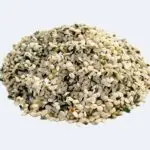
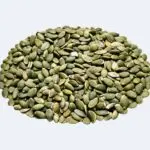
Seeds, beans, nuts and whole grains lead. Hemp seeds top our USDA ranking per serving: 3 tablespoons (30 g) hold 210 mg of magnesium. That is 50% of the 420 mg Daily Value (DV), the amount used on US food labels. Pumpkin seeds follow with 168 mg per ounce (28 g), then soybeans with 148 mg per cup and black beans.
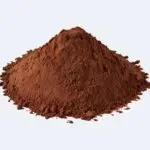
Per 100 g, hemp seeds (700 mg) lead again, ahead of cocoa powder, flaxseeds and Brazil nuts. For the same calories (per 100 kcal), leafy greens and herbs lead, with spinach at the top (343 mg). The ranking below shows the full lists.
The NIH table adds roasted pumpkin seeds at 156 mg per ounce and almonds at 80 mg per ounce. Boiled spinach has 78 mg per half cup. Refining grains removes the germ and bran, and with them much of the magnesium. A ½ cup of cooked brown rice has 42 mg, and white rice has 10 mg.
Your body absorbs 30% to 40% of the magnesium in food (NIH). Phytic acid (a plant compound that binds minerals) and phosphate can lower that. Yet in one study, almonds were absorbed as well as soluble magnesium acetate.
Water adds magnesium too, from 1 mg per liter to over 120 mg per liter depending on the source. In a small study, about half of the magnesium in mineral water was absorbed.
Per serving. Bars show the share of the Daily Value (420 mg a day).
Per 100 g. Bars show the share of the Daily Value (420 mg a day). The line marks 100%.
Per serving. Bars show the share of the EU Reference Intake (375 mg a day).
Per 100 g. Bars show the share of the EU Reference Intake (375 mg a day). The line marks 100%.
Per 100 kcal: the same calories of each food, for a fair comparison. Bars compare each food with the top food.
- 1.
- 2.
- 3.

- 4.

- 5.

- 6.

- 7.
- 8.

- 9.

- 10.



- 1.
- 2.
- 3.
- 4.

- 5.
- 6.

- 7.
- 8.

- 9.

- 10.



- 1.

- 2.

- 3.
- 4.

- 5.

- 6.

- 7.

- 8.

- 9.

- 10.



Sources
- FoodData Central. US Department of Agriculture, Agricultural Research Service. Values as shown in the ranking above.
- Magnesium: fact sheet for health professionals. National Institutes of Health, Office of Dietary Supplements. Updated January 6, 2026.
- EFSA Panel on Dietetic Products, Nutrition and Allergies (NDA). Scientific opinion on Dietary Reference Values for magnesium. EFSA J. 2015.
- Fine KD, Santa Ana CA, Porter JL, Fordtran JS. Intestinal absorption of magnesium from food and supplements. J Clin Invest. 1991.
- Sabatier M, Arnaud MJ, Kastenmayer P, Rytz A, Barclay DV. Meal effect on magnesium bioavailability from mineral water in healthy women. Am J Clin Nutr. 2002.
How magnesium works
The biochemistry below is well established. It comes from reviews and studies of how the body works, not from trials of extra magnesium in people.
Four ideas cover most of it. Magnesium works with ATP in hundreds of reactions, and most of it is stored in bone and muscle. The gut absorbs only part of what you eat, and the kidneys decide how much stays. Then comes what has been seen in people.
It works with ATP in more than 300 reactions
Magnesium is a helper (cofactor) for more than 300 enzyme reactions, according to EFSA. Many involve ATP, the molecule cells use to carry energy. Magnesium binds to ATP and helps the enzyme pass on its phosphate. That makes magnesium part of how cells make carbohydrates, fats, DNA, RNA and proteins.
The NIH adds that magnesium helps move calcium and potassium across cell membranes. That matters for nerve signals, muscle contraction and a normal heart rhythm. EFSA says magnesium is also part of the crystal structure of bone.
Three main jobs of magnesium in the body. Not to scale.
Most of it is stored in bone and muscle
EFSA puts the total at 20 to 28 g in a healthy adult, with about 60% in bone and about 25% in muscle. Some bone magnesium is tightly bound to the mineral. Some sits loosely on the crystal surface, where the body can release it when the diet falls short.
Only about 0.3% is in serum. That is why blood levels are a poor guide to your stores. EFSA says no suitable marker (biomarker) of magnesium status exists for setting intake values.
Where the body keeps magnesium, drawn to scale. Other soft tissues hold the rest.
The gut absorbs only part of it
The NIH says about 30% to 40% of the magnesium in food and drink is absorbed. EFSA says 40% to 50% is typical, with figures from 10% to 70% reported. Absorption happens mainly in the small intestine, and phytic acid and phosphate can reduce it.
The share absorbed falls as the dose rises. In one study in healthy people, 65% was absorbed at the lowest intake and 11% at the highest. So your body does not absorb a large single dose in proportion.
Share of magnesium absorbed, drawn to scale. Doses were magnesium acetate added to a standard meal, from none up to 80 mEq.
The kidneys decide how much stays
Your kidneys pass about 120 mg of magnesium a day into urine, according to the NIH. They let less go when your stores are low. EFSA says only about 3% of the filtered magnesium ends up in urine. Most is taken back in a part of the kidney called the loop of Henle (60% to 70%), and more later along the tubule.
This control is why clear deficiency is uncommon in healthy people. It is also why damaged kidneys raise the risk of too much. Some drugs that act on the kidney increase magnesium loss, such as loop and thiazide diuretics (water pills).
How the kidney handles magnesium. Not to scale.
What has been seen in people
The clearest human findings are about intake and loss. Surveys suggest many people eat less than the targets, and blood tests cannot tell who is low.
Trials of extra magnesium, all among the study cards above, show small effects. Blood pressure falls about 2 to 3 mm Hg, with larger drops in people with high blood pressure on medicines, or with low blood magnesium. For muscle cramps in older adults, a Cochrane review found no clear benefit. Trials for sleep, anxiety and depression are small and low in quality.
Sources
- EFSA Panel on Dietetic Products, Nutrition and Allergies (NDA). Scientific opinion on Dietary Reference Values for magnesium. EFSA J. 2015.
- Magnesium: fact sheet for health professionals. National Institutes of Health, Office of Dietary Supplements. Updated January 6, 2026.
- Fine KD, Santa Ana CA, Porter JL, Fordtran JS. Intestinal absorption of magnesium from food and supplements. J Clin Invest. 1991.
How much magnesium do you need?
Adults need 310 to 420 mg of magnesium a day, according to the US Recommended Dietary Allowance (RDA). The RDA covers the needs of nearly all healthy people: it is 400 to 420 mg for men and 310 to 320 mg for women. In the EU, EFSA’s Adequate Intake (AI), a target based on what healthy people eat, is 350 mg for men and 300 mg for women.
In pregnancy, the US allowance is 350 to 360 mg a day at ages 19 to 50 and 400 mg at 14 to 18. For breastfeeding it is 310 to 320 mg (360 mg at ages 14 to 18). EFSA sees only a small rise in need in pregnancy, probably covered by the body’s own adaptation. About 25 mg a day goes into breast milk in the first six months, so EFSA keeps the non-pregnant value for both groups.
For older adults, the US allowance stays at 420 mg for men and 320 mg for women from age 51. EFSA says its values apply to older adults too. The NIH notes that older adults tend to eat less magnesium, absorb less and lose more in urine.
Magnesium: recommended intake per day
US: Adequate Intake / Recommended Dietary Allowance (NASEM). EU: Adequate Intake (EFSA).
| Age and sex | US (RDA) | EU (AI) |
|---|---|---|
| Men, 31–50 years | 420 mg | 350 mg |
| Women, 31–50 years | 320 mg | 300 mg |
All ages, pregnancy and breastfeeding
| Age and sex | US (AI/RDA) | EU (AI) |
|---|---|---|
| Infants 0–6 months | 30 mg | None set |
| Infants 7–11 months | None set | 80 mg |
| Infants 7–12 months | 75 mg | None set |
| Children 1–2 years | None set | 170 mg |
| Children 1–3 years | 80 mg | None set |
| Children 3 years | None set | 230 mg |
| Children 4–8 years | 130 mg | None set |
| Children 4–9 years | None set | 230 mg |
| Females 9–13 years | 240 mg | None set |
| Males 9–13 years | 240 mg | None set |
| Children 10–17 years, female | None set | 250 mg |
| Children 10–17 years, male | None set | 300 mg |
| Females 14–18 years | 360 mg | None set |
| Males 14–18 years | 410 mg | None set |
| Adults 18+ years, female | None set | 300 mg |
| Adults 18+ years, male | None set | 350 mg |
| Females 19–30 years | 310 mg | None set |
| Males 19–30 years | 400 mg | None set |
| Females 31–50 years | 320 mg | None set |
| Males 31–50 years | 420 mg | None set |
| Females 51–70 years | 320 mg | None set |
| Males 51–70 years | 420 mg | None set |
| Females >70 years | 320 mg | None set |
| Males >70 years | 420 mg | None set |
| Pregnancy 14–18 years | 400 mg | None set |
| Pregnancy | None set | 300 mg |
| Pregnancy 19–30 years | 350 mg | None set |
| Pregnancy 31–50 years | 360 mg | None set |
| Lactation 14–18 years | 360 mg | None set |
| Lactation | None set | 300 mg |
| Lactation 19–30 years | 310 mg | None set |
| Lactation 31–50 years | 320 mg | None set |
EU and US age bands differ; "None set" means that body sets no value for the group. Label reference: FDA Daily Value 420 mg, EU Reference Intake 375 mg.EU and US age bands differ; "None set" means that body sets no value for the group. Label reference: EU Reference Intake 375 mg, FDA Daily Value 420 mg.
Magnesium deficiency: signs and who is at risk
Early signs of low magnesium are loss of appetite, nausea, vomiting, tiredness and weakness. As it worsens, people can get numbness, tingling, muscle contractions and cramps, and seizures. Personality changes, abnormal heart rhythms and spasms of the heart’s arteries (coronary spasms) can also occur. Severe deficiency can cause low calcium or low potassium, according to the NIH.
These signs are not specific to magnesium. EFSA says nerve or heart symptoms appear when blood magnesium is markedly low, below 0.5 mmol/L (a blood test unit). Supplements have given inconsistent results for cramps, restless legs and fibromyalgia, EFSA adds.
The NIH lists the groups most likely to be low. They include people with gut diseases that cause long-term diarrhea or poor fat absorption, such as Crohn’s disease, celiac disease or small bowel surgery. People with type 2 diabetes, people with alcohol dependence and older adults are also on the list. Long-term use of loop or thiazide diuretics and of proton pump inhibitors can also lower magnesium.
Doctors most often check serum magnesium, where normal is 0.75 to 0.95 mmol/L. But the NIH says it does not reflect total body stores. Other tests exist (red blood cells, urine, a loading test), and none is considered satisfactory on its own. So a low result and a normal result both need a doctor’s reading.
Sources
- Magnesium: fact sheet for health professionals. National Institutes of Health, Office of Dietary Supplements. Updated January 6, 2026.
- EFSA Panel on Dietetic Products, Nutrition and Allergies (NDA). Scientific opinion on Dietary Reference Values for magnesium. EFSA J. 2015.
- Institute of Medicine, Food and Nutrition Board. Dietary Reference Intakes for calcium, phosphorus, magnesium, vitamin D, and fluoride. National Academy Press. 1997.
Forms of magnesium: absorption and effects
Magnesium supplements differ in how much magnesium they hold, how well they dissolve and what they do in the gut. The label must show elemental magnesium (the magnesium itself), not the weight of the whole compound, according to the NIH.
The NIH also says forms that dissolve well in liquid are absorbed more completely. In small studies, aspartate, citrate, lactate and chloride were more bioavailable (better absorbed by the body) than oxide and sulfate. A 2017 review concluded that the type of salt matters less than often thought. The dose and your own magnesium status matter more.
The honest bottom line: the human comparisons are small, and they measure absorption, not health. Oxide is the worst absorbed of the forms compared. The NIH lists it among the forms most often reported to cause diarrhea. Citrate and several others are absorbed better.
Glycinate, threonate, malate and taurate have few or no head-to-head human studies. We found no trial that compared forms for sleep, anxiety, cramps or any other outcome. The trials in the benefits section used oxide (constipation, hot flashes), trimagnesium dicitrate (migraine), magnesium chloride (depression) and bisglycinate (sleep, leg cramps in pregnancy).
| Form | Share of the mineral by weight | What studies show | Source |
|---|---|---|---|
| Oxide | Not stated | Absorbed poorly: about 4% in one study of healthy volunteers, no better than placebo on blood and urine measures at 300 mg of magnesium a day for 60 days in another, and only 43% dissolved in simulated peak stomach acid. Used in trials of constipation (it worked) and hot flashes (no benefit). The NIH lists it among forms often reported to cause diarrhea. | 1, 3, 4, 5, 13, 14 |
| Citrate | Not stated | Raised blood magnesium most in a 60-day trial, and it dissolved and absorbed better than oxide in a second study. Trimagnesium dicitrate at 600 mg a day cut migraine attacks in one trial, with diarrhea in 18.6% of people. | 3, 5, 15 |
| Glycinate (bisglycinate, diglycinate) | Not stated | In 12 people with ileal resection, absorption matched oxide overall and was better in the four worst absorbers. One trial of 155 adults with poor sleep found a small gain, and one of 80 pregnant women found fewer leg cramps. No trial compares it with other forms for outcomes, and we found none for anxiety. | 6, 11, 12 |
| Chloride and lactate | Not stated | Absorbed about equally to aspartate and far better than oxide in one study. Enteric-coated chloride was absorbed much less than acetate in another. Chloride is also on the NIH list of forms often reported to cause diarrhea. An open-label depression trial used chloride at 248 mg of magnesium a day. | 1, 4, 7, 16 |
| Sulfate | Not stated | The NIH says small studies found sulfate less bioavailable than aspartate, citrate, lactate and chloride. Given by drip it is a hospital treatment for pre-eclampsia, not a supplement. A 2017 review found claims for magnesium through the skin, such as Epsom salt baths and sprays, scientifically unsupported. | 1, 17 |
| L-threonate | 250 mg of magnesium in 3,000 mg of the compound, about 8% | EFSA judged magnesium bioavailable from it, from a dissolution study, two rat studies and one human trial. Rats showed better memory. One human sleep trial of 80 adults is from authors who work for a company. We found no human trial comparing its absorption with other forms. | 8, 9, 10 |
| Malate | Not stated | EFSA lists it as allowed in food supplements only. We found no human absorption comparison. The one trial we found used a tablet of malic acid with 50 mg of magnesium for fibromyalgia, and the blinded part showed no clear effect. | 2, 18 |
| Aspartate | Not stated | Absorbed about as well as chloride and lactate. In 50 insulin-treated adults, 3 months raised blood magnesium but did not change HbA1c. | 4, 19 |
| Taurate and acetyl taurate | Not stated | EFSA lists them as allowed in food supplements only. We found no human absorption comparison or randomized trial. | 2 |
Here are the 12 studies that compare forms or test a single form, strongest evidence first.
All 12 studies, strongest evidence first
Magnesium citrate raised blood magnesium most; oxide did no better than placebo
46 healthy adults took 300 mg of elemental magnesium a day for 60 days, as amino-acid chelate, citrate or oxide, or a placebo. Citrate gave the highest serum magnesium after one dose and after 60 days. At 60 days, citrate and the chelate also raised urine magnesium more than oxide.
Oxide was absorbed at about 4%; chloride, lactate and aspartate far better
Healthy volunteers took about 21 mEq a day of four commercial forms. Absorption was judged from the rise in magnesium in their urine. Chloride, lactate and aspartate were absorbed about equally well. So inorganic salts such as chloride can match organic salts, the authors conclude, and organic is not automatically better.
Citrate dissolved better than oxide and raised urine magnesium more
In the lab, magnesium oxide was only 43% soluble in fluid like peak stomach acid, while citrate was 55% soluble in plain water. Volunteers then took a 25 mmol dose. Over the first 4 hours, urine magnesium rose 0.22 after citrate against 0.006 mg per mg creatinine after oxide.
In 12 people after bowel surgery, glycinate and oxide were absorbed equally
The patients, who had part of the small intestine removed (ileal resection), took 100 mg doses tagged with a magnesium isotope. Overall absorption was 23.5% from glycinate and 22.8% from oxide. In the four who absorbed oxide worst, absorption was 23.5% from the glycinate chelate against 11.8% from oxide, and all tolerated the chelate better. These are patients with poor absorption, not healthy adults.
Absorption fell from 65% to 11% as the dose rose
Healthy people ate a standard meal with 0 to 80 mEq of added magnesium acetate. Magnesium from almonds was absorbed as well as the acetate. Enteric-coated magnesium chloride (with a coating that dissolves past the stomach) was absorbed much less, which suggests such coatings can hurt absorption.
A meal raised magnesium absorption from mineral water from 45.7% to 52.3%
10 healthy women drank water with 110 mg of magnesium per liter, alone or with a meal. About half of the magnesium was absorbed, traced with stable isotopes. The body kept 37.4% when the water was taken alone and 41.5% with a meal. This was water, not a pill.
EFSA judged magnesium from L-threonate bioavailable
The judgment rests on one dissolution study, two rat studies and one human trial. It covers a proposed maximum of 3,000 mg a day of the compound: about 2,730 mg of L-threonate and 250 mg of magnesium. That matches the EU upper level for supplemental magnesium from salts that dissolve easily. Bioavailable means the body absorbs it, not that this form beats others.
Bisglycinate lowered insomnia scores slightly more than placebo
155 adults with poor sleep took 250 mg of magnesium as bisglycinate or a placebo for 4 weeks. Insomnia scores fell 3.9 points on magnesium against 2.3 on placebo, a small effect (effect size 0.2). Other psychological outcomes did not differ, and the trial did not compare bisglycinate with any other form. One author runs a contract research organization funded by supplement companies.
Leg cramps at least halved in 86.0% of pregnant women, against 60.5%
80 pregnant women took 300 mg a day of magnesium bisglycinate chelate (41 women) or a placebo (39) for 4 weeks. Cramp intensity fell by 50% in 69.8% on magnesium against 48.8% on placebo. Side effects did not differ. The Cochrane review above found the pregnancy trials small and inconsistent.
L-threonate improved sleep and mood measures against placebo
80 adults aged 35 to 55 with sleep problems took 1 g a day of magnesium L-threonate or a placebo for 21 days. Using questionnaires and an Oura ring, the authors report better deep and REM sleep scores, mood and alertness. Three of the six authors work for AIDP, Inc., which holds the paper’s copyright, so the work is not independent of industry. A correction notice came out in 2025, and the abstract does not give the elemental magnesium dose.
Magnesium raised blood levels but did not improve blood sugar control
50 adults treated with insulin took 15 mmol of magnesium or a placebo daily for three months. Plasma magnesium was 0.82 against 0.78 mmol/L, but HbA1c was 8.9% against 9.1%, no real difference. Blood fats and blood pressure did not differ either. The NIH describes the supplement as magnesium aspartate.
In rats, magnesium L-threonate improved learning and memory
Raising brain magnesium in rats improved learning, working memory, and short- and long-term memory, the authors report. The rats also had more markers of nerve connections (synapses) in the hippocampus, a memory area of the brain. These are animal results, so they say little about people.
Sources
- Magnesium: fact sheet for health professionals. National Institutes of Health, Office of Dietary Supplements. Updated January 6, 2026.
- EFSA Panel on Dietetic Products, Nutrition and Allergies (NDA). Scientific opinion on Dietary Reference Values for magnesium. EFSA J. 2015.
- Walker AF, Marakis G, Christie S, Byng M. Mg citrate found more bioavailable than other Mg preparations in a randomised, double-blind study. Magnes Res. 2003.
- Firoz M, Graber M. Bioavailability of US commercial magnesium preparations. Magnes Res. 2001.
- Lindberg JS, Zobitz MM, Poindexter JR, Pak CY. Magnesium bioavailability from magnesium citrate and magnesium oxide. J Am Coll Nutr. 1990.
- Schuette SA, Lashner BA, Janghorbani M. Bioavailability of magnesium diglycinate vs magnesium oxide in patients with ileal resection. JPEN J Parenter Enteral Nutr. 1994.
- Fine KD, Santa Ana CA, Porter JL, Fordtran JS. Intestinal absorption of magnesium from food and supplements. J Clin Invest. 1991.
- EFSA Panel on Nutrition, Novel Foods and Food Allergens (NDA). Safety of magnesium L-threonate as a novel food pursuant to Regulation (EU) 2015/2283 and bioavailability of magnesium from this source in the context of Directive 2002/46/EC. EFSA J. 2024.
- Slutsky I, Abumaria N, Wu LJ, et al. Enhancement of learning and memory by elevating brain magnesium. Neuron. 2010.
- Hausenblas HA, Lynch T, Hooper S, et al. Magnesium-L-threonate improves sleep quality and daytime functioning in adults with self-reported sleep problems: a randomized controlled trial. Sleep Med X. 2024.
- Schuster J, Cycelskij I, Lopresti A, Hahn A. Magnesium bisglycinate supplementation in healthy adults reporting poor sleep: a randomized, placebo-controlled trial. Nat Sci Sleep. 2025.
- Supakatisant C, Phupong V. Oral magnesium for relief in pregnancy-induced leg cramps: a randomised controlled trial. Matern Child Nutr. 2015.
- Morishita D, Tomita T, Mori S, et al. Senna versus magnesium oxide for the treatment of chronic constipation: a randomized, placebo-controlled trial. Am J Gastroenterol. 2021.
- Park H, Qin R, Smith TJ, et al. North Central Cancer Treatment Group N10C2 (Alliance): a double-blind placebo-controlled study of magnesium supplements to reduce menopausal hot flashes. Menopause. 2015.
- Peikert A, Wilimzig C, Köhne-Volland R. Prophylaxis of migraine with oral magnesium: results from a prospective, multi-center, placebo-controlled and double-blind randomized study. Cephalalgia. 1996.
- Tarleton EK, Littenberg B, MacLean CD, Kennedy AG, Daley C. Role of magnesium supplementation in the treatment of depression: a randomized clinical trial. PLoS One. 2017.
- Gröber U, Werner T, Vormann J, Kisters K. Myth or reality: transdermal magnesium?. Nutrients. 2017.
- Russell IJ, Michalek JE, Flechas JD, Abraham GE. Treatment of fibromyalgia syndrome with Super Malic: a randomized, double blind, placebo controlled, crossover pilot study. J Rheumatol. 1995.
- de Valk HW, Verkaaik R, van Rijn HJ, Geerdink RA, Struyvenberg A. Oral magnesium supplementation in insulin-requiring type 2 diabetic patients. Diabet Med. 1998.
- Schuchardt JP, Hahn A. Intestinal absorption and factors influencing bioavailability of magnesium: an update. Curr Nutr Food Sci. 2017.
Is magnesium safe? Supplements, dose and interactions
Magnesium from food is not a safety concern for healthy people, because the kidneys remove the excess, says the NIH. The US Tolerable Upper Intake Level (UL), the highest daily amount unlikely to cause harm, is 350 mg for adults. It applies only to magnesium from supplements and medicines, not to magnesium found naturally in food and drinks. Medicines such as antacids and laxatives that contain magnesium count toward it too.
For children, the UL is 65 mg at ages 1 to 3 and 110 mg at ages 4 to 8. From age 9 it is 350 mg, including in pregnancy and breastfeeding.
EFSA’s 2015 opinion describes an EU level of 250 mg a day for adults, including pregnant and breastfeeding women, and for children from 4 years. The Scientific Committee on Food set it in 2001, based on mild diarrhea. It covers salts that dissolve easily, such as chloride, sulfate, aspartate and lactate, and compounds such as magnesium oxide. It applies to these in supplements or water, or added to foods.
- Side effects. High doses from supplements or medicines often cause diarrhea, nausea and stomach cramps, the NIH says. That is because unabsorbed magnesium salts pull water into the bowel. In a migraine trial, diarrhea affected 18.6% of people on 600 mg of magnesium as citrate. In a second migraine trial, it affected 45.7% against 23.5% on placebo. Very large doses, usually more than 5,000 mg a day from laxatives or antacids, have caused low blood pressure, irregular heartbeat and cardiac arrest. A few deaths have been reported.
- Kidney disease. The risk of magnesium toxicity rises when the kidneys work poorly, because the body can no longer remove the excess, the NIH says. People with kidney problems should ask a doctor before taking magnesium supplements, antacids or laxatives.
- Drug interactions. Magnesium lowers the absorption of oral bisphosphonates for osteoporosis, so take it at least 2 hours before or after. Tetracycline and quinolone antibiotics should be taken at least 2 hours before or 4 to 6 hours after a magnesium supplement. Loop and thiazide diuretics can deplete magnesium, while amiloride and spironolactone reduce its loss. Very high doses of zinc from supplements (142 mg a day) interfered with magnesium absorption in one study.
- Proton pump inhibitors. The FDA warned in 2011 that prolonged use of these acid-reducing drugs, typically more than a year, can cause low magnesium. In the cases it reviewed, magnesium supplements often fixed the low level. In 25% of cases they did not, and the patients had to stop the drug. A meta-analysis found about 1.7 times the odds of low magnesium in users. Do not stop a prescribed drug on your own.
- Migraine doses. The doses used to prevent migraine, up to 600 mg a day, exceed the upper level. So the NIH says to use them only under a health professional’s direction.
How to get more magnesium
- Best foods. In our ranking, hemp seeds give 210 mg in 3 tablespoons (30 g). Black beans give 120 mg per cup and Brazil nuts 107 mg per ounce. The NIH adds roasted pumpkin seeds at 156 mg per ounce and chia seeds at 111 mg.
- Keep grains whole. Refining removes the germ and bran. Cooked brown rice has 42 mg per ½ cup against 10 mg for white rice, according to the NIH.
- Food and spread-out doses. About half of the magnesium in mineral water was absorbed, and a meal raised it from 45.7% to 52.3%. A 2017 review says the share absorbed is higher when magnesium comes in several small doses than in one large dose. For a supplement, read the elemental magnesium on the label.
Sources
- Magnesium: fact sheet for health professionals. National Institutes of Health, Office of Dietary Supplements. Updated January 6, 2026.
- EFSA Panel on Dietetic Products, Nutrition and Allergies (NDA). Scientific opinion on Dietary Reference Values for magnesium. EFSA J. 2015.
- Institute of Medicine, Food and Nutrition Board. Dietary Reference Intakes for calcium, phosphorus, magnesium, vitamin D, and fluoride. National Academy Press. 1997.
- Srinutta T, Chewcharat A, Takkavatakarn K, et al. Proton pump inhibitors and hypomagnesemia: a meta-analysis of observational studies. Medicine (Baltimore). 2019.
- Peikert A, Wilimzig C, Köhne-Volland R. Prophylaxis of migraine with oral magnesium: results from a prospective, multi-center, placebo-controlled and double-blind randomized study. Cephalalgia. 1996.
- Pfaffenrath V, Wessely P, Meyer C, et al. Magnesium in the prophylaxis of migraine: a double-blind placebo-controlled study. Cephalalgia. 1996.
- Sabatier M, Arnaud MJ, Kastenmayer P, Rytz A, Barclay DV. Meal effect on magnesium bioavailability from mineral water in healthy women. Am J Clin Nutr. 2002.
- Schuchardt JP, Hahn A. Intestinal absorption and factors influencing bioavailability of magnesium: an update. Curr Nutr Food Sci. 2017.
Frequently asked questions about magnesium
Does magnesium help you sleep?
The evidence is weak. A meta-analysis of 3 small trials in 151 older adults found people fell asleep about 17 minutes sooner. But every trial had a moderate to high risk of bias.
A 2026 review of 12 trials found inconsistent results and low to very low certainty. It does not support magnesium as a routine treatment for insomnia. One trial of 155 adults taking 250 mg of magnesium as bisglycinate found a small gain (effect size 0.2).
How much magnesium glycinate should I take?
There is no official dose for a specific form, so read the elemental magnesium on the label. The US upper level for supplements is 350 mg of magnesium a day for adults, and the EU level described by EFSA is 250 mg.
The sleep trial used 250 mg of magnesium as bisglycinate for 4 weeks. The pregnancy cramp trial used 300 mg a day of bisglycinate chelate. Higher doses, such as the 600 mg used for migraine, belong under a doctor’s care.
Which magnesium supplement is best?
No form has been shown best for health outcomes. In absorption studies, oxide did worst (about 4% absorbed in one study), while citrate, chloride, lactate and aspartate did better. Glycinate, threonate, malate and taurate lack head-to-head human comparisons. Choose by tolerance and the elemental dose on the label, since oxide and several others can cause diarrhea.
Does magnesium help muscle cramps?
Not in older adults. A Cochrane review of 11 trials found magnesium unlikely to give clinically meaningful relief. It gave 0.18 fewer cramps a week than placebo, a difference that could be chance.
In pregnancy the results conflict. In one trial of 80 women, 86.0% had at least half as many cramps on 300 mg of bisglycinate chelate, against 60.5% on placebo. But the Cochrane review of pregnancy cramps called the evidence inconsistent and low in certainty.
Does magnesium lower blood pressure?
A little. Meta-analyses found systolic pressure (the top number) 2.00 mm Hg lower in 34 trials and 2.81 mm Hg lower in 38 trials. Drops were bigger in people with high blood pressure on medicines (7.68 mm Hg) or with low blood magnesium (5.97 mm Hg). An older Cochrane review called the evidence weak.
In the US, the FDA allows a qualified claim that diets with adequate magnesium may reduce the risk of high blood pressure. The FDA also states that the evidence is inconsistent and inconclusive.
What is the best time to take magnesium?
The sources we used do not name a best time. In a small study, magnesium from mineral water was absorbed better with a meal (52.3% against 45.7%). A 2017 review says several small doses are absorbed better than one large dose.
Keep magnesium at least 2 hours away from bisphosphonates (bone drugs). Take tetracycline or quinolone antibiotics 2 hours before or 4 to 6 hours after magnesium.
Do Epsom salt baths and magnesium sprays work?
There is no good evidence that they do. A 2017 review found the claims for magnesium absorbed through the skin scientifically unsupported. Epsom salt is magnesium sulfate, and the NIH lists sulfate among the less bioavailable forms when swallowed.
Which foods are highest in magnesium?
Hemp seeds lead our USDA ranking: 210 mg in 3 tablespoons (30 g) and 700 mg per 100 g. Soybeans (148 mg per cup), black beans and adzuki beans (120 mg per cup each) and Brazil nuts (107 mg per ounce) follow per serving. Refined grains have much less than whole grains: cooked brown rice has 42 mg per ½ cup against 10 mg for white rice.