Beta-glucan is a soluble fiber in the family of carbohydrates, a chain of glucose units that sits in the cell walls of oats and barley. In these grains the chain mixes two kinds of bond, beta-1,3 and beta-1,4, and in water it forms a gel. That gel is what thickens porridge, and it is what the research on cholesterol and blood sugar is about.
Regulators have noticed. The US Food and Drug Administration allows a heart disease claim for beta-glucan soluble fiber from whole oats and barley at 3 g a day, and EU law allows claims for blood cholesterol and for the blood glucose rise after a meal. Each claim comes with conditions, which this page quotes as published.
Most readers do not know that the word covers different molecules. The beta-glucans of yeast, fungi and mushrooms have a beta-1,3 backbone with beta-1,6 side branches, and they are studied mainly for immune effects. Their evidence is separate, so this page keeps it in its own part. In one trial, a mushroom powder that gave the same 3 g of beta-glucan as the cholesterol claim did not change LDL cholesterol in 4 weeks.
Health benefits of beta-glucan
Two findings hold up best. First, oat and barley beta-glucan lowers LDL cholesterol: meta-analyses of randomized trials found falls of 0.19 to 0.25 mmol/L at about 3 to 3.5 g of oat beta-glucan a day, and 0.25 mmol/L at a median of 6.5 g of barley beta-glucan, and both the FDA and the EU accept a cholesterol claim. Second, oat beta-glucan added to a carbohydrate meal lowers the blood glucose rise, by 23% in the largest meta-analysis, though the size depends on dose and chain length, and a 16-week bread trial found no change in HbA1c. The evidence on blood pressure, weight, gut health and immune function is weaker or null. Most trials use oat or barley foods, not isolated beta-glucan, and each card says which. Here is what 23 studies found, strongest evidence first, including the trials that found nothing. Studies of yeast and mushroom beta-glucans are in the section on forms below.
In a meta-analysis of 28 trials, 3 g or more of oat beta-glucan a day lowered LDL cholesterol by 0.25 mmol/L
Randomized trials that compared at least 3 g of oat beta-glucan a day with a control diet. Total cholesterol fell by 0.30 mmol/L (range 0.24 to 0.35), and HDL cholesterol and triglycerides did not change. Neither dose (3.0 to 12.4 g a day) nor length (2 to 12 weeks) changed the size of the effect, and the LDL drop was larger when baseline LDL was higher. The review also searched the in-house reports of CreaNutrition, the marketing and research arm of an oat fiber maker, and was supported by DSM Nutritional Products.
Across 58 trials, a median of 3.5 g of oat beta-glucan a day lowered LDL cholesterol by 0.19 mmol/L
Systematic review and meta-analysis of randomized trials lasting at least 3 weeks, with 3,974 people. Non-HDL cholesterol fell by 0.20 mmol/L and apolipoprotein B by 0.03 g/L. The trials differed a lot from one another (I2 of 79% for LDL), and the authors could not explain why.
Across 14 trials, a median of 6.5 g of barley beta-glucan a day for 4 weeks lowered LDL cholesterol by 0.25 mmol/L
Systematic review and meta-analysis of randomized trials lasting at least 3 weeks, with 615 people. Non-HDL cholesterol fell by 0.31 mmol/L at a median of 6.9 g a day, and apolipoprotein B did not change significantly. The trials differed a lot for non-HDL cholesterol (I2 of 98%). The doses were more than twice the 3 g behind the health claims (our arithmetic).
Across 103 trial comparisons, oat beta-glucan cut the glucose rise after a carbohydrate meal by 23%
Meta-analysis of acute crossover trials with 538 people that added oat beta-glucan (a concentrate or oat bran) to carbohydrate-containing meals. Peak glucose fell 28%, and insulin fell 22% by area under the curve and 24% at the peak. Dose, molecular weight and the comparison meal changed the size of the effect: beta-glucan above 300 kg/mol cut the glucose response and below 300 kg/mol did not. Results were similar with and without diabetes. Several authors work for a contract research company that runs food trials.
Show 19 more studies
EU law allows two beta-glucan claims: one for blood cholesterol at 3 g a day and one for the blood glucose rise after a meal
Regulation (EU) No 432/2012 lists both, resting on EFSA’s 2011 opinion on beta-glucans from oats and barley. The cholesterol claim needs 1 g of beta-glucans in each portion, and the glucose claim needs 4 g for each 30 g of available carbohydrates in the portion, eaten as part of the meal. The full wording and conditions are in the table below.
EFSA found a cause and effect link between oat beta-glucan and lower blood LDL cholesterol, at 3 g a day or more
The opinion answered an application from CreaNutrition, the marketing and research arm of an oat fiber maker, for a claim about disease risk. The company listed 22 references, 3 meta-analyses and 19 randomized trials. The panel noted that most trials at 3 g a day or more showed a significant LDL fall and that the mechanism is well supported. It said this amount can reasonably be consumed as part of a balanced diet. The target group is adults who want to lower their blood cholesterol.
The FDA added barley to its heart disease claim for beta-glucan soluble fiber, which already covered whole oats
A 2006 final rule finished a process begun with an interim rule: the existing claim linking beta-glucan soluble fiber from whole oat sources to a lower risk of coronary heart disease now also names barley as a source. The current regulation lets a label say that diets low in saturated fat and cholesterol that include this soluble fiber “may” or “might” reduce the risk of heart disease. The amounts and conditions are in the table below.
Pooling 59 trials, oat interventions lowered LDL cholesterol by 0.29 mmol/L and body weight by 0.94 kg against controls without oats
Systematic review of 74 randomized trials with 4,937 mostly overweight or hypercholesterolemic people; 59 trials were pooled. The interventions were oats, oat beta-glucan-rich extracts and avenanthramides, so the result is not for beta-glucan alone. Total cholesterol fell by 0.42 mmol/L and waist size by 1.06 cm. Inflammation studies were scarce and inconsistent, and 81.1% of the trials had some concerns about risk of bias. Two authors were employees of a supplement company that also paid the publication fee.
In 345 adults, 3 g of long-chain oat beta-glucan lowered LDL by about 5%, but 4 g of short-chain beta-glucan did not
Double-blind trial that randomly assigned 367 adults with LDL cholesterol of 3.0 to 5.0 mmol/L to an extruded cereal with wheat fiber or with oat beta-glucan of different molecular weight, twice a day for 4 weeks. LDL was 0.21 mmol/L (5.5%) lower with 3 g at 2,210,000 g/mol and 0.19 mmol/L (4.7%) lower with 3 g at 530,000 g/mol. With 4 g at 210,000 g/mol the drop was 0.10 mmol/L (2.3%), not significant. The authors say efficacy fell by 50% when the molecular weight fell to 210,000 g/mol.
Reviewing 34 trials, oat and barley foods with at least 4 g of beta-glucan lowered the blood sugar rise after a meal
Review of acute trials of oat and barley foods; of 76 studies found, 34 met the criteria (119 treatments). Meals gave 0.3 to 12.1 g of beta-glucan. Intact grains lowered the glucose response more than processed foods. For processed foods the beta-glucan dose predicted the response better than the ratio to carbohydrate. At 4 g the model predicted a fall of 27 mmol × min/L, and 76% of treatments lowered the response significantly. The author concludes that foods with at least 4 g of beta-glucan and 30 to 80 g of available carbohydrate can significantly lower the response.
In 194 adults at risk of type 2 diabetes, 6 g a day of oat beta-glucan in bread for 16 weeks did not change HbA1c or LDL
Double-blind trial in Germany, Norway and Sweden. People ate at least 3 slices a day of beta-glucan bread (6 g of beta-glucan) or whole-grain wheat bread, 6 days a week. HbA1c, fasting glucose, insulin and LDL cholesterol (difference −0.11 mmol/L, range −0.27 to 0.05) did not differ between the groups. The authors say a simple bread swap may not be enough and that real-life results differ from short efficacy trials. Some authors report research funding or advisory ties to cereal and oat food companies.
EFSA found no consistent effect on the blood glucose rise at 2 g of beta-glucan per 30 g of carbohydrate
PepsiCo asked EFSA to cut the lowest effective dose in the authorized glucose claim from 4 g to 2 g of beta-glucans per 30 g of available carbohydrate. The company submitted 21 human studies with 59 trial comparisons and 4 systematic reviews. The panel found that the studies did not consistently show a significant effect on the glucose area under the curve at 2 to under 4 g, and that dose-response data suggest a lowest effective dose above 2 g.
EFSA found that oat beta-glucans reduce the glucose peak after a meal, at 3 g for each 30 g of carbohydrate
The application came from ScanOats. Most of the 16 human intervention studies the panel judged pertinent showed lower postprandial glucose peaks when oat beta-glucans were eaten in foods or meals rich in available carbohydrates, and glycemic and insulin responses did not rise. The proposed wording is “Consumption of beta-glucans from oats contributes to the reduction of the glucose peak after a meal”, for meals with at least 30 g of available carbohydrates per portion and at least 3 g of oat beta-glucans for each 30 g. This is a scientific opinion. The European Commission decides whether to add a claim to the EU list, and we found no regulation that does so yet.
In 32 adults, 80 g a day of oat or barley flakes for 3 weeks lowered LDL cholesterol by 0.21 to 0.30 mmol/L from baseline
Randomized crossover trial in healthy people with moderately raised LDL (2.5 mmol/L or more). The five 3-week periods were roasted or traditional barley flakes, roasted or traditional oat flakes, or four slices of white toast at breakfast, with 3-week washouts. LDL fell from baseline in all four flake periods, and roasting made no difference. Total cholesterol fell by 0.27 to 0.33 mmol/L, and rose after toast. Fasting glucose and insulin did not change. The comparisons are against baseline, so this is a small, short trial.
In 97 adults with raised blood pressure, oat beta-glucan foods did not lower blood pressure overall in 12 weeks
Randomized double-blind trial in men and women with systolic pressure of 130 to 179 or diastolic pressure of 85 to 109 mm Hg. Peak insulin and the insulin area after a standard breakfast fell more in the beta-glucan group (P=0.037 and 0.034). Among people with a body mass index above 31.5, systolic pressure was 8.3 mm Hg lower and diastolic 3.9 mm Hg lower than in controls, a subgroup finding.
In 21 adults with mild hypertension, 4 g a day of high molecular weight oat beta-glucan for 4 weeks did not change blood pressure
Randomized double-blind crossover pilot trial run online during the COVID-19 pandemic. Breakfast cookies gave 4 g of oat beta-glucan, or 0.12 g in wheat control cookies. Systolic pressure was 132.71 and 132.9 mm Hg (P=0.95) and diastolic 82.86 and 82.38 mm Hg. Waist size, weight, heart rate and diet did not change either. The trial was small and short.
In 20 healthy adults, 87 g a day of oat bran lowered cholesterol no more than low-fiber wheat
Double-blind crossover trial in people aged 23 to 49, 6 weeks per diet. LDL was 2.69 mmol/L on oat bran and 2.77 mmol/L on the refined wheat product, not a significant difference. Both lowered the baseline cholesterol of 4.80 mmol/L by 7 to 8 percent, and the authors traced the drop to less saturated fat and cholesterol and more polyunsaturated fat in the diet. This tests replacing fatty foods with grain, a different question from adding oat beta-glucan to a usual diet.
In 28 adults, thicker oat beta-glucan slowed stomach emptying and cut the glucose rise, but did not change appetite or lunch intake
Double-blind crossover trial. Breakfasts matched in weight, energy and macronutrients were a rice cereal, instant oatmeal with 3 g or 10 g of added oat bran (about 2 g and 4 g of beta-glucan), or the 10 g with an enzyme that shortens the chains. The 4 g meal cut the glucose area from 135 to 78 mmol × min/L and the insulin area from 26.8 to 14.0 nmol × min/L, and delayed stomach emptying (half-time 285 against 105 minutes). The shortened chains did not. Lunch pizza intake was similar, 831 to 887 kcal. Authors from DSM Nutritional Products and PepsiCo’s Quaker oats research unit took part.
In 30 healthy women, oat bran in the breakfast raised fullness, most with 8 g of beta-glucan
Four breakfasts in random order: biscuits and juice with no added beta-glucan, 4 g in the biscuits, 4 g in the juice, or 8 g across both. Hunger and fullness were rated on scales every 30 minutes until 210 minutes. Oat bran raised fullness most when both biscuits and juice were enriched, and adding it to the juice worked better than adding it to the biscuits. The study measured feelings, not food eaten or body weight.
In trained cyclists, 5.6 g a day of oat beta-glucan did not change immune function or colds after hard exercise
Randomized double-blind trial with 19 men on oat beta-glucan and 17 on placebo, for 2 weeks before, during and 1 day after three days of 3-hour rides. Natural killer cell activity, neutrophil burst, lymphocyte growth and blood cytokines did not differ between the groups, and neither did upper respiratory infections in the next 2 weeks.
In 16 trials of oat and barley foods, inflammation markers fell only in people at metabolic risk, not in healthy people
Systematic review of randomized trials in 1,091 adults, using whole oats, barley or their fractions for up to 90 days. Of 9 trials that measured inflammation markers, 5 found reductions, all in longer studies. Thirteen trials measured gut bacteria and, taken together, suggest the foods can change its makeup, sometimes alongside metabolic gains. The authors urge caution because the trials were few and varied, and the foods were whole grains, not beta-glucan alone.
In a lab model of the gut, beta-glucan trapped bile acids through its viscosity, and breaking its chains weakened the effect
In vitro study of purified beta-glucan and oat bran under simulated intestinal conditions. Viscosity governed how freely bile acids moved: a lower concentration of beta-glucan, or beta-glucan cut by enzymes, bound less. The oat bran gel network also trapped bile acids. Breaking down phytate raised binding, probably by freeing more beta-glucan. No people were involved.
In lab fermenters with stool bacteria, oat and barley beta-glucans were fermented to acetate, propionate and butyrate in a 51:32:17 ratio
Barley fractions of 243, 172 and 137 kDa and oat fractions of 230 and 150 kDa were fermented by stool bacteria from three donors. The authors saw no clear prebiotic effect in general, and the Clostridium histolyticum group rose with all fractions. A short-chain fraction of 3 to 4 glucose units raised the Lactobacillus-Enterococcus group, but only marginally compared with inulin. No people were involved.
What the US and EU health claims say
A health claim is a regulated sentence on a label, not a study result, and each one has conditions that a food has to meet. This table gives the wording and conditions as published.
| Authority and rule | Claim wording | Conditions | Source |
|---|---|---|---|
| US FDA, 21 CFR 101.81 | Model claim: “Soluble fiber from foods such as [name of source], as part of a diet low in saturated fat and cholesterol, may reduce the risk of heart disease.” | 3 g or more a day of beta-glucan soluble fiber from whole oats or barley, or both. The food needs at least 0.75 g of soluble fiber per reference amount customarily consumed, and must be low in saturated fat and cholesterol and low in fat (with an exemption for fat from whole oats). Eligible sources include oat bran (at least 5.5% beta-glucan, dry weight), rolled oats and whole oat flour (at least 4%), and whole grain barley and dry-milled barley products (at least 4%). | 1, 11 |
| EU, Regulation (EU) No 432/2012, blood cholesterol | Beta-glucans contribute to the maintenance of normal blood cholesterol levels | At least 1 g of beta-glucans from oats, oat bran, barley, barley bran, or a mix, per quantified portion. The consumer must be told that the effect comes with a daily intake of 3 g. | 2, 5 |
| EU, Regulation (EU) No 432/2012, blood glucose | Consumption of beta-glucans from oats or barley as part of a meal contributes to the reduction of the blood glucose rise after that meal | At least 4 g of beta-glucans from oats or barley for each 30 g of available carbohydrates in a quantified portion, eaten as part of the meal. The consumer must be told that the effect comes from eating them as part of the meal. | 2, 5 |
| EU, Regulation (EU) No 1160/2011, oat, disease risk | Oat beta-glucan has been shown to lower/reduce blood cholesterol. High cholesterol is a risk factor in the development of coronary heart disease. | A daily intake of 3 g of oat beta-glucan. The food provides at least 1 g of oat beta-glucan per quantified portion. | 3, 6 |
| EU, Regulation (EU) No 1048/2012, barley, disease risk | Barley beta-glucan has been shown to lower/reduce blood cholesterol. High cholesterol is a risk factor in the development of coronary heart disease. | A daily intake of 3 g of barley beta-glucan. The food provides at least 1 g of barley beta-glucan per quantified portion. | 4, 7 |
The rules have also been tested at the edges. In 2021 EFSA found the evidence insufficient for an effect at 1.3 g of beta-glucans per 25 g of carbohydrate in ready-to-eat cereals made by pressure cooking, and no evidence that beta-glucan in pressure-cooked cereals works better than in other carbohydrate foods. In 2025 it did not support cutting the lowest effective dose in the glucose claim from 4 g to 2 g per 30 g of carbohydrate. In February 2026 it gave a positive opinion on a separate oat-only claim for the glucose peak after a meal, which is a scientific step: the European Commission still has to decide, and we found no regulation adding that wording yet.
Why processing and chain length change the effect
Beta-glucan works by thickening, and how thick it gets depends on how long the chains are (the molecular weight) and how much of it dissolves in the gut. Processing can cut the chains. In one set of extruded oat bran cereals, harsher processing cut the chain size from 1,930,000 to 251,000 g/mol, and the thickness of a gut-like extract fell from 2,900 to 131 mPa·s.
Trials followed the same pattern. In the cholesterol trial above, 3 g of long-chain or medium-chain oat beta-glucan lowered LDL by about 0.2 mmol/L, but 4 g of short-chain beta-glucan did not. In the glucose meta-analysis, beta-glucan above 300 kg/mol lowered the glucose response and below 300 kg/mol did not. Among four oat foods with 4 g of beta-glucan, porridge and granola cut peak glucose most, and bread and pasta broke the chains down and worked less.
The link is not always clean. Raising the thickness of oatmeal by kilning, tempering and microwaving gave no extra glucose benefit in one crossover trial. A low dose of oat bran in a malt drink lowered the 3-hour glucose response by 26% to 38%, whether the bran was intact, enzyme-treated or extruded. And when 4 g of oat beta-glucan was taken as a drink before a meal, shortening the chains did not change the glucose peak or total, only how fast glucose rose. A review of the cholesterol evidence found that, for a similar dose, unrefined oat foods with some intact plant tissue often seemed to work better than purified beta-glucan added as an ingredient, and that highly processed sources appeared less effective. Another review reports that steaming and kilning can lengthen the chains, while extrusion, microwaving, enzymes and irradiation shorten them. The practical point: the beta-glucan amount on a label does not say how well it will work.
What is known about immune effects in oats and barley
For oat and barley beta-glucan, human evidence on immunity is thin. In the trial of trained cyclists above, 5.6 g a day of oat beta-glucan changed neither immune markers nor infection rates, and a systematic review of 16 trials found lower inflammation markers only in people at metabolic risk. In mice, oat beta-glucan reduced illness after exercise stress and a herpes virus challenge, which tells us little about people. The beta-glucan claims in Regulation (EU) No 432/2012 cover cholesterol and the blood glucose rise, not immune function. Most immune research is on yeast and mushroom beta-glucans, which are covered in the section on forms below.
Sources
- Health claims: soluble fiber from certain foods and risk of coronary heart disease. 21 CFR 101.81. US Food and Drug Administration, Code of Federal Regulations (eCFR).
- Commission Regulation (EU) No 432/2012 establishing a list of permitted health claims made on foods. Annex, entries for beta-glucans. Official Journal of the European Union. 2012.
- Commission Regulation (EU) No 1160/2011 on the authorisation and refusal of authorisation of certain health claims made on foods and referring to the reduction of disease risk. Annex I, oat beta-glucan. Official Journal of the European Union. 2011.
- Commission Regulation (EU) No 1048/2012 on the authorisation of a health claim made on foods and referring to the reduction of disease risk. Annex, barley beta-glucan. Official Journal of the European Union. 2012.
- EFSA Panel on Dietetic Products, Nutrition and Allergies (NDA). Scientific opinion on the substantiation of health claims related to beta-glucans from oats and barley and maintenance of normal blood LDL-cholesterol concentrations (ID 1236, 1299), increase in satiety leading to a reduction in energy intake (ID 851, 852), reduction of post-prandial glycaemic responses (ID 821, 824), and “digestive function” (ID 850). EFSA J. 2011.
- EFSA Panel on Dietetic Products, Nutrition and Allergies (NDA). Scientific opinion on the substantiation of a health claim related to oat beta glucan and lowering blood cholesterol and reduced risk of (coronary) heart disease pursuant to Article 14 of Regulation (EC) No 1924/2006. EFSA J. 2010.
- EFSA Panel on Dietetic Products, Nutrition and Allergies (NDA). Scientific opinions on a health claim related to barley beta-glucans and lowering of blood cholesterol and reduced risk of (coronary) heart disease pursuant to Article 14: application from Valens and application from Cargill. EFSA J. 2011.
- EFSA Panel on Nutrition, Novel Foods and Food Allergens (NDA). Beta-glucans from oats and/or barley in a ready-to-eat cereal manufactured via pressure cooking and reduction of blood-glucose rise after consumption: evaluation of a health claim. EFSA J. 2021.
- EFSA Panel on Nutrition, Novel Foods and Food Allergens (NDA). Beta-glucans from oats or barley and reduction of postprandial glycaemic responses: modification of an authorised health claim. EFSA J. 2025.
- EFSA Panel on Nutrition, Novel Foods and Food Allergens (NDA). Oat beta-glucans and reduction of postprandial glucose peak: evaluation of a health claim pursuant to Article 13(5) of Regulation (EC) No 1924/2006. EFSA J. 2026.
- Food and Drug Administration. Food labeling: health claims; soluble dietary fiber from certain foods and coronary heart disease. Final rule. Fed Regist. 2006.
- Tosh SM, Brummer Y, Miller SS, et al. Processing affects the physicochemical properties of beta-glucan in oat bran cereal. J Agric Food Chem. 2010.
- Grundy MM, Fardet A, Tosh SM, Rich GT, Wilde PJ. Processing of oat: the impact on oat’s cholesterol lowering effect. Food Funct. 2018.
- Mohammadi N, Scannell AGM, Silva-Espinoza MA. Not all β-glucans are equal: processing-induced structural diversity of oat β-glucan and its functional and health outcomes. Food Res Int. 2026.
- Ames N, Malunga LN, Mollard R, et al. Effect of processing on oat β-glucan viscosity, postprandial glycemic response and subjective measures of appetite. Food Funct. 2021.
- Tan D, Yao Y, Zhou Y, et al. Differently processed low doses of β-glucan from oat bran similarly attenuate postprandial glycemic response. Foods. 2024.
- Wolever TMS, Mattila O, Rosa-Sibakov N, et al. Effect of varying molecular weight of oat β-glucan taken just before eating on postprandial glycemic response in healthy humans. Nutrients. 2020.
- Regand A, Tosh SM, Wolever TM, Wood PJ. Physicochemical properties of beta-glucan in differently processed oat foods influence glycemic response. J Agric Food Chem. 2009.
- Murphy EA, Davis JM, Carmichael MD, Mayer EP, Ghaffar A. Benefits of oat beta-glucan and sucrose feedings on infection and macrophage antiviral resistance following exercise stress. Am J Physiol Regul Integr Comp Physiol. 2009.
Foods high in beta-glucan
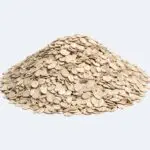
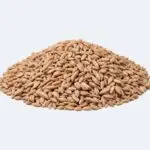
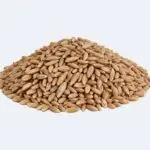
USDA does not report beta-glucan, so we have no ranking, and the table below uses published measurements and regulatory minimums instead. Oats and barley are the richest everyday sources. A review of crop fibers puts it plainly: barley and oats contain a high level of beta-glucan, while rye, wheat and some other cereals are richer in arabinoxylan, another fiber. Rye grain comes third after oats and barley, at about 2.1 to 2.2 g per 100 g in a study of four cultivars. We found no measured beta-glucan value for wheat to quote. See our pages on oats, barley, rye and wheat.
For labeling, the FDA sets minimums for the foods that can carry its claim: oat bran at least 5.5% beta-glucan on a dry-weight basis, rolled oats and whole oat flour at least 4%, and whole grain barley and most dry-milled barley products at least 4%, with barley bran and sieved barley meal at 5.5%. Real values vary. Twenty-seven barley genotypes ranged from 2.40 to 7.42 g per 100 g, and the mill fractions of two hull-less barleys from 0.80 to 7.49%. In a German trial the oat flakes had 4.0 g per 100 g and the barley flakes, from a special high-beta-glucan cultivar, 5.0 g.
Our arithmetic for realistic servings: 3 g of beta-glucan takes about 55 g of oat bran at the 5.5% minimum, 75 g of dry rolled oats at 4%, or 60 g of the 5.0 g per 100 g barley flakes. A 40 g serving of rolled oats at 4% gives 1.6 g, above the 1 g per portion that the EU cholesterol claims require. Processing changes how thick the gel gets, not only how much beta-glucan a food holds, as the section on benefits explains. The FDA claim requires the soluble fiber amount on the nutrition label, so look for grams of beta-glucan or soluble fiber per serving. Mushrooms and yeast also contain beta-glucans, but of a different type.
Per serving. No daily amount is set, so bars compare each food with the top food.
Per 100 g. No daily amount is set, so bars compare each food with the top food.
Per 100 kcal: the same calories of each food, for a fair comparison. Bars compare each food with the top food.
Food labels have no Daily Value or Reference Intake for beta-glucan, so the % compares each food with the top food.
- 1.
- 2.
- 3.


- 1.
- 2.
- 3.
- 1.
- 2.
- 3.
| Food | Beta-glucan per 100 g | What the number is | Source |
|---|---|---|---|
| Oat bran | At least 5.5 g (dry weight) | FDA minimum for oat bran that can carry the heart disease claim | 1 |
| Rolled oats (oatmeal) and whole oat flour | At least 4 g (dry weight) | FDA minimum for foods that can carry the claim | 1 |
| Oat flakes in a German crossover trial | 4.0 g | Value reported by the trial authors | 2 |
| Barley: dehulled or hull-less grain, flakes, grits, pearl barley, flour | At least 4 g (dry weight) | FDA minimum; barley bran and sieved barley meal at least 5.5 g | 1 |
| Barley, 27 genotypes from the Czech Republic and Spain | 2.40 to 7.42 g | Measured range | 3 |
| Hull-less barley, mill fractions of two varieties | 0.80 to 7.49 g | Measured range; the shorts and bran fractions were richest | 4 |
| Barley flakes, special high-beta-glucan cultivar | 5.0 g | Value reported by the trial authors | 2 |
| Rye grain | About 2.1 to 2.2 g (20.6 to 21.7 g per kg) | Average for population and hybrid cultivars, four cultivars at five sites over three seasons | 5 |
| Barley betafiber (an extract) | At least 70 g (dry weight) | FDA definition of this eligible ingredient | 1 |
Sources
- Health claims: soluble fiber from certain foods and risk of coronary heart disease. 21 CFR 101.81. US Food and Drug Administration, Code of Federal Regulations (eCFR).
- Reiners S, Hebestreit S, Wedekind L, et al. Effect of a regular consumption of traditional and roasted oat and barley flakes on blood lipids and glucose metabolism: a randomized crossover trial. Front Nutr. 2023.
- Martínez M, Motilva MJ, López de Las Hazas MC, et al. Phytochemical composition and β-glucan content of barley genotypes from two different geographic origins for human health food production. Food Chem. 2018.
- Šimić G, Horvat D, Lalić A, et al. Distribution of β-glucan, phenolic acids, and proteins as functional phytonutrients of hull-less barley grain. Foods. 2019.
- Fraś A, Wiśniewska M, Mańkowski DR, Gzowska M. Characteristics of the content and variability of dietary fiber components and alkylresorcinols of rye grain (Secale cereale L.). Molecules. 2025.
- Knudsen KE. Fiber and nonstarch polysaccharide content and variation in common crops used in broiler diets. Poult Sci. 2014.
How beta-glucan works
Most of what we know about how beta-glucan works comes from gut models, lab fermenters and short human physiology trials, and what it does in people over months is tested in the study cards above. For oat and barley beta-glucan the main ideas are that it thickens the contents of the gut, that the gel traps bile acids, and that gut bacteria ferment what reaches the colon. Yeast and mushroom beta-glucans look different to the immune system. Here is each one, and what has been seen in people.
Three things oat and barley beta-glucan does in the gut. Not to scale.
It forms a thick gel in the gut
The effects are proposed to come from the gel-forming properties of oat beta-glucan, according to a review of how oats lower cholesterol, and EFSA’s 2026 panel called the mechanism for the glucose effect well established. In a crossover trial in 28 adults, a breakfast with 4 g of oat beta-glucan cut the glucose area from 135 to 78 mmol × min/L against a rice cereal and slowed stomach emptying, with a half-time of 285 against 105 minutes. The same amount cut into shorter chains did neither. Appetite, hormone responses and lunch intake did not differ, regardless of thickness.
It traps bile acids
Three ways have been proposed for soluble fibers such as beta-glucan to lower cholesterol: less reabsorption of bile salts, so more leave in the stool; a smaller glucose response and so less insulin stimulation of cholesterol making in the liver; and effects of fermentation products, mainly propionate. A review judged the evidence for the last one inconclusive, while lab, animal and gut-model experiments suggest that bile salt micelles bind to the fiber. In a lab model of the gut, the viscosity of the beta-glucan solution governed how freely bile acids moved, and oat bran trapped them in its gel network.
Chain length sets how well it works
The cholesterol trial of Wolever and colleagues tested this directly. The chart shows the fall in LDL against the wheat fiber control for each type of beta-glucan.
Fall in LDL cholesterol after 4 weeks of oat beta-glucan in an extruded cereal, against a wheat fiber cereal, drawn to scale. Green bars are significant, the grey bar is not.
Gut bacteria ferment it
What beta-glucan does not give up in the small intestine reaches the colon, where bacteria ferment it. In lab fermenters with stool bacteria from three donors, oat and barley beta-glucans gave acetate, propionate and butyrate in a 51:32:17 ratio, and the authors described the pattern as rich in propionate. In another gut model, a concentrated oat beta-glucan gave total short-chain fatty acid and acetate levels similar to inulin and guar gum, and the highest butyrate of the three at 4, 8 and 12 hours. These are results in a bottle, not in people. A review of oat and barley trials found 13 that measured gut bacteria and suggested the foods can change their makeup, and a review of how oats lower cholesterol points to a possible role for bile acid changes made by gut bacteria. A 2026 review also argues that short beta-glucan chains favor gut and immune effects while long chains favor thickness.
Yeast and mushroom beta-glucans look different to the immune system
The structure is the reason for keeping the two groups apart. Lentinan, a purified beta-glucan from shiitake mushrooms, has a backbone of beta-1,3-glucan with beta-1,6 branches. Yeast beta-glucans are described by EFSA as complex, high molecular mass polysaccharides from the cell wall of baker’s yeast. Cereal beta-glucan is a mixed-linkage chain.
Schematic of the two kinds of beta-glucan. Each circle is a glucose unit and the numbers show which carbon atoms each bond joins. The bond order is simplified. Not to scale.
In 2001 researchers identified dectin-1, a receptor on macrophages, as one way immune cells recognize beta-1,3-glucans. That gives the yeast and mushroom research a mechanism. It does not show that oat and barley beta-glucan, with their mixed bonds, act the same way in people.
What has been seen in people
The chart puts the pooled falls in LDL cholesterol from four meta-analyses on one scale. They are small, between 0.19 and 0.29 mmol/L.
Pooled fall in LDL cholesterol against control diets, in mmol/L, drawn to scale. Orange bars are oat beta-glucan, the green bar is barley beta-glucan and the red bar is oat foods and extracts of all kinds, not beta-glucan alone. The trials differ in dose, food and length, so the bars are not a ranking.
The oat meta-analysis of Whitehead found no sign that dose (3.0 to 12.4 g a day) or length (2 to 12 weeks) changed the size of the fall, and an earlier meta-analysis of 11 barley trials found LDL lower by 0.27 mmol/L with no dose-dependent pattern. In daily life the picture is less tidy. Beta-glucan bread at 6 g a day for 16 weeks did not change LDL in 194 adults at risk of type 2 diabetes, and the glucose effects shown in short meal tests did not show up in HbA1c. Cards on all of these are in the section on benefits.
Sources
- Joyce SA, Kamil A, Fleige L, Gahan CGM. The cholesterol-lowering effect of oats and oat beta glucan: modes of action and potential role of bile acids and the microbiome. Front Nutr. 2019.
- Gunness P, Gidley MJ. Mechanisms underlying the cholesterol-lowering properties of soluble dietary fibre polysaccharides. Food Funct. 2010.
- Mäkelä N, Rosa-Sibakov N, Wang YJ, et al. Role of β-glucan content, molecular weight and phytate in the bile acid binding of oat β-glucan. Food Chem. 2021.
- Wolever TMS, Tosh SM, Spruill SE, et al. Increasing oat β-glucan viscosity in a breakfast meal slows gastric emptying and reduces glycemic and insulinemic responses but has no effect on appetite, food intake, or plasma ghrelin and PYY responses in healthy humans: a randomized, placebo-controlled, crossover trial. Am J Clin Nutr. 2020.
- Wolever TM, Tosh SM, Gibbs AL, et al. Physicochemical properties of oat β-glucan influence its ability to reduce serum LDL cholesterol in humans: a randomized clinical trial. Am J Clin Nutr. 2010.
- Hughes SA, Shewry PR, Gibson GR, McCleary BV, Rastall RA. In vitro fermentation of oat and barley derived beta-glucans by human faecal microbiota. FEMS Microbiol Ecol. 2008.
- Queenan KM, Stewart ML, Smith KN, et al. Concentrated oat beta-glucan, a fermentable fiber, lowers serum cholesterol in hypercholesterolemic adults in a randomized controlled trial. Nutr J. 2007.
- Mohammadi N, Scannell AGM, Silva-Espinoza MA. Not all β-glucans are equal: processing-induced structural diversity of oat β-glucan and its functional and health outcomes. Food Res Int. 2026.
- Knudsen KE. Fiber and nonstarch polysaccharide content and variation in common crops used in broiler diets. Poult Sci. 2014.
- Ina K, Kataoka T, Ando T. The use of lentinan for treating gastric cancer. Anticancer Agents Med Chem. 2013.
- Brown GD, Gordon S. Immune recognition. A new receptor for beta-glucans. Nature. 2001.
- EFSA Panel on Dietetic Products, Nutrition and Allergies (NDA). Scientific opinion on the safety of “yeast beta-glucans” as a novel food ingredient. EFSA J. 2011.
- EFSA Panel on Nutrition, Novel Foods and Food Allergens (NDA). Oat beta-glucans and reduction of postprandial glucose peak: evaluation of a health claim pursuant to Article 13(5) of Regulation (EC) No 1924/2006. EFSA J. 2026.
- Whitehead A, Beck EJ, Tosh S, Wolever TMS. Cholesterol-lowering effects of oat β-glucan: a meta-analysis of randomized controlled trials. Am J Clin Nutr. 2014.
- Ho HVT, Sievenpiper JL, Zurbau A, et al. The effect of oat β-glucan on LDL-cholesterol, non-HDL-cholesterol and apoB for CVD risk reduction: a systematic review and meta-analysis of randomised-controlled trials. Br J Nutr. 2016.
- Ho HV, Sievenpiper JL, Zurbau A, et al. A systematic review and meta-analysis of randomized controlled trials of the effect of barley β-glucan on LDL-C, non-HDL-C and apoB for cardiovascular disease risk reduction. Eur J Clin Nutr. 2016.
- Llanaj E, Dejanovic GM, Valido E, et al. Effect of oat supplementation interventions on cardiovascular disease risk markers: a systematic review and meta-analysis of randomized controlled trials. Eur J Nutr. 2022.
- AbuMweis SS, Jew S, Ames NP. β-glucan from barley and its lipid-lowering capacity: a meta-analysis of randomized, controlled trials. Eur J Clin Nutr. 2010.
- Hjorth T, Schadow A, Revheim I, et al. Effectiveness of regular oat β-glucan-enriched bread compared with whole-grain wheat bread on long-term glycemic control in adults at risk of type 2 diabetes: a randomized controlled trial. Am J Clin Nutr. 2025.
- Cortijo-Alfonso ME, Romero MP, Macià A, et al. Effect of barley and oat consumption on immune system, inflammation and gut microbiota: a systematic review of randomized controlled trials. Curr Nutr Rep. 2024.
How much beta-glucan do you need?
About 3 g of oat or barley beta-glucan a day is the amount behind the health claims in the US and EU, and we found no official daily need or upper limit for beta-glucan on its own. In food, 3 g is about 75 g of dry rolled oats at the FDA’s 4% minimum or 55 g of oat bran at 5.5% (our arithmetic). The EU cholesterol claims also need 1 g in each portion of the food that carries them, and its glucose claim needs 4 g for each 30 g of available carbohydrates in the meal.
| Source | Group | Value | Notes |
|---|---|---|---|
| US FDA, 21 CFR 101.81 | Labeling rule, general population | 3 g or more a day of beta-glucan soluble fiber from whole oats or barley, or both | The food needs at least 0.75 g of soluble fiber per reference amount customarily consumed. |
| EU Regulation (EU) No 432/2012, cholesterol | Labeling rule, general population | 3 g a day of beta-glucans from oats, oat bran, barley, barley bran or a mix | At least 1 g per quantified portion in the food. |
| EU Regulation (EU) No 432/2012, blood glucose | General population, per meal | At least 4 g of beta-glucans from oats or barley for each 30 g of available carbohydrates | Eaten as part of the meal. EFSA did not support a lower dose of 2 g per 30 g in 2025. |
| EFSA opinion 2010, oat beta-glucan | Adults who want to lower blood cholesterol | At least 3 g of oat beta-glucan a day | The panel said this can reasonably be consumed as part of a balanced diet. |
| EFSA opinion 2011, barley beta-glucans | Adults who want to lower blood cholesterol | At least 3 g of barley beta-glucans a day | Two opinions, on applications from Valens and Cargill, reached the same conclusion. |
| EFSA opinion 2026, oat beta-glucans | People who wish to reduce postprandial glucose peaks | At least 3 g of oat beta-glucans for each 30 g of available carbohydrates, in meals with at least 30 g | A scientific opinion, not yet EU law as far as we found. |
Fiber as a whole has adequate intakes. EFSA’s value for adults is 25 g a day, and the US values run from 21 to 38 g a day by age and sex, as shown on our fiber page. Beta-glucan counts toward the total but has no value of its own.
Beta-glucan is not an essential nutrient, and we found no source that describes a deficiency of it. Low total fiber intake is a different question, covered on our fiber page.
Sources
- Health claims: soluble fiber from certain foods and risk of coronary heart disease. 21 CFR 101.81. US Food and Drug Administration, Code of Federal Regulations (eCFR).
- Commission Regulation (EU) No 432/2012 establishing a list of permitted health claims made on foods. Annex, entries for beta-glucans. Official Journal of the European Union. 2012.
- EFSA Panel on Dietetic Products, Nutrition and Allergies (NDA). Scientific opinion on the substantiation of a health claim related to oat beta glucan and lowering blood cholesterol and reduced risk of (coronary) heart disease pursuant to Article 14 of Regulation (EC) No 1924/2006. EFSA J. 2010.
- EFSA Panel on Dietetic Products, Nutrition and Allergies (NDA). Scientific opinions on a health claim related to barley beta-glucans and lowering of blood cholesterol and reduced risk of (coronary) heart disease pursuant to Article 14: application from Valens and application from Cargill. EFSA J. 2011.
- EFSA Panel on Nutrition, Novel Foods and Food Allergens (NDA). Beta-glucans from oats or barley and reduction of postprandial glycaemic responses: modification of an authorised health claim. EFSA J. 2025.
- EFSA Panel on Nutrition, Novel Foods and Food Allergens (NDA). Oat beta-glucans and reduction of postprandial glucose peak: evaluation of a health claim pursuant to Article 13(5) of Regulation (EC) No 1924/2006. EFSA J. 2026.
- Fiber. NutriScrolls. Adequate intakes from the US National Academies (2005) and EFSA (2010), as shown on that page.
Forms of beta-glucan: absorption and effects
Beta-glucan reaches people in several ways: as part of whole grain flakes, as oat or barley bran, in processed foods such as bread, cereal, pasta and granola, as concentrates and extracts, as yeast beta-glucan capsules, and as mushroom products. For beta-glucan from oats and barley the useful question is not absorption but what the form does in the gut: how much dissolves, how thick it gets and how long the chains are.
The honest bottom line is that the best evidence is for oat and barley beta-glucan eaten in foods or concentrates at about 3 g a day or more, with the chains kept long. We found no trial that shows one form of oat beta-glucan beating the others for LDL at the same dose. The one direct oat and barley comparison we found, in 32 adults over 3 weeks, saw LDL fall with both. Yeast and mushroom beta-glucans are a different molecule with a beta-1,3 backbone and beta-1,6 branches. The oat and barley evidence does not support them, and the other way round, so read a “beta-glucan” label with care.
| Form | What it is | What studies show | Source |
|---|---|---|---|
| Oat bran, rolled oats, oatmeal | Ground or flaked whole oat groats. Oat bran is the outer fraction, at least 5.5% beta-glucan by the FDA’s definition (rolled oats at least 4%). | 80 g a day of oat or barley flakes for 3 weeks lowered LDL by 0.21 to 0.30 mmol/L from baseline in 32 adults. 87 g a day of oat bran lowered cholesterol no more than low-fiber wheat in 20 healthy adults. A low dose of oat bran in a drink lowered the 3-hour glucose response by 26% (intact) to 38% (extruded) in 20 people, in a trial funded by Nestlé. | 1, 2, 3, 4 |
| Barley flakes, pearl barley, barley bran | Barley grain and its milled products. Barley contains gluten. | Median 6.5 g of barley beta-glucan a day lowered LDL by 0.25 mmol/L across 14 trials. An older meta-analysis of 11 trials found LDL lower by 0.27 mmol/L, with no dose-dependent pattern. | 5, 6 |
| Concentrated or extracted oat or barley beta-glucan | Beta-glucan purified from the grain, in powders and drinks. | 6 g a day of concentrated oat beta-glucan for 6 weeks lowered LDL more than a dextrose control in 75 adults (P=0.03). 3.3 g a day of extracted oat or barley beta-glucan for 3 weeks did not change cholesterol versus control in 14 young healthy adults, though oat beta-glucan lowered it from baseline. A meta-analysis found that oats and oat bran, but not extracts, lowered fasting glucose. | 7, 8, 9 |
| Processed foods: extruded cereal, bread, pasta, granola | Beta-glucan after milling, heating, extrusion or baking. | An extruded cereal with long or medium chains lowered LDL, and short chains did not. Porridge and granola cut peak glucose most, and bread and pasta broke the chains down. Bread with 6 g a day for 16 weeks did not change HbA1c or LDL. | 10, 11, 12 |
| Short-chain, enzyme-treated beta-glucan | Chains cut short, which lowers thickness. | 4 g a day of 210,000 g/mol lowered LDL by 0.10 mmol/L, not significant. A reduced-viscosity barley beta-glucan drink lowered the glucose rise during an oral glucose test at 3 g a day and fasting insulin at 6 g a day over 12 weeks in 44 completers. Short chains did not slow stomach emptying. | 10, 13, 14 |
| Yeast beta-glucan (baker’s yeast) | A beta-1,3 glucan with beta-1,6 branches from the yeast cell wall, in capsules and drinks, soluble or insoluble. | A 13-trial meta-analysis found fewer respiratory infections. 250 mg a day did not significantly cut infections in 100 older adults. In marathon runners the insoluble form lowered total infection severity and the soluble form did not. In 44 overweight adults, 6 weeks of 477 mg per capsule did not change cholesterol or lipids but lowered waist size and blood pressure. EFSA judged it safe at up to 375 mg a day in supplements and 600 mg a day in foods for particular nutritional uses. | 15, 16, 17, 18, 19 |
| Mushroom beta-glucans | Lentinan (shiitake), pleuran (oyster mushroom) and mushroom powders. | Lentinan with chemotherapy: hazard ratio 0.80 in 650 patients with advanced gastric cancer, and benefit in a 31-trial review of the injectable form. Pleuran: fewer respiratory symptoms in 50 athletes over 3 months. Oyster mushroom powder with 3 g of beta-glucan: no LDL change in 46 adults over 4 weeks. | 20, 21, 22, 23, 24 |
Two popular claims have little behind them. We found no trial showing that yeast beta-glucan lowers cholesterol; the one we found measured lipids and saw no change. And we found no human trial of oat or barley beta-glucan with cancer or infection as the outcome. Here are the form-specific and head-to-head studies, strongest evidence first, 7 in all.
In 18 trials, whole oats and oat bran lowered fasting glucose, but extracted beta-glucan did not
Meta-analysis of randomized trials lasting at least 4 weeks, with 1,024 people. Oat products were given at 20 to 136 g a day and beta-glucan extracts at 3 to 10 g a day. Oats and oat bran also lowered fasting insulin and, in some analyses, HbA1c, in people with type 2 diabetes, high lipids or overweight. The trials differed a lot (I2 up to 92%). Whole oats carry other components besides beta-glucan, so the gap cannot be credited to the form of beta-glucan alone.
Pooling 13 trials, yeast beta-glucan lowered the odds of an upper respiratory infection (odds ratio 0.345) in healthy people
Systematic review and meta-analysis of randomized trials of yeast beta-glucans against placebo. The number of episodes (SMD −0.315) and their duration (SMD −0.312) also fell, and symptoms were milder in most trials. The authors point to high heterogeneity and few studies and ask for better trials. These are yeast glucans with a beta-1,3 backbone, not the oat and barley type, so the result does not carry over.
In 650 patients from 5 trials, adding lentinan to chemotherapy lengthened survival in advanced gastric cancer (hazard ratio 0.80)
Individual-patient meta-analysis of randomized trials that compared chemotherapy with and without lentinan, with no difference between trials. The hazard ratio was 0.80 (range 0.68 to 0.95). Lentinan is a purified beta-glucan from shiitake mushrooms, approved in Japan for gastric cancer, and it was given as a medicine alongside chemotherapy. It is not a food source or a supplement, and it says nothing about oat or barley beta-glucan.
In a trial of four oat foods with 4 g of beta-glucan, porridge and granola lowered peak blood glucose most because the beta-glucan kept its size and thickness
Crisp bread, granola, porridge and pasta each gave 4 g of beta-glucan, with low-beta-glucan control products. Beta-glucan was broken down in the bread and the pasta, which reduced its effect. Pasta still gave the lowest glucose peak, because pasta digests slowly anyway. About 73% of the effect on peak glucose could be explained by peak molecular weight times concentration.
In 100 adults aged 50 to 70, 250 mg a day of yeast beta-glucan did not significantly reduce respiratory infections over 90 days
Double-blind placebo-controlled winter trial of a branded yeast beta-1,3/1,6 glucan capsule, with 49 completers per group. Medically confirmed infections were 28 on placebo and 17 on glucan (odds ratio 0.55, range 0.24 to 1.26, P=0.149). Symptom severity did not differ. Interferon-gamma rose more in stimulated blood. The authors call for larger studies.
In 46 adults, an oyster mushroom powder giving 3 g of beta-glucan a day did not lower LDL cholesterol in 4 weeks
Double-blind randomized trial in adults with moderately raised LDL (116 to 190 mg/dL). The drink had 8.4 g of oyster mushroom powder, which gave 3 g of beta-glucans, or none. LDL, other lipids, apolipoproteins and gene expression did not change. A post-hoc analysis adjusted for sex suggested lower cholesterol absorption markers, mainly in women, which the authors treat as a lead for research. The beta-glucan dose matches the oat and barley claims, but the structure does not.
In 2001, immune cells were found to recognize beta-1,3-glucans through a receptor called dectin-1
A short Nature commentary named dectin-1 as a receptor on macrophages and other white blood cells that binds beta-1,3-D-glucans and activates them. The work was done in cells and animals. It covers beta-1,3-glucans in general. It does not show that oat or barley beta-glucan, which has mixed bonds, acts the same way in people.
Sources
- Health claims: soluble fiber from certain foods and risk of coronary heart disease. 21 CFR 101.81. US Food and Drug Administration, Code of Federal Regulations (eCFR).
- Reiners S, Hebestreit S, Wedekind L, et al. Effect of a regular consumption of traditional and roasted oat and barley flakes on blood lipids and glucose metabolism: a randomized crossover trial. Front Nutr. 2023.
- Swain JF, Rouse IL, Curley CB, Sacks FM. Comparison of the effects of oat bran and low-fiber wheat on serum lipoprotein levels and blood pressure. N Engl J Med. 1990.
- Tan D, Yao Y, Zhou Y, et al. Differently processed low doses of β-glucan from oat bran similarly attenuate postprandial glycemic response. Foods. 2024.
- Ho HV, Sievenpiper JL, Zurbau A, et al. A systematic review and meta-analysis of randomized controlled trials of the effect of barley β-glucan on LDL-C, non-HDL-C and apoB for cardiovascular disease risk reduction. Eur J Clin Nutr. 2016.
- AbuMweis SS, Jew S, Ames NP. β-glucan from barley and its lipid-lowering capacity: a meta-analysis of randomized, controlled trials. Eur J Clin Nutr. 2010.
- Queenan KM, Stewart ML, Smith KN, et al. Concentrated oat beta-glucan, a fermentable fiber, lowers serum cholesterol in hypercholesterolemic adults in a randomized controlled trial. Nutr J. 2007.
- Ibrügger S, Kristensen M, Poulsen MW, et al. Extracted oat and barley β-glucans do not affect cholesterol metabolism in young healthy adults. J Nutr. 2013.
- He LX, Zhao J, Huang YS, Li Y. The difference between oats and beta-glucan extract intake in the management of HbA1c, fasting glucose and insulin sensitivity: a meta-analysis of randomized controlled trials. Food Funct. 2016.
- Wolever TM, Tosh SM, Gibbs AL, et al. Physicochemical properties of oat β-glucan influence its ability to reduce serum LDL cholesterol in humans: a randomized clinical trial. Am J Clin Nutr. 2010.
- Regand A, Tosh SM, Wolever TM, Wood PJ. Physicochemical properties of beta-glucan in differently processed oat foods influence glycemic response. J Agric Food Chem. 2009.
- Hjorth T, Schadow A, Revheim I, et al. Effectiveness of regular oat β-glucan-enriched bread compared with whole-grain wheat bread on long-term glycemic control in adults at risk of type 2 diabetes: a randomized controlled trial. Am J Clin Nutr. 2025.
- Bays H, Frestedt JL, Bell M, et al. Reduced viscosity barley β-glucan versus placebo: a randomized controlled trial of the effects on insulin sensitivity for individuals at risk for diabetes mellitus. Nutr Metab (Lond). 2011.
- Wolever TMS, Tosh SM, Spruill SE, et al. Increasing oat β-glucan viscosity in a breakfast meal slows gastric emptying and reduces glycemic and insulinemic responses but has no effect on appetite, food intake, or plasma ghrelin and PYY responses in healthy humans: a randomized, placebo-controlled, crossover trial. Am J Clin Nutr. 2020.
- Zhong K, Liu Z, Lu Y, Xu X. Effects of yeast β-glucans for the prevention and treatment of upper respiratory tract infection in healthy subjects: a systematic review and meta-analysis. Eur J Nutr. 2021.
- Fuller R, Moore MV, Lewith G, et al. Yeast-derived β-1,3/1,6 glucan, upper respiratory tract infection and innate immunity in older adults. Nutrition. 2017.
- Mah E, Kaden VN, Kelley KM, Liska DJ. Soluble and insoluble yeast β-glucan differentially affect upper respiratory tract infection in marathon runners: a double-blind, randomized placebo-controlled trial. J Med Food. 2020.
- Mosikanon K, Arthan D, Kettawan A, Tungtrongchitr R, Prangthip P. Yeast β-glucan modulates inflammation and waist circumference in overweight and obese subjects. J Diet Suppl. 2017.
- EFSA Panel on Dietetic Products, Nutrition and Allergies (NDA). Scientific opinion on the safety of “yeast beta-glucans” as a novel food ingredient. EFSA J. 2011.
- Oba K, Kobayashi M, Matsui T, Kodera Y, Sakamoto J. Individual patient based meta-analysis of lentinan for unresectable/recurrent gastric cancer. Anticancer Res. 2009.
- Wang Y, Wang H, Chai K, et al. Systematic review and meta-analysis on the efficacy and safety of injectable lentinan combined with chemotherapy in the treatment of gastric cancer. Phytomedicine. 2024.
- Johnen J, Waizenegger J, Ellinger J, et al. Effects of regular consumption of a β-glucan-rich oyster mushroom powder on cholesterol metabolism in adults with moderately elevated LDL-cholesterol concentrations: a double-blind randomized controlled trial. Nutr Metab (Lond). 2026.
- Bergendiova K, Tibenska E, Majtan J. Pleuran (β-glucan from Pleurotus ostreatus) supplementation, cellular immune response and respiratory tract infections in athletes. Eur J Appl Physiol. 2011.
- Ina K, Kataoka T, Ando T. The use of lentinan for treating gastric cancer. Anticancer Agents Med Chem. 2013.
- Brown GD, Gordon S. Immune recognition. A new receptor for beta-glucans. Nature. 2001.
Is beta-glucan safe? Supplements, dose and interactions
Oat and barley beta-glucan from foods is not a safety concern for most people. EFSA’s panel said in 2010 that 3 g of oat beta-glucan a day can reasonably be consumed as part of a balanced diet. We found no tolerable upper intake level for oat or barley beta-glucan in the regulations and opinions above. For yeast beta-glucan, EFSA judged one product safe at the proposed conditions, up to 375 mg a day in food supplements and 600 mg a day in foods for particular nutritional uses. That is an opinion on one product, not a limit for all yeast beta-glucans.
- Side effects. In a meta-analysis of 17 trials of oat products in people with dyslipidemia, the adverse events were mostly digestive: diarrhea, nausea and flatulence. A small trial of a reduced-viscosity barley beta-glucan drink reported it was generally well tolerated over 12 weeks.
- Celiac disease and gluten. In a meta-analysis that included 6 randomized trials, pure oats eaten for 12 months did not change symptoms, histology or serology in people with celiac disease, though the evidence was low in quality. Oats grown in an ordinary supply chain are often contaminated with wheat, rye or barley, so choose oats labeled gluten-free, which means under 20 ppm of gluten in the EU, US and Canada. Barley contains gluten and is excluded from a gluten-free diet, so barley beta-glucan foods are not an option.
- Medicines and blood sugar. We found no study of oat or barley beta-glucan changing how medicines are absorbed. Beta-glucan lowers the glucose rise after meals (23% in a meta-analysis), so people who take glucose-lowering medicines should ask their doctor how it fits their treatment.
- Yeast and mushroom products. Lentinan is a medicine given with chemotherapy, and the supplement trials are small and short. Anyone in cancer treatment or taking immune-suppressing medicines should ask the treating team before using a beta-glucan product.
How to get more beta-glucan
- Eat oats or barley every day. 3 g of beta-glucan is about 75 g of dry rolled oats or 60 g of barley flakes with 5.0 g per 100 g (our arithmetic). In the German crossover trial, 80 g of flakes a day lowered LDL by 0.21 to 0.30 mmol/L in 3 weeks. See our pages on oats and barley.
- Keep the grain whole. Unrefined oat foods with intact plant tissue often seemed to work better than purified beta-glucan added as an ingredient, and porridge and granola kept the chains thick better than bread and pasta.
- Read the label. Look for grams of beta-glucan or soluble fiber per serving, and at least 1 g per portion if the product carries an EU claim. If you avoid gluten, choose oats labeled gluten-free and skip barley.
Sources
- EFSA Panel on Dietetic Products, Nutrition and Allergies (NDA). Scientific opinion on the substantiation of a health claim related to oat beta glucan and lowering blood cholesterol and reduced risk of (coronary) heart disease pursuant to Article 14 of Regulation (EC) No 1924/2006. EFSA J. 2010.
- Li A, Gao J, Li Y, et al. Efficacy of oats in dyslipidemia: a systematic review and meta-analysis. Food Funct. 2024.
- Pinto-Sánchez MI, Causada-Calo N, Bercik P, et al. Safety of adding oats to a gluten-free diet for patients with celiac disease: systematic review and meta-analysis of clinical and observational studies. Gastroenterology. 2017.
- Smulders MJM, van de Wiel CCM, van den Broeck HC, et al. Oats in healthy gluten-free and regular diets: a perspective. Food Res Int. 2018.
- EFSA Panel on Dietetic Products, Nutrition and Allergies (NDA). Scientific opinion on the safety of “yeast beta-glucans” as a novel food ingredient. EFSA J. 2011.
- Bays H, Frestedt JL, Bell M, et al. Reduced viscosity barley β-glucan versus placebo: a randomized controlled trial of the effects on insulin sensitivity for individuals at risk for diabetes mellitus. Nutr Metab (Lond). 2011.
- Zurbau A, Noronha JC, Khan TA, Sievenpiper JL, Wolever TMS. The effect of oat β-glucan on postprandial blood glucose and insulin responses: a systematic review and meta-analysis. Eur J Clin Nutr. 2021.
- Oba K, Kobayashi M, Matsui T, Kodera Y, Sakamoto J. Individual patient based meta-analysis of lentinan for unresectable/recurrent gastric cancer. Anticancer Res. 2009.
- Reiners S, Hebestreit S, Wedekind L, et al. Effect of a regular consumption of traditional and roasted oat and barley flakes on blood lipids and glucose metabolism: a randomized crossover trial. Front Nutr. 2023.
- Grundy MM, Fardet A, Tosh SM, Rich GT, Wilde PJ. Processing of oat: the impact on oat’s cholesterol lowering effect. Food Funct. 2018.
- Regand A, Tosh SM, Wolever TM, Wood PJ. Physicochemical properties of beta-glucan in differently processed oat foods influence glycemic response. J Agric Food Chem. 2009.
- Health claims: soluble fiber from certain foods and risk of coronary heart disease. 21 CFR 101.81. US Food and Drug Administration, Code of Federal Regulations (eCFR).
- Commission Regulation (EU) No 432/2012 establishing a list of permitted health claims made on foods. Annex, entries for beta-glucans. Official Journal of the European Union. 2012.
History of beta-glucan
The cholesterol story starts with oats. In 1963 de Groot and colleagues reported in The Lancet that rolled oats lowered cholesterol. In 1990 Swain and colleagues ran a New England Journal of Medicine crossover trial that found 87 g of oat bran a day lowered cholesterol no more than low-fiber wheat, and traced the drop in both diets to changes in dietary fat. The question of adding oat beta-glucan on top of a usual diet was left to later meta-analyses.
Regulators moved after reviewing larger bodies of evidence. The FDA’s claim regulation, 21 CFR 101.81, was first published in January 1997, and before barley was added it covered beta-glucan soluble fiber from whole oat sources. Barley was added by an interim rule in 2005 and a final rule in 2006, and barley betafiber by a final rule in 2008. In the EU, a claim for oat beta-glucan was authorized in November 2011, the general beta-glucan claims in May 2012 and the barley beta-glucan claim in November 2012. EFSA has evaluated glucose claims for beta-glucan again in 2021, 2025 and 2026.
The immune story starts with a receptor. In 2001 Brown and Gordon reported in Nature that dectin-1 is a receptor on macrophages for beta-1,3-glucans, which gave the yeast and mushroom research a mechanism. Lentinan from shiitake mushrooms went on to be approved in Japan as an add-on for gastric cancer. In oats, the idea that chain length decides the effect was tested in trials in 2010 and later, and it is still being refined.
Sources
- de Groot AP, Luyken R, Pikaar NA. Cholesterol-lowering effect of rolled oats. Lancet. 1963.
- Swain JF, Rouse IL, Curley CB, Sacks FM. Comparison of the effects of oat bran and low-fiber wheat on serum lipoprotein levels and blood pressure. N Engl J Med. 1990.
- Health claims: soluble fiber from certain foods and risk of coronary heart disease. 21 CFR 101.81. US Food and Drug Administration, Code of Federal Regulations (eCFR).
- Food and Drug Administration. Food labeling: health claims; soluble dietary fiber from certain foods and coronary heart disease. Final rule. Fed Regist. 2006.
- Food and Drug Administration. Food labeling: health claims; soluble fiber from certain foods and risk of coronary heart disease. Final rule. Fed Regist. 2008.
- Commission Regulation (EU) No 1160/2011 on the authorisation and refusal of authorisation of certain health claims made on foods and referring to the reduction of disease risk. Annex I, oat beta-glucan. Official Journal of the European Union. 2011.
- Commission Regulation (EU) No 432/2012 establishing a list of permitted health claims made on foods. Annex, entries for beta-glucans. Official Journal of the European Union. 2012.
- Commission Regulation (EU) No 1048/2012 on the authorisation of a health claim made on foods and referring to the reduction of disease risk. Annex, barley beta-glucan. Official Journal of the European Union. 2012.
- EFSA Panel on Nutrition, Novel Foods and Food Allergens (NDA). Beta-glucans from oats and/or barley in a ready-to-eat cereal manufactured via pressure cooking and reduction of blood-glucose rise after consumption: evaluation of a health claim. EFSA J. 2021.
- EFSA Panel on Nutrition, Novel Foods and Food Allergens (NDA). Beta-glucans from oats or barley and reduction of postprandial glycaemic responses: modification of an authorised health claim. EFSA J. 2025.
- EFSA Panel on Nutrition, Novel Foods and Food Allergens (NDA). Oat beta-glucans and reduction of postprandial glucose peak: evaluation of a health claim pursuant to Article 13(5) of Regulation (EC) No 1924/2006. EFSA J. 2026.
- Brown GD, Gordon S. Immune recognition. A new receptor for beta-glucans. Nature. 2001.
- Ina K, Kataoka T, Ando T. The use of lentinan for treating gastric cancer. Anticancer Agents Med Chem. 2013.
- Wolever TM, Tosh SM, Gibbs AL, et al. Physicochemical properties of oat β-glucan influence its ability to reduce serum LDL cholesterol in humans: a randomized clinical trial. Am J Clin Nutr. 2010.
Frequently asked questions about beta-glucan
Does beta-glucan lower cholesterol?
Yes, modestly, for oat and barley beta-glucan. In a meta-analysis of 28 trials, at least 3 g of oat beta-glucan a day lowered LDL cholesterol by 0.25 mmol/L and left HDL and triglycerides alone. In one trial the effect was about 5% when the chains were long (0.21 mmol/L, 5.5%) and not significant when they were short (0.10 mmol/L). A real-life trial of beta-glucan bread at 6 g a day for 16 weeks found no LDL change (−0.11 mmol/L, not significant).
Are oats or barley better for beta-glucan?
Neither wins in the evidence we found. In a crossover trial of 32 adults, 80 g a day of oat or barley flakes for 3 weeks lowered LDL by 0.21 to 0.30 mmol/L across the groups, and roasting made no difference. Barley beta-glucan varies a lot, from 2.40 to 7.42 g per 100 g in 27 genotypes, so a barley product is not always richer than oats. Barley contains gluten, and oats need a gluten-free label for people with celiac disease.
Do beta-glucan supplements work as well as oats?
We found no trial that compared a supplement with oats head to head. Concentrated oat beta-glucan at 6 g a day lowered LDL in 75 adults over 6 weeks, but extracted oat and barley beta-glucan at 3.3 g a day did not change cholesterol versus control in 14 young healthy adults. A meta-analysis found oats and oat bran, but not extracts, lowered fasting glucose. Chain length matters, so a product that has been broken down may work less well.
Is yeast beta-glucan the same as oat beta-glucan?
No. Oat and barley beta-glucan is a chain with mixed beta-1,3 and beta-1,4 bonds that thickens in the gut. Yeast and mushroom beta-glucans have a beta-1,3 backbone with beta-1,6 branches and are studied for immune effects. A mushroom powder that gave 3 g of beta-glucan did not change LDL in 46 adults over 4 weeks, and in 44 overweight adults yeast beta-glucan did not change cholesterol.
Does cooking or processing destroy beta-glucan?
Processing changes the chain length and thickness more than the amount, and length matters. Harsh extrusion cut the chain size of oat bran cereal from 1,930,000 to 251,000 g/mol and the thickness of a gut-like extract from 2,900 to 131 mPa·s. One review reports that boiling kept the chains at 1,400 to 1,900 kDa. Among four oat foods, porridge and granola cut peak glucose most, and bread and pasta less.
Can people with celiac disease eat oats for beta-glucan?
Pure oats are not known to harm most people with celiac disease. In a meta-analysis, oats eaten for 12 months did not change symptoms, histology or serology, but the evidence was low in quality. Ordinary oats are often contaminated with wheat, barley or rye, so choose oats labeled gluten-free, under 20 ppm of gluten. Barley contains gluten and is not an option.
Does beta-glucan help with colds or immunity?
For oat beta-glucan, the best human trial found nothing: 5.6 g a day did not change immune markers or infections in trained cyclists. For yeast beta-glucan, a meta-analysis of 13 trials found lower odds of upper respiratory infection (odds ratio 0.345), with high heterogeneity, and a trial in 100 older adults found 17 infections against 28 on placebo, which was not significant (P=0.149). EU law has no beta-glucan claim for immune function.
Can beta-glucan lower blood sugar?
It lowers the rise after a meal. A meta-analysis of 103 trial comparisons found oat beta-glucan cut the glucose response by 23% and the peak by 28%, mostly with chains above 300 kg/mol. The EU allows a claim at 4 g per 30 g of available carbohydrates. Over 16 weeks, though, beta-glucan bread did not change HbA1c in 194 adults at risk of type 2 diabetes. People with diabetes should ask their doctor before changing their routine.