
Fiber is the part of plant food that human digestive enzymes cannot break down. The US FDA defines dietary fiber as non-digestible soluble and insoluble carbohydrates with three or more sugar units, plus lignin, that are intrinsic and intact in plants, together with isolated or synthetic fibers that FDA has found to have beneficial physiological effects. It is a carbohydrate you eat but do not absorb, so no blood test shows your fiber status.
What happens next depends on the fiber. Wheat bran passes through largely intact and adds bulk. Psyllium forms a gel. Inulin, and the resistant starch in beans, are fermented by bacteria in the colon into short-chain fatty acids. Oat and barley beta-glucan and resistant starch have pages of their own.
Most readers do not know how little the old split into soluble and insoluble settles. A 2008 position paper of the American Dietetic Association describes the support for it as inconsistent at best, and a 2017 review puts viscosity and fermentability in front. The other surprise is intake: US adults average about 16 g a day against an adequate intake of 25 to 38 g, and more than 90 percent of women and 97 percent of men fall short of it.
Health benefits of fiber
The best-supported findings are about the gut and cholesterol. Soluble, gel-forming fibers such as psyllium and pectin lower LDL cholesterol, and the EU and the US FDA authorize health claims for some of them. Wheat bran and other cereal fibers add stool bulk, and the EU authorizes claims for that too. For disease the largest evidence is observational: pooling 185 cohort studies, the review WHO commissioned found 15 to 30% lower risks of death, heart disease, type 2 diabetes and colorectal cancer in the highest fiber eaters, and the trials it pooled showed lower body weight, blood pressure and cholesterol. Two results do not fit that story. Trials in people with a past colon polyp found no drop in polyp recurrence from extra fiber, and a large pooled analysis found the link with colorectal cancer faded after adjusting for other risk factors. Most trials also test one fiber (psyllium, wheat bran, oat bran), not fiber in general, and each card says which. Here is what 35 studies and reports found, strongest evidence first, including the ones that found nothing.
Pooling 185 cohort studies and 58 trials, the highest fiber eaters had 15 to 30% lower risks of death, heart disease, type 2 diabetes and colorectal cancer
WHO commissioned this series of reviews of carbohydrate quality. It covered just under 135 million person-years of data from 185 prospective studies and 58 trials with 4,635 adults. The review left out people with a chronic disease, weight-loss trials and trials of supplements. The trials found lower body weight, systolic blood pressure and total cholesterol on higher fiber. Risk reduction was greatest at 25 to 29 g a day, and the dose-response curves suggested more benefit above that. The authors graded the certainty of evidence for fiber as moderate and say the links to several diseases could be causal, but the 15 to 30% figures come from observational data.
In a meta-analysis of 67 controlled trials, each gram of soluble fiber lowered LDL cholesterol by 0.057 mmol/L
The fibers were pectin, oat bran, guar gum and psyllium, at 2 to 10 g a day, and each gram also lowered total cholesterol by 0.045 mmol/L. Oat, psyllium and pectin worked by similar amounts, and triglycerides and HDL did not change significantly. The effect is small: the authors estimate that 3 g of soluble fiber from oats, about 3 servings of oatmeal of 28 g each, lowers total and LDL cholesterol by about 0.13 mmol/L, a small contribution to dietary therapy.
The EU lets foods high in wheat bran fiber claim that it speeds up intestinal transit and increases stool bulk
Two authorized claims in Regulation (EU) No 432/2012, based on a 2010 opinion of the European Food Safety Authority: “Wheat bran fibre contributes to an acceleration of intestinal transit” and “Wheat bran fibre contributes to an increase in faecal bulk”. Both may be used only on food that is high in that fiber, meaning at least 6 g of fiber per 100 g or at least 3 g per 100 kcal, and the transit claim also needs a daily intake of at least 10 g of wheat bran fiber. The register has related claims for food high in the fiber: oat grain fiber and barley grain fiber increase fecal bulk, and rye fiber contributes to normal bowel function.
The EU authorizes claims that pectins contribute to normal blood cholesterol at 6 g a day and to a smaller blood glucose rise after a meal at 10 g in the meal
Both claims are in Regulation (EU) No 432/2012 and come with a warning of choking for people with swallowing difficulties and advice to take them with plenty of water. The register lists similar claims for other isolated fibers: glucomannan (4 g a day) and guar gum (10 g a day) for normal cholesterol, and hydroxypropyl methylcellulose for cholesterol (5 g a day) and for the glucose rise after a meal (4 g in the meal). Each applies only to food that provides that dose, which is an amount of an isolated fiber, not a portion of fruit.
Show 25 more studies
Across 28 trials, about 10.2 g a day of psyllium lowered LDL cholesterol by 0.33 mmol/L
Randomized trials of at least 3 weeks in 1,924 people with or without high cholesterol, using psyllium (Plantago ovata) as a supplement. Psyllium also lowered non-HDL cholesterol by 0.39 mmol/L and apolipoprotein B by 0.05 g/L. The authors graded the LDL and non-HDL results as moderate quality because the trials disagreed, and the apolipoprotein B result as high quality. In the US the FDA allows a health claim for 7 g or more a day of soluble fiber from psyllium seed husk, within a diet low in saturated fat and cholesterol.
In 23 small trials, more fiber lowered total cholesterol by 0.23 mmol/L and LDL by 0.14 mmol/L
Cochrane review of 1,513 people given more fiber, as foods or supplements of many types, against no or minimal intervention. None of the trials reported deaths or cardiovascular events, few lasted longer than 12 weeks, and the risk of bias was unclear in most. Triglycerides did not change, HDL fell very slightly (0.03 mmol/L), and diastolic blood pressure fell by 1.77 mmHg, while the fall in systolic pressure (1.92 mmHg) was not statistically significant. Side effects were mostly mild to moderate gut symptoms, reported more often in the fiber groups.
In 7 trials of chronic constipation, 77% of people given fiber improved, against 44% on placebo
Meta-analysis in adults with chronic idiopathic constipation: 113 of 147 people on fiber responded, against 61 of 140 on placebo (risk ratio 1.71, range 1.20 to 2.42). Fiber raised stool frequency and softened stool, but it also increased flatulence. The authors rate the overall quality of evidence as low, with a high risk of bias, and ask for larger trials before firm advice on benefit and risk.
In 20 studies, wheat bran raised stool weight and shortened transit time in every group studied
Meta-analysis of papers on wheat bran in healthy people and in people with irritable bowel syndrome, diverticula or chronic constipation. Constipated people started with lower stool output and slower transit, with or without bran, and they responded less well than healthy controls. The author concludes that bran can be expected to restore normal stool weight and transit time only partly in constipation.
In 14 trials of 906 people with irritable bowel syndrome, soluble fiber eased symptoms but bran did not
Fiber supplements overall cut the risk of staying symptomatic (relative risk 0.86, range 0.80 to 0.94; about 1 person helped for every 10 treated). The benefit was only in the trials of soluble fiber (relative risk 0.83, number needed to treat 7), while bran showed no clear effect (0.90, range 0.79 to 1.03). The authors found no evidence that bran does harm, as some had feared.
In 42 trials of people with prediabetes or diabetes, more fiber lowered HbA1c by 2.00 mmol/mol and fasting glucose by 0.56 mmol/L
Systematic review of 1,789 adults in trials and of two cohorts of 8,300 adults followed for 8.8 years. Compared with lower-fiber diets, higher fiber also lowered LDL cholesterol (0.17 mmol/L), triglycerides, body weight (0.56 kg) and C-reactive protein. In the cohorts, a daily intake of 35 g against the average of 19 g went with 14 fewer deaths per 1,000 people. All trial analyses had high heterogeneity, and no controlled trial lasted 12 months or longer.
In 12 trials, isolated soluble fiber supplements cut body weight by 2.52 kg in adults with overweight or obesity
Meta-analysis of 609 people given an isolated soluble fiber or placebo for 2 to 17 weeks, without a diet to lose weight. Fiber also lowered BMI by 0.84, body fat by 0.41%, fasting glucose by 0.17 mmol/L and fasting insulin. The authors warn that the trials differed a lot (considerable heterogeneity) and urge caution.
In a review of randomized trials, viscous fibers reduced appetite in 59% of comparisons, against 14% for less viscous fibers
The review grouped fibers by structure, viscosity, solubility and fermentability. Viscous fibers such as pectins, β-glucans and guar gum also cut energy eaten at a single meal more often than less viscous ones (69% against 30%). Overall, effects on long-term energy intake and body weight were relatively small, and no clear dose-response was seen.
In 5 trials of 4,798 people with a past polyp, more fiber did not lower the recurrence of colorectal adenomas
Cochrane update of trials of wheat bran, ispaghula (psyllium) husk or a high-fiber whole food diet. Having at least one adenoma at 3 to 4 years had a risk ratio of 1.04 (range 0.95 to 1.13, low-quality evidence). In 2 trials of 2,794 people, colorectal cancer was more often diagnosed in the fiber groups (risk ratio 2.70, range 1.07 to 6.85, low quality), and in one trial of 376 people the psyllium group had more recurrent adenomas (1.45). The authors say none of the results are robust, because over 16% of participants were lost to follow-up, and adenomas are only a stand-in for cancer.
In 1,429 people with a past polyp, 13.5 g a day of wheat bran fiber did not lower polyp recurrence against 2 g a day
Randomized, double-blind trial of a supervised wheat-bran supplement for about 3 years. At least one new adenoma was found in 47.0% of the high-fiber group and 51.2% of the low-fiber group (odds ratio 0.88, range 0.70 to 1.11). The authors conclude that this wheat-bran supplement did not protect against recurrent adenomas.
In 2,079 people with a past polyp, a low-fat diet high in fiber, fruit and vegetables did not change polyp recurrence
Randomized trial in which the intervention group had intensive counseling to eat 20% of calories as fat, 18 g of fiber per 1,000 kcal and 3.5 servings of fruit and vegetables per 1,000 kcal, for about four years. A recurrent adenoma appeared in 39.7% of the intervention group and 39.5% of the control group (risk ratio 1.00, range 0.90 to 1.12). The diet changed three things at once, so the trial cannot show what fiber alone does.
In 149 people with chronic constipation, fiber helped 85% of those with no bowel abnormality but few of those with slow transit
Patients were treated with 15 to 30 g a day of Plantago ovata seeds for at least 6 weeks and then tested. Eighty percent of those with slow transit and 63% of those with a disorder of defecation did not respond. The abstract describes no comparison group, and the authors suggest a fiber trial before technical tests of the bowel.
In 63 people with constipation, stopping or cutting fiber made bowel movements more frequent
Patients first went on a no-fiber diet for 2 weeks, then chose how much fiber to eat. At 6 months, 41 stayed on no fiber, 16 on reduced fiber and 6 went back to high fiber. Those who stopped fiber went from one motion in 3.75 days to one a day, while the high-fiber group stayed at one in 6.83 days, and bloating was present in 0%, 31.3% and 100% of the three groups. The groups formed by what patients chose, not by random assignment, so the trial is a caution against assuming more fiber always helps, not proof that less does.
In a randomized study of people with type 2 diabetes, a high-fiber diet promoted a group of short-chain fatty acid producers in the gut and was linked to a better HbA1c
The study compared specially designed isoenergetic diets and read the stool bacteria by shotgun metagenomics. Participants in whom the fiber-promoted producers were more diverse and abundant had a bigger improvement in hemoglobin A1c, partly through more glucagon-like peptide-1. The same producers pushed down bacteria that make indole and hydrogen sulfide. The diets were designed combinations, so it is a mechanism study and cannot show what fiber alone does.
In 174 healthy adults, 2 weeks of potato resistant starch raised short-chain fatty acids, including butyrate, more than maize starch or inulin
Randomized supplementation with resistant starch from potatoes, resistant starch from maize, inulin from chicory root or an accessible corn starch control. Maize resistant starch and inulin changed the gut bacteria but did not significantly raise fecal butyrate. Whether butyrate rose depended on a person’s own bacteria, such as Ruminococcus bromii, so not all fermentable fibers do the same thing.
In 22 cohort publications, each extra 7 g of fiber a day went with 9% lower risk of cardiovascular disease
The risk ratio was 0.91 (range 0.88 to 0.94) for cardiovascular disease and 0.91 (0.87 to 0.94) for coronary heart disease. Insoluble fiber and fiber from cereals and vegetables went with lower risk of both, and fruit fiber with lower cardiovascular disease risk. The review says the strength of the link differed by fiber type. One author’s work was supported by the Kellogg Marketing and Sales Company (UK).
In 20,126 deaths among men and 11,330 among women, the highest fifth of fiber intake had a relative risk of death of 0.78 against the lowest
NIH-AARP Diet and Health Study, about 9 years of follow-up. Fiber went with 24 to 56% lower risk of death from cardiovascular, infectious and respiratory disease in men and 34 to 59% in women. The link with cancer death appeared in men but not in women, and fiber from grains, but not from other sources, was linked to lower death in both sexes.
Among 11,559 people who developed type 2 diabetes in eight European countries, more fiber went with lower risk (hazard ratio 0.82), but not after adjusting for BMI
EPIC-InterAct case-cohort study, 10.8 years of follow-up. Cereal fiber and vegetable fiber showed similar links, fruit fiber did not. In the meta-analysis of 19 cohorts, each extra 10 g a day went with a relative risk of 0.91 (range 0.87 to 0.96) for total fiber and 0.75 for cereal fiber. The authors suggest body weight may explain part of the link.
In 25 cohort studies, each extra 10 g a day of fiber went with a relative risk of colorectal cancer of 0.90
The range was 0.86 to 0.94 for total fiber and 0.90 (0.83 to 0.97) for cereal fiber. Fruit fiber (0.93), vegetable fiber (0.98) and legume fiber (0.62) were not clearly linked, and three daily servings of whole grains went with 0.83. The authors call for more detailed reports by fiber type and for tests of residual confounding.
In 519,978 people in ten European countries, the highest fifth of fiber from food had a relative risk of bowel cancer of 0.75
EPIC study with 1,065 colorectal cancer cases in 1,939,011 person-years. After calibration with more detailed diet data, the relative risk fell to 0.58 (range 0.41 to 0.85), and the authors estimate that doubling fiber intake from foods, in populations with low intakes, could cut risk by 40%. Supplements were not studied. The result sits against the pooled analysis below.
In 13 cohorts with 725,628 people, the link between fiber and colorectal cancer faded after adjusting for other risk factors (relative risk 0.94)
Pooled analysis with 8,081 cases. The highest against lowest fifth of fiber had a relative risk of 0.84 (range 0.77 to 0.92) after adjusting for age only, but 0.94 (0.86 to 1.03) after adjusting for other risk factors. Intakes below 10 g a day carried 1.18 times the risk of 10 to 15 g, while 30 g or more did no better than 10 to 15 g (1.00).
In 47,033 British adults, the highest fifth of fiber intake had 41% lower risk of diverticular disease
EPIC-Oxford cohort followed for 11.6 years, with 812 cases leading to hospital admission or death. The top fifth (25.5 g a day or more in women, 26.1 g in men) compared with under 14 g had a risk ratio of 0.59 (range 0.46 to 0.78). Vegetarians had 31% lower risk than meat eaters, and both links held after mutual adjustment.
In 2,104 people having colonoscopy, the highest fiber quartile had more diverticulosis, not less (prevalence ratio 1.30)
Cross-sectional study of people aged 30 to 80 with no symptoms, in which diet was reported at interview. The higher prevalence held for total fiber, grain fiber, soluble fiber and insoluble fiber, and constipation was not a risk factor. The authors say the idea that a high-fiber diet prevents diverticulosis should be reconsidered; the design cannot show cause, and it studied symptom-free diverticulosis, which is not the hospital-treated diverticular disease in the cohort above.
In mice with a human gut microbiota, a fiber-free diet made gut bacteria eat the colon’s mucus barrier
Gnotobiotic mice, which carry only a known set of bacteria, were colonized with a synthetic community of fully sequenced human gut bacteria. During chronic or intermittent fiber deficiency the bacteria turned to mucus glycoproteins as food, eroding the mucus layer, and the mice were more prone to lethal colitis from Citrobacter rodentium. This is a mouse model; no trial has tested the same chain in people.
In mice with human gut bacteria, a low-fiber diet over several generations caused a loss of diversity that fiber alone did not reverse
Mice on a diet low in microbiota-accessible carbohydrates lost bacterial diversity progressively over generations. Restoring fiber brought back the original community only when the missing bacteria were also given. It is a mouse experiment on how modern low-fiber diets might shape the gut.
Foods high in fiber
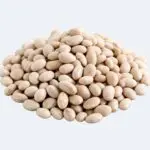
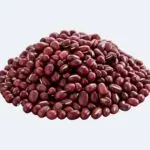
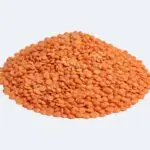
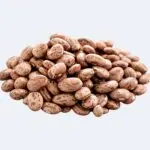
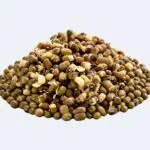
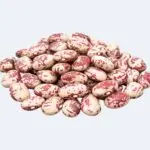
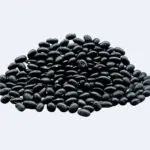
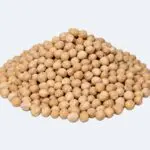
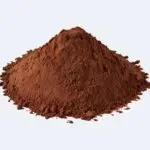
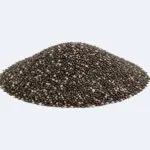
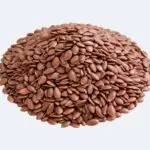
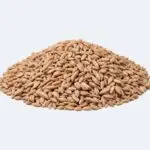
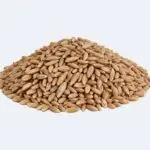
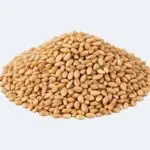
Fiber comes only from plants. In our USDA ranking, per serving, navy beans lead with 19.1 g in 1 cup (182 g), followed by adzuki beans (16.8 g in 1 cup), lentils (15.6 g), pinto beans (15.4 g), mung beans (15.4 g), cranberry beans (15.2 g) and black beans (15 g). Per 100 g the top is cocoa powder (37 g), chia seeds (34.4 g), flaxseeds (27.3 g), pumpkin seeds (18.4 g), barley (17.3 g) and rye (15.1 g). Per 100 kcal, endive (18.2 g), cocoa powder (16.2 g), thyme (13.9 g), kohlrabi (13.3 g) and raspberries (12.5 g) lead.
Per-100-g lists mislead for cocoa powder and spices, because nobody eats 100 g of them (our reading). Beans are the practical high-fiber food: 1 cup of lentils gives 15.6 g, which the ranking shows as 56% of the 28 g FDA Daily Value, and by our arithmetic that is 62% of the 25 g US adequate intake for women and 41% of the 38 g for men. A US label may say “high” when a food has 20% or more of the Daily Value per reference serving, which is 5.6 g on the 28 g value (our arithmetic), and the EU allows “high fibre” at 6 g per 100 g or 3 g per 100 kcal. Whole grains add to the total: per 100 g the ranking lists wheat at 12.2 g.
Refining removes fiber. In the USDA data used in the dietetic position paper, a slice of white wheat bread has 0.6 g and a slice of whole wheat bread 1.9 g. The same paper explains that white flour and white potatoes supply about 16% and 9% of the fiber in the US diet only because people eat so much of them, while legumes, which are very rich in fiber, supply about 6% and fruit about 10%. Beans also hold resistant starch: as much as 35% of legume starch escapes digestion, according to the paper.
Per serving. Bars show the share of the Daily Value (28 g a day).
Per 100 g. Bars show the share of the Daily Value (28 g a day). The line marks 100%.
Per serving. No daily amount is set, so bars compare each food with the top food.
Per 100 g. No daily amount is set, so bars compare each food with the top food.
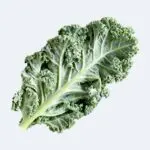
Per 100 kcal: the same calories of each food, for a fair comparison. Bars compare each food with the top food.
- 1.
- 2.
- 3.
- 4.
- 5.
- 6.
- 7.
- 8.

- 9.
- 10.



- 1.
- 2.
- 3.
- 4.
- 5.
- 6.

- 7.

- 8.

- 9.
- 10.


- 1.

- 2.
- 3.
- 4.

- 5.

- 6.

- 7.

- 8.
- 9.

- 10.



Sources
- U.S. Department of Agriculture, Agricultural Research Service. FoodData Central. Values as shown in the ranking above.
- U.S. Food and Drug Administration. Nutrition labeling of food, 21 CFR 101.9. Electronic Code of Federal Regulations.
- U.S. Food and Drug Administration. Nutrient content claims for “good source,” “high,” “more,” and “high potency,” 21 CFR 101.54. Electronic Code of Federal Regulations.
- Regulation (EC) No 1924/2006 of the European Parliament and of the Council on nutrition and health claims made on foods. Official Journal of the European Union. 2006. Annex: nutrition claims “source of fibre” and “high fibre”.
- Slavin JL. Position of the American Dietetic Association: health implications of dietary fiber. J Am Diet Assoc. 2008.
How fiber works
Fiber is not absorbed, so what it does comes from its physical behavior in the gut and from the bacteria that feed on it. Most of the evidence in this section is physiology and reviews, and the trials of health outcomes are in the cards above. Four ideas cover most of it: fiber resists human enzymes, some fibers form a gel that slows absorption, some add bulk and water in the large bowel, and bacteria ferment the rest. Here is each one, and what has been seen in people.
It resists enzymes and reaches the colon
That is both the definition and the mechanism. WHO notes that virtually all definitions of dietary fiber share the idea that it resists digestion by enzymes in the human small intestine, and the dietetic position paper adds that fiber levels cannot be measured in blood because fiber is not absorbed. Some fiber is fermented in the large intestine and some passes through unfermented. For calorie counts, US label rules treat soluble non-digestible carbohydrates as 2 kcal per gram, against 4 kcal per gram for other carbohydrates.
Some fibers form a gel that slows absorption
A 2017 review of fiber supplements ties the benefits seen in the small bowel to viscosity. Gel-forming fibers such as beta-glucan, psyllium and raw guar gum lowered cholesterol and improved glycemic control, while non-viscous soluble fibers (inulin, fructooligosaccharides, wheat dextrin) and insoluble fibers (wheat bran) did not. How the cholesterol drop happens is still debated. A review of the mechanisms lists three proposals: the gel keeps bile salts from being reabsorbed so more leave in the stool, a smaller glucose rise means less insulin stimulating the liver to make cholesterol, and fermentation products, mainly propionate, which the review calls inconclusive. The review of appetite trials found viscous fibers cut appetite in 59% of comparisons against 14% for less viscous ones.
Three ways fibers act, as grouped in a 2017 review of fiber supplements. A diagram, not to scale.
The old split into soluble and insoluble fits this poorly. The dietetic position paper calls the support for soluble fibers lowering cholesterol while insoluble fibers add stool bulk inconsistent at best, and a 2021 review says solubility, viscosity and fermentability vary a lot with a fiber’s origin and processing. Our reading is to ask whether a fiber is viscous and whether bacteria ferment it, not only whether it dissolves.
Some fibers add bulk and water in the large bowel
Stool weight rises as fiber intake rises, according to the dietetic paper, because of the fiber itself, the water it holds and the bacteria it feeds. Stool is 70 to 75% water, and that share does not change as fiber goes up, except with psyllium, which raises it to about 80%. A fiber that is fully and rapidly fermented adds no stool weight. The 2017 review names two laxative mechanisms, both needing a fiber that resists fermentation: coarse wheat bran particles irritate the gut lining so it secretes water and mucus, and gel-forming psyllium resists dehydration. Fine, smooth bran particles can be constipating. A review of intervention trials, whose authors are mostly from the cereal maker Kellogg, found that cereal and vegetable fibers had comparable effects on fecal weight, both more than fruit fiber, and that less fermentable fibers raised it more. Fiber did not change transit time in people whose transit was already under 48 hours, and cut it by about 30 minutes per gram of fiber in those at 48 hours or more.
Gut bacteria ferment the rest
Bacteria in the colon ferment many fibers into short-chain fatty acids, mainly acetate, propionate and butyrate. In samples taken after sudden deaths, the gut contents held 13 mmol/kg of these acids in the terminal ileum, 131 in the caecum and 80 in the descending colon. Acetate was the main acid, and the ratios pointed to the colon wall taking up butyrate and the liver taking up propionate. The chart shows the levels falling from portal blood to hepatic blood to peripheral blood.
Short-chain fatty acids in samples taken within 4 hours of sudden death, drawn to scale within each group. Gut contents are in mmol per kg and blood in µmol per liter, so the two groups use different scales.
How much of this happens depends on the fiber and the person. In 174 healthy adults, potato resistant starch raised fecal butyrate more than maize resistant starch or inulin, and whether butyrate rose depended on each person’s own bacteria. In people with type 2 diabetes, designed diets rich in fiber promoted short-chain fatty acid producers, and a bigger rise in them went with a bigger HbA1c improvement. In mice, fiber-free diets made bacteria feed on the colon’s mucus and, over generations, lost diversity. A 2017 consensus statement defines a prebiotic as a substrate that host microorganisms use selectively to give a health benefit, and it requires that the benefit be documented.
What has been seen in people
The clearest trial effects are modest and tied to the fiber used: a few tenths of a mmol/L off LDL cholesterol, more stool, a small fall in HbA1c, and a kilogram or two of body weight in short trials. The big risk reductions come from cohorts comparing the highest with the lowest eaters. The chart shows one dose-response model for type 2 diabetes, with no clear difference at 15 or 20 g a day and lower risk from 25 g up. US adults average about 16 g a day (16.1 g in the 2001 to 2010 national survey), so most sit at the left of the chart. The Lancet review found the greatest risk reduction between 25 and 29 g a day.
Relative risk of type 2 diabetes at each daily fiber intake in a dose-response meta-analysis of 17 cohorts, drawn to scale from zero. A value of 1.0 would mean no difference. Teal bars are clearly below 1.0, and gray bars have a range that includes 1.0.
Putting the cards together: fiber moves the bowel and lowers LDL cholesterol, and the size of the effect depends on which fiber and how much. Gel-forming soluble fibers do the most for cholesterol and for irritable bowel syndrome, and wheat bran does the most for stool weight and little for irritable bowel syndrome. The lower disease risks in cohorts line up with trial results for blood fats, blood pressure, glucose and weight, but the polyp trials found nothing. Cohorts compare people who differ in many ways, and the trials were short and usually tested one fiber. We found no trial that tested a higher-fiber diet against a matched diet for deaths or heart attacks.
Sources
- McRorie JW Jr, McKeown NM. Understanding the Physics of Functional Fibers in the Gastrointestinal Tract: An Evidence-Based Approach to Resolving Enduring Misconceptions about Insoluble and Soluble Fiber. J Acad Nutr Diet. 2017.
- Gunness P, Gidley MJ. Mechanisms underlying the cholesterol-lowering properties of soluble dietary fibre polysaccharides. Food Funct. 2010.
- Wanders AJ, van den Borne JJ, de Graaf C, et al. Effects of dietary fibre on subjective appetite, energy intake and body weight: a systematic review of randomized controlled trials. Obes Rev. 2011.
- Slavin JL. Position of the American Dietetic Association: health implications of dietary fiber. J Am Diet Assoc. 2008.
- Gill SK, Rossi M, Bajka B, et al. Dietary fibre in gastrointestinal health and disease. Nat Rev Gastroenterol Hepatol. 2021.
- U.S. Food and Drug Administration. Nutrition labeling of food, 21 CFR 101.9. Electronic Code of Federal Regulations.
- World Health Organization. Carbohydrate intake for adults and children: WHO guideline. 2023.
- de Vries J, Birkett A, Hulshof T, et al. Effects of Cereal, Fruit and Vegetable Fibers on Human Fecal Weight and Transit Time: A Comprehensive Review of Intervention Trials. Nutrients. 2016.
- Cummings JH, Pomare EW, Branch WJ, et al. Short chain fatty acids in human large intestine, portal, hepatic and venous blood. Gut. 1987.
- Baxter NT, Schmidt AW, Venkataraman A, et al. Dynamics of Human Gut Microbiota and Short-Chain Fatty Acids in Response to Dietary Interventions with Three Fermentable Fibers. mBio. 2019.
- Zhao L, Zhang F, Ding X, et al. Gut bacteria selectively promoted by dietary fibers alleviate type 2 diabetes. Science. 2018.
- Desai MS, Seekatz AM, Koropatkin NM, et al. A Dietary Fiber-Deprived Gut Microbiota Degrades the Colonic Mucus Barrier and Enhances Pathogen Susceptibility. Cell. 2016.
- Sonnenburg ED, Smits SA, Tikhonov M, et al. Diet-induced extinctions in the gut microbiota compound over generations. Nature. 2016.
- Gibson GR, Hutkins R, Sanders ME, et al. Expert consensus document: The International Scientific Association for Probiotics and Prebiotics (ISAPP) consensus statement on the definition and scope of prebiotics. Nat Rev Gastroenterol Hepatol. 2017.
- Yao B, Fang H, Xu W, et al. Dietary fiber intake and risk of type 2 diabetes: a dose-response analysis of prospective studies. Eur J Epidemiol. 2014.
- McGill CR, Fulgoni VL 3rd, Devareddy L. Ten-year trends in fiber and whole grain intakes and food sources for the United States population: National Health and Nutrition Examination Survey 2001-2010. Nutrients. 2015.
- Reynolds A, Mann J, Cummings J, et al. Carbohydrate quality and human health: a series of systematic reviews and meta-analyses. Lancet. 2019.
How much fiber do you need?
Adults need about 25 to 38 g of fiber a day in the US, which is 14 g per 1,000 kcal, and at least 25 g a day in the EU and by WHO. The US adequate intake is 38 g for men and 25 g for women aged 19 to 50, and 30 g and 21 g from age 51. On a 2,000 kcal diet, 14 g per 1,000 kcal is 28 g, which is also the FDA Daily Value (our arithmetic). Pregnancy raises the US value to 28 g and breastfeeding to 29 g.
The US value rests on cohort data rather than on a deficiency: the National Academies set it at the median intake linked to the lowest coronary heart disease risk, as the dietetic position paper explains. The Dietary Guidelines say more than 90 percent of women and 97 percent of men do not meet the recommended intakes for dietary fiber, and US adults averaged about 16 g a day in the 2001 to 2010 national survey.
Fiber: recommended intake per day
US: Adequate Intake (NASEM). EU: Adequate Intake (EFSA).
| Age and sex | US (AI) | EU (AI) |
|---|---|---|
| Children 1–3 years | 19 g | None set |
| Children 1–3 years, female | None set | 10 g |
| Children 1–3 years, male | None set | 10 g |
| Children 4–6 years, female | None set | 14 g |
| Children 4–6 years, male | None set | 14 g |
| Children 4–8 years | 25 g | None set |
| Children 7–10 years, female | None set | 16 g |
| Children 7–10 years, male | None set | 16 g |
| Females 9–13 years | 26 g | None set |
| Males 9–13 years | 31 g | None set |
| Children 11–14 years, female | None set | 19 g |
| Children 11–14 years, male | None set | 19 g |
| Females 14–18 years | 26 g | None set |
| Males 14–18 years | 38 g | None set |
| Children 15–17 years, female | None set | 21 g |
| Children 15–17 years, male | None set | 21 g |
| Adults 18+ years, female | None set | 25 g |
| Adults 18+ years, male | None set | 25 g |
| Females 19–30 years | 25 g | None set |
| Males 19–30 years | 38 g | None set |
| Females 31–50 years | 25 g | None set |
| Males 31–50 years | 38 g | None set |
| Females 51–70 years | 21 g | None set |
| Males 51–70 years | 30 g | None set |
| Females >70 years | 21 g | None set |
| Males >70 years | 30 g | None set |
| Pregnancy 14–18 years | 28 g | None set |
| Pregnancy | None set | 25 g |
| Pregnancy 19–30 years | 28 g | None set |
| Pregnancy 31–50 years | 28 g | None set |
| Lactation 14–18 years | 29 g | None set |
| Lactation | None set | 25 g |
| Lactation 19–30 years | 29 g | None set |
| Lactation 31–50 years | 29 g | None set |
EU and US age bands differ; "None set" means that body sets no value for the group. Label reference: FDA Daily Value 28 g.
| Source | Group | Value | Notes |
|---|---|---|---|
| National Academies (IOM) 2005, adequate intake | Adults aged 19 to 50 | 38 g (men), 25 g (women) a day; 14 g per 1,000 kcal | From age 51: 30 g and 21 g. Pregnancy 28 g, breastfeeding 29 g, as listed in the intake table above. No tolerable upper intake level was set for dietary or functional fiber. Sources 1, 2. |
| EFSA 2010, adequate intake | Adults from 18 years | 25 g a day | Children: 10 g (1 to 3 years), 14 g (4 to 6), 16 g (7 to 10), 19 g (11 to 14), 21 g (15 to 17). Total carbohydrate reference range 45 to 60% of energy. Source 4. |
| WHO 2023 guideline | Adults | At least 25 g a day of naturally occurring fiber as consumed in foods (strong recommendation) | Children: at least 15 g (2 to 5 years), 21 g (6 to 9), 25 g (10 and older), a conditional recommendation extrapolated from adult values. Source 5. |
| FDA Daily Value | Adults and children aged 4 and older | 28 g a day | Label reference value, based on 2,000 kcal. Source 6. |
| Dietary Guidelines for Americans 2020 to 2025 | Adults | 14 g per 1,000 kcal | Dietary fiber is called a dietary component of public health concern. Source 2. |
For children, WHO suggests at least 15 g a day at ages 2 to 5, 21 g at ages 6 to 9 and 25 g from age 10, values scaled down from the adult figure. The US adequate intake is 19 g a day at ages 1 to 3 and EFSA’s is 10 g, as the intake table above shows.
Low fiber intake: signs and who is at risk
Low intake does not cause a classic deficiency disease. The dietetic position paper notes that there is no biochemical test of fiber status, and the adequate intake was set from heart disease risk, not from deficiency signs. Most adults are in the group at risk of falling short: the Dietary Guidelines say more than 85 percent of adults underconsume fruits, vegetables and whole grains, the foods that supply fiber.
Constipation is the symptom people link to low fiber, but the evidence is mixed. Fiber helped in the trials of chronic constipation, yet in 63 people with constipation stopping fiber improved bowel habits, and in a treatment study of 149 people most of those with slow transit did not respond to psyllium seeds. A hard stool is not proof of a fiber shortfall.
Sources
- Slavin JL. Position of the American Dietetic Association: health implications of dietary fiber. J Am Diet Assoc. 2008.
- U.S. Department of Agriculture and U.S. Department of Health and Human Services. Dietary Guidelines for Americans, 2020-2025. 9th edition. 2020.
- McGill CR, Fulgoni VL 3rd, Devareddy L. Ten-year trends in fiber and whole grain intakes and food sources for the United States population: National Health and Nutrition Examination Survey 2001-2010. Nutrients. 2015.
- European Food Safety Authority. Summary of Dietary Reference Values for the EU population (version 4). 2017. The values for carbohydrates and dietary fibre come from the opinion of the EFSA NDA Panel, 2010.
- World Health Organization. Carbohydrate intake for adults and children: WHO guideline. 2023.
- U.S. Food and Drug Administration. Nutrition labeling of food, 21 CFR 101.9. Electronic Code of Federal Regulations.
Forms of fiber: absorption and effects
Fiber is not absorbed, so “absorption” here means what reaches the colon and how it behaves on the way. Forms differ in whether they dissolve, whether they form a gel, how fast bacteria ferment them and how well they have been tested. The honest bottom line is that psyllium has the best trials for stool and LDL cholesterol, soluble fibers for irritable bowel syndrome, and that many other products have been tested for little beyond stool or blood fats. The dietetic position paper says few fiber supplements have been studied for physiological effectiveness and that the best advice is to eat fiber in foods, and WHO’s fiber recommendation covers naturally occurring fiber as consumed in foods.
Regulators decide which isolated fibers count. FDA’s definition names seven: beta-glucan soluble fiber, psyllium husk, cellulose, guar gum, pectin, locust bean gum and hydroxypropylmethylcellulose. FDA says it allows eleven more to be counted while it completes rulemaking: mixed plant cell wall fibers, arabinoxylan, alginate, inulin and inulin-type fructans, high amylose starch (resistant starch 2), galactooligosaccharide, polydextrose, resistant maltodextrin or dextrin, cross-linked phosphorylated RS4, glucomannan and acacia (gum arabic). Two papers on psyllium cited below list Procter & Gamble as the authors’ affiliation.
| Form | What it is | What studies show | Source |
|---|---|---|---|
| Fiber in food (beans, whole grains, fruit, vegetables) | Fiber inside the plant, with its other nutrients | The cohort studies and the trials in the Lancet review for WHO used foods, and that review left out supplements. In the Cochrane review of 23 trials, changes in cholesterol and blood pressure did not clearly differ between supplement trials and food trials, though few trials contributed to each group. We found no trial that compared supplements with the same fiber from food for deaths, heart attacks or cancer. | 1, 3, 25 |
| Psyllium husk (ispaghula) | Soluble, gel-forming, not fermented in the gut | About 10.2 g a day lowered LDL cholesterol by 0.33 mmol/L in 28 trials. It beat docusate sodium for stool softening in 170 people. In type 2 diabetes, multiweek trials showed lower fasting glucose and HbA1c in a meta-analysis in which three of the five authors are at Procter & Gamble and the search also covered the company’s clinical records. FDA allows a heart disease claim at 7 g or more a day of soluble fiber from psyllium husk. In one Cochrane trial the psyllium group had more recurrent colon polyps, a result the authors call unreliable. Allergy, including a fatal case, is described. | 8, 9, 10, 7, 11, 12 |
| Wheat bran | Insoluble, coarse cereal fiber | The EU allows claims for stool bulk and for faster transit (at least 10 g of wheat bran fiber a day for the transit claim). Bran raised stool weight in 20 studies, but constipated people responded less. It showed no clear benefit in irritable bowel syndrome, and 13.5 g a day did not lower polyp recurrence. Fine bran particles can be constipating, and in lab tests wheat bran adsorbed levothyroxine. | 6, 13, 14, 15, 2, 16 |
| Oat and barley beta-glucan | Viscous soluble fiber from oats and barley | The EU allows a claim for normal blood cholesterol at 3 g a day of beta-glucans from oats, oat bran, barley, barley bran or mixtures, and FDA allows a heart disease claim at 3 g or more a day from whole oats or barley. The trials are on our page on beta-glucan. | 6, 7 |
| Pectin | Gel-forming soluble fiber | Pectin, oat and psyllium lowered cholesterol by similar amounts in a 67-trial meta-analysis. The EU allows claims at 6 g a day for cholesterol and 10 g in a meal for the glucose rise. | 17, 6 |
| Guar gum and partially hydrolyzed guar gum | Viscous when raw; the partially hydrolyzed form is a processed version | The EU allows a cholesterol claim for guar gum at 10 g a day. In irritable bowel syndrome, 5 g a day of the partially hydrolyzed form matched 30 g of wheat bran in an open trial and was better tolerated. | 6, 18 |
| Inulin and fructooligosaccharides | Soluble, non-viscous, fermentable | Inulin-type fructans lowered LDL by 0.15 mmol/L in 20 trials and improved insulin resistance against cellulose in 12 adults. In a constipation trial, inulin shifted three groups of gut bacteria, and two authors work for the maker BENEO. A 2017 review found no laxative effect for these fibers. | 19, 20, 21, 2 |
| Methylcellulose and hydroxypropyl methylcellulose | Chemically modified cellulose | The dietetic position paper lists methylcellulose among fibers that increase stool weight, and FDA names hydroxypropylmethylcellulose in its fiber definition. The EU allows claims for the hydroxypropyl form at 5 g a day (cholesterol) and 4 g in a meal (glucose rise). We found no trial of methylcellulose on constipation, cholesterol or weight. | 1, 4, 6 |
| Glucomannan (konjac) | Viscous soluble fiber from konjac tubers | The EU allows a weight claim at 3 g a day within an energy-restricted diet, yet a meta-analysis of 8 trials found no significant weight loss (−0.22 kg). A case report describes esophageal obstruction after a glucomannan diet aid. FDA allows glucomannan to be counted as fiber on labels while it completes rulemaking. | 6, 26, 22, 23, 5 |
| Resistant starch | Starch that escapes digestion in the small bowel; counted as fiber | The EU allows a claim for a smaller blood glucose rise after a meal when digestible starch is replaced so that resistant starch is at least 14% of the total starch. Potato resistant starch raised butyrate most in 174 adults. See starch. | 6, 24 |
Here are the form-specific studies, strongest evidence first, 6 in all.
The EU authorizes a health claim that glucomannan contributes to weight loss as part of an energy-restricted diet
Regulation (EU) No 432/2012 allows the claim only for food that contains 1 g of glucomannan per quantified portion, and the label must say the effect comes with a daily intake of 3 g in three doses of 1 g each, with 1 to 2 glasses of water, before meals and within an energy-restricted diet. A choking warning is required for people with swallowing difficulties. A separate claim covers normal blood cholesterol at 4 g a day. The meta-analysis next to this card did not find a significant weight loss in trials.
In 8 trials, glucomannan did not cause significant weight loss against placebo (a mean difference of −0.22 kg)
Meta-analysis of randomized trials in overweight or obese people: the mean difference was −0.22 kg (range −0.62 to 0.19), with I² of 65%. Of 18 trials found, 9 were included, and reporting quality varied. Adverse events included abdominal discomfort, diarrhea and constipation. The authors say the evidence does not show statistically significant weight loss and ask for more rigorous trials.
In 170 people with chronic constipation, psyllium softened stool and raised stool output more than docusate sodium
Randomized, double-blind trial comparing 5.1 g of psyllium twice a day with 100 mg of docusate sodium twice a day for 2 weeks after a placebo baseline. Stool water content rose 2.33% with psyllium against 0.01% with docusate, and total stool output was 359.9 g a week against 271.9 g. Bowel movements were 3.5 a week with psyllium and 2.9 with docusate in the second week, with no difference in the first (3.3 against 3.1). The paper lists Procter & Gamble as the authors’ affiliation.
In 20 trials, inulin-type fructans lowered LDL cholesterol by 0.15 mmol/L but little else
Meta-analysis of 607 adults. Across all participants only LDL fell (mean difference −0.15, range −0.29 to −0.02), with no clear change in other blood fats, fasting glucose or insulin. In the type 2 diabetes subgroup fasting insulin fell and HDL rose, but few trials were available and the authors saw possible publication bias.
In 188 people with irritable bowel syndrome, 5 g a day of partially hydrolyzed guar gum worked as well as 30 g a day of wheat bran and was better tolerated
Multicenter, randomized, open trial over 12 weeks. More patients switched from bran to the guar gum (49.9%) than the other way (10.9%) at four weeks. Per protocol, both improved pain and bowel habits with no difference between them, while in the intention-to-treat analysis success was 60% with guar gum and 40% with bran. Open-label means patients knew what they took.
In 12 adults with overweight or obesity, 20 g a day of inulin for 42 days improved insulin resistance compared with cellulose
Randomized, double-blind crossover trial. Insulin resistance (HOMA2) was 1.17 on inulin and 1.59 on cellulose, a low-fermentable fiber control. Inulin-propionate ester, designed to deliver propionate to the colon, did about the same as inulin (1.23). Inulin shifted gut bacteria at the class level. Two authors filed a patent application on the inulin-propionate ester.
Sources
- Slavin JL. Position of the American Dietetic Association: health implications of dietary fiber. J Am Diet Assoc. 2008.
- McRorie JW Jr, McKeown NM. Understanding the Physics of Functional Fibers in the Gastrointestinal Tract: An Evidence-Based Approach to Resolving Enduring Misconceptions about Insoluble and Soluble Fiber. J Acad Nutr Diet. 2017.
- World Health Organization. Carbohydrate intake for adults and children: WHO guideline. 2023.
- U.S. Food and Drug Administration. Nutrition labeling of food, 21 CFR 101.9. Electronic Code of Federal Regulations.
- U.S. Food and Drug Administration. Questions and answers on dietary fiber.
- Commission Regulation (EU) No 432/2012 establishing a list of permitted health claims made on foods. Official Journal of the European Union. 2012.
- U.S. Food and Drug Administration. Health claims: soluble fiber from certain foods and risk of coronary heart disease (CHD), 21 CFR 101.81. Electronic Code of Federal Regulations.
- Jovanovski E, Yashpal S, Komishon A, et al. Effect of psyllium (Plantago ovata) fiber on LDL cholesterol and alternative lipid targets, non-HDL cholesterol and apolipoprotein B: a systematic review and meta-analysis of randomized controlled trials. Am J Clin Nutr. 2018.
- McRorie JW, Daggy BP, Morel JG, et al. Psyllium is superior to docusate sodium for treatment of chronic constipation. Aliment Pharmacol Ther. 1998.
- Gibb RD, McRorie JW Jr, Russell DA, et al. Psyllium fiber improves glycemic control proportional to loss of glycemic control: a meta-analysis of data in euglycemic subjects, patients at risk of type 2 diabetes mellitus, and patients being treated for type 2 diabetes mellitus. Am J Clin Nutr. 2015.
- Yao Y, Suo T, Andersson R, et al. Dietary fibre for the prevention of recurrent colorectal adenomas and carcinomas. Cochrane Database Syst Rev. 2017.
- Khalili B, Bardana EJ Jr, Yunginger JW. Psyllium-associated anaphylaxis and death: a case report and review of the literature. Ann Allergy Asthma Immunol. 2003.
- Müller-Lissner SA. Effect of wheat bran on weight of stool and gastrointestinal transit time: a meta analysis. Br Med J (Clin Res Ed). 1988.
- Moayyedi P, Quigley EM, Lacy BE, et al. The effect of fiber supplementation on irritable bowel syndrome: a systematic review and meta-analysis. Am J Gastroenterol. 2014.
- Alberts DS, Martínez ME, Roe DJ, et al. Lack of effect of a high-fiber cereal supplement on the recurrence of colorectal adenomas. Phoenix Colon Cancer Prevention Physicians’ Network. N Engl J Med. 2000.
- Liel Y, Harman-Boehm I, Shany S. Evidence for a clinically important adverse effect of fiber-enriched diet on the bioavailability of levothyroxine in adult hypothyroid patients. J Clin Endocrinol Metab. 1996.
- Brown L, Rosner B, Willett WW, et al. Cholesterol-lowering effects of dietary fiber: a meta-analysis. Am J Clin Nutr. 1999.
- Parisi GC, Zilli M, Miani MP, et al. High-fiber diet supplementation in patients with irritable bowel syndrome (IBS): a multicenter, randomized, open trial comparison between wheat bran diet and partially hydrolyzed guar gum (PHGG). Dig Dis Sci. 2002.
- Liu F, Prabhakar M, Ju J, et al. Effect of inulin-type fructans on blood lipid profile and glucose level: a systematic review and meta-analysis of randomized controlled trials. Eur J Clin Nutr. 2017.
- Chambers ES, Byrne CS, Morrison DJ, et al. Dietary supplementation with inulin-propionate ester or inulin improves insulin sensitivity in adults with overweight and obesity with distinct effects on the gut microbiota, plasma metabolome and systemic inflammatory responses: a randomised cross-over trial. Gut. 2019.
- Vandeputte D, Falony G, Vieira-Silva S, et al. Prebiotic inulin-type fructans induce specific changes in the human gut microbiota. Gut. 2017.
- Onakpoya I, Posadzki P, Ernst E. The efficacy of glucomannan supplementation in overweight and obesity: a systematic review and meta-analysis of randomized clinical trials. J Am Coll Nutr. 2014.
- Vanderbeek PB, Fasano C, O’Malley G, et al. Esophageal obstruction from a hygroscopic pharmacobezoar containing glucomannan. Clin Toxicol (Phila). 2007.
- Baxter NT, Schmidt AW, Venkataraman A, et al. Dynamics of Human Gut Microbiota and Short-Chain Fatty Acids in Response to Dietary Interventions with Three Fermentable Fibers. mBio. 2019.
- Hartley L, May MD, Loveman E, et al. Dietary fibre for the primary prevention of cardiovascular disease. Cochrane Database Syst Rev. 2016.
- EFSA Panel on Dietetic Products, Nutrition and Allergies (NDA). Scientific opinion on the substantiation of health claims related to konjac mannan (glucomannan) and reduction of body weight (ID 854, 1556, 3725), reduction of post-prandial glycaemic responses (ID 1559), maintenance of normal blood glucose concentration…. EFSA J. 2010.
Is fiber safe? Limits, side effects and who should watch it
Fiber from food is safe for healthy people at the amounts studied. According to the dietetic position paper, the National Academies set no tolerable upper intake level for dietary fiber or functional fiber. WHO found no undesirable effects at intakes of at least 25 g a day, except a higher risk of endometrial cancer with higher intakes, based on very low certainty evidence. The problems below are mostly about supplements, speed of increase and a few medical situations.
- Gas, bloating and cramps. Flatulence was significantly higher with fiber than placebo in the constipation meta-analysis, and bacteria make gas when they ferment fiber. The dietetic paper advises raising fiber gradually, drinking more fluid and taking the smallest dose that gives normal bowel movements.
- Swallowing and blockage. The EU requires a choking warning, and advice to take it with plenty of water, on its claims for glucomannan, pectins, guar gum and hydroxypropyl methylcellulose. A case report describes a 37-year-old woman who developed an esophageal obstruction after a glucomannan diet aid, and an esophageal web was found afterward. The authors warn people with a history of upper gut disease. The dietetic paper also describes an intestinal obstruction in a seriously ill man on fiber tube feeding who was taking medicines that slow the gut.
- Medicines. In hypothyroid patients who needed unusually high doses of levothyroxine, stopping a fiber supplement lowered the need, and wheat bran adsorbed levothyroxine in lab tests. Ask your doctor or pharmacist about timing. Psyllium taken before meals lowered glucose in people being treated for type 2 diabetes, and its authors say more study is needed on combining it with diabetes drugs, so tell your doctor if you take them.
- Minerals. Fiber and phytic acid can bind minerals in lab and body studies, but a review concluded that raising fiber would not be expected to harm mineral absorption if protein and the acids found in fruits and vegetables rise too. The dietetic paper says problems are unlikely at recommended amounts in healthy adults and that little research covers children and older people.
- Allergy. Psyllium hypersensitivity ranges from respiratory symptoms to anaphylaxis, and a review that included a fatal case found a clear link with atopy. It is described in health workers, in pharmaceutical plant staff and in a baker, so people with allergies should be careful with psyllium products.
- Constipation that does not improve. In 149 people treated with psyllium seeds, 80% of those with slow transit and 63% of those with a defecation disorder did not respond. If more fiber does not help, see a doctor, because the cause may not be a lack of fiber.
How to get more fiber
- Start with beans. A cup of navy beans gives 19.1 g and a cup of lentils 15.6 g, which the ranking shows as 68% and 56% of the 28 g Daily Value.
- Swap refined grains for whole grains. A slice of whole wheat bread has 1.9 g against 0.6 g for white, and WHO recommends that carbohydrate come mostly from whole grains, vegetables, fruits and pulses.
- Add it slowly, with water, and from food first. Raise intake gradually and drink more fluid. WHO’s fiber recommendation covers fiber as consumed in foods, and psyllium has the most trial evidence of the supplements on this page if food falls short.
Sources
- Slavin JL. Position of the American Dietetic Association: health implications of dietary fiber. J Am Diet Assoc. 2008.
- World Health Organization. Carbohydrate intake for adults and children: WHO guideline. 2023.
- Christodoulides S, Dimidi E, Fragkos KC, et al. Systematic review with meta-analysis: effect of fibre supplementation on chronic idiopathic constipation in adults. Aliment Pharmacol Ther. 2016.
- Commission Regulation (EU) No 432/2012 establishing a list of permitted health claims made on foods. Official Journal of the European Union. 2012.
- Vanderbeek PB, Fasano C, O’Malley G, et al. Esophageal obstruction from a hygroscopic pharmacobezoar containing glucomannan. Clin Toxicol (Phila). 2007.
- Liel Y, Harman-Boehm I, Shany S. Evidence for a clinically important adverse effect of fiber-enriched diet on the bioavailability of levothyroxine in adult hypothyroid patients. J Clin Endocrinol Metab. 1996.
- Gibb RD, McRorie JW Jr, Russell DA, et al. Psyllium fiber improves glycemic control proportional to loss of glycemic control: a meta-analysis of data in euglycemic subjects, patients at risk of type 2 diabetes mellitus, and patients being treated for type 2 diabetes mellitus. Am J Clin Nutr. 2015.
- Torre M, Rodriguez AR, Saura-Calixto F. Effects of dietary fiber and phytic acid on mineral availability. Crit Rev Food Sci Nutr. 1991.
- Khalili B, Bardana EJ Jr, Yunginger JW. Psyllium-associated anaphylaxis and death: a case report and review of the literature. Ann Allergy Asthma Immunol. 2003.
- Jungewelter S, Suomela S, Airaksinen L. Occupational IgE-mediated psyllium allergy in contemporary gluten-free and vegan baking: A case of allergic rhinitis. Am J Ind Med. 2021.
- Voderholzer WA, Schatke W, Mühldorfer BE, et al. Clinical response to dietary fiber treatment of chronic constipation. Am J Gastroenterol. 1997.
- U.S. Department of Agriculture, Agricultural Research Service. FoodData Central. Values as shown in the ranking above.
History of fiber
Fiber was long treated as waste. In 1976 Hugh Trowell explained that “crude fiber”, the residue left after plant food is extracted with dilute acid and then dilute alkali, understates what people eat: whole wheatmeal had about 11% dietary fiber but only about 2% crude fiber. He defined dietary fiber as the residue of plant food resistant to hydrolysis by human digestive enzymes, and called the term new. A 1953 letter in the British Medical Journal by E. H. Hipsley, on toxaemia of pregnancy, already used the phrase “dietary fibre” in its title.
The idea that fiber protects health took shape between 1966 and 1972, according to a 2018 history. The surgeon Denis Burkitt, back from Africa, joined the ideas of the physicians Peter Cleave, G. D. Campbell and Hugh Trowell, the surgeon Neil Painter and the biochemist Alec Walker. He proposed that low-fiber diets raise the risk of heart disease, obesity, diabetes, dental caries, vascular disorders and bowel conditions such as cancer, appendicitis and diverticulosis. Grouping those diseases under one cause was groundbreaking, the history says, and it earned Burkitt the nickname “Fibre Man” and stirred controversy. In 1972 Burkitt, Walker and Painter published their Lancet paper on the effect of dietary fiber on stools and transit times.
The tests that followed were mixed. In 2000 two trials found that extra fiber did not lower the recurrence of colon polyps, and a 2005 pooled analysis found the link with colorectal cancer faded after adjustment. Then the 2019 Lancet review for WHO found 15 to 30% lower risks of several diseases in the highest fiber eaters, and in 2023 WHO recommended at least 25 g a day of naturally occurring fiber for adults.
Sources
- Trowell H. Definition of dietary fiber and hypotheses that it is a protective factor in certain diseases. Am J Clin Nutr. 1976.
- HIPSLEY EH. Dietary “fibre” and pregnancy toxaemia. Br Med J. 1953.
- Cummings JH, Engineer A. Denis Burkitt and the origins of the dietary fibre hypothesis. Nutr Res Rev. 2018.
- Burkitt DP, Walker AR, Painter NS. Effect of dietary fibre on stools and the transit-times, and its role in the causation of disease. Lancet. 1972.
- Alberts DS, Martínez ME, Roe DJ, et al. Lack of effect of a high-fiber cereal supplement on the recurrence of colorectal adenomas. Phoenix Colon Cancer Prevention Physicians’ Network. N Engl J Med. 2000.
- Schatzkin A, Lanza E, Corle D, et al. Lack of effect of a low-fat, high-fiber diet on the recurrence of colorectal adenomas. Polyp Prevention Trial Study Group. N Engl J Med. 2000.
- Park Y, Hunter DJ, Spiegelman D, et al. Dietary fiber intake and risk of colorectal cancer: a pooled analysis of prospective cohort studies. JAMA. 2005.
- Reynolds A, Mann J, Cummings J, et al. Carbohydrate quality and human health: a series of systematic reviews and meta-analyses. Lancet. 2019.
- World Health Organization. Carbohydrate intake for adults and children: WHO guideline. 2023.
Frequently asked questions about fiber
What is the difference between soluble and insoluble fiber?
Soluble fiber dissolves in water and some forms a gel, such as beta-glucan in oats, psyllium and pectin. Insoluble fiber, such as wheat bran, does not dissolve. The split is a rough guide. The 2008 dietetic position paper calls the support for soluble fiber lowering cholesterol while insoluble fiber adds bulk inconsistent at best, and a 2017 review found that gel-forming fibers lowered cholesterol and improved glycemic control while inulin and wheat bran did not. Plant foods usually hold a mixture of fibers.
Which foods are highest in fiber?
Per serving, navy beans lead our USDA ranking with 19.1 g in 1 cup, followed by adzuki beans (16.8 g), lentils (15.6 g), pinto beans and mung beans (15.4 g each). Per 100 g, cocoa powder has 37 g, chia seeds 34.4 g, flaxseeds 27.3 g and pumpkin seeds 18.4 g, but servings of those are small. The Daily Value is 28 g.
Does fiber help constipation?
Often, but not always. In 7 trials, 77% of people given fiber improved against 44% on placebo, and psyllium softened stool more than docusate sodium in 170 people. The evidence is rated low quality, fiber increases gas, and bran works less well in constipated people than in healthy ones. In 149 people, most of those with slow transit did not respond, and in 63 people stopping fiber improved bowel habits.
Does fiber lower cholesterol?
Yes, modestly. In 67 trials each gram of soluble fiber lowered LDL cholesterol by 0.057 mmol/L, and in 28 trials about 10.2 g a day of psyllium lowered it by 0.33 mmol/L. The EU allows a claim for 3 g a day of oat or barley beta-glucan, and FDA for 3 g of beta-glucan or 7 g of psyllium husk a day, within a diet low in saturated fat and cholesterol.
Does fiber prevent colon cancer?
Cohort studies suggest it might, but trials do not show it. In 25 cohorts each extra 10 g a day went with a relative risk of 0.90, yet a pooled analysis of 13 cohorts found 0.94 after adjusting for other risk factors. In people with a past polyp, 13.5 g a day of wheat bran and a high-fiber diet both failed to lower polyp recurrence.
Does fiber help you lose weight?
A little in some trials. Isolated soluble fiber supplements cut body weight by 2.52 kg in 12 short trials, though the trials differed a lot, and viscous fibers reduced appetite in 59% of comparisons. Glucomannan, sold for weight loss, did not cause significant loss in 8 trials (−0.22 kg), even though the EU authorizes a claim at 3 g a day within an energy-restricted diet.
Can you eat too much fiber?
You can get side effects, but no upper limit is set. Gas, bloating and cramps are the usual ones, so raise fiber gradually with more fluid. Supplements that swell, such as glucomannan, have caused esophageal obstruction in a case report, and fiber supplements lowered levothyroxine absorption in some patients. WHO found no undesirable effects at 25 g a day or more, except endometrial cancer with very low certainty evidence.
Is a fiber supplement as good as fiber from food?
For some jobs, yes: psyllium lowered LDL in 28 trials and softened stool. For disease, it is unknown. We found no trial comparing a supplement with the same fiber from food for deaths, heart attacks or cancer, and the dietetic paper advises eating fiber in foods. In the Cochrane review of 23 trials, cholesterol and blood pressure changes did not clearly differ between supplement and food trials.