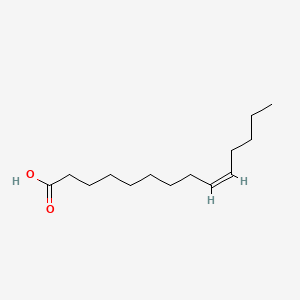
Myristoleic acid (14:1 n-5, C14H26O2) is a monounsaturated fat with 14 carbons and one double bond. Its systematic name is (9Z)-tetradec-9-enoic acid. It is the unsaturated partner of myristic acid (14:0), which has its own page: see myristic acid. The body makes it from myristic acid with an enzyme called stearoyl-CoA desaturase (SCD1), so it is not an essential fat.
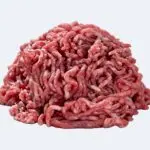
It is a trace fat in food. In our USDA ranking the top food is ground beef, with 0.18 g in a 4 oz serving. Nutmeg butter, the fat of a spice seed, is mostly myristic acid and not myristoleic acid.
The name turns up mainly in two places. Dairy scientists use the ratio of 14:1 to 14:0 in milk fat as a gauge of SCD1 activity in cows. Supplement makers sell “cetyl myristoleate” for joint pain.
Evidence is thin. We found no trial that gave people myristoleic acid. The human studies on this page are of two kinds. Some are blood and diet surveys that link myristoleic acid levels to disease, with mixed results.
Others are trials of cetylated fatty acid products, which are mixtures in which cetyl myristoleate is at most one part. Where the evidence is scarce, the sections below say so.
Health benefits of myristoleic acid
The top findings from 21 studies, strongest evidence first
What the stars mean
- Strong. Several randomized trials, pooled in a meta-analysis, point the same way, or regulators (FDA or EFSA) have approved the claim.
- Moderate. Good randomized trials support it, but there are fewer of them, or their results vary.
- Limited. Small, short or single trials, or mixed results. Promising, but it needs confirmation.
Population and lab studies get no stars: they show a link or a mechanism, not proof.
How we rate evidence →- ★★Cetylated fatty acid capsules eased knee pain slightlyIn a review of 7 studies (357 people with knee osteoarthritis), pain and function improved a little (pain: standardized mean difference -0.37). The gains held for capsules but not for cream, and in one 68-day trial, knee flexion rose 10.1 degrees against 1.1 on placebo.
- ★Cetylated fatty acid creams: mixed resultsIn 40 people with knee osteoarthritis, the cream improved stair climbing. In 72 people with hand osteoarthritis, it eased pain slightly, but the main function score did not differ.
- ★No clear difference from an anti-inflammatory painkillerIn 48 adults with knee osteoarthritis, 350 mg of cetylated fatty acids three times a day did not differ from meloxicam for pain or function. There was no placebo group.
- Population studyLinked to higher colorectal cancer odds, tentativelyIn China, higher serum myristoleic acid went with higher colorectal cancer odds (adjusted odds ratio 2.23, 680 cases). In US women, blood levels went with 1.37 times the odds, a tentative lead.
- Population studyLinked to a slightly higher risk of deathIn 3,719 US adults, higher free blood myristoleic acid went with a slightly higher death risk over 6.7 years (median; hazard ratio 1.02 per unit). This did not hold for cardiovascular death.
All 10 studies, strongest evidence first
Higher blood myristoleic acid went with slightly higher death risk
This prospective cohort followed 3,719 US adults from the National Health and Nutrition Examination Survey (NHANES), 2011 to 2014. It measured free fatty acids in blood. People were followed for a median of 6.7 years. The hazard ratio for death from any cause was 1.02 per unit of free myristoleic acid. Other monounsaturated fats, such as palmitoleic acid and nervonic acid, pointed the same way, while DHA pointed the other way. The abstract does not state the size of the unit, and the authors report that the pattern did not hold for cardiovascular death.
In 2,092 adults, higher plasma myristoleic acid went with lower hypertension odds
The adults were middle-aged and older, and the analysis adjusted for sex, age, lifestyle and body mass index. Arachidonic acid, erucic acid and DHA also went with lower odds, while EPA and docosatetraenoic acid went with higher odds. The abstract gives no odds ratio for myristoleic acid. This is an association between blood levels and blood pressure status, not a test of giving the fat.
In 1,572 Italian adults, the highest intake went with more depressive symptoms
Intake was estimated with a food frequency questionnaire, and depressive symptoms were screened with the CES-D scale. The top quarter of intake had 1.71 times the odds of the lowest quarter. Other fats showed other links: moderate erucic acid intake went with lower odds, for example. A questionnaire is a rough tool for a fat that makes up so little of the diet.
In women, higher blood myristoleic acid was tentatively linked to colorectal cancer
This nested case-control study drew on the Nurses’ Health Study and the Health Professionals Follow-Up Study. Each of 684 people who later developed colorectal cancer was matched 1 to 1 with an unaffected participant. Follow-up was 22.9 years, and 255 plasma metabolites were measured. In an analysis restricted to cancers diagnosed 2 years after the blood draw, women had 1.37 times the odds. The false discovery rate was 0.072, so some of such findings can be chance. Treat it as a tentative lead.
In China, higher serum myristoleic acid went with higher colorectal cancer odds
This case-control study compared 680 colorectal cancer cases with 680 controls aged 30 to 75. Serum fatty acids were measured by gas chromatography, and the adjusted odds ratio for myristoleic acid (C14:1) was 2.23. Gadoleic, erucic and nervonic acids were also positive, and palmitoleic acid was inverse. Because blood was compared between people with and without cancer, the study cannot show which came first.
Serum myristoleic acid was higher in 102 adults with asthma
The comparison was with 18 healthy controls. Untargeted serum metabolomics, a broad scan of blood molecules, found myristoleic acid and dodecanoylcarnitine among 12 hub metabolites. In a validation cohort, both were higher in patients and separated the groups well, with high sensitivity and specificity for asthma. The control group was small and the abstract gives no figures for sensitivity. This is a marker finding, not evidence that the fat causes asthma.
In obese mice, a gut bacterium making myristoleic acid cut body fat
Obese db/db mice were gavaged (tube-fed) with ginseng extract, which increased the gut bacterium Enterococcus faecalis. The bacterium and its product myristoleic acid reduced body fat by activating brown fat, a tissue that burns energy. Knocking down a bacterial thioesterase (ACOT) gene lowered myristoleic acid production, and the knockdown bacteria could not reproduce the benefit. The abstract gives no doses, and we found no human trial of this idea.
In mice and cells, myristoleic acid blocked bone-eating cells and bone loss
Myristoleic acid inhibited the formation of osteoclasts, the cells that break down bone, triggered by RANKL in dishes. It lowered activation of the signaling proteins Src and Pyk2. Given to mice together with RANKL, it largely prevented bone loss and cut the number of large osteoclasts. The authors suggest it works because Src needs myristoylation to function, and we found no human bone data.
Myristoleic acid from saw palmetto killed prostate cancer cells in a dish
An extract of saw palmetto (Serenoa repens) killed human LNCaP prostate cancer cells in a dish. Myristoleic acid was identified as one of its cytotoxic (cell-killing) components, with both apoptotic and necrotic cell death and partial caspase activation. The abstract gives no concentrations. Cells in a dish are far from a person taking saw palmetto, and we found no trial of myristoleic acid for the prostate.
In enzyme tests, myristoleic acid was the weakest active 5 alpha-reductase blocker
The tests used rat and human enzymes. 5 alpha-reductase turns testosterone into dihydrotestosterone. Among the active unsaturated fatty acids, gamma-linolenic acid was the most potent, and the order ended with palmitoleic, oleic and then myristoleic acid. Other fatty acids tested, such as erucic and nervonic acid, were inactive. It is a test-tube result and does not show an effect on the prostate in people.
Foods high in myristoleic acid
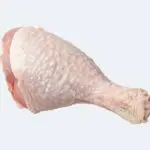
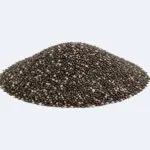
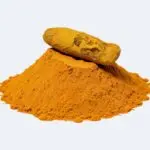
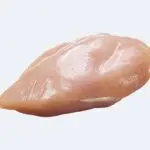
Myristoleic acid is scarce in food, and few papers measure it. In our USDA ranking the leader per serving is ground beef, with 0.18 g in 4 oz (113 g). Semi-skimmed cow’s milk, chicken drumstick with skin, chia seeds and turmeric follow with much smaller amounts.
Per 100 g the order changes: ground beef has 0.16 g and chia seeds 0.03 g. The ranking below shows every amount.
Dairy fat does carry it. A study of Holstein cows measured myristoleic acid (14:1 cis-9) as one of the milk fatty acids. A survey of human milk from 120 mothers in India found it in both term and preterm milk. Levels were 0.11 ± 0.02 in term and 0.14 ± 0.02 in preterm milk, though the abstract does not give the unit.
Nutmeg, the seed of Myristica fragrans, is a different story. Its fat, nutmeg butter, is mostly myristic acid. That was 79.2% of the fixed oil in one extraction study and 90% of the triacylglycerol fatty acids in another analysis. Neither paper lists myristoleic acid among the main fatty acids, and we found no paper that measured its share in nutmeg.
Per serving. No daily amount is set, so bars compare each food with the top food.
Per 100 g. No daily amount is set, so bars compare each food with the top food.
Per 100 kcal: the same calories of each food, for a fair comparison. Bars compare each food with the top food.
Food labels have no Daily Value or Reference Intake for myristoleic acid, so the % compares each food with the top food.
- 1.
- 2.

- 3.
- 4.
- 5.
- 6.

- 7.
- 8.

- 9.
- 10.


- 1.
- 2.
- 3.
- 4.
- 5.
- 6.
- 7.
- 8.
- 9.
- 1.
- 2.
- 3.
- 4.
- 5.
- 6.
- 7.
- 8.
- 9.
Sources
- U.S. Department of Agriculture, Agricultural Research Service. FoodData Central. Values as shown in the ranking above.
- Nafikov RA, Schoonmaker JP, Korn KT, et al. Polymorphisms in lipogenic genes and milk fatty acid composition in Holstein dairy cattle. Genomics. 2014.
- K B C, R H, R A, et al. Macronutrient composition of term and preterm human milk of different socio economic groups. Prostaglandins Leukot Essent Fatty Acids. 2023.
- Piras A, Rosa A, Marongiu B, et al. Extraction and separation of volatile and fixed oils from seeds of Myristica fragrans by supercritical CO₂: chemical composition and cytotoxic activity on Caco-2 cancer cells. J Food Sci. 2012.
- Niyas Z, Variyar PS, Gholap AS, et al. Effect of gamma-irradiation on the lipid profile of nutmeg (Myristica fragrans Houtt.). J Agric Food Chem. 2003.
How myristoleic acid works
Most of what is known about how myristoleic acid is made and what it does comes from cows, mice and cells.
Three ideas matter. An enzyme makes it from myristic acid. The ratio of 14:1 to 14:0 in milk fat follows that enzyme in cows. And in mice and cells, it can switch on or block signals.
We found no study of how well people absorb pure myristoleic acid.
The body makes it from myristic acid
Stearoyl-CoA desaturase adds a double bond at carbon 9. A review names palmitoyl-CoA and stearoyl-CoA as its preferred substrates, and a 13C tracer study in cows showed that myristic acid is desaturated as well. The drawing shows routes, not amounts.
Stearoyl-CoA desaturase (SCD) is a key enzyme in making monounsaturated fats. A review says it adds a cis double bond at carbon 9 to a range of fatty acids, preferring palmitic and stearic acid.
Myristoleic acid is the product when the substrate is myristic acid. A mouse paper on bone cells also describes myristoleic acid as derived from myristic acid. Mice that lack SCD-1 have less body fat and more insulin sensitivity, according to the same review. So the enzyme has long been a drug target.
In cows, the 14:1 to 14:0 ratio follows the enzyme
Estimated share of each milk fat monoenoic acid that came from the delta-9 desaturase, in lactating cows given 13C-labeled fatty acids, drawn to scale. These are cow results; we found no matching study in people.
Mean fall in four milk product-to-substrate ratios after 7 days of cobalt-EDTA given into the rumen of 5 lactating cows, drawn to scale. The authors read the fall as inhibition of the delta-9 desaturase in the udder.
So in cows the ratio of 14:1 to 14:0 in milk fat is a working gauge of the enzyme. It fell about as much as the other pairs when the enzyme was blocked.
In cow genetics, a “C14 desaturation index” is used the same way. One study linked a set of gene variants to higher myristoleic acid and a higher C14 desaturation index in milk.
In people, the picture is less clear. A 12-week trial in 80 overweight adults judged desaturase activity from the C16 pair, and found it fell with weight loss.
We found no human study that tested 14:1 to 14:0 against SCD1 activity. Blood levels of myristoleic acid also depend on diet, since beef and dairy contain it. So a high level in a person is not proof of a busy enzyme.
What it does in mice and cells
The lab work points in several directions. Myristoleic acid made by a gut bacterium activated brown fat and cut body fat in obese mice. It blocked bone-resorbing osteoclasts in cells and in mice, and it killed prostate cancer cells in a dish.
In a test of enzymes, it was the weakest unsaturated fatty acid at blocking 5 alpha-reductase. None of these results has been tested in a trial, and doses in dishes and in mice say little about food amounts.
What has been seen in people
Higher blood levels have gone with higher risk of death and colorectal cancer in some studies, and with lower odds of hypertension in another. Higher intake went with more depressive symptoms in one.
These are observational links with different directions, small effects and no trial behind them. They fit a fat that marks diet and SCD1 activity better than a fat that does anything on its own.
Sources
- Paton CM, Ntambi JM. Biochemical and physiological function of stearoyl-CoA desaturase. Am J Physiol Endocrinol Metab. 2009.
- Mosley EE, McGuire MA. Methodology for the in vivo measurement of the delta9-desaturation of myristic, palmitic, and stearic acids in lactating dairy cattle. Lipids. 2007.
- Shingfield KJ, Arölä A, Ahvenjärvi S, et al. Ruminal infusions of cobalt-EDTA reduce mammary delta9-desaturase index and alter milk fatty acid composition in lactating cows. J Nutr. 2008.
- Nafikov RA, Schoonmaker JP, Korn KT, et al. Polymorphisms in lipogenic genes and milk fatty acid composition in Holstein dairy cattle. Genomics. 2014.
- Lee YJ, Lee A, Yoo HJ, et al. Effect of weight loss on circulating fatty acid profiles in overweight subjects with high visceral fat area: a 12-week randomized controlled trial. Nutr J. 2018.
- Quan LH, Zhang C, Dong M, et al. Myristoleic acid produced by enterococci reduces obesity through brown adipose tissue activation. Gut. 2020.
- Kwon JO, Jin WJ, Kim B, et al. Myristoleic acid inhibits osteoclast formation and bone resorption by suppressing the RANKL activation of Src and Pyk2. Eur J Pharmacol. 2015.
- Iguchi K, Okumura N, Usui S, et al. Myristoleic acid, a cytotoxic component in the extract from Serenoa repens, induces apoptosis and necrosis in human prostatic LNCaP cells. Prostate. 2001.
- Liang T, Liao S. Inhibition of steroid 5 alpha-reductase by specific aliphatic unsaturated fatty acids. Biochem J. 1992.
- Li M, Zhang L, Huang B, et al. Free fatty acids and mortality among adults in the United States: a report from US National Health and Nutrition Examination Survey (NHANES). Nutr Metab (Lond). 2024.
How much myristoleic acid do you need?
No official body sets a daily amount of myristoleic acid. The FDA’s Daily Value table lists only total fat and saturated fat, and we found no EU reference intake for it either.
It is not an essential fat: the body makes it from myristic acid, so there is no daily need to meet from food. We found no deficiency state tied to a lack of it, and no national survey of how much people eat.
Sources
- US Food and Drug Administration. Daily Value on the Nutrition and Supplement Facts Labels. FDA. Accessed October 2026.
- Paton CM, Ntambi JM. Biochemical and physiological function of stearoyl-CoA desaturase. Am J Physiol Endocrinol Metab. 2009.
- Kwon JO, Jin WJ, Kim B, et al. Myristoleic acid inhibits osteoclast formation and bone resorption by suppressing the RANKL activation of Src and Pyk2. Eur J Pharmacol. 2015.
Forms of myristoleic acid: absorption and effects
We found no trial of pure myristoleic acid as a supplement, and no study that compared forms of it. It reaches people as part of dairy and beef fat, and in small amounts in some plant extracts.
It also comes as a wax ester called cetyl myristoleate, which is sold alone or inside blends called cetylated fatty acids (CFA). Cetyl myristoleate is myristoleic acid joined to cetyl alcohol.
Whether the body splits it back into myristoleic acid is not known. The European Food Safety Authority (EFSA) noted in 2010 that it had no information on how far such esters are broken down in the gut. In rats, a small amount was absorbed intact.
Why the forms matter: a label that says “cetyl myristoleate” may not tell you much. The mixture EFSA assessed in 2021 as a novel food is mainly cetylated myristic acid and cetylated oleic acid, not cetyl myristoleate. The 2010 mixture it assessed held 20% cetyl myristoleate inside 50% cetylated fatty acids. Trials of one product cannot be credited to another, or to myristoleic acid itself.
| Form | What it is | What studies show | Source |
|---|---|---|---|
| Dairy fat and beef | Myristoleic acid inside triglycerides, with other fatty acids | Ground beef has 0.18 g in 4 oz and milk 0.03 g in a cup in our ranking. A study of Holstein cows measured it in milk fat. We found no trial that gave it as a capsule. | 1, 2 |
| Nutmeg butter | The fat of Myristica fragrans seeds, mostly the saturated myristic acid | Myristic acid was 79.2% of the fixed oil in one study and 90% of the triacylglycerol fatty acids in another. Neither paper names myristoleic acid among the main fatty acids. | 3, 4 |
| Saw palmetto extract | A fatty acid extract of Serenoa repens berries | The extract was 90% fatty acids, mainly free, with oleic and lauric acid 65% and linoleic and myristic acid 15%. Myristoleic acid was identified as a cytotoxic component in prostate cancer cells in a dish. We found no trial of it. | 5, 6, 7 |
| Cetyl myristoleate (CM) | A wax ester of myristoleic acid and cetyl alcohol | First isolated from Swiss albino mice in 1994, where it protected rats from adjuvant arthritis. A rat test could not confirm that, and a mouse test of pure synthetic CM found a smaller protective effect. One small human trial tested a CM-containing blend (see below). | 8, 9, 10, 11, 15 |
| Cetylated fatty acid (CFA) blends | Cetyl esters of several fatty acids; the EU novel food is cetylated myristic and oleic acid | Pooled trials of CFA in knee osteoarthritis found less pain and better knee motion, but only with capsules and not with creams. EFSA judged a CFA mixture safe at 1.6 g a day for adults. | 12, 13, 14, 16, 17, 18, 19, 20, 21 |
| Cetyl myristoleate complex (CMC) | A powder of 50% CFA (20% cetyl myristoleate), 48% corn starch and 2% silicon dioxide | EFSA concluded in 2010 that its safety had not been established, at a suggested 3.3 g a day. | 9 |
The one comparison of forms is indirect. A 2026 meta-analysis, a study that pools earlier studies, found that CFA capsules helped knee pain and function while creams did not.
The trials and lab studies below are all on cetyl myristoleate or CFA products, strongest evidence first, 11 in all. Most are small and short, one lists a maker-linked author, and none was designed to show that myristoleic acid is the active part.
All 11 studies, strongest evidence first
Cetylated fatty acid capsules eased knee pain a little; creams did not
This systematic review and meta-analysis pooled 5 trials and 2 before-and-after studies (357 people) in knee osteoarthritis. Pain (standardized mean difference -0.37) and physical function (-0.32) improved a little, but stiffness did not. In the subgroup analysis, the gains held for oral capsules and not for CFA cream. Two of the seven studies had no control group, and the products and doses differed.
Cetylated fatty acids improved knee flexion and function versus placebo
In this double-blind trial, 64 people with chronic knee osteoarthritis took a commercial CFA mix by mouth or a vegetable oil placebo. It lasted 68 days, with 33 on the CFA mix and 31 on placebo. Knee flexion rose 10.1 degrees against 1.1, and function on the Lequesne index improved by 5.4 points against 2.1. Both results were statistically significant. The lead author lists Hesslink Ventures, a company, as his affiliation, and the abstract gives no dose.
A cetyl myristoleate blend eased knee pain at 2 of 3 strengths
In this double-blind pilot, 28 people with mild knee pain were split into three blend groups and a starch placebo group, for 12 weeks. In each blend, 12.5% was cis-9-cetylmyristoleate and the rest fatty acids (100%, 80% or 62.4% of the fatty acid component). Pain was lower than placebo in group A and group C, but not group B. Groups held 6 or 7 people each, so the trial is tiny and the strengths do not rank in a clear order.
In 48 adults, oral cetylated fatty acids did not differ from meloxicam
In this randomized trial, adults with knee osteoarthritis took 350 mg of CFA three times a day for 30 days. Others took the anti-inflammatory painkiller (NSAID) meloxicam, 15 mg once a day for 10 days. Pain and function scores (WOMAC and Oxford Knee Score) did not differ between groups at 2, 4 or 8 weeks, and both groups improved. There was no placebo group, so part of the improvement may be natural change or placebo effect. No adverse events were noted in the CFA group.
In 60 people, cetylated fatty acids eased knee pain more than placebo
In this double-blind trial, people with advanced knee osteoarthritis took 1.5 g a day of a CFA supplement for 60 days. Pain fell 1.7 cm on a 10 cm scale, against 0.6 cm on placebo. The placebo-corrected change in the WOMAC total score was not significant (-3.7), while knee flexion and external rotation improved. Only 4 of 30 patients on CFA reported mild adverse events. One author’s listed affiliation is Pharmanutra Spa, an Italian company; the abstract does not say who funded the trial.
In 40 people, a cetylated fatty acid cream improved stair climbing
In this double-blind trial, people with knee osteoarthritis applied a CFA cream or a placebo cream twice a day, with results within 30 days. Knee range of motion, stair climbing, the timed up-and-go test, rising from a chair, a step-down test and balance improved more with CFA. A second paper (Kraemer et al., 2005, J Strength Cond Res) reports postural sway from the same 40 patients, so it is not counted twice. The 2026 meta-analysis found creams did not help.
In 72 people, a cetylated fatty acid cream eased hand pain slightly
In this double-blind trial, people with hand osteoarthritis applied a CFA cream or placebo twice a day for 6 weeks. Pain scores at 6 weeks were 2.2 against 3.2, and global assessment 2.1 against 3.1, a little better than placebo. But the main outcome, the Functional Index for Hand Osteoarthritis, did not differ. Two placebo patients had adverse reactions and none in the CFA group.
In rats, cetyl myristoleate from mice protected against adjuvant arthritis
This is the 1994 report that started the supplement. Swiss albino mice that were immune to Freund’s adjuvant polyarthritis yielded cetyl myristoleate, and the isolated or synthesized ester protected rats. Cetyl oleate gave less protection, and cetyl myristate and cetyl elaidate were virtually ineffective, so the myristoleate part seemed to matter. Dose and injection site mattered too, and the work was done in animals.
A near-identical rat test could not confirm cetyl myristoleate’s effect
The authors repeated the adjuvant-induced polyarthritis assay with the original dosing schedule and 3 others, and could not confirm the proposed anti-arthritic, protective action. It is an interim report with a short abstract, and it is the main reason the 1994 finding is treated with caution.
In mice, pure cetyl myristoleate cut arthritis, less than first reported
DBA/1 mice with collagen-induced arthritis got pure synthetic cetyl myristoleate. Injections of 450 or 900 mg/kg, and daily oral doses of 20 mg/kg, reduced arthritis incidence. Mice that still developed arthritis had a small reduction in clinical signs. The authors say the effect was smaller than in the earlier report but confirms the anti-arthritic properties of pure cetyl myristoleate. Mouse results at these doses do not translate to human doses.
In enzyme tests, cetylated fatty acids blocked monoacylglycerol lipase (MAGL)
Blocking MAGL could raise the body’s own pain-calming endocannabinoids. The authors suggest that the effects of CFAs may be due at least in part to this MAGL inhibition. It would raise endocannabinoids such as 2-AG near the site of use. It is a proposed mechanism from lab tests, with no human data in the paper.
The honest summary: cetylated fatty acid capsules have some small, short trials with modest pain relief, and a pooled analysis agrees. But the products are mixtures, and no study shows the benefit comes from myristoleic acid. For creams, the pooled result was negative. The original animal finding for pure cetyl myristoleate was only partly repeated.
Sources
- U.S. Department of Agriculture, Agricultural Research Service. FoodData Central. Values as shown in the ranking above.
- Nafikov RA, Schoonmaker JP, Korn KT, et al. Polymorphisms in lipogenic genes and milk fatty acid composition in Holstein dairy cattle. Genomics. 2014.
- Piras A, Rosa A, Marongiu B, et al. Extraction and separation of volatile and fixed oils from seeds of Myristica fragrans by supercritical CO₂: chemical composition and cytotoxic activity on Caco-2 cancer cells. J Food Sci. 2012.
- Niyas Z, Variyar PS, Gholap AS, et al. Effect of gamma-irradiation on the lipid profile of nutmeg (Myristica fragrans Houtt.). J Agric Food Chem. 2003.
- Raynaud JP, Cousse H, Martin PM. Inhibition of type 1 and type 2 5alpha-reductase activity by free fatty acids, active ingredients of Permixon. J Steroid Biochem Mol Biol. 2002.
- Abe M, Ito Y, Oyunzul L, et al. Pharmacologically relevant receptor binding characteristics and 5alpha-reductase inhibitory activity of free Fatty acids contained in saw palmetto extract. Biol Pharm Bull. 2009.
- Iguchi K, Okumura N, Usui S, et al. Myristoleic acid, a cytotoxic component in the extract from Serenoa repens, induces apoptosis and necrosis in human prostatic LNCaP cells. Prostate. 2001.
- Diehl HW, May EL. Cetyl myristoleate isolated from Swiss albino mice: an apparent protective agent against adjuvant arthritis in rats. J Pharm Sci. 1994.
- EFSA Panel on Dietetic Products, Nutrition and Allergies. Scientific Opinion on the safety of ‘Cetyl Myristoleate Complex’ as a food ingredient. EFSA J. 2010.
- Whitehouse MW, McGeary RP. Concerning the anti-arthritic action of cetyl myristoleate in rats: an interim report. Inflammopharmacology. 1999.
- Hunter KW Jr, Gault RA, Stehouwer JS, et al. Synthesis of cetyl myristoleate and evaluation of its therapeutic efficacy in a murine model of collagen-induced arthritis. Pharmacol Res. 2003.
- EFSA Panel on Nutrition, Novel Foods and Food Allergens. Safety of Cetylated Fatty Acids as a Novel Food pursuant to Regulation (EU) 2015/2283. EFSA J. 2021.
- Tung KM, Pan PH, Lin YT, et al. Effects of cetylated fatty acids on knee osteoarthritis: a systematic review and meta-analysis of real-world evidence. Clin Exp Rheumatol. 2026.
- Hesslink R Jr, Armstrong D 3rd, Nagendran MV, et al. Cetylated fatty acids improve knee function in patients with osteoarthritis. J Rheumatol. 2002.
- Lee SC, Jin HS, Joo Y, et al. The minimal effective dose of cis-9-cetylmyristoleate (CMO) in persons presenting with knee joint pain: A double-blind, randomized, placebo-controlled trial. Medicine (Baltimore). 2017.
- Mohebi S, Farpour HR, Dehghanian KS, et al. An Oral Form of Cetylated Fatty Acids versus Meloxicam for Knee Osteoarthritis: A Randomised Clinical Trial. Mediterr J Rheumatol. 2023.
- Zodeleva M, Pochkhua N, Rossato MS, et al. Effects of orally administered cetylated fatty acids on symptoms and functional capacity in patients with knee osteoarthritis: results of a randomized, double-blind, placebo-controlled study. Eur J Clin Nutr. 2025.
- Kraemer WJ, Ratamess NA, Anderson JM, et al. Effect of a cetylated fatty acid topical cream on functional mobility and quality of life of patients with osteoarthritis. J Rheumatol. 2004.
- Kraemer WJ, Ratamess NA, Maresh CM, et al. Effects of treatment with a cetylated fatty acid topical cream on static postural stability and plantar pressure distribution in patients with knee osteoarthritis. J Strength Cond Res. 2005.
- Suwannaphisit S, Sinnathakorn N, Suwanno P, et al. Impact of topical cetylated fatty acid cream on hand osteoarthritis: a randomized, double-blind clinical trial. Sci Rep. 2025.
- Bononi G, Granchi C, Tuccinardi T, et al. Identification of a Possible Endocannabinoid-Mediated Mechanism of Action of Cetylated Fatty Acids. Biomolecules. 2025.
Is myristoleic acid safe? Supplements, dose and interactions
At food amounts, myristoleic acid is not a concern in any source we found. We found no upper limit from any authority for it and no human trial of the pure fatty acid. So there are no dose or safety data for a myristoleic acid supplement.
The only official opinions concern cetylated products. In 2010, EFSA concluded that the safety of a cetyl myristoleate complex had not been established.
In 2021, it concluded that a mixture of cetylated myristic and oleic acid is safe at 1.6 g a day for adults. That came from the highest rat dose with no adverse effect, 4,500 mg per kg a day. EFSA applied a safety factor of 200 and assumed a 70 kg adult. The applicant had proposed 2.1 g a day.
- Trial side effects. In the 60-person trial of 1.5 g a day of CFA, 4 of 30 patients on CFA had mild adverse events and none withdrew. In the 48-person trial against meloxicam, no adverse events were noted in the CFA group. These trials were short, 30 to 68 days, and small.
- Safety data are for a specific mixture. The 2021 EFSA conclusion applies to adults and to that mixture. We found no safety data for children, pregnancy or breastfeeding, and no studies of interactions with drugs.
- Blood levels are not a target. In observational studies, higher blood myristoleic acid went with higher risk of death (hazard ratio 1.02) and colorectal cancer in some studies. It went with lower odds of hypertension in another. These links do not show that the fat causes anything, and nobody should try to raise or lower it on this basis.
- Cell studies are not advice. Myristoleic acid killed prostate cancer cells in a dish. No animal or human treatment data came with that paper, so myristoleic acid and saw palmetto are not cancer treatments. People with osteoarthritis, prostate disease or cancer should talk to a doctor before swapping a supplement for treatment.
Sources
- EFSA Panel on Dietetic Products, Nutrition and Allergies. Scientific Opinion on the safety of ‘Cetyl Myristoleate Complex’ as a food ingredient. EFSA J. 2010.
- EFSA Panel on Nutrition, Novel Foods and Food Allergens. Safety of Cetylated Fatty Acids as a Novel Food pursuant to Regulation (EU) 2015/2283. EFSA J. 2021.
- Brilli E, Tarantino G. Genotoxicity and subchronic toxicity studies of Lipocet®, a novel mixture of cetylated fatty acids. J Appl Toxicol. 2021.
- Zodeleva M, Pochkhua N, Rossato MS, et al. Effects of orally administered cetylated fatty acids on symptoms and functional capacity in patients with knee osteoarthritis: results of a randomized, double-blind, placebo-controlled study. Eur J Clin Nutr. 2025.
- Mohebi S, Farpour HR, Dehghanian KS, et al. An Oral Form of Cetylated Fatty Acids versus Meloxicam for Knee Osteoarthritis: A Randomised Clinical Trial. Mediterr J Rheumatol. 2023.
- Li M, Zhang L, Huang B, et al. Free fatty acids and mortality among adults in the United States: a report from US National Health and Nutrition Examination Survey (NHANES). Nutr Metab (Lond). 2024.
- Downie JM, Joshi AD, Geraghty CM, et al. Novel metabolomic predictors of incident colorectal cancer in men and women. J Natl Cancer Inst. 2025.
- Sun G, Tang X, Zhen T, et al. The relationship between plasma long-chain fatty acids and hypertension and its underlying molecular mechanisms. Nutr Res. 2026.
- Iguchi K, Okumura N, Usui S, et al. Myristoleic acid, a cytotoxic component in the extract from Serenoa repens, induces apoptosis and necrosis in human prostatic LNCaP cells. Prostate. 2001.
How to get more myristoleic acid
- Food sources. Beef leads our ranking with 0.18 g in 4 oz, then milk and chicken drumstick at 0.03 and 0.02 g. The amounts are small, and we found no study of how much is absorbed.
- Let the body make it. The body makes myristoleic acid from myristic acid with SCD1, so there is no need to seek it out. Myristic acid is in dairy fat and nutmeg butter.
- Do not chase it. No trial shows that raising myristoleic acid improves health, and blood levels have gone with both higher and lower risk in different studies. Cetyl myristoleate pills are a different product, and their small trials do not prove the fatty acid is the active part. A varied diet with moderate saturated fat is the sensible route.
Sources
- U.S. Department of Agriculture, Agricultural Research Service. FoodData Central. Values as shown in the ranking above.
- Paton CM, Ntambi JM. Biochemical and physiological function of stearoyl-CoA desaturase. Am J Physiol Endocrinol Metab. 2009.
- Tung KM, Pan PH, Lin YT, et al. Effects of cetylated fatty acids on knee osteoarthritis: a systematic review and meta-analysis of real-world evidence. Clin Exp Rheumatol. 2026.
- Li M, Zhang L, Huang B, et al. Free fatty acids and mortality among adults in the United States: a report from US National Health and Nutrition Examination Survey (NHANES). Nutr Metab (Lond). 2024.
History of myristoleic acid
The story of myristoleic acid in medicine is really the story of one ester. In 1994, Diehl and May reported that Swiss albino mice carried an unusual fat, cetyl myristoleate. These mice were immune to the arthritis that Freund’s adjuvant causes in rats.
The isolated compound, or a version made from cetyl alcohol and myristoleic acid, protected rats against adjuvant arthritis. Cetyl oleate protected less, and cetyl myristate and cetyl elaidate did almost nothing.
Then came the repeats. A 1999 group using an almost identical rat assay could not confirm the effect. In 2003, researchers made pure cetyl myristoleate and found a smaller protective effect in collagen-induced arthritis in mice.
In 2002 a human trial of a CFA product reported better knee motion. In 2006 a systematic review of 53 randomized trials in osteoarthritis rated the evidence for cetyl myristoleate as limited.
In 2010, EFSA said the safety of a cetyl myristoleate complex had not been established. In 2021 it judged a cetylated myristic and oleic acid mixture safe at 1.6 g a day for adults.
Sources
- Diehl HW, May EL. Cetyl myristoleate isolated from Swiss albino mice: an apparent protective agent against adjuvant arthritis in rats. J Pharm Sci. 1994.
- Whitehouse MW, McGeary RP. Concerning the anti-arthritic action of cetyl myristoleate in rats: an interim report. Inflammopharmacology. 1999.
- Hunter KW Jr, Gault RA, Stehouwer JS, et al. Synthesis of cetyl myristoleate and evaluation of its therapeutic efficacy in a murine model of collagen-induced arthritis. Pharmacol Res. 2003.
- Hesslink R Jr, Armstrong D 3rd, Nagendran MV, et al. Cetylated fatty acids improve knee function in patients with osteoarthritis. J Rheumatol. 2002.
- Ameye LG, Chee WS. Osteoarthritis and nutrition. From nutraceuticals to functional foods: a systematic review of the scientific evidence. Arthritis Res Ther. 2006.
- EFSA Panel on Dietetic Products, Nutrition and Allergies. Scientific Opinion on the safety of ‘Cetyl Myristoleate Complex’ as a food ingredient. EFSA J. 2010.
- EFSA Panel on Nutrition, Novel Foods and Food Allergens. Safety of Cetylated Fatty Acids as a Novel Food pursuant to Regulation (EU) 2015/2283. EFSA J. 2021.
Frequently asked questions about myristoleic acid
What is myristoleic acid?
Myristoleic acid (14:1 n-5, C14H26O2) is a monounsaturated fatty acid with 14 carbons. The body makes it from myristic acid with the enzyme SCD1. It is found in small amounts in beef, dairy fat and some other foods.
Is myristoleic acid the same as myristic acid?
No. Myristic acid (14:0) is saturated and has no double bond, while myristoleic acid (14:1 n-5) has one. The body turns the first into the second with SCD1. Nutmeg butter is mostly myristic acid, at 79.2% of its fixed oil in one study. See the myristic acid page.
Which foods have the most myristoleic acid?
In our USDA ranking, ground beef leads with 0.18 g in 4 oz. Semi-skimmed cow’s milk follows at 0.03 g in a cup, then chicken drumstick at 0.02 g. Chia seeds have 0.01 g in an ounce and turmeric 0.005 g in a teaspoon. All amounts are small, and no food is a meaningful source.
Is cetyl myristoleate the same as myristoleic acid?
No. Cetyl myristoleate is a wax ester of myristoleic acid and cetyl alcohol. Many supplements sold as cetyl myristoleate are blends called cetylated fatty acids. The mixture EFSA assessed in 2021 is mainly cetylated myristic and oleic acid. We found no study showing how much of the ester the body turns back into myristoleic acid.
Does cetyl myristoleate work for arthritis?
It may help knee pain a little, but the evidence is weak. A 2026 meta-analysis of 5 trials and 2 before-and-after studies (357 people) found less pain and better function with capsules and no benefit with creams. The trials were small, the products differ, and none shows that myristoleic acid is the active part.
Is myristoleic acid in saw palmetto?
Yes, in small amounts. A lab study identified it as one cytotoxic component of a Serenoa repens extract in prostate cancer cells in a dish. Papers on the extract name oleic and lauric acid as the main fatty acids. We found no trial that tested myristoleic acid for the prostate.
Can blood myristoleic acid show how active SCD1 is?
In cows, yes: the ratio of 14:1 to 14:0 in milk fat fell by 47.7% when the enzyme was blocked. We found no human study that tested it. In people the level also depends on diet, so a high level does not prove high SCD1 activity.
Is myristoleic acid safe?
At food amounts, we found no concern and no official upper limit. We found no safety data for a pure myristoleic acid supplement. For cetylated fatty acids, EFSA judged a cetylated myristic and oleic acid mixture safe at 1.6 g a day for adults. People who are pregnant, or who have an illness, should ask a doctor first.