
Chromium is a metal that appears in food and supplements as chromium(III), also called trivalent chromium. The NIH (the US National Institutes of Health) says it may play a role in carbohydrate, fat and protein metabolism. It may do this by strengthening the action of insulin, including how the body handles glucose.
In blood, most of it rides on transferrin, the iron-carrying protein. It settles mainly in the liver, spleen, soft tissue and bone.
The US sets an adequate intake, a target used when data are too thin for a firmer target. It is 35 µg (micrograms) a day for men and 25 µg for women aged 19 to 50, which matches what well-balanced diets contain. Chromium is one of the trace minerals, and the supplement form studied most often is chromium picolinate.
Here is what most readers do not know: whether chromium is an essential nutrient at all is disputed. In 2014 the European Food Safety Authority (EFSA) found no evidence of beneficial effects of chromium intake in healthy people. It decided that setting an adequate intake was not appropriate. The US value from 2001 still stands.
A 2010 review says chromium pills became very popular for weight loss and muscle building. Their sales were second only to calcium among mineral supplements.
Do not confuse it with chromium(VI), the hexavalent form. The NIH calls it a toxic by-product of stainless steel and other manufacturing. The US Institute of Medicine says it is not found in food.
Only about 0.4% to 2.5% of the chromium in food is absorbed. So a balanced diet gives the body about 0.15 µg a day, the NIH estimates.
Health benefits of chromium
The top findings from 29 studies, strongest evidence first
What the stars mean
- Strong. Several randomized trials, pooled in a meta-analysis, point the same way, or regulators (FDA or EFSA) have approved the claim.
- Moderate. Good randomized trials support it, but there are fewer of them, or their results vary.
- Limited. Small, short or single trials, or mixed results. Promising, but it needs confirmation.
Population and lab studies get no stars: they show a link or a mechanism, not proof.
How we rate evidence →- ★★★EU allows claims on glucose and metabolismThe EU food safety agency based them on glucose intolerance in the few known cases of chromium depletion. It found no evidence of benefit in healthy people.
- ★★Slightly lower HbA1c in type 2 diabetesAcross 25 trials, chromium supplements lowered HbA1c, a measure of average blood sugar, by 0.55%. Trials disagreed widely, and a US review rated the evidence low and saw little reason to recommend chromium.
- ★★A very small weight loss, of unclear importanceAcross 21 trials in adults with overweight or obesity, chromium supplements added 0.75 kg of weight loss over placebo. A Cochrane review of chromium picolinate found 1.1 kg, rated low-quality evidence.
- ★No clear change in insulin sensitivityIn people with type 2 diabetes, 1,000 µg of chromium a day did not consistently improve insulin sensitivity. In 63 people with metabolic syndrome, it did not change it over 16 weeks.
- ★No clear help for atypical depressionIn 113 adults, 600 µg of chromium a day did not beat placebo on the main depression scores over eight weeks. A pilot of 15 people had found 7 of 10 responded on chromium.
All 24 studies, strongest evidence first
The EU allows two chromium claims: metabolism and blood glucose
Regulation (EU) No 432/2012 says chromium contributes to normal macronutrient metabolism and to the maintenance of normal blood glucose levels. A food may carry these claims only if it is at least a source of trivalent chromium. As a rule, that is 15% of the 40 µg EU Reference Intake (6 µg) per 100 g of a solid food. EFSA’s 2010 panel based the claims on glucose intolerance in the few cases of depletion. It saw no evidence that people in the EU eat too little. It found the evidence insufficient for a claim on normal body weight, and none for tiredness and fatigue.
EFSA saw no evidence of benefit in healthy people
In 2014 the panel judged that chromium’s mechanisms and essential function had not been substantiated. Attempts to create deficiency in animals gave mixed results, and the best human evidence, improvement in patients fed by vein, could not identify a requirement. It defined no average requirement, population reference intake or adequate intake. In the only study with total intake data, glucose in people with normal blood sugar did not differ between placebo (dummy pill) and chromium periods.
In type 2 diabetes, chromium lowered HbA1c by 0.6%
This review pooled 41 randomized trials (chance decided who got chromium), each lasting at least 3 weeks. In diabetes, fasting glucose also fell by 1.0 mmol/l and lipids did not change, and there was no effect in people without diabetes. Almost half the studies were of poor quality, and larger effects were more common in those. The authors said definitive claims were not yet possible.
Cochrane: chromium picolinate added 1.1 kg of weight loss, of debatable importance
This Cochrane review (Cochrane is known for careful reviews) covered nine randomized trials with 622 overweight or obese adults, lasting up to 24 weeks. The gain over placebo after 12 to 16 weeks rests on 6 trials with 392 people and was rated low-quality evidence. No dose gradient was found, and only three studies reported adverse events. The authors found no reliable evidence for firm decisions on whether chromium picolinate works or is safe for weight loss.
Across 25 trials, chromium lowered HbA1c by 0.55%
This meta-analysis covered randomized trials in diabetes lasting at least 3 weeks (8 weeks for HbA1c). Fasting glucose also fell by 1.15 mmol/l, and side effects were no more common than on placebo. The pooled figures include 3 trials of chromium combined with other nutrients: yeast with vitamins C and E, and picolinate with biotin. Effects looked larger with chromium picolinate and above 200 µg a day, and the authors say long-term benefit and safety remain to be studied.
Chromium lowered HbA1c by 0.71 points, but trials disagreed widely
This meta-analysis pooled 28 trials in type 2 diabetes, and fasting glucose fell by 19 mg/dl on average. But the spread between trials (heterogeneity) was 99.8% for glucose and 89.9% for insulin resistance, so the averages hide large differences. The authors say the results might support chromium for blood sugar control.
Only HbA1c fell clearly; fasting glucose and lipids did not
This meta-analysis pooled 10 randomized trials in type 2 diabetes with 509 patients: 269 took chromium and 240 took placebo. The authors say chromium can lower HbA1c to a certain extent but cannot effectively improve fasting glucose or lipids.
Few chromium trials reached blood sugar goals, a US review found
This narrative review by US government researchers covered 20 randomized trials in type 2 diabetes. A fasting glucose goal was reached in 5 of 20 trials, and an HbA1c goal in only 3 of 14. HbA1c fell by 0.5% or more in 5 of 14. The authors rated the evidence low, saw little reason to recommend chromium, and call it of limited effectiveness for blood sugar control.
Across 21 trials, chromium added 0.75 kg of weight loss
This meta-analysis covered 1,316 adults with overweight or obesity, comparing chromium with placebo. Body mass index was 0.40 lower and body fat 0.68 percentage points lower. The effects showed mainly in trials of 12 weeks or less and doses of 400 µg a day or less. The authors say the clinical relevance of chromium as a weight loss aid remains uncertain.
A 20-trial review: chromium added 0.5 kg of weight loss
Thirty-nine trials were identified and 20 were included, and the pooled estimate covers 11 studies. The gain over placebo was small, trials varied widely (high heterogeneity), and its clinical relevance is uncertain. Reported side effects included watery stools, vertigo, headaches and hives (urticaria).
FDA allows one qualified claim, calling the link “highly uncertain”
In 2005 the FDA answered a petition for eight claims from Nutrition 21, a company that sells chromium picolinate. It denied six, covering heart, eye and kidney disease and blood sugar levels, for lack of credible evidence. It allowed one combined claim: “One small study suggests that chromium picolinate may reduce the risk of insulin resistance, and therefore possibly may reduce the risk of type 2 diabetes. FDA concludes, however, that the existence of such a relationship between chromium picolinate and either insulin resistance or type 2 diabetes is highly uncertain.” The agency ranked the evidence at the lowest level for a qualified claim.
HbA1c fell to 6.6% on chromium, against 8.5% on placebo
In this randomized, placebo-controlled trial, 180 people with type 2 diabetes kept taking their usual medicines for 4 months. They added chromium picolinate at 100 µg or 500 µg twice a day, so the top dose was 1,000 µg a day. HbA1c was 7.5% at the lower dose, and fasting glucose was 7.1 mmol/l against 8.8 on placebo. The NIH calls it one of the most commonly cited trials. Its effect was far larger than the pooled averages above, and Balk’s review found larger effects in poorer-quality studies.
In insulin-treated diabetes, chromium did not beat placebo on HbA1c
People with poorly controlled, insulin-treated type 2 diabetes took 500 or 1,000 µg of chromium picolinate or placebo for 6 months. In this double-blind trial, the analysis covered 46 people who followed the protocol, and HbA1c fell by about 0.4% in all three groups. Lipids, body mass index, blood pressure and insulin needs did not differ. The authors found no evidence that high-dose chromium works in obese Western patients with insulin-treated type 2 diabetes.
1,000 µg of chromium did not consistently improve insulin sensitivity
This randomized, double-blind trial in type 2 diabetes, funded by the NIH, measured insulin sensitivity with euglycemic clamps, a precise lab test. Some people responded, with insulin sensitivity up by at least 10%, and they started with lower sensitivity and higher fasting glucose and HbA1c. Their chromium status did not differ from non-responders. Fat inside muscle cells was lower in the chromium group.
In metabolic syndrome, chromium did not change insulin sensitivity
In this double-blind, placebo-controlled trial at a US medical center, 63 people took 1,000 µg of chromium picolinate a day for 16 weeks. The early insulin response to glucose rose, but other glucose measures, body weight, lipids and inflammation markers did not change. The trial had US federal grants, and Nutrition21, which makes the product used, supplied the capsules and placebo.
In PCOS, chromium lowered BMI and free testosterone, not total testosterone
This meta-analysis pooled 7 trials in polycystic ovary syndrome (PCOS), a hormone disorder. Body mass index (BMI) fell by 2.37 kg/m², and fasting insulin fell by 0.86 mIU/ml in trials with more than 10 participants. Chromium had no benefit for the Ferriman-Gallwey hair score, DHEA, FSH or LH. The authors say chromium picolinate helps BMI, fasting insulin and free testosterone, a result the next analysis does not repeat.
A second PCOS analysis: lower insulin resistance but higher testosterone
This meta-analysis pooled 6 trials in 351 women with PCOS. Insulin resistance fell (standardized difference -0.84), while total testosterone (0.36) and free testosterone (0.80) were higher with chromium. Body mass index, fasting insulin, fasting glucose and lipids did not differ. The authors say chromium may not have significant benefits in PCOS and call for more trials.
In a pilot, 7 of 10 on chromium responded, none on placebo
This double-blind pilot gave 15 people with atypical depression 600 µg of chromium picolinate a day or placebo for 8 weeks. The authors suggested the effect could relate to insulin sensitivity or serotonin receptors. The larger trial below did not repeat it on the main measures.
In atypical depression, chromium did not beat placebo on main scores
This follow-up trial gave 113 adults 600 µg of chromium a day or placebo for eight weeks, randomized 2 to 1, and both groups improved. In people who took at least 80% of the study drug, chromium improved four items, including appetite and carbohydrate craving. In a subgroup of 41 with high craving, 65% responded on chromium against 33% on placebo, but that was a secondary analysis. The authors list limits such as no placebo run-in.
A woman fed by vein recovered when chromium was added
This case report describes one 40-year-old woman fed by vein (total parenteral nutrition) for more than 5 years, who lost 15% of her weight. She developed glucose intolerance and nerve damage that reversed after 250 µg of chromium was added. Insulin was stopped after 2 weeks of added chromium, and 20 µg a day kept her well for 18 months. The NIH notes such reports did not adequately measure chromium in the feeding solutions, so they do not show healthy people can become deficient.
The top fifth of toenail chromium went with fewer first heart attacks
This case-control study compared 684 men with a first heart attack and 724 controls, in eight European countries and Israel. That group had 0.59 times the odds of a heart attack. Average toenail chromium was 1.10 µg/g in cases and 1.30 µg/g in controls. A case-control design, which looks back from people who are already ill, cannot show that chromium itself protects.
More toenail chromium went with 20% less metabolic syndrome
The CARDIA cohort followed 3,648 adults aged 20 to 32 for 23 years, with 878 new cases. The highest quarter of toenail chromium had 0.80 times the risk. The link was mainly with blood lipids: 0.82 for abnormal triglycerides and 0.75 for low HDL, the “good” cholesterol. Observational data cannot show cause.
On almost no chromium, rats showed no change in weight or glucose
For 6 months, male Zucker lean rats lived in metal-free cages. Their diets had no added chromium, the standard amount, or 200 or 1,000 µg of chromium per kg added. Body weight, glucose tolerance and insulin sensitivity did not change, though insulin after a glucose challenge trended lower with more chromium. The authors conclude chromium can no longer be considered an essential element for mammals.
In obese rats, chromium picolinate strengthened insulin signaling in muscle
Obese, insulin-resistant rats got 80 µg per kg a day for 3 months, with 5 to 6 rats per group. Muscle biopsies showed more insulin-stimulated IRS-1 phosphorylation and PI-3 kinase activity. Levels and activity of PTP1B, an enzyme that dampens insulin signaling, were lower. This points to a mechanism in rats, not yet shown in people.
Foods high in chromium
Dates lead the per-serving ranking below: two dates (48 g) hold 38.4 µg. That is 110% of the 35 µg Daily Value, the FDA label amount. Soybeans and mung beans are not ranked, because we hold no chromium value for the cooked beans. A cup of lentils follows dates with 17.8 µg, then 3 oz of oysters (10.5 µg) and a tablespoon of cocoa powder (9.3 µg).
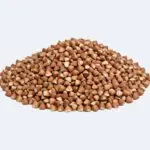
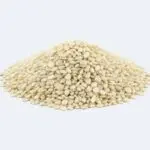
Per 100 g, cocoa powder leads at 173 µg, then dates (80 µg), dill (20.3 µg) and sesame seeds (12.5 µg).
Treat these values as a guide. The NIH says chromium is hard to measure in food because samples are easily contaminated. Its own table lists much lower amounts, such as 7.5 µg in a cup of grape juice. Ham (3 oz) or a whole-wheat English muffin has 3.6 µg, brewer’s yeast 3.3 µg per tablespoon and beef 2.0 µg per 3 oz.
Chromium in the same food can vary 50-fold with soil, water and processing, as in oatmeal. Most dairy and sugary foods are low. Meats, grains, fruits, vegetables, nuts, spices, brewer’s yeast, beer and wine all contain some.
Cookware adds to it. In a laboratory test, tomato sauce cooked for 6 hours in stainless steel picked up up to 7 times more chromium. By the tenth cooking cycle, a 126 g serving carried 86 µg from the pot. Because only a small share is absorbed, a high number on the page does not mean a high dose reaches the body.
Per serving. Bars show the share of the Daily Value (35 µg a day). The line marks 100%.
Per 100 g. Bars show the share of the Daily Value (35 µg a day). The line marks 100%.
Per serving. Bars show the share of the EU Reference Intake (40 µg a day).
Per 100 g. Bars show the share of the EU Reference Intake (40 µg a day). The line marks 100%.
Per 100 kcal: the same calories of each food, for a fair comparison. Bars compare each food with the top food.
- 1.

- 2.
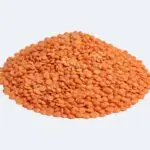
- 3.

- 4.
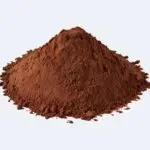
- 5.

- 6.

- 7.

- 8.
- 9.
- 10.


- 1.
- 2.
- 3.

- 4.
- 5.
- 6.

- 7.
- 8.
- 9.
- 10.


- 1.
- 2.
- 3.
- 4.
- 5.
- 6.
- 7.

- 8.
- 9.

- 10.


Sources
- Data sources and how we calculate daily values. NutriScrolls. The chromium values in the ranking come from a source other than USDA FoodData Central and are shown as published there.
- Chromium: fact sheet for health professionals. National Institutes of Health, Office of Dietary Supplements. Updated June 2, 2022.
- Kamerud KL, Hobbie KA, Anderson KA. Stainless steel leaches nickel and chromium into foods during cooking. J Agric Food Chem. 2013.
How chromium works
Most of what is known about how chromium might work comes from test tubes, rats and reviews, not from trials in people. The main idea is contested. Four points cover it.
Chromium is proposed to amplify the signal of insulin, and very little of it is absorbed. Experts disagree on whether the body needs it. And the chromium(III) in food is a different substance from toxic chromium(VI). Here is each one, and what has been seen in people.
It is proposed to amplify insulin’s signal
The NIH says chromium might strengthen insulin’s action, but the precise mechanism has not been identified. The leading idea is a small chromium-binding peptide called chromodulin. A 2000 review describes it as binding chromium ions when insulin sets them moving. It then attaches to an insulin-activated insulin receptor and switches on its tyrosine kinase activity, which would amplify the signal.
In rats, transferrin carried chromium in the blood, insulin sped up that transport, and chromium left in urine as chromodulin. A 2015 review asks whether chromium works as a “second messenger” and proposes tests for the idea.
EFSA’s 2014 panel still judged that the mechanisms and the essential function had not been substantiated. In obese, insulin-resistant rats, chromium picolinate raised insulin signaling in muscle (see the rat study above).
The proposed insulin amplifier. It is a hypothesis built on lab and rat work, and EFSA found it not substantiated.
Very little is absorbed
The NIH puts absorption of dietary chromium at about 0.4% to 2.5%. In 32 adults eating their usual diets for a week, absorption fell as intake rose. It went from about 2% at 10 µg a day to 0.5% at 40 µg. Vitamin C and aspirin-type drugs raise absorption, while oxalate and antacids lower it, according to the NIH.
Chromium leaves mainly in urine. So urinary chromium follows recent intake and says little about body stores. The NIH says no validated way of judging chromium status exists.
Approximate share of chromium absorbed. Drawn to scale. The food values come from one study of 32 adults, and the supplement values are as the NIH summarizes them from other studies.
Is it essential? The experts disagree
The US panel that set the adequate intake in 2001 had too little data for an average requirement. So it based the value on what healthy people eat. EFSA looked at the same question in 2014 and decided the case for essentiality was not made.
The NIH notes that recent research has suggested chromium is not an essential mineral. That is because an absence or deficiency does not produce abnormalities that adding chromium reverses. It might still have benefits at pharmacologic (drug-like) amounts in the hundreds of µg.
In rats raised in metal-free cages for 6 months, a diet with as little chromium as possible changed nothing measured. The study’s last author, Vincent, wrote in 2017 that chromium can only be considered pharmacologically active. He has reported being an inventor or co-inventor on 7 patents involving chromium supplements or therapeutic agents.
On the other side is a study of 17 adults fed controlled diets in the lowest quarter of normal chromium intake. With 200 µg of chromium a day, glucose tolerance improved in the group with mildly impaired tolerance and did not change in the others.
Chromium(III) and chromium(VI) are different substances
Food and supplements contain chromium(III). The Institute of Medicine says chromium(VI) is far more toxic and is not found in food. It says swallowed chromium(III) has low toxicity partly because it is absorbed so poorly. Chromium(VI) is a human carcinogen (it causes cancer) when inhaled.
In two-year US National Toxicology Program studies, chromium(VI) in drinking water caused rare mouth tumors in rats and small intestine tumors in mice. In rats, much more chromium reached the tissues after chromium(VI) than after similar doses of chromium(III). That is because some chromium(VI) escapes conversion to chromium(III) in the stomach.
A 2006 review reported that 38% of municipal drinking water sources in California had detectable chromium(VI). It concluded that oral exposure appears to pose a cancer risk.
The two forms of chromium compared. Drawn from animal studies, reviews and the Institute of Medicine; not to scale.
A separate question is whether chromium(III) supplements can turn into chromium(VI) in the body. A 2008 chemistry review argues that, in laboratory reactions with biological oxidants, these supplements form reactive chromium(VI), chromium(V) and chromium(IV) species. It calls for the safety of picolinate to be reconsidered. That remains a laboratory argument, and the section on forms below sets it beside EFSA’s opinion.
What has been seen in people
The clearest human finding is about deficiency. A few patients fed by vein for years improved when chromium was added, though the NIH says the feeding solutions were not properly measured. In type 2 diabetes, the average gain in HbA1c is 0.55 to 0.71 percentage points across meta-analyses, and trials disagree strongly. A review found no benefit in people without diabetes.
In the trial that looked at who responds, responders had lower insulin sensitivity and higher glucose and HbA1c at the start. Weight loss averages 0.5 to 1.1 kg. A mechanism built on insulin would fit that pattern, but it remains unproven, as the study cards above show.
Sources
- Chromium: fact sheet for health professionals. National Institutes of Health, Office of Dietary Supplements. Updated June 2, 2022.
- EFSA Panel on Dietetic Products, Nutrition and Allergies (NDA). Scientific opinion on dietary reference values for chromium. EFSA J. 2014.
- Institute of Medicine, Food and Nutrition Board. Dietary Reference Intakes for vitamin A, vitamin K, arsenic, boron, chromium, copper, iodine, iron, manganese, molybdenum, nickel, silicon, vanadium, and zinc. National Academy Press. 2001.
- Vincent JB. The biochemistry of chromium. J Nutr. 2000.
- Clodfelder BJ, Emamaullee J, Hepburn DD, et al. The trail of chromium(III) in vivo from the blood to the urine: the roles of transferrin and chromodulin. J Biol Inorg Chem. 2001.
- Vincent JB. Is the pharmacological mode of action of chromium(III) as a second messenger?. Biol Trace Elem Res. 2015.
- Wang ZQ, Zhang XH, Russell JC, Hulver M, Cefalu WT. Chromium picolinate enhances skeletal muscle cellular insulin signaling in vivo in obese, insulin-resistant JCR:LA-cp rats. J Nutr. 2006.
- Anderson RA, Kozlovsky AS. Chromium intake, absorption and excretion of subjects consuming self-selected diets. Am J Clin Nutr. 1985.
- Di Bona KR, Love S, Rhodes NR, et al. Chromium is not an essential trace element for mammals: effects of a “low-chromium” diet. J Biol Inorg Chem. 2011.
- Vincent JB. New evidence against chromium as an essential trace element. J Nutr. 2017.
- Anderson RA, Polansky MM, Bryden NA, Canary JJ. Supplemental-chromium effects on glucose, insulin, glucagon, and urinary chromium losses in subjects consuming controlled low-chromium diets. Am J Clin Nutr. 1991.
- Stout MD, Herbert RA, Kissling GE, et al. Hexavalent chromium is carcinogenic to F344/N rats and B6C3F1 mice after chronic oral exposure. Environ Health Perspect. 2009.
- Collins BJ, Stout MD, Levine KE, et al. Exposure to hexavalent chromium resulted in significantly higher tissue chromium burden compared with trivalent chromium following similar oral doses to male F344/N rats and female B6C3F1 mice. Toxicol Sci. 2010.
- Sedman RM, Beaumont J, McDonald TA, et al. Review of the evidence regarding the carcinogenicity of hexavalent chromium in drinking water. J Environ Sci Health C Environ Carcinog Ecotoxicol Rev. 2006.
- Levina A, Lay PA. Chemical properties and toxicity of chromium(III) nutritional supplements. Chem Res Toxicol. 2008.
- Cefalu WT, Rood J, Pinsonat P, et al. Characterization of the metabolic and physiologic response to chromium supplementation in subjects with type 2 diabetes mellitus. Metabolism. 2010.
How much chromium do you need?
The US adequate intake for chromium is 35 µg a day for men and 25 µg for women aged 19 to 50. After age 50 it is 30 µg and 20 µg. The EU sets no intake value, because EFSA concluded in 2014 that setting an adequate intake for chromium is not appropriate.
The US panel could not set an average requirement, so its adequate intake describes what healthy people eat. It took 13.4 µg per 1,000 kcal, the mean of 22 well-balanced diets designed by nutritionists. It multiplied that by 2,800 kcal for men and 1,850 kcal for women aged 19 to 30. That gives 35 and 25 µg.
The panel used these highest energy values to allow for under-reporting of food. After 50 the values fall with energy intake, because the panel used 2,100 and 1,500 kcal for men and women aged 50 to 70. In other words, the number measures typical intake, not a proven need.
In pregnancy the US values are 29 µg a day at ages 14 to 18 and 30 µg from 19 to 50. While breastfeeding they are 44 and 45 µg. The panel added 20 µg to a woman’s value to replace chromium lost in milk, assuming that 1% is absorbed.
People in US studies eat about this much. In one study of self-selected diets, 10 men averaged 33 µg a day and 22 women averaged 25 µg. The NIH says most people in the US have intakes similar to the adequate intakes. Chromium is not covered by the national nutrition survey, so there are no national figures.
Labels use a Daily Value of 35 µg in the US and an EU Reference Intake of 40 µg.
Chromium: recommended intake per day
US: Adequate Intake (NASEM). EU: Population Reference Intake (EFSA).
| Age and sex | US (AI) | EU (PRI) |
|---|---|---|
| Men, 31–50 years | 35 µg | None set |
| Women, 31–50 years | 25 µg | None set |
All ages, pregnancy and breastfeeding
| Age and sex | US (AI) | EU (PRI) |
|---|---|---|
| Infants 0–6 months | 0.2 µg | None set |
| Infants 7–12 months | 5.5 µg | None set |
| Children 1–3 years | 11 µg | None set |
| Children 4–8 years | 15 µg | None set |
| Females 9–13 years | 21 µg | None set |
| Males 9–13 years | 25 µg | None set |
| Females 14–18 years | 24 µg | None set |
| Males 14–18 years | 35 µg | None set |
| Females 19–30 years | 25 µg | None set |
| Males 19–30 years | 35 µg | None set |
| Females 31–50 years | 25 µg | None set |
| Males 31–50 years | 35 µg | None set |
| Females 51–70 years | 20 µg | None set |
| Males 51–70 years | 30 µg | None set |
| Females >70 years | 20 µg | None set |
| Males >70 years | 30 µg | None set |
| Pregnancy 14–18 years | 29 µg | None set |
| Pregnancy 19–30 years | 30 µg | None set |
| Pregnancy 31–50 years | 30 µg | None set |
| Lactation 14–18 years | 44 µg | None set |
| Lactation 19–30 years | 45 µg | None set |
| Lactation 31–50 years | 45 µg | None set |
EU and US age bands differ; "None set" means that body sets no value for the group. Label reference: FDA Daily Value 35 µg, EU Reference Intake 40 µg.EU and US age bands differ; "None set" means that body sets no value for the group. Label reference: EU Reference Intake 40 µg, FDA Daily Value 35 µg.
Chromium deficiency: signs and who is at risk
Chromium deficiency has not been reported in healthy people, and the NIH says no definitive deficiency symptoms have been established. The only reports are three from the 1970s and 1980s, in patients fed by vein for years (total parenteral nutrition). They had high blood sugar, sugar in the urine, unexplained weight loss, nerve damage, glucose intolerance or confusion, which eased with chromium.
EFSA called this the most convincing evidence but said it could not identify a requirement. The NIH adds that the feeding solutions were not adequately measured, so the reports do not show that healthy people can become deficient. Today’s intravenous solutions routinely get 10 to 15 µg a day, much more than the 0.15 µg a day a balanced diet supplies.
- Who is at risk. The only group with reported cases is people on long-term intravenous feeding. We found no other group shown to be at risk.
- Testing. No validated test and no clinically defined deficiency state exist. Urinary chromium follows recent intake, and hair levels might reflect past intake. In one patient with high blood sugar on intravenous feeding, plasma chromium stayed the same after treatment worked. Her doctors cautioned about reading blood levels.
Sources
- Institute of Medicine, Food and Nutrition Board. Dietary Reference Intakes for vitamin A, vitamin K, arsenic, boron, chromium, copper, iodine, iron, manganese, molybdenum, nickel, silicon, vanadium, and zinc. National Academy Press. 2001.
- Chromium: fact sheet for health professionals. National Institutes of Health, Office of Dietary Supplements. Updated June 2, 2022.
- EFSA Panel on Dietetic Products, Nutrition and Allergies (NDA). Scientific opinion on dietary reference values for chromium. EFSA J. 2014.
- Regulation (EU) No 1169/2011 on the provision of food information to consumers, Annex XIII. Official Journal of the European Union. 2011.
- Anderson RA, Kozlovsky AS. Chromium intake, absorption and excretion of subjects consuming self-selected diets. Am J Clin Nutr. 1985.
- Jeejeebhoy KN, Chu RC, Marliss EB, Greenberg GR, Bruce-Robertson A. Chromium deficiency, glucose intolerance, and neuropathy reversed by chromium supplementation, in a patient receiving long-term total parenteral nutrition. Am J Clin Nutr. 1977.
- Brown RO, Forloines-Lynn S, Cross RE, Heizer WD. Chromium deficiency after long-term total parenteral nutrition. Dig Dis Sci. 1986.
Forms of chromium: absorption and effects
Chromium supplements come as chromium picolinate, nicotinate, polynicotinate, chloride, histidinate and chromium-enriched yeast, the NIH says. The label lists elemental chromium, not the weight of the compound. The NIH puts chromium at 12.4% of the weight of chromium picolinate. Forms differ in chemistry, but the body absorbs only a small share of any of them, so dose probably matters more than form.
The honest bottom line is that we found no head-to-head trial of forms for a health outcome. Studies that compare absorption disagree. The NIH says absorption of the various forms is similar, while a small urine study found histidinate absorbed better than picolinate.
A radiotracer study found picolinate no more retained than another complex after 7 days. Published estimates for picolinate run from about 1% to 5%, the top of the range coming from the FDA’s 2005 review. Claims that picolinate, nicotinate or histidinate works better for blood sugar or weight loss have no head-to-head trial behind them. Picolinate is also the form with the most safety questions, covered in the safety section below.
The forms used in the main outcome trials above were:
- Blood sugar trials. Picolinate in the 1997 trial, the Kleefstra trial and the metabolic syndrome trial. A meta-analysis that split 14 trials by form had chloride in 3, picolinate in 5, brewer’s yeast in 4 and chromium yeast in 3. One meta-analysis saw glucose effects especially with picolinate. The form-by-form analysis below found no clear HbA1c effect for picolinate or chromium yeast.
- Weight loss trials. The Cochrane review covered chromium picolinate only. Per the NIH, most trials in the 21-trial analysis used picolinate, and others used chromium-enriched yeast or nicotinate.
- PCOS and depression trials. Chromium picolinate in the PCOS meta-analysis as the NIH describes it, and in both depression trials.
| Form | Share of chromium by weight | What studies show | Source |
|---|---|---|---|
| Chromium picolinate | 12.4% | The most studied form and the one used in most trials above. Absorption is about 1.2% according to the NIH, 2.80% from urine modeling in volunteers, and 0.8% to 1% in a radiotracer test, where most of it left in urine. EFSA found it not of concern up to 250 µg a day of total chromium. In hamster cells it was more mutagenic than chromic chloride. | 1, 2, 3, 6, 7, 13 |
| Chromium chloride | not stated | Absorption is about 0.4% according to the NIH. In the form-by-form analysis, 3 chloride trials showed no effect on fasting glucose. In hamster cells it raised mutants 10-fold, against 40-fold for picolinate. | 1, 5, 6 |
| Chromium nicotinate and polynicotinate | not stated | Used in some weight loss trials per the NIH. Rats absorbed 0.04% to 0.24% of the chromium, like the other forms tested. We found no human absorption comparison. One case report of toxic hepatitis involved polynicotinate taken with plant extracts. | 1, 2, 11 |
| Chromium-enriched yeast and brewer’s yeast | not stated | In the form-by-form analysis, chromium yeast did not change HbA1c or fasting glucose, while brewer’s yeast lowered fasting glucose by 19.23 mg/dL with no HbA1c effect. A trial in 70 people with metabolic syndrome and impaired glucose tolerance found no change in glucose or lipids; one author is employed by Pharma Nord. | 5, 9 |
| Chromium histidinate | not stated | In 6 adults, urinary chromium after 200 µg was higher than after picolinate (3,670 against 2,082 ng a day), which suggests better absorption. We found no human trial of histidinate for a health outcome. Most other work is in animals, including a rat study with an author at Nutrition 21. | 4, 10 |
All 5 studies, strongest evidence first
Picolinate and chromium yeast did not clearly change HbA1c
This meta-analysis split 14 trials by form, with 875 participants with diabetes followed for 8 to 24 weeks. Trials were grouped as chloride (3), picolinate (5), brewer’s yeast (4) and chromium yeast (3). Fasting glucose fell only with brewer’s yeast, by 19.23 mg/dL in 137 people. This analysis disagrees with one above that saw effects especially with picolinate.
People absorbed about 0.8% to 1% of picolinate and a test complex
Volunteers took both compounds with radioactive chromium, tracked by whole-body counting, and most of the picolinate chromium left in urine. Picolinate was no more retained than the comparison complex after 7 days. In rats, five compounds (picolinate, nicotinate, phenylalaninate, propionate, chloride) showed apparent absorption of 0.04% to 0.24%. The authors conclude picolinate is not more bioavailable (better absorbed) than other chromium compounds.
Chromium histidinate raised urine chromium more than picolinate in 6 adults
Each took 200 µg of chromium in each form, and urine was collected for 48 hours after each. Urinary chromium reached 3,670 ng (nanograms) a day with histidinate, against 2,082 ng with picolinate. The authors say histidinate is absorbed better and should be evaluated as a supplement. But urinary chromium is an indirect marker, six people is a small test, and it measured no health benefit.
After chromium picolinate, about 2.80% was absorbed, judged from urine
Volunteers took chromium picolinate, and a pharmacokinetic model of urine excretion gave 2.80% (standard deviation 1.14). The study was designed to judge urine tests for chromium exposure, not to test benefit.
In hamster cells, picolinate caused a 40-fold rise in mutant cells
Chinese hamster ovary cells got the highest dose, 80 µg/cm², for 48 hours, and chromic chloride gave a 10-fold rise. The authors suggest binding to picolinic acid may make chromium more damaging to DNA (genotoxic). They caution against large doses of chromium picolinate for long periods. This is a cell result, and the effect in people is not known.
Safety differences between forms rest on thin evidence. EFSA’s 2010 food additives panel found chromium picolinate not of concern in fortified foods and supplements, up to 250 µg a day of total chromium. That is the WHO value for supplemental intake.
It noted that new genotoxicity studies suggest picolinate might damage DNA in test tubes at high concentrations. It found equivocal evidence of cancer activity in male rats, and none in female rats and in mice. No trial has compared side effects of one form with another.
A 2000 review adds that chromium from picolinate enters cells by a different route from ionic chromium. Releasing it requires reducing the chromium, a step that could in principle produce harmful hydroxyl radicals. A 2008 chemistry review singles out picolinate for concern about genotoxicity.
Sources
- Chromium: fact sheet for health professionals. National Institutes of Health, Office of Dietary Supplements. Updated June 2, 2022.
- Laschinsky N, Kottwitz K, Freund B, et al. Bioavailability of chromium(III)-supplements in rats and humans. Biometals. 2012.
- Gargas ML, Norton RL, Paustenbach DJ, Finley BL. Urinary excretion of chromium by humans following ingestion of chromium picolinate. Implications for biomonitoring. Drug Metab Dispos. 1994.
- Anderson RA, Polansky MM, Bryden NA. Stability and absorption of chromium and absorption of chromium histidinate complexes by humans. Biol Trace Elem Res. 2004.
- Yin RV, Phung OJ. Effect of chromium supplementation on glycated hemoglobin and fasting plasma glucose in patients with diabetes mellitus. Nutr J. 2015.
- Stearns DM, Silveira SM, Wolf KK, Luke AM. Chromium(III) tris(picolinate) is mutagenic at the hypoxanthine (guanine) phosphoribosyltransferase locus in Chinese hamster ovary cells. Mutat Res. 2002.
- EFSA Panel on Food Additives and Nutrient Sources added to Food (ANS). Scientific opinion on the safety of chromium picolinate as a source of chromium added for nutritional purposes to foodstuff for particular nutritional uses and to foods intended for the general population. EFSA J. 2010.
- Levina A, Lay PA. Chemical properties and toxicity of chromium(III) nutritional supplements. Chem Res Toxicol. 2008.
- Nussbaumerova B, Rosolova H, Krizek M, et al. Chromium supplementation reduces resting heart rate in patients with metabolic syndrome and impaired glucose tolerance. Biol Trace Elem Res. 2018.
- Orhan C, Kucuk O, Tuzcu M, et al. Effect of supplementing chromium histidinate and picolinate complexes along with biotin on insulin sensitivity and related metabolic indices in rats fed a high-fat diet. Food Sci Nutr. 2019.
- Lança S, Alves A, Vieira AI, et al. Chromium-induced toxic hepatitis. Eur J Intern Med. 2002.
- Vincent JB. The biochemistry of chromium. J Nutr. 2000.
- US Food and Drug Administration. Qualified health claims: letter of enforcement discretion, chromium picolinate and insulin resistance (Docket No. 2004Q-0144). August 25, 2005.
Is chromium safe? Supplements, dose and interactions
Chromium from food is not a concern for most people. The US panel set no tolerable upper intake level for chromium. It found insufficient data for soluble chromium(III) salts, and no adverse effects convincingly linked to high intakes from food or supplements. It noted that this does not rule out harm and that caution may be warranted.
The NIH adds that people with kidney or liver disease might be susceptible. In the EU, EFSA’s 2010 opinion found chromium picolinate not of concern if total chromium stays at or below 250 µg a day. Supplement doses can be far above that. Multivitamins typically hold 35 to 120 µg, chromium-only pills commonly 200 to 500 µg, and some up to 1,000 µg.
- Doses and side effects. Trials used 200 to 1,000 µg of picolinate a day. Reported side effects included watery stools, vertigo, headaches and hives (urticaria), and a meta-analysis found no higher risk than with placebo at usual doses. In the Cochrane review, only three of nine studies reported adverse events. There were serious events in people taking 1,000 µg (two) and 400 µg (one), and one in a placebo participant.
- Kidney and liver case reports. A 33-year-old woman took 1,200 to 2,400 µg of chromium picolinate a day for 4 to 5 months. She had anemia, low platelets, hemolysis (red cell breakdown), liver dysfunction and kidney failure, needed dialysis, and had normal tests a year later. Another case of acute tubular necrosis involved a multi-ingredient product that also held Sida cordifolia, synephrine and guarana, in a man with a single kidney. A case of toxic hepatitis involved chromium polynicotinate taken with plant extracts for 5 months. The NIH lists weight loss, anemia, low platelets, liver dysfunction, kidney failure, muscle breakdown (rhabdomyolysis), dermatitis and low blood sugar among isolated case reports. Case reports cannot prove cause.
- Diabetes medicines and thyroid pills. Chromium might increase insulin sensitivity. So taking it with insulin could raise the risk of low blood sugar, and it might add to metformin and other diabetes drugs. A small study found chromium picolinate taken at the same time as levothyroxine decreased levothyroxine absorption over 6 hours, the NIH says.
- DNA damage in the lab. Cell studies show picolinate can damage DNA at high concentrations. A chemistry review worries that chromium(III) supplements can form reactive chromium(VI) in the body. EFSA’s panel still judged picolinate not of concern up to 250 µg a day. The effect in people is not known.
- Who should ask a doctor first. People with kidney or liver disease, and people taking insulin, other diabetes medicines or levothyroxine. Also anyone considering trial-level doses, which are up to 40 times the adequate intake for women.
How to get more chromium
- Best foods. In our ranking, two dates give 38.4 µg, a cup of lentils 17.8 µg and 3 oz of oysters 10.5 µg. The NIH table lists far lower amounts, for example 7.5 µg in a cup of grape juice and 3.6 µg in 3 oz of ham.
- Eat a varied diet. Well-balanced diets contained about 13.4 µg per 1,000 kcal in the study behind the US value. Adults in US studies ate about 25 to 35 µg a day. Most dairy and sugary foods are low in chromium.
- Food over pills. EFSA found no evidence of benefit from chromium intake in healthy people, and the pooled supplement effects in diabetes are small. If you take a supplement, the label shows elemental chromium. The amounts in multivitamins (35 to 120 µg) are at or above the adequate intake.
Sources
- Institute of Medicine, Food and Nutrition Board. Dietary Reference Intakes for vitamin A, vitamin K, arsenic, boron, chromium, copper, iodine, iron, manganese, molybdenum, nickel, silicon, vanadium, and zinc. National Academy Press. 2001.
- Chromium: fact sheet for health professionals. National Institutes of Health, Office of Dietary Supplements. Updated June 2, 2022.
- EFSA Panel on Dietetic Products, Nutrition and Allergies (NDA). Scientific opinion on dietary reference values for chromium. EFSA J. 2014.
- EFSA Panel on Dietetic Products, Nutrition and Allergies (NDA). Scientific opinion on the substantiation of health claims related to chromium and contribution to normal macronutrient metabolism, maintenance of normal blood glucose concentrations, contribution to the maintenance or achievement of a normal body weight, and reduction of tiredness and fatigue. EFSA J. 2010.
- Suksomboon N, Poolsup N, Yuwanakorn A. Systematic review and meta-analysis of the efficacy and safety of chromium supplementation in diabetes. J Clin Pharm Ther. 2014.
- Tian H, Guo X, Wang X, et al. Chromium picolinate supplementation for overweight or obese adults. Cochrane Database Syst Rev. 2013.
- Onakpoya I, Posadzki P, Ernst E. Chromium supplementation in overweight and obesity: a systematic review and meta-analysis of randomized clinical trials. Obes Rev. 2013.
- Cerulli J, Grabe DW, Gauthier I, Malone M, McGoldrick MD. Chromium picolinate toxicity. Ann Pharmacother. 1998.
- Wani S, Weskamp C, Marple J, Spry L. Acute tubular necrosis associated with chromium picolinate-containing dietary supplement. Ann Pharmacother. 2006.
- Lança S, Alves A, Vieira AI, et al. Chromium-induced toxic hepatitis. Eur J Intern Med. 2002.
- Stearns DM, Silveira SM, Wolf KK, Luke AM. Chromium(III) tris(picolinate) is mutagenic at the hypoxanthine (guanine) phosphoribosyltransferase locus in Chinese hamster ovary cells. Mutat Res. 2002.
- Levina A, Lay PA. Chemical properties and toxicity of chromium(III) nutritional supplements. Chem Res Toxicol. 2008.
- Anderson RA, Kozlovsky AS. Chromium intake, absorption and excretion of subjects consuming self-selected diets. Am J Clin Nutr. 1985.
History of chromium
About 60 years ago, chromium was proposed as an essential element for mammals, with a role in carbohydrate and lipid metabolism. A 1959 paper by Schwarz and Mertz was titled “Chromium(III) and the glucose tolerance factor”. For decades it was treated as a trace nutrient that supports insulin.
In 1977 a Toronto team reported a woman on years of intravenous feeding whose glucose intolerance and nerve damage improved with chromium. It was the first of three such reports, and in 2001 the US Institute of Medicine set adequate intakes.
Meanwhile supplements took off: a 2010 review says chromium pills became very popular for weight loss and muscle building. Their sales were second only to calcium among mineral supplements. In 2005 the FDA allowed one heavily qualified claim for chromium picolinate. In 2012 the EU listed two permitted claims for chromium on foods, based on an EFSA opinion from 2010.
Then the doubts grew. A 2011 rat study found no effect of a very low chromium diet, and EFSA decided in 2014 that no intake value could be set. A 2017 review argued chromium should be seen as pharmacologically active rather than essential. The NIH notes that the US National Academies have not reviewed chromium since 2001.
Sources
- Schwarz K, Mertz W. Chromium(III) and the glucose tolerance factor. Arch Biochem Biophys. 1959.
- Vincent JB. Chromium: celebrating 50 years as an essential element?. Dalton Trans. 2010.
- Jeejeebhoy KN, Chu RC, Marliss EB, Greenberg GR, Bruce-Robertson A. Chromium deficiency, glucose intolerance, and neuropathy reversed by chromium supplementation, in a patient receiving long-term total parenteral nutrition. Am J Clin Nutr. 1977.
- Institute of Medicine, Food and Nutrition Board. Dietary Reference Intakes for vitamin A, vitamin K, arsenic, boron, chromium, copper, iodine, iron, manganese, molybdenum, nickel, silicon, vanadium, and zinc. National Academy Press. 2001.
- Trumbo PR, Ellwood KC. Chromium picolinate intake and risk of type 2 diabetes: an evidence-based review by the United States Food and Drug Administration. Nutr Rev. 2006.
- Commission Regulation (EU) No 432/2012 establishing a list of permitted health claims made on foods. Official Journal of the European Union. 2012.
- Di Bona KR, Love S, Rhodes NR, et al. Chromium is not an essential trace element for mammals: effects of a “low-chromium” diet. J Biol Inorg Chem. 2011.
- EFSA Panel on Dietetic Products, Nutrition and Allergies (NDA). Scientific opinion on dietary reference values for chromium. EFSA J. 2014.
- Vincent JB. New evidence against chromium as an essential trace element. J Nutr. 2017.
- Chromium: fact sheet for health professionals. National Institutes of Health, Office of Dietary Supplements. Updated June 2, 2022.
Frequently asked questions about chromium
Is chromium an essential mineral?
It depends on who you ask. The US National Academies set an adequate intake in 2001: 35 µg for men and 25 µg for women aged 19 to 50. In 2014 EFSA found no evidence of beneficial effects of chromium intake in healthy people and set no value. The NIH says deficiency has been reported only in a few patients on long-term intravenous feeding. Those reports did not measure the feeding solutions well. In rats on a very low chromium diet for 6 months, glucose tolerance and insulin sensitivity did not change.
Does chromium picolinate help with blood sugar?
Slightly on average, and not for everyone. In type 2 diabetes, meta-analyses found HbA1c 0.55 to 0.71 points lower, but trials disagreed (heterogeneity 99.8% for glucose in one). The form-by-form analysis found no clear HbA1c effect for picolinate. In a review of 20 trials, only 3 of 14 reached an HbA1c goal. A review found no benefit without diabetes, and the FDA calls a link to insulin resistance highly uncertain. If you take diabetes medicine, ask your doctor first, because chromium could add to its effect.
Does chromium help you lose weight?
Only a little, if at all. The Cochrane review found 1.1 kg more weight loss than placebo after 12 to 16 weeks of chromium picolinate, of debatable clinical relevance. The evidence was low-quality, and a 21-trial analysis found 0.75 kg and another review 0.5 kg. In 2010 EFSA judged the evidence insufficient to support a claim on normal body weight. Trials were short, up to 24 weeks, so long-term effects are unknown.
How much chromium picolinate should you take a day?
No dose has been proven to help. The adequate intake for adults aged 19 to 50 is 25 to 35 µg, and picolinate trials used 200 to 1,000 µg a day. The US panel set no upper limit because data were thin. EFSA’s 2010 opinion on picolinate found no concern if total chromium stays at or below 250 µg a day. A woman who took 1,200 to 2,400 µg a day for 4 to 5 months had kidney failure and liver problems. Ask your doctor before taking trial-level doses.
What are the side effects of chromium picolinate?
In trials, reported side effects included watery stools, vertigo, headaches and hives (urticaria). A meta-analysis found no higher risk than with placebo at usual doses. Rare case reports describe kidney failure, liver injury, anemia, low platelets, muscle breakdown and low blood sugar at high doses. The NIH says people with kidney or liver disease might be susceptible, and chromium might add to the effect of insulin and other diabetes drugs.
Which foods are highest in chromium?
Per serving, our ranking is led by two dates (38.4 µg) and a cup of lentils (17.8 µg). Then come 3 oz of oysters (10.5 µg) and a tablespoon of cocoa powder (9.3 µg). The NIH’s own table lists lower amounts, for example 7.5 µg in a cup of grape juice and 3.6 µg in 3 oz of ham. It says food values vary widely, so treat all of these as a guide.
Are chromium and vanadium good for diabetes?
We found no randomized trials of chromium and vanadium taken together in PubMed, only small studies of vanadium alone. In one single-blind study, 8 people with type 2 diabetes took 50 mg of vanadyl sulfate twice a day. Over 4 weeks, fasting glucose fell by 20%. But 6 of the 8 had stomach side effects in the first week. The authors said the safety of larger doses and longer use was uncertain.
Is chromium in supplements the same as the toxic chromium in drinking water?
No. Food and supplements contain chromium(III). The toxic form is chromium(VI), an industrial by-product that the Institute of Medicine says is not found in food. In US National Toxicology Program studies, it caused tumors in rats and mice when given in drinking water. A laboratory review argues that chromium(III) supplements can form reactive chromium(VI) in the body. But EFSA judged chromium picolinate not of concern up to 250 µg a day.