
Manganese is an essential trace mineral, and it is not the same as magnesium. Your body holds only 10 to 20 mg of it, says the NIH (the US National Institutes of Health). Of that, 25% to 40% sits in bone.
Manganese is a helper (a cofactor) for enzymes. These include manganese superoxide dismutase, which shields mitochondria, the cell’s power plants, from reactive oxygen species (harmful forms of oxygen). Others are arginase and pyruvate carboxylase. Through them, manganese helps handle amino acids, cholesterol, glucose and carbohydrates, build bone and, together with vitamin K, clot blood.
Here is the part most people do not know: with manganese, the worry is usually too much, not too little. No diet-caused deficiency syndrome has been described, and the NIH knows of no group likely to fall short.
In 2023 EFSA, the EU’s food safety agency, found the evidence too thin to set an upper limit at all. Instead it gave a “safe level of intake” of 8 mg a day for adults. The gut absorbs only about 1% to 5% of the manganese in food, and the liver sends most of what is absorbed out in bile.
Breathing manganese dust (welders, miners), drinking water high in manganese, feeding by vein and liver disease are different. They skip or overwhelm that control.
Tea is the surprise on the plate. In a London study, people who drank 1 liter or more of black tea a day ate 5.5 to 10 mg of manganese a day. The range depends on the value used for tea. People who did not drink tea ate 3.2 mg a day.
The US adequate intake (an amount assumed to be enough) is 2.3 mg for men and 1.8 mg for women. The EU adequate intake is 3 mg for adults.
Health benefits of manganese
The top findings from 25 studies, strongest evidence first
What the stars mean
- Strong. Several randomized trials, pooled in a meta-analysis, point the same way, or regulators (FDA or EFSA) have approved the claim.
- Moderate. Good randomized trials support it, but there are fewer of them, or their results vary.
- Limited. Small, short or single trials, or mixed results. Promising, but it needs confirmation.
Population and lab studies get no stars: they show a link or a mechanism, not proof.
How we rate evidence →- ★★★Four EU claims for normal body functionsFoods that are a source of manganese may say it contributes to normal energy metabolism, bones, connective tissue and protection of cells from oxidative stress. None of the claims is about preventing or treating disease.
- ★★No neurological changes on 20 mg a dayIn healthy young women, diets with 20 mg of manganese a day for 8 weeks did not change any neurological measure. That is nearly twice the US adult upper level, but the trial lasted only 8 weeks.
- ★★More manganese absorbed when iron stores are lowIn a 60-day feeding study, young women with low iron stores absorbed the most manganese, and those with high iron stores the least. The body excreted manganese faster when more was absorbed.
- ★A brief rash on very little manganeseIn 7 men eating only 0.11 mg of manganese a day for 39 days, 5 got a mild skin rash. It went away once intake rose again.
- ★Knee arthritis relief, but only in a mixIn 93 people with knee arthritis, a supplement mixing manganese with glucosamine and chondroitin helped: 52% responded against 28% on placebo. Severe cases did not improve, and manganese alone was not tested.
All 20 studies, strongest evidence first
The EU allows four manganese claims, none about preventing or treating disease
Regulation (EU) No 432/2012 lists normal energy-yielding metabolism, maintenance of normal bones, normal formation of connective tissue and protection of cells from oxidative stress. The claims rest on EFSA opinions from 2009 and 2010. A food may carry a claim only if it is at least a source of manganese. Under EU labeling rules, that generally means 15% of the 2 mg reference value. So it is 0.3 mg per 100 g, or 7.5% per 100 ml for drinks. EFSA also looked at manganese for cognitive function and for tiredness and fatigue, and the regulation lists no manganese claim for either.
Eating 20 mg a day for 8 weeks caused no neurological signs
Healthy young women ate diets with 0.8 mg or 20 mg a day for 8 weeks each; the fat was cocoa butter or corn oil. On the 0.8 mg diet they absorbed a higher share of a tracer dose, but the absorbed manganese stayed in the body longer. Intake did not change any neurological measure and only slightly changed psychological ones. The authors conclude that efficient mechanisms hold manganese steady over this range. The trial lasted only 8 weeks, and 20 mg is nearly twice the US adult upper level.
Glucosamine, chondroitin and manganese ascorbate helped mild to moderate knee osteoarthritis
In this randomized trial (groups assigned by chance), 93 people with knee osteoarthritis took the product or a placebo (dummy pill) for 6 months. Taken twice daily, it held 1,000 mg of glucosamine hydrochloride, 800 mg of chondroitin sulfate and 152 mg of manganese ascorbate. Responders were 52% against 28%, and adverse events 17% against 19%. The 72 people with mild or moderate disease improved on the Lequesne index, a knee function score, at 4 and 6 months. The 21 with severe disease did not. The manganese dose is the weight of the compound, not of manganese, and this trial cannot show what manganese did on its own.
Calcium plus trace minerals beat placebo for spinal bone density
This 2-year double-blind trial had 59 healthy postmenopausal women (mean age 66) in groups: placebo, calcium, trace minerals, or both. Calcium was 1,000 mg a day as calcium citrate malate. The trace minerals were 15 mg of zinc, 5 mg of manganese and 2.5 mg of copper. Spinal bone density rose 1.48% with calcium plus trace minerals and fell 3.53% on placebo, 1.89% on trace minerals alone and 1.25% on calcium alone. Only the placebo and calcium-plus-trace-minerals groups differed clearly, and manganese came with zinc and copper, so its own part is unknown.
Glucosamine, chondroitin and manganese ascorbate eased knee pain scores 26.6%
In this 16-week pilot trial, 34 men from the US Navy diving and special warfare community took the combination and a placebo in turn. The daily dose was 1,500 mg of glucosamine hydrochloride, 1,200 mg of chondroitin sulfate and 228 mg of manganese ascorbate. The summary disease score for knee osteoarthritis fell 16.3%; the study neither showed nor excluded a benefit for the spine. Side effects were similar to baseline. The manganese dose is the weight of the compound, and the result cannot be credited to manganese alone.
Seven men on 0.11 mg daily got a brief rash, lower cholesterol
In this balance study, 7 men aged 19 to 22 first ate 2.59 mg a day for 3 weeks. Then they ate a purified diet with 0.11 mg a day for 39 days, followed by two 5-day periods at 1.53 and 2.55 mg. A mild skin rash (miliaria crystallina) appeared in 5 of the 7 at the end of the 39 days. It went away once intake rose again. Plasma cholesterol fell from 170 to 142 mg/dL, though it had already dropped to 152 mg/dL during the starting period. The authors calculate a minimum requirement of 0.74 mg a day, or 2.11 mg a day if the lowest individual retention is allowed for.
In 10 women, 1.0 mg against 5.6 mg worsened premenstrual symptoms
This double-blind study kept 10 women with normal cycles in a metabolic unit for 169 days. Each of four 39-day periods gave 587 or 1,336 mg of calcium with 1.0 or 5.6 mg of manganese a day. The periods came in a balanced order (a Latin square). On the low-manganese diet, mood and pain symptoms before the period increased, and higher calcium also eased several symptoms. The authors call the study exploratory, and it is very small.
In two patients with a rare disorder, manganese brought major improvement
SLC39A8 makes a manganese transporter, and its loss starves cells of manganese. A manganese-dependent enzyme, beta-1,4-galactosyltransferase, builds sugar chains on proteins, so the disorder is also a disorder of glycosylation (adding sugar chains). The two patients, who had the inherited deficiency, got high-dose manganese sulfate: 15 and 20 mg per kg of body weight a day. This corrected the biochemical changes: all measured enzyme problems resolved, and motor abilities, hearing and other neurological signs improved. The authors say close monitoring of blood manganese is needed to prevent toxicity. This is a very rare genetic condition, not a diet problem, and the dose is far above anything for the general public.
Six cohorts: each extra 1 mg went with 4% lower diabetes risk
This meta-analysis pooled six prospective cohort studies (over 270,000 people) and a new analysis of UK Biobank (165,194 people for diabetes). Risk was 0.96 times as high per 1 mg a day, with signs that the pattern was not a straight line. In UK Biobank alone, the top fifth of intake had 0.91 times the type 2 diabetes risk, which could be chance. It showed no link to cardiovascular disease (0.99) or cardiovascular death (0.85). Cohort studies follow people over time and find links, which cannot show that manganese caused the difference.
In two Chinese cohorts, more dietary manganese went with less diabetes
The two cohorts followed 3,350 and 7,133 adults aged 20 to 74 for 4.2 and 5.3 years. There were 244 and 578 new cases of type 2 diabetes, and mean intakes were 4.58 and 4.61 mg a day. Intakes above 6.01 mg and 6.10 to 6.97 mg a day were linked to clearly lower incidence in the two cohorts. The authors also report that higher plasma manganese and lower oxidative stress markers appeared to explain the link.
Japanese women eating most manganese had 0.53 times the diabetes odds
The Japan Collaborative Cohort Study asked 19,862 adults about their diet with a food frequency questionnaire. It found 530 new cases of type 2 diabetes in 5 years, self-reported but diagnosed by a doctor. Across intake quartiles, the odds in women fell to 0.53 times for the top fourth, while men showed no link (1.10). The link was seen mainly in women with low iron intake, particularly premenopausal women.
Low and high blood manganese both went with more type 2 diabetes
This case-control study in China compared 1,614 people with newly diagnosed type 2 diabetes and 1,614 people without it. Against the middle third of plasma manganese, the odds were 1.89 times as high for the lowest third. For the highest, they were 1.56 times as high, a U-shaped link. The lowest odds were at 4.95 µg/L (micrograms per liter). A blood level taken once cannot show which came first, and intake was not measured.
Children: 10-fold more hair manganese, 2.51 fewer IQ points
This systematic review covered 55 studies with 13,388 people. Cohort studies among the 55 found that higher exposure had a negative effect on neurodevelopment, mostly on thinking and motor skills in children under 6. In the meta-analysis, each 10-fold rise in hair manganese went with 2.51 fewer Full Scale IQ points. The blood and water analyses showed no clear effect, and results by sex were inconsistent.
In 362 Canadian children, more tap water manganese went with lower IQ
This cross-sectional study, a snapshot in time that cannot show cause, covered children aged 6 to 13 in communities supplied by groundwater. A 10-fold rise in tap water manganese went with 2.4 fewer IQ points. The median water level was 34 µg/L (range 1 to 2,700). Hair manganese rose with intake from water but not with intake from diet. After adjusting for the mother’s intelligence, family income and other factors, IQ differed by 6.2 points between the lowest and highest fifth of water manganese.
At lower water levels, a second study found no clear IQ link
This study covered 259 children aged 5.9 to 13.7 from 189 households that drank well water. Of them, 48% drank water below 5 µg/L, 25% above 50 µg/L and 4% above 400 µg/L. In girls, more manganese in toenails went with poorer Performance IQ, while in boys more water manganese went with better Performance IQ. The authors say exposure was much lower than in earlier studies and a larger sample would be needed.
Workers who breathed manganese had slower motor and processing speed
This meta-analysis pooled 13 studies published from 1987 to 2008, with 958 exposed and 815 unexposed workers. Average inhalable manganese ranged from 0.05 to 1.59 mg/m³ (milligrams per cubic meter of air). Whole blood manganese ranged from 8.1 to 48.4 µg/L. Six test measures showed clear overall effects (sizes −0.23 to −0.36): four for motor speed and two for the speed of information processing. Effects tracked inhaled manganese more consistently than blood manganese.
Welders had no more Parkinson disease: 0.86 times the risk
This meta-analysis pooled 13 cohort, case-control and mortality studies. Welding had a pooled relative risk of 0.86, and manganese exposure, from 3 studies, had an odds ratio of 0.76. The authors suggest confounding by smoking, a healthy worker effect and hormesis as explanations. A healthy worker effect means healthier people tend to stay in such jobs, and hormesis is a protective response to low doses. This does not rule out manganism (manganese poisoning) or milder parkinsonian signs in heavily exposed workers.
In 10 liver failure patients, blood manganese was about three times higher
Ten patients and ten controls had brain MRI scans, and brain tissue from three patients who died and three controls was also measured. Median blood manganese was 34.4 µg/L, against 10.3 µg/L in controls. The MRI signal in the pallidum, a deep brain area, tracked blood manganese closely (Rs = 0.8). Tissue manganese was highest in the caudate nucleus, followed by the quadrigeminal plate and globus pallidus. The authors suggest manganese may play a role in chronic hepatic encephalopathy (brain problems from liver disease).
Review: IV manganese at 5 to 6 times needs can damage nerves
This systematic review came with a survey of 40 Australasian hospitals, which gave data on 108 patients on home parenteral nutrition (feeding by vein). Feeding by vein bypasses the gut’s control, so elimination through the liver and bile is impaired and manganese builds up in tissue and brain. Excess manganese can lead to Parkinson-like symptoms. The author concludes that routine manganese is unnecessary for children or long-term patients and asks for individual trace element additives.
On 500 µg daily, 15 of 21 had high manganese
Red blood cell manganese was measured in hospital patients; the long-term group had been fed by vein for 36 to 5,075 days. Levels in 36 short-term patients were normal within 48 hours of starting. Of 30 patients on 3 to 30 days of nutrition, two had abnormal levels at days 14 and 18. Three patients with high levels had signs on MRI or symptoms from the basal ganglia (deep brain areas that control movement). The authors say 500 µg a day is probably excessive, 100 µg should probably never be exceeded, and levels should be monitored beyond 30 days.
Foods high in manganese
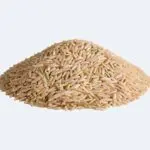
Nuts, seeds and whole grains lead our USDA ranking. Per serving, pine nuts come first with 2.5 mg in 1 oz, which is 108% of the 2.3 mg Daily Value. Hemp seeds (2.28 mg in 3 tbsp) and oats (1.97 mg in ½ cup dry) follow, then wheat, brown rice and hazelnuts.
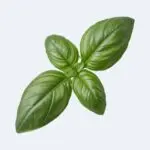
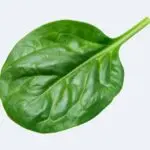
Per 100 g the order is pine nuts, hemp seeds, hazelnuts and oats. Per 100 kcal the list changes to leafy herbs and greens, led by basil and spinach. The ranking below has the full list.
The NIH also lists foods not in our top ten. Cooked blue mussels give 5.8 mg in 3 oz, 252% of the Daily Value, and a cup of brewed black tea gives 0.5 mg. Whole grains matter: a half cup of cooked medium-grain brown rice gives 1.1 mg, against 0.3 mg for long-grain white rice. A slice of whole wheat bread gives 0.7 mg, while meat, eggs and dairy hold almost none.
In US adult diets, the top sources are grain products, tea and vegetables. In the EU, they are grain products, tea and other infusions, according to the NIH and EFSA.
Absorption is low whatever the food. Phytic acid (a plant compound) holds manganese back: removing it from soy formula raised absorption 2.3-fold in adults. The WHO lists fiber and oxalic acid as other brakes.
Per serving. Bars show the share of the Daily Value (2.3 mg a day). The line marks 100%.
Per 100 g. Bars show the share of the Daily Value (2.3 mg a day). The line marks 100%.
Per serving. Bars show the share of the EU Reference Intake (2 mg a day). The line marks 100%.
Per 100 g. Bars show the share of the EU Reference Intake (2 mg a day). The line marks 100%.
Per 100 kcal: the same calories of each food, for a fair comparison. Bars compare each food with the top food.
- 1.
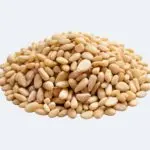
- 2.
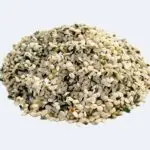
- 3.
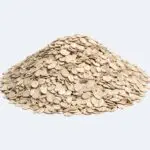
- 4.
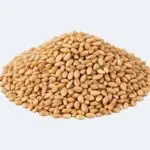
- 5.
- 6.

- 7.
- 8.

- 9.
- 10.


- 1.
- 2.
- 3.
- 4.
- 5.
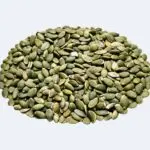
- 6.
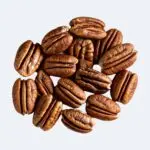
- 7.
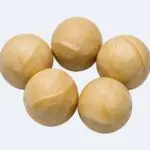
- 8.
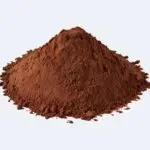
- 9.
- 10.


- 1.
- 2.
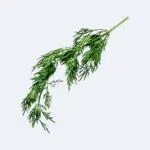
- 3.
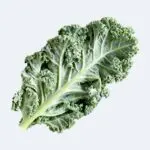
- 4.
- 5.

- 6.
- 7.
- 8.
- 9.

- 10.


Sources
- FoodData Central. US Department of Agriculture, Agricultural Research Service. Values as shown in the ranking above.
- Manganese: fact sheet for health professionals. National Institutes of Health, Office of Dietary Supplements. Updated March 29, 2021.
- EFSA Panel on Nutrition, Novel Foods and Food Allergens (NDA). Scientific opinion on the tolerable upper intake level for manganese. EFSA J. 2023.
- Davidsson L, Almgren A, Juillerat MA, Hurrell RF. Manganese absorption in humans: the effect of phytic acid and ascorbic acid in soy formula. Am J Clin Nutr. 1995.
- Davidsson L, Cederblad A, Lönnerdal B, Sandström B. The effect of individual dietary components on manganese absorption in humans. Am J Clin Nutr. 1991.
- Hope S, Daniel K, Gleason KL, et al. Influence of tea drinking on manganese intake, manganese status and leucocyte expression of MnSOD and cytosolic aminopeptidase P. Eur J Clin Nutr. 2006.
- World Health Organization. Manganese: chemical fact sheet. In: Guidelines for drinking-water quality: fourth edition incorporating the first and second addenda. 2022.
How manganese works
Most of what is known about how manganese works comes from enzyme chemistry, mice and rare inherited diseases, not from supplement trials in healthy people. Three ideas cover most of it.
Manganese helps enzymes do their work. The body keeps its level steady by controlling what it absorbs and sends out in bile. And the route into the body decides the risk. Here is each one, and what has been seen in people.
It helps enzymes do their work
Manganese is a cofactor for several enzymes. The NIH names manganese superoxide dismutase (MnSOD), arginase and pyruvate carboxylase, and a review adds glutamine synthetase.
MnSOD sits inside mitochondria and mops up reactive oxygen species, which links manganese to the body’s antioxidant defenses. Mice bred without the MnSOD gene died within the first 10 days of life. They had a dilated heart, fat in the liver and muscle, and metabolic acidosis (too much acid in the body).
Manganese also drives enzymes that build sugar chains on proteins. When the manganese transporter SLC39A8 fails, a manganese-dependent Golgi enzyme (beta-1,4-galactosyltransferase) stops working. Children then have severe seizures, short limbs and hearing loss.
Four enzymes that need manganese. Not to scale. The galactosyltransferase example comes from a rare inherited disease, and the MnSOD example from mice.
The body keeps its level steady
Only about 1% to 5% of dietary manganese is absorbed, says the NIH. The share goes up when intake is low and down when it is high. The liver takes up absorbed manganese, and more than 90% of it leaves in bile and then in the feces, with very little in urine.
Iron shares the same entry route. Low iron stores raise manganese absorption, and men absorb less than women, possibly because they usually have more iron stored. EFSA summarizes the feeding study of young women on this page: intake rose 25-fold (0.8 to 20 mg a day). Yet a tracer showed the body kept only three to four times more manganese, measured 60 days after a test meal.
Genes matter too. Defects in the transporter SLC30A10, which moves manganese into bile, make manganese pile up in the liver and brain. The result is cirrhosis (liver scarring), dystonia (involuntary muscle contractions) and high red blood cell counts.
Four ways manganese meets the body. Simplified and not to scale. The step along the smell nerve comes from rat studies.
The route in decides the risk
Swallowed manganese meets the liver first, which takes it from the blood and sends it into bile. Inhaled manganese enters the blood from the lungs. In rats that breathed a manganese aerosol, most labeled manganese in the brain’s smell pathway came through the smell nerve. That share reached more than 90%, but not in the striatum, over the 8 days studied.
In people fed manganese by vein, the gut’s control is skipped. A review links doses 5 to 6 times the usual daily requirement to neurotoxicity (harm to the nervous system). When the liver itself cannot clear manganese, as in cirrhosis or with a transporter defect, EFSA says dietary manganese can cause neurotoxicity.
The body copes with a wide range
Two controlled feeding studies show how wide the safe range looks in healthy adults. Men fed 0.11 mg a day for 39 days developed a fleeting rash in 5 of 7 and lower cholesterol. Women fed 0.8 mg a day or 20 mg a day for 8 weeks showed no deficiency or neurological signs on either.
Official values sit in between. The US adequate intake is 1.8 mg for women and 2.3 mg for men, and the EU adequate intake is 3 mg. EFSA’s safe level of intake for adults is 8 mg, and the US upper level is 11 mg.
Daily manganese in milligrams, drawn to scale. The depletion and feeding studies were small and short, and the 8-week trial cannot show long-term safety.
What has been seen in people
The clearest results in people are about the extremes. A very low manganese diet caused a temporary rash and a drop in cholesterol in seven men. Yet 20 mg a day for 8 weeks caused no neurological signs in young women. In a rare inherited disorder of manganese transport, high-dose manganese sulfate corrected biochemical changes in two patients.
For benefits beyond that, the findings are observational and mixed. Higher dietary manganese went with less type 2 diabetes in some cohorts but not in UK Biobank. In one large case-control study, plasma levels showed a U-shape.
Harm is seen mainly where the body’s control fails: inhaled dust, high-manganese well water, intravenous feeding and liver disease. EFSA concluded that the data cannot yet describe a dose-response for neurotoxicity (how harm rises with dose). All of these studies are among the cards above.
Sources
- Manganese: fact sheet for health professionals. National Institutes of Health, Office of Dietary Supplements. Updated March 29, 2021.
- Chen P, Bornhorst J, Aschner M. Manganese metabolism in humans. Front Biosci (Landmark Ed). 2018.
- Li L, Yang X. The Essential Element Manganese, Oxidative Stress, and Metabolic Diseases: Links and Interactions. Oxid Med Cell Longev. 2018.
- Li Y, Huang TT, Carlson EJ, et al. Dilated cardiomyopathy and neonatal lethality in mutant mice lacking manganese superoxide dismutase. Nat Genet. 1995.
- Park JH, Hogrebe M, Grüneberg M, et al. SLC39A8 Deficiency: A Disorder of Manganese Transport and Glycosylation. Am J Hum Genet. 2015.
- Tuschl K, Clayton PT, Gospe SM Jr, et al. Syndrome of hepatic cirrhosis, dystonia, polycythemia, and hypermanganesemia caused by mutations in SLC30A10, a manganese transporter in man. Am J Hum Genet. 2012.
- Brenneman KA, Wong BA, Buccellato MA, et al. Direct olfactory transport of inhaled manganese ((54)MnCl(2)) to the rat brain: toxicokinetic investigations in a unilateral nasal occlusion model. Toxicol Appl Pharmacol. 2000.
- Dorman DC, Brenneman KA, McElveen AM, et al. Olfactory transport: a direct route of delivery of inhaled manganese phosphate to the rat brain. J Toxicol Environ Health A. 2002.
- Hardy G. Manganese in parenteral nutrition: who, when, and why should we supplement?. Gastroenterology. 2009.
- Finley JW. Manganese absorption and retention by young women is associated with serum ferritin concentration. Am J Clin Nutr. 1999.
- Finley JW, Penland JG, Pettit RE, Davis CD. Dietary manganese intake and type of lipid do not affect clinical or neuropsychological measures in healthy young women. J Nutr. 2003.
- Friedman BJ, Freeland-Graves JH, Bales CW, et al. Manganese balance and clinical observations in young men fed a manganese-deficient diet. J Nutr. 1987.
- EFSA Panel on Nutrition, Novel Foods and Food Allergens (NDA). Scientific opinion on the tolerable upper intake level for manganese. EFSA J. 2023.
- EFSA Panel on Dietetic Products, Nutrition and Allergies (NDA). Scientific opinion on Dietary Reference Values for manganese. EFSA J. 2013.
How much manganese do you need?
Adults need 1.8 mg (women) to 2.3 mg (men) of manganese a day in the US, according to the adequate intake (AI). The EU adequate intake is 3 mg a day for adults. Both are adequate intakes, not firm requirements.
The US panel found the data too thin to set an average requirement, the NIH says. So it based its values on what healthy people usually eat. EFSA based its value on mean EU intakes of about 3 mg a day and on balance studies. In those, people stayed in null or positive balance (taking in at least as much as they lost) at intakes above 2.5 mg a day.
Pregnancy raises the US value to 2.0 mg a day and breastfeeding to 2.6 mg, for ages 14 to 50. EFSA keeps 3 mg for both. For people aged 51 and over, the US values stay at 2.3 mg and 1.8 mg, and EFSA gives one value for all adults.
Intake data are sparse: the US national survey does not measure manganese. An FDA diet study from 1982 to 1989 put women at 2.14 to 2.23 mg a day and men at 2.64 to 2.81 mg. The NIH says these met or exceeded the AIs.
Manganese: recommended intake per day
US: Adequate Intake (NASEM). EU: Adequate Intake (EFSA).
| Age and sex | US (AI) | EU (AI) |
|---|---|---|
| Men, 31–50 years | 2.3 mg | 3 mg |
| Women, 31–50 years | 1.8 mg | 3 mg |
All ages, pregnancy and breastfeeding
| Age and sex | US (AI) | EU (AI) |
|---|---|---|
| Infants 0–6 months | 0.003 mg | None set |
| Infants 7–11 months | None set | 0.02–0.5 mg |
| Infants 7–12 months | 0.6 mg | None set |
| Children 1–3 years | 1.2 mg | 0.5 mg |
| Children 4–6 years | None set | 1 mg |
| Children 4–8 years | 1.5 mg | None set |
| Children 7–10 years | None set | 1.5 mg |
| Females 9–13 years | 1.6 mg | None set |
| Males 9–13 years | 1.9 mg | None set |
| Children 11–14 years | None set | 2 mg |
| Females 14–18 years | 1.6 mg | None set |
| Males 14–18 years | 2.2 mg | None set |
| Children 15–17 years | None set | 3 mg |
| Adults 18+ years | None set | 3 mg |
| Females 19–30 years | 1.8 mg | None set |
| Males 19–30 years | 2.3 mg | None set |
| Females 31–50 years | 1.8 mg | None set |
| Males 31–50 years | 2.3 mg | None set |
| Females 51–70 years | 1.8 mg | None set |
| Males 51–70 years | 2.3 mg | None set |
| Females >70 years | 1.8 mg | None set |
| Males >70 years | 2.3 mg | None set |
| Pregnancy 14–18 years | 2 mg | None set |
| Pregnancy | None set | 3 mg |
| Pregnancy 19–30 years | 2 mg | None set |
| Pregnancy 31–50 years | 2 mg | None set |
| Lactation 14–18 years | 2.6 mg | None set |
| Lactation | None set | 3 mg |
| Lactation 19–30 years | 2.6 mg | None set |
| Lactation 31–50 years | 2.6 mg | None set |
EU and US age bands differ; "None set" means that body sets no value for the group. Label reference: FDA Daily Value 2.3 mg, EU Reference Intake 2 mg.EU and US age bands differ; "None set" means that body sets no value for the group. Label reference: EU Reference Intake 2 mg, FDA Daily Value 2.3 mg.
Manganese deficiency: signs and who is at risk
Manganese deficiency is very rare in people, and its signs have not been firmly established, says the NIH. EFSA says no specific deficiency syndrome has been described.
The very limited evidence suggests bone demineralization (bone loss) and poor growth in children. In men it suggests a skin rash, hair color loss, lower cholesterol and higher alkaline phosphatase, and in women altered mood and more premenstrual pain.
In a controlled depletion study, seven men on 0.11 mg a day for 39 days developed only a fleeting rash and lower cholesterol. Deficient animals show poor growth and skeletal abnormalities, but the evidence in people is poor.
The NIH knows of no group likely to eat too little manganese. Even people on long-term intravenous nutrition rarely become deficient, according to a systematic review. The exception is inherited: in SLC39A8 deficiency, cells cannot take up manganese even on a normal diet. The first child described had blood manganese below the detection limit.
There is no routine test. Whole blood manganese of 4 to 15 µg/L is normal but varies a lot. EFSA found no reliable, validated marker of intake or status, so a result needs a doctor’s reading.
Sources
- Manganese: fact sheet for health professionals. National Institutes of Health, Office of Dietary Supplements. Updated March 29, 2021.
- EFSA Panel on Dietetic Products, Nutrition and Allergies (NDA). Scientific opinion on Dietary Reference Values for manganese. EFSA J. 2013.
- Scientific Committee on Food. Opinion on the tolerable upper intake level of manganese, expressed on 19 October 2000. In: Tolerable upper intake levels for vitamins and minerals. European Food Safety Authority. 2006.
- Friedman BJ, Freeland-Graves JH, Bales CW, et al. Manganese balance and clinical observations in young men fed a manganese-deficient diet. J Nutr. 1987.
- Park JH, Hogrebe M, Grüneberg M, et al. SLC39A8 Deficiency: A Disorder of Manganese Transport and Glycosylation. Am J Hum Genet. 2015.
- Park JH, Hogrebe M, Fobker M, et al. SLC39A8 deficiency: biochemical correction and major clinical improvement by manganese therapy. Genet Med. 2018.
- Hardy G. Manganese in parenteral nutrition: who, when, and why should we supplement?. Gastroenterology. 2009.
Forms of manganese: absorption and effects
Manganese supplements come as simple salts and as amino acid compounds. The NIH lists manganese sulfate, gluconate, picolinate, citrate and chloride, and amino acid chelates such as bisglycinate, glycinate and aspartate.
The EU authorizes carbonate, chloride, citrate, gluconate, glycerophosphate and sulfate for foods and supplements. Ascorbate, L-aspartate, bisglycinate and pidolate are allowed in supplements only. Most manganese salts dissolve readily in water, EFSA says; only the phosphate and carbonate salts are less soluble.
The label declares the milligrams of elemental manganese, not the weight of the compound. Multivitamins that contain manganese typically give 1.0 to 4.5 mg. Products with manganese alone or a few other nutrients mostly give 5 to 20 mg.
The honest bottom line: the NIH says no data are available on the relative bioavailability (how much is absorbed) of different supplement forms. EFSA calls the data on the effect of chemical form limited. We found no human trial that compared forms for absorption or any health outcome. So claims that chelated forms absorb better have no trial behind them.
The trials in the benefits section used manganese ascorbate (the two glucosamine and chondroitin trials) and manganese sulfate. Sulfate was used for the high-dose treatment of SLC39A8 deficiency and, as EFSA describes it, in the 20 mg feeding trial. The bone trial does not name its form in the abstract.
What the human studies do show is what changes absorption of the manganese in food and drink. That includes iron stores, the type of milk, phytic acid, added calcium and tea.
| Form | Share of the mineral by weight | What studies show | Source |
|---|---|---|---|
| Manganese sulfate | Not stated | EU-authorized for foods and supplements. It was the form in the 20 mg a day feeding trial, as EFSA describes it (no neurological signs after 8 weeks), and in the high-dose treatment of two patients with SLC39A8 deficiency (15 and 20 mg per kg of body weight a day). We found no trial that compared it with another form. | 1, 2, 9, 10 |
| Manganese chloride | Not stated | EU-authorized. In tracer studies that EFSA summarizes, 8.9% of manganese chloride dissolved in water was absorbed, against 1.7% to 5.2% from various foods. Rat studies found soluble salts absorbed better than insoluble oxides. | 1, 2 |
| Manganese citrate | About 30% (the SCF describes 30 mg of manganese citrate as 9 mg of manganese) | EU-authorized, and listed by the NIH. We found no human study of its absorption. | 1, 2, 3 |
| Gluconate and picolinate | Not stated | The NIH lists both. The EU authorizes gluconate; picolinate is not on EFSA’s list of authorized sources. We found no human study comparing either with another form. | 1, 2 |
| Carbonate and glycerophosphate | Not stated | EU-authorized. Carbonate and phosphate salts are the less soluble ones, EFSA says. We found no human data on either. | 2 |
| Amino acid chelates and salts (bisglycinate, glycinate, aspartate, pidolate) | Not stated | The EU authorizes bisglycinate, L-aspartate and pidolate in supplements only. EFSA found no specific bioavailability studies, assumed they would act like other dissociable salts, and judged them acceptable if supplements stayed within guidance levels of 4 mg a day for the general population and 0.5 mg a day for older people. It found the data on a “manganese amino acid chelate” inadequate. | 1, 2 |
| Manganese ascorbate | Not stated | EU-authorized in supplements only. It is the form in the two glucosamine and chondroitin trials: 228 mg a day in one and 152 mg twice daily in the other. These are weights of the compound, and the abstracts do not give the manganese content. The trials cannot separate manganese from the other ingredients. | 2, 11, 12 |
| Manganese in food (tea, grains, nuts, mussels, milk) | Not applicable | Absorption is about 1% to 5%. It was 8.2% from human milk and 0.7% from soy formula. Removing phytic acid from soy formula raised it 2.3-fold, and added calcium lowered it from human milk. Low iron stores raise it. Heavy tea drinking raised intake, but not blood levels. | 1, 4, 5, 6, 7, 8 |
| Manganese in drinking water | Not applicable | The WHO says some studies find manganese better absorbed from water than from food and others find no difference, and that absorption from water may depend on fasting and the chemical form. | 13 |
| Manganese given by vein | Not applicable | The gut’s control is skipped. A review links doses 5 to 6 times the usual daily requirement, plus contamination of nutrition products, to neurotoxicity. | 14 |
No trial has compared supplement forms. So the five studies below look at what changes the absorption of manganese from food and drink, strongest evidence first.
All 5 studies, strongest evidence first
Women with low iron stores absorbed the most manganese
In this feeding study, 11 healthy young women had ferritin above 50 µg/L and 15 had ferritin below 15 µg/L. Ferritin is a blood marker of iron stores. Each ate diets giving 0.7 or 9.5 mg of manganese a day for 60 days, and absorption was traced with a 54Mn dose. Absorption was greatest in the low-ferritin women on the low-manganese diet, and least in women with high iron stores. The body excreted manganese faster when more was absorbed, and balance depended only on the amount in the diet.
Removing phytic acid from soy formula raised manganese absorption 2.3-fold
Absorption rose from 0.7% to 1.6% when phytic acid was removed. Eight adult volunteers each took part twice in each of two studies. Test meals were labeled with 54Mn, and whole-body counting ran for about 30 days. Raising ascorbic acid (vitamin C) in the formula from 110 to 220 mg per liter did not change absorption (0.6% both times).
People absorbed 8.2% from human milk, 0.7% from soy formula
Milks and formulas were labeled with radioactive manganese, and whole-body retention was measured. Cow’s milk gave 2.4%. A whey-based formula gave 1.7% with 12 mg/L of iron and 3.1% with 2 mg/L of iron. A formula with 7 mg/L of iron gave 5.9%, not clearly different from human milk.
Calcium added to human milk lowered manganese absorption; most additions did not
Adults had paired tests with a radioactive tracer. The team added calcium and manganese to human milk, phytate, phosphate and ascorbic acid to infant formula, and iron and magnesium to wheat bread. Only the calcium added to human milk clearly changed absorption.
Heavy tea drinkers ate 5.5 to 10 mg of manganese a day
This study at King’s College London used a food frequency questionnaire. It compared 24 people who drank 1 liter or more of black tea a day with 28 non-drinkers. Non-drinkers ate 3.2 mg a day (range 0.5 to 6.5). Tea drinkers ate 5.5 mg (range 2 to 12) or 10 mg (range 5 to 20), depending on the manganese value used for tea. Yet whole blood and plasma manganese and levels of two manganese-dependent enzymes did not differ between the groups.
Sources
- Manganese: fact sheet for health professionals. National Institutes of Health, Office of Dietary Supplements. Updated March 29, 2021.
- EFSA Panel on Nutrition, Novel Foods and Food Allergens (NDA). Scientific opinion on the tolerable upper intake level for manganese. EFSA J. 2023.
- Scientific Committee on Food. Opinion on the tolerable upper intake level of manganese, expressed on 19 October 2000. In: Tolerable upper intake levels for vitamins and minerals. European Food Safety Authority. 2006.
- Finley JW. Manganese absorption and retention by young women is associated with serum ferritin concentration. Am J Clin Nutr. 1999.
- Davidsson L, Cederblad A, Lönnerdal B, Sandström B. Manganese absorption from human milk, cow’s milk, and infant formulas in humans. Am J Dis Child. 1989.
- Davidsson L, Cederblad A, Lönnerdal B, Sandström B. The effect of individual dietary components on manganese absorption in humans. Am J Clin Nutr. 1991.
- Davidsson L, Almgren A, Juillerat MA, Hurrell RF. Manganese absorption in humans: the effect of phytic acid and ascorbic acid in soy formula. Am J Clin Nutr. 1995.
- Hope S, Daniel K, Gleason KL, et al. Influence of tea drinking on manganese intake, manganese status and leucocyte expression of MnSOD and cytosolic aminopeptidase P. Eur J Clin Nutr. 2006.
- Finley JW, Penland JG, Pettit RE, Davis CD. Dietary manganese intake and type of lipid do not affect clinical or neuropsychological measures in healthy young women. J Nutr. 2003.
- Park JH, Hogrebe M, Fobker M, et al. SLC39A8 deficiency: biochemical correction and major clinical improvement by manganese therapy. Genet Med. 2018.
- Das A Jr, Hammad TA. Efficacy of a combination of FCHG49 glucosamine hydrochloride, TRH122 low molecular weight sodium chondroitin sulfate and manganese ascorbate in the management of knee osteoarthritis. Osteoarthritis Cartilage. 2000.
- Leffler CT, Philippi AF, Leffler SG, et al. Glucosamine, chondroitin, and manganese ascorbate for degenerative joint disease of the knee or low back: a randomized, double-blind, placebo-controlled pilot study. Mil Med. 1999.
- World Health Organization. Manganese: chemical fact sheet. In: Guidelines for drinking-water quality: fourth edition incorporating the first and second addenda. 2022.
- Hardy G. Manganese in parenteral nutrition: who, when, and why should we supplement?. Gastroenterology. 2009.
Is manganese safe? Supplements, dose and interactions
Manganese from food is not known to cause harm: the NIH says no evidence shows toxicity from high dietary intakes. The US tolerable upper intake level (the most per day that is likely safe) is 11 mg a day for adults aged 19 and over. It is 9 mg for ages 14 to 18 and 6 mg for ages 9 to 13. It is 3 mg for ages 4 to 8 and 2 mg for ages 1 to 3.
There is none for infants, who should get manganese from breast milk, formula and food only. The upper level applies to pregnancy and breastfeeding at the adult and teen values. It was set from whole-blood manganese above the normal 4 to 15 µg/L and the risk of neurotoxicity. It does not apply to people taking manganese under medical supervision.
The EU takes a more cautious line. In 2000 the Scientific Committee on Food concluded that an upper level could not be set. It added that oral manganese beyond what food and drink normally supply could be a risk without any known health benefit.
EFSA’s 2023 review reached the same answer: no upper level can be set for any group. Instead it gave a safe level of intake of 8 mg a day for adults 18 and over, including pregnant and breastfeeding women. It is 7 mg for ages 14 to 17, 6 mg for 7 to 13 and 5 mg for 3 to 6. It is 4 mg for ages 1 to 2 and 2 mg for infants from 4 months to under 1 year.
The safe level is based on what high consumers (the 95th percentile) already eat from natural sources. It covers total intake, including supplements. It is a weaker tool than an upper level, because it does not say where the risk starts to rise.
- Supplement doses. The NIH puts typical multivitamin doses at 1.0 to 4.5 mg and manganese-only products mostly at 5 to 20 mg. So one tablet can pass the US upper level of 11 mg. In a 2026 lab analysis of 52 children’s multivitamins, 23 of the 26 that listed manganese contained more than the label said. Five would exceed the US upper levels on measured content. Check for “elemental manganese” on joint and bone products, and count every product you take.
- Manganism from inhaled dust. Welding, mining and smelting expose workers to manganese they breathe in. Manganese toxicity mainly affects the nervous system, the NIH says. It can cause tremors, muscle spasms and, later, Parkinson-like changes in gait, balance and rigidity. A meta-analysis of 13 studies found slower motor and information-processing speed in exposed workers. A meta-analysis of welding studies found no rise in Parkinson disease. A 2014 review reports parkinsonian signs in 15% of workers in welding industries. It notes that past exposures were about ten times higher than today’s in developed countries.
- Well water and infants. The WHO’s provisional guideline value is 0.08 mg/L (80 µg/L) in drinking water, set to protect bottle-fed infants. It uses the lowest dose that harmed young rats (the LOAEL, 25 mg/kg a day) and an uncertainty factor of 1,000. The WHO calls the human studies of limited use for risk assessment but supportive of the animal findings. Studies of children disagree. In one Canadian study, a 10-fold rise in tap water manganese went with 2.4 fewer IQ points. A second one, at lower levels, did not find this. The WHO says exclusive breastfeeding, or safe bottled water for formula, can lower the risk for infants. If you use a private well, have it tested.
- Liver disease, iron deficiency and intravenous feeding. People with chronic liver disease clear manganese poorly, and iron deficiency raises absorption. So both groups are more susceptible, the NIH says. People on parenteral nutrition (feeding by vein) can develop high manganese levels, in some cases within weeks. Ask a doctor before taking any manganese supplement if you have liver disease, take intravenous nutrition or have an inherited disorder of manganese transport.
- Tea, case reports and interactions. EFSA lists six published cases of suspected manganese poisoning. They came from well water, supplements and one man who drank about 20 cups of black tea a day for over 10 years. His intake was estimated at 26 mg of manganese a day. EFSA says the cases fit a neurotoxic effect from oral intake but cannot identify a safe intake. The NIH knows of no clinically relevant drug interactions. Iron and manganese compete for absorption. In one human experiment reported by EFSA, 7.5 or 15 mg of manganese cut the absorption of iron by up to 40%. Yet 20 mg a day for 56 days did not change iron balance in healthy adults.
How to get more manganese
- Choose whole grains, nuts and legumes. A half cup of cooked brown rice gives 1.1 mg, against 0.3 mg for white rice. A slice of whole wheat bread gives 0.7 mg and 1 oz of hazelnuts 1.6 mg, according to the NIH.
- Add shellfish and tea if you like them. Cooked mussels give 5.8 mg in 3 oz, and a cup of black tea gives 0.5 mg. Tea is a major source in the EU, where heavy drinkers sit in the high range of intake.
- Food over pills. Most people already get enough, and no trial has tested manganese supplements alone for bone or blood sugar. The NIH has no data on which supplement form absorbs best, so a pill offers no proven gain for most people.
Sources
- Manganese: fact sheet for health professionals. National Institutes of Health, Office of Dietary Supplements. Updated March 29, 2021.
- EFSA Panel on Nutrition, Novel Foods and Food Allergens (NDA). Scientific opinion on the tolerable upper intake level for manganese. EFSA J. 2023.
- Scientific Committee on Food. Opinion on the tolerable upper intake level of manganese, expressed on 19 October 2000. In: Tolerable upper intake levels for vitamins and minerals. European Food Safety Authority. 2006.
- World Health Organization. Manganese: chemical fact sheet. In: Guidelines for drinking-water quality: fourth edition incorporating the first and second addenda. 2022.
- Meyer-Baron M, Knapp G, Schäper M, van Thriel C. Performance alterations associated with occupational exposure to manganese–a meta-analysis. Neurotoxicology. 2009.
- Mortimer JA, Borenstein AR, Nelson LM. Associations of welding and manganese exposure with Parkinson disease: review and meta-analysis. Neurology. 2012.
- Racette BA. Manganism in the 21st century: the Hanninen lecture. Neurotoxicology. 2014.
- Bouchard MF, Sauvé S, Barbeau B, et al. Intellectual impairment in school-age children exposed to manganese from drinking water. Environ Health Perspect. 2011.
- Bouchard MF, Surette C, Cormier P, Foucher D. Low level exposure to manganese from drinking water and cognition in school-age children. Neurotoxicology. 2018.
- Liu W, Xin Y, Li Q, et al. Biomarkers of environmental manganese exposure and associations with childhood neurodevelopment: a systematic review and meta-analysis. Environ Health. 2020.
- Krieger D, Krieger S, Jansen O, et al. Manganese and chronic hepatic encephalopathy. Lancet. 1995.
- Fitzgerald K, Mikalunas V, Rubin H, et al. Hypermanganesemia in patients receiving total parenteral nutrition. JPEN J Parenter Enteral Nutr. 1999.
- Hardy G. Manganese in parenteral nutrition: who, when, and why should we supplement?. Gastroenterology. 2009.
- Frisbie SH, Mitchell EJ, Hoeltge A, et al. Excessive manganese content in children’s multivitamin supplements: Potential for neurodevelopmental harm and other adverse health outcomes. PLoS One. 2026.
- Finley JW, Penland JG, Pettit RE, Davis CD. Dietary manganese intake and type of lipid do not affect clinical or neuropsychological measures in healthy young women. J Nutr. 2003.
- Hope S, Daniel K, Gleason KL, et al. Influence of tea drinking on manganese intake, manganese status and leucocyte expression of MnSOD and cytosolic aminopeptidase P. Eur J Clin Nutr. 2006.
History of manganese
Manganese’s best-documented early story is a medical one. In 1837 John Couper, a physician at a university in Scotland, described nerve injury in workers at the Charles Tennant bleach works near Glasgow. Manganese was used there to make chlorine, and at the time it was the largest bleaching powder factory in the world.
Couper saw muscle weakness, tremor, bent posture, whispered speech and excess salivation. No one linked these signs to Parkinson disease for many years.
More than six decades passed before the next reports: two outbreaks in continental Europe in 1901 among workers heavily exposed to manganese dust. In 1912 Casamajor reported the first US cases, from a New Jersey ore rich in manganese. A 1924 primate study by Mella showed damage to the basal ganglia (deep brain areas that control movement).
By 1937, the centenary of Couper’s report, electric arc welding and battery making were also being linked to the disease. A 2014 review notes that past exposures were about ten times higher than modern ones in developed countries. So the picture of Couper’s day is no longer typical.
The nutrition side is much newer. A 1987 depletion study gave a controlled look at what happens on very little manganese. The US Food and Nutrition Board set adequate intakes in 2001, and EFSA set the EU’s in 2013. In 2023 EFSA reported that it could not set an upper level.
Sources
- Blanc PD. The early history of manganese and the recognition of its neurotoxicity, 1837-1936. Neurotoxicology. 2018.
- McMillan DE. A brief history of the neurobehavioral toxicity of manganese: some unanswered questions. Neurotoxicology. 1999.
- Racette BA. Manganism in the 21st century: the Hanninen lecture. Neurotoxicology. 2014.
- Friedman BJ, Freeland-Graves JH, Bales CW, et al. Manganese balance and clinical observations in young men fed a manganese-deficient diet. J Nutr. 1987.
- Manganese: fact sheet for health professionals. National Institutes of Health, Office of Dietary Supplements. Updated March 29, 2021.
- EFSA Panel on Dietetic Products, Nutrition and Allergies (NDA). Scientific opinion on Dietary Reference Values for manganese. EFSA J. 2013.
- EFSA Panel on Nutrition, Novel Foods and Food Allergens (NDA). Scientific opinion on the tolerable upper intake level for manganese. EFSA J. 2023.
Frequently asked questions about manganese
What does manganese do for the body?
Manganese helps enzymes that protect mitochondria from reactive oxygen species, handle amino acids and glucose, form bone and, with vitamin K, clot blood. The EU authorizes four claims: normal energy-yielding metabolism, maintenance of normal bones, normal connective tissue and protection of cells from oxidative stress. Deficiency is very rare, so extra manganese has not been shown to help healthy people.
How much manganese is too much per day?
The US upper level is 11 mg a day for adults, from food, water and supplements together. The EU has no upper level. EFSA could not set one in 2023 and gave a safe level of intake of 8 mg a day for adults instead. Food alone rarely reaches these numbers, but heavy tea drinking plus supplements can, and people with liver disease should be more careful.
Is manganese the same as magnesium?
No, they are different minerals with different jobs and amounts. The US allowance for magnesium is 310 to 420 mg a day, for more than 300 enzyme reactions and for muscle and nerve function. Manganese is needed in a couple of milligrams, for antioxidant, bone and sugar-chain enzymes. See our magnesium page for the other one.
Which foods are highest in manganese?
In our USDA ranking, pine nuts lead per serving with 2.5 mg in 1 oz, followed by hemp seeds, oats, wheat, brown rice and hazelnuts. The NIH also lists cooked mussels at 5.8 mg in 3 oz and black tea at 0.5 mg a cup. Whole grains, nuts, legumes and tea supply most manganese; meat, eggs and dairy hold almost none.
Who is at risk of manganese toxicity?
Welders, miners and smelter workers who breathe manganese dust are the classic group. Others are people drinking well water with high natural manganese, and infants fed formula made with it. People with chronic liver disease, people on long-term intravenous nutrition and the few with inherited transporter defects are also at risk. Toxicity from a normal diet alone has not been shown.
Does manganese help blood sugar or bones?
Not proven. Higher manganese intake went with less type 2 diabetes in some cohorts, but not clearly in UK Biobank alone, and plasma levels show a U-shape. No trial has tested manganese alone for bone. In one trial, calcium plus manganese, zinc and copper reduced spinal bone loss in older women, but the result cannot be credited to manganese alone.
Does manganese help joint pain?
Two small trials of glucosamine, chondroitin and manganese ascorbate together reported less knee osteoarthritis pain, in 93 and 34 people. The doses of the compound were 152 mg twice a day and 228 mg a day. Neither trial can show what manganese did by itself, and we found no trial of manganese alone for joints.
Can I get enough manganese on a plant-based diet?
Yes, and often more than enough. Whole grains, nuts, legumes and tea are the richest sources. EFSA notes that vegetarians, vegans and heavy tea drinkers can sit in the high range of intake. Phytic acid in plant foods lowers absorption, but the body regulates its level, and diet-caused deficiency has not been described.