
Stigmasterol is a plant sterol, a cholesterol-like molecule that helps build plant cell membranes. It is a close relative of beta-sitosterol, the best-known plant sterol. The only difference is one extra double bond in its side chain.
Plants make it from beta-sitosterol with an enzyme called C22-sterol desaturase. Its level shifts when a plant is infected, wounded or stressed. A 2024 review still calls its exact job in plants unclear.
People cannot make stigmasterol, so all of it comes from plants. The name comes from Physostigma venenosum, the Calabar bean of West Africa.
In the 1930s and 1940s, chemists found a use for it. Soybean stigmasterol could be turned into progesterone, one of the early routes to hormone drugs. The History section tells that story, and how it differs from the better-known yam route.
One thing most readers do not know: very little of it gets into your body. In a gut perfusion test in 10 healthy volunteers, about 5% of the stigmasterol was absorbed, against 33% of cholesterol. In 2012, European food-safety scientists even assessed stigmasterol-rich plant sterols as a stabilizer for ready-to-freeze cocktails. They found no safety concern at the proposed use.
Reviews list many possible effects, from anticancer to antidiabetic, but these come from lab and animal tests. We found no trial of stigmasterol on its own in people.
Health benefits of stigmasterol
None of the 15 studies below reaches strong or moderate evidence. We found no trial that tests stigmasterol alone as a supplement.
The proven effect belongs to plant sterol products, which are mixtures. EFSA, the EU’s food safety agency, concluded that 3 g a day of plant sterols or stanols lowers LDL cholesterol (the “bad” cholesterol) by 11.3%. That 2012 opinion followed an application from Unilever. The FDA (the US Food and Drug Administration) allows a heart-disease claim for 1.3 g or more a day of plant sterol esters.
Stigmasterol is one part of those mixtures, so the result cannot be credited to it. The full cholesterol story is on the beta-sitosterol page.
For stigmasterol itself there is one small human experiment on absorption. Observational studies of total phytosterol intake, which track what people eat and how they fare, report stigmasterol separately. Their results are mostly null or mixed, and the rest is lab and animal work. Here is what 15 studies found, strongest evidence first.
The gut took up only 4.8% of stigmasterol in healthy volunteers
Researchers pumped a solution of sterols through a 50 cm stretch of upper small intestine in 10 healthy volunteers. Sitostanol, which is not absorbed, served as a marker. The gut took up 33% of the cholesterol, 9.6% of the campesterol, 4.2% of the beta-sitosterol and 12.5% of the campestanol. The authors link longer sterol side chains to lower absorption.
Highest stigmasterol fifth had 5% lower coronary disease risk, possibly by chance
This study followed 213,992 US health professionals in three prospective cohorts (groups followed forward over years), who reported their diet every 2 to 4 years. Over 5,517,993 person-years, 8,725 developed coronary artery disease. Stigmasterol came with 0.95 times the risk, possibly chance; campesterol (0.89) was clearly linked. Beta-sitosterol (0.92) and total phytosterols (0.93) were not, and the authors want more study of phytosterols in preventing coronary disease.
Across 11 studies, no clear link between stigmasterol and cancer risk
This meta-analysis (a study that pools earlier studies) compared the highest and lowest intakes in case-control and case-cohort studies. For stigmasterol, the highest intake came with 0.83 times the risk, a gap that could be chance. Total phytosterols (0.63) and campestanol (0.77) did go with clearly lower risk. The authors call for prospective studies that control for confounders, other factors that could explain a link.
Older adults with more blood stigmasterol had higher total and LDL cholesterol
Two surveys from a Swiss population study measured 910 adults (average age 70) and 721 adults (average age 75) at a single point in time. All six phytosterols measured, stigmasterol among them, went with higher total and LDL cholesterol after adjusting for other factors. Unlike campesterol and sitosterol, stigmasterol showed no link to HDL (the “good” cholesterol), and no phytosterol was linked to triglycerides (blood fats). An association cannot show cause.
Show 11 more studies
In China, more stigmasterol went with more colorectal cancer in women
This case-control study compared 1,802 people with colorectal cancer and 1,813 matched people without it, using food questionnaires. For total phytosterols, the highest versus lowest quarter of intake had 0.50 times the odds of the cancer. Beta-sitosterol, campesterol and campestanol also went with lower risk. Stigmasterol was the exception, and its link to more cancer was seen only in women.
In 2,799 colorectal cancer patients, more stigmasterol went with lower cancer death
The Guangdong Colorectal Cancer Cohort asked about diet in the year before diagnosis and followed people for a median of 78.60 months. There were 717 deaths, 636 of them from colorectal cancer. The highest versus lowest quarter of intake came with 0.75 times the risk for stigmasterol, 0.76 for total phytosterols and 0.71 for beta-sitosterol. A blood inflammation score explained a modest part of the beta-sitosterol link.
In 942 esophageal cancer patients, stigmasterol did not change death risk
This prospective cohort in rural China asked about diet five years before diagnosis and followed people to March 2020. The highest versus lowest quarter of stigmasterol intake came with 0.86 times the risk, a gap that could be chance. No other phytosterol was clearly linked either.
In 703 ovarian cancer patients, top-third stigmasterol intake went with better survival
This ambispective cohort, which looked both back and forward in time, asked about diet before diagnosis with a 111-item food questionnaire. Over a median follow-up of 37.17 months, 130 women died. Stigmasterol came with 0.60 times the risk of death; campesterol (0.54) and beta-sitosterol (0.63) were also linked to better survival.
In 45 newborns on intravenous nutrition, blood stigmasterol stayed far below sitosterol
36 infants got a soybean oil lipid emulsion as intravenous nutrition, and 9 were controls. At steady state, blood stigmasterol was 0.01 mg/dL (milligrams per deciliter), against 1.68 mg/dL for sitosterol and 0.98 mg/dL for campesterol. The researchers modeled how plant sterols build up in blood and suspect soybean oil sterols add to liver disease in these infants. The emulsion goes into a vein, not the mouth.
Rats fed stigmasterol had about 11% lower plasma cholesterol
12 Kyoto (WKY) and 12 Wistar rats ate a diet with 0.5% stigmasterol for 6 weeks. Cholesterol absorption fell 23% in WKY and 22% in Wistar rats. Liver HMG-CoA reductase, an enzyme that makes cholesterol, became 4-fold and 1.8-fold less active. Little stigmasterol reached the blood: 3.2% of plasma sterols in WKY rats and 1% in Wistar rats.
In intravenously fed mice, stigmasterol promoted bile blockage and liver injury
The mouse model combined intravenous feeding with gut injury. Soy-oil solutions damaged the liver, while fish-oil and fat-free solutions did not. Stigmasterol, a part of the soy emulsions, reproduced the harm and activated liver immune cells (macrophages), possibly by lowering bile transporter levels. Feeding into a vein bypasses the gut, so this says little about eating stigmasterol.
Stigmasterol build-up scarred the heart and shortened life in phytosterolemia mice
These mice model phytosterolemia, a rare disease in which plant sterols pile up in the blood. Stigmasterol build-up led to poor pumping of the left ventricle, heart muscle scarring and more deaths, without atherosclerosis (clogged arteries). This happened despite 50% lower cholesterol, and a drug that blocks sterol absorption prevented the scarring. All authors work for Amgen, and this is not a model of a normal diet.
In human and mouse cartilage cells, stigmasterol blunted inflammation signals
Cartilage cells from newborn mice and from people with osteoarthritis were pre-treated with 20 µg/mL stigmasterol (micrograms per milliliter) for 48 hours. Then they got IL-1 beta, an inflammation signal, for 18 hours. Stigmasterol reduced the rise in MMP-3, MMP-13 and PGE2, signals of inflammation and cartilage breakdown, partly through the NF-kappaB pathway. The authors say this justifies tests in tissue and animals; cells in a dish are not a joint in a person.
Mice given stigmasterol before a bacterial toxin had a smaller fever response
Mice got 10, 50 or 100 mg/kg of body weight, then a bacterial toxin called lipopolysaccharide. The total fever response fell by 39.93%, 53.05% and 77.27%. White blood cells called neutrophils and lung and liver damage were lower, and 40% survived at the two higher doses. These are doses per body weight in mice, not food amounts.
In Alzheimer’s mice, stigmasterol eased memory deficits and lowered Aβ42
APPswe/PS1dE9 mice, a model of Alzheimer’s disease, had fewer memory and thinking problems on stigmasterol. They had less Aβ42 (the protein in Alzheimer’s plaques) in the cortex and hippocampus, fewer inflammatory cytokines and less microglial activation. In cultured BV2 microglia (brain immune cells), it acted through AMPK, NF-kappaB and NLRP3 signaling.
Foods high in stigmasterol
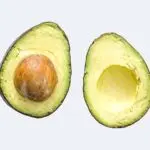
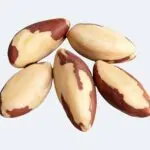
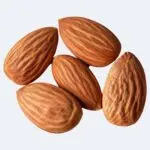
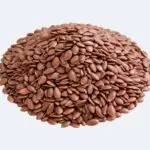
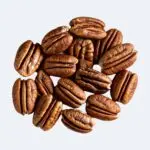
Stigmasterol is in many plant foods, but only in small amounts. The data below come from the USDA, the US Department of Agriculture. Flaxseeds hold the most per 100 g at 11 mg, followed by Brazil nuts (6 mg), pistachios (5 mg) and almonds (4 mg). Per serving, half an avocado (101 g) gives 2.01 mg and an ounce of Brazil nuts 1.7 mg.
The ranking lists foods that have a USDA value for stigmasterol. For total plant sterols, a UK study of 24,798 adults found an average of about 300 mg a day. It came mostly from bread and cereals, vegetables and added fats, and stigmasterol was one of the five sterols counted.
Food makers use purified plant sterol mixtures from vegetable oils. The FDA’s heart-disease claim covers esters in which three sterols make up at least 80% of the mixture. Stigmasterol is one of them.
Per serving. No daily amount is set, so bars compare each food with the top food.
Per 100 g. No daily amount is set, so bars compare each food with the top food.
Per 100 kcal: the same calories of each food, for a fair comparison. Bars compare each food with the top food.
Food labels have no Daily Value or Reference Intake for stigmasterol, so the % compares each food with the top food.
- 1.
- 2.
- 3.
- 4.
- 5.
- 6.
- 7.
- 8.
- 9.


- 1.
- 2.
- 3.
- 4.
- 5.
- 6.
- 7.
- 8.
- 1.
- 2.
- 3.
- 4.
- 5.
- 6.
- 7.
- 8.
How stigmasterol works
Most of what we know about how stigmasterol works comes from test tubes, cells and animals, plus one small human experiment on absorption. Researchers keep coming back to four ideas.
Little of it is absorbed, and it blocks a late step of cholesterol-making in cells. It also blocks a bile-acid sensor in liver cells and quiets inflammation signals. Here is each one, and what has been seen in people.
Very little of it is absorbed
The longer a sterol’s side chain, the less of it the gut takes up, and stigmasterol’s side chain is longer than cholesterol’s. In a perfusion test in 10 healthy volunteers, the gut absorbed 33% of cholesterol, 9.6% of campesterol, 4.8% of stigmasterol and 4.2% of beta-sitosterol.
EFSA’s food-additive panel puts absorption of dietary phytosterols as a group at under 5% in rats and people. In rats fed stigmasterol, cholesterol absorption fell by 22 to 23%. Yet stigmasterol made up only 1 to 3.2% of their plasma sterols.
Drawn to scale. Absorption measured over a 50 cm stretch of the upper small intestine in 10 healthy volunteers.
It blocks one late step of cholesterol-making
Cells make cholesterol in many steps. A late one is run by the enzyme sterol Δ24-reductase, which turns desmosterol into cholesterol. In human gut (Caco-2) and immature white blood cell (HL-60) lines, stigmasterol blocked that enzyme. Less cholesterol was made and desmosterol piled up.
Sitosterol and campesterol, whose side chains lack the double bond, had no effect. The authors suggest this may be an extra way plant sterols lower cholesterol. In rats fed stigmasterol, liver HMG-CoA reductase, an early cholesterol-making enzyme, ran 1.8 to 4 times slower.
Simplified from cell studies. Whether this happens in people who eat stigmasterol has not been tested.
It blocks a bile-acid sensor in liver cells
FXR is a sensor in liver cells. When bile acids bind it, it switches on genes that move bile out of the cell. In a human liver cell line, stigmasterol and a water-soluble form of it, stigmasterol acetate, blocked that switch. Beta-sitosterol did not.
The acetate also blocked FXR targets in mouse liver cells. Later, in a mouse model of intravenous feeding, stigmasterol promoted blocked bile flow and liver injury. These settings involve fats given into the blood. We found no study showing the same from stigmasterol eaten in food.
A simplified view of the FXR pathway, as described in cell and mouse studies.
It quiets inflammation signals in cells and mice
In cartilage cells from mice and from people with osteoarthritis, stigmasterol blunted the inflammatory and cartilage-degrading signals triggered by IL-1 beta. It acted partly through NF-κB. In mice, pretreatment cut the fever and organ damage caused by a bacterial toxin.
In mice with colitis (gut inflammation), it restored the balance of two kinds of T cells and changed the gut bacteria. In Alzheimer’s-model mice it lowered brain inflammation. These were doses in animals, not food amounts.
Drawn to scale. Doses are per kilogram of mouse body weight. The study is in mice, not people.
What has been seen in people
Very little. The only human experiment on stigmasterol itself shows that about 5% is absorbed. Observational studies are mixed. Stigmasterol intake was not clearly linked to coronary disease (hazard ratio 0.95) or to cancer risk in a meta-analysis (0.83).
It was linked to more colorectal cancer in one Chinese case-control study. It went with better survival in colorectal and ovarian cancer cohorts, but not in esophageal cancer. Blood stigmasterol goes with higher total and LDL cholesterol. Observational links cannot show that stigmasterol is the cause.
The cholesterol-lowering effect that is proven belongs to sterol mixtures at grams a day. All of these are among the study cards above.
Sources
- Heinemann T, Axtmann G, von Bergmann K. Comparison of intestinal absorption of cholesterol with different plant sterols in man. Eur J Clin Invest. 1993.
- Batta AK, Xu G, Honda A, Miyazaki T, Salen G. Stigmasterol reduces plasma cholesterol levels and inhibits hepatic synthesis and intestinal absorption in the rat. Metabolism. 2006.
- Fernández C, Suárez Y, Ferruelo AJ, Gómez-Coronado D, Lasunción MA. Inhibition of cholesterol biosynthesis by Delta22-unsaturated phytosterols via competitive inhibition of sterol Delta24-reductase in mammalian cells. Biochem J. 2002.
- Carter BA, Taylor OA, Prendergast DR, et al. Stigmasterol, a soy lipid-derived phytosterol, is an antagonist of the bile acid nuclear receptor FXR. Pediatr Res. 2007.
- El Kasmi KC, Anderson AL, Devereaux MW, et al. Phytosterols promote liver injury and Kupffer cell activation in parenteral nutrition-associated liver disease. Sci Transl Med. 2013.
- Gabay O, Sanchez C, Salvat C, et al. Stigmasterol: a phytosterol with potential anti-osteoarthritic properties. Osteoarthritis Cartilage. 2010.
- Antwi AO, Obiri DD, Osafo N, Forkuo AD, Essel LB. Stigmasterol inhibits lipopolysaccharide-induced innate immune responses in murine models. Int Immunopharmacol. 2017.
- Wen S, He L, Zhong Z, et al. Stigmasterol restores the balance of Treg/Th17 cells by activating the butyrate-PPARγ axis in colitis. Front Immunol. 2021.
- Jie F, Yang X, Yang B, et al. Stigmasterol attenuates inflammatory response of microglia via NF-κB and NLRP3 signaling by AMPK activation. Biomed Pharmacother. 2022.
- EFSA Panel on Food additives and Nutrient Sources added to Food (ANS). Scientific Opinion on the safety of stigmasterol-rich plant sterols as food additive. EFSA J. 2012.
Is stigmasterol safe? Supplements, dose and interactions
Stigmasterol at food amounts is not a safety concern. In 2012, EFSA’s food-additive panel assessed stigmasterol-rich plant sterols as a stabilizer for ready-to-freeze alcoholic cocktails. It noted that less than 5% of dietary phytosterols are absorbed, and it saw no concern about damage to genes (genotoxicity).
The panel started from a rat no-effect level, the highest dose without harm: 335 mg of stigmasterol per kg of body weight a day. Against that, it judged safety margins of 45 to 838 adequate at the 95th percentile of exposure, the most exposed people.
Average adult exposure from that use was put at 0.01 to 0.2 mg/kg a day. At the 95th percentile it was 0.4 to 7.4 mg/kg. We found no upper intake level set for stigmasterol alone.
- Sterol products are mixtures. Trials of sterol foods use about 2 to 3 g a day of a mixture. An expert panel in 2003 found blood vitamins A and D unaffected, and beta-carotene lower. It called the added risk from raised blood plant sterols largely hypothetical.
- Sitosterolemia. In this rare inherited disorder the body absorbs too much plant sterol. A 2026 review lists cutting dietary phytosterols as part of treatment. In a mouse model of it, stigmasterol build-up injured the heart, in a study by Amgen employees. People with this diagnosis should ask their doctor before using sterol-enriched foods.
- Intravenous nutrition. In liver cells and mice, stigmasterol blocked a bile-acid sensor and promoted liver injury when given as part of intravenous soy-oil feeding. That is a question for clinicians who choose lipid emulsions, not a finding about food. In 45 infants on soy lipids, blood stigmasterol stayed at 0.01 mg/dL.
- Supplements and pregnancy. We found no human safety trial of purified stigmasterol and no data in pregnancy or breastfeeding. Ask your doctor before taking a purified product.
How to get more stigmasterol
- Best foods. Flaxseeds lead per 100 g in USDA data at 11 mg, then Brazil nuts at 6 mg and pistachios at 5 mg. Half an avocado gives 2.01 mg.
- Eat the whole food. Plant sterols come together, and no study here shows that stigmasterol alone matters. A diet with nuts, seeds, avocado and vegetable oils supplies a mix, about 300 mg a day of total sterols in UK adults.
- Expect little to be absorbed. Only 4.8% was taken up in the perfusion test, against 33% of cholesterol. Unabsorbed plant sterols leave mostly unchanged in the stool.
Sources
- EFSA Panel on Food additives and Nutrient Sources added to Food (ANS). Scientific Opinion on the safety of stigmasterol-rich plant sterols as food additive. EFSA J. 2012.
- EFSA Panel on Dietetic Products, Nutrition and Allergies (NDA). Scientific Opinion on the substantiation of a health claim related to 3 g/day plant sterols/stanols and lowering blood LDL-cholesterol and reduced risk of (coronary) heart disease. EFSA J. 2012. The application came from Unilever.
- 21 CFR 101.83: Health claims: plant sterol/stanol esters and risk of coronary heart disease (CHD). Code of Federal Regulations, US Food and Drug Administration.
- Katan MB, Grundy SM, Jones P, Law M, Miettinen T, Paoletti R; Stresa Workshop Participants. Efficacy and safety of plant stanols and sterols in the management of blood cholesterol levels. Mayo Clin Proc. 2003.
- Genoux A, Jamme T, Martinez LO. Sitosterolemia: evolving strategies for earlier diagnosis. Curr Opin Lipidol. 2026.
- Tao C, Shkumatov AA, Alexander ST, Ason BL, Zhou M. Stigmasterol accumulation causes cardiac injury and promotes mortality. Commun Biol. 2019. All authors are employees of Amgen.
- Nghiem-Rao TH, Tunc I, Mavis AM, et al. Kinetics of phytosterol metabolism in neonates receiving parenteral nutrition. Pediatr Res. 2015.
- Klingberg S, Andersson H, Mulligan A, et al. Food sources of plant sterols in the EPIC Norfolk population. Eur J Clin Nutr. 2008.
- Heinemann T, Axtmann G, von Bergmann K. Comparison of intestinal absorption of cholesterol with different plant sterols in man. Eur J Clin Invest. 1993.
- Bakrim S, Benkhaira N, Bourais I, et al. Health benefits and pharmacological properties of stigmasterol. Antioxidants (Basel). 2022.
- FoodData Central. US Department of Agriculture, Agricultural Research Service.
History of stigmasterol
Stigmasterol’s name comes from Physostigma venenosum, the Calabar bean of West Africa. The American chemist Percy Julian completed the first total synthesis of the bean’s alkaloid physostigmine in 1935. He also extracted stigmasterol from the bean, hoping it could be raw material for human steroid hormones.
Soybeans turned out to be the better source. In 1934 the German chemists Butenandt and Fernholz had shown that stigmasterol from soybean oil could be converted to progesterone.
In 1936 Julian became research director at the soy products division of Glidden, a Chicago company. A 2022 biography in PNAS tells how water leaked into a huge oil tank and left a white mass that clogged the system. Julian found that it held plant steroids, among them sitosterol and stigmasterol. He went on to build a commercial process for steroids such as progesterone.
A 1992 history from the Upjohn company says that in 1949, cortisone was announced to relieve rheumatoid arthritis. After that, a mold was found that adds an oxygen group to progesterone in one step. That progesterone had just been made from the soybean sterol stigmasterol.
The yam story is a different one. In 1938 to 1940 the American chemist Russell Marker worked out a way to turn diosgenin, a plant steroid from Mexican yams, into progesterone. Diosgenin is not stigmasterol. His route made Mexico a center of steroid production.
Syntex cut the price of steroid intermediates from $80 a gram in 1943 to $0.31 in 1955. Glidden stopped making progesterone from soy in 1952 and began importing it from Mexico. Julian left Glidden in 1953 to found his own company, and he ended up needing yams too.
A second old story concerns stiffness. In the 1940s and early 1950s, papers wrote about a guinea pig “anti-stiffness factor” described by the University of California physiologist Rosalind Wulzen. They linked it to calcinosis (calcium deposits in tissue) and scleroderma (hardening of the skin).
A 1953 paper by H. Thiers discussed stigmasterol, there called Wulzen’s antistiffness factor, in the therapy of rheumatic diseases. We found no modern controlled trial of stigmasterol for stiffness or arthritis. The nearest modern work is the 2010 study in cartilage cells above.
Sources
- Hogg JA. Steroids, the steroid community, and Upjohn in perspective: a profile of innovation. Steroids. 1992. Written by an Upjohn scientist.
- Seeman JI. Percy Lavon Julian: a man who rose to every occasion. Proc Natl Acad Sci U S A. 2022.
- Percy Lavon Julian. Wikipedia.
- Russell Earl Marker. Wikipedia.
- Marker degradation. Wikipedia.
- Stigmasterol. Wikipedia.
- Thiers H. The value of stigmasterol (R. Wulzen’s antistiffness factor essential for guinea pigs) in the therapy of rheumatic diseases. Rev Rhum Mal Osteoartic. 1953. Title only.
- Lansbury J, Smith LW, Wulzen R, van Wagtendonk WJ. Relation of the anti-stiffness factor to collagen disease and calcinosis. Ann Rheum Dis. 1950. Title only.
- Valitova J, Renkova A, Beckett R, Minibayeva F. Stigmasterol: an enigmatic plant stress sterol with versatile functions. Int J Mol Sci. 2024.
- Bakrim S, Benkhaira N, Bourais I, et al. Health benefits and pharmacological properties of stigmasterol. Antioxidants (Basel). 2022.
Frequently asked questions about stigmasterol
What does stigmasterol do in the body?
Little is known from people. In the one human experiment, about 4.8% of stigmasterol was absorbed. In cells and animals it blocks a late step of cholesterol-making, blocks a bile-acid sensor in liver cells and quiets inflammation signals. No trial in people has tested these as health effects of stigmasterol alone.
Which foods are high in stigmasterol?
Flaxseeds hold the most per 100 g in USDA data, at 11 mg. Brazil nuts follow at 6 mg, pistachios at 5 mg and almonds at 4 mg. Per serving, half an avocado (101 g) gives 2.01 mg. The numbers are small, and the body absorbs only a few percent of it.
Does stigmasterol lower cholesterol?
Plant sterol mixtures do, but stigmasterol alone has not been tested in people. EFSA found that 3 g a day of plant sterols or stanols lowered LDL cholesterol by 11.3%. In rats, a diet with 0.5% stigmasterol lowered plasma cholesterol by about 11%. In a US cohort, stigmasterol intake was not clearly linked to coronary disease (hazard ratio 0.95). See the beta-sitosterol page for the mixture evidence.
What is the difference between stigmasterol and beta-sitosterol?
Stigmasterol has one extra double bond in its side chain. In the 10-volunteer absorption test the two were taken up similarly, 4.8% against 4.2%, while campesterol (see campesterol) was absorbed at 9.6%. In cell studies only stigmasterol blocked the cholesterol-making enzyme Δ24-reductase and the liver sensor FXR. Both appear together in sterol products.
Does stigmasterol have side effects?
We found no reported side effects at food amounts. EFSA saw no safety concern for stigmasterol-rich sterols in a cocktail stabilizer. The worries are narrow: people with the inherited disorder sitosterolemia, and intravenous soy-oil feeding, where stigmasterol harmed liver cells and mice. We found no human safety trial of purified stigmasterol.
Does stigmasterol turn into progesterone or testosterone in the body?
We found no evidence that it does. The progesterone made from stigmasterol was made by chemists in factories and labs, starting with soybean sterols in the 1940s. We found no human study showing that the stigmasterol in food becomes a hormone in the body.
Is stigmasterol an anti-stiffness factor for arthritis?
That claim comes from mid-20th-century papers, and we found no modern controlled trial to support it. A 1953 paper discussed stigmasterol as Wulzen’s antistiffness factor in rheumatic diseases. The nearest modern work is a 2010 study in which stigmasterol blunted inflammatory signals in cartilage cells from mice and from people with osteoarthritis.
Should you take a stigmasterol supplement?
We found no trial that supports it. No dose has been tested in people, and the cholesterol-lowering evidence is for mixtures at 1.3 to 3 g a day. EFSA used a rat no-effect level of 335 mg per kg of body weight a day for its safety margins. Ask your doctor before taking a purified product.