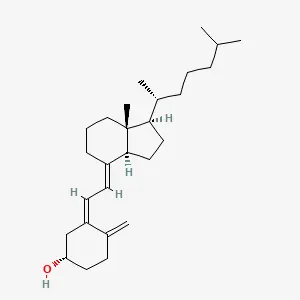
Vitamin D (calciferol) is a fat-soluble vitamin. Your skin makes it when ultraviolet B (UVB) rays from the sun strike it. It is also found in a few foods and in supplements, says the NIH (the US National Institutes of Health).
The vitamin itself is inactive. The liver and then the kidney turn it into calcitriol, a hormone that helps the gut absorb calcium and phosphate and keeps bone mineralized.
It comes as vitamin D2 (ergocalciferol) and vitamin D3 (cholecalciferol), and 1 mcg (microgram) equals 40 IU (international units).
Here is the part most people do not know: your skin cannot always make it. In a classic experiment, human skin in winter sunlight in Boston (42°N) made no previtamin D3 from November through February. In Edmonton (52°N) it made none from October through March. Skin from people aged 77 and 82 made less than half as much as skin from 8- and 18-year-olds.
The second surprise is in the trials. Low vitamin D in the blood goes along with many diseases. Yet large trials of daily vitamin D in adults not chosen for deficiency, like VITAL (25,871 people), found no fewer cancers, heart events or fractures. The best-supported jobs are the basic ones: preventing rickets and osteomalacia (soft bones in children and adults) and keeping bones mineralized.
Health benefits of vitamin D
The top findings from 35 studies, strongest evidence first
What the stars mean
- Strong. Several randomized trials, pooled in a meta-analysis, point the same way, or regulators (FDA or EFSA) have approved the claim.
- Moderate. Good randomized trials support it, but there are fewer of them, or their results vary.
- Limited. Small, short or single trials, or mixed results. Promising, but it needs confirmation.
Population and lab studies get no stars: they show a link or a mechanism, not proof.
How we rate evidence →- ★★★No clear drop in fractures or fallsIn 81 trials in adults, vitamin D supplements did not clearly cut fractures (1.00 times as likely) or falls (0.97 times). In a Cochrane review, vitamin D plus calcium lowered hip fractures slightly (0.84 times as likely).
- ★★★No fewer heart attacks or strokesIn 21 trials of vitamin D supplements, major cardiovascular events were 1.00 times as likely as without them. Heart attack was 1.00 times as likely and stroke 1.06 times, so supplements did not lower them.
- ★★★Fewer cancer deaths, but not fewer deaths overallIn 52 trials of vitamin D supplements, death from any cause was not clearly different (0.98 times the risk). Cancer deaths were lower (0.84 times the risk; the authors give 16%).
- ★★Slightly fewer respiratory infectionsPooled trials found a small drop in the odds of a respiratory infection (0.88 times). In a larger update, 61.3% of people on vitamin D had one, against 62.3% on placebo.
- ★★High-dose pills raised high blood calcium riskIn 22 trials of 3,200 to 4,000 IU a day, high blood calcium was 2.21 times as likely (about 4 extra cases per 1,000 people). Falls were also more likely (1.25 times).
All 27 studies, strongest evidence first
Seven EU health claims, including normal bones and muscle function
Regulation (EU) No 432/2012 lists these claims. Vitamin D contributes to normal absorption and use of calcium and phosphorus, normal blood calcium levels, the maintenance of normal bones and normal muscle function. It also contributes to the maintenance of normal teeth and the normal function of the immune system. And it has a role in the process of cell division. A food may carry the claims only if it is at least a source of vitamin D under Regulation (EC) No 1924/2006. The wording says vitamin D contributes to these functions. It is not a treatment claim, and none of the seven says extra vitamin D prevents fractures, falls, cancer or infections.
In 81 trials, vitamin D did not cut fractures or falls
This systematic review and trial sequential analysis of randomized trials covered 53,537 adults. Trials compared vitamin D with no treatment, placebo (a dummy pill) or a lower dose. Total fractures were 1.00 times as likely, hip fractures 1.11 times and falls 0.97 times, so no clear effect. Results were similar in trials of doses above 800 IU a day, and bone density at every site changed by less than 1%. The authors conclude there is little reason to use vitamin D supplements to maintain musculoskeletal health (muscles and bones).
Vitamin D alone did not prevent hip fractures; with calcium, slightly
This Cochrane review of 53 trials covered 91,791 people, mostly older adults. Thirty-one trials tested vitamin D (with or without calcium), and 22 smaller trials tested calcitriol or alfacalcidol, active forms used as drugs. For vitamin D alone, hip fractures were 1.12 times as likely (11 trials). For vitamin D plus calcium they were 0.84 times as likely (9 trials). The authors translate that to about nine fewer hip fractures per 1,000 older adults a year in institutions. Mild high blood calcium was more common with vitamin D or its analogues (2.28 times the risk). One review author took part in the RECORD trial listed below.
Vitamin D did not change total deaths, but cancer deaths fell
This meta-analysis of 52 trials included 75,454 people. Vitamin D was not linked to death from any cause (0.98 times the risk) or to cardiovascular (heart and blood vessel) death (0.98 times). It was linked to fewer cancer deaths (0.84 times; the authors give 16%). In subgroups, death from any cause was lower in trials of vitamin D3 than in trials of vitamin D2. But neither form alone made a clear difference.
Vitamin D did not lower heart attacks, strokes or cardiovascular deaths
This meta-analysis of 21 trials followed 83,291 people (mean age 65.8 years) for at least a year. Major cardiovascular events were 1.00 times as likely, heart attack 1.00 times, stroke 1.06 times and cardiovascular death 0.98 times. Results were consistent by starting 25-hydroxyvitamin D (the blood marker of vitamin D), dose, daily versus bolus (large single) dosing and calcium. Only 4 trials had cardiovascular disease as a prespecified primary end point. One author led the VITAL trial, whose vitamin D pills were donated by a supplement maker, as the authors disclose.
VITAL: 2,000 IU daily did not lower cancer or major heart events
VITAL randomized 25,871 older adults in the US, men aged 50 or older and women aged 55 or older. They took vitamin D3 2,000 IU a day or placebo for 5.3 years, in a two-by-two design with fish oil. Invasive cancer was 0.96 times as likely and major cardiovascular events 0.97 times. Death from cancer was 0.83 times and death from any cause 0.99 times, both gaps that could be chance. No excess of high blood calcium or other adverse events was found. Funded by the National Institutes of Health and others.
In VITAL, 2,000 IU a day did not lower fractures
This side study of VITAL used the same 25,871 people, who took vitamin D3. Over a median 5.3 years, 1,551 people had 1991 fractures. Total fractures were 0.98 times as likely, nonvertebral fractures (outside the spine) 0.97 times and hip fractures 1.01 times. There was no difference by age, sex, race, body mass index or starting 25-hydroxyvitamin D. Participants were not selected for vitamin D deficiency, low bone mass or osteoporosis.
In prediabetes, 4,000 IU a day did not clearly lower new diabetes
The D2d trial gave 2,423 adults with prediabetes vitamin D3 4,000 IU a day or placebo, regardless of starting 25-hydroxyvitamin D. After a median 2.5 years, diabetes occurred in 293 people on vitamin D and 323 on placebo. That is 0.88 times the risk, a gap that could be chance. At month 24, mean 25-hydroxyvitamin D was 54.3 ng/mL on vitamin D, up from 27.7 ng/mL at the start. On placebo it was 28.8 ng/mL. Adverse events did not differ clearly.
In older Australians, 60,000 IU a month did not lower total deaths
The D-Health trial gave 21,315 Australians aged 60 or older one 60,000 IU vitamin D3 capsule or placebo a month, for 5 years. Mean blood 25-hydroxyvitamin D was 115 nmol/L (nanomoles per liter) on vitamin D and 77 nmol/L on placebo. There were 1,100 deaths. Deaths from any cause were 1.04 times as likely on vitamin D, and cardiovascular deaths 0.96 times. Cancer deaths were 1.15 times as likely; none of these was a clear difference. In an exploratory analysis that left out the first 2 years, cancer deaths were 1.24 times as likely. The authors say this dosing might not suit people whose vitamin D is already adequate. Funded by the National Health and Medical Research Council.
After 70, 2,000 IU a day did not improve the main outcomes
DO-HEALTH included 2,157 older adults, for 3 years. It tested vitamin D3 2,000 IU a day, omega-3 fatty acids 1 g a day and a strength-training exercise program. These were given alone or together, against placebo. Mean age was 74.9 years, and 61.7% were women. Systolic blood pressure (the top number) changed by -0.8 mm Hg with vitamin D versus none. None of the six primary outcomes changed clearly; blood pressure, nonvertebral fractures, physical performance, infections and memory were among them. The lead author reports grants and fees from several drug and nutrition companies.
VITAL: 2,000 IU a day did not change depression risk
VITAL-DEP, a side study of VITAL, included 18,353 adults aged 50 or older without clinically relevant depressive symptoms at the start. It lasted 5.3 years. Depression or clinically relevant symptoms occurred at 12.9 per 1,000 person-years on vitamin D3 and 13.3 on placebo (0.97 times the risk). Mood scores (PHQ-8) did not change (difference 0.01 points).
Vitamin D slightly lowered the odds of a respiratory infection
This individual-participant meta-analysis pooled 25 double-blind trials in 10,933 people aged 0 to 95. Overall, the adjusted odds of a respiratory infection were 0.88 times those on placebo, and results varied notably between trials. Daily or weekly doses without extra large doses gave 0.81 times the odds, and trials with large bolus doses 0.97 times. The effect was largest in people who were very low at the start. Among daily or weekly users, people starting below 25 nmol/L of 25-hydroxyvitamin D had 0.30 times the odds. For those at 25 nmol/L or above it was 0.75. Serious adverse events did not differ.
Update of 46 trials: only a small drop in respiratory infections
This updated meta-analysis pooled randomized trials in 75,541 people; data for the main outcome came from 43 studies. One or more infections occurred in 61.3% of people on vitamin D and 62.3% on placebo (odds ratio 0.92). No subgroup by starting 25-hydroxyvitamin D showed a clear effect. Daily dosing (0.78) and daily doses of 400 to 1,000 IU (0.70) looked better. But the test for differences between dose, frequency, duration or age groups did not show a clear difference. Serious adverse events did not differ.
A UK test-and-treat offer did not reduce respiratory infections or COVID-19
CORONAVIT offered 6,200 UK adults a vitamin D test, or no offer. It was open-label (everyone knew their group), with no placebo. People offered a test who were below 75 nmol/L of 25-hydroxyvitamin D got 6 months of 800 or 3,200 IU a day. That was 86.3% of those offered. Any acute respiratory infection occurred in 5.7% on 800 IU (1.26 times the odds) and 5.0% on 3,200 IU (1.09 times). With no offer it was 4.6%. COVID-19 occurred in 3.6%, 3.0% and 2.6%. The authors report funding from vitamin D makers, among others.
Vitamin D did not cut cancer cases, but cancer deaths fell
This meta-analysis pooled randomized trials. For cancer cases (10 trials, 6,537 cases), the risk was 0.98 times that on placebo. These trials reached 25-hydroxyvitamin D levels of 54 to 135 nmol/L. For cancer deaths (5 trials, 1,591 deaths) it was 0.87 times, largely from daily dosing rather than infrequent bolus doses.
Hip fractures fell only in people taking about 800 IU or more
This pooled analysis of 11 trials used participant-level data on 31,022 people aged 65 or older (mean age 76, 91% women), with or without calcium. Overall, hip fracture risk was 10% lower (0.90 times the risk), but that could be chance. Nonvertebral fracture risk was 7% lower (0.93). In the highest quartile of actual intake (median 800 IU a day, range 792 to 2,000), hip fracture risk was 30% lower (0.70). Because the quartiles were set by what people really took, that comparison is not a randomized one.
Calcium with vitamin D: no clear hip benefit, more kidney stones
This trial included 36,282 postmenopausal women. It tested a combination: 1,000 mg of elemental calcium as calcium carbonate with 400 IU of vitamin D3 a day, against placebo. It lasted 7.0 years on average. Hip bone density was 1.06% higher, a clear gain. Hip fractures were 0.88 times as likely, total fractures 0.96 times and kidney stones 1.17 times. Among women who kept taking the pills, hip fracture risk was 0.71 times. The result belongs to the pair, not to vitamin D alone.
800 IU of D3 did not prevent repeat fractures
The RECORD trial included 5,292 older people with a past fracture. It used a factorial design: vitamin D3 800 IU a day, calcium 1,000 mg a day, both, or placebo, for 24 to 62 months. There were 698 new low-trauma fractures. Vitamin D3 versus none gave 1.02 times the risk, and calcium 0.94 times. Only 54.5% were still taking tablets at 24 months, partly because of digestive symptoms with calcium.
4,000 and 10,000 IU lowered bone density more than 400 IU
This single-center trial in Calgary included 311 healthy adults aged 55 to 70 with 25-hydroxyvitamin D of 30 to 125 nmol/L. Calcium was given to people eating under 1,200 mg a day. Over 3 years, bone density in the forearm (radius) changed by -1.2% on 400 IU, -2.4% on 4,000 IU and -3.5% on 10,000 IU. Shin (tibia) changes were -0.4%, -1.0% and -1.7%. Bone strength (failure load) did not clearly differ. Levels at 3 years were 77.4, 132.2 and 144.4 nmol/L.
One yearly 500,000 IU dose raised falls and fractures in older women
This trial included 2,256 women aged 70 or older at high risk of fracture. Each autumn or winter for 3 to 5 years, they got one oral dose of cholecalciferol (vitamin D3) or placebo. Falls: 83.4 against 72.7 per 100 person-years (1.15 times the rate). Fractures: 1.26 times the rate, a borderline result. The rate ratio for falls was 1.31 in the first 3 months after the dose. Serum 25-hydroxycholecalciferol reached about 120 nmol/L a month after dosing.
High daily doses raised the risk of high blood calcium
This meta-analysis pooled 22 randomized trials of 3,200 to 4,000 IU a day in 12,952 people. All used vitamin D3 and lasted 6 months or longer. High blood calcium was 2.21 times as likely (10 studies), about 4 extra cases per 1,000 people. Falls (1.25 times; 4 studies) and hospital stays (1.16 times; 7 studies) were also higher. High urinary calcium, kidney stones and mortality did not differ. The authors note that many trials reported safety outcomes incompletely, and say this dose is not completely safe.
In Bangladesh, weekly vitamin D in pregnancy did not improve infant length
This trial covered 1,300 pregnancies in Bangladesh. Women took 4200, 16,800 or 28,000 IU a week, or placebo, starting between weeks 17 and 24 of pregnancy and continuing until birth. One group was also dosed for 26 weeks after birth. Among 1,164 infants assessed at 1 year, length-for-age z scores did not differ (placebo -0.93, 28,000 IU -1.06). Possible high urinary calcium was more common at the highest dose. Funded by the Bill and Melinda Gates Foundation.
In Nigerian children with rickets, calcium worked better than vitamin D alone
This 24-week double-blind trial included 123 Nigerian children with rickets. They got vitamin D (600,000 units by injection at the start and at 12 weeks), calcium 1,000 mg a day, or both. The children ate little calcium (median 203 mg a day, against 196 in matched children without rickets). Nearly complete healing was reached by 61% on calcium, 58% on both and 19% on vitamin D alone, a clear difference. In this setting, rickets reflected low calcium, not only low vitamin D.
VITAL: vitamin D went with 22% fewer autoimmune diseases, borderline
This was a secondary result of the 25,871-person VITAL trial, which was built for cancer and heart disease. Over about 5 years, vitamin D 2,000 IU a day gave 123 confirmed autoimmune diseases against 155 on placebo (0.78 times the risk). Omega-3 fatty acids alone gave 0.85, a difference that could be chance. The range of likely values nearly touches 1 (no effect), so this single borderline result needs to be repeated.
Monthly 60,000 IU: no leg function gain, more falls
This one-year trial in Zurich included 200 adults aged 70 or older with a past fall. Monthly doses were 24,000 IU (the control), 60,000 IU, or 24,000 IU plus 300 mcg of calcifediol. The higher doses clearly more often reached a 25-hydroxyvitamin D of 30 ng/mL or more, but leg function did not differ. Over 12 months, falls hit 66.9% on 60,000 IU and 66.1% on 24,000 IU plus calcifediol, against 47.9% on 24,000 IU.
Daily SPF 50+ lowered vitamin D 5.2 nmol/L against usual use
This open-label trial ran for a year in 628 Australians aged 18 to 70. Some used SPF 50+ sunscreen every day the UV index was forecast to reach 3 or higher; the rest used sunscreen at will. From the start, 25-hydroxyvitamin D changed by 1.6 nmol/L with routine sunscreen and 6.8 nmol/L without, a difference of -5.2. Levels below 50 nmol/L were found in 45.7% against 36.9%. Several authors work for Cancer Council organizations, which earn income from sunscreen sales.
In Europe, 13.0% had blood levels below 30 nmol/L
These survey data cover 55,844 Europeans from 14 population studies re-measured by a standardized method, plus 4 studies already standardized. Overall, 40.4% were below 50 nmol/L. The share below 30 nmol/L was 17.7% when sampled from October to March and 8.3% from April to November. Dark-skinned ethnic subgroups had 3 to 71 times the prevalence of levels below 30 nmol/L of white populations. The authors call the prevalence concerning for public health.
Foods high in vitamin D
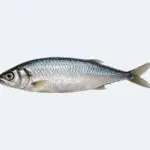
Few foods contain much vitamin D, and fatty fish lead. In our USDA-based ranking, one mackerel fillet (112 g) has 18 mcg, 90% of the 20 mcg Daily Value (the FDA label value). Farmed Atlantic salmon follows at 9.4 mcg in 3 oz (85 g), then sardines at 4.4 mcg per can (92 g). Herring has 3.6 mcg in 3 oz and one large egg 1 mcg.
Per 100 g, mackerel has 16.1 mcg and salmon 11 mcg. Only 11 foods in our database carry a vitamin D value. So the ranking leaves out some foods that matter in many diets, such as fortified milk, UV-treated mushrooms and cod liver oil.
The NIH table fills the gap. Cod liver oil has 34.0 mcg per tablespoon, and farmed rainbow trout 16.2 mcg and sockeye salmon 14.2 mcg per 3 oz cooked. White mushrooms exposed to UV light give 9.2 mcg per ½ cup and fortified 2% milk 2.9 mcg per cup. Fortified soy, almond and oat milks give 2.5 to 3.6 mcg per cup, and fortified cereal about 2.0 mcg per serving.
Fortified foods provide most of the vitamin D in American diets, the NIH says. In 2015 to 2016 the average adult got only 4.2 to 5.1 mcg a day from food and drink. Mushrooms make vitamin D2, and animal foods vitamin D3.
Animal foods also hold some 25(OH)D, which is about five times as potent as the parent vitamin per microgram, according to the NIH. FoodData Central (the USDA food database) does not list it, so the ranking above understates these foods.
Cooking costs little in fish. Rainbow trout kept 85% to 114% of its vitamin D3 across boiling, steaming, microwaving, pan-frying and baking, with pan-frying lowest at 85%. UV-treated mushrooms kept 62% to 88% of their vitamin D2.
Per serving. Bars show the share of the Daily Value (20 µg a day).
Per 100 g. Bars show the share of the Daily Value (20 µg a day).
Per serving. Bars show the share of the EU Reference Intake (5 µg a day). The line marks 100%.
Per 100 g. Bars show the share of the EU Reference Intake (5 µg a day). The line marks 100%.
Per 100 kcal: the same calories of each food, for a fair comparison. Bars compare each food with the top food.
- 1.

- 2.

- 3.
- 4.

- 5.

- 6.

- 7.

- 8.

- 9.

- 10.



- 1.
- 2.
- 3.
- 4.
- 5.
- 6.
- 7.
- 8.
- 9.
- 10.
- 1.
- 2.
- 3.
- 4.
- 5.
- 6.
- 7.
- 8.

- 9.
- 10.

Sources
- Vitamin D: fact sheet for health professionals. National Institutes of Health, Office of Dietary Supplements. Updated June 27, 2025.
- FoodData Central. U.S. Department of Agriculture, Agricultural Research Service.
- Ložnjak P, Jakobsen J. Stability of vitamin D3 and vitamin D2 in oil, fish and mushrooms after household cooking. Food Chem. 2018.
- Cashman KD, Seamans KM, Lucey AJ, et al. Relative effectiveness of oral 25-hydroxyvitamin D3 and vitamin D3 in raising wintertime serum 25-hydroxyvitamin D in older adults. Am J Clin Nutr. 2012.
How vitamin D works
The biochemistry below is well established. But it comes from skin experiments, physiology studies and reviews rather than from trials of extra vitamin D in people.
Four ideas cover most of it. Sunlight starts the process in the skin, and age and skin color change how much the skin makes. The liver and kidneys turn the vitamin into a hormone, and that hormone helps the gut take up calcium. Then comes what has been seen in people.
Sunlight starts it in the skin
UVB radiation of about 290 to 320 nanometers turns 7-dehydrocholesterol in the skin into previtamin D3, the NIH says. That then becomes vitamin D3. UVB does not pass through glass, so sitting in a sunny window does not work. Season, time of day, cloud, smog, skin pigment and sunscreen all change how much arrives.
In a classic experiment, human skin exposed to sunlight on cloudless days made no previtamin D3 in Boston from November through February. In Edmonton it made none from October through March, while at 34°N and 18°N sunlight still worked in midwinter.
The sun does not cause vitamin D toxicity, the NIH says. The skin turns the excess previtamin D3 into forms that are not vitamin D. But the NIH also says UV radiation is a carcinogen (a cause of cancer) and advises sun protection.
Months when winter sunlight made no previtamin D3 in human skin on cloudless days, as named in the study. Not to scale.
Age and skin color change how much the skin makes
The skin pigment melanin absorbs UVB, and the raw material in the skin falls with age. In skin samples from people aged 8 to 92, the epidermis (outer skin) held less 7-dehydrocholesterol with age. Skin from people aged 77 and 82 made more than two times less previtamin D3 than skin from people aged 8 and 18.
Young healthy volunteers got the same whole-body UVB dose. Blood vitamin D3 rose to 31.4 nmol/L in white volunteers, 27.8 in East Asian, 12.8 in South Asian and 9.1 in black volunteers. The study’s terms were white, Oriental, Indian and black. Even so, levels of the active hormone were similar in all groups.
The NIH adds that it is not clear whether the lower 25(OH)D of people with dark skin has significant health consequences. African Americans have lower rates of fracture and osteoporosis than white Americans.
Blood vitamin D3 after one whole-body dose of 27 mJ/cm2 of UVB in young healthy volunteers, drawn to scale. Mean values.
The liver and kidneys turn it into a hormone
Vitamin D from the skin, food or supplements is inactive and needs two hydroxylations (chemical steps), says the NIH. The liver makes 25-hydroxyvitamin D [25(OH)D], also called calcidiol, which has a half-life of about 15 days. It is the form a blood test measures. The kidney mainly makes 1,25-dihydroxyvitamin D [1,25(OH)2D], or calcitriol, the active hormone.
Its half-life is only hours. Parathyroid hormone, calcium and phosphate keep it tightly controlled, which is why it does not fall until deficiency is severe.
EFSA (the EU’s food safety agency) puts the average absorption of vitamin D from a usual diet at about 80%. It says 25(OH)D is stored in fat, muscle and liver. The NIH adds that neither aging nor obesity changes absorption in the gut. But body fat holds on to more of the vitamin, so people with obesity may need more.
How the body activates vitamin D. Not to scale.
The hormone helps the gut take up calcium
Calcitriol binds to the vitamin D receptor inside cells. In the gut it helps absorb calcium and phosphorus, and in the kidney it helps the body reclaim calcium. In bone it works with parathyroid hormone, according to EFSA. Without enough, calcium absorption falls and bone mineralizes poorly, which causes rickets in children and osteomalacia in adults.
One human experiment measured calcium absorption at two vitamin D levels. It was 65% higher when 25(OH)D averaged 86.5 nmol/L than when it averaged 50.2 nmol/L. Both values lie inside the usual reference range, though.
Area under the curve of the rise in blood calcium after a 500 mg calcium load, drawn to scale. Two separate experiments in small groups.
What has been seen in people
The clearest human findings are about deficiency and bone. Rickets and osteomalacia come from too little vitamin D or calcium, and fortification and supplements made rickets rare in the US. In people who already have enough, extra vitamin D has done little. Large trials and meta-analyses found no effect on fractures, falls, cancer cases, heart disease, depression or death from all causes.
Daily doses lowered respiratory infections only slightly, and large yearly or monthly doses were linked to more falls. The Endocrine Society’s 2024 guideline suggests vitamin D for children and teens aged 1 to 18, adults 75 and older, pregnancy and high-risk prediabetes. It suggests against going above the recommended intake in healthy adults under 75. The trials behind these statements are among the study cards above.
Sources
- Vitamin D: fact sheet for health professionals. National Institutes of Health, Office of Dietary Supplements. Updated June 27, 2025.
- EFSA Panel on Dietetic Products, Nutrition and Allergies (NDA). Dietary reference values for vitamin D. EFSA J. 2016.
- Webb AR, Kline L, Holick MF. Influence of season and latitude on the cutaneous synthesis of vitamin D3: exposure to winter sunlight in Boston and Edmonton will not promote vitamin D3 synthesis in human skin. J Clin Endocrinol Metab. 1988.
- MacLaughlin J, Holick MF. Aging decreases the capacity of human skin to produce vitamin D3. J Clin Invest. 1985.
- Matsuoka LY, Wortsman J, Haddad JG, Kolm P, Hollis BW. Racial pigmentation and the cutaneous synthesis of vitamin D. Arch Dermatol. 1991.
- Heaney RP, Dowell MS, Hale CA, Bendich A. Calcium absorption varies within the reference range for serum 25-hydroxyvitamin D. J Am Coll Nutr. 2003.
- Demay MB, Pittas AG, Bikle DD, et al. Vitamin D for the prevention of disease: an Endocrine Society clinical practice guideline. J Clin Endocrinol Metab. 2024.
How much vitamin D do you need?
Adults need 15 mcg (600 IU) of vitamin D a day up to age 70, according to the US recommended dietary allowance (RDA). After that age they need 20 mcg (800 IU), and infants need 10 mcg (400 IU); one mcg equals 40 IU. EFSA’s adequate intake in the EU is 15 mcg (600 IU) for adults and for children aged 1 to 17. For infants aged 7 to 11 months it is 10 mcg.
Both sets of values assume little or no sun. The NIH says the US allowances assume minimal sun exposure. EFSA says that when the skin makes vitamin D, the dietary need is lower or may even be zero.
On labels, the FDA Daily Value is 20 mcg (800 IU) and the EU Reference Intake is 5 mcg. Those are label yardsticks, not personal targets.
Pregnancy and breastfeeding keep the US allowance at 15 mcg (600 IU), and EFSA sets the same 15 mcg as for other adults. For older adults, the US allowance rises to 20 mcg (800 IU) after age 70, while EFSA keeps 15 mcg for all adults.
Other bodies differ. The NIH notes that the UK’s Scientific Advisory Committee on Nutrition recommends 10 mcg (400 IU) from age 4. The American Academy of Pediatrics advises a 10 mcg (400 IU) supplement a day for breastfed infants from shortly after birth. The reason is that human milk alone provides less than 0.6 to 2.0 mcg per liter.
Some people need more to reach the same blood level. The NIH says people with obesity may need more, because body fat holds on to the vitamin.
A post hoc analysis (done after the fact) looked at a 12-month trial in 221 older adults in Lebanon. Their mean body mass index was 30.2, and all took 1,000 mg of calcium.
A daily 600 IU gave a mean 25(OH)D of 26.0 ng/mL, and 86% reached 20 ng/mL (50 nmol/L). On 3,750 IU, the figures were 36.0 ng/mL and 99%. The authors conclude that 600 IU a day does not bring 97.5% of ambulatory older adults above that threshold.
Sun, skin type, latitude and age all change what you need. Some expert bodies suggest about 5 to 30 minutes of sun without sunscreen, mostly between 10 a.m. and 4 p.m. It should reach the face, arms, hands and legs. Daily or at least twice a week, that usually gives enough, they say, but the NIH says too many factors vary to set a rule.
Winter light at high latitudes can make none, and older and darker skin makes less. Daily SPF 50+ sunscreen lowered levels by 5.2 nmol/L in a year-long trial. The NIH still advises sun protection, because UV radiation is the most preventable cause of skin cancer.
The other way to judge intake is a blood level, and bodies define it differently.
The US National Academies (NASEM) say a 25(OH)D below 30 nmol/L (12 ng/mL) raises the risk of deficiency. From 30 to under 50 nmol/L (12 to under 20 ng/mL) is inadequate for some people. At 50 nmol/L (20 ng/mL) or more it is sufficient for most. Above 125 nmol/L (50 ng/mL) it may bring harm.
EFSA chose 50 nmol/L as its target for setting the adequate intake. The Endocrine Society’s 2024 guideline found no clear evidence for an optimal target, and suggests against routine testing in healthy people. Some trials use higher cut-offs: CORONAVIT counted below 75 nmol/L as suboptimal.
One nmol/L equals 0.4 ng/mL. The NIH warns that different lab assays can give a falsely high or low result for the same sample.
Vitamin D: recommended intake per day
US: Adequate Intake / Recommended Dietary Allowance (NASEM). EU: Adequate Intake (EFSA).
| Age and sex | US (RDA) | EU (AI) |
|---|---|---|
| Men, 31–50 years | 15 µg | 15 µg |
| Women, 31–50 years | 15 µg | 15 µg |
All ages, pregnancy and breastfeeding
| Age and sex | US (AI/RDA) | EU (AI) |
|---|---|---|
| Infants 0–6 months | 10 µg | None set |
| Infants 7–11 months | None set | 10 µg |
| Infants 7–12 months | 10 µg | None set |
| Children 1–3 years | 15 µg | 15 µg |
| Children 4–6 years | None set | 15 µg |
| Children 4–8 years | 15 µg | None set |
| Children 7–10 years | None set | 15 µg |
| Females 9–13 years | 15 µg | None set |
| Males 9–13 years | 15 µg | None set |
| Children 11–14 years | None set | 15 µg |
| Females 14–18 years | 15 µg | None set |
| Males 14–18 years | 15 µg | None set |
| Children 15–17 years | None set | 15 µg |
| Adults 18+ years | None set | 15 µg |
| Females 19–30 years | 15 µg | None set |
| Males 19–30 years | 15 µg | None set |
| Females 31–50 years | 15 µg | None set |
| Males 31–50 years | 15 µg | None set |
| Females 51–70 years | 15 µg | None set |
| Males 51–70 years | 15 µg | None set |
| Females >70 years | 20 µg | None set |
| Males >70 years | 20 µg | None set |
| Pregnancy 14–18 years | 15 µg | None set |
| Pregnancy | None set | 15 µg |
| Pregnancy 19–30 years | 15 µg | None set |
| Pregnancy 31–50 years | 15 µg | None set |
| Lactation 14–18 years | 15 µg | None set |
| Lactation | None set | 15 µg |
| Lactation 19–30 years | 15 µg | None set |
| Lactation 31–50 years | 15 µg | None set |
EU and US age bands differ; "None set" means that body sets no value for the group. Label reference: FDA Daily Value 20 µg, EU Reference Intake 5 µg.EU and US age bands differ; "None set" means that body sets no value for the group. Label reference: EU Reference Intake 5 µg, FDA Daily Value 20 µg.
Vitamin D deficiency: signs and who is at risk
Deficiency shows up as rickets in children and osteomalacia in teenagers and adults, the NIH says. In rickets the bones fail to mineralize, which causes soft bones and deformities. Severe cases can bring failure to thrive, developmental delay, seizures from low blood calcium and dental problems. Osteomalacia has similar signs: bone pain and deformities, seizures, muscle spasms and dental problems.
The NIH says rickets became rare in the US after milk fortification began in the 1930s. But it is increasing again around the world, including in the US and Europe, especially among immigrants from African, Middle Eastern and Asian countries.
The NIH lists the people most at risk. They include breastfed infants who get no supplement, older adults, and people with dark skin. People with limited sun exposure are on the list too: homebound people, people who cover their skin and people with indoor jobs. So are people with conditions that limit fat absorption, such as some liver disease, cystic fibrosis, celiac disease, Crohn’s disease and ulcerative colitis.
People with obesity or gastric bypass surgery are also at risk, as are people who eat little dairy or follow an ovo-vegetarian or vegan diet. In US survey data, deficiency below 25 nmol/L was more than twice as common in people who used oral steroids (11% against 5%).
In 2011 to 2014, 5% of Americans aged 1 and older were at risk of deficiency (below 30 nmol/L). The share at risk of inadequacy was 18%. Across 55,844 Europeans, 13.0% had levels below 30 nmol/L and 40.4% below 50 nmol/L.
A blood test for 25(OH)D is the main way to check status. The US Preventive Services Task Force (an expert panel) found insufficient evidence to weigh the benefits and harms of screening adults without symptoms. The Endocrine Society’s 2024 guideline suggests against routine testing in the general population, including people with obesity or dark skin.
Neither applies that advice to people with an established reason to test, such as bone disease or poor fat absorption. So ask a doctor if you have one.
Sources
- Vitamin D: fact sheet for health professionals. National Institutes of Health, Office of Dietary Supplements. Updated June 27, 2025.
- EFSA Panel on Dietetic Products, Nutrition and Allergies (NDA). Dietary reference values for vitamin D. EFSA J. 2016.
- Institute of Medicine, Committee to Review Dietary Reference Intakes for Vitamin D and Calcium. Dietary Reference Intakes for calcium and vitamin D. National Academies Press. 2011.
- Regulation (EU) No 1169/2011 on the provision of food information to consumers, Annex XIII. Official Journal of the European Union. 2011.
- Demay MB, Pittas AG, Bikle DD, et al. Vitamin D for the prevention of disease: an Endocrine Society clinical practice guideline. J Clin Endocrinol Metab. 2024.
- Cashman KD, Dowling KG, Škrabáková Z, et al. Vitamin D deficiency in Europe: pandemic? Am J Clin Nutr. 2016.
- LeFevre ML, U.S. Preventive Services Task Force. Screening for vitamin D deficiency in adults: U.S. Preventive Services Task Force recommendation statement. Ann Intern Med. 2015.
- Bacha DS, Rahme M, Al-Shaar L, et al. Vitamin D3 dose requirement that raises 25-hydroxyvitamin D to desirable level in overweight and obese elderly. J Clin Endocrinol Metab. 2021.
- Tran V, Duarte Romero BL, Andersen H, et al. Effect of daily sunscreen application on vitamin D: findings from the open-label randomized controlled Sun-D Trial. Br J Dermatol. 2025.
- Jolliffe DA, Holt H, Greenig M, et al. Effect of a test-and-treat approach to vitamin D supplementation on risk of all cause acute respiratory tract infection and covid-19: phase 3 randomised controlled trial (CORONAVIT). BMJ. 2022.
Forms of vitamin D: absorption and effects
Vitamin D supplements come as D2 (ergocalciferol) or D3 (cholecalciferol). D2 is made by irradiating ergosterol from yeast. D3 is typically made by irradiating 7-dehydrocholesterol from sheep’s wool, and the NIH says an animal-free D3 from lichen is also sold. Calcifediol (25-hydroxyvitamin D3) is one step further along in the body.
Products also differ in dose schedule, in whether they are taken with a meal, and in format, such as capsules, gummies and sprays.
The honest bottom line: nearly all of these comparisons measure the blood level of 25(OH)D, not health outcomes. D3 raised the level more than D2 in most comparisons, but the gap disappeared with daily dosing in one meta-analysis. The NIH says both forms seem equally able to cure rickets.
Calcifediol is several times as potent per microgram, but the NIH says no calcifediol supplements appear to be available to US consumers. For gummies, sprays and lichen D3 the evidence is thin.
The outcome trials in the benefits section used vitamin D3 capsules or tablets. They were VITAL, D2d, D-Health, RECORD, DO-HEALTH, Burt and the Women’s Health Initiative, where it came with calcium carbonate.
| Form | Activity or conversion | What studies show | Source |
|---|---|---|---|
| Vitamin D3 (cholecalciferol) | 1 mcg = 40 IU | Raised 25(OH)D more than D2 in a meta-analysis of randomized trials, mainly with bolus doses, and by 15.3 to 16.9 nmol/L more in a 12-week trial of 15 mcg a day in juice or biscuits. The NIH says it also holds the higher levels longer. Used in the large outcome trials. | 1, 2, 3 |
| Vitamin D2 (ergocalciferol) | 1 mcg = 40 IU | Raises 25(OH)D and, per the NIH, seems as good as D3 at curing rickets. In the meta-analysis the gap to D3 was lost with daily dosing. D2 from UV-treated mushrooms raised levels like a D2 supplement in 26 people. | 1, 2, 3, 8 |
| Vegan D3 from lichen | Not stated | The NIH says an animal-free D3 from lichen is available. We found no trial comparing it with other D3. | 1 |
| Calcifediol (25-hydroxyvitamin D3) | NIH: 3 to 5 times as potent per mcg as D3 | Each microgram raised 25(OH)D about 5 times as much as D3 in a 10-week winter trial in 56 older adults. A review of nine trials found it 3.2-fold more potent. The NIH says it is not sold to US consumers as a supplement. | 1, 4, 5 |
| Gummies | Not stated | One crossover study found higher blood vitamin D3 from gummies than from tablets after a single 20,000 IU dose. It did not report 25(OH)D or outcomes. | 9 |
| Buccal spray | Not stated | A review of four trials found it not clearly better than other delivery methods. | 10 |
| Fortified cheese | Not stated | In 80 adults given weekly servings, vitamin D3 in fortified cheeses raised 25(OH)D about as much as the same dose in a liquid supplement. | 13 |
Here are the head-to-head and form-specific studies, strongest evidence first, 8 in all.
All 8 studies, strongest evidence first
D3 beat D2 on blood levels, except with daily dosing
This meta-analysis covered randomized trials in adults that compared D3 with D2 directly, searched to July 2011. D3 clearly had the greater effect on blood 25-hydroxyvitamin D overall. With a single bolus dose D3 clearly did better, but with daily supplementation the difference was lost. The authors ask for more research across age, sex and ethnicity.
D3 beat D2 by about 16 nmol/L in foods
This double-blind trial included 335 South Asian and white European women in the UK, aged 20 to 64. Over 12 winter weeks they took placebo, or 15 mcg of D2 or D3 a day in juice or in biscuits. The D3 groups gained 15.3 to 16.9 nmol/L more than the D2 groups, and 42.3 to 42.9 nmol/L more than placebo.
In nursing homes, daily dosing raised levels most, monthly least
This randomized trial included 338 nursing home residents (mean age 84, mean starting level 25.0 nmol/L). For 4 months they took placebo or vitamin D3 in the same total dose. It was given as 600 IU a day, 4,200 IU a week or 18,000 IU a month. Mean levels rose to 69.9 nmol/L with daily, 67.2 with weekly and 53.1 with monthly dosing, a clear difference between groups.
Per microgram, calcifediol had about 5 times the effect of D3
This randomized, double-blind trial included 56 adults aged 50 or older over 10 winter weeks. They took placebo, 20 mcg of vitamin D3, or 7 or 20 mcg of calcifediol (25-hydroxyvitamin D3) a day. Per microgram, blood levels rose 0.96 nmol/L for D3 and 4.02 and 4.77 for calcifediol. That gives conversion factors of 4.2 and 5. No one developed high blood calcium.
Meal type changed D3 uptake, but not 90-day levels
Sixty-two healthy older adults took a monthly 50,000 IU dose of vitamin D3 with a high-fat meal, a low-fat meal or no meal. The 12-hour rise in plasma vitamin D3 was 200.9 nmol/L with no meal and 207.4 with the high-fat meal. With the low-fat meal it was 241.1, a clear difference. Increments in 25-hydroxyvitamin D at 30 and 90 days did not clearly differ.
UV-treated mushrooms raised blood levels as well as a D2 supplement
This single-blind, 5-week winter trial included 26 young adults with 25-hydroxyvitamin D of 50 nmol/L or less. UV-B irradiation raised the vitamin D2 in button mushrooms from under 1 to 491 mcg per 100 g. Groups got 28,000 IU (700 mcg) of vitamin D2 in a soup of those mushrooms, the same dose as a supplement, or placebo. Levels rose 3.9 nmol/L a week with mushrooms and 4.7 with the supplement, not a clear difference.
A 20,000 IU gummy gave higher blood D3 than a tablet
This crossover trial included 31 healthy adults aged 18 to 45, after a smaller first study of 9 people. Over 48 hours, total exposure (area under the curve) was 1,474 ng·h/mL for gummies and 774 for tablets, a clear difference. Peak levels were 47.3 and 23.4 ng/mL. The study followed plasma vitamin D3 after one dose; the abstract reports no 25-hydroxyvitamin D levels or health outcomes.
D3 mouth spray was not clearly better than other forms
This review screened 9,759 records. Four randomized trials compared sublingual (under the tongue) spray with other delivery methods. They used 800 to 3,000 IU a day for 30 days to 3 months. One favored the spray but had limitations. The others found no difference in 25-hydroxyvitamin D. Differences in design, dose and assays prevented pooling.
Taking it with a meal is a popular tip. Fat in a meal raised the peak of blood vitamin D3 by 32% after a single 50,000 IU dose in 50 older adults. The NIH says fat in the gut enhances absorption, although some vitamin D is absorbed without it.
In 17 patients who were not responding to treatment, moving the dose to the largest meal raised 25(OH)D by 56.7% on average. But that study had no control group. The randomized meal trial above found no difference in 25(OH)D after 90 days. In 80 adults, a liquid supplement taken with food and without food raised levels by the same 59.3 nmol/L.
Daily, weekly or monthly is the other common question. Daily dosing raised levels most in nursing home residents. In the meta-analyses of infections and cancer deaths, the daily-dose subgroups looked better than large bolus doses.
The Endocrine Society’s 2024 guideline suggests daily rather than intermittent high doses for people over 50 who need vitamin D. Large intermittent doses (500,000 IU once a year, 60,000 IU a month) were linked to more falls in two trials.
Sources
- Vitamin D: fact sheet for health professionals. National Institutes of Health, Office of Dietary Supplements. Updated June 27, 2025.
- Tripkovic L, Lambert H, Hart K, et al. Comparison of vitamin D2 and vitamin D3 supplementation in raising serum 25-hydroxyvitamin D status: a systematic review and meta-analysis. Am J Clin Nutr. 2012.
- Tripkovic L, Wilson LR, Hart K, et al. Daily supplementation with 15 µg vitamin D2 compared with vitamin D3 to increase wintertime 25-hydroxyvitamin D status in healthy South Asian and white European women: a 12-wk randomized, placebo-controlled food-fortification trial. Am J Clin Nutr. 2017.
- Cashman KD, Seamans KM, Lucey AJ, et al. Relative effectiveness of oral 25-hydroxyvitamin D3 and vitamin D3 in raising wintertime serum 25-hydroxyvitamin D in older adults. Am J Clin Nutr. 2012.
- Quesada-Gomez JM, Bouillon R. Is calcifediol better than cholecalciferol for vitamin D supplementation? Osteoporos Int. 2018.
- Chel V, Wijnhoven HA, Smit JH, Ooms M, Lips P. Efficacy of different doses and time intervals of oral vitamin D supplementation with or without calcium in elderly nursing home residents. Osteoporos Int. 2008.
- Dawson-Hughes B, Harris SS, Palermo NJ, Ceglia L, Rasmussen H. Meal conditions affect the absorption of supplemental vitamin D3 but not the plasma 25-hydroxyvitamin D response to supplementation. J Bone Miner Res. 2013.
- Urbain P, Singler F, Ihorst G, Biesalski HK, Bertz H. Bioavailability of vitamin D2 from UV-B-irradiated button mushrooms in healthy adults deficient in serum 25-hydroxyvitamin D: a randomized controlled trial. Eur J Clin Nutr. 2011.
- Wagner CL, Shary JR, Nietert PJ, Wahlquist AE, Ebeling MD, Hollis BW. Bioequivalence studies of vitamin D gummies and tablets in healthy adults: results of a cross-over study. Nutrients. 2019.
- Grammatikopoulou MG, Gkiouras K, Nigdelis MP, Bogdanos DP, Goulis DG. Efficacy of vitamin D3 buccal spray supplementation compared to other delivery methods: a systematic review of superiority randomized controlled trials. Nutrients. 2020.
- Dawson-Hughes B, Harris SS, Lichtenstein AH, et al. Dietary fat increases vitamin D-3 absorption. J Acad Nutr Diet. 2015.
- Mulligan GB, Licata A. Taking vitamin D with the largest meal improves absorption and results in higher serum levels of 25-hydroxyvitamin D. J Bone Miner Res. 2010.
- Wagner D, Sidhom G, Whiting SJ, Rousseau D, Vieth R. The bioavailability of vitamin D from fortified cheeses and supplements is equivalent in adults. J Nutr. 2008.
- Demay MB, Pittas AG, Bikle DD, et al. Vitamin D for the prevention of disease: an Endocrine Society clinical practice guideline. J Clin Endocrinol Metab. 2024.
Is vitamin D safe? Supplements, dose and interactions
Vitamin D from food and from the sun is not a safety concern, the NIH says: toxicity is almost always caused by supplements.
The US tolerable upper intake level (UL, the daily maximum) is 100 mcg (4,000 IU) from age 9 on, including pregnancy and breastfeeding. It is 25 mcg (1,000 IU) for ages 0 to 6 months and 38 mcg (1,500 IU) for 7 to 12 months. It is 63 mcg (2,500 IU) for ages 1 to 3 and 75 mcg (3,000 IU) for ages 4 to 8.
EFSA’s upper level is 100 mcg for adults, including pregnant and breastfeeding women, and for ages 11 to 17. It is 50 mcg for ages 1 to 10. For infants, EFSA’s 2018 update keeps 25 mcg up to 6 months and sets 35 mcg for 6 to 12 months.
EFSA based the adult level on a no-effect dose of 250 mcg a day in two studies in men. The NASEM committee said signs of toxicity are unlikely below 250 mcg (10,000 IU). It noted, though, that even intakes under the upper level might have adverse effects over time. In 2013 to 2014, 3.2% of US adults took supplements with 100 mcg or more.
- Toxicity. Too much vitamin D causes high blood calcium, the NIH says. That can bring nausea, vomiting, weakness, confusion, thirst and kidney stones. In extreme cases it brings kidney failure, calcium deposits in soft tissues, abnormal heart rhythm and death. Toxicity has followed manufacturing errors. Seven children were admitted with a median blood calcium of 16.5 mg/dL. A fish oil supplement had held about 4,000 times the labeled vitamin D3. They recovered with treatment and had no kidney calcification at one year. The NIH adds that frequent tanning-bed use can push levels well above 375 to 500 nmol/L.
- Doses in trials. In a meta-analysis of 22 trials of 3,200 to 4,000 IU a day, high blood calcium was about twice as likely (relative risk 2.21). That meant 4 extra cases per 1,000 people, and falls and hospital stays were also higher. Over 3 years, 4,000 and 10,000 IU a day lowered bone density compared with 400 IU. One yearly dose of 500,000 IU raised falls and fractures. Possible high urinary calcium was more common at 28,000 IU a week in pregnancy.
- Kidney stones. In the Women’s Health Initiative, 1,000 mg of calcium with 400 IU of vitamin D3 a day raised kidney stones by 17%. That was over 7 years. The NIH says other, shorter trials of vitamin D alone or with calcium found more high blood and urinary calcium but not more kidney stones.
- Drug interactions. The NIH lists several. Orlistat can lower vitamin D absorption. Statins may reduce vitamin D synthesis, while very high vitamin D might blunt atorvastatin, lovastatin and simvastatin. Corticosteroids such as prednisone reduce calcium absorption and impair vitamin D metabolism. Thiazide diuretics lower urinary calcium, and with vitamin D they can cause high blood calcium. That is especially so in older adults and people with kidney problems or an overactive parathyroid.
- Who should ask a doctor. People with kidney disease or hyperparathyroidism (an overactive parathyroid) should check first. So should people taking thiazide diuretics, orlistat, statins or steroids, and anyone planning to take more than the upper level. The Endocrine Society’s 2024 guideline suggests against taking more than the recommended intake to lower disease risk in healthy adults under 75.
How to get more vitamin D
- Best foods. One mackerel fillet gives 18 mcg and 3 oz of farmed Atlantic salmon 9.4 mcg in our ranking. The NIH adds cod liver oil at 34.0 mcg per tablespoon and UV-treated mushrooms at 9.2 mcg per ½ cup. Fortified milk gives 2.9 mcg per cup. Cooking costs little: trout kept 85% to 114% of its vitamin D3.
- Sun, with care. Some expert bodies suggest about 5 to 30 minutes of sun a few times a week on bare skin is usually enough. But a year of daily SPF 50+ sunscreen lowered 25(OH)D by 5.2 nmol/L, and the NIH still advises sun protection.
- Daily supplement, if needed. Daily doses are the best-studied schedule, and D3 raised levels more than D2 in several comparisons. A meal with fat raised absorption in one trial, though blood levels after weeks did not differ in another. Stay under 100 mcg (4,000 IU) a day unless a doctor directs otherwise.
Sources
- Vitamin D: fact sheet for health professionals. National Institutes of Health, Office of Dietary Supplements. Updated June 27, 2025.
- EFSA Panel on Dietetic Products, Nutrition and Allergies (NDA). Scientific opinion on the Tolerable Upper Intake Level of vitamin D. EFSA J. 2012.
- EFSA Panel on Dietetic Products, Nutrition and Allergies (NDA). Update of the tolerable upper intake level for vitamin D for infants. EFSA J. 2018.
- Institute of Medicine, Committee to Review Dietary Reference Intakes for Vitamin D and Calcium. Dietary Reference Intakes for calcium and vitamin D. National Academies Press. 2011.
- Kara C, Gunindi F, Ustyol A, Aydin M. Vitamin D intoxication due to an erroneously manufactured dietary supplement in seven children. Pediatrics. 2014.
- Zittermann A, Trummer C, Theiler-Schwetz V, Pilz S. Long-term supplementation with 3,200 to 4,000 IU of vitamin D daily and adverse events: a systematic review and meta-analysis of randomized controlled trials. Eur J Nutr. 2023.
- Ložnjak P, Jakobsen J. Stability of vitamin D3 and vitamin D2 in oil, fish and mushrooms after household cooking. Food Chem. 2018.
- Demay MB, Pittas AG, Bikle DD, et al. Vitamin D for the prevention of disease: an Endocrine Society clinical practice guideline. J Clin Endocrinol Metab. 2024.
History of vitamin D
Rickets was described long before vitamin D was known. The English physicians Daniel Whistler (1645) and Francis Glisson (1650) gave the first clear descriptions. Cases rose from the 17th to the 19th century as people crowded into smoggy industrial cities. Doctors blamed syphilis, tuberculosis, bad air and bad diet, and the real cause stayed unclear until the 1920s.
In 1917 the pediatrician Alfred Hess pioneered cod liver oil supplements in an African American community. In 1919 Mellanby wrote that rickets is a deficiency disease caused by the lack of an anti-rachitic food factor. McCollum, who had suspected a fat-soluble factor, named it vitamin D. Animal experiments by Shipley and Park showed that cod liver oil and UVB light both healed rickets.
Fortified food, cod liver oil and infant formula cut rickets over the following decades, and the NIH dates milk fortification from the 1930s. Rickets came back in waves, first among immigrants to Europe in the 1960s and 1970s. It is back again now in Australia, Canada and New Zealand, partly because of sun avoidance and sunscreen. In 2016 an international group of experts published global guidance on preventing and treating nutritional rickets.
Sources
- Wheeler BJ, Snoddy AME, Munns C, et al. A brief history of nutritional rickets. Front Endocrinol. 2019.
- Rajakumar K. Vitamin D, cod-liver oil, sunlight, and rickets: a historical perspective. Pediatrics. 2003.
- Holick MF. Resurrection of vitamin D deficiency and rickets. J Clin Invest. 2006.
- Munns CF, Shaw N, Kiely M, et al. Global consensus recommendations on prevention and management of nutritional rickets. J Clin Endocrinol Metab. 2016.
- Vitamin D: fact sheet for health professionals. National Institutes of Health, Office of Dietary Supplements. Updated June 27, 2025.
Frequently asked questions about vitamin D
How much vitamin D should you take a day?
Adults need 15 mcg (600 IU) a day up to age 70 and 20 mcg (800 IU) after that in the US. EFSA’s adequate intake for adults is 15 mcg. These values assume little sun, so people who get regular sun may need less. The US upper limit is 100 mcg (4,000 IU) a day. The Endocrine Society’s 2024 guideline suggests supplements for children and teens aged 1 to 18, adults 75 and older, pregnancy and high-risk prediabetes. It suggests against going above the recommended intake in healthy adults under 75.
Can you get enough vitamin D from food alone?
Rarely, unless you eat fatty fish often or use fortified foods. In 2013 to 2016 US survey data, 94% of people aged 1 and older got under 10 mcg (400 IU) from food and drink. In 2015 to 2016, adult men averaged 5.1 mcg and women 4.2 mcg. One mackerel fillet gives 18 mcg and a large egg 1 mcg in our ranking. Sunlight supplies part of the rest, and the NIH says most Americans still have adequate blood levels.
Which is better, vitamin D2 or D3?
D3 raised blood 25(OH)D more in a meta-analysis of randomized trials. It also did in a 12-week trial of 15 mcg a day, where it gained 15.3 to 16.9 nmol/L more than D2. But the gap was lost with daily dosing in the meta-analysis, and the NIH says both forms seem equally able to cure rickets. These comparisons measured blood levels, not health outcomes. In a meta-analysis of mortality trials, D3 trials showed lower all-cause mortality than D2 trials, but neither form alone made a clear difference.
Does vitamin D need to be taken with food?
Not necessarily, but fat in a meal can help absorption. Fat raised the peak of blood vitamin D3 by 32% after one 50,000 IU dose in 50 older adults. Yet in a 90-day trial, 25(OH)D levels did not differ between meal types. In 80 adults, a liquid supplement taken with or without food raised levels by the same 59.3 nmol/L. In these studies the difference in blood levels after weeks was small or absent.
Does vitamin D prevent colds or COVID-19?
Slightly for colds and other respiratory infections, and mostly in people who start very low. A pooled analysis of 25 trials found 0.88 times the odds, and 0.30 times in daily or weekly users who started below 25 nmol/L. A 2021 update of 46 trials found 0.92 times. The 6,200-person CORONAVIT trial found no fewer infections or COVID-19 cases with 800 or 3,200 IU a day.
Do vitamin D supplements prevent fractures and falls?
Not on their own. A meta-analysis of 81 trials found no effect on fractures (1.00 times the risk) or falls (0.97 times). A Cochrane review found that vitamin D with calcium lowered hip fracture risk slightly (0.84 times), while vitamin D alone did not. A yearly dose of 500,000 IU and monthly doses of 60,000 IU were linked to more falls.
Does sunscreen stop you making vitamin D?
It lowers it a little. In a year-long trial of 628 Australians, people used SPF 50+ sunscreen on days with a UV index of 3 or higher. That lowered 25(OH)D by 5.2 nmol/L. The comparison was using sunscreen at will, and 45.7% against 36.9% had levels below 50 nmol/L. The NIH notes that people rarely apply enough sunscreen to cover all skin, and it still advises sun protection to prevent skin cancer.
Should I get my vitamin D level tested?
Usually not, if you are healthy and have no risk factors. The Endocrine Society’s 2024 guideline suggests against routine testing in the general population. The US Preventive Services Task Force found insufficient evidence on screening adults, and the NIH notes that lab assays vary. A test makes sense for people with bone disease, poor fat absorption or another established reason, on a doctor’s advice.