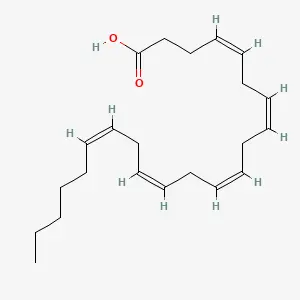
Docosapentaenoic acid (DPA, 22:5 n-3) is an omega-3 fat with 22 carbons and five double bonds. It sits between EPA and DHA in the body’s omega-3 chain. The body lengthens EPA into DPA, can turn DPA back into EPA, and turns a little of it forward into DHA.
An older name is clupanodonic acid. Do not confuse it with omega-6 DPA (22:5 n-6, osbond acid), a different fat that comes from the omega-6 chain.
DPA is not essential, because the NIH (the US National Institutes of Health) lists plant ALA as the only essential omega-3. In a tracer study in young women, about 6% of a dose of ALA ended up as DPA. Most of our DPA comes ready-made from oily fish, red meat and seal oil. A review calls it the most abundant long-chain omega-3 in the brain after DHA, and it is also present in human milk.
Most readers do not know how little has been tested. A 2021 review found only two human studies and eleven animal studies that used pure DPA, at about 1 to 2 g a day. So what we know about health comes mostly from blood levels in cohort studies, which follow large groups for years. It also comes from seal oil, which holds EPA and DHA as well.
The cohorts link higher DPA with lower risk of death and of diabetes, but they cannot show that DPA itself is the reason. One oddity: in hibernating brown bears and dormice, blood DPA rises sharply, and researchers do not yet know why.
Health benefits of DPA
The top findings from 25 studies, strongest evidence first
What the stars mean
- Strong. Several randomized trials, pooled in a meta-analysis, point the same way, or regulators (FDA or EFSA) have approved the claim.
- Moderate. Good randomized trials support it, but there are fewer of them, or their results vary.
- Limited. Small, short or single trials, or mixed results. Promising, but it needs confirmation.
Population and lab studies get no stars: they show a link or a mechanism, not proof.
How we rate evidence →- ★Slightly lower triglycerides with seal oilAcross 9 trials, seal oil capsules, which hold DPA with EPA and DHA, lowered triglycerides by 0.19 mmol/L (low-certainty evidence). A prescription product with mostly EPA and DPA, not seal oil, cut them 33.2%, against 10.5% for EPA, in a 14-day open-label trial.
- ★No change in cholesterol with seal oilIn 120 people with high cholesterol, 14 months of seal oil (15 mL a day) did not change total or HDL cholesterol. It also left triglycerides after meals unchanged.
- ★Lower fibrinogen, a clotting protein, with seal oilIn 19 healthy men, 20 g a day of seal oil for 42 days cut fibrinogen by 18%. Total, LDL and HDL cholesterol, triglycerides and blood pressure did not change.
- ★More red-cell DPA went with lower CRPIn 115 healthy adults, higher DPA in red blood cells tracked lower CRP, an inflammation marker, and lower triglycerides. EPA and DHA rose too, so this does not show DPA itself did it.
- ★Pure DPA raised DPA levels in the bloodIn 10 women, 8 g of pure DPA over 7 days raised DPA in blood triglycerides 2.3-fold by day 4. This measured blood levels, not health outcomes.
All 22 studies, strongest evidence first
Seal oil cut triglycerides only 0.19 mmol/L, LDL unchanged
This meta-analysis (a study that pools earlier trials) combined 9 randomized trials of seal oil capsules in 626 people. Seal oil holds DPA along with EPA and DHA, so it tests more than DPA alone. Triglycerides fell by 0.19 mmol/L, while LDL (“bad”) and total cholesterol changed by -0.07 and -0.12 mmol/L. The authors rated the evidence low or very low in certainty, with no sufficiently certain evidence on seal oil and blood lipids.
Seal oil cut triglycerides 14%, against 7% with tuna oil
For 6 weeks, 48 people with high triglycerides took 1 g a day of omega-3 fats from seal oil or tuna oil. The placebo was sunola oil, which left triglycerides unchanged. Seal oil capsules held 340 mg EPA, 230 mg DPA and 450 mg DHA. Tuna oil capsules held 210 mg EPA, 30 mg DPA and 810 mg DHA. The top blood pressure number fell by 8 mmHg with seal oil and 5 mmHg with tuna oil. The authors concluded that seal oil was as effective as fish oil, but the trial cannot separate DPA from the EPA and DHA.
An EPA and DPA mix cut triglycerides 33.2%, against 10.5% for EPA
42 people with high triglycerides took MAT9001 and EPA ethyl esters for 14 days each, in random order, in a research unit. MAT9001 is an investigational prescription product with mostly EPA and DPA, in proportions the abstract does not give. The two 14-day periods had a washout of at least 35 days. The trial was open-label (everyone knew what they took), and VLDL cholesterol fell 32.5% against 8.1%, while LDL did not differ. Changes were measured from the start of each period. One author works for Matinas BioPharma, and because the product is a mix, the result is not credited to DPA alone.
8 g of pure DPA over 7 days doubled blood DPA
In this randomized, double-blind crossover, 10 women took 8 g of pure DPA or pure EPA over 7 days, with olive oil as placebo (dummy). The measure that rose was DPA in plasma phospholipids, and EPA and DHA in blood fats rose too. By day 4, DPA in triglycerides had risen 2.3-fold, EPA in triglycerides 3.1-fold and DHA 3.1-fold. DPA in red cell membranes did not change, and pure EPA raised EPA only. The authors suggest DPA may act as a reservoir of the other long-chain omega-3 fats. It is a tiny, short study of blood levels, not health outcomes.
14 months of seal oil did not change cholesterol in 120 people
People with high cholesterol took 15 mL a day of seal oil or cod liver oil, or no supplement, after a 6-month run-in. Total and HDL cholesterol did not change. Both oils lowered platelet clumping (whole-blood platelet aggregation) against the control group, and seal oil gave 30% higher serum EPA than cod liver oil. Neither oil changed postprandial triglycerides, apolipoproteins A1 and B100, lipoprotein(a) or monocyte measures. The abstract does not give the DPA content of the oils.
1 g of seal oil a day raised platelet DPA
For 14 days, three groups of ten healthy adults (30 in all) took about 1 g a day of long-chain omega-3 fats, or placebo. The seal oil gave 340 mg EPA, 230 mg DPA and 450 mg DHA. The tuna oil gave 210 mg EPA, 30 mg DPA and 810 mg DHA. Both raised platelet DHA, and only seal oil raised platelet DPA and EPA, lowered triglycerides and raised HDL. P-selectin, a platelet activation marker, was lower with more platelet DPA and EPA but not DHA, and the groups were small.
20 g of seal oil daily cut fibrinogen 18%, not blood fats
For 42 days, 19 healthy men took seal oil, or 20 g of vegetable oil as a control. Seal oil raised EPA in serum phospholipid 4.3-fold and DHA 1.5-fold, DPA rose 0.5-fold, and protein C rose 7%. Fibrinogen is a clotting protein. Total, LDL and HDL cholesterol, triglycerides, blood pressure and platelet aggregation did not change. The dose is more than twice the 8 to 9 g a day the authors give as the average Inuit seal oil intake.
A meal with pure DPA left less fat in the blood
In this double-blind crossover, healthy women ate meals with pure DPA, pure EPA or olive oil alone. Chylomicrons, the particles that carry meal fat in the blood, were analyzed over 5 hours. The DPA meal left less chylomicron fat than the EPA or olive oil meal. Both fatty acids went mostly into chylomicron triglycerides; neither turned much into DHA, and EPA did not rise after the DPA meal. The authors suggest DPA hindered how the olive oil was digested or taken up, and this single-meal study measured no health outcome.
7 days of pure DPA raised resolvin D5 and maresin 1
This paper reports blood signaling molecules (lipid mediators) from the 10-woman Miller crossover above. The women took 7 days of pure DPA, pure EPA or olive oil. DPA raised resolvin D5 (n-3 DPA), maresin 1, a DHA-derived diol and 15-keto-PGE2. Pure EPA raised a different set, hydroxy-EPAs such as 18-HEPE. It had no effect on DPA- or DHA-derived mediators. Their anti-inflammatory actions come from cell and animal work, and this trial measured no health outcome.
In 115 adults, higher red-cell DPA went with lower CRP and triglycerides
Study 1 measured red cell DPA in 115 healthy adults. It then gave fish oil for 5 months at 0, 300, 600, 900 or 1,800 mg a day of EPA plus DHA. DPA tracked lower CRP, an inflammation marker (R2 = 36%), and lower triglycerides (r = -0.30); fish oil raised red cell DPA by 29% to 61%. In Study 2, 28 adults with higher triglycerides showed the triglyceride link again (r = -0.33). There, 8 weeks of prescription omega-3 ethyl esters at 850 or 3,400 mg a day raised red cell DPA by 14% to 26%. EPA and DHA rose too, so these links do not show that DPA itself lowers CRP.
Higher blood DPA went with 21% lower type 2 diabetes risk
This pooled analysis of 20 cohorts followed 65,147 people, with 16,693 new cases. Per interquintile range (the gap between the 90th and 10th percentile of DPA), the risk was 0.79 times as high. EPA (0.92) and DHA (0.82) also went with lower risk, while plant ALA did not (0.97). Blood DPA reflects fish and meat intake and the body’s own metabolism, and cohort studies cannot show cause.
EPA, DPA and DHA each went with 15% to 18% fewer deaths
This pooled analysis of 17 cohorts followed 42,466 people for a median 16 years, with 15,720 deaths. It compared the highest fifth of each fat with the lowest fifth. Similar links were seen for death from cardiovascular disease, cancer and other causes, and none for plant ALA. The range of 15% to 18% covers all three fats, and the abstract does not give DPA’s own figure. One author owns stock in OmegaQuant, a blood fatty acid testing lab.
Older adults in the top fifth of DPA had 23% fewer deaths
The 2,692 adults averaged 74 years and had no heart disease at the start. They were not taking supplements and were followed from 1992 to 2008, with 1,625 deaths. Against the lowest fifth, the risk was 0.77 times as high for DPA, 0.83 for EPA and 0.80 for DHA. The lower risk was mostly from fewer cardiovascular deaths, and residual confounding (other differences between people) could remain.
Blood DPA showed no atrial fibrillation link, unlike DHA
The Cardiovascular Health Study followed 3,326 adults aged 65 or older. There were 789 cases of atrial fibrillation (an irregular heartbeat) over 31,169 person-years. The top versus lowest quarter of total omega-3 (EPA plus DPA plus DHA) had 0.71 times the risk, and DHA alone 0.77. EPA and DPA were not significantly associated.
Higher blood DPA went with 28% less cognitive impairment
The Cardiovascular Health Study followed 3,564 older adults for up to 23 years. Fatty acids were measured at the start, at 6 years and at 13 years, and 507 people developed cognitive impairment. Higher DPA also went with slower cognitive decline. Between the highest and lowest quintiles, the risk was 0.72 times as high. Arachidonic acid showed a similar pattern, while EPA, DHA and the other omega-3 fats were null or inconsistent.
Top fifth of DHA plus DPA had 44% fewer coronary events
This study followed 1,871 Finnish men aged 42 to 60 without heart disease; 194 had a fatal or nonfatal acute coronary event. Serum DHA and DPA were analyzed together, so DPA alone is not separated out. Top-fifth men with low hair mercury (2.0 µg/g or less) had a 67% lower risk than bottom-fifth men with high mercury. Mercury in fish may blunt the benefit, and the EPA share was not associated with events.
Top fifth of blood DPA had 16% higher prostate cancer odds
This pooled analysis of seven prospective studies compared 5,098 men with prostate cancer and 6,649 without. The odds ratio was 1.16 for DPA and 1.14 for EPA, with differences (heterogeneity) between studies. For DPA the link was significant for low-grade but not high-grade disease. The authors found no strong evidence that circulating fatty acids predict prostate cancer risk. They say it is not clear whether the modest links are causal.
Genetically higher DPA went with about double the lung cancer risk
This Mendelian randomization study uses gene variants as a natural experiment. Variants linked to DPA level in 8,866 people were matched against 11,348 lung cancer cases and 15,861 controls of European ancestry. Each 1% higher predicted DPA had an odds ratio of 2.01. The authors found no sign of directional pleiotropy, or that lung cancer changes DPA. They ask for more work on mechanisms, and a single analysis is a signal to test, not a finding to act on.
DPA became new anti-inflammatory molecules in mice and human cells
In mice and human white blood cells, DPA became new resolvin- and maresin-type molecules. Their names include RvD1 n-3 DPA and MaR1 n-3 DPA. In a mouse model of ischemia and reperfusion, they protected against second-organ injury and reduced inflammation. With human cells they curbed neutrophil movement (chemotaxis) and adhesion, and sped up macrophage clean-up (phagocytosis). The authors expect people to make them when DPA is high, and a patent application on them names two authors as inventors.
DPA blocked platelet clumping best of three omega-3s
In test tubes, EPA, DPA and DHA blocked platelet clumping triggered by collagen or arachidonic acid, more at higher doses. DPA was the most potent. DPA also suppressed thromboxane A2 formation most, while DHA was best at blocking cyclooxygenase-1. Aggregation triggered by thrombin was not affected. The experiment did not test bleeding or any outcome in people.
In rats, only one omega-3, DPA, lowered triglycerides and total cholesterol
Thirty-two rats got 1% of their dietary lipids as EPA, DPA or DHA ethyl esters for 6 weeks, from weaning. Of the three fats, only DPA lowered these plasma fats. It also raised DPA, EPA and DHA in tissues. Much of it seemed to turn back into EPA: 38.5% in liver and 68.6% in kidney. DPA was less digestible than EPA or DHA, and rat results at this dose do not predict what happens in people.
In hibernating bears and dormice, blood DPA rose markedly while EPA fell
The authors compared plasma phospholipids of free-ranging brown bears and captive garden dormice in summer and during hibernation. ALA and EPA fell, n-3 DPA rose markedly and DHA rose a little. The activity of ELOVL2, the enzyme that lengthens 20- and 22-carbon fats, rose several hundred percent. The authors link the pattern to the hibernating state and say it needs further study; what it means for people is unknown.
Foods high in DPA
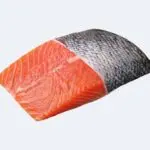
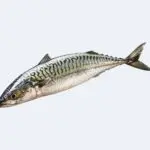
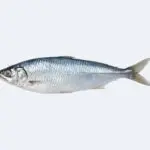
DPA comes mostly from oily fish and red meat. In our USDA ranking per serving, farmed Atlantic salmon leads with 0.33 g in 3 oz. Next come wild Atlantic salmon (0.24 g in 3 oz) and mackerel (0.24 g in one fillet of 112 g). Then come herring (0.05 g in 3 oz) and oysters (0.02 g in 3 oz).
Per 100 g the order is farmed salmon 0.39 g, wild salmon 0.29 g, mackerel 0.21 g, herring 0.06 g and oysters 0.02 g. Per 100 kcal, wild salmon leads with 0.2 g, just ahead of farmed salmon at 0.19 g. Tuna, cod, eggs and chicken give 0.01 g or less per 100 g. Farmed salmon has about a third more DPA than wild salmon per 100 g (0.39 g against 0.29 g, our arithmetic).
Red meat matters more than its DPA content suggests, because people eat a lot of it. When Australian food tables were corrected for the DPA in meat, adult DPA intake came to 71 mg a day in the 1995 national survey. Meat, poultry and game gave 43% of long-chain omega-3 fats, against 48% from fish and seafood, and beef and lamb alone gave 28%. A later paper adds that meat is not a rich source; Australians simply eat at least six times more meat than fish.
Beef does not appear in the top 10 of our ranking. Pasture feeding changes it: the FAO report says higher levels of EPA and DPA could be expected in pasture-grazed animals. A 2026 analysis of 253 grass-fed and 84 grain-fed beef samples found DPA of 0.41% against 0.17%.
Variation was wide, and some grass-fed retail samples were low. A lamb trial under Forms of DPA below also raised blood DPA more with grass finished meat.
Seal oil is the concentrated source. The capsules in two trials held 230 mg of DPA in about 1,020 mg of long-chain omega-3 fats. Tuna oil capsules held 30 mg in about 1,050 mg (about 23% against 3%, our arithmetic).
Plants are not a source: the FAO report lists oily fish, and the body makes only small amounts from plant ALA. Cloves sit near the bottom of the per-serving ranking with 0.004 g in a teaspoon, a trace we could not confirm in a paper.
Our arithmetic for scale: one 3 oz serving of farmed salmon holds about 330 mg of DPA. That is about 4.6 times the 71 mg a day average of Australian adults in 1995. The pure DPA study gave about 1.1 g a day, which would take about 3.3 servings of farmed salmon every day.
Per serving. No daily amount is set, so bars compare each food with the top food.
Per 100 g. No daily amount is set, so bars compare each food with the top food.
Per 100 kcal: the same calories of each food, for a fair comparison. Bars compare each food with the top food.
Food labels have no Daily Value or Reference Intake for docosapentaenoic acid, so the % compares each food with the top food.
- 1.

- 2.
- 3.
- 4.
- 5.

- 6.

- 7.

- 8.

- 9.

- 10.



- 1.
- 2.
- 3.
- 4.
- 5.
- 6.
- 7.
- 8.
- 9.
- 10.


- 1.
- 2.
- 3.
- 4.
- 5.
- 6.
- 7.
- 8.
- 9.
- 10.
Sources
- FoodData Central. US Department of Agriculture, Agricultural Research Service. Values as shown in the ranking above.
- Howe P, Meyer B, Record S, et al. Dietary intake of long-chain omega-3 polyunsaturated fatty acids: contribution of meat sources. Nutrition. 2006.
- Meyer BJ. Australians are not Meeting the Recommended Intakes for Omega-3 Long Chain Polyunsaturated Fatty Acids: Results of an Analysis from the 2011-2012 National Nutrition and Physical Activity Survey. Nutrients. 2016.
- FAO and WHO. Fats and fatty acids in human nutrition: report of an expert consultation. FAO Food and Nutrition Paper 91. Food and Agriculture Organization. 2010.
- Varre JV, Statham T, Smith AF, et al. Nutritional composition of beef: a comparison of commercial North American grass- and grain-finishing systems. J Anim Sci. 2026.
- Mann NJ, O’Connell SL, Baldwin KM, et al. Effects of seal oil and tuna-fish oil on platelet parameters and plasma lipid levels in healthy subjects. Lipids. 2010.
- Meyer BJ, Lane AE, Mann NJ. Comparison of seal oil to tuna oil on plasma lipid levels and blood pressure in hypertriglyceridaemic subjects. Lipids. 2009.
How DPA works
Most of this section comes from tracer studies, rats, cells and two small human studies of pure DPA. What DPA does for health is tested in the study cards above.
Four ideas cover it. DPA is the middle step of the omega-3 chain, and pure DPA raises EPA and DHA as well as itself. It also travels in the blood differently from EPA, and it becomes its own set of signaling molecules. Here is each one, and what has been seen in people.
It is the middle step of the omega-3 chain
The body lengthens EPA into DPA, and DPA can be lengthened and desaturated on to DHA. A tracer study followed a 700 mg dose of labeled ALA for 21 days in young women. It estimated that 21% became EPA, 6% DPA and 9% DHA.
In six young men, EPA and DPA were the main products, and no labeled DHA appeared. The authors read this as a restriction on DHA synthesis after DPA.
The FAO report quotes lower tracer estimates: 0.2% to EPA, 0.13% to DPA and 0.05% to DHA. The estimates differ more than tenfold, so treat any conversion figure as rough. The FAO report also notes that extra ALA raises EPA and DPA in blood but barely raises DHA.
The omega-3 chain from plant ALA to EPA, DPA and DHA, simplified. Turning back into EPA is shown directly in rats, and in people pure DPA raised blood EPA. Not to scale.
Share of plant ALA converted, in percent, drawn to scale. Green bars are EPA, pink bars are DPA and orange bars are DHA. The top three bars come from one tracer study in young women. The bottom three are an estimate quoted in the FAO report, and the smallest are barely visible at this scale.
Pure DPA raises its own level, EPA and DHA
In the Miller trial, 10 women took pure DPA for 7 days, about 1.1 g a day. It raised DPA, EPA and DHA in their blood fats, while pure EPA raised only EPA. So DPA can turn back into EPA, but EPA did not turn into DPA within a week.
Rats show the same one-way traffic. After 50 mg of DPA a day for 7 days, rat DHA rose in the liver, and EPA in the liver, heart and skeletal muscle. In a 6-week rat study, much of the DPA seemed to turn back into EPA (38.5% in liver, 68.6% in kidney). DPA was also less digestible than EPA or DHA.
How long does it stay? A carbon-13 method tested 12 adults on fish oil with 4.3 g DHA, 1.0 g EPA and 0.2 g DPA a day. It put the plasma half-life of DPA at about 6.4 days. That compares with 3.4 days for EPA and 6.3 days for DHA, with wide spreads between people.
Change in the share of each fatty acid in blood fractions after 7 days of pure DPA, about 1.1 g a day, in 10 women, as the authors report, drawn to scale. The tick on each bar marks no change. Pink bars are DPA, green bars are EPA and orange bars are DHA.
It travels in the blood differently from EPA
In a double-blind meal study, pure DPA and pure EPA both entered chylomicron triglycerides. But the DPA meal left less chylomicron fat in the blood than the EPA or olive oil meals. Neither fat turned into much DHA within 5 hours.
The cohorts hint at a similar split. Higher blood DPA went with lower diabetes risk about as strongly as DHA and more strongly than EPA (hazard ratios of 0.79, 0.82 and 0.92). A 2021 review of the pure DPA work suggests DPA works more like DHA than EPA. It warns that blood DPA says little about what DPA does.
It becomes its own signals
DPA is the raw material for resolvin-, protectin- and maresin-type molecules. They are chemically distinct from those made from EPA and DHA. In mice and human white blood cells, the DPA versions curbed neutrophil movement, sped up macrophage clean-up, and protected against injury in a mouse model.
In 10 women, 7 days of pure DPA raised resolvin D5 and maresin 1 in the blood. Pure EPA raised other molecules and left DPA-derived ones alone.
A review lists further lab findings. DPA blocked platelet clumping more strongly than EPA and DHA in rabbit platelets. It stimulated endothelial cell migration, a step in wound healing, 10-fold more than EPA. And it lowered fatty acid synthase activity in mice more than EPA did.
Three things DPA is thought to do, from a small human study, cell and animal experiments, and test-tube platelets. Not to scale.
What has been seen in people
Mechanisms do not settle the health question. No trial has fed pure DPA for a health outcome. The two pure DPA studies measured blood fats and mediators over days, and the seal oil trials mix DPA with EPA and DHA. The meta-analysis of seal oil found a trivial triglyceride effect of low certainty (0.19 mmol/L).
The EPA and DPA mix lowered triglycerides 33.2%, but in a small open-label trial with a company-affiliated author. Large cohorts link higher blood DPA with lower death and diabetes risk. Yet blood DPA also tracks with eating fish and meat, and it was not linked to atrial fibrillation. Single analyses link it to more prostate and lung cancer.
Taken together, DPA may be a marker of a fish and meat diet, a contributor, or both. The trials needed to tell which have not been done.
Sources
- Burdge GC, Wootton SA. Conversion of alpha-linolenic acid to eicosapentaenoic, docosapentaenoic and docosahexaenoic acids in young women. Br J Nutr. 2002.
- Burdge GC, Jones AE, Wootton SA. Eicosapentaenoic and docosapentaenoic acids are the principal products of alpha-linolenic acid metabolism in young men*. Br J Nutr. 2002.
- FAO and WHO. Fats and fatty acids in human nutrition: report of an expert consultation. FAO Food and Nutrition Paper 91. Food and Agriculture Organization. 2010.
- Miller E, Kaur G, Larsen A, et al. A short-term n-3 DPA supplementation study in humans. Eur J Nutr. 2013.
- Markworth JF, Kaur G, Miller EG, et al. Divergent shifts in lipid mediator profile following supplementation with n-3 docosapentaenoic acid and eicosapentaenoic acid. FASEB J. 2016.
- Kaur G, Begg DP, Barr D, et al. Short-term docosapentaenoic acid (22:5 n-3) supplementation increases tissue docosapentaenoic acid, DHA and EPA concentrations in rats. Br J Nutr. 2010.
- Drouin G, Catheline D, Guillocheau E, et al. Comparative effects of dietary n-3 docosapentaenoic acid (DPA), DHA and EPA on plasma lipid parameters, oxidative status and fatty acid tissue composition. J Nutr Biochem. 2019.
- Symington A, Wu D, Chen CT, et al. Determining the half-life and turnover rate of EPA, n-3 docosapentaenoic acid, and DHA in humans using the natural abundance of carbon-13: a secondary analysis of a randomized clinical trial. Am J Clin Nutr. 2026.
- Linderborg KM, Kaur G, Miller E, et al. Postprandial metabolism of docosapentaenoic acid (DPA, 22:5n-3) and eicosapentaenoic acid (EPA, 20:5n-3) in humans. Prostaglandins Leukot Essent Fatty Acids. 2013.
- Qian F, Ardisson Korat AV, Imamura F, et al. n-3 Fatty Acid Biomarkers and Incident Type 2 Diabetes: An Individual Participant-Level Pooling Project of 20 Prospective Cohort Studies. Diabetes Care. 2021.
- Ghasemi Fard S, Cameron-Smith D, Sinclair AJ. n - 3 Docosapentaenoic acid: the iceberg n - 3 fatty acid. Curr Opin Clin Nutr Metab Care. 2021.
- Dalli J, Colas RA, Serhan CN. Novel n-3 immunoresolvents: structures and actions. Sci Rep. 2013.
- Akiba S, Murata T, Kitatani K, et al. Involvement of lipoxygenase pathway in docosapentaenoic acid-induced inhibition of platelet aggregation. Biol Pharm Bull. 2000.
- Kaur G, Cameron-Smith D, Garg M, et al. Docosapentaenoic acid (22:5n-3): a review of its biological effects. Prog Lipid Res. 2011.
- Drouin G, Rioux V, Legrand P. The n-3 docosapentaenoic acid (DPA): A new player in the n-3 long chain polyunsaturated fatty acid family. Biochimie. 2019.
- Dyall SC. Long-chain omega-3 fatty acids and the brain: a review of the independent and shared effects of EPA, DPA and DHA. Front Aging Neurosci. 2015.
- Gallo Ruelas M, Queiroz I, Pimentel T, et al. Effects of seal oil supplementation on lipid profile biomarkers: A systematic review and meta-analysis of randomized controlled trials. Prostaglandins Leukot Essent Fatty Acids. 2025.
- Maki KC, Bobotas G, Dicklin MR, et al. Effects of MAT9001 containing eicosapentaenoic acid and docosapentaenoic acid, compared to eicosapentaenoic acid ethyl esters, on triglycerides, lipoprotein cholesterol, and related variables. J Clin Lipidol. 2017.
- Wu JH, Lemaitre RN, King IB, et al. Association of plasma phospholipid long-chain ω-3 fatty acids with incident atrial fibrillation in older adults: the cardiovascular health study. Circulation. 2012.
- Crowe FL, Appleby PN, Travis RC, et al. Circulating fatty acids and prostate cancer risk: individual participant meta-analysis of prospective studies. J Natl Cancer Inst. 2014.
- Liu J, Zhou H, Zhang Y, et al. Docosapentaenoic acid and lung cancer risk: A Mendelian randomization study. Cancer Med. 2019.
- Wikipedia. Docosapentaenoic acid. Names of the two isomers.
How much DPA do you need?
No daily amount is set for DPA on its own. Most guidance names EPA plus DHA. In a review of 42 national and international documents, the most common adult advice was 250 mg a day of EPA plus DHA.
Australia and New Zealand count DPA in the group. Their suggested target for EPA, DPA and DHA together is 430 mg a day for women and 610 mg for men.
The FAO and WHO experts left DPA out of their 2010 recommendations. They called it a research issue with limited evidence from randomized trials. EFSA, the EU’s food safety agency, found no data on DPA taken alone.
| Source | Group | Value | Notes |
|---|---|---|---|
| NHMRC 2006 (Australia and New Zealand), as reported by Meyer 2016 | Adult women; adult men | 430 mg a day (women) and 610 mg a day (men) of EPA, DPA and DHA together | A suggested dietary target for chronic disease prevention, set at the 90th centile of 1995 national intakes. It is not a requirement. |
| NHMRC 2006, as quoted by FAO 2010 | Adults | Upper value of 3 g a day of EPA, DPA and DHA together | Cited by the FAO experts when they chose a lower upper limit of 2 g a day for EPA plus DHA. |
| FAO and WHO 2010 | Adults | 250 mg a day of EPA plus DHA, with an acceptable range up to 2 g a day | DPA was not included, because it is currently a research issue with limited evidence from randomized trials. |
| EFSA 2012 | Adults | No upper level set. No data for DPA alone | Cites dietary recommendations for EPA and DHA of 250 to 500 mg a day, and notes that fish oils in the studies held DPA in generally unknown but relatively low amounts. |
| National Academies 2005, as listed by NIH ODS | Ages 1 and older | No value for DPA | The range of 0.6% to 1.2% of energy is for ALA, and about 10% of it can be eaten as EPA and DHA. |
Few people reach the Australian target. In the 2011 to 2012 national survey, only 20% of the population met the recommended long-chain omega-3 intakes. The median intake was less than half the mean, because a few people take large amounts. In the 1995 survey, DPA made up 71 of the 246 mg of long-chain omega-3 fats Australian adults ate on average.
DPA is not on the list of essential fatty acids, and we found no source that defines a DPA deficiency. The NIH says classic essential fatty acid deficiency, with rough scaly skin and dermatitis, is virtually nonexistent in healthy people in the US. For the pregnancy and infant needs that matter most among the omega-3 fats, see our pages on DHA and EPA.
Sources
- Meyer BJ. Australians are not Meeting the Recommended Intakes for Omega-3 Long Chain Polyunsaturated Fatty Acids: Results of an Analysis from the 2011-2012 National Nutrition and Physical Activity Survey. Nutrients. 2016.
- FAO and WHO. Fats and fatty acids in human nutrition: report of an expert consultation. FAO Food and Nutrition Paper 91. Food and Agriculture Organization. 2010.
- EFSA Panel on Dietetic Products, Nutrition and Allergies (NDA). Scientific opinion on the Tolerable Upper Intake Level of eicosapentaenoic acid (EPA), docosahexaenoic acid (DHA) and docosapentaenoic acid (DPA). EFSA J. 2012.
- Calder PC, Cawood AL, James C, et al. An overview of national and international long chain omega-3 polyunsaturated fatty acid intake recommendations for healthy populations. Nutr Res Rev. 2025.
- National Institutes of Health, Office of Dietary Supplements. Omega-3 fatty acids: fact sheet for health professionals. Updated August 22, 2025.
- Howe P, Meyer B, Record S, et al. Dietary intake of long-chain omega-3 polyunsaturated fatty acids: contribution of meat sources. Nutrition. 2006.
Forms of DPA: absorption and effects
DPA reaches people in a few ways. It comes inside oily fish and red meat, in fish oil or seal oil, and as a concentrate with EPA. There is pure DPA made for research, and plant oils feed the omega-3 chain indirectly. Almost every comparison measures blood levels, and we found no trial that compared forms of DPA for a health outcome.
The honest bottom line is that pure DPA has been given to people in only two small studies. So claims that it is better than EPA or DHA rest on test tubes and rats. Seal oil is not shown to beat fish oil either. Two small trials found similar results for triglycerides and blood pressure, and a meta-analysis found no certain effect.
The forms used in the key studies were these. The seal oil trials used capsules giving about 1 g a day of long-chain omega-3 fats, of which 230 mg was DPA. The pure DPA trial used free fatty acid oil of at least 97% DPA, diluted 1 to 1 in olive oil. The triglyceride trial of EPA and DPA used an investigational prescription mix.
None of those is the same as a typical fish oil capsule. The NIH says such a capsule holds about 180 mg of EPA and 120 mg of DHA in 1,000 mg of oil.
| Form | What it is | What studies show | Source |
|---|---|---|---|
| Oily fish and fish oil | DPA together with EPA and DHA; tuna oil capsules held 30 mg DPA, 210 mg EPA and 810 mg DHA | In 14 days both oils raised platelet DHA, and only seal oil was reported to raise platelet DPA and EPA. Fish oil at 300 to 1,800 mg a day of EPA plus DHA raised red cell DPA by 29% to 61% over 5 months. | 1, 5 |
| Seal oil capsules | Oil from seals, about 23% DPA among its long-chain omega-3 fats (230 of about 1,020 mg, our arithmetic) | Raised platelet DPA and EPA, and lowered triglycerides 14% against 7% for tuna oil, in 6 weeks. In 14 months it did not change cholesterol. A meta-analysis of 9 trials found a trivial, uncertain triglyceride effect. | 1, 2, 3, 4 |
| Pure DPA, free fatty acid (research grade) | Oil of at least 97% DPA as free fatty acids in the Miller and Markworth trial; pure DPA was also used in a meal study | About 1.1 g a day for 7 days raised DPA, EPA and DHA in blood fats and shifted lipid mediators. No trial of a health outcome. | 6, 7, 8, 17 |
| EPA plus DPA concentrate | An investigational prescription mix of mostly EPA and DPA | Triglycerides fell 33.2% against 10.5% for EPA ethyl esters in 14 days, in an open-label trial with a company author. | 9 |
| Plant oils that feed the chain | Echium oil (stearidonic acid) or ALA oils such as flaxseed oil | 17 g a day of echium oil for 8 weeks raised plasma DPA by 68%, less than fish oil did. The FAO report says extra ALA raises EPA and DPA but barely raises DHA. | 10, 11 |
| Red meat | Beef and lamb, higher in DPA when grass finished | Grass finished lamb raised blood DPA more than concentrate finished lamb in 4 weeks. Beef from grass-fed cattle had DPA of 0.41% against 0.17%. Pasture-raised red meat kept DPA from falling, while it fell on a vegetarian diet with plant-based alternatives. | 12, 13, 14 |
| Algal oils with omega-6 DPA | Some DHA oils from algae also hold omega-6 DPA, a different fat | A 4 g a day algal oil (1.5 g DHA and 0.6 g omega-6 DPA) raised LDL cholesterol 10.4% over 4 weeks, so its DHA and omega-6 DPA cannot be told apart. In EPIC-InterAct, higher blood omega-6 DPA went with higher type 2 diabetes risk. None of this describes omega-3 DPA. | 15, 16 |
Here are the head-to-head and food-form studies, strongest evidence first, 3 in all. Seal oil against tuna oil is covered in the health studies above.
All 3 studies, strongest evidence first
Echium oil raised blood DPA by 68%, but not DHA
For 8 weeks, 80 adults avoided fish and took echium oil or fish oil. The 17 g a day of echium oil, a plant oil, gave 2 g of stearidonic acid; the fish oil gave 1.9 g EPA. Echium oil raised plasma EPA by 168% and lowered LDL, oxidized LDL, triglycerides and HDL. It raised EPA and DPA significantly less than fish oil did, by about 25% and 50% as the authors report. A higher body mass index went with smaller rises, and the trial measured blood levels and risk markers, not events.
Pasture-raised red meat kept blood DPA from falling, unlike a vegetarian diet
This trial ran 10 weeks in 78 adults. One group ate a flexitarian pattern with about 3.3 servings a week of pasture-raised red meat. The other ate a vegetarian pattern with plant-based meat alternatives. By week 5, plasma DPA had fallen in the vegetarian group by 6.47 µmol/L against the meat group, then partly recovered by week 10. Cardiometabolic markers did not differ, and two authors report funding support from the Meat Industry Association, among other bodies.
Grass finished lamb raised blood DPA more than concentrate finished lamb
In this single-blind randomized trial, 34 healthy adults ate lamb for four weeks: two portions of chops and one of mince a week. The lambs were finished on grass or on a concentrate diet. Plasma ALA, EPA and DPA were higher in the grass group, and linoleic acid in plasma phospholipids was higher in the concentrate group. The grass finished lamb had about 328 mg of total omega-3 fats per 100 g. Heart rate, blood pressure and blood lipids did not differ.
One popular claim has no trial behind it. We found no study that gave people a DPA supplement for a health outcome. The only pure DPA products in published studies were research material.
Sources
- Mann NJ, O’Connell SL, Baldwin KM, et al. Effects of seal oil and tuna-fish oil on platelet parameters and plasma lipid levels in healthy subjects. Lipids. 2010.
- Meyer BJ, Lane AE, Mann NJ. Comparison of seal oil to tuna oil on plasma lipid levels and blood pressure in hypertriglyceridaemic subjects. Lipids. 2009.
- Brox J, Olaussen K, Osterud B, et al. A long-term seal- and cod-liver-oil supplementation in hypercholesterolemic subjects. Lipids. 2001.
- Gallo Ruelas M, Queiroz I, Pimentel T, et al. Effects of seal oil supplementation on lipid profile biomarkers: A systematic review and meta-analysis of randomized controlled trials. Prostaglandins Leukot Essent Fatty Acids. 2025.
- Skulas-Ray AC, Flock MR, Richter CK, et al. Red Blood Cell Docosapentaenoic Acid (DPA n-3) is Inversely Associated with Triglycerides and C-reactive Protein (CRP) in Healthy Adults and Dose-Dependently Increases Following n-3 Fatty Acid Supplementation. Nutrients. 2015.
- Miller E, Kaur G, Larsen A, et al. A short-term n-3 DPA supplementation study in humans. Eur J Nutr. 2013.
- Markworth JF, Kaur G, Miller EG, et al. Divergent shifts in lipid mediator profile following supplementation with n-3 docosapentaenoic acid and eicosapentaenoic acid. FASEB J. 2016.
- Ghasemi Fard S, Cameron-Smith D, Sinclair AJ. n - 3 Docosapentaenoic acid: the iceberg n - 3 fatty acid. Curr Opin Clin Nutr Metab Care. 2021.
- Maki KC, Bobotas G, Dicklin MR, et al. Effects of MAT9001 containing eicosapentaenoic acid and docosapentaenoic acid, compared to eicosapentaenoic acid ethyl esters, on triglycerides, lipoprotein cholesterol, and related variables. J Clin Lipidol. 2017.
- Kuhnt K, Fuhrmann C, Köhler M, et al. Dietary echium oil increases long-chain n-3 PUFAs, including docosapentaenoic acid, in blood fractions and alters biochemical markers for cardiovascular disease independently of age, sex, and metabolic syndrome. J Nutr. 2014.
- FAO and WHO. Fats and fatty acids in human nutrition: report of an expert consultation. FAO Food and Nutrition Paper 91. Food and Agriculture Organization. 2010.
- Perkins LS, Nugent AP, Woodside JV, et al. Consuming grass finished lamb improves blood plasma ω-3 fatty acid response among healthy consumers. Eur J Nutr. 2025.
- Morton L, Cameron-Smith D, Gillies N, et al. Pasture-raised red meat compared with plant-based meat alternatives within healthy dietary patterns: effects on PUFA status and cardiometabolic health in a randomized dietary intervention. Am J Clin Nutr. 2026.
- Varre JV, Statham T, Smith AF, et al. Nutritional composition of beef: a comparison of commercial North American grass- and grain-finishing systems. J Anim Sci. 2026.
- Sanders TA, Gleason K, Griffin B, et al. Influence of an algal triacylglycerol containing docosahexaenoic acid (22 : 6n-3) and docosapentaenoic acid (22 : 5n-6) on cardiovascular risk factors in healthy men and women. Br J Nutr. 2006.
- Forouhi NG, Imamura F, Sharp SJ, et al. Association of Plasma Phospholipid n-3 and n-6 Polyunsaturated Fatty Acids with Type 2 Diabetes: The EPIC-InterAct Case-Cohort Study. PLoS Med. 2016.
- Linderborg KM, Kaur G, Miller E, et al. Postprandial metabolism of docosapentaenoic acid (DPA, 22:5n-3) and eicosapentaenoic acid (EPA, 20:5n-3) in humans. Prostaglandins Leukot Essent Fatty Acids. 2013.
- National Institutes of Health, Office of Dietary Supplements. Omega-3 fatty acids: fact sheet for health professionals. Updated August 22, 2025.
Is DPA safe? Supplements, dose and interactions
DPA from fish and meat is part of ordinary diets. No health authority has set a limit for DPA, because the data are missing. EFSA wrote in 2012 that no data are available for DPA when consumed alone.
EFSA judged that supplemental EPA and DHA together, up to about 5 g a day, do not raise safety concerns for adults. In those studies, fish oils held DPA in generally unknown but relatively low amounts. The NIH adds that the US National Academies set no upper level for any omega-3 fat.
- Doses tested. Pure DPA was given at about 1.1 g a day for 7 days. Seal oil was given at 1 g a day of long-chain omega-3 fats for 6 weeks. It was also given as 20 g of oil a day for 42 days, and 15 mL a day for 14 months. Their abstracts do not describe side effects, and the trials were too small to detect rare ones.
- Heart rhythm. In large trials of marine omega-3 supplements (EPA and DHA, not DPA), atrial fibrillation was more common. The risk was 1.25 times as high overall and 1.49 times in trials above 1 g a day. In older adults, blood DPA itself was not linked to atrial fibrillation. Tell your doctor before taking high-dose omega-3 products if you have had atrial fibrillation.
- Bleeding and blood thinners. EFSA judged that EPA plus DHA up to about 5 g a day do not appear to raise the risk of spontaneous bleeding. The NIH says fish oil can have antiplatelet effects at high doses and might raise the INR (a clotting test) with warfarin. Most research finds 3 to 6 g a day does not significantly change anticoagulation, and package inserts for omega-3 drugs advise periodic INR checks. DPA blocked platelets in test tubes and lowered a platelet activation marker in a seal oil trial, but no study has tested bleeding with DPA.
- Cancer signals. One pooled analysis linked the highest fifth of blood DPA with 16% higher odds of prostate cancer. One genetic study linked a 1% higher predicted DPA with about twice the odds of lung cancer. Neither shows that DPA from food causes cancer, and a pooled analysis of 42,466 people found lower, not higher, overall mortality with higher DPA. Both are single analyses that need to be repeated.
- Contaminants. Seafood carries methylmercury, and the NIH says omega-3 supplements have not been found to contain it because it is removed in processing. We found no study of contaminants in seal oil capsules.
- Ask a doctor first if you take warfarin or other blood thinners, or have had atrial fibrillation. Do the same if you are pregnant or breastfeeding, or want to take high doses or isolated DPA, for which there are no safety data.
How to get more DPA
- Eat oily fish. Farmed Atlantic salmon gives 0.33 g of DPA in 3 oz, wild Atlantic salmon 0.24 g, and mackerel 0.24 g in one fillet. DPA comes with EPA and DHA, so the same fish also covers those.
- Count red meat, preferably pasture-raised. Adults on a diet with 3.3 servings a week of pasture-raised red meat kept their plasma DPA. Those on a vegetarian diet with plant-based meat alternatives saw it fall. Grass-fed beef had more DPA than grain-fed beef (0.41% against 0.17%).
- Do not count on plants. Plant ALA turns into DPA only in small amounts, from about 6% in a tracer study in young women to 0.13% in another estimate. Echium oil raised plasma DPA by 68% at 17 g a day for 8 weeks. But it is a supplement oil, and less effective than fish oil.
Sources
- EFSA Panel on Dietetic Products, Nutrition and Allergies (NDA). Scientific opinion on the Tolerable Upper Intake Level of eicosapentaenoic acid (EPA), docosahexaenoic acid (DHA) and docosapentaenoic acid (DPA). EFSA J. 2012.
- National Institutes of Health, Office of Dietary Supplements. Omega-3 fatty acids: fact sheet for health professionals. Updated August 22, 2025.
- Gencer B, Djousse L, Al-Ramady OT, et al. Effect of Long-Term Marine ɷ-3 Fatty Acids Supplementation on the Risk of Atrial Fibrillation in Randomized Controlled Trials of Cardiovascular Outcomes: A Systematic Review and Meta-Analysis. Circulation. 2021.
- Wu JH, Lemaitre RN, King IB, et al. Association of plasma phospholipid long-chain ω-3 fatty acids with incident atrial fibrillation in older adults: the cardiovascular health study. Circulation. 2012.
- Crowe FL, Appleby PN, Travis RC, et al. Circulating fatty acids and prostate cancer risk: individual participant meta-analysis of prospective studies. J Natl Cancer Inst. 2014.
- Liu J, Zhou H, Zhang Y, et al. Docosapentaenoic acid and lung cancer risk: A Mendelian randomization study. Cancer Med. 2019.
- Harris WS, Tintle NL, Imamura F, et al. Blood n-3 fatty acid levels and total and cause-specific mortality from 17 prospective studies. Nat Commun. 2021.
- Akiba S, Murata T, Kitatani K, et al. Involvement of lipoxygenase pathway in docosapentaenoic acid-induced inhibition of platelet aggregation. Biol Pharm Bull. 2000.
- Mann NJ, O’Connell SL, Baldwin KM, et al. Effects of seal oil and tuna-fish oil on platelet parameters and plasma lipid levels in healthy subjects. Lipids. 2010.
- Meyer BJ, Lane AE, Mann NJ. Comparison of seal oil to tuna oil on plasma lipid levels and blood pressure in hypertriglyceridaemic subjects. Lipids. 2009.
- Conquer JA, Cheryk LA, Chan E, et al. Effect of supplementation with dietary seal oil on selected cardiovascular risk factors and hemostatic variables in healthy male subjects. Thromb Res. 1999.
- Brox J, Olaussen K, Osterud B, et al. A long-term seal- and cod-liver-oil supplementation in hypercholesterolemic subjects. Lipids. 2001.
- Miller E, Kaur G, Larsen A, et al. A short-term n-3 DPA supplementation study in humans. Eur J Nutr. 2013.
- Morton L, Cameron-Smith D, Gillies N, et al. Pasture-raised red meat compared with plant-based meat alternatives within healthy dietary patterns: effects on PUFA status and cardiometabolic health in a randomized dietary intervention. Am J Clin Nutr. 2026.
- Varre JV, Statham T, Smith AF, et al. Nutritional composition of beef: a comparison of commercial North American grass- and grain-finishing systems. J Anim Sci. 2026.
- Kuhnt K, Fuhrmann C, Köhler M, et al. Dietary echium oil increases long-chain n-3 PUFAs, including docosapentaenoic acid, in blood fractions and alters biochemical markers for cardiovascular disease independently of age, sex, and metabolic syndrome. J Nutr. 2014.
- Burdge GC, Wootton SA. Conversion of alpha-linolenic acid to eicosapentaenoic, docosapentaenoic and docosahexaenoic acids in young women. Br J Nutr. 2002.
History of DPA research
For a long time DPA was a footnote. It travels in fish oil with EPA and DHA, and reviews from 2011 and 2015 note that pure DPA was scarcely available. So its effects were credited to the omega-3 group as a whole.
A Finnish cohort reported in 2000 that men with the highest share of serum DHA plus DPA had 44% fewer acute coronary events. That human signal pointed at DPA.
Meat entered the picture in 2006. Australian researchers corrected their food tables and found that meat gave almost half of adult long-chain omega-3 intake once DPA was counted. In 2010 an FAO and WHO expert group left DPA out of its recommendations, because of limited trial evidence. In 2012 EFSA found no data on DPA alone.
The year 2013 changed the picture. Two studies fed pure DPA to healthy women, and a US lab at Brigham and Women’s Hospital described new DPA-derived resolvin and maresin molecules. In 2016 a paper showed that 7 days of DPA raised some of them in human blood.
A 2021 review still counted only two human and eleven animal studies with pure DPA. Trials of grass finished lamb and pasture-raised meat in 2025 and 2026 turned the question back to food.
Sources
- Kaur G, Cameron-Smith D, Garg M, et al. Docosapentaenoic acid (22:5n-3): a review of its biological effects. Prog Lipid Res. 2011.
- Dyall SC. Long-chain omega-3 fatty acids and the brain: a review of the independent and shared effects of EPA, DPA and DHA. Front Aging Neurosci. 2015.
- Rissanen T, Voutilainen S, Nyyssönen K, et al. Fish oil-derived fatty acids, docosahexaenoic acid and docosapentaenoic acid, and the risk of acute coronary events: the Kuopio ischaemic heart disease risk factor study. Circulation. 2000.
- Howe P, Meyer B, Record S, et al. Dietary intake of long-chain omega-3 polyunsaturated fatty acids: contribution of meat sources. Nutrition. 2006.
- FAO and WHO. Fats and fatty acids in human nutrition: report of an expert consultation. FAO Food and Nutrition Paper 91. Food and Agriculture Organization. 2010.
- EFSA Panel on Dietetic Products, Nutrition and Allergies (NDA). Scientific opinion on the Tolerable Upper Intake Level of eicosapentaenoic acid (EPA), docosahexaenoic acid (DHA) and docosapentaenoic acid (DPA). EFSA J. 2012.
- Miller E, Kaur G, Larsen A, et al. A short-term n-3 DPA supplementation study in humans. Eur J Nutr. 2013.
- Linderborg KM, Kaur G, Miller E, et al. Postprandial metabolism of docosapentaenoic acid (DPA, 22:5n-3) and eicosapentaenoic acid (EPA, 20:5n-3) in humans. Prostaglandins Leukot Essent Fatty Acids. 2013.
- Dalli J, Colas RA, Serhan CN. Novel n-3 immunoresolvents: structures and actions. Sci Rep. 2013.
- Markworth JF, Kaur G, Miller EG, et al. Divergent shifts in lipid mediator profile following supplementation with n-3 docosapentaenoic acid and eicosapentaenoic acid. FASEB J. 2016.
- Ghasemi Fard S, Cameron-Smith D, Sinclair AJ. n - 3 Docosapentaenoic acid: the iceberg n - 3 fatty acid. Curr Opin Clin Nutr Metab Care. 2021.
- Perkins LS, Nugent AP, Woodside JV, et al. Consuming grass finished lamb improves blood plasma ω-3 fatty acid response among healthy consumers. Eur J Nutr. 2025.
- Morton L, Cameron-Smith D, Gillies N, et al. Pasture-raised red meat compared with plant-based meat alternatives within healthy dietary patterns: effects on PUFA status and cardiometabolic health in a randomized dietary intervention. Am J Clin Nutr. 2026.
Frequently asked questions about DPA
What is omega-3 DPA?
DPA, or docosapentaenoic acid (22:5 n-3, also called clupanodonic acid), is an omega-3 fat with 22 carbons and five double bonds. It sits between EPA and DHA in the body’s omega-3 chain. It comes from oily fish, red meat and seal oil, and the body makes a little from plant ALA. It is not the same as omega-6 DPA (22:5 n-6, osbond acid).
DPA vs EPA vs DHA: what is the difference?
EPA has 20 carbons and five double bonds, DPA 22 carbons and five, and DHA 22 carbons and six. In a 7-day trial, pure DPA raised EPA and DHA in blood fats, while pure EPA raised only EPA. Nearly all large trials and most official advice use EPA and DHA, not DPA. See our pages on EPA and DHA.
Which foods are highest in DPA?
Oily fish. In our USDA ranking, farmed Atlantic salmon leads with 0.33 g in 3 oz. Wild Atlantic salmon and mackerel follow at 0.24 g each, then herring (0.05 g) and oysters (0.02 g).
Red meat also counts. In the 1995 Australian survey, meat, poultry and game gave 43% of long-chain omega-3 intake, mostly because people eat a lot of it.
How much DPA should I take a day?
No amount is set for DPA alone, and we found no trial that tested a dose for a health outcome. The pure DPA studies gave about 1 g a day for a week. The seal oil trials gave 230 mg of DPA in each 1 g of omega-3 fats. Official advice names EPA plus DHA, and the most common recommendation is 250 mg a day; EFSA found no data on DPA alone.
Does DPA lower triglycerides?
Possibly, but no trial has tested DPA alone. Seal oil, which holds DPA with EPA and DHA, lowered triglycerides 14% against 7% for tuna oil in 48 people. But a meta-analysis of 9 trials called the effect trivial and low in certainty. A mix of EPA and DPA lowered them 33.2% against 10.5% for EPA alone in 42 people, in an open-label trial with a company-affiliated author.
Is seal oil a good source of DPA?
It is a concentrated one. About 23% of the long-chain omega-3 fats in the capsules tested were DPA, against about 3% in tuna oil (our arithmetic). It showed no clear advantage over fish oil in the trials, where both lowered triglycerides and blood pressure. A meta-analysis found no certain effect on blood fats.
EFSA found no data on DPA alone, so no safety limit exists for it.
Does grass-fed beef have more DPA?
On average, yes. In 253 grass-fed and 84 grain-fed beef samples, DPA was 0.41% against 0.17%. But there was wide variation, and some retail grass-fed samples were low in omega-3. In a 4-week trial, grass finished lamb raised blood DPA more than concentrate finished lamb.
Is omega-6 DPA the same as omega-3 DPA?
No. Omega-6 DPA (22:5 n-6, osbond acid) has its double bonds in other positions and comes from the omega-6 chain. Some algal DHA oils hold it. In one trial, an algal oil gave 1.5 g DHA and 0.6 g omega-6 DPA a day, and LDL cholesterol rose 10.4%.
In the EPIC-InterAct study, higher blood omega-6 DPA, with several other omega-6 fats, went with higher type 2 diabetes risk. That is the opposite of omega-3 DPA in pooled cohorts.