
Polyunsaturated fats are fatty acids with two or more double bonds in their chain of carbon atoms. They come in two main families: omega-3 and omega-6. Walnuts, seeds, soybeans and oily fish are rich in them.
Two of them are essential, which means your body cannot make them and you need them from food. They are linoleic acid, an omega-6 fat, and alpha-linolenic acid (ALA), an omega-3 fat. So says the European Food Safety Authority (EFSA).
Polyunsaturated fat is also the replacement for saturated fat that trials have tested most. Swapping one for the other lowers LDL cholesterol, the kind that builds up in arteries. Whether it also prevents heart disease is where the trials disagree.
Health effects of polyunsaturated fat
The top findings from 4 studies, strongest evidence first
What the stars mean
- Strong. Several randomized trials, pooled in a meta-analysis, point the same way, or regulators (FDA or EFSA) have approved the claim.
- Moderate. Good randomized trials support it, but there are fewer of them, or their results vary.
- Limited. Small, short or single trials, or mixed results. Promising, but it needs confirmation.
Population and lab studies get no stars: they show a link or a mechanism, not proof.
How we rate evidence →- ★★★Omega-3 capsules: lower triglycerides, deaths barely changedAcross 86 trials in adults, deaths and heart events barely changed. EPA and DHA lowered triglycerides, a type of fat in the blood, by about 15%.
- ★★Fewer heart events, swapping saturated for polyunsaturatedIn 8 trials, diets with about 15% of calories from polyunsaturated fat, against 5%, had 19% fewer heart disease events. Each extra 5% of calories went with 10% fewer events.
- ★★Omega-6 lowered cholesterol a little, hardly changed deathsIn 19 trials, more omega-6 lowered total cholesterol a little (0.33 mmol/L) and made little or no difference to deaths or heart events. The authors estimate about 53 people would need to eat more omega-6 to prevent one heart attack.
- ★★Corn oil lowered cholesterol but not deathsIn a 1970s trial in a nursing home and mental hospitals (9,423 people), corn oil cut cholesterol by 13.8%, against 1.0% on animal fat. Deaths did not drop.
All 4 studies, strongest evidence first
Swapping saturated for polyunsaturated fat cut heart disease events by 19%
This meta-analysis (a study that pools the results of earlier studies) combined 8 randomized trials, where chance decides who gets which diet. They covered 13,614 people and lasted at least a year. The intervention groups got about 15% of their calories from polyunsaturated fat, against 5% in the control groups. Each extra 5% of calories went with 10% fewer events, and longer trials showed bigger benefits.
A 1970s trial: corn oil lowered cholesterol, but not deaths
The Minnesota Coronary Experiment, whose data were recovered later, included 9,423 people in a nursing home and mental hospitals. They ate either a diet rich in linoleic acid from corn oil, in place of saturated fat, or a diet high in animal fat. Cholesterol fell by 13.8%, against 1.0% on the control diet, but deaths did not drop. Pooling 5 such trials, the authors found no fewer heart deaths, and they argue that unpublished results made vegetable oils look better.
Omega-3 barely changed deaths; EPA and DHA cut triglycerides about 15%
Cochrane, a group known for careful reviews of trials, pooled 86 trials in 162,796 adults. Most tested omega-3 capsules for at least a year, and deaths and heart events barely changed. EPA and DHA may slightly lower heart disease deaths and events, and they lowered triglycerides, a type of fat in the blood. Plant omega-3 (ALA) probably made little or no difference to deaths, but it may slightly lower heart events and irregular heartbeat.
More omega-6 hardly changed deaths but may cut heart attacks
This Cochrane review pooled 19 trials in 6,461 people followed for 1 to 8 years, mostly testing linoleic acid or gamma-linolenic acid. More omega-6 made little or no difference to deaths or heart events, and the evidence on deaths was of low quality. It lowered total cholesterol a little, by 0.33 mmol/L (millimoles per liter, a unit for blood levels). About 53 people would need to eat more omega-6 to prevent one heart attack, the authors estimate.
Omega-3 versus omega-6
Each family has one fat that the body cannot make. In the omega-6 family it is linoleic acid, from seed oils, nuts and seeds. In the omega-3 family it is ALA, from flax, chia and walnuts.
Your body can turn ALA into the longer omega-3 fats EPA and DHA, EFSA notes. Our DHA page explains that it makes only a little this way. Oily fish carry EPA and DHA ready-made: mackerel tops our DHA ranking at 1.4 g per 100 g.
Is there a best ratio of omega-6 to omega-3? EFSA chose not to set one. It found too little evidence in people to recommend a ratio apart from the amount of each.
Foods high in polyunsaturated fat
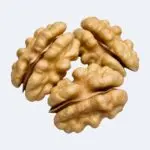
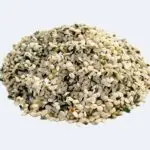
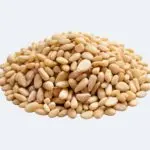
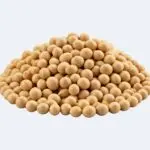
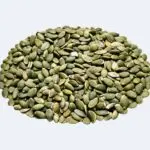
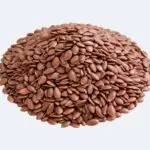
In our USDA ranking, per serving, walnuts lead with 13.4 g in 1 oz (28 g). Hemp seeds, pine nuts and a cup of soybeans follow. Per 100 g, walnuts, hemp seeds and pine nuts lead, with flaxseeds fourth. The ranking below shows every amount.
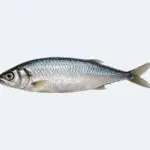
The family matters as much as the total. Most of the polyunsaturated fat in walnuts is omega-6: our linoleic acid ranking lists 10.8 g in an ounce. Chia seeds lead our ALA ranking at 5.05 g per ounce, and a can of sardines gives 4.74 g of polyunsaturated fat. Our database covers whole foods, not cooking oils.
Per serving. No daily amount is set, so bars compare each food with the top food.
Per 100 g. No daily amount is set, so bars compare each food with the top food.
Per 100 kcal: the same calories of each food, for a fair comparison. Bars compare each food with the top food.
Food labels have no Daily Value or Reference Intake for polyunsaturated fat, so the % compares each food with the top food.
- 1.
- 2.
- 3.
- 4.
- 5.
- 6.
- 7.
- 8.
- 9.
- 10.


- 1.
- 2.
- 3.
- 4.
- 5.
- 6.
- 7.
- 8.
- 9.
- 10.


- 1.
- 2.
- 3.
- 4.
- 5.
- 6.
- 7.
- 8.
- 9.
- 10.
Sources
- FoodData Central. US Department of Agriculture, Agricultural Research Service. Values as shown in the ranking above.
How much polyunsaturated fat do you need?
No official value exists for polyunsaturated fat as a whole. EFSA declined to set one, because the different polyunsaturated fats have different effects in the body. It also has no Daily Value on US food labels and no EU Reference Intake.
Instead, EFSA set adequate intakes for the essential fats and for EPA plus DHA, shown below. The US values for linoleic acid and ALA are on our linoleic acid and ALA pages. EFSA set no upper limit for omega-6 fats or ALA.
| Source | Group | Value | Notes |
|---|---|---|---|
| EFSA, adequate intake for linoleic acid (omega-6) | From 7 months of age, including pregnancy and breastfeeding | 4% of energy | About 9 g a day on 2,000 kcal (our arithmetic). No upper limit for omega-6 fats. |
| EFSA, adequate intake for ALA (omega-3) | From 7 months of age, including pregnancy and breastfeeding | 0.5% of energy | About 1.1 g a day on 2,000 kcal (our arithmetic). No upper limit. |
| EFSA, adequate intake for EPA plus DHA | Adults | 250 mg a day | Pregnancy and breastfeeding: an extra 100 to 200 mg of DHA a day. |
| EFSA, total polyunsaturated fat | All ages | No value set | No value either for the ratio of omega-6 to omega-3. |
Sources
- European Food Safety Authority. Dietary Reference Values for nutrients: summary report. EFSA Supporting Publications. 2017. Summarizes the 2010 opinion on fats.
- European Food Safety Authority. EFSA sets European dietary reference values for nutrient intakes. News release, 26 March 2010.
Types of polyunsaturated fat
The family pages are the best place to start: omega-3 fatty acids for ALA, EPA and DHA together, and linoleic acid for omega-6. Each type below has its own page with its foods and studies.
10 polyunsaturated fats
Polyunsaturated fats
Alpha-Linolenic acid (ALA)
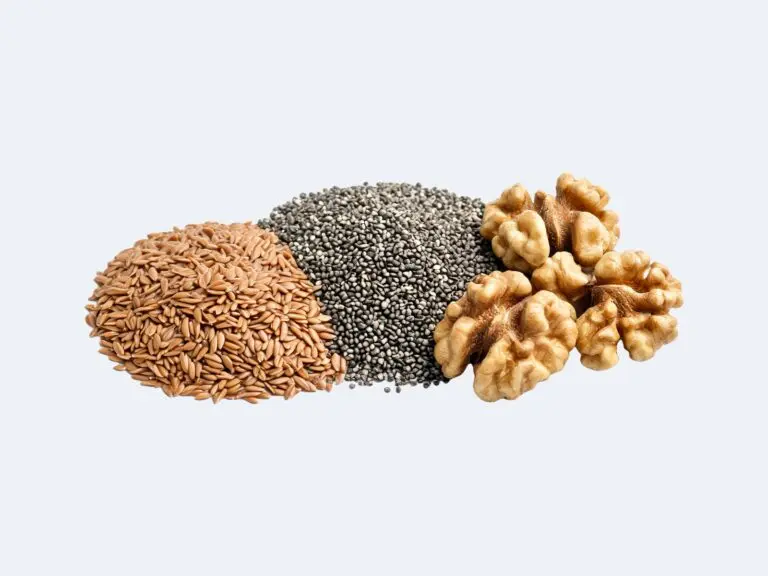
ALA is the plant omega-3 that the body cannot make, yet it turns only a small share into EPA and DHA. Here is what 34 studies show about flax, chia and walnuts, heart health, prostate worries and how much you need.
Top source: chia seeds, 5.05 g per 1 oz (28 g)
Top source: flaxseeds, 22.8 g per 100 g
Polyunsaturated fats
Arachidonic acid (ARA)
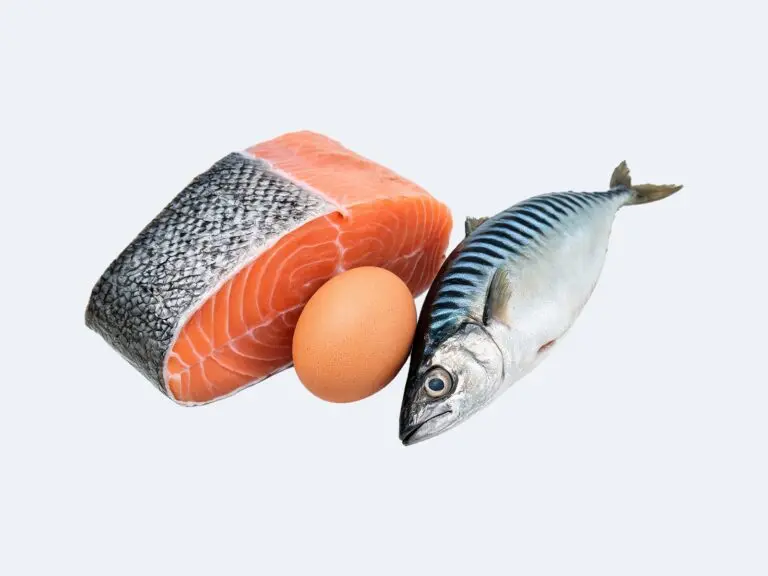
ARA is the omega-6 fat your cells turn into prostaglandins, the signals that aspirin and ibuprofen block. This page ranks the foods, led by wild Atlantic salmon at 0.23 g in 3 oz. It also weighs 25 studies on infant formula, exercise, safety and linoleic acid.
Top source: wild Atlantic Salmon, 0.23 g per 3 oz (85 g)
Top source: wild Atlantic Salmon, 0.27 g per 100 g
Polyunsaturated fats
Docosahexaenoic Acid (DHA)
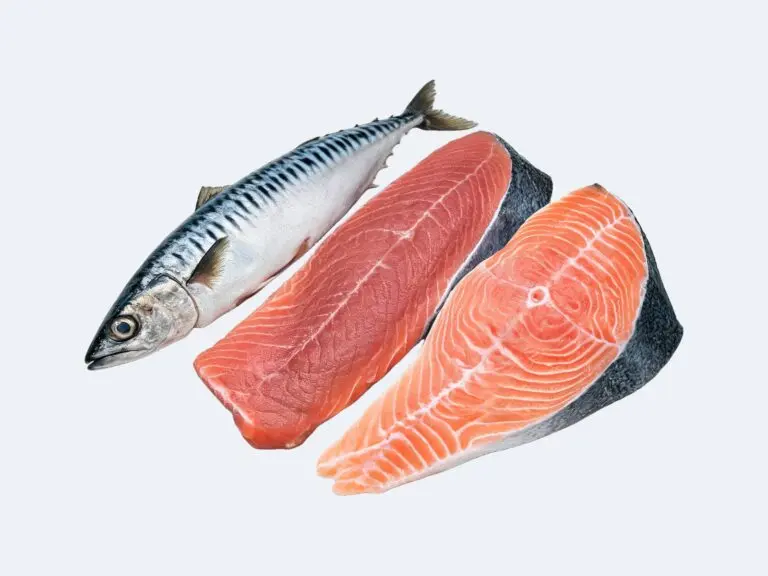
DHA is the omega-3 fat especially rich in the retina and brain, yet the body makes only a little from plant omega-3. This page ranks the foods, led by mackerel at 1.4 g per 100 g. It also weighs 34 studies on pregnancy, infants, the brain and heart, and algal oil.
Top source: mackerel, 1.57 g per 1 fillet (112 g)
Top source: mackerel, 1.4 g per 100 g
Polyunsaturated fats
Docosapentaenoic acid (DPA)
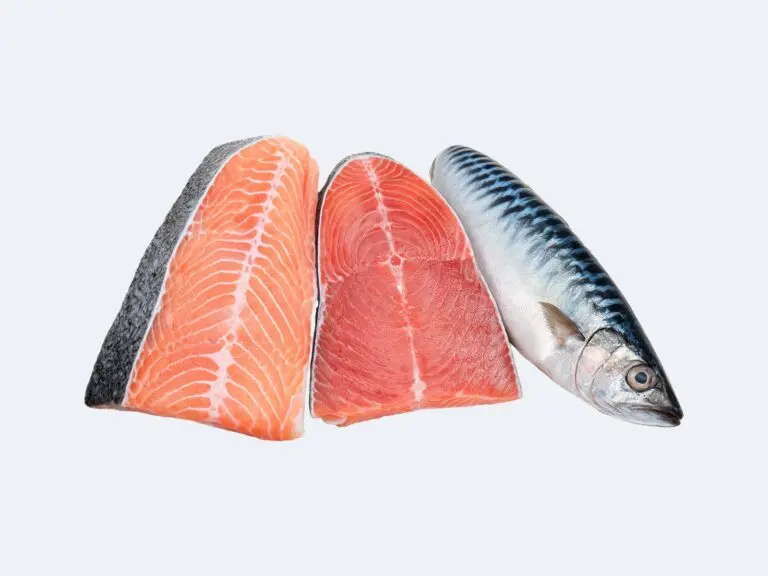
DPA is the omega-3 that sits between EPA and DHA, and only two small studies have fed it to people in pure form. Here is what 25 studies, from seal oil capsules to pooled blood-level cohorts, show about heart health, diabetes and cancer signals. Plus the foods that carry it, led by farmed Atlantic salmon.
Top source: farmed Atlantic Salmon, 0.33 g per 3 oz (85 g)
Top source: farmed Atlantic Salmon, 0.39 g per 100 g
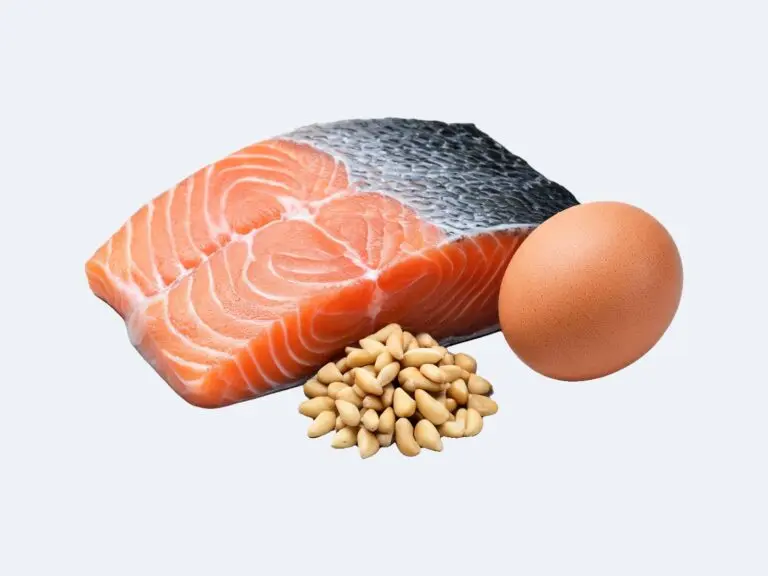
Polyunsaturated fats
Eicosadienoic acid
Your body makes eicosadienoic acid from linoleic acid, yet no trial has ever tested it on its own. This page weighs 12 studies, from diet trials and blood-level cohorts to enzyme work, and shows which foods carry it.
Top source: pine nuts, 0.11 g per 1 oz (28 g)
Top source: pine nuts, 0.4 g per 100 g
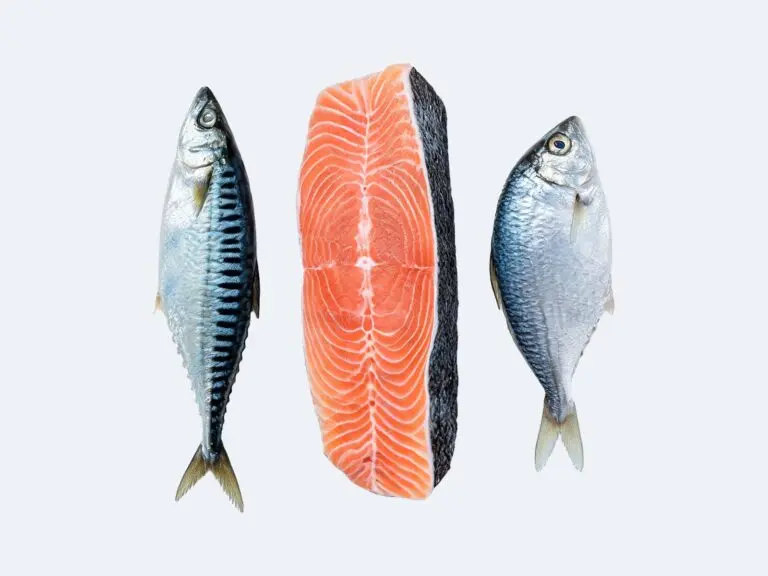
Polyunsaturated fats
Eicosapentaenoic acid (EPA)
EPA is the omega-3 in the one purified drug that cut heart events in the REDUCE-IT trial. Yet a mixed EPA and DHA drug did no better than corn oil in STRENGTH. Here is what 35 studies show about triglycerides, heart rhythm and depression, which foods are richest, and how much you need.
Top source: mackerel, 1.01 g per 1 fillet (112 g)
Top source: mackerel, 0.9 g per 100 g
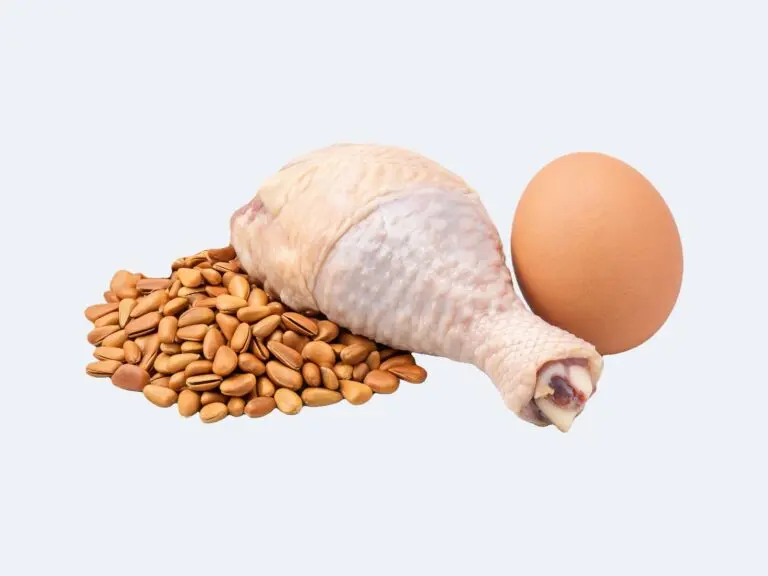
Polyunsaturated fats
Eicosatrienoic acid
Eicosatrienoic acid is three different 20-carbon fats under one name. They are Mead acid, the classic blood marker of essential fatty acid deficiency, plus DGLA and an omega-3 form. This page weighs 16 studies, from premature infants to trials of evening primrose and borage oil, and says where the evidence is thin.
Top source: pine nuts, 0.1 g per 1 oz (28 g)
Top source: pine nuts, 0.35 g per 100 g
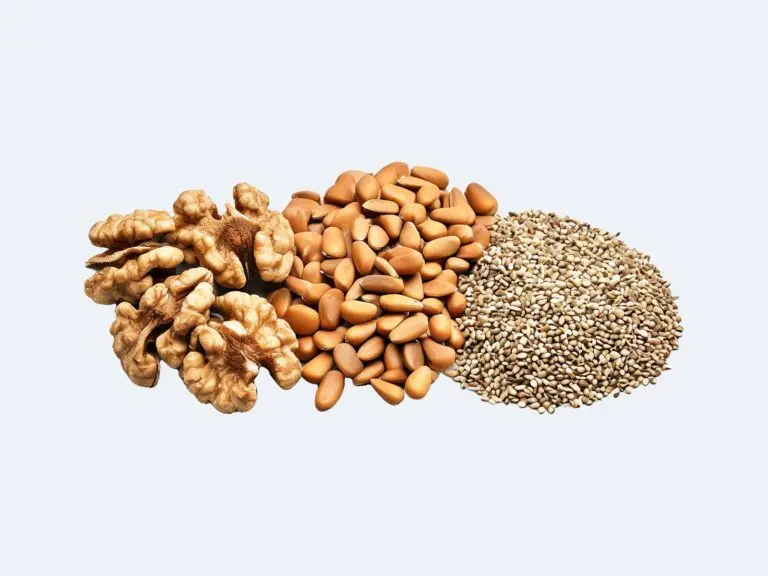
Polyunsaturated fats
Linoleic acid
Linoleic acid is the omega-6 fat in seed oils, nuts and seeds, and the body cannot make it. Here is what 32 studies show about cholesterol, heart disease, inflammation and the omega-6 to omega-3 ratio, and how much you need.
Top source: walnuts, 10.8 g per 1 oz (28 g)
Top source: walnuts, 38.1 g per 100 g
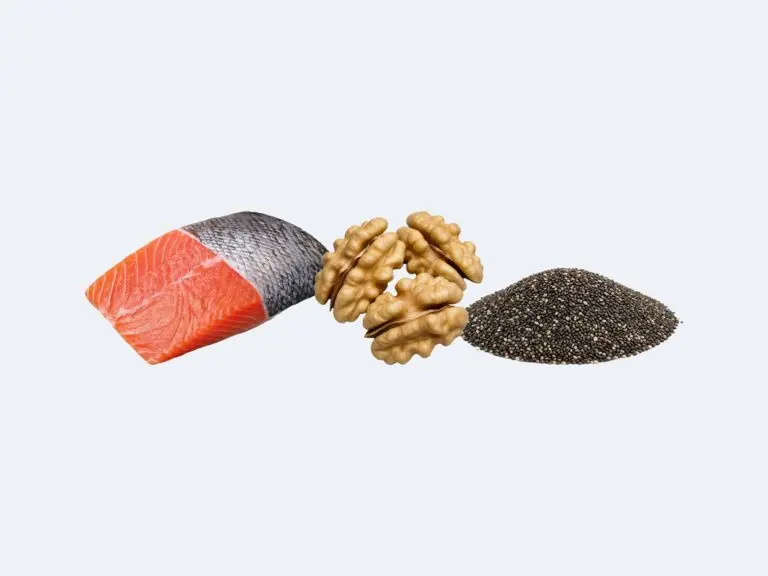
Polyunsaturated fats
Omega-3 fatty acids
Fish do not make their own EPA and DHA: microalgae do, and fish collect them as they feed. Here is what 32 studies show about the heart, pregnancy and the brain, and whether fish, plants or capsules do the job.
Top source: chia seeds, 5.05 g per 1 oz (28 g)
Top source: flaxseeds, 22.8 g per 100 g
Polyunsaturated fats
Parinaric acid
Parinaric acid is a fat with four double bonds in a row that fluoresces, so labs use it to watch cell membranes. We found no human trial of it, and it is not the same as stearidonic acid.


How to get more polyunsaturated fat
- Use vegetable oils where you would use solid animal fats. That swap lowered heart disease in the trials the AHA reviewed, though not in every trial.
- Snack on walnuts or seeds. Walnuts, hemp seeds and pine nuts lead our ranking per serving.
- Eat oily fish for EPA and DHA. Mackerel tops our DHA ranking, and a can of sardines gives 4.74 g of polyunsaturated fat.
Sources
- Sacks FM, Lichtenstein AH, Wu JHY, et al. Dietary fats and cardiovascular disease: a presidential advisory from the American Heart Association. Circulation. 2017.
- Mozaffarian D, Micha R, Wallace S. Effects on coronary heart disease of increasing polyunsaturated fat in place of saturated fat: a systematic review and meta-analysis of randomized controlled trials. PLoS Med. 2010.
Frequently asked questions about polyunsaturated fat
Are seed oils bad for you?
The trials do not show that they raise deaths. In a Cochrane review of 19 trials, more omega-6 fat made little or no difference to deaths or heart events. It lowered cholesterol a little. A recovered 1970s trial of corn oil found no benefit for deaths either, so the case for benefit is mixed too.
Should I take fish oil for my heart?
A Cochrane review of 86 trials found little or no effect on deaths or heart events. It saw a possible small drop in heart disease deaths. Fish oil does lower triglycerides. Ask your doctor or pharmacist before starting any supplement.
What is the best ratio of omega-6 to omega-3?
No official ratio exists. EFSA decided not to set one, because there was too little evidence in people. It set amounts for linoleic acid, ALA and EPA plus DHA instead.
How much polyunsaturated fat do I need a day?
There is no value for the total. EFSA advises 4% of energy from linoleic acid, 0.5% from ALA and 250 mg a day of EPA plus DHA for adults. On 2,000 kcal, that is about 9 g of linoleic acid and 1.1 g of ALA, by our arithmetic.