
Beta-sitosterol is the most common plant sterol. Animals build cholesterol into their cell membranes, and plants use sterols such as beta-sitosterol for the same job. Plants also turn sterols into brassinosteroids, hormones that steer growth.
In a study of the diet in São Paulo, Brazil, beta-sitosterol made up 65% of the plant sterols people ate. Campesterol (23%) and stigmasterol (10%) made up most of the rest. See our pages on campesterol and stigmasterol for those two.
Here is what most readers do not know. In a typical Western diet, your body keeps about 50% to 60% of the cholesterol it eats, but less than 1% of the plant sterols. In a tracer study of 10 healthy adults, about 0.5% of the sitosterol in a meal was absorbed. That poor uptake is why plant sterols can lower LDL (“bad”) cholesterol, and why a rare gene fault that lets them through causes a disease.
Most of the research is on mixtures. The cholesterol-lowering foods and the EU and US health claims are about plant sterols and stanols as a group. Beta-sitosterol is the main sterol in them. The prostate trials used extracts that held beta-sitosterol along with other sterols. Only one small study below used pure beta-sitosterol, and we say so on each card.
Health benefits of beta-sitosterol
Plant sterols reach strong evidence for one thing: lowering LDL cholesterol. Meta-analyses, which pool many trials, find about 9% lower LDL at 2 g a day. The EU and the US both allow a cholesterol or heart disease claim for them. Those results are for sterol mixtures in fortified spreads, dairy foods and other products, not for beta-sitosterol alone.
We found no trial of heart attacks or deaths, and a 2015 trial report says no direct evidence shows lower coronary risk. For urinary symptoms of an enlarged prostate, small trials of beta-sitosterol extracts found better scores and urine flow. But the Cochrane review of them was withdrawn, and the evidence is limited.
Observational and genetic studies disagree on whether higher blood sterol levels matter for heart risk. Here is what 27 studies found, strongest evidence first, including the findings that cut the other way.
EFSA: 3 g of plant sterols daily lowers LDL by 11.3%
This opinion came from the nutrition panel of EFSA, the EU’s food safety agency, on an application from Unilever, which makes sterol spreads. It covered plant sterols or stanols. It used a published meta-analysis and an unpublished one of 27 randomized trials at 2.6 to 3.4 g a day. Sterols or stanol esters at 1.5 to 3.0 g a day worked alike in spreads, dairy products, mayonnaise and salad dressings. The full effect took two to three weeks. The EU allows a cholesterol claim, and a 2014 Commission regulation sets the label conditions.
Across 14 meta-analyses, phytosterols lowered LDL by 0.26 to 0.36 mmol/L
This umbrella review of meta-analyses of randomized trials added new dose-response analyses. It covered phytosterol supplements and enriched foods (fats and oils, dairy, grains and drinks), and rated the certainty of evidence high. LDL fell in a straight line with dose, by 0.2 mmol/L or more at doses as low as 0.5 to 1 g a day. HDL did not change, and the authors call the changes in triglycerides, blood pressure and BMI trivial.
In 124 trials, sterols and stanols lowered LDL 6% to 12%
This meta-analysis covered 124 randomized studies (201 strata) at 0.6 to 3.3 g a day, average 2.1 g. The effect rose with dose. Analyzed separately, sterols and stanols showed clear and comparable dose-response curves. The effect kept growing up to about 3 g a day, to an average of 12%. Two authors work for Unilever.
2.15 g of phytosterols daily cut LDL 8.8% in 84 trials
This meta-analysis pooled 141 trial arms in adults. LDL fell by 0.34 mmol/L, more when starting LDL was higher. The curves for sterols and stanols, for fat-based and other foods, and for dairy and non-dairy foods did not differ clearly. Single daily doses tended to work slightly less well than split doses, and the first author works for Unilever.
Show 23 more studies
In high cholesterol, sterol foods lowered LDL by 0.34 mmol/L
This meta-analysis covered randomized trials in adults with high cholesterol, searched to March 2022. Total cholesterol fell by 0.37 mmol/L, and HDL and triglycerides did not change. The dose-response was not a straight line. The authors say the effect may depend on the food, dose, esterification, length of the trial and region.
Plant sterols lowered LDL at most 8.3%, half as much as stanols
This dose-response analysis covered placebo-controlled trials (113 publications, 182 strata). Stanols reached a maximum of 16.4%. Sterol esters topped out at 8.4% and stanol esters at 17.1%. The authors link stanol intakes above 2 g a day to extra LDL lowering. The Demonty meta-analysis above found no clear difference between sterols and stanols, so the pooled results disagree.
Plant sterols lowered LDL 0.31 mmol/L, more in spreads and dairy
This meta-analysis covered 59 randomized trials from 1992 to 2006, with large differences between trials. LDL fell more in people with high starting LDL. It fell more with sterols in fat spreads, mayonnaise and salad dressing, milk and yogurt. It fell less in croissants, muffins, orange juice, non-fat drinks, cereal bars or chocolate. A single morning dose had no clear effect.
With statins, sterols or stanols cut LDL a further 13.26 mg/dL
This meta-analysis covered 8 small randomized trials in 306 patients with high cholesterol who were already on statins (cholesterol drugs). Total cholesterol fell by 14.01 mg/dL, and HDL and triglycerides did not change. The authors say trials of illness and death are still needed.
Phytosterol milk lowered LDL cholesterol by 9.5% in 3 weeks
221 Chinese adults aged 24 to 79, not on cholesterol drugs, were randomized. 110 drank low-fat milk with 1.5 g a day of phytosterols and 111 drank ordinary low-fat milk. Total cholesterol and diastolic blood pressure (the bottom number) fell too. Nestlé Hong Kong sponsored the study.
A sterol spread for 1 year lowered LDL cholesterol by 6%
185 healthy adults aged 35 to 64 ate 20 g a day of a spread with 1.6 g of plant sterols, or a placebo spread. After a year, total cholesterol was 4% lower. Adjusted for blood fats, alpha- and beta-carotene were 15% to 25% lower than on control. Blood beta-sitosterol rose from 1.86 to 2.47 µmol per mmol of cholesterol. Hormones, routine blood tests and side effects did not differ from control.
A sterol spread did not change blood vessel function, though LDL fell
240 adults with high cholesterol ate 3 g a day of plant sterols in a spread, or a placebo spread, for 12 weeks (INVEST). LDL fell 6.7%, but how well the arm artery widens did not change, and nor did arterial stiffness and blood pressure. Most authors work for Unilever. They state that no direct evidence shows lower coronary risk from foods with added plant sterols.
Sterol foods raised blood sitosterol 31%; plant sterols stayed under 1%
This meta-analysis covered 41 randomized studies with 2084 people, average dose 1.6 g a day. Sitosterol rose by 2.24 µmol/L and campesterol by 5.00 µmol/L (37%), while LDL fell 8.5%. The rise grew with dose, to 3.56 µmol/L of sitosterol at 2.0 to 3.2 g a day, and the authors work for Unilever.
Across 41 trials, sterols and stanols lowered blood beta-carotene about 10%
This meta-analysis covered 41 randomized trials with 3306 people at an average 2.5 g a day. Adjusted for cholesterol, beta-carotene fell 10.1%, alpha-carotene 7.8% and lycopene 6.3%. Lutein, tocopherols (vitamin E) and vitamins A and D did not change, and levels stayed within normal ranges. Unilever staff are among the authors.
Cochrane found prostate gains from beta-sitosterols, but withdrew the review
This review covered four placebo-controlled trials with 519 men with enlarged prostates, lasting 4 to 26 weeks. Symptom scores improved by 4.9 IPSS points (2 trials), peak urine flow rose 3.91 mL/s and urine left in the bladder fell 28.62 mL. Prostate size did not shrink, the preparations were not standardized, and long-term effects and safety were unknown. Cochrane withdrew the review in 2011 after its author said he could not update it.
A beta-sitosterol mixture improved prostate symptoms and urine flow
200 men with BPH (an enlarged prostate) took 20 mg of a phytosterol mixture three times a day, or placebo, for 6 months. The main symptom score fell 6.7 points against 2.1 on placebo, and the IPSS symptom score fell 7.4 against 2.1. Peak urine flow rose from 9.9 to 15.2 mL/s, but prostate volume did not shrink in either group.
Free beta-sitosterol beat placebo by 5.4 symptom points
177 men took 130 mg a day of Azuprostat or placebo for six months, at 13 centers. Azuprostat is a phytosterol extract from Pinus, Picea or Hypoxis species, with beta-sitosterol as the main component. Peak urine flow rose 4.5 mL/s more and residual urine fell 33.5 mL more than on placebo. The quality-of-life index improved by 0.9.
Men who kept taking beta-sitosterol held on to their gains
This open 18-month follow-up came from the same 200-man trial as Berges 1995, and only 59% of the men could be analyzed. Of 117 men analyzed, 38 who continued beta-sitosterol had stable scores, and 27 former placebo men who started it improved as much. Men who chose no further treatment did slightly worse or did not improve. The authors ask for more trials.
1 g of pure beta-sitosterol cut cholesterol absorption by 42%
In this hospital metabolic-ward study, each of 9 adults ate a meal with 500 mg of cholesterol in eggs. It came with no additive, beta-sitosterol, or 2 g of beta-sitosteryl oleate, and the oleate form cut absorption by 33%. This study used pure beta-sitosterol rather than a sterol mix. It measured absorption, not blood cholesterol.
3 g of sterols daily did not clearly change total cholesterol
16 healthy adults, average age 34, with no or mild high cholesterol, ate margarine with plant sterols or a placebo margarine for 4 weeks each. Blood plant sterols rose: sitosterol by 0.27 mg/dL and campesterol by 0.16 mg/dL. Markers of cholesterol production rose too, while monocyte activation and redox state did not change. The trial was small and short.
Only about 0.5% of sitosterol was absorbed, against 1.9% of campesterol
This tracer study in 10 healthy adults used labeled sterols by mouth and by vein. They got 600 mg of soy sterols or stanols with a standard breakfast. Sitostanol absorption was 0.044% and campestanol 0.155%, so removing the double bond in the ring cut absorption by 90%. The authors conclude absorption is lower than earlier reports.
Across 17 studies, blood sitosterol was not linked to heart disease
This systematic review and meta-analysis covered case-control, nested case-control, cohort and cross-sectional studies with 11,182 participants. Neither the risk-ratio analysis nor the case-control comparison found a link of sitosterol or campesterol with cardiovascular disease. Funnel plots suggested small unpublished studies with null findings.
In high-risk men, a higher sitosterol-to-cholesterol ratio went with lower death risk
This study followed 232 men for 22 years, average age 60, most with high cholesterol and none on statins at the start. The highest third of the sitosterol-to-cholesterol ratio had 0.51 times the risk of dying of the lowest third, and 101 men (43%) died. The authors suggest sitosterol may mark lower cholesterol absorption, not a protective effect.
Sterol-linked gene variants pointed at cholesterol absorption, not plant sterols
This genetic study used two cohorts plus a meta-analysis of 6 studies (4,362 people). ABCG8 and ABO gene variants tied to plant sterol levels were linked to the cholestanol-to-cholesterol ratio. That ratio marks cholesterol absorption without depending on plant sterols, and it was higher in people with cardiovascular disease. The authors suggest harm from higher cholesterol absorption rather than from plant sterols.
Genetically higher sitosterol raised coronary artery disease risk
This genome-wide meta-analysis of 32 phytosterol traits covered six studies with up to 9758 people. It was followed by Mendelian randomization, which uses gene variants as a stand-in for lifelong blood levels. It found direct and indirect (cholesterol-mediated) effects of sitosterol on coronary artery disease. It tests lifelong genetic differences, not sterol-enriched foods.
Genetically higher sitosterol went with 33% higher odds of heart disease
This Mendelian randomization study used 7 gene variants and data from UK Biobank, FinnGen and other studies. The headline figure is per unit of log sitosterol. The odds were 1.40 times for heart attack and 1.52 times for coronary atherosclerosis. Non-HDL cholesterol and apolipoprotein B explained 43% to 58% of the link with coronary heart disease. It describes lifelong genetic differences, not food.
Faults in two sterol pumps were found in 9 patients with sitosterolemia
Sitosterolemia is a rare recessive disorder in which sterols build up. It brings more sterol absorption in the gut, less sterol excretion into bile, high cholesterol and early coronary atherosclerosis. In nine patients, seven different mutations were found in the pumps ABCG5 and ABCG8: six in ABCG8 and one in ABCG5.
In mice, plant sterols blocked cholesterol absorption even without the pumps
This review covers cell and animal work, not people. Plant sterols are thought to compete with cholesterol for space in mixed micelles in the gut. In mice lacking ABCA1 or ABCG5/G8, the blocking effect remained. Mice lacking ABCG5/G8 developed features of human sitosterolemia.
Foods high in beta-sitosterol
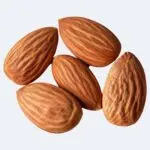
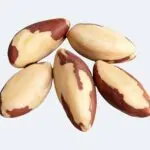
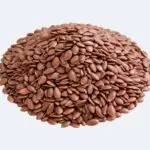
The USDA data on this page measure beta-sitosterol alone, not all plant sterols. Nuts and seeds lead per 100 g. Pistachios (198 mg), pine nuts (132 mg) and almonds (130 mg) come first, and the ranking below has the rest.
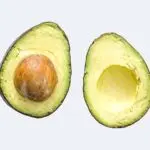
Serving size changes the order. A half avocado (101 g) holds 76.4 mg, more than an ounce (28 g) of pistachios at 56.1 mg. Avocado also leads per 100 kcal, at 47.5 mg. A 2001 letter in a dietetics journal made the same case for avocado as a rich source.
One number does not tell the whole story. A lab that measured all phytosterols in nuts and seeds found pistachios and sunflower kernels richest among snack foods. They held 270 to 289 mg per 100 g. Pumpkin seed kernels held only 13 mg of beta-sitosterol, although their total was 265 mg.
Most people get plant sterols from everyday foods. In 24,798 British adults, intake was about 300 mg a day. Bread and cereals, vegetables and added fats each supplied roughly 17% to 19%. In São Paulo it was 100.6 mg a day, 65% of it beta-sitosterol.
Trial doses are far higher than food. The cholesterol trials above used about 1.5 to 3 g of plant sterols a day in fortified foods. That is 5 to 10 times the British average of about 300 mg. By the USDA figure, 100 g of pistachios gives 198 mg of beta-sitosterol, about a tenth of 2 g.
The 130 mg a day in the prostate trial is about 66 g of pistachios, if all of it were beta-sitosterol. That extract held other sterols too.
Per serving. No daily amount is set, so bars compare each food with the top food.
Per 100 g. No daily amount is set, so bars compare each food with the top food.
Per 100 kcal: the same calories of each food, for a fair comparison. Bars compare each food with the top food.
Food labels have no Daily Value or Reference Intake for beta-sitosterol, so the % compares each food with the top food.
- 1.
- 2.
- 3.
- 4.
- 5.
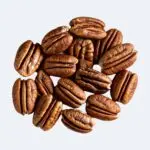
- 6.
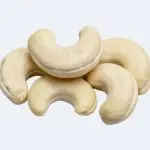
- 7.
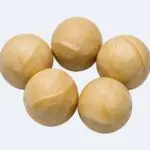
- 8.

- 9.
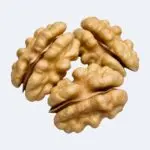
- 10.


- 1.
- 2.
- 3.
- 4.
- 5.
- 6.
- 7.
- 8.
- 9.
- 10.

- 1.
- 2.
- 3.
- 4.
- 5.
- 6.
- 7.
- 8.
- 9.
- 10.
Sources
- Klingberg S, Andersson H, Mulligan A, et al. Food sources of plant sterols in the EPIC Norfolk population. Eur J Clin Nutr. 2008.
- Phillips KM, Ruggio DM, Ashraf-Khorassani M. Phytosterol composition of nuts and seeds commonly consumed in the United States. J Agric Food Chem. 2005.
- Martins CM, Fonseca FA, Ballus CA, et al. Common sources and composition of phytosterols and their estimated intake by the population in the city of São Paulo, Brazil. Nutrition. 2013.
- Duester KC. Avocado fruit is a rich source of beta-sitosterol. J Am Diet Assoc. 2001.
- FoodData Central. U.S. Department of Agriculture, Agricultural Research Service.
- Klippel KF, Hiltl DM, Schipp B. A multicentric, placebo-controlled, double-blind clinical trial of beta-sitosterol (phytosterol) for the treatment of benign prostatic hyperplasia. Br J Urol. 1997.
How beta-sitosterol works
Most of what we know about how beta-sitosterol works comes from lab work, animal studies and a few small tracer studies in people. Three ideas fit the data. It takes room that cholesterol would use in the gut, and very little of it is absorbed. A pair of pumps sends back what does get in.
Here is each one, and what has been seen in people.
It crowds cholesterol out in the gut
Cholesterol from food and bile travels through the gut in tiny droplets called mixed micelles. Plant sterols are thought to compete with cholesterol for space in those droplets, so less cholesterol is taken up. A review of the molecular work lists other proposed effects in gut and liver cells. It says the blocking effect in mice does not need the ABCA1 or ABCG5/G8 transporters.
In a hospital study of 9 adults, 1 g of pure beta-sitosterol with a meal holding 500 mg of cholesterol cut cholesterol absorption by 42%.
A simplified picture of the idea. The number of molecules and their positions are for illustration, not measured. The 42% comes from the study of 9 adults.
Very little of it gets absorbed
The gut keeps about half of the cholesterol it meets, but under 1% of the non-cholesterol sterols. In the tracer study, 0.51% of the sitosterol in a test meal reached the blood, and 1.89% of the campesterol. Stanols, which lack a double bond in the ring, were absorbed about 90% less.
A meta-analysis of 41 trials found that sterol-enriched foods raise blood sitosterol by 31%. Yet plant sterols still stayed under 1% of the sterols in blood.
Drawn to scale. The cholesterol figure is a general statement for a typical Western diet, and the others come from a single-meal tracer test, so the methods differ. The two bars for stanols are narrower than the 2 units drawn.
Two pumps send it back out
Cells in the gut and liver carry two partner pumps, ABCG5 and ABCG8. They limit how much sterol is absorbed and send sterols out into bile. Berge and colleagues found mutations in these genes in nine patients with sitosterolemia, a rare inherited disease in which sterols build up in the blood.
In 1974, Bhattacharyya and Connor described two sisters with plasma beta-sitosterol of 27.1 and 17.7 mg per 100 ml. They absorbed about 24% and 28% of their dietary beta-sitosterol, against under 5% in normal people.
A simplified diagram, not to scale. It shows the idea from the patient studies: without working pumps, far more plant sterol gets into the blood.
What has been seen in people
These ideas fit cholesterol best. At about 2 g a day of plant sterols, trials lower LDL by around 9%. The one study of pure beta-sitosterol cut cholesterol absorption by 42%. For the prostate, how beta-sitosterol might help is not known.
The authors of the 1995 trial say plant drugs for this use have no precisely described mechanism. Prostate size did not shrink in the trials. A 2016 review calls beta-sitosterol an orphan phytosterol, because most mechanisms have not been studied in detail and long-term trial results are missing.
Sources
- Calpe-Berdiel L, Escolà-Gil JC, Blanco-Vaca F. New insights into the molecular actions of plant sterols and stanols in cholesterol metabolism. Atherosclerosis. 2009.
- Mattson FH, Grundy SM, Crouse JR. Optimizing the effect of plant sterols on cholesterol absorption in man. Am J Clin Nutr. 1982.
- Lee MH, Lu K, Hazard S, et al. Identification of a gene, ABCG5, important in the regulation of dietary cholesterol absorption. Nat Genet. 2001.
- Ostlund RE Jr, McGill JB, Zeng CM, et al. Gastrointestinal absorption and plasma kinetics of soy Delta(5)-phytosterols and phytostanols in humans. Am J Physiol Endocrinol Metab. 2002.
- Ras RT, Hiemstra H, Lin Y, et al. Consumption of plant sterol-enriched foods and effects on plasma plant sterol concentrations: a meta-analysis of randomized controlled studies. Atherosclerosis. 2013. The authors work for Unilever.
- Berge KE, Tian H, Graf GA, et al. Accumulation of dietary cholesterol in sitosterolemia caused by mutations in adjacent ABC transporters. Science. 2000.
- Bhattacharyya AK, Connor WE. Beta-sitosterolemia and xanthomatosis: a newly described lipid storage disease in two sisters. J Clin Invest. 1974.
- Berges RR, Windeler J, Trampisch HJ, Senge T. Randomised, placebo-controlled, double-blind clinical trial of beta-sitosterol in patients with benign prostatic hyperplasia. Lancet. 1995.
- Bin Sayeed MS, Karim SMR, Sharmin T, Morshed MM. Critical analysis on characterization, systemic effect, and therapeutic potential of beta-sitosterol: a plant-derived orphan phytosterol. Medicines (Basel). 2016.
Is beta-sitosterol safe? Supplements, dose and interactions
Plant sterols come with every plant-based diet, at roughly 100 to 300 mg a day in the studies above. The rules set conditions only for foods with added sterols.
In the EU, the claim that plant sterols lower blood cholesterol must tell consumers the effect comes with 1.5 to 3 g a day. Labels must tell people to avoid more than 3 g a day of added sterols. The EU’s scientific committee saw no evidence of added benefit above that, and said high intakes might cause undesirable effects.
In the US, FDA allows a heart disease claim for plant sterol esters in spreads and salad dressings with at least 0.65 g per serving. They must be eaten twice a day, for at least 1.3 g a day. The sterol mixture must be at least 80% beta-sitosterol, campesterol and stigmasterol combined. The claim may say only that sterols “may” reduce the risk, and not by how much.
- Trial doses and side effects. Cholesterol trials used 1.5 to 3 g a day of mixed sterols. A 1-year trial of 1.6 g a day found no difference in side effects from control. The prostate trials used 60 to 195 mg a day of beta-sitosterol preparations. The Cochrane review found adverse effects generally mild and comparable to placebo overall. Stomach complaints affected 1.6% of men on beta-sitosterol against none on placebo, and impotence 0.5% against none, and long-term safety is unknown.
- Sitosterolemia: avoid. People with this rare inherited disorder absorb plant sterols and are advised a diet low in them, plus a drug called ezetimibe. GeneReviews says margarines and other products with plant stanols, sold for high cholesterol, are contraindicated. Signs include high cholesterol that does not respond to statins, xanthomas (fatty lumps under the skin or on tendons) and early atherosclerosis.
- Carotenoids, medicines, pregnancy and children. Across 41 trials, sterols lowered blood beta-carotene by about 10% after adjusting for cholesterol, and levels stayed in the normal range. EU labels say the food is only for people who want to lower cholesterol. People on cholesterol-lowering drugs should use it under medical supervision, and it may not suit pregnant or breastfeeding women or children under 5. Labels also say to keep eating fruit and vegetables to keep up carotenoids.
- The open question. Sterol foods raise blood sitosterol by about 31%. A meta-analysis of observational studies found no link between blood sitosterol and heart disease. But two genetic analyses suggest higher sitosterol raises risk, partly through cholesterol, and another suggests cholesterol absorption, not the sterols, may be the harm. A 2003 expert panel called the risk largely hypothetical and possibly outweighed by the LDL drop. We found no trial of heart attacks or deaths.
How to get more beta-sitosterol
- Best food. Pistachios top the USDA list at 198 mg per 100 g, and a half avocado holds 76.4 mg. Nuts, seeds and avocado bring beta-sitosterol with fat, fiber and other nutrients. They do not bring the 1.5 to 3 g of trials.
- Enriched foods and timing. LDL fell more with sterols in fat spreads, mayonnaise, salad dressing, milk and yogurt than in muffins, juice or cereal bars. A single morning dose had no significant effect. FDA says to eat the amount in two servings at different times with other foods.
- Extracts for the prostate. The trials used purified plant extracts at 60 to 195 mg a day for 4 to 26 weeks. We found no trial of food for prostate symptoms. A doctor should check urinary symptoms first.
Sources
- Commission Regulation (EU) No 686/2014 of 20 June 2014, on the conditions of use of health claims for the lowering effect of plant sterols and plant stanols on blood LDL-cholesterol. Official Journal of the European Union.
- Regulation (EU) No 1169/2011 on the provision of food information to consumers, Annex III, foods with added phytosterols, phytosterol esters, phytostanols or phytostanol esters. It replaced the labeling Regulation (EC) No 608/2004.
- Commission Regulation (EC) No 608/2004 of 31 March 2004, on labeling of foods with added phytosterols. Its recitals cite the 2002 opinion of the Scientific Committee on Food on intakes above 3 g a day.
- 21 CFR 101.83: Health claims: plant sterol/stanol esters and risk of coronary heart disease (CHD). Code of Federal Regulations, US Food and Drug Administration.
- EFSA Panel on Dietetic Products, Nutrition and Allergies (NDA). Scientific opinion on the substantiation of a health claim related to 3 g/day plant sterols/stanols and lowering blood LDL-cholesterol and reduced risk of (coronary) heart disease. EFSA J. 2012.
- Wilt T, Ishani A, MacDonald R, et al. Beta-sitosterols for benign prostatic hyperplasia. Cochrane Database Syst Rev. 2000. Withdrawn in 2011.
- Hendriks HF, Brink EJ, Meijer GW, et al. Safety of long-term consumption of plant sterol esters-enriched spread. Eur J Clin Nutr. 2003.
- Myrie SB, Steiner RD, Mymin D. Sitosterolemia. In: GeneReviews. University of Washington, Seattle. Updated 2020.
- Baumgartner S, Ras RT, Trautwein EA, Mensink RP, Plat J. Plasma fat-soluble vitamin and carotenoid concentrations after plant sterol and plant stanol consumption: a meta-analysis of randomized controlled trials. Eur J Nutr. 2017. Unilever staff are among the authors.
- Genser B, Silbernagel G, De Backer G, et al. Plant sterols and cardiovascular disease: a systematic review and meta-analysis. Eur Heart J. 2012.
- Scholz M, Horn K, Pott J, et al. Genome-wide meta-analysis of phytosterols reveals five novel loci and a detrimental effect on coronary atherosclerosis. Nat Commun. 2022.
- Silbernagel G, Chapman MJ, Genser B, et al. High intestinal cholesterol absorption is associated with cardiovascular disease and risk alleles in ABCG8 and ABO. J Am Coll Cardiol. 2013.
- Katan MB, Grundy SM, Jones P, et al. Efficacy and safety of plant stanols and sterols in the management of blood cholesterol levels. Mayo Clin Proc. 2003.
- Abumweis SS, Barake R, Jones PJ. Plant sterols/stanols as cholesterol lowering agents: a meta-analysis of randomized controlled trials. Food Nutr Res. 2008.
History of beta-sitosterol
Sitosterol first drew attention as a cholesterol-lowering agent in the early 1950s. In 1951, Peterson published a study of soybean sterols in the diet and the cholesterol in plasma and liver of chicks. In 1953 Pollak reported that plant sterols lowered blood cholesterol in people. According to the US National Library of Medicine, Eli Lilly marketed Cytellin, mainly beta-sitosterol, to lower cholesterol from 1957 to 1982.
Later trials showed what sterols can and cannot do. In 1977, Lees and colleagues tested sterol preparations in 46 patients with high cholesterol and found a best average drop of 12%. The most absorption blocking came at 3 g a day of a tall oil sterol suspension, close to today’s dose.
In 1982, Mattson found that 1 g of beta-sitosterol cut cholesterol absorption by 42%. In 1995, a one-year trial tested a margarine with sitostanol ester, the hydrogenated form of sitosterol. It lowered LDL by 14.1%, against 1.1% on a control margarine.
The other side of the story began in 1974. That year Bhattacharyya and Connor described beta-sitosterolemia in two sisters with tendon xanthomas but normal plasma cholesterol. In 2000 and 2001, two groups traced it to mutations in ABCG5 and ABCG8.
In the EU, Commission Decision 2000/500/EC of 24 July 2000 authorized yellow fat spreads with added phytosterol esters as a novel food. FDA’s health claim rule for plant sterol and stanol esters first appeared in the Federal Register on 8 September 2000. EU labeling rules followed in 2004, and EFSA gave its opinion on the claim in 2012.
Interest in the prostate grew in the 1990s. The 1995 Lancet trial of 200 men and a 1997 trial of 177 men, both in Germany, reported better symptom scores than placebo. A Cochrane review of four trials, first published in 1999, agreed. But it was withdrawn in 2011 after its author could not update it.
Sources
- Peterson DW. Effect of soybean sterols in the diet on plasma and liver cholesterol in chicks. Proc Soc Exp Biol Med. 1951.
- Cytellin. MeSH Supplementary Concept Record C003673. US National Library of Medicine.
- Phytosterol. Wikipedia.
- Lees AM, Mok HY, Lees RS, McCluskey MA, Grundy SM. Plant sterols as cholesterol-lowering agents: clinical trials in patients with hypercholesterolemia and studies of sterol balance. Atherosclerosis. 1977.
- Mattson FH, Grundy SM, Crouse JR. Optimizing the effect of plant sterols on cholesterol absorption in man. Am J Clin Nutr. 1982.
- Miettinen TA, Puska P, Gylling H, Vanhanen H, Vartiainen E. Reduction of serum cholesterol with sitostanol-ester margarine in a mildly hypercholesterolemic population. N Engl J Med. 1995.
- Bhattacharyya AK, Connor WE. Beta-sitosterolemia and xanthomatosis: a newly described lipid storage disease in two sisters. J Clin Invest. 1974.
- Berge KE, Tian H, Graf GA, et al. Accumulation of dietary cholesterol in sitosterolemia caused by mutations in adjacent ABC transporters. Science. 2000. Lee MH, Lu K, Hazard S, et al. Identification of a gene, ABCG5, important in the regulation of dietary cholesterol absorption. Nat Genet. 2001.
- Commission Regulation (EC) No 608/2004. Official Journal of the European Union. Its recitals refer to Commission Decision 2000/500/EC of 24 July 2000.
- 21 CFR 101.83, source note listing 65 FR 54717, September 8, 2000. US Food and Drug Administration.
- Wilt T, Ishani A, MacDonald R, et al. Beta-sitosterols for benign prostatic hyperplasia. Cochrane Database Syst Rev. 2000. Berges RR, Windeler J, Trampisch HJ, Senge T. Randomised, placebo-controlled, double-blind clinical trial of beta-sitosterol in patients with benign prostatic hyperplasia. Lancet. 1995. Klippel KF, Hiltl DM, Schipp B. A multicentric, placebo-controlled, double-blind clinical trial of beta-sitosterol (phytosterol) for the treatment of benign prostatic hyperplasia. Br J Urol. 1997.
Frequently asked questions about beta-sitosterol
What does beta-sitosterol do for the body?
Its best-supported effect is lowering LDL cholesterol, as part of plant sterol mixtures. A meta-analysis of 84 trials found LDL down 8.8% at 2.15 g a day. EFSA put the drop at 11.3% at 3 g a day. Small trials of beta-sitosterol extracts also improved urinary symptoms in men with enlarged prostates. We found no trial of heart attacks or deaths, so effects beyond LDL are not proven.
Does beta-sitosterol lower cholesterol?
Yes, as part of sterol mixtures eaten at 1.5 to 3 g a day, with the full effect in two to three weeks. In a hospital study, 1 g of pure beta-sitosterol cut cholesterol absorption by 42% in 9 adults. A 1-year trial of a spread with 1.6 g of sterols lowered LDL by 6%. One small trial of 3 g a day for 4 weeks found no clear change in total cholesterol. Food alone gives far less, about 300 mg a day on average in Britain.
Does beta-sitosterol help an enlarged prostate?
It may ease symptoms, but the evidence is limited. In a 200-man trial over 6 months, 20 mg of a sterol mixture three times a day improved the IPSS by 7.4 points. Placebo improved it by 2.1. A 177-man trial found a 5.4-point gain at 130 mg a day. A Cochrane review agreed but was withdrawn, prostate size did not shrink, and long-term effects are unknown. Have urinary symptoms checked by a doctor first.
Which foods are high in beta-sitosterol?
Nuts, seeds and avocado, by USDA data. Per 100 g, pistachios have 198 mg, pine nuts 132 mg and almonds 130 mg. A half avocado (101 g) has 76.4 mg. British adults got about 300 mg of all plant sterols a day, mostly from bread and cereals, vegetables and added fats.
How much beta-sitosterol should you take a day?
No dose is proven best, and there is no daily requirement. For cholesterol, the EU claim covers 1.5 to 3 g a day of plant sterols or stanols. EU labels say to avoid more than 3 g a day of added sterols. The prostate trials used 60 to 195 mg a day of beta-sitosterol preparations. Check with a clinician if you take cholesterol drugs.
Does beta-sitosterol have side effects?
Trials report few. In the Cochrane review, stomach complaints affected 1.6% of men on beta-sitosterol and none on placebo, and impotence 0.5% against none. Sterol foods lowered blood beta-carotene by about 10% after adjusting for cholesterol. People with sitosterolemia should avoid plant sterols. EU labels say foods with added sterols may not suit pregnant or breastfeeding women or children under 5.
What is the difference between beta-sitosterol, campesterol and stigmasterol?
They are the three main plant sterols, and beta-sitosterol is the most common. In São Paulo diets it made up 65% of plant sterols, campesterol 23% and stigmasterol 10%. They differ in a methyl or an ethyl group on the side chain. Stanols are sterols without the ring double bond, and sitostanol was absorbed about 90% less than sitosterol. See our pages on campesterol and stigmasterol.
When is the best time to take beta-sitosterol?
With meals, and split across the day. In a meta-analysis, a single morning dose had no clear effect on LDL. Another found single daily doses tended to work slightly less well than split ones. FDA words its claim for two servings at different times with other foods. No trial here tested time of day for prostate symptoms.