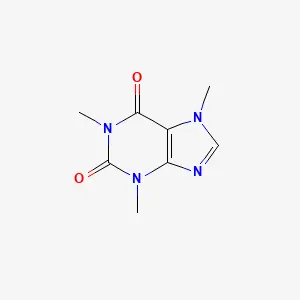
Caffeine is a bitter white powder. It is a methylxanthine, the family of plant alkaloids that also holds theobromine and theophylline. Chemically it is close kin to adenine and guanine, two of the bases in DNA.
Plants make it in the seeds, fruits and leaves of coffee, tea, cacao and guarana. It is the most widely used psychoactive (mind-altering) drug in the world, and more than 80% of US adults consume it.
Plants did not make it for us. Caffeine occurs naturally in the nectar of coffee and citrus flowers. Honeybees that were rewarded with it were three times as likely to remember a flower’s scent. It acts on the bees’ memory cells much as it acts on ours, by blocking adenosine receptors, so the plant buys itself a loyal pollinator.
Most readers do not know how much of the morning lift is the end of a mild withdrawal. In two trials from one research group, regular users who went without overnight felt less alert. A dose of caffeine only brought them back to baseline.
People who had been off caffeine for three weeks gained no clearer thinking from it. The amount in a cup also swings. The same drink from the same coffee shop held from 259 to 564 mg over six days in a row.
Health benefits of caffeine
The top findings from 29 studies, strongest evidence first
What the stars mean
- Strong. Several randomized trials, pooled in a meta-analysis, point the same way, or regulators (FDA or EFSA) have approved the claim.
- Moderate. Good randomized trials support it, but there are fewer of them, or their results vary.
- Limited. Small, short or single trials, or mixed results. Promising, but it needs confirmation.
Population and lab studies get no stars: they show a link or a mechanism, not proof.
How we rate evidence →- ★★★Better exercise performanceAcross 21 meta-analyses, caffeine improved aerobic endurance, strength, power and speed, most for aerobic exercise. In 46 studies of endurance time trials at 3 to 6 mg/kg, finishing times were 2.22% faster.
- ★★★Better attention and reactions when short of sleepIn people who were sleep-deprived or sleep-restricted (45 publications), caffeine improved accuracy on attention tests, reaction time and vehicle control on driving tests. Memory, physical and job-related performance also usually improved.
- ★★★Shorter and lighter sleepAcross 24 studies, caffeine cut total sleep time by 45 minutes and deep sleep by 11.4 minutes. In another trial, 400 mg disturbed sleep even when taken 6 hours before bedtime.
- ★★★Higher blood pressure with regular caffeineRegular caffeine (median 410 mg a day) raised the top blood pressure number by about 4 points (4.16 mm Hg) across 16 trials. Coffee raised it by about 1 point (1.22 mm Hg), a small effect.
- ★★★Slightly better pain relief when added to painkillersAdding 100 to 130 mg of caffeine to paracetamol or ibuprofen gave 5% to 10% more people good relief (20 studies, 7,238 people). About 14 people must take the caffeine version for one extra person to benefit.
All 29 studies, strongest evidence first
When short of sleep, caffeine sharpened attention, reactions and test driving
This meta-analysis (a study that pools earlier studies) combined 45 publications with 327 effect estimates. Everyone studied was sleep-deprived or sleep-restricted. Caffeine improved accuracy on attention tests (standardized difference 0.68), executive function (0.35), reaction time (1.11) and vehicle control on driving tests (1.67). Memory, physical and job-related performance also usually improved.
Across 21 meta-analyses, caffeine improved performance in many kinds of exercise
This umbrella review (a review of reviews) covered 21 meta-analyses from eleven reviews, all of moderate or high quality. Caffeine was ergogenic (performance-enhancing) for aerobic endurance, muscle strength, muscle endurance, power, jumping and speed, with the largest effect on aerobic exercise. Not every analysis gave a clear direction once the 95% prediction interval, the likely spread of results, was considered. The quality of evidence was mostly moderate, and most trials were in young men.
Caffeine made endurance time trials about 2.2% faster
This meta-analysis pooled 46 randomized studies of endurance time trials that compared caffeine at 3 to 6 mg/kg with a placebo (a dummy pill). Mean power output rose 3.03% (effect size 0.23), and finishing time fell 2.22% (effect size 0.41). Responses differed between people. Two studies reported slower time trials and five reported lower mean power with caffeine.
Across 24 studies, caffeine cut total sleep time by 45 minutes
Falling asleep took 9 minutes longer, and sleep efficiency (the share of time in bed spent asleep) fell 7%. Time awake after first falling asleep rose 12 minutes, and deep sleep (N3 and N4) fell 11.4 minutes. To avoid losing total sleep, the authors advise a coffee (107 mg per 250 mL) at least 8.8 hours before bed. For a pre-workout supplement (217.5 mg), they advise at least 13.2 hours.
Regular caffeine raised systolic (top) blood pressure 4.16 mmHg, coffee 1.22
This meta-analysis covered 16 randomized trials of at least a week, with 1010 people and 25 separate comparisons. The 7 caffeine comparisons used a median 410 mg a day and the 18 coffee comparisons a median 725 mL a day. Diastolic pressure (the bottom number) rose 2.41 mmHg on caffeine and 0.49 mmHg on coffee, a rise that could be chance. Heart rate barely changed, and the authors say the effect of caffeine taken as coffee is small.
Caffeine in painkillers gave 5% to 10% more people good relief
This Cochrane review, from a group known for careful reviews, had 20 studies and 7238 people in valid comparisons. Most compared single doses of paracetamol or ibuprofen with and without 100 to 130 mg of caffeine, for dental, childbirth or headache pain. The number needed to treat was about 14: that many people must take the caffeine version for an extra person to get good relief. The benefit held at doses of 100 mg or more whatever the pain or painkiller. The authors say it stays small even after allowing for unpublished data.
Experts: caffeine consistently improves exercise at 3 to 6 mg/kg
This is an expert position stand by 14 authors for the International Society of Sports Nutrition (ISSN), not a new trial. It finds the most consistent gains in endurance, and says the smallest useful dose may be as low as 2 mg/kg. A dose of 9 mg/kg brings many side effects and is not needed, and 60 minutes before exercise is the usual timing. Caffeine also helped attention and vigilance in most people; some authors report ties to supplement makers or a genetic-testing company.
After cardioversion, those who kept drinking coffee relapsed less: 47% against 64%
In this randomized trial, 200 coffee drinkers treated for atrial fibrillation (an irregular heartbeat) with cardioversion were told to keep drinking coffee or to abstain. Over 6 months, the coffee group averaged 7 cups a week and the abstaining group almost none. Atrial fibrillation or flutter came back 39% less often with coffee (0.61 times the risk), with no clear difference in adverse events. This tested coffee, not caffeine alone, and everyone knew which group they were in.
On coffee days, early ventricular beats rose from 102 to 154 daily
Over 14 days, chance decided day by day whether 100 adults drank caffeinated coffee, while they wore a heart monitor, step counter and glucose sensor. Premature atrial beats, from the upper heart chambers, were 58 against 53 a day (1.09 times the rate), which could be chance. Ventricular beats, from the lower chambers, rose 1.51 times. On coffee days people also took 1058 more steps and slept 36 minutes less, and glucose did not differ.
In 101 athletes, caffeine’s speed gain depended on a caffeine-clearing gene
Competitive male athletes took 0, 2 or 4 mg/kg of caffeine before a 10 km time trial, in a double-blind, placebo-controlled design. Overall, 4 mg/kg cut the time by 3%, but only AA carriers of CYP1A2, a gene that helps clear caffeine, gained. AA carriers rode 6.8% faster at 4 mg/kg and 4.8% faster at 2 mg/kg. CC carriers rode 13.7% slower at 4 mg/kg, and AC carriers saw no effect. This is one gene in one set of athletes.
ADORA2A TT carriers got more anxious on caffeine
In this double-blind, placebo-controlled trial, 162 low or non-users and 217 medium or high users went 16 hours without caffeine. They then took 100 mg of caffeine, and 150 mg more 90 minutes later. Regular users built up tolerance: their anxiety responses were smaller whatever the genotype. Caffeine did not raise alertness in low users, and placebo in regular users lowered alertness and raised headache.
Caffeine withdrawal causes headache in about half of people
This critical review covered 57 experimental and 9 survey studies. Besides headache (50% in experiments), valid symptoms were fatigue, drowsiness, low mood, trouble concentrating and irritability. Symptoms started 12 to 24 hours after the last dose, peaked at 20 to 51 hours and lasted 2 to 9 days. Going without as little as 100 mg a day caused symptoms, and 13% had clinically significant distress or impairment.
51% of people with panic disorder had a panic attack on caffeine
This meta-analysis pooled 10 studies that gave 237 people with panic disorder 400 to 750 mg of caffeine or a placebo. None had an attack on placebo. In 6 studies, 53.9% of 128 patients had a panic attack, against 1.7% of 115 healthy controls. Most used 480 mg, about the caffeine in 5 cups of coffee by the authors’ reckoning, and little is known about smaller doses.
Cutting caffeine did not change birth weight or pregnancy length
This double-blind trial in Denmark enrolled 1207 women who drank at least three cups of coffee a day. In the second half of pregnancy they got caffeinated (568) or decaffeinated (629) instant coffee, which cut caffeine by 182 mg a day. After adjustment, babies in the decaf group weighed 16 g more, a gap that could be chance, and pregnancies were 1.31 days shorter. The trial measured birth weight and length of pregnancy only.
In 121 people with Parkinson disease, caffeine did not improve movement symptoms
In this multicenter randomized trial, 60 people took 200 mg of caffeine twice a day for 6 to 18 months and 61 took a placebo. The movement score differed by −0.48 points, which could be chance, and sleepiness improved slightly at first, then faded. Dyskinesia (unwanted movements) was slightly higher on caffeine, and a thinking screening score was 0.66 points worse. An earlier, shorter trial from the same group had seen a movement gain.
400 mg of caffeine disturbed sleep even 6 hours before bedtime
Volunteers took a fixed 400 mg dose or a placebo at bedtime, 3 hours before or 6 hours before. They rated their sleep at home, and a portable monitor recorded it. All three times disturbed sleep clearly compared with placebo. The authors say this supports advice to avoid substantial caffeine for at least 6 hours before bed.
After three weeks off, caffeine did not sharpen thinking, even sleep-restricted
Two groups of 17 moderate to heavy caffeine users took 1.2 mg/kg of caffeine. One group had gone without for 3 weeks, and the other had only skipped it overnight. Overnight withdrawal worsened thinking, mood and headache, and caffeine only prevented further decline, though it did raise tapping speed and blood pressure. The authors read this as strong support for the withdrawal reversal idea.
In migraine, stopping caffeine brought severe attacks in seven of nine
10 people with migraine who usually took 300 to 800 mg of caffeine a day (539 mg on average) joined this double-blind crossover trial. It was planned for 80 adults but stopped early for low recruitment. They swapped their usual caffeine for capsules of caffeine or placebo for 5 weeks each. Continuing caffeine did not trigger migraine, but the study could not show the long-run effect of withdrawal.
In sleepy Parkinson patients, caffeine improved movement scores by 3.15 points
61 people with Parkinson disease and daytime sleepiness were randomized to caffeine (30) or placebo (31). Over 6 weeks, the caffeine dose was 100 mg twice a day for 3 weeks, then 200 mg twice a day. The sleepiness score fell 1.71 points, a borderline change that could be chance. The authors called for a larger long-term trial: the 2017 trial above, which found no movement gain.
With fluvoxamine, caffeine’s half-life rose from 4.9 to 56 hours
In this double-blind, four-way crossover study, 7 healthy people took a single 250 mg caffeine dose with or without fluvoxamine. Fluvoxamine, an antidepressant, blocks CYP1A2, the liver enzyme that clears caffeine. Clearance fell from 105 to 9.1 mL/min, yet alertness, psychomotor tests and EEG (brain waves) were not stronger. The authors cannot rule out harm from caffeine building up with daily use in people taking fluvoxamine.
Ciprofloxacin lengthened caffeine’s half-life from 5.2 to 8.2 hours
10 healthy men took 100 mg of caffeine before and with the third dose of the antibiotic ciprofloxacin (750 mg every 12 hours). Total clearance fell from 106 to 58.2 mL/min per 1.73 m2. The authors say what this means for patients is unknown.
Pregnancy: 13% higher low birth weight risk per extra 100 mg daily
This meta-analysis pooled 13 prospective cohorts, studies that follow people forward in time. In its dose-response analysis, each extra 100 mg a day went with 13% higher risk. Compared with almost no caffeine, the risk was 1.13 times at 50 to 149 mg a day and 1.38 at 150 to 349 mg. At 350 mg or more it was 1.60, and babies weighed 33 g less at moderate and 69 g less at high intakes. These are associations, and the Danish trial above found no effect on birth weight.
Pregnancy loss was more likely at high caffeine intakes
This meta-analysis pooled 14 prospective studies with 130,456 people. Pregnancy loss was 40% more likely at 350 to 699 mg a day and 72% more likely at 700 mg or more. At 50 to 149 mg and 150 to 349 mg a day, the rise could be chance. The authors call the result inconclusive: publication bias, and incomplete adjustment for smoking and pregnancy symptoms, may explain some of it. They still call it prudent to follow guidelines.
Caffeine was not linked to more atrial fibrillation in 7 studies
This meta-analysis pooled six cohorts and one case-control study with 115,993 people, and results varied widely between studies. Overall the odds ratio was 0.92, and in the higher-quality studies the odds were 13% lower. Low doses looked slightly protective, and the authors conclude caffeine does not raise the risk. These were observational studies, so they cannot show it lowers it.
More caffeine went with lower Parkinson’s risk across 26 studies
This meta-analysis pooled 7 cohort, 2 nested case-control, 16 case-control and 1 cross-sectional study. Overall, people with more caffeine had 0.75 times the risk; it was 0.80 in cohorts, and 0.76 per extra 300 mg a day. In women alone it was 0.86, which could be chance, and the authors say bias or confounding can hardly explain the link. This is about risk, not treatment: the trials above found no movement benefit.
Coffee: three to four cups a day had the lowest death risk
This umbrella review covered 201 observational and 17 interventional meta-analyses on coffee, not caffeine alone, since coffee has many compounds. At that intake the relative risk of death was 0.83, and of cardiovascular disease 0.85. Harms mostly vanished after adjusting for smoking, except in pregnancy (low birth weight, pregnancy loss) and fracture in women. The authors say trials are needed to show cause.
Coffee went with more heart attacks only in slow caffeine metabolizers
This case-control study in Costa Rica compared 2014 people who had a heart attack with 2014 controls. Slow metabolizers carry the CYP1A2*1F variant, as did 55% of cases. At 4 or more cups, their odds were 1.64 times as high, and 2.33 times under age 59. Fast metabolizers (*1A/*1A) had an odds ratio of 0.99 at 4 or more cups. The authors say this suggests caffeine plays a role.
In mice, caffeine’s wake-up effect needed the A2A receptor
Study in mice, not people. Caffeine at 5, 10 and 15 mg/kg increased wakefulness in normal mice and in mice missing the A1 receptor. It did not do so in mice missing the A2A receptor, though caffeine blocks both receptor types.
Caffeine made honeybees three times as likely to remember a flower scent
Study in honeybees. Caffeine occurs naturally in the nectar of coffee and citrus flowers. It acted on memory-forming nerve cells by blocking adenosine receptors. Nectar levels stayed under the bees’ bitter-taste threshold, so the bees are not put off and the plant gains a loyal pollinator.
Foods high in caffeine
Coffee is the main source of caffeine for adults in most European surveys (40% to 94% of intake). Tea leads in Ireland and the United Kingdom, and chocolate leads for children aged 3 to 10 in most countries.
EFSA, the EU’s food safety agency, gives rough servings. An espresso (60 mL) has 80 mg, and a cup of filter coffee (200 mL) 90 mg. A cup of black tea (220 mL) has 50 mg, and a can of cola (355 mL) 40 mg.
A can of energy drink (250 mL) has 80 mg. A 50 g bar of plain chocolate has 25 mg, or 10 mg for milk chocolate. Health Canada lists 25 to 58 mg in an ounce (28 g) of unsweetened baking chocolate. Caffeine’s relatives theobromine and theophylline have their own pages.
Real cups vary a lot. In a lab test of specialty coffees from coffee shops, a serving held from 58 to 259 mg. The average was 188 mg in a 16 ounce cup. The same drink from the same shop varied from 259 to 564 mg over six days.
Brewed white, green and black teas held 14 to 61 mg per 6 or 8 ounce serving, and steeping time changed the amount. Decaffeinated coffee is not caffeine-free: the FDA (the US Food and Drug Administration) says typically 2 to 15 mg in an 8 ounce cup. The ranking below uses USDA FoodData Central values.
Per serving. No daily amount is set, so bars compare each food with the top food.
Per 100 g. No daily amount is set, so bars compare each food with the top food.
Per 100 kcal: the same calories of each food, for a fair comparison. Bars compare each food with the top food.
Food labels have no Daily Value or Reference Intake for caffeine, so the % compares each food with the top food.
- 1.
- 2.

- 3.


- 1.
- 2.
- 3.
Sources
- Caffeine. European Food Safety Authority. Summary of the 2015 Scientific Opinion on the safety of caffeine, including intake surveys and serving sizes..
- Spilling the beans: how much caffeine is too much?. US Food and Drug Administration. Content current as of 28 August 2024..
- Caffeine in foods. Health Canada..
- McCusker RR, Goldberger BA, Cone EJ. Caffeine content of specialty coffees. J Anal Toxicol. 2003.
- Chin JM, Merves ML, Goldberger BA, Sampson-Cone A, Cone EJ. Caffeine content of brewed teas. J Anal Toxicol. 2008.
How caffeine works
Most of what we know about how caffeine works comes from animals, cells and small drug studies in people. Four ideas explain most of what you feel. It blocks adenosine receptors, your liver sets how long it lasts, and the wake-up effect also costs sleep. Plants, for their part, use it as a drug for insects.
It blocks adenosine receptors
Caffeine’s main action in the brain is to block adenosine receptors. A major review of its effects on performance says this is how it exerts its effects. Alertness, vigilance, attention and reaction time improve after low to moderate doses (about 40 to 300 mg).
In mice, the wakefulness caused by caffeine needed the A2A type of receptor and did not need the A1 type. A review lists two further actions: freeing calcium inside cells and blocking enzymes called phosphodiesterases.
Result in mice. Mice without the A1 receptor still stayed awake longer, and mice without the A2A receptor did not.
People differ at this receptor. Carriers of one ADORA2A variant (rs5751876 TT) felt more anxiety after caffeine. Regular users built up tolerance to that anxiety, whatever their genes.
Your liver sets how long it lasts
An enzyme called CYP1A2 clears about 95% of the caffeine you take in, and people differ in how fast it works. In one small study, smokers cleared caffeine faster. Their half-life, the time to clear half of it, was 3.5 hours against 6.0 in nonsmokers, probably because smoking switches on liver enzymes.
Quitting smoking slowed clearance in another study. Drugs that block the enzyme do the opposite. With fluvoxamine, caffeine’s half-life rose from 4.9 to 56 hours.
Drawn to scale, in hours. These are three separate small studies, with smokers and nonsmokers measured in saliva. Fluvoxamine is the longest bar; the other drug added only a few hours.
The wake-up effect also costs sleep
The same action that keeps you awake works at night too. A meta-analysis of 24 studies found caffeine cut total sleep time by 45 minutes and sleep efficiency by 7%. The authors advise stopping coffee at least 8.8 hours before bed.
Drawn to scale, in minutes. Sleep efficiency also fell 7% in the same analysis.
Plants use it as a drug for insects
Caffeine is a defense chemical in many plants. Honeybees rewarded with it were three times as likely to remember a flower scent, which suggests the plant uses it to bring pollinators back. The bees’ memory cells responded because caffeine blocked adenosine receptors, the same target it has in people.
Drawn to scale, with sugar water alone as 1.
What has been seen in people
The mechanisms fit the human trials above. In people who had lost sleep, a meta-analysis found better attention, reaction time and driving-test control.
In regular users the picture is less simple. After three weeks off caffeine, a dose brought no better thinking. In a larger trial, the alertness caffeine added mostly undid the lag of going without.
At night the cost is real: 45 minutes of sleep in 24 studies. Over days, trials of caffeine raised systolic blood pressure by about 4 mmHg, less when it came as coffee. Genes matter for some results: in 101 athletes, only those with the AA form of CYP1A2 gained speed.
An umbrella review of caffeine meta-analyses also linked it to lower Parkinson’s and type 2 diabetes risk and higher pregnancy loss risk. Those are observational findings.
Sources
- McLellan TM, Caldwell JA, Lieberman HR. A review of caffeine’s effects on cognitive, physical and occupational performance. Neurosci Biobehav Rev. 2016.
- Huang ZL, Qu WM, Eguchi N, et al. Adenosine A2A, but not A1, receptors mediate the arousal effect of caffeine. Nat Neurosci. 2005.
- Cappelletti S, Piacentino D, Sani G, Aromatario M. Caffeine: cognitive and physical performance enhancer or psychoactive drug?. Curr Neuropharmacol. 2015.
- Rogers PJ, Hohoff C, Heatherley SV, et al. Association of the anxiogenic and alerting effects of caffeine with ADORA2A and ADORA1 polymorphisms and habitual level of caffeine consumption. Neuropsychopharmacology. 2010.
- Nehlig A. Interindividual differences in caffeine metabolism and factors driving caffeine consumption. Pharmacol Rev. 2018.
- Parsons WD, Neims AH. Effect of smoking on caffeine clearance. Clin Pharmacol Ther. 1978.
- Murphy TL, McIvor C, Yap A, et al. The effect of smoking on caffeine elimination: implications for its use as a semiquantitative test of liver function. Clin Exp Pharmacol Physiol. 1988.
- Culm-Merdek KE, von Moltke LL, Harmatz JS, Greenblatt DJ. Fluvoxamine impairs single-dose caffeine clearance without altering caffeine pharmacodynamics. Br J Clin Pharmacol. 2005.
- Healy DP, Polk RE, Kanawati L, Rock DT, Mooney ML. Interaction between oral ciprofloxacin and caffeine in normal volunteers. Antimicrob Agents Chemother. 1989.
- Gardiner C, Weakley J, Burke LM, et al. The effect of caffeine on subsequent sleep: a systematic review and meta-analysis. Sleep Med Rev. 2023.
- Wright GA, Baker DD, Palmer MJ, et al. Caffeine in floral nectar enhances a pollinator’s memory of reward. Science. 2013.
- Grosso G, Godos J, Galvano F, Giovannucci EL. Coffee, caffeine, and health outcomes: an umbrella review. Annu Rev Nutr. 2017.
- Caffeine. Wikipedia. Used for the plant defense role.
Is caffeine safe? Supplements, dose and interactions
For most healthy adults, coffee and tea are not a safety concern at ordinary amounts. EFSA found that up to 400 mg a day raises no safety concern for healthy adults except pregnant women. That is about 5.7 mg per kg of body weight. Single doses up to 200 mg (about 3 mg/kg) do not either.
The FDA cites 400 mg a day, about two to three 12 ounce cups of coffee, as an amount not generally linked to negative effects. Health Canada also gives 400 mg for adults. EFSA adds that a single 100 mg dose may affect sleep in some adults when taken near bedtime.
A 2017 systematic review of 381 studies reached the same 400 mg conclusion for healthy adults, and 300 mg for healthy pregnant women. It was funded by industry groups including the National Coffee Association and the American Beverage Association.
- Doses and side effects. The ISSN says 3 to 6 mg/kg works for exercise and that 9 mg/kg brings many side effects. The FDA lists signs of too much: a fast heartbeat, palpitations, high blood pressure, insomnia, anxiety, jitters, upset stomach, nausea and headache. It says toxic effects such as seizures can occur with about 1,200 mg taken quickly, which is less than half a teaspoon of pure caffeine. Pure and concentrated caffeine products can be fatal, it adds. People with panic disorder had attacks after 400 to 750 mg.
- Pregnancy, breastfeeding and children. ACOG, the US obstetricians’ college, says less than 200 mg a day does not appear to be a major factor in miscarriage or preterm birth. In Committee Opinion 462, reaffirmed in 2026, it calls the link to growth restriction undetermined. EFSA also gives 200 mg a day for pregnant and breastfeeding women, and Health Canada gives 300 mg. For children and teens, EFSA gives 3 mg/kg a day and Health Canada 2.5 mg/kg. The FDA says caffeinated drinks should be avoided under age 2.
- Heart and blood pressure. In a 2026 American Heart Association statement, trials in regular coffee drinkers showed a lower risk of atrial fibrillation but more premature ventricular beats. Data on high doses, such as energy drinks, are limited and generally suggest harm. If you have a heart rhythm condition or high blood pressure, ask your clinician.
- Drugs, smoking and genes. Fluvoxamine raised caffeine’s half-life from 4.9 to 56 hours, and ciprofloxacin from 5.2 to 8.2 hours. A review also lists theophylline and other CYP1A2 blockers. Smokers clear caffeine faster, and clearance slowed when smokers quit. Variants in the CYP1A2 and ADORA2A genes changed athletic and anxiety responses in the trials above. But we found no guideline that uses genetic tests.
How to get more caffeine
- Pick the source for the dose you want. EFSA puts filter coffee at about 90 mg and black tea at 50 mg a cup. But one coffee shop’s drink ranged from 259 to 564 mg on different days, so check labels and count every source.
- Time it. For exercise the ISSN uses 60 minutes before. For sleep, a meta-analysis advises a coffee at least 8.8 hours before bed, and a trial found 400 mg disturbed sleep even 6 hours before.
- Cut back slowly. The FDA says gradual reduction is best. Withdrawal headaches start 12 to 24 hours after the last dose and symptoms last 2 to 9 days, so a gradual taper is easier.
Sources
- Caffeine. European Food Safety Authority. Safe intakes from the 2015 Scientific Opinion on the safety of caffeine..
- Caffeine: EFSA estimates safe intakes. European Food Safety Authority. 27 May 2015..
- Spilling the beans: how much caffeine is too much?. US Food and Drug Administration. Content current as of 28 August 2024..
- Caffeine in foods. Health Canada. Table 1, recommended maximum daily intakes..
- Moderate caffeine consumption during pregnancy. American College of Obstetricians and Gynecologists. Committee Opinion 462, August 2010, reaffirmed 2026..
- Marcus GM, Hu FB, van Dam RM, et al. Caffeine and cardiovascular disease: a scientific statement from the American Heart Association. Circulation. 2026.
- Wikoff D, Welsh BT, Henderson R, et al. Systematic review of the potential adverse effects of caffeine consumption in healthy adults, pregnant women, adolescents, and children. Food Chem Toxicol. 2017. Funders listed in Europe PMC include the National Coffee Association and the American Beverage Association.
- Carrillo JA, Benitez J. Clinically significant pharmacokinetic interactions between dietary caffeine and medications. Clin Pharmacokinet. 2000.
- Culm-Merdek KE, von Moltke LL, Harmatz JS, Greenblatt DJ. Fluvoxamine impairs single-dose caffeine clearance without altering caffeine pharmacodynamics. Br J Clin Pharmacol. 2005.
- Healy DP, Polk RE, Kanawati L, Rock DT, Mooney ML. Interaction between oral ciprofloxacin and caffeine in normal volunteers. Antimicrob Agents Chemother. 1989.
- Parsons WD, Neims AH. Effect of smoking on caffeine clearance. Clin Pharmacol Ther. 1978.
- Murphy TL, McIvor C, Yap A, et al. The effect of smoking on caffeine elimination. Clin Exp Pharmacol Physiol. 1988.
- Guest NS, VanDusseldorp TA, Nelson MT, et al. International society of sports nutrition position stand: caffeine and exercise performance. J Int Soc Sports Nutr. 2021.
- Klevebrant L, Frick A. Effects of caffeine on anxiety and panic attacks in patients with panic disorder: a systematic review and meta-analysis. Gen Hosp Psychiatry. 2022.
- Gardiner C, Weakley J, Burke LM, et al. The effect of caffeine on subsequent sleep: a systematic review and meta-analysis. Sleep Med Rev. 2023.
- Drake C, Roehrs T, Shambroom J, Roth T. Caffeine effects on sleep taken 0, 3, or 6 hours before going to bed. J Clin Sleep Med. 2013.
- Juliano LM, Griffiths RR. A critical review of caffeine withdrawal: empirical validation of symptoms and signs, incidence, severity, and associated features. Psychopharmacology (Berl). 2004.
- McCusker RR, Goldberger BA, Cone EJ. Caffeine content of specialty coffees. J Anal Toxicol. 2003.
History of caffeine
The first uses of coffee and tea are dressed in myth. A 2011 history says coffee became widespread in the fifteenth and sixteenth centuries and reached Europe in the eighteenth and nineteenth. Tea became common during the Ming dynasty and in eighteenth-century Britain. Both were first used as medicines before they became daily drinks.
Caffeine itself was found in 1819. The German chemist Friedlieb Ferdinand Runge had impressed the poet Goethe with a demonstration of belladonna. Goethe handed him a box of coffee beans to study, and soon after, Runge found caffeine in them. He called it Kaffebase.
In 1821 the French chemists Robiquet, and Pelletier with Caventou, isolated it independently. Pelletier’s article was the first to print the French word caféine. The Swedish chemist Berzelius later acknowledged that Runge had been first.
In 1895 Hermann Emil Fischer made caffeine from simple chemicals for the first time. He worked out its structure two years later. He won the 1902 Nobel Prize in Chemistry for his work on sugar and purine syntheses.
In 2015 EFSA published the first assessment of caffeine from all dietary sources at EU level. In the mid-2010s the FDA took action against pure and highly concentrated caffeine products. In 2026 the American Heart Association issued a scientific statement on caffeine and cardiovascular disease.
Sources
- Fredholm BB. Notes on the history of caffeine use. Handb Exp Pharmacol. 2011.
- Caffeine. Wikipedia. History section..
- Friedlieb Ferdinand Runge. Wikipedia..
- Emil Fischer: facts. NobelPrize.org..
- Caffeine: EFSA estimates safe intakes. European Food Safety Authority. 27 May 2015..
- Spilling the beans: how much caffeine is too much?. US Food and Drug Administration..
- Marcus GM, Hu FB, van Dam RM, et al. Caffeine and cardiovascular disease: a scientific statement from the American Heart Association. Circulation. 2026.
Frequently asked questions about caffeine
What does caffeine do for the body?
It makes you more alert by blocking adenosine receptors in the brain. A meta-analysis of 45 publications found better attention, reaction time and driving-test control in people who had lost sleep. In 21 meta-analyses, exercise performance was better. It also raises blood pressure a little (4.16 mmHg systolic in trials of caffeine pills) and costs sleep. In regular users, part of the lift is the end of withdrawal.
How much caffeine is too much in a day?
For most healthy adults, 400 mg a day is the figure EFSA, the FDA and Health Canada use. That is about two to three 12 ounce cups of coffee by the FDA’s count. Single doses above 200 mg are not covered by EFSA’s no-concern level. The FDA says about 1,200 mg taken quickly, less than half a teaspoon of pure caffeine, can cause seizures. Sensitivity varies a lot with body weight, drugs and genes.
Which has more caffeine, coffee or tea?
Coffee usually does. EFSA lists about 90 mg for a cup of filter coffee and 50 mg for a cup of black tea. One study found brewed teas held 14 to 61 mg per serving. Cups vary: one coffee shop’s drink ranged from 259 to 564 mg over six days. Plain chocolate has about 25 mg in a 50 g bar.
Is caffeine safe during pregnancy?
In small amounts, it is generally accepted. ACOG says less than 200 mg a day does not appear to be a major factor in miscarriage or preterm birth. EFSA gives 200 mg too, while Health Canada gives 300 mg. Meta-analyses of observational studies link higher intakes to low birth weight and pregnancy loss. But a trial in 1207 women found that cutting caffeine did not change birth weight. Talk to your doctor.
How long before bed should you stop caffeine?
A meta-analysis of 24 studies advises a coffee at least 8.8 hours before bed, and 13.2 hours for a pre-workout supplement. In a trial, 400 mg of caffeine disturbed sleep even 6 hours before bedtime. Caffeine cut total sleep time by 45 minutes on average. Smokers clear caffeine faster, and some drugs slow it a lot.
Does caffeine improve workouts?
Yes, a little. The ISSN says 3 to 6 mg/kg taken about 60 minutes before exercise consistently helps, with the most consistent gains in endurance. A meta-analysis of 46 studies found time trials 2.22% faster. Not everyone responds: in 101 athletes, only those with the CYP1A2 AA genotype got faster. Very high doses of 9 mg/kg bring side effects.
Can caffeine cause heart problems?
In the studies we found, ordinary amounts did not cause atrial fibrillation. A meta-analysis of 7 studies found no higher risk. In a 2026 trial of coffee drinkers having a cardioversion, those who kept drinking coffee had fewer relapses. Caffeinated coffee did raise premature ventricular beats from 102 to 154 a day. Energy drink doses are less studied, so ask your clinician if you have a heart condition.
How long does caffeine withdrawal last?
Usually 2 to 9 days. A review of 57 experiments found symptoms start 12 to 24 hours after the last dose and peak at 20 to 51 hours. They include headache in about half of people, plus fatigue, low mood and trouble concentrating. Going without as little as 100 mg a day caused symptoms. Cutting back gradually, as the FDA advises, is gentler.