
Selenium is an essential mineral, not a vitamin. The body builds it into 25 selenoproteins, says the NIH (the US National Institutes of Health). They include enzymes that protect cells from oxidative damage, enzymes that help make thyroid hormone, and selenoprotein P, which carries selenium in the blood.
Its chemistry is unusual: selenium enters a protein as selenocysteine. The code that normally means “stop” (UGA) is read as “insert selenocysteine” when a special RNA structure in the gene’s message tells the cell to.
Here is the part most people do not know: how much selenium a food holds depends on the soil it grew in. The NIH says plant foods vary widely by region. A study of Brazil nuts from the Brazilian Amazon found median selenium of 2.07 mg per kg in one state. In another state it was 68.15 mg per kg.
So a single nut could supply anything from 11% to 288% of a 70 µg (microgram) daily requirement. In the US, the issue is rarely too little. Average intake from food and drinks is 108 µg a day, nearly twice the 55 µg RDA (the recommended daily amount).
The gap between enough and too much is narrow. The US upper limit is 400 µg a day, and EFSA, the EU food safety agency, sets 255 µg. In 2008 a mislabeled liquid supplement holding 200 times the stated amount of selenium poisoned 201 people in 10 states.
Where soil selenium is very low, as in parts of China, deficiency is tied to Keshan disease. Where intake is already adequate, large trials found that extra selenium did not prevent cancer or heart disease. This page sets out what the studies show.
Health benefits of selenium
The top findings from 36 studies, strongest evidence first
What the stars mean
- Strong. Several randomized trials, pooled in a meta-analysis, point the same way, or regulators (FDA or EFSA) have approved the claim.
- Moderate. Good randomized trials support it, but there are fewer of them, or their results vary.
- Limited. Small, short or single trials, or mixed results. Promising, but it needs confirmation.
Population and lab studies get no stars: they show a link or a mechanism, not proof.
How we rate evidence →- ★★★No lower cancer risk from selenium supplementsIn 3 trials at low risk of bias (19,475 people), any cancer was 1.01 times as likely with selenium supplements, so no change. The largest trial found more hair loss and skin inflammation, and the trials showed slightly higher type 2 diabetes risk.
- ★★★No lower risk of heart disease or deathIn 12 trials of selenium-only supplements (19,715 people), death from any cause was 0.97 times as likely and heart events 1.03 times. Type 2 diabetes was slightly more common (1.06 times), which could be chance.
- ★★Protected against Keshan disease where it is commonIn 41 community studies in areas where Keshan disease is common, supplemented groups had 0.14 times the risk of controls. The authors conclude that selenium deficiency is a cause of the disease.
- ★★Lower thyroid antibodies in Hashimoto thyroiditisIn a pool of 35 randomized studies of selenium supplements, thyroid peroxidase antibodies fell, and TSH fell slightly in people not on thyroid hormone. These are blood markers, not symptoms.
- ★★Helped mild Graves’ eye diseaseIn 159 people with mild Graves’ orbitopathy, 6 months of selenium (100 µg twice daily) improved quality of life and eye involvement and slowed progression.
All 29 studies, strongest evidence first
The EU authorizes six selenium claims, including immune and thyroid function
Regulation (EU) No 432/2012 lists normal immune function, normal thyroid function and protection of cells from oxidative stress. It also lists normal spermatogenesis (sperm production) and the maintenance of normal hair and nails. A food may carry a claim only if it is at least a source of selenium. EU labeling rules generally set that at 15% of the 55 µg reference value per 100 g, or 7.5% per 100 ml for drinks. The claims rest on EFSA opinions from 2009 and 2010 and describe normal body function, not the prevention or treatment of disease.
Selenium supplements did not reduce cancer risk
This Cochrane review covered 83 studies in all, including 10 randomized trials with 27,232 people. In the trials at low risk of bias, any cancer was 1.01 times as likely (3 studies, 19,475 people; high-certainty evidence). The largest trial, SELECT, found more hair loss and skin inflammation with selenium, and more high-grade prostate cancer in men with the highest starting selenium. The trials also showed a slightly higher risk of type 2 diabetes. Observational studies linked the highest selenium status to less cancer (0.72 times the odds), but with very low certainty.
In 12 trials, selenium did not lower heart disease or death risk
This Cochrane review of selenium-only supplements for preventing cardiovascular disease covered 19,715 people; the two largest trials were SELECT and NPC. Death from any cause was 0.97 times as likely, cardiovascular death 0.97 times and all cardiovascular events 1.03 times. Type 2 diabetes was slightly more common with selenium (1.06), but that could be chance. In SELECT, hair loss (1.28 times) and mild dermatitis (1.17 times) were more common. The included trials were at low risk of bias. The authors judged the evidence did not support selenium for preventing disease in people who are well.
Daily selenium did not prevent prostate cancer in 35,533 men
SELECT was a placebo-controlled randomized trial in men aged 50 or 55 and older at 427 sites in the US, Canada and Puerto Rico. The groups got 200 µg of selenium a day (as L-selenomethionine), vitamin E, both, or a placebo. After a median 5.46 years, prostate cancer risk with selenium was 1.04 times as high, and no other cancer type differed. Type 2 diabetes was 7% more common with selenium (1.07 times the risk), a difference that could be chance.
In 35 of 41 studies, selenium protected over 80% against Keshan disease
This systematic review covered 17 articles (41 community studies) in areas where Keshan disease is endemic. They included 1,983,238 people, 683,075 of them in supplemented groups. The pooled risk was 0.14 times that of controls. These were community trials, and funnel plots (a check for missing studies) suggested possible publication bias, although two tests did not. The authors conclude that selenium deficiency is a cause of Keshan disease.
In Hashimoto thyroiditis, selenium lowered thyroid antibodies and slightly lowered TSH
This systematic review and meta-analysis (a pooling of trial results) covered 35 randomized studies. Thyroid peroxidase antibodies (TPOAb) fell (standardized mean difference -0.96; 29 cohorts, 2,358 people), though the trials varied a lot. In people not on thyroid hormone, TSH (thyroid-stimulating hormone) fell slightly (-0.21; 7 cohorts, 869 people). Free T4, T3 and thyroid volume did not change, and side effects were similar to placebo (0.89 times the odds). Certainty was moderate, and antibodies and TSH are blood markers, not symptoms.
Six months of selenium helped mild Graves’ orbitopathy
The European Group on Graves’ Orbitopathy (EUGOGO) ran this double-blind trial in 159 people with the mild eye disease. They took selenium (100 µg twice daily), pentoxifylline (600 mg twice daily) or a placebo for 6 months. Then they were followed for 6 months off treatment. Selenium, but not pentoxifylline, improved quality of life and eye involvement and slowed progression. Exploratory checks at 12 months agreed, and no adverse events were evident with selenium. The trial was funded by the University of Pisa and the Italian ministry for education.
EUGOGO 2021: in low-selenium areas, selenium usually suffices for mild active disease
The guideline of the European Group on Graves’ Orbitopathy covers the eye disease that can come with Graves’ disease. For mild and active disease, it says control of risk factors, local treatments and selenium (in selenium-deficient areas) are usually sufficient. For active moderate-to-severe disease, it recommends intravenous methylprednisolone (a steroid drip) with mycophenolate as first-line treatment.
Higher selenium went with type 2 diabetes in observational studies, not trials
This systematic review and meta-analysis covered 16 studies. Of 13 observational studies, 8 found a clear positive link between selenium and type 2 diabetes (2.03 times the odds overall). In randomized trials, selenium did not clearly raise the risk (1.18 times the odds). The authors cannot tell whether the gap comes from confounding (hidden differences) in the observational studies. The other possibility is a modest effect of selenium that depends on how long it is taken.
Five years of selenium yeast slightly lowered TSH and free T4
DK-PRECISE was a double-blind, placebo-controlled trial in 491 Danes aged 60 to 74 with normal thyroid function and a marginal selenium intake. They got 100, 200 or 300 µg of selenium-enriched yeast a day, and 361 finished the 5 years. For each 100 µg a day, TSH fell by 0.066 mIU/l and free T4 by 0.11 pmol/l, a dose-dependent effect. The authors conclude that selenium supplements are not warranted under marginal deficiency, and that a role in autoimmune thyroid disease is unresolved.
Danish trial: selenium left long-term blood sugar unchanged at 2 years
This second report of DK-PRECISE covered the same 491 people aged 60 to 74. They took 100, 200 or 300 µg of selenium yeast a day, or placebo. HbA1c, a marker of long-term blood sugar, was available for 489 people at the start and 369 at 2 years. At 6 months, it was 1.5 mmol/mol lower with 100 µg and 0.7 mmol/mol lower with 200 and 300 µg than with placebo. After 2 years it had fallen in all groups, with no difference between selenium and placebo. The authors point to a possible U-shaped response of glucose to selenium.
Pooled trials: selenium lowered TPO antibodies after 3 months, on low-quality evidence
This systematic review and meta-analysis covered 16 controlled trials in autoimmune thyroiditis. In people taking levothyroxine (thyroid hormone), TPOAb were lower after 3 months (7 studies, weighted mean difference -271). They stayed lower at 6 and 12 months. In people not taking it, TPOAb were lower at 3 months (3 studies, -512) but not at 6 or 12 months. Quality of evidence was generally low, and people on selenium reported more side effects. The authors say it remains to be shown whether the antibody drop matters clinically.
In pregnant women with thyroid antibodies, selenomethionine cut postpartum thyroid problems
In this placebo-controlled study, 7.9% of 2,143 pregnant women with normal thyroid function had thyroid peroxidase antibodies. Seventy-seven of them took 200 µg of selenomethionine a day during and after pregnancy, and 74 took placebo. Thyroid problems after giving birth fell from 48.6% to 28.6%, and permanent hypothyroidism was less common with selenium (11.7% against 20.3%). Other trials in this group gave mixed results. In 2017 the American Thyroid Association made a weak recommendation against selenium for women with these antibodies, as the NIH describes.
Selenium did not prevent new skin cancers, the trial’s main goal
The Nutritional Prevention of Cancer (NPC) trial ran at seven dermatology clinics in the eastern US. In this double-blind trial, 1,312 people with past skin cancer took 200 µg of selenium a day or placebo for a mean of 4.5 years. Basal cell cancer was 1.10 times as likely and squamous cell cancer 1.14 times, differences that could be chance. Secondary analyses showed fewer cancers overall (0.63 times the risk) and fewer cancer deaths (0.50), so the blinded phase stopped early. The authors asked for confirmation in an independent trial, and SELECT did not confirm it.
Final NPC results: less cancer only in men and low-selenium starters
This summary report covers the same NPC trial (1,312 people, 200 µg a day of selenium as selenized yeast) through the end of blinded treatment. Total cancer was 0.75 times as likely and prostate cancer 0.48 times, but lung and colorectal cancer were not clearly lower. The effect was confined to men (0.67). People in the lowest two thirds of starting plasma selenium (under 121.6 ng/ml) had less cancer. The highest third had 1.20 times the risk. These are subgroup analyses, not the trial’s main question.
In NPC, selenium went with 1.55 times the type 2 diabetes risk
This secondary analysis of NPC covered 1,202 people who did not have diabetes at the start. During a mean 7.7 years, type 2 diabetes developed in 58 people on 200 µg of selenium a day and 39 on placebo. That is 12.6 against 8.4 cases per 1000 person-years (hazard ratio 1.55). The risk was highest in the top third of starting plasma selenium (2.70 times). Diabetes was a secondary outcome and was self-reported (though mostly validated), and the sample was mostly older and white.
In men with higher selenium, supplements raised high-grade prostate cancer 91%
This case-cohort analysis within SELECT compared 1,739 men with prostate cancer (489 high grade) with 3,117 men in a random comparison group. Selenium was measured in toenails at the start. Selenium had no effect in men with low status (below the 60th percentile), but raised high-grade prostate cancer risk in men with higher status. Vitamin E raised risk in men with lower selenium status. The authors advise men to avoid selenium or vitamin E at doses above recommended intakes. This is a later analysis, not a new trial.
Selenium plus coenzyme Q10 went with fewer heart deaths
KiSel-10 was a double-blind, placebo-controlled trial in 443 people aged 70 to 88 in a rural Swedish municipality. Selenium status there was low, as a later report notes. They took the supplement for four years; it was a combination, so the result cannot be credited to selenium alone. Over 5.2 years, heart deaths were 5.9% against 12.6%. NT-proBNP, a heart strain marker, was lower (214 against 302 ng/L at 48 months). A later report gives the doses as 200 µg of selenium yeast and 200 mg of coenzyme Q10 a day. It says the tablet supplier, Pharma Nord, also helped fund the analyses.
Twelve years on, heart deaths were 28.1% against 38.7%
This follow-up of the same KiSel-10 trial covered the 443 healthy elderly Swedes given selenium and coenzyme Q10 for four years. Heart death was 0.59 times as likely, and no one was lost to follow-up. The study was partly supported by Pharma Nord, which supplied the trial tablets and capsules. The authors call it small and hypothesis-generating, and the effect cannot be credited to selenium alone.
In children’s trials, selenium cut Kashin-Beck disease odds to about 0.13
This meta-analysis covered five randomized and ten non-randomized trials of selenium for preventing Kashin-Beck disease, a childhood bone and joint disease. The odds were 0.13 times those of controls in the randomized trials and 0.16 times in the others. The methodological quality was low, and one trial reported nausea and vomiting with selenium.
In men with poor sperm motility, selenium raised motility
In this double-blind trial at a Scottish subfertility clinic, 69 men took placebo, selenium alone, or selenium with vitamins A, C and E. Treatment lasted three months. Each selenium group alone did not clearly differ from placebo. With the two selenium groups combined, sperm motility rose and sperm density did not change. Only 56% of men responded, and five fathered a child, against none on placebo. The dose is not given in the abstract, and the number who fathered a child (5) is small.
Selenium raised T-cell responses and cleared poliovirus faster
In this double-blind UK trial, 22 adults with low plasma selenium took selenium or placebo daily for 15 weeks. The doses were 50 or 100 µg as sodium selenite, and everyone had a live weakened polio vaccine after 6 weeks. Those on selenium made more interferon gamma (an immune signal), had an earlier peak of T-cell multiplication and more T helper cells. They also cleared the virus faster, with fewer mutations in it. Antibody responses did not change. The study is tiny, and the authors say 100 µg may be too little for optimal function.
One Brazil nut a day improved verbal fluency in a small pilot
In this randomized pilot trial, 31 older adults (mean age 77.7) with mild cognitive impairment were followed for 6 months. Of them, 11 in the nut group and 9 in the control group finished. One nut a day was estimated to give 288.75 µg of selenium. That is more than EFSA’s upper level of 255 µg but less than the US level of 400 µg. Blood selenium rose, and only red-cell glutathione peroxidase activity changed more than in controls. Verbal fluency and constructional praxis (copying drawings) improved more than in controls. The authors call the evidence preliminary.
Death risk fell as blood selenium rose to about 130 ng/mL
This cohort study used the US national health survey NHANES III (recruited 1988 to 1994) and followed 13,887 adults for up to 12 years. Above 150 ng/mL, death risk rose modestly. Comparing the highest with the lowest third of serum selenium, death from any cause was 0.83 times as likely. Cancer death was 0.69 times as likely and cardiovascular death 0.94 times. The link with death from any cause and cancer death was not a straight line. The authors note that higher levels may go with higher mortality.
In 69 studies, more selenium went with less cancer; pills did not
This meta-analysis and meta-regression pooled 69 studies on selenium exposure. Higher serum, plasma and toenail selenium (measures of exposure, not a treatment) went with lower cancer risk (0.78 times the odds). The link held for breast, lung, esophageal, gastric and prostate cancer but not colorectal, bladder or skin cancer. The authors did not find a protective effect of selenium supplements. People with high selenium status may differ in other ways, so the link may not be caused by selenium.
Top-fifth blood selenium had 1.57 times the diabetes odds
This cross-sectional analysis (a snapshot in time) of NHANES III covered 8,876 US adults. After adjustment, the highest quintile of serum selenium had 1.57 times the odds of diabetes of the lowest quintile. There was no clear trend in the middle quintiles. A cross-sectional study cannot show which came first. The authors advise against selenium supplements for diabetes prevention in people with adequate status.
At the highest blood selenium, diabetes was far more common
This cross-sectional analysis of NHANES 2003 to 2004 covered 917 US adults aged 40 and older. It compared the highest quartile of serum selenium (147 µg/L or more) with the lowest (under 124 µg/L). The odds of diabetes were 7.64 times as high. Fasting glucose was 9.5 mg/dL higher and HbA1c 0.30% higher. Diabetes and glucose rose with selenium up to 160 µg/L. Because it is a snapshot, it cannot show that selenium caused the difference.
China survey of 101,127 people: Keshan disease still affects 2.21%
This survey used random, multistage cluster sampling across China, with grain selenium measured. The national prevalence was 2.21% (chronic 0.50%, latent 1.71%). Cases under age 30 made up 13.6%, which suggests the disease may still be occurring. The estimate is about 1,675,500 people, and lower family income went with more disease. The authors call for more selenium supplementation and surveillance.
In selenium-deficient mice, a harmless virus turned heart-damaging
This mouse study built on earlier work showing that a normally harmless coxsackievirus B3 caused heart damage in selenium-deficient mice. Virus recovered from their hearts had six nucleotide changes (genetic letters) from the harmless input virus. It still damaged the hearts of mice with enough selenium. The authors say it is the first report of a nutrient deficiency changing a viral genome. This is one proposed explanation for why Keshan disease needs both low selenium and an infection. But the NIH notes that the cause of Keshan disease remains unknown.
Foods high in selenium
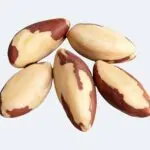
Brazil nuts, seafood and meat lead. Brazil nuts top our USDA ranking by a wide margin. One ounce (28 g) holds 543 µg of selenium, 988% of the 55 µg Daily Value. A 100 g portion holds 1,917 µg.
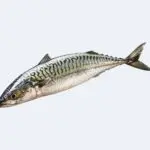
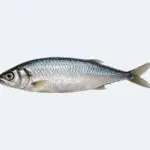
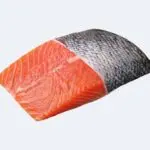
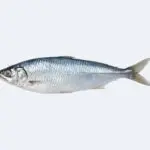
Oysters follow at 65.5 µg per 3 ounces (85 g), then mackerel and sardines. Wild Atlantic salmon, tuna and herring give 31 µg per 3 ounces each. A chicken drumstick has 26.9 µg and a chicken breast 25.8 µg.
Per 100 kcal, Brazil nuts (291 µg) lead, followed by oysters (95.1 µg), white mushrooms (42.3 µg) and shrimp (41.6 µg). The ranking below has the full list.
Selenium is bound to protein in food, so protein-rich foods tend to be the best sources, the NIH says. Its table adds cooked yellowfin tuna at 92 µg per 3 ounces and shrimp at 42 µg. A broiled pork chop has 37 µg and a cup of cooked spaghetti 33 µg. A hard-boiled egg has 15 µg, a cup of cooked brown rice 12 µg and a slice of whole-wheat bread 8 µg.
Plant foods vary with the soil, and so do Brazil nuts. The NIH puts them at 68 to 91 µg per nut. The Amazon study found a nut could supply 11% to 288% of a 70 µg need, depending on where it grew. Animal foods are steadier, because animals keep predictable tissue levels.
Absorption is good: the NIH says up to about 90% of the selenium in supplement forms is absorbed. Fish selenium was highly bioavailable (well absorbed) in a study of 35 men. And 2 Brazil nuts raised selenium status as much as 100 µg of selenomethionine in a New Zealand trial.
Per serving. Bars show the share of the Daily Value (55 µg a day). The line marks 100%.
Per 100 g. Bars show the share of the Daily Value (55 µg a day). The line marks 100%.
Per serving. Bars show the share of the EU Reference Intake (55 µg a day). The line marks 100%.
Per 100 g. Bars show the share of the EU Reference Intake (55 µg a day). The line marks 100%.
Per 100 kcal: the same calories of each food, for a fair comparison. Bars compare each food with the top food.
- 1.
- 2.

- 3.
- 4.
- 5.

- 6.
- 7.

- 8.
- 9.

- 10.



- 1.
- 2.
- 3.
- 4.
- 5.
- 6.
- 7.
- 8.
- 9.
- 10.


- 1.
- 2.
- 3.
- 4.
- 5.
- 6.
- 7.
- 8.
- 9.
- 10.

Sources
- FoodData Central. US Department of Agriculture, Agricultural Research Service. Values as shown in the ranking above.
- Selenium: fact sheet for health professionals. National Institutes of Health, Office of Dietary Supplements. Updated September 4, 2025.
- Silva Junior EC, Wadt LHO, Silva KE, et al. Natural variation of selenium in Brazil nuts and soils from the Amazon region. Chemosphere. 2017.
- Fox TE, Van den Heuvel EG, Atherton CA, et al. Bioavailability of selenium from fish, yeast and selenate: a comparative study in humans using stable isotopes. Eur J Clin Nutr. 2004.
- Thomson CD, Chisholm A, McLachlan SK, Campbell JM. Brazil nuts: an effective way to improve selenium status. Am J Clin Nutr. 2008.
How selenium works
Most of the biochemistry below is well established. But it comes from reviews, lab work and human physiology studies, not from trials of extra selenium. Four ideas cover most of it.
Selenium is built into 25 selenoproteins, and the thyroid depends on them. The liver steers selenium to the tissues that need it. And the body’s needs level off long before the upper limit. Then comes what has been seen in people.
It is built into 25 proteins as selenocysteine
The human genome codes for 25 selenoproteins, according to a 2003 survey of mammalian genomes. In the genetic code, UGA is normally a stop signal. But it can also stand for selenocysteine, and that is how selenium gets into the protein.
A 1986 study of the mouse glutathione peroxidase gene found that the selenocysteine in the enzyme’s active site is encoded by this “termination” codon. In 1973, researchers had shown that selenium is part of glutathione peroxidase, which protects red cells from oxidative damage.
The NIH lists three main families: glutathione peroxidases, thioredoxin reductases and selenoprotein P. These proteins have roles in thyroid hormone metabolism, DNA synthesis, reproduction, and protection from oxidative damage and infection.
Three main jobs of selenium-containing proteins. Not to scale. There are 25 selenoproteins in all.
The thyroid depends on it
The thyroid holds more selenium than any other organ, says the NIH. Selenoproteins called deiodinases convert the prohormone T4 into active T3. Glutathione peroxidase and thioredoxin reductase protect the gland from the hydrogen peroxide made during hormone synthesis. Like iodine, selenium is part of thyroid hormone production.
The NIH adds that selenium deficiency could worsen iodine deficiency and raise the risk of congenital hypothyroidism (low thyroid from birth) in infants. A 2020 review notes that adverse effects have been seen at both extremes of intake, with a narrow optimum range.
The liver steers selenium to the tissues that need it
Once absorbed, selenomethionine and inorganic selenium are quickly turned into a common intermediate that makes selenocysteine, the NIH says. A 2015 review explains that the liver is the central organ for regulating selenium.
When selenium is short, the liver cuts excretion and sends selenoprotein P into the blood at the expense of its own selenoproteins. The tissues take it up in proportion to how many receptors they carry.
The NIH says the body keeps its level mainly through urinary excretion, and at higher intakes also through the lungs and in feces. About 28% to 46% of the body’s selenium sits in skeletal muscle.
How the body handles selenium. Not to scale.
Needs level off, and more is not better
The recommended amount is set where the markers of selenoproteins stop rising. In a trial in China, people ate only 14 µg a day. Selenoprotein P reached its top level with 49 µg a day in total, and glutathione peroxidase activity with 35 µg. In 119 UK adults who ate about 55 µg a day, 50 µg more was needed to optimize selenoprotein P.
EFSA used the levelling off of selenoprotein P to set 70 µg a day for adults. It says studies of health outcomes showed no added benefit beyond that.
At the other end, EFSA based its upper level of 255 µg on hair loss. A 2012 review in The Lancet describes a U-shaped link between selenium status and health. People with low status may gain from more, while people with adequate-to-high status might be harmed.
Selenium intake in µg a day, drawn to scale. The Keshan figures describe whole populations in China. The others are official values for adults.
What has been seen in people
The clearest human finding is about deficiency. Where intakes were at most 10 µg a day, Keshan disease appeared, and supplements prevented it in community trials.
For people who already get enough, extra selenium has not prevented cancer or cardiovascular disease in large trials. Some analyses point to harm, so the answer depends on where you start. Supplements lower thyroid antibodies in Hashimoto thyroiditis but without a clear clinical gain, and they helped in one trial of mild Graves’ orbitopathy. All of these are among the study cards above.
Sources
- Selenium: fact sheet for health professionals. National Institutes of Health, Office of Dietary Supplements. Updated September 4, 2025.
- EFSA Panel on Dietetic Products, Nutrition and Allergies (NDA). Scientific opinion on Dietary Reference Values for selenium. EFSA J. 2014.
- EFSA Panel on Nutrition, Novel Foods and Food Allergens (NDA). Scientific opinion on the tolerable upper intake level for selenium. EFSA J. 2023.
- Kryukov GV, Castellano S, Novoselov SV, et al. Characterization of mammalian selenoproteomes. Science. 2003.
- Chambers I, Frampton J, Goldfarb P, et al. The structure of the mouse glutathione peroxidase gene: the selenocysteine in the active site is encoded by the ‘termination’ codon, TGA. EMBO J. 1986.
- Rotruck JT, Pope AL, Ganther HE, et al. Selenium: biochemical role as a component of glutathione peroxidase. Science. 1973.
- Köhrle J, Jakob F, Contempré B, Dumont JE. Selenium, the thyroid, and the endocrine system. Endocr Rev. 2005.
- Burk RF, Hill KE. Regulation of Selenium Metabolism and Transport. Annu Rev Nutr. 2015.
- Xia Y, Hill KE, Li P, et al. Optimization of selenoprotein P and other plasma selenium biomarkers for the assessment of the selenium nutritional requirement: a placebo-controlled, double-blind study of selenomethionine supplementation in selenium-deficient Chinese subjects. Am J Clin Nutr. 2010.
- Hurst R, Armah CN, Dainty JR, et al. Establishing optimal selenium status: results of a randomized, double-blind, placebo-controlled trial. Am J Clin Nutr. 2010.
- Winther KH, Rayman MP, Bonnema SJ, Hegedüs L. Selenium in thyroid disorders – essential knowledge for clinicians. Nat Rev Endocrinol. 2020.
- Rayman MP. Selenium and human health. Lancet. 2012.
How much selenium do you need?
Adults need 55 µg of selenium a day, according to the US recommended dietary allowance (RDA). EFSA’s adequate intake (an amount assumed to be enough) in the EU is 70 µg a day for adults. The two differ because they rest on different markers. The US value was set using glutathione peroxidase activity, and EFSA’s using the level at which plasma selenoprotein P stops rising.
Pregnancy raises the US allowance to 60 µg a day for ages 14 to 50, and breastfeeding raises it to 70 µg. EFSA says the body adapts its selenium metabolism in pregnancy, so the adult value of 70 µg applies. For breastfeeding, it adds 15 µg to cover the selenium secreted in milk, giving 85 µg.
For older adults, the US allowance stays at 55 µg from age 51. EFSA sets one adult value, with no separate figure for older people.
Most Americans already eat more than the RDA. The NIH reports an average of 108 µg a day from food and drinks. And 17% to 19% of adults also take a supplement that contains selenium.
Selenium: recommended intake per day
US: Adequate Intake / Recommended Dietary Allowance (NASEM). EU: Adequate Intake (EFSA).
| Age and sex | US (RDA) | EU (AI) |
|---|---|---|
| Men, 31–50 years | 55 µg | 70 µg |
| Women, 31–50 years | 55 µg | 70 µg |
All ages, pregnancy and breastfeeding
| Age and sex | US (AI/RDA) | EU (AI) |
|---|---|---|
| Infants 0–6 months | 15 µg | None set |
| Infants 7–11 months | None set | 15 µg |
| Infants 7–12 months | 20 µg | None set |
| Children 1–3 years | 20 µg | 15 µg |
| Children 4–6 years | None set | 20 µg |
| Children 4–8 years | 30 µg | None set |
| Children 7–10 years | None set | 35 µg |
| Females 9–13 years | 40 µg | None set |
| Males 9–13 years | 40 µg | None set |
| Children 11–14 years | None set | 55 µg |
| Females 14–18 years | 55 µg | None set |
| Males 14–18 years | 55 µg | None set |
| Children 15–17 years | None set | 70 µg |
| Adults 18+ years | None set | 70 µg |
| Females 19–30 years | 55 µg | None set |
| Males 19–30 years | 55 µg | None set |
| Females 31–50 years | 55 µg | None set |
| Males 31–50 years | 55 µg | None set |
| Females 51–70 years | 55 µg | None set |
| Males 51–70 years | 55 µg | None set |
| Females >70 years | 55 µg | None set |
| Males >70 years | 55 µg | None set |
| Pregnancy 14–18 years | 60 µg | None set |
| Pregnancy | None set | 70 µg |
| Pregnancy 19–30 years | 60 µg | None set |
| Pregnancy 31–50 years | 60 µg | None set |
| Lactation 14–18 years | 70 µg | None set |
| Lactation | None set | 85 µg |
| Lactation 19–30 years | 70 µg | None set |
| Lactation 31–50 years | 70 µg | None set |
EU and US age bands differ; "None set" means that body sets no value for the group. Label reference: FDA Daily Value 55 µg, EU Reference Intake 55 µg.EU and US age bands differ; "None set" means that body sets no value for the group. Label reference: EU Reference Intake 55 µg, FDA Daily Value 55 µg.
Selenium deficiency: signs and who is at risk
Selenium deficiency on its own rarely causes illness, says the NIH. In some regions it is linked to two diseases.
Keshan disease is a heart muscle disease first identified in 1935 in parts of China where the soil is low in selenium. Adults there ate no more than 10 µg a day, and the NIH says at least 20 µg a day protects them. It mainly affects women of childbearing age and preschool children.
Kashin-Beck disease is a childhood form of osteoarthritis found in low-selenium and low-iodine areas of China, Tibet, Siberia and North Korea. Deficiency can also make iodine deficiency worse in infants.
Deficiency is very rare in the US and Canada. The NIH lists the groups most likely to be low. They are people living in selenium-poor regions, such as parts of China and some European countries, especially those on vegan diets. Others are people on long-term kidney dialysis, because dialysis removes selenium, and people with HIV.
Vegetarian and vegan diets and smoking are linked to lower intakes or status. Doctors usually test plasma or serum selenium, and 8 µg per dL or more is considered sufficient in healthy people. Whole blood, hair and nails reflect longer-term intake. The selenoproteins used as markers can be thrown off by inflammation, so a result needs a doctor’s reading.
Sources
- Selenium: fact sheet for health professionals. National Institutes of Health, Office of Dietary Supplements. Updated September 4, 2025.
- EFSA Panel on Dietetic Products, Nutrition and Allergies (NDA). Scientific opinion on Dietary Reference Values for selenium. EFSA J. 2014.
- Institute of Medicine, Food and Nutrition Board. Dietary Reference Intakes for vitamin C, vitamin E, selenium, and carotenoids. National Academy Press. 2000.
- Xia Y, Hill KE, Byrne DW, et al. Effectiveness of selenium supplements in a low-selenium area of China. Am J Clin Nutr. 2005.
Forms of selenium: absorption and effects
Selenium supplements come in four common chemical forms, says the NIH. They are selenomethionine, selenium-enriched yeast (grown in a high-selenium medium and mostly selenomethionine), sodium selenite and sodium selenate. Food holds mainly selenomethionine and selenocysteine.
The NIH says the body absorbs up to about 90% of the selenium from all four supplement forms. Selenium-only supplements typically hold 100 to 400 µg, it adds, while many multivitamins hold 55 µg.
Absorption is only part of the story. A 2010 review says most dietary selenium is absorbed efficiently. But the body retains the organic forms, such as selenomethionine, better than the inorganic forms, selenite and selenate.
The honest bottom line: the head-to-head studies are small, and they measure blood markers, not health. In three of them, selenomethionine was absorbed or kept better than selenite, and selenium yeast behaved mostly like selenomethionine. We found no trial that compared forms for cancer, thyroid disease or heart disease.
The two big cancer trials used different forms: selenium yeast in NPC and L-selenomethionine in SELECT. The Cochrane authors say possible differences between forms still need research.
The Keshan disease trials used sodium selenite tablets, and the Danish thyroid and diabetes trial used selenium yeast. The pregnancy thyroid trial used selenomethionine, and the Swedish heart trial used selenium yeast with coenzyme Q10.
| Form | Share of the mineral by weight | What studies show | Source |
|---|---|---|---|
| Selenomethionine | Not stated | Absorbed better than selenite in three studies, with nearly twice the bioavailability in a trial in China. It raised plasma selenium in a dose-dependent way and was kept longer. It was the form in SELECT (200 µg a day) and in a pregnancy thyroid trial (200 µg a day). | 1, 2, 3, 8, 9, 10, 12 |
| Sodium selenite | Not stated | Absorbed less than selenomethionine in a small New Zealand study (0.46 against 0.75 of the intake). It did not raise plasma selenium in selenium-replete adults, and a trial in China needed 66 µg a day for full glutathione peroxidase activity against 37 µg as selenomethionine. It was the form in the Keshan disease prevention trials and in a small immune trial (50 or 100 µg a day). | 1, 2, 3, 8, 13, 14 |
| Sodium selenate | Not stated | The NIH lists it as a common supplement form. In a study of 35 men with labeled isotopes, absorption of selenate was similar to selenium from fish, but retention was lower. We found no trial comparing selenate with other forms for any health outcome. | 1, 7 |
| Selenium-enriched yeast | Not stated | Mostly selenomethionine (about 60% in one set of tablets). It raised plasma selenium in a dose-dependent way, but yeast selenium was less bioavailable than fish selenium in the isotope study. It was the form in the NPC trial (200 µg a day), the Danish trial and the Swedish KiSel-10 trial (200 µg a day, with coenzyme Q10). In one trial yeast, but not selenomethionine, lowered two oxidative stress markers, with yeast supplied by its maker. | 1, 2, 4, 6, 7, 11, 15, 16, 17 |
| Food selenium (Brazil nuts, fish) | Not applicable | Two Brazil nuts a day raised selenium status as much as 100 µg of selenomethionine, although the nuts held only about half the intended selenium. Fish selenium was highly bioavailable. | 5, 7, 9 |
Here are the head-to-head and form-specific studies, strongest evidence first, 7 in all.
All 7 studies, strongest evidence first
In selenium-replete adults, selenomethionine and yeast raised plasma selenium; selenite did not
This randomized trial was in adults who already had enough selenium. There were 10 groups: placebo, and three dose levels (about 200 to 600 µg a day) of sodium selenite, high-selenium yeast or L-selenomethionine. Plasma selenium rose with dose on selenomethionine and yeast. Plasma selenoprotein P and glutathione peroxidase activity did not respond to any form. Urinary selenium excretion was greater after selenomethionine than selenite, with yeast in between. Judging by urine, the authors conclude that selenomethionine is better absorbed than selenite.
In low-selenium China, selenomethionine had nearly twice selenite’s bioavailability
This trial had 120 people with an average intake of 10 µg of selenium a day. For 20 weeks, tablets gave no selenium or up to 66 µg a day, as selenite or selenomethionine. Plasma glutathione peroxidase was fully expressed at 37 µg a day as selenomethionine and at 66 µg a day as selenite. Selenoprotein P was not fully expressed at the highest dose of either form. The authors say the US RDA, which was set using glutathione peroxidase, should be revised.
UK adults needed 50 µg a day extra for peak selenoprotein P
This double-blind, placebo-controlled trial ran for 12 weeks in 119 UK adults aged 50 to 64. They got placebo, selenium-enriched yeast tablets (50, 100 or 200 µg a day, about 60% selenomethionine), or selenium-enriched onion meals. The onion meals were about 66% gamma-glutamyl-methylselenocysteine, equal to 50 µg a day. Plasma selenium rose to 118.3, 152.0 and 177.4 ng/mL with 50, 100 and 200 µg of yeast. Selenoprotein P rose in all selenium groups. The authors say 50 µg a day on top of the usual intake of about 55 µg was needed to optimize it.
Two Brazil nuts raised selenium status like 100 µg of selenomethionine
In this randomized trial, 59 New Zealand adults took 2 Brazil nuts, 100 µg of selenomethionine or placebo daily for 12 weeks. The nuts were thought to give about 100 µg but actually averaged 53 µg of selenium a day (range 20 to 84). Both raised selenium status about equally: plasma selenium rose 64.2% with nuts, 61.0% with selenomethionine and 7.6% with placebo. Whole-blood glutathione peroxidase rose 13.2%, 5.3% and 1.9%, more with nuts than with selenomethionine.
Selenium yeast lowered two oxidative stress markers; selenomethionine did not
In this double-blind, placebo-controlled trial, 69 healthy men took yeast or selenomethionine for 9 months. Yeast doses were 200 or 285 µg a day, and selenomethionine 200 µg a day. Plasma selenium rose 93% with selenomethionine and 54% and 86% with the two yeast doses. Urine markers 8-OHdG and 8-iso-PGF2α fell 34% and 28% only in the high-dose yeast group, most in men with low starting selenium. PSA, glucose and glutathione did not change. The yeast and part of the analysis funding came from the company that makes the yeast.
Fish selenium was kept better than selenate; yeast was less available
This randomized study ran at two centers in the UK and the Netherlands, in 35 men aged 18 to 50. They ate trout labeled with a stable isotope of selenium (raw or cooked), labeled brewer’s yeast, or labeled selenate. Fish selenium was absorbed about as well as selenate but retained better. Absorption and retention of yeast selenium differed clearly from both, and cooking did not change the fish results.
In three people, 46% of selenite was absorbed against 75% of selenomethionine
This was a metabolic study in New Zealand. Each of three people took 100 µg of selenium a day as selenomethionine or sodium selenite for 10 to 11 weeks. Fish (mackerel) gave 65 µg a day for 4 weeks. In the first 4 weeks, selenite was absorbed less (0.46 of the intake) than selenomethionine (0.75) or fish selenium (0.66). Blood selenium kept rising with selenomethionine, from 0.08 to 0.18 µg/ml. With selenite it reached a plateau at 0.11 µg/ml after 7 to 8 weeks. It is a very small, old study.
Sources
- Selenium: fact sheet for health professionals. National Institutes of Health, Office of Dietary Supplements. Updated September 4, 2025.
- Burk RF, Norsworthy BK, Hill KE, et al. Effects of chemical form of selenium on plasma biomarkers in a high-dose human supplementation trial. Cancer Epidemiol Biomarkers Prev. 2006.
- Xia Y, Hill KE, Byrne DW, et al. Effectiveness of selenium supplements in a low-selenium area of China. Am J Clin Nutr. 2005.
- Hurst R, Armah CN, Dainty JR, et al. Establishing optimal selenium status: results of a randomized, double-blind, placebo-controlled trial. Am J Clin Nutr. 2010.
- Thomson CD, Chisholm A, McLachlan SK, Campbell JM. Brazil nuts: an effective way to improve selenium status. Am J Clin Nutr. 2008.
- Richie JP Jr, Das A, Calcagnotto AM, et al. Comparative effects of two different forms of selenium on oxidative stress biomarkers in healthy men: a randomized clinical trial. Cancer Prev Res (Phila). 2014.
- Fox TE, Van den Heuvel EG, Atherton CA, et al. Bioavailability of selenium from fish, yeast and selenate: a comparative study in humans using stable isotopes. Eur J Clin Nutr. 2004.
- Robinson MF, Rea HM, Friend GM, et al. On supplementing the selenium intake of New Zealanders. 2. Prolonged metabolic experiments with daily supplements of selenomethionine, selenite and fish. Br J Nutr. 1978.
- Fairweather-Tait SJ, Collings R, Hurst R. Selenium bioavailability: current knowledge and future research requirements. Am J Clin Nutr. 2010.
- Lippman SM, Klein EA, Goodman PJ, et al. Effect of selenium and vitamin E on risk of prostate cancer and other cancers: the Selenium and Vitamin E Cancer Prevention Trial (SELECT). JAMA. 2009.
- Duffield-Lillico AJ, Reid ME, Turnbull BW, et al. Baseline characteristics and the effect of selenium supplementation on cancer incidence in a randomized clinical trial: a summary report of the Nutritional Prevention of Cancer Trial. Cancer Epidemiol Biomarkers Prev. 2002.
- Negro R, Greco G, Mangieri T, et al. The influence of selenium supplementation on postpartum thyroid status in pregnant women with thyroid peroxidase autoantibodies. J Clin Endocrinol Metab. 2007.
- Chen J. An original discovery: selenium deficiency and Keshan disease (an endemic heart disease). Asia Pac J Clin Nutr. 2012.
- Broome CS, McArdle F, Kyle JA, et al. An increase in selenium intake improves immune function and poliovirus handling in adults with marginal selenium status. Am J Clin Nutr. 2004.
- Winther KH, Bonnema SJ, Cold F, et al. Does selenium supplementation affect thyroid function? Results from a randomized, controlled, double-blinded trial in a Danish population. Eur J Endocrinol. 2015.
- Alehagen U, Alexander J, Aaseth J, et al. Significant decrease of von Willebrand factor and plasminogen activator inhibitor-1 by providing supplementation with selenium and coenzyme Q10 to an elderly population with a low selenium status. Eur J Nutr. 2020.
- Alehagen U, Aaseth J, Lindahl TL, et al. Dietary Supplementation with Selenium and Coenzyme Q(10) Prevents Increase in Plasma D-Dimer While Lowering Cardiovascular Mortality in an Elderly Swedish Population. Nutrients. 2021.
- Vinceti M, Filippini T, Del Giovane C, et al. Selenium for preventing cancer. Cochrane Database Syst Rev. 2018.
Is selenium safe? Supplements, dose and interactions
Selenium from ordinary food is not a safety concern: EFSA says selenium from the natural content of foods does not raise reasons for concern. The US tolerable upper intake level (UL, a likely-safe daily maximum) for adults is 400 µg a day from food and supplements together. It was set from the amounts linked to hair and nail brittleness and loss.
For infants it is 45 µg up to 6 months and 60 µg from 7 to 12 months. For children it is 90 µg at ages 1 to 3, 150 µg at 4 to 8 and 280 µg at 9 to 13. It is 400 µg from age 14, including pregnancy and breastfeeding. It does not apply to people taking selenium under a doctor’s care.
EFSA’s 2023 opinion is lower: 255 µg a day for all adults, including pregnant and lactating women. For children and teens it is 70 to 230 µg, depending on age.
It rests on hair loss, with a lowest-observed-adverse-effect level of 330 µg a day from SELECT and a safety factor of 1.3. That is the lowest dose seen to cause harm. EFSA adds that adults are unlikely to exceed it, except regular users of high-dose supplements or regular eaters of Brazil nuts.
- Signs of too much. Early signs are a garlic odor on the breath and a metallic taste. The most common sign of long-term excess, called selenosis, is hair loss and brittle or lost nails. Skin rash, nausea, diarrhea, fatigue, irritability and nerve problems can follow, the NIH says. In SELECT, hair loss and mild dermatitis were more common with 200 µg a day.
- A mislabeled supplement. In 2008 a liquid supplement held 200 times the labeled amount of selenium. Of 201 cases in 10 states, 1 person was hospitalized. The median estimated dose was 41,749 µg a day. The common symptoms were diarrhea (78%), fatigue (75%), hair loss (72%), joint pain (70%), nail discoloration or brittleness (61%) and nausea (58%). After 90 days, 52% still had nail discoloration or loss. The authors say pharmaceutical-grade standards might have prevented it.
- Brazil nuts. The NIH puts them at 68 to 91 µg a nut, and a trial estimated 288.75 µg for one nut. So regular eating can pass the upper levels. Yet a study found blood selenium above toxic benchmarks in 448 people in Amazon communities who eat Brazil nuts. They had no skin or breath signs of selenosis (selenium poisoning). The authors say form and route of exposure may matter.
- If you already get enough. Cochrane reviews found no benefit from supplements for cancer or heart disease and a small signal for type 2 diabetes. In SELECT, men with higher starting selenium had more high-grade prostate cancer on selenium. A 2012 review says people with adequate-to-high status might be harmed by extra selenium and should not take supplements.
- Thyroid, pregnancy and medicines. The American Thyroid Association made a weak recommendation in 2017 against selenium in pregnant women with thyroid antibodies, the NIH reports. Cisplatin, a chemotherapy drug, can lower selenium in hair and serum. Small studies suggest selenium reduces its toxicity, but a Cochrane review found the evidence insufficient. People on kidney dialysis often have low selenium, though it is unproven that supplements help. Ask a doctor before taking selenium with any of these.
How to get more selenium
- Seafood and meat. Oysters give 65.5 µg per 3 ounces, mackerel 49.4 µg per fillet and sardines 48.5 µg per can in our ranking. The NIH adds shrimp at 42 µg and a hard-boiled egg at 15 µg.
- Brazil nuts, in small amounts. A single nut can hold far more or far less than average. In the Amazon study, it supplied 11% to 288% of a 70 µg need, so a daily handful can pass the upper level. In a New Zealand trial, 2 nuts a day averaged 53 µg (range 20 to 84).
- Grains and plants depend on soil. A cup of cooked spaghetti has 33 µg and a cup of brown rice 12 µg, while lentils have 6 µg per cup. Vegan diets are linked to lower intakes in Europe, and New Zealand’s intake rose after it imported high-selenium wheat.
Sources
- Selenium: fact sheet for health professionals. National Institutes of Health, Office of Dietary Supplements. Updated September 4, 2025.
- EFSA Panel on Nutrition, Novel Foods and Food Allergens (NDA). Scientific opinion on the tolerable upper intake level for selenium. EFSA J. 2023.
- MacFarquhar JK, Broussard DL, Melstrom P, et al. Acute selenium toxicity associated with a dietary supplement. Arch Intern Med. 2010.
- Lemire M, Philibert A, Fillion M, et al. No evidence of selenosis from a selenium-rich diet in the Brazilian Amazon. Environ Int. 2012.
- Rayman MP. Selenium and human health. Lancet. 2012.
- Rees K, Hartley L, Day C, et al. Selenium supplementation for the primary prevention of cardiovascular disease. Cochrane Database Syst Rev. 2013.
- Kristal AR, Darke AK, Morris JS, et al. Baseline selenium status and effects of selenium and vitamin e supplementation on prostate cancer risk. J Natl Cancer Inst. 2014.
- Rita Cardoso B, Apolinário D, da Silva Bandeira V, et al. Effects of Brazil nut consumption on selenium status and cognitive performance in older adults with mild cognitive impairment: a randomized controlled pilot trial. Eur J Nutr. 2016.
- Thomson CD, Chisholm A, McLachlan SK, Campbell JM. Brazil nuts: an effective way to improve selenium status. Am J Clin Nutr. 2008.
- Silva Junior EC, Wadt LHO, Silva KE, et al. Natural variation of selenium in Brazil nuts and soils from the Amazon region. Chemosphere. 2017.
History of selenium
Selenium was discovered in 1817 by the Swedish chemists Berzelius and Gahn. Roasting 200 kg of sulfur from pyrite from the Falun mine, they obtained about 3 g of a precipitate. At first they took it for tellurium.
Berzelius doubted this, repeated the analysis months later and realized a new element was in his hands. He named it after Selene, the Greek word for the moon, because it resembled tellurium, named for the earth.
It took more than a century to show that people need it. Keshan disease was first identified in 1935 in parts of China with low-selenium soil. Large intervention trials from the 1970s to the 1990s gave sodium selenite tablets and cut the disease sharply. A 2012 review calls this critical evidence that selenium is an essential trace element for humans, and the basis for setting the RDA.
The biochemistry came in between. In 1973 researchers showed that selenium is a component of glutathione peroxidase. In 1986 a study of the mouse gene found the selenocysteine in the enzyme is coded by TGA, normally a “termination” codon. In 2003 a survey of genomes counted 25 selenoproteins in humans.
Sources
- Santi C, Bagnoli L. Celebrating Two Centuries of Research in Selenium Chemistry: State of the Art and New Prospective. Molecules. 2017.
- Chen J. An original discovery: selenium deficiency and Keshan disease (an endemic heart disease). Asia Pac J Clin Nutr. 2012.
- Selenium: fact sheet for health professionals. National Institutes of Health, Office of Dietary Supplements. Updated September 4, 2025.
- Rotruck JT, Pope AL, Ganther HE, et al. Selenium: biochemical role as a component of glutathione peroxidase. Science. 1973.
- Chambers I, Frampton J, Goldfarb P, et al. The structure of the mouse glutathione peroxidase gene: the selenocysteine in the active site is encoded by the ‘termination’ codon, TGA. EMBO J. 1986.
- Kryukov GV, Castellano S, Novoselov SV, et al. Characterization of mammalian selenoproteomes. Science. 2003.
Frequently asked questions about selenium
How many Brazil nuts is safe to eat?
There is no single safe number, because the selenium in a nut varies so much. The NIH puts it at 68 to 91 µg per nut. A study of nuts from the Brazilian Amazon found one nut could supply 11% to 288% of a 70 µg daily need. The amount depended on the nut’s origin. In a New Zealand trial, 2 nuts a day averaged 53 µg (range 20 to 84). The US upper level is 400 µg a day and EFSA’s is 255 µg. EFSA names regular Brazil nut eaters as people who may exceed it, so a daily handful could pass the limit.
Is selenium a vitamin?
No. Selenium is an essential mineral, an element, while vitamins are organic compounds. It is often grouped with antioxidant nutrients because selenoproteins such as glutathione peroxidase protect cells from oxidative damage. Its US upper level is 400 µg a day.
Does selenium help the thyroid?
The thyroid holds more selenium than any other organ, and selenium-based enzymes switch on thyroid hormone. In Hashimoto thyroiditis, a 2024 meta-analysis found supplements lowered thyroid peroxidase antibodies and slightly lowered TSH. But those are blood markers, and the NIH notes other trials found no effect on quality of life. In mild Graves’ orbitopathy, the EUGOGO trial of 159 people found 6 months of selenium improved quality of life and slowed the disease. In people with enough selenium, a Danish trial saw only tiny changes in TSH. Ask an endocrinologist (a hormone specialist) before starting it.
Which foods are highest in selenium?
Brazil nuts lead our USDA ranking at 543 µg per ounce. Oysters (65.5 µg per 3 ounces), mackerel (49.4 µg per fillet) and sardines (48.5 µg per can) follow. Tuna, salmon and herring give about 31 µg per 3 ounces. Plant foods depend on the soil, so grain and nut values vary by region.
Does selenium prevent cancer?
In people who already get enough, no. A Cochrane review of 10 trials with 27,232 people found 1.01 times the risk of any cancer in the trials at low risk of bias. An early trial hinted at fewer cancers in subgroups, but the 35,533-man SELECT trial did not confirm it. In men who started with higher selenium, supplements raised high-grade prostate cancer risk by 91% in one analysis. Observational studies link higher status to less cancer, with very low certainty.
How much selenium is too much?
The US upper level is 400 µg a day for adults, and EFSA’s is 255 µg. Long-term excess causes hair loss and brittle nails. Selenium-only supplements typically hold 100 to 400 µg, so it is easy to overshoot with several products. In the 2008 outbreak, a supplement with 200 times its labeled selenium gave a median dose of 41,749 µg a day. Of the cases, 78% had diarrhea.
What are the symptoms of selenium deficiency?
Deficiency alone rarely causes illness. In very low-selenium areas of China, it is tied to Keshan disease, a heart muscle disease, and Kashin-Beck disease, a childhood joint disease. A plasma level of 8 µg per dL or more is considered sufficient. Most Americans get plenty (an average of 108 µg a day). The groups most at risk live in selenium-poor regions, receive kidney dialysis or have HIV.
Which form of selenium supplement is best?
No form has been shown best for health. In direct comparisons, selenomethionine was absorbed better than selenite. It was 0.75 against 0.46 of the intake in a small study, and nearly twice the bioavailability in a trial in China. Selenium yeast is mostly selenomethionine. No trial compared forms for cancer, thyroid or heart outcomes. Check the micrograms of selenium on the label, and your total intake against the upper levels.