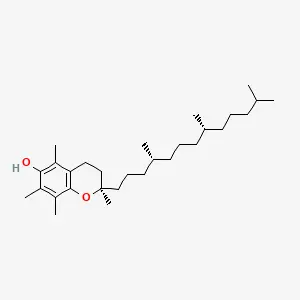
Vitamin E (alpha-tocopherol) is a fat-soluble vitamin, and its best-known job is protecting fats from damage. Plants make eight related forms, four tocopherols and four tocotrienols. But alpha-tocopherol is the only one recognized to meet human requirements, says the NIH (the US National Institutes of Health). In the body it works as an antioxidant in the fatty membranes of cells.
Traber and Atkinson describe it there as a scavenger of peroxyl radicals.
Here is a detail most people never see: a capsule labeled 400 IU (international units) can hold two very different amounts. By the NIH’s conversion, 400 IU of natural vitamin E is 268 mg and 400 IU of the synthetic form is 180 mg.
The body keeps the forms unequally too. The liver sends only alpha-tocopherol on into the blood. Yet most of the vitamin E in American diets is gamma-tocopherol from soybean, canola and corn oils.
On paper, many people fall short. A 2014 review estimated that more than 90% of Americans do not eat enough alpha-tocopherol to meet the estimated average requirement. Yet the NIH says outright deficiency is rare, and has not been found in healthy people who eat little vitamin E. Real deficiency comes from problems absorbing fat or from rare inherited defects.
Extra vitamin E from capsules has also turned out less promising than hoped. Large trials found no clear protection against heart disease or cancer, and some found harm.
Health benefits of vitamin E
The top findings from 34 studies, strongest evidence first
What the stars mean
- Strong. Several randomized trials, pooled in a meta-analysis, point the same way, or regulators (FDA or EFSA) have approved the claim.
- Moderate. Good randomized trials support it, but there are fewer of them, or their results vary.
- Limited. Small, short or single trials, or mixed results. Promising, but it needs confirmation.
Population and lab studies get no stars: they show a link or a mechanism, not proof.
How we rate evidence →- ★★★No fewer deaths, possible harm at high dosesAcross 78 trials of antioxidant pills, many giving vitamin E with others, there was no clear effect on death. In trials of 400 IU a day or more, there were 39 more deaths per 10,000 people.
- ★★★More bleeding strokes, fewer clot strokesIn 9 trials, vitamin E supplements raised bleeding strokes by 22% and cut clot strokes by 10%, with total stroke unchanged. In male doctors, bleeding stroke was 1.74 times as common.
- ★★★No clear protection from pre-eclampsiaIn pregnant women, vitamin E, always combined with other agents, did not clearly lower pre-eclampsia, dangerous high blood pressure (0.91 times the risk). Women taking it had more abdominal pain (1.66 times the risk).
- ★★More prostate cancer with 400 IU a dayIn 35,533 men, 400 IU of vitamin E a day (the synthetic form) raised prostate cancer risk to 1.17 times that of placebo. An earlier look found a smaller rise (1.13 times) that was not clear.
- ★★No fewer heart attacks or strokesIn 39,876 healthy women, vitamin E did not cut major heart events (0.93 times the risk), though heart deaths were 24% lower. In people at high heart risk, 400 IU a day did not help (1.05 times the risk).
All 28 studies, strongest evidence first
One EU claim: vitamin E contributes to protecting cells from oxidative stress
The wording is listed in Regulation (EU) No 432/2012, with EFSA’s 2010 opinion as its basis (claim IDs 160, 162 and 1947). EFSA is the EU’s food safety agency, and oxidative stress means damage from reactive molecules. A food may carry the claim only if it is at least a source of vitamin E under Regulation (EC) No 1924/2006. As a rule, that means 15% of the 12 mg EU Reference Intake per 100 g, which is 1.8 mg (Regulation (EU) No 1169/2011). The claim describes a normal body function. It does not say that vitamin E prevents or treats a disease.
Antioxidant pills did not lower deaths; vitamin E hinted at harm
This Cochrane review pooled 78 trials in 296,707 people (Cochrane is a group known for careful reviews of trials). They tested beta-carotene, vitamin A, vitamin C, vitamin E and selenium, alone or together, for a mean of 3 years. People were healthy or had diseases. Overall there was no clear effect on death (1.02 times the risk). In the 46 low-risk-of-bias trials that tested vitamin E, the risk was 1.03 times, with 12.0% deaths against 10.3%. Many of these gave vitamin E with other antioxidants, so the number is not for vitamin E alone.
Vitamin E raised bleeding strokes 22% and cut clot strokes 10%
This meta-analysis (a study that pools trials) covered 9 randomized, placebo-controlled trials of at least 1 year in 118,765 people. Total stroke did not change (0.98 times the risk). Hemorrhagic stroke (bleeding in the brain) rose to 1.22 times the risk, and ischemic stroke (from a blocked artery) fell to 0.90 times. In absolute terms, that is one extra hemorrhagic stroke for every 1,250 people taking vitamin E, against one ischemic stroke prevented for every 476. The authors advise against indiscriminate use.
Vitamin E, mostly with vitamin C, did not prevent pre-eclampsia
This Cochrane review covered 21 trials in 22,129 pregnant women. All 17 trials with usable data tested vitamin E together with vitamin C or other agents, so the results are for the mix. Pre-eclampsia (dangerous high blood pressure in pregnancy) was not clearly lower (0.91 times the risk; 14 trials), and neither were stillbirth or preterm birth. Placental abruption was less common (0.64 times). But women had more abdominal pain (1.66 times) and more term rupture of the membranes before labor (1.77 times). The authors do not support routine use.
400 IU a day or more may raise the risk of death
This meta-analysis pooled 19 trials in 135,967 people. Nine trials tested vitamin E alone and 10 tested it with other vitamins or minerals, at 16.5 to 2,000 IU a day (median 400 IU). In the 11 high-dose trials (400 IU or more), there were 39 more deaths from any cause per 10,000 people. In low-dose trials there were 16 fewer, a difference that could be chance. Risk rose with doses above 150 IU a day. The authors note that high-dose trials were often small and run in people with chronic disease, so the finding may not apply to healthy adults.
Women’s Health Study: no fewer major heart events or cancers
The Women’s Health Study gave 39,876 healthy women 600 IU of natural vitamin E every other day, or placebo, for 10 years. It was a randomized trial that also tested aspirin. There were 482 major cardiovascular events on vitamin E and 517 on placebo (0.93 times the risk). Total cancer (1.01 times) and total deaths (1.04 times) did not differ. Deaths from cardiovascular causes were 24% lower (0.76 times). The authors did not think this small gain justified recommending vitamin E for prevention in healthy women.
SELECT: 400 IU of vitamin E a day raised prostate cancer risk
SELECT followed 35,533 men, with data through July 2011. The vitamin E was all-rac-alpha-tocopheryl acetate (the synthetic form). Prostate cancer occurred in 620 men on vitamin E and 529 on placebo (1.17 times the risk). That is an absolute increase of 1.6 cases per 1,000 person-years (people times years followed). Selenium alone (1.09) and selenium plus vitamin E (1.05) did not clearly differ from placebo.
First SELECT report: vitamin E or selenium did not prevent prostate cancer
This is the same trial as the card above, at an earlier look after a median of 5.46 years. Prostate cancer was 1.13 times as likely on vitamin E, 1.04 times on selenium and 1.05 times on both, against 1.00 for placebo. The small rise on vitamin E was not clear at this point, a borderline result. Vitamin E was 400 IU a day of all-rac-alpha-tocopheryl acetate, and selenium was 200 µg a day.
Finnish smokers: vitamin E did not reduce lung cancer; beta-carotene raised it
The ATBC trial gave 29,133 male smokers in Finland 50 mg of alpha-tocopherol a day, beta-carotene, both or placebo, for 5 to 8 years. Lung cancer changed by -2% with alpha-tocopherol and rose by 18% with beta-carotene. Fewer prostate cancers were found in the alpha-tocopherol groups, a result the later SELECT trial did not confirm. Deaths from hemorrhagic stroke were higher with alpha-tocopherol. Total deaths were 8% higher with beta-carotene.
Male doctors: vitamin E did not cut heart events; more bleeding strokes
This randomized trial, the Physicians’ Health Study II, gave 14,641 male physicians 400 IU of vitamin E every other day or placebo, for 8 years. It also tested vitamin C (500 mg daily). There were 1,245 major cardiovascular events (1.01 times the risk). Hemorrhagic stroke was more common on vitamin E (1.74 times). Vitamin C did not change cardiovascular events either.
Same physicians: vitamin E did not change prostate or total cancer
This is the cancer report of the Physicians’ Health Study II, the same trial and 14,641 physicians as the card above. Over 8 years there were 1,008 prostate cancers and 1,943 cancers in all. Prostate cancer was 0.97 times as likely and total cancer 1.04 times. Vitamin C had no effect on cancer either.
HOPE: vitamin E did not cut heart attacks, strokes or heart deaths
The HOPE trial gave 2,545 women and 6,996 men at high cardiovascular risk 400 IU of natural vitamin E a day or placebo. It lasted 4.5 years and also tested the drug ramipril. People were 55 or older and had cardiovascular disease, or diabetes plus another risk factor. The main outcome occurred in 16.2% on vitamin E and 15.5% on placebo (1.05 times the risk). The authors saw no significant adverse effects.
HOPE-TOO: no protection after 7 years, and more heart failure
HOPE-TOO extended the HOPE trial above to a median of 7.0 years. Of 7,030 patients at the centers that continued, 3,994 stayed on 400 IU of natural vitamin E or placebo. Among all 9,541 HOPE patients, cancer (0.94 times the risk) and major cardiovascular events (1.04 times) did not differ. Heart failure was more common on vitamin E (1.13 times the risk), and so were hospital stays for it (1.21 times).
Premature babies: vitamin E raised sepsis; in the smallest, less severe retinopathy
This Cochrane review covered 26 trials in premature infants. Routine vitamin E reduced bleeding into the brain’s ventricles and raised sepsis (blood infection), though differences between trials limit those two findings. In very low birth weight infants it lowered severe retinopathy (eye damage) and blindness among those examined. High-dose intravenous vitamin E raised sepsis and bleeding into brain tissue. The reviewers do not support routine intravenous use, or aiming for a blood level above 3.5 mg/dl. This is about premature babies, not healthy adults.
Fatty liver: vitamin E improved liver tissue in 43%, placebo 19%
The PIVENS trial included 247 adults with nonalcoholic steatohepatitis (NASH, a fatty liver disease) and no diabetes. For 96 weeks they took 800 IU of vitamin E a day, the drug pioglitazone, or placebo. Pioglitazone gave 34%, not a clear gain by the trial’s own cut-off. Vitamin E lowered liver enzymes and reduced fat in the liver and inflammation, but fibrosis (scarring) scores did not improve. It was tested in people with NASH only.
Mild to moderate Alzheimer’s: daily-function loss slowed about 19% a year
The TEAM-AD trial gave 613 people with mild to moderate Alzheimer disease 2,000 IU of alpha-tocopherol a day or placebo. All were already taking a cholinesterase inhibitor (an Alzheimer drug), and 561 were analyzed over a mean 2.27 years. Daily-activity scores fell 3.15 units less than on placebo, a delay of about 6.2 months. Memantine alone did not clearly differ from placebo. This is treatment of established disease, not prevention.
AREDS vitamin and zinc mix cut odds of advanced macular degeneration
The AREDS trial included 3,640 older people. They took antioxidants (500 mg vitamin C, 400 IU vitamin E, 15 mg beta-carotene), zinc with copper, both, or placebo. The average follow-up was 6.3 years. Only antioxidants plus zinc gave a clear result: 0.72 times the odds of advanced macular degeneration, an eye disease. Antioxidants alone gave 0.80 times the odds, which could be chance. The result cannot be credited to vitamin E alone.
Women’s Health Study: vitamin E did not lower cataract risk
This is the same trial as the first Women’s Health Study card, followed for an average of 9.7 years. The 39,876 women took 600 IU of natural vitamin E every other day, or placebo. There were 1,159 cataracts on vitamin E and 1,217 on placebo (0.96 times the risk), and no effect on nuclear, cortical or posterior subcapsular types.
Water-soluble vitamin E normalized status in all 60 children
These children had chronic cholestasis (poor bile flow) and vitamin E deficiency. They had not responded to 70 to 212 IU per kilogram a day of ordinary oral vitamin E. They took 25 IU per kilogram a day of d-alpha-tocopheryl polyethylene glycol 1000 succinate (TPGS). After a mean 2.5 years, nerve function had improved in 25 children, was stable in 27 and worsened in 2. The abstract describes one treatment group and no placebo group, and no adverse effects were seen.
AVED: 800 mg a day stabilized nerve signs, eased ataxia a little
AVED (ataxia with vitamin E deficiency) is a rare inherited condition caused by a faulty alpha-tocopherol transfer protein. In this study, 24 people took the vitamin E for a year. Blood vitamin E normalized, and the ataxia (loss of coordination) rating score fell moderately but clearly. Results were better when the disease had lasted 15 years or less. Reflexes stayed absent. The abstract describes one treated group and no placebo group.
CHAOS: vitamin E cut the combined heart death and heart attack risk
The CHAOS trial gave 2,002 people with proven coronary disease vitamin E (400 or 800 IU a day) or placebo. The median follow-up was 510 days. The combined risk of cardiovascular death and non-fatal heart attack was 0.53 times that on placebo. The gain came from non-fatal heart attacks (14 against 41, 0.23 times the risk). Cardiovascular deaths did not clearly differ (27 against 23), and all deaths were 36 against 27. The first 546 patients took 800 IU and the rest 400 IU. Later and larger trials, such as HOPE above, did not find this benefit.
Vitamin E did not change lower respiratory infections in nursing homes
This trial gave 617 older nursing home residents 200 IU of vitamin E a day or placebo for a year. All residents also took a capsule with half the recommended daily amounts of vitamins and minerals. Fewer on vitamin E had one or more upper respiratory infections (44% against 52%, 0.84 times the risk), a borderline result. The common cold finding came from a post hoc subgroup analysis (done after the fact), and the authors say it merits further study. Antibiotic use did not differ.
In moderately severe Alzheimer’s, vitamin E helped only after statistical adjustment
This trial gave 341 people with moderately severe Alzheimer’s disease 2,000 IU of alpha-tocopherol a day, and also tested the drug selegiline. The outcome was the time to death, nursing home placement, loss of basic daily activities or severe dementia. Unadjusted, the groups did not differ. The placebo group started with a higher memory score. After adjusting for that, the median time was 670 days on alpha-tocopherol and 440 on placebo. Selegiline, the other drug tested, also delayed the outcome.
Antioxidant vitamins blunted the protective HDL2 rise from simvastatin plus niacin
This three-year trial included 160 people with coronary disease and low HDL, the “good” cholesterol. It tested four regimens: simvastatin-niacin, antioxidant vitamins, both, or placebo. The NIH says the mix of antioxidants in such trials held vitamin E with others such as vitamin C, selenium and beta-carotene. So the effect cannot be credited to vitamin E alone. Clinical events were 3% on simvastatin-niacin alone, 14% when antioxidants were added, 21% on antioxidants alone and 24% on placebo. The authors say the use of antioxidant vitamins in this setting must be questioned.
High-dose vitamin E raised a marker of poor vitamin K status
Two randomized trials gave 1,000 IU a day of RRR-alpha-tocopherol for 12 weeks to adults not taking blood thinners. One was in 38 people with rheumatoid arthritis and one in 32 healthy men. The marker, PIVKA-II, rose from 1.7 to 11.9 ng/mL in the first and from 1.8 to 5.3 ng/mL in the second. Plasma vitamin K and undercarboxylated osteocalcin did not change. The authors say the clinical meaning is unclear, but high doses of vitamin E may work against vitamin K.
Vitamin E ointment did not improve scars; 33% got a skin rash
In this double blind study, 15 people with surgical scars had each scar split in two. Half got an ordinary emollient (moisturizer) and half the emollient mixed with vitamin E, twice a day for 4 weeks. In 90% of cases vitamin E either made no difference or made the scar look worse. The rash was contact dermatitis, a skin reaction to the ointment. The authors discourage its use on surgical wounds.
Nurses getting the most vitamin E had 0.66 times the coronary risk
This study followed 87,245 nurses for up to 8 years, with 552 cases of major coronary disease. It compared the top fifth of vitamin E intake with the bottom fifth. Most of the difference came from supplements; women who took them for more than 2 years had 0.59 times the risk. The authors stressed that these data do not prove cause and effect, and the randomized trials above did not confirm the benefit.
Among 2,950 patients patch-tested at the Mayo Clinic, 0.61% reacted to alpha-tocopherol
A retrospective review of tests from 1987 to 2007: 18 patients had a positive reaction. The rate was 0.53% in the first decade and 0.66% in the second, so it did not rise. The authors call vitamin E a relatively rare contact allergen in their experience.
Foods high in vitamin E
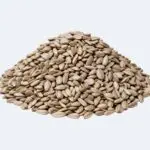
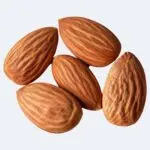
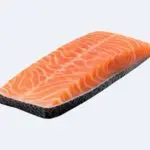
Nuts, seeds and vegetable oils are the best sources of alpha-tocopherol, with useful amounts in green leafy vegetables and fortified cereals, the NIH says. In our USDA ranking per serving, sunflower seeds lead with 9.97 mg in 1 ounce (28 g). That is 66% of the 15 mg Daily Value, the FDA label value. Almonds follow with 7.27 mg (48%), then hazelnuts with 4.26 mg (28%) and farmed Atlantic salmon with 3.02 mg in 3 ounces (20%).
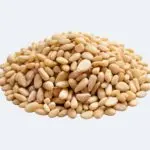
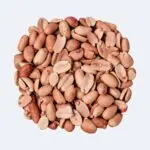
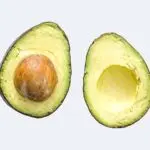
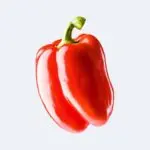
Pine nuts, peanuts, avocados, bell peppers, sardines and shrimp round out the top ten; the ranking below gives their amounts. Mackerel is not among them. Per 100 g, sunflower seeds lead with 35.2 mg, followed by almonds with 25.6 mg and hazelnuts with 15 mg.
Oils are not in our ranking, but the NIH table shows how rich they are. One tablespoon of wheat germ oil has 20.3 mg (135% of the Daily Value), sunflower oil 5.6 mg and safflower oil 4.6 mg. Corn oil has 1.9 mg and soybean oil 1.1 mg. Most vitamin E in American diets is gamma-tocopherol from soybean, canola, corn and other vegetable oils, a form the recommended allowance does not count.
Because vitamin E dissolves in fat, the gut needs some fat to absorb it. In a four-way crossover study, 8 healthy adults took a 150 mg capsule of labeled vitamin E. It was absorbed best with a meal of toast and butter (17.5 g of fat). A low-fat cereal meal (2.7 g of fat) or water did less well, and the food mattered as well as the amount of fat.
Cooking changes the amounts, and the direction depends on the food. Boiling lowered alpha- and gamma-tocopherol in legumes. Alpha-tocopherol was higher after blanching, boiling, steaming or grilling in most of 21 vegetables.
Per serving. Bars show the share of the Daily Value (15 mg a day).
Per 100 g. Bars show the share of the Daily Value (15 mg a day). The line marks 100%.
Per serving. Bars show the share of the EU Reference Intake (12 mg a day).
Per 100 g. Bars show the share of the EU Reference Intake (12 mg a day). The line marks 100%.
Per 100 kcal: the same calories of each food, for a fair comparison. Bars compare each food with the top food.
- 1.
- 2.
- 3.

- 4.
- 5.
- 6.
- 7.
- 8.
- 9.
- 10.



- 1.
- 2.
- 3.
- 4.
- 5.
- 6.
- 7.
- 8.
- 9.

- 10.


- 1.
- 2.
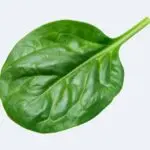
- 3.
- 4.
- 5.
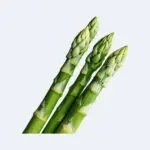
- 6.
- 7.
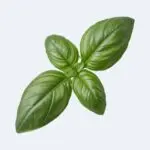
- 8.

- 9.

- 10.



Sources
- FoodData Central. US Department of Agriculture, Agricultural Research Service. Values as shown in the ranking above.
- Vitamin E: fact sheet for health professionals. National Institutes of Health, Office of Dietary Supplements. Updated March 26, 2021.
- Jeanes YM, Hall WL, Ellard S, et al. The absorption of vitamin E is influenced by the amount of fat in a meal and the food matrix. Br J Nutr. 2004.
- Kim HJ, Shin J, Kang Y, et al. Effect of different cooking method on vitamin E and K content and true retention of legumes and vegetables commonly consumed in Korea. Food Sci Biotechnol. 2023.
- Lee S, Choi Y, Jeong HS, et al. Effect of different cooking methods on the content of vitamins and true retention in selected vegetables. Food Sci Biotechnol. 2018.
How vitamin E works
Most of what is known about how vitamin E works comes from chemistry, test tubes and small studies of blood levels. It does not come from trials in disease.
Four ideas cover most of it. Vitamin E stops chain reactions in fats, the liver keeps only alpha-tocopherol, and the natural form is kept better than the synthetic one. The last is what a supplement does to blood levels. Then comes what has been seen in people.
It stops chain reactions in membrane fats
Vitamin E is a fat-soluble antioxidant. It stops the production of reactive oxygen species formed when fat oxidizes, according to the NIH. Traber and Atkinson review the evidence and argue that alpha-tocopherol’s main vitamin function, if not its only one, is to scavenge peroxyl radicals. That keeps long-chain polyunsaturated fatty acids in cell membranes intact.
They also argue that the signaling effects seen in cell studies mostly follow from that antioxidant action. The NIH notes that effects on cell signaling and gene expression come mainly from in vitro (test-tube) studies. The EU also authorizes the claim that vitamin C contributes to the regeneration of the reduced form of vitamin E.
How vitamin E protects fats in cell membranes. A simplified diagram, not to scale.
The liver keeps only alpha-tocopherol
Vitamin E is absorbed and delivered to the liver. There, the alpha-tocopherol transfer protein (alpha-TTP) preferentially recognizes only alpha-tocopherol and sends it into the blood, according to Traber’s review. Gamma-tocopherol, the tocotrienols and the other forms are removed from circulation.
The liver also breaks vitamin E down much as it does foreign chemicals. Traber concludes that liver levels are closely regulated, so any potential adverse effects are limited.
Hosomi and colleagues measured how strongly each form competes with natural alpha-tocopherol for alpha-TTP in a test tube. This affinity tracked each form’s activity in a rat assay. When the protein is defective, a rare inherited condition called ataxia with vitamin E deficiency (AVED) follows. It brings nerve damage unless people take large doses, according to the NIH.
Relative binding to the liver’s alpha-tocopherol transfer protein in a test-tube assay, drawn to scale. Natural alpha-tocopherol is set at 100%. These are laboratory values, not what a person absorbs.
The natural form is kept about twice as well as the synthetic one
Natural vitamin E (RRR-alpha-tocopherol, labeled d-alpha) is a single stereoisomer (a single mirror-image form). Synthetic vitamin E (all-rac-alpha-tocopherol, labeled dl-alpha) holds equal amounts of eight stereoisomers, and serum and tissues keep only four of them. So the NIH counts the synthetic form as half as active by weight. One mg of vitamin E is 1 mg of RRR-alpha-tocopherol or 2 mg of all-rac-alpha-tocopherol.
Burton and colleagues ran deuterium-labeled studies in small groups. Plasma held roughly twice as much natural as synthetic alpha-tocopherol after equal doses. Acuff and colleagues measured a relative bioavailability of 2.0. Both say the ratio of 1.36 to 1 accepted before was too low.
On labels, the NIH converts 1 IU of the natural form to 0.67 mg and 1 IU of the synthetic form to 0.45 mg.
Plasma level of the natural form compared with the synthetic form (synthetic set at 1) after equal doses, drawn to scale. The measured value comes from two small deuterium-labeling studies.
What a supplement does to blood levels
In Traber’s 2014 review, plasma alpha-tocopherol below 12 µmol/L is linked with more infection, anemia, stunted growth and poor pregnancy outcomes. The review also warns that circulating levels are hard to interpret, because they rise with blood fats as people age.
The CHAOS trial in 2,002 people with coronary disease measured plasma alpha-tocopherol in subsets of patients. It averaged 34.2 µmol/L at the start. It rose to 51.1 µmol/L on 400 IU a day and 64.5 µmol/L on 800 IU a day. So the patients in this trial started well above the range linked with poor outcomes, and a capsule moved them further up.
Plasma alpha-tocopherol in micromoles per liter, drawn to scale. The first bar is the level below which Traber’s review links poor outcomes. The other three are averages from subsets of patients with coronary disease in one trial.
What has been seen in people
The clearest human findings are about deficiency. In children with chronic cholestasis, a water-soluble form of vitamin E normalized vitamin E status in all 60. In people with AVED, high doses stabilized the nerve signs.
Beyond deficiency, large trials of 400 IU a day or more did not prevent heart disease, cancer or cataract, and did not lower stroke overall. Several found harm: hemorrhagic stroke, heart failure and prostate cancer.
The positive results are narrower. They are a fatty liver trial at 800 IU a day and an Alzheimer disease trial at 2,000 IU a day. There is also the AREDS mix for macular degeneration, where the effect cannot be credited to vitamin E alone. All of these are among the study cards above.
Sources
- Traber MG, Atkinson J. Vitamin E, antioxidant and nothing more. Free Radic Biol Med. 2007.
- Vitamin E: fact sheet for health professionals. National Institutes of Health, Office of Dietary Supplements. Updated March 26, 2021.
- European Commission. Regulation (EU) No 432/2012 establishing a list of permitted health claims made on foods. 2012.
- Traber MG. Vitamin E regulatory mechanisms. Annu Rev Nutr. 2007.
- Hosomi A, Arita M, Sato Y, et al. Affinity for alpha-tocopherol transfer protein as a determinant of the biological activities of vitamin E analogs. FEBS Lett. 1997.
- Burton GW, Traber MG, Acuff RV, et al. Human plasma and tissue alpha-tocopherol concentrations in response to supplementation with deuterated natural and synthetic vitamin E. Am J Clin Nutr. 1998.
- Acuff RV, Thedford SS, Hidiroglou NN, et al. Relative bioavailability of RRR- and all-rac-alpha-tocopheryl acetate in humans: studies using deuterated compounds. Am J Clin Nutr. 1994.
- Traber MG. Vitamin E inadequacy in humans: causes and consequences. Adv Nutr. 2014.
- Stephens NG, Parsons A, Schofield PM, et al. Randomised controlled trial of vitamin E in patients with coronary disease: Cambridge Heart Antioxidant Study (CHAOS). Lancet. 1996.
How much vitamin E do you need?
Adults need 15 mg of vitamin E (alpha-tocopherol) a day, according to the US recommended dietary allowance (RDA). It is the same for men and women aged 14 and over, and it rises to 19 mg while breastfeeding. EFSA’s adequate intake in the EU is lower: 13 mg for men and 11 mg for women.
In pregnancy the US value stays at 15 mg a day. EFSA found no evidence that pregnancy or breastfeeding raises the need for dietary alpha-tocopherol, so it set the same adequate intake as for other women. Neither body sets a separate value for older adults.
For children the US allowance is 6 mg at ages 1 to 3 and 7 mg at 4 to 8. At 9 to 13 it is 11 mg.
Labels use mg or IU. One mg of alpha-tocopherol equals 1.49 IU of the natural form or 2.22 IU of the synthetic form. And 1 IU is 0.67 mg of the natural form or 0.45 mg of the synthetic form. So 15 mg is 22.4 IU of natural or 33.3 IU of synthetic vitamin E, according to the NIH.
The two values rest on different evidence. The US allowance was set mainly from blood levels that protected red blood cells from hydrogen peroxide in a laboratory test. The NIH notes that the US panel acknowledged great uncertainties in those data. EFSA could not set an average requirement, so it based its adequate intakes on observed intakes in healthy EU populations with no apparent deficiency.
People with fat-malabsorption disorders, such as Crohn’s disease or cystic fibrosis, are the most likely to run low. The NIH says they sometimes need a water-soluble form. The NIH also cautions that a low-fat diet might provide too little, unless people choose nuts, seeds, fruits and vegetables carefully.
Vitamin E: recommended intake per day
US: Adequate Intake / Recommended Dietary Allowance (NASEM). EU: Adequate Intake (EFSA).
| Age and sex | US (RDA) | EU (AI) |
|---|---|---|
| Men, 31–50 years | 15 mg α-tocopherol | 13 mg |
| Women, 31–50 years | 15 mg α-tocopherol | 11 mg |
All ages, pregnancy and breastfeeding
| Age and sex | US (AI/RDA) | EU (AI) |
|---|---|---|
| Infants 0–6 months | 4 mg α-tocopherol | None set |
| Infants 7–11 months | None set | 5 mg |
| Infants 7–12 months | 5 mg α-tocopherol | None set |
| Children 1–2 years | None set | 6 mg |
| Children 1–3 years | 6 mg α-tocopherol | None set |
| Children 3 years | None set | 9 mg |
| Children 4–6 years | None set | 9 mg |
| Children 4–8 years | 7 mg α-tocopherol | None set |
| Children 7–9 years | None set | 9 mg |
| Females 9–13 years | 11 mg α-tocopherol | None set |
| Males 9–13 years | 11 mg α-tocopherol | None set |
| Children 10 years, female | None set | 11 mg |
| Children 10 years, male | None set | 13 mg |
| Children 11–14 years, female | None set | 11 mg |
| Children 11–14 years, male | None set | 13 mg |
| Females 14–18 years | 15 mg α-tocopherol | None set |
| Males 14–18 years | 15 mg α-tocopherol | None set |
| Children 15–17 years, female | None set | 11 mg |
| Children 15–17 years, male | None set | 13 mg |
| Adults 18+ years, female | None set | 11 mg |
| Adults 18+ years, male | None set | 13 mg |
| Females 19–30 years | 15 mg α-tocopherol | None set |
| Males 19–30 years | 15 mg α-tocopherol | None set |
| Females 31–50 years | 15 mg α-tocopherol | None set |
| Males 31–50 years | 15 mg α-tocopherol | None set |
| Females 51–70 years | 15 mg α-tocopherol | None set |
| Males 51–70 years | 15 mg α-tocopherol | None set |
| Females >70 years | 15 mg α-tocopherol | None set |
| Males >70 years | 15 mg α-tocopherol | None set |
| Pregnancy 14–18 years | 15 mg α-tocopherol | None set |
| Pregnancy | None set | 11 mg |
| Pregnancy 19–30 years | 15 mg α-tocopherol | None set |
| Pregnancy 31–50 years | 15 mg α-tocopherol | None set |
| Lactation 14–18 years | 19 mg α-tocopherol | None set |
| Lactation | None set | 11 mg |
| Lactation 19–30 years | 19 mg α-tocopherol | None set |
| Lactation 31–50 years | 19 mg α-tocopherol | None set |
EU and US age bands differ; "None set" means that body sets no value for the group. Label reference: FDA Daily Value 15 mg, EU Reference Intake 12 mg.EU and US age bands differ; "None set" means that body sets no value for the group. Label reference: EU Reference Intake 12 mg, FDA Daily Value 15 mg.
Vitamin E deficiency: signs and who is at risk
Outright deficiency is rare, and the NIH says symptoms have not been found in healthy people who eat little vitamin E. When it happens, it is usually because the gut cannot absorb fat. The signs are peripheral neuropathy (nerve damage), ataxia, skeletal myopathy (muscle disease), retinopathy (eye damage) and a weaker immune response.
People with Crohn’s disease, cystic fibrosis or an inability to move bile into the gut often have greasy stools or chronic diarrhea. They may need a water-soluble form. In 60 children with chronic cholestasis, such a form (TPGS) normalized vitamin E status in all of them.
Two rare inherited conditions cause severe deficiency. In abetalipoproteinemia, fat absorption is poor. Some people with it need about 100 mg per kilogram of body weight, or 5 to 10 g a day, according to the NIH.
In AVED the liver’s transfer protein is defective, and people lose the ability to walk unless they take large doses. In 24 people, 800 mg a day stabilized the nerve signs.
Premature babies of very low birth weight (under 1,500 g) might be deficient too. But supplements in these infants also raised the risk of sepsis.
The usual test is plasma alpha-tocopherol. In Traber’s 2014 review, levels below 12 µmol/L go with more infection, anemia, stunted growth and poor pregnancy outcomes. The review adds that a normal blood level does not prove adequacy, because levels rise with blood fats as people age. But a low value does show inadequacy.
Sources
- Vitamin E: fact sheet for health professionals. National Institutes of Health, Office of Dietary Supplements. Updated March 26, 2021.
- EFSA Panel on Dietetic Products, Nutrition and Allergies (NDA). Scientific opinion on Dietary Reference Values for vitamin E as α-tocopherol. EFSA J. 2015.
- Traber MG. Vitamin E inadequacy in humans: causes and consequences. Adv Nutr. 2014.
- Sokol RJ, Butler-Simon N, Conner C, et al. Multicenter trial of d-alpha-tocopheryl polyethylene glycol 1000 succinate for treatment of vitamin E deficiency in children with chronic cholestasis. Gastroenterology. 1993.
- Gabsi S, Gouider-Khouja N, Belal S, et al. Effect of vitamin E supplementation in patients with ataxia with vitamin E deficiency. Eur J Neurol. 2001.
- Brion LP, Bell EF, Raghuveer TS. Vitamin E supplementation for prevention of morbidity and mortality in preterm infants. Cochrane Database Syst Rev. 2003.
Forms of vitamin E: absorption and effects
Vitamin E supplements differ in the form of alpha-tocopherol, in whether it is natural or synthetic, and in what else is added. Most vitamin-E-only supplements give at least 67 mg (100 IU of natural vitamin E), well above the 15 mg allowance, the NIH says. Alpha-tocopherol in supplements and fortified foods is often esterified, as alpha-tocopheryl acetate or succinate, to extend shelf life. The NIH says the body hydrolyzes and absorbs these esters as efficiently as alpha-tocopherol.
Mixed products with other tocopherols, and even tocotrienols, are also sold.
The honest bottom line: the comparisons of forms measure blood and tissue levels, not health outcomes. Natural RRR-alpha-tocopherol is kept about twice as well as synthetic all-rac-alpha-tocopherol, so the label matters when you compare capsules. We found no trial that compared natural with synthetic vitamin E for any health outcome. Nor did we find any that compared mixed tocopherols or tocotrienols with plain alpha-tocopherol for heart disease, cancer or death.
The trials that found no benefit or harm used both forms. HOPE and the Women’s Health Study used natural-source vitamin E, and SELECT used all-rac-alpha-tocopheryl acetate. So the form alone does not seem to explain the results.
Gamma-rich mixed tocopherols are popular. But in the two small diabetes trials, they raised blood gamma-tocopherol without changing inflammation or platelet markers. Tocotrienols have been tested for blood fats, with a small rise in HDL (“good”) cholesterol and no fall in LDL (“bad”).
| Form | Activity or conversion | What studies show | Source |
|---|---|---|---|
| RRR-alpha-tocopherol (natural, labeled d-alpha) | 1 mg = 1 mg vitamin E; 1 mg = 1.49 IU; 1 IU = 0.67 mg (NIH) | Plasma held about twice as much as the synthetic form after equal doses (about 2 in a study of 5 adults per group; 2.0 in 6 adults). Highest affinity for the liver transfer protein (set at 100% in test tubes). Used in HOPE and the Women’s Health Study. | 1, 2, 3, 4, 12, 13 |
| All-rac-alpha-tocopherol (synthetic, labeled dl-alpha; eight stereoisomers) | 2 mg = 1 mg vitamin E; 1 mg = 2.22 IU; 1 IU = 0.45 mg (NIH) | Serum and tissues keep only four of the eight isomers (NIH). One isomer, SRR-alpha-tocopherol, bound the transfer protein at 11% of the natural form. SELECT used it as the acetate. | 1, 4, 11 |
| Alpha-tocopheryl acetate and succinate (esters) | Same as alpha-tocopherol once hydrolyzed (NIH) | The labeled doses in the absorption studies were acetates. The intact acetate bound the transfer protein at 2% in test tubes. Absorption of a 150 mg dose rose with the fat in the meal. | 1, 2, 3, 4, 10 |
| Mixed tocopherols (rich in gamma-tocopherol) | Only alpha-tocopherol counts toward the allowance (NIH) | 500 mg a day of a gamma-rich mix raised serum and cell gamma-tocopherol 4-fold in people with type 2 diabetes; plain alpha-tocopherol lowered red blood cell gamma-tocopherol. Neither changed inflammation or platelet markers. In 184 adults, 400 IU of alpha-tocopherol cut serum gamma-tocopherol by a median 58%. | 1, 5, 6, 7 |
| Tocotrienols | Not stated (alpha-tocotrienol bound the transfer protein at 12% of the natural form) | In a meta-analysis of 15 articles, HDL cholesterol rose by 0.146 mmol/L; total cholesterol, LDL and triglycerides did not change. | 4, 8 |
| TPGS (water-soluble d-alpha-tocopheryl polyethylene glycol succinate), a medical form | Not stated | Normalized vitamin E status in 60 children with chronic cholestasis who had not responded to other oral forms, at 25 IU per kilogram a day. | 1, 9 |
Here are the head-to-head and form-specific studies, strongest evidence first, 6 in all.
All 6 studies, strongest evidence first
400 IU of alpha-tocopherol cut blood gamma-tocopherol by a median 58%
This randomized, placebo-controlled trial gave 184 nonsmoking adults RRR-alpha-tocopheryl acetate daily, or placebo, for 2 months. Fewer people had detectable delta-tocopherol afterward. The authors suggest the benefit of alpha-tocopherol supplements may be reduced if the other forms fall, and call for more research.
Tocotrienols raised HDL cholesterol but did not lower LDL
This meta-analysis of 15 articles pooled randomized trials in adults, with 20 study arms. HDL cholesterol rose by 0.146 mmol/L (millimoles per liter), but LDL, total cholesterol and triglycerides did not fall. Results varied a lot between trials (I² = 85.9% for HDL). The HDL gain was larger at doses of 200 mg a day or more and in trials of 8 weeks or less. Tocotrienols are the other half of the vitamin E family, not the alpha-tocopherol used in most trials above.
Plasma held about twice as much natural as synthetic vitamin E
In this study, healthy adults took both forms at once, and deuterium labels let the two be told apart. Two groups of five adults took an equal mix at 30 mg and 300 mg. The ratio of natural (RRR) to synthetic (all-rac) alpha-tocopherol in plasma rose from about 1.5 to 1.8 toward 2 after dosing. In two patients studied at autopsy after long dosing, the ratio was about 2 in plasma and 1.7 to 2.0 in tissues. The authors say 2 to 1 is higher than the 1.36 to 1 accepted before.
A 150 mg capsule was absorbed better with a high-fat meal
In this four-way crossover, 8 healthy adults took deuterium-labeled RRR-alpha-tocopheryl acetate. They took it with toast and butter, cereal with full-fat milk (17.5 g of fat), cereal with semi-skimmed milk (2.7 g of fat) or water. It was absorbed better with the high-fat meal than with the low-fat meal or water. Both the amount of fat and the food mattered for absorption.
Type 2 diabetes: vitamin E cut an oxidative stress marker, not inflammation
This six-week, double-blind, placebo-controlled trial included 55 people with diabetes. They took 500 mg a day of alpha-tocopherol or of mixed tocopherols rich in gamma-tocopherol. Plasma F2-isoprostanes, a marker of oxidative stress, clearly fell with both treatments. C-reactive protein, interleukin 6, tumor necrosis factor-alpha and monocyte chemoattractant protein-1, all inflammation markers, did not change. The authors expected little further benefit in people whose diabetes was well controlled.
Transfer protein: gamma-tocopherol 9%, delta 2% of alpha’s strength
Hosomi and colleagues measured how each form competes with labeled natural alpha-tocopherol for the liver’s transfer protein, in transfer between membranes in vitro. Natural alpha-tocopherol was set at 100%. Beta-tocopherol scored 38%, alpha-tocotrienol 12% and alpha-tocopheryl acetate 2%. The scores matched each form’s activity in a rat assay.
Sources
- Vitamin E: fact sheet for health professionals. National Institutes of Health, Office of Dietary Supplements. Updated March 26, 2021.
- Burton GW, Traber MG, Acuff RV, et al. Human plasma and tissue alpha-tocopherol concentrations in response to supplementation with deuterated natural and synthetic vitamin E. Am J Clin Nutr. 1998.
- Acuff RV, Thedford SS, Hidiroglou NN, et al. Relative bioavailability of RRR- and all-rac-alpha-tocopheryl acetate in humans: studies using deuterated compounds. Am J Clin Nutr. 1994.
- Hosomi A, Arita M, Sato Y, et al. Affinity for alpha-tocopherol transfer protein as a determinant of the biological activities of vitamin E analogs. FEBS Lett. 1997.
- Huang HY, Appel LJ. Supplementation of diets with alpha-tocopherol reduces serum concentrations of gamma- and delta-tocopherol in humans. J Nutr. 2003.
- Wu JH, Ward NC, Indrawan AP, et al. Effects of alpha-tocopherol and mixed tocopherol supplementation on markers of oxidative stress and inflammation in type 2 diabetes. Clin Chem. 2007.
- Clarke MW, Ward NC, Wu JH, et al. Supplementation with mixed tocopherols increases serum and blood cell gamma-tocopherol but does not alter biomarkers of platelet activation in subjects with type 2 diabetes. Am J Clin Nutr. 2006.
- Zuo S, Wang G, Han Q, et al. The effects of tocotrienol supplementation on lipid profile: A meta-analysis of randomized controlled trials. Complement Ther Med. 2020.
- Sokol RJ, Butler-Simon N, Conner C, et al. Multicenter trial of d-alpha-tocopheryl polyethylene glycol 1000 succinate for treatment of vitamin E deficiency in children with chronic cholestasis. Gastroenterology. 1993.
- Jeanes YM, Hall WL, Ellard S, et al. The absorption of vitamin E is influenced by the amount of fat in a meal and the food matrix. Br J Nutr. 2004.
- Klein EA, Thompson IM Jr, Tangen CM, et al. Vitamin E and the risk of prostate cancer: the Selenium and Vitamin E Cancer Prevention Trial (SELECT). JAMA. 2011.
- Lee IM, Cook NR, Gaziano JM, et al. Vitamin E in the primary prevention of cardiovascular disease and cancer: the Women’s Health Study: a randomized controlled trial. JAMA. 2005.
- Heart Outcomes Prevention Evaluation Study Investigators; Yusuf S, Dagenais G, Pogue J, et al. Vitamin E supplementation and cardiovascular events in high-risk patients. N Engl J Med. 2000.
Is vitamin E safe? Supplements, dose and interactions
Vitamin E from food is safe: the NIH says research has not found any adverse effects from eating it. The risks come from high-dose supplements.
The US tolerable upper intake level (UL, the daily maximum) is 1,000 mg of supplemental alpha-tocopherol for adults, including in pregnancy and breastfeeding. That is 1,500 IU of the natural form or 1,100 IU of the synthetic form. For children it is 800 mg for ages 14 to 18, 600 mg for 9 to 13 and 300 mg for 4 to 8. For ages 1 to 3 it is 200 mg, and it is not set for infants.
It rests on the risk of bleeding, and covers all forms of supplemental alpha-tocopherol, including the eight stereoisomers in synthetic vitamin E. The NIH adds that the data are limited, from small groups taking up to 3,200 mg for only weeks or months.
EFSA’s limit is much lower. In 2024 it kept 300 mg a day of alpha-tocopherol from all sources for adults, including pregnant and breastfeeding women. For children it is 100 mg for ages 1 to 3, 120 mg for 4 to 6 and 160 mg for 7 to 10. It is 220 mg for 11 to 14 and 260 mg for 15 to 17.
It also applies to all forms of alpha-tocopherol. EFSA’s limit does not apply to people who take anticoagulant or antiplatelet drugs (blood thinners) such as aspirin. Nor does it apply to people in secondary prevention of cardiovascular disease, or to people with vitamin K malabsorption.
Blood clotting and bleeding is the critical effect for both bodies. EFSA found no relevant trials of bleeding events, though, and judged the evidence on prostate cancer insufficient to conclude.
- Typical doses. Most vitamin-E-only supplements give at least 67 mg (100 IU of natural vitamin E), according to the NIH. The trials above used from 50 mg a day (ATBC) to 2,000 IU a day (Alzheimer disease).
- Bleeding and stroke. A pooled analysis found 22% more hemorrhagic strokes on vitamin E. The Physicians’ Health Study II found 1.74 times the risk, and in ATBC deaths from hemorrhagic stroke were higher. The NIH notes that most physicians in the Physicians’ Health Study II also took aspirin.
- Heart failure. In HOPE-TOO, people with vascular disease or diabetes on 400 IU of natural vitamin E had more heart failure (1.13 times the risk). Hospital stays for it were 1.21 times as common. EFSA also notes that trials suggest a higher risk of heart failure after a heart attack.
- Prostate cancer. SELECT found 1.17 times the risk on 400 IU of synthetic vitamin E, and the NIH says large doses may raise the risk. EFSA judged the evidence overall insufficient to conclude.
- Death from any cause. Two meta-analyses link high doses to a small rise in deaths. The NIH says the meaning for healthy people is unclear, since most participants were older people with chronic disease. A review of trials in healthy people found no convincing increase.
- Blood thinners. Vitamin E can inhibit platelets and work against vitamin K-dependent clotting factors. So large doses with warfarin or antiplatelet drugs can raise the risk of bleeding, especially with low vitamin K intake. The NIH says the amounts that matter are unknown but probably exceed 400 IU a day. In one trial, 1,000 IU a day raised a marker of poor vitamin K status in adults not on blood thinners.
- Statins and niacin. An antioxidant mix that included vitamin E blunted the rise in protective HDL2 in people treated with simvastatin plus niacin. So the NIH says to discuss it with a doctor.
- Cancer treatment. The NIH says oncologists generally advise against antioxidant supplements during chemotherapy or radiotherapy, although one systematic review of trials questioned that concern. Ask the oncology team first.
- Pregnancy and premature infants. In pregnancy, vitamin E with vitamin C did not prevent pre-eclampsia and came with more term rupture of the membranes. In premature infants, high-dose intravenous vitamin E raised sepsis. Neither is a reason for routine use.
- Ask a doctor first if you take warfarin or aspirin, have heart disease or diabetes, or are having cancer treatment. Do the same if you are pregnant, or are a man weighing the prostate cancer finding.
How to get more vitamin E
- Eat nuts and seeds. In our ranking, one ounce of sunflower seeds gives 9.97 mg and one ounce of almonds 7.27 mg, against the 15 mg Daily Value. The NIH table lists 20.3 mg in 1 tablespoon of wheat germ oil. The NIH found no adverse effects from vitamin E in food.
- Eat it with fat. A 150 mg labeled dose was absorbed better with a 17.5 g-fat meal than with a low-fat meal or water. Nuts, seeds and oils bring their own fat. The NIH warns that a low-fat diet can fall short unless nuts, seeds, fruits and vegetables are chosen with care.
- Choose food over capsules. Large trials of capsules found no clear protection against heart disease or cancer and several found harm. A supplement is for fat malabsorption or a diagnosed deficiency, under a doctor’s care, where water-soluble forms such as TPGS have been used.
Sources
- Vitamin E: fact sheet for health professionals. National Institutes of Health, Office of Dietary Supplements. Updated March 26, 2021.
- EFSA Panel on Nutrition, Novel Foods and Food Allergens (NDA). Scientific opinion on the tolerable upper intake level for vitamin E. EFSA J. 2024.
- FoodData Central. US Department of Agriculture, Agricultural Research Service. Values as shown in the ranking above.
- Jeanes YM, Hall WL, Ellard S, et al. The absorption of vitamin E is influenced by the amount of fat in a meal and the food matrix. Br J Nutr. 2004.
- Klein EA, Thompson IM Jr, Tangen CM, et al. Vitamin E and the risk of prostate cancer: the Selenium and Vitamin E Cancer Prevention Trial (SELECT). JAMA. 2011.
- Lonn E, Bosch J, Yusuf S, et al. Effects of long-term vitamin E supplementation on cardiovascular events and cancer: a randomized controlled trial. JAMA. 2005.
- Booth SL, Golly I, Sacheck JM, et al. Effect of vitamin E supplementation on vitamin K status in adults with normal coagulation status. Am J Clin Nutr. 2004.
- Brown BG, Zhao XQ, Chait A, et al. Simvastatin and niacin, antioxidant vitamins, or the combination for the prevention of coronary disease. N Engl J Med. 2001.
- Rumbold A, Ota E, Hori H, et al. Vitamin E supplementation in pregnancy. Cochrane Database Syst Rev. 2015.
History of vitamin E
Vitamin E was found by accident. In 1922 Herbert Evans and Katharine Bishop, working at Berkeley, reported a hitherto unrecognized dietary factor essential for reproduction. Pregnant rats lacking it were fed a diet with lard that oxidizes easily. They failed to carry their young to term because the fetuses were resorbed, as Niki and Traber describe.
In 1936 Evans, Oliver Emerson and Gladys Emerson reported isolating from wheat germ oil an alcohol with the properties of vitamin E. It was named tocopherol, from Greek words meaning to bear offspring. The name is credited to the Berkeley Greek professor George Calhoun.
In 1938 Erhard Fernholz worked out its structure, and Paul Karrer soon made it in the laboratory.
In people, true vitamin E deficiency turned out to be rare. It was found in children with chronic cholestasis and in people with inherited faults in the liver’s transfer protein. Treatment trials in both appear among the cards above.
Meanwhile the antioxidant idea grew. In 1993 a study of 87,245 nurses found that those with the highest vitamin E intake had fewer cases of coronary disease. Its authors said the data could not prove cause and effect.
Then came the trials. From the 1990s onward, large randomized trials of vitamin E in heart disease, cancer, eye disease and brain health mostly found no benefit. In 2011 the SELECT trial found that 400 IU a day raised the risk of prostate cancer (1.17 times the risk). The NIH now says the evidence is insufficient to support taking vitamin E to prevent cancer.
Sources
- Niki E, Traber MG. A history of vitamin E. Ann Nutr Metab. 2012.
- Evans HM, Bishop KS. On the existence of a hitherto unrecognized dietary factor essential for reproduction. Science. 1922.
- Nutr Rev. Nutrition classics from The Journal of Biological Chemistry 113:319-332, 1936. The isolation from wheat germ oil of an alcohol, alpha-tocopherol, having the properties of vitamin E. By Herbert M. Evans, Oliver H. Emerson, and Gladys A. Emerson. 1974.
- Stampfer MJ, Hennekens CH, Manson JE, et al. Vitamin E consumption and the risk of coronary disease in women. N Engl J Med. 1993.
- Klein EA, Thompson IM Jr, Tangen CM, et al. Vitamin E and the risk of prostate cancer: the Selenium and Vitamin E Cancer Prevention Trial (SELECT). JAMA. 2011.
- Vitamin E. Wikipedia. Background reading for dates and names.
Frequently asked questions about vitamin E
Is vitamin E oil good for skin?
Not for scars, in the one randomized trial on them. In 15 people with surgical scars, vitamin E ointment did not improve how the scars looked. And 33% developed contact dermatitis, so the authors discouraged it on surgical wounds. In a review of 2,950 patch-tested patients at the Mayo Clinic, 0.61% reacted to alpha-tocopherol. So true allergy is uncommon, but it happens.
Should I take a vitamin E supplement?
Most people should not, unless a doctor finds a deficiency. Large trials found no clear protection against heart disease or cancer. In 39,876 women, 600 IU every other day did not lower major cardiovascular events (0.93 times the risk). In 35,533 men, 400 IU a day raised prostate cancer (1.17 times the risk). Nuts, seeds and oils cover the allowance of 15 mg a day.
Is natural or synthetic vitamin E better?
Natural vitamin E is kept about twice as well, but we found no trial showing it works better for health. In deuterium-labeled studies, plasma held roughly twice as much natural (RRR, labeled d-alpha) as synthetic (all-rac, labeled dl-alpha) alpha-tocopherol. The NIH counts 1 mg of natural as equal to 2 mg of synthetic. So check the label for a d or dl prefix, and for mg rather than IU.
Does vitamin E thin the blood?
At high doses it can. Pooled trials found 22% more hemorrhagic strokes on vitamin E, and 1,000 IU a day raised a marker of poor vitamin K status. The NIH says large doses with warfarin or antiplatelet drugs can raise the risk of bleeding, so ask a doctor before combining them. EFSA found no trials of bleeding events, and no change in clotting times at 546 to 804 mg a day for 2 to 12 weeks.
Is 400 IU of vitamin E a day too much?
It is under the US limit, but it has not been shown to help, and trials at this dose found harm. By the NIH’s conversion, 400 IU is 268 mg of natural or 180 mg of synthetic vitamin E. The US upper limit is 1,000 mg and the EFSA limit 300 mg. At 400 IU, SELECT found more prostate cancer and HOPE-TOO more heart failure. A meta-analysis linked doses of 400 IU or more to more deaths.
What is the best time to take vitamin E?
With a meal that contains fat. In a crossover study of 8 adults, a 150 mg labeled capsule was absorbed better with toast and butter (17.5 g of fat). It did less well with a low-fat cereal meal (2.7 g) or water. The study compared meals, not times of day, so no time of day has been shown to matter.
Which foods are highest in vitamin E?
Sunflower seeds, almonds and hazelnuts lead our ranking. One ounce gives 9.97 mg, 7.27 mg and 4.26 mg, which is 66%, 48% and 28% of the 15 mg Daily Value. Wheat germ oil is higher still in the NIH table, at 20.3 mg per tablespoon, but oils are not in our ranking.
Do vitamin E and vitamin C work together?
In the lab, yes: the EU authorizes the claim that vitamin C contributes to the regeneration of the reduced form of vitamin E. In people, taking both has not helped. In 14,641 physicians, vitamin E (400 IU every other day) with vitamin C (500 mg a day) did not lower cardiovascular events or cancer. In pregnancy, the pair did not prevent pre-eclampsia.