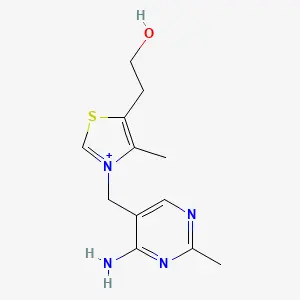
Thiamine, also spelled thiamin and known as vitamin B1, is a water-soluble B vitamin. Inside cells it becomes thiamine diphosphate, says the NIH (the US National Institutes of Health). Enzymes need this helper to turn glucose, amino acids and fats into energy. Deficiency shows up mostly as nerve and heart problems, with beriberi as the classic disease, says EFSA (the EU’s food safety agency).
The body keeps very little. An adult holds about 25 to 30 mg. Its biological half-life, a measure of how fast it is used up, is 9 to 18 days. So thiamine has to come from food all the time.
EFSA notes that deficiency occurs mainly where the diet rests on milled white cereals such as polished rice. The NIH says unenriched white rice has about one tenth of the thiamine of unenriched brown rice. Most people in the US eat enough: national survey data show only 6% have an intake below the average requirement.
Two things most readers do not know. In the US, about half of dietary thiamine comes from foods it is added to, such as bread and cereals, the NIH says. And heavy drinking blocks the carriers that take thiamine up in the gut. That is why alcohol use disorder is the most common cause of deficiency in highly industrialized countries.
This page weighs 25 studies on heart failure, sepsis, alcohol, nerve damage, fortified food and benfotiamine.
Health benefits of thiamine
The top findings from 25 studies, strongest evidence first
What the stars mean
- Strong. Several randomized trials, pooled in a meta-analysis, point the same way, or regulators (FDA or EFSA) have approved the claim.
- Moderate. Good randomized trials support it, but there are fewer of them, or their results vary.
- Limited. Small, short or single trials, or mixed results. Promising, but it needs confirmation.
Population and lab studies get no stars: they show a link or a mechanism, not proof.
How we rate evidence →- ★★★EU-approved thiamine claims, not study resultsThe EU allows foods that are a source of thiamine to claim it supports normal energy metabolism, nervous system function, psychological function and heart function. These are normal roles of the vitamin, not a treatment for any disease.
- ★★No clear heart benefit in heart failureIn 7 trials (274 people with heart failure), thiamine raised the share of blood pumped per beat by 1.7 percentage points, which could be chance. Thiamine corrected deficiency, so the authors say it helps only where deficiency is present.
- ★★No clear cut in deaths from sepsisThiamine by drip did not clearly cut short-term deaths in 9 trials (520 people with sepsis, a life-threatening reaction to infection). A vitamin C, thiamine and steroid mix did not cut days on life support.
- ★★Raised thiamine in mothers and breast milkIn Cambodia, six months of fish sauce with added thiamine raised thiamine in mothers’ blood cells and breast milk. Daily doses of 1.2 mg raised breast milk thiamine about as much as 10 mg.
- ★Best thiamine dose in alcohol misuse unclearOnly one usable trial (107 people) found injected 200 mg a day beat 5 mg for working memory, but not at other doses. Two other trials of injected thiamine found higher doses were not clearly better on thinking tests or nerve function.
All 23 studies, strongest evidence first
The EU allows four thiamine claims, including nerve and heart function
The claims cover normal energy-yielding metabolism, normal functioning of the nervous system, normal psychological function and normal function of the heart. They are listed in Commission Regulation (EU) No 432/2012, based on EFSA opinions from 2009 and 2010. A food may carry them only if it is at least a source of thiamine. That term is defined in the Annex to Regulation (EC) No 1924/2006. The list has no thiamine claim for tiredness or fatigue, and the claims describe normal roles of the vitamin, not a treatment for any disease.
In heart failure, thiamine did not clearly improve heart function or walking
This meta-analysis pooled 7 trials in 274 people with chronic heart failure. All were double-blind (neither patients nor staff knew who got what) and compared thiamine with a placebo (dummy pill). Five were parallel trials and two crossover (each person took both). The ejection fraction, the share of blood the heart pumps out per beat, rose by 1.7 percentage points on average, which could be chance. The 6-minute walking test (16.5 m), heart failure class and NT-proBNP (a heart strain marker) did not differ clearly either. Results varied a lot between trials (I² up to 87%). Thiamine did correct thiamine deficiency itself, so the authors conclude it helps only where deficiency is present.
In sepsis, thiamine through a drip did not clearly cut short-term deaths
This 2026 meta-analysis pooled 9 trials in 520 people with sepsis, a life-threatening reaction to infection. Thiamine went with fewer people needing renal replacement therapy, such as dialysis (0.26 times the odds), and lower lactate at 24 hours (mean difference -0.35). The SOFA organ-failure score also fell more. Four of the nine trials had a high risk of bias, and the authors call the pooled sample small. In the two trials of thiamine-deficient patients (51 people), an exploratory analysis hinted at fewer deaths (0.18 times the odds).
In sepsis, a vitamin mix did not cut life-support days
The double-blind VICTAS trial enrolled 501 people with sepsis in 43 US hospitals. Every 6 hours for up to 96 hours, they got a drip of vitamin C (1.5 g), thiamine (100 mg) and hydrocortisone (50 mg). The control group got a placebo. As a mixture, it cannot be credited to thiamine alone. Median days free of ventilators and vasopressors (breathing machines and blood pressure drugs) were 25 with the mixture and 26 with placebo (difference -1 day). Deaths within 30 days were 22% and 24%. The trial stopped early when funding was withheld, and it may have been too small to detect a clinically important difference.
Fortified fish sauce raised thiamine in mothers’ blood and breast milk
This double-blind trial ran in Cambodia, where infantile beriberi is a concern and thiamine-poor white rice is a staple. For six months, from pregnancy into early breastfeeding, 90 women ate as much fish sauce as they liked. It held no thiamine, 2 g/L or 8 g/L of thiamine. At the end, red cell thiamine diphosphate was 193 nM (nanomoles per liter) with no thiamine. It was 282 nM with the low and 254 nM with the high concentration. Breast milk thiamine was 14.4, 20.7 and 17.7 µg/dL (micrograms per deciliter). Infants’ red cell levels were higher only in the high group (257 versus 187 nM in controls).
1.2 mg a day raised breast milk thiamine like higher doses
This double-blind trial in 335 breastfeeding mothers in Cambodia tested doses from 2 to 24 weeks after birth. Milk thiamine was 153 µg/L with placebo and 183, 190 and 206 µg/L with 1.2, 2.4 and 10 mg a day. The three doses did not differ from each other. The authors estimate that 2.35 mg a day reaches 90% of the maximum milk level (191 µg/L). They say the 1.2 mg result is comparable to healthy mothers in regions without beriberi.
For Wernicke-Korsakoff syndrome, the best thiamine dose, route and length are unknown
This Cochrane review found only two trials, in people who misuse alcohol. Only one (107 people, injected doses of 5 to 200 mg a day for 2 days) had enough data to analyze. Working memory was better with 200 mg a day than with 5 mg, but not at the other doses, and the trial had design shortcomings. Thiamine has been the treatment of choice for over 50 years. Yet the review says current guidelines rest on case reports and clinical experience.
In alcohol misuse, higher thiamine doses were not clearly better
These two trials of injected thiamine aimed to prevent or treat Wernicke-Korsakoff syndrome. In the prevention trial, 393 at-risk people without symptoms got thiamine for 3 days. Doses were 100 mg daily, 100 mg three times daily or 300 mg three times daily. In the treatment trial, 127 people with symptoms got 100, 300 or 500 mg three times daily for 5 days. Doses did not differ on thinking tests or nerve function. Every group received thiamine, the patients were unwell with many other conditions, and the authors list several limitations. They add that magnesium and other B vitamin deficits should be corrected too.
In bowel disease fatigue, high-dose thiamine cut fatigue scores more than placebo
In this double-blind crossover trial, 40 people with quiet (inactive) inflammatory bowel disease and severe fatigue took part. Each took thiamine for 4 weeks and placebo for 4 weeks, in either order, with a 4-week washout between. Thiamine doses were 600 to 1,800 mg a day, set by sex and weight. Fatigue scores fell 4.5 points on thiamine and rose 0.75 points on placebo. A fatigue improvement of 3 points or more occurred in 55% and 75% of the two groups on thiamine, against 25% and 35% on placebo. Side effects were mild, but the doses are hundreds of times the 1.1 to 1.2 mg daily allowance, and this is one small trial.
In septic shock, thiamine did not clearly change kidney function
In this multicenter, placebo-controlled trial, 88 people with septic shock got thiamine (42) or placebo (46). At 72 hours, the difference in blood creatinine (a kidney marker) was -0.57 mg/dL, which could be chance. Kidney replacement therapy (14.3% versus 21.7%) and deaths (35.7% versus 54.3%) did not differ clearly. The thiamine group had more ICU-free days (median 22.5 versus 0). In the 27.4% of patients who were thiamine deficient, kidney failure and in-hospital deaths also did not differ clearly.
In diabetic nerve damage, benfotiamine gave a borderline gain in symptom scores
This 6-week double-blind, placebo-controlled trial included 165 people with diabetic nerve damage. They took benfotiamine, a fat-soluble form of thiamine, at 300 or 600 mg a day, or a placebo. The Neuropathy Symptom Score differed from placebo among the 124 patients who followed the protocol (per-protocol analysis). Among all 133 patients analyzed as assigned (intention-to-treat), the result just missed statistical significance. The Total Symptom Score did not differ; pain improved most, and treatment was well tolerated.
12 months of benfotiamine did not clearly help diabetic nerves
This double-blind, placebo-controlled phase II trial gave 57 people with type 2 diabetes and nerve damage 300 mg of benfotiamine twice a day. Blood levels of all six thiamine compounds measured rose. Corneal nerve fiber length (nerves in the eye’s surface) and other nerve measures did not change clearly. The Neuropathy Symptom Score tended to improve, but not significantly, and quality of life was similar in both groups. Treatment was well tolerated.
Benfotiamine raised blood thiamine but did not clearly help nerves
This double-blind, placebo-controlled trial gave 67 people with type 1 diabetes 300 mg of benfotiamine a day for 24 months, and 59 finished. Whole-blood thiamine and thiamine diphosphate rose markedly against placebo. Yet peripheral nerve function and soluble inflammation markers did not differ clearly.
In diabetic kidney damage, thiamine pills lowered urine albumin more than placebo
This pilot double-blind trial in Lahore, Pakistan, had 20 people in each group, all with type 2 diabetes and early kidney damage. They took 100 mg of thiamine three times a day or a placebo for 3 months. With thiamine, urinary albumin (a protein that leaks into urine from damaged kidneys) fell by a median of 17.7 mg a day from baseline. It ended lower than with placebo (30.1 versus 35.5 mg a day), while blood sugar control, blood fats and blood pressure did not change. This was a small pilot, and the next card tested benfotiamine, a different form, and found no such effect.
In diabetic kidney damage, benfotiamine did not lower urine albumin
This double-blind trial ran for 12 weeks in people with type 2 diabetes and kidney damage. They took 900 mg of benfotiamine a day (39 people) or placebo (43). They stayed on their ACE inhibitors or angiotensin receptor blockers (blood pressure drugs that protect the kidneys). Thiamine status improved, but 24-hour albumin excretion and 24-hour excretion of kidney injury molecule-1 did not fall clearly.
Benfotiamine did not clearly slow decline in early Alzheimer’s
This phase IIa trial (an early test) ran for 12 months in people with mild cognitive impairment or mild Alzheimer’s disease. They took benfotiamine (34 people) or placebo (36). The rise in ADAS-Cog, the main thinking test, was 43% lower with benfotiamine, which was not statistically significant. Worsening on the clinical dementia rating was 77% lower, and blood advanced glycation end products (sugar-damaged proteins) rose less. The authors call it safe and potentially efficacious, but it is a preliminary trial and its secondary results need confirming.
Three small Alzheimer’s trials of thiamine: no conclusions could be drawn
This Cochrane review found three double-blind trials of thiamine for more than a day against placebo. Together they had fewer than 50 people, and the crossover studies did not report first-phase results, so nothing could be pooled. The review reports no significant side effects in two of the trials. It was last updated in 2001.
In marginally deficient older women, thiamine raised appetite and well-being, eased fatigue
In this double-blind trial, 80 healthy elderly Irish women with marginal thiamine deficiency took part. After a 4-week baseline, they took 10 mg of thiamine a day or a placebo for 6 weeks. Compared with baseline and with placebo, the thiamine group had clearly more appetite, energy intake, body weight and general well-being. They also had less fatigue and tended to sleep better. The women came from a population with marginal deficiency, so the trial does not show what extra thiamine does at normal intake.
Vitamin B pills did not make skin less attractive to mosquitoes
A popular tip says vitamin B1 works as a systemic mosquito repellent, taken by mouth. These researchers gave volunteers vitamin B supplements under several regimens and tested their skin odors on Anopheles stephensi mosquitoes in glass vials. People differed a lot in attractiveness, but supplementation had no effect. Earlier small studies had also found vitamin B complex ineffective. This is a lab-style experiment with larger samples than before, not a field trial.
7% lacked thiamine before weight-loss surgery, 19% 3 months after
This meta-analysis pooled 41 studies of bariatric (weight-loss) surgery. Deficiency was 9% at 6 months and 6% at 1 year. The 3-month figure had a very wide range. Among pregnant women with a history of bariatric surgery, 12% were deficient in the first trimester. The authors recommend close monitoring early after surgery.
On long-term furosemide, 21 of 23 heart failure patients lacked thiamine
This pilot study looked at hospitalized patients taking 80 to 240 mg of furosemide (a water pill) a day for 3 to 14 months. Their deficiency was biochemical (found by a lab test); only 2 of 16 comparison patients had it. The mean thiamine pyrophosphate effect was 27.7% against 7.1% (normal 0% to 15%), and urinary thiamine loss was high in the furosemide group. In 6 patients, 100 mg of intravenous thiamine twice a day for 7 days brought the test back to normal. The study was cross-sectional and uncontrolled, so it cannot show that furosemide caused the deficiency.
In stable heart failure outpatients, thiamine deficiency was rare
This cross-sectional study at the Mayo Clinic measured whole-blood thiamine diphosphate in 30 stable outpatients on loop diuretics (strong water pills). Deficiency was estimated at below 11.6%. Thiamine level did not track diuretic dose (r = 0.02) or ejection fraction. Earlier reports had put deficiency as high as 50% in outpatients and 96% in hospital, and the authors suggest a heart-failure-specific reference range. The NIH notes that reported rates vary with patient mix, medicines and the way status is measured.
In pregnant Chinese women, more thiamine went with less gestational diabetes
The Tongji Birth Cohort followed 3,036 pregnant women in China, with thiamine and riboflavin intake from a food questionnaire and supplements. In the first trimester, the higher quarters of total thiamine intake had 0.58, 0.45 and 0.35 times the risk of the lowest quarter. Riboflavin showed a similar pattern, so the two cannot be separated. The link held for supplement use but not for diet alone, and dietary intakes of both were low. Observational data cannot show cause.
Foods high in thiamine
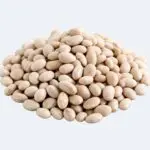
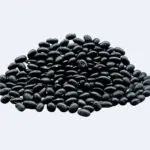
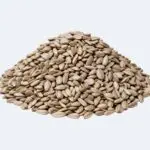
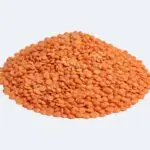
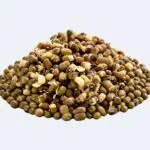
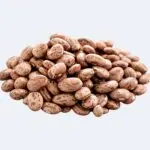
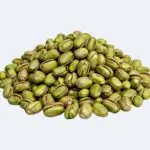
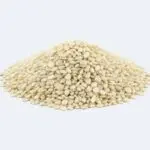
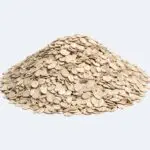
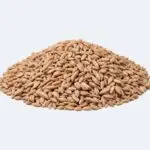
Beans and seeds lead our USDA ranking per serving, against a Daily Value of 1.2 mg (the FDA’s daily target for food labels). Navy beans give 0.43 mg per cup (182 g) and black beans 0.42 mg per cup (172 g). Sunflower seeds give 0.42 mg per ounce (28 g). Peas, hemp seeds and cranberry beans are close behind, as the ranking shows.
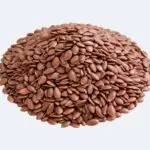
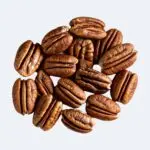
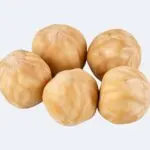
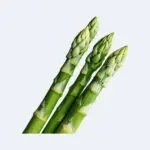
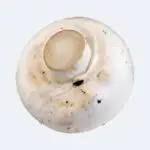
Per 100 g, flaxseeds (1.64 mg), sunflower seeds (1.48 mg) and hemp seeds (1.28 mg) lead, then macadamia nuts and pistachios. Per 100 kcal (the same calories of each food), asparagus (0.72 mg) and endive (0.47 mg) top the list, ahead of white mushrooms and spinach.
Pork and fortified grain foods are major sources in Western diets but do not appear in our ranking. The NIH table lists fortified breakfast cereal at 1.2 mg per serving (100% of the Daily Value).
Cooked enriched egg noodles have 0.5 mg per cup. A broiled bone-in pork chop and cooked trout have 0.4 mg each in 3 oz. Boiled black beans have 0.4 mg per half cup and mussels 0.3 mg in 3 oz.
Breads, cereals and infant formulas in the US and many other countries are fortified with thiamine. About half of the thiamine in the US diet comes from added thiamine.
Cooking and refining change what reaches the plate. Thiamine dissolves in water, so a significant amount is lost when cooking water is thrown out. Bread has 20% to 30% less thiamine than its raw ingredients, and pasteurization lowers the small amount in milk by up to 20%. EFSA lists alkaline conditions, high temperatures and sulfites among the causes of significant loss.
Milling matters most for rice: unenriched white rice has one tenth of the thiamine of unenriched brown rice. The NIH counts a half cup of enriched white rice at 0.1 mg, against 0.2 mg for unenriched brown rice.
Some foods work against thiamine. Thiaminases, enzymes in raw or fermented fish, ferns and insects, break it down. Phenolic acids in plants, such as caffeic, chlorogenic and tannic acid, can make it unavailable. Bioavailability (how much the body can absorb) fell in controlled studies comparing diets with and without tea, as EFSA reports.
These factors matter mostly where the diet is already low in thiamine.
Per serving. Bars show the share of the Daily Value (1.2 mg a day).
Per 100 g. Bars show the share of the Daily Value (1.2 mg a day). The line marks 100%.
Per serving. Bars show the share of the EU Reference Intake (1.1 mg a day).
Per 100 g. Bars show the share of the EU Reference Intake (1.1 mg a day). The line marks 100%.
Per 100 kcal: the same calories of each food, for a fair comparison. Bars compare each food with the top food.
- 1.
- 2.
- 3.
- 4.
- 5.
- 6.
- 7.
- 8.
- 9.
- 10.


- 1.
- 2.
- 3.
- 4.
- 5.
- 6.
- 7.
- 8.
- 9.
- 10.


- 1.
- 2.

- 3.
- 4.
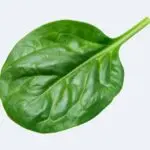
- 5.
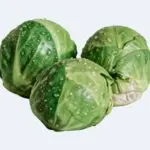
- 6.
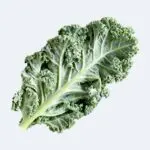
- 7.
- 8.
- 9.
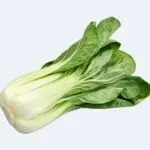
- 10.


Sources
- FoodData Central. US Department of Agriculture, Agricultural Research Service. Values as shown in the ranking above.
- Thiamin: fact sheet for health professionals. National Institutes of Health, Office of Dietary Supplements. Updated February 9, 2023.
- EFSA Panel on Dietetic Products, Nutrition and Allergies (NDA). Dietary reference values for thiamin. EFSA J. 2016.
How thiamine works
Most of this is biochemistry from test tubes, cells, animals and tissue samples, summarized in reviews, not from trials. Four ideas cover it. Thiamine diphosphate helps energy enzymes, and most of the thiamine sits in the cell’s fluid and mitochondria (the cell’s power plants).
Carriers let it in, and alcohol interferes with them. The body keeps only a small store. Here is each one, and what has been seen in people.
It helps four enzymes release energy
Free thiamine is turned into thiamine diphosphate (TDP, also called thiamine pyrophosphate), the form that works as a coenzyme (an enzyme helper). About 80% of the 25 to 30 mg of thiamine in an adult body is TDP, according to the NIH.
EFSA lists four main jobs. TDP is needed by pyruvate dehydrogenase, which converts pyruvate to acetyl-coenzyme A, and by alpha-ketoglutarate dehydrogenase in the Krebs cycle. It is also needed by an enzyme that breaks down the keto acids from branched-chain amino acids. And it is needed by transketolase in the pentose phosphate pathway, which supplies five-carbon sugars and NADPH.
In the brain, acetyl-coenzyme A and alpha-ketoglutarate also feed the production of the messengers acetylcholine and GABA.
Four enzyme jobs of thiamine diphosphate (TDP), simplified. The enzymes are pyruvate dehydrogenase, alpha-ketoglutarate dehydrogenase, branched-chain alpha-keto acid dehydrogenase and transketolase. The NIH counts five enzymes that use TDP; EFSA names these four. Not to scale.
People carry little, and it sits mostly in the cell’s fluid and mitochondria
In a 2010 study of human biopsies (tissue samples), total thiamine was lower in people than in other animals. The authors link our high sensitivity to deficiency to low blood thiamine and low tissue TDP. Levels of TDP also fell with age.
EFSA, summarizing the same data, reports the highest TDP in heart and skin. Inside cells, in most tissues, EFSA gives the split as about 50% in the fluid part and 35% in mitochondria. About 10% is in the nucleus and 5% in the microsomes. The mitochondrial share fits the energy jobs above.
Drawn to scale, in percent of a tissue’s thiamine. The split is the average EFSA reports for most tissues from one earlier study, not a measurement made for this page.
Carriers let it in, and alcohol gets in their way
Gut enzymes free thiamine from its phosphates, and then two carriers, ThTR-1 and ThTR-2, take it up, EFSA explains. Rare gene changes show how much the carriers matter. Mutations in the ThTR-1 gene (SLC19A2) cause thiamine-responsive megaloblastic anemia. This syndrome brings anemia, deafness and diabetes, and it improves with pharmacologic (drug-sized) doses of thiamine.
At low concentrations in the gut, the carriers do most of the work. At high concentrations, simple diffusion adds a second route, and EFSA notes that absorption becomes less efficient above about 5 mg a day.
Alcohol reduces absorption: it inhibits the carrier route and not the diffusion route, according to a review. Chronic alcohol feeding cut ThTR-1 levels in rats and carrier uptake in human gut cells. In 20 people with chronic alcohol dependence, 21% of a labeled thiamine dose was found in stool, against 4% in 10 healthy people. EFSA reports this from an older study.
Gut uptake of thiamine, simplified. Not to scale: the dose limits come from EFSA and from perfusion studies it cites, and the stool figures from an older study of 20 people with alcohol dependence and 10 healthy people.
The body keeps only a small store
An adult body holds about 25 to 30 mg of thiamine, mostly in muscle, heart, brain, liver and kidneys. The liver stores only a very small amount, the NIH says, and EFSA gives the biological half-life as 9 to 18 days.
More than 80% of the thiamine in blood is inside red blood cells, so a plasma test can mislead. The NIH says blood levels are not reliable indicators of status. Status is often measured indirectly, through transketolase (an enzyme) activity with and without added TDP.
Needs also track energy use. In a depletion study EFSA describes, 0.84 mg a day failed to restore normal enzyme activity in people eating 3,600 kcal a day. It did restore it in those eating 2,800 kcal.
What has been seen in people
The biochemistry fits the deficiency diseases but not always the supplement claims. Where thiamine is truly low, treatment works, and fortified food raised thiamine in Cambodian women and breast milk.
Where it is not low, extra thiamine did little in heart failure, sepsis and diabetic nerve damage. The exceptions are small positive trials, such as the one in bowel disease fatigue. Heavy drinking, bariatric surgery and some medicines are where the carrier and storage story turns into real risk. The studies above and the deficiency section below show this.
Sources
- EFSA Panel on Dietetic Products, Nutrition and Allergies (NDA). Dietary reference values for thiamin. EFSA J. 2016.
- Thiamin: fact sheet for health professionals. National Institutes of Health, Office of Dietary Supplements. Updated February 9, 2023.
- Gangolf M, Czerniecki J, Radermecker M, et al. Thiamine status in humans and content of phosphorylated thiamine derivatives in biopsies and cultured cells. PLoS One. 2010.
- Diaz GA, Banikazemi M, Oishi K, Desnick RJ, Gelb BD. Mutations in a new gene encoding a thiamine transporter cause thiamine-responsive megaloblastic anaemia syndrome. Nat Genet. 1999.
- Hoyumpa AM Jr. Mechanisms of thiamin deficiency in chronic alcoholism. Am J Clin Nutr. 1980.
- Subramanya SB, Subramanian VS, Said HM. Chronic alcohol consumption and intestinal thiamin absorption: effects on physiological and molecular parameters of the uptake process. Am J Physiol Gastrointest Liver Physiol. 2010.
How much thiamine do you need?
Adult men need 1.2 mg of thiamine a day and adult women 1.1 mg. That is the US recommended dietary allowance (RDA), an amount that covers nearly all healthy people. The label value, the Daily Value, is 1.2 mg.
In the EU, EFSA sets the population reference intake at 0.1 mg per megajoule (MJ) of energy eaten, or 0.4 mg per 1,000 kcal. That is because thiamine needs rise with energy use. For adults it works out to about 0.7 to 1.4 mg a day, depending on age, sex and activity level.
In the US, teenagers aged 14 to 18 need 1.2 mg (boys) or 1.0 mg (girls) a day. Children aged 9 to 13 need 0.9 mg. Pregnancy and breastfeeding raise the US allowance to 1.4 mg a day.
EFSA adds 0.03, 0.11 and 0.21 mg a day in the three trimesters, to match the extra energy needed. It adds 0.21 mg a day while breastfeeding.
For infants, the US sets an adequate intake (AI, a best-estimate amount) of 0.2 mg a day up to 6 months. From 7 to 12 months it is 0.3 mg.
For older adults, the US allowance stays at 1.2 and 1.1 mg from age 51. EFSA’s values in mg a day are lower because older adults eat less. At ages 60 to 69, they run from 0.69 to 1.22 mg across activity levels.
People who drink heavily, have had bariatric surgery or take loop diuretics are at higher risk of low status, as the next part shows.
Vitamin B1: recommended intake per day
US: Adequate Intake / Recommended Dietary Allowance (NASEM). EU: Population Reference Intake (EFSA).
| Age and sex | US (RDA) | EU (PRI) |
|---|---|---|
| Men, 31–50 years | 1.2 mg | 0.1 mg/MJ |
| Women, 31–50 years | 1.1 mg | 0.1 mg/MJ |
All ages, pregnancy and breastfeeding
| Age and sex | US (AI/RDA) | EU (PRI) |
|---|---|---|
| Infants 0–6 months | 0.2 mg | None set |
| Infants 7–11 months | None set | 0.1 mg/MJ |
| Infants 7–12 months | 0.3 mg | None set |
| Children 1–3 years | 0.5 mg | 0.1 mg/MJ |
| Children 4–6 years | None set | 0.1 mg/MJ |
| Children 4–8 years | 0.6 mg | None set |
| Children 7–10 years | None set | 0.1 mg/MJ |
| Females 9–13 years | 0.9 mg | None set |
| Males 9–13 years | 0.9 mg | None set |
| Children 11–14 years | None set | 0.1 mg/MJ |
| Females 14–18 years | 1 mg | None set |
| Males 14–18 years | 1.2 mg | None set |
| Children 15–17 years | None set | 0.1 mg/MJ |
| Adults 18+ years | None set | 0.1 mg/MJ |
| Females 19–30 years | 1.1 mg | None set |
| Males 19–30 years | 1.2 mg | None set |
| Females 31–50 years | 1.1 mg | None set |
| Males 31–50 years | 1.2 mg | None set |
| Females 51–70 years | 1.1 mg | None set |
| Males 51–70 years | 1.2 mg | None set |
| Females >70 years | 1.1 mg | None set |
| Males >70 years | 1.2 mg | None set |
| Pregnancy 14–18 years | 1.4 mg | None set |
| Pregnancy | None set | 0.1 mg/MJ |
| Pregnancy 19–30 years | 1.4 mg | None set |
| Pregnancy 31–50 years | 1.4 mg | None set |
| Lactation 14–18 years | 1.4 mg | None set |
| Lactation | None set | 0.1 mg/MJ |
| Lactation 19–30 years | 1.4 mg | None set |
| Lactation 31–50 years | 1.4 mg | None set |
EU and US age bands differ; "None set" means that body sets no value for the group. Label reference: FDA Daily Value 1.2 mg, EU Reference Intake 1.1 mg.EU and US age bands differ; "None set" means that body sets no value for the group. Label reference: EU Reference Intake 1.1 mg, FDA Daily Value 1.2 mg.
Thiamine deficiency: signs and who is at risk
Early deficiency causes weight loss, loss of appetite, confusion, short-term memory loss and muscle weakness, according to the NIH. It can also cause heart symptoms such as an enlarged heart. EFSA adds nerve inflammation, swelling, extreme fatigue, irritability, forgetfulness, poor coordination, constipation and labored breathing.
The best-known disease is beriberi. Dry beriberi is mainly a nerve disorder, with sensory and motor peripheral neuropathy (damage to nerves outside the brain and spinal cord). Wet beriberi adds heart failure, an enlarged heart and a fast heart rate, and a rapidly developing form is called Shoshin beriberi. Infantile beriberi can appear in breastfed infants of thiamine-deficient mothers at 2 to 6 months of age.
Wernicke’s encephalopathy brings eye movement problems, poor balance and confusion. Autopsy studies show it is greatly underdiagnosed, and the NIH says up to 20% of people with it die without treatment. Those who survive without treatment develop Korsakoff’s psychosis, with severe memory loss, disorientation and confabulation (making up memories without meaning to).
Suspected Wernicke’s encephalopathy is a medical emergency. The European neurology guideline advises 200 mg of thiamine three times a day, preferably into a vein and before any glucose.
The NIH names the groups most at risk. In highly industrialized countries, alcohol use disorder is the most common cause. Up to 80% of people with chronic alcoholism develop deficiency, because alcohol reduces absorption, liver stores and activation of thiamine.
Older adults are another group: 20% to 30% have lab signs of some deficiency. The NIH lists poor intake, many medicines and lower absorption. People with HIV, diabetes and heart failure also show low status in studies, though how much it matters is unclear.
Across studies, 17% to 79% of people with diabetes had poor status by an enzyme test. For heart failure, the range was 21% to 98%.
The loop diuretic furosemide and the chemotherapy drug fluorouracil can lower thiamine or its action. After bariatric surgery, the pooled rate of deficiency was 19% at 3 months in one meta-analysis. The European guideline recommends following thiamine status for at least 6 months.
In pregnancy, severe vomiting (hyperemesis gravidarum) can deplete thiamine between 10 and 15 weeks. A review of 177 case reports found that Wernicke’s encephalopathy in this setting often went untreated or was treated with too little thiamine.
EFSA also names diets rich in thiaminase, an enzyme found in some raw or fermented fish, ferns and insects. Critically ill patients given glucose drips without thiamine are another group, a clinical review says.
Testing is not simple. Blood thiamine is a poor guide, so clinics use the red cell transketolase test. According to the NIH, a TDP effect of 0% to 15% is normal, 15% to 25% marginal and above 25% deficient. Urinary thiamine under 100 mcg (micrograms) a day suggests too little intake.
For mild deficiency, the WHO (World Health Organization) advises 10 mg by mouth daily for a week. After that comes 3 to 5 mg for at least 6 weeks. Severe cases need injections, the NIH reports.
Recovery depends on the stage. Supplemental thiamine, often by injection, quickly cures beriberi. At the Korsakoff stage, though, injected thiamine does not lead to recovery in about one quarter of patients.
Sources
- Thiamin: fact sheet for health professionals. National Institutes of Health, Office of Dietary Supplements. Updated February 9, 2023.
- EFSA Panel on Dietetic Products, Nutrition and Allergies (NDA). Dietary reference values for thiamin. EFSA J. 2016.
- Institute of Medicine, Food and Nutrition Board. Dietary Reference Intakes for thiamin, riboflavin, niacin, vitamin B6, folate, vitamin B12, pantothenic acid, biotin, and choline. National Academy Press. 1998.
- Galvin R, Bråthen G, Ivashynka A, et al. EFNS guidelines for diagnosis, therapy and prevention of Wernicke encephalopathy. Eur J Neurol. 2010.
- Sechi G, Serra A. Wernicke’s encephalopathy: new clinical settings and recent advances in diagnosis and management. Lancet Neurol. 2007.
- Frank LL. Thiamin in clinical practice. JPEN J Parenter Enteral Nutr. 2015.
- Oudman E, Wijnia JW, Oey M, et al. Wernicke’s encephalopathy in hyperemesis gravidarum: a systematic review. Eur J Obstet Gynecol Reprod Biol. 2019.
- Karimi Behnagh A, Eghbali M, Abdolmaleki F, et al. Pre- and post-surgical prevalence of thiamine deficiency in patients undergoing bariatric surgery: a systematic review and meta-analysis. Obes Surg. 2024.
Forms of thiamine: absorption and effects
Thiamine supplements differ in the molecule, in how well the gut takes it up and in how it is used. Thiamine hydrochloride and thiamine mononitrate are the common forms in supplements and in fortified food. The NIH calls them stable and water soluble, and EFSA says both may be added to foods and supplements in the EU.
EFSA adds that thiamine monophosphate chloride and thiamine pyrophosphate chloride may be added to supplements. Benfotiamine is a synthetic derivative that is not water soluble and is converted to thiamine in the body. Sulbutiamine, fursultiamine and thiamine disulfide are other fat-soluble forms sold or studied for fatigue and nerve symptoms.
The honest bottom line: the studies we found compare blood levels, not health. Benfotiamine reached much higher blood levels than thiamine hydrochloride in healthy volunteers. But in long trials in diabetes, the higher levels did not improve nerve measures.
We found no head-to-head human study of the hydrochloride against the mononitrate. We found none showing that sulbutiamine works better than thiamine, and none on the phosphate forms. For correcting or preventing deficiency, the guidelines and trials used plain thiamine, often by injection.
In the outcome trials above, the sepsis trials used thiamine by injection (VICTAS gave it with vitamin C and hydrocortisone, a mixture). The kidney trial used thiamine 300 mg a day by mouth. The neuropathy, kidney and Alzheimer’s trials used benfotiamine at 300 to 900 mg a day. A pilot trial in older adults with heart failure used thiamine mononitrate 500 mg a day. Its gains in ejection fraction and NT-proBNP were not statistically significant.
| Form | Activity or conversion | What studies show | Source |
|---|---|---|---|
| Thiamine hydrochloride | Not stated. The NIH calls it stable and water soluble | The reference form in the benfotiamine comparison, with much lower plasma thiamine than benfotiamine. EFSA lists it as allowed in foods and supplements. We found no human study comparing it head to head with the mononitrate. | 1, 2, 3 |
| Thiamine mononitrate | Not stated. The NIH calls it stable and water soluble | The other common supplement and fortification form. At 500 mg a day for 90 days in 24 older adults with heart failure it was well tolerated, with nonsignificant gains in ejection fraction and NT-proBNP. | 1, 2, 4 |
| Benfotiamine | Converted to thiamine in the body (NIH). Relative bioavailability against thiamine hydrochloride: 1,147% for plasma thiamine and 196% for red cell thiamine diphosphate | Raised blood levels more and sooner than fursultiamine and thiamine disulfide in 7 volunteers. In outcome trials, a 6-week trial found borderline symptom gains, and 12-month and 24-month trials found no change in nerve measures despite higher blood levels. | 1, 3, 5, 6, 7, 8 |
| Sulbutiamine | Not stated | A fat-soluble form that, according to the authors of one study, crosses the blood-brain barrier more readily than thiamine. In an uncontrolled study of 26 people with multiple sclerosis, 400 mg a day for 2 months went with lower fatigue scores. We found no placebo-controlled trial of it for fatigue. | 9 |
| Fursultiamine and thiamine disulfide | Not stated | Gave less thiamine than benfotiamine in 7 volunteers; thiamine disulfide gave the least. | 5 |
| Thiamine monophosphate and pyrophosphate chloride | Not stated | EFSA says they may be added to food supplements in the EU. We found no human study of how well they are absorbed. | 2 |
| Thiamine in food | Phosphates in animal foods, free thiamine in plants (EFSA) | Gut enzymes remove the phosphates before uptake. In healthy people more than 95% of intakes under 2 mg a day were absorbed. Alcohol, sulfites, thiaminases and some plant phenols lower availability. | 2 |
Here are the head-to-head studies of forms, 2 in all.
All 2 studies, strongest evidence first
Benfotiamine gave about 11 times the plasma thiamine of thiamine hydrochloride
This pharmacokinetic study (how the body absorbs and handles a drug) gave healthy Chinese volunteers single and repeated doses. Against thiamine hydrochloride, the relative bioavailability of benfotiamine was 1,147.3% (± 490.3) for plasma thiamine. For thiamine diphosphate in red blood cells it was 195.8% (± 33.8), about twice as much. Converting benfotiamine to thiamine produced hippuric acid, which did not build up with repeated doses. The study measured blood levels, not health outcomes.
A single benfotiamine dose beat fursultiamine and thiamine disulfide for availability
In this change-over study, 7 volunteers took a single 100 mg dose of each of three preparations in turn. Thiamine was measured in blood for 10 hours, in 24-hour urine and through a red cell enzyme test (erythrocytic transketolase). Benfotiamine raised thiamine in plasma and hemolysate (broken-up red cells) sooner and more, and thiamine disulfide had the lowest availability. The study did not include thiamine hydrochloride or mononitrate.
Sources
- Thiamin: fact sheet for health professionals. National Institutes of Health, Office of Dietary Supplements. Updated February 9, 2023.
- EFSA Panel on Dietetic Products, Nutrition and Allergies (NDA). Dietary reference values for thiamin. EFSA J. 2016.
- Xie F, Cheng Z, Li S, et al. Pharmacokinetic study of benfotiamine and the bioavailability assessment compared to thiamine hydrochloride. J Clin Pharmacol. 2014.
- Wong EKC, Lee JY, Chow J, et al. High-dose thiamine supplementation in older patients with heart failure: a pilot randomized controlled crossover trial (THIAMINE-HF). CJC Open. 2022.
- Greb A, Bitsch R. Comparative bioavailability of various thiamine derivatives after oral administration. Int J Clin Pharmacol Ther. 1998.
- Ziegler D, Sipola G, Strom A, et al. Effects of benfotiamine treatment over 12 months on morphometric, neurophysiological and clinical measures in type 2 diabetes patients with symptomatic polyneuropathy: a randomized, placebo-controlled, double-blind clinical trial (BOND study). BMJ Open Diabetes Res Care. 2026.
- Fraser DA, Diep LM, Hovden IA, et al. The effects of long-term oral benfotiamine supplementation on peripheral nerve function and inflammatory markers in patients with type 1 diabetes: a 24-month, double-blind, randomized, placebo-controlled trial. Diabetes Care. 2012.
- Stracke H, Gaus W, Achenbach U, Federlin K, Bretzel RG. Benfotiamine in diabetic polyneuropathy (BENDIP): results of a randomised, double blind, placebo-controlled clinical study. Exp Clin Endocrinol Diabetes. 2008.
- Sevim S, Kaleğağası H, Taşdelen B. Sulbutiamine shows promising results in reducing fatigue in patients with multiple sclerosis. Mult Scler Relat Disord. 2017.
Is thiamine safe? Supplements, dose and interactions
Thiamine from food is not a safety concern, and neither the US nor the EU has set an upper level. The US Food and Nutrition Board set no tolerable upper intake level (UL). It found no reports of adverse effects from intakes of 50 mg a day or more from food or supplements. It suggested that absorption falls sharply above 5 mg, and the body excretes the excess in urine.
EFSA reports that the EU Scientific Committee on Food reached the same conclusion in 2001. Data on harm from oral thiamine were limited, absorption declines above 5 mg a day, and no upper level could be set. No upper level means no proven safe ceiling either, and the Board noted that excessive intakes could in principle cause harm.
- Doses used in trials. The inflammatory bowel disease trial gave 600 to 1,800 mg a day by mouth for 4 weeks and saw only mild side effects. A 12-month trial gave benfotiamine 600 mg a day, well tolerated. Your supplement is probably far lower; multivitamins typically hold about 1.5 mg, the NIH says.
- Injections. In a US emergency department study, 12 of 989 patients (1.1%) had a reaction to a 100 mg intravenous dose, mostly short local irritation. A chart review of 8,606 doses in 2,595 patients found no anaphylaxis (a severe allergic reaction). Still, anaphylaxis with cardiac arrest has been reported after an infusion in one man. That is why injections are given where it can be treated. The European guideline rates the overall safety of thiamine as very good.
- Drug interactions. The NIH says thiamine is not known to interact with medicines, but some medicines lower thiamine. Furosemide (Lasix) increases urinary loss. Fluorouracil chemotherapy has been linked to cases of beriberi or Wernicke’s encephalopathy, possibly because it blocks the formation of TDP. Whether supplements prevent this in people on loop diuretics has not been settled in trials.
- Who should ask a doctor. Seek care rather than self-treat if you drink heavily, have had bariatric surgery or have long-lasting vomiting (including in pregnancy). The same goes if you take loop diuretics or fluorouracil, or have confusion, poor balance, eye movement changes or burning, tingling feet. Suspected Wernicke’s encephalopathy is an emergency and needs injected doses.
How to get more thiamine
- Eat beans, seeds and whole or enriched grains. In our ranking, a cup of navy beans gives 0.43 mg (36% of the Daily Value) and an ounce of sunflower seeds 0.42 mg. The NIH adds pork, trout and fortified cereals.
- Keep the cooking water and choose less refined grains. Thiamine dissolves in water, so use the liquid from beans or vegetables in soups. Unenriched white rice has one tenth of the thiamine of unenriched brown rice.
- Do not self-treat risk situations. If you drink heavily or have had bariatric surgery, ask for a status check. Guidelines advise following thiamine status for at least 6 months after surgery. A multivitamin at about 1.5 mg is not a treatment for deficiency.
Sources
- Thiamin: fact sheet for health professionals. National Institutes of Health, Office of Dietary Supplements. Updated February 9, 2023.
- EFSA Panel on Dietetic Products, Nutrition and Allergies (NDA). Dietary reference values for thiamin. EFSA J. 2016.
- Institute of Medicine, Food and Nutrition Board. Dietary Reference Intakes for thiamin, riboflavin, niacin, vitamin B6, folate, vitamin B12, pantothenic acid, biotin, and choline. National Academy Press. 1998.
- Galvin R, Bråthen G, Ivashynka A, et al. EFNS guidelines for diagnosis, therapy and prevention of Wernicke encephalopathy. Eur J Neurol. 2010.
- Bager P, Hvas CL, Rud CL, Dahlerup JF. Randomised clinical trial: high-dose oral thiamine versus placebo for chronic fatigue in patients with quiescent inflammatory bowel disease. Aliment Pharmacol Ther. 2021.
- Wrenn KD, Murphy F, Slovis CM. A toxicity study of parenteral thiamine hydrochloride. Ann Emerg Med. 1989.
- McLaughlin K, Joyal K, Lee S, et al. Safety of intravenous push thiamine administration at a tertiary academic medical center. J Am Pharm Assoc. 2020.
- Juel J, Pareek M, Langfrits CS, Jensen SE. Anaphylactic shock and cardiac arrest caused by thiamine infusion. BMJ Case Rep. 2013.
- Ziegler D, Sipola G, Strom A, et al. Effects of benfotiamine treatment over 12 months on morphometric, neurophysiological and clinical measures in type 2 diabetes patients with symptomatic polyneuropathy: a randomized, placebo-controlled, double-blind clinical trial (BOND study). BMJ Open Diabetes Res Care. 2026.
- Alkhalaf A, Klooster A, van Oeveren W, et al. A double-blind, randomized, placebo-controlled clinical trial on benfotiamine treatment in patients with diabetic nephropathy. Diabetes Care. 2010.
History of thiamine
For centuries, beriberi was blamed on miasmas (bad air) rising from wet soil, and later on an unknown infectious organism. In 1884, the Japanese Navy doctor Takaki Kanehiro took white rice out of sailors’ diets and added more varied food. Beriberi disappeared during a voyage of several months. He credited the protein, the diet was costly, and the idea was soon forgotten.
In the Dutch East Indies, Christiaan Eijkman noticed that chickens fed polished rice developed a paralysis like beriberi. Chickens fed unpolished brown rice did not. His successor Gerrit Grijns concluded correctly that foods contain unknown substances needed by the peripheral nervous system.
A 2019 biography of Eijkman describes a large survey of Java prisons. Beriberi struck 9 of about 95,000 prisoners fed unpolished rice, and 4,200 of about 150,000 fed polished rice.
In 1926, Barend Jansen and Willem Donath isolated and crystallized a substance that cured polyneuritis (nerve inflammation) in pigeons. Robert Williams synthesized thiamine in 1936. Casimir Funk proposed in 1912 that such substances are essential to life and named them vitamines. Eijkman received the 1929 Nobel Prize in medicine “for his discovery of the antineuritic vitamin”.
Sources
- Carpenter KJ. The discovery of thiamin. Ann Nutr Metab. 2012.
- Pietrzak K. Christiaan Eijkman (1856-1930). J Neurol. 2019.
Frequently asked questions about thiamine
Why is thiamine given to people who drink heavily?
Heavy drinking lowers thiamine intake and also blocks its absorption. In a study EFSA cites, 21% of a labeled dose ended up in stool in 20 people with chronic alcohol dependence. In 10 healthy people it was 4%. The NIH says up to 80% of people with chronic alcoholism develop thiamine deficiency. For suspected Wernicke’s encephalopathy, the European guideline advises 200 mg of thiamine three times a day, preferably into a vein and before any glucose. A Cochrane review found too few trials to say which dose is best, so this is a clinician’s decision, not self-care.
How long does it take to recover from vitamin B1 deficiency?
It depends on the stage. The NIH says supplemental thiamine, often by injection, quickly cures beriberi. Wernicke’s encephalopathy is an emergency, and without treatment up to 20% of people with it die. At the later Korsakoff stage, injected thiamine does not lead to recovery in about one quarter of patients. For mild deficiency, the WHO advises 10 mg by mouth daily for a week. After that comes 3 to 5 mg a day for at least 6 weeks.
Which foods are highest in thiamine?
Beans and seeds lead our USDA ranking per serving, against a Daily Value of 1.2 mg. Navy beans give 0.43 mg per cup, black beans 0.42 mg, sunflower seeds 0.42 mg per ounce and peas 0.41 mg. Per 100 g, flaxseeds (1.64 mg), sunflower seeds (1.48 mg) and hemp seeds (1.28 mg) lead. The NIH adds fortified breakfast cereal at 1.2 mg per serving and enriched egg noodles at 0.5 mg per cup. A broiled pork chop has 0.4 mg.
Does cooking destroy thiamine?
Partly. Thiamine dissolves in water, so a significant amount is lost when cooking water is thrown out. Bread has 20% to 30% less thiamine than its raw ingredients, according to the NIH. Pasteurization lowers the small amount in milk by up to 20%. EFSA lists alkaline conditions, high temperatures and sulfites as causes of significant loss. So using the cooking liquid in soups and sauces keeps more of what dissolved.
Is benfotiamine better than thiamine?
It raises blood levels more, but that has not meant better health so far. In healthy volunteers, benfotiamine gave about 11 times more thiamine in plasma than thiamine hydrochloride, and about twice the thiamine diphosphate in red cells. Yet a 12-month trial in type 2 diabetes and a 24-month trial in type 1 diabetes found no change in nerve measures. A 6-week trial found a borderline gain in symptom scores. Food or ordinary thiamine covers normal needs.
Can you take too much thiamine?
Neither the US nor the EU has set an upper level, because no harm has been reported from high intakes of food or supplements. The NIH cites intakes of 50 mg a day or more. Absorption also falls above about 5 mg a day, and the body excretes the excess in urine. A trial of 600 to 1,800 mg a day for 4 weeks saw only mild side effects. Injections are different: 12 of 989 patients (1.1%) had a reaction to a 100 mg intravenous dose, mostly local irritation. Anaphylaxis has been reported in a case report.
Does thiamine repel mosquitoes?
There is no good evidence that it does. In a test with human volunteers and Anopheles stephensi mosquitoes, vitamin B supplementation had no effect on how attractive skin odors were. The authors note that earlier small studies also found vitamin B complex ineffective as a repellent. The idea is common on the web.
Does vitamin B1 give you energy?
Thiamine is needed to turn food into energy, and the EU authorizes the claim that it contributes to normal energy-yielding metabolism. But that describes a normal role, not extra energy. In a trial of 80 elderly Irish women with marginal deficiency, 10 mg a day reduced fatigue. In another, 40 people with bowel disease and severe fatigue improved on 600 to 1,800 mg. In people with normal status the evidence is thin, such as one study of 16 male athletes taking 100 mg a day.