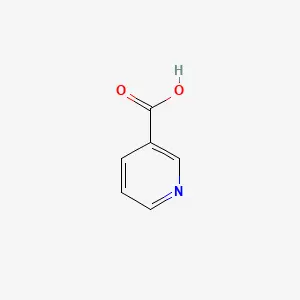
Niacin, also called vitamin B3, is a water-soluble B vitamin. The word covers two main forms, nicotinic acid and nicotinamide (also called niacinamide). It also covers related compounds such as nicotinamide riboside, says the NIH (the US National Institutes of Health).
The body turns them into NAD, a helper molecule that more than 400 enzymes need. They use it to move energy out of carbohydrates, fats and proteins and to keep the genome (your DNA) intact. Riboflavin and vitamin B6 help the body make niacin from tryptophan.
Niacin is not strictly a vitamin, the EU’s Scientific Committee on Food points out. The body can make it from the essential amino acid tryptophan. By convention, 60 mg of tryptophan count as 1 mg of niacin, so intakes are measured in niacin equivalents (NE).
The disease of too little niacin, pellagra, was once a mass problem. The committee reports more than 170,000 cases a year in the southern United States between 1910 and 1935.
What most readers do not know is how differently the two forms behave. Nicotinic acid in doses of 30 to 50 mg or more turns the skin red and itchy. Doses more than 100 times the daily allowance lower LDL (“bad”) cholesterol and triglycerides and raise HDL (“good”) cholesterol. Yet two trials of about 29,000 people found no fewer heart attacks.
Nicotinamide does not flush and lacks the cholesterol effect of nicotinic acid. But it cut new skin cancers by 23% in one trial of 386 people. The studies below weigh both forms, the newer NAD precursors and the food sources.
Health benefits of niacin
The top findings from 34 studies, strongest evidence first
What the stars mean
- Strong. Several randomized trials, pooled in a meta-analysis, point the same way, or regulators (FDA or EFSA) have approved the claim.
- Moderate. Good randomized trials support it, but there are fewer of them, or their results vary.
- Limited. Small, short or single trials, or mixed results. Promising, but it needs confirmation.
Population and lab studies get no stars: they show a link or a mechanism, not proof.
How we rate evidence →- ★★★No fewer heart attacks, strokes or deathsNiacin pills did not reduce deaths, heart attacks or strokes across 23 trials, and most people also took a statin. In another trial of 3,414 people with heart disease, extended-release niacin on top of a statin did not lower heart attacks or strokes either.
- ★★★More new diabetes diagnosesIn 11 trials of people without diabetes, niacin given as a treatment raised new diabetes diagnoses by 34% (1.34 times the risk). That is one extra case for every 43 people treated for 5 years.
- ★★Nicotinamide: fewer skin cancers in one trial onlyNicotinamide, one form of vitamin B3 (not food niacin), cut new nonmelanoma skin cancers by 23% in a year in high-risk adults. It did not lower new skin cancers in organ-transplant recipients.
- ★★Serious side effects with niacin plus laropiprantA tablet combining niacin with laropiprant, which blunts flushing, did not cut major vascular events (13.2% against 13.7% on placebo) in 25,673 adults on statins. Serious diabetes-control problems rose by 3.7 percentage points.
- ★★No-flush niacin did not improve blood fatsIn 120 adults with mild dyslipidemia (slightly abnormal blood fats), extended-release niacin lowered total cholesterol 11% in 6 weeks. “No-flush” inositol hexanicotinate and placebo showed no clear improvement.
All 28 studies, strongest evidence first
The EU allows six niacin claims, including energy, nerves and less tiredness
They cover normal energy-yielding metabolism, normal functioning of the nervous system and reduction of tiredness and fatigue. The other three are normal psychological function, maintenance of normal mucous membranes and maintenance of normal skin. The claims are listed in Commission Regulation (EU) No 432/2012, based on opinions from EFSA (the EU’s food safety agency) in 2009 and 2010. A food may carry them only if it is at least a source of niacin (Annex to Regulation (EC) No 1924/2006). Regulation (EU) No 1169/2011 sets a significant amount at 15% of the reference value, which is 16 mg for niacin. The same opinions also assessed claims on blood cholesterol and triglycerides, bone, teeth, hair, nails and blood flow. None of those is on the list of permitted claims.
Niacin did not reduce deaths, heart attacks or strokes
This Cochrane review pooled 23 randomized trials (people assigned to groups by chance) with 39,195 people, published between 1968 and 2015. The median dose was 2 g a day for 11.5 months, and most people also took a statin. Overall deaths were 1.05 times as common on niacin, fatal or non-fatal heart attacks 0.93 times and strokes 0.95 times. People given niacin were 2.17 times as likely to stop treatment because of side effects. The authors rate the evidence as moderate to high quality.
In people without diabetes, niacin raised new diabetes diagnoses by 34%
This meta-analysis (a study that pools earlier trials) combined 11 randomized trials with 26,340 people, each lasting at least 24 weeks. The weighted mean follow-up was 3.6 years. Diabetes was diagnosed in 725 of 13,121 people given niacin and 646 of 13,219 given control (1.34 times the risk). That is one extra case for every 43 people treated for 5 years. The result was the same with or without a statin or laropiprant.
With statins, extended-release niacin did not lower heart attacks or strokes
In this double-blind trial, 3,414 people with heart disease on simvastatin added 1,500 to 2,000 mg of extended-release niacin a day, or placebo. It was stopped after a mean 3 years for lack of benefit. At 2 years, niacin had raised HDL cholesterol from 35 to 42 mg/dL and cut triglycerides from 164 to 122 mg/dL. The main outcome (heart attacks, strokes and related events) still occurred in 16.4% on niacin and 16.2% on placebo (1.02 times the risk). Funded by the National Heart, Lung, and Blood Institute and Abbott Laboratories.
Niacin plus laropiprant did not cut vascular events but raised serious harms
This randomized trial gave 25,673 adults with vascular disease on statins 2 g of niacin plus laropiprant a day, or placebo. The median follow-up was 3.9 years. The tablet combined extended-release niacin with laropiprant, a drug that blunts flushing, so the result belongs to the combination. LDL cholesterol was 10 mg/dL lower and HDL 6 mg/dL higher. Yet major vascular events occurred in 13.2% with niacin-laropiprant and 13.7% with placebo (0.96 times). Serious diabetes-control problems rose by 3.7 percentage points. Serious stomach and bowel, musculoskeletal, skin, infection and bleeding events also rose. Funded by Merck and others.
In men after a heart attack, niacin modestly cut nonfatal repeat attacks
The Coronary Drug Project (1966 to 1975) tested five lipid-influencing drugs in 8,341 men aged 30 to 64 who had had a heart attack. Niacin did not lower total deaths during the trial. Follow-up averaged 15 years, ending nearly 9 years after the trial. By then, death from any cause was 52.0% in the niacin group and 58.2% with placebo, 11% lower. The authors suggest the late benefit may come from fewer early repeat attacks, from the cholesterol-lowering effect, or both.
Niacin showed no preventive link with cardiovascular outcomes
This systematic review covered 119 trials, and 17 of them, with 35,760 people, reported at least one long-term cardiovascular (heart and blood vessel) outcome. In people not taking statins, niacin alone went with lower risk of acute coronary syndrome (0.74 times), stroke (0.74) and revascularization (0.51). Those results came mainly from two trials of the 1970s and 1980s. The authors say niacin may have a role on its own in people who cannot take statins, but the evidence is old.
In diabetes, high-dose niacin raised HDL by 29%
The ADMIT trial included 468 people with peripheral artery disease (narrowed leg arteries), 125 of them with diabetes. They took crystalline nicotinic acid or placebo for up to 60 weeks, at 3,000 mg a day or the highest dose tolerated. In people with diabetes, triglycerides fell 23% and LDL cholesterol 8%. Fasting glucose rose modestly (8.7 mg/dL), and HbA1c (a long-term blood sugar measure) did not change from baseline. It measured blood fats, not heart attacks.
Nicotinamide pills cut new nonmelanoma skin cancers by 23% in a year
In this phase 3, double-blind trial, 386 adults took 500 mg of nicotinamide twice a day or placebo. Everyone had had at least two nonmelanoma skin cancers in the previous 5 years. Squamous cell cancers were 30% lower and basal cell cancers 20% lower, a difference that could be chance. Actinic keratoses (rough, precancerous skin patches) were 11% to 20% lower at each visit. There was no benefit after nicotinamide was stopped. This is nicotinamide, one form of vitamin B3, not food niacin. Funded by Australia’s National Health and Medical Research Council.
In transplant recipients, nicotinamide did not lower new skin cancers
This phase 3 trial gave 158 organ-transplant recipients with past skin cancers 500 mg twice a day or placebo for 12 months. It stopped early because too few people joined. There were 207 new keratinocyte (common skin) cancers with nicotinamide and 210 with placebo (1.0 times). Squamous and basal cell cancers, actinic keratoses and quality-of-life scores did not differ either. Nicotinamide had lowered skin cancers in high-risk people with healthy immune systems, but not here.
Not enough evidence that oral nicotinamide lowers skin cancers
This meta-analysis of four trials of oral nicotinamide pooled people with healthy and suppressed immune systems. Rates of keratinocyte cancers (non-melanoma skin cancer) were 0.82 times, squamous cell carcinoma 0.81 times and basal cell carcinoma 0.88 times. The trials differed considerably (I2 63% for two of the three). Adverse events were rare. Only one study looked at dietary niacin, and it pointed to a possible benefit for squamous cell cancers but not basal cell cancers or melanoma.
In at-risk relatives, nicotinamide did not prevent diabetes
This randomized, double-blind trial ran for 5 years in 18 European countries, Canada and the USA. Its 552 participants were relatives of people with type 1 diabetes and had islet cell antibodies (an early warning sign). They took high-dose, modified-release nicotinamide (1.2 g per m² of body surface) or placebo. Of 159 people who developed diabetes, 82 were taking nicotinamide and 77 placebo (1.07 times the risk). Serious adverse events did not differ between the groups.
In dialysis, nicotinamide lowered blood phosphorus but raised low-platelet risk
This meta-analysis pooled nine randomized studies with 428 hemodialysis patients (people on kidney dialysis). Serum phosphorus fell by a standardized mean difference of −1.06. Parathyroid hormone and calcium-phosphorus product also fell, while calcium did not change. Adverse events were about four times as likely (3.99 times the odds). Thrombocytopenia, a low platelet count, stood out (49.00 times the odds, with a very wide interval of 2.68 to 897.36). No serious adverse reactions were observed, and the authors call for larger, high-quality trials.
Nicotinamide riboside did not help Parkinson disease, scoring slightly worse than placebo
This phase 3 trial ran at 11 centers in Norway with 410 people with early Parkinson disease. They took 500 mg twice a day or placebo for 52 weeks. The total MDS-UPDRS score (a symptom scale where higher is worse) rose 2.45 points with nicotinamide riboside and fell 0.27 with placebo. That is a difference of 2.72 points in favor of placebo. Non-motor symptoms worsened more with nicotinamide riboside (4.22 points). The authors say the findings do not support it as a disease-modifying treatment. Published online in October 2026.
Simvastatin plus niacin cut coronary events to 3% against 24%
This was a mixture, not niacin alone: the group took simvastatin and niacin together. The double-blind trial had 160 people with heart disease and low HDL, followed for 3 years, in four arms (simvastatin-niacin, antioxidant vitamins, both, placebo). LDL cholesterol fell 42% and HDL rose 26% with simvastatin-niacin. Coronary narrowing regressed by 0.4% with simvastatin-niacin, while it grew by 3.9% with placebo. Antioxidant vitamins blunted the HDL2 rise. The trial was small, so the event numbers are small too.
On statins, niacin thinned the neck artery wall more than ezetimibe
This trial, ARBITER 6-HALTS, included 315 statin-treated patients and was stopped early after an interim analysis favored niacin. Mean carotid intima-media thickness (the thickness of the neck artery wall) changed by −0.0102 mm with extended-release niacin (target 2,000 mg a day). It changed by −0.0016 mm with ezetimibe 10 mg a day. It measured an ultrasound marker, not heart attacks, which the larger trials above did not find fewer of.
In glaucoma, nicotinamide plus pyruvate improved more visual field spots than placebo
The treatment was a mixture of nicotinamide (1,000 to 3,000 mg) and pyruvate (1,500 to 3,000 mg). So the result cannot be credited to nicotinamide alone. In this phase 2 trial, 42 people with glaucoma were randomized and 32 finished, with a median follow-up of 2.2 months. The median number of improving test locations was 15 against 7. Pattern standard deviation improved, but mean deviation and the visual field index did not. The authors say long-term trials are needed.
Nicotinamide riboside raised blood NAD+ and was well tolerated
This randomized, double-blind, placebo-controlled crossover trial in healthy middle-aged and older adults had two 6-week periods. Nicotinamide riboside is a form of vitamin B3 sold as a supplement. The supplier, ChromaDex, provided the pills and part of the funding. The authors say effects on blood pressure and arterial stiffness were a first look that future trials should test.
In obese men, nicotinamide riboside did not improve insulin sensitivity
This randomized, double-blind trial included 40 sedentary men aged 40 to 70 with a body mass index above 30 (obese). They took 1,000 mg twice a day or placebo for 12 weeks. Insulin sensitivity, glucose production, energy expenditure, fat breakdown and body composition did not improve. No serious adverse events occurred, and safety blood tests were normal.
In prediabetic women, NMN increased muscle insulin sensitivity
In this randomized, double-blind, placebo-controlled trial, postmenopausal women with prediabetes took nicotinamide mononucleotide (NMN) or placebo for 10 weeks. Insulin-stimulated glucose disposal, measured with a hyperinsulinemic-euglycemic clamp (a detailed test of insulin action), rose after NMN but not after placebo. Muscle insulin signaling also rose after NMN but not after placebo. NMN also changed the expression of genes linked to muscle remodeling. The women were overweight or obese. The abstract does not report a health outcome beyond these measures.
Nicotinamide riboside added about 18 meters to a 6-minute walk
This randomized, double-blind trial gave 90 people with peripheral artery disease (narrowed leg arteries) nicotinamide riboside or placebo for 6 months. The walk distance changed by +7.0 meters with nicotinamide riboside and −10.6 meters with placebo, a difference of +17.6 meters. Adding resveratrol did not help. In people who took at least 75% of their pills, the difference was 31.0 meters. The authors call for a larger trial to confirm. The supplier, ChromaDex, provided the nicotinamide riboside.
More niacin went with 16% less squamous, 5% more basal cell cancer
These two large US cohorts were the Nurses’ Health Study (72,308 women) and the Health Professionals Follow-up Study (41,808 men). They assessed niacin from food and supplements every 2 to 4 years until 2010. For the top versus bottom fifth of intake, the risk of squamous cell skin cancer was 0.84 times and of basal cell carcinoma 1.05 times. Higher intake was also marginally linked with melanoma in men. Observational data cannot show cause.
In US veterans, nicotinamide went with 14% fewer skin cancers
This retrospective cohort study (it looked back at records) used the Veterans Affairs health system. It matched 12,287 patients who took 500 mg of nicotinamide twice a day for more than 30 days with 21,479 unexposed patients. When nicotinamide was started after a first skin cancer, there were 54% fewer skin cancers. The reduction was seen for basal cell and squamous cell cancers, and was largest for squamous cell cancer. Among organ-transplant recipients there was no clear overall reduction. A cohort study cannot show cause.
High niacin-breakdown levels went with about 1.6 to 2 times heart risk
The two breakdown products, 2PY and 4PY, are the end products of excess niacin. The two validation cohorts held 2,331 US and 832 European heart patients. In both, high blood levels went with a higher 3-year risk of major cardiovascular events. Adjusted hazard ratios were 1.64 and 2.02 for 2PY, and 1.89 and 1.99 for 4PY. In mice, 4PY but not 2PY raised VCAM-1 (a stickiness molecule) and white blood cell attachment to the vessel wall. The study shows an association plus mouse work, not that niacin intake caused the events.
Low niacin intake in mothers went with 13% higher birth defect odds
This meta-analysis pooled 14 case-control studies with 35,743 women: ten in the US, three in the Netherlands and one in South Africa. The odds ratio for insufficient versus adequate niacin intake around conception was 1.13, and 1.15 when only higher-quality studies were kept. The authors say the findings may inform counseling in pregnancy.
Refugees in Malawi: 6.3% got pellagra when groundnut rations stopped
Among 285,942 Mozambican refugees in Malawi, groundnuts (peanuts) stopped being distributed for 5 months. In 1990 there were 18,276 cases of pellagra dermatitis, and women were 7.8 times as likely as men to be affected. A matched case-control study found that eating groundnuts every day was protective (0.08 times the odds). So were owning a garden (0.34) and milling maize at home (0.3). The authors recommended finding cases early, distributing niacin tablets and fortifying the food ration.
Isoniazid to prevent tuberculosis went with 42.6 times the odds of pellagra
This case-control study compared 197 people with pellagra and 781 matched controls in three districts of Malawi in 2019. Daily isoniazid, taken to prevent tuberculosis, went with an adjusted odds ratio of 42.6. Risk was also higher with HIV infection, food insecurity, being underweight, heavy alcohol use and, in women, breastfeeding. The rash appeared sooner in the season of food scarcity (median 5 months against 9). People who stopped isoniazid and took a multi-B vitamin with 300 mg of nicotinamide a day improved within 30 days.
Gene changes blocking NAD production caused multiple birth defects
Researchers sequenced the genomes of families in which a person had several congenital malformations (birth defects). Four patients carried loss-of-function variants in HAAO or KYNU, two enzymes that make NAD from tryptophan, and had low circulating NAD. Mice engineered with similar variants developed similar defects through NAD deficiency, and niacin supplementation during gestation prevented them. The prevention has been shown in mice, not in people.
Foods high in niacin
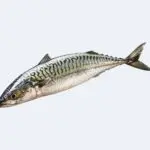
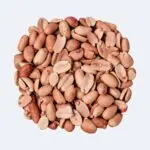
Seafood and poultry lead our USDA ranking per serving, against a Daily Value of 16 mg (the FDA’s daily target for food labels). Tuna gives 13.1 mg in 3 oz (85 g) and chicken breast 10.8 mg in 4 oz (113 g). Mackerel gives 10.2 mg per fillet (112 g). Farmed Atlantic salmon, ground lamb and other fish and meats follow, and peanuts end the list, as the ranking shows.
Per 100 g, tuna (15.4 mg) and peanuts (12.1 mg) lead, followed by chicken breast (9.6 mg), hemp seeds, mackerel and chia seeds. Per 100 kcal, white mushrooms come first (16.4 mg), then tuna (15 mg) and chicken breast (8 mg).
The NIH table adds beef liver at 14.9 mg in 3 oz and roasted turkey breast at 10.0 mg. Sockeye salmon and canned light tuna in water have 8.6 mg each, pork tenderloin 6.3 mg and cooked brown rice 5.2 mg per cup. A breakfast cereal fortified with 25% of the Daily Value has 4.0 mg. That is why tuna values differ between tables: they depend on the kind of tuna and how it is prepared.
The NIH notes that animal foods give about 5 to 10 mg per serving, mainly as NAD and NADP, which are highly bioavailable (well absorbed). Nuts, legumes and grains give about 2 to 5 mg, mainly as nicotinic acid.
Tables list niacin only, not the extra from tryptophan. A 3 oz portion of turkey breast holds about 180 mg of tryptophan, which could be equivalent to 3 mg of niacin.
Form matters as much as amount. In some grain products the natural niacin is bound to sugars and peptides and is only about 30% bioavailable, the NIH says. The Scientific Committee on Food calls the bound niacin of cereals essentially not absorbed.
A 2025 review reports that the traditional Mesoamerican soaking of maize in lime water releases bound niacin. That helps explain why corn eaten without that step has been linked to pellagra. Niacin added to enriched and fortified foods is free and highly bioavailable.
Roasted coffee contains free nicotinic acid: 160 to 400 mg per kg of roasted coffee in one measurement the committee cites. We found no study of niacin losses in home cooking that we could verify, so we give no loss figure. The committee notes that boiling sweet corn releases most of its niacin as nicotinamide.
Per serving. Bars show the share of the Daily Value (16 mg a day).
Per 100 g. Bars show the share of the Daily Value (16 mg a day).
Per serving. Bars show the share of the EU Reference Intake (16 mg a day).
Per 100 g. Bars show the share of the EU Reference Intake (16 mg a day).
Per 100 kcal: the same calories of each food, for a fair comparison. Bars compare each food with the top food.
- 1.

- 2.

- 3.
- 4.

- 5.

- 6.

- 7.

- 8.
- 9.

- 10.


- 1.
- 2.
- 3.
- 4.
- 5.
- 6.
- 7.
- 8.
- 9.
- 10.


- 1.

- 2.
- 3.
- 4.
- 5.

- 6.
- 7.
- 8.
- 9.
- 10.



Sources
- FoodData Central. US Department of Agriculture, Agricultural Research Service. Values as shown in the ranking above.
- Niacin: fact sheet for health professionals. National Institutes of Health, Office of Dietary Supplements. Updated November 18, 2022.
- Opinion of the Scientific Committee on Food on the tolerable upper intake levels of nicotinic acid and nicotinamide (niacin). European Commission, Scientific Committee on Food. 2002.
- Villanueva-Flores F, Garcia-Atutxa I. From forgotten to frontier: vindicating Latin America’s indigenous biotechnology. J Ethnobiol Ethnomed. 2025.
How niacin works
Most of the biochemistry below is well established. But the details of the receptors come from cells and mice, and the human findings come from metabolic studies more than from trials.
Five ideas cover it. Three routes lead to NAD, and tryptophan counts at about 60 to 1. Nicotinic acid acts on a receptor in fat cells, and the same kind of receptor in skin causes the flush.
The end products of excess niacin may matter. After them comes what has been seen in people.
Three routes lead to NAD
Inside cells, niacin matters because it becomes NAD (nicotinamide adenine dinucleotide). More than 400 enzymes need NAD, according to the NIH. They use it to move the energy in food into ATP, to maintain genome integrity and to control gene expression.
NADP, which all tissues except skeletal muscle make from NAD, drives building reactions such as making cholesterol and fatty acids. It also keeps antioxidant defenses working.
The Scientific Committee on Food describes how nicotinic acid reaches NAD in a few steps, by way of nicotinic acid mononucleotide. Nicotinamide is converted more directly. The NAD and NADP in animal foods are broken down to nicotinamide in the gut before absorption. The liver also builds NAD from tryptophan.
Nicotinamide riboside and nicotinamide mononucleotide (NMN) are further NAD precursors. In a first trial of nicotinamide riboside in people, single doses of 100, 300 and 1,000 mg produced dose-dependent rises in blood NAD+ compounds.
The main routes from the diet into the cell’s NAD, simplified. Nicotinamide riboside and nicotinamide mononucleotide are further precursors that are not drawn. Not to scale.
Tryptophan counts, at about 60 to 1
The body converts some of the tryptophan in protein to niacin, so protein foods count twice. The usual rule is 60 mg of tryptophan for 1 mg of niacin, which both the NIH and EFSA use. How well the conversion works differs between people.
In a study, 10 young Japanese women ate a niacin-free purified diet for 7 days. The authors calculated that 67 mg of tryptophan would equal 1 mg of niacin if the urine carried 60% of the niacin made. The NIH adds that the enzymes involved need riboflavin, vitamin B6 and iron, so people short of them convert less.
Drawn to scale, in mg of tryptophan. The first bar is the rule built into the niacin equivalent (NE). The second comes from one small trial and rests on an assumption about urine losses.
Nicotinic acid switches down fat release
At gram doses, nicotinic acid changes blood fats through a receptor. In 2003, researchers showed that a receptor named PUMA-G in mice, HM74 in humans, is highly expressed in fat tissue and binds nicotinic acid. Binding lowers the cell’s cAMP (a signal molecule), which slows the breakdown of stored fat.
In mice without the receptor, nicotinic acid no longer lowered free fatty acids or triglycerides in the blood. Nicotinamide does not bind the receptors behind these effects, the NIH says, which is why it does not change blood fats.
The flush starts in the skin
The same kind of receptor, GPR109A, sits on skin cells. In mice, the early phase of the flush depends on it in Langerhans cells and a COX-1 enzyme. The late phase depends on it in keratinocytes and a COX-2 enzyme, with prostaglandins (local signal molecules) as the signal. Langerhans-like cells grown from human blood cells also released prostaglandin D2 when given nicotinic acid.
The prostaglandins widen small blood vessels. That fits with aspirin, which blocks prostaglandin formation, easing flushing in a trial of 277 adults. It also fits with the niacin tablet in HPS2-THRIVE being paired with laropiprant, a drug that blocks the prostaglandin D2 receptor.
The flush pathway as worked out mostly in mice, simplified. The aspirin and laropiprant effects were shown in people. Not to scale.
The end products of excess niacin may matter
When intake is high, the liver methylates the surplus (adds a methyl group). This makes products such as N1-methyl-2-pyridone-5-carboxamide (2PY). A related compound, 4PY, also forms, and both leave in the urine, according to the NIH.
In two cohorts of heart patients, high blood 2PY and 4PY went with a higher 3-year risk of major cardiovascular events. In mice, 4PY raised an adhesion molecule on blood vessel walls. The study did not test whether eating less niacin would change that risk.
What has been seen in people
The mechanisms fit the pattern in the trials but not the hoped-for outcomes. The blood-fat changes are real. In AIM-HIGH, HDL cholesterol rose from 35 to 42 mg/dL and triglycerides fell from 164 to 122 mg/dL. Yet the main outcome occurred in 16.4% of the niacin group and 16.2% of the placebo group.
The flush is real too, and aspirin cut the share with moderate or worse flushing from 29% to 15%. NAD precursors raise blood NAD in people. But 12 weeks of nicotinamide riboside did not improve insulin sensitivity in 40 obese men. A year of it left 410 people with early Parkinson disease slightly worse than placebo.
The clearest human story is still deficiency. In Malawi, 6.3% of refugees developed pellagra after groundnut rations stopped, and daily isoniazid raised the odds of pellagra 42.6-fold. All of these are among the study cards above and below.
Sources
- Niacin: fact sheet for health professionals. National Institutes of Health, Office of Dietary Supplements. Updated November 18, 2022.
- Opinion of the Scientific Committee on Food on the tolerable upper intake levels of nicotinic acid and nicotinamide (niacin). European Commission, Scientific Committee on Food. 2002.
- EFSA Panel on Dietetic Products, Nutrition and Allergies (NDA). Scientific opinion on Dietary Reference Values for niacin. EFSA J. 2014.
- Trammell SA, Schmidt MS, Weidemann BJ, et al. Nicotinamide riboside is uniquely and orally bioavailable in mice and humans. Nat Commun. 2016.
- Fukuwatari T, Ohta M, Kimtjra N, et al. Conversion ratio of tryptophan to niacin in Japanese women fed a purified diet conforming to the Japanese Dietary Reference Intakes. J Nutr Sci Vitaminol (Tokyo). 2004.
- Tunaru S, Kero J, Schaub A, et al. PUMA-G and HM74 are receptors for nicotinic acid and mediate its anti-lipolytic effect. Nat Med. 2003.
- Benyó Z, Gille A, Bennett CL, et al. Nicotinic acid-induced flushing is mediated by activation of epidermal langerhans cells. Mol Pharmacol. 2006.
- Hanson J, Gille A, Zwykiel S, et al. Nicotinic acid- and monomethyl fumarate-induced flushing involves GPR109A expressed by keratinocytes and COX-2-dependent prostanoid formation in mice. J Clin Invest. 2010.
- Maciejewski-Lenoir D, Richman JG, Hakak Y, et al. Langerhans cells release prostaglandin D2 in response to nicotinic acid. J Invest Dermatol. 2006.
- Paolini JF, Mitchel YB, Reyes R, et al. Effects of laropiprant on nicotinic acid-induced flushing in patients with dyslipidemia. Am J Cardiol. 2008.
How much niacin do you need?
Women need 14 mg and men 16 mg of niacin equivalents (NE) a day from age 19 on. That is the US recommended dietary allowance (RDA), an amount that covers nearly all healthy people. One NE is 1 mg of niacin or 60 mg of tryptophan.
EFSA sets the EU population reference intake per unit of energy instead of per day. That is 1.6 mg NE per megajoule, or 6.6 mg NE per 1,000 kcal. For a 2,000 kcal diet, it comes to about 13 mg NE. Its average requirement is 1.3 mg NE per megajoule.
Pregnancy raises the US allowance to 18 mg NE a day and breastfeeding to 17 mg NE. For children it is 6 mg NE at ages 1 to 3, 8 mg at 4 to 8 and 12 mg at 9 to 13. From 14 to 18 it is 14 mg for girls and 16 mg for boys. There is no separate value for older adults.
EFSA found no evidence that the link between niacin and energy needs differs in infants aged 7 to 11 months, children, teenagers, pregnancy or breastfeeding. So it applies the same 1.6 mg NE per megajoule to all of them.
Most people in the US already meet these values. Men average 31.4 mg of niacin a day from food and drink, and women 21.3 mg. Only 1% of adults fall below the average requirement, the NIH reports.
The body makes niacin from tryptophan. So the Scientific Committee on Food concluded that a normal diet with enough tryptophan may need no preformed niacin at all.
Vitamin B3: recommended intake per day
US: Adequate Intake / Recommended Dietary Allowance (NASEM). EU: Population Reference Intake (EFSA).
| Age and sex | US (RDA) | EU (PRI) |
|---|---|---|
| Men, 31–50 years | 16 mg NE | 1.6 mg NE/MJ |
| Women, 31–50 years | 14 mg NE | 1.6 mg NE/MJ |
All ages, pregnancy and breastfeeding
| Age and sex | US (AI/RDA) | EU (PRI) |
|---|---|---|
| Infants 0–6 months | 2 mg | None set |
| Infants 7–11 months | None set | 1.6 mg NE/MJ |
| Infants 7–12 months | 4 mg NE | None set |
| Children 1–3 years | 6 mg NE | 1.6 mg NE/MJ |
| Children 4–6 years | None set | 1.6 mg NE/MJ |
| Children 4–8 years | 8 mg NE | None set |
| Children 7–10 years | None set | 1.6 mg NE/MJ |
| Females 9–13 years | 12 mg NE | None set |
| Males 9–13 years | 12 mg NE | None set |
| Children 11–14 years | None set | 1.6 mg NE/MJ |
| Females 14–18 years | 14 mg NE | None set |
| Males 14–18 years | 16 mg NE | None set |
| Children 15–17 years | None set | 1.6 mg NE/MJ |
| Adults 18+ years | None set | 1.6 mg NE/MJ |
| Females 19–30 years | 14 mg NE | None set |
| Males 19–30 years | 16 mg NE | None set |
| Females 31–50 years | 14 mg NE | None set |
| Males 31–50 years | 16 mg NE | None set |
| Females 51–70 years | 14 mg NE | None set |
| Males 51–70 years | 16 mg NE | None set |
| Females >70 years | 14 mg NE | None set |
| Males >70 years | 16 mg NE | None set |
| Pregnancy 14–18 years | 18 mg NE | None set |
| Pregnancy | None set | 1.6 mg NE/MJ |
| Pregnancy 19–30 years | 18 mg NE | None set |
| Pregnancy 31–50 years | 18 mg NE | None set |
| Lactation 14–18 years | 17 mg NE | None set |
| Lactation | None set | 1.6 mg NE/MJ |
| Lactation 19–30 years | 17 mg NE | None set |
| Lactation 31–50 years | 17 mg NE | None set |
EU and US age bands differ; "None set" means that body sets no value for the group. Label reference: FDA Daily Value 16 mg, EU Reference Intake 16 mg.EU and US age bands differ; "None set" means that body sets no value for the group. Label reference: EU Reference Intake 16 mg, FDA Daily Value 16 mg.
Niacin deficiency: signs and who is at risk
Severe deficiency causes pellagra. The NIH describes a pigmented, rough, sunburn-like rash on skin exposed to sunlight, a bright red tongue, vomiting, and constipation or diarrhea. Nervous system signs include depression, apathy, headache, fatigue, memory loss that can progress to aggressive or paranoid behavior, and hallucinations. Untreated, pellagra ends in death.
It is uncommon in industrialized countries and mostly affects people living in poverty on very limited diets, such as refugees. In Malawi in 1990, 18,276 of 285,942 Mozambican refugees developed pellagra after groundnut rations stopped. In postwar Angola, low urinary niacin metabolites were found in 29.4% of 723 women and 6.0% of 690 children. The authors say the disease is endemic there.
The NIH lists the groups most at risk. These include people with undernutrition, such as those with anorexia, alcohol use disorder, AIDS, inflammatory bowel disease or liver cirrhosis. People who get too little riboflavin, vitamin B6 or iron are also at risk, because the conversion of tryptophan needs them.
So are people with Hartnup disease, a rare inherited disorder that interferes with tryptophan absorption. People with carcinoid syndrome are too, because their tryptophan is diverted to serotonin.
People taking isoniazid or pyrazinamide for tuberculosis are at risk as well. In a Malawi case-control study, the odds of pellagra were 42.6 times higher with daily isoniazid. The risk was higher in the season of food scarcity.
Blood levels of niacin are not a reliable measure of status. The NIH says the best measure is the urinary excretion of two methylated metabolites. Above 17.5 micromol a day reflects adequate status, 5.8 to 17.5 low status, and below 5.8 deficiency.
Diagnosis rests mainly on the signs, and treatment should not wait for a test. The World Health Organization recommends 300 mg a day of nicotinamide in divided doses for 3 to 4 weeks, with a B-complex or yeast product. That is because other B vitamin deficiencies often come with it.
Sources
- Niacin: fact sheet for health professionals. National Institutes of Health, Office of Dietary Supplements. Updated November 18, 2022.
- EFSA Panel on Dietetic Products, Nutrition and Allergies (NDA). Scientific opinion on Dietary Reference Values for niacin. EFSA J. 2014.
- Institute of Medicine, Food and Nutrition Board. Dietary Reference Intakes for thiamin, riboflavin, niacin, vitamin B6, folate, vitamin B12, pantothenic acid, biotin, and choline. National Academy Press. 1998.
- Opinion of the Scientific Committee on Food on the tolerable upper intake levels of nicotinic acid and nicotinamide (niacin). European Commission, Scientific Committee on Food. 2002.
- Malfait P, Moren A, Dillon JC, et al. An outbreak of pellagra related to changes in dietary niacin among Mozambican refugees in Malawi. Int J Epidemiol. 1993.
- Seal AJ, Creeke PI, Dibari F, et al. Low and deficient niacin status and pellagra are endemic in postwar Angola. Am J Clin Nutr. 2007.
- Nabity SA, Mponda K, Gutreuter S, et al. Isoniazid-associated pellagra during mass scale-up of tuberculosis preventive therapy: a case-control study. Lancet Glob Health. 2022.
- Hołubiec P, Leończyk M, Staszewski F, et al. Pathophysiology and clinical management of pellagra – a review. Folia Med Cracov. 2021.
Forms of niacin: absorption and effects
“Niacin” on a label can mean several different compounds. Nicotinic acid is the form that flushes and, at gram doses, changes blood fats. Nicotinamide (niacinamide) does not flush and lacks that effect on blood fats. It is the usual form in multivitamins and in the skin cancer trials.
Inositol hexanicotinate is six nicotinic acid units on one inositol molecule, sold as “flush-free”. The words “extended-release”, “sustained-release” and “timed-release” describe how a nicotinic acid tablet dissolves, not a different compound.
Nicotinamide riboside and nicotinamide mononucleotide are NAD precursors. The NIH says they are not marketed or labeled as sources of niacin in the US, although the EU assessed both as sources of niacin.
The honest bottom line: the forms were compared head to head only for blood fats, flushing and liver safety. Nearly all supplement doses in the outcome trials were drug doses.
We found no trial that compared nicotinamide riboside or NMN with nicotinamide or nicotinic acid for any health outcome. So the idea that NAD precursors work better than plain niacin rests on blood NAD levels. The popular claim that “no-flush” niacin lowers cholesterol has a trial behind it, and the trial says it does not.
The forms in the outcome trials above were as follows. The Coronary Drug Project and ADMIT used nicotinic acid. AIM-HIGH used extended-release nicotinic acid, and HPS2-THRIVE used it with laropiprant. ONTRAC and ONTRANS used nicotinamide (500 mg twice a day), and ENDIT used modified-release nicotinamide.
The Parkinson, obesity, artery disease and older-adult trials used nicotinamide riboside. The prediabetes trial used NMN.
| Form | Activity or conversion | What studies show | Source |
|---|---|---|---|
| Nicotinic acid, immediate-release | 1 mg niacin = 1 mg NE; flushing from about 30 to 50 mg | Almost completely absorbed even at 3 to 4 g a day, according to the NIH. At gram doses it raises HDL cholesterol 10% to 30% and lowers LDL cholesterol 10% to 25% and triglycerides 20% to 50%. None of 23 adults on immediate-release niacin developed liver toxicity, but 39% withdrew before the 3,000 mg step, mainly for flushing and fatigue. | 1, 3 |
| Nicotinic acid, extended- or sustained-release | 1 mg niacin = 1 mg NE; slower release | Sustained-release niacin damaged the liver in 52% of 23 adults, and the NIH says liver toxicity is more likely with extended-release forms. A wax-matrix extended-release form lowered LDL cholesterol 18% in 6 weeks. Extended-release niacin was the form in AIM-HIGH and, with laropiprant, in HPS2-THRIVE, and neither trial found fewer cardiovascular events. Prescription products give 500 to 1,000 mg. | 1, 3, 4, 7, 8 |
| Nicotinamide (niacinamide) | 1 mg niacin = 1 mg NE; no flushing | Does not bind the receptors behind the lipid effects of nicotinic acid, so it lacks the cholesterol-lowering effect of nicotinic acid, and it is almost completely absorbed. It was the form in ONTRAC (23% fewer new skin cancers) and ENDIT (no effect on type 1 diabetes). In hemodialysis it lowered phosphorus but raised the risk of low platelets. The EU upper level is 900 mg a day, against 10 mg for nicotinic acid. | 1, 2, 9, 10, 11 |
| Inositol hexanicotinate (“no-flush”) | Not stated | The NIH says absorption varies widely and is on average 30% lower than from nicotinic acid or nicotinamide. In a trial of 120 adults it did no better than placebo for blood fats, and a small substudy found no evidence of bioavailability. Tested “no-flush” products contained no free nicotinic acid. | 1, 4, 5 |
| Nicotinamide riboside (NR) | Not stated | Raises blood NAD+ in people. It did not improve insulin sensitivity in 40 obese men, gave a small gain in walking distance in 90 people with artery disease, and left 410 people with early Parkinson disease slightly worse than placebo. EFSA judged the chloride safe at up to 300 mg a day for healthy adults, but in 2021 found its safety in meal replacements and drink mixes not established. | 12, 13, 14, 15, 16, 19, 21 |
| Nicotinamide mononucleotide (NMN) | Conversion factor of 1 against nicotinamide in equimolar amounts (EFSA) | Improved muscle insulin sensitivity in prediabetic women over 10 weeks. A 2026 meta-analysis of 15 trials (250 to 2,000 mg a day) found no increase in adverse events and no clear effect on weight, glucose, HbA1c, blood fats or systolic blood pressure. EFSA judged 300 mg a day safe for healthy adults, excluding pregnant and lactating women. | 17, 18, 20 |
Here are the head-to-head and form-specific studies, strongest evidence first, six in all.
All 6 studies, strongest evidence first
EFSA: nicotinamide riboside safe up to 300 mg daily in healthy adults
This is a regulatory safety assessment of a novel food by EFSA, not a trial of benefit. The panel judged nicotinamide riboside chloride safe for healthy adults and a source of bioavailable nicotinamide. The proposed maximum corresponds to an amount of nicotinamide six times lower than the upper level for adults. Pregnant and lactating women were excluded from the 300 mg conclusion, and up to 230 mg a day was judged safe for them. The panel found no genotoxicity (DNA damage) concerns and said human studies raised no safety concerns.
EFSA: β-NMN is safe up to 300 mg daily in healthy adults
EFSA also judged β-nicotinamide mononucleotide (β-NMN) safe for healthy adults and a bioavailable source of nicotinamide. A human study that compared equal molar amounts of β-NMN and nicotinamide supported a conversion factor of 1. So 300 mg of β-NMN corresponds to 109.7 mg of nicotinamide. EFSA puts that at about five times its adult reference intake for niacin, and below the upper level of 900 mg a day for nicotinamide. In a 90-day rat study, effects on reproductive organs appeared. The no-effect level was 400 mg per kg of body weight a day, a margin of exposure of 93. Pregnant and lactating women are excluded.
Sustained-release niacin damaged the liver in 52%; immediate-release in none
This double-blind trial compared the two forms in 46 adults with high LDL cholesterol. Doses rose from 500 to 1,000, 1,500, 2,000 and 3,000 mg a day, 6 weeks each. Sustained-release lowered LDL cholesterol more at 1,500 mg and above, while immediate-release raised HDL more at every dose. Before the 3,000 mg step, 39% of the immediate-release group withdrew (flushing, fatigue). So did 78% of the sustained-release group (stomach symptoms, fatigue, raised liver enzymes). The authors concluded that sustained-release niacin should be restricted from use.
“No-flush” niacin did no better than placebo; extended-release cut LDL 18%
This six-week blinded trial included 120 adults with mild dyslipidemia (slightly abnormal blood fats), 40 per arm. They took 1,500 mg a day of wax-matrix extended-release niacin, inositol hexanicotinate (“no-flush” niacin) or placebo. Extended-release niacin lowered total cholesterol 11% and non-HDL cholesterol 15%, and raised HDL 12%. Inositol hexanicotinate and placebo showed no clear improvement in lipids. A small substudy (5 people per form) showed no evidence of bioavailability for inositol hexanicotinate.
Aspirin first cut moderate or worse flushing from 29% to 15%
In this randomized, double-blind, 5-week trial, 277 adults starting extended-release niacin took 325 mg of aspirin or placebo 30 minutes before niacin. The niacin dose was raised to 2,000 mg a day. Aspirin cut flushing episodes per patient per week by 42%, and fewer people stopped because of flushing (1.8% against 9.4%). A lower starting dose of 500 mg also eased flushing in the first week. Overall safety did not differ between groups.
Of over-the-counter niacin products tested, “no-flush” tablets contained no free nicotinic acid
The researchers bought 500 mg tablets or capsules of immediate-release, sustained-release and no-flush niacin. They measured free nicotinic acid by chromatography, a lab separation method. The average was 520.4 mg for immediate-release, 502.6 mg for sustained-release and 0 for no-flush products. Average monthly cost at 2,000 mg a day was $7.10, $9.75 and $21.70. This is a laboratory analysis of products, published in 2003, not a trial in people.
Sources
- Niacin: fact sheet for health professionals. National Institutes of Health, Office of Dietary Supplements. Updated November 18, 2022.
- Opinion of the Scientific Committee on Food on the tolerable upper intake levels of nicotinic acid and nicotinamide (niacin). European Commission, Scientific Committee on Food. 2002.
- McKenney JM, Proctor JD, Harris S, Chinchili VM. A comparison of the efficacy and toxic effects of sustained- vs immediate-release niacin in hypercholesterolemic patients. JAMA. 1994.
- Keenan JM. Wax-matrix extended-release niacin vs inositol hexanicotinate: a comparison of wax-matrix, extended-release niacin to inositol hexanicotinate “no-flush” niacin in persons with mild to moderate dyslipidemia. J Clin Lipidol. 2013.
- Meyers CD, Carr MC, Park S, Brunzell JD. Varying cost and free nicotinic acid content in over-the-counter niacin preparations for dyslipidemia. Ann Intern Med. 2003.
- Thakkar RB, Kashyap ML, Lewin AJ, et al. Acetylsalicylic acid reduces niacin extended-release-induced flushing in patients with dyslipidemia. Am J Cardiovasc Drugs. 2009.
- AIM-HIGH Investigators, Boden WE, Probstfield JL, et al. Niacin in patients with low HDL cholesterol levels receiving intensive statin therapy. N Engl J Med. 2011.
- HPS2-THRIVE Collaborative Group, Landray MJ, Haynes R, et al. Effects of extended-release niacin with laropiprant in high-risk patients. N Engl J Med. 2014.
- Chen AC, Martin AJ, Choy B, et al. A Phase 3 Randomized Trial of Nicotinamide for Skin-Cancer Chemoprevention. N Engl J Med. 2015.
- Gale EA, Bingley PJ, Emmett CL, et al. European Nicotinamide Diabetes Intervention Trial (ENDIT): a randomised controlled trial of intervention before the onset of type 1 diabetes. Lancet. 2004.
- Zhang Y, Ma T, Zhang P. Efficacy and safety of nicotinamide on phosphorus metabolism in hemodialysis patients: A systematic review and meta-analysis. Medicine (Baltimore). 2018.
- Martens CR, Denman BA, Mazzo MR, et al. Chronic nicotinamide riboside supplementation is well-tolerated and elevates NAD(+) in healthy middle-aged and older adults. Nat Commun. 2018.
- Trammell SA, Schmidt MS, Weidemann BJ, et al. Nicotinamide riboside is uniquely and orally bioavailable in mice and humans. Nat Commun. 2016.
- Dollerup OL, Christensen B, Svart M, et al. A randomized placebo-controlled clinical trial of nicotinamide riboside in obese men: safety, insulin-sensitivity, and lipid-mobilizing effects. Am J Clin Nutr. 2018.
- Brakedal B, Skeie GO, Derad C, et al. Nicotinamide Riboside for Patients With Early-Stage Parkinson Disease: The NOPARK Randomized Clinical Trial. JAMA. 2026.
- McDermott MM, Martens CR, Domanchuk KJ, et al. Nicotinamide riboside for peripheral artery disease: the NICE randomized clinical trial. Nat Commun. 2024.
- Yoshino M, Yoshino J, Kayser BD, et al. Nicotinamide mononucleotide increases muscle insulin sensitivity in prediabetic women. Science. 2021.
- Yang W, Huang J, Tang Z, et al. Safety and Metabolism-Related Outcomes of Oral Nicotinamide Mononucleotide Supplementation in Adults: A Systematic Review and Meta-Analysis. Nutrients. 2026.
- EFSA Panel on Nutrition, Novel foods and Food allergens (NDA), Turck D, Castenmiller J, et al. Safety of nicotinamide riboside chloride as a novel food pursuant to Regulation (EU) 2015/2283 and bioavailability of nicotinamide from this source, in the context of Directive 2002/46/EC. EFSA J. 2019.
- EFSA Panel on Nutrition, Novel Foods and Food Allergens (NDA), Turck D, Bohn T, et al. Safety of beta-nicotinamide mononucleotide (β-NMN) pursuant the regulation (EU) 2015/2283 and the bioavailability of nicotinamide from this source in the context of Directive 2002/46/EC. EFSA J. 2026.
- EFSA Panel on Nutrition, Novel Foods and Food Allergens (NDA), Turck D, Bohn T, et al. Extension of use of nicotinamide riboside chloride as a novel food pursuant to Regulation (EU) 2015/2283. EFSA J. 2021.
Is niacin safe? Supplements, dose and interactions
Niacin from food is not a safety concern: the NIH says no adverse effects have been reported from naturally occurring niacin in foods. The limits cover supplements and fortified foods.
The US tolerable upper intake level (UL), the highest daily amount unlikely to cause harm, is 35 mg a day for adults. It is 30 mg for ages 14 to 18 and 20 mg for 9 to 13. It is 15 mg for 4 to 8 and 10 mg for 1 to 3. The 30 and 35 mg values also apply in pregnancy and breastfeeding, and none is set for infants.
The UL rests on skin flushing. The NIH says it applies to both supplemental forms, because a flush-based limit can also prevent the possible effects of excess nicotinamide. It does not apply to people taking niacin under medical supervision. In 2003 to 2006 survey data, 10% of supplement users reached or exceeded it.
The EU handles the two forms separately. In 2002, the Scientific Committee on Food set an upper level of 10 mg a day of free nicotinic acid for adults. It was based on occasional flushing at 30 mg and a safety factor of 3. For nicotinamide, which does not flush, it set 900 mg a day (12.5 mg per kg of body weight).
Neither value was set for pregnancy or breastfeeding for lack of data. The committee noted that flushing has not been reported for the bound forms of nicotinic acid in food. EFSA’s 2021 opinion on nicotinamide riboside repeats the 900 mg figure and says a re-evaluation of the nicotinamide level may be warranted.
- Flushing. The NIH says 30 to 50 mg or more of nicotinic acid typically causes reddening of the face, arms and chest, often within 30 minutes. It comes with burning, tingling or itching, and can come with headache, rash, dizziness or a drop in blood pressure. Taking it with food, raising the dose slowly or waiting for tolerance can help. In a trial of 277 adults, aspirin cut moderate or worse flushing from 29% to 15%.
- Liver, blood sugar and other effects of gram doses. At 1,000 to 3,000 mg a day, the NIH lists low blood pressure, impaired glucose tolerance, stomach upset and blurred vision. It also lists macular edema (swelling in the retina) and liver toxicity, more likely with extended-release forms. Sustained-release niacin damaged the liver in 52% of 23 adults. In a meta-analysis, niacin raised the risk of new diabetes by 34%. In HPS2-THRIVE, it raised serious muscle, skin, stomach and bleeding events. The ACC and AHA (US heart medicine bodies) advise checking liver enzymes, blood sugar and uric acid before and during high-dose use.
- Nicotinamide. Nausea, vomiting and signs of liver toxicity can occur at 3,000 mg a day, the NIH says. A review of its safety advises against unsupervised use above 3 g a day. In hemodialysis patients it lowered phosphorus, with an increased risk of low platelets in a meta-analysis.
- Drug interactions. Isoniazid and pyrazinamide, used against tuberculosis, interrupt the body’s own niacin production. Daily isoniazid was linked to pellagra in Malawi, so extra niacin can be needed. Large doses of nicotinic acid can raise blood sugar, particularly at 1.5 g a day or more. People on antidiabetes medicines may need dose changes. Because high doses can lower blood pressure, people on blood pressure medicines should ask first.
- Who should ask a doctor. Ask before taking niacin above the upper level, and ask if you have liver disease, diabetes, gout or unexplained stomach pain. Ask too if you take a statin or other cholesterol medicine, or isoniazid. The ACC and AHA advise stopping high-dose niacin for persistent high blood sugar, acute gout, new atrial fibrillation or severe skin reactions. Doses in the thousands of milligrams are a drug treatment and should only be taken with medical supervision.
How to get more niacin
- Best foods. In our ranking tuna gives 13.1 mg in 3 oz, chicken breast 10.8 mg in 4 oz and peanuts 3.42 mg in 1 oz. The NIH adds beef liver at 14.9 mg and turkey breast at 10.0 mg in 3 oz.
- Let protein do double duty. Tryptophan in protein can be converted to niacin at about 60 to 1. So a 3 oz portion of turkey breast adds roughly 3 mg of niacin equivalents beyond the 10.0 mg in the tables.
- Choose the form of grain. The niacin in unprocessed maize and some other grains is largely bound. Lime-treated maize and enriched or fortified grain products give niacin in a form the body can use. Most US adults need no supplement: only 1% of adults fall below the average requirement.
Sources
- Niacin: fact sheet for health professionals. National Institutes of Health, Office of Dietary Supplements. Updated November 18, 2022.
- Opinion of the Scientific Committee on Food on the tolerable upper intake levels of nicotinic acid and nicotinamide (niacin). European Commission, Scientific Committee on Food. 2002.
- EFSA Panel on Nutrition, Novel Foods and Food Allergens (NDA), Turck D, Bohn T, et al. Extension of use of nicotinamide riboside chloride as a novel food pursuant to Regulation (EU) 2015/2283. EFSA J. 2021.
- Knip M, Douek IF, Moore WP, et al. Safety of high-dose nicotinamide: a review. Diabetologia. 2000.
- AIM-HIGH Investigators, Boden WE, Probstfield JL, et al. Niacin in patients with low HDL cholesterol levels receiving intensive statin therapy. N Engl J Med. 2011.
- HPS2-THRIVE Collaborative Group, Landray MJ, Haynes R, et al. Effects of extended-release niacin with laropiprant in high-risk patients. N Engl J Med. 2014.
- McKenney JM, Proctor JD, Harris S, Chinchili VM. A comparison of the efficacy and toxic effects of sustained- vs immediate-release niacin in hypercholesterolemic patients. JAMA. 1994.
- Goldie C, Taylor AJ, Nguyen P, et al. Niacin therapy and the risk of new-onset diabetes: a meta-analysis of randomised controlled trials. Heart. 2016.
- Zhang Y, Ma T, Zhang P. Efficacy and safety of nicotinamide on phosphorus metabolism in hemodialysis patients: A systematic review and meta-analysis. Medicine (Baltimore). 2018.
- Thakkar RB, Kashyap ML, Lewin AJ, et al. Acetylsalicylic acid reduces niacin extended-release-induced flushing in patients with dyslipidemia. Am J Cardiovasc Drugs. 2009.
- Nabity SA, Mponda K, Gutreuter S, et al. Isoniazid-associated pellagra during mass scale-up of tuberculosis preventive therapy: a case-control study. Lancet Glob Health. 2022.
- Villanueva-Flores F, Garcia-Atutxa I. From forgotten to frontier: vindicating Latin America’s indigenous biotechnology. J Ethnobiol Ethnomed. 2025.
History of niacin
Pellagra was unknown in Europe before maize arrived from the New World. In the 18th century, Casàl and Frapolli described its signs in Europe and tied it to poverty and diets of little but corn. The Scientific Committee on Food dates its recognition to 1735.
It hit Italy, southern France and Spain, and later the southern United States. There, the committee reports more than 170,000 cases a year between 1910 and 1935.
From 1914 to 1929, Joseph Goldberger ran epidemiological investigations, tested theories in human experiments and used “black tongue” in dogs as an animal model. All of it supported a dietary cause over the poison and infection theories of the day, a historical review reports.
Dried brewer’s yeast could cure or prevent pellagra more cheaply than changing diets, but poverty limited its use. In 1937, Conrad Elvehjem’s group isolated the pellagra-preventive factor and identified it as nicotinic acid. They showed that nicotinic acid and its amide cure black tongue in dogs.
Fortification of foods with vitamins during the Second World War ultimately ended endemic pellagra in the United States. In the 1940s and 1950s, pellagra was reframed as a deficiency of niacin and its precursor tryptophan.
The cholesterol story came next. The NIH dates studies of nicotinic acid in blood fats to the late 1950s, and the Coronary Drug Project ran from 1966 to 1975. AIM-HIGH in 2011 and HPS2-THRIVE in 2014 ended the hope that it adds to statins. The 2015 ONTRAC trial opened a new line of work with nicotinamide and skin cancer.
Sources
- Lanska DJ. Chapter 30: historical aspects of the major neurological vitamin deficiency disorders: the water-soluble B vitamins. Handb Clin Neurol. 2010.
- Opinion of the Scientific Committee on Food on the tolerable upper intake levels of nicotinic acid and nicotinamide (niacin). European Commission, Scientific Committee on Food. 2002.
- Elvehjem CA, Madden RJ, Strong FM, Wolley DW. The isolation and identification of the anti-black tongue factor. 1937. J Biol Chem. 2002 (reprint).
- Niacin: fact sheet for health professionals. National Institutes of Health, Office of Dietary Supplements. Updated November 18, 2022.
- Canner PL, Berge KG, Wenger NK, et al. Fifteen year mortality in Coronary Drug Project patients: long-term benefit with niacin. J Am Coll Cardiol. 1986.
- AIM-HIGH Investigators, Boden WE, Probstfield JL, et al. Niacin in patients with low HDL cholesterol levels receiving intensive statin therapy. N Engl J Med. 2011.
- HPS2-THRIVE Collaborative Group, Landray MJ, Haynes R, et al. Effects of extended-release niacin with laropiprant in high-risk patients. N Engl J Med. 2014.
- Chen AC, Martin AJ, Choy B, et al. A Phase 3 Randomized Trial of Nicotinamide for Skin-Cancer Chemoprevention. N Engl J Med. 2015.
Frequently asked questions about niacin
Why does niacin make your skin flush?
Nicotinic acid triggers it. The NIH says 30 to 50 mg or more typically reddens the face, arms and chest with burning or itching, often within 30 minutes. In mice, nicotinic acid activates a receptor on skin cells that release prostaglandins, which widen small blood vessels. Aspirin cut moderate or worse flushing from 29% to 15% in a trial of 277 adults. Nicotinamide does not cause flushing. The committee that set the EU limits found no report of it from the bound niacin in food.
Is niacin the same as niacinamide?
Both are vitamin B3, and the body makes NAD from either, but they act differently. Niacinamide is another name for nicotinamide. It does not flush and lacks the cholesterol-lowering effect, while nicotinic acid has both. The upper levels differ too. The US limit for supplemental niacin is 35 mg a day. In the EU it is 10 mg for nicotinic acid against 900 mg for nicotinamide.
Does niacin lower cholesterol, and does that prevent heart attacks?
Gram doses of nicotinic acid raise HDL cholesterol and lower LDL cholesterol and triglycerides, but the extra benefit for the heart was not found. AIM-HIGH (3,414 people) found 1.02 times the risk, and HPS2-THRIVE (25,673 people) 0.96 times. A Cochrane review of 23 trials found no fewer deaths, heart attacks or strokes. Those doses are 1,000 to 3,000 mg and are medical treatment, not a supplement to start alone.
How much niacin should I take a day?
Women need 14 mg and men 16 mg of niacin equivalents a day, with 18 mg in pregnancy and 17 mg while breastfeeding. EFSA’s EU value is 1.6 mg NE per megajoule, about 13 mg for 2,000 kcal. Most US adults already get more from food: 31.4 mg for men and 21.3 mg for women on average. A supplement above 35 mg a day goes past the US upper level.
Which foods are highest in niacin?
Tuna leads our USDA ranking per serving with 13.1 mg in 3 oz. Chicken breast (10.8 mg in 4 oz), mackerel (10.2 mg per fillet) and farmed Atlantic salmon (7.37 mg in 3 oz) follow. Per 100 g, peanuts (12.1 mg) and hemp seeds (9.2 mg) join them. The NIH lists beef liver at 14.9 mg in 3 oz, and enriched grain products add niacin in a form the body absorbs well.
Can you take too much niacin?
Yes, from supplements, but not from food. Above about 30 to 50 mg, nicotinic acid brings the flush. At 1,000 to 3,000 mg a day, the NIH lists liver toxicity, high blood sugar and low blood pressure. Sustained-release niacin damaged the liver in 52% of 23 adults, and niacin raised the risk of new diabetes by 34% in a meta-analysis. Nicotinamide is gentler, with nausea and liver signs at around 3,000 mg a day.
Does niacinamide prevent skin cancer?
In one trial, it lowered new nonmelanoma skin cancers by 23% in 386 high-risk adults who took 500 mg twice a day for a year. The benefit faded after stopping. It had no effect in 158 transplant recipients, and a meta-analysis of four trials called the evidence insufficient. This is a medical dose and a decision for a dermatologist, not a reason to take niacin at food amounts.
Do NAD precursors like nicotinamide riboside and NMN work?
They raise NAD in the blood, but no health benefit is established. Nicotinamide riboside did not improve insulin sensitivity in 40 obese men. In 410 people with early Parkinson disease, it left scores slightly worse than placebo. NMN improved muscle insulin sensitivity in prediabetic women over 10 weeks in one trial. EFSA judged up to 300 mg a day of either safe for healthy adults, with pregnant and lactating women excluded from that conclusion.