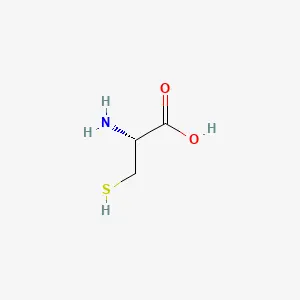
Cysteine is a sulfur-containing amino acid. It is one of the 4 common sulfur amino acids, with methionine, homocysteine and taurine, according to a review in the Journal of Nutrition. Only cysteine and methionine are built into proteins, the review adds. Cysteine is conditionally essential: the body makes it from methionine and serine, but under some conditions not fast enough.
The WHO/FAO/UNU report of 2007 lists cysteine among the conditionally indispensable amino acids. So does the US National Academies report of 2005, which names prematurity as an example. Yet the safety chapter of the same report calls L-cysteine dispensable.
What the body makes from it matters more than the label. Cysteine becomes glutathione, taurine and coenzyme A, and it forms the disulfide bridges that help hold proteins in shape.
Most people do not need to think about it. The WHO sets one figure for methionine and cysteine together: 15 mg per kg of body weight a day. That is about 1,050 mg for a 70 kg adult. It lists the split as 10 mg for methionine and 4 mg for cysteine.
US survey data cited by the National Academies put the average cysteine intake from food and supplements at 1.0 g a day. In our USDA ranking, soybeans, chicken, sardines and lentils lead per serving, and hemp and sunflower seeds lead per 100 g.
One thing most readers do not know: the best-known cysteine supplement, N-acetylcysteine (NAC), was a drug before it was a supplement. The FDA says NAC is excluded from the dietary supplement definition because it was approved as a drug first. It also says it intends to use enforcement discretion for certain NAC products sold as supplements, which means it will generally not act against them.
NAC is also poorly absorbed by mouth. In 6 volunteers, 4.0% of an oral dose reached the blood as reduced NAC and 9.1% as total NAC.
Health benefits of cysteine
The top findings from 18 studies, strongest evidence first
What the stars mean
- Strong. Several randomized trials, pooled in a meta-analysis, point the same way, or regulators (FDA or EFSA) have approved the claim.
- Moderate. Good randomized trials support it, but there are fewer of them, or their results vary.
- Limited. Small, short or single trials, or mixed results. Promising, but it needs confirmation.
Population and lab studies get no stars: they show a link or a mechanism, not proof.
How we rate evidence →- ★★No rise in glutathione from glycine plus NACIn 114 healthy adults (average age 65), glycine plus N-acetylcysteine (NAC) for 2 weeks did not raise total glutathione, a compound made with cysteine. Only in a subset picked after the fact, with high oxidative stress and low starting glutathione, did medium and high doses raise it.
- ★★Mucus thinners kept more people free of flare-upsIn 38 trials of 10,377 people with COPD or chronic bronchitis, mucus-thinning drugs including NAC gave 1.73 times the odds of a flare-up-free period. This was NAC and other drugs as treatment, not a test of cysteine from food.
- ★★Glutathione supplements raised glutathione levelsIn 54 non-smoking adults, 250 or 1,000 mg of glutathione a day for 6 months raised levels in blood and immune cells, more with dose. Levels fell back to baseline after a 1-month break; this tested glutathione itself, not cysteine.
- ★Premature babies fed by vein kept more proteinAdding cysteine to intravenous feeding raised nitrogen retention, a measure of how much protein the body keeps (5 small trials, 95 infants). Growth did not clearly change in the one trial that measured it.
- ★No proven benefit for hair, nails or skinIn 2010 the EU’s food safety agency found no cause and effect link between L-cysteine and hair. Claims for nails and skin rested on animal or test-tube studies, and the EU Register lists these claims as non-authorized.
All 12 studies, strongest evidence first
Glycine plus NAC did not raise total glutathione in 114 older adults
This randomized, controlled trial (groups assigned by chance) gave healthy volunteers with a mean age of 65 either GlyNAC or placebo (a dummy). GlyNAC (glycine and N-acetylcysteine in a 1 to 1 ratio) came at 2.4, 4.8 or 7.2 g a day for 2 weeks. At the start, the older adults had more markers of oxidative stress than 20 younger adults, including total cysteine (314.8 against 276 µM). The main outcome, total glutathione, did not differ (903.5 mg/L on placebo against 959.6 on 7.2 g). In a subset picked after the fact (post hoc), with high oxidative stress and low starting glutathione, the medium and high doses raised it. This was a mixture of two compounds, and most authors work for Nestlé, which markets glycine and NAC products.
Cysteine in drip feeds raised nitrogen retention in premature babies, not growth
This is the newest version of a Cochrane review of 6 trials, mostly in preterm infants. Five small trials, in 95 infants (73 of them preterm), added cysteine to cysteine-free parenteral nutrition (feeding by vein). The pooled gain in nitrogen retention was 31.8 mg/kg/day, and growth did not clearly change in the one trial that measured it. One large trial of NAC in extremely low birth weight infants did not raise plasma cysteine. It found no effect on death or on the complications listed. The authors could not judge the risks of cysteine, especially metabolic acidosis (too much acid in the blood), and call for a large trial.
EFSA found no cause and effect link for L-cysteine and hair
This 2010 opinion from the EU’s food safety agency judged claims sent in under Regulation (EC) No 1924/2006. It assessed L-cysteine and L-methionine, alone or together, taken on top of adequate protein. For hair, four human trials tested L-cystine with other ingredients, and the panel said no conclusion can be drawn from fixed combinations. For glutathione formation, the only reference was a natural medicines database that did not mention the claim. Nails, skin and collagen rested on animal, test-tube or unrelated studies, and the EU Register lists these claims as non-authorized.
GlyNAC beat placebo on glutathione and other markers in 24 older adults
In this placebo-controlled randomized trial, 12 older adults took GlyNAC (glycine plus N-acetylcysteine) and 12 took an alanine placebo for 16 weeks. Another 12 young adults took GlyNAC for 2 weeks. Compared with the young, the older adults had lower glutathione and more oxidative stress, inflammation, insulin resistance and impaired physical function. The authors report that GlyNAC improved these. It is a small trial of a two-compound mixture, from the group that ran the 2011 study below.
In severe malnutrition, NAC raised glutathione and its synthesis more than alanine
This controlled trial had 16 children aged 6 to 18 months in each group, all with severe edematous malnutrition (malnutrition with swelling). They got NAC at 0.5 mmol per kg a day as the cysteine source, or alanine as the control. Both started after the first measurements and continued until recovery. From about day 2 to day 11, red cell glutathione concentration and absolute synthesis rate rose clearly with NAC, but not in the control group. The rises were about 150% and 510% greater with NAC. It was a small trial, measuring glutathione and not recovery or survival.
Cysteine and glycine restored young-adult red cell glutathione in 8 older adults
In this single-group study, 8 older and 8 younger adults had stable-isotope infusions (tracers that show how fast glutathione is made). The older adults had lower red cell glutathione (1.12 against 2.08 mmol/L of cells), cysteine (19.8 against 26.2 µmol/L) and glutathione synthesis. After 2 weeks of cysteine (given as NAC) and glycine, their glutathione was 94.6% higher and absolute synthesis 230.9% higher. Their oxidative stress markers were lower. There was no placebo group, and it is a small study.
In HIV, one whey protein formula raised plasma glutathione by 44%
In this double-blind trial, 30 patients with stable HIV infection and low plasma glutathione got one of two whey protein formulas by chance. Their glutathione was 1.92 and 1.98 µM, against 2.64 in healthy people. They took 45 g a day of the cysteine-rich whey protein for 2 weeks. Glutathione rose 44% with Protectamin, and 24.5% with Immunocal, a rise that could be chance. Immune markers and routine clinical measures did not change. Whey protein is a mixture of many proteins, so the result cannot be credited to cysteine alone.
6,000 mg of NAC daily did not clearly raise brain glutathione
In this open-label study (everyone knew they took NAC), 8 people took it for 28 days: 5 with Parkinson’s disease and 3 healthy. Brain glutathione was measured with a type of MRI scan (magnetic resonance spectroscopy) before and after. The blood glutathione ratio and catalase, an antioxidant enzyme, rose, but markers of oxidative damage (MDA and 4-HNE) did not change. The authors link the brain result to the low bioavailability of oral NAC (how much of it the body absorbs). Symptomatic adverse events were reported by 3 of the 5 people with Parkinson’s disease.
Adding a cysteine-containing hair tablet to drugs improved hair-loss scores
This randomized trial with blinded assessors ran 12 weeks in 83 people with androgenetic alopecia or chronic telogen effluvium (types of hair loss). 48 took one tablet a day on top of doctor-chosen drug treatment, and 35 had drug treatment alone. The tablet held 300 mg of hydrolyzed fish collagen plus taurine, cysteine, methionine, iron and selenium. The abstract does not give the amino acid amounts. At week 12 the global assessment score was clearly better, 1.67 against 0.66. There was no placebo tablet, the product is a mixture, and two authors work for the company that markets it.
Cystine plus glutathione lightened skin more than placebo or either alone
This randomized, double-blind, placebo-controlled trial split 124 Asian women into four groups for 12 weeks. They took 500 mg of L-cystine plus 250 mg of glutathione a day, glutathione alone (250 mg), cystine alone (500 mg) or placebo. Skin color was measured with an instrument that reads reflected light (spectrophotometry), and the combination also shrank facial dark spots at 6 and 12 weeks. The effect belongs to the mixture, not to cystine alone. Two authors are affiliated with BCF Life Sciences, a company, and the others with a Bangkok research firm; the abstract does not state the funding.
Top cysteine intake went with 1.4 times the type 2 diabetes risk
This cohort analysis (a study that follows people over time) covered two Framingham groups: 3,222 Offspring and 3,205 Third Generation participants. They were followed for 23 years, with 472 new cases, and intake came from food frequency questionnaires. Comparing the highest with the lowest intake, the risk was 1.8 times for total sulfur amino acids and 1.7 for methionine. For cysteine it was 1.4 times, though the range was wide. The link weakened after adjusting for animal protein, so cysteine cannot be separated from the foods that carry it.
Higher blood cysteine went with more fat mass in 7,038 adults
The Hordaland Homocysteine Study compared people at a single point and again after 6 years. Total plasma cysteine rose with BMI (partial r = 0.28) and fat mass (0.25), independent of diet, exercise and blood fats. Women in the top fifth carried 9 kg more fat mass than the bottom fifth, and men in the top fifth 6 kg more. A rise in cysteine over 6 years went with more fat mass at follow-up but not lean mass. It measured blood levels, not intake, and cannot show that cysteine causes fat gain.
Foods high in cysteine
In our USDA ranking per serving, soybeans lead: 1 cup (172 g) holds 0.46 g of cysteine. A chicken drumstick with skin (0.28 g) and 4 oz of chicken breast (0.27 g) come next, then sardines and lentils.
Per 100 g, seeds lead, with hemp seeds at 0.67 g and sunflower seeds at 0.45 g. Per 100 kcal, cod and tuna lead at 0.23 g, and eggs rank sixth at 0.19 g. The ranking below shows the full lists.
The WHO figure of 4 mg per kg works out to 280 mg a day for a 70 kg adult, by our arithmetic. 4 oz of chicken breast (0.27 g) gives about 96% of that, and one can of sardines (0.24 g) about 86%. One cup of soybeans (0.46 g) gives about 1.6 times that.
The WHO gives that split inside a combined requirement for methionine plus cysteine, so it is a guide, not a separate daily need. US survey data cited by the National Academies put the average cysteine intake at 1.0 g a day. So an ordinary day of protein foods covers it.
Plant and animal proteins differ in how much sulfur amino acid they carry. The WHO report says methionine and cysteine are marginal in legume proteins and equally abundant in cereal and animal proteins.
The National Academies’ table, which gives the two together, shows egg protein at 56 mg per g of protein and whole wheat flour at 35. Milk has 34 and navy beans 19, against the WHO adult pattern of 22. Legumes are the weak spot per gram of protein. Still, a cup of soybeans or lentils carries 0.46 g or 0.23 g, because of how much protein they hold.
The FAO’s protein quality report scores foods by DIAAS (digestible indispensable amino acid score), which rates how well a protein meets amino acid needs. It uses the pattern for children aged 6 months to 3 years. Its examples are 40 for wheat, 64 for peas and 122 for whole milk powder.
In its worked table, pea protein had 25 mg of sulfur amino acids per g, against 35 in milk powder. Pea protein also had a lower digestibility (0.69 against 0.94).
Grains and legumes fill each other’s gaps. Lysine, not cysteine, is the weak spot in grains: 26 mg per g of protein in wheat flour, against 72 in navy beans. So beans with rice work both ways: legumes bring lysine and grains bring sulfur amino acids.
Per serving. No daily amount is set, so bars compare each food with the top food.
Per 100 g. No daily amount is set, so bars compare each food with the top food.
Per 100 kcal: the same calories of each food, for a fair comparison. Bars compare each food with the top food.
Food labels have no Daily Value or Reference Intake for cysteine, so the % compares each food with the top food.
- 1.
- 2.

- 3.

- 4.
- 5.
- 6.
- 7.
- 8.
- 9.
- 10.


- 1.
- 2.
- 3.
- 4.
- 5.
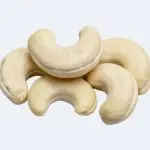
- 6.
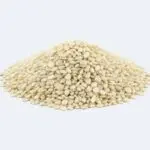
- 7.
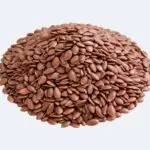
- 8.
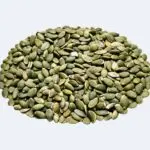
- 9.
- 10.


- 1.

- 2.
- 3.
- 4.

- 5.
- 6.

- 7.
- 8.
- 9.
- 10.


Sources
- FoodData Central. US Department of Agriculture, Agricultural Research Service. Values as shown in the ranking above.
- FAO/WHO/UNU Expert Consultation. Protein and amino acid requirements in human nutrition. WHO Technical Report Series 935. World Health Organization. 2007.
- Institute of Medicine, Food and Nutrition Board. Dietary Reference Intakes for energy, carbohydrate, fiber, fat, fatty acids, cholesterol, protein, and amino acids. National Academies Press. 2005. Tables 10-23 and 10-29, and page 711.
- FAO Expert Consultation. Dietary protein quality evaluation in human nutrition. FAO Food and Nutrition Paper 92. 2013.
How cysteine works
Most of the biochemistry below is well established. But it comes from reviews, test-tube work and tracer studies, and the choices people make about supplements rest on a thinner set of trials.
Four ideas cover most of it. The body makes cysteine from methionine and can fall short, and cysteine becomes glutathione and other sulfur compounds. Two cysteines can join into a bridge that shapes proteins, and the kidney reclaims cystine through a carrier that can fail. Here is each one, and what has been seen in people.
It is made from methionine and serine, but not always fast enough
Cysteine is made from methionine and serine. A review of sulfur amino acid metabolism describes the route. Methionine is converted to homocysteine, and its sulfur is passed to serine to make cysteine, in a route started by the enzyme cystathionine beta-synthase.
The National Academies list methionine and serine as the precursors of cysteine. They note that in a premature baby, the rate at which cysteine can be made from methionine can be inadequate. The WHO adds that this onward conversion is regulated, and that it is limited or compromised in several circumstances. Examples are poor B-vitamin status, infancy and alcohol consumption.
In the EU, vitamin B6 has an authorized claim for contributing to normal cysteine synthesis. It applies to foods that are at least a source of vitamin B6.
How the body makes cysteine, simplified, with the enzyme steps left out. The two boxes at the bottom are circumstances named by the National Academies and the WHO. Not to scale.
It becomes glutathione, taurine and more
Cysteine is one of three amino acids in glutathione, the tripeptide gamma-glutamyl-cysteinyl-glycine. A review calls glutathione the most abundant non-protein thiol (sulfur compound) in mammal tissues, at 1 to 10 mM and highest in the liver. The same review says its synthesis depends mainly on the supply of cysteine and on the rate-limiting enzyme, glutamate cysteine ligase.
A 2006 review adds that the rat liver keeps its free cysteine between 20 and 100 nmol per g. It does so whether sulfur amino acid intake is low or high. The rat liver uses glutathione as a reservoir of cysteine, and may use cysteine for coenzyme A and hydrogen sulfide.
Excess cysteine is oxidized to taurine or sulfate, and some is turned into hydrogen sulfide, according to a 2020 review.
Main uses of cysteine named in the reviews. Not to scale, and the reviews do not rank them by amount.
Glutathione synthesis can be measured with tracers. In 8 older adults, red cell glutathione was 1.12 mmol per L of cells, against 2.08 in 8 younger adults. Its absolute synthesis was about a third as fast (0.55 against 1.73).
After 2 weeks of cysteine (given as NAC) and glycine, both rose to the young range in that study, which had no placebo group. A larger 2022 trial of glycine plus NAC in 114 healthy older adults did not raise total glutathione, its main outcome.
Red cell glutathione and its synthesis in 8 younger and 8 older adults, drawn to scale within each group. The “after” bars are our arithmetic from the percent rises the paper reports (94.6% higher concentration, 230.9% higher absolute synthesis). The older adults had no placebo group.
Two cysteines can join into a bridge
Two cysteines can join through a sulfur-sulfur link called a disulfide bond, and the joined pair is called cystine. The National Academies treat L-cysteine and L-cystine together because they are interconvertible (each can turn into the other). A review says that by forming disulfide bonds, cysteine plays a crucial role in protein structure and in protein folding.
In human insulin, three disulfide bonds hold the molecule together. A7-B7 and A20-B19 join its two chains, and A6-A11 sits inside the A chain. Lab-made versions missing any one of them lost the ability to bind the insulin receptor.
The three disulfide bonds of human insulin, with positions as named in the paper. Schematic: the spacing is not to scale.
A faulty kidney carrier causes cystine stones
Nearly every amino acid crosses the gut wall and the kidney by more than one transporter, a review of epithelial transport says. That gives the body backup. Cystinuria is one of the inherited disorders of amino acid transport the review names.
In cystinuria, mutations in the SLC3A1 or SLC7A9 gene disable a kidney carrier. It carries cystine and the dibasic amino acids, so cystine stones form. A review puts its prevalence at about 1 in 7,000 newborns. Cystine stones make up 1 to 2% of kidney stones in adults and 6 to 8% in children.
What has been seen in people
The firmest human facts are about supply. In premature babies fed by vein, adding cysteine raised nitrogen retention. In older adults and in malnourished children with low glutathione, cysteine given as NAC raised glutathione and its synthesis in small trials.
But in 114 healthy older adults, 2 weeks of glycine plus NAC did not raise total glutathione. And 6,000 mg of NAC for 28 days did not clearly raise brain glutathione in 8 people. A whey protein formula raised plasma glutathione in HIV-infected patients, though whey is a mixture.
Hair and skin products are mixtures with company-linked trials, and EFSA found no link. Links of cysteine with diabetes and body fat come from questionnaires and blood levels and cannot show cause. We found no trial showing a health benefit of extra cysteine in healthy adults. All of these are among the study cards.
Sources
- Stipanuk MH. Metabolism of sulfur-containing amino acids: how the body copes with excess methionine, cysteine, and sulfide. J Nutr. 2020.
- Stipanuk MH, Dominy JE Jr, Lee JI, et al. Mammalian cysteine metabolism: new insights into regulation of cysteine metabolism. J Nutr. 2006.
- Brosnan JT, Brosnan ME. The sulfur-containing amino acids: an overview. J Nutr. 2006.
- Lu SC. Glutathione synthesis. Biochim Biophys Acta. 2013.
- Chang SG, Choi KD, Jang SH, Shin HC. Role of disulfide bonds in the structure and activity of human insulin. Mol Cells. 2003.
- Bröer S. Amino acid transport across mammalian intestinal and renal epithelia. Physiol Rev. 2008.
- Eggermann T, Venghaus A, Zerres K. Cystinuria: an inborn cause of urolithiasis. Orphanet J Rare Dis. 2012.
- Institute of Medicine, Food and Nutrition Board. Dietary Reference Intakes for energy, carbohydrate, fiber, fat, fatty acids, cholesterol, protein, and amino acids. National Academies Press. 2005. Table 10-1 and page 594.
- FAO/WHO/UNU Expert Consultation. Protein and amino acid requirements in human nutrition. WHO Technical Report Series 935. World Health Organization. 2007. Section 8.1.7.
- European Commission. Regulation (EU) No 432/2012 establishing a list of permitted health claims made on foods. Official Journal of the European Union. 2012. Annex, vitamin B6.
- Sekhar RV, Patel SG, Guthikonda AP, et al. Deficient synthesis of glutathione underlies oxidative stress in aging and can be corrected by dietary cysteine and glycine supplementation. Am J Clin Nutr. 2011.
- Lizzo G, Migliavacca E, Lamers D, et al. A randomized controlled clinical trial in healthy older adults to determine efficacy of glycine and N-acetylcysteine supplementation on glutathione redox status and oxidative damage. Front Aging. 2022.
How much cysteine do you need?
Cysteine has no daily requirement of its own, because the body makes it from methionine. The WHO and the US National Academies both set one value for methionine and cysteine together.
Adults need about 15 mg of methionine plus cysteine per kg of body weight a day, according to the WHO/FAO/UNU report of 2007. That is about 1,050 mg for a 70 kg adult. The US recommended dietary allowance (RDA, the daily amount that covers nearly all healthy people) is 19 mg per kg, about 1,330 mg (our arithmetic).
The WHO reached 15 mg per kg from obligatory oxidative losses, the amounts the body breaks down each day. Those were 10.4 mg of methionine and 4.1 mg of cysteine per kg, 14.5 in all, rounded. Its table shows the split as 10 and 4 mg per kg.
How far dietary cysteine can spare methionine (cut how much of it you need) is uncertain. One study found sparing at a 5 to 1 ratio of cysteine to methionine. Two others suggested none at ratios nearer to 1, which normal diets are more likely to have, so the WHO set one combined value.
In 6 young men fed no cysteine, the total sulfur amino acid requirement was 12.6 mg per kg. The population-safe intake was 21 mg per kg.
For children, the WHO values for sulfur amino acids fall with age. They are 31 mg per kg a day at 6 months, 22 at 1 to 2 years and 18 at 3 to 10 years. They then fall to 17 at 11 to 14, 16 at 15 to 18 and 15 above 18.
The US values for pregnancy are an estimated average requirement of 20 mg per kg and an allowance of 25. For lactation, the estimated average requirement is 21. The National Academies say there are essentially no direct data for either, so they scaled the values from protein needs.
A conditionally indispensable amino acid, like cysteine, is one whose dietary need appears only in some conditions. The National Academies name prematurity, when cysteine cannot be made fast enough from methionine. They say the amounts needed in such conditions have not been determined and presumably vary with the condition.
Cysteine deficiency: signs and who is at risk
We found no report of a cysteine deficiency syndrome in healthy people who eat enough protein. The average intake of 1.0 g a day is far above the roughly 280 mg that the WHO split suggests for a 70 kg adult. The risk groups are babies and people whose conversion from methionine is limited.
Premature babies on cysteine-free intravenous feeding are given cysteine, and Cochrane found that nitrogen retention rose with it. Red cell cysteine was lower in 8 older adults than in younger ones (19.8 against 26.2 µmol/L). Children with severe edematous malnutrition have low cysteine concentrations, and their low glutathione synthesis rate responded to NAC in a controlled trial.
In EPIC-Oxford men, cysteine is not among the six amino acids whose plasma level differed by diet group, according to the abstract. We found no study of cysteine deficiency in vegans.
Inherited disorders can limit cysteine production. In cystathionine beta-synthase (CBS) deficiency, homocysteine builds up because it is not converted to cysteine. Severely affected people usually need a low-methionine diet, betaine or both, according to international guidelines.
A cell study found that low cysteine reduced the deposit of fibrillin-1, a connective tissue protein. It suggested that keeping blood cysteine and cystine normal may be a therapeutic goal. A 1968 report in The Lancet described treating homocystinuria with a low-methionine diet, supplemental cystine and a methyl donor. These conditions need a metabolic specialist.
Sources
- FAO/WHO/UNU Expert Consultation. Protein and amino acid requirements in human nutrition. WHO Technical Report Series 935. World Health Organization. 2007. Tables 23 and 50, and section 8.1.7.
- Institute of Medicine, Food and Nutrition Board. Dietary Reference Intakes for energy, carbohydrate, fiber, fat, fatty acids, cholesterol, protein, and amino acids. National Academies Press. 2005. Pages 594, 679 to 681 and 736.
- Di Buono M, Wykes LJ, Ball RO, Pencharz PB. Total sulfur amino acid requirement in young men as determined by indicator amino acid oxidation with L-[1-13C]phenylalanine. Am J Clin Nutr. 2001.
- Badaloo A, Reid M, Forrester T, et al. Cysteine supplementation improves the erythrocyte glutathione synthesis rate in children with severe edematous malnutrition. Am J Clin Nutr. 2002.
- Sekhar RV, Patel SG, Guthikonda AP, et al. Deficient synthesis of glutathione underlies oxidative stress in aging and can be corrected by dietary cysteine and glycine supplementation. Am J Clin Nutr. 2011.
- Soghier LM, Brion LP. Cysteine, cystine or N-acetylcysteine supplementation in parenterally fed neonates. Cochrane Database Syst Rev. 2006.
- Morris AA, Kožich V, Santra S, et al. Guidelines for the diagnosis and management of cystathionine beta-synthase deficiency. J Inherit Metab Dis. 2017.
- Majors AK, Pyeritz RE. A deficiency of cysteine impairs fibrillin-1 deposition: implications for the pathogenesis of cystathionine beta-synthase deficiency. Mol Genet Metab. 2000.
- Perry TL, Hansen S, Love DL, et al. Treatment of homocystinuria with a low-methionine diet, supplemental cystine, and a methyl donor. Lancet. 1968.
- Schmidt JA, Rinaldi S, Scalbert A, et al. Plasma concentrations and intakes of amino acids in male meat-eaters, fish-eaters, vegetarians and vegans: a cross-sectional analysis in the EPIC-Oxford cohort. Eur J Clin Nutr. 2016.
Forms of cysteine: absorption and effects
Cysteine reaches you in several ways. It comes bound in food protein, as free L-cysteine, as the joined pair cystine, as N-acetylcysteine (NAC), and in related compounds such as glutathione. NAC is a drug first and a supplement second. The FDA says it is excluded from the dietary supplement definition because it was approved as a drug before it was marketed as a supplement.
In a 2022 guidance, the FDA says it intends to use enforcement discretion for certain NAC products labeled as supplements. We found no later FDA decision.
The honest bottom line: trials of the forms measure glutathione and blood levels, not health outcomes. We found no trial comparing NAC with free cysteine in people.
| Form | What it is | What studies show | Source |
|---|---|---|---|
| Free L-cysteine | The single amino acid in its natural L-form, in food and supplements, and in intravenous feeds for babies as cysteine hydrochloride | In premature babies fed by vein, adding cysteine raised plasma cysteine and nitrogen retention. In healthy adults, single oral doses of 5 and 10 g caused nausea and light-headedness, and the National Academies found no reports of long-term use. We found no trial of free L-cysteine for health in healthy adults. | 1, 2 |
| L-cystine | Two cysteines joined by a disulfide bond | The National Academies treat cysteine and cystine together because they are interconvertible. A skin trial tested 500 mg a day of cystine with glutathione, and the benefit came from the mix. | 1, 18 |
| N-acetylcysteine (NAC) | Cysteine with an acetyl group attached. A drug first, and also sold as a supplement | Oral bioavailability was 4.0% for reduced NAC and 9.1% for total NAC in 6 volunteers. As a drug it is the standard overdose antidote for paracetamol and a mucolytic in COPD. As a cysteine source it raised glutathione in malnourished children and did not raise brain glutathione at 6,000 mg a day. We found no trial comparing NAC with free L-cysteine in people. | 3, 4, 5, 7, 6 |
| Glycine plus NAC (GlyNAC) | A 1 to 1 mix of two amino acid compounds | A 16-week trial in 24 older adults reported better glutathione. A 2-week trial in 114 healthy older adults found no change in total glutathione. | 13, 12 |
| Glutathione | The tripeptide the body makes from cysteine, glutamate and glycine, sold as a supplement, and as a sublingual form | At 1,000 mg a day for 6 months, oral glutathione raised blood levels 30 to 35%. A 3-week crossover trial found a sublingual form raised glutathione more than oral glutathione or NAC, but its authors include company staff. | 9, 10 |
| Cysteine in whey protein | Protein-bound cysteine, in a mixture of proteins | 45 g a day of cysteine-rich whey raised plasma glutathione in HIV-infected patients with one of two formulas. | 11 |
| Hair, skin and nail blends | Cysteine or cystine mixed with collagen, taurine, methionine, iron, selenium or glutathione | EFSA found no cause and effect link for L-cysteine and hair, nails or skin, and said no conclusion can be drawn from fixed combinations. Two later trials of blends were positive but had company authors and tested mixtures. | 16, 17, 18 |
| L-cysteine in food (E920) | A dough strengthener in baked goods, from protein hydrolysis, fermentation or synthesis | US rules allow up to 0.009 part of L-cysteine per 100 parts of flour. A 2006 review says cysteine has mainly been made by protein hydrolysis, with synthetic and biotechnological products preferred in the market. We found no source for the share made from each route today. | 15, 14 |
The trials in the benefits section used NAC as a cysteine source (children with malnutrition, older adults, a Parkinson’s study). Others used glycine plus NAC, and whey protein. Here are the form-specific studies and the main drug uses of NAC, strongest evidence first, 6 in all.
All 6 studies, strongest evidence first
Mucolytics including NAC kept more people free of flare-ups in COPD
This newest version of a Cochrane review pooled 38 trials in 10,377 people with chronic bronchitis or COPD, a long-term lung disease. The mucolytics (mucus thinners) were N-acetylcysteine, carbocysteine, erdosteine and ambroxol, taken for 2 months to 3 years. They gave 1.73 times the odds of a period free of flare-ups. Treating 8 people kept one more person free of flare-ups over about 9 months, and disability fell by 0.43 days per person per month. Effects were smaller in recent trials and varied between studies, and type or dose of mucolytic did not seem to change the effect. So this is not NAC’s result alone, and here NAC is a drug, not a test of cysteine supply.
1,000 mg of glutathione daily raised glutathione by 30 to 35%
This randomized, double-blind, placebo-controlled trial gave 54 non-smoking adults 250 or 1,000 mg a day for 6 months. Levels in red cells, plasma and lymphocytes (immune cells) rose with dose and time. At the low dose they rose 17% in blood and 29% in red cells, and they returned to baseline after a 1-month break. Natural killer cell activity more than doubled at 3 months in the high-dose group. This tested glutathione itself, a related supplement, not cysteine.
Cochrane: acetylcysteine is the standard paracetamol overdose antidote, mostly on observational evidence
The review covered 11 trials in 700 people of antidotes and of ways to block absorption. All trials were at high risk of bias, and the quality of the evidence was low or very low. The authors say acetylcysteine should be given to people at risk of toxicity, and that standard care worldwide is intravenous or oral acetylcysteine. This is hospital treatment for an overdose, not a supplement use. This is the newest Cochrane version.
Only 4.0% to 9.1% of oral NAC reached the blood
In this randomized crossover study, each of 6 volunteers got 200 mg of NAC by vein and 400 mg by mouth. Blood samples ran over 30 hours. The lower figure is for reduced NAC and the higher figure for total NAC. The terminal half-life of reduced NAC was 1.95 hours after the intravenous dose. For total NAC it was 5.58 hours after the intravenous dose and 6.25 hours after the oral dose. It measured NAC itself, not the cysteine or glutathione it leaves behind, and the authors are from a drug company, ACO Läkemedel.
Under-the-tongue glutathione raised glutathione more than oral glutathione or NAC
This randomized crossover trial gave 20 people with metabolic syndrome each supplement for 3 weeks. Plasma total and reduced glutathione and the GSH to GSSG ratio were clearly higher with the sublingual (under-the-tongue) form than with oral glutathione. The authors call it superior to oral glutathione and NAC. The doses are not in the abstract, the product was a new one, and two authors are from Laboratoires Le Stum, a company.
NAC did not change hangover scores against placebo in 49 volunteers
In this randomized, double-blind, placebo-controlled crossover study, volunteers drank beer to a breath alcohol of 0.1 g per 210 L. They took 600 to 1,800 mg of NAC or placebo. The next morning’s total hangover score was 10 with NAC and 13 with placebo, a gap that could be chance. Women reported less nausea and weakness, which the authors call only suggestive. The corresponding author began consulting for a hangover-medicine maker years after the study.
Sources
- Institute of Medicine, Food and Nutrition Board. Dietary Reference Intakes for energy, carbohydrate, fiber, fat, fatty acids, cholesterol, protein, and amino acids. National Academies Press. 2005. Page 712.
- Soghier LM, Brion LP. Cysteine, cystine or N-acetylcysteine supplementation in parenterally fed neonates. Cochrane Database Syst Rev. 2006.
- Olsson B, Johansson M, Gabrielsson J, Bolme P. Pharmacokinetics and bioavailability of reduced and oxidized N-acetylcysteine. Eur J Clin Pharmacol. 1988.
- Chiew AL, Gluud C, Brok J, Buckley NA. Interventions for paracetamol (acetaminophen) overdose. Cochrane Database Syst Rev. 2018.
- Poole P, Sathananthan K, Fortescue R. Mucolytic agents versus placebo for chronic bronchitis or chronic obstructive pulmonary disease. Cochrane Database Syst Rev. 2019.
- Coles LD, Tuite PJ, Öz G, et al. Repeated-dose oral N-acetylcysteine in Parkinson’s disease: pharmacokinetics and effect on brain glutathione and oxidative stress. J Clin Pharmacol. 2018.
- Badaloo A, Reid M, Forrester T, et al. Cysteine supplementation improves the erythrocyte glutathione synthesis rate in children with severe edematous malnutrition. Am J Clin Nutr. 2002.
- US Food and Drug Administration. FDA releases final guidance on enforcement discretion for certain NAC products. 2022, page updated November 2023.
- Richie JP Jr, Nichenametla S, Neidig W, et al. Randomized controlled trial of oral glutathione supplementation on body stores of glutathione. Eur J Nutr. 2015.
- Schmitt B, Vicenzi M, Garrel C, Denis FM. Effects of N-acetylcysteine, oral glutathione (GSH) and a novel sublingual form of GSH on oxidative stress markers: a comparative crossover study. Redox Biol. 2015.
- Micke P, Beeh KM, Schlaak JF, Buhl R. Oral supplementation with whey proteins increases plasma glutathione levels of HIV-infected patients. Eur J Clin Invest. 2001.
- Lizzo G, Migliavacca E, Lamers D, et al. A randomized controlled clinical trial in healthy older adults to determine efficacy of glycine and N-acetylcysteine supplementation on glutathione redox status and oxidative damage. Front Aging. 2022.
- Kumar P, Liu C, Suliburk J, et al. Supplementing glycine and N-acetylcysteine (GlyNAC) in older adults improves glutathione deficiency, oxidative stress, mitochondrial dysfunction, inflammation, physical function, and aging hallmarks: a randomized clinical trial. J Gerontol A Biol Sci Med Sci. 2023.
- Wada M, Takagi H. Metabolic pathways and biotechnological production of L-cysteine. Appl Microbiol Biotechnol. 2006.
- US Code of Federal Regulations. 21 CFR 184.1271, L-cysteine.
- EFSA Panel on Dietetic Products, Nutrition and Allergies (NDA). Scientific opinion on the substantiation of health claims related to L-cysteine and L-methionine alone or in combination. EFSA J. 2010. European Commission, EU Register on nutrition and health claims.
- Milani M, Colombo F. Efficacy and tolerability of an oral supplement containing amino acids, iron, selenium, and marine hydrolyzed collagen in subjects with hair loss. Skin Res Technol. 2023.
- Duperray J, Sergheraert R, Chalothorn K, et al. The effects of the oral supplementation of L-cystine associated with reduced L-glutathione-GSH on human skin pigmentation: a randomized, double-blinded, benchmark- and placebo-controlled clinical trial. J Cosmet Dermatol. 2022.
- Coppersmith V, Hudgins S, Stoltzfus J, Stankewicz H. The use of N-acetylcysteine in the prevention of hangover: a randomized trial. Sci Rep. 2021.
Is cysteine safe? Supplements, dose and interactions
Cysteine from food is not a concern. The National Academies set no tolerable upper intake level (UL) for L-cysteine or L-cystine, which they treat together. A UL is the most you can take daily without likely harm. The data on adverse effects from supplements were not enough for a dose-response assessment.
We found no EFSA upper level either. For scale, the Academies cite US survey data with a mean intake of 1.0 g a day. The 99th percentile was 2.2 g a day in the highest group (men aged 51 to 70).
They report that single oral doses of 5 and 10 g of L-cysteine caused nausea and light-headedness in healthy people. They found no reports of long-term use in humans. They list animal studies in which large doses damaged brain and eye tissue in young mice and rats.
NAC is regulated differently from the amino acid. The FDA says NAC is excluded from the dietary supplement definition. That is because it was approved as a new drug before it was marketed as a supplement. The FDA also says it intends to use enforcement discretion for certain products labeled as supplements.
- NAC side effects. The FDA label for an oral NAC drug (Cetylev, for paracetamol overdose) lists the most common adverse reactions. They are nausea, vomiting, other gastrointestinal symptoms and rash with or without fever, and the label warns of hypersensitivity reactions such as hives. In the 28-day trial of 6,000 mg a day, 3 of 5 people with Parkinson’s disease reported symptomatic adverse events. In the 2-week trial of glycine plus NAC at up to 7.2 g a day, the authors called it safe and well tolerated. They work for the maker of such products.
- Asthma and inhaled NAC. MedlinePlus says inhaled acetylcysteine can cause wheezing and chest tightness, and tells people with asthma to ask their doctor first.
- Cystinuria and kidney stones. People with cystinuria form cystine stones. A consensus statement starts treatment with fluid intake and diet changes, then urine alkalinizing drugs (which make urine less acidic) and thiol drugs. A 2026 review says oral NAC lacks robust trial evidence in cystinuria. We found no study of cysteine supplements in it, so ask a kidney specialist.
- Pregnancy and breastfeeding. The FDA label says published reports of acetylcysteine in pregnancy are too few to judge the risk of birth defects or miscarriage. It also says nothing is known about its presence in human milk. We found no trial of cysteine supplements in pregnancy.
- Babies and inherited disorders. Cysteine for premature babies is given in hospital. There, the Cochrane review notes, metabolic acidosis was reported in the first 2 weeks of cysteine chloride. Do not give cysteine or NAC to a baby, or add them in an inherited disorder such as CBS deficiency, without a specialist.
- Medicines. We found no listed drug interactions for oral cysteine or NAC. Tell your doctor or pharmacist about any supplement you take.
How to get enough cysteine
- Eat enough protein from varied foods. The US average is 1.0 g a day, about 3.6 times the 280 mg the WHO split gives a 70 kg adult (our arithmetic). A 4 oz serving of chicken breast gives 0.27 g, a cup of soybeans 0.46 g and 3 tbsp of hemp seeds 0.2 g.
- Pair legumes with grains. Navy bean protein carries 19 mg of methionine plus cysteine per g, against 35 in wheat flour and 56 in egg. Wheat, in turn, is low in lysine (26 mg per g against 72 in beans), so each covers the other’s gap.
- Skip the pills unless a doctor suggests them. Glycine plus NAC did not raise total glutathione in 114 healthy older adults. Oral NAC reached the blood at only 4.0% to 9.1% in a small study.
Sources
- Institute of Medicine, Food and Nutrition Board. Dietary Reference Intakes for energy, carbohydrate, fiber, fat, fatty acids, cholesterol, protein, and amino acids. National Academies Press. 2005. Pages 711, 712 and 736, and Table 10-23.
- FAO/WHO/UNU Expert Consultation. Protein and amino acid requirements in human nutrition. WHO Technical Report Series 935. World Health Organization. 2007.
- EFSA Panel on Dietetic Products, Nutrition and Allergies (NDA). Scientific opinion on the substantiation of health claims related to L-cysteine and L-methionine alone or in combination. EFSA J. 2010. European Commission, EU Register on nutrition and health claims.
- US Food and Drug Administration. FDA releases final guidance on enforcement discretion for certain NAC products. 2022, page updated November 2023.
- US Food and Drug Administration. Cetylev (acetylcysteine) effervescent tablets for oral solution, prescribing information. 2017 version.
- MedlinePlus. Acetylcysteine inhalation. National Library of Medicine. Revised 2017.
- Eisner BH, Goldfarb DS, Baum MA, et al. Evaluation and medical management of patients with cystine nephrolithiasis: a consensus statement. J Endourol. 2020.
- Zambudio Munuera A, Rodriguez Parras P, Galan Llopis JA, et al. Cystinuria: diagnosis, medical and surgical management, and emerging therapies. A narrative review. Res Rep Urol. 2026.
- Soghier LM, Brion LP. Cysteine, cystine or N-acetylcysteine supplementation in parenterally fed neonates. Cochrane Database Syst Rev. 2006.
- Coles LD, Tuite PJ, Öz G, et al. Repeated-dose oral N-acetylcysteine in Parkinson’s disease: pharmacokinetics and effect on brain glutathione and oxidative stress. J Clin Pharmacol. 2018.
- Lizzo G, Migliavacca E, Lamers D, et al. A randomized controlled clinical trial in healthy older adults to determine efficacy of glycine and N-acetylcysteine supplementation on glutathione redox status and oxidative damage. Front Aging. 2022.
- Olsson B, Johansson M, Gabrielsson J, Bolme P. Pharmacokinetics and bioavailability of reduced and oxidized N-acetylcysteine. Eur J Clin Pharmacol. 1988.
- Dong Z, Richie JP Jr, Gao X, et al. Cumulative consumption of sulfur amino acids and risk of diabetes: a prospective cohort study. J Nutr. 2022.
- Schmidt JA, Rinaldi S, Scalbert A, et al. Plasma concentrations and intakes of amino acids in male meat-eaters, fish-eaters, vegetarians and vegans: a cross-sectional analysis in the EPIC-Oxford cohort. Eur J Clin Nutr. 2016.
- US Code of Federal Regulations. 21 CFR 184.1271, L-cysteine.
- Wada M, Takagi H. Metabolic pathways and biotechnological production of L-cysteine. Appl Microbiol Biotechnol. 2006.
History of cysteine
Cystine came first. In 1810 the English chemist William Hyde Wollaston described a new kind of bladder stone, which he had seen in only two cases. He suggested the name “cystic oxide” because both stones came from the bladder.
A consensus statement on cystine stones says Wollaston first described cystinuria but wrongly called it cystic oxide. Sir Archibald Garrod described it correctly in the early 1900s. The name cysteine also comes from the Greek word for bladder.
In 1884 the German chemist Eugen Baumann reduced cystine with zinc and obtained a new compound, which he named cysteine. That is the standard account of its history.
Medicine found its own use for the NAC form. In 1977 Prescott and colleagues reported 15 patients with paracetamol poisoning treated with intravenous N-acetylcysteine. In 1979 they reported 100 cases and concluded that it was the treatment of choice. A 2024 review says it soon became the standard for paracetamol overdose.
In food, the US regulation affirming L-cysteine as safe as a dough strengthener dates from 1977 (42 FR 14653).
Sources
- Wollaston WH. On cystic oxide, a new species of urinary calculus. Philos Trans R Soc Lond. 1810;100:223 to 230 (reprinted in Med Phys J. 1811).
- Eisner BH, Goldfarb DS, Baum MA, et al. Evaluation and medical management of patients with cystine nephrolithiasis: a consensus statement. J Endourol. 2020.
- Cysteine. Wikipedia. History section (Baumann, 1884).
- Prescott LF, Park J, Ballantyne A, et al. Treatment of paracetamol (acetaminophen) poisoning with N-acetylcysteine. Lancet. 1977.
- Prescott LF, Illingworth RN, Critchley JA, et al. Intravenous N-acetylcystine: the treatment of choice for paracetamol poisoning. Br Med J. 1979.
- Prescott LF. Paracetamol (acetaminophen) poisoning: the early years. Br J Clin Pharmacol. 2024.
- US Code of Federal Regulations. 21 CFR 184.1271, L-cysteine.
Frequently asked questions about cysteine
What is the difference between cysteine and cystine?
Cystine is two cysteine molecules joined by a disulfide bond. The National Academies treat L-cysteine and L-cystine together because they are interconvertible. Cysteine’s ability to form disulfide bonds is what lets it shape proteins, as in the three bonds of human insulin. Cystine is also the compound that forms stones in the inherited disorder cystinuria.
Is NAC the same as cysteine?
No. N-acetylcysteine (NAC) is cysteine with an acetyl group attached, and it is a drug as well as a supplement. The FDA says it was approved as a drug before it was sold as a supplement. In 6 volunteers, 4.0% of an oral dose reached the blood as reduced NAC and 9.1% as total NAC. We found no trial in people comparing NAC with free L-cysteine. NAC can raise cysteine supply where it is low: in malnourished children, 0.5 mmol per kg a day raised glutathione synthesis.
Does cysteine or NAC raise glutathione?
Sometimes, mostly where levels are low. NAC raised glutathione and its synthesis in children with severe edematous malnutrition. Cysteine given as NAC with glycine did so in 8 older adults, and a whey protein formula raised plasma glutathione in HIV-infected patients. But in 114 healthy older adults, glycine plus NAC did not raise total glutathione. And 6,000 mg of NAC a day for 28 days did not clearly raise brain glutathione in 8 people.
Does cysteine help hair growth?
We found no trial showing that cysteine alone helps hair. EFSA’s 2010 opinion found no cause and effect link between L-cysteine and hair, and said no conclusion can be drawn from fixed combinations. The EU Register lists the hair claims as non-authorized. A 2023 trial of a tablet with collagen, taurine, cysteine, methionine, iron and selenium, added to drug treatment, improved hair-loss scores in 83 people. But it had no placebo tablet, tested a mixture and had company authors.
Which foods are highest in cysteine?
Per serving in our USDA ranking, soybeans lead with 0.46 g per cup. Chicken drumstick (0.28 g) and chicken breast (0.27 g in 4 oz) follow, then sardines (0.24 g per can) and lentils (0.23 g per cup). Per 100 g, hemp seeds come first at 0.67 g, then sunflower seeds at 0.45 g and oats at 0.41 g. Eggs rank sixth per 100 kcal at 0.19 g.
Do vegans get enough cysteine?
Probably, if they eat enough protein and mix foods, but we found no study of cysteine deficiency in vegans. The WHO says methionine and cysteine are marginal in legume proteins and abundant in cereals. Still, a cup of soybeans or lentils gives 0.46 g or 0.23 g. In EPIC-Oxford men, intakes of all 18 dietary amino acids were lower in vegans, by up to 47%. But cysteine was not among the six amino acids whose plasma levels differed by diet.
How much cysteine is too much?
No official upper limit exists. The National Academies found the data on supplements insufficient for a dose-response assessment, and we found none from EFSA. Single oral doses of 5 and 10 g of L-cysteine caused nausea and light-headedness. In a 28-day trial of 6,000 mg of NAC a day, 3 of 5 people with Parkinson’s disease reported symptomatic adverse events.
Is the L-cysteine in bread vegan?
Not necessarily, and labels rarely say. The US regulation allows L-cysteine as a dough strengthener up to 0.009 part per 100 parts of flour, and it does not state the source. A 2006 review says cysteine has mainly been made by protein hydrolysis (breaking proteins down), with synthetic and biotechnological products preferred in the market. Ask the maker, or look for a vegan label.