22 amino acids
Amino Acids
Alanine
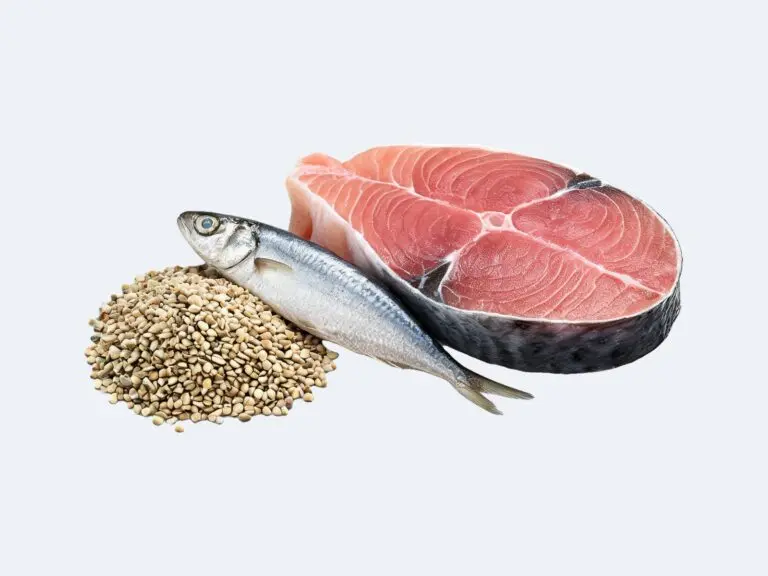
Alanine is an amino acid your body makes itself, and your muscles ship it to the liver to be turned into glucose. Trials of alanine pills are few, mostly old and mixed, and the popular sports supplement beta-alanine is a different compound.
Top source: chicken breast, 1.48 g per 4 oz (113 g)
Top source: hemp seeds, 1.53 g per 100 g
Amino Acids
Arginine
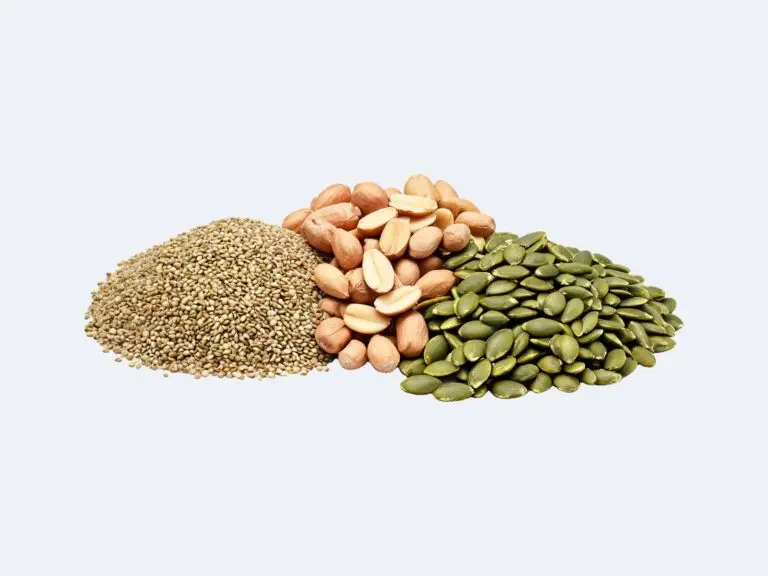
Your kidneys make about 2 g of arginine a day, and the body turns it into nitric oxide. Yet a heart attack trial of the supplement closed early after 6 deaths on arginine and none on placebo. Here is what 25 studies and the main nutrition reports say, plus the food rankings and what is known about safe doses.
Top source: soybeans, 2.22 g per 1 cup (172 g)
Top source: pumpkin seeds, 5.35 g per 100 g
Amino Acids
Asparagine
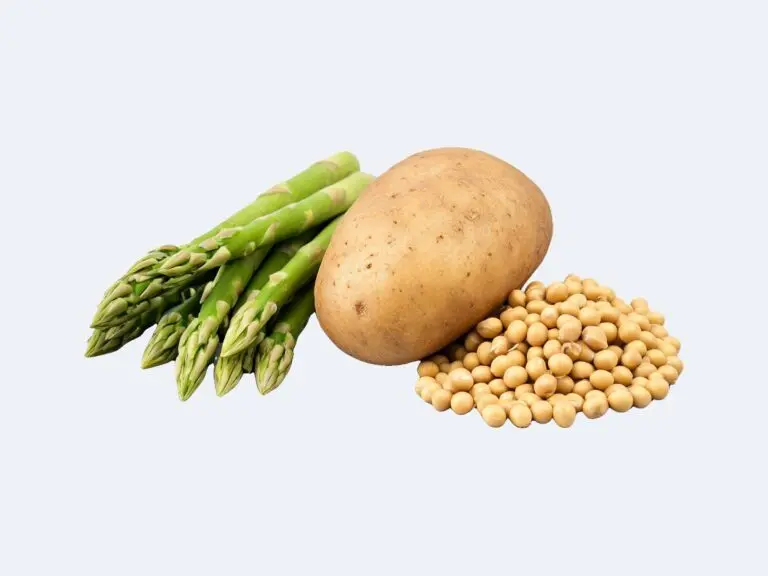
Asparagine is an amino acid your body makes itself, so nobody needs to eat it on purpose. Its fame comes from two places. One is a leukemia drug that strips it from the blood. The other is acrylamide, which forms when it browns in fried and baked foods.
Amino Acids
Aspartic acid
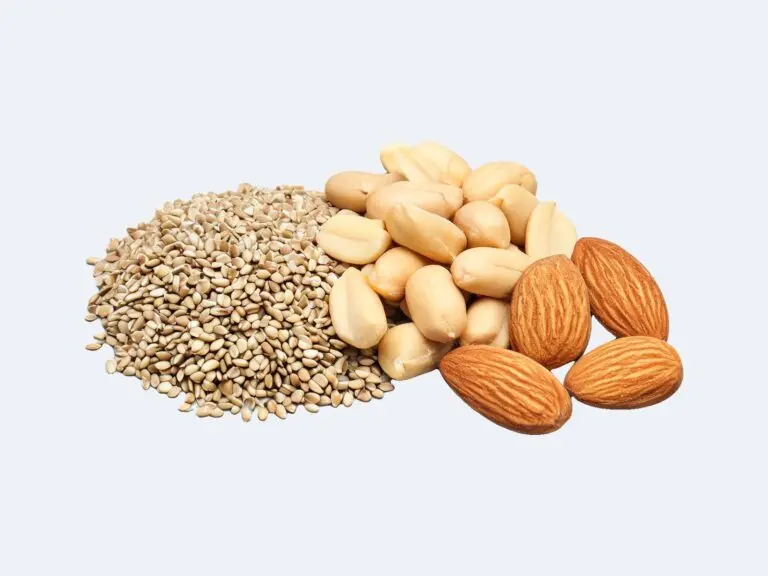
Aspartic acid is an amino acid your body makes itself, and the liver uses it to turn ammonia into urea. The D-aspartic acid pills sold for testosterone did not raise it in any of the five trials in trained men that we found.
Top source: soybeans, 3.6 g per 1 cup (172 g)
Top source: hemp seeds, 3.66 g per 100 g
Amino Acids
Citrulline
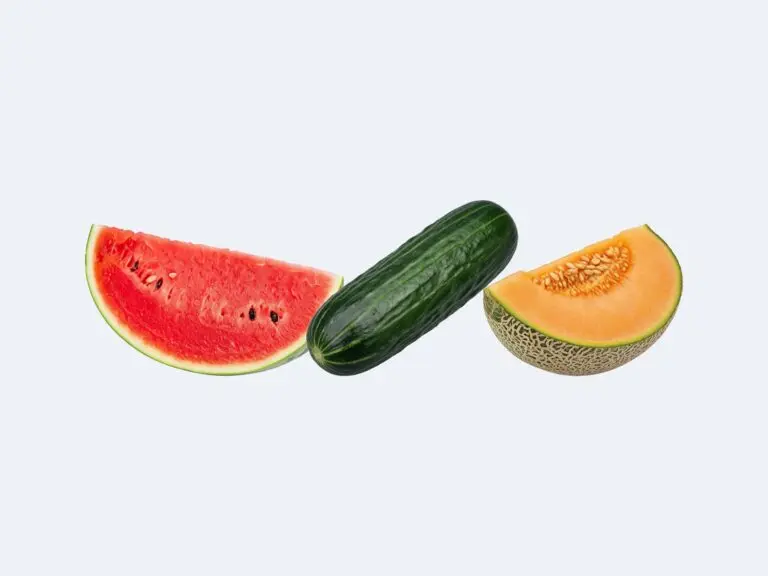
Your gut makes citrulline, your kidneys turn it into arginine, and doctors read its blood level as a test of the gut lining. Here is what 20 studies say about blood pressure, workouts and erection, how L-citrulline differs from citrulline malate, and how much watermelon really gives you.
Amino Acids
Cysteine
NAC, the cysteine supplement, began as a drug, and by mouth only 4 to 9% of a dose reached the blood in one small study. Here is what 18 studies and reports say about glutathione, hair and skin claims, foods and safety.
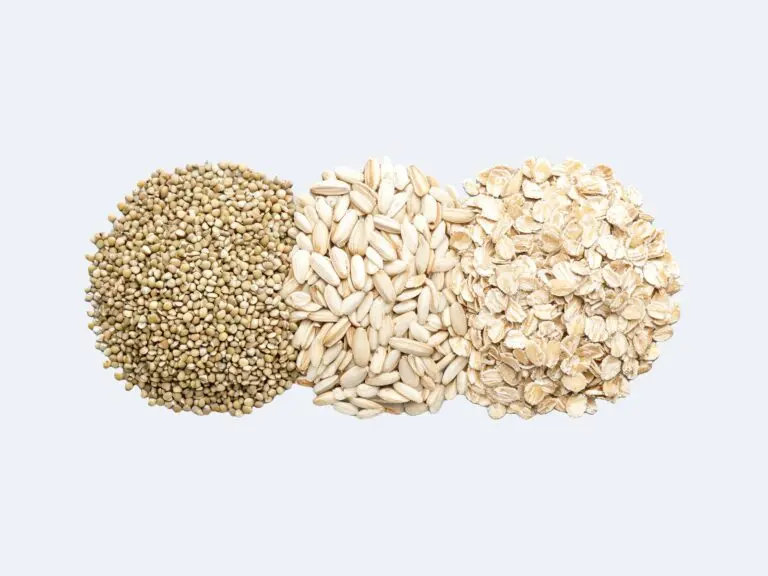
Top source: soybeans, 0.46 g per 1 cup (172 g)
Top source: hemp seeds, 0.67 g per 100 g
Amino Acids
Glutamic acid
Glutamic acid is the most abundant amino acid in food and the taste behind umami. Yet gut cells use up most of it before it reaches the blood. Controlled trials have not shown that MSG reliably causes the symptoms people blame on it.
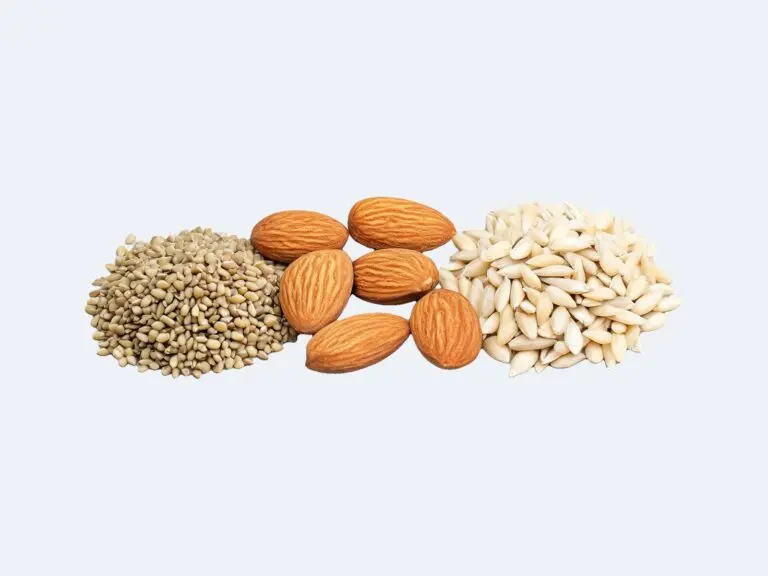
Top source: soybeans, 5.55 g per 1 cup (172 g)
Top source: hemp seeds, 6.27 g per 100 g
Amino Acids
Glutamine
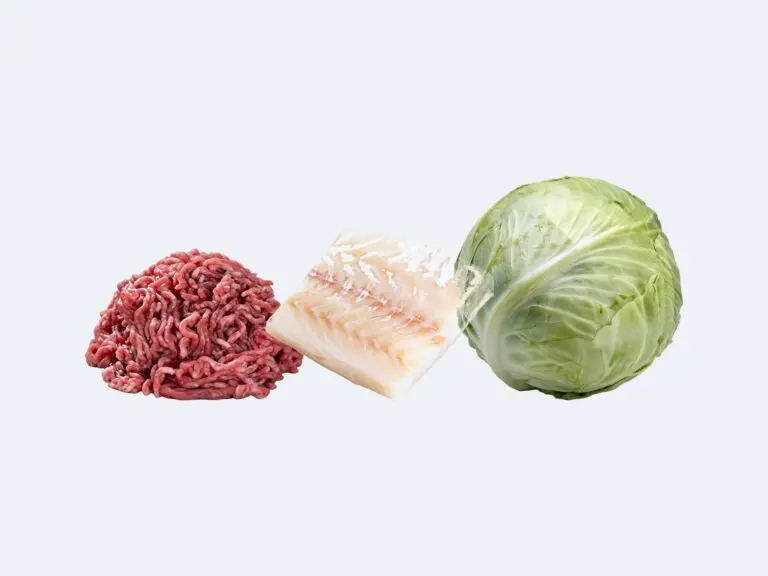
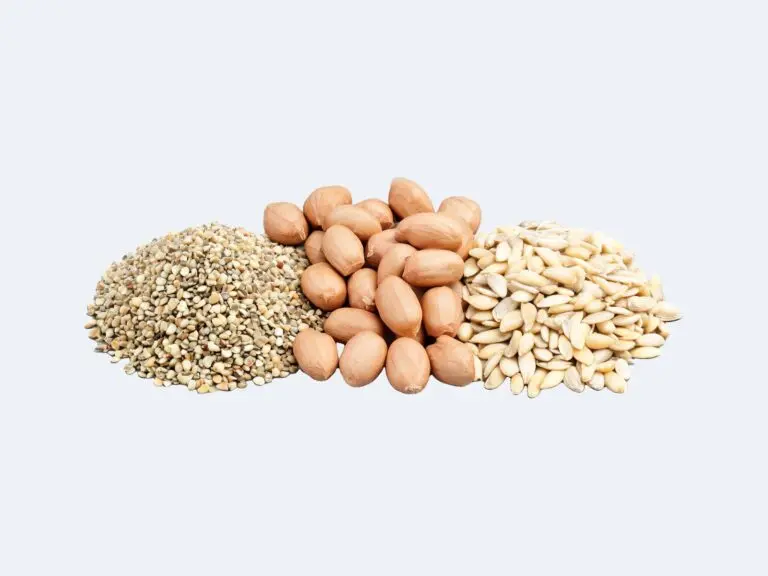
The body makes several times more glutamine than food supplies, and gut cells use up over half of what you swallow. Large trials found no benefit in intensive care, and one oral glutamine powder is approved as a sickle cell medicine in the US.
Amino Acids
Glycine
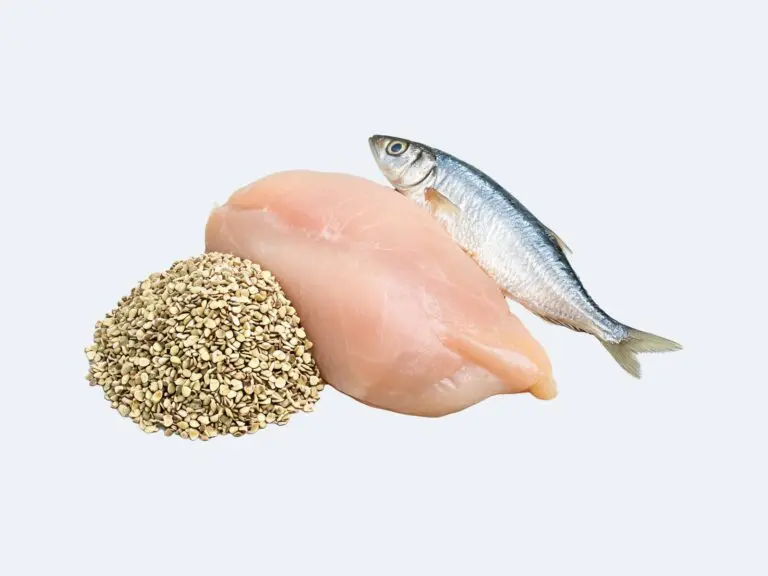
Glycine is a conditionally essential amino acid: your body makes it. The average American takes in about 3.2 g a day from food and supplements. Here is what 23 studies say about sleep, collagen, safety and the foods highest in it.
Top source: soybeans, 1.32 g per 1 cup (172 g)
Top source: pumpkin seeds, 1.84 g per 100 g
Amino Acids
Histidine
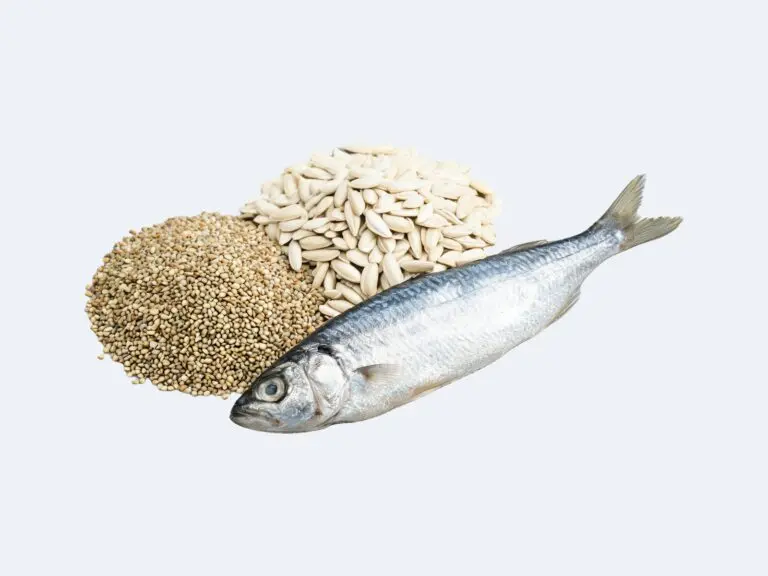
Histidine is an essential amino acid, yet adults hold enough in hemoglobin and muscle to go weeks without it. One 4 oz chicken breast holds more than the WHO daily figure for a 70 kg adult. Trials of histidine pills are small and mixed.
Top source: chicken breast, 0.95 g per 4 oz (113 g)
Top source: hemp seeds, 0.97 g per 100 g
Amino Acids
Isoleucine
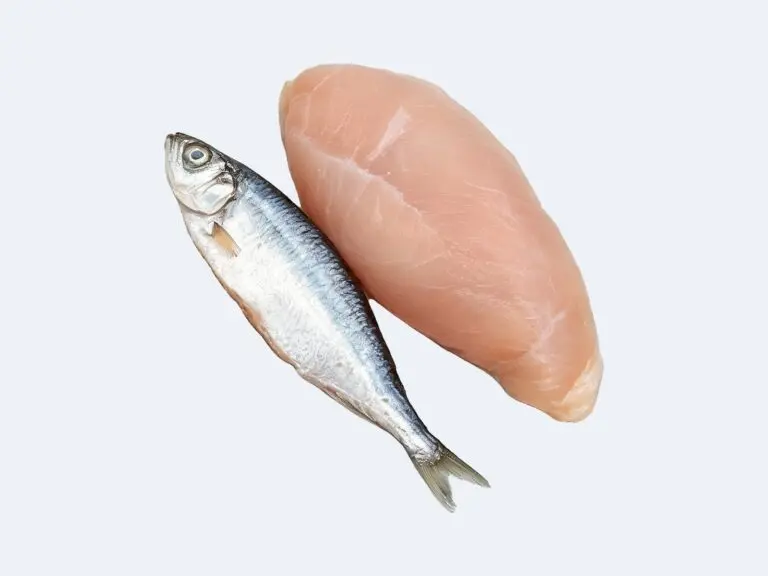
Isoleucine is an essential amino acid that adult hemoglobin lacks entirely, and its daily need was calculated from leucine, not measured. One cup of soybeans holds about the WHO figure for a 70 kg adult, and most trials test BCAA blends rather than isoleucine itself.
Top source: soybeans, 1.39 g per 1 cup (172 g)
Top source: hemp seeds, 1.29 g per 100 g
Amino Acids
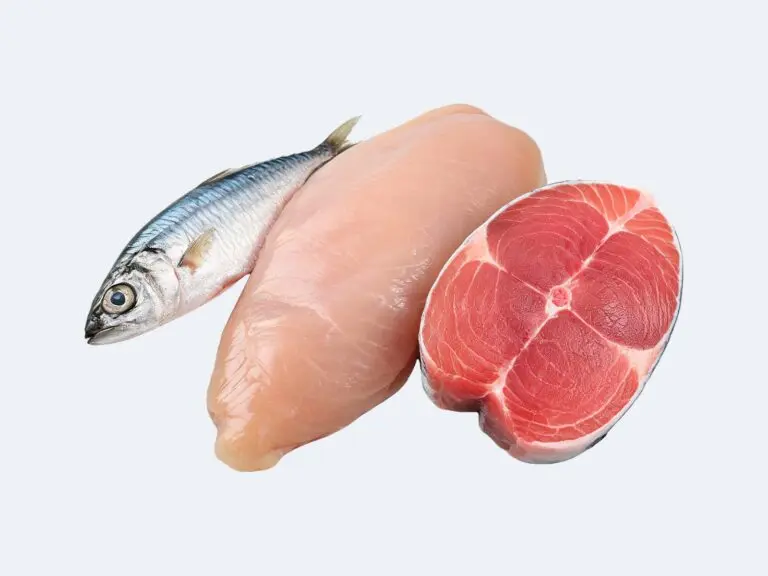
Leucine
Leucine is the amino acid sold as a muscle switch, but in most trials extra leucine alone did not add muscle in older adults. Here is what 28 studies show about muscle, liver disease and safety, how much you need, and which foods are richest in it.
Top source: soybeans, 2.33 g per 1 cup (172 g)
Top source: pumpkin seeds, 2.42 g per 100 g
Amino Acids
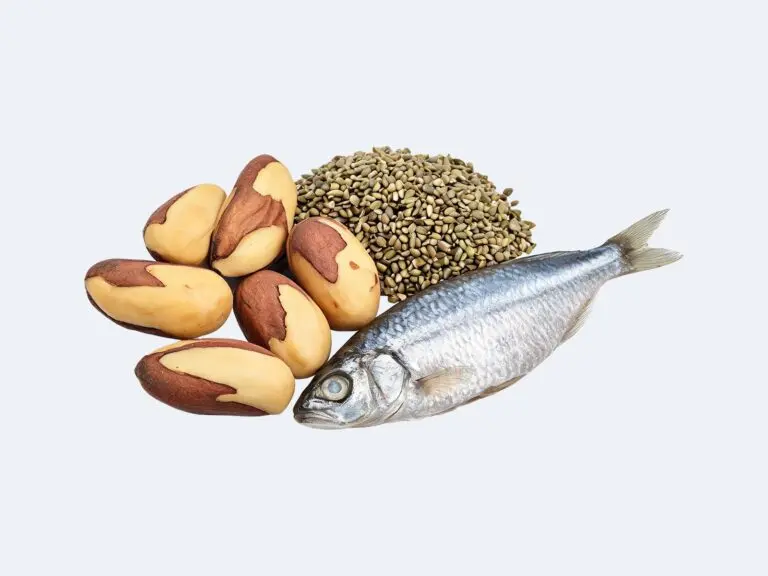
Lysine
Most adults eat well above the lysine they need, and the best-known use, cold sores, has no support from a Cochrane review. Here is what 27 studies, the WHO and US requirements, and the food rankings say, and what is known about safe doses.
Top source: chicken breast, 2.44 g per 4 oz (113 g)
Top source: sardines, 2.26 g per 100 g
Amino Acids
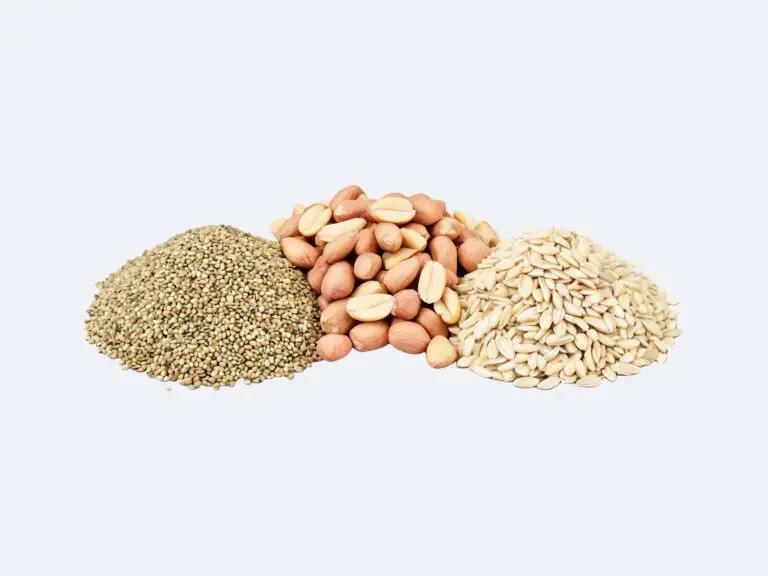
Methionine
Methionine is an essential amino acid. The average American already eats about 1.8 g a day, more than twice the WHO’s need for a 70 kg adult. Here is what 19 studies and reports say about homocysteine, supplements, paracetamol overdose, vegan diets and how much is too much.
Top source: sardines, 0.67 g per 1 can (92 g)
Top source: brazil nuts, 1.12 g per 100 g
Amino Acids
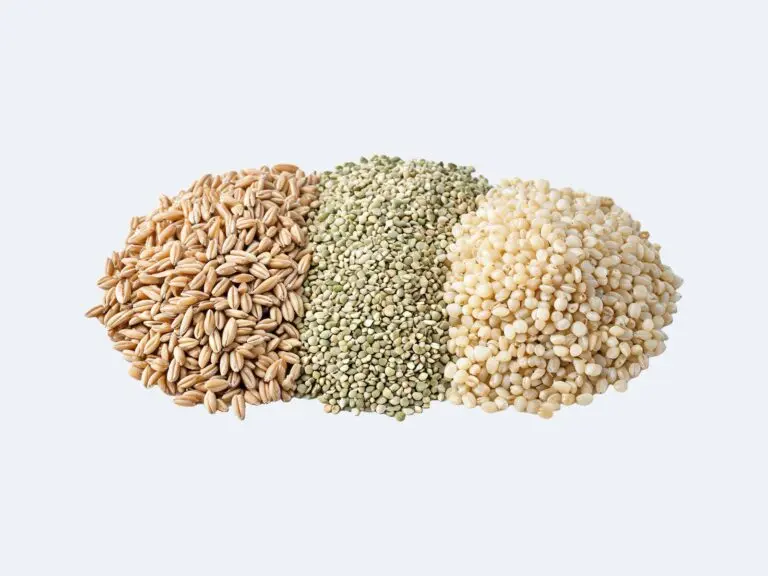
Phenylalanine
Phenylalanine is an essential amino acid that most people get plenty of. But in people born with PKU it builds up and harms the brain, which newborn screening is designed to catch. Here is what 20 studies and reports say about PKU drugs and diets, the aspartame warning, foods, supplements and how much you need.
Top source: soybeans, 1.49 g per 1 cup (172 g)
Top source: pumpkin seeds, 1.73 g per 100 g
Amino Acids
Proline
Proline is an amino acid your body makes itself, and a main building block of collagen. Meta-analyses of collagen peptide trials favor them for skin hydration and knee pain, but we found no trial of proline pills in healthy people.
Top source: soybeans, 1.68 g per 1 cup (172 g)
Top source: spelt, 1.63 g per 100 g
Amino Acids
Serine
Serine is a non-essential amino acid: your body makes it from glucose and glycine. The average American takes in about 3.5 g a day from food and supplements. Here is what 30 studies say about nerve and eye disease, sleep, safety and the foods highest in it.
Top source: soybeans, 1.66 g per 1 cup (172 g)
Top source: hemp seeds, 1.71 g per 100 g
Amino Acids
Taurine
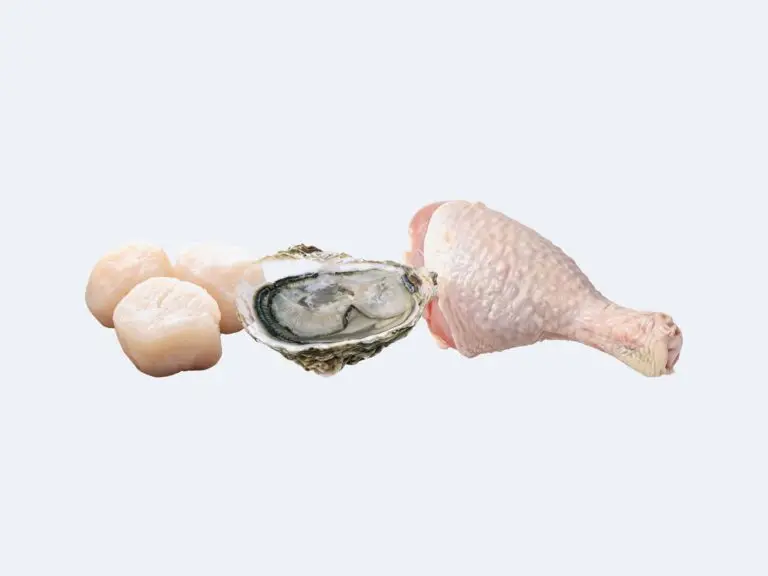
Taurine is not a protein amino acid. It is a sulfur compound that the body makes from cysteine, and meat, fish and shellfish supply it. A 2023 study said low taurine drives aging, but a 2025 study found no such fall in people. Small trials show a modest drop in blood pressure.
Amino Acids
Threonine
Threonine is an essential amino acid. According to EFSA, the gut uses 50% to 60% of what you eat, mainly to make its protective mucus. One chicken breast covers the daily need, and trials of threonine pills are few, small and mixed.
Top source: soybeans, 1.24 g per 1 cup (172 g)
Top source: hemp seeds, 1.27 g per 100 g
Amino Acids
Tryptophan
Tryptophan is the amino acid the body uses to make serotonin, melatonin and niacin, yet most of it takes another route. This page covers what trials found on sleep, mood and premenstrual symptoms, the foods richest in it and the 1989 supplement outbreak.
Top source: soybeans, 0.42 g per 1 cup (172 g)
Top source: pumpkin seeds, 0.58 g per 100 g
Amino Acids
Tyrosine
Tyrosine is the amino acid your body makes from phenylalanine and uses to build dopamine, norepinephrine, thyroid hormones and melanin. This page covers what trials found on stress, sleep loss and cold, the foods richest in it and how much has been tested for safety.
Top source: soybeans, 1.08 g per 1 cup (172 g)
Top source: hemp seeds, 1.26 g per 100 g
Amino Acids
Valine
Valine is an essential amino acid that muscles break down first, and our food ranking is led by hemp seeds (1.78 g per 100 g). Almost every trial tests it inside a BCAA blend, so this page keeps the two apart and says what 19 studies found.
Top source: soybeans, 1.43 g per 1 cup (172 g)
Top source: hemp seeds, 1.78 g per 100 g


