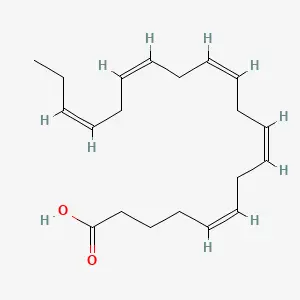
Eicosapentaenoic acid (EPA, 20:5 n-3) is a long-chain omega-3 fat, a chain of 20 carbons with five double bonds. It comes mostly from the sea, from oily fish and from the microalgae that fish eat.
The body can make a little from plant ALA. A review of tracer studies put the share at about 5% for EPA and under 0.5% for DHA in healthy adults. The NIH (the US National Institutes of Health) calls ALA the only essential omega-3. So EPA is a nutrient to get from food or supplements, not one you must have.
In the body, EPA sits in cell membranes and travels in blood fats. It is also the starting material for signaling molecules such as resolvin E1, which calmed inflammation in cell and animal experiments.
EPA is also a medicine. Icosapent ethyl, a purified EPA ethyl ester, is approved in the US for some adults with raised triglycerides who take a statin. It lowers their risk of heart attack and stroke. It is also approved to lower triglycerides of 500 mg/dL or more.
Most readers do not know that the big heart trials disagree. In REDUCE-IT, 4 g a day of pure EPA cut major heart events from 22.0% to 17.2% against a mineral oil placebo (dummy). In STRENGTH, 4 g a day of an EPA and DHA mix did no better than corn oil.
Whether the gap comes from EPA against DHA, from the placebo oils, or from chance is still argued. The study cards below give both sides. Pregnancy and brain questions belong to DHA, so for those see our page on DHA.
Health benefits of EPA
The top findings from 35 studies, strongest evidence first
What the stars mean
- Strong. Several randomized trials, pooled in a meta-analysis, point the same way, or regulators (FDA or EFSA) have approved the claim.
- Moderate. Good randomized trials support it, but there are fewer of them, or their results vary.
- Limited. Small, short or single trials, or mixed results. Promising, but it needs confirmation.
Population and lab studies get no stars: they show a link or a mechanism, not proof.
How we rate evidence →- ★★★Omega-3 capsules lowered triglycerides but not deathsCapsules of EPA and DHA together cut blood fats called triglycerides by about 15% across 86 trials (162,796 people). Deaths from any cause changed little (0.97 times as high).
- ★★★More atrial fibrillation with omega-3 pillsIn 7 large trials, pills with marine omega-3 fats raised the risk of atrial fibrillation (an irregular heartbeat) to 1.25 times as high. It was 1.49 times in trials of more than 1 g a day.
- ★★★EU allows heart, triglyceride and blood pressure claimsEPA and DHA together contribute to normal heart function at 250 mg a day, normal triglycerides at 2 g and blood pressure at 3 g. The claims name both fats, not EPA alone, and are not about preventing heart attacks.
- ★★Mixed results on heart eventsIn statin users with high triglycerides, 4 g a day of purified EPA cut major heart events from 22.0% to 17.2% (REDUCE-IT). Pills mixing EPA and DHA did not cut events at 4 g a day (STRENGTH) or 1 g a day in diabetes (ASCEND).
- ★★Lower triglycerides with a purified EPA drugIn 229 people with very high triglycerides, 4 g a day cut them by 33.1% beyond placebo over 12 weeks. In 702 statin users with raised levels, 4 g cut them 21.5% more than placebo.
All 28 studies, strongest evidence first
Omega-3 fats cut triglycerides about 15%, but not deaths
This Cochrane review pooled 86 randomized trials in 162,796 people, each lasting at least 12 months. Most gave capsules with 0.5 g to more than 5 g a day of EPA and DHA together. Deaths from any cause were 0.97 times as high, high-certainty evidence of little or no difference. Coronary heart disease events were slightly fewer (0.91 times), with low certainty, and the triglyceride drop grew with dose. The review found little evidence on eating fish, and it does not test EPA on its own.
The EU allows a heart function claim at 250 mg a day
The claim reads: “EPA and DHA contribute to the normal function of the heart”. It is listed in Regulation (EU) No 432/2012, based on a 2010 EFSA opinion. It may be used only on a food that is at least a source of EPA and DHA. The label must say the benefit comes with a daily intake of 250 mg of EPA and DHA together. It names the two together, not EPA alone, and it is about heart function, not about preventing heart attacks.
EU claims: normal triglycerides at 2 g, blood pressure at 3 g
Both claims cover EPA and DHA together and are in Regulation (EU) No 432/2012. A food must provide that daily amount to carry them. Supplements and fortified foods with these claims must warn not to exceed 5 g a day of supplemental EPA and DHA combined. The claims must not be used for foods aimed at children, and the amounts are far above the 250 mg of the heart claim.
More atrial fibrillation with omega-3 pills, especially above 1 g
This meta-analysis pooled 7 large heart trials with 81,210 people that lasted at least a year, with a weighted follow-up of 4.9 years. Overall, the risk of atrial fibrillation (an irregular heartbeat) was 1.25 times as high. It was 1.12 times in trials of 1 g a day or less, and 1.49 times in trials testing more. Each extra gram a day raised it by a factor of 1.11. It pools marine omega-3 products as a class, so the figure cannot be assigned to EPA alone.
Pure EPA cut major heart events from 22.0% to 17.2%
In REDUCE-IT, 8,179 statin-treated people with high triglycerides took icosapent ethyl or a placebo for a median 4.9 years. The dose was 4 g a day of this purified EPA ethyl ester, taken as 2 g twice a day. The risk of the main outcome was 0.75 times as high, and cardiovascular death was 4.3% against 5.2% (0.80). Hospital stays for atrial fibrillation or flutter were more common, 3.1% against 2.1%, and serious bleeding was 2.7% against 2.1%. Amarin funded the trial, and critics have asked whether its mineral oil placebo made the comparison look better (see the cohort study below).
4 g of EPA plus DHA daily did not cut heart events
In STRENGTH, 13,078 statin-treated people at high risk took the study product or corn oil. It was a carboxylic acid (free fatty acid) form of EPA and DHA, so this does not test EPA alone. The main outcome occurred in 785 people (12.0%) on omega-3 and 795 (12.2%) on corn oil (0.99 times the risk). The trial was stopped early for a low chance of benefit. Gut side effects were more common, 24.7% against 14.7%.
1,800 mg of EPA with a statin cut major coronary events 19%
JELIS was an open-label trial (people knew their group) in 18,645 Japanese adults with high cholesterol, where fish intake is high. Over 4.6 years, events were 262 (2.8%) in the EPA group and 324 (3.5%) in controls. The gain came from non-fatal events and unstable angina; sudden cardiac death and coronary death did not differ. In people with no earlier coronary disease, the 18% reduction could have been chance.
1,800 mg of icosapent ethyl a day did not clearly lower events
This open-label trial enrolled 2,506 Japanese statin users with coronary disease and a low EPA to arachidonic acid ratio. Over a median of 5 years, the main outcome occurred in 9.1% of the EPA group and 12.6% of controls. That is 0.79 times the risk, just short of the usual test for a clear result. Coronary events were lower with EPA (6.6% against 9.7%, 0.73 times). New atrial fibrillation was more common with EPA, 3.1% against 1.6%.
1 g of marine omega-3 daily did not cut heart events
In VITAL, 25,871 US adults without heart disease or cancer took a marine omega-3 mix or placebo for 5.3 years. The trial also tested vitamin D. The risk of major cardiovascular events was 0.92 times as high, a difference that could be chance. Total heart attacks were fewer in a secondary analysis (0.72 times), while stroke, cardiovascular death and cancer did not differ. No extra bleeding was seen.
1 g of omega-3 daily did not cut events in diabetes
In ASCEND, 15,480 people with diabetes but no heart disease took the capsules or olive oil for 7.4 years. A serious vascular event occurred in 689 people (8.9%) on omega-3 and 712 (9.2%) on placebo (0.97 times the rate). Death from any cause was 9.7% against 10.2%. Serious side effects did not differ.
1.8 g of EPA plus DHA did not prevent repeat heart events
The 1,014 people, aged 70 to 82, had had a heart attack. For 2 years they took capsules with 930 mg EPA and 660 mg DHA, or corn oil. The main outcome occurred in 21.4% on omega-3 and 20.0% on placebo (1.08 times the risk). New atrial fibrillation was 7.2% against 4.0%, a gap that could be chance. Major bleeding was the same, 10.7% against 11.0%.
EPA plus DHA pills lowered heart attack risk, more at higher doses
This meta-analysis pooled 40 trials with 135,267 people, published before August 2019, so it predates STRENGTH. The risk of heart attack was 0.87 times as high, and 0.65 times for fatal heart attack. Coronary heart disease events were 0.90 times as high, but total cardiovascular events were not clearly lower (0.95). The effect rose with dose for cardiovascular events and heart attack.
4 g of EPA cut very high triglycerides 33.1% beyond placebo
229 people with triglycerides of 500 to 2,000 mg/dL took the study drug or placebo for 12 weeks. The drug (AMR101, later sold as icosapent ethyl) held at least 96% EPA ethyl ester and no DHA. The 2 g dose lowered triglycerides 19.7%, and above 750 mg/dL the 4 g drop was 45.4%. LDL cholesterol did not rise significantly (−2.3% at 4 g). The abstract notes that fish oils with both EPA and DHA can raise it in this group.
4 g of icosapent ethyl cut triglycerides 21.5% more than placebo
702 statin-treated people had triglycerides of 200 mg/dL or more (but under 500). They took 4 g or 2 g a day, or placebo, for 12 weeks. The 2 g dose lowered triglycerides by 10.1%. LDL cholesterol also fell (6.2% at 4 g), as did apolipoprotein B (9.3%) and high-sensitivity C-reactive protein (22.0%). Side effects looked like placebo.
DHA raised LDL cholesterol by 7.23 mg/dL, while EPA did not
This meta-analysis pooled placebo-controlled trials of EPA alone (10) and DHA alone (17), and 6 head-to-head trials. Both lowered triglycerides, with a larger fall for DHA in direct comparisons. DHA also raised HDL (4.49 mg/dL), and EPA did not. The authors say the reason and the meaning of these differences need more research.
Omega-3 fats gave a small, probably not meaningful benefit in depression
This Cochrane review covered 35 trials in adults with major depression. In 34 placebo trials with 1,924 people, omega-3 supplements lowered depression scores by a standardized mean difference of 0.40. That is about 2.5 points on the 17-item Hamilton scale, below the 3.0-point minimal important change. Certainty was very low, and the authors think the estimate may lean positive. Remission (odds ratio 1.13) and response (1.20) did not differ from placebo.
Omega-3 products with at least 60% EPA eased depression
This meta-analysis pooled 26 double-blind placebo trials with 2,160 people and found a small overall benefit (standardized mean difference −0.28). Pure-EPA products scored −0.50 at EPA doses of 1 g a day or less. Products with at least 60% EPA scored −1.03 at the same doses, 1 g a day or less. DHA-pure and DHA-major products showed no benefit. The EPA finding is a subgroup result, and the authors call for dose-response trials.
1 g of fish oil daily slightly raised depression risk
It did not prevent depression. For 5.3 years, 18,353 adults aged 50 and older took capsules with 465 mg EPA and 375 mg DHA, or placebo. Depression or clinically relevant symptoms occurred in 651 people on omega-3 and 583 on placebo, 1.13 times the risk. Mood scores did not differ (0.03 points on the PHQ-8). The trial tested prevention in mostly people with no depression history, not treatment of people who are depressed.
Marine oil pills eased arthritis pain a little, mainly in rheumatoid arthritis
This review covered 42 trials of marine oil supplements in arthritis, and thirty had complete pain data. Overall, pain eased by a standardized mean difference of −0.24. It was −0.21 in 22 rheumatoid arthritis trials, and no clear effect in 5 osteoarthritis trials. The authors rate the evidence low quality overall and moderate in rheumatoid arthritis. Doses and EPA to DHA ratios differ between trials, so EPA alone is not tested.
2 g of EPA a day did not prevent new bowel polyps
In this 2 × 2 trial, 709 people at high risk of bowel polyps took EPA or placebo for 12 months. The trial also tested 300 mg of aspirin a day. New adenomas (polyps) were found in 61% on placebo, 63% on EPA, 61% on aspirin and 61% on both. EPA against placebo (63% against 61%) gave 0.98 times the risk, so no clear effect. Both treatments were well tolerated, though gut side effects were more common with EPA alone.
4 g of icosapent ethyl a day shrank soft plaque 17%
80 statin users with high triglycerides had coronary CT scans at the start, 9 and 18 months. Over 18 months, low-attenuation (soft) plaque more than doubled on placebo, a rise of 109%. Fibrous and fibrofatty plaque also regressed on icosapent ethyl and progressed on placebo, while dense calcium did not differ. The trial was small, and plaque on a scan is a stand-in for heart events.
1 g of ethyl-EPA a day beat placebo in hard-to-treat depression
70 people still depressed on antidepressants added pure ethyl-eicosapentaenoate at 1, 2 or 4 g a day, or placebo, for 12 weeks. It beat placebo on all three rating scales. A 50% drop in the Hamilton score occurred in 9 of 17 people (53%) on 1 g against 5 of 17 (29%) on placebo. The 2 g group showed little benefit, and the 4 g group gains that could be chance. So more was not better, and each group was small.
Mostly-EPA capsules showed only a trend in 432 depressed adults
Adults with a major depressive episode took 1,050 mg EPA and 150 mg DHA a day, or placebo, for 8 weeks. The placebo was sunflower oil with 2% fish oil. The difference was 1.32 points on the self-report scale, which could be chance. In a planned subgroup of 204 people without an anxiety disorder, it was 3.17 points, a clearer difference.
2 g of EPA daily cut polyps 22.4% in a rare disease
55 people with familial adenomatous polyposis, a rare inherited condition, took enteric-coated EPA free fatty acid or placebo for 6 months. The sum of rectal polyp diameters fell 29.8%, while polyp burden worsened on placebo. EPA in the bowel lining rose 2.6-fold. The result cannot be applied to other people, and the later trial in people with ordinary adenomas (above) found no effect.
Omega-3 capsules raised EPA in artery plaque, linked to less inflammation
121 people awaiting carotid surgery took mixed n-3 ethyl esters (EPA with DHA) for a median of 21 days before surgery. Their plaques had fewer foam cells and lower messenger RNA for several inflammation genes. But overall plaque stability did not differ between groups. More plaque EPA went with less inflammation, but that link came from comparing people, so it does not prove cause.
A review found no consistent effect of the mineral oil placebo
This review of 80 studies asked whether the mineral oil placebo in REDUCE-IT could explain the result. Side effects were mostly gut-related, like a laxative. Effects on triglycerides, LDL and HDL cholesterol, C-reactive protein, inflammation markers and drug absorption were inconsistent and generally small. The authors conclude mineral oil does not meaningfully affect the trial’s conclusions. But several authors work for Amarin, the maker of icosapent ethyl, so the review is not independent of the trial it defends.
Highest EPA, DPA and DHA levels: 15 to 18% fewer deaths
This pooled analysis of 17 cohorts followed 42,466 people for a median 16 years, with 15,720 deaths. It compared the highest and lowest fifth of blood long-chain omega-3 levels, adjusted for risk factors. Similar links held for death from cardiovascular disease, cancer and other causes, and none appeared for plant ALA. Blood levels reflect fish and supplement intake but also other habits, and the analysis combines three fats, so it cannot single out EPA.
The mineral oil placebo may explain part of REDUCE-IT’s result
This Danish cohort study, a model rather than a trial, mimicked both trials in 106,088 people. It applied the changes in triglycerides, LDL cholesterol and C-reactive protein seen with each trial’s active and comparator oils. Mimicking REDUCE-IT gave 0.88 times the risk, against 0.75 in the trial; mimicking STRENGTH gave 0.96, against 0.99 observed. The authors say the placebo may explain part of the result, but not all. The unexplained extra 13% reduction likely comes from other effects of EPA or mineral oil.
Foods high in EPA
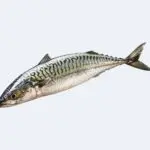
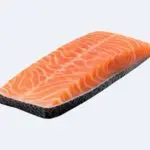
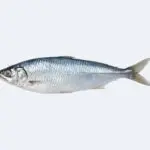
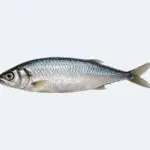
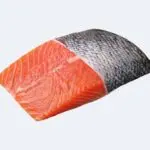
EPA comes almost only from the sea. In our USDA ranking per serving, mackerel leads with 1.01 g in one fillet (112 g). Farmed Atlantic salmon follows with 0.73 g in 3 oz, then herring with 0.6 g in 3 oz. A can of sardines gives 0.44 g, and oysters 0.37 g in 3 oz.
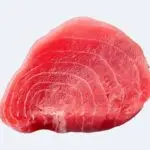
Per 100 g the order is mackerel 0.9 g, farmed salmon 0.86 g, herring 0.71 g, sardines 0.47 g and oysters 0.44 g. Per 100 kcal, oysters lead with 0.54 g. Lower down, shrimp gives 0.11 g in 3 oz, tuna 0.06 g and cod 0.05 g. So tuna has about a twelfth of the EPA in the same weight of farmed salmon (our arithmetic).
Farmed against wild: farmed Atlantic salmon has 0.86 g per 100 g in our ranking and wild Atlantic salmon 0.32 g. The NIH says farmed fish usually hold more EPA and DHA than wild fish, but it depends on the feed. In Scottish farmed salmon, EPA and DHA fell significantly between 2006 and 2015, when marine feed ingredients were replaced.
Plants contain no EPA. The NIH lists plant sources of ALA such as flaxseed oil, chia seeds and walnuts. The body turns only a small share into EPA (see How EPA works). Algae are the original source, because fish get their EPA by eating them.
Cooking changes it. In one study of Pacific saury, grilled fish kept 87% of its EPA and pan-fried fish 77%, but deep-fried fish only 51%. That was mostly because fat moved into the frying oil, not because it broke down. It is one species, and baking and steaming were not tested there.
Our arithmetic for realistic amounts: EFSA’s adequate intake is 250 mg of EPA and DHA together. One 3 oz serving of farmed salmon holds 730 mg of EPA alone in the ranking. Reaching REDUCE-IT’s 4 g a day from salmon would take about 5.5 servings a day. That is one reason the trial used a purified drug.
The NIH reports that US adults get about 90 mg a day of EPA plus DHA from food (NHANES 2011 to 2012).
Per serving. No daily amount is set, so bars compare each food with the top food.
Per 100 g. No daily amount is set, so bars compare each food with the top food.
Per 100 kcal: the same calories of each food, for a fair comparison. Bars compare each food with the top food.
Food labels have no Daily Value or Reference Intake for eicosapentaenoic acid, so the % compares each food with the top food.
- 1.
- 2.
- 3.
- 4.
- 5.

- 6.
- 7.

- 8.
- 9.

- 10.



- 1.
- 2.
- 3.
- 4.
- 5.
- 6.
- 7.
- 8.
- 9.
- 10.
- 1.
- 2.
- 3.
- 4.
- 5.
- 6.
- 7.
- 8.
- 9.
- 10.
Sources
- FoodData Central. US Department of Agriculture, Agricultural Research Service. Values as shown in the ranking above.
- National Institutes of Health, Office of Dietary Supplements. Omega-3 fatty acids: fact sheet for health professionals. Updated August 22, 2025.
- Cheung LK, Tomita H, Takemori T. Mechanisms of Docosahexaenoic and Eicosapentaenoic Acid Loss from Pacific Saury and Comparison of Their Retention Rates after Various Cooking Methods. J Food Sci. 2016.
- EFSA Panel on Dietetic Products, Nutrition and Allergies (NDA). Scientific opinion on Dietary Reference Values for fats, including saturated fatty acids, polyunsaturated fatty acids, monounsaturated fatty acids, trans fatty acids, and cholesterol. EFSA J. 2010.
How EPA works
Much of this section comes from tracer studies, test tubes, cells and mice. What extra EPA does in people is tested in the study cards above.
Four ideas cover it. The body makes little EPA from plants, and EPA is packed into membranes and plaque. It becomes signals that calm inflammation and platelets. And it lowers triglycerides by cutting the liver’s output of fat particles.
Here is each one, and what has been seen in people.
The omega-3 chain from plant ALA to EPA, DPA and DHA, simplified. Not to scale.
The body makes little EPA from plants
In healthy adults who were not vegetarian, a review of tracer studies put ALA conversion at about 5% to EPA. It put conversion to DHA under 0.5%. It concluded that even large amounts of ALA have a negligible effect on blood DHA.
A tracer study in young women found more. Of a 700 mg dose of labeled ALA, an estimated 21% ended up as EPA, 6% as DPA and 9% as DHA.
In six young men, the same kind of dose was followed for 21 days. No labeled DHA appeared, and EPA and DPA were the main products.
An ISSFAL review adds that ALA supplements raise EPA and DPA in the blood but not DHA, and that EPA supplements do little for DHA.
Share of plant ALA converted to EPA and DHA, drawn to scale. Green bars are EPA and orange bars are DHA. The two tracer studies followed labeled ALA for 21 days in six men and in young women.
It is packed into membranes and plaque
After a meal, fat-splitting enzymes in the gut free EPA from its carrier. How well that works depends on the form (see Forms of EPA). In the blood, EPA is spread more evenly than DHA across triglycerides, cholesterol esters and phospholipids. DHA goes mostly into triglycerides.
Red blood cell membranes take EPA up, and the share of EPA plus DHA there is called the omega-3 index. In 121 people awaiting carotid surgery, a few weeks of omega-3 capsules raised the EPA in artery plaque. Plaques richer in EPA showed less inflammation.
It becomes signals that calm inflammation and platelets
EPA is the raw material for a family of lipid signals. One, resolvin E1, was identified in human plasma and made in the lab. At nanomolar levels it reduced skin inflammation and peritonitis in lab experiments. It works through a receptor called ChemR23 to switch down NF-kappaB, a master switch of inflammation.
In 1978 Dyerberg and colleagues reported that EPA, unlike arachidonic acid, does not clump human platelets in a test tube. The likely reason is that thromboxane A3 is not a platelet aggregator. A 2025 study found that EPA competes with arachidonic acid at COX-1, the enzyme that aspirin blocks. This lowered platelet activity and clots in mice and in people with heart disease.
Three things EPA is thought to do to inflammation and platelets, from cell, test-tube and mouse studies. Not to scale.
It lowers triglycerides
A systematic review of human studies found how EPA and DHA lower fasting triglycerides. They mainly reduce the liver’s output of very-low-density lipoprotein (VLDL) triglyceride, probably by burning more fat in the liver rather than holding it there. After a meal they also speed the clearing of fat particles, through more lipoprotein lipase activity.
That review saw no clear difference between EPA and DHA in how they affect triglyceride turnover. A meta-analysis of direct comparisons found a larger triglyceride fall with DHA. The icosapent ethyl label says studies suggest the same: less VLDL triglyceride made or released, and faster clearance from the blood.
What has been seen in people
The triglyceride effect is the most reliable one. In two 12-week trials of icosapent ethyl, triglycerides fell more with the 4 g dose than the 2 g dose. The Cochrane review found about a 15% fall across omega-3 trials. The chart puts them on one scale.
Fall in triglycerides against placebo, in percent, drawn to scale. Orange bars are 12-week trials of icosapent ethyl, a pure EPA ethyl ester. The green bar is the Cochrane average across omega-3 trials and is approximate.
The mechanisms do not settle the heart question. Lower triglycerides, calmer plaque and less platelet activity all fit the benefit seen in REDUCE-IT and JELIS. Yet STRENGTH, VITAL and ASCEND found none, and a STRENGTH analysis found no link between the EPA level reached and events.
The platelet study offers one possible reason for the split. Some patients took 2 g of EPA twice a day. Switching them to 1 g of fish oil, with 460 mg EPA and 380 mg DHA, blunted the platelet effect. That is an explanation the authors offer, not a proven cause.
Sources
- Brenna JT, Salem N Jr, Sinclair AJ, et al. alpha-Linolenic acid supplementation and conversion to n-3 long-chain polyunsaturated fatty acids in humans. Prostaglandins Leukot Essent Fatty Acids. 2009.
- Burdge GC, Wootton SA. Conversion of alpha-linolenic acid to eicosapentaenoic, docosapentaenoic and docosahexaenoic acids in young women. Br J Nutr. 2002.
- Burdge GC, Jones AE, Wootton SA. Eicosapentaenoic and docosapentaenoic acids are the principal products of alpha-linolenic acid metabolism in young men*. Br J Nutr. 2002.
- Plourde M, Cunnane SC. Extremely limited synthesis of long chain polyunsaturates in adults: implications for their dietary essentiality and use as supplements. Appl Physiol Nutr Metab. 2007.
- Oscarsson J, Hurt-Camejo E. Omega-3 fatty acids eicosapentaenoic acid and docosahexaenoic acid and their mechanisms of action on apolipoprotein B-containing lipoproteins in humans: a review. Lipids Health Dis. 2017.
- Lawson LD, Hughes BG. Human absorption of fish oil fatty acids as triacylglycerols, free acids, or ethyl esters. Biochem Biophys Res Commun. 1988.
- Davidson MH, Johnson J, Rooney MW, et al. A novel omega-3 free fatty acid formulation has dramatically improved bioavailability during a low-fat diet compared with omega-3-acid ethyl esters: the ECLIPSE (Epanova(®) compared to Lovaza(®) in a pharmacokinetic single-dose evaluation) study. J Clin Lipidol. 2012.
- Neubronner J, Schuchardt JP, Kressel G, et al. Enhanced increase of omega-3 index in response to long-term n-3 fatty acid supplementation from triacylglycerides versus ethyl esters. Eur J Clin Nutr. 2011.
- Cawood AL, Ding R, Napper FL, et al. Eicosapentaenoic acid (EPA) from highly concentrated n-3 fatty acid ethyl esters is incorporated into advanced atherosclerotic plaques and higher plaque EPA is associated with decreased plaque inflammation and increased stability. Atherosclerosis. 2010.
- Arita M, Bianchini F, Aliberti J, et al. Stereochemical assignment, antiinflammatory properties, and receptor for the omega-3 lipid mediator resolvin E1. J Exp Med. 2005.
- Dyerberg J, Bang HO, Stoffersen E, et al. Eicosapentaenoic acid and prevention of thrombosis and atherosclerosis?. Lancet. 1978.
- Mourikis P, Benkhoff M, Wildeis L, et al. Icosapent ethyl reduces arterial thrombosis by inhibition of cyclooxygenase-1-induced platelet reactivity. Sci Transl Med. 2025.
- Amarin Pharma. Vascepa (icosapent ethyl) capsules: prescribing information. US Food and Drug Administration label via DailyMed, revised March 2026.
- Bays HE, Ballantyne CM, Kastelein JJ, et al. Eicosapentaenoic acid ethyl ester (AMR101) therapy in patients with very high triglyceride levels (from the Multi-center, plAcebo-controlled, Randomized, double-blINd, 12-week study with an open-label Extension [MARINE] trial). Am J Cardiol. 2011.
- Ballantyne CM, Bays HE, Kastelein JJ, et al. Efficacy and safety of eicosapentaenoic acid ethyl ester (AMR101) therapy in statin-treated patients with persistent high triglycerides (from the ANCHOR study). Am J Cardiol. 2012.
- Abdelhamid AS, Brown TJ, Brainard JS, et al. Omega-3 fatty acids for the primary and secondary prevention of cardiovascular disease. Cochrane Database Syst Rev. 2020.
How much EPA do you need?
No daily amount is set for EPA on its own. EFSA’s adequate intake for adults is 250 mg a day of EPA and DHA together. The US National Academies set no value for EPA or DHA, only one for plant ALA (1.6 g for men and 1.1 g for women).
Trial and treatment doses are far higher. JELIS used 1.8 g a day, and REDUCE-IT and the US prescription label 4 g a day of icosapent ethyl.
| Source | Group | Value | Notes |
|---|---|---|---|
| EFSA 2010 | Adults | 250 mg a day of EPA plus DHA (adequate intake) | Set for the pair, not EPA alone. For pregnancy and breastfeeding EFSA adds 100 to 200 mg of preformed DHA, and for infants over 6 months and children under 24 months it sets 100 mg of DHA. |
| EFSA 2012 | Adults | 250 to 500 mg a day of EPA and DHA | Dietary recommendations based on cardiovascular risk for European adults, as quoted in the upper level opinion. |
| National Academies 2005, as listed by NIH ODS | Ages 1 and older | No value for EPA or DHA | The adequate intake and the range of 0.6% to 1.2% of energy are for ALA, and about 10% of that range can be eaten as EPA and DHA. Our arithmetic for a 2,000 kcal diet: 0.06% to 0.12% of energy, about 130 to 270 mg. |
| American Heart Association 2019 | Adults with raised triglycerides | 4 g a day of prescription EPA plus DHA or EPA only | A treatment dose, not an intake target: more than 3 g a day of total EPA plus DHA, judged an effective and safe option for lowering triglycerides. |
| US label, icosapent ethyl | Adults with triglycerides of 150 mg/dL or more and heart risk, or 500 mg/dL or more | 4 g a day, as 2 g twice daily with food | Prescription only. Swallow the capsules whole. |
Most people eat far less. US adults get about 90 mg a day of EPA plus DHA from food (NHANES 2011 to 2012, per the NIH). In a 2003 to 2008 survey, fish oil supplements added only about 20 mg of EPA and 10 mg of DHA to the average. That is because only some adults take them.
The NIH reports 7.8% of US adults used a fish oil or omega-3 supplement in 2012.
EPA is not on the short list of essential fatty acids, and we found no source that defines an EPA deficiency. The NIH says classic essential fatty acid deficiency, with rough scaly skin and dermatitis, is virtually nonexistent in healthy people in the US. It also says no cut-off blood level of EPA or DHA is known below which vision, nerve or immune function suffers.
The Japanese RESPECT-EPA trial picked people with an EPA to arachidonic acid ratio below 0.4. That was an entry rule for the trial, not a diagnosis. For pregnancy and infant needs, which are mostly about DHA, see our page on DHA.
Sources
- EFSA Panel on Dietetic Products, Nutrition and Allergies (NDA). Scientific opinion on Dietary Reference Values for fats, including saturated fatty acids, polyunsaturated fatty acids, monounsaturated fatty acids, trans fatty acids, and cholesterol. EFSA J. 2010.
- EFSA Panel on Dietetic Products, Nutrition and Allergies (NDA). Scientific opinion on the Tolerable Upper Intake Level of eicosapentaenoic acid (EPA), docosahexaenoic acid (DHA) and docosapentaenoic acid (DPA). EFSA J. 2012.
- National Institutes of Health, Office of Dietary Supplements. Omega-3 fatty acids: fact sheet for health professionals. Updated August 22, 2025.
- Skulas-Ray AC, Wilson PWF, Harris WS, et al. Omega-3 Fatty Acids for the Management of Hypertriglyceridemia: A Science Advisory From the American Heart Association. Circulation. 2019.
- Amarin Pharma. Vascepa (icosapent ethyl) capsules: prescribing information. US Food and Drug Administration label via DailyMed, revised March 2026.
- Miyauchi K, Iwata H, Nishizaki Y, et al. Randomized Trial for Evaluation in Secondary Prevention Efficacy of Combination Therapy-Statin and Eicosapentaenoic Acid (RESPECT-EPA). Circulation. 2024.
- Yokoyama M, Origasa H, Matsuzaki M, et al. Effects of eicosapentaenoic acid on major coronary events in hypercholesterolaemic patients (JELIS): a randomised open-label, blinded endpoint analysis. Lancet. 2007.
- Bhatt DL, Steg PG, Miller M, et al. Cardiovascular Risk Reduction with Icosapent Ethyl for Hypertriglyceridemia. N Engl J Med. 2019.
Forms of EPA: absorption and effects
EPA reaches people in several forms. There are triglycerides (the natural form in fish oil) and ethyl esters (used in concentrates and in the drug icosapent ethyl). There are also re-esterified triglycerides, free fatty acids, phospholipids (krill oil), algal oil, and whole fish. Most comparisons measure how much EPA and DHA reach the blood, not health outcomes.
The honest bottom line: every form raises blood EPA, and ethyl esters absorb worst when a meal has little fat. We found no trial that compared forms for heart events, depression or any other health result. The idea that krill oil is better absorbed has mixed support: one small trial found a gain, and two larger ones found no clear difference.
The forms used in the key trials were these. JELIS used 1,800 mg of EPA a day. REDUCE-IT and the icosapent ethyl studies used the purified EPA ethyl ester, and STRENGTH used an EPA and DHA free fatty acid product.
The polyp trials used 2 g of EPA a day. It was a free fatty acid in the first trial, and a free fatty acid or triglyceride in the larger one.
The depression trial of Peet and Horrobin used ethyl-EPA. Those are not interchangeable with a typical fish oil capsule. The NIH says such a capsule holds about 180 mg of EPA and 120 mg of DHA in 1,000 mg of oil.
| Form | What it is | What studies show | Source |
|---|---|---|---|
| Natural triglycerides (fish body oil) | EPA bound to glycerol, as in fish | In a single-dose test in 8 men, EPA from triglycerides was absorbed 68% as well as from free acids. In a 2-week trial of about 3.3 g a day of EPA plus DHA, the natural oil is the 100% mark the other forms were compared against. A typical capsule holds about 180 mg EPA and 120 mg DHA per 1,000 mg of oil. | 12, 1, 2 |
| Ethyl esters (concentrates, icosapent ethyl) | EPA bound to ethanol instead of glycerol | Absorbed least in the single-dose test (20% of free acid) and in the 2-week trial (73%). In 150 adults over 6 months at the same dose, the omega-3 index rose 171% with ethyl esters against 197% with re-esterified triglycerides. On a low-fat diet an EPA plus DHA ethyl ester product gave about 4 times less exposure than a free fatty acid product (1.3 times less with a high-fat meal). The prescription label says take icosapent ethyl with food. | 2, 1, 3, 5, 6, 13 |
| Re-esterified triglycerides | Ethyl esters converted back to triglycerides | Absorbed at 124% of natural fish oil in 2 weeks. In statin-treated people over 6 months, triglycerides fell against placebo with this form but not with ethyl esters, though the two forms did not differ from each other. | 1, 3, 4 |
| Free fatty acids | EPA with no carrier | Well absorbed in the single-dose test (95% or more) and at 91% of natural oil in the 2-week trial. Used at 2 g of EPA a day in the polyp trials: fewer polyps in an inherited form (familial adenomatous polyposis), no effect in people with ordinary adenomas. | 2, 1, 5, 16, 17 |
| Phospholipids (krill oil) | EPA mostly bound to phospholipids | Mixed. At the same 1.3 g a day of EPA plus DHA, plasma levels after 4 weeks did not differ significantly from fish oil. In 113 adults krill oil gave similar changes at 63% of the fish oil dose. In 24 adults krill oil raised the omega-3 index more, in a trial where two authors work for the krill supplier. The NIH says studies disagree. | 7, 8, 9, 12 |
| Algal oil | EPA and DHA from microalgae, mostly as triglycerides | Non-inferior to fish oil for plasma EPA and DHA in 74 adults at 6 and 14 weeks, in a trial by employees of the maker. The NIH says algal oil usually gives 100 to 300 mg of DHA and some products also contain EPA. | 10, 12 |
| Whole oily fish | Salmon, tuna and other fish | Two servings of salmon and albacore tuna a week (about 485 mg a day of EPA plus DHA) raised red cell EPA plus DHA as much as capsules over 16 weeks in a small trial. | 11 |
| Cod liver oil | Oil with vitamin A and vitamin D | The NIH says cod liver oil supplements provide vitamin A and vitamin D in addition to omega-3s. We found no outcome trial that compared it with other forms. | 12 |
| Pure EPA against EPA plus DHA | Icosapent ethyl against mixed products | In patients with heart disease, switching from 2 g of EPA twice a day to 1 g of fish oil with 460 mg EPA and 380 mg DHA blunted the platelet effect of EPA. In a US Veterans cohort, atrial fibrillation was similar with icosapent ethyl and with mixed omega-3 products (hazard ratio 1.15, 0.82 to 1.63). We found no randomized head-to-head trial for heart events. | 15, 14 |
Here are the head-to-head studies on forms, strongest evidence first, 7 in all.
All 7 studies, strongest evidence first
Krill oil, fish oil and ethyl esters gave similar blood levels
66 healthy adults took the same 1.3 g a day of EPA plus DHA from krill oil, fish oil triglycerides or fish oil ethyl esters. All three arms got about 816 mg EPA and 522 mg DHA a day for 4 weeks. Final plasma EPA plus DHA was 118.5 μg/mL for krill oil, 108 for fish oil triglycerides and 90.9 for ethyl esters. The gap could be chance, and red cell levels did not differ. The authors work for DSM Nutritional Products, which sells omega-3 oils.
The omega-3 index rose more with re-esterified triglycerides than ethyl esters
150 adults took 1.01 g EPA and 0.67 g DHA a day as re-esterified triglycerides or ethyl esters, or corn oil, for 6 months. The index rose 197% with re-esterified triglycerides and 171% with ethyl esters. After 3 months, the rise was 186% against 161%, a clear difference. A second paper on the same trial (Schuchardt et al., 2011) found fasting triglycerides fell against placebo with the re-esterified form only. But the two forms did not differ from each other.
Microalgal oil raised EPA and DHA about as well as fish oil
74 adults took microalgal oil, fish oil or placebo in a randomized, double-blind equivalence trial. After 6 and 14 weeks, plasma phospholipid levels showed microalgal oil was non-inferior to fish oil. Authors include employees of dsm-firmenich, which makes microalgal oil. The abstract gives no EPA and DHA doses.
Re-esterified triglycerides absorbed best (124%), ethyl esters worst (73%)
72 volunteers took about 3.3 g a day of EPA plus DHA for 2 weeks, compared with natural fish oil. Free fatty acids (91%) did not differ significantly from natural triglycerides. The placebo and concentrate arms were double-blind, but the fish body oil and cod liver oil arms were single-blind. It measured serum fats for only 2 weeks.
Krill oil raised the omega-3 index more than fish oil
In this crossover trial, 24 healthy adults took krill oil or fish oil, each giving 600 mg of omega-3 a day for 4 weeks. Red cell EPA plus DHA was higher with krill oil, and both oils raised LDL cholesterol compared with corn oil. Two authors work for Enzymotec, which supplied the krill oil. Two larger trials found no clear difference between krill and fish oil.
Two oily fish meals a week matched daily capsules
For 16 weeks, healthy women got an average 485 mg a day of EPA and DHA. It came from salmon and albacore tuna, or from 1 to 2 capsules. In the 11 women on fish, red cell EPA plus DHA rose from 4.0% to 6.2%. On capsules it rose from 4.3% to 6.2%. EPA in red cells rose faster with fish during the first 4 weeks.
Free fatty acid omega-3 absorbed 4.0 times better than ethyl ester
54 overweight adults on a low-fat diet took single 4 g doses of EPA plus DHA in a four-way crossover. With a high-fat meal, the gap shrank to 1.3-fold. The authors work for Omthera, which made the free fatty acid product. The ethyl ester tested was a mixed EPA and DHA drug, not purified EPA.
Sources
- Dyerberg J, Madsen P, Møller JM, et al. Bioavailability of marine n-3 fatty acid formulations. Prostaglandins Leukot Essent Fatty Acids. 2010.
- Lawson LD, Hughes BG. Human absorption of fish oil fatty acids as triacylglycerols, free acids, or ethyl esters. Biochem Biophys Res Commun. 1988.
- Neubronner J, Schuchardt JP, Kressel G, et al. Enhanced increase of omega-3 index in response to long-term n-3 fatty acid supplementation from triacylglycerides versus ethyl esters. Eur J Clin Nutr. 2011.
- Schuchardt JP, Neubronner J, Kressel G, et al. Moderate doses of EPA and DHA from re-esterified triacylglycerols but not from ethyl-esters lower fasting serum triacylglycerols in statin-treated dyslipidemic subjects: Results from a six month randomized controlled trial. Prostaglandins Leukot Essent Fatty Acids. 2011.
- Davidson MH, Johnson J, Rooney MW, et al. A novel omega-3 free fatty acid formulation has dramatically improved bioavailability during a low-fat diet compared with omega-3-acid ethyl esters: the ECLIPSE (Epanova(®) compared to Lovaza(®) in a pharmacokinetic single-dose evaluation) study. J Clin Lipidol. 2012.
- Offman E, Marenco T, Ferber S, et al. Steady-state bioavailability of prescription omega-3 on a low-fat diet is significantly improved with a free fatty acid formulation compared with an ethyl ester formulation: the ECLIPSE II study. Vasc Health Risk Manag. 2013.
- Yurko-Mauro K, Kralovec J, Bailey-Hall E, et al. Similar eicosapentaenoic acid and docosahexaenoic acid plasma levels achieved with fish oil or krill oil in a randomized double-blind four-week bioavailability study. Lipids Health Dis. 2015.
- Ulven SM, Kirkhus B, Lamglait A, et al. Metabolic effects of krill oil are essentially similar to those of fish oil but at lower dose of EPA and DHA, in healthy volunteers. Lipids. 2011.
- Ramprasath VR, Eyal I, Zchut S, et al. Enhanced increase of omega-3 index in healthy individuals with response to 4-week n-3 fatty acid supplementation from krill oil versus fish oil. Lipids Health Dis. 2013.
- Bailey E, Wojcik J, Rahn M, et al. Comparative Bioavailability of DHA and EPA from Microalgal and Fish Oil in Adults. Int J Mol Sci. 2025.
- Harris WS, Pottala JV, Sands SA, et al. Comparison of the effects of fish and fish-oil capsules on the n 3 fatty acid content of blood cells and plasma phospholipids. Am J Clin Nutr. 2007.
- National Institutes of Health, Office of Dietary Supplements. Omega-3 fatty acids: fact sheet for health professionals. Updated August 22, 2025.
- Amarin Pharma. Vascepa (icosapent ethyl) capsules: prescribing information. US Food and Drug Administration label via DailyMed, revised March 2026.
- Patil T, Gregory M, Savona N, et al. Evaluating the Real-World Safety of Icosapent Ethyl Versus Omega-3 Polyunsaturated Fatty Acid in Nationwide US Veterans Cohort: Examining Atrial Fibrillation and Bleeding Endpoints. Clin Drug Investig. 2025.
- Mourikis P, Benkhoff M, Wildeis L, et al. Icosapent ethyl reduces arterial thrombosis by inhibition of cyclooxygenase-1-induced platelet reactivity. Sci Transl Med. 2025.
- West NJ, Clark SK, Phillips RK, et al. Eicosapentaenoic acid reduces rectal polyp number and size in familial adenomatous polyposis. Gut. 2010.
- Hull MA, Sprange K, Hepburn T, et al. Eicosapentaenoic acid and aspirin, alone and in combination, for the prevention of colorectal adenomas (seAFOod Polyp Prevention trial): a multicentre, randomised, double-blind, placebo-controlled, 2 × 2 factorial trial. Lancet. 2018.
Is EPA safe? Supplements, dose and interactions
EPA from food is not a safety concern for most people. EFSA did not set an upper level for EPA, because the data were insufficient.
EFSA judged that long-term supplemental EPA and DHA combined, up to about 5 g a day, do not appear to raise bleeding risk. Nor do they appear to affect blood sugar, immune function or fat oxidation, if the oils are protected from oxidation. EFSA also found that supplemental EPA alone, up to 1.8 g a day, raises no safety concerns for adults.
The US National Academies set no upper level either. The NIH notes that FDA has found supplements with up to 5 g a day of EPA and DHA safe when used as recommended. Two large trials after those assessments found slightly more atrial fibrillation at 4 g a day, so the picture changed for high doses.
- Heart rhythm. A meta-analysis of 7 trials found 1.25 times the risk of atrial fibrillation with marine omega-3. It rose from 1.12 at 1 g a day or less to 1.49 above it. In REDUCE-IT, hospital stays for atrial fibrillation or flutter were 3.1% against 2.1%. The label says the risk was greater in people with a history of it. RESPECT-EPA saw new atrial fibrillation in 3.1% against 1.6%. In a US Veterans cohort, icosapent ethyl and mixed omega-3 users had similar rates (1.15 times), which could not rule out a modest difference. Tell your doctor before taking high doses if you have had atrial fibrillation.
- Bleeding and blood thinners. A meta-analysis of 11 trials with 120,643 people found no overall rise in bleeding with omega-3 (1.09 times the rate). But high-dose purified EPA went with a 50% higher relative risk, about 0.6 percentage points more bleeding in absolute terms. The label tells doctors to monitor people who also take anticoagulants or antiplatelet drugs. The NIH says most research finds 3 to 6 g a day of fish oil does not significantly change warfarin control. Yet package inserts still advise checking the INR (a clotting test) now and then.
- Side effects. The NIH lists a bad taste, bad breath, heartburn, nausea, stomach upset, diarrhea, headache and smelly sweat as the common, usually mild effects. In STRENGTH, gut events were 24.7% on 4 g a day of EPA plus DHA against 14.7% on corn oil. In the REDUCE-IT label, common effects were musculoskeletal pain, swelling of the legs, constipation, gout and atrial fibrillation.
- LDL cholesterol. EFSA found that EPA at up to 4 g a day has no significant effect on LDL cholesterol. EPA and DHA together at 2 to 6 g a day, and DHA at 2 to 4 g a day, raise it by about 3%. A meta-analysis found DHA raised LDL by 7.23 mg/dL against placebo, and EPA did not.
- Allergy, pregnancy, contaminants. The label says it is not known whether people with fish or shellfish allergy are at higher risk of a reaction. It also says data on use in pregnancy are insufficient. The NIH says omega-3 supplements have not been found to contain methyl mercury, because it is removed in processing. Cod liver oil adds vitamin A and vitamin D.
- Who should ask a doctor first. People who take blood thinners, who have had atrial fibrillation, or who are allergic to fish or shellfish. Also people who are pregnant or breastfeeding, or thinking of prescription-level doses. A 5.3-year trial of 1 g a day of fish oil also found slightly more depression, not less (1.13 times the risk). Those adults had no depression at the start.
How to get more EPA
- Eat oily fish. Mackerel gives 1.01 g in one fillet, and farmed Atlantic salmon 0.73 g in 3 oz. Herring gives 0.6 g in 3 oz, and a can of sardines 0.44 g. In a 16-week trial, 2 servings a week of salmon and albacore tuna worked as well as daily capsules. Both raised red cell EPA plus DHA alike, at about 485 mg a day on average.
- Grill or pan-fry rather than deep-fry. In Pacific saury, grilling kept 87% of the EPA and pan-frying 77%, while deep-frying kept 51%.
- Use algal or fish oil if you do not eat fish, and take it with a meal. Plant ALA converts to EPA at only about 5%, so flaxseed and walnuts are a weak route. Microalgal oil matched fish oil for plasma EPA and DHA in 74 adults. Ethyl ester products absorbed about 4 times worse on a low-fat diet than a free fatty acid product. So take them with food, as the label advises for icosapent ethyl.
Sources
- EFSA Panel on Dietetic Products, Nutrition and Allergies (NDA). Scientific opinion on the Tolerable Upper Intake Level of eicosapentaenoic acid (EPA), docosahexaenoic acid (DHA) and docosapentaenoic acid (DPA). EFSA J. 2012.
- National Institutes of Health, Office of Dietary Supplements. Omega-3 fatty acids: fact sheet for health professionals. Updated August 22, 2025.
- Amarin Pharma. Vascepa (icosapent ethyl) capsules: prescribing information. US Food and Drug Administration label via DailyMed, revised March 2026.
- Gencer B, Djousse L, Al-Ramady OT, et al. Effect of Long-Term Marine ɷ-3 Fatty Acids Supplementation on the Risk of Atrial Fibrillation in Randomized Controlled Trials of Cardiovascular Outcomes: A Systematic Review and Meta-Analysis. Circulation. 2021.
- Bhatt DL, Steg PG, Miller M, et al. Cardiovascular Risk Reduction with Icosapent Ethyl for Hypertriglyceridemia. N Engl J Med. 2019.
- Miyauchi K, Iwata H, Nishizaki Y, et al. Randomized Trial for Evaluation in Secondary Prevention Efficacy of Combination Therapy-Statin and Eicosapentaenoic Acid (RESPECT-EPA). Circulation. 2024.
- Kalstad AA, Myhre PL, Laake K, et al. Effects of n-3 Fatty Acid Supplements in Elderly Patients After Myocardial Infarction: A Randomized, Controlled Trial. Circulation. 2021.
- Patil T, Gregory M, Savona N, et al. Evaluating the Real-World Safety of Icosapent Ethyl Versus Omega-3 Polyunsaturated Fatty Acid in Nationwide US Veterans Cohort: Examining Atrial Fibrillation and Bleeding Endpoints. Clin Drug Investig. 2025.
- Javaid M, Kadhim K, Bawamia B, et al. Bleeding Risk in Patients Receiving Omega-3 Polyunsaturated Fatty Acids: A Systematic Review and Meta-Analysis of Randomized Clinical Trials. J Am Heart Assoc. 2024.
- Nicholls SJ, Lincoff AM, Garcia M, et al. Effect of High-Dose Omega-3 Fatty Acids vs Corn Oil on Major Adverse Cardiovascular Events in Patients at High Cardiovascular Risk: The STRENGTH Randomized Clinical Trial. JAMA. 2020.
- Wei MY, Jacobson TA. Effects of eicosapentaenoic acid versus docosahexaenoic acid on serum lipids: a systematic review and meta-analysis. Curr Atheroscler Rep. 2011.
- Okereke OI, Vyas CM, Mischoulon D, et al. Effect of Long-term Supplementation With Marine Omega-3 Fatty Acids vs Placebo on Risk of Depression or Clinically Relevant Depressive Symptoms and on Change in Mood Scores: A Randomized Clinical Trial. JAMA. 2021.
- Cheung LK, Tomita H, Takemori T. Mechanisms of Docosahexaenoic and Eicosapentaenoic Acid Loss from Pacific Saury and Comparison of Their Retention Rates after Various Cooking Methods. J Food Sci. 2016.
- Harris WS, Pottala JV, Sands SA, et al. Comparison of the effects of fish and fish-oil capsules on the n 3 fatty acid content of blood cells and plasma phospholipids. Am J Clin Nutr. 2007.
- Bailey E, Wojcik J, Rahn M, et al. Comparative Bioavailability of DHA and EPA from Microalgal and Fish Oil in Adults. Int J Mol Sci. 2025.
- Davidson MH, Johnson J, Rooney MW, et al. A novel omega-3 free fatty acid formulation has dramatically improved bioavailability during a low-fat diet compared with omega-3-acid ethyl esters: the ECLIPSE (Epanova(®) compared to Lovaza(®) in a pharmacokinetic single-dose evaluation) study. J Clin Lipidol. 2012.
- Plourde M, Cunnane SC. Extremely limited synthesis of long chain polyunsaturates in adults: implications for their dietary essentiality and use as supplements. Appl Physiol Nutr Metab. 2007.
- FoodData Central. US Department of Agriculture, Agricultural Research Service. Values as shown in the ranking above.
History of EPA
The modern story starts in Greenland. In 1971 the Danish researchers Hans Olaf Bang and Jørn Dyerberg, with A. B. Nielsen, published the plasma fat pattern of Greenlandic west-coast Eskimos, the term of the time, in The Lancet.
In 1978 Dyerberg, Bang and colleagues (Stoffersen, Moncada and Vane) proposed that EPA could protect against thrombosis (blood clots). It did not clump human platelets in a test tube, and the Greenlanders had high EPA and low arachidonic acid in their blood. They were also said to have a low incidence of myocardial infarction and a tendency to bleed.
The Greenland story is weaker than it sounds. A 2014 review looked at Greenland Eskimos and Canadian and Alaskan Inuit. Most studies found coronary artery disease as often in them as in non-Eskimo populations. It noted that Bang and Dyerberg’s 1970s studies did not examine how common coronary disease was, even though they are still cited as proof.
The EPA idea survived on other evidence. In 2000 Serhan and colleagues showed that EPA combined with aspirin yields new anti-inflammatory mediators. In 2005 Arita and colleagues identified resolvin E1 in human plasma, and its receptor.
The trials came later. JELIS, published in 2007, tested 1,800 mg a day of EPA with a statin in 18,645 Japanese adults and found 19% fewer major coronary events. REDUCE-IT reported in 2018 and 2019 that icosapent ethyl cut events in statin-treated people with high triglycerides. STRENGTH in 2020 found no benefit from an EPA and DHA product.
The current US label for icosapent ethyl, revised in March 2026, lists both the cardiovascular and the severe triglyceride uses.
Sources
- Bang HO, Dyerberg J, Nielsen AB. Plasma lipid and lipoprotein pattern in Greenlandic West-coast Eskimos. Lancet. 1971.
- Dyerberg J, Bang HO, Stoffersen E, et al. Eicosapentaenoic acid and prevention of thrombosis and atherosclerosis?. Lancet. 1978.
- Fodor JG, Helis E, Yazdekhasti N, et al. “Fishing” for the origins of the “Eskimos and heart disease” story: facts or wishful thinking?. Can J Cardiol. 2014.
- Serhan CN, Clish CB, Brannon J, et al. Novel functional sets of lipid-derived mediators with antiinflammatory actions generated from omega-3 fatty acids via cyclooxygenase 2-nonsteroidal antiinflammatory drugs and transcellular processing. J Exp Med. 2000.
- Arita M, Bianchini F, Aliberti J, et al. Stereochemical assignment, antiinflammatory properties, and receptor for the omega-3 lipid mediator resolvin E1. J Exp Med. 2005.
- Yokoyama M, Origasa H, Matsuzaki M, et al. Effects of eicosapentaenoic acid on major coronary events in hypercholesterolaemic patients (JELIS): a randomised open-label, blinded endpoint analysis. Lancet. 2007.
- Bhatt DL, Steg PG, Miller M, et al. Cardiovascular Risk Reduction with Icosapent Ethyl for Hypertriglyceridemia. N Engl J Med. 2019.
- Nicholls SJ, Lincoff AM, Garcia M, et al. Effect of High-Dose Omega-3 Fatty Acids vs Corn Oil on Major Adverse Cardiovascular Events in Patients at High Cardiovascular Risk: The STRENGTH Randomized Clinical Trial. JAMA. 2020.
- Amarin Pharma. Vascepa (icosapent ethyl) capsules: prescribing information. US Food and Drug Administration label via DailyMed, revised March 2026.
Frequently asked questions about EPA
Which foods are highest in EPA?
Oily fish. In our USDA ranking mackerel leads with 1.01 g in one fillet. Farmed Atlantic salmon follows with 0.73 g in 3 oz, then herring with 0.6 g in 3 oz.
A can of sardines gives 0.44 g, and oysters 0.37 g in 3 oz. Shrimp has 0.11 g in 3 oz, and tuna and cod 0.06 g or less. Plants contain no EPA, only ALA.
How much EPA should I take a day?
No amount is set for EPA alone. EFSA’s adequate intake is 250 mg a day of EPA and DHA together. EFSA says recommendations for heart health in Europe run from 250 to 500 mg.
Treatment doses are 4 g a day under a doctor’s care. EFSA judged up to 5 g a day of EPA plus DHA, or 1.8 g of EPA alone, not to raise safety concerns in adults.
EPA or DHA: which is better?
They do different things, and neither is better for everything. Both lower triglycerides. In a meta-analysis DHA raised LDL cholesterol by 7.23 mg/dL while EPA did not. In depression meta-analyses, products with at least 60% EPA helped while DHA-based products did not.
DHA matters more for the brain and for pregnancy, which we cover on our DHA page.
Does EPA lower triglycerides?
Yes. With triglycerides of 500 mg/dL or more, 4 g a day of icosapent ethyl cut them 33.1% against placebo in 12 weeks. It cut them 21.5% in statin-treated people with 200 to 499.
A Cochrane review found about 15% lower triglycerides across omega-3 trials. The EU allows a claim for EPA and DHA at 2 g a day.
Is EPA good for depression?
Possibly a little, but the evidence is thin. A meta-analysis found benefit from products with at least 60% EPA at 1 g a day or less. But a Cochrane review of 35 trials judged the average benefit small, unlikely to be clinically meaningful and of very low certainty.
A large prevention trial of 1 g a day of fish oil found slightly more depression, not less. It is not a replacement for treatment.
Is fish oil the same as icosapent ethyl (Vascepa)?
No. Icosapent ethyl is a prescription EPA ethyl ester, taken as 4 g a day (2 g twice daily with food). A typical fish oil capsule holds about 180 mg of EPA and 120 mg of DHA in 1,000 mg. So 4 g of EPA would take about 22 capsules (our arithmetic).
Mixed EPA and DHA products did not lower heart events in STRENGTH, VITAL or ASCEND. Ethyl ester forms absorb better with a meal that contains fat.
Does EPA cause atrial fibrillation?
Large trials of omega-3 supplements found more atrial fibrillation than placebo, especially above 1 g a day. A meta-analysis found 1.25 times the risk, and in REDUCE-IT hospital stays for it were 3.1% against 2.1%. The risk is higher in people who have had it before, so talk to your doctor first if that includes you.
Can vegans get EPA?
Yes, from algal oil. Microalgal oil matched fish oil for plasma EPA and DHA in a 74-person trial. The body also makes some EPA from plant ALA in flaxseed, chia and walnuts. But it is only about 5% in a review of tracer studies, and almost no DHA.