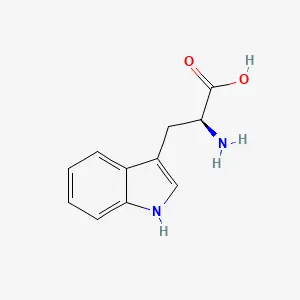
Tryptophan is an essential amino acid. That means the body cannot make it and has to take it in with food. Both the 2005 US Dietary Reference Intakes report and the 2007 WHO, FAO and UNU report list it among the indispensable amino acids.
The Institute of Medicine (now part of the US National Academies) says the body uses it for more than proteins. From it, the body makes niacin (vitamin B3), the nerve messenger serotonin and the hormone melatonin. The body needs very little of it. WHO puts the adult requirement at 4 mg per kilogram of body weight a day, the lowest of any essential amino acid.
Here is the part most readers do not know. Of the tryptophan the body breaks down, about 95% goes down the kynurenine pathway, which also makes niacin. Only a small share becomes serotonin, and much of the body’s serotonin sits in the gut, not the brain.
Supplements also carry a history. In 1989, contaminated L-tryptophan from one manufacturer caused an outbreak of eosinophilia-myalgia syndrome in the US. It is a severe illness with muscle pain and high levels of certain white blood cells.
Nearly everyone who eats enough protein gets enough tryptophan. US survey data summarized by the Institute of Medicine put the mean intake at 0.9 g a day. That is well above the 0.35 g that the US recommended allowance works out to for a 70 kg adult (our arithmetic).
We found no trial behind the famous link between turkey and sleepiness. The section on how tryptophan works explains why it is not as simple as it sounds.
Health benefits of tryptophan
The top findings from 25 studies, strongest evidence first
What the stars mean
- Strong. Several randomized trials, pooled in a meta-analysis, point the same way, or regulators (FDA or EFSA) have approved the claim.
- Moderate. Good randomized trials support it, but there are fewer of them, or their results vary.
- Limited. Small, short or single trials, or mixed results. Promising, but it needs confirmation.
Population and lab studies get no stars: they show a link or a mechanism, not proof.
How we rate evidence →- ★★Less time awake after falling asleepIn four pooled articles, tryptophan supplements shortened time awake after first falling asleep, though the range was wide; no other sleep measure changed. By dose, time awake was 28.91 minutes at 1 g a day or more, against 56.55 below 1 g.
- ★★Better mood in some healthy adultsSupplements improved mood in 4 of 11 trials in healthy adults, at doses the review puts at 0.14 to 3 g a day. Tryptophan did not reduce aggression.
- ★★Tryptophan depletion lowered mood only in at-risk peopleIn 45 pooled studies that removed tryptophan from the body, mood fell slightly with a family history of depression and moderately in remitted depression. Healthy people with no such history saw no fall, and no supplements were tested.
- ★Too little evidence to judge for depressionA Cochrane review found only 2 trials (64 people) of tryptophan or 5-HTP against placebo that met its criteria in adults with depression. It called the evidence too weak to recommend either, and noted that proven antidepressants exist.
- ★Fewer premenstrual mood symptoms in one trialIn 71 people with a severe form of premenstrual mood symptoms, 6 g of L-tryptophan a day cut symptoms by 34.5%, against 10.4% on placebo. It was taken for 17 days of each cycle, over three cycles.
All 22 studies, strongest evidence first
Tryptophan cut time awake after falling asleep, but no other sleep measure
This systematic review and meta-analysis found 18 articles and pooled data from 4. Supplements shortened wake after sleep onset, the time spent awake after first falling asleep (standardized mean difference -1.08; the range was wide). Time awake was 28.91 minutes at 1 g a day or more, against 56.55 minutes below 1 g. Other sleep measures did not change. Only four articles could be pooled, so the result is fragile.
In healthy adults, tryptophan improved mood in 4 of 11 trials
This systematic review looked at randomized trials, where chance decides who gets what, in healthy adults. Four trials showed differences between tryptophan and control on negative or happy feelings. Tryptophan did not reduce aggression. The authors conclude that 0.14 to 3 g a day on top of normal meals can be expected to improve mood in healthy people. They call for better studies of dose, length and timing.
Tryptophan depletion lowered mood only in people at risk of depression
This meta-analysis looked at randomized studies that strip tryptophan from the body (depletion). The authors found 73 such studies and pooled 45. Mood did not fall in healthy controls. It fell slightly in healthy people with a family history of major depression, and moderately in drug-free people whose depression was in remission. In remitted patients taking serotonin-acting antidepressants, depletion brought relapse. The authors read this as a vulnerability trait, not proof of cause. The studies lowered tryptophan; they did not test supplements.
For depression, a Cochrane review found the evidence not conclusive
This Cochrane review located 108 trials (Cochrane is a group known for careful reviews of trials). Only 2, with 64 people, met its criteria. These were randomized trials of tryptophan or 5-HTP against placebo in adults with unipolar depression or dysthymia (long-lasting low mood). Pooled together, tryptophan and 5-HTP beat placebo (Peto odds ratio 4.10, with a wide range). The number needed to treat, how many people must be treated for a single extra person to benefit, was 2.78. The authors say the evidence was too weak to recommend either, and that proven antidepressants exist. They add that a link with eosinophilia-myalgia syndrome had not been ruled out.
L-tryptophan cut premenstrual mood symptoms by 34.5%, against 10.4% on placebo
In this randomized, double-blind trial, 71 people had premenstrual dysphoric disorder, a severe form of premenstrual mood symptoms. Neither they nor the researchers knew who got what. 37 took 6 g of L-tryptophan a day and 34 took placebo, a dummy pill, over three cycles. They took it for 17 days, from ovulation to day 3 of menstruation, in the second half of the cycle. The difference was statistically significant for the cluster of dysphoria (low mood), mood swings, tension and irritability, rated on visual analogue scales.
In mild insomnia, 1 g of L-tryptophan helped people fall asleep sooner
This lab study included 15 people with mild insomnia, who reported taking over 30 minutes to fall asleep. It compared 0.25, 0.5 and 1 g of L-tryptophan at bedtime with placebo. Only 1 g cut the time to fall asleep (sleep latency) significantly. The lower doses showed a trend, and 0.25 g increased stage IV (deep) sleep. The authors note that normal food intake of tryptophan is 0.5 to 2 g a day.
In serious insomnia, L-tryptophan did not clearly improve sleep during treatment
This trial included 96 people with serious insomnia, split into separate groups. They took 1 g of L-tryptophan, 100 mg of secobarbital, 30 mg of flurazepam or placebo for 7 nights. Secobarbital and flurazepam are sleeping drugs, and people rated their own sleep. Flurazepam improved several measures against placebo, while tryptophan and secobarbital did not. Tryptophan did not significantly shorten the time to fall asleep during treatment. But that time kept improving the next week, and the week 2 difference from baseline was significant. Tryptophan and placebo caused no withdrawal symptoms.
Tryptophan-enriched cereal improved sleep efficiency and time to fall asleep
This single-blind trial ran over 3 weeks in a fixed order, in 35 people aged 55 to 75. In the control week, they ate standard cereal (22.5 mg of tryptophan per 30 g portion) at breakfast and dinner. In the treatment week, the cereal held 60 mg per portion. Sleep efficiency (the share of time in bed spent asleep) and sleep time rose, and the time to fall asleep fell. Urinary melatonin and serotonin breakdown products rose, and anxiety and depression symptoms improved. This tests a food mix, not tryptophan alone.
Evening α-lactalbumin, a tryptophan-rich protein, lowered morning sleepiness
This double-blind, placebo-controlled study included 28 healthy people, 14 of them with mild sleep complaints. Each slept in the lab on two nights after an evening diet with α-lactalbumin or a tryptophan-low placebo protein. This whey protein has 4.8 g of tryptophan per 100 g of protein. The whey protein raised the tryptophan ratio in blood by 130%. The next morning, sleepiness fell and a brain measure of sustained attention improved. Behavior improved only in the poor sleepers, a borderline result. The test used a whey protein, not tryptophan alone.
With fluoxetine, tryptophan lowered depression scores more, only in the first week
In this randomized, double-blind trial, 30 people with major depression took 20 mg of fluoxetine (an antidepressant) a day for 8 weeks. They added 2 to 4 g of tryptophan or a placebo. The difference was seen only in week 1. In sleep-lab recordings, deep (slow-wave) sleep fell at week 4 on placebo but not on tryptophan. No serotonin syndrome occurred, and 4 g a day caused daytime drowsiness. This tests tryptophan combined with a drug.
Tryptophan raised dominant behavior in everyday social life
In this double-blind crossover trial, 98 people took 1 g of tryptophan three times a day for 12 days, and placebo for 12 days. In a crossover trial, each person tries both. They recorded their behavior during important social interactions. Tryptophan raised dominant behavior, whatever the order of treatment. It decreased quarrelsome behavior, but only when placebo came first, which may be a carryover effect.
In quarrelsome people, tryptophan reduced quarreling and increased agreeable behavior
This double-blind crossover study included healthy people with high scores on two self-report measures of quarrelsomeness. They took 3 g of tryptophan a day and placebo, for 15 days each. They recorded their behavior during everyday interactions. Effects were more marked in men, who also behaved less dominantly. Both men and women saw others as more dominant.
In relatives of depressed people, tryptophan improved mood but increased quarreling
This double-blind crossover trial included 40 people with at least one first-degree relative (parent, sibling or child) with depression. They took 1 g of tryptophan three times a day and placebo, 14 days each. They recorded social behavior and mood during everyday encounters. Tryptophan improved mood. Unexpectedly, it increased quarrelsome and reduced agreeable behavior during interactions at home. The authors say tryptophan may not change social behavior in this group the way it did in irritable people.
Tryptophan shifted women toward seeing happy faces, away from disgusted ones
In this double-blind trial, 38 healthy volunteers were randomized to 1 g of tryptophan three times a day or placebo for 14 days. In women but not men, tryptophan increased recognition of happy expressions and decreased recognition of disgusted ones. It also reduced attention to negative words and lowered baseline startle. These lab tasks measure emotional processing, not depression.
Tryptophan plus diet eased jaw and face pain more than placebo
In this double-blind trial, 30 people with chronic maxillofacial (jaw and face) pain took 3 g of tryptophan a day or placebo for 4 weeks. Tryptophan was given with a high-carbohydrate, low-protein diet. Pain ratings fell more, and the tooth-pulp electrical pain threshold rose more, on tryptophan. Anxiety and depression fell in both groups. The diet change makes the effect of tryptophan alone hard to separate.
Tryptophan did not reduce violence in inpatients, but cut sedative injections
This double-blind trial included 20 aggressive psychiatric inpatients, 10 per group, who took up to 6 g of tryptophan a day or placebo. Treatment lasted 25 to 35 days, after a month of baseline observation, and patients were followed for another month. They kept taking other medicines. Tryptophan raised the blood tryptophan ratios and did not change the number of violent incidents. It reduced the need for injections of antipsychotics and sedatives.
In Minnesota, patients far more often used one maker’s tryptophan
This work combined surveillance, a community survey of tryptophan use and a case-control study, which compares people with a disease to similar people without it. Among people whose source was known, 29 of 30 people with eosinophilia-myalgia syndrome had used that manufacturer’s tryptophan, against 21 of 35 comparison people. The odds ratio for that manufacturer was 19.3, with a very wide range. Lots used by patients were linked to a new bacterial strain. They were also linked to a reduced amount of powdered carbon in a purification step. The odds ratio was 9.0, though its range reached down to almost no effect. The authors conclude that the 1989 outbreak came from a chemical constituent tied to one company’s manufacturing conditions.
By July 1990, 1,531 eosinophilia-myalgia cases and 27 deaths were reported
This national surveillance report covered eosinophilia-myalgia syndrome. Of the patients, 97% had taken tryptophan. About 68% of cases were white women aged 35 and older. Common features were joint pain (73%), rash (60%), cough or shortness of breath (59%), swelling (59%) and neuropathy or neuritis (nerve damage or inflammation, 27%). New cases fell sharply after the November 1989 recall of over-the-counter tryptophan.
Japanese women eating the most tryptophan had fewer depressive symptoms
This cross-sectional study, a snapshot at a single point in time, included 4,272 first-year dietetic students and 3,651 of their mothers. Intake over the past month came from a diet questionnaire. Women in the highest fifth of tryptophan intake had a lower prevalence of depressive symptoms than the lowest fifth. The prevalence ratio was 0.84 in young women, and 0.83 in middle-aged women, where the result could be chance. A cross-sectional design cannot show cause, and symptoms were self-reported.
Pregnant women eating the most tryptophan had fewer depressive symptoms
This used cross-sectional baseline data on 1,744 pregnant women from the Kyushu Okinawa Maternal and Child Health Study, with intake from a diet questionnaire. Depressive symptoms affected 19.2%. From the lowest to the highest fourth (quartile) of intake, the adjusted prevalence ratios were 1, 0.99, 0.94 and 0.64. The 0.64 was statistically significant, and so was the trend across quartiles. The model adjusted for history of depression and many other factors.
In rats, a meal’s protein changed brain tryptophan 8-fold
Rats ate one meal with zein (a corn protein), wheat gluten, soy protein isolate, casein, lactalbumin or no protein, and were studied 2.5 hours later. Serotonin synthesis changed 4 to 8-fold. Cortex tryptophan fell sharply after zein and modestly after casein or gluten, and rose most after lactalbumin. Serotonin synthesis followed it closely, while catecholamine synthesis did not change. This is a rat study, not a trial in people.
Contaminant peak AAA turned out to be tryptophan joined to fatty acids
The 1989 outbreak was caused by tryptophan made solely by one Japanese company, and six compounds were reported as contaminants linked to cases. Peak AAA was among them and had never been structurally defined. Mass spectrometry showed two related isomers (forms), each made by joining L-tryptophan with a fatty acid. The study defines the chemistry. It does not test whether the compounds cause disease.
Foods high in tryptophan
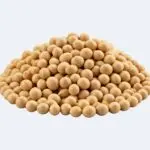
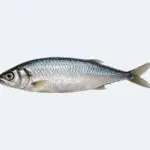
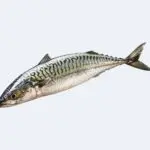
The USDA ranking below changes with how you count. Per serving, soybeans lead: 1 cup (172 g) holds 0.42 g of tryptophan. Next come chicken breast (0.32 g in 4 oz) and a chicken drumstick with skin (0.26 g). Sardines (0.25 g in a can) and a mackerel fillet (0.23 g) follow.
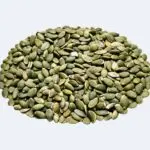
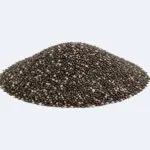
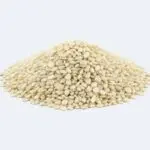
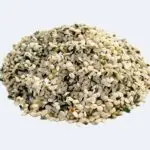
Per 100 g, seeds lead. Pumpkin seeds top the list with 0.58 g, then chia seeds (0.44 g), sesame seeds (0.39 g) and hemp seeds (0.37 g). Sunflower seeds follow, and chicken breast has 0.28 g.
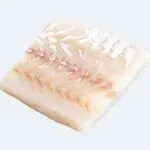
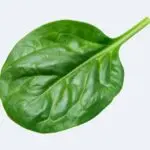
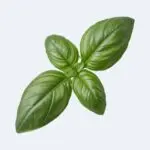
Per 100 kcal, lean fish, chicken and some vegetables rank high. Cod, tuna and chicken breast give 0.24 g each, then shrimp (0.22 g), and spinach and basil (0.17 g each).
Here is what a serving means, by our arithmetic. We use 280 mg a day for a 70 kg adult from WHO and 350 mg from the US allowance. One cup of soybeans gives 420 mg, which is 150% of the WHO value and 120% of the US allowance. A 4 oz chicken breast gives 320 mg (114% and 91%), and a can of sardines 250 mg (89% and 71%).
Plant proteins can be short of tryptophan too. WHO says it is low in cereals, especially maize. In some maize varieties it may be the limiting amino acid, which runs out first. Other cereals are limited by lysine, and legumes by the sulfur amino acids.
In a 90-day trial reported by WHO, stunted children ate a maize variety with 78% more tryptophan than normal maize. It supported their growth about as well as a milk formula. Mixed diets that include beans, seeds or animal foods cover the gaps.
Per serving. No daily amount is set, so bars compare each food with the top food.
Per 100 g. No daily amount is set, so bars compare each food with the top food.
Per 100 kcal: the same calories of each food, for a fair comparison. Bars compare each food with the top food.
Food labels have no Daily Value or Reference Intake for tryptophan, so the % compares each food with the top food.
- 1.
- 2.

- 3.

- 4.
- 5.
- 6.

- 7.
- 8.
- 9.
- 10.


- 1.
- 2.
- 3.
- 4.
- 5.
- 6.
- 7.
- 8.
- 9.
- 10.


- 1.
- 2.
- 3.
- 4.
- 5.
- 6.
- 7.
- 8.
- 9.
- 10.


Sources
- FoodData Central. US Department of Agriculture, Agricultural Research Service. Values as shown in the ranking above.
- WHO, FAO, UNU. Protein and amino acid requirements in human nutrition. Report of a joint WHO/FAO/UNU expert consultation. WHO Technical Report Series 935. 2007.
- Institute of Medicine, Food and Nutrition Board. Dietary Reference Intakes for energy, carbohydrate, fiber, fat, fatty acids, cholesterol, protein, and amino acids. National Academies Press. 2005.
How tryptophan works
Most of the biochemistry below is well established. But the details come from reviews, animal studies and small tests in people rather than from trials of supplements.
Four ideas cover it. Tryptophan is a building block of protein, and most of it is broken down by the kynurenine pathway. A small share becomes serotonin and melatonin, and it competes with other amino acids to enter the brain. The last idea explains why the foods eaten with protein matter.
It is a building block of protein, and the body needs little
Tryptophan is less common in proteins than most amino acids. WHO sets the adult requirement at 4 mg per kilogram a day, based on an average of several approaches that all gave similar values.
Absorption needs a carrier. The SLC6A19 transporter (B0AT1) in the intestine and kidney moves tryptophan and other neutral amino acids into cells. People with Hartnup disease carry a faulty version and lose these amino acids in the urine, according to MedlinePlus Genetics.
Most of it is broken down by the kynurenine pathway
After a meal, only a small share of the tryptophan that is broken down becomes serotonin. In one review, the kynurenine pathway accounts for about 95% of dietary tryptophan breakdown. About 90% of that happens in the liver, where the enzyme TDO takes the first step.
The pathway makes nicotinic acid and NAD, so tryptophan can stand in for dietary niacin. In human studies, 1 mg of nicotinamide was produced from 67 mg of tryptophan, although 60 mg is the figure often used. A 2022 review adds that TDO becomes more stable when tryptophan is plentiful. That speeds up the breakdown of dietary tryptophan and keeps the blood level steady.
Where tryptophan goes. The boxes are not drawn to scale. The 95% figure is the share of tryptophan that is broken down, not of all that is eaten.
A small share becomes serotonin and melatonin
The gut holds much of the body’s serotonin. In mice, spore-forming bacteria from the gut microbiota (the gut’s microbes) promote serotonin production by cells in the colon. Melatonin, the hormone of the night, is another product of tryptophan, according to the Institute of Medicine.
A review of tryptophan supplements notes that one pill does several things at once. Taking tryptophan raises brain tryptophan, serotonin production in the gut, serotonin in blood, melatonin and the output of the kynurenine pathway. That is one reason the effects seen in trials are hard to pin on serotonin in the brain alone.
It competes with other amino acids to reach the brain
Tryptophan crosses the blood-brain barrier on a carrier it shares with other large neutral amino acids. Raising blood tryptophan raises its uptake into the brain, while raising branched-chain amino acids lowers it. Brain serotonin synthesis follows these changes, according to a review by Fernstrom. So what predicts brain uptake is the ratio of tryptophan to its competitors in the blood, not tryptophan alone.
A simplified picture of the shared carrier. The dots are not counts from a study. The ratio in blood predicts brain uptake in animal work, and the human studies measure it in blood.
What you eat with it changes how much gets in
The protein in a meal matters a lot. In rats, a single meal changed cortex tryptophan 8-fold depending on the protein, with α-lactalbumin raising it and zein lowering it. In six men, 40 g of α-lactalbumin raised the blood tryptophan ratio by 50%, while gluten and zein lowered it.
Ordinary meals work too. Protein-rich meals lower the ratio and carbohydrate-rich ones raise it, whether eaten at breakfast or lunch. In nine adults, the two kinds of breakfast differed by a median of 54%.
This is why the turkey story is shaky. We found no trial that tested turkey, and a protein-rich meal does not simply raise the tryptophan that reaches the brain. What happens depends on the protein and on what is eaten with it. No trial has linked the post-dinner drowsiness to tryptophan.
Two kinds of breakfast and the tryptophan ratio in blood. Not to scale. The direction of the ratio comes from the lunch study; the breakfast study reports the size of the gap.
What has been seen in people
The firmest facts in people are about need and deficiency. Adults need about 4 mg per kilogram a day, and pellagra appears when both niacin and tryptophan run short.
The supplement trials are less firm. A pooled analysis of four studies found less time awake at night at 1 g a day or more. In healthy adults, 4 of 11 trials found a better mood. In depression, only 2 trials in 64 people were good enough for a Cochrane review.
Lowering tryptophan lowers mood only in people who are already vulnerable. The cards above give each result.
Sources
- Badawy AA. Kynurenine pathway of tryptophan metabolism: regulatory and functional aspects. Int J Tryptophan Res. 2017.
- Klaessens S, Stroobant V, De Plaen E, Van den Eynde BJ. Systemic tryptophan homeostasis. Front Mol Biosci. 2022.
- Fukuwatari T, Shibata K. Nutritional aspect of tryptophan metabolism. Int J Tryptophan Res. 2013.
- Fukuwatari T, Ohta M, Kimura N, Sasaki R, Shibata K. Conversion ratio of tryptophan to niacin in Japanese women fed a purified diet conforming to the Japanese Dietary Reference Intakes. J Nutr Sci Vitaminol (Tokyo). 2004.
- Miyake Y, Tanaka K, Okubo H, Sasaki S, Arakawa M. Tryptophan intake is related to a lower prevalence of depressive symptoms during pregnancy in Japan. Eur J Nutr. 2022.
- Yano JM, Yu K, Donaldson GP, et al. Indigenous bacteria from the gut microbiota regulate host serotonin biosynthesis. Cell. 2015.
- Fernstrom JD. A perspective on the safety of supplemental tryptophan based on its metabolic fates. J Nutr. 2016.
- Fernstrom JD. Large neutral amino acids: dietary effects on brain neurochemistry and function. Amino Acids. 2013.
- Fernstrom JD, Langham KA, Marcelino LM, et al. The ingestion of different dietary proteins by humans induces large changes in the plasma tryptophan ratio, a predictor of brain tryptophan uptake and serotonin synthesis. Clin Nutr. 2013.
- Choi S, Disilvio B, Fernstrom MH, Fernstrom JD. Meal ingestion, amino acids and brain neurotransmitters: effects of dietary protein source on serotonin and catecholamine synthesis rates. Physiol Behav. 2009.
- Wurtman RJ, Wurtman JJ, Regan MM, et al. Effects of normal meals rich in carbohydrates or proteins on plasma tryptophan and tyrosine ratios. Am J Clin Nutr. 2003.
- Lieberman HR, Caballero B, Finer N. The composition of lunch determines afternoon plasma tryptophan ratios in humans. J Neural Transm. 1986.
- MedlinePlus Genetics. Hartnup disease. National Library of Medicine.
- WHO, FAO, UNU. Protein and amino acid requirements in human nutrition. WHO Technical Report Series 935. 2007.
- Institute of Medicine, Food and Nutrition Board. Dietary Reference Intakes for energy, carbohydrate, fiber, fat, fatty acids, cholesterol, protein, and amino acids. National Academies Press. 2005.
- Shaw K, Turner J, Del Mar C. Tryptophan and 5-hydroxytryptophan for depression. Cochrane Database Syst Rev. 2002.
How much tryptophan do you need?
Adults need about 4 mg of tryptophan per kilogram of body weight a day, according to the 2007 WHO, FAO and UNU report. That is about 280 mg for a 70 kg adult. The US recommended dietary allowance (RDA, enough for nearly all healthy people) is 5 mg per kilogram, about 350 mg. Neither the FDA nor the EU has set a Daily Value for tryptophan.
| Source | Requirement (mg per kg a day) | For a 70 kg adult | Notes |
|---|---|---|---|
| WHO, FAO and UNU, 2007: adults | 4 | 280 mg | Average requirement, set from several approaches including nitrogen balance and amino acid oxidation studies. The 1985 report had 3.5. Also stated as 6 mg per gram of protein. 1 |
| Institute of Medicine, 2005: adults, EAR | 4 | 280 mg | Estimated Average Requirement, the intake that meets the need of half of healthy people. 2 |
| Institute of Medicine, 2005: adults, RDA | 5 | 350 mg | Recommended Dietary Allowance, the EAR raised by 24% to cover nearly all healthy people. 2 |
Children need more per kilogram because they are growing. WHO gives 9.5 mg per kilogram a day at 6 months, 6.4 at 1 to 2 years and 4.8 at 3 to 14 years. It gives 4.5 at 15 to 18 years and 4.0 from age 18.
The Institute of Medicine sets RDAs of 13 mg per kilogram for ages 7 to 12 months. For ages 1 to 3 years it is 8 mg.
In pregnancy, its EAR is 5 and its RDA 7 mg per kilogram. The EAR (estimated average requirement) is the amount that meets the needs of a typical person. While breastfeeding, the EAR is 7 and the RDA 9. These are scaled from the adult values because there are essentially no direct data.
We found no separate tryptophan value for pregnancy or breastfeeding in the WHO report, which adds protein instead. It adds a safe protein intake of 0.7, 9.6 and 31.2 g a day in the three trimesters. In the first six months of breastfeeding, it adds about 19 g a day.
Intake is usually well above these figures. US survey data from 1988 to 1994 put the mean intake from food and supplements at 0.9 g a day. The 99th percentile, in men aged 51 to 70, was 2.1 g.
Tryptophan deficiency: signs and who is at risk
Pellagra is the classic result of too little tryptophan together with too little niacin. It is a syndrome caused by a deficiency of niacin, its precursor tryptophan, or both. Its cardinal signs are dermatitis, diarrhea and dementia, with death in the worst cases.
Diets built on maize are the historical risk. WHO notes that tryptophan is low in cereals, especially maize, and the history of pellagra in Europe and the US is tied to corn-based diets. Isoniazid, a tuberculosis drug, has also been linked to pellagra. Niacin deficiency has been recognized for decades in people with carcinoid syndrome (a type of hormone-making tumor), although overt pellagra is uncommon there.
Hartnup disease is the inherited form of the problem. It affects about 1 in 30,000 people, and a faulty SLC6A19 gene reduces the absorption of tryptophan and other amino acids. For most people the only sign is extra amino acids in the urine.
Some have episodes of rash, poor coordination and psychiatric symptoms, usually triggered by illness, stress, a poor diet or fever. Researchers think these relate to a lack of tryptophan and niacin. Outside these groups, we found no description of a separate tryptophan deficiency syndrome in people who eat enough protein.
Sources
- WHO, FAO, UNU. Protein and amino acid requirements in human nutrition. WHO Technical Report Series 935. 2007. Tables 21, 23 and 36; sections 7.7 and 7.8.
- Institute of Medicine, Food and Nutrition Board. Dietary Reference Intakes for energy, carbohydrate, fiber, fat, fatty acids, cholesterol, protein, and amino acids. National Academies Press. 2005. Chapter 10, pages 672 to 682 and 731.
- Prabhu D, Dawe RS, Mponda K. Pellagra a review exploring causes and mechanisms, including isoniazid-induced pellagra. Photodermatol Photoimmunol Photomed. 2021.
- Lanska DJ. Chapter 30: historical aspects of the major neurological vitamin deficiency disorders: the water-soluble B vitamins. Handb Clin Neurol. 2010.
- MedlinePlus Genetics. Hartnup disease. National Library of Medicine.
- Baldini L, Dell’Unto E, Di Pangrazio R, et al. Niacin deficiency in carcinoid syndrome: definitions, biomarkers, and a pragmatic framework for clinical assessment. Nutrition. 2026.
- Fernstrom JD. Effects and side effects associated with the non-nutritional use of tryptophan by humans. J Nutr. 2012.
Forms of tryptophan: absorption and effects
Tryptophan is sold as free L-tryptophan, and it comes bound in protein and in enriched foods. It is also sold as 5-HTP, a related compound the body makes on the way to serotonin.
Taking more of any of them raises blood tryptophan. But how much reaches the brain depends on the competing amino acids that arrive with it. So the form and what is eaten with it both matter.
The honest bottom line: we found no trial that compared forms head to head for sleep or mood, apart from one trial of seed protein. The comparisons that exist mostly measure blood levels. The trials in the benefits section used free L-tryptophan, except the enriched cereal, the α-lactalbumin diet and the fluoxetine combination. We found no trial showing that 5-HTP works better or worse than tryptophan.
| Form | What it is | What studies show | Source |
|---|---|---|---|
| L-tryptophan (free amino acid) | The free L-form as powder, capsule or tablet | The form used in most supplement trials, at 1 to 6 g a day, for example 6 g in premenstrual dysphoria and 2 to 4 g with fluoxetine. A review says ingesting it raises brain tryptophan and serotonin production. Drowsiness appeared at 4 g a day in one trial. It is the form behind the 1989 outbreak, which came from a contaminant in one manufacturer’s batches. | 1, 12, 13, 14 |
| Tryptophan in food protein | Peptide-bound in protein; the tryptophan content differs by protein | In 6 men, 40 g of α-lactalbumin raised blood tryptophan 3-fold, while gluten lowered it by 25% and zein by 50%. An evening α-lactalbumin diet raised the tryptophan ratio by 130% and lowered morning sleepiness in 28 people. Protein also brings competing amino acids, so more tryptophan in a protein does not always mean more in the brain. | 2, 4, 11 |
| Tryptophan-enriched foods | Cereal or bars with added tryptophan | Cereal with 60 mg of tryptophan per 30 g portion, eaten at breakfast and dinner, improved sleep measures in 35 older adults in a single-blind trial. We found no trial that compared enriched foods with capsules. | 5 |
| Tryptophan-rich seed protein with glucose | Deoiled gourd seed protein taken with glucose | In 49 people who finished a 3-week trial, gourd seed protein with glucose and pharmaceutical-grade tryptophan with glucose both improved measures of insomnia more than glucose alone. | 11 |
| 5-HTP (5-hydroxytryptophan) | The compound tryptophan becomes on the way to serotonin; not a form of tryptophan itself | A Cochrane review pooled it with tryptophan (2 trials, 64 people). One 12-week trial of 100 mg a day in 30 older adults raised cognitive scores, without a placebo group. Commercial samples contained 4,5-tryptophan-dione, a putative neurotoxin, at 0.5 to 10.3% of the amount in a case-implicated sample. A review by authors at a company laboratory found no definitive cases of toxicity. | 6, 7, 8, 9 |
| D- and DL-tryptophan | The mirror-image form, and a mix of both forms | In weanling rats, D-tryptophan worked almost as well as L-tryptophan as a niacin precursor. We found no human trial of D- or DL-tryptophan. | 10 |
Here are the head-to-head and form-specific studies, 3 in all.
All 3 studies, strongest evidence first
The milk protein α-lactalbumin raised blood tryptophan; zein and gluten lowered it
Six fasting men drank V-8 juice with 40 g of α-lactalbumin, gluten, zein or starch, and blood was drawn for 4 hours. The tryptophan ratio (tryptophan against other large neutral amino acids) rose 50% after α-lactalbumin. It did not change after starch and fell after gluten and zein. The largest gap, between α-lactalbumin and zein, was about 3-fold. The study measured blood, not brain.
Carbohydrate-rich and protein-rich breakfasts differed in tryptophan ratio by a median 54%
Nine adults who had fasted overnight ate a carbohydrate-rich breakfast and a protein-rich one, 3 to 7 days apart. The first held 69.9 g of carbohydrate and 5.2 g of protein, the second 15.4 g of carbohydrate and 46.8 g of protein. Among the 8 who ate both, the median difference in the tryptophan ratio was 54% (range 36 to 88%). Insulin rose after the carbohydrate meal but not the protein meal. Brain tryptophan and serotonin were not measured.
5-HTP raised thinking scores in older adults, without a placebo group
In this single-blinded randomized trial, 30 adults aged about 66 took 100 mg of 5-HTP a day for 12 weeks or took nothing. The Montreal Cognitive Assessment score rose from 26.6 to 27.6 in the 5-HTP group, and serum serotonin rose. A depression score improved at week 8 (1.2 to 0.7), and anxiety did not change. Because the comparison group took nothing, a placebo effect cannot be excluded, and the authors urge caution.
Sources
- Fernstrom JD. Effects and side effects associated with the non-nutritional use of tryptophan by humans. J Nutr. 2012.
- Fernstrom JD, Langham KA, Marcelino LM, et al. The ingestion of different dietary proteins by humans induces large changes in the plasma tryptophan ratio, a predictor of brain tryptophan uptake and serotonin synthesis. Clin Nutr. 2013.
- Wurtman RJ, Wurtman JJ, Regan MM, et al. Effects of normal meals rich in carbohydrates or proteins on plasma tryptophan and tyrosine ratios. Am J Clin Nutr. 2003.
- Markus CR, Jonkman LM, Lammers JH, et al. Evening intake of alpha-lactalbumin increases plasma tryptophan availability and improves morning alertness and brain measures of attention. Am J Clin Nutr. 2005.
- Bravo R, Matito S, Cubero J, et al. Tryptophan-enriched cereal intake improves nocturnal sleep, melatonin, serotonin, and total antioxidant capacity levels and mood in elderly humans. Age (Dordr). 2013.
- Shaw K, Turner J, Del Mar C. Tryptophan and 5-hydroxytryptophan for depression. Cochrane Database Syst Rev. 2002.
- Li S, Sutanto CN, Xia X, Kim JE. The impact of 5-hydroxytryptophan supplementation on cognitive function and mood in Singapore older adults: a randomized controlled trial. Nutrients. 2025.
- Klarskov K, Johnson KL, Benson LM, et al. Structural characterization of a case-implicated contaminant, “Peak X,” in commercial preparations of 5-hydroxytryptophan. J Rheumatol. 2003.
- Das YT, Bagchi M, Bagchi D, Preuss HG. Safety of 5-hydroxy-L-tryptophan. Toxicol Lett. 2004.
- Shibata K, Swabe M, Fukuwatari T, Sugimoto E. Efficiency of D-tryptophan as niacin in rats. Biosci Biotechnol Biochem. 2000.
- Hudson C, Hudson SP, Hecht T, MacKenzie J. Protein source tryptophan versus pharmaceutical grade tryptophan as an efficacious treatment for chronic insomnia. Nutr Neurosci. 2005.
- Belongia EA, Hedberg CW, Gleich GJ, et al. An investigation of the cause of the eosinophilia-myalgia syndrome associated with tryptophan use. N Engl J Med. 1990.
- Levitan RD, Shen JH, Jindal R, et al. Preliminary randomized double-blind placebo-controlled trial of tryptophan combined with fluoxetine to treat major depressive disorder: antidepressant and hypnotic effects. J Psychiatry Neurosci. 2000.
- Steinberg S, Annable L, Young SN, Liyanage N. A placebo-controlled clinical trial of L-tryptophan in premenstrual dysphoria. Biol Psychiatry. 1999.
Is tryptophan safe? Supplements, dose and interactions
The Institute of Medicine set no tolerable upper intake level (UL) for tryptophan in 2005. A UL is the highest daily intake likely to pose no risk. It gave two reasons: there were no data on the effects of long-term use, and the role of L-tryptophan in eosinophilic fasciitis remained uncertain. We found no upper level from EFSA.
For food, the same report puts the mean US intake from food and supplements at 0.9 g a day. It puts the 99th percentile at 2.1 g and describes no harm at those amounts. The risks below come from supplements.
- Doses and side effects. Many adults take up to 4 to 5 g a day, according to a review. Occasional side effects, mostly at 70 to 200 mg per kilogram, include tremor, nausea and dizziness. In the Institute of Medicine’s summary, 5 g in one sitting caused severe nausea, headache and drowsiness in 10 adults. In 15 people, 2 to 3 g before a meal reduced hunger and increased faintness and dizziness. In the fluoxetine trial, 4 g a day caused daytime drowsiness. The reviewer calls the safety database small and largely anecdotal.
- Antidepressants and serotonin syndrome. In rare cases, tryptophan combined with serotonin-acting drugs such as antidepressants causes serotonin syndrome. Its signs include delirium, muscle jerks, high body temperature and coma. In one trial, 2 g a day with 20 mg of fluoxetine caused no cases in 30 patients. That does not make the combination safe for everyone. Ask a doctor before combining tryptophan with any antidepressant.
- The 1989 outbreak. By July 1990, 1,531 cases of eosinophilia-myalgia syndrome and 27 deaths had been reported in the US, and 36 deaths by August 1991. Investigators in Minnesota and Oregon traced it to tryptophan from one manufacturer. Among patients whose source was known, that was 29 of 30 and 45 of 46. Over-the-counter tryptophan was recalled in November 1989. One review concludes that the cause was a contaminant in certain production batches, not tryptophan. Another says an impurity probably formed when the manufacturing conditions changed, and later chemistry named compounds made from tryptophan and fatty acids. A 2023 review, four of whose authors work for a company, said no clear conclusions on the impurities had been drawn. A pharmacopeial review, from a body that sets drug quality standards, argues for quality specifications in amino acid safety assessments.
- 5-HTP. The same kind of concern was raised for 5-HTP. Commercial samples contained a putative (suspected) neurotoxin, 4,5-tryptophan-dione, at 0.5 to 10.3% of the amount in a sample linked to cases. A review by authors at a company laboratory found no definitive toxicity in 20 years of use.
- Pregnancy and long-term use. We found no trials of tryptophan supplements in pregnancy or breastfeeding, and most trials ran only days to weeks. Ask a doctor before taking tryptophan if you are pregnant, breastfeeding or take regular medicines.
How to get more tryptophan
- Eat enough protein from varied foods. Soybeans (0.42 g per cup), chicken breast (0.32 g in 4 oz), sardines (0.25 g in a can) and beans lead the per-serving ranking above. The mean US intake is 0.9 g a day, against a 0.35 g allowance for a 70 kg adult (our arithmetic).
- If your staple is maize, add beans, seeds or animal foods. WHO says tryptophan can limit the protein in some maize varieties. Seeds top the per-100-gram ranking: pumpkin seeds (0.58 g per 100 g), chia (0.44 g) and sesame (0.39 g).
- Food over pills. The trial doses of 1 to 6 g a day are above the average food intake. They come with side effects and a safety history. A serving of soybeans or chicken covers most or all of a day’s need. If you want to try a supplement for sleep or mood, talk to a doctor first, especially if you take an antidepressant.
Sources
- Institute of Medicine, Food and Nutrition Board. Dietary Reference Intakes for energy, carbohydrate, fiber, fat, fatty acids, cholesterol, protein, and amino acids. National Academies Press. 2005. Chapter 10, pages 731 to 734.
- Fernstrom JD. Effects and side effects associated with the non-nutritional use of tryptophan by humans. J Nutr. 2012.
- Levitan RD, Shen JH, Jindal R, et al. Preliminary randomized double-blind placebo-controlled trial of tryptophan combined with fluoxetine to treat major depressive disorder: antidepressant and hypnotic effects. J Psychiatry Neurosci. 2000.
- Swygert LA, Maes EF, Sewell LE, et al. Eosinophilia-myalgia syndrome. Results of national surveillance. JAMA. 1990.
- Swygert LA, Back EE, Auerbach SB, Sewell LE, Falk H. Eosinophilia-myalgia syndrome: mortality data from the US national surveillance system. J Rheumatol. 1993.
- Belongia EA, Hedberg CW, Gleich GJ, et al. An investigation of the cause of the eosinophilia-myalgia syndrome associated with tryptophan use. N Engl J Med. 1990.
- Slutsker L, Hoesly FC, Miller L, et al. Eosinophilia-myalgia syndrome associated with exposure to tryptophan from a single manufacturer. JAMA. 1990.
- Mayeno AN, Gleich GJ. Eosinophilia-myalgia syndrome and tryptophan production: a cautionary tale. Trends Biotechnol. 1994.
- Klarskov K, Gagnon H, Boudreault PL, et al. Structure determination of disease associated peak AAA from l-tryptophan implicated in the eosinophilia-myalgia syndrome. Toxicol Lett. 2018.
- Ko SM, Park JE, Heo IK, et al. Safety concerns regarding impurities in L-tryptophan associated with eosinophilia myalgia syndrome. Food Chem Toxicol. 2023.
- Oketch-Rabah HA, Roe AL, Gurley BJ, Griffiths JC, Giancaspro GI. The importance of quality specifications in safety assessments of amino acids: the cases of l-tryptophan and l-citrulline. J Nutr. 2016.
- Klarskov K, Johnson KL, Benson LM, et al. Structural characterization of a case-implicated contaminant, “Peak X,” in commercial preparations of 5-hydroxytryptophan. J Rheumatol. 2003.
- Das YT, Bagchi M, Bagchi D, Preuss HG. Safety of 5-hydroxy-L-tryptophan. Toxicol Lett. 2004.
- WHO, FAO, UNU. Protein and amino acid requirements in human nutrition. WHO Technical Report Series 935. 2007.
- FoodData Central. US Department of Agriculture, Agricultural Research Service. Values as shown in the ranking above.
History of tryptophan
Frederick Hopkins first reported the isolation of tryptophan in 1901, from casein digested with the enzyme trypsin. The name comes from that digestive enzyme.
Five years later, Edith Willcock and Hopkins published a study on adding tryptophan to a diet in which zein was the only source of nitrogen. Its title stressed the importance of individual amino acids in metabolism. It was an early test of the idea that single amino acids matter in a diet.
The link to niacin came from pellagra. The disease was unknown in Europe before maize arrived from the New World, and there it was linked to poverty and corn-based diets. In the US it became epidemic among poor Southerners in the early 20th century.
From 1914 to 1929, Joseph Goldberger’s studies supported a dietary deficiency explanation. In 1937 Conrad Elvehjem isolated the pellagra-preventive factor and identified it as nicotinic acid. In the 1940s and 1950s, pellagra was recast as a deficiency of both niacin and its amino acid precursor, tryptophan.
Serotonin was found in the gut by Vittorio Erspamer in 1937 and in blood by Maurice Rapport in 1948 and 1949. It was identified as 5-hydroxytryptamine in 1949.
The best-known modern chapter was darker. In 1989 an outbreak of eosinophilia-myalgia syndrome struck the US, and over-the-counter tryptophan was recalled that November. Investigators linked it to tryptophan from one manufacturer. Reviews attribute it to a contaminant in certain batches rather than to tryptophan itself.
Sources
- Hopkins FG, Cole SW. A contribution to the chemistry of proteids: part I. A preliminary study of a hitherto undescribed product of tryptic digestion. J Physiol. 1901.
- Willcock EG, Hopkins FG. Nutrition classics from The Journal of Physiology 35:88-102, 1906-1907. The importance of individual amino-acids in metabolism. Observations on the effect of adding tryptophane to a dietary in which zein is the sole nitrogenous constituent. Nutr Rev. 1975.
- Lanska DJ. Chapter 30: historical aspects of the major neurological vitamin deficiency disorders: the water-soluble B vitamins. Handb Clin Neurol. 2010.
- Göthert M. Serotonin discovery and stepwise disclosure of 5-HT receptor complexity over four decades. Part I. Pharmacol Rep. 2013.
- Swygert LA, Maes EF, Sewell LE, et al. Eosinophilia-myalgia syndrome. Results of national surveillance. JAMA. 1990.
- Fernstrom JD. Effects and side effects associated with the non-nutritional use of tryptophan by humans. J Nutr. 2012.
- Wikipedia. Tryptophan. Accessed October 2026.
Frequently asked questions about tryptophan
Does tryptophan in turkey make you sleepy?
Probably not because of the tryptophan. We found no trial that tested turkey. In human tests, what is eaten with protein matters: protein-rich lunches lowered the tryptophan ratio in blood and carbohydrate-rich ones raised it. Two kinds of breakfast differed by a median of 54%. Protein drinks differed widely too, with α-lactalbumin raising the ratio by 50% and gluten and zein lowering it.
Does tryptophan help you sleep?
A little, at doses of 1 g a day or more, and the evidence is limited. A 2022 meta-analysis of four studies found less time awake after falling asleep. In 15 people with mild insomnia, 1 g shortened the time to fall asleep. A trial of 1 g for 7 nights in 96 people with serious insomnia found no clear gain during treatment. In that trial, tryptophan did not shorten the time to fall asleep until the following week.
How much tryptophan do you need a day?
About 4 mg per kilogram of body weight, or 280 mg for a 70 kg adult, according to WHO. The US recommended allowance is 5 mg per kilogram, about 350 mg. Pregnancy raises the US allowance to 7 mg per kilogram and breastfeeding to 9. Average intake from food is already 0.9 g a day.
Which foods are highest in tryptophan?
Per serving, soybeans lead our USDA ranking, with 0.42 g in 1 cup. Chicken breast (0.32 g in 4 oz), chicken drumstick (0.26 g), sardines (0.25 g) and mackerel (0.23 g) follow. Per 100 g, seeds lead: pumpkin seeds 0.58 g, then chia 0.44 g, sesame 0.39 g and hemp 0.37 g. Turkey is not in our ranking.
Is tryptophan the same as 5-HTP?
No. 5-HTP is the compound the body makes from tryptophan on the way to serotonin. A Cochrane review pooled the two for depression and found only 2 usable trials in 64 people. We found no trial comparing them head to head. Some commercial 5-HTP samples contained 4,5-tryptophan-dione, a suspected neurotoxin, at 0.5 to 10.3% of the amount in a sample linked to cases.
Can you take tryptophan with antidepressants?
Only with a doctor’s advice. Tryptophan combined with serotonin-acting drugs can rarely cause serotonin syndrome, with delirium, muscle jerks, high body temperature and coma. One trial gave 2 g a day with 20 mg of fluoxetine to 30 patients and saw no cases. But it was small, and 4 g a day caused daytime drowsiness.
Is L-tryptophan safe after the 1989 outbreak?
The outbreak was traced to a contaminant in batches from one manufacturer, not to tryptophan itself. Over-the-counter tryptophan was recalled in November 1989, and the outbreak caused 1,531 reported cases and 27 deaths by July 1990. The Institute of Medicine set no upper level, and the main side effects at supplement doses are nausea, drowsiness and dizziness. Ask a doctor before using it, and avoid it if you take antidepressants unless a doctor agrees.
Do vegans get enough tryptophan?
Probably yes with a varied diet, but we found no studies of tryptophan intake in vegans. Soybeans lead our per-serving ranking, with 0.42 g per cup, about 150% of the WHO value for a 70 kg adult. Cranberry beans are also in the top ten, and seeds lead per 100 g. WHO warns that maize can be short of tryptophan, so a diet built on maize needs beans, seeds or other proteins.