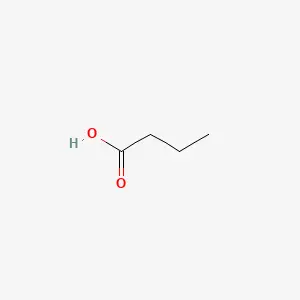
Butyric acid (butanoic acid, 4:0, C4H8O2) is one of the shortest fatty acids found in food. It is a saturated fat with only four carbons. FAO and WHO (the UN food and health agencies) class fatty acids with three to seven carbons as short-chain. Its salts and esters are called butyrates, and the name comes from the Greek word for butter.
Two sources matter, and they are very different. Bacteria in your colon make most of it by fermenting fiber and resistant starch (starch your small intestine does not digest). A little comes in dairy fat such as butter and milk. Caproic acid (6:0) is its next short-chain neighbor.
Colon cells are the main customers. In cells taken from human colons, butyrate supplied 73% to 75% of their oxygen use when it was the only fuel on offer. Colon cells from germ-free mice, which have no gut bacteria, were short of energy until butyrate was added. That is why butyrate is studied in bowel disease.
The pure acid is better known for its smell. PubChem, a US chemical database, describes a penetrating, rancid odor. A food-science team describes the cheesy, fecal aroma and bitter taste of its ester, tributyrin. That is why supplements use salts or coated forms.
The evidence is narrower than the interest. In a review of 8 trials, butyrate enemas did not clearly beat placebo (a dummy treatment) in ulcerative colitis, an inflammatory bowel disease. Oral butyrate gave mixed results in bowel disease. Small trials point to some relief in irritable bowel syndrome and in weight and blood fats.
A cup of semi-skimmed milk holds 0.19 g of butyric acid in our USDA ranking. The doses in trials came to between 0.12 g and 3.2 g a day of butyric acid (our arithmetic).
Health benefits of butyric acid (butyrate)
The top findings from 25 studies, strongest evidence first
What the stars mean
- Strong. Several randomized trials, pooled in a meta-analysis, point the same way, or regulators (FDA or EFSA) have approved the claim.
- Moderate. Good randomized trials support it, but there are fewer of them, or their results vary.
- Limited. Small, short or single trials, or mixed results. Promising, but it needs confirmation.
Population and lab studies get no stars: they show a link or a mechanism, not proof.
How we rate evidence →- ★★Mixed results in ulcerative colitisButyrate enemas did not clearly beat placebo in 8 trials (227 people). In 98 adults, microencapsulated sodium butyrate (2 × 300 mg a day) gave clinical improvement in 51%, against 21.3% on placebo.
- ★★Mixed results in children with bowel diseaseIn 72 children with Crohn’s disease or ulcerative colitis, sodium butyrate did not raise remission at 12 weeks. A trial in 88 children found 81.82% in remission on butyrate, against 47.73% on placebo.
- ★★Potato resistant starch raised stool butyrateIn 174 young adults, two weeks of potato resistant starch gave the largest rise in short-chain fatty acids, including butyrate. Maize starch and inulin did not clearly raise stool butyrate.
- ★★Butter raised “bad” LDL more than olive oilIn 91 adults, 50 g of butter a day raised LDL by 0.42 mmol/L more than coconut oil and 0.38 more than olive oil. This 4-week test used whole butter, not butyric acid alone.
- ★Mixed results for irritable bowel syndromeIn 66 people with IBS, microencapsulated sodium butyrate eased pain on passing stool, but overall symptom severity was not clearly reduced. In 51 children, 73% on calcium butyrate had at least a 50% drop in their pain score, against 3.8% on placebo (a single small trial).
All 21 studies, strongest evidence first
Butyrate enemas did not clearly beat placebo in ulcerative colitis
This review pooled 8 randomized trials of sodium butyrate enemas against placebo in 227 people with ulcerative colitis. Only 1 of the 8 found a clear difference in disease activity between groups. Scope-exam and tissue scores did not differ, though a few inflammation markers in biopsies changed. The authors found no reliable data for Crohn’s disease and say the limited evidence does not support butyrate enemas in ulcerative colitis.
Sodium butyrate did not raise remission in 72 children with bowel disease
This multicenter trial included children aged 6 to 18 with newly diagnosed Crohn’s disease of the colon or ulcerative colitis. On top of standard treatment, they took 150 mg of sodium butyrate twice a day or placebo, and 29 and 43 finished. At 12 weeks, remission (symptoms settled) and median disease activity did not differ between the groups. No adverse events were reported.
Potato resistant starch raised stool butyrate most in 174 young adults
For two weeks, healthy young adults ate resistant starch from potatoes or maize, inulin from chicory root, or a digestible corn starch as the control. Potato starch gave the largest rise in short-chain fatty acids (made by gut bacteria), including butyrate. Maize starch and inulin changed the gut bacteria but did not clearly raise fecal (stool) butyrate. People carrying Ruminococcus bromii or Clostridium chartatabidum were more likely to make more butyrate, so responses differ from person to person.
31.4% reached clinical remission on microencapsulated sodium butyrate at 8 weeks
98 adults with mild to moderate ulcerative colitis took 2 × 300 mg a day or placebo for 8 weeks, on top of treatment. On butyrate, 51% improved clinically, 42.2% reached biochemical remission and 25.5% improved on a scope exam. Biochemical remission meant fecal calprotectin, a stool marker of gut inflammation, of 250 µg/g or less. The full paper reports 21.3% clinical improvement on placebo, a gap unlikely to be chance. Several authors report fees from drug companies, and the study had no funding.
Oral sodium butyrate looked encouraging in ulcerative colitis, but trials vary
This 2026 review covered 22 studies: 10 clinical trials, 1 observational study that followed people forward and 11 animal studies. In adults with ulcerative colitis, oral sodium butyrate on top of standard therapy went with better remission rates and quality of life. It also went with lower disease activity and inflammation markers. Microencapsulated forms looked best; results in children were inconsistent, enemas varied, and the authors call for larger, standardized trials.
Microencapsulated butyrate went with lower Crohn’s activity, better quality of life
A microencapsulated sodium butyrate product or placebo was added to usual treatment in 140 people: 60 with Crohn’s disease and 80 with ulcerative colitis. After supplementation, fecal calprotectin fell in Crohn’s disease but only marginally in ulcerative colitis, and quality of life rose in both. The abstract does not give the comparison with placebo. The authors report fees from drug and supplement companies.
81.82% of children reached remission on sodium butyrate, 47.73% on placebo
This single-center trial included 88 children aged 7 to 18 with newly diagnosed ulcerative colitis or Crohn’s disease, 44 in each group. They took 150 mg a day of a patented slow-release sodium butyrate or placebo for 12 weeks. At 12 weeks, C-reactive protein, a blood marker of inflammation, was 18.14 against 57.00 mg/L, and fecal calprotectin fell more on butyrate. No adverse effects were recorded, and the result is the opposite of the multicenter trial above.
Butyrate: 7 of 12 remitted, 5 of 13 without; no clear gap
In this pilot, 30 people with mild to moderate ulcerative colitis took mesalazine (a standard anti-inflammatory drug), and 25 finished 6 weeks. Adding 4 g a day of sodium butyrate tablets, coated to open in the colon, was compared with placebo; mesalazine was 2.4 g a day. The disease activity score fell in both groups, from 7.27 to 2.58 with butyrate and from 6.07 to 3.46 without. The difference between the groups was not clear, and no side effects were reported.
Butyrate: 7 of 13 Crohn’s patients reached remission; nobody took placebo
In this open-label pilot, people with Crohn’s disease of the ileum and colon took 4 g a day of enteric-coated butyrate for 8 weeks. All had mild to moderate disease; one withdrew, 9 responded (69%) and 7 reached remission (53%). Scope and tissue scores improved at the ileocecal level, and the inflammation signals NF-kappaB and interleukin-1 beta fell in the gut lining. With no control group, the part due to a placebo response cannot be separated out.
Nightly butyrate enemas did no better than placebo in ulcerative colitis
38 people with left-sided ulcerative colitis took a 60 mL enema of 80 mM sodium butyrate or saline (salt water) every night. Clinical improvement came in 7 of 19 on butyrate (37%) and 9 of 19 on placebo (47%), and 3 in each group reached remission. No toxicity was seen. The authors conclude these enemas were not effective in distal ulcerative colitis.
Microencapsulated butyrate eased pain on passing stool, not clearly overall pain
66 people with irritable bowel syndrome (IBS) took microencapsulated sodium butyrate or placebo with standard treatment for 12 weeks. Pain on passing stool eased at 4 weeks, and urgency and bowel habit improved by 12 weeks. Drops in belly pain, gas and disordered bowel movements could be chance, and the authors say symptom severity was not clearly reduced.
Calcium butyrate: success in 73% of children with IBS, 3.8% on placebo
51 children aged 4 to 17 took 500 mg a day of calcium butyrate or placebo for 8 weeks, with 4 weeks of follow-up. Success meant at least a 50% drop in the pain score. Symptom scores stayed lower after treatment stopped, and stool tests showed more bacteria that make short-chain fatty acids. It is a single small trial, and the effect is much larger than in most others here.
Microencapsulated butyrate eased IBS pain, diarrhea and bloating in type 2 diabetes
52 adults with diabetes and IBS took 1.5 g a day of microencapsulated sodium butyrate or placebo for 12 weeks. Only the butyrate group had clear falls in symptoms, body weight, HbA1c (long-term blood sugar) and HOMA-IR (a measure of insulin resistance). The abstract gives no between-group figures for these, and the trial was registered after it ended.
96% of children with obesity cut BMI on butyrate, 56% on placebo
This single-center trial gave 54 children aged 5 to 17 with obesity (BMI above the 95th percentile) sodium butyrate or placebo for 6 months. On top of standard care, the dose was 20 mg/kg a day, and success meant a BMI drop of 0.25 SD or more. In the 48 who followed the plan, waist fell 5.07 cm more, insulin 5.41 µU/mL more and HOMA-IR 1.14 more than on placebo. Two children had brief mild nausea and headache, and we found no repeat trial.
Without diabetes, butyrate users lost 7.0 kg, placebo users 3.2 kg
46 adults with overweight or obesity, 23 of them with type 2 diabetes, followed a moderately low-calorie diet for 12 weeks. They took 1,875 mg a day of sodium butyrate or placebo; in those with diabetes, weight did not differ. But their triglycerides (blood fats) fell 0.36 mmol/L against a rise of 0.08, and time in the tight glucose range rose 9%. Serum butyrate rose on the supplement in both groups, unlike in the earlier pilot with 4 g a day.
Oral butyrate improved insulin sensitivity only in lean men, not metabolic syndrome
This pilot gave 19 men, 9 lean and 10 with metabolic syndrome, 4 g a day of sodium butyrate for 4 weeks. Oral butyrate did not raise plasma or stool butyrate, and the abstract describes no placebo group. In lean men, peripheral insulin sensitivity rose from 71 to 82 µmol/kg per minute, and brown fat activity did not change in either group. The authors say this argues against oral butyrate as a treatment for blood sugar control in type 2 diabetes.
A diet rich in two fibers raised stool butyrate in metabolic syndrome
19 adults with metabolic syndrome ate a diet rich in arabinoxylan and resistant starch for 4 weeks and, in random order, a low-fiber Western-style diet. Total short-chain fatty acids, acetate and Bifidobacterium also rose, and isobutyrate and isovalerate fell. The authors read that as less protein fermentation. Butyrate was one measure among several, and the study was not designed to test health outcomes.
One potato side dish a day did not change stool butyrate
In this crossover feeding study, 50 adults ate potato dishes (1.31% resistant starch, wet basis) or refined grain dishes (0.73%). The butyrate-making bacterium Roseburia faecis increased, but fecal butyrate did not change. The authors call for studies of foods naturally higher in resistant starch.
Two butyrate-making gut bacteria were scarcer in ulcerative colitis
This study compared 127 people with ulcerative colitis with 87 controls, so it shows a link and not a cause. Roseburia hominis and Faecalibacterium prausnitzii were both lower in patients and went with higher disease activity. Short-chain fatty acids were also lower in the patients. The authors found no direct link between those fatty acids and the bacteria.
In mice, butyrate from gut bacteria raised colon regulatory T cells
Regulatory T cells are immune cells that calm inflammation. In dishes and in mice, butyrate pushed naive T cells to become regulatory T cells. It also raised histone H3 acetylation at the Foxp3 gene. It eased colitis in a transfer model in Rag1-deficient mice, but it was not tested in people.
Given alone, butyrate met 73% to 75% of colon cell oxygen use
The colon cells came from 14 surgical specimens, 7 from the ascending and 7 from the descending colon. With 10 mM glucose added, butyrate’s share was 59% and 72%. The author proposed that fatty acids made by anaerobic gut bacteria are a major energy source for the colon lining, especially at its far end. These are cells in a dish.
Foods high in butyric acid (butyrate)
Foods supply butyric acid in two very different ways. The first is dairy fat. In our USDA ranking per serving, semi-skimmed cow’s milk leads with 0.19 g in a cup (246 g). It is far ahead of eggs at 0.002 g in one large egg and a chicken drumstick at 0.001 g.
The order is the same per 100 g and per 100 kcal, as the ranking below shows. Only these three foods carry a value in our data, so butter, cheese and yogurt are not in the ranking.
PubChem lists butyric acid as present in butter as an ester to the extent of 4 to 5%. A review says about one third of all milk triglycerides (fat molecules) hold one molecule of it. FAO and WHO list dairy fat as its typical source.
The second way is indirect. Fiber, resistant starch and inulin (a plant fiber) that reach the colon feed the bacteria that make butyrate. Trials show that fibers differ in how much butyrate they yield.
Resistant starch from potatoes raised fecal (stool) butyrate most in 174 healthy adults, while maize starch and inulin did not. One potato side dish a day did not change fecal butyrate in 50 adults. A diet rich in arabinoxylan (a cereal fiber) and resistant starch did raise it in 19 adults with metabolic syndrome.
Fiber is the bottleneck for most people. A review of national surveys says only about 5% of the US population meets fiber recommendations. The FDA Daily Value (the reference amount on US food labels) for dietary fiber is 28 g.
Compare realistic amounts (our arithmetic). A cup of milk gives 0.19 g of butyric acid. A tracer-model study estimated that gut bacteria make about 1.8 g a day in older adults and 3.6 g in young adults. Dairy fat is a minor source and fiber is the major lever, as the chart below shows.
Per serving. No daily amount is set, so bars compare each food with the top food.
Per 100 g. No daily amount is set, so bars compare each food with the top food.
Per 100 kcal: the same calories of each food, for a fair comparison. Bars compare each food with the top food.
Food labels have no Daily Value or Reference Intake for butyric acid, so the % compares each food with the top food.
- 1.

- 2.

- 3.


- 1.
- 2.
- 3.
- 1.
- 2.
- 3.
Sources
- FoodData Central. US Department of Agriculture, Agricultural Research Service. Values as shown in the ranking above.
- National Center for Biotechnology Information. PubChem compound summary for butyric acid (CID 264). US National Library of Medicine. Includes entries from the Hazardous Substances Data Bank.
- Parodi PW. Cows’ milk fat components as potential anticarcinogenic agents. J Nutr. 1997.
- FAO and WHO. Fats and fatty acids in human nutrition: report of an expert consultation. FAO Food and Nutrition Paper 91. Food and Agriculture Organization. 2010.
- Baxter NT, Schmidt AW, Venkataraman A, Kim KS, Waldron C, Schmidt TM. Dynamics of human gut microbiota and short-chain fatty acids in response to dietary interventions with three fermentable fibers. mBio. 2019.
- DeMartino P, Johnston EA, Petersen KS, Kris-Etherton PM, Cockburn DW. Additional resistant starch from one potato side dish per day alters the gut microbiota but not fecal short-chain fatty acid concentrations. Nutrients. 2022.
- Hald S, Schioldan AG, Moore ME, et al. Effects of arabinoxylan and resistant starch on intestinal microbiota and short-chain fatty acids in subjects with metabolic syndrome: a randomised crossover study. PLoS One. 2016.
- Quagliani D, Felt-Gunderson P. Closing America’s fiber intake gap: communication strategies from a Food and Fiber Summit. Am J Lifestyle Med. 2017.
- US Food and Drug Administration. Daily Value on the Nutrition and Supplement Facts Labels. FDA. Accessed October 2026.
- Kirschner SK, Engelen MP, Haas P, Bischoff SC, Deutz NE. Short-chain fatty acid kinetics and concentrations are higher after inulin supplementation in young and older adults: a randomized trial. Am J Clin Nutr. 2025.
How butyric acid (butyrate) works
Most of the biology of butyrate comes from cells, mice and a few human physiology studies. What extra butyrate does for people is tested in the study cards above.
Five ideas cover it. Gut bacteria make it, colon cells take up most of it, and it is their main fuel. It also quiets inflammatory signals, and cancer cells treat it differently. Dairy fat carries a little of its own.
Here is each idea, and what has been seen in people.
Gut bacteria make it from fiber
From fiber to blood, as measured in autopsy samples and reviewed for resistant starch. Not to scale.
Starch and fiber that escape digestion in the small intestine reach the colon. There, bacteria ferment them to short-chain fatty acids (SCFAs), mainly acetate, propionate and butyrate, says a review of resistant starch. It adds that some types of resistant starch favor butyrate production.
At autopsy in people who died suddenly, the colon contents held 131 mmol/kg of SCFAs in the cecum, the first part of the colon. That fell to 80 in the descending colon, while the end of the small intestine (terminal ileum) held only 13.
A tracer study in 21 young and 40 older adults estimated butyrate production in a pool that may represent the gut absorbing bacterial fatty acids. In young adults, production was 28 µmol a minute on placebo and 44 on inulin (30 g a day for a week). In older adults it was 14 and 20, so they made less. On placebo that is about 3.6 g of butyric acid a day in young adults and 1.8 g in older ones (our arithmetic).
Colon cells take up most of it, so little reaches the blood
Short-chain fatty acids in blood, in micromoles per liter and drawn to scale. Orange bars are all of them together in autopsy blood; magenta bars are butyrate alone in plasma from a different study with different people.
In the autopsy study, acetate was the main SCFA in every sample. But the mix changed from the colon contents to portal blood (from gut to liver) to the hepatic vein (leaving the liver). The authors read this as greater uptake of butyrate by the colon lining and of propionate by the liver. Total SCFAs in blood were 375 µmol/L in the portal vein, 148 in the hepatic vein and 79 in peripheral blood.
In 20 healthy adults, plasma butyrate was a median of 2.02 µmol/L after a low-SCFA diet and 2.85 µmol/L after a high-SCFA diet. This helps explain a pilot in which 4 g a day of oral sodium butyrate did not raise plasma or fecal butyrate.
It is the main fuel of colon cells
Share of oxygen use by isolated human colon cells that was attributed to butyrate, drawn to scale. These are cells in a dish.
In Roediger’s experiments on cells from 14 human colon specimens, butyrate supplied 73% to 75% of oxygen use when it was the only fuel. With glucose present it supplied 59% to 72%. In the ascending colon, glucose’s share of oxygen use fell from 85% to 41% when butyrate was added.
In germ-free mice, colon cells were short of energy, with less oxidative phosphorylation and ATP (the cell’s energy molecule) and more autophagy (self-digestion). Adding butyrate rescued their mitochondrial respiration. The authors conclude that butyrate worked here as an energy source, not as an enzyme inhibitor.
In a second paper in 1980, Roediger found that descending colon cells from patients with ulcerative colitis oxidized less butyrate than cells from controls. That held for active and quiet disease (4 acute, 6 quiet and 7 control subjects). He suggested that colitis is an energy-deficiency disease of the colon lining. That is a hypothesis from cell experiments, and the trials of butyrate in colitis (above) have not settled it.
It quiets inflammatory signals
A review lists two main mechanisms. Butyrate stops the inflammatory switch NF-kappaB from turning on, and it blocks histone deacetylation, a process that helps control which genes are active. The review also warns that the effects depend on the concentration and the model and that human data are limited.
In 11 people with distal ulcerative colitis, 6 had butyrate enemas and 5 placebo for up to 8 weeks. Butyrate cut the number of macrophages (immune cells) with active NF-kappaB, and disease activity fell with them. In mice, butyrate made by gut bacteria raised the number of colon regulatory T cells, which damp inflammation.
In 16 healthy volunteers and 35 patients with ulcerative colitis in remission, enemas did not change the mucus layer genes MUC2 and TFF3. The fold changes were near 1, meaning no change.
Cancer cells treat it differently
In colon cell experiments, normal cells burn butyrate for energy, so it fuels their growth. Cancerous cells rely on glucose instead (the Warburg effect), so butyrate builds up in them. There it acts as a histone deacetylase inhibitor, which slowed their growth. This is a cell result about how one molecule is handled, and none of the trials above tested cancer prevention.
Dairy fat carries a little, bound in fat
In milk fat, butyric acid is part of triglycerides. FAO and WHO note that in cow milk all of it sits at the sn-3 position of the glycerol backbone. PubChem puts butter at 4 to 5% butyric acid as an ester. A review says the free acid is absorbed rapidly in the upper gut, which limits its use as a supplement.
We found no study that measured how much butyrate from butter or milk reaches the colon.
What has been seen in people
The doses in the trials covered a range of about 27-fold, from 0.12 to 3.2 g of butyric acid a day (our arithmetic). Compare that with 0.19 g in a cup of milk. Gut bacteria make about 2 to 4 g a day in a tracer model. The chart puts them on one scale.
Butyric acid per day in grams, drawn to scale. Green bars are a cup of milk in our USDA ranking and a model estimate from a tracer study of what gut bacteria make without inulin. Orange bars are trial doses converted to butyric acid by our arithmetic from PubChem molecular weights (sodium butyrate 80%, calcium butyrate 82%, tributyrin 87%). The estimate and the trials are different people and methods.
The trial results do not follow the dose. The 150 mg a day trial in children found a large remission gap, while the 300 mg a day trial found none. The 4 g a day pilots in ulcerative colitis and metabolic syndrome were small and mixed. In adults with ulcerative colitis, a lower dose of 600 mg a day did better than placebo on the measures it reported.
The best evidence is that butyrate enemas do not clearly work in ulcerative colitis. Oral products have helped in some trials of bowel disease, irritable bowel syndrome and obesity. And the results do not line up with the dose.
Sources
- Topping DL, Clifton PM. Short-chain fatty acids and human colonic function: roles of resistant starch and nonstarch polysaccharides. Physiol Rev. 2001.
- Cummings JH, Pomare EW, Branch WJ, Naylor CP, Macfarlane GT. Short chain fatty acids in human large intestine, portal, hepatic and venous blood. Gut. 1987.
- Kirschner SK, Engelen MP, Haas P, Bischoff SC, Deutz NE. Short-chain fatty acid kinetics and concentrations are higher after inulin supplementation in young and older adults: a randomized trial. Am J Clin Nutr. 2025.
- Gill PA, Muir JG, Gibson PR, van Zelm MC. A randomized dietary intervention to increase colonic and peripheral blood SCFAs modulates the blood B- and T-cell compartments in healthy humans. Am J Clin Nutr. 2022.
- Bouter K, Bakker GJ, Levin E, et al. Differential metabolic effects of oral butyrate treatment in lean versus metabolic syndrome subjects. Clin Transl Gastroenterol. 2018.
- Roediger WE. Role of anaerobic bacteria in the metabolic welfare of the colonic mucosa in man. Gut. 1980.
- Roediger WE. The colonic epithelium in ulcerative colitis: an energy-deficiency disease?. Lancet. 1980.
- Donohoe DR, Garge N, Zhang X, et al. The microbiome and butyrate regulate energy metabolism and autophagy in the mammalian colon. Cell Metab. 2011.
- Donohoe DR, Collins LB, Wali A, et al. The Warburg effect dictates the mechanism of butyrate-mediated histone acetylation and cell proliferation. Mol Cell. 2012.
- Hamer HM, Jonkers D, Venema K, Vanhoutvin S, Troost FJ, Brummer RJ. Review article: the role of butyrate on colonic function. Aliment Pharmacol Ther. 2008.
- Lührs H, Gerke T, Müller JG, et al. Butyrate inhibits NF-kappaB activation in lamina propria macrophages of patients with ulcerative colitis. Scand J Gastroenterol. 2002.
- Hamer HM, Jonkers DM, Renes IB, et al. Butyrate enemas do not affect human colonic MUC2 and TFF3 expression. Eur J Gastroenterol Hepatol. 2010.
- Furusawa Y, Obata Y, Fukuda S, et al. Commensal microbe-derived butyrate induces the differentiation of colonic regulatory T cells. Nature. 2013.
- Parodi PW. Cows’ milk fat components as potential anticarcinogenic agents. J Nutr. 1997.
- FAO and WHO. Fats and fatty acids in human nutrition: report of an expert consultation. FAO Food and Nutrition Paper 91. Food and Agriculture Organization. 2010.
- National Center for Biotechnology Information. PubChem compound summary for butyric acid (CID 264). US National Library of Medicine. Includes entries from the Hazardous Substances Data Bank.
- Pituch A, Walkowiak J, Banaszkiewicz A. Butyric acid in functional constipation. Prz Gastroenterol. 2013.
- Goldiș A, Dragomir R, Mercioni MA, et al. Clinical efficacy of sodium butyrate in managing pediatric inflammatory bowel disease. Life (Basel). 2025.
- Pietrzak A, Banasiuk M, Szczepanik M, et al. Sodium butyrate effectiveness in children and adolescents with newly diagnosed inflammatory bowel diseases: randomized placebo-controlled multicenter trial. Nutrients. 2022.
- Cristofori F, Calabrese FM, Iacobellis I, et al. Calcium butyrate efficacy in pediatric irritable bowel syndrome: randomized placebo-controlled multiomics-based clinical trial. J Pediatr Gastroenterol Nutr. 2025.
- Panufnik P, Więcek M, Szwarc P, et al. Effect of microencapsulated sodium butyrate on abdominal symptoms and carbohydrate metabolism in patients with type 2 diabetes: a randomized placebo-controlled trial. Sci Rep. 2026.
- Vernia P, Monteleone G, Grandinetti G, et al. Combined oral sodium butyrate and mesalazine treatment compared to oral mesalazine alone in ulcerative colitis: randomized, double-blind, placebo-controlled pilot study. Dig Dis Sci. 2000.
- Karłowicz K, Lewandowski K, Kaniewska MA, et al. Efficacy of microencapsulated sodium butyrate as add-on therapy in inducing remission in patients with mild-to-moderate ulcerative colitis: results from a multi-center, double-blind, randomized, placebo-controlled study. Med Sci Monit. 2025.
How much butyric acid (butyrate) do you need?
No official body sets a daily amount of butyric acid. The FDA has set no Daily Value for it, and the EU no Reference Intake. We found no intake value in the 2010 FAO and WHO report on fats, which lists dairy fat as its typical source.
Your body makes it from fiber, so the practical target is fiber. The FDA Daily Value for dietary fiber is 28 g a day. A review of national surveys says only about 5% of the US population meets fiber recommendations.
How much the gut makes is hard to measure. In a tracer study, older adults made less butyrate in the model pool than young adults: 14 against 28 µmol a minute on placebo. A week of inulin raised both. Dairy adds little by comparison: 0.19 g in a cup of semi-skimmed milk and 0.002 g in a large egg in our USDA ranking.
We found no disease named for a lack of butyric acid. In ulcerative colitis, butyrate-making bacteria are less common (127 patients against 87 controls) and colon cells oxidize less butyrate. Whether that causes the disease or follows it is not known.
Sources
- US Food and Drug Administration. Daily Value on the Nutrition and Supplement Facts Labels. FDA. Accessed October 2026.
- Quagliani D, Felt-Gunderson P. Closing America’s fiber intake gap: communication strategies from a Food and Fiber Summit. Am J Lifestyle Med. 2017.
- FAO and WHO. Fats and fatty acids in human nutrition: report of an expert consultation. FAO Food and Nutrition Paper 91. Food and Agriculture Organization. 2010.
- Kirschner SK, Engelen MP, Haas P, Bischoff SC, Deutz NE. Short-chain fatty acid kinetics and concentrations are higher after inulin supplementation in young and older adults: a randomized trial. Am J Clin Nutr. 2025.
- Machiels K, Joossens M, Sabino J, et al. A decrease of the butyrate-producing species Roseburia hominis and Faecalibacterium prausnitzii defines dysbiosis in patients with ulcerative colitis. Gut. 2014.
- Roediger WE. The colonic epithelium in ulcerative colitis: an energy-deficiency disease?. Lancet. 1980.
- FoodData Central. US Department of Agriculture, Agricultural Research Service. Values as shown in the ranking above.
Forms of butyric acid (butyrate): absorption and effects
Butyrate reaches people in several forms. There is the butyrate bacteria make in the colon, and butyric acid bound in the fat of butter and milk. Supplements come as plain sodium butyrate, coated or microencapsulated sodium butyrate, calcium butyrate and the ester tributyrin, and there are enemas. The pure acid is not used because of its smell and taste.
The honest bottom line is that most trials used coated or microencapsulated sodium butyrate. The only head-to-head comparison we found, sodium against calcium butyrate in fatty liver disease, saw no change in liver fat with either.
Forms matter because uncoated butyrate is absorbed quickly in the upper gut, says a review whose authors also run butyrate trials. So trial products are coated to open in the colon. We found no study that compared coated with plain butyrate.
One pilot that measured blood and stool butyrate found no rise; it used 4 g a day of sodium butyrate capsules, coating not stated. A later trial of 1,875 mg a day found serum butyrate rose.
The key trials above used sodium butyrate, mostly coated or microencapsulated (wrapped in tiny capsules), for ulcerative colitis, Crohn’s disease, IBS and obesity. Calcium butyrate was used for IBS in children, enemas for ulcerative colitis, and fiber diets for fecal butyrate.
| Form | What it is | What studies show | Source |
|---|---|---|---|
| Made by gut bacteria | Butyrate produced in the colon when bacteria ferment fiber and resistant starch | The main source. At autopsy colon contents held 131 mmol/kg of short-chain fatty acids in the cecum, and the colon lining takes up most of the butyrate. Potato starch raised fecal butyrate in 174 adults, but maize starch, inulin and one potato side dish did not. | 1, 2, 3, 4 |
| Butter and dairy fat | Butyric acid bound in milk fat triglycerides | PubChem puts butter at 4 to 5% as an ester, and about a third of milk triglycerides hold one molecule. In cow milk fat it sits at the sn-3 position. Butter raised LDL cholesterol in a trial, and we found no trial that measured gut butyrate after butter. | 25, 6, 26, 7 |
| Free butyric acid | The liquid acid, a corrosive liquid with a rancid odor | Not used as a supplement: the authors of one trial call direct supplementation not feasible because of its unpleasant taste and odor, and a review says its rancid smell and rapid upper-gut absorption limited its use. PubChem lists it as a food flavoring with a butter, cheese and sour profile. | 25, 8 |
| Sodium butyrate, coated or microencapsulated | The sodium salt, coated to release in the colon | The form in most oral trials: 4 g a day (ulcerative colitis, in pH-coated tablets), 1.5 g and 1.875 g a day (adults with diabetes or obesity), 600 mg a day (ulcerative colitis) and 300 mg and 150 mg a day (children). Results ranged from none to large. A pilot at 4 g a day found no rise in blood or fecal butyrate, and a later trial at 1.875 g a day did find serum butyrate rise. | 10, 11, 12, 13, 14, 15, 9 |
| Calcium butyrate | The calcium salt | 500 mg a day helped children with irritable bowel syndrome in one trial, and a 500 mg tablet with zinc and vitamin D3 improved a fatty liver index. In the one head-to-head trial, 1,000 mg a day of the calcium and the sodium salt both left liver fat unchanged, and each moved different markers. | 16, 17, 18 |
| Tributyrin | A triglyceride with three butyrate molecules, a prodrug the body splits; also found in butter | 150 to 200 mg/kg three times a day gave a median blood butyrate of 52 µM in cancer patients, and 500 mg three times a day changed butyrate uptake in Parkinson disease. It has a cheesy, fecal aroma and a bitter taste, which has limited its use in food. | 19, 20, 22 |
| Butyrate-enriched triglycerides | Butyrate and hexanoate esterified to long-chain fatty acids (a branded product) | Released its butyrate mostly in the small intestine in a lab gut model, and the medium dose raised blood butyrate after a meal in 12 men without changing any metabolic marker. Two authors work for the fat company AAK. | 21 |
| Butyrate enemas | A sodium butyrate solution given into the rectum | A nightly 80 mM enema did no better than saline in 38 people. A review of 8 trials says the evidence does not support enemas in ulcerative colitis. | 23, 24 |
Here are the form-specific and head-to-head studies, strongest evidence first, 4 in all.
All 4 studies, strongest evidence first
Butter raised LDL more than coconut or olive oil in 91 adults
For 4 weeks, healthy adults aged 50 to 75 ate 50 g a day of unsalted butter, or extra virgin coconut or olive oil. LDL cholesterol (the “bad” kind) rose 0.42 mmol/L more on butter than on coconut oil and 0.38 more than on olive oil. The test food was whole butter, so the result cannot be credited to its butyric acid, a small part of the fat.
Neither sodium nor calcium butyrate changed liver fat in fatty liver disease
181 people with fatty liver disease at a single center took 1,000 mg a day of sodium butyrate (121) or calcium butyrate (60). There was no placebo group, and it is the only head-to-head comparison of two butyrate salts we found. The liver fat measure CAP did not change in either group (0.84 and −0.23). The two salts moved different markers: sodium butyrate lowered serum trimethylamine N-oxide and the fatty liver index, and calcium butyrate lowered fecal calprotectin.
A butyrate-rich fat raised blood butyrate but no metabolic marker
12 men with overweight or obesity ate a high-fat meal with placebo or Akovita SCT (butyrate and hexanoate bound to long-chain fatty acids). Doses were 650, 1,325 and 2,000 mg; the medium dose raised blood butyrate and the high dose only tended to. In a lab gut model, plain tributyrin split quickly in the stomach, while this fat released butyrate mostly in the small intestine. Two authors work for AAK Netherlands BV.
Oral tributyrin gave median blood butyrate of 52 µM in cancer patients
20 adults with advanced cancer took tributyrin, a fat the body splits into butyrate, at doses raised step by step. That level came at 150 to 200 mg/kg three times a day, with no dose-limiting toxicity. The dose rises stopped because of the number of capsules, levels varied widely between patients, and no tumor responded. These patients had no other treatment options, so the doses say little about healthy people.
Sources
- Cummings JH, Pomare EW, Branch WJ, Naylor CP, Macfarlane GT. Short chain fatty acids in human large intestine, portal, hepatic and venous blood. Gut. 1987.
- Topping DL, Clifton PM. Short-chain fatty acids and human colonic function: roles of resistant starch and nonstarch polysaccharides. Physiol Rev. 2001.
- Baxter NT, Schmidt AW, Venkataraman A, Kim KS, Waldron C, Schmidt TM. Dynamics of human gut microbiota and short-chain fatty acids in response to dietary interventions with three fermentable fibers. mBio. 2019.
- DeMartino P, Johnston EA, Petersen KS, Kris-Etherton PM, Cockburn DW. Additional resistant starch from one potato side dish per day alters the gut microbiota but not fecal short-chain fatty acid concentrations. Nutrients. 2022.
- Hald S, Schioldan AG, Moore ME, et al. Effects of arabinoxylan and resistant starch on intestinal microbiota and short-chain fatty acids in subjects with metabolic syndrome: a randomised crossover study. PLoS One. 2016.
- Parodi PW. Cows’ milk fat components as potential anticarcinogenic agents. J Nutr. 1997.
- Khaw KT, Sharp SJ, Finikarides L, et al. Randomised trial of coconut oil, olive oil or butter on blood lipids and other cardiovascular risk factors in healthy men and women. BMJ Open. 2018.
- Pituch A, Walkowiak J, Banaszkiewicz A. Butyric acid in functional constipation. Prz Gastroenterol. 2013.
- Bouter K, Bakker GJ, Levin E, et al. Differential metabolic effects of oral butyrate treatment in lean versus metabolic syndrome subjects. Clin Transl Gastroenterol. 2018.
- Vernia P, Monteleone G, Grandinetti G, et al. Combined oral sodium butyrate and mesalazine treatment compared to oral mesalazine alone in ulcerative colitis: randomized, double-blind, placebo-controlled pilot study. Dig Dis Sci. 2000.
- Pietrzak A, Banasiuk M, Szczepanik M, et al. Sodium butyrate effectiveness in children and adolescents with newly diagnosed inflammatory bowel diseases: randomized placebo-controlled multicenter trial. Nutrients. 2022.
- Goldiș A, Dragomir R, Mercioni MA, et al. Clinical efficacy of sodium butyrate in managing pediatric inflammatory bowel disease. Life (Basel). 2025.
- Panufnik P, Więcek M, Szwarc P, et al. Effect of microencapsulated sodium butyrate on abdominal symptoms and carbohydrate metabolism in patients with type 2 diabetes: a randomized placebo-controlled trial. Sci Rep. 2026.
- Karłowicz K, Lewandowski K, Kaniewska MA, et al. Efficacy of microencapsulated sodium butyrate as add-on therapy in inducing remission in patients with mild-to-moderate ulcerative colitis: results from a multi-center, double-blind, randomized, placebo-controlled study. Med Sci Monit. 2025.
- Testa R, Vitale M, Giosuè A, et al. Targeting weight loss and blood glucose control with oral sodium butyrate in overweight/obese adults with and without type 2 diabetes: a proof-of-concept randomized controlled trial. Clin Nutr. 2026.
- Cristofori F, Calabrese FM, Iacobellis I, et al. Calcium butyrate efficacy in pediatric irritable bowel syndrome: randomized placebo-controlled multiomics-based clinical trial. J Pediatr Gastroenterol Nutr. 2025.
- Fogacci F, Giovannini M, Di Micoli V, Grandi E, Borghi C, Cicero AFG. Effect of supplementation of a butyrate-based formula in individuals with liver steatosis and metabolic syndrome: a randomized double-blind placebo-controlled clinical trial. Nutrients. 2024.
- Mitrović M, Stanković Popović V, Erceg S, et al. Exploring the potential of oral butyrate supplementation in metabolic dysfunction-associated steatotic liver disease: subgroup insights from an interventional study. Int J Mol Sci. 2025.
- Edelman MJ, Bauer K, Khanwani S, et al. Clinical and pharmacologic study of tributyrin: an oral butyrate prodrug. Cancer Chemother Pharmacol. 2003.
- Bohnen JLB, Roytman S, Wigstrom TP, et al. Dietary tributyrin supplementation in Parkinson’s disease: an open-label target engagement study. Neurotherapeutics. 2026.
- van Deuren T, Smolders L, Hartog A, et al. Butyrate and hexanoate-enriched triglycerides increase postprandial systemic butyrate and hexanoate in men with overweight/obesity: a double-blind placebo-controlled randomized crossover trial. Front Nutr. 2022.
- Donovan JD, Lee SY, Lee Y. R-Index measure of microencapsulated tributyrin in gamma-cyclodextrin influenced by drying method. J Food Sci. 2016.
- Steinhart AH, Hiruki T, Brzezinski A, Baker JP. Treatment of left-sided ulcerative colitis with butyrate enemas: a controlled trial. Aliment Pharmacol Ther. 1996.
- Jamka M, Kokot M, Kaczmarek N, et al. The effect of sodium butyrate enemas compared with placebo on disease activity, endoscopic scores, and histological and inflammatory parameters in inflammatory bowel diseases: a systematic review of randomised controlled trials. Complement Med Res. 2021.
- National Center for Biotechnology Information. PubChem compound summary for butyric acid (CID 264). US National Library of Medicine. Includes entries from the Hazardous Substances Data Bank.
- FAO and WHO. Fats and fatty acids in human nutrition: report of an expert consultation. FAO Food and Nutrition Paper 91. Food and Agriculture Organization. 2010.
Is butyric acid (butyrate) safe? Supplements, dose and interactions
Butyrate that your gut makes and the butyric acid in dairy fat are not described as a safety concern in any source we found. We found no upper limit and no recommended intake for butyric acid from any authority. Supplements are another matter.
The trials tested specific products at specific doses, for up to 6 months in the cards above. Several reported no side effects. There were none in the two children’s bowel disease trials (150 mg and 300 mg a day). There were also none with 4 g a day alongside mesalazine, or with the calcium butyrate tablet.
The obesity trial in children reported brief mild nausea and headache in 2 of 54. The trials ran 6 months at most, so long-term safety is untested.
- No limit and short trials. We found no upper limit from any authority, no trial in pregnancy or breastfeeding and no study of drug interactions. In cancer patients, 150 to 200 mg/kg of tributyrin three times a day caused no dose-limiting toxicity; only the pill count stopped higher doses. Ask a doctor first if you are pregnant, breastfeeding or taking medicines.
- Smell, taste and the pure acid. Butyric acid has a penetrating, rancid odor, with published odor thresholds from 0.001 to 9 mg per cubic meter (PubChem). PubChem lists the pure acid as corrosive to metals and tissue, so it is not a product to swallow. Supplements use salts such as sodium butyrate or calcium butyrate, or the ester tributyrin, which has its own cheesy, fecal aroma and bitter taste.
- Sodium and calcium. By our arithmetic from the formula, sodium butyrate is about 21% sodium by weight. So a 4 g dose carries about 0.8 g of sodium, which matters on a low-sodium diet. Calcium butyrate is about 19% calcium, so 500 mg carries about 94 mg.
- Bowel disease and other treatments. The oral trials gave butyrate as an add-on to standard treatment, and one pediatric trial found no gain from it. Butyrate should not replace prescribed treatment for ulcerative colitis, Crohn’s disease or irritable bowel syndrome. If you have bowel symptoms, ask a doctor before trying a supplement.
How to get more butyric acid (butyrate)
- Feed the bacteria that make it. Fiber and resistant starch are their fuel. Resistant starch from potatoes raised fecal butyrate in 174 healthy adults, while maize starch and inulin did not, so the response depends on the person. Only about 5% of the US population meets fiber recommendations, and the Daily Value for dietary fiber is 28 g.
- Keep dairy in perspective. A cup of semi-skimmed milk holds 0.19 g of butyric acid, far less than the gut makes. In a 4-week trial, 50 g a day of butter raised LDL cholesterol by 0.42 mmol/L more than coconut oil. So butter is not a butyrate shortcut.
- Ask before starting a supplement. The trials of butyrate supplements are small and mixed, and the products differ in dose, coating and brand. If you have bowel symptoms, a doctor can rule out disease before you try one.
Sources
- Baxter NT, Schmidt AW, Venkataraman A, Kim KS, Waldron C, Schmidt TM. Dynamics of human gut microbiota and short-chain fatty acids in response to dietary interventions with three fermentable fibers. mBio. 2019.
- DeMartino P, Johnston EA, Petersen KS, Kris-Etherton PM, Cockburn DW. Additional resistant starch from one potato side dish per day alters the gut microbiota but not fecal short-chain fatty acid concentrations. Nutrients. 2022.
- Hald S, Schioldan AG, Moore ME, et al. Effects of arabinoxylan and resistant starch on intestinal microbiota and short-chain fatty acids in subjects with metabolic syndrome: a randomised crossover study. PLoS One. 2016.
- US Food and Drug Administration. Daily Value on the Nutrition and Supplement Facts Labels. FDA. Accessed October 2026.
- Quagliani D, Felt-Gunderson P. Closing America’s fiber intake gap: communication strategies from a Food and Fiber Summit. Am J Lifestyle Med. 2017.
- Khaw KT, Sharp SJ, Finikarides L, et al. Randomised trial of coconut oil, olive oil or butter on blood lipids and other cardiovascular risk factors in healthy men and women. BMJ Open. 2018.
- National Center for Biotechnology Information. PubChem compound summary for butyric acid (CID 264). US National Library of Medicine. Includes entries from the Hazardous Substances Data Bank.
- Donovan JD, Lee SY, Lee Y. R-Index measure of microencapsulated tributyrin in gamma-cyclodextrin influenced by drying method. J Food Sci. 2016.
- Panufnik P, Więcek M, Szwarc P, et al. Effect of microencapsulated sodium butyrate on abdominal symptoms and carbohydrate metabolism in patients with type 2 diabetes: a randomized placebo-controlled trial. Sci Rep. 2026.
- Pituch A, Walkowiak J, Banaszkiewicz A. Butyric acid in functional constipation. Prz Gastroenterol. 2013.
- Vernia P, Monteleone G, Grandinetti G, et al. Combined oral sodium butyrate and mesalazine treatment compared to oral mesalazine alone in ulcerative colitis: randomized, double-blind, placebo-controlled pilot study. Dig Dis Sci. 2000.
- Pietrzak A, Banasiuk M, Szczepanik M, et al. Sodium butyrate effectiveness in children and adolescents with newly diagnosed inflammatory bowel diseases: randomized placebo-controlled multicenter trial. Nutrients. 2022.
- Goldiș A, Dragomir R, Mercioni MA, et al. Clinical efficacy of sodium butyrate in managing pediatric inflammatory bowel disease. Life (Basel). 2025.
- Coppola S, Nocerino R, Paparo L, et al. Therapeutic effects of butyrate on pediatric obesity: a randomized clinical trial. JAMA Netw Open. 2022.
- Fogacci F, Giovannini M, Di Micoli V, Grandi E, Borghi C, Cicero AFG. Effect of supplementation of a butyrate-based formula in individuals with liver steatosis and metabolic syndrome: a randomized double-blind placebo-controlled clinical trial. Nutrients. 2024.
- Edelman MJ, Bauer K, Khanwani S, et al. Clinical and pharmacologic study of tributyrin: an oral butyrate prodrug. Cancer Chemother Pharmacol. 2003.
- Jamka M, Kokot M, Kaczmarek N, et al. The effect of sodium butyrate enemas compared with placebo on disease activity, endoscopic scores, and histological and inflammatory parameters in inflammatory bowel diseases: a systematic review of randomised controlled trials. Complement Med Res. 2021.
- FoodData Central. US Department of Agriculture, Agricultural Research Service. Values as shown in the ranking above.
History of butyric acid
Butyric acid was first noticed in butter. The French chemist Michel Eugène Chevreul saw it in impure form in 1814, and had purified it enough to characterize it by 1818. He claimed as early as 1815 that he had found the substance behind the smell of butter. A rival chemist, Henri Braconnot, was also working on butter, which led to a dispute over who came first.
Chevreul’s detailed account came in 1823. By 1824, according to a history of nutrition science, he had shown that fats are esters of glycerol and fatty acids of different chain lengths. The name butyric acid comes from the Greek word for butter.
The gut story came much later. In 1980 Roediger showed that isolated human colon cells burn butyrate as their main fuel. Later that year he suggested that colitis might be a disease of colon cells that cannot use it.
In 1987 Cummings and colleagues measured short-chain fatty acids in the gut and blood of people who died suddenly. This showed that bacteria ferment carbohydrate in the human colon on a large scale.
Butyrate was soon tried as a treatment: SCFA enemas in 1995 and butyrate enemas in 1996, then oral tablets in 2000 and 2005. In 2025 came a multicenter trial of microencapsulated sodium butyrate in ulcerative colitis.
In 2013 a mouse study showed that butyrate from gut bacteria can raise regulatory T cells. That opened a new line of research on how fiber affects immunity.
Microencapsulated sodium butyrate then became available as a supplement in Poland. A 2013 review described how it solved two problems of the pure acid: its rancid smell, and its quick absorption in the upper gut. We found no trial that compared coated with plain butyrate.
Sources
- Carpenter KJ. Early ideas on the nutritional significance of lipids. J Nutr. 1998.
- Wikipedia contributors. Butyric acid. Wikimedia Foundation. Accessed October 2026.
- Roediger WE. Role of anaerobic bacteria in the metabolic welfare of the colonic mucosa in man. Gut. 1980.
- Roediger WE. The colonic epithelium in ulcerative colitis: an energy-deficiency disease?. Lancet. 1980.
- Cummings JH, Pomare EW, Branch WJ, Naylor CP, Macfarlane GT. Short chain fatty acids in human large intestine, portal, hepatic and venous blood. Gut. 1987.
- Vernia P, Marcheggiano A, Caprilli R, et al. Short-chain fatty acid topical treatment in distal ulcerative colitis. Aliment Pharmacol Ther. 1995.
- Steinhart AH, Hiruki T, Brzezinski A, Baker JP. Treatment of left-sided ulcerative colitis with butyrate enemas: a controlled trial. Aliment Pharmacol Ther. 1996.
- Vernia P, Monteleone G, Grandinetti G, et al. Combined oral sodium butyrate and mesalazine treatment compared to oral mesalazine alone in ulcerative colitis: randomized, double-blind, placebo-controlled pilot study. Dig Dis Sci. 2000.
- Di Sabatino A, Morera R, Ciccocioppo R, et al. Oral butyrate for mildly to moderately active Crohn’s disease. Aliment Pharmacol Ther. 2005.
- Furusawa Y, Obata Y, Fukuda S, et al. Commensal microbe-derived butyrate induces the differentiation of colonic regulatory T cells. Nature. 2013.
- Pituch A, Walkowiak J, Banaszkiewicz A. Butyric acid in functional constipation. Prz Gastroenterol. 2013.
- Karłowicz K, Lewandowski K, Kaniewska MA, et al. Efficacy of microencapsulated sodium butyrate as add-on therapy in inducing remission in patients with mild-to-moderate ulcerative colitis: results from a multi-center, double-blind, randomized, placebo-controlled study. Med Sci Monit. 2025.
Frequently asked questions about butyric acid
Is butyric acid bad for you?
Not at food amounts, as far as published sources show. It is made in your own gut, it is found in butter and milk fat, and the main drawback is its smell. Colon cells in a dish drew 73% to 75% of their oxygen use from it.
In dairy fat the amounts are small: 0.19 g in a cup of semi-skimmed milk in our USDA ranking. In one 4-week trial, 50 g a day of butter raised LDL cholesterol 0.42 mmol/L more than coconut oil. That comes from the whole fat and cannot be credited to butyric acid.
How much butyric acid do you need per day?
No daily amount is set. The FDA has set no Daily Value and the EU no Reference Intake, and your body makes it from fiber. A tracer-model study estimated about 1.8 g a day in older adults and 3.6 g in young adults before inulin. The practical step is fiber: the FDA Daily Value is 28 g, and only about 5% of the US population meets recommendations.
Do butyrate supplements work?
The evidence is limited and mixed. In 72 children with bowel disease, 150 mg of sodium butyrate twice a day did not raise remission. Another trial of 88 children found 81.82% remission against 47.73%.
In irritable bowel syndrome, 66 adults on microencapsulated sodium butyrate had less pain on passing stool but no clear drop in overall pain. A 2026 review calls for larger trials with standard formulations before routine use.
Can butyrate treat ulcerative colitis or Crohn’s disease?
Not on current evidence. A review of 8 trials of butyrate enemas in 227 people with ulcerative colitis found only 1 with a clear difference in disease activity. A nightly 80 mM enema did no better than placebo (37% against 47% improved).
Oral butyrate looked better as an add-on. In 98 adults with ulcerative colitis, 31.4% on microencapsulated sodium butyrate reached clinical remission. In an open-label pilot with no placebo group, 7 of 13 people with Crohn’s disease reached remission. Do not replace prescribed treatment.
How can I raise butyrate with food?
Eat more fiber and resistant starch, since gut bacteria make butyrate from them. In 174 healthy adults, resistant starch from potatoes raised fecal butyrate most, while maize starch and inulin did not.
A diet rich in arabinoxylan and resistant starch raised it in 19 adults with metabolic syndrome. One potato side dish a day did not change it in 50 adults. Responses differ from person to person.
Why does butyric acid smell so bad?
The pure acid has a penetrating, rancid odor, according to PubChem, and it is found in butter, milk fat and sweat. Its ester tributyrin has a cheesy, fecal aroma and a bitter taste in food tests. That is why supplements use salts such as sodium butyrate or coated and microencapsulated forms. At very low levels the same compound is used as a butter, cheese or sour flavoring.
Does butter give you butyrate in your gut?
We found no study that measured it. Butter carries butyric acid bound in fat, 4 to 5% as an ester according to PubChem. A review says the free acid is absorbed rapidly in the upper gut.
The gut makes about 2 to 4 g a day in a tracer model, against 0.19 g in a cup of milk. Fiber is the major lever.