
Saturated fats are fatty acids with no double bonds in their chain of carbon atoms. Trials of blood cholesterol have looked most at four of them: palmitic acid, stearic acid, myristic acid and lauric acid. Your body can make saturated fat itself, so you do not need it from food. That is the view of the European Food Safety Authority (EFSA), the EU’s food safety agency.
Saturated fat matters mainly because of cholesterol. Compared with carbohydrates, eating more of it raises LDL cholesterol, the “bad” kind. EFSA found no level below which this effect stops. The American Heart Association (AHA) calls LDL cholesterol a cause of atherosclerosis, the fatty buildup inside arteries.
That is why health bodies set limits. The World Health Organization (WHO) and the US Dietary Guidelines say to keep saturated fat at 10% of calories or less. The AHA advises 5 to 6% for adults who need to lower their LDL cholesterol.
Health effects of saturated fat
The top findings from 3 studies, strongest evidence first
What the stars mean
- Strong. Several randomized trials, pooled in a meta-analysis, point the same way, or regulators (FDA or EFSA) have approved the claim.
- Moderate. Good randomized trials support it, but there are fewer of them, or their results vary.
- Limited. Small, short or single trials, or mixed results. Promising, but it needs confirmation.
Population and lab studies get no stars: they show a link or a mechanism, not proof.
How we rate evidence →- ★★★Better cholesterol ratio swapping in unsaturated fatIn 60 controlled feeding trials, swapping saturated fat for unsaturated fat improved the total-to-HDL (“good”) cholesterol ratio, but swapping it for carbohydrates did not. Stearic acid lowered the ratio slightly.
- ★★Fewer heart and blood vessel eventsAcross 15 trials in 56,675 adults, cutting saturated fat for at least 2 years lowered heart attacks, strokes and other events by 17%. Deaths from any cause did not clearly change.
- ★★Less heart disease swapping in vegetable oilReplacing saturated fat with polyunsaturated vegetable oil cut heart disease about 30%, an effect the authors compare with statins. Replacing it with refined carbohydrates and sugars did not lower heart disease.
All 3 studies, strongest evidence first
Cutting saturated fat lowered heart and blood vessel events by 17%
A Cochrane review pooled 15 randomized trials (groups picked by chance) in 56,675 adults who cut saturated fat for at least 2 years. Heart attacks, strokes and other cardiovascular events fell by 17%, and bigger cuts gave bigger drops. But deaths from any cause and from heart disease did not clearly change. In people without heart disease, about 56 people had to cut saturated fat for about 4 years to spare one person an event.
Unsaturated fat, not carbohydrates, improved the cholesterol ratio in 60 trials
In these controlled feeding trials, saturated fat was swapped for unsaturated fat or for carbohydrates. The measure was total cholesterol divided by HDL cholesterol (the “good” kind), a marker of heart risk. Lauric acid raised total cholesterol a lot, but much of that rise was in HDL; stearic acid lowered the ratio slightly. Myristic and palmitic acid changed it little, and the authors say such markers need to be confirmed in studies of heart disease itself.
Swapping saturated fat for vegetable oil cut heart disease about 30%
In this presidential advisory, the American Heart Association reviewed trials and cohort studies (studies that follow large groups of people for years). In trials, replacing saturated fat with polyunsaturated vegetable oil had an effect the authors compare with statin treatment. Replacing it with mostly refined carbohydrates and sugars did not lower heart disease. The advisory recommends the shift within a healthy overall pattern, such as the DASH or Mediterranean diet.
Not every trial agrees. A recovered trial from the 1970s found that corn oil in place of saturated fat lowered cholesterol but not deaths. Our page on polyunsaturated fats covers it.
Foods high in saturated fat
In our USDA ranking, per serving, ground lamb leads with 11.5 g in 4 oz (113 g). The ranking shows that as 58% of the 20 g Daily Value. Ground beef follows with 8.57 g, and coconut with 8.42 g in 1 oz.
Per 100 g, coconut leads at 29.7 g, ahead of Brazil nuts (16.1 g) and macadamia nuts (12.1 g).
Our database covers whole foods, not butter, cooking oils or processed foods, so those are not in the ranking. Nuts appear because they are rich in fat overall. Most of that fat is unsaturated: macadamia nuts have 58.9 g of monounsaturated fat per 100 g against 12.1 g saturated.
A cup of semi-skimmed milk gives 3.09 g of saturated fat.
Per serving. Bars show the share of the Daily Value (20 g a day).
Per 100 g. Bars show the share of the Daily Value (20 g a day). The line marks 100%.
Per serving. Bars show the share of the EU Reference Intake (20 g a day).
Per 100 g. Bars show the share of the EU Reference Intake (20 g a day). The line marks 100%.
Per 100 kcal: the same calories of each food, for a fair comparison. Bars compare each food with the top food.
- 1.

- 2.

- 3.

- 4.

- 5.

- 6.

- 7.

- 8.

- 9.

- 10.


- 1.
- 2.
- 3.
- 4.
- 5.
- 6.
- 7.

- 8.
- 9.
- 10.


- 1.
- 2.
- 3.
- 4.
- 5.
- 6.
- 7.

- 8.

- 9.

- 10.


Sources
- FoodData Central. US Department of Agriculture, Agricultural Research Service. Values as shown in the ranking above.
- U.S. Food and Drug Administration. Nutrition labeling of food, 21 CFR 101.9. Electronic Code of Federal Regulations.
How much saturated fat is too much?
Health bodies agree on the direction: less saturated fat, replaced with unsaturated fat. WHO’s 2023 guideline and the Dietary Guidelines for Americans 2025 to 2030 set the upper limit at 10% of daily calories. The AHA goes further for adults who need to lower their LDL cholesterol: 5 to 6% of calories.
EFSA sets no number. Because your body makes all the saturated fat it needs, EFSA says intake should be as low as possible within a nutritionally adequate diet. On food labels, the US Daily Value and the EU Reference Intake are both 20 g a day.
Saturated fat: recommended intake per day
US: FDA Daily Value (21 CFR 101.9). EU: Reference Intake, the nutrient reference value of Regulation (EU) No 1169/2011.
| Age and sex | US (DV) | EU (RI) |
|---|---|---|
| Adults and children 4+ (food labels) | 20 g | 20 g |
These are the reference values used on food labels: % Daily Value in the US, % Reference Intake in the EU. Intakes by age, sex and life stage are being added.
| Source | Group | Value | Notes |
|---|---|---|---|
| WHO guideline, 2023 | Adults and children aged 2 and older | No more than 10% of total energy | Replace it with polyunsaturated fat, plant monounsaturated fat, or carbohydrates with natural fiber, such as whole grains, vegetables, fruit and pulses. Sources 1, 2. |
| Dietary Guidelines for Americans, 2025 to 2030 | General advice for Americans | Not more than 10% of total daily calories | The guidelines add that limiting highly processed foods helps meet this goal. Source 3. |
| AHA/ACC lifestyle guideline, 2013 | Adults who would benefit from lower LDL cholesterol | 5 to 6% of calories | Part of a dietary pattern such as DASH. Source 4. |
| EFSA, 2010 (summary report 2017) | All ages | As low as possible within a nutritionally adequate diet | No daily need, because the body makes saturated fat. Source 5. |
| FDA Daily Value and EU Reference Intake | Food labels, adults | 20 g a day | The reference values behind % Daily Value and % Reference Intake. Sources 6, 7. |
Our arithmetic for a 2,000 kcal diet: 10% of calories is 200 kcal, or about 22 g of saturated fat. The AHA’s 5 to 6% is 100 to 120 kcal, or about 11 to 13 g. One 4 oz serving of ground lamb, at 11.5 g, would use up most of that.
Sources
- World Health Organization. Saturated fatty acid and trans-fatty acid intake for adults and children: WHO guideline. WHO. 2023.
- World Health Organization. WHO updates guidelines on fats and carbohydrates. News release, 17 July 2023.
- US Department of Health and Human Services and US Department of Agriculture. Dietary Guidelines for Americans, 2025–2030. 2026.
- Eckel RH, Jakicic JM, Ard JD, et al. 2013 AHA/ACC guideline on lifestyle management to reduce cardiovascular risk. Circulation. 2014.
- European Food Safety Authority. Dietary Reference Values for nutrients: summary report. EFSA Supporting Publications. 2017. Summarizes the 2010 opinion on fats.
- U.S. Food and Drug Administration. Nutrition labeling of food, 21 CFR 101.9. Electronic Code of Federal Regulations.
- Regulation (EU) No 1169/2011 on the provision of food information to consumers. Official Journal of the European Union. 2011. Annex XIII: reference intakes.
Types of saturated fat
Saturated fats are not all alike. In the feeding trials above, lauric acid raised HDL as well as LDL, and stearic acid lowered the cholesterol ratio slightly. Each type has its own page with its foods and studies.
13 saturated fats
Saturated fats
Arachidic acid
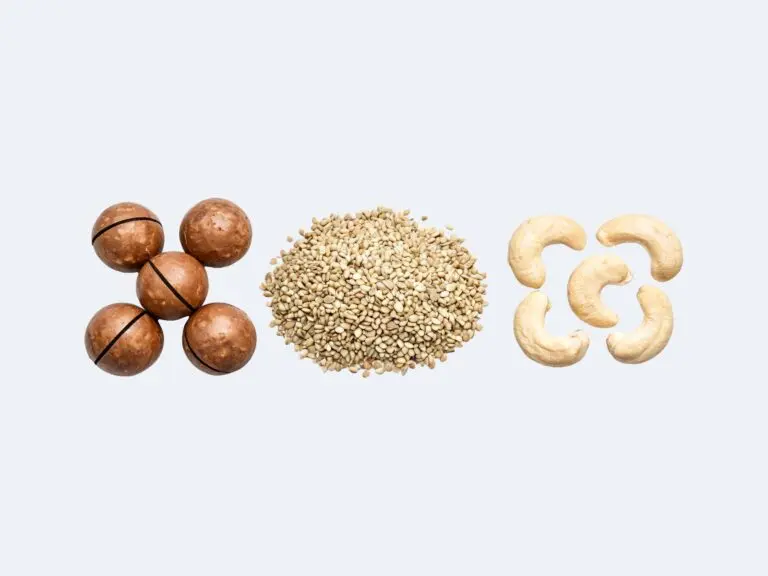
Named for the peanut, arachidic acid is no allergen: none of 60 peanut-allergic people reacted to refined peanut oil. This page weighs 24 studies on blood levels and diabetes, heart failure and atrial fibrillation, plus macadamia and peanut trials.
Top source: macadamia nuts, 0.55 g per 1 oz (28 g)
Top source: macadamia nuts, 1.94 g per 100 g
Saturated fats
Behenic acid
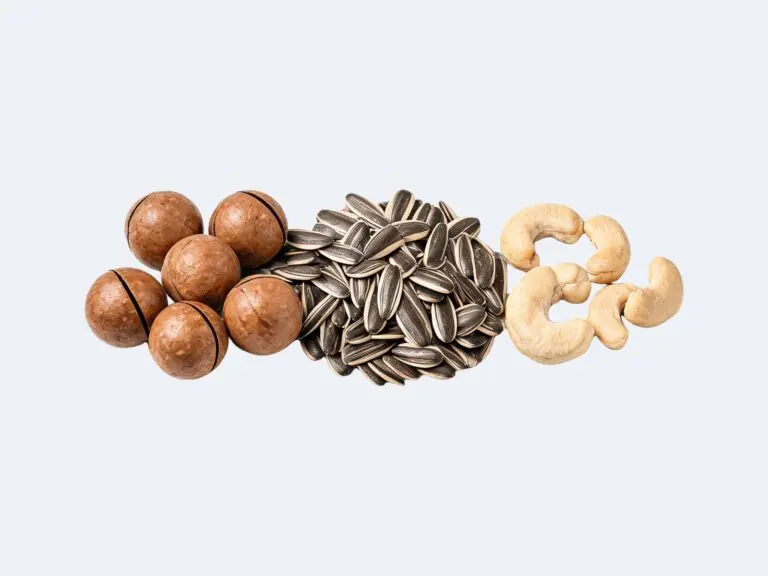
Behenic acid (C22:0) is a saturated fat with 22 carbons that the gut absorbs poorly. Yet in a small feeding trial, a fat enriched in it raised LDL cholesterol as much as palm oil. This page weighs 15 studies, from that trial to cohorts linking blood levels to diabetes, with peanuts, ben oil and caprenin along the way.
Top source: macadamia nuts, 0.17 g per 1 oz (28 g)
Top source: macadamia nuts, 0.62 g per 100 g
Saturated fats
Butyric acid
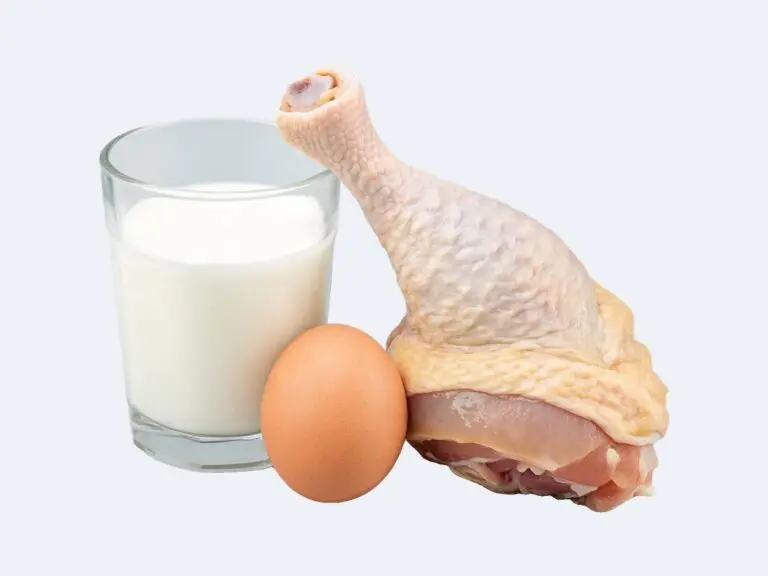
Butyric acid is one of the shortest fats in butter. Yet your gut bacteria make far more of it from fiber than milk or butter ever supply. This page weighs 25 studies on colon cells, butyrate enemas and supplements, bowel disease and the smell.
Top source: semi-skimmed cows milk, 0.19 g per 1 cup (246 g)
Top source: semi-skimmed cows milk, 0.08 g per 100 g
Saturated fats
Capric acid
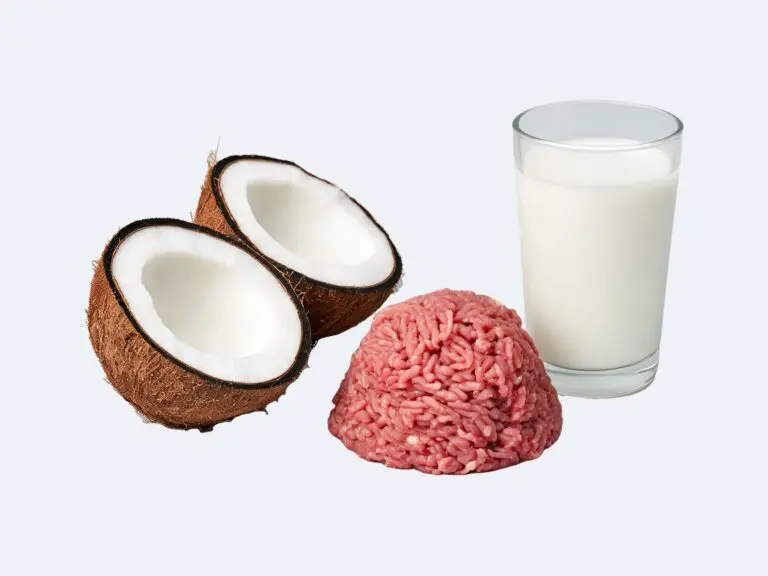
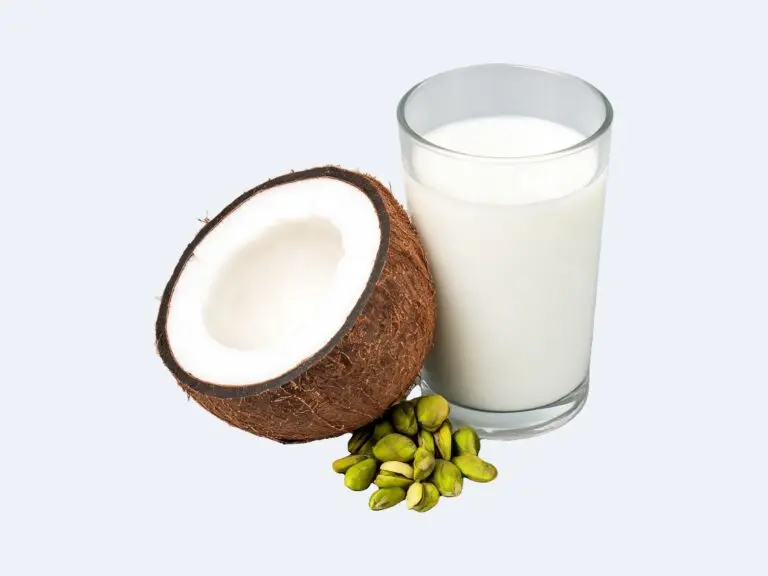
Capric acid is named for goats. Yet most of what is known about it comes from children with drug-resistant epilepsy, where it blocks a brain receptor in the lab. This page weighs 26 studies on seizures, ketones, foods and safety.
Top source: coconuts, 0.53 g per 1 oz (28 g)
Top source: coconuts, 1.86 g per 100 g
Saturated fats
Caproic acid
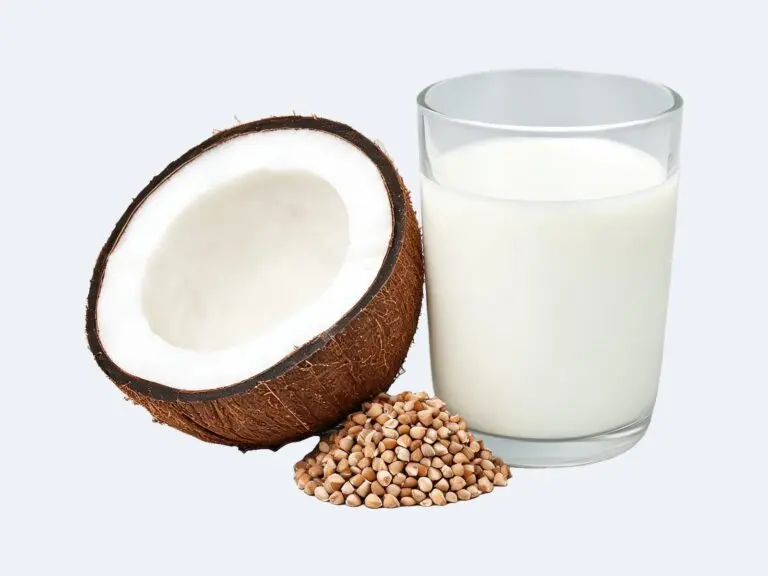
Caproic acid is the 6-carbon fat behind the goaty smell of goat milk, and the liver burns it fast. This page weighs 12 studies, none a human trial of the acid on its own, plus foods and safety.
Top source: semi-skimmed cows milk, 0.1 g per 1 cup (246 g)
Top source: coconuts, 0.19 g per 100 g
Saturated fats
Caprylic acid
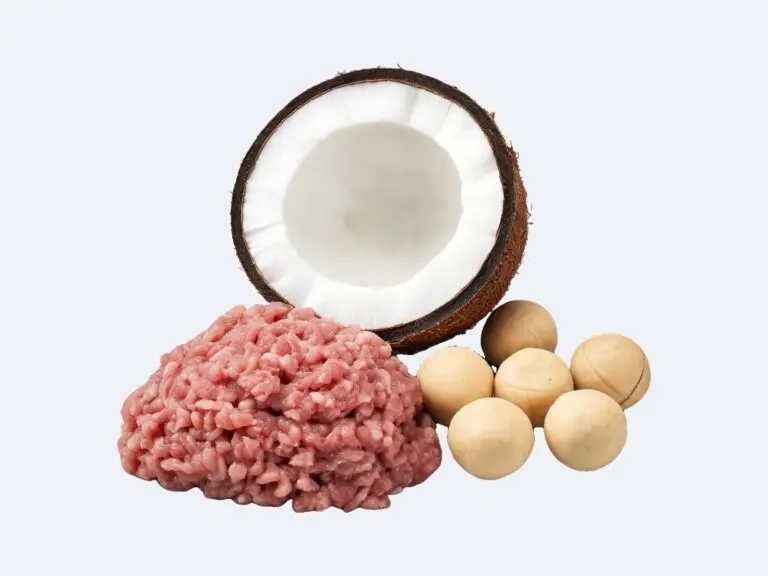
Caprylic acid is the 8-carbon fat in MCT oil, and your liver can turn it into ketones. This page weighs 24 studies on epilepsy, Alzheimer’s disease, weight, appetite, coconut oil, Candida and safety.
Top source: coconuts, 0.67 g per 1 oz (28 g)
Top source: coconuts, 2.35 g per 100 g
Saturated fats
Lauric acid
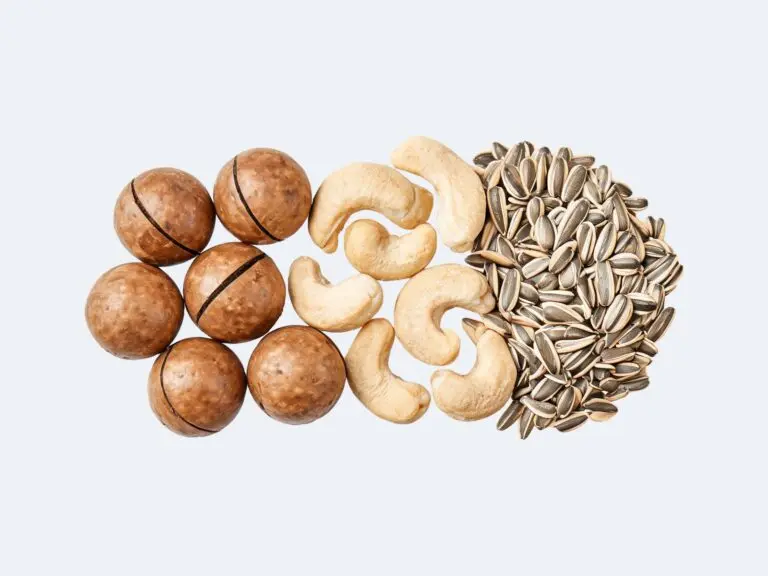
Lauric acid is nearly half of coconut oil. Yet only 8% of coconut oil is the C8 and C10 fat that makes up 90% of a classical MCT oil. This page weighs 26 studies on LDL and HDL cholesterol, coconut oil trials, palm kernel oil and monolaurin.
Top source: coconuts, 4.21 g per 1 oz (28 g)
Top source: coconuts, 14.9 g per 100 g
Saturated fats
Lignoceric acid
Lignoceric acid is a 24-carbon saturated fat found in peanut oil and in nerve tissue. Doctors measure the very long chain fats around it to diagnose rare inherited brain diseases. In cohorts, higher blood levels go with lower risk of diabetes and heart failure. But we found no trial showing that eating more of it helps.
Top source: macadamia nuts, 0.08 g per 1 oz (28 g)
Top source: macadamia nuts, 0.28 g per 100 g
Saturated fats
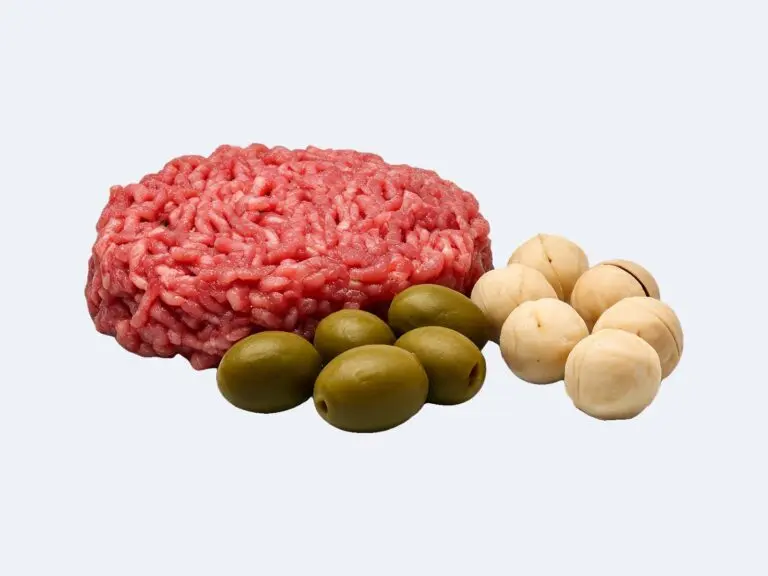
Margaric acid
Margaric acid (heptadecanoic acid, C17:0) is a seventeen-carbon fat that scientists use as a marker of dairy intake. Your body also makes some of its own, so a high blood level does not prove you ate more dairy.
Top source: ground beef, 0.25 g per 4 oz (113 g)
Top source: ground beef, 0.22 g per 100 g
Saturated fats
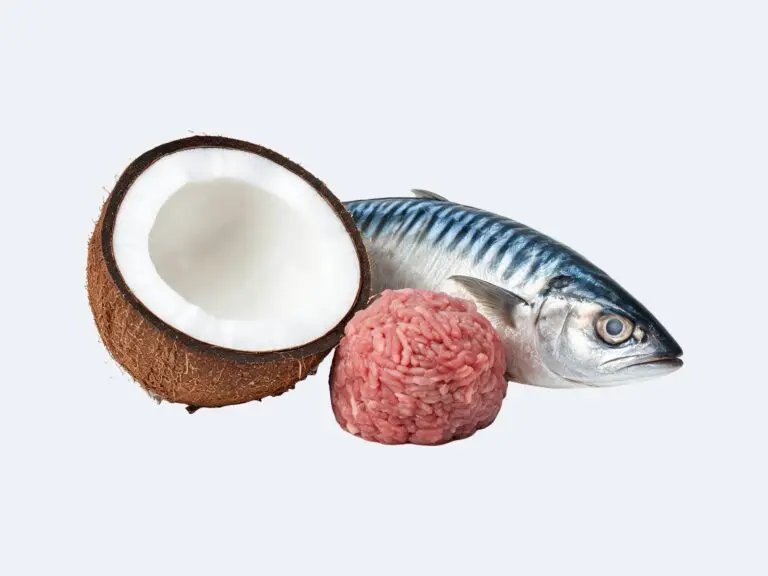
Myristic acid
Myristic acid is named for the nutmeg tree, and nutmeg butter is about 79% myristic acid, but dairy fat holds only 11%. This page weighs 27 studies on how it changes LDL and HDL cholesterol. It also covers dairy fat, coconut oil, nutmeg and the way cells tag proteins with it.
Top source: coconuts, 1.66 g per 1 oz (28 g)
Top source: coconuts, 5.87 g per 100 g
Saturated fats
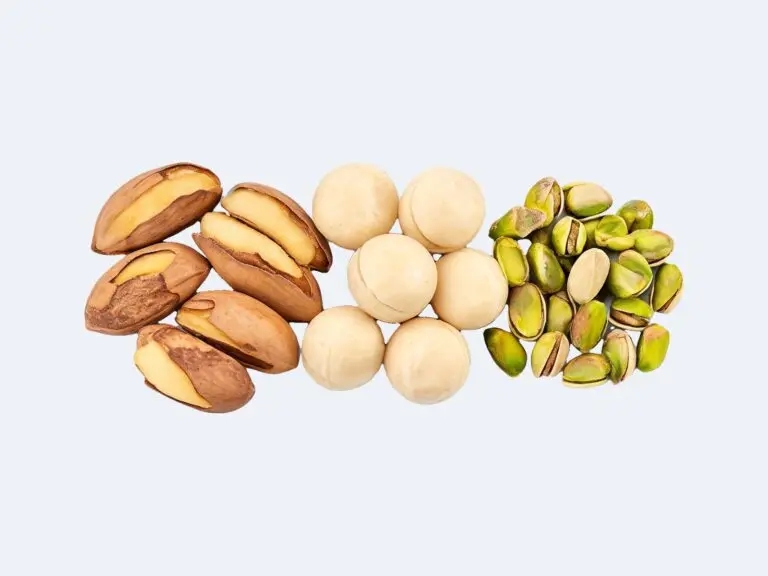
Palmitic acid
Palmitic acid is the most common saturated fat in food and in your body, and your body also makes it from sugar and alcohol. This page weighs 24 studies on LDL cholesterol, palm oil, blood levels and the WHO limit for saturated fat.
Top source: ground lamb, 5.8 g per 4 oz (113 g)
Top source: brazil nuts, 9.63 g per 100 g
Saturated fats
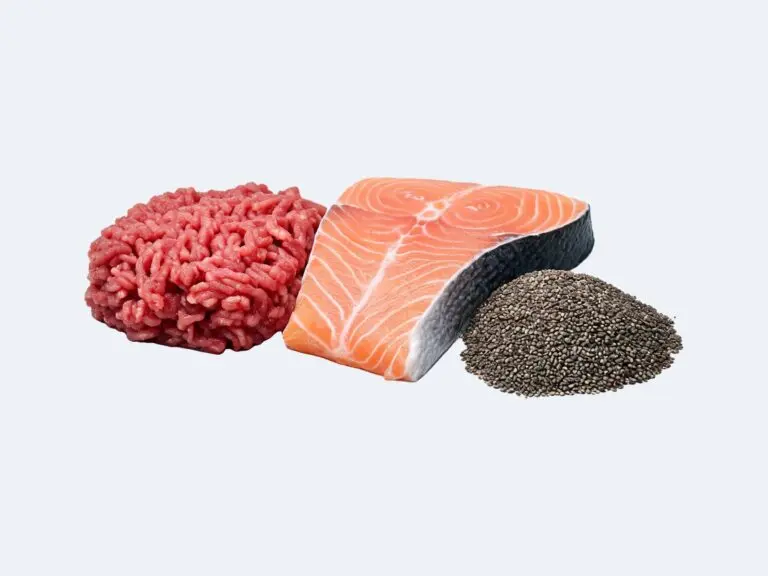
Pentadecylic acid
Pentadecanoic acid (C15:0) is a rare odd-chain fat from dairy and beef. Yet fiber and your own liver make some too, so blood levels are not a pure dairy marker. This page weighs 27 studies on diabetes cohorts, the two small supplement trials and the claim that it is essential.
Top source: ground beef, 0.11 g per 4 oz (113 g)
Top source: ground beef, 0.1 g per 100 g
Saturated fats
Stearic acid
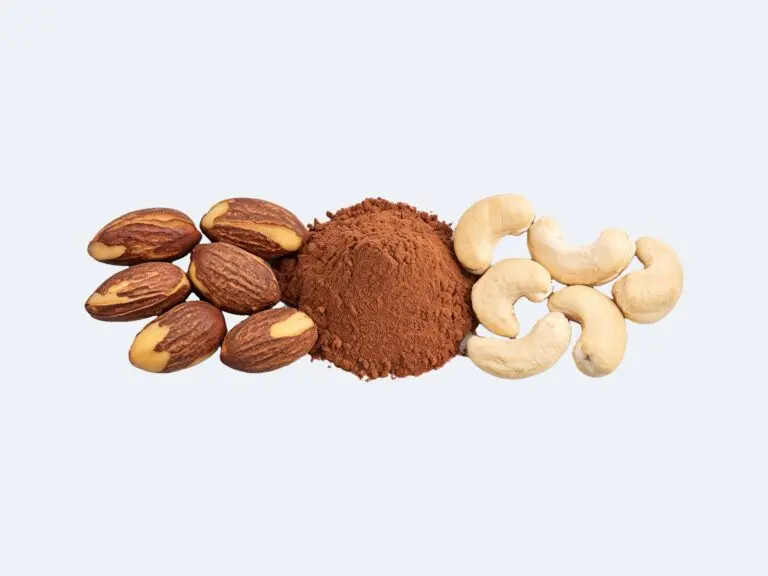
Stearic acid is the saturated fat that raised LDL cholesterol less than palmitic acid in controlled trials. That is partly because the body turns some of it into oleic acid. Here is what 25 studies show about chocolate, beef fat, heart risk and safety, and what the WHO says.
Top source: ground lamb, 3.64 g per 4 oz (113 g)
Top source: brazil nuts, 6.24 g per 100 g


How to eat less saturated fat
- Swap the fat, not just the food. Use vegetable oils rich in unsaturated fat where you would use butter. That is the swap that lowered heart disease in the trials the AHA reviewed.
- Do not replace it with sugar. Swapping saturated fat for refined carbohydrates and sugars did not lower heart disease, the AHA advisory found.
- Eat fewer highly processed foods. The Dietary Guidelines say this helps keep saturated fat under 10% of calories. In our ranking of whole foods, fatty ground meat and coconut give the most per serving.
Sources
- Sacks FM, Lichtenstein AH, Wu JHY, et al. Dietary fats and cardiovascular disease: a presidential advisory from the American Heart Association. Circulation. 2017.
- US Department of Health and Human Services and US Department of Agriculture. Dietary Guidelines for Americans, 2025–2030. 2026.
Frequently asked questions about saturated fat
Is saturated fat bad for you?
Eating more of it raises LDL cholesterol. In a Cochrane review, cutting it for at least 2 years lowered heart and blood vessel events by 17%. Deaths did not clearly change. What replaces it matters: unsaturated fats helped, while refined carbohydrates and sugar did not.
How many grams of saturated fat a day is too much?
On a 2,000 kcal diet, the 10% limit of WHO and the US Dietary Guidelines is about 22 g a day, by our arithmetic. The AHA’s 5 to 6% for people who need lower LDL is about 11 to 13 g. Food labels use 20 g as the Daily Value.
Does saturated fat raise cholesterol?
Yes. Compared with carbohydrates, more saturated fat means higher LDL cholesterol. EFSA found no level below which the effect stops. Replacing it with unsaturated fat lowers LDL, the AHA advisory says.
Is coconut oil healthy?
Lauric acid makes up nearly half of coconut oil. In feeding trials it raised total cholesterol a lot, though much of the rise was in HDL. Our lauric acid page covers the coconut oil trials.