
Potassium is an essential mineral. It is the most abundant positively charged ion inside your cells, says the NIH (the US National Institutes of Health). An adult body holds about 140 g of it (for a 175-pound adult).
Cells keep about 30 times more potassium inside than outside. That difference, held up by the sodium-potassium pump, is what nerve signals, muscle contraction and kidney function run on. Potassium also works against sodium. The NIH says higher intakes may lower blood pressure in part by widening blood vessels and increasing the sodium lost in urine.
Here is the part most people do not know: the official US target was cut in 2019. In 2005 the Institute of Medicine had set an adequate intake (an amount assumed to be enough) of 4,700 mg a day. In 2019 a National Academies committee replaced it with 3,400 mg for men and 2,600 mg for women. It based them on the highest median intakes seen in healthy people.
The Daily Value on US food labels is still 4,700 mg. So a food can show a lower percentage on its label than it would against the current intake target.
Most people eat less than these targets. In US survey data from 2013 to 2014, men aged 20 and older averaged 3,016 mg of potassium from food, and women 2,320 mg. EFSA (the EU’s food safety agency) reports that average adult intakes in eight EU national surveys ranged from 2,463 to 3,991 mg a day.
A low level of potassium in the blood is a different matter. It rarely comes from diet alone and usually follows diarrhea, vomiting or certain drugs. The opposite problem matters too. People with kidney disease or on some blood pressure medicines can build up potassium, so general advice does not fit everyone.
Health benefits of potassium
The top findings from 38 studies, strongest evidence first
What the stars mean
- Strong. Several randomized trials, pooled in a meta-analysis, point the same way, or regulators (FDA or EFSA) have approved the claim.
- Moderate. Good randomized trials support it, but there are fewer of them, or their results vary.
- Limited. Small, short or single trials, or mixed results. Promising, but it needs confirmation.
Population and lab studies get no stars: they show a link or a mechanism, not proof.
How we rate evidence →- ★★★Lower blood pressurePotassium pills lowered the top number by about 3 points (3.11 mm Hg systolic) across 33 trials. In people with high blood pressure it fell more (4.48 mm Hg systolic), and a 22-trial review saw no drop in people without it.
- ★★★Salt substitutes with potassium lowered blood pressureSalt substitutes, with some sodium swapped for potassium, lowered the top number by about 5 points (4.76 mm Hg systolic) across 26 trials. In a rural China trial (past stroke, or age 60+ with high blood pressure), strokes were 0.86 times as common, but sodium fell too.
- ★★Fewer kidney stones with citrate saltsIn 7 small trials, new kidney stones were 0.26 times as likely on citrate salts such as potassium citrate. The benefit is attributed to the citrate, not to potassium itself.
- ★★Lower blood pressure on the DASH dietThe DASH diet, rich in fruits, vegetables and low-fat dairy, lowered blood pressure by 5.5/3.0 mm Hg (top/bottom number) against a typical American diet. It also cut fat and raised magnesium and calcium, so potassium alone cannot get the credit.
- ★★Mixed results for bone densityPotassium citrate raised lower-spine bone density by 1.7% more than placebo in adults over 65 (24 months). It did not help women aged 55 to 65, and a review of 14 studies found no effect on bone density.
All 28 studies, strongest evidence first
The EU authorizes three potassium claims, including normal blood pressure
Regulation (EU) No 432/2012 lists the three claims, which EFSA assessed in 2010. Potassium contributes to normal functioning of the nervous system, normal muscle function and maintenance of normal blood pressure. A food may carry them only if it is at least a source of potassium under Regulation (EC) No 1924/2006. As a rule, that means 15% of the 2,000 mg Nutrient Reference Value per 100 g. That is 300 mg, under Regulation (EU) No 1169/2011. The wording says potassium contributes to these functions; it is not a claim that potassium treats high blood pressure.
In 22 trials, more potassium lowered systolic pressure 3.49 mm Hg
This systematic review covered 22 randomized trials (1,606 people) and 11 cohort studies (127,038 people). The drop was seen in adults with high blood pressure but not in those without it. Diastolic pressure (the bottom number) fell 1.96 mm Hg. In the cohorts, stroke risk was 0.76 times as high, while links with cardiovascular disease and coronary heart disease were not clear. Extra potassium had no clear harmful effect on kidney function, blood fats or catecholamine (stress hormone) levels in adults. The first author worked for the WHO (World Health Organization) when the review was completed.
In 33 trials, potassium pills lowered systolic pressure 3.11 mm Hg
This meta-analysis (a study that pools earlier studies) covered 33 randomized trials (2,609 people) in which potassium was the only difference between the groups. Diastolic pressure fell 1.97 mm Hg. These figures come after one trial with an extreme effect was set aside. The effect looked larger in people who also ate a lot of sodium, and the search covered articles published before July 1995.
With high blood pressure, potassium pills lowered systolic pressure 4.48 mm Hg
This meta-analysis covered randomized trials lasting 4 weeks or more, in people with high blood pressure. Diastolic pressure fell 2.96 mm Hg. The drop was larger in people who ate more sodium or were not taking blood pressure drugs. It was also larger in those who started with the lowest potassium intake (under 90 mmol a day). The authors conclude that an intake of about 90 mmol a day should be reached for blood pressure control.
Potassium-enriched salt substitutes probably lower systolic pressure 4.76 mm Hg
This Cochrane review (Cochrane is known for careful reviews of trials) pooled 26 trials with 34,961 adults. Most replaced part of the sodium chloride with potassium salts, in a low-sodium substitute. Diastolic pressure fell 2.43 mm Hg, and the authors rate the evidence moderate in certainty. Blood potassium rose slightly (0.12 mmol/L), and the review found little to no difference in hyperkalemia (high blood potassium). All 26 trials excluded people in whom extra potassium is known to be harmful. So the authors say they cannot judge the safety of substitutes for those people.
In 21 trials, salt substitutes lowered systolic pressure 4.61 mm Hg
This meta-analysis pooled 21 trials with 31,949 people, and 5 of them reported clinical outcomes. Death from any cause was 0.89 times as likely, cardiovascular death 0.87 times and cardiovascular events 0.89 times. Blood pressure effects were consistent across regions and subgroups. Several of the authors also ran the SSaSS trial described below.
In rural China, a potassium-enriched salt substitute lowered the stroke rate
In this open-label trial (SSaSS), 600 villages were assigned by chance to the substitute or regular salt. The 20,995 participants had a history of stroke, or were 60 or older with high blood pressure. The substitute was 75% sodium chloride and 25% potassium chloride. Over 4.74 years, the stroke rate was 0.86 times as high, major cardiovascular events 0.87 times and death 0.88 times. Serious events attributed to hyperkalemia were not clearly higher (3.35 against 3.30 per 1,000 person-years). The substitute cut sodium and raised potassium together, so the benefit cannot be credited to potassium alone.
More potassium helped blood pressure only up to a point
This dose-response meta-analysis covered 32 trials lasting 4 weeks or more. Most enrolled adults with high blood pressure, with doses of 30 to 140 mmol a day. The benefit weakened above a rise of 30 mmol a day in potassium excretion (the amount passed in urine) and reversed near 80 mmol. The rise in pressure at high excretion showed up in people taking blood pressure drugs but not in untreated people. The authors call the high-intake estimates uncertain because few trials exist, and they advise against excessive supplementation, particularly in some subgroups.
A salt substitute in Peruvian villages cut new high blood pressure 51%
In this trial, 2,376 people in 6 villages in Tumbes got a free salt substitute in place of regular salt. The villages switched at random times (a stepped-wedge design), and the substitute was 75% sodium chloride and 25% potassium chloride. Systolic pressure fell 1.29 mm Hg and diastolic 0.76 mm Hg. New cases of high blood pressure were counted in people who began without it. Urine tests showed no change in sodium and a rise in potassium.
In care homes, a salt substitute lowered systolic pressure 7.1 mm Hg
In the DECIDE-Salt trial, 1,612 residents aged 55 or older in 48 elderly care facilities were followed for 2 years. Facilities were assigned to a substitute of 62.5% sodium chloride and 25% potassium chloride, or to usual salt. Diastolic pressure fell 1.9 mm Hg, and cardiovascular events were 0.60 times as likely, with no effect on total deaths (0.84). Blood potassium and biochemical hyperkalemia were higher on the substitute, but the authors found no link to adverse clinical outcomes. Restricting the salt supply did nothing.
The DASH diet lowered blood pressure 5.5/3.0 mm Hg
The DASH diet is rich in fruits, vegetables and low-fat dairy; the control was a typical American diet. DASH also cut saturated and total fat, so the result cannot be credited to potassium alone. In 459 adults fed each diet for 8 weeks, sodium and weight were held constant. The fruit-and-vegetable diet alone cut systolic pressure 2.8 mm Hg more than the control diet. In the 133 people with high blood pressure, the combination diet cut pressure 11.4/5.5 mm Hg more. The NIH notes that the diet raises magnesium and calcium as well as potassium.
Potassium citrate raised lower-spine bone density 1.7% more than placebo
In this double-blind trial, 201 healthy adults over 65 took 60 mEq (milliequivalents) of potassium citrate a day or a placebo for 24 months. Everyone also got calcium and vitamin D, so the effect is on top of those. Bone microarchitecture (inner structure) improved and predicted fracture risk fell, but fractures themselves were not the outcome. Citrate is an alkaline salt, and the trial did not test whether potassium chloride would do the same.
In postmenopausal women, 2 years of potassium citrate did not help bone
In this randomized trial, 276 women aged 55 to 65 took 55.5 mEq or 18.5 mEq of potassium citrate a day, or a placebo. Another group ate 300 g more fruit and vegetables a day (equal to 18.5 mEq of alkali). Potassium citrate did not reduce bone turnover or raise bone density: spine bone loss was 1.8% on placebo and 2.1% in the treated groups. One bone marker was lower at 4 to 6 weeks on the high dose only.
Potassium bicarbonate and citrate cut urine calcium loss but not bone density
In this meta-analysis of 14 studies, both alkaline salts lowered urinary calcium, acid excretion and the bone breakdown marker NTX. There was no effect on bone formation markers or bone mineral density. They lowered calcium loss more than potassium chloride did. The authors say this points to a possible benefit to bone, which is not the same as proof.
Citrate salts cut new kidney stones in 7 small trials
This Cochrane review pooled 7 trials with 477 people, most with calcium oxalate stones; new stones were 0.26 times as likely on citrate. Three trials compared potassium citrate with placebo or no treatment, three used potassium-sodium citrate and one potassium-magnesium citrate. The authors rate the quality of reporting as moderate to poor. Upper gut upset was more common with citrate, though not clearly, and more people dropped out because of side effects (4.45 times the risk). The NIH says the benefit is attributed to the citrate, not to potassium itself.
Potassium citrate cut new stones from 1.2 to 0.1 per patient-year
In this double-blind trial, 57 people with repeat kidney stones and low urinary citrate took potassium citrate or placebo for 3 years. The dose was 30 to 60 mEq a day, as slow-release wax-matrix tablets. Stone formation did not change on placebo (1.1 to 1.1). The disease went into remission in 72% on potassium citrate and 20% on placebo. Side effects were mild, and 2 people on potassium citrate and 1 on placebo withdrew.
In advanced kidney disease, potassium chloride caused high blood potassium in 11%
This pre-planned analysis looked at the 2-week run-in phase of a trial, with no placebo group. The 191 patients had stage 3b to 4 chronic kidney disease, were 68 on average, and 83% took drugs that block the renin-angiotensin system. They took 40 mmol of potassium chloride a day, and blood potassium rose by 0.4 mmol/L. Blood pressure, kidney filtration and urine albumin did not clearly change. Those who developed hyperkalemia were older and had higher blood potassium to begin with.
A salt substitute cut new high blood pressure cases in older adults
This post hoc analysis of the DECIDE-Salt trial covered older adults who started with normal blood pressure. There were 313 on the substitute and 298 on usual salt, followed for 2 years. New high blood pressure fell from 24.3 to 11.7 per 100 person-years (hazard ratio 0.60). Episodes of low blood pressure did not rise (9.0 against 9.7 per 100 person-years). Because the analysis was not planned in advance, the authors present it as a result to test further.
A post hoc SSaSS analysis found fewer acute coronary syndrome events
This secondary analysis of the SSaSS trial (20,995 people) looked at heart outcomes. On the substitute, acute coronary syndrome (heart attack or unstable angina) was 0.80 times as common. Rates were also lower for heart failure (0.88), arrhythmia (0.59) and sudden death (0.94), but most ranges were wide. None of the results held after adjusting for multiple comparisons, so the authors rule out firm conclusions.
Per 1,000 mg more potassium excreted, cardiovascular risk was 18% lower
This study pooled six prospective cohorts of 10,709 generally healthy adults with repeated 24-hour urine tests. There were 571 events over a median 8.8 years. The top quarter of potassium excretion had 0.69 times the risk of the bottom quarter, and the top quarter of the sodium-to-potassium ratio 1.62 times. Each extra 1,000 mg of sodium went with an 18% higher risk. The study was funded by the American Heart Association and the National Institutes of Health.
More potassium excreted went with fewer deaths and cardiovascular events
The PURE cohort study covered 101,945 people in 17 countries. Potassium excretion was estimated from one morning urine sample, a rough stand-in for intake, and risk was compared with excretion under 1.50 g a day. Mean follow-up was 3.7 years, and average potassium excretion was 2.12 g a day. The paper is better known for its sodium finding: the lowest risk was at an estimated 3 to 6 g of sodium a day.
Of 103,570 people, only 0.002% met both WHO targets
The WHO targets are under 2.0 g of sodium and over 3.5 g of potassium a day. This prospective cohort covered 18 countries, with 7,884 deaths or major events over a median 8.2 years. Higher potassium excretion blunted the extra risk linked with high sodium. The lowest risk was in people with moderate sodium (3 to 5 g a day) and higher potassium excretion. This is a second paper from the PURE study, with a different sample from the 2014 paper.
1.64 g more potassium a day went with 21% lower stroke risk
This meta-analysis of 11 prospective studies covered 247,510 people, with 5 to 19 years of follow-up and 7,066 strokes. A trend toward lower coronary heart disease and total cardiovascular disease became clear only after one cohort was left out. Potassium intake was measured by recall, questionnaire or 24-hour urine.
In 16 cohorts, top potassium intake went with 13% lower stroke risk
This meta-analysis compared the highest and lowest intake groups in cohort studies, with a dose-response curve. After adjusting for blood pressure, the top group had 0.87 times the stroke risk. The lowest risk was around 90 mmol a day (about 3,500 mg), at 0.78 times. Results without the blood pressure adjustment looked stronger.
In three US cohorts, more potassium went with fewer kidney stones
This study followed the Health Professionals Follow-Up Study and the two Nurses’ Health Studies, with 6,308 new stones over 3,108,264 person-years. With the highest potassium intake, the risk was 0.44 to 0.67 times as high. Higher dietary potassium also went with higher urine citrate, pH and volume. A diet with a lot of animal protein relative to potassium went with more stones.
Men eating most potassium had about half the kidney stone risk
This prospective study followed 45,619 men for 4 years, with 505 stones. The top fifth for potassium intake had 0.49 times the risk. The paper is best known for another finding: men with the highest calcium intake had less risk (0.56), not more. Higher fluid intake also went with lower risk (0.71), and animal protein with higher risk (1.33).
After spironolactone use rose, admissions for high potassium rose too
This population time-series analysis covered more than 1.3 million adults aged 66 and older in Ontario, Canada, from 1994 to 2001. Among older heart-failure patients on ACE inhibitors, hospital admissions for hyperkalemia rose from 2.4 to 11.0 per 1,000 patients. Deaths linked to hyperkalemia rose from 0.3 to 2.0 per 1,000. This is not a study of potassium intake. It shows how drugs that hold potassium back can push blood levels up, and the authors call for closer lab monitoring.
Low and high blood potassium both went with higher death risk
This individual-level meta-analysis pooled 27 cohorts with 1,217,986 people from the CKD Prognosis Consortium, followed a mean 6.9 years. The lowest risk was at 4 to 4.5 mmol/L. Compared with 4.2 mmol/L, death was 1.22 times as likely at 5.5 mmol/L and 1.49 times at 3.0 mmol/L. This is about blood levels, which are controlled mainly by the kidneys, not about how much potassium people ate.
Foods high in potassium
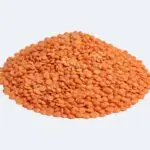
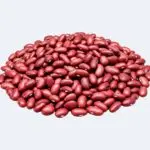
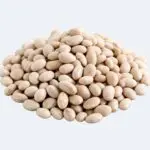
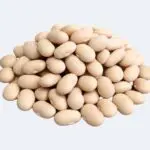
Potassium is found in a wide range of plant and animal foods. Beans and potatoes lead our USDA ranking per serving. Adzuki beans have 1,224 mg per cup, 26% of the 4,700 mg Daily Value. Lima beans (955 mg per cup) and a medium potato (905 mg) follow.
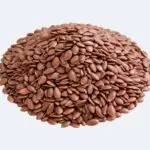
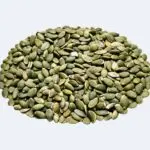
Per 100 g, dense foods lead: cocoa powder (1,524 mg), hemp seeds (1,200 mg) and pistachios (1,025 mg). Flaxseeds and pumpkin seeds come next, though people eat these in small amounts. Per 100 kcal, leafy greens and herbs lead, with spinach at 2,426 mg. The ranking below has the full list.
Bananas are a popular reference food, but a medium one has 422 mg (9% of the Daily Value), according to the NIH. It is not in the top 10 of any of our rankings. The NIH adds dried apricots at 755 mg per half cup, orange juice at 496 mg per cup and baked potato flesh at 610 mg.
Among US adults, the top sources are milk, coffee, tea, other nonalcoholic drinks and potatoes. Refining removes potassium: a cup of cooked brown rice has 154 mg, against 54 mg for white rice. Potassium also leaches into cooking water.
In a lab study of root vegetables, boiling, rinsing and boiling again removed more potassium than boiling once, and soaking removed little. But most roots kept a moderate or high amount. That matters for people told to limit potassium, who should follow their care team’s advice.
Per serving. Bars show the share of the Daily Value (4,700 mg a day).
Per 100 g. Bars show the share of the Daily Value (4,700 mg a day).
Per serving. Bars show the share of the EU Reference Intake (2,000 mg a day).
Per 100 g. Bars show the share of the EU Reference Intake (2,000 mg a day).
Per 100 kcal: the same calories of each food, for a fair comparison. Bars compare each food with the top food.
- 1.
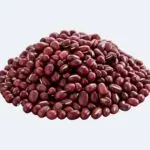
- 2.
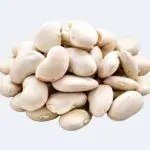
- 3.

- 4.
- 5.
- 6.
- 7.
- 8.
- 9.
- 10.
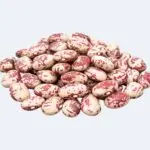


- 1.
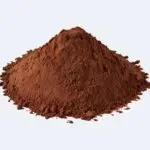
- 2.
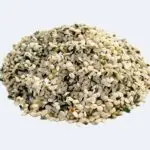
- 3.
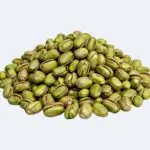
- 4.
- 5.
- 6.

- 7.
- 8.
- 9.
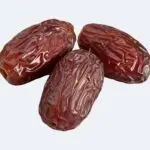
- 10.



- 1.
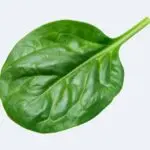
- 2.
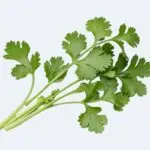
- 3.
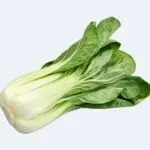
- 4.
- 5.

- 6.

- 7.
- 8.

- 9.

- 10.


Sources
- FoodData Central. US Department of Agriculture, Agricultural Research Service. Values as shown in the ranking above.
- Potassium: fact sheet for health professionals. National Institutes of Health, Office of Dietary Supplements. Updated June 2, 2022.
- EFSA Panel on Dietetic Products, Nutrition and Allergies (NDA). Dietary reference values for potassium. EFSA J. 2016.
- Burrowes JD, Ramer NJ. Removal of potassium from tuberous root vegetables by leaching. J Ren Nutr. 2006.
How potassium works
The biochemistry below is well established. But it comes from reviews, balance studies and animal work rather than from trials of extra potassium in people. Four ideas cover most of it.
Potassium sets up the electrical charge across every cell membrane. The gut absorbs nearly all of what you eat, and the kidneys decide how much stays. And potassium and sodium pull blood pressure in opposite directions. Then comes what has been seen in people.
It builds the charge across every cell membrane
Potassium is the most abundant cation (positive ion) inside cells. The NIH says its concentration there is about 30 times higher than outside. The sodium-potassium ATPase pump keeps that gradient up, and the gradient is required for nerve transmission, muscle contraction and kidney function.
A review adds that it sets the cell’s membrane potential (its electrical charge). That is why potassium matters for nerve impulses and for the beat of heart, skeletal and smooth muscle.
The potassium gradient across a cell membrane. The two bars are drawn to scale, 1 to 30. The pump carries potassium in and sodium out.
The gut absorbs about 90% of it
Potassium moves across the wall of the small intestine by passive diffusion, and the NIH and EFSA both put absorption at about 90%. A balance study followed 28 adults eating their usual food for a year. It found 85% apparent absorption, which did not change over a wide range of intakes. Most of what is absorbed leaves in the urine: 77% of intake on average.
The forms differ a little. A review of potassium chloride studies puts absorption at 70% to 90%, fast from liquids and slow from solid tablets. A later trial found more than 94% absorbed from both potassium gluconate and potatoes. The potassium in fruits and vegetables comes as phosphate, sulfate, citrate and other salts, not as chloride, says the NIH.
What happened to the potassium eaten, drawn to scale. Average of 28 adults on self-chosen diets, in four 7-day balance studies spread over a year. Apparent absorption is intake minus what is found in stool.
The kidneys decide how much stays
The kidneys adjust potassium excretion to intake, which is how long-term balance is kept. Excretion climbs quickly after a potassium-rich meal unless body stores are depleted. The NIH says the kidneys still pass at least 5 mmol (about 195 mg) a day. So balance cannot be reached below roughly 400 to 800 mg a day.
Normal blood potassium is about 3.6 to 5.0 mmol/L (a unit of concentration in blood). Because most potassium is inside cells, a blood test can correlate poorly with tissue stores. EFSA found no suitable marker of potassium status for setting intake values. Risk climbs on both sides of the normal range: in 27 cohorts, death was most likely at either end.
Hazard ratio for death from any cause by blood potassium, drawn to scale against 4.2 mmol/L. Blood levels reflect kidney handling and illness, not just diet.
Potassium and sodium pull blood pressure in opposite directions
Part of the answer sits in the kidney. In experiments in mice and cultured cells, a diet short of potassium switched on a salt transporter called NCC. NCC sits in the distal (far) part of the kidney tubule, and this happened even on a high-salt diet. The kidney then held on to sodium, and blood pressure rose.
The effect depended on the level of potassium in the blood, which changes the voltage across the tubule cells and the chloride inside them. The authors say this keeps potassium in the body at the price of higher pressure.
In people, the same pairing shows up in surveys. In the PURE study, only 0.002% of participants met both the sodium and potassium targets. Higher potassium excretion blunted the extra risk linked with high sodium.
How a low-potassium diet can raise blood pressure in the kidney, in mice and cells. The steps are shown in order, not to scale.
What has been seen in people
The clearest human findings are about blood pressure and the form of the potassium. Trials of extra potassium lower pressure by about 3 to 4 mm Hg. The biggest drops are in people with high blood pressure, high sodium intakes and low starting potassium.
Potassium-enriched salt substitutes lowered pressure by about 4.6 to 4.8 mm Hg in meta-analyses. In one large trial they lowered stroke and death too, but they also cut sodium. Cohort studies agree, with the lowest stroke risk near 90 mmol (about 3,500 mg) a day.
For bone and kidney stones, alkaline salts matter more than potassium itself. All of these are among the study cards above.
Sources
- Potassium: fact sheet for health professionals. National Institutes of Health, Office of Dietary Supplements. Updated June 2, 2022.
- EFSA Panel on Dietetic Products, Nutrition and Allergies (NDA). Dietary reference values for potassium. EFSA J. 2016.
- Stone MS, Martyn L, Weaver CM. Potassium intake, bioavailability, hypertension, and glucose control. Nutrients. 2016.
- Holbrook JT, Patterson KY, Bodner JE, et al. Sodium and potassium intake and balance in adults consuming self-selected diets. Am J Clin Nutr. 1984.
- Hinderling PH. The pharmacokinetics of potassium in humans is unusual. J Clin Pharmacol. 2016.
- Palmer BF. Regulation of potassium homeostasis. Clin J Am Soc Nephrol. 2015.
- Terker AS, Zhang C, McCormick JA, et al. Potassium modulates electrolyte balance and blood pressure through effects on distal cell voltage and chloride. Cell Metab. 2015.
- Kovesdy CP, Matsushita K, Sang Y, et al. Serum potassium and adverse outcomes across the range of kidney function: a CKD Prognosis Consortium meta-analysis. Eur Heart J. 2018.
How much potassium do you need?
Adults need 2,600 to 3,400 mg of potassium a day, according to the US adequate intake. That is 3,400 mg for men and 2,600 mg for women aged 19 and older. EFSA’s adequate intake in the EU is 3,500 mg a day for adult men and women.
These are adequate intakes, not recommended allowances. The US committee found the evidence too thin to set an average requirement, and it set no upper level. So neither number is a precise need. The values do not apply to people whose kidneys or medicines limit potassium excretion.
Pregnancy raises the US value to 2,900 mg a day for ages 19 to 50 (2,600 mg at ages 14 to 18). Breastfeeding raises it to 2,800 mg (2,500 mg at ages 14 to 18). EFSA keeps 3,500 mg in pregnancy, because the body adapts to cover the extra need. It sets 4,000 mg while breastfeeding, to replace the roughly 400 mg lost in breast milk.
For older adults, the US values stay at 3,400 mg for men and 2,600 mg for women from age 51. EFSA gives one adult value from age 18, with no separate one for older people.
Potassium: recommended intake per day
US: Adequate Intake (NASEM). EU: Adequate Intake (EFSA).
| Age and sex | US (AI) | EU (AI) |
|---|---|---|
| Men, 31–50 years | 3,400 mg | 3,500 mg |
| Women, 31–50 years | 2,600 mg | 3,500 mg |
All ages, pregnancy and breastfeeding
| Age and sex | US (AI) | EU (AI) |
|---|---|---|
| Infants 0–6 months | 400 mg | None set |
| Infants 7–11 months | None set | 750 mg |
| Infants 7–12 months | 860 mg | None set |
| Children 1–3 years | 2,000 mg | 800 mg |
| Children 4–6 years | None set | 1,100 mg |
| Children 4–8 years | 2,300 mg | None set |
| Children 7–10 years | None set | 1,800 mg |
| Females 9–13 years | 2,300 mg | None set |
| Males 9–13 years | 2,500 mg | None set |
| Children 11–14 years | None set | 2,700 mg |
| Females 14–18 years | 2,300 mg | None set |
| Males 14–18 years | 3,000 mg | None set |
| Children 15–17 years | None set | 3,500 mg |
| Adults 18+ years | None set | 3,500 mg |
| Females 19–30 years | 2,600 mg | None set |
| Males 19–30 years | 3,400 mg | None set |
| Females 31–50 years | 2,600 mg | None set |
| Males 31–50 years | 3,400 mg | None set |
| Females 51–70 years | 2,600 mg | None set |
| Males 51–70 years | 3,400 mg | None set |
| Females >70 years | 2,600 mg | None set |
| Males >70 years | 3,400 mg | None set |
| Pregnancy 14–18 years | 2,600 mg | None set |
| Pregnancy | None set | 3,500 mg |
| Pregnancy 19–30 years | 2,900 mg | None set |
| Pregnancy 31–50 years | 2,900 mg | None set |
| Lactation 14–18 years | 2,500 mg | None set |
| Lactation | None set | 4,000 mg |
| Lactation 19–30 years | 2,800 mg | None set |
| Lactation 31–50 years | 2,800 mg | None set |
EU and US age bands differ; "None set" means that body sets no value for the group. Label reference: FDA Daily Value 4,700 mg, EU Reference Intake 2,000 mg.EU and US age bands differ; "None set" means that body sets no value for the group. Label reference: EU Reference Intake 2,000 mg, FDA Daily Value 4,700 mg.
Potassium deficiency: signs and who is at risk
Low blood potassium is called hypokalemia, and it means a level below about 3.6 mmol/L. Mild cases cause constipation, fatigue, muscle weakness and a general unwell feeling, says the NIH. Below about 2.5 mmol/L, it can cause large volumes of dilute urine, glucose intolerance, muscle paralysis, poor breathing and abnormal heart rhythms.
This is especially so in people with heart disease, and severe cases can be life-threatening. Hypokalemia affects up to 21% of hospitalized patients, usually through diuretics (water pills) and other drugs. It is rare in healthy people with normal kidneys.
Low diet alone is rarely the cause. The usual causes are diarrhea, vomiting, laxative misuse and diuretics such as thiazides and loop diuretics, the NIH says. Others are eating clay, heavy sweating, dialysis and refeeding after starvation.
Low magnesium can also push potassium out through the kidneys. More than half of the people with clinically significant hypokalemia may be short of magnesium.
Some people are more likely to fall below the adequate intake while staying above the amount needed to prevent hypokalemia. They include people with Crohn’s disease or ulcerative colitis, regular users of some diuretics or large doses of laxatives, and people with pica (craving non-foods). Low potassium intakes can also raise blood pressure, kidney stone risk, bone turnover and salt sensitivity.
Doctors test serum potassium. But because most potassium sits inside cells, the result can correlate poorly with tissue stores, so a result needs a doctor’s reading.
Sources
- Potassium: fact sheet for health professionals. National Institutes of Health, Office of Dietary Supplements. Updated June 2, 2022.
- EFSA Panel on Dietetic Products, Nutrition and Allergies (NDA). Dietary reference values for potassium. EFSA J. 2016.
- Kardalas E, Paschou SA, Anagnostis P, et al. Hypokalemia: a clinical update. Endocr Connect. 2018.
Forms of potassium: absorption and effects
Potassium supplements and potassium-enriched foods use different compounds. Potassium chloride is the most common, but citrate, phosphate, aspartate, bicarbonate and gluconate are also sold, says the NIH. They differ in how much potassium they hold by weight, whether they are alkaline, and how fast they release in the gut.
The label must show elemental potassium (the potassium itself), not the weight of the whole compound. By weight, potassium is about 17% of potassium gluconate and about 52% of potassium chloride.
The honest bottom line: absorption is not the main difference, because every form studied is absorbed well. What differs is the partner ion. In head-to-head trials, potassium chloride, citrate and bicarbonate lowered blood pressure about equally.
The alkaline salts (citrate and bicarbonate) lowered urinary calcium, and chloride did not. The bone and kidney stone trials that worked used citrate or bicarbonate. For solid potassium chloride tablets, the issue is safety: wax-matrix tablets caused more gut lesions in a trial. US rules require a warning on some tablets.
The blood pressure trials in the benefits section mostly used potassium chloride. The SSaSS salt substitute was potassium chloride mixed with sodium chloride. The stone trial used potassium citrate wax-matrix tablets, and the bone trials used citrate or bicarbonate. We found no trial that compared forms for muscle cramps or exercise, and no human absorption comparison for aspartate or phosphate.
| Form | Share of the mineral by weight | What studies show | Source |
|---|---|---|---|
| Potassium chloride | About 52% | The form in most blood pressure trials and in salt substitutes. Absorbed 70% to 90% in a review: fast from liquids, slowly from solid tablets. Lowered blood pressure about as much as citrate and bicarbonate, but did not lower urinary calcium, and lost bone against citrate over 12 months in one trial. Wax-matrix tablets caused more upper gut lesions than a microencapsulated form, and a US rule requires a small-bowel warning on some tablets. | 1, 3, 4, 5, 7, 8, 9, 12, 14, 15, 16 |
| Potassium citrate | About 38% (tripotassium citrate) | An alkaline salt. Lowered blood pressure about as chloride did. Raised bone density in two of three trials, not in 276 women over 2 years. Cut new kidney stones in small trials, a benefit the NIH attributes to the citrate. In a single-dose trial more went into red blood cells and urine than with chloride. | 1, 4, 7, 9, 10, 12, 13, 17, 18, 19, 20 |
| Potassium bicarbonate | About 39% | An alkaline salt. At 81 and 122 mmol a day it lowered a bone-breakdown marker and urinary calcium in 244 adults, and it improved blood vessel function as chloride did. We found no bone density or fracture trial. | 4, 8, 11, 16 |
| Potassium gluconate | About 17% | About 94% absorbed, as well as potassium from potatoes, in 35 healthy adults. We found no trial of it for blood pressure, bone or kidney stones. | 1, 4, 6 |
| Phosphate and aspartate | Not stated | The NIH lists them among supplement forms. We found no human absorption comparison or outcome trial. | 1 |
| Salt substitutes (potassium chloride blends) | Not stated for products; the trial blends were 25% potassium chloride | Products hold 440 to 2,800 mg of potassium per teaspoon. Trial blends lowered blood pressure and, in SSaSS, stroke and death, but they also cut sodium. The NIH says people with kidney disease or on certain medicines should ask first. | 1, 21 |
| Food (fruits, vegetables, potatoes) | Not applicable | About 85% to 90% absorbed. The forms in produce are phosphate, sulfate, citrate and others, not chloride. Extra potassium from fruit and vegetables did not lower blood pressure in a trial of early hypertension. | 1, 2, 6, 10 |
Here are the head-to-head and form-specific studies, strongest evidence first, 10 in all.
All 10 studies, strongest evidence first
Potato potassium was absorbed as well as potassium gluconate
In this single-blind crossover trial, 35 healthy adults ate nine 5-day interventions. Each came on top of a basic diet that held about 60 mEq of potassium. Extra potassium came from gluconate, unfried potato or French fries at 20, 40 and 60 mEq a day. Absorption was above 94% in every treatment, and blood levels rose the same way from each source. Urinary potassium was higher with the potato than with the supplement. Blood pressure did not differ by source or dose.
Potassium citrate and chloride lowered blood pressure about equally
In this double-blind trial, mostly healthy young volunteers took 30 mmol a day of potassium citrate or chloride, or a placebo, for 6 weeks. There were 31 people on placebo, 28 on citrate and 26 on chloride, almost all with normal blood pressure. Mean arterial pressure (the average over a heartbeat) fell 5.22 mm Hg on citrate and 4.70 mm Hg on chloride, which did not differ. Systolic pressure fell 6.69 mm Hg on citrate and 5.24 mm Hg on chloride. The effect was larger in people with higher starting systolic pressure.
Chloride and bicarbonate both helped blood vessels; only bicarbonate cut urine calcium
In this double-blind crossover trial over 12 weeks, 42 people with mildly raised blood pressure took potassium chloride, potassium bicarbonate and a placebo in turn. Office blood pressure did not differ among the three periods, and 24-hour systolic pressure was slightly lower only with potassium chloride. The two salts did not differ in their effects on blood vessel function, arterial compliance (artery stretchiness) or the heart. Potassium bicarbonate also lowered a bone-turnover marker, and the authors suggest it may improve bone health. The people already ate a fairly low-salt, high-potassium diet.
Potassium citrate raised spine bone density 1.87% more than chloride
In this double-blind trial, 161 postmenopausal women with low bone mass took 30 mEq a day of potassium citrate or potassium chloride for 12 months. Hip density also rose more on citrate (1.98% at the total hip), and spine density fell 0.98% on chloride. Both salts lowered blood pressure. Since both groups got the same amount of potassium, the authors conclude the bone effect follows the alkali, not the potassium.
Food potassium or 40 mmol citrate did not clearly lower pressure
This crossover trial had 57 adults with early high blood pressure who were not taking blood pressure drugs; 48 finished. Each had four 6-week diets in turn. These were control with placebo, 20 or 40 mmol of potassium a day from fruit and vegetables, or 40 mmol as potassium citrate capsules. Ambulatory systolic pressure (measured over a day) changed 1.8 mm Hg on citrate against control. Arterial stiffness and vessel function did not differ either. The authors found no support for advice to raise potassium above usual UK intakes in this group.
Potassium bicarbonate lowered a bone breakdown marker and urine calcium
In this double-blind dose-finding trial, 244 adults aged 50 and older took potassium bicarbonate or a placebo for 3 months. Doses were 1 or 1.5 mmol per kg of body weight a day (median doses 81 and 122 mmol a day). The lower dose worked better on bone markers. Neither dose changed nitrogen loss or tests of muscle strength. The authors call for longer trials to look at bone mass and fractures.
In high blood pressure, chloride and citrate lowered pressure about equally
In this crossover trial, 14 people with high blood pressure took 96 mmol a day of each salt for a week. The salts were potassium chloride and potassium citrate. Blood pressure fell from 151/93 to 140/88 mm Hg on chloride and to 138/88 mm Hg on citrate. The two did not clearly differ. The authors argue that potassium does not need to come as chloride, since the potassium in fruits and vegetables is not a chloride salt.
Potassium citrate and chloride raised blood potassium equally after one dose
In this placebo-controlled crossover trial, 18 healthy people took single 40 mmol doses of potassium citrate and potassium chloride. More of the potassium from citrate than from chloride went into red blood cells and out in urine. A 6-week course of the ACE inhibitor lisinopril (a blood pressure drug) before the citrate dose blunted that difference. The authors were studying why potassium-rich diets may raise the risk of hyperkalemia in people on renin-angiotensin system drugs.
A wax-matrix potassium chloride tablet caused more upper gut lesions
In this controlled trial, 48 healthy volunteers took a wax-matrix or a microencapsulated potassium chloride tablet for one week. The endoscopist (the doctor who looked inside the gut) did not know which preparation each person took. The lesions caused no stomach symptoms. Glycopyrrolate, a drug given to slow stomach emptying, made the effect of potassium chloride worse.
Three forms of potassium chloride were absorbed equally, but at different speeds
In this crossover study, 28 men took single 40 mEq doses of a microencapsulated suspension, a microencapsulated capsule and a liquid solution. Absorption was judged from urine over 24 and 48 hours. The solution was absorbed fast, and the capsule and suspension slowly, which showed that the two microencapsulated forms did not dump the potassium at once. Studies like this judge absorption, not health outcomes.
Sources
- Potassium: fact sheet for health professionals. National Institutes of Health, Office of Dietary Supplements. Updated June 2, 2022.
- EFSA Panel on Dietetic Products, Nutrition and Allergies (NDA). Dietary reference values for potassium. EFSA J. 2016.
- Hinderling PH. The pharmacokinetics of potassium in humans is unusual. J Clin Pharmacol. 2016.
- National Center for Biotechnology Information. PubChem compound summaries for potassium chloride, tripotassium citrate, potassium gluconate, potassium bicarbonate. US National Library of Medicine.
- US Food and Drug Administration. 21 CFR 201.306: Potassium salt preparations intended for oral ingestion by man. Code of Federal Regulations.
- Macdonald-Clarke CJ, Martin BR, McCabe LD, et al. Bioavailability of potassium from potatoes and potassium gluconate: a randomized dose response trial. Am J Clin Nutr. 2016.
- Braschi A, Naismith DJ. The effect of a dietary supplement of potassium chloride or potassium citrate on blood pressure in predominantly normotensive volunteers. Br J Nutr. 2008.
- He FJ, Marciniak M, Carney C, et al. Effects of potassium chloride and potassium bicarbonate on endothelial function, cardiovascular risk factors, and bone turnover in mild hypertensives. Hypertension. 2010.
- Jehle S, Zanetti A, Muser J, Hulter HN, Krapf R. Partial neutralization of the acidogenic Western diet with potassium citrate increases bone mass in postmenopausal women with osteopenia. J Am Soc Nephrol. 2006.
- Berry SE, Mulla UZ, Chowienczyk PJ, Sanders TA. Increased potassium intake from fruit and vegetables or supplements does not lower blood pressure or improve vascular function in UK men and women with early hypertension: a randomised controlled trial. Br J Nutr. 2010.
- Dawson-Hughes B, Harris SS, Palermo NJ, et al. Potassium bicarbonate supplementation lowers bone turnover and calcium excretion in older men and women: a randomized dose-finding trial. J Bone Miner Res. 2015.
- He FJ, Markandu ND, Coltart R, Barron J, MacGregor GA. Effect of short-term supplementation of potassium chloride and potassium citrate on blood pressure in hypertensives. Hypertension. 2005.
- Wouda RD, Gritter M, Karsten M, et al. Kaliuresis and intracellular uptake of potassium with potassium citrate and potassium chloride supplements: a randomized controlled trial. Clin J Am Soc Nephrol. 2023.
- McMahon FG, Ryan JR, Akdamar K, Ertan A. Upper gastrointestinal lesions after potassium chloride supplements: a controlled clinical trial. Lancet. 1982.
- Melikian AP, Cheng LK, Wright GJ, Cohen A, Bruce RE. Bioavailability of potassium from three dosage forms: suspension, capsule, and solution. J Clin Pharmacol. 1988.
- Lambert H, Frassetto L, Moore JB, et al. The effect of supplementation with alkaline potassium salts on bone metabolism: a meta-analysis. Osteoporos Int. 2015.
- Jehle S, Hulter HN, Krapf R. Effect of potassium citrate on bone density, microarchitecture, and fracture risk in healthy older adults without osteoporosis: a randomized controlled trial. J Clin Endocrinol Metab. 2013.
- Barcelo P, Wuhl O, Servitge E, Rousaud A, Pak CY. Randomized double-blind study of potassium citrate in idiopathic hypocitraturic calcium nephrolithiasis. J Urol. 1993.
- Phillips R, Hanchanale VS, Myatt A, Somani B, Nabi G, Biyani CS. Citrate salts for preventing and treating calcium containing kidney stones in adults. Cochrane Database Syst Rev. 2015.
- Macdonald HM, Black AJ, Aucott L, et al. Effect of potassium citrate supplementation or increased fruit and vegetable intake on bone metabolism in healthy postmenopausal women: a randomized controlled trial. Am J Clin Nutr. 2008.
- Neal B, Wu Y, Feng X, et al. Effect of salt substitution on cardiovascular events and death. N Engl J Med. 2021.
Is potassium safe? Supplements, dose and interactions
Potassium from food is not a safety concern for healthy people with normal kidneys, because the kidneys remove the excess, says the NIH. There is no tolerable upper intake level (UL, a likely-safe daily maximum) in the US or the EU. The National Academies committee decided that case reports of very large supplement doses were not enough evidence to set one. EFSA did not set one either.
EFSA considered food intakes of up to 5,000 to 6,000 mg a day low risk for healthy adults. In healthy adults, about 3,000 mg a day of potassium chloride supplements on top of food had no long-term adverse effects, it noted. It also notes case reports of heart effects at 5,000 to 7,000 mg a day of supplemental potassium.
No upper level does not mean no limit. The intake values do not apply to people with kidney disease or on medicines that hold potassium.
- Kidney disease and high potassium. In people whose kidneys, or medicines, limit potassium excretion, even intakes below the adequate intake can cause hyperkalemia, the NIH says. Heart failure, type 1 diabetes, adrenal insufficiency and liver disease also raise the risk. Symptoms are muscle weakness, tingling, palpitations and, in severe cases, dangerous heart rhythms, though mild cases can show no symptoms. In 191 people with stage 3b to 4 kidney disease, 2 weeks of 40 mmol of potassium chloride a day caused hyperkalemia in 11%.
- Medicines. ACE inhibitors (such as benazepril) and angiotensin receptor blockers (such as losartan) reduce potassium excretion. So do potassium-sparing diuretics such as amiloride and spironolactone. Loop and thiazide diuretics lower potassium and can cause hypokalemia. In Ontario, hospital admissions for hyperkalemia rose from 2.4 to 11.0 per 1,000 older heart-failure patients on ACE inhibitors once spironolactone use rose. Experts recommend monitoring potassium on these drugs.
- Salt substitutes. Many replace part of the sodium chloride with potassium chloride, at 440 to 2,800 mg of potassium per teaspoon, says the NIH. In the large SSaSS trial, serious events attributed to hyperkalemia were not clearly higher. In the Cochrane review, hyperkalemia showed little to no difference, but all 26 trials excluded people in whom extra potassium could be harmful. A 2024 review of guidelines proposed recommending potassium-enriched salt to people with high blood pressure. The exceptions would be people with advanced kidney disease, those taking a potassium supplement or a potassium-sparing diuretic, and anyone with another reason not to. Its authors include the lead author of the SSaSS trial. Ask a doctor first if you are in any of those groups.
- Why potassium pills are small. The NIH says most potassium-only supplements provide up to 99 mg (about 2% of the Daily Value) and multivitamins about 80 mg. Makers keep to 99 mg because of an FDA ruling, made after reports of small-bowel lesions. It found some oral drug products with potassium chloride above that amount not safe. The FDA also requires a warning on some potassium salt tablets, and has made no ruling on whether supplements above 99 mg need a warning. Its warning text for coated potassium tablets describes narrowing of the small bowel, with or without ulcers. This caused obstruction, bleeding and perforation, with surgery often needed and deaths reported. It adds that the incidence is low and that a causal link in people is not definitely established. EFSA says gut symptoms depend more on the formulation (slow-release and wax-matrix tablets) than on the dose.
- Higher doses and very large doses. Higher-dose potassium is a medicine, given with monitoring. The NIH says very high amounts of supplements or salt substitutes can exceed the kidney’s capacity and cause acute hyperkalemia even in healthy people. It adds that doses of up to 15,600 mg for 5 days in healthy people raised blood potassium, but not beyond the normal range. Potassium supplements can also cause minor stomach and bowel upset.
How to get more potassium
- Best foods. Beans and potatoes give the most per serving in our ranking. Adzuki beans have 1,224 mg per cup, lima beans 955 mg and a medium potato 905 mg. The NIH adds dried apricots at 755 mg per half cup and orange juice at 496 mg per cup.
- Food over pills. The potassium in potatoes was absorbed as well as potassium gluconate. The DASH diet, rich in fruits, vegetables and low-fat dairy, lowered blood pressure by 5.5/3.0 mm Hg more than a typical American diet. Keep grains whole: cooked brown rice has 154 mg per cup, against 54 mg for white rice.
- Pair it with less sodium. In pooled cohorts, the top quarter for the sodium-to-potassium ratio had a hazard ratio of 1.62 for cardiovascular events. A potassium-enriched salt substitute is one way to lower sodium, if your doctor agrees and you have healthy kidneys.
Sources
- Potassium: fact sheet for health professionals. National Institutes of Health, Office of Dietary Supplements. Updated June 2, 2022.
- EFSA Panel on Dietetic Products, Nutrition and Allergies (NDA). Dietary reference values for potassium. EFSA J. 2016.
- US Food and Drug Administration. 21 CFR 201.306: Potassium salt preparations intended for oral ingestion by man. Code of Federal Regulations.
- Juurlink DN, Mamdani MM, Lee DS, et al. Rates of hyperkalemia after publication of the Randomized Aldactone Evaluation Study. N Engl J Med. 2004.
- Gritter M, Wouda RD, Yeung SMH, et al. Effects of short-term potassium chloride supplementation in patients with CKD. J Am Soc Nephrol. 2022.
- Brand A, Visser ME, Schoonees A, Naude CE. Replacing salt with low-sodium salt substitutes (LSSS) for cardiovascular health in adults, children and pregnant women. Cochrane Database Syst Rev. 2022.
- Xu X, Zeng L, Jha V, et al. Potassium-enriched salt substitutes: a review of recommendations in clinical management guidelines. Hypertension. 2024.
- Neal B, Wu Y, Feng X, et al. Effect of salt substitution on cardiovascular events and death. N Engl J Med. 2021.
- Appel LJ, Moore TJ, Obarzanek E, et al. A clinical trial of the effects of dietary patterns on blood pressure. N Engl J Med. 1997.
- Macdonald-Clarke CJ, Martin BR, McCabe LD, et al. Bioavailability of potassium from potatoes and potassium gluconate: a randomized dose response trial. Am J Clin Nutr. 2016.
- Ma Y, He FJ, Sun Q, et al. 24-hour urinary sodium and potassium excretion and cardiovascular risk. N Engl J Med. 2022.
Frequently asked questions about potassium
Does potassium lower blood pressure?
A little, mostly in people who already have high blood pressure. Meta-analyses of trials found systolic pressure 3.11 mm Hg lower in 33 trials and 3.49 mm Hg lower in 22 trials. It was 4.48 mm Hg lower in people with high blood pressure, and the 2013 review saw no drop in people without it. A dose-response analysis found the benefit weakened above a 30 mmol rise in excretion and reversed near 80 mmol, so more is not better. Food counts too: the DASH diet cut pressure 5.5/3.0 mm Hg, but it changed many nutrients at once.
Do bananas have the most potassium?
No. A medium banana has 422 mg, 9% of the Daily Value, according to the NIH. It is a good everyday source but not in the top 10 of any of our rankings. Per serving, adzuki beans (1,224 mg per cup), lima beans (955 mg per cup) and a medium potato (905 mg) are higher. So are lentils (731 mg per cup) and dried apricots (755 mg per half cup, from the NIH).
Are potassium-enriched salt substitutes safe?
For most people with high blood pressure and healthy kidneys they appear to be, but not for everyone. In the SSaSS trial of 20,995 people, serious events attributed to hyperkalemia were not clearly higher (3.35 against 3.30 per 1,000 person-years). The Cochrane review found little to no difference in hyperkalemia, but all 26 of its trials excluded people in whom extra potassium could be harmful. The NIH says people with kidney disease or on certain medicines should ask a health care provider first. Products hold 440 to 2,800 mg of potassium per teaspoon.
Are potassium supplements safe?
Over-the-counter potassium pills are small, usually up to 99 mg, which is about 2% of the Daily Value, so they add little to a diet. The NIH says makers keep to that amount because of FDA rulings on potassium chloride drug products and small-bowel lesions. Higher doses are medicines. Very high amounts can cause dangerous hyperkalemia even in healthy people. The risk is far higher with kidney disease or with ACE inhibitors, angiotensin receptor blockers or potassium-sparing diuretics. Talk to a doctor before taking higher-dose potassium.
Who should limit potassium?
People whose kidneys or medicines limit potassium excretion may be told to limit it. The NIH names chronic kidney disease, ACE inhibitors and potassium-sparing diuretics as raising the risk of hyperkalemia. It also names type 1 diabetes, heart failure, adrenal insufficiency and liver disease. In a trial in stage 3b to 4 kidney disease, 11% developed hyperkalemia on 40 mmol a day of potassium chloride. Those people were older and had higher starting potassium. Limits are individual, so ask your care team before changing your diet.
Which potassium supplement is best?
No form has been shown best for health. Every form studied is absorbed well, and chloride, citrate and bicarbonate lowered blood pressure about equally in head-to-head trials. For bone and kidney stones, the trials that worked used citrate or bicarbonate, which are alkaline, while chloride did not lower urinary calcium. Wax-matrix chloride tablets caused more gut lesions in one trial. Read the elemental potassium on the label; the NIH says a typical supplement has up to 99 mg.
Does potassium help muscle cramps?
We found no randomized trial showing that potassium supplements relieve cramps in people with normal blood potassium. Low blood potassium can cause muscle weakness, and severe cases can cause paralysis, says the NIH. But it usually follows diarrhea, vomiting or diuretics rather than a low diet. If you get frequent cramps, a doctor can check your blood level, which is normally 3.6 to 5.0 mmol/L, instead of guessing.
Can potassium prevent kidney stones?
Possibly, but the evidence is mixed. Higher dietary potassium went with fewer stones in three large US cohorts (hazard ratios 0.44 to 0.67). Potassium citrate cut new stones in small trials (0.26 times the risk across 7 trials). The NIH says citrate, not potassium itself, probably does the work, and EFSA says an independent effect of potassium cannot be shown from the trials. If you have had stones, ask your doctor before taking any citrate.