
Zinc is an essential trace mineral that every cell in your body uses. It is part of enzymes in all six enzyme classes, and it helps hold the shape of about 2,500 human proteins that control genes. EFSA and the NIH say it supports growth, immune defense, wound healing and the sense of taste. EFSA is the EU’s food safety agency, and the NIH is the US National Institutes of Health.
An adult body holds only about 1.5 g of zinc in women and 2.5 g in men. About 85% of it sits in muscle and bone.
Most readers do not know that the body has no real zinc store. EFSA says zinc has no major storage site, so the body depends on a steady supply from food. For many people that supply falls short.
A modeling study estimates that 17.3% of the world’s people are at risk of inadequate zinc intake, mostly where diets rest on cereals and beans. These foods contain phytate, a plant compound that binds zinc.
In wealthy countries the questions are different: cold lozenges, vegetarian diets, supplements and taking too much. The evidence is uneven. Zinc clearly helps children with diarrhea where deficiency is common, and a zinc and antioxidant formula slows one eye disease.
Trials of zinc for colds disagree, though, and 50 mg a day or more for weeks can interfere with copper. This page sets out what the studies show.
Health benefits of zinc
The top findings from 31 studies, strongest evidence first
What the stars mean
- Strong. Several randomized trials, pooled in a meta-analysis, point the same way, or regulators (FDA or EFSA) have approved the claim.
- Moderate. Good randomized trials support it, but there are fewer of them, or their results vary.
- Limited. Small, short or single trials, or mixed results. Promising, but it needs confirmation.
Population and lab studies get no stars: they show a link or a mechanism, not proof.
How we rate evidence →- ★★★EU allows 18 health claims for zincThey cover normal immune function, thinking, fertility, bones, skin, hair and nails. The claims describe normal body function, not the treatment of disease.
- ★★★Less diarrhea in children given zincAs treatment, zinc supplements shortened diarrhea by about 11 hours in children over 6 months (low-certainty evidence). As daily prevention, they cut cases by 9% but not deaths, and vomiting was more common.
- ★★Slower late-stage macular degeneration, with antioxidant pillsIn people with signs of age-related macular degeneration, a daily antioxidant, zinc (80 mg) and copper pill gave 0.72 times the odds of advanced disease. Across 26 trials, zinc alone against placebo in 5 studies gave 0.83 times the odds (moderate-certainty evidence).
- ★★Colds may be about 2 days shorterIn 19 treatment trials, zinc lozenges, syrups, tablets or nose products shortened colds by 2.37 days, but results varied greatly and certainty was low. In 7 lozenge trials using over 75 mg a day, colds were 33% shorter.
- ★★Zinc with folic acid: no more live birthsMen in couples planning infertility treatment took 30 mg of zinc with 5 mg of folic acid daily for 6 months. Live births were 34% against 35% on placebo, and sperm DNA damage was slightly higher on the supplement (29.7% against 27.2%).
All 23 studies, strongest evidence first
The EU authorizes 18 health claims for zinc
Regulation (EU) No 432/2012 lists them, from normal immune function to normal vision. They include normal thinking (cognitive function), normal fertility and reproduction, protection of cells from oxidative stress, and normal DNA synthesis and cell division. Others cover the maintenance of normal bones, hair, nails, skin and testosterone levels in the blood. A food may carry a claim only if it is at least a source of zinc. EU labeling rules generally set that at 15% of the 10 mg reference value (1.5 mg) per 100 g. For drinks it is 7.5% per 100 ml. The claims rest on EFSA opinions from 2009 and 2010 and describe normal body function, not treatment of disease.
In children showing malnutrition, zinc shortened diarrhea by about 26 hours
This Cochrane review pooled 33 trials with 10,841 children aged 1 month to 5 years, mostly in Asian countries at high risk of zinc deficiency. In children older than 6 months, zinc shortened diarrhea by about 11 hours on average (low-certainty evidence). Fewer of them still had diarrhea on day 7 (0.73 times the risk). It did not help children under 6 months, and it raised the risk of vomiting (1.57 times). The WHO and UNICEF recommend zinc with oral rehydration, the NIH says. The dose is 20 mg a day for 10 to 14 days, or 10 mg for infants under 6 months.
Preventive zinc cut diarrhea cases by 9% but not deaths
This Cochrane review pooled 96 randomized trials with 219,584 children aged 6 months to 12 years, mostly in low- and middle-income countries. The usual dose was 10 to 15 mg a day, most often as zinc sulfate syrup, for a median of 26 weeks. Deaths from any cause were about the same (0.93 times the risk, high-certainty evidence). Height improved slightly, and vomiting was more common (1.29 times the risk). Giving zinc together with iron weakened the benefit, and the authors say benefits may outweigh harms where zinc deficiency is common.
Antioxidants plus zinc and copper lowered the odds of advanced macular degeneration
The first AREDS trial followed 3,640 people aged 55 to 80 for 6.3 years on average. All had signs of age-related macular degeneration, an eye disease that damages central vision. The daily tablet held vitamin C (500 mg), vitamin E (400 IU) and beta carotene (15 mg). It added zinc (80 mg as zinc oxide) and copper (2 mg as cupric oxide), and gave 0.72 times the odds of advanced disease. Antioxidants alone (0.80) and zinc alone (0.75) fell short of a clear effect, so the result belongs to the combination.
Across 26 trials, antioxidant pills with zinc probably slow late macular degeneration
This Cochrane review pooled 26 trials with 11,952 people, and most of the evidence comes from AREDS. With these supplements, the odds of reaching late disease were 0.72 times as high. Zinc alone against a placebo (dummy pill) in 5 studies also lowered progression (0.83 times the odds, moderate-certainty evidence). Stomach and bowel symptoms were the main side effect, and in AREDS zinc was linked to more genitourinary problems in men.
AREDS2: lower zinc dose showed no apparent effect on advanced disease
This trial followed 4,203 people aged 50 to 85 for a median of 5 years. Added lutein, zeaxanthin or fish oil did not help. Most also took the original AREDS formula, and some were randomly assigned again to versions without beta carotene or with less zinc. More lung cancers occurred with beta carotene (23 against 11 cases), mostly in former smokers. The NIH calls the lower-zinc finding preliminary, because fewer than half of the participants took that version.
In 34 trials, zinc may shorten a cold by about 2 days
This Cochrane review pooled 34 randomized trials with 8,526 people: 15 on preventing colds and 19 on treating colds that had started. Zinc came as lozenges, syrups, tablets or nose products, and gluconate lozenges ranged from 45 to 276 mg a day for 4.5 to 21 days. For treatment, colds were 2.37 days shorter on average, but results varied a great deal (I2 97%) and certainty was low. For prevention zinc did little: the risk of getting a cold was about the same (0.93 times). Non-serious side effects were more common with zinc for treatment (1.34 times the risk).
Folic acid plus zinc did not raise live births: 34% against 35%
The FAZST trial enrolled 2,370 men in couples planning infertility treatment, at 4 US centers. The men took 5 mg of folic acid with 30 mg of elemental zinc, or a placebo, daily for 6 months. Sperm concentration, movement, shape and volume did not differ either. Sperm DNA damage (fragmentation) was slightly higher with the supplement (29.7% against 27.2%), and stomach complaints were more common. It tested the pair together, so it cannot separate zinc from folic acid.
Zinc in pregnancy made little or no difference to preterm birth
This Cochrane review pooled 25 randomized trials with over 18,000 women. Preterm birth was 0.87 times the risk, and the range included no effect. Evidence was low-certainty for preterm birth, stillbirth and birth weight, and moderate-certainty for low birth weight (0.94 times the risk). Very few trials were in women with normal zinc status, so the authors could not compare subgroups. They concluded there was not enough evidence of benefit.
Zinc supplements lowered fasting blood sugar by 14.15 mg/dL
This meta-analysis (a study that pools earlier studies) covered 32 placebo-controlled trials in 1,700 people in 14 countries. HbA1c, a marker of long-term blood sugar, fell by 0.55%. Fasting insulin, insulin resistance and C-reactive protein (a marker of inflammation) also fell. The fasting glucose effect was larger in people with diabetes and with inorganic zinc salts. These are blood markers, not diabetes complications, and the NIH still calls the evidence insufficient for conclusions about diabetes.
Acetate lozenges: colds cleared about three times faster in three small trials
This analysis pooled individual patient data from 3 placebo-controlled trials with 199 patients. They took 80 to 92 mg a day of elemental zinc as acetate lozenges. The recovery rate was 3.1 times that on placebo, and on day 5, 70% of the zinc group had recovered against 27% on placebo. With only three trials, this sits against the mixed picture in the larger Cochrane review above.
Gluconate lozenges every 2 hours cut colds from 7.6 to 4.4 days
This double-blind trial (neither patients nor researchers knew who had zinc) enrolled 100 Cleveland Clinic employees within 24 hours of cold symptoms. Lozenges held 13.3 mg of zinc as gluconate and were taken every 2 hours while awake; placebo lozenges held calcium lactate. Side effects were more common with zinc (90% against 62%), including nausea (20% against 4%) and a bad taste (80% against 30%). The NIH notes that other trials with other lozenges found no effect.
In COVID-19, 50 mg zinc a day did not shorten symptoms
This open-label trial (everyone knew their group) gave 214 outpatients zinc gluconate for 10 days, vitamin C 8,000 mg, both, or usual care. Symptoms took 5.9 days to halve on zinc, against 6.7 with usual care. The trial stopped early because it had little chance of showing a benefit. The groups did not clearly differ on the main measure or the secondary ones.
In hospital, zinc acetate: 5.7% needed intensive care or died, against 23.5%
This single-center, open-label trial in 2021 gave 71 hospitalized COVID-19 patients 90 mg of zinc acetate a day for 14 days, or standard care. Recovery was faster too (7.4 against 13.1 days). It is small and unblinded, and it points the opposite way from the outpatient trial above, so it cannot settle the question.
In 50 healthy older adults, zinc lowered the rate of infections
In this double-blind trial, people aged 55 to 87 took 45 mg of zinc a day, as gluconate, for a year. At the start, older adults had lower plasma zinc than younger adults. Infections were fewer in the zinc group, and a marker of inflammation (tumor necrosis factor alpha) and blood markers of oxidative stress were lower. It is a single small trial.
Six small trials: no evidence that oral zinc sulfate heals leg ulcers
This Cochrane review pooled 6 trials with 183 people (risk ratio 1.22, a result that could be chance). Four trials compared zinc sulfate with placebo in venous ulcers. All were small and at unclear risk of bias. Zinc does matter for wound healing in deficiency, so this says little about people with low zinc.
People with acne had lower serum zinc, and zinc helped inflamed pimples
This systematic review and meta-analysis pooled blood (serum) zinc levels and zinc treatment trials. Zinc was given by mouth or on the skin, alone or with other acne treatments. Treated patients had better counts of inflamed spots (papules) than untreated ones, with no difference in side effects. The abstract gives no effect sizes, and the trials are small.
Zinc may help low-zinc taste problems, but evidence is very low quality
This Cochrane review pooled 10 trials with 581 people. In 9 trials, zinc was compared with placebo in people with taste problems of unknown cause, zinc deficiency or kidney failure. Pooled taste scores improved with zinc (standardized difference 0.44 in 3 trials), but the authors rated the evidence very low in quality. Side effects included nausea and abdominal pain.
Zinc pills over 100 mg a day linked to advanced prostate cancer
This cohort study (it followed a large group for years) tracked 46,974 US men for 14 years, with 2,901 prostate cancers (434 advanced). Up to 100 mg a day was not linked to risk. Men taking more than that each day had 2.29 times the risk of advanced cancer. Taking supplements for 10 or more years went with 2.37 times the risk. The authors could not rule out that calcium intake played a part in the link, and the study cannot prove cause.
Vegetarian diets go with lower zinc intake and lower serum zinc
This systematic review covered 34 studies, with a meta-analysis of 26. Vegetarians took in 0.88 mg less zinc a day, and their serum zinc was 0.93 µmol/L (micromoles per liter) lower. The gap was larger in women, vegans and people in developing countries. The authors suggest foods prepared to raise zinc availability, fortified foods or low-dose supplements.
An estimated 17.3% of people worldwide risk eating too little zinc
This modeling study combined national food supply data, phytate content and estimated requirements, not blood tests. Risk was highest in Sub-Saharan Africa and South Asia. It followed the share of children who are stunted (r = 0.48).
Denture cream caused copper deficiency and nerve disease in four people
This case series covered 4 denture wearers who used large amounts of cream and had low copper, high zinc and nerve problems. Two denture creams tested held about 17,000 to 34,000 µg (micrograms) of zinc per gram. Serum zinc improved in three people after they stopped the cream, and copper supplements gave mild nerve improvement in two. The NIH adds that many denture creams no longer contain zinc.
Nasal zinc gluconate was followed by severe loss of smell
This case report described a typical patient plus a series of people with severe loss of smell after nasal zinc gluconate for colds. For some, the loss was lasting or permanent. The authors think zinc ions act directly on the nerve cells that sense smell. Cases cannot give a rate of harm.
Foods high in zinc
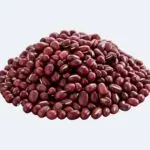
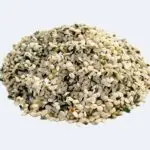
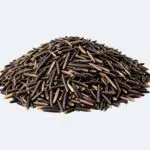
Oysters lead every USDA ranking on this page. A 3 oz (85 g) serving holds 14.1 mg, or 128% of the 11 mg Daily Value (the FDA’s label target). 100 g holds 16.6 mg. Per serving, ground beef (4.72 mg in 4 oz) and adzuki beans (4.07 mg per cup) come next, then ground lamb and hemp seeds.
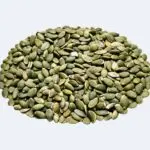
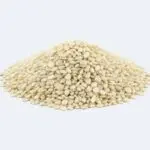
Pumpkin seeds, often named as a zinc source, give 2.21 mg per ounce. Per 100 g, the next foods after oysters are hemp seeds (9.9 mg), pumpkin seeds (7.81 mg) and sesame seeds (7.75 mg). That is why seeds rank higher by weight than by serving.
Oyster values vary a lot. The NIH lists 32 mg in 3 oz of raw farmed Eastern oysters and 28.2 mg in cooked Pacific oysters, more than our ranking shows.
The NIH also notes that beef supplies 20% of the zinc Americans eat, because it is eaten so often. It lists roasted sirloin at 3.8 mg in 3 oz and cheddar at 1.5 mg in 1.5 oz. Boiled lentils have 1.3 mg in half a cup.
Zinc from plant foods is absorbed less well because of phytate. Absorption from food ranges from 5% to more than 50%, depending on how much plant food a diet holds. The NIH suggests soaking beans, grains and seeds for several hours before cooking, and notes that organic acids in fermented foods may help.
Per serving. Bars show the share of the Daily Value (11 mg a day). The line marks 100%.
Per 100 g. Bars show the share of the Daily Value (11 mg a day). The line marks 100%.
Per serving. Bars show the share of the EU Reference Intake (10 mg a day). The line marks 100%.
Per 100 g. Bars show the share of the EU Reference Intake (10 mg a day). The line marks 100%.
Per 100 kcal: the same calories of each food, for a fair comparison. Bars compare each food with the top food.
- 1.

- 2.

- 3.
- 4.

- 5.
- 6.
- 7.
- 8.

- 9.
- 10.


- 1.
- 2.
- 3.
- 4.
- 5.
- 6.
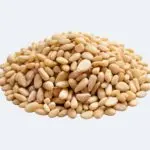
- 7.
- 8.
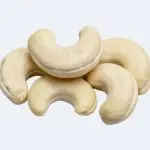
- 9.
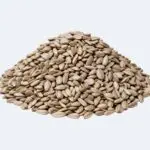
- 10.
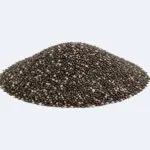


- 1.
- 2.

- 3.

- 4.
- 5.
- 6.
- 7.
- 8.
- 9.
- 10.


Sources
- FoodData Central. US Department of Agriculture, Agricultural Research Service. Values as shown in the ranking above.
- Zinc: fact sheet for health professionals. National Institutes of Health, Office of Dietary Supplements. Updated September 28, 2022.
- López de Romaña D, Lönnerdal B, Brown KH. Absorption of zinc from wheat products fortified with iron and either zinc sulfate or zinc oxide. Am J Clin Nutr. 2003.
How zinc works
Most of the biochemistry below is well established. But it comes from reviews, EFSA’s modeling of human absorption studies, and cell and animal work, not from trials of extra zinc in people.
Five ideas cover most of it. Zinc is built into enzymes and gene-controlling proteins, the gut tightly controls how much gets in, and phytate in plant foods holds it back. Immune cells depend on it, and too much blocks copper. Here is each one, and what has been seen in people.
It is built into enzymes and gene-controlling proteins
EFSA describes three jobs for zinc: catalytic (speeding up reactions), structural and regulatory. It has a structural or catalytic role in each of the six classes of enzymes. Still, a direct link between a sign of deficiency and one specific enzyme has not been confirmed in people.
Zinc fingers are protein folds that need zinc to work, and the human transcriptome holds about 2,500 of them. Zinc also adjusts signaling inside cells, in particular through kinase and phosphorylase activity. That is why the EU can authorize such different claims. They range from normal DNA synthesis and normal metabolism of vitamin A to protection of cells from oxidative stress (see antioxidants).
Three jobs of zinc in the body. Not to scale. The counts are from EFSA’s 2014 review.
The gut controls how much gets in
Most zinc is absorbed in the upper small intestine. Transporters called ZIP carry zinc into cells and ZnT carry it out, and the gut turns their genes up or down in response to intake. Absorption follows saturation kinetics: the more zinc you swallow, the more is absorbed, but the share falls. One review puts the maximum absorption in adults at about 6 mg a day.
With a low-phytate, low-zinc diet (under 4 mg a day), the absorbed share can reach 60% or more. In an isotope trial, fasting adults absorbed about 61% of a 10 mg supplement dose. The gut also adjusts how much of the body’s own zinc it sheds into the stool. One review calls this of major importance in setting zinc requirements.
Phytate in plant foods holds zinc back
Phytate, the storage form of phosphorus in seeds, grains and beans, binds zinc in the gut into a complex the body cannot absorb. It is the main dietary factor known to cut zinc absorption. One review estimated that the average requirement doubles at 1,000 mg of phytate a day.
EFSA turned this into numbers. For an adult woman, its recommended intake rises from 7.5 mg a day at 300 mg of phytate to 12.7 mg at 1,200 mg. For a man, it rises from 9.4 to 16.3 mg. In a trial of fortified wheat foods, adults absorbed 13.8% of zinc from low-phytate bread and 6.4% from higher-phytate porridge.
EFSA notes that germinating or fermenting grains reduces the effect of phytate. Iron supplements of 25 mg or more taken at the same time can also lower zinc absorption, the NIH says. The iron added to fortified food does not.
Zinc intake (mg a day) that EFSA recommends for adults at four phytate levels. Drawn to scale. EFSA modeled absorption from 72 mean datasets in 18 publications.
Immune cells depend on it
EFSA points out that the immune system is especially vulnerable to deficiency. That is partly because immune cells divide quickly and partly because many of their signaling steps need zinc. A review of zinc in infection describes poorer cell-mediated immunity in deficiency, and a role for zinc in controlling the inflammatory switch NF-κB.
The idea behind cold lozenges is that zinc may stop rhinovirus (a common cold virus) binding and replicating in the nose and throat. It may also calm inflammation. Researchers have hypothesized this, the NIH says.
In people, the evidence is mixed. A year of 45 mg a day lowered infections in 50 older adults, while the Cochrane review found little effect on preventing colds.
Too much zinc blocks copper
Long-term high doses of zinc interfere with copper uptake, and many toxic effects of zinc are really copper deficiency, one review concludes. In perfused rat intestine, very high zinc in the gut reduced copper in the intestinal cells and the copper passed on to the blood. High-zinc diets also raised the copper bound to metallothionein, a protein that binds metals.
In people, case reports describe anemia, low white blood cells and nerve damage after months or years of high zinc from supplements or denture cream. The NIH says 50 mg or more for weeks can lower copper status, and the US and EU upper levels are set on that effect.
How high zinc intake can lead to low copper. Not to scale. The gut step is described in rats, and the harm in case reports.
What has been seen in people
The clearest results are about deficiency, and about children where it is common. In malnourished children with diarrhea, zinc shortened it by about 26 hours. Giving zinc to children cut diarrhea cases by 9% without changing deaths. In older people at risk of macular degeneration, the AREDS tablet of antioxidants, zinc and copper cut the odds of advanced disease to 0.72 times.
Elsewhere the results are weaker, and colds are uncertain. Trials of zinc with folic acid for male fertility, and of zinc in pregnancy and for leg ulcers, found little or nothing. Two COVID-19 trials pointed in opposite directions. All of these are among the study cards above.
Sources
- EFSA Panel on Dietetic Products, Nutrition and Allergies (NDA). Scientific opinion on dietary reference values for zinc. EFSA J. 2014.
- Zinc: fact sheet for health professionals. National Institutes of Health, Office of Dietary Supplements. Updated September 28, 2022.
- Hambidge KM, Miller LV, Westcott JE, Sheng X, Krebs NF. Zinc bioavailability and homeostasis. Am J Clin Nutr. 2010.
- Miller LV, Krebs NF, Hambidge KM. A mathematical model of zinc absorption in humans as a function of dietary zinc and phytate. J Nutr. 2007.
- López de Romaña D, Lönnerdal B, Brown KH. Absorption of zinc from wheat products fortified with iron and either zinc sulfate or zinc oxide. Am J Clin Nutr. 2003.
- Wegmüller R, Tay F, Zeder C, Brnić M, Hurrell RF. Zinc absorption by young adults from supplemental zinc citrate is comparable with that from zinc gluconate and higher than from zinc oxide. J Nutr. 2014.
- Gammoh NZ, Rink L. Zinc in infection and inflammation. Nutrients. 2017.
- Plum LM, Rink L, Haase H. The essential toxin: impact of zinc on human health. Int J Environ Res Public Health. 2010.
- Oestreicher P, Cousins RJ. Copper and zinc absorption in the rat: mechanism of mutual antagonism. J Nutr. 1985.
- Nations SP, Boyer PJ, Love LA, et al. Denture cream: an unusual source of excess zinc, leading to hypocupremia and neurologic disease. Neurology. 2008.
How much zinc do you need?
Adult men need 11 mg of zinc a day and adult women 8 mg, according to the US Recommended Dietary Allowance (RDA). The RDA is the daily amount that covers nearly all healthy people. The EU range is 9.4 to 16.3 mg for men and 7.5 to 12.7 mg for women, depending on how much phytate the diet holds.
Needs rise in pregnancy and breastfeeding. For women 19 and older, the US values are 11 mg in pregnancy and 12 mg while breastfeeding. For ages 14 to 18, they are 12 and 13 mg. EFSA adds 1.6 mg and 2.9 mg to the adult woman’s value.
Older adults have the same targets. The US allowance does not change after age 70, and EFSA found no zinc balance data beyond age 52, so it applies the adult basis. The NIH says older adults might have marginal intakes. In survey data from 2005 to 2016, 15% of US adults 19 and older ate less than the average requirement.
Zinc: recommended intake per day
US: Adequate Intake / Recommended Dietary Allowance (NASEM). EU: Population Reference Intake (EFSA).
| Age and sex | US (RDA) | EU (PRI) |
|---|---|---|
| Men, 31–50 years | 11 mg | 9.4–16.3 mg |
| Women, 31–50 years | 8 mg | 7.5–12.7 mg |
All ages, pregnancy and breastfeeding
| Age and sex | US (AI/RDA) | EU (PRI) |
|---|---|---|
| Infants 0–6 months | 2 mg | None set |
| Infants 7–11 months | None set | 2.9 mg |
| Infants 7–12 months | 3 mg | None set |
| Children 1–3 years | 3 mg | 4.3 mg |
| Children 4–6 years | None set | 5.5 mg |
| Children 4–8 years | 5 mg | None set |
| Children 7–10 years | None set | 7.4 mg |
| Females 9–13 years | 8 mg | None set |
| Males 9–13 years | 8 mg | None set |
| Children 11–14 years | None set | 10.7 mg |
| Females 14–18 years | 9 mg | None set |
| Males 14–18 years | 11 mg | None set |
| Children 15–17 years, female | None set | 11.9 mg |
| Children 15–17 years, male | None set | 14.2 mg |
| Adults 18+ years, female | None set | 7.5–12.7 mg |
| Adults 18+ years, male | None set | 9.4–16.3 mg |
| Females 19–30 years | 8 mg | None set |
| Males 19–30 years | 11 mg | None set |
| Females 31–50 years | 8 mg | None set |
| Males 31–50 years | 11 mg | None set |
| Females 51–70 years | 8 mg | None set |
| Males 51–70 years | 11 mg | None set |
| Females >70 years | 8 mg | None set |
| Males >70 years | 11 mg | None set |
| Pregnancy 14–18 years | 12 mg | None set |
| Pregnancy 19–30 years | 11 mg | None set |
| Pregnancy 31–50 years | 11 mg | None set |
| Lactation 14–18 years | 13 mg | None set |
| Lactation 19–30 years | 12 mg | None set |
| Lactation 31–50 years | 12 mg | None set |
EU and US age bands differ; "None set" means that body sets no value for the group. Label reference: FDA Daily Value 11 mg, EU Reference Intake 10 mg.EU and US age bands differ; "None set" means that body sets no value for the group. Label reference: EU Reference Intake 10 mg, FDA Daily Value 11 mg.
Zinc deficiency: signs and who is at risk
Severe deficiency is rare in wealthy countries, but marginal status is not. In infants and children, diarrhea is a common sign. In older children, hair loss, delayed growth and frequent infections become more common.
In the inherited form (acrodermatitis enteropathica), EFSA describes skin lesions around the body openings and the limbs, diarrhea, and loss of appetite and taste. In older adults, deficiency can delay wound healing and change thinking and mood, the NIH says.
- Digestive disease and bariatric surgery. About 15% to 40% of people with inflammatory bowel disease have zinc deficiency. About 50% of people newly diagnosed with celiac disease are at high risk of inadequacy or deficiency.
- Vegetarians and vegans. Phytate in beans and whole grains binds zinc, and a meta-analysis found serum zinc 0.93 µmol/L lower in vegetarians.
- Pregnancy, breastfeeding and infants. Needs rise. Breast milk alone does not meet an infant’s zinc need after 6 months, because milk zinc falls by about 75% by month nine.
- Sickle cell disease and alcohol use disorder. Children with sickle cell disease have a high risk of zinc insufficiency, possibly because of the chelation therapy used for iron overload. Low zinc status has been seen in 30% to 50% of people with alcohol use disorder.
Doctors usually test serum or plasma zinc (zinc in the liquid part of blood), which is normally 80 to 120 mcg/dL. Levels below 70 mcg/dL in women and 74 mcg/dL in men are taken to show inadequate zinc status.
The test has limits. It varies with the time of day and with infection, and it does not track intake well, so clinicians also weigh symptoms and risk factors. In US survey data from 2011 to 2014, some people aged 10 and older fell below the cutoff for their age and sex. That was 8.6% of males and 8.2% of females.
Sources
- Zinc: fact sheet for health professionals. National Institutes of Health, Office of Dietary Supplements. Updated September 28, 2022.
- EFSA Panel on Dietetic Products, Nutrition and Allergies (NDA). Scientific opinion on dietary reference values for zinc. EFSA J. 2014.
- Foster M, Chu A, Petocz P, Samman S. Effect of vegetarian diets on zinc status: a systematic review and meta-analysis of studies in humans. J Sci Food Agric. 2013.
Forms of zinc: absorption and effects
Zinc supplements come as different compounds, and the label lists elemental zinc (the zinc itself), not the weight of the whole compound, the NIH notes. By weight, a gluconate tablet holds far less zinc than one of zinc oxide: 14% against 80%. That figure comes from a review whose authors work for a supplement maker. Forms also differ in solubility and taste.
Oxide does not dissolve in water, while acetate, gluconate and sulfate do. Acetate and sulfate taste bitter and astringent enough to cause vomiting in syrups, unless the taste is masked. The same review says the WHO recommends water-soluble forms for children’s diarrhea tablets and syrups.
The honest bottom line is that head-to-head evidence is thin. The best-controlled trial used isotope tracers in 15 adults and found citrate and gluconate equally absorbed, with oxide somewhat less. Claims that picolinate or bisglycinate are better rest on a few small studies that measured blood, hair or urine levels.
We found no trial that tested any form for a health outcome such as colds or diarrhea. So popular claims that one form works better for immunity or other outcomes have no trial behind them. Zinc from supplements has not been shown to be absorbed differently from zinc in meals that lack inhibitors such as phytate.
The forms used in the main outcome trials on this page were:
- AREDS (macular degeneration). Zinc oxide, 80 mg, with 2 mg of copper as cupric oxide.
- Cold trials. Lozenges of gluconate (9 of 17 lozenge trials in the Cochrane review), acetate (5) or both (2). Other trials used syrups, tablets and nose products.
- Other trials above. Gluconate in the older-adult infection trial and the outpatient COVID-19 trial, and acetate in the hospital COVID-19 trial. Sulfate, mostly as syrup, in the child prevention trials and the leg ulcer trials. The diarrhea trials used acetate, gluconate or sulfate. The fertility trial’s abstract does not name the form.
| Form | Share of zinc by weight | What studies show | Source |
|---|---|---|---|
| Zinc gluconate | 14% | Absorbed about as well as citrate by fasting adults (60.9% of a 10 mg dose). Used in most cold lozenge trials. Raised plasma zinc less than glycinate in one 6-week trial of 30 women. | 1, 2, 4, 11 |
| Zinc acetate | 30% | In a pooled analysis, three acetate lozenge trials shortened colds by 40%; the gap from gluconate (28%) was not significant. We found no absorption comparison with other forms. | 2, 3 |
| Zinc citrate | 31% | Absorption matched gluconate (61.3% versus 60.9%) in 15 fasting adults. At 50 mg a day for 4 weeks, it did not raise hair, urine or red-cell zinc. | 1, 2, 6 |
| Zinc sulfate | 23% | Water-soluble and bitter. Absorbed from fortified flour about as well as oxide. Used as syrup in most child prevention trials. | 2, 5, 13 |
| Zinc oxide | 80% | Does not dissolve in water. Absorption was 49.9% against 60.9% for gluconate when fasting, and 3 of 15 people absorbed little or none. A 12-man crossover also favored gluconate, with unequal doses. In fortified flour it matched sulfate. AREDS used it at 80 mg. | 1, 2, 5, 7, 14 |
| Zinc picolinate | 21% | In one 15-person crossover at 50 mg a day, only picolinate raised hair, urine and red-cell zinc. Serum zinc did not change significantly. We found no other human comparison. | 2, 6 |
| Zinc glycinate (bisglycinate) | 25% | Two small studies: 43.4% more zinc exposure than gluconate after one 15 mg dose in 12 women, and higher plasma zinc after 6 weeks of 60 mg in 30 women. Health outcomes were not tested. | 2, 4, 8 |
Lozenges raise a formulation question of their own. To act on a cold, zinc has to be released in the mouth as free zinc ions. A saliva test found that citric acid in a gluconate lozenge suppressed free zinc ions. So did a large excess of mannitol plus sorbitol, while glycine did not.
The authors proposed this explains some negative cold trials, which is a hypothesis. A later meta-analysis of seven lozenge trials found that acetate and gluconate lozenges both shortened colds, with no clear difference between them. Side effects such as nausea and a bad taste were common in the trials above.
All 8 studies, strongest evidence first
Acetate and gluconate lozenges both shortened colds, by 40% and 28%
This meta-analysis pooled 7 placebo-controlled lozenge trials with 575 people using more than 75 mg a day. Overall, colds were 33% shorter, with no clear difference between the two salts. Doses of 80 to 92 mg a day did about as well as 192 to 207 mg a day. The author argues that how a lozenge is made matters more than which salt it holds.
Fasting adults absorbed about 61% from citrate and gluconate, 50% from oxide
In this randomized crossover trial, 15 healthy adults took 10 mg of zinc without food, in each form in turn. Neither they nor the researchers knew which form they had, and stable isotope tracers measured absorption. Zinc citrate (61.3%) matched gluconate (60.9%), and oxide (49.9%) was lower; three people absorbed little or none from oxide. The authors report no conflicts of interest.
60 mg zinc a day raised plasma zinc as glycinate, not gluconate
In this trial, 30 women took zinc for 6 weeks, 10 per group (glycinate, gluconate or placebo). A marker of copper status did not change in any group, so neither form lowered copper in 6 weeks. The groups were small, and only blood levels were measured.
Zinc oxide and sulfate in wheat flour were absorbed about equally
In this crossover study, 22 adults ate fortified bread or porridge with 60 mg of zinc per kg of flour. Absorption was 13.8% from low-phytate bread and 6.4% from higher-phytate porridge. The two zinc forms did not clearly differ. The volunteers were presumed healthy.
Only picolinate raised zinc in hair, urine and red cells
In this double-blind crossover trial, 15 volunteers took 50 mg of zinc a day for 4 weeks as picolinate, citrate, gluconate or placebo. Serum zinc did not clearly change with any form. Hair, urine and red-cell levels are indirect markers of absorption.
Gluconate gave 18.3% higher peak plasma zinc than oxide, at unequal doses
In this randomized crossover trial, 12 healthy men took each form daily for 14 days. The doses were 20 mg of zinc as gluconate and 17.4 mg as oxide. Total exposure over 24 hours was 8.1% higher with gluconate. The doses were not equal, which weakens the comparison.
A 15 mg bisglycinate dose gave 43.4% more zinc exposure than gluconate
In this randomized crossover study, 12 healthy women took each form, with a 7-day break (washout) in between. Serum zinc was measured after one dose. It shows blood levels after one dose, not benefit to health.
Citric acid in a gluconate lozenge blocked free zinc ions in saliva
In this laboratory test, people sucked lozenges and their saliva was tested. Free zinc ion release was fully suppressed with citric acid, or with a 30-fold molar excess of mannitol plus sorbitol. An excess of glycine did not suppress it. The authors suggest, as a hypothesis, that this may explain negative results in some cold trials.
Sources
- Wegmüller R, Tay F, Zeder C, Brnić M, Hurrell RF. Zinc absorption by young adults from supplemental zinc citrate is comparable with that from zinc gluconate and higher than from zinc oxide. J Nutr. 2014.
- Devarshi PP, Mao Q, Grant RW, Hazels Mitmesser S. Comparative absorption and bioavailability of various chemical forms of zinc in humans: a narrative review. Nutrients. 2024.
- Hemilä H. Zinc lozenges and the common cold: a meta-analysis comparing zinc acetate and zinc gluconate, and the role of zinc dosage. JRSM Open. 2017.
- DiSilvestro RA, Koch E, Rakes L. Moderately high dose zinc gluconate or zinc glycinate: effects on plasma zinc and erythrocyte superoxide dismutase activities in young adult women. Biol Trace Elem Res. 2015.
- López de Romaña D, Lönnerdal B, Brown KH. Absorption of zinc from wheat products fortified with iron and either zinc sulfate or zinc oxide. Am J Clin Nutr. 2003.
- Barrie SA, Wright JV, Pizzorno JE, Kutter E, Barron PC. Comparative absorption of zinc picolinate, zinc citrate and zinc gluconate in humans. Agents Actions. 1987.
- Siepmann M, Spank S, Kluge A, Schappach A, Kirch W. The pharmacokinetics of zinc from zinc gluconate: a comparison with zinc oxide in healthy men. Int J Clin Pharmacol Ther. 2005.
- Gandia P, Bour D, Maurette JM, et al. A bioavailability study comparing two oral formulations containing zinc (Zn bis-glycinate vs. Zn gluconate) after a single administration to twelve healthy female volunteers. Int J Vitam Nutr Res. 2007.
- Zarembo JE, Godfrey JC, Godfrey NJ. Zinc(II) in saliva: determination of concentrations produced by different formulations of zinc gluconate lozenges containing common excipients. J Pharm Sci. 1992.
- Zinc: fact sheet for health professionals. National Institutes of Health, Office of Dietary Supplements. Updated September 28, 2022.
- Nault D, Machingo TA, Shipper AG, et al. Zinc for prevention and treatment of the common cold. Cochrane Database Syst Rev. 2024.
- Hambidge KM, Miller LV, Westcott JE, Sheng X, Krebs NF. Zinc bioavailability and homeostasis. Am J Clin Nutr. 2010.
- Imdad A, Rogner J, Sherwani RN, et al. Zinc supplementation for preventing mortality, morbidity, and growth failure in children aged 6 months to 12 years. Cochrane Database Syst Rev. 2023.
- Age-Related Eye Disease Study Research Group. A randomized, placebo-controlled, clinical trial of high-dose supplementation with vitamins C and E, beta carotene, and zinc for age-related macular degeneration and vision loss: AREDS report no. 8. Arch Ophthalmol. 2001.
Is zinc safe? Supplements, dose and interactions
Zinc from food is not a concern for most people: the NIH notes that food rarely supplies 50 mg. For adults, the US tolerable upper intake level is 40 mg a day from food and supplements, set on copper status.
It is 34 mg for ages 14 to 18 and 23 mg for ages 9 to 13. It is 12 mg for ages 4 to 8 and 7 mg for ages 1 to 3. The same 40 and 34 mg apply in pregnancy and breastfeeding. It does not apply to people given zinc as treatment under a doctor’s care.
EFSA’s 2014 opinion describes an EU upper level of 25 mg a day for adults. The Scientific Committee on Food set it from a no-effect level of 50 mg and a safety factor of 2.
- Doses and side effects. High intakes can cause nausea, dizziness, headaches, stomach upset, vomiting and loss of appetite. In cold trials, non-serious side effects were more common with zinc (1.34 times the risk). And 80% of people sucking gluconate lozenges in a trial reported a bad taste, against 30% on placebo. Lozenge trials used 45 to 276 mg a day, well above the 40 mg upper level, for days to weeks. They were short courses, not long-term use.
- Copper deficiency. Doses of 50 mg or more for weeks can interfere with copper and lower HDL (“good”) cholesterol, the NIH says. Case reports describe anemia, low white blood cells and nerve damage after months to years of excess zinc. That includes denture cream that held about 17,000 to 34,000 µg of zinc per gram. The NIH says many denture creams have been reformulated without zinc.
- Nasal zinc and smell. By 2009 the FDA had received more than 130 reports of loss of smell with one homeopathic nasal zinc product. It judged that using the product as labeled would give significant daily exposure to nasal zinc. In June 2009 the agency advised consumers to stop using three of that maker’s nasal products. Case reports describe loss of smell that is long lasting or permanent.
- Prostate cancer. In a cohort of 46,974 men, more than 100 mg of supplemental zinc a day went with 2.29 times the risk of advanced prostate cancer. It is observational, and up to 100 mg a day was not linked to risk.
- Medicines. Quinolone and tetracycline antibiotics can bind zinc in the gut. The NIH advises taking the antibiotic at least 2 hours before or 4 to 6 hours after zinc. In 12 men, a multivitamin with zinc cut the ciprofloxacin exposure from 14.5 to 11.3 µg·h/ml. The zinc part was not separated out. In 7 volunteers, 45 mg of zinc as sulfate cut tetracycline absorption by about 30% but did not clearly change doxycycline. Take penicillamine and zinc at least 1 hour apart. Thiazide diuretics (water pills) such as hydrochlorothiazide raise zinc loss in urine: total excretion rose by 60% in 9 patients. Ask your doctor or pharmacist if you take any of these medicines.
How to get more zinc
- Best food. Oysters give 14.1 mg in 3 oz, 128% of the Daily Value, and pumpkin seeds give 2.21 mg per ounce. Beef, seeds, beans and dairy add up over a day.
- Soak and ferment plant foods. Phytate holds back zinc from beans, grains and seeds. Soaking them for several hours, or eating them fermented, helps. Absorption from low-phytate bread was 13.8%, against 6.4% from higher-phytate porridge.
- Food first, supplements for a reason. Vegetarians and vegans can look at fortified foods or low-dose supplements. If you take a supplement, stay under 40 mg a day unless a doctor says otherwise. In the best-controlled trial, citrate and gluconate were absorbed alike and oxide somewhat less.
Sources
- Zinc: fact sheet for health professionals. National Institutes of Health, Office of Dietary Supplements. Updated September 28, 2022.
- EFSA Panel on Dietetic Products, Nutrition and Allergies (NDA). Scientific opinion on dietary reference values for zinc. EFSA J. 2014.
- Nault D, Machingo TA, Shipper AG, et al. Zinc for prevention and treatment of the common cold. Cochrane Database Syst Rev. 2024.
- Mossad SB, Macknin ML, Medendorp SV, Mason P. Zinc gluconate lozenges for treating the common cold. A randomized, double-blind, placebo-controlled study. Ann Intern Med. 1996.
- Willis MS, Monaghan SA, Miller ML, et al. Zinc-induced copper deficiency: a report of three cases initially recognized on bone marrow examination. Am J Clin Pathol. 2005.
- Nations SP, Boyer PJ, Love LA, et al. Denture cream: an unusual source of excess zinc, leading to hypocupremia and neurologic disease. Neurology. 2008.
- Jafek BW, Linschoten MR, Murrow BW. Anosmia after intranasal zinc gluconate use. Am J Rhinol. 2004.
- Homeopathic drug products: guidance for FDA staff and industry (footnote 12). US Food and Drug Administration. December 2022. For the June 2009 advice to consumers: Certain zinc-based cold remedies linked to loss of sense of smell, FDA says. ScienceDaily. 2009.
- Leitzmann MF, Stampfer MJ, Wu K, Colditz GA, Willett WC, Giovannucci EL. Zinc supplement use and risk of prostate cancer. J Natl Cancer Inst. 2003.
- Polk RE, Healy DP, Sahai J, Drwal L, Racht E. Effect of ferrous sulfate and multivitamins with zinc on absorption of ciprofloxacin in normal volunteers. Antimicrob Agents Chemother. 1989.
- Penttilä O, Hurme H, Neuvonen PJ. Effect of zinc sulphate on the absorption of tetracycline and doxycycline in man. Eur J Clin Pharmacol. 1975.
- Wester PO. Urinary zinc excretion during treatment with different diuretics. Acta Med Scand. 1980.
- Hambidge KM, Miller LV, Westcott JE, Sheng X, Krebs NF. Zinc bioavailability and homeostasis. Am J Clin Nutr. 2010.
- Foster M, Chu A, Petocz P, Samman S. Effect of vegetarian diets on zinc status: a systematic review and meta-analysis of studies in humans. J Sci Food Agric. 2013.
History of zinc
A 2013 review dates the first discovery of human zinc deficiency to an Iranian man in 1961. That year Prasad and colleagues published on a syndrome of iron deficiency anemia, enlarged liver and spleen, underdeveloped sex glands, dwarfism and clay eating. Prasad later wrote that zinc deficiency causes growth retardation and underdeveloped sex glands, among other effects. He added that the high phytate content of cereal proteins in the developing world lowers the zinc available for absorption.
In 1974 a letter in The Lancet named acrodermatitis enteropathica, a skin and bowel disease of infants, as a lethal inherited zinc-deficiency disorder. EFSA now describes it as the result of genetic defects in zinc transporters in the gut and the mammary gland. It responds strongly to zinc treatment and is typically fatal without it.
The modern evidence base is more recent. The AREDS trial reported in 2001, and the EU listed its zinc health claims in Regulation 432/2012. EFSA set European reference values in 2014, and Cochrane updated its review of zinc for childhood diarrhea in 2016.
Sources
- Prasad AS, Halsted JA, Nadimi M. Syndrome of iron deficiency anemia, hepatosplenomegaly, hypogonadism, dwarfism and geophagia. Am J Med. 1961.
- Roohani N, Hurrell R, Kelishadi R, Schulin R. Zinc and its importance for human health: an integrative review. J Res Med Sci. 2013.
- Prasad AS. Impact of the discovery of human zinc deficiency on health. J Am Coll Nutr. 2009.
- Moynahan EJ. Acrodermatitis enteropathica: a lethal inherited human zinc-deficiency disorder. Lancet. 1974.
- EFSA Panel on Dietetic Products, Nutrition and Allergies (NDA). Scientific opinion on dietary reference values for zinc. EFSA J. 2014.
- Commission Regulation (EU) No 432/2012 establishing a list of permitted health claims made on foods. Official Journal of the European Union. 2012.
Frequently asked questions about zinc
How much zinc per day for a woman?
Adult women need 8 mg a day in the US, rising to 11 mg in pregnancy and 12 mg while breastfeeding (ages 19 and older). EFSA gives 7.5 to 12.7 mg for adult women, depending on phytate intake. It adds 1.6 mg in pregnancy and 2.9 mg while breastfeeding. The US upper level is 40 mg a day from food and supplements.
Do zinc lozenges work for colds?
Possibly, but the trials disagree. A Cochrane review of 34 trials found that zinc used for treatment may shorten a cold by about 2.37 days, with low certainty. It did little to prevent colds (0.93 times the risk). Side effects were more common, and in one trial 80% of users reported a bad taste. Lozenge doses of 45 to 276 mg a day are far above the 40 mg upper level, so they are for short courses only.
What are the signs of too much zinc?
Short-term, high intakes can cause nausea, dizziness, headaches, stomach upset and vomiting. Doses of 50 mg or more for weeks can interfere with copper, which in case reports led to anemia, low white blood cells and nerve damage. Nasal zinc products have been linked to loss of smell, which can be permanent.
Do vegetarians need more zinc?
They may. Phytate in beans and whole grains binds zinc. In a meta-analysis, vegetarians had 0.88 mg less zinc intake and lower serum zinc. EFSA’s target for adult women rises from 7.5 mg to 12.7 mg as phytate intake goes from 300 to 1,200 mg a day. Soaking, sprouting and fermenting plant foods, fortified foods and low-dose supplements can help.
Which foods are highest in zinc?
Oysters lead our USDA ranking, with 14.1 mg in 3 oz and 16.6 mg per 100 g. Ground beef (4.72 mg in 4 oz), adzuki beans (4.07 mg per cup), ground lamb and hemp seeds follow per serving. Per 100 g, hemp seeds, pumpkin seeds (7.81 mg) and sesame seeds rank next. The NIH lists cheddar at 1.5 mg in 1.5 oz and boiled lentils at 1.3 mg in half a cup.
Does zinc improve immunity?
It does when a person is low in zinc. Deficiency harms immune cells, and zinc shortened diarrhea in malnourished children by about 26 hours. The EU also authorizes a claim for normal immune function. In people with enough zinc the evidence is thin. One trial in 50 older adults found fewer infections on 45 mg a day, but the Cochrane review found little effect on preventing colds.
What is the best form of zinc supplement?
No form has been shown to work better for health. In 15 fasting adults, citrate and gluconate were absorbed equally (about 61%) and oxide somewhat less (50%). Picolinate and bisglycinate looked better in a few small studies of blood, hair or urine levels, but no trial tested health outcomes. Look at the elemental zinc on the label, since gluconate is 14% zinc by weight and oxide 80%.
Does zinc help macular degeneration or male fertility?
For macular degeneration, only the AREDS combination has trial support. Antioxidants plus 80 mg of zinc and 2 mg of copper lowered the odds of advanced disease (0.72 times the odds) in people at risk. AREDS2 saw no apparent difference with a lower zinc dose. For male fertility, a trial of 2,370 men found that folic acid plus zinc did not raise live births (34% against 35%). Ask an eye doctor before using an AREDS-type supplement.