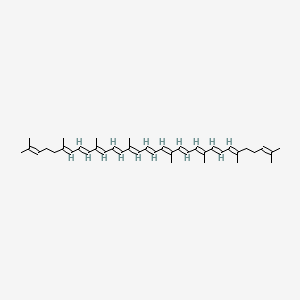
Lycopene is the red pigment of ripe tomatoes. It belongs to the carotenoid family, the same family as beta-carotene and lutein. Carotenoids give fruits and flowers yellow, orange and red colors that attract animals to spread pollen and seeds. In green tissue they help photosynthesis and shield it from too much light.
Unusually for plants, a ripe tomato piles up large amounts of lycopene as its chloroplasts change into color-holding chromoplasts.
Lycopene is not a source of vitamin A. Unlike beta-carotene, it has no provitamin A activity. Even so, lycopene and beta-carotene are the two most abundant carotenoids in human blood and tissues. Lycopene has also been found in the prostate.
Cooking helps here. In one trial, the same 23 mg of lycopene gave 3.8 times more absorption from tomato paste than from fresh tomatoes. And the shape of the molecule matters. Tangerine tomatoes, a variety rich in the bent cis form of lycopene, gave about 8.5 times more absorption than red tomato juice.
Health benefits of lycopene
The top findings from 29 studies, strongest evidence first
What the stars mean
- Strong. Several randomized trials, pooled in a meta-analysis, point the same way, or regulators (FDA or EFSA) have approved the claim.
- Moderate. Good randomized trials support it, but there are fewer of them, or their results vary.
- Limited. Small, short or single trials, or mixed results. Promising, but it needs confirmation.
Population and lab studies get no stars: they show a link or a mechanism, not proof.
How we rate evidence →- ★★Mixed results for blood pressureA pooled analysis of 6 trials found lycopene supplements lowered the top number about 5 points (4.95 mm Hg systolic), more above 12 mg daily. A 34-trial review found no clear change, and another found only a tomato extract worked, not synthetic lycopene.
- ★★Mixed results for LDL cholesterolAt 25 mg or more a day, lycopene lowered LDL (“bad”) cholesterol about 10% (10.35 mg/dL) across 12 trials; lower doses had no clear effect. A 34-trial review found no clear effect on LDL, HDL or triglycerides.
- ★★More UV needed to redden skinIn a pooled analysis of 21 trials in healthy people, tomato foods and lycopene pills raised the UV dose needed to redden skin. In one small trial, 40 g of tomato paste daily cut UV reddening by 40% after 10 weeks.
- ★★No clear effect on PSA, a prostate markerIn 6 trials, lycopene or tomato extract did not clearly change PSA, a prostate screening blood marker (difference 0.12 ng/mL, possibly chance). In men whose prostate cancer had not spread, another analysis found PSA fell by 3.74 µg/L only in those starting at 6.5 µg/L or more.
- ★Prostate cancer protection not provenThe FDA found no credible evidence that lycopene lowers prostate cancer risk. A pooled analysis of 42 studies linked higher lycopene to 12% lower prostate cancer risk, but such studies cannot prove cause.
All 29 studies, strongest evidence first
In 21 trials, lycopene pills lowered systolic pressure 5.7 mmHg
This meta-analysis pooled 21 intervention trials of tomato products or lycopene. Tomato interventions lowered LDL (“bad”) cholesterol by 0.22 mmol/L and lowered the inflammation marker IL-6. They also improved flow-mediated dilation, a test of how well arteries widen, by 2.53%. No other outcome clearly changed.
In 34 trials, lycopene did not change blood pressure or blood fats
This meta-analysis covered randomized trials of lycopene and tomato found up to November 2022. They lowered the oxidative stress marker MDA. There was no clear effect on LDL, HDL, total cholesterol, triglycerides or fasting glucose. Blood pressure, CRP, IL-6, TNF-alpha, body weight and BMI did not clearly change either. The authors call for longer trials with different doses.
Lycopene supplements lowered systolic pressure about 5 mmHg, more above 12 mg
This meta-analysis pooled 6 intervention trials. Systolic pressure fell by 4.95 mmHg, with clear differences between trials. Doses above 12 mg a day had a bigger effect, especially when systolic pressure started above 120 mmHg and in Asian participants. Diastolic pressure did not clearly change.
Only a tomato extract lowered systolic blood pressure, by 5.9 mmHg
This network meta-analysis compared 11 randomized trials of six tomato and lycopene products. Only a standardized tomato extract lowered pressure; tomato foods and synthetic lycopene showed no consistent effect. In people with high blood pressure the extract lowered systolic pressure by 8.1 mmHg. Diastolic pressure did not clearly change overall.
Doses of 25 mg or more cut LDL about 10 mg/dL
This meta-analysis pooled 12 trials on blood fats and 4 on blood pressure. At 25 mg or more a day, LDL fell by 10.35 mg/dL, roughly 10%, and total cholesterol by 7.55 mg/dL. Lower doses showed no clear effect. Systolic pressure fell by 5.60 mmHg across the blood pressure trials. The authors liken the LDL effect to a low-dose statin and ask for more research.
Across 12 trial arms, lycopene raised HDL cholesterol, not triglycerides
This meta-analysis covered 12 trial arms with 781 people for HDL (“good”) cholesterol and 11 studies with 854 people for triglycerides. HDL rose (standardized difference 0.33), but triglycerides did not change. Variation between trials was moderate, and most studies had a moderate risk of bias. The abstract gives no change in mg/dL.
In 21 trials, tomato and lycopene raised the UV dose for reddening
This systematic review and meta-analysis covered intervention trials in healthy people. Minimal erythema dose (the smallest UV dose that reddens skin), skin thickness and skin density rose. Reddening after UV, MMP-1, ICAM-1 and pigmentation fell. The abstract gives no effect sizes, and tomato foods and lycopene pills were pooled.
In 6 trials, lycopene or tomato extract did not change PSA
This meta-analysis pooled randomized trials. The difference in PSA (prostate-specific antigen, a blood marker used in prostate screening) against controls was -0.12 ng/mL, a gap that could be chance. The authors ask for larger and more consistent trials.
Lycopene lowered PSA only when it started at 6.5 or more
This meta-analysis pooled 6 randomized trials in men with prostate cancer that had not spread. The overall PSA difference was -0.60 µg/L, which could be chance. In studies with a starting PSA of at least 6.5 µg/L, it was -3.74 µg/L. Dose and duration made no clear difference, and the authors note that results varied between trials.
Tomato juice with 15 mg lycopene improved artery widening (FMD)
In this placebo-controlled trial, 75 healthy adults with borderline flow-mediated dilation (FMD) drank juice daily for 12 weeks. They were randomly assigned placebo juice, tomato juice with 15.0 mg of lycopene, or high-lycopene juice with 26.7 mg a day. FMD rose from 5.4% to 6.1% on tomato juice and reached 7.0% on the high dose. Oxidative stress markers and nitric oxide did not differ, so the authors say the mechanism is unclear.
40 g of tomato paste daily cut UV skin reddening by 40%
In this trial, 19 volunteers took part for 10 weeks. Of them, 9 ate tomato paste (about 16 mg of lycopene) with 10 g of olive oil, and 10 had olive oil alone. Reddening after solar-simulator light was 40% lower at week 10 and not clearly different at week 4. It was a small trial.
55 g tomato paste daily raised the reddening dose in 20 women
In this randomized trial, 20 healthy fair-skinned women ate tomato paste (16 mg of lycopene) in olive oil, or olive oil alone, for 12 weeks. The erythemal D30, a UV reddening dose, reached 36.6 mJ/cm² against 23 on olive oil (baseline 26.5). The visual minimal erythema dose did not clearly differ. In skin biopsies, UV-induced MMP-1 and mitochondrial DNA damage were lower after tomato paste.
About 10 mg daily cut UV skin reddening by 25% to 48%
This trial compared synthetic lycopene, a tomato extract (Lyc-o-Mato) and a drink containing the extract, for 12 weeks. Reddening at week 12 was 25% lower than at week 0 with synthetic lycopene, 38% with the extract and 48% with the drink. The authors suggest the phytofluene and phytoene in the extracts may add protection. The abstract gives no group sizes or placebo comparison.
Small trial: lycopene did not raise the skin-reddening UV dose
In this randomized trial, 20 people took a lycopene capsule (10) or tomato paste (10) for 10 weeks, and 3 dropped out. Blood lycopene varied a lot and rose clearly only with paste. One color measure changed marginally. The abstract does not state the dose.
Men awaiting prostate treatment: 30 mg daily did not change PSA overall
In this trial, 79 men awaiting prostate cancer treatment were randomly assigned a diet for 3 weeks. Options were tomato products (30 mg of lycopene a day), tomato products plus other foods and supplements, or a control diet. In a post-hoc look at 41 intermediate-risk men, median PSA fell 2.9% on tomato against a 6.5% rise in controls. Post-hoc findings (analyses chosen after the fact) can arise by chance.
30 mg daily for 4 months did not lower PSA
This unblinded trial had 81 Afro-Caribbean men in Tobago at high risk of prostate cancer, with prostate changes found on biopsy. They took lycopene (Lyc-O-Mato) plus a multivitamin or the multivitamin alone. Blood lycopene about doubled. PSA dipped in month 1 and was back at its starting level by month 4 in both groups. The authors read this as a short-lived response not specific to lycopene. No adverse effects were attributed to lycopene.
The FDA found no credible evidence that lycopene lowers prostate cancer risk
The FDA reviewed the science behind two 2004 petitions for qualified health claims. It found no credible evidence linking lycopene to lower risk of prostate, lung, colorectal, gastric, breast, ovarian, endometrial or pancreatic cancer. It found very limited evidence linking tomatoes to prostate, ovarian, gastric and pancreatic cancers. Newer meta-analyses are among the studies below.
Across 4 small trials, lycopene raised sperm concentration
This systematic review and meta-analysis covered clinical studies with 151 men. Sperm concentration rose (standardized difference 0.33), and so did non-progressive motility. Total motility, progressive motility, sperm shape, semen volume and DNA damage did not clearly change. The authors note publication bias and differences between studies.
25 mg daily for 12 weeks raised total sperm count
In this placebo-controlled trial, 44 infertile men had low sperm numbers (oligozoospermia). Sperm count and concentration rose in the lycopene group, and only total count stayed clear after adjusting for other factors. Total antioxidant capacity rose in both groups.
A can of tomato juice daily raised sperm motility in infertile men
In this randomized trial, 44 men finished. There were 17 on tomato juice (30 mg of lycopene a day for 12 weeks), 15 on an antioxidant capsule and 12 controls. The capsule held vitamin C, vitamin E and glutathione. White blood cells in seminal plasma fell as well. The antioxidant capsule did not improve semen measures.
4 mg daily raised sperm concentration in 66% of men, uncontrolled
This preliminary report covered 30 men with unexplained sperm problems who took lycopene for 3 months, with no control group. Concentration and motility clearly improved. There were 6 pregnancies among the 26 men who started above 5 million sperm per mL, and men below that count did not improve. The authors say randomized trials are essential.
Across 42 studies, more lycopene went with 12% lower prostate cancer risk
This meta-analysis covered 692,012 participants and 43,851 cases, with dietary or blood lycopene. Higher dietary intake went with 0.88 times the risk, and so did higher blood levels (0.88). Risk fell by 1% for every extra 2 mg a day. There was no link with advanced cancer, and these studies cannot prove cause.
Frequent tomato sauce went with 23% lower prostate cancer risk
The Health Professionals Follow-Up Study followed 47,365 men for 12 years, with 2,481 prostate cancers. Men eating tomato sauce two or more times a week had 0.77 times the risk of men eating it less than once a month. The highest fifth of lycopene intake had 0.84 times the risk. The authors call tomato sauce the main source of well-absorbed lycopene, and diet was self-reported.
Prospective studies found only a small lower prostate cancer risk, possibly chance
This meta-analysis covered eleven cohort and 6 nested case-control studies. Higher lycopene intake gave 0.93 times the odds, higher blood lycopene 0.97, raw tomato 0.81 and cooked tomato 0.85. None of these was clear. The authors suggest tomato may play a modest role.
Blood lycopene was not linked to overall prostate cancer risk
This pooled analysis of 15 prospective studies used blood measures, with up to 11,239 cases and 18,541 controls. The top fifth had 35% lower odds of aggressive disease than the bottom fifth (0.65 times). No other carotenoid was linked to risk.
In a prevention trial, blood lycopene was not linked to prostate cancer
This nested case-control study in the Prostate Cancer Prevention Trial had 1,683 cases and 1,751 controls. Each 10 µg/dL more blood lycopene went with 0.99 times the odds. Among men on placebo, a 10 µg/dL rise went with 7% lower risk of cancers found after a raised PSA or abnormal exam. But it went with 8% higher risk of cancers found without such a prompt. The authors say the study does not support a role for lycopene in prevention.
Across 121 studies, high lycopene went with 5% lower overall cancer risk
This meta-analysis of prospective studies had 108,574 cancer cases over 2 to 32 years. High blood levels went with 11% lower risk. For prostate cancer, the pooled relative risk for higher dietary intake was 0.99. Cancer deaths were lower with more tomato (0.89), lycopene intake (0.84) and blood lycopene (0.76), with large differences between studies.
Top lycopene: 26% lower stroke risk, 14% lower cardiovascular risk
This meta-analysis covered 25 studies of lycopene intake or blood levels. Stroke risk was 0.74 times and cardiovascular disease risk 0.86 times. The highest blood levels also went with lower mortality (0.63). Lycopene was not clearly linked to heart attack.
Umbrella review linked tomato and lycopene to lower risk of several diseases
This review of 17 meta-analyses covered 20 health outcomes. Links included lower risk of prostate cancer, stroke and death from any cause, plus gastric cancer, metabolic syndrome and male infertility. By GRADE, a standard rating system, most evidence was rated low or very low and six outcomes moderate. The authors say the quality of evidence was not high.
Foods high in lycopene
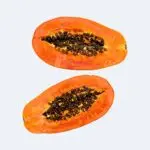
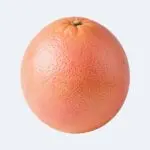
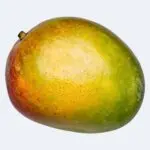
Tomatoes are the richest source of lycopene in the Western diet. In the USDA data below, guava (5,204 µg per 100 g) and watermelon (4,532 µg) come first. Then come raw tomatoes (2,573 µg), papaya (1,828 µg) and grapefruit (1,135 µg), while mango and carrots hold only a few micrograms.
The ranking covers foods USDA measured, mostly raw produce, so it does not show how much concentrated tomato products hold. The two tomato sauces made for one trial held 26 and 33 mg per 100 g. That is about 10 and 13 times the USDA figure for raw tomatoes.
Cooking and processing raise how much of it you absorb, mainly when oil is present. In a single-dose trial, 23 mg of lycopene was eaten with 15 g of corn oil. Tomato paste gave 2.5 times the peak blood level and 3.8 times the total absorption of fresh tomatoes.
In an earlier trial, blood lycopene rose only after people drank tomato juice boiled for an hour with 1% corn oil. Unprocessed juice did not raise it.
In 11 people, 470 g of diced tomatoes cooked with 25 mL of olive oil raised blood trans-lycopene by 82%. Tomatoes cooked without added oil did not clearly change it. Extra heating alone only tended to help in another trial, where crushing the tomatoes mattered more.
Per serving. No daily amount is set, so bars compare each food with the top food.
Per 100 g. No daily amount is set, so bars compare each food with the top food.
Per 100 kcal: the same calories of each food, for a fair comparison. Bars compare each food with the top food.
Food labels have no Daily Value or Reference Intake for lycopene, so the % compares each food with the top food.
- 1.
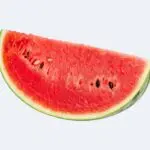
- 2.
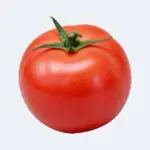
- 3.
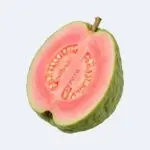
- 4.
- 5.
- 6.
- 7.

- 8.
- 9.


- 1.
- 2.
- 3.
- 4.
- 5.
- 6.
- 7.
- 1.
- 2.
- 3.
- 4.
- 5.
- 6.
- 7.
Sources
- Burton-Freeman B, Sesso HD. Whole food versus supplement: comparing the clinical evidence of tomato intake and lycopene supplementation on cardiovascular risk factors. Adv Nutr. 2014.
- FoodData Central. U.S. Department of Agriculture, Agricultural Research Service. Amounts are the NutriScrolls ranking above.
- Unlu NZ, Bohn T, Francis DM, et al. Lycopene from heat-induced cis-isomer-rich tomato sauce is more bioavailable than from all-trans-rich tomato sauce in human subjects. Br J Nutr. 2007. The sauces held 32.5 and 26.4 mg of lycopene per 100 g.
- Gärtner C, Stahl W, Sies H. Lycopene is more bioavailable from tomato paste than from fresh tomatoes. Am J Clin Nutr. 1997.
- Stahl W, Sies H. Uptake of lycopene and its geometrical isomers is greater from heat-processed than from unprocessed tomato juice in humans. J Nutr. 1992.
- Fielding JM, Rowley KG, Cooper P, O’Dea K. Increases in plasma lycopene concentration after consumption of tomatoes cooked with olive oil. Asia Pac J Clin Nutr. 2005.
- van het Hof KH, de Boer BC, Tijburg LB, et al. Carotenoid bioavailability in humans from tomatoes processed in different ways. J Nutr. 2000.
How lycopene works
Most of what we know about how lycopene works comes from test tubes and artificial membranes. Researchers keep coming back to three ideas. It calms a reactive form of oxygen, and it lies flat in the fatty core of cell membranes. And heating bends it into a shape the gut takes up better.
Here is each one, and what has been seen in people.
It calms singlet oxygen
Singlet oxygen is an excited, reactive form of oxygen. Carotenoids can quench it, which means they calm it before it reacts with something else. In a 1989 test-tube study, lycopene had the highest quenching rate of the compounds compared. It reached 31 billion per molar per second, against 14 for beta-carotene and 0.3 for vitamin E.
That is more than 100 times vitamin E, and a later review calls lycopene almost twice as fast as beta-carotene. But speed is not the whole story. Vitamin E is far more plentiful in blood (22 micromolar against 0.7 for lycopene). At those levels, the authors found the quenching capacities of the two were comparable.
Drawn to scale: each bar is the rate constant. Bilirubin is the form bound to albumin in blood, and vitamin E is alpha-tocopherol.
It lies flat in the fatty core of membranes
Lycopene has no oxygen-containing end groups, so it cannot anchor at the watery edge of a membrane the way astaxanthin can. A computer simulation of a skin-lipid bilayer placed lycopene flat (parallel to the surface) in the fatty middle, while zeaxanthin stood upright.
Where lycopene sits in a membrane. The flat position comes from a computer simulation of a skin-lipid bilayer; the depth in the drawing is schematic.
In lab tests on membranes rich in polyunsaturated fats, that position came with a cost. Lycopene and beta-carotene disordered the bilayer and raised fat-damage products by more than 85%, while astaxanthin lowered them by 40%.
Not every test agrees. In another lab study using liposomes (tiny fat bubbles), lycopene ranked first of several carotenoids and vitamin E at blocking a fat-damage marker. Lycopene plus lutein worked better together than either alone. The result depends on the membrane and the test, so no single experiment settles whether lycopene protects or harms membranes in the body.
Drawn to scale. The study reports the beta-carotene and lycopene result together as an increase of more than 85%.
Heat bends it into a shape the gut takes up better
In fresh tomatoes lycopene is essentially the straight all-trans shape. In human blood and tissues, more than half is bent cis forms. Heat and light turn all-trans into cis, and the share of cis rises with temperature and cooking time.
In ferrets fed lycopene that was 91% all-trans, the lymph that carries absorbed fat held 77.4% cis. The authors link this to cis forms dissolving better in the gut’s bile micelles.
Two human trials agree. In 12 adults, a sauce heat-processed to 45% cis beat a sauce with 5% cis. It gave more lycopene in the blood fat fraction per milligram eaten (7.30 against 4.74). In 11 people, juice from tangerine tomatoes, 94% cis, gave 48% absorption against 5% from red tomato juice, which was 10% cis.
The cis shift is not the only reason cooked tomatoes work. In another trial, fresh tomatoes and paste had the same isomer pattern, yet paste gave 3.8 times the absorption. Crushing tomatoes more finely raised absorption in a third trial. Breaking up the plant cells seems to matter too.
Top: sauces made with different heating. Bottom: two natural tomato varieties, not heated differently. Sauce values are blood-fat area under the curve per mg eaten, in nmol x h/L. Juice values are fractions absorbed.
What has been seen in people
These effects are much easier to show in a dish than in a person. Across 34 trials, lycopene lowered MDA, a blood marker of fat damage, but not CRP, IL-6 or most other markers. Skin trials with tomato paste mostly show a higher UV dose to redden skin, but one trial found none.
In prostate cancer, pooled trials found no change in PSA. Where benefits appear, such as the roughly 5 mmHg drop in systolic pressure in some meta-analyses, they are modest and not consistent across studies. All of these are among the study cards above.
Sources
- Di Mascio P, Kaiser S, Sies H. Lycopene as the most efficient biological carotenoid singlet oxygen quencher. Arch Biochem Biophys. 1989.
- Shi J, Le Maguer M. Lycopene in tomatoes: chemical and physical properties affected by food processing. Crit Rev Biotechnol. 2000.
- Ri JS, Choe CS, Choe SH, et al. Lycopene, but not zeaxanthin, serves as a skeleton for the formation of an orthorhombic organization of intercellular lipids within the lamellae in the stratum corneum: molecular dynamics simulations of the hydrated ceramide NS bilayer model. Biochim Biophys Acta Biomembr. 2023.
- McNulty HP, Byun J, Lockwood SF, Jacob RF, Mason RP. Differential effects of carotenoids on lipid peroxidation due to membrane interactions: X-ray diffraction analysis. Biochim Biophys Acta. 2007.
- Stahl W, Junghans A, de Boer B, Driomina ES, Briviba K, Sies H. Carotenoid mixtures protect multilamellar liposomes against oxidative damage: synergistic effects of lycopene and lutein. FEBS Lett. 1998.
- Boileau AC, Merchen NR, Wasson K, Atkinson CA, Erdman JW Jr. Cis-lycopene is more bioavailable than trans-lycopene in vitro and in vivo in lymph-cannulated ferrets. J Nutr. 1999.
- Unlu NZ, Bohn T, Francis DM, Nagaraja HN, Clinton SK, Schwartz SJ. Lycopene from heat-induced cis-isomer-rich tomato sauce is more bioavailable than from all-trans-rich tomato sauce in human subjects. Br J Nutr. 2007.
- Cooperstone JL, Ralston RA, Riedl KM, et al. Enhanced bioavailability of lycopene when consumed as cis-isomers from tangerine compared to red tomato juice, a randomized, cross-over clinical trial. Mol Nutr Food Res. 2015.
- Gärtner C, Stahl W, Sies H. Lycopene is more bioavailable from tomato paste than from fresh tomatoes. Am J Clin Nutr. 1997.
- van het Hof KH, de Boer BC, Tijburg LB, et al. Carotenoid bioavailability in humans from tomatoes processed in different ways determined from the carotenoid response in the triglyceride-rich lipoprotein fraction of plasma after a single consumption and in plasma after four days of consumption. J Nutr. 2000.
Is lycopene safe? Supplements, dose and interactions
Lycopene from food has not been flagged as a safety problem in the sources we read. For lycopene used as a food color (E 160d), EFSA, the European food safety agency, set an acceptable daily intake (ADI). It is 0.5 mg per kg of body weight a day, about 35 mg for a 70 kg adult. The figure came from a one-year rat study in which the liver enzyme ALT rose at higher doses.
The joint FAO/WHO expert committee (JECFA) instead set its ADI to “not specified” in 2009, and EFSA kept its own figure in 2010. In 2023 EFSA added that, for high consumers, lycopene from natural sources plus food-color use could pass the ADI. It also could not establish the safety of a tomato extract added to cereal bars, drinks and supplements.
- Trial doses and side effects. Most trials used 10 to 30 mg a day. Two trials gave 16 mg of lycopene in 40 to 55 g of tomato paste. And 30 mg is about the amount in 1.2 kg of raw tomatoes by USDA data. In 81 men taking 30 mg for 4 months, no adverse effects were attributed to lycopene. A trial of 15 mg capsules or lycopene-rich foods for 6 months found them acceptable and well tolerated.
- Orange skin. Very large amounts of tomato foods can turn the skin yellow-orange (lycopenemia). Case reports describe it as benign and harmless.
- Blood pressure drugs. Several meta-analyses found a small drop in systolic pressure. Whether it adds to blood pressure medicine is theoretical, because we found no controlled interaction study. People on such drugs can mention supplements to their doctor.
- Children and pregnancy. EFSA’s estimates of lycopene intake from food colors are highest in toddlers. At the maximum permitted levels, the mean was 0.82 mg/kg a day, above the ADI. The trials above did not test safety in pregnancy or breastfeeding, so ask your doctor before taking supplements.
How to get more lycopene
- Heat and crush tomatoes. Tomato paste gave 3.8 times the absorption of fresh tomatoes, and guava and watermelon top the USDA ranking per 100 g.
- Add some fat. Cooking diced tomatoes with 25 mL of olive oil raised blood trans-lycopene by 82%. A review puts the fat needed for carotenoid absorption at roughly 3 to 5 g per meal.
- Food or supplement. A review of trials comparing the two found tomato foods gave more favorable results than lycopene supplements, except for blood pressure, where supplements were favored.
Sources
- EFSA Panel on Food Additives and Nutrient Sources added to Food (ANS). Statement on the divergence between the risk assessment of lycopene by EFSA and the Joint FAO/WHO Expert Committee on Food Additives (JECFA). EFSA J. 2010.
- EFSA ANS Panel. Extension of use of lycopene (E 160d) to certain meat preparations, meat products and fruit and vegetable preparations. EFSA J. 2017.
- EFSA NDA Panel. Safety of yellow/orange tomato extract as a novel food pursuant to Regulation (EU) 2015/2283. EFSA J. 2023.
- Bunker CH, McDonald AC, Evans RW, et al. A randomized trial of lycopene supplementation in Tobago men with high prostate cancer risk. Nutr Cancer. 2007.
- Lane JA, Er V, Avery KNL, et al. ProDiet: a phase II randomized placebo-controlled trial of green tea catechins and lycopene in men at increased risk of prostate cancer. Cancer Prev Res (Phila). 2018.
- Tanaka A, Miyauchi T, Kitamura S, et al. Carotenoderma due to lycopenemia: a case report and evaluation of lycopene deposition in the skin. J Dermatol. 2022.
- Li X, Xu J. Lycopene supplement and blood pressure: an updated meta-analysis of intervention trials. Nutrients. 2013.
- Rattanavipanon W, Nithiphongwarakul C, Sirisuwansith P, et al. Effect of tomato, lycopene and related products on blood pressure: a systematic review and network meta-analysis. Phytomedicine. 2021.
- van Het Hof KH, West CE, Weststrate JA, Hautvast JG. Dietary factors that affect the bioavailability of carotenoids. J Nutr. 2000.
- Fielding JM, Rowley KG, Cooper P, O’Dea K. Increases in plasma lycopene concentration after consumption of tomatoes cooked with olive oil. Asia Pac J Clin Nutr. 2005.
- Burton-Freeman B, Sesso HD. Whole food versus supplement: comparing the clinical evidence of tomato intake and lycopene supplementation on cardiovascular risk factors. Adv Nutr. 2014.
- Gärtner C, Stahl W, Sies H. Lycopene is more bioavailable from tomato paste than from fresh tomatoes. Am J Clin Nutr. 1997.
History of lycopene
Lycopene takes its name from Lycopersicon, the name of a former tomato genus. Methods to isolate it were first reported in 1910, and its structure was settled by 1931. It is also approved as a food color, E 160d in the European Union.
The health story began with a test tube. In 1989 researchers reported that lycopene was the fastest carotenoid they tested at quenching singlet oxygen. In 1992 and 1997, researchers showed that blood lycopene rose after people ate heat-processed tomato products, but not unprocessed ones. They also showed that paste was absorbed far better than fresh tomatoes. In 2002 the Health Professionals Follow-Up Study linked tomato sauce to lower prostate cancer risk.
That interest reached regulators. In 2004 the FDA received two petitions for qualified health claims on tomatoes, lycopene and cancer. Its 2007 review found no credible evidence for lycopene itself and only very limited evidence for tomatoes. Regulators also disagreed on safety. In 2009 JECFA replaced its lycopene ADI with “not specified”, while EFSA kept 0.5 mg per kg of body weight a day.
Sources
- Lycopene. Wikipedia.
- Di Mascio P, Kaiser S, Sies H. Lycopene as the most efficient biological carotenoid singlet oxygen quencher. Arch Biochem Biophys. 1989.
- Stahl W, Sies H. Uptake of lycopene and its geometrical isomers is greater from heat-processed than from unprocessed tomato juice in humans. J Nutr. 1992.
- Gärtner C, Stahl W, Sies H. Lycopene is more bioavailable from tomato paste than from fresh tomatoes. Am J Clin Nutr. 1997.
- Giovannucci E, Rimm EB, Liu Y, Stampfer MJ, Willett WC. A prospective study of tomato products, lycopene, and prostate cancer risk. J Natl Cancer Inst. 2002.
- Kavanaugh CJ, Trumbo PR, Ellwood KC. The U.S. Food and Drug Administration’s evidence-based review for qualified health claims: tomatoes, lycopene, and cancer. J Natl Cancer Inst. 2007.
- EFSA ANS Panel. Statement on the divergence between the risk assessment of lycopene by EFSA and JECFA. EFSA J. 2010.
Frequently asked questions about lycopene
What does lycopene do for the body?
The best-supported effects in trials are small. Some meta-analyses found systolic blood pressure lower by about 5 mmHg. Small trials found a higher UV dose needed to redden skin after weeks of tomato paste. A 34-trial meta-analysis found no effect on blood pressure or blood fats, though, and no finding here reaches strong evidence. Lycopene is not converted to vitamin A.
Which foods are high in lycopene?
Guava, watermelon and tomatoes lead the USDA ranking, at 5,204, 4,532 and 2,573 µg per 100 g, followed by papaya and grapefruit. Tomato products such as paste and sauce are far more concentrated. The two sauces made for one trial held 26 and 33 mg per 100 g.
Are cooked tomatoes better than raw for lycopene?
Yes, for absorption. In one trial, tomato paste gave 3.8 times the absorption of fresh tomatoes from the same 23 mg of lycopene. In another, tomatoes cooked with olive oil raised blood trans-lycopene by 82%. Eat them with a meal that has some fat. We found no trial of the best time of day.
Does lycopene lower the risk of prostate cancer?
Not proven. A meta-analysis of 42 studies found 12% lower risk with higher lycopene intake or blood levels. But a nested case-control study of 1,683 cases found no link, and a 15-study pooled analysis found none except for aggressive disease. Trials show no effect on PSA, and the FDA found no credible evidence for lycopene itself.
How much lycopene should you take a day?
No dose is proven best. Most trials used 10 to 30 mg a day, and the blood pressure meta-analysis found more effect above 12 mg. EFSA’s ADI for lycopene as a food color is 0.5 mg per kg of body weight a day, about 35 mg for a 70 kg adult. A can of tomato juice in one trial held 30 mg.
Does lycopene have side effects?
Trials reported few. In 81 men, 30 mg a day for 4 months caused no adverse effects attributed to lycopene. Very large amounts of tomato foods can turn skin yellow-orange, which case reports call benign. Pregnancy and breastfeeding were not tested in the trials we found.
Does lycopene protect skin from the sun?
A little, in small trials, and not enough to replace sunscreen. Tomato paste with about 16 mg of lycopene cut UV reddening by 40% after 10 weeks in one trial. It raised the UV dose that caused reddening in another. A 10-week trial of capsules or paste found no change, and the trials did not test it against sunscreen.
Lycopene vs beta-carotene: what is the difference?
Beta-carotene is a provitamin A carotenoid, while lycopene has no provitamin A activity. In test tubes, lycopene quenched singlet oxygen at 31 billion per molar per second against 14 for beta-carotene. Both are nonpolar and sit in the fatty core of membranes, and both raised fat damage in one model-membrane test.