6 carotenoids
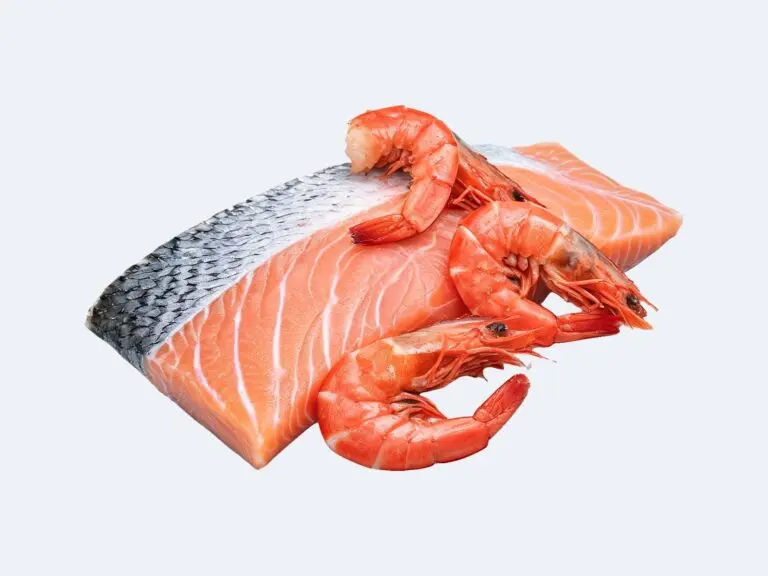
Astaxanthin
Astaxanthin is the red pigment that makes salmon pink and turns a lobster red when it is cooked. Here is what 31 studies show for blood fats, skin, exercise and fertility, which foods have it, and how much is safe.
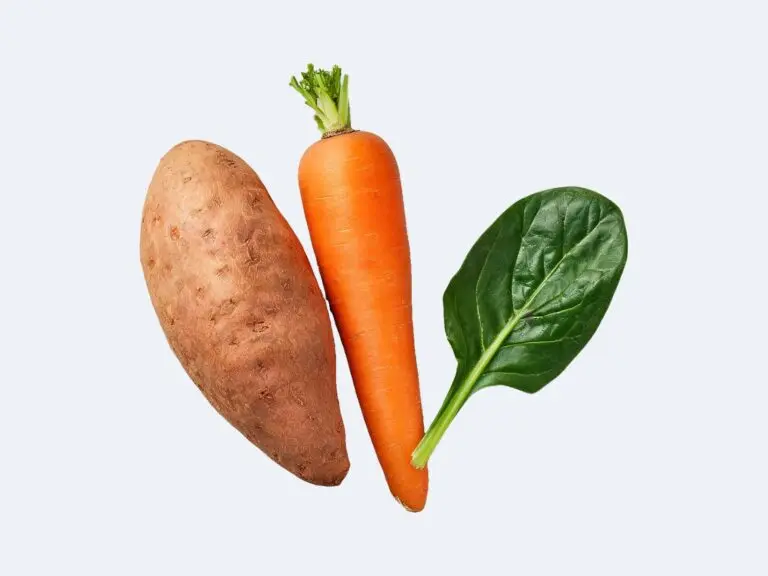
Beta-carotene
Beta-carotene is the orange pigment in carrots and sweet potatoes, and the body turns it into vitamin A. Here is what 20 studies show, and why big trials found that high-dose pills raised lung cancer in smokers. Plus which foods have the most and how much is safe.
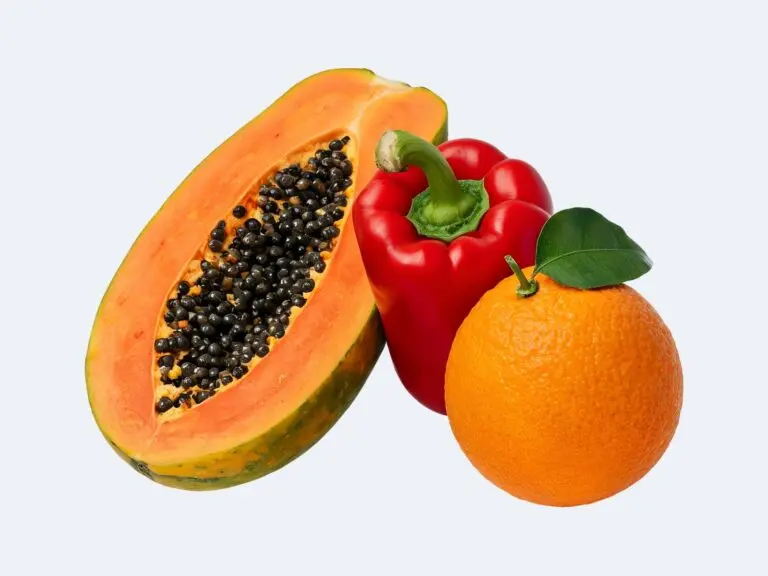
Beta-cryptoxanthin
Beta-cryptoxanthin is an orange pigment in mandarins, papaya and red peppers that the body can turn into vitamin A. Here is what 28 studies show for bones, lung cancer and the liver, which foods have the most, and what is known about supplements.
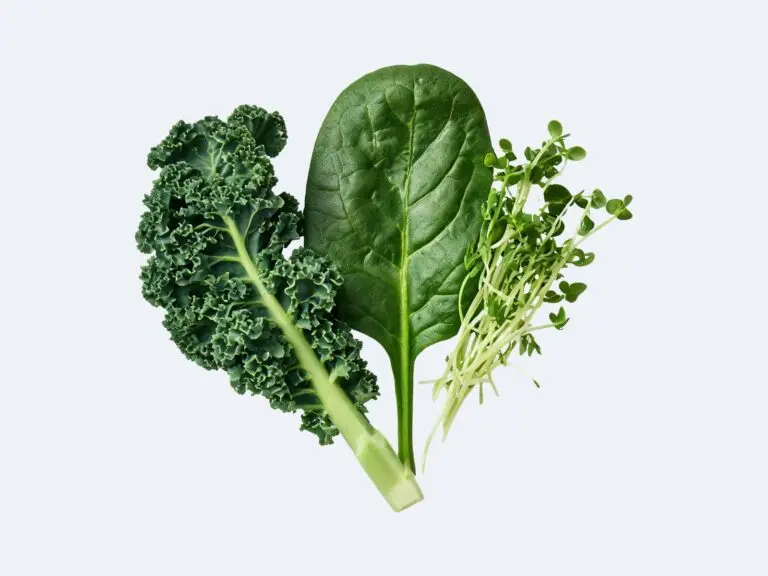
Lutein
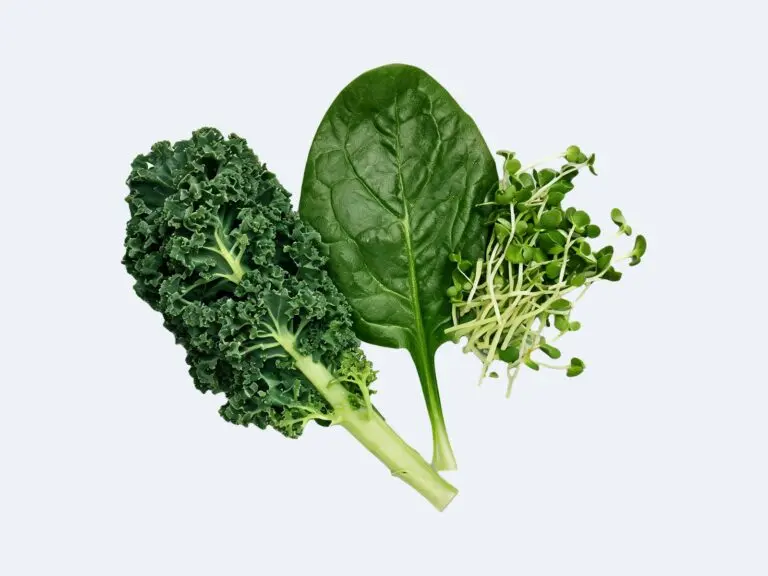
Lutein is the yellow pigment that gives the center of your retina its color. Here is what 33 studies show for eye health, thinking skills and cataract, which foods have the most, and how much is safe.
Lycopene
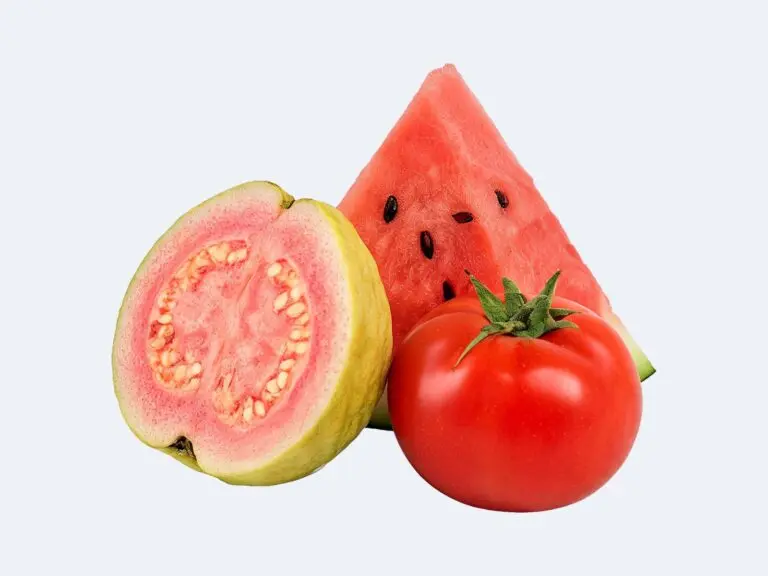
Lycopene is the red pigment of ripe tomatoes, and cooking tomatoes with oil helps your body absorb far more of it. Here is what 29 studies show for prostate cancer, blood pressure, skin and sperm quality, which foods have it, and how much is safe.
Zeaxanthin
Zeaxanthin is the yellow-orange pigment that leads at the very center of your retina, yet dark leafy greens hold almost none of it. Here is what 28 studies show for eye health, which foods have it, and how much is safe.


