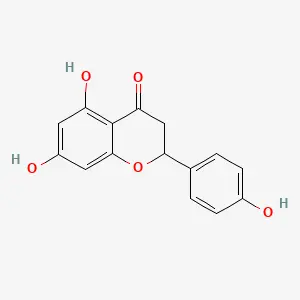
Naringenin is a flavanone, a member of the flavonoid family of plant compounds, and the best-known source is grapefruit. In grapefruit juice it comes mostly as naringin, which is naringenin with a sugar attached. Naringin is a main bitter compound of the juice.
Plants build naringenin early in the flavonoid pathway, in two enzyme steps from p-coumaroyl-CoA. That pathway helps plants with UV protection, pigment and defense against disease. Tomatoes make a related compound, naringenin chalcone, which together with the flavonol rutin makes up most of the flavonoids in the peel.
Most people hear about it for one reason: the grapefruit drug warning. Naringenin was initially held at least partly responsible. A 2024 opinion from EFSA, the EU’s food safety agency, says later work tied the effect to other compounds in the juice, called furanocoumarins. When researchers removed about 99% of the furanocoumarins and left the flavonoids, grapefruit juice no longer raised levels of the drug felodipine.
Bitterness is partly a matter of genes. In 123 women, those who were supertasters of the bitter test compound PROP disliked naringin solutions more and found grapefruit juice less acceptable. Orange juice, which has no naringin, made no difference.
The flavoring maker’s application to EFSA describes how naringenin sold as a flavoring is made. It comes from the naringin in grapefruit peels, extracted in hot water and then split from its sugar with acid.
Health benefits of naringenin
The top findings from 25 studies, strongest evidence first
What the stars mean
- Strong. Several randomized trials, pooled in a meta-analysis, point the same way, or regulators (FDA or EFSA) have approved the claim.
- Moderate. Good randomized trials support it, but there are fewer of them, or their results vary.
- Limited. Small, short or single trials, or mixed results. Promising, but it needs confirmation.
Population and lab studies get no stars: they show a link or a mechanism, not proof.
How we rate evidence →- ★★Better artery function with citrus flavonoidsAcross 8 trials, citrus flavonoid supplements (not naringenin alone) raised artery widening by 1.09% per extra 200 mg a day, though results varied greatly. Grapefruit juice (340 mL a day for 6 months) also lowered aortic stiffness in postmenopausal women.
- ★★Linked to lower cardiovascular riskDiets richer in flavanones, found mainly in citrus fruits, went with 12% to 22% lower cardiovascular risk in a review of 25 meta-analyses. In 10 cohorts, the highest intake had 0.85 times the stroke risk.
- ★Better blood fats in fatty liver, small trialIn 44 overweight or obese adults with fatty liver, naringenin (200 mg a day for 4 weeks) lowered triglycerides and LDL and raised HDL. Liver enzymes and a fibrosis score did not change.
- ★Grapefruit juice raised a blood pressure drug’s levelsIn 6 men, grapefruit juice raised absorption of felodipine, a blood pressure drug, to 284% of the level with water; orange juice did not. In another trial, furanocoumarins in the juice, not its flavonoids, were the cause.
- ★No relevant side effects from single dosesIn 18 healthy adults, single doses of naringenin from an orange extract, up to 900 mg, caused no relevant side effects. Longer-term safety was not tested.
All 25 studies, strongest evidence first
In 8 trials, citrus flavonoid supplements improved artery function 2.75 percentage points
This meta-analysis pooled 8 randomized trials with 596 people, using flow-mediated dilation, a test of how well an artery widens. Each extra 200 mg a day of citrus flavonoids went with 1.09% higher dilation (range 0.70 to 1.48). Results varied a great deal between trials (I2 87%), and the supplements were citrus flavonoids as a group, not naringenin alone. The authors call for longer trials.
Higher flavanone intake went with 12% to 22% lower cardiovascular risk
This review pulled together 25 meta-analyses: 12 of cohort studies and 13 of randomized trials. Stroke risk was 12% to 26% lower. The trials favored total and LDL cholesterol, systolic blood pressure, fasting glucose and CRP, while results for body measures were inconsistent. Flavanones are a group found mainly in citrus fruits, not naringenin alone, and the authors urge caution because the studies differed so much.
Single naringenin doses up to 900 mg caused no relevant side effects
In this randomized crossover trial, 18 healthy adults took single doses of 150, 300, 600 and 900 mg of naringenin, or placebo. The naringenin came from an orange extract, doses were at least a week apart, and blood safety markers did not change. Blood levels rose with the dose: the peak was 15.76 μM after 150 mg and 48.45 μM after 600 mg. Peaks came after 2.41 to 3.17 hours, the half-life was 2.65 to 3.0 hours, and as single doses they did not test longer-term safety.
Naringenin improved blood fats in a small fatty liver trial
In this randomized, placebo-controlled trial, 44 overweight or obese adults with fatty liver (22 per group) took 100 mg twice a day for 4 weeks. That is 200 mg a day; triglycerides and LDL cholesterol fell and HDL rose. Total cholesterol fell too and fatty liver grades improved, but liver enzymes (ALT and AST) and a fibrosis score did not change. The abstract gives p-values, not the size of the changes.
Naringenin lowered a blood-fat index, BMI and belly fat against placebo
This pilot double-blind trial by the same authors had the same 44 patients and 4 weeks as the card above. It is most likely a second report of the same trial, and the abstract does not give the dose. Non-HDL cholesterol and several cholesterol ratios fell, while systolic blood pressure fell only marginally (P = 0.055). The authors say more trials are needed.
Citrus extract with 3 mg naringenin did not beat placebo for memory
This 36-week randomized trial had 80 older adults with subjective cognitive decline, meaning memory concerns. The 400 mg citrus peel extract held 3.0 mg of naringenin and 0.1 mg of auraptene, another citrus compound. Scores rose in both groups, which the authors link to a high placebo response, and the inflammation marker IL-8 rose in both. Adverse events were balanced between groups.
Grapefruit juice lowered aortic stiffness in postmenopausal women
In this double-blind crossover trial, 48 healthy women aged 50 to 65 drank grapefruit juice for 6 months and a matched drink for 6 months. The juice, 340 mL a day, supplied 210 mg of naringenin glycosides, and the matched drink had no flavanones. Aortic stiffness was 7.36 on juice against 7.70 m/s, but blood pressure, endothelial function, blood sugar and inflammation markers did not change. The juice holds other compounds too, so the effect cannot be tied to naringenin alone.
Orange flavanones kept artery function from dipping after a high-fat meal
In this randomized crossover trial, 28 healthy men aged 30 to 65 had orange juice or whole orange with a high-fat meal. Flavanone doses were 128.9, 272.1 and 452.8 mg, against none in the control, and the benefit at 7 hours showed no dose-response. The flavanones were naringenin and hesperetin together, from orange products. Several authors work for PepsiCo.
Fresh grapefruit before meals: 1.6 kg lost, against 0.3 kg on placebo
This trial randomly gave 91 obese people placebo, grapefruit capsules, grapefruit juice or fresh grapefruit three times a day for 12 weeks. Fresh fruit meant half a grapefruit before each meal; the juice group lost 1.5 kg and the capsule group 1.1 kg. Only fresh fruit differed clearly from placebo overall, and it lowered insulin 2 hours after a glucose drink. Grapefruit holds many compounds, so this does not isolate naringenin.
Peak blood naringenin: 6.0 μmol/L after grapefruit juice, 0.6 after orange
In this single-dose study of healthy volunteers, 5 people drank grapefruit juice and 8 drank orange juice (8 mL per kg of body weight). Levels differed a lot from person to person. The half-life was 1.3 to 2.2 hours, so blood levels reflect recent intake. The authors suggest regular juice drinkers could see health effects, which this study did not test.
Grapefruit juice raised felodipine absorption to 284%; orange juice did not
Six men with borderline high blood pressure took a 5 mg tablet of felodipine, a blood pressure drug, with water, grapefruit juice or orange juice. With grapefruit juice, diastolic blood pressure was lower, heart rate higher, and side effects from widened blood vessels more frequent. In six healthy men, nifedipine absorption with grapefruit juice was 134% of that with water.
Naringin and a furanocoumarin were not the main felodipine drivers
In this four-way crossover in 12 men, felodipine was taken with grapefruit juice, its liquid part, its particle part, or water. The liquid part held 148 mg of naringin and 1.85 mg of 6′,7′-dihydroxybergamottin, and the particle part 7 mg and 0.60 mg. Felodipine exposure (AUC) was 53 nmol·h/L with water, 81 with the liquid part, 117 with the particles and 130 with whole juice. The authors say unidentified substances in the juice are probably the main active ones, though naringin and the furanocoumarin may contribute.
Grapefruit juice without furanocoumarins no longer raised felodipine levels
In this crossover trial, 18 healthy volunteers took 10 mg of felodipine with grapefruit juice, orange juice or a treated grapefruit juice. The treated juice had about 99% of its furanocoumarins removed but kept its flavonoids. Median exposure (AUC) was 110 nmol·h/L with regular juice, 54 with orange juice and 48 with the treated juice. The authors conclude that furanocoumarins are the active ingredients, so the flavonoids left in the juice did not cause it.
1.2 L of grapefruit juice a day cut caffeine clearance by 23%
In 12 people, the juice held 0.5 g of naringin per liter and lengthened caffeine’s half-life by 31%. In lab dishes, naringin blocked the liver enzyme CYP1A2 (Ki 7 to 29 μM). The authors call the effect in people small. They say grapefruit juice should not usually cause a meaningful slowdown in the breakdown of other CYP1A2 drugs.
1,050 mg of naringin did not change talinolol levels
In this crossover trial, 10 healthy volunteers took 3 capsules of 350 mg naringin a day for 6 days. Then they took 100 mg of the drug talinolol (a beta-blocker) with another 1,050 mg. Test-to-control ratios ranged from 0.90 to 0.98. The authors say supplements can act differently from juice because of dose and form, and naringin is the sugar-bound form, not naringenin.
Across 10 cohorts, the highest flavanone intake went with lower stroke risk
This meta-analysis pooled 10 prospective cohorts with 387,076 people and 9,564 strokes. The highest intake had 0.85 times the risk, and each extra 50 mg a day of flavanones went with 11% lower risk. Other flavonoid subclasses showed no clear link. The flavanone group covers more than naringenin, and this kind of study cannot prove cause.
Only flavanones showed a linear link to lower stroke risk
This dose-response meta-analysis pooled 39 prospective cohort studies with 1,501,645 people and 11,860 strokes. Among flavonoid subclasses, only flavanones had a linear link, but the abstract does not give its size. Several other subclasses were linked to lower risk of heart disease. People who eat more citrus differ from others in many ways, so the link may not be due to flavanones.
In 69,622 women, the most flavanones went with lower ischemic stroke risk
The Nurses’ Health Study followed them for 14 years, with 1,803 strokes; ischemic strokes are caused by a blocked artery. The highest fifth of flavanone intake had 0.81 times the risk of the lowest fifth. Citrus fruit and juice alone tended toward lower risk, but not clearly (0.90). Total flavonoid intake was not linked to stroke.
In 43,880 men, flavanones went with fewer ischemic strokes, not heart attacks
The Health Professionals Follow-Up Study followed them for 24 years. The highest intake had 0.78 times the risk of ischemic stroke, strongest at age 65 and older. The trend across intake levels just missed being clear. Flavanones were not linked to heart attack or to total stroke.
Daily citrus went with lower dementia risk once early cases were excluded
The Ohsaki Cohort followed 13,373 older Japanese adults for 5.7 years. In the main analysis, eating citrus almost every day went with 0.86 times the risk, which was not quite clear. After leaving out cases in the first 2 years, it was 0.77. The study asked about citrus fruit, not naringenin, and cannot show cause.
Naringenin blocked 39% of a key drug enzyme in liver samples
This test-tube study used human liver microsomes (fragments of liver cells) from two donors, testing the drug enzyme CYP3A4 at 100 μM. Naringin blocked 6%, the furanocoumarin bergapten 67% and quercetin 55% at the same concentration. The authors suggest several grapefruit compounds contribute, with bergapten possibly the main one. Results in a dish do not show what happens in the gut of a person.
In Western-diet mice, naringenin eased fatty liver and insulin resistance
This study used mice that lack the LDL receptor, fed a high-fat diet with 1% or 3% naringenin by weight for 4 weeks. Naringenin corrected overproduction of VLDL, a fat-carrying particle, while calorie intake and fat absorption did not change. The authors link the effects to more fat burning in the liver through PPAR pathways. This is a mouse result, and the human trials above were small and short.
In stressed heart muscle cells, naringenin cut cell death and raised glutathione
In this cell study, cultured heart muscle cells were exposed to hydrogen peroxide, which causes oxidative stress. Pretreatment with naringenin also lowered lipid peroxidation, raised antioxidant enzymes, turned on Nrf2 genes and turned down NF-κB gene activity. The authors suggest Nrf2 signaling as the route. Nothing here shows the same happens in a person who eats grapefruit.
Naringenin favored estrogen receptor beta but ranked below genistein
In binding and gene-activity tests with human receptors, naringenin bound receptor beta more strongly than receptor alpha. In the activity test, naringenin ranked below genistein, coumestrol and daidzein for both receptor types. No anti-estrogen effect was found for the plant compounds tested, except zearalenone. The study does not show an effect in people.
Naringenin raised caspase-3 in cancer cells, with huge variation between studies
This meta-analysis of 32 articles found that in cells, caspase-3, an enzyme that drives cell death, rose by an effect size of 5.04. Caspase-9 rose 2.99, caspase-8 2.86 and Bax 2.73, with I2 above 93% in each. Tumor-bearing animals also showed more apoptosis (cell death). These are cancer cells in dishes and animals, not evidence that naringenin treats cancer in people.
Foods high in naringenin
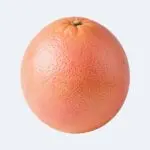
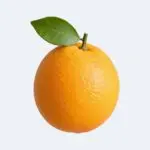
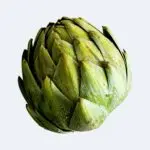
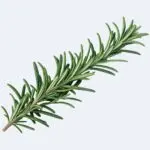
The USDA data on this page rank grapefruit first, at 53 mg of naringenin per 100 g. Rosemary follows at 24.9 mg, then oranges at 15.3 mg and artichoke at 12.5 mg.
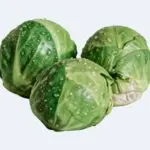
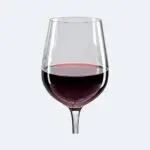
Rosemary is eaten by the pinch, so per serving the order changes. Half a medium grapefruit (128 g) gives 67.8 mg, one orange 20.1 mg and a whole artichoke 16 mg. A cup of Brussels sprouts gives 2.9 mg, a teaspoon of rosemary 0.17 mg and five ounces of red wine 2.6 mg.
Juice trials usually report naringenin as naringin or as glycosides. One trial’s grapefruit juice held 0.5 g of naringin per liter. Another gave 340 mL a day that supplied 210 mg of naringenin glycosides.
By the USDA figure, the 200 mg a day in the fatty liver trials equals about three grapefruit halves. The 3 mg in the memory trial equals about 6 g of grapefruit, a few bites.
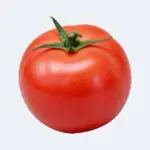
Tomato peel flavonoids are mainly naringenin chalcone, a related compound, and rutin. All of them together come to only 5 to 10 mg per kg of fresh fruit.
Per serving. No daily amount is set, so bars compare each food with the top food.
Per 100 g. No daily amount is set, so bars compare each food with the top food.
Per 100 kcal: the same calories of each food, for a fair comparison. Bars compare each food with the top food.
Food labels have no Daily Value or Reference Intake for naringenin, so the % compares each food with the top food.
- 1.
- 2.
- 3.
- 4.
- 5.
- 6.
- 7.
- 8.
- 9.
- 10.


- 1.
- 2.
- 3.
- 4.
- 5.
- 6.
- 7.
- 8.
- 9.
- 10.
- 1.
- 2.
- 3.
- 4.
- 5.
- 6.
- 7.
- 8.
- 9.
- 10.
Sources
- Bhagwat S, Haytowitz DB. USDA Database for the Flavonoid Content of Selected Foods, Release 3.3. US Department of Agriculture, Agricultural Research Service. 2018. The ranking above is built from it.
- Fuhr U, Klittich K, Staib AH. Inhibitory effect of grapefruit juice and its bitter principal, naringenin, on CYP1A2 dependent metabolism of caffeine in man. Br J Clin Pharmacol. 1993.
- Habauzit V, Verny MA, Milenkovic D, et al. Flavanones protect from arterial stiffness in postmenopausal women consuming grapefruit juice for 6 mo: a randomized, controlled, crossover trial. Am J Clin Nutr. 2015.
- Muir SR, Collins GJ, Robinson S, et al. Overexpression of petunia chalcone isomerase in tomato results in fruit containing increased levels of flavonols. Nat Biotechnol. 2001.
- EFSA Panel on Food Additives and Flavourings (FAF), Younes M, Aquilina G, et al. Flavouring Group Evaluation 413 (FGE.413): Naringenin. EFSA J. 2024. Source for juice holding naringenin mostly as naringin.
How naringenin works
Most of what we know about how naringenin works comes from test tubes, cells and animals. A few small human studies show how it is absorbed. Four ideas come up most.
Gut bacteria set it free from its sugar, and it can slow some drug-handling enzymes. It switches on the cell’s own defenses and shifts how liver cells handle fat, and it weakly mimics estrogen. Here is each one, and what has been seen in people.
Gut bacteria set it free from its sugar
Grapefruit juice holds naringenin mostly as naringin, according to EFSA. In six adults who drank grapefruit juice, no naringin showed up in urine. Naringenin and its glucuronides (forms with a sugar acid attached) did, after a median delay of 2 hours.
Plasma samples from earlier juice studies held only low levels of naringenin glucuronides (below 4 μmol/L), with no naringin or free naringenin. That fits gut bacteria cutting off the sugar first. A 2019 review says naringin is split by gut bacteria mainly in the colon, and one of its authors works for BioActor BV, a company.
A schematic, not to scale. The percentages are shares of the naringin dose found in urine over 24 hours in six adults who drank grapefruit juice. The study suggests, but did not prove, that gut bacteria do the first step.
How much gets in varies a lot between people. In the juice study above, the peak was 6.0 μmol/L after grapefruit juice with a standard deviation of 5.4. In 10 men who drank a juice mix with equal amounts of three flavonoids, naringenin gave a higher blood exposure than hesperetin or quercetin.
It can slow some drug-handling enzymes
CYP3A4 is an enzyme in the gut wall and liver that helps break down about half of all drugs. That figure comes from a 2013 review in CMAJ, a Canadian medical journal. In liver samples in a dish, naringenin blocked 39% of its activity at 100 μM, while naringin blocked only 6%. The furanocoumarin bergapten blocked 67%.
Drawn to scale, with the full gray track equal to 100%. Bergapten is a furanocoumarin. One test on liver samples from two donors, using quinine as the test substance.
In people, the picture is different. Furanocoumarins are broken down by CYP3A4 into reactive pieces that lock onto the enzyme and disable it for good. So the gut wall has to make new enzyme before the effect ends. When furanocoumarins were removed from grapefruit juice and the flavonoids were left in, felodipine levels fell back to the orange juice level.
Drawn to scale. These are medians from an 18-person crossover, and the ranges were wide (58 to 270 with grapefruit juice).
Naringenin may still matter. EFSA noted that naringenin blocks several P450 enzymes in lab tests at concentrations around 10 μM. It judged the risk small only for the amounts used in flavorings.
A lab result can look stronger than the human one. Naringin blocked another enzyme, CYP1A2, in liver samples. But 1.2 L of juice a day cut caffeine clearance by only 23% in 12 people.
It switches on the cell’s own defenses and shifts how liver cells handle fat
In heart muscle cells under oxidative stress, naringenin raised the cell’s own protection through Nrf2, a control protein that switches on protective enzymes. It also turned down NF-κB gene activity.
In mice that lack the LDL receptor and eat a Western diet, naringenin increased fat burning in the liver through PPAR pathways. It improved insulin sensitivity without changing calorie intake.
A 2021 systematic review of 36 studies found that naringenin affects energy balance, fat and glucose handling, inflammation and oxidative stress. Because clinical trials were lacking, it said careful human trials are crucial.
It weakly mimics estrogen in test tubes
Naringenin competes with estradiol for the estrogen receptors, more strongly for receptor beta than for alpha. But in gene-activity tests it ranked below genistein, coumestrol and daidzein. EFSA treated this as a possible endocrine (hormone) effect and asked for a rat reproduction study.
At the highest dose, the panel could not dismiss changes in thymus weight, litter size, post-implantation loss and pup weight. We found no human data on this.
What has been seen in people
The lab and animal findings connect only loosely to the human trials. In the safety trial, 150 mg of naringenin gave a peak of 15.76 μM, and the half-life was about 3 hours. That peak is above the 8 μM the authors say works in human fat cells in a dish.
The trials with a visible effect were small and short. Blood fats fell in fatty liver after 4 weeks on 200 mg a day. Aortic stiffness fell after 6 months of grapefruit juice (7.36 against 7.70 m/s). Citrus flavonoid trials showed a 2.75 point gain in artery function.
A 36-week trial with 3 mg of naringenin found no memory benefit. No trial shows that naringenin treats a disease. These are among the study cards above.
Sources
- Fuhr U, Kummert AL. The fate of naringin in humans: a key to grapefruit juice-drug interactions?. Clin Pharmacol Ther. 1995.
- Stevens Y, Rymenant EV, Grootaert C, et al. The Intestinal Fate of Citrus Flavanones and Their Effects on Gastrointestinal Health. Nutrients. 2019. One author works for BioActor BV.
- Erlund I, Meririnne E, Alfthan G, et al. Plasma kinetics and urinary excretion of the flavanones naringenin and hesperetin in humans after ingestion of orange juice and grapefruit juice. J Nutr. 2001.
- Krogholm KS, Bredsdorff L, Knuthsen P, et al. Relative bioavailability of the flavonoids quercetin, hesperetin and naringenin given simultaneously through diet. Eur J Clin Nutr. 2010.
- EFSA Panel on Food Additives and Flavourings (FAF), Younes M, Aquilina G, et al. Flavouring Group Evaluation 413 (FGE.413): Naringenin. EFSA J. 2024.
- Bailey DG, Dresser G, Arnold JM. Grapefruit-medication interactions: forbidden fruit or avoidable consequences?. CMAJ. 2013.
- Ho PC, Saville DJ, Wanwimolruk S. Inhibition of human CYP3A4 activity by grapefruit flavonoids, furanocoumarins and related compounds. J Pharm Pharm Sci. 2001.
- Paine MF, Widmer WW, Hart HL, et al. A furanocoumarin-free grapefruit juice establishes furanocoumarins as the mediators of the grapefruit juice-felodipine interaction. Am J Clin Nutr. 2006.
- Fuhr U, Klittich K, Staib AH. Inhibitory effect of grapefruit juice and its bitter principal, naringenin, on CYP1A2 dependent metabolism of caffeine in man. Br J Clin Pharmacol. 1993.
- Ramprasath T, Senthamizharasi M, Vasudevan V, et al. Naringenin confers protection against oxidative stress through upregulation of Nrf2 target genes in cardiomyoblast cells. J Physiol Biochem. 2014.
- Mulvihill EE, Allister EM, Sutherland BG, et al. Naringenin prevents dyslipidemia, apolipoprotein B overproduction, and hyperinsulinemia in LDL receptor-null mice with diet-induced insulin resistance. Diabetes. 2009.
- Kuiper GG, Lemmen JG, Carlsson B, et al. Interaction of estrogenic chemicals and phytoestrogens with estrogen receptor beta. Endocrinology. 1998.
- Naeini F, Namkhah Z, Ostadrahimi A, et al. A Comprehensive Systematic Review of the Effects of Naringenin, a Citrus-Derived Flavonoid, on Risk Factors for Nonalcoholic Fatty Liver Disease. Adv Nutr. 2021.
- Rebello CJ, Beyl RA, Lertora JJL, et al. Safety and pharmacokinetics of naringenin: A randomized, controlled, single-ascending-dose clinical trial. Diabetes Obes Metab. 2020.
Is naringenin safe? Supplements, dose and interactions
We found no upper intake level for naringenin from EFSA, the FDA or the NIH. The closest official view is EFSA’s 2024 evaluation of naringenin as a flavoring. The panel found no concern about genotoxicity (damage to DNA). It found no safety concern at the estimated flavoring intake of 50 mg per person a day for adults.
It based that on a rat study with a no-effect level of 1,320 mg per kg of body weight a day. That left a margin of exposure (how many times the no-effect level exceeds real intake) of 1,590 for adults and 630 for children.
An industry expert panel (FEMA) also rates it generally recognized as safe as a flavoring, which is not an FDA decision. None of this covers supplement doses.
- Trial doses and side effects. Single doses of 150 to 900 mg caused no relevant side effects or blood test changes in 18 healthy adults. The fatty liver trials gave 200 mg a day for 4 weeks, and their abstracts do not describe side effects. In a 36-week trial of an extract with 3 mg of naringenin, adverse events were balanced between groups.
- Grapefruit and medicines. The FDA says grapefruit juice and the fruit can change how some prescription and over-the-counter drugs work. These include some statins, nifedipine, cyclosporine, buspirone, budesonide and amiodarone, and for fexofenadine less drug enters the blood. Seville oranges, pomelos and tangelos might act the same, so ask your pharmacist about your drug. A 2013 review adds that one whole grapefruit or 200 mL of juice can be enough. It also says sweet oranges such as navel or Valencia do not cause the interaction.
- Supplements and drugs. No trial we found tested a naringenin supplement together with a drug. EFSA judged an interaction unlikely at flavoring amounts, but supplement doses of 150 to 900 mg are higher than that. A high dose of naringin (1,050 mg) did not change talinolol levels in 10 people. If your drug has a grapefruit warning, ask before taking a citrus flavonoid supplement.
- Pregnancy and hormones. In EFSA’s rat study, the panel could not dismiss changes in thymus weight, litter size, post-implantation loss and pup weight at the highest dose. Naringenin also binds estrogen receptors weakly in the lab. We found no human data in pregnancy or breastfeeding, so ask your doctor.
How to get more naringenin
- Best food. Grapefruit gives the most per serving: 67.8 mg in half a medium fruit, against 20.1 mg in an orange (USDA data on this page).
- Juice or fruit. Peak blood naringenin was 6.0 μmol/L after grapefruit juice and 0.6 after orange juice. Levels vary a lot between people and fall with a half-life of 1.3 to 2.2 hours, so blood levels reflect recent intake.
- Food or supplement. The 200 mg a day in the fatty liver trials equals about three grapefruit halves, and grapefruit carries the drug warning above. Oranges avoid that warning, but 200 mg would take about 10 of them.
Sources
- Bhagwat S, Haytowitz DB. USDA Database for the Flavonoid Content of Selected Foods, Release 3.3. US Department of Agriculture, Agricultural Research Service. 2018.
- EFSA Panel on Food Additives and Flavourings (FAF), Younes M, Aquilina G, et al. Flavouring Group Evaluation 413 (FGE.413): Naringenin. EFSA J. 2024.
- Grapefruit Juice and Some Drugs Don’t Mix. US Food and Drug Administration, Consumer Updates. Content current as of July 1, 2021.
- Bailey DG, Dresser G, Arnold JM. Grapefruit-medication interactions: forbidden fruit or avoidable consequences?. CMAJ. 2013.
- Rebello CJ, Beyl RA, Lertora JJL, et al. Safety and pharmacokinetics of naringenin: A randomized, controlled, single-ascending-dose clinical trial. Diabetes Obes Metab. 2020.
- Namkhah Z, Naeini F, Mahdi Rezayat S, et al. Does naringenin supplementation improve lipid profile, severity of hepatic steatosis and probability of liver fibrosis in overweight/obese patients with NAFLD? A randomised, double-blind, placebo-controlled, clinical trial. Int J Clin Pract. 2021.
- Galluzzi S, Marizzoni M, Gatti E, et al. Citrus supplementation in subjective cognitive decline: results of a 36-week, randomized, placebo-controlled trial. Nutr J. 2024.
- Nguyen MA, Staubach P, Tamai I, et al. High-dose short-term administration of naringin did not alter talinolol pharmacokinetics in humans. Eur J Pharm Sci. 2015.
- Erlund I, Meririnne E, Alfthan G, et al. Plasma kinetics and urinary excretion of the flavanones naringenin and hesperetin in humans after ingestion of orange juice and grapefruit juice. J Nutr. 2001.
History of naringenin
Grapefruit’s bitterness came first. Naringin is the principal bitter ingredient of the juice, and food scientists remove it with the enzyme naringinase, which splits naringin. A 2022 study cut naringin in grapefruit juice by 54% to 74%, depending on the support the enzyme was fixed to.
The drug story began by accident. In 1989 a group led by the pharmacologist David Bailey used grapefruit juice to hide the taste of alcohol in a drug interaction test. They noticed that the juice itself changed how a drug acted.
Their 1991 report in The Lancet found that six men absorbed felodipine at 284% of the water level with grapefruit juice. Orange juice did nothing.
Then came the search for the cause. A 1995 study noted that the effect had been blamed on naringenin, but that naringenin formation after drinking the juice had not been proved. That study traced where naringin goes in the body.
A 1998 trial found naringin was not the main active ingredient. In 2006 a furanocoumarin-free juice settled it for felodipine. By 2013 a review counted more than 85 drugs that can interact with grapefruit, 43 of them with serious effects.
Sources
- Drewnowski A, Henderson SA, Shore AB. Taste responses to naringin, a flavonoid, and the acceptance of grapefruit juice are related to genetic sensitivity to 6-n-propylthiouracil. Am J Clin Nutr. 1997.
- Muñoz M, Holtheuer J, Wilson L, et al. Grapefruit Debittering by Simultaneous Naringin Hydrolysis and Limonin Adsorption Using Naringinase Immobilized in Agarose Supports. Molecules. 2022.
- Bailey DG, Spence JD, Munoz C, et al. Interaction of citrus juices with felodipine and nifedipine. Lancet. 1991.
- Fuhr U, Kummert AL. The fate of naringin in humans: a key to grapefruit juice-drug interactions?. Clin Pharmacol Ther. 1995.
- Bailey DG, Kreeft JH, Munoz C, et al. Grapefruit juice-felodipine interaction: effect of naringin and 6′,7′-dihydroxybergamottin in humans. Clin Pharmacol Ther. 1998.
- Paine MF, Widmer WW, Hart HL, et al. A furanocoumarin-free grapefruit juice establishes furanocoumarins as the mediators of the grapefruit juice-felodipine interaction. Am J Clin Nutr. 2006.
- Bailey DG, Dresser G, Arnold JM. Grapefruit-medication interactions: forbidden fruit or avoidable consequences?. CMAJ. 2013.
- Grapefruit–drug interactions. Wikipedia.
Frequently asked questions about naringenin
What does naringenin do for the body?
No finding reaches strong evidence. A meta-analysis of 8 trials found that citrus flavonoids (not naringenin alone) improved artery function by 2.75 percentage points. Two 4-week trials of 200 mg a day in fatty liver found better cholesterol numbers. A 36-week trial with 3 mg of naringenin found no memory benefit.
Most mechanism findings come from cells and mice.
Which foods are high in naringenin?
Grapefruit leads, with 53 mg per 100 g in the USDA data on this page. Rosemary has 24.9 mg, oranges 15.3 mg and artichoke 12.5 mg per 100 g. Per serving, half a medium grapefruit gives 67.8 mg and one orange 20.1 mg.
Is naringenin the reason grapefruit interacts with medicines?
Mostly not. EFSA says naringenin was first held partly responsible, but later work tied the effect to furanocoumarins. Grapefruit juice with its furanocoumarins removed gave a felodipine exposure of 48 nmol·h/L, against 110 with regular juice. The warning still applies to the fruit, so ask your pharmacist.
How much naringenin should you take a day?
No dose is established. The fatty liver trials used 100 mg twice a day for 4 weeks, and the safety trial tested single doses of 150 to 900 mg. We found no upper intake level from EFSA, the FDA or the NIH, so talk to a clinician first, especially if you take medicines.
Does naringenin have side effects?
None relevant were seen in 18 healthy adults after single doses of 150 to 900 mg. Adverse events were balanced in a 36-week trial with 3 mg. The main concerns are possible drug interactions at supplement doses and the lack of human data in pregnancy. In EFSA’s rat study, the panel could not dismiss changes in litter size and pup weight at the highest dose.
Can naringenin help fatty liver?
Possibly, but the evidence is thin. In 44 people with fatty liver, 200 mg a day for 4 weeks improved fatty liver grades, triglycerides, total and LDL cholesterol and HDL. It did not change liver enzymes or a fibrosis score. A 2021 review of 36 studies called for human trials.
Naringenin vs naringin: what is the difference?
Naringin is naringenin with a sugar attached, and it is what makes grapefruit bitter. Gut bacteria cut off the sugar, and in six adults the urine held naringenin and its glucuronides but no naringin. A naringin supplement of 1,050 mg did not change talinolol levels, and supplements may contain either form.
When is the best time to take naringenin?
No trial tested time of day. The fatty liver trial gave 100 mg before lunch and before dinner. In the safety trial the peak came 2.41 to 3.17 hours after the dose and the half-life was 2.65 to 3.0 hours. For grapefruit and medicines, spacing does not reliably help, since a 2013 review found the effect was still 25% of its maximum after 24 hours.