23 flavonoids
Anthocyanins
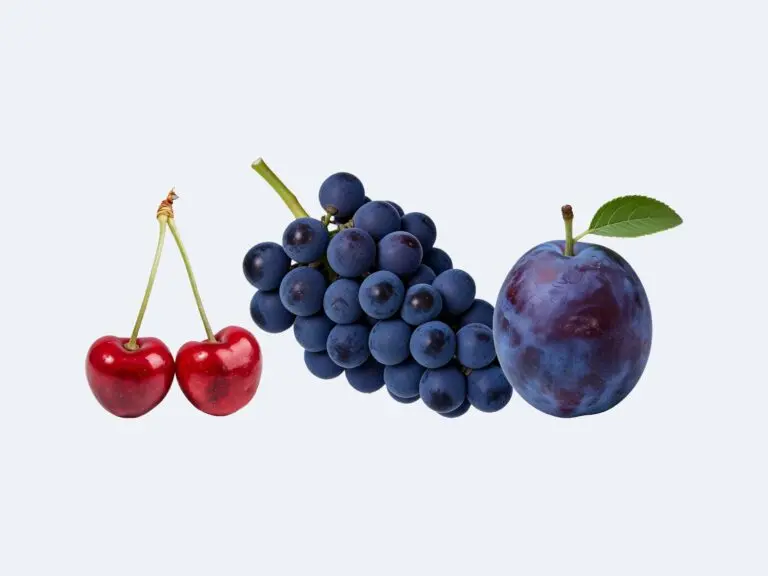
Anthocyanins are the red, purple and blue pigments of berries, red cabbage and eggplant, and they shift from red to blue as acidity falls. Here is what 32 studies show for blood fats, blood vessels, thinking and eyesight, which foods have the most, and how much is safe.
Apigenin
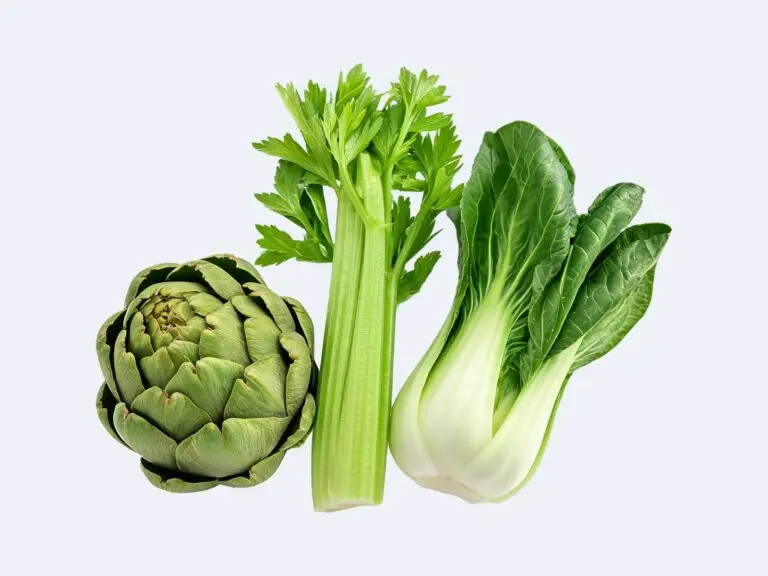
Apigenin is the yellow flavone in parsley, celery and chamomile. In one trial only 0.5% of the pure form reached the urine, against 34% of the apigenin in chamomile tea. Here is what 27 studies show for sleep, anxiety and more, which foods have the most, and what is known about safety.
Catechin
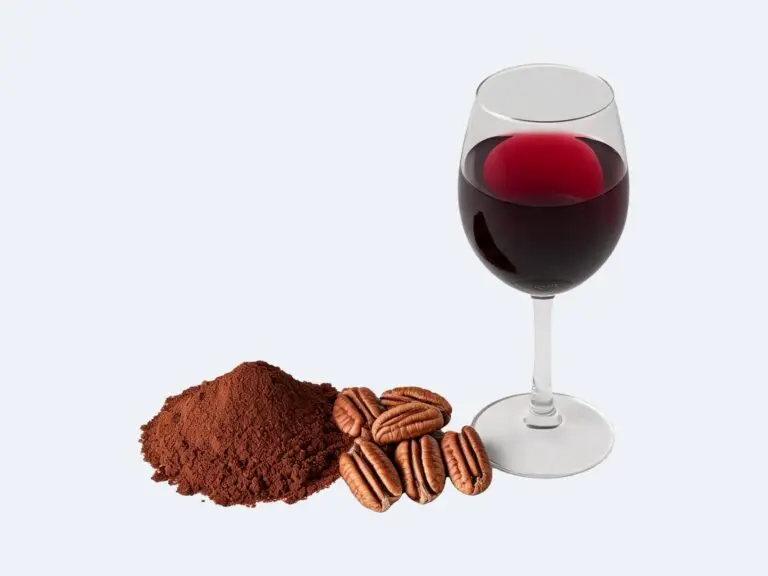
Catechin is the flavonoid at the base of plant tannins, found in cocoa, pecans and red wine. Roasting cocoa turns its sibling epicatechin into a mirror-image form. Here is what 24 studies show, from old liver trials to heart disease risk, which foods have it, and how it differs from EGCG.
Cyanidin
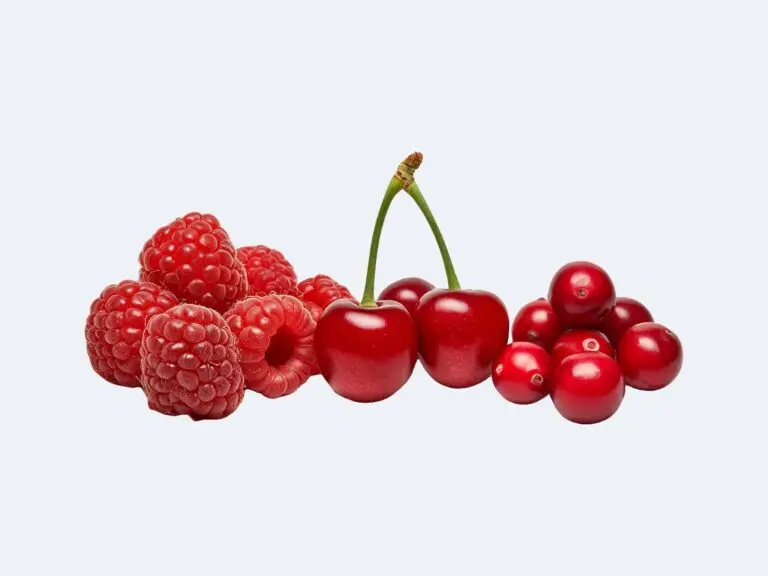
Cyanidin is the pigment behind the red of raspberries and cherries, and the same molecule can turn bluer as acidity falls. Here is what 17 studies show, which foods have the most, and how much of it the body absorbs.
Delphinidin
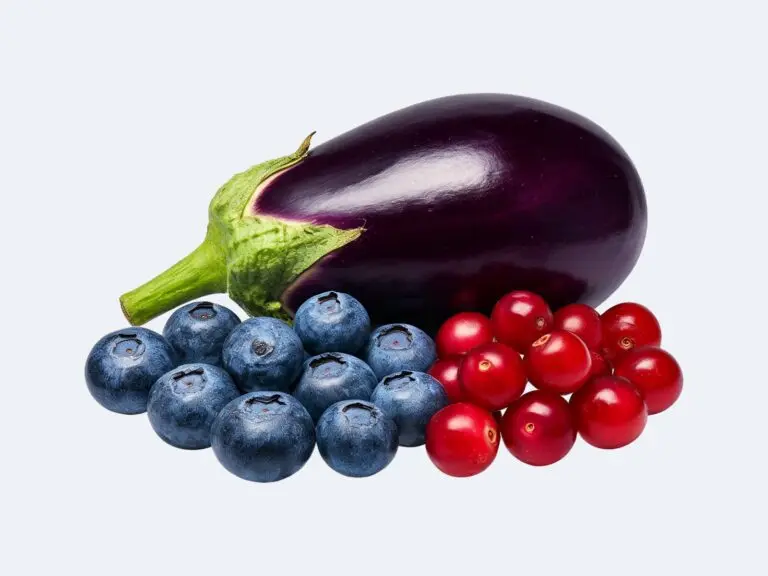
Delphinidin is the blue-violet pigment of eggplant skin, blueberries and maqui berries, and roses cannot make it. Here is what 22 studies show for blood vessels and blood sugar, which foods have the most, and how safe supplements are.
Epicatechin
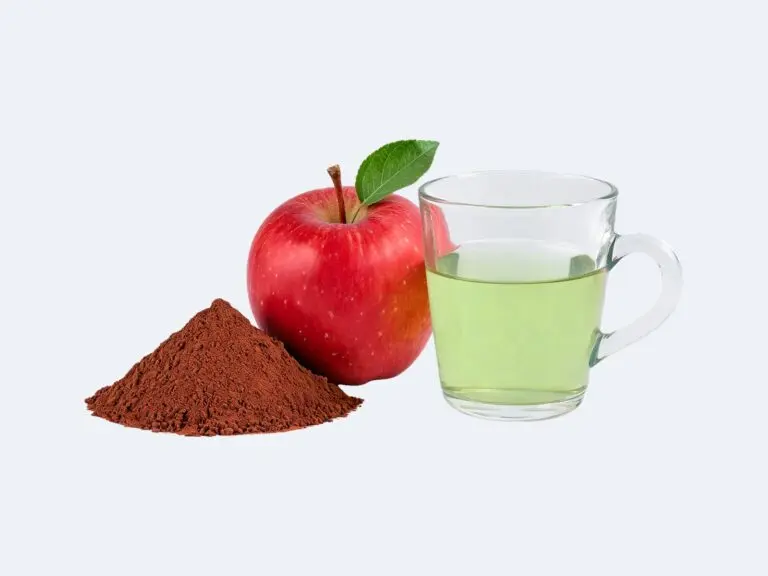
Epicatechin is a major cocoa flavanol, with 196 mg per 100 g of cocoa powder in USDA data. Yet only one of four related flavanol forms widened arteries in healthy men. Here is what 32 studies show for blood vessels, blood pressure and muscle, which foods have it, and how much is safe.
Epicatechin gallate (ECG)
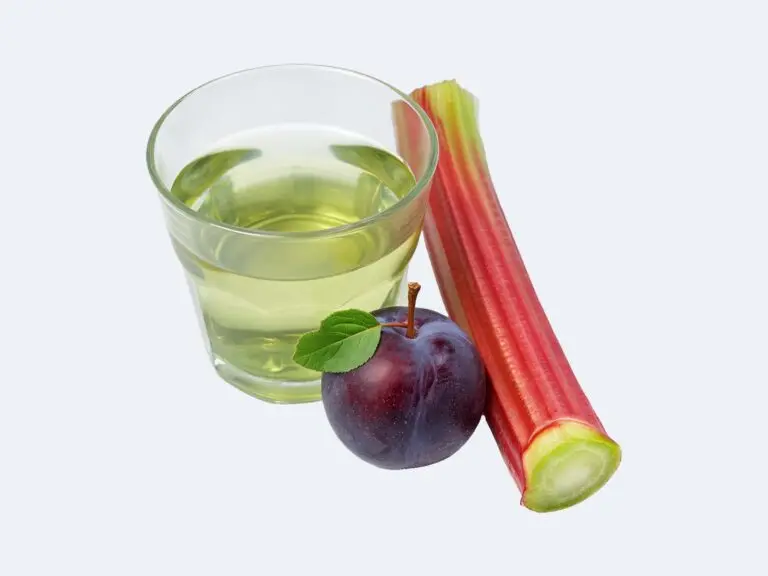
ECG is a tea catechin with 17.9 mg per 100 g of green tea in USDA data. Here is what 22 studies show about how it lingers in the blood and why it matters for MRSA in lab tests. Plus which foods have it.
Epigallocatechin (EGC)
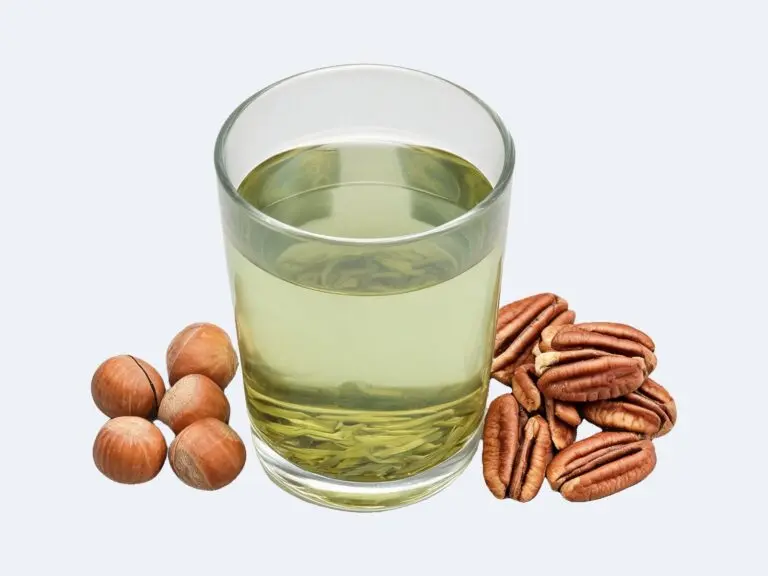
EGC is a green tea catechin that reached higher blood levels than EGCG in two human studies. Green tea has 29.2 mg per 100 g in USDA data. Here is what 21 studies show about absorption, cancer-risk markers and lab work, plus foods, safety and how to get more.
Epigallocatechin gallate (EGCG)
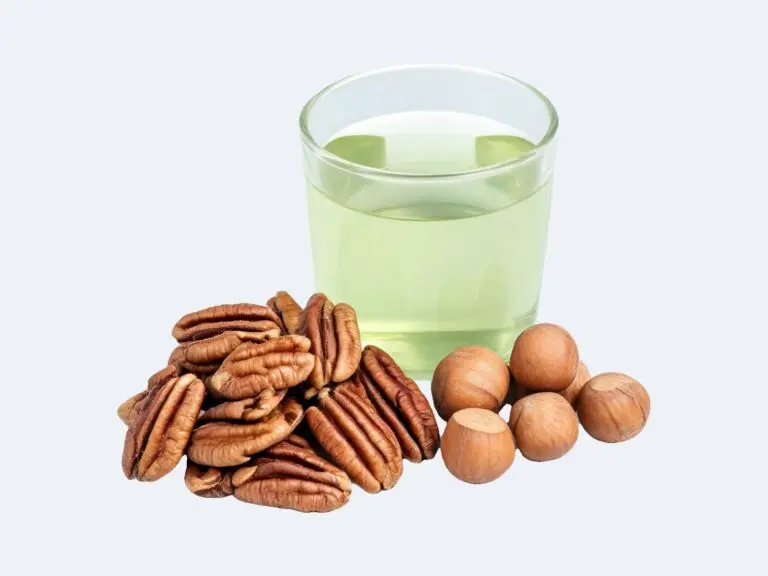
EGCG is the main catechin in green tea, with 70.2 mg per 100 g in USDA data. Here is what 32 studies show for cholesterol, blood pressure, weight and genital warts, and which foods have it. In trials, supplements of 800 mg a day or more raised liver enzymes.
Eriodictyol
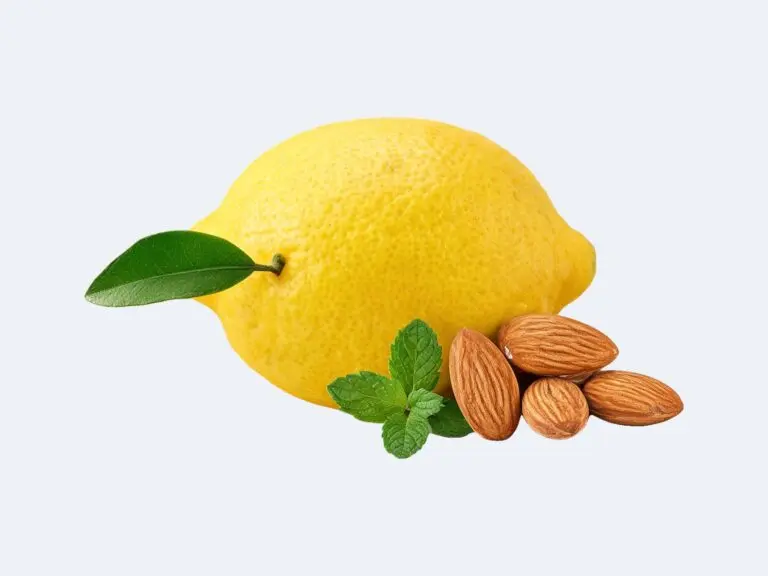
Peppermint and lemons top the USDA list for eriodictyol, a flavanone that lowered the bitterness of caffeine in taste tests. Here are 15 studies, from lemon extract trials in prediabetes to cell and rat work, and why the evidence in people is still thin.
Gallocatechin (GC)
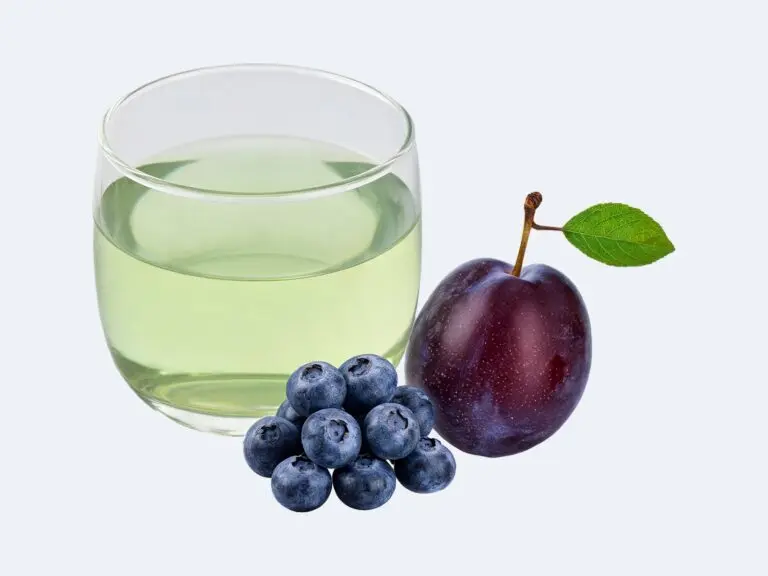
Gallocatechin is a minor tea catechin that forms when tea is heated, so canned and bottled tea carries some. Green tea holds about 19 times less of it than its relative EGC. Here is the little that seven studies show, and where the evidence stops.
Hesperetin
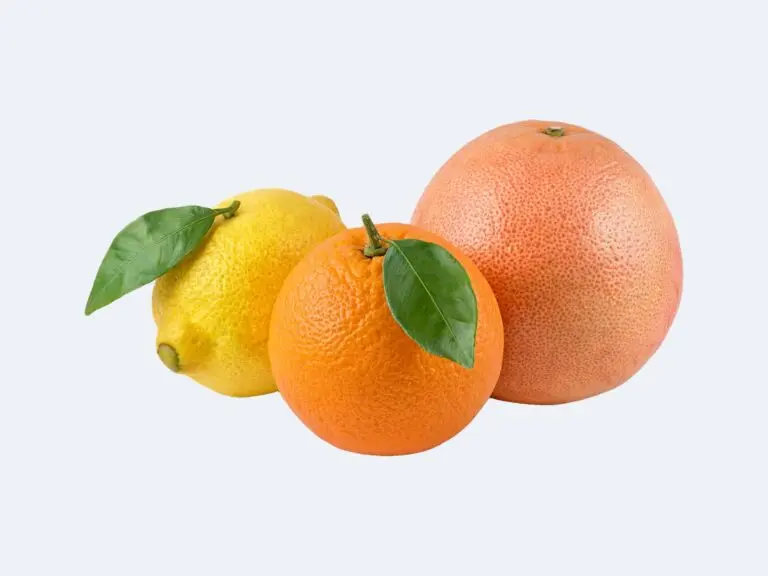
Hesperetin is the citrus flavanone that gut bacteria free from the hesperidin in oranges. That is why its blood level peaked about 7 hours after juice in one trial. Here is what 30 studies show, which foods have the most, and how safe supplements are.
Isoflavones
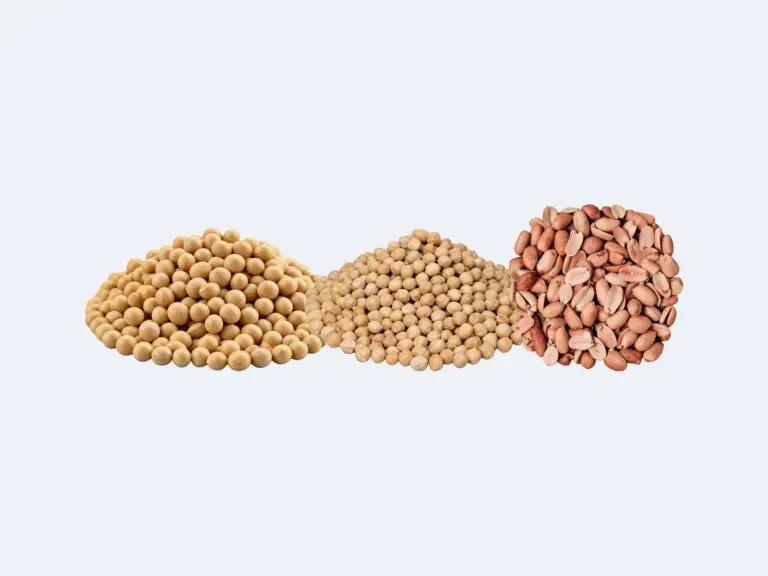
Isoflavones are the plant estrogens in soy, first noticed because they caused fertility problems in grazing sheep. Here is what 29 studies show for hot flashes, bones, cholesterol, breast cancer and thyroid, which foods have them, and whether supplements are safe.
Isorhamnetin
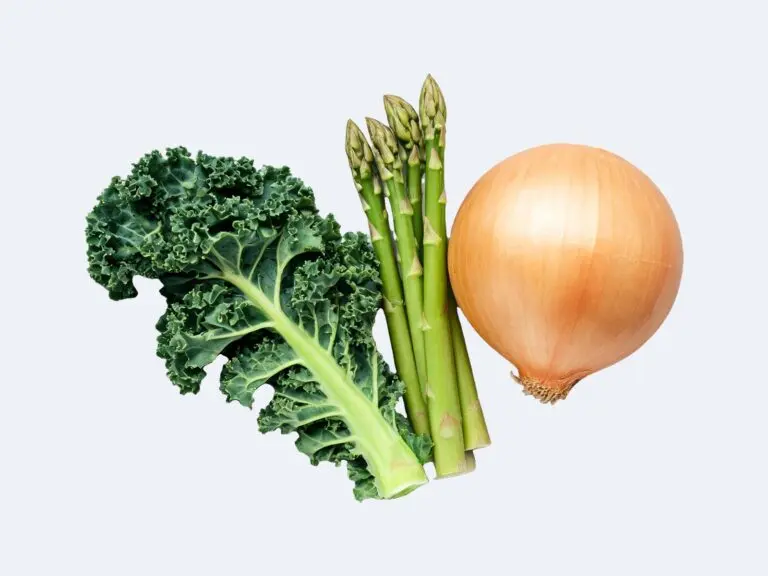
Isorhamnetin is quercetin with one extra methyl group, made by plants and found in your blood after a meal of onions. Here is what 15 studies show, which foods have it, and why almost all of the evidence is still from the lab.
Kaempferol
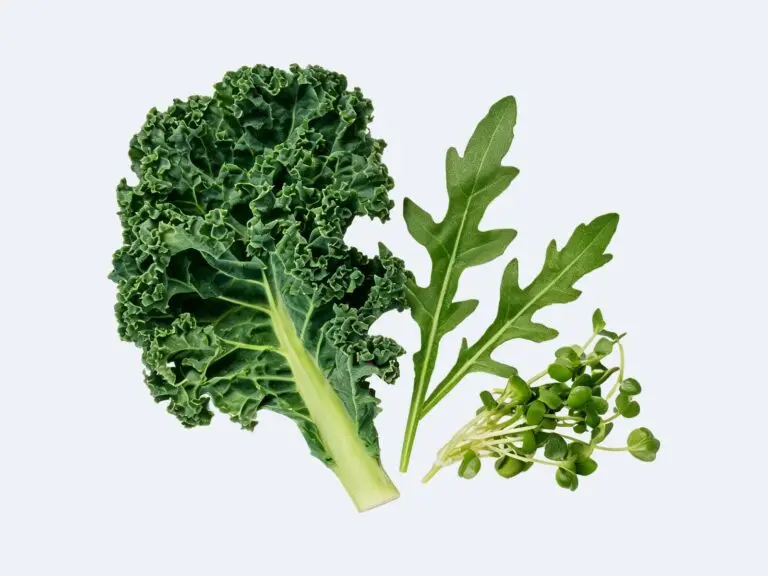
Kaempferol is a plant compound found most in kale and arugula, named for the 17th-century doctor who first described ginkgo to the West. Here is what 33 studies show, why only five small trials exist, which foods have it, and how safe it is.
Luteolin
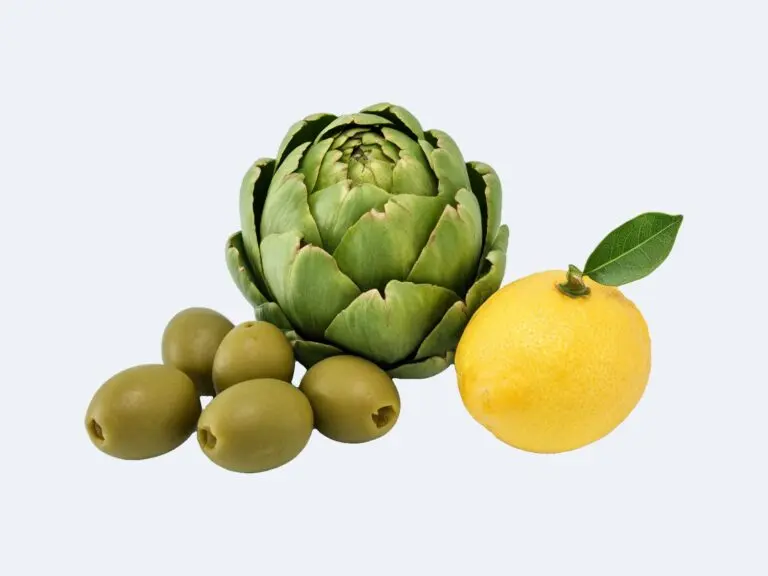
Luteolin is the yellow flavone in thyme, celery and artichoke, and it is not lutein. Here is what 22 studies show, why most trials cannot credit luteolin alone, which foods have the most, and what is known about safety.
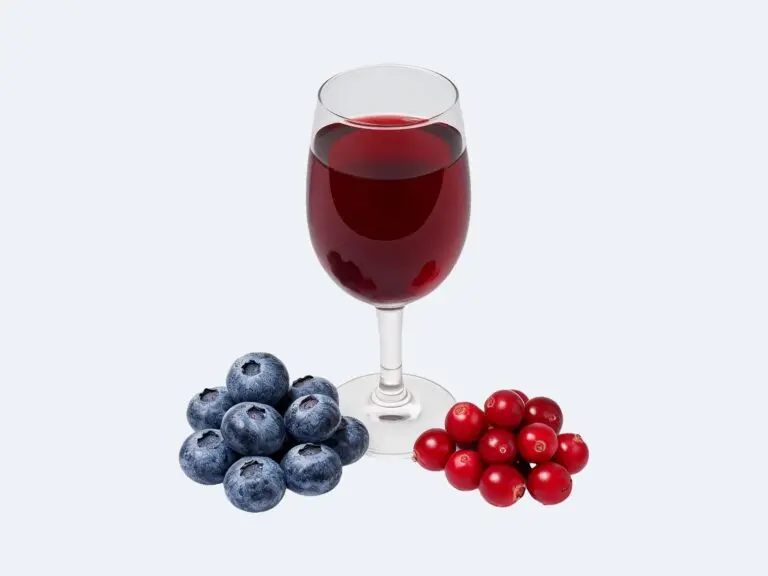
Malvidin
Malvidin is the purple-red pigment of blueberries and red wine, and chemists used it to prove a winery in Armenia from about 4000 BC. Here is what 15 studies show about absorption and health, which foods have the most, and what to know about wine.
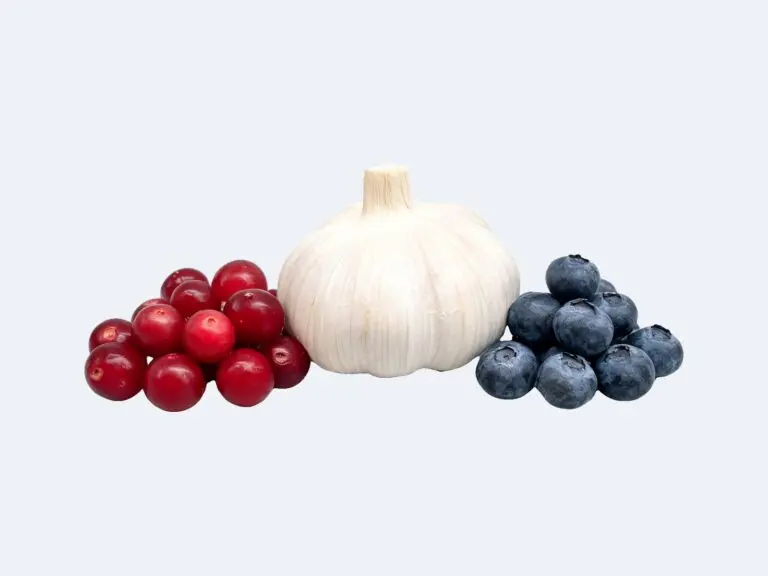
Myricetin
Myricetin is a plant flavonol in cranberries, parsley and green tea, and it breaks down fast in boiling water. Here is what 18 studies show, mostly diet surveys and animal work, which foods have the most, and what is known about safety.
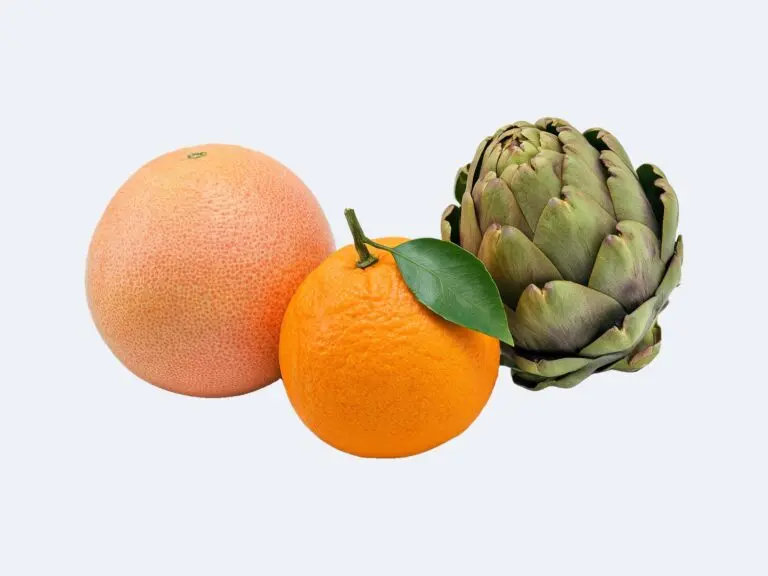
Naringenin
Naringenin is the free form of naringin, the compound that makes grapefruit bitter, and it was once blamed for grapefruit's drug warnings. Here is what 25 studies show for fatty liver, arteries and memory, which foods have it, and what is known about safety.
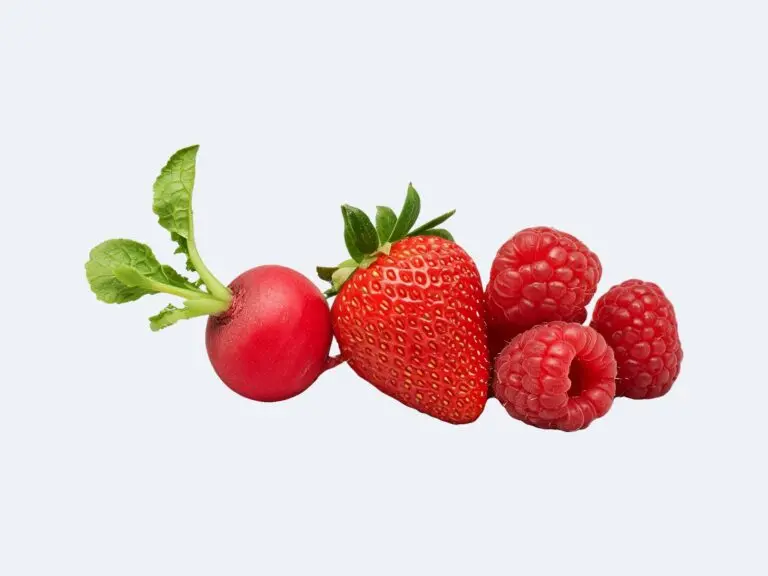
Pelargonidin
Pelargonidin is the orange-red pigment of strawberries and red radishes. Here is what 28 studies show, which foods have the most, and why the body absorbs so little of it unchanged.
Peonidin
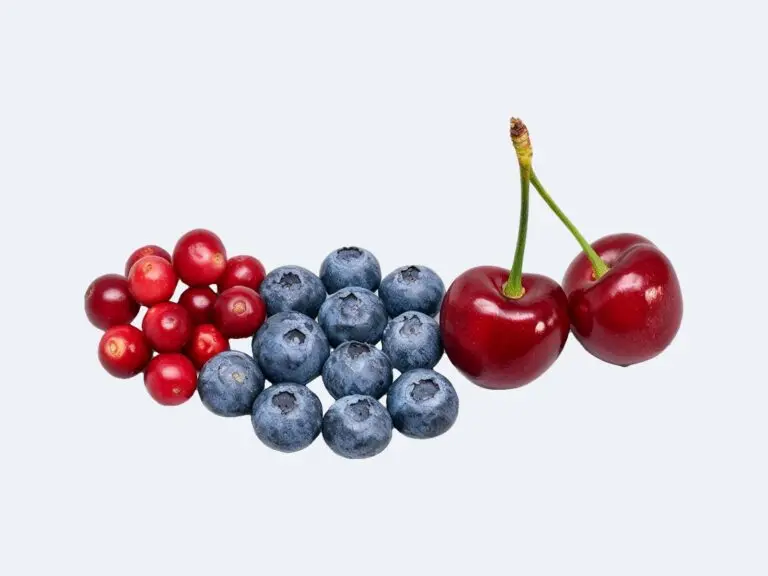
Peonidin is the red-purple pigment in cranberries and purple sweet potatoes, and your body can make it from cyanidin. Here is what 23 studies show, which foods have the most, and why the human evidence is still thin.
Petunidin
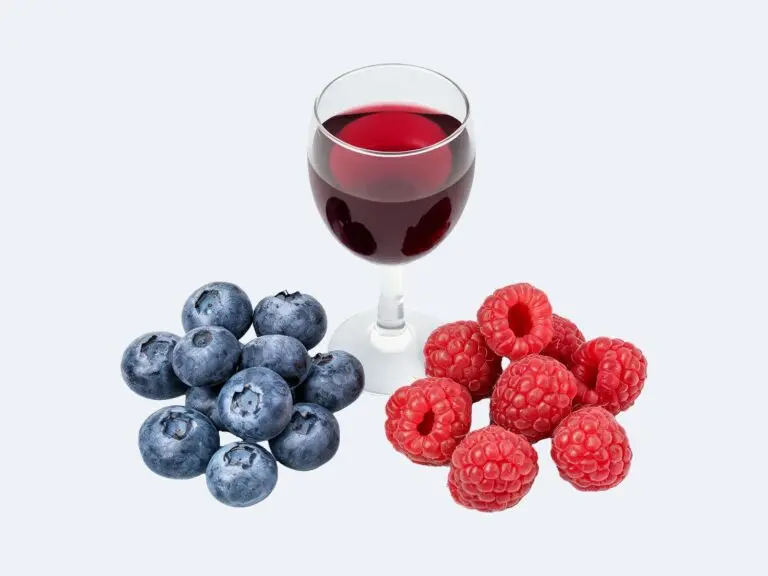
Petunidin is a purple berry pigment named after the petunia, and the USDA data is led by blueberries with 31.5 mg per 100 g. Here is what 15 studies show, which foods have it, and why almost no result can be credited to petunidin alone.
Quercetin
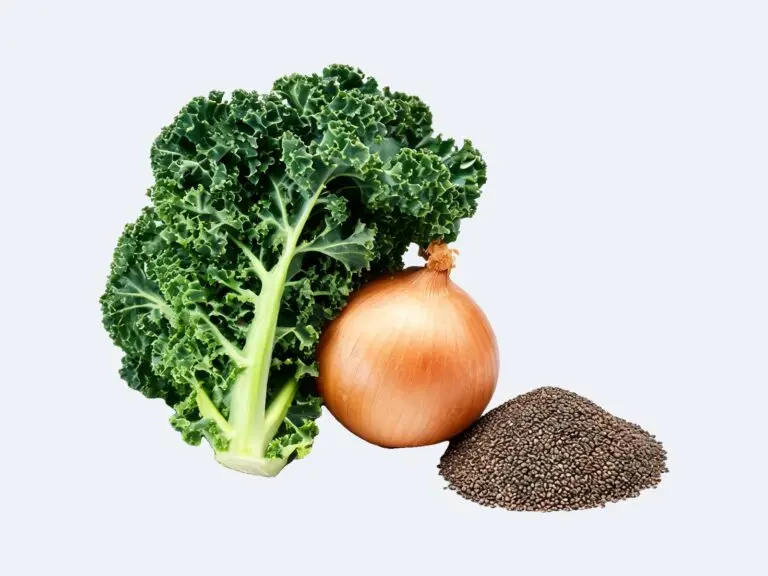
Quercetin is the flavonol in onions, kale and dill. Its pure form is absorbed only about half as well as the sugar-bound form in onions. Here is what 33 studies show for blood pressure, inflammation and exercise, which foods have the most, and how much is safe.


