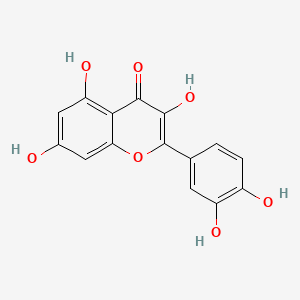
Quercetin is a flavonol, a plant compound in the flavonoid family. Plants make flavonoids to cope with stress such as strong sunlight. A 2020 review finds good support for an antioxidant role in stressed plants, though some questions are still open.
Quercetin is the main flavonol in the diet. In US health professionals, it made up about three quarters of the flavonols and flavones they ate. Together these came to roughly 20 to 22 mg a day, mostly from onions, tea and apples.
Pills and plates are very different. Many trials below gave 500 to 1,000 mg a day, about 20 to 50 times what a typical diet supplies. The form matters too. In nine volunteers, 52% of the quercetin in fried onions was absorbed, against 24% of pure quercetin, the form sold in many supplements.
One thing most readers do not know is that free quercetin barely shows up in blood. In 12 volunteers, only quercetin glucuronides (quercetin with an added sugar acid) could be found in plasma, the liquid part of blood.
That may be part of why test-tube results are so much bigger than human ones. In a trial of 41 people on 730 mg a day, no marker of oxidative stress (damage from reactive oxygen molecules) moved. A 2-week trial of 50 to 150 mg a day changed no antioxidant marker either.
Health benefits of quercetin
The top findings from 33 studies, strongest evidence first
What the stars mean
- Strong. Several randomized trials, pooled in a meta-analysis, point the same way, or regulators (FDA or EFSA) have approved the claim.
- Moderate. Good randomized trials support it, but there are fewer of them, or their results vary.
- Limited. Small, short or single trials, or mixed results. Promising, but it needs confirmation.
Population and lab studies get no stars: they show a link or a mechanism, not proof.
How we rate evidence →- ★★Slightly lower blood pressureIn 17 trials, quercetin supplements lowered blood pressure a little: the top number by about 3 points (3.09 mm Hg systolic). Another analysis of 10 trials found a similar fall in the top number (2.38 mm Hg).
- ★★No clear change in cholesterol or blood sugarIn 5 trials, LDL, HDL and triglycerides did not clearly differ from placebo. In 9 studies in people with metabolic syndrome, fasting blood sugar and HbA1c, long-term blood sugar, did not change overall.
- ★★Mixed results for inflammation markersOne analysis of 7 trials found CRP, a blood marker of inflammation, fell a little (0.33 mg/L). Another found no overall drop in CRP, IL-6 or TNF-alpha.
- ★★Trivial to small gain in enduranceIn 11 studies, quercetin at a median 1,000 mg a day gave a trivial to small gain in endurance. A review of 7 studies found endurance rose 0.74% and peak oxygen use (VO2max) 1.9%, and judged it unlikely to help.
- ★★Less muscle soreness after hard exerciseIn 13 studies, nearly all at 1,000 mg a day, soreness and creatine kinase, a sign of muscle damage, were lower after hard exercise. The results apply mostly to young men.
All 33 studies, strongest evidence first
Quercetin lowered blood pressure by about 3 mm Hg in 17 trials
The 17 trials had 896 people taking quercetin or a quercetin-rich extract. Systolic pressure (the top number) fell 3.09 mm Hg and diastolic (the bottom number) 2.86 mm Hg. Pooled blood fats and blood sugar did not clearly change. HDL (“good” cholesterol) and triglycerides changed only in trials of 8 weeks or longer that used separate groups.
In 10 trials, quercetin lowered systolic pressure about 2.4 mm Hg
The 10 trials had 841 adults with normal or raised blood pressure. Systolic pressure fell 2.38 mm Hg overall, and 1.82 in people with normal pressure. In people with borderline-high or high pressure, diastolic pressure fell 3.14 mm Hg.
Quercetin cut systolic 3.0 and diastolic 2.6 mm Hg in 7 trials
The 7 placebo-controlled trials had 9 treatment groups and 587 people. The clearest drop came at 500 mg a day or more, where systolic pressure fell 4.45 mm Hg. Below 500 mg the drop was not clear, but tests did not show that the two dose groups (below and from 500 mg) really differ. The authors say the clinical relevance needs more study.
In 7 trials, quercetin slightly lowered CRP, by 0.33 mg/L
This meta-analysis covered 7 trials with 10 treatment groups. CRP, the inflammation marker, fell 0.33 mg/L. The fall stayed clear at 500 mg a day or more (0.34), and in people whose CRP was already under 3 mg/L (0.34). The size of the drop was not linked to the dose.
In metabolic syndrome, quercetin lowered total and LDL cholesterol in 16 trials
The 16 trials were in people with metabolic syndrome (a cluster of risks such as belly fat and high blood pressure) and related conditions. Total cholesterol, LDL (“bad” cholesterol) and CRP fell (standard-scale changes of -0.98, -0.88 and -0.64). Triglycerides, HDL and the inflammation signals IL-6 and TNF-alpha did not clearly change. Results varied hugely between trials (I² of 90% or more for the three that fell), and the next analysis found no clear cholesterol effect.
In 5 trials, quercetin did not meaningfully change LDL, HDL or triglycerides
The 5 trials had 442 people. LDL (+1.43 mg/dL), HDL (+0.26) and triglycerides (-9.42) did not clearly differ from placebo. Total cholesterol rose 3.13 mg/dL, a borderline result the author calls not clinically relevant. In trials of 500 mg a day or more lasting 4 weeks or longer, triglycerides fell 24.5 mg/dL.
In 9 studies, blood sugar and HbA1c were unchanged overall
The 9 studies (10 effect sizes) were in people with metabolic syndrome and related disorders. Fasting blood sugar fell only in trials of 8 weeks or longer, or of 500 mg a day or more. Insulin fell at 500 mg or more. These are subgroup results; overall, fasting sugar, insulin resistance and HbA1c (long-term blood sugar) did not change.
Quercetin did not lower CRP, IL-6 or TNF-alpha overall
This meta-analysis used 4 to 6 trials per marker: 6 for CRP, 5 for IL-6 and 4 for TNF-alpha. In subgroups, CRP was slightly lower in people with a diagnosed disease (-0.24 on a standard scale, borderline), and IL-6 in high-dose trials (-0.69). The authors describe the earlier results as inconsistent, and this conflicts with the CRP analysis above.
In 11 studies, quercetin raised endurance about 2%: trivial to small
The 11 studies had 254 people, taking a median 1,000 mg a day for a median of 11 days. The combined effect on VO2max (peak oxygen use) and endurance was 0.15 on a standard scale. The authors call it between trivial and small, and could not explain the differences between studies.
In 7 studies, quercetin improved endurance 0.74% and VO2max 1.9%
The 7 articles had 288 people taking about 960 to 1,000 mg a day. Endurance rose in untrained people (0.83%) but not in trained people (0.09%). The authors judge these effects likely trivial, and conclude quercetin is unlikely to help aerobic exercise in either group.
In 13 studies, 1,000 mg lowered soreness and creatine kinase after exercise
The 13 trials had 249 people, nearly all taking 1,000 mg of quercetin a day. Soreness (-1.33 on a standard scale) and creatine kinase, a sign of muscle damage (-1.15), were lower after hard exercise. Oxidative stress from exercise (-0.92) was also lower, while IL-6 did not change. All studies had some concerns about risk of bias, and the results apply mostly to young men.
In 6 COVID-19 trials, quercetin cut admissions but not deaths
This meta-analysis pooled 6 trials. The odds of going to hospital were 0.25 times as high, and of intensive care (ICU) 0.31 times. Deaths from any cause and failure to recover did not fall. The authors suggest a better-absorbed phytosome form may help more, and call for large trials.
5 COVID-19 trials: fewer admissions and deaths, with very wide ranges
The 5 trials had 544 patients. Risk was 0.30 times as high for hospital admission, 0.27 for intensive care and 0.18 for death. LDH (a tissue damage marker) fell, while CRP, D-dimer and ferritin did not change. The range for death barely excludes 1 (no effect), and the analysis above found no drop in deaths.
150 mg daily cut systolic pressure 2.6 mm Hg in 93 adults
For 6 weeks, the 93 overweight or obese adults with metabolic syndrome traits took quercetin or a placebo, then switched. The drop was 2.9 mm Hg in people with high blood pressure and 3.7 in adults aged 25 to 50. Oxidized LDL fell, but so did HDL (“good”) cholesterol, and TNF-alpha and CRP did not change. Blood tests showed no adverse effects.
162 mg a day did not change 24-hour blood pressure overall
For 6 weeks, 70 overweight or obese adults with borderline or stage 1 high blood pressure took an onion skin extract. Each also had a placebo period. In those with high blood pressure, 24-hour systolic pressure fell 3.6 mm Hg. Markers of blood vessel function, inflammation, oxidation and metabolism did not change, so how it might work is unclear.
730 mg cut pressure 7/5 mm Hg in stage 1 hypertension
For 28 days, 41 adults took quercetin or a placebo, then switched: 19 had borderline high blood pressure and 22 stage 1 high blood pressure. In the high blood pressure group, systolic pressure fell 7 and diastolic 5 mm Hg, while the borderline group saw no drop. Blood and urine markers of oxidative stress did not change, unlike in animal studies.
500 mg a day lowered blood uric acid by 26.5 µmol/L
The 22 healthy men had uric acid in the higher part of the normal range, 339 µmol/L (micromoles per liter) on average. Each took quercetin or a placebo for 4 weeks, then switched. Fasting blood sugar, uric acid in urine and blood pressure did not change. The trial measured uric acid, not gout attacks.
1,000 mg daily raised VO2max 3.9% and ride time 13.2%
For 7 days, 12 untrained adults took 500 mg twice a day or a placebo, then switched. Ride time is how long they rode before tiring. The authors call the VO2max gain modest. Twelve people is a small sample, and the larger analyses above found gains of about 2% or less.
1,000 mg daily added 2.9% to treadmill distance; placebo lost 1.2%
For 2 weeks, 26 untrained young men took quercetin or a placebo, then switched. In a 12-minute treadmill time trial, they covered 29.5 m more on quercetin and 11.9 m less on placebo. Muscle gene activity and mitochondrial DNA tended to rise, but not clearly.
500 mg twice daily did not speed a 20 km cycling trial
For 28 days, 48 highly trained cyclists took quercetin, citrulline, both, or a placebo (four groups). Oxygen use improved from start to end in the quercetin-only and citrulline-only groups, but not in the combined or placebo groups. The authors say the combination does not seem helpful for a 20 km time trial.
500 or 1,000 mg did not improve memory, attention or reaction time
For 12 weeks, 941 adults from the community took quercetin daily or a placebo. Blood quercetin rose a lot, yet no thinking measure changed. One author is a board member of Quercegen Pharma, which also filed the FDA notice discussed below.
Quercetin-rich onion improved a memory screening score in older adults
For 24 weeks, 70 healthy Japanese adults aged 60 to 79 ate onion giving 50 mg of quercetin a day. The placebo was quercetin-free onion. Scores on a memory screening test (Mini-Mental State Examination) and an emotional-function score improved, which the authors link to mood and motivation. It tested a food, not a pill, and the authors declared no conflicts.
Earlier discharge and lower CRP and LDH in severe COVID-19
For 7 days, 60 patients took 1,000 mg of quercetin a day on top of the antivirals remdesivir or favipiravir. Everyone knew who took quercetin. Blood ALP, q-CRP and LDH were lower. Differences in deaths and ICU admission were borderline and not clear.
Dasatinib plus quercetin did not lower the main bone-breakdown marker
In this phase 2 trial, 60 postmenopausal women took dasatinib, a cancer drug, plus quercetin in short bursts, to clear aging cells. The bone-breakdown marker CTx changed -4.1% at 20 weeks on the pair and -7.7% on control. A bone-formation marker rose 16% at 2 and 4 weeks but not at 20, and there were no serious side effects. Three authors report a financial interest, Mayo Clinic holds patents on senolytic drugs, and quercetin’s own effect cannot be separated.
Over about 8 years, more quercetin went with 34% lower death risk
This cohort used NHANES survey data on 11,679 US adults, a 24-hour diet recall and a median follow-up of 7.8 years. The lower risk in the headline was for death from any cause. Quercetin also went with lower cancer death (0.54 times the risk) and cardiovascular death (0.61). A diet recall can misjudge usual intake, and a link does not show cause.
Highest quercetin intake went with 31% lower risk of ulcerative colitis
The UK Biobank cohort followed 187,709 adults for a mean 9.7 years, with intake from 24-hour recalls; 863 developed inflammatory bowel disease. The top fifth of intake, against the bottom fifth, had 0.69 times the risk of ulcerative colitis, but 0.95 for Crohn’s disease, no clear change. Mice given quercetin before chemical colitis also had milder disease.
Each extra 10 mg daily went with 35% lower odds of frailty
The Framingham study followed 1,701 adults with a mean age of 58 and no frailty at the start for 12 years; 224 became frail. Total flavonoid intake showed no link. The authors call it a study that raises ideas for testing.
Higher quercetin intake went with slower decline in thinking skills
The Rush Memory and Aging Project followed 961 people aged 60 to 100 for about 7 years, with 19 thinking tests each year. Diet came from a food questionnaire. The estimate linking quercetin to overall thinking was 0.004, a statistically clear link. Kaempferol showed a larger estimate, while myricetin and isorhamnetin showed no link.
About 25 mg daily was not linked to high blood pressure
This cohort followed 15,662 Chinese adults for a median 3 years; 2,463 developed high blood pressure. Mean quercetin intake was 24.7 mg a day. Across intake quarters, risks were 1.04, 0.99 and 1.06 times that of the lowest, none of them clear. The authors conclude that quercetin from food alone does not reach a level that affects high blood pressure.
Dietary quercetin was not linked to fatty liver disease (MASLD)
This cohort followed 16,746 adults for about 3.5 years, finding fatty liver by ultrasound; 3,544 developed it. Across intake quarters, risks were 0.93, 1.01 and 1.04 times that of the lowest, with no trend. The authors say other populations should confirm it.
In cells, quercetin cut histamine release and beat cromolyn on IL-8
In cultured human mast cells, 100 µM (micromolar, a lab concentration) of quercetin and the allergy drug cromolyn both cut histamine release. Quercetin cut IL-8 and TNF release (inflammatory signals) more after a substance P trigger. The paper also reports two small skin trials (contact dermatitis, photosensitivity) without a placebo, where everyone knew the treatment. One author directs operations at Thorne Research, which supplied the quercetin.
In old mice, dasatinib plus quercetin cleared aging cells
In old mice, one dose of the pair improved heart function five days later. In this cell and mouse study, dasatinib cleared senescent (aging) human fat-cell precursors. Quercetin worked better on senescent human blood vessel lining cells and mouse bone-marrow support cells. Whether this happens in people is the question of the bone trial above, which missed its main goal.
High-dose quercetin caused benign kidney tumors in male rats
For 2 years, rats ate 0, 1,000, 10,000 or 40,000 ppm in feed, about 40 to 1,900 mg per kg of body weight a day. No tumors appeared at other sites, and the authors call quercetin genotoxic (able to damage DNA). They say the kidney effect may involve both genotoxic and other events. For scale, 1,000 mg a day in a 70 kg adult is about 14 mg/kg (our arithmetic); whether this applies to people is unknown.
Foods high in quercetin
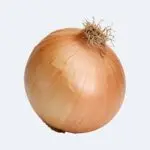
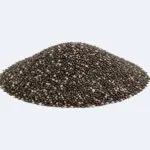
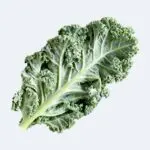
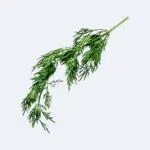
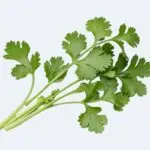
Per 100 g, the USDA data on this page list dill (55.2 mg) and coriander (52.9 mg) first. Kale (22.6 mg), onions (20.3 mg) and chia seeds (18.4 mg) follow.
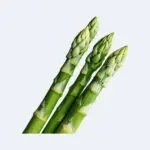
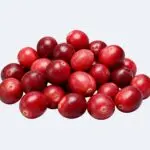
Herbs are eaten in small amounts, so per serving the order changes. One medium onion (110 g) gives 22.3 mg and a cup of asparagus 18.7 mg. A cup of cranberries gives 16 mg and a cup of blueberries 11.4 mg. A medium apple gives 7.3 mg and a cup of green tea 6.1 mg.
Real intakes are modest. US health professionals ate about 20 to 22 mg a day of flavonols and flavones together. Chinese adults in one cohort averaged 24.7 mg of quercetin. In a 1993 study of Dutch men, tea gave 61% of flavonoid intake, onions 13% and apples 10%.
By the USDA figure, a 500 mg supplement equals about 22 medium onions, before absorption is counted. And absorption differs: the pure form is absorbed about half as well as the sugar-bound quercetin in onions.
Per serving. No daily amount is set, so bars compare each food with the top food.
Per 100 g. No daily amount is set, so bars compare each food with the top food.
Per 100 kcal: the same calories of each food, for a fair comparison. Bars compare each food with the top food.
Food labels have no Daily Value or Reference Intake for quercetin, so the % compares each food with the top food.
- 1.
- 2.
- 3.
- 4.
- 5.
- 6.
- 7.
- 8.
- 9.
- 10.


- 1.
- 2.
- 3.
- 4.
- 5.
- 6.
- 7.
- 8.
- 9.
- 10.


- 1.
- 2.
- 3.
- 4.
- 5.
- 6.
- 7.
- 8.
- 9.
- 10.


Sources
- Bhagwat S, Haytowitz DB. USDA Database for the Flavonoid Content of Selected Foods, Release 3.3. US Department of Agriculture, Agricultural Research Service. 2018. The ranking above is built from it.
- Sampson L, Rimm E, Hollman PC, et al. Flavonol and flavone intakes in US health professionals. J Am Diet Assoc. 2002.
- Yao Z, Dai K, Meng G, et al. Low dietary quercetin intake by food frequency questionnaire analysis is not associated with hypertension occurrence. Clin Nutr. 2021.
- Hertog MG, Feskens EJ, Hollman PC, et al. Dietary antioxidant flavonoids and risk of coronary heart disease: the Zutphen Elderly Study. Lancet. 1993.
- Hollman PC, de Vries JH, van Leeuwen SD, et al. Absorption of dietary quercetin glycosides and quercetin in healthy ileostomy volunteers. Am J Clin Nutr. 1995.
How quercetin works
Most of what we know about how quercetin works comes from test tubes, cells and animals. Its journey through the body complicates the picture.
Researchers keep coming back to four ideas. Quercetin changes form on the way into the blood, and it blocks an enzyme that makes uric acid. It quiets mast cells that release histamine, and it may help clear worn-out cells. Here is each one, and what has been seen in people.
It travels in disguise
Quercetin in food is mostly attached to sugars, and which sugar matters. A study in nine volunteers with an ileostomy (an opening from the small intestine through the belly) kept gut bacteria out of the picture. They absorbed 52% of the quercetin in fried onions, against 24% of the pure form and 17% of quercetin rutinoside, the main form in tea.
Drawn to scale. Doses were 89 mg of quercetin as fried onion and 100 mg each as the pure form and the rutinoside.
Once absorbed, quercetin is changed quickly. In 12 volunteers, only glucuronide forms were found in plasma, and no free quercetin.
In 15 healthy volunteers, the main glucuronide reached about 0.4 µM after 200 mg and 1 µM after 400 mg. The widening of an arm artery tracked the glucuronide level multiplied by the blood’s glucuronidase activity.
In inflamed immune cells (macrophages) and in the spleens of inflamed mice, an enzyme called β-glucuronidase turned the glucuronide back into active quercetin. The idea is that quercetin travels in an inactive form and is switched on where there is inflammation. That is a hypothesis from cells, mice and one small trial.
It blocks an enzyme that makes uric acid
Xanthine oxidase is the enzyme behind the last step in making uric acid. In test-tube work, flat flavones and flavonols with a hydroxyl group at position 7, including quercetin, blocked it at low concentrations. Across the group, IC50 values (lower values mean stronger blocking) ranged from 0.40 to 5.02 µM.
In people the result is mixed. In 22 men, 500 mg a day for 4 weeks lowered uric acid by 26.5 µmol/L (see the card above). But a 2-week trial of 50, 100 or 150 mg a day in 35 healthy volunteers found no change in serum uric acid. The lower doses may simply have been too low, which that trial did not test.
A simplified picture of the step in the test-tube work. The trial results above show how much of this carries over to people.
It quiets mast cells
Mast cells are immune cells that release histamine and inflammatory signals in allergy. In cultured human mast cells, quercetin at 100 µM cut the release of histamine and prostaglandin D2. It beat the drug cromolyn against IL-8 and TNF release triggered by substance P.
It also blocked a rise in calcium and the switching on of NF-κB, and it worked when added before the trigger. For scale, blood levels after 400 mg were about 1 µM, mostly as the glucuronide. The authors say better oral absorption would be needed. The same paper’s two small skin trials had no placebo group.
It may help clear worn-out cells
Senescent cells are aging cells that have stopped dividing and give off inflammatory signals. In 2015, researchers reported that quercetin, together with the cancer drug dasatinib, killed such cells in dishes and in mice.
Nine people with diabetic kidney disease took dasatinib (100 mg) plus quercetin (1,000 mg) for 3 days. Eleven days later, they had fewer senescent cells in fat tissue. It was a small open study, so everyone knew the treatment. Its authors include people with a financial interest in senolytic patents held by Mayo Clinic.
The one randomized trial on this page (where chance decides who gets the treatment), in 60 postmenopausal women, missed its main goal. We did not find a trial of quercetin alone.
What has been seen in people
The mechanisms and the human trials only partly line up. Blood pressure falls 2.4 to 3.1 mm Hg on average, but trials that looked for a reason found little. Oxidative stress markers did not change on 730 mg a day. In a trial of 70 adults on 162 mg a day, blood vessel and inflammation markers did not change.
Uric acid fell in one trial and not in another. The mast cell and senolytic ideas have not yet produced a controlled human result. Effects in people are small, and nearly all of them come from supplements well above food amounts.
Sources
- Hollman PC, de Vries JH, van Leeuwen SD, et al. Absorption of dietary quercetin glycosides and quercetin in healthy ileostomy volunteers. Am J Clin Nutr. 1995.
- Graefe EU, Wittig J, Mueller S, et al. Pharmacokinetics and bioavailability of quercetin glycosides in humans. J Clin Pharmacol. 2001.
- Perez A, Gonzalez-Manzano S, Jimenez R, et al. The flavonoid quercetin induces acute vasodilator effects in healthy volunteers: correlation with beta-glucuronidase activity. Pharmacol Res. 2014.
- Ishisaka A, Kawabata K, Miki S, et al. Mitochondrial dysfunction leads to deconjugation of quercetin glucuronides in inflammatory macrophages. PLoS One. 2013.
- Nagao A, Seki M, Kobayashi H. Inhibition of xanthine oxidase by flavonoids. Biosci Biotechnol Biochem. 1999.
- Shi Y, Williamson G. Quercetin lowers plasma uric acid in pre-hyperuricaemic males: a randomised, double-blinded, placebo-controlled, cross-over trial. Br J Nutr. 2016.
- Egert S, Wolffram S, Bosy-Westphal A, et al. Daily quercetin supplementation dose-dependently increases plasma quercetin concentrations in healthy humans. J Nutr. 2008.
- Weng Z, Zhang B, Asadi S, et al. Quercetin is more effective than cromolyn in blocking human mast cell cytokine release and inhibits contact dermatitis and photosensitivity in humans. PLoS One. 2012.
- Zhu Y, Tchkonia T, Pirtskhalava T, et al. The Achilles’ heel of senescent cells: from transcriptome to senolytic drugs. Aging Cell. 2015.
- Hickson LJ, Langhi Prata LGP, Bobart SA, et al. Senolytics decrease senescent cells in humans: Preliminary report from a clinical trial of Dasatinib plus Quercetin in individuals with diabetic kidney disease. EBioMedicine. 2019. Mayo Clinic holds patents on senolytic drugs.
- Farr JN, Atkinson EJ, Achenbach SJ, et al. Effects of intermittent senolytic therapy on bone metabolism in postmenopausal women: a phase 2 randomized controlled trial. Nat Med. 2024.
Is quercetin safe? Supplements, dose and interactions
The safety questions are about isolated quercetin in supplements, not about food. Supplements are often sold at up to 1,000 mg a day, which exceeds usual dietary intake. By our arithmetic, that is about 40 times a typical 25 mg.
In the US, the FDA had no questions about quercetin as a food ingredient at up to 500 mg per serving. That covered drinks and drink bases, grain products and pastas, processed fruits and juices, and soft candies. The notice (GRAS notice 341, for “generally recognized as safe”) came from Quercegen Pharma and closed in 2010.
We did not find an acceptable daily intake from EFSA, the EU food safety agency. Nor did we find an upper level from the NIH, the US National Institutes of Health. In 2024 Norway’s food safety committee (VKM) reviewed 23 trials in adults. It judged 500 mg a day of quercetin dihydrate in supplements safe for adults for at least three months.
- Trial doses and side effects. Trials mostly used 150 to 1,000 mg a day for 2 to 12 weeks, and one gave 1,500 mg for a week. A 2018 safety review found side effects rarely reported and mild. But it says there are not enough data on long-term use (over 12 weeks) of 1,000 mg or more. In the trial of 93 adults at 150 mg for 6 weeks, liver and kidney blood tests showed no adverse effects.
- Kidneys and tumors in animals. In a 2-year rat study, high doses caused benign kidney tumors in males. The 2018 review adds animal findings that quercetin may worsen already-damaged kidneys and may promote estrogen-dependent tumors. These are animal results, and we found no human trial that tested them. So people with kidney disease or hormone-sensitive cancer should ask a doctor first.
- Prescription drugs. The review notes that quercetin can change how the body handles some drugs. In 10 healthy volunteers on 1,500 mg a day for a week, exposure to the sedative midazolam trended 18% lower (0.82 times). That change could be chance. We did not find a controlled study with blood thinners, so ask a pharmacist.
- Pregnancy and children. We found no safety trials in pregnancy, breastfeeding or children, and VKM also found too few data for pregnant or breastfeeding women. Ask your doctor before taking quercetin in any of these situations.
How to get more quercetin
- Best food. Onions give the most per serving in the USDA data, 22.3 mg in a medium onion. Their sugar-bound quercetin is absorbed about twice as well as the pure form (52% against 24%).
- Cook it gently. Boiling onion lost about 30% of its quercetin glycosides (sugar-bound forms) to the water. Frying did not change the amount, and microwaving without water kept the most.
- Take it with fat. In 9 overweight adults, 1,095 mg of pure quercetin was taken with a high-fat breakfast (15.4 g of fat) or a fat-free one. With fat, the peak blood level was 45% higher and total exposure 32% higher. A 2025 review of 31 human studies found dietary fat and fiber raised absorption about 2-fold.
Sources
- Rutin and quercetin: health risks of intake of food supplements. Norwegian Scientific Committee for Food and Environment (VKM), VKM Bulletin 2024:09.
- GRAS Notice Inventory, GRN 000341: Quercetin. US Food and Drug Administration. Notifier: Quercegen Pharma. Closed November 22, 2010; FDA had no questions, and some uses may require a color additive listing.
- Andres S, Pevny S, Ziegenhagen R, et al. Safety Aspects of the Use of Quercetin as a Dietary Supplement. Mol Nutr Food Res. 2018.
- Egert S, Bosy-Westphal A, Seiberl J, et al. Quercetin reduces systolic blood pressure and plasma oxidised low-density lipoprotein concentrations in overweight subjects with a high-cardiovascular disease risk phenotype: a double-blinded, placebo-controlled cross-over study. Br J Nutr. 2009.
- Dunnick JK, Hailey JR. Toxicity and carcinogenicity studies of quercetin, a natural component of foods. Fundam Appl Toxicol. 1992.
- Nguyen MA, Staubach P, Wolffram S, et al. The Influence of Single-Dose and Short-Term Administration of Quercetin on the Pharmacokinetics of Midazolam in Humans. J Pharm Sci. 2015.
- Hollman PC, de Vries JH, van Leeuwen SD, et al. Absorption of dietary quercetin glycosides and quercetin in healthy ileostomy volunteers. Am J Clin Nutr. 1995.
- Ioku K, Aoyama Y, Tokuno A, et al. Various cooking methods and the flavonoid content in onion. J Nutr Sci Vitaminol (Tokyo). 2001.
- Guo Y, Mah E, Davis CG, et al. Dietary fat increases quercetin bioavailability in overweight adults. Mol Nutr Food Res. 2013.
- Liu L, Barber E, Kellow NJ, et al. Improving quercetin bioavailability: A systematic review and meta-analysis of human intervention studies. Food Chem. 2025. One author reports consulting for companies.
History of quercetin
The name quercetin has been used since 1857. It comes from quercetum, Latin for an oak forest, after the oak genus Quercus. Pure quercetin is a citron-yellow crystalline powder that does not dissolve in cold water.
Its roots are in dyeing. Quercitron, a yellow dye from the bark of the eastern black oak, holds a glycoside called quercitrin. Acid splits that into quercetin and a sugar. The name quercitron was coined by Edward Bancroft, who won special rights to import and use the dye from an act of Parliament in 1785.
Nutrition research came much later. In the Zutphen Elderly Study, published in 1993, researchers measured quercetin and four other flavonoids in Dutch foods. They followed 805 men aged 65 to 84 for 5 years. Men in the highest third of flavonoid intake had a lower risk of dying from heart disease (0.32 times the risk after adjustment).
That was an observational study, and the trials on this page found only small effects on heart risk factors such as blood pressure.
Supplements and drug research followed. In 2010 the FDA closed its review of a quercetin ingredient notice with no questions. In 2015, researchers reported that quercetin with dasatinib cleared senescent cells in mice.
A 2019 pilot in nine people and a 2024 randomized trial in 60 women tested the pair in people. The larger trial missed its main goal.
Sources
- Quercetin. Wikipedia.
- Quercitron. Wikipedia.
- Hertog MG, Feskens EJ, Hollman PC, et al. Dietary antioxidant flavonoids and risk of coronary heart disease: the Zutphen Elderly Study. Lancet. 1993.
- GRAS Notice Inventory, GRN 000341: Quercetin. US Food and Drug Administration. Closed November 22, 2010.
- Zhu Y, Tchkonia T, Pirtskhalava T, et al. The Achilles’ heel of senescent cells: from transcriptome to senolytic drugs. Aging Cell. 2015.
- Hickson LJ, Langhi Prata LGP, Bobart SA, et al. Senolytics decrease senescent cells in humans: Preliminary report from a clinical trial of Dasatinib plus Quercetin in individuals with diabetic kidney disease. EBioMedicine. 2019.
- Farr JN, Atkinson EJ, Achenbach SJ, et al. Effects of intermittent senolytic therapy on bone metabolism in postmenopausal women: a phase 2 randomized controlled trial. Nat Med. 2024.
Frequently asked questions about quercetin
What does quercetin do for the body?
The best-supported effects in trials are small. Pooled supplement trials found the top blood pressure number 2.4 to 3.1 mm Hg lower and CRP 0.33 mg/L lower. They found no overall change in cholesterol or blood sugar. Nearly all results come from supplements of 150 to 1,000 mg a day, and no finding reaches strong evidence.
Which foods are high in quercetin?
Dill (55.2 mg per 100 g) and coriander (52.9 mg) lead the USDA data, followed by kale (22.6 mg) and onions (20.3 mg). Per serving, onions lead with 22.3 mg in a medium onion, then a cup of asparagus (18.7 mg) and a cup of cranberries (16 mg). In a 1993 Dutch study, tea, onions and apples supplied 61%, 13% and 10% of flavonoid intake.
How much quercetin should you take a day?
No dose is proven best. Trials mostly used 150 to 1,000 mg a day for 2 to 12 weeks, while a typical diet gives about 20 to 25 mg.
The FDA had no questions about up to 500 mg per serving as a food ingredient. But a 2018 review says long-term data at 1,000 mg or more are missing. Ask a clinician first, especially if you take prescription drugs.
Does quercetin have side effects?
Trials report few, and a 2018 review calls the reported effects rare and mild. In a trial of 93 adults taking 150 mg for 6 weeks, blood tests showed no adverse effects. Animal studies raise questions about damaged kidneys, estrogen-dependent tumors and drug interactions, and a rat study found benign kidney tumors at very high doses. People with kidney disease or on prescription drugs, and anyone pregnant or breastfeeding, should ask a doctor first.
Does quercetin lower blood pressure?
Slightly, on average. Three meta-analyses found systolic pressure (the top number) 2.4 to 3.1 mm Hg lower.
Single trials differ. In a single trial, 730 mg lowered pressure by 7/5 mm Hg in stage 1 high blood pressure, but not in borderline high pressure. In 70 adults, 162 mg changed nothing overall. Food intake of about 25 mg a day was not linked to developing high blood pressure in 15,662 Chinese adults.
Does quercetin help against COVID-19?
The evidence is thin. Two meta-analyses of 5 or 6 small trials found fewer hospital admissions with quercetin. They disagree on deaths: one found no change, the other 0.18 times the risk, with a very wide range.
Some of the trials were open-label, so patients and doctors knew who got quercetin. It is not a substitute for approved treatment or vaccines, so talk to a doctor.
Does quercetin improve exercise performance?
Barely. Two meta-analyses found gains of about 0.7 to 2% in endurance or VO2max, which the authors call trivial to small. One found no gain in trained people.
A trial of 48 highly trained cyclists on 1,000 mg a day found no time-trial benefit. Another meta-analysis found less soreness and creatine kinase after hard exercise, but every study had some concerns about risk of bias.
What is the difference between quercetin and rutin?
Rutin is quercetin with a sugar attached, and the body handles them differently. In nine volunteers, 17% of the quercetin in a rutinoside was absorbed, against 24% of the pure form and 52% from onion.
In 12 volunteers, rutin gave a peak blood level of 0.3 µg/mL after about 7 hours. A quercetin glucoside at half the dose gave 2.1 µg/mL. No trial here compared their health effects.