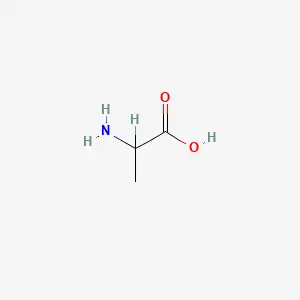
Alanine is one of the 20 amino acids that build proteins, and one of the simplest: its side chain is a single methyl group. Food proteins and the body use the L-form, so “alanine” on this page means L-alanine unless it says otherwise. PubChem, a chemistry database, lists a sweet taste for it.
Alanine is a non-essential, or dispensable, amino acid, and the main sources agree. The US National Academies (NASEM), the WHO/FAO/UNU report and the European Food Safety Authority (EFSA) all list it as dispensable. In plain terms, the body makes the alanine it needs. So no daily amount is set, and food is not a worry for most people.
What does the body make from it? Alanine is made from pyruvate, a product of breaking down glucose, when an amino group is moved onto it. Muscle does this on a large scale.
In a 1970 study that measured 20 amino acids, alanine was the main amino acid forearm muscle released into the blood. That fits with it being the main amino acid the liver takes up to make glucose. This loop is called the glucose-alanine cycle.
Here is what most readers do not know. Three different things share this name. L-alanine is the protein building block on this page.
Beta-alanine is a different compound, not built into proteins. Muscle joins it with histidine to make carnosine, and it is the one sold as a sports supplement. And ALT, the liver blood test, is named for an enzyme (alanine transaminase), so it measures the enzyme, not alanine from food.
Trials of L-alanine itself are few, mostly old and small, and we say plainly below where the evidence is thin.
Health benefits of alanine
The top findings from 23 studies, strongest evidence first
What the stars mean
- Strong. Several randomized trials, pooled in a meta-analysis, point the same way, or regulators (FDA or EFSA) have approved the claim.
- Moderate. Good randomized trials support it, but there are fewer of them, or their results vary.
- Limited. Small, short or single trials, or mixed results. Promising, but it needs confirmation.
Population and lab studies get no stars: they show a link or a mechanism, not proof.
How we rate evidence →- ★★Less diarrhea stool with alanine rehydration drinkIn 97 males with severe cholera or E. coli diarrhea, L-alanine in the rehydration solution cut 24-hour stool output (196 against 309 mL per kg). Only 2 on alanine needed unscheduled drips into a vein, against 18, and the solution also held glucose and salts.
- ★★Beta-alanine slightly improved exercise capacityBeta-alanine is a different compound from L-alanine, and in 40 trials (1,461 healthy people) its overall effect was small. In efforts lasting 0.5 to 10 minutes, the gain was clear for exercise capacity but not for performance.
- ★★Tingling the main side effect of beta-alanineIn a review of 101 human and 50 animal studies, the odds of tingling were 8.9 times those on placebo. People taking beta-alanine dropped out as often as those on placebo.
- ★★Beta-alanine did not change weight or fatIn 20 randomized trials with 492 people, fat mass changed by -0.24 kg and fat-free mass by 0.05 kg, changes that could be chance.
- ★Fewer night-time lows with bedtime alanine plus glucoseIn 15 people with type 1 diabetes, severe lows (40 mg/dL or less) happened once with bedtime alanine plus glucose, against 13 times untreated. The dose was 40 g of alanine with 10 g of glucose, so the two cannot be separated.
All 16 studies, strongest evidence first
In severe diarrhea, L-alanine in rehydration solution cut stool and emergency drips
In this randomized, double-blind trial, 97 male patients aged 6 to 59 had severe dehydration from cholera or enterotoxigenic E. coli diarrhea. After 4 hours of fluid into a vein, 49 took the standard glucose-based solution and 48 the same solution with L-alanine added. In the first 24 hours, median stool output was 196 mL per kg of body weight with alanine and 309 mL without. Until the diarrhea stopped it was 236 against 393 mL. Unscheduled fluid into a vein was needed by 2 men on alanine against 18 on the standard solution. The product mixes alanine, glucose and salts, and the abstract gives no alanine dose, so the result is not credited to alanine alone.
At bedtime, alanine plus glucose cut severe night-time lows
In this randomized trial, 15 people with type 1 diabetes who took evening insulin each had four different nights. They got no treatment, a 200-calorie snack of milk and toast, terbutaline, or 40 g of alanine with 10 g of glucose. The alanine was taken by mouth and also had about 200 calories, and terbutaline is a drug. Blood glucose of 40 mg/dL or less, needing glucose into a vein, happened 13 times in 7 patients with no treatment. It happened 10 times with the snack and once with alanine plus glucose. In the second half of the night, mean glucose after alanine tended to be higher (96 against 73 mg/dL), possibly by chance. Alanine was given with glucose, so the two cannot be separated.
Oral alanine raised low blood sugar slowly but kept it up
People with type 1 diabetes got an insulin injection (0.15 units per kg) to cause low blood sugar, then treatments 2 hours later. Glucose 10 and 20 g raised blood glucose from about 3 to 5.4 and 6.8 mM within 30 to 45 minutes, but briefly. Glucagon, a hormone that raises blood sugar, also gave a quick but short rise. Oral alanine (40 g) raised it to 4.0 mM within 30 minutes and to 7.1 mM at 6 hours. The authors suggest alanine could treat or prevent mild to moderate lows when no food is expected for several hours. The abstract gives no number of patients.
In children with persistent diarrhea, an alanine solution cut stool output
This 4-day randomized controlled trial in 55 children had three arms. They were the standard WHO solution (311 mosmol/L), a hypo-osmolar solution with L-alanine and glucose (255 mosmol/L), and fluids into a vein. Stool output was lower with the alanine solution than with the standard one at 0 to 24, 48, 72 and 96 hours. The authors call it as effective as the fluids into a vein. The alanine solution was also less concentrated (lower osmolality), so the benefit cannot be credited to alanine alone. The abstract gives no alanine dose.
In boys without cholera, alanine solution did not clearly shorten diarrhea
This randomized, double-blind trial included 129 boys aged 3 to 48 months with mild to moderate dehydration from diarrhea that was not cholera. The alanine solution had 90 mmol/L of alanine and glucose reduced to 90 mmol/L. Urine output was clearly higher in the first 6 hours with alanine. Diarrhea lasted 56.5 hours against 65.0, and stool output was 188.4 against 216.3 g/kg. Solution intake was 260 against 323 mL/kg, and these other gaps could all be chance. The abstract is cut off, so we used only the part shown.
Adding alanine to the WHO solution did not reduce purging in infants
This randomized, blinded study in a metabolic unit included 20 male infants under 1 year old with acute diarrhea. For the first 24 hours they drank only one of the two solutions. These were the WHO solution and the same with 30 mmol/L of alanine added. Rehydration was satisfactory in both groups. No adverse effect of the alanine solution was seen, and serum amino acid levels did not change.
20 and 40 g of alanine raised glucose in type 1 diabetes
Six healthy people and six patients took alanine 20 and 40 g by mouth, terbutaline and placebos in random order. The patients’ insulin was infused so they started at normal glucose. In healthy people alanine raised glucagon, C-peptide and insulin, with no clear change in glucose. In patients it raised glucagon but not insulin, and glucose rose to 8.3 and 10.0 mM. Catecholamines (stress hormones) did not change. This is a separate experiment from the treatment study above by the same research group.
In type 1 diabetes, high-dose alanine restored a glucagon response to lows
Eight patients with type 1 diabetes and six people without diabetes were studied in glucose clamps. A clamp is a lab method that holds blood sugar at set levels. They got infusions of low-dose alanine, high-dose alanine or saline. With saline, glucagon rose in hypoglycemia in the people without diabetes but not in the patients. High-dose alanine gave the patients a glucagon response (area under the curve 112) similar to the spontaneous response in the other group. This was an infusion into a vein in a lab setting, not a pill.
In long-fasting obese people, an alanine drip raised blood glucose slightly
Obese people got infusions of alanine and glycine after an overnight fast, or after fasting for longer. Raising alanine four- to five-fold over baseline, well above normal levels, clearly stimulated glucagon, while glycine had a small effect that could be chance. Blood glucose rose by 6 to 10 mg per 100 mL within 30 minutes, but only in those fasting 2 weeks or more. Glucagon rose equally in the other two periods without a glucose rise, and the abstract gives no number of subjects and no dose.
During low blood sugar, an alanine drip partly protected thinking
Seven healthy men had their blood sugar lowered to 2.5 mmol/L with insulin in a glucose clamp. Each was studied twice, once with an alanine infusion (2 mmol/kg per hour) and once with saline. Two reading-speed tests, the Stroop word and colour tests, worsened less with alanine. Other tests worsened equally and symptom scores did not differ, while glucagon was higher with alanine (260 against 91 ng/L). This is an infusion, not a food or pill.
In ketotic hypoglycemia, children had low alanine, and an alanine drip helped
Eight children with ketotic hypoglycemia and seven controls ate a normal diet, then a low-carbohydrate diet meant to provoke low blood sugar. After an overnight fast, alanine was 211 against 315 µM. All eight children developed low blood sugar with symptoms on the provocative diet, and their alanine fell further. Alanine into a vein (250 mg/kg) restored glucose to normal, and cortisone raised alanine three- to four-fold and prevented the lows. The authors conclude the most likely factor is a shortage of raw material for making glucose, such as alanine. The study was small, from 1972, and not a trial of a pill.
In preterm infants, an alanine drip did not raise glucose production
This controlled study in 11 preterm infants measured glucose production with tracers. Five received alanine (1.5 mg/kg per minute) for the last 3 hours, and six served as controls. Blood alanine rose from 45 to 829 µmol/L, yet gluconeogenesis (glucose making) was 3.8 against 4.0 µmol/kg per minute. The authors suggest the babies’ enzymes have limited capacity or their hormone secretion is low.
One Pompe patient on L-alanine gained 15% body protein but not function
This double-blind, placebo-controlled crossover study had a single adult with Pompe disease (glycogen storage disease type II). It tracked lung function, exercise tests, quality of life, biochemical markers and body composition. The patient reported feeling worse after treatment. The authors say further controlled studies in a small group may be warranted, but not widespread use, and the abstract gives no dose.
L-alanine during a long ride possibly harmed a later time trial
In this randomized trial, each of eight cyclists rode 120 minutes at 55% of peak power and then a 30-km time trial. They did it under placebo, whey protein hydrolysate and L-alanine. The authors used magnitude-based inferences, not significance tests. They say alanine possibly lowered heart rate but did not improve, and may impair, performance after prolonged cycling. The abstract gives no alanine dose.
Higher blood alanine went with higher type 2 diabetes risk
This meta-analysis pooled 61 reports from prospective cohort studies, with 71,196 people followed for new diabetes. They measured hundreds of blood metabolites; of 412 pooled, 123 were linked to diabetes risk. Alanine was among the amino acids linked to higher risk, with branched-chain, aromatic, glutamate, lysine and methionine. Across all the higher-risk markers, risk was 1.07 to 2.58 times as high, but the abstract gives no figure for alanine alone. Results varied a lot between studies, and this measures alanine in blood, not in food or pills.
Genes for higher blood alanine went with 35% higher diabetes odds
This Mendelian randomization study uses gene variants as a stand-in for lifelong blood levels. A genetic tendency to higher alanine went with 1.35 times the odds of diabetes, but not with coronary artery disease. It was also linked to higher glucose, LDL cholesterol, triglycerides and blood pressure. The authors say alanine, or factors that affect alanine, may have causal effects and that more studies are needed. It says nothing about eating alanine or taking it as a pill.
Foods high in alanine
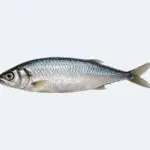
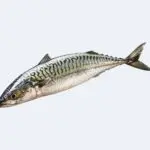
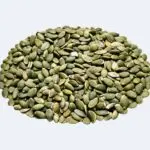
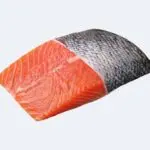
Chicken breast leads our USDA (US Department of Agriculture) ranking per serving, with 1.48 g of alanine in 4 oz. A chicken drumstick (1.46 g) and a can of sardines (1.37 g) come next. Per 100 g, hemp seeds come first with 1.53 g, then sardines and pumpkin seeds (1.49 g each).
Per 100 kcal, cod (1.31 g), tuna (1.29 g) and shrimp (1.18 g) lead. The ranking below has the full lists.
Alanine is in every protein, so enough protein means enough alanine. Meat, fish and seeds top the lists, as expected for protein-rich foods. Protein quality scores such as PDCAAS and DIAAS are built from the nine essential amino acids, and the WHO table of requirements covers only those. So the scores say nothing about alanine, which the body can make.
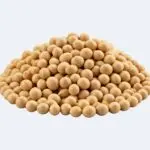
How much does a serving give? In US survey data from 1988 to 1994, the highest median intake of alanine in any group was 5.2 g a day. That was in men aged 19 to 30, the National Academies report. By our arithmetic, 4 oz of chicken breast (1.48 g) gives about 28% of that, and a cup of soybeans (1.35 g) about 26%.
Per serving. No daily amount is set, so bars compare each food with the top food.
Per 100 g. No daily amount is set, so bars compare each food with the top food.
Per 100 kcal: the same calories of each food, for a fair comparison. Bars compare each food with the top food.
Food labels have no Daily Value or Reference Intake for alanine, so the % compares each food with the top food.
- 1.

- 2.

- 3.
- 4.
- 5.
- 6.

- 7.

- 8.
- 9.
- 10.


- 1.
- 2.
- 3.
- 4.
- 5.
- 6.
- 7.
- 8.
- 9.
- 10.


- 1.

- 2.
- 3.
- 4.
- 5.

- 6.
- 7.

- 8.
- 9.
- 10.


Sources
- FoodData Central. US Department of Agriculture, Agricultural Research Service. Values as shown in the ranking above.
- Institute of Medicine, Food and Nutrition Board. Dietary Reference Intakes for energy, carbohydrate, fiber, fat, fatty acids, cholesterol, protein, and amino acids. National Academies Press. 2005.
- Protein and amino acid requirements in human nutrition: report of a joint WHO/FAO/UNU expert consultation. WHO Technical Report Series 935. World Health Organization. 2007.
How alanine works
Most of what follows comes from physiology studies in small groups of people and from reviews. Trials of alanine as a nutrient are few.
These ideas cover most of it. The body makes alanine from pyruvate, and muscle sends it to the liver to make glucose. It crosses the gut and kidney on shared carriers, and its name is shared by two other things that are not the same. Here is each one, and what has been seen in people.
The body makes it from pyruvate
Forearm muscle releases a lot of alanine compared with other amino acids. That suggested it is made new from pyruvate by transamination, the moving of an amino group. A 1972 study tested this in six people by infusing pyruvate into an arm artery.
Muscle took up 72% of the pyruvate, and the output of alanine and lactate rose. Alanine accounted for 6.7% of the pyruvate at the low infusion rate and 3.8% at the high rate.
The authors conclude that both muscle and adipose tissue plus skin make alanine from pyruvate. Pyruvate, by accepting nitrogen, may also help muscle burn the branched-chain amino acids, whose release fell at the high dose.
Muscle sends it to the liver to make glucose
The 1970 study found that alanine was the main amino acid released by human forearm muscle. That fits with it being the main amino acid the liver extracts for making glucose. This held after an overnight fast and after 4 to 6 weeks of starvation, when total amino acid release is much lower.
A 1995 tracer study in 11 fasted volunteers found that 40.9% of the carbon in blood alanine came from blood glucose. Skeletal muscle accounted for 50.2% of the alanine appearing in the blood. Together this is the glucose-alanine cycle.
A 2019 study suggests the cycle also matters for the liver’s energy use. After a 60-hour fast, alanine turnover and the liver’s mitochondrial oxidation both fell. Infusing alanine into a subgroup of fasted people raised the oxidation.
The glucose-alanine cycle in four steps. Not to scale.
Share of the carbon in blood alanine, lactate and glutamine that came from blood glucose. Drawn to scale. Eleven volunteers after an overnight fast.
It crosses the gut and kidney on shared carriers
Alanine is a neutral amino acid, and neutral amino acids share transporters. A 2008 review says that with very few exceptions, each amino acid is carried by more than one transporter, which gives backup if one fails.
The transporter B0AT1 (SLC6A19), found in the kidney and intestine, is involved in taking up all neutral amino acids. Mutations in it cause Hartnup disorder, according to a 2006 review. We found no study of how fast alanine from a supplement reaches the blood compared with alanine from food.
Not to be confused with beta-alanine or ALT
Carnosine, a dipeptide in muscle, is made from L-histidine and beta-alanine. Beta-alanine is the rate-limiting precursor, the building block that sets the pace, according to a 2010 review. Muscle carnosine can be raised by up to 80% by taking beta-alanine for weeks.
A 2012 review notes that in vegetarians, muscle carnosine is limited by the liver’s own production of beta-alanine. In omnivores it is topped up by the breakdown of carnosine and similar dipeptides in food.
The blood test ALT measures alanine transaminase, an enzyme found mainly in the liver. High levels may be a sign of liver injury or disease, according to MedlinePlus. Neither carnosine nor ALT has anything to do with how much L-alanine you eat.
Three different things called alanine. Not to scale.
What has been seen in people
The physiology is well described in small human studies, but the practical evidence is thin. Alanine given by mouth or vein raised glucose in people with type 1 diabetes. An alanine infusion brought back a glucagon response to low blood sugar.
Adding alanine to rehydration solutions cut stool output in two trials and made no clear difference in two others. We found no trial showing that L-alanine pills help healthy people, and one cycling trial found possible harm.
Genetic and cohort studies link higher blood alanine with diabetes, which says nothing about food or pills. All of these are among the study cards above.
Sources
- Felig P, Pozefsky T, Marliss E, Cahill GF Jr. Alanine: key role in gluconeogenesis. Science. 1970.
- Pozefsky T, Tancredi RG. Effects of intrabrachial arterial infusion of pyruvate on forearm tissue metabolism. Interrelationships between pyruvate, lactate, and alanine. J Clin Invest. 1972.
- Perriello G, Jorde R, Nurjhan N, et al. Estimation of glucose-alanine-lactate-glutamine cycles in postabsorptive humans: role of skeletal muscle. Am J Physiol. 1995.
- Petersen KF, Dufour S, Cline GW, Shulman GI. Regulation of hepatic mitochondrial oxidation by glucose-alanine cycling during starvation in humans. J Clin Invest. 2019.
- Bröer S. Amino acid transport across mammalian intestinal and renal epithelia. Physiol Rev. 2008.
- Bröer A, Cavanaugh JA, Rasko JE, Bröer S. The molecular basis of neutral aminoacidurias. Pflugers Arch. 2006.
- Derave W, Everaert I, Beeckman S, Baguet A. Muscle carnosine metabolism and beta-alanine supplementation in relation to exercise and training. Sports Med. 2010.
- Harris RC, Wise JA, Price KA, Kim HJ, Kim CK, Sale C. Determinants of muscle carnosine content. Amino Acids. 2012.
- ALT blood test. MedlinePlus Medical Test, National Library of Medicine. Updated November 5, 2024.
- Wiethop BV, Cryer PE. Glycemic actions of alanine and terbutaline in IDDM. Diabetes Care. 1993.
- Wiethop BV, Cryer PE. Alanine and terbutaline in treatment of hypoglycemia in IDDM. Diabetes Care. 1993.
- Porcellati F, Pampanelli S, Rossetti P, et al. Effect of the amino acid alanine on glucagon secretion in non-diabetic and type 1 diabetic subjects during hyperinsulinaemic euglycaemia, hypoglycaemia and post-hypoglycaemic hyperglycaemia. Diabetologia. 2007.
- Patra FC, Sack DA, Islam A, Alam AN, Mazumder RN. Oral rehydration formula containing alanine and glucose for treatment of diarrhoea: a controlled trial. BMJ. 1989.
- Sarker SA, Majid N, Mahalanabis D. Alanine- and glucose-based hypo-osmolar oral rehydration solution in infants with persistent diarrhoea: a controlled trial. Acta Paediatr. 1995.
- Sazawal S, Bhatnagar S, Bhan MK, et al. Alanine-based oral rehydration solution: assessment of efficacy in acute noncholera diarrhea among children. J Pediatr Gastroenterol Nutr. 1991.
- Ribeiro Júnior HC, Lifshitz F. Alanine-based oral rehydration therapy for infants with acute diarrhea. J Pediatr. 1991.
- Schroer AB, Saunders MJ, Baur DA, Womack CJ, Luden ND. Cycling time trial performance may be impaired by whey protein and L-alanine intake during prolonged exercise. Int J Sport Nutr Exerc Metab. 2014.
- Morze J, Wittenbecher C, Schwingshackl L, et al. Metabolomics and type 2 diabetes risk: an updated systematic review and meta-analysis of prospective cohort studies. Diabetes Care. 2022.
- Huang X, Zhao JV. The associations of genetically predicted plasma alanine with coronary artery disease and its risk factors: a Mendelian randomization study. Am J Clin Nutr. 2023.
How much alanine do you need?
No daily amount of alanine is set, because the body makes it. The National Academies set estimated average requirements and recommended allowances for the nine indispensable amino acids only. The WHO table of adult amino acid requirements also covers only those. The site has no Daily Value for alanine, because neither the FDA nor the EU has set one.
What people actually eat is on record. In US survey data from 1988 to 1994, the highest median intake in any group was 5.2 g a day. That was in men aged 19 to 30.
The highest 99th percentile was 8.5 g a day (men aged 51 to 70), according to the National Academies. We found no values for children, pregnancy or breastfeeding, because no requirement exists for alanine.
What matters is enough protein overall. The WHO sets a safe protein intake of 0.83 g per kg of body weight a day for healthy adults. That is about 58 g for a 70 kg adult, by our arithmetic. The WHO also says the body’s rate of making dispensable amino acids appears to depend on total nitrogen intake.
The National Academies add that with enough total nitrogen, the dispensable amino acids in food protein meet nitrogen and specific amino acid needs. For newborns they note a suggestion that only alanine, aspartate, glutamate, serine and probably asparagine are truly dispensable in the diet.
Alanine deficiency: signs and who is at risk
We found no report of alanine deficiency from diet alone in healthy people, and no sign or test that doctors use for it. Blood alanine does change in some illnesses, which is not the same thing as a dietary shortfall.
In a 1972 study of eight children with ketotic hypoglycemia, fasting blood alanine was lower than in seven controls (211 against 315 µM). That paper calls the condition the commonest form of low blood sugar in childhood. An alanine infusion restored the children’s glucose.
Plasma alanine is generally low in preterm infants, according to a 2003 trial, but extra alanine did not raise their glucose production. In 10 patients with falciparum malaria, alanine was cleared more slowly in proportion to the severity of illness. Each of these is about how the body handles alanine in illness, not about eating too little of it.
Sources
- Protein and amino acid requirements in human nutrition: report of a joint WHO/FAO/UNU expert consultation. WHO Technical Report Series 935. World Health Organization. 2007.
- Institute of Medicine, Food and Nutrition Board. Dietary Reference Intakes for energy, carbohydrate, fiber, fat, fatty acids, cholesterol, protein, and amino acids. National Academies Press. 2005.
- Pagliara AS, Kari IE, De Vivo DC, Feigin RD, Kipnis DM. Hypoalaninemia: a concomitant of ketotic hypoglycemia. J Clin Invest. 1972.
- van Kempen AA, Romijn JA, Ruiter AF, et al. Alanine administration does not stimulate gluconeogenesis in preterm infants. Metabolism. 2003.
- Pukrittayakamee S, Krishna S, Ter Kuile F, et al. Alanine metabolism in acute falciparum malaria. Trop Med Int Health. 2002.
Forms of alanine: absorption and effects
Alanine reaches people in several ways. It comes bound in food protein, as free L-alanine in powder or capsules, added to oral rehydration solutions, and as the dipeptide alanyl-glutamine. There is also the mirror-image D-alanine and, under a similar name, beta-alanine and carnosine.
Unlike minerals, there is no list of forms with known absorption rates. We found no human study comparing free L-alanine with alanine from food protein.
The honest bottom line: for L-alanine, the form is not the question, because no trial shows that extra alanine helps healthy people. Trials with a supplement exist only for rehydration solutions and for type 1 diabetes, at doses of 20 to 40 g by mouth.
We found no trial of L-alanine for muscle growth, fat loss or liver health, and the one cycling trial suggests it may impair performance. Most of the sports supplement research under the name “alanine” is on beta-alanine. That is a different compound, with its own section below.
| Form | What it is | What studies show | Source |
|---|---|---|---|
| Free L-alanine (powder, capsules) | The single amino acid, not bound in protein | Tested in type 1 diabetes at 20 and 40 g by mouth; 40 g raised glucose slowly in hypoglycemia, and 40 g with 10 g of glucose at bedtime cut night-time lows. In eight cyclists it possibly harmed a time trial. We found no trial in healthy people showing a benefit. | 2, 3, 4, 9 |
| L-alanine in oral rehydration solution | A mixture of alanine, glucose and salts | Two trials found less stool output than with the standard solution (97 men with cholera or E. coli, and 55 children with persistent diarrhea; the second used a lower osmolality as well). Two found no significant difference (129 boys at 90 mmol/L, and 20 infants at 30 mmol/L). | 5, 6, 7, 8 |
| Alanine in food protein | Bound in protein; in every protein food | Highest median intake in a US group was 5.2 g a day. We found no study comparing absorption of food-bound and free alanine. | 1 |
| L-alanyl-L-glutamine | A dipeptide of alanine and glutamine, added to an electrolyte drink | In 12 male endurance athletes, 300 mg or 1 g per 500 mL added to a sports drink may have maintained or improved reaction time compared with no hydration after a run to exhaustion, but not compared with the electrolyte drink alone. Glutamine is part of this dipeptide, so the result is not credited to alanine, and the trial was small. | 10 |
| D-alanine | The mirror-image form of alanine; not the form in food proteins | In 32 people with schizophrenia, 100 mg per kg a day added to their antipsychotic for 6 weeks improved symptom scores and was well tolerated. This is an experimental use, not a nutrient supplement. | 11 |
| Beta-alanine | A different compound; a precursor of carnosine | 4 to 6 g a day for 4 weeks raised muscle carnosine; trials used 3.2 to 6.4 g a day. Tingling (paresthesia) is the side effect. See the section below. | 14, 15, 16, 18 |
| Carnosine | A dipeptide of beta-alanine and histidine | An equal molar amount of carnosine raised muscle carnosine as much as beta-alanine did, according to a review. | 12, 13 |
Two cautions on the table. The alanyl-glutamine trial used magnitude-based inference in 12 runners, and the D-alanine trial was a six-week trial in schizophrenia. Neither says anything about alanine as a nutrient.
The rehydration solutions were variants of the standard WHO formula with alanine added and, in some, the glucose or osmolality changed. So in the two positive trials, the effect may come from the alanine, the changed formula or both.
Beta-alanine: a different compound
Beta-alanine is not built into proteins. Muscle joins it with histidine to make carnosine, and beta-alanine is the rate-limiting precursor, according to a 2010 review.
The International Society of Sports Nutrition (ISSN) position stand says four weeks of 4 to 6 g a day clearly raises muscle carnosine. The only reported side effect is paresthesia (tingling), and divided doses of 1.6 g or a sustained-release form can reduce it. Some authors of that position stand list supplement-company affiliations.
The EU has not authorized a claim. In 2016 the Commission refused the claim “Beta-alanine increases performance during short-duration high intensity exercise”. EFSA had concluded that a cause and effect relationship had not been established.
Everything in the seven cards below is about beta-alanine, not L-alanine. We found no health trial in which beta-alanine and L-alanine were compared, and no evidence that L-alanine raises muscle carnosine.
All 7 studies, strongest evidence first
In 40 studies, beta-alanine slightly improved exercise capacity and performance
This meta-analysis of double-blind, placebo-controlled trials in 1,461 healthy people found an overall effect size of 0.18, a small effect. Exercise duration changed the effect. Within efforts of 0.5 to 10 minutes, the gain was clear for exercise capacity (0.4998) but not for performance (0.1078). Beta-alanine plus sodium bicarbonate gave the largest effect (0.43), and this is beta-alanine, not L-alanine.
Tingling (paresthesia) was the only side effect of beta-alanine
This systematic risk assessment and meta-analysis covered 101 human and 50 animal studies of oral beta-alanine. The odds of tingling were 8.9 times those on placebo, yet people taking beta-alanine dropped out as often as those on placebo. Beta-alanine caused a small rise in blood alanine aminotransferase (effect size 0.274), although mean values stayed well within clinical reference ranges. In humans it did not change muscle taurine or histidine, and the authors conclude the research doses do not adversely affect those taking it.
Beta-alanine did not change body weight, fat mass or fat-free mass
This meta-analysis pooled 20 randomized trials with 492 people. Fat mass changed by -0.24 kg and fat-free mass by 0.05 kg, changes that could be chance. Results were similar below and above 6 g a day, in shorter and longer trials, and with or without exercise training. Certainty ranged from low to moderate. One author reports industry-sponsored research on nutraceuticals and paid talks on supplements such as beta-alanine.
Slow-release beta-alanine tablets gave a lower peak and placebo-level tingling
This single-blinded, randomized three-arm trial ran after an overnight fast. 11 healthy adults took 1.6 g of beta-alanine in slow-release tablets, the same 1.6 g in solution, or a placebo. The peak blood level was 82 against 248 µmol/L with the solution. The solution caused a quickly felt “pins and needles” on the arms and trunk, within about 15 minutes. Retention was 98.9% with tablets and 96.3% with solution, and the first author works at Nestlé Research Center.
24 weeks of beta-alanine raised muscle carnosine and high-intensity cycling capacity
In this placebo-controlled trial, 25 active men took 6.4 g a day of sustained-release beta-alanine, with a muscle biopsy every 4 weeks. Carnosine rose from baseline at every point: by 11.37 mmol/kg of dry muscle at week 4 and 20.15 at week 24. It did not rise at all in the placebo group. People differed a lot (maximal rise 25.66, range 17.13 to 41.32). Exercise capacity improved, a borderline result.
In older adults, beta-alanine raised calf carnosine 85% and endurance time
This randomized trial ran for 12 weeks in 18 healthy adults aged 60 to 80. Of them, 12 took 3.2 g a day of sustained-release beta-alanine (two 800 mg tablets, twice a day) and 6 took placebo. Carnosine rose 85.4% against 7.2%. Time to exhaustion rose 36.5% against 8.6% in a constant-load test and 12.2% against 0.1% in an incremental test. It was a very small trial.
In COPD, beta-alanine raised muscle carnosine 54% but not cycling capacity
In this double-blind, randomized, placebo-controlled trial, 40 people with COPD took 3.2 g a day of beta-alanine for 12 weeks. Carnosine rose by 2.82 mmol/kg of wet muscle. Time to exhaustion in the constant-load test changed by 28 seconds, a gap that could be chance. Quadriceps function and muscle stress markers did not change, and no side effects were reported.
Sources
- Institute of Medicine, Food and Nutrition Board. Dietary Reference Intakes for energy, carbohydrate, fiber, fat, fatty acids, cholesterol, protein, and amino acids. National Academies Press. 2005.
- Wiethop BV, Cryer PE. Glycemic actions of alanine and terbutaline in IDDM. Diabetes Care. 1993.
- Wiethop BV, Cryer PE. Alanine and terbutaline in treatment of hypoglycemia in IDDM. Diabetes Care. 1993.
- Saleh TY, Cryer PE. Alanine and terbutaline in the prevention of nocturnal hypoglycemia in IDDM. Diabetes Care. 1997.
- Patra FC, Sack DA, Islam A, Alam AN, Mazumder RN. Oral rehydration formula containing alanine and glucose for treatment of diarrhoea: a controlled trial. BMJ. 1989.
- Sarker SA, Majid N, Mahalanabis D. Alanine- and glucose-based hypo-osmolar oral rehydration solution in infants with persistent diarrhoea: a controlled trial. Acta Paediatr. 1995.
- Sazawal S, Bhatnagar S, Bhan MK, et al. Alanine-based oral rehydration solution: assessment of efficacy in acute noncholera diarrhea among children. J Pediatr Gastroenterol Nutr. 1991.
- Ribeiro Júnior HC, Lifshitz F. Alanine-based oral rehydration therapy for infants with acute diarrhea. J Pediatr. 1991.
- Schroer AB, Saunders MJ, Baur DA, Womack CJ, Luden ND. Cycling time trial performance may be impaired by whey protein and L-alanine intake during prolonged exercise. Int J Sport Nutr Exerc Metab. 2014.
- Pruna GJ, Hoffman JR, McCormack WP, et al. Effect of acute L-alanyl-L-glutamine and electrolyte ingestion on cognitive function and reaction time following endurance exercise. Eur J Sport Sci. 2016.
- Tsai GE, Yang P, Chang YC, Chong MY. D-alanine added to antipsychotics for the treatment of schizophrenia. Biol Psychiatry. 2006.
- Derave W, Everaert I, Beeckman S, Baguet A. Muscle carnosine metabolism and beta-alanine supplementation in relation to exercise and training. Sports Med. 2010.
- Harris RC, Wise JA, Price KA, Kim HJ, Kim CK, Sale C. Determinants of muscle carnosine content. Amino Acids. 2012.
- Trexler ET, Smith-Ryan AE, Stout JR, et al. International society of sports nutrition position stand: beta-alanine. J Int Soc Sports Nutr. 2015.
- Saunders B, Elliott-Sale K, Artioli GG, et al. β-alanine supplementation to improve exercise capacity and performance: a systematic review and meta-analysis. Br J Sports Med. 2017.
- Dolan E, Swinton PA, Painelli VS, et al. A systematic risk assessment and meta-analysis on the use of oral β-alanine supplementation. Adv Nutr. 2019.
- Ashtary-Larky D, Bagheri R, Ghanavati M, et al. Effects of beta-alanine supplementation on body composition: a GRADE-assessed systematic review and meta-analysis. J Int Soc Sports Nutr. 2022.
- Décombaz J, Beaumont M, Vuichoud J, Bouisset F, Stellingwerff T. Effect of slow-release β-alanine tablets on absorption kinetics and paresthesia. Amino Acids. 2012.
- Saunders B, Painelli VS, de Oliveira LF, et al. Twenty-four weeks of β-alanine supplementation on carnosine content, related genes, and exercise. Med Sci Sports Exerc. 2017.
- del Favero S, Roschel H, Solis MY, et al. Beta-alanine (Carnosyn™) supplementation in elderly subjects (60-80 years): effects on muscle carnosine content and physical capacity. Amino Acids. 2012.
- De Brandt J, Derave W, Vandenabeele F, et al. Efficacy of 12 weeks oral beta-alanine supplementation in patients with chronic obstructive pulmonary disease: a double-blind, randomized, placebo-controlled trial. J Cachexia Sarcopenia Muscle. 2022.
- European Commission. Commission Regulation (EU) 2016/371 of 15 March 2016 refusing to authorise certain health claims made on foods, other than those referring to the reduction of disease risk and to children’s development and health. 2016.
Is alanine safe? Supplements, dose and interactions
Alanine from food is not a concern for most people. The National Academies concluded that no tolerable upper intake levels (safe daily maximums) could be set for any of the amino acids. The highest 99th percentile of alanine intake in their survey data was 8.5 g a day.
We found no EFSA upper level for alanine; the 2012 EFSA protein opinion did not derive one for protein either. In the US, a food rule (21 CFR 172.320) lets L-alanine be added to foods as a nutrient to improve protein quality. The limit is 6.1% by weight of the total protein of the finished food, with an exemption for special dietary foods used under medical supervision.
- Doses in trials. The type 1 diabetes trials gave 20 or 40 g by mouth, in research settings with monitoring. The abstracts do not list side effects. The rehydration trials added 30 to 90 mmol/L to the solution. The infant trial saw no adverse effect and no change in serum amino acids.
- Blood sugar. Alanine raised blood glucose in people with type 1 diabetes (to 8.3 and 10.0 mM at 20 and 40 g). So it is not a casual supplement for people who use insulin. A genetic study links higher blood alanine with diabetes (odds ratio 1.35), which does not show that food or pills do the same.
- Beta-alanine. Paresthesia (tingling) was the only side effect in a review of 101 human and 50 animal studies, with an odds ratio of 8.9 against placebo. Dropout was the same as on placebo. It slightly raised the liver enzyme ALT, still within reference ranges. In an 11-person trial, 1.6 g in slow-release tablets caused tingling no different from placebo.
- Drug interactions. We found no reported interaction between L-alanine or beta-alanine and medicines.
- Who should ask a doctor. Anyone who is pregnant or breastfeeding, has diabetes treated with insulin, kidney or liver disease, or an inherited metabolic disorder. We found no trial of L-alanine supplements in pregnancy or in kidney or liver disease.
How to get more alanine
- Best food. 4 oz of chicken breast gives 1.48 g of alanine, a can of sardines 1.37 g and a cup of soybeans 1.35 g. Per 100 g, hemp seeds lead with 1.53 g.
- Eat enough protein from varied foods. The WHO safe protein intake is 0.83 g per kg of body weight a day, and the body makes the alanine it needs. The highest median intake in any US group was 5.2 g a day.
- Skip alanine pills. No trial shows a benefit of L-alanine pills for healthy people. If you want the sports supplement, that is beta-alanine, with its own trials and tingling side effect.
Sources
- Institute of Medicine, Food and Nutrition Board. Dietary Reference Intakes for energy, carbohydrate, fiber, fat, fatty acids, cholesterol, protein, and amino acids. National Academies Press. 2005.
- 21 CFR 172.320: Amino acids. US Code of Federal Regulations, Food and Drug Administration.
- EFSA Panel on Dietetic Products, Nutrition and Allergies (NDA). Scientific opinion on dietary reference values for protein. EFSA J. 2012.
- Wiethop BV, Cryer PE. Glycemic actions of alanine and terbutaline in IDDM. Diabetes Care. 1993.
- Ribeiro Júnior HC, Lifshitz F. Alanine-based oral rehydration therapy for infants with acute diarrhea. J Pediatr. 1991.
- Huang X, Zhao JV. The associations of genetically predicted plasma alanine with coronary artery disease and its risk factors: a Mendelian randomization study. Am J Clin Nutr. 2023.
- Dolan E, Swinton PA, Painelli VS, et al. A systematic risk assessment and meta-analysis on the use of oral β-alanine supplementation. Adv Nutr. 2019.
- Décombaz J, Beaumont M, Vuichoud J, Bouisset F, Stellingwerff T. Effect of slow-release β-alanine tablets on absorption kinetics and paresthesia. Amino Acids. 2012.
- Trexler ET, Smith-Ryan AE, Stout JR, et al. International society of sports nutrition position stand: beta-alanine. J Int Soc Sports Nutr. 2015.
- Protein and amino acid requirements in human nutrition: report of a joint WHO/FAO/UNU expert consultation. WHO Technical Report Series 935. World Health Organization. 2007.
- FoodData Central. US Department of Agriculture, Agricultural Research Service. Values as shown in the ranking above.
- ALT blood test. MedlinePlus Medical Test, National Library of Medicine. Updated November 5, 2024.
History of alanine
The first synthesis of alanine was reported in 1850. The German chemist Adolph Strecker described a reaction that gives alanine from acetaldehyde, ammonia and hydrogen cyanide, and the reaction still carries his name. The name “alanine” refers to aldehyde, with an “-an-” added for ease of pronunciation.
Its role in the body came into focus 120 years later. In 1970 Felig and colleagues reported in Science that alanine is the main amino acid released by human forearm muscle. A 1973 review by Felig carries the name of the loop in its title, “The glucose-alanine cycle”. In 1993 and 1997, a research group at Washington University in St. Louis tested alanine against low blood sugar in people with type 1 diabetes.
Beta-alanine became a sports supplement later. The ISSN published its position stand in 2015. In March 2016 the European Commission refused to authorize the claim that beta-alanine increases performance during short-duration, high-intensity exercise.
Sources
- Yamabe S, Zeng G, Guan W, Sakaki S. Proton transfers in the Strecker reaction revealed by DFT calculations. Beilstein J Org Chem. 2014.
- Alanine. Wikipedia.
- Felig P, Pozefsky T, Marliss E, Cahill GF Jr. Alanine: key role in gluconeogenesis. Science. 1970.
- Felig P. The glucose-alanine cycle. Metabolism. 1973.
- Wiethop BV, Cryer PE. Glycemic actions of alanine and terbutaline in IDDM. Diabetes Care. 1993.
- Saleh TY, Cryer PE. Alanine and terbutaline in the prevention of nocturnal hypoglycemia in IDDM. Diabetes Care. 1997.
- Trexler ET, Smith-Ryan AE, Stout JR, et al. International society of sports nutrition position stand: beta-alanine. J Int Soc Sports Nutr. 2015.
- European Commission. Commission Regulation (EU) 2016/371 of 15 March 2016 refusing to authorise certain health claims made on foods, other than those referring to the reduction of disease risk and to children’s development and health. 2016.
Frequently asked questions about alanine
Is alanine an essential amino acid?
No. Alanine is non-essential, or dispensable, because the body makes it from pyruvate. NASEM, the WHO/FAO/UNU report and EFSA all list it as dispensable. Healthy adults who eat enough protein get enough. The highest median intake in any US group was 5.2 g a day, and no daily amount is set. Beta-alanine, the sports supplement, is a different compound.
What is the difference between alanine and beta-alanine?
L-alanine is a protein building block that the body makes itself. Beta-alanine is not built into proteins. Muscle joins it with histidine to make carnosine, and it is the limiting precursor, the building block that limits how fast carnosine can be made. The sports trials all use beta-alanine, at 3.2 to 6.4 g a day, with tingling as the side effect. We found no evidence that L-alanine raises muscle carnosine.
What does a high ALT mean?
ALT is alanine transaminase, an enzyme found mainly in the liver. High levels may be a sign of liver injury or disease, such as hepatitis, infection or certain medicines. But they do not always mean a condition that needs treatment, according to MedlinePlus. The test measures the enzyme, not alanine from food. Ask a doctor about a high result, and note that a review found beta-alanine slightly raised ALT, still within reference ranges.
Which foods are highest in alanine?
Per serving in our USDA ranking, chicken breast leads with 1.48 g in 4 oz. Then come a chicken drumstick (1.46 g), a can of sardines (1.37 g) and a cup of soybeans (1.35 g). Per 100 g, hemp seeds lead with 1.53 g, then sardines and pumpkin seeds (1.49 g each). All protein foods contain it.
How much alanine do you need per day?
There is no official amount, because the body makes alanine. The WHO and the National Academies set requirements for the nine indispensable amino acids only. Neither the FDA nor the EU has a Daily Value. In US survey data the highest median intake in any group was 5.2 g a day. The WHO safe protein intake is 0.83 g per kg of body weight a day.
How much beta-alanine per day?
The ISSN position stand says 4 to 6 g a day for at least 2 to 4 weeks improved exercise performance. It worked most clearly in efforts of 1 to 4 minutes. Trials used 3.2 g for 12 weeks and 6.4 g for 24 weeks. A meta-analysis of 40 studies found a small overall effect (0.18). Tingling is common, and divided doses of 1.6 g or a sustained-release form reduce it.
Can alanine treat low blood sugar?
In small research studies in type 1 diabetes, 40 g of alanine by mouth raised glucose slowly and kept it up. Glucose 10 and 20 g raised it quickly but briefly. At bedtime, 40 g with 10 g of glucose cut night-time lows in 15 patients. These were supervised trials, not a treatment plan, and people who use insulin should follow their care team’s advice.
Is alanine safe as a supplement?
Alanine from food is safe for most people. The National Academies set no upper limit for any amino acid because data are lacking. In trials, L-alanine was given at 20 to 40 g by mouth in supervised studies. The abstracts of the diabetes trials list no side effects. Nobody has tested it long term in healthy people. Ask a doctor first if you are pregnant, use insulin, or have kidney or liver disease.