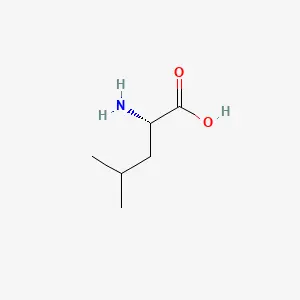
Leucine is one of the nine essential amino acids. These are building blocks of protein that the body cannot make, so they have to come from food. The WHO (World Health Organization), the FAO (the UN food agency) and the United Nations University list it as indispensable (essential) in their 2007 report. So do the US National Academies, in 2005.
According to the WHO, it is the most abundant amino acid in body and food proteins. The “L-” in L-leucine marks the form that proteins are built from, and it is the form found in food.
Many amino acids are raw material for other molecules. For leucine, though, the WHO says specific demands for non-protein functions have not been identified. Its other main job is as a signal.
Cells sense leucine with proteins such as Sestrin2, and the signal switches on mTORC1, a master controller of growth and protein building. That is why leucine became a muscle supplement. Muscle also burns it for energy.
Most readers do not know how much they already eat. In US surveys from 1988 to 1994, average intake was 6.1 g a day from food and supplements. The WHO’s average requirement is about 2.7 g for a 70 kg adult (our arithmetic).
The requirement itself has changed. The 1985 WHO report put it at 14 mg per kg of body weight a day. The 2007 report put it at 39 mg, nearly three times higher. The change came after reviewers found the older values too low.
Health benefits of leucine
The top findings from 28 studies, strongest evidence first
What the stars mean
- Strong. Several randomized trials, pooled in a meta-analysis, point the same way, or regulators (FDA or EFSA) have approved the claim.
- Moderate. Good randomized trials support it, but there are fewer of them, or their results vary.
- Limited. Small, short or single trials, or mixed results. Promising, but it needs confirmation.
Population and lab studies get no stars: they show a link or a mechanism, not proof.
How we rate evidence →- ★★★Leucine alone did not change muscle or strengthIn 17 trials in older adults, leucine alone shifted lean mass 0.03 kg and handgrip strength 1.23 kg, but both ranges included no change. In older men with type 2 diabetes, leucine at meals also changed nothing in muscle, strength or blood sugar.
- ★★Leucine-rich protein: more lean mass, no strength gainIn 16 studies of older adults, lean body mass rose 0.99 kg more than in controls. Handgrip and knee extension strength did not change.
- ★★Less soreness with BCAA blends in most trialsBCAA blends (leucine, isoleucine and valine) eased soreness 24 to 72 hours after damaging exercise in 7 of 10 trials in healthy people. It is unclear if they work in untrained people or at higher doses.
- ★★BCAAs may ease liver complications in cirrhosisIn 18 trials, BCAA blends cut hepatic encephalopathy, brain trouble from liver failure, to 0.79 times the risk (low certainty); survival did not clearly change. In 646 people with advanced cirrhosis, 12 g a day of oral BCAAs cut serious events to 0.67 times the risk, compared with diet therapy.
- ★★HMB added muscle in older adults onlyHMB supplements, a substance the body makes from leucine, went with more muscle mass in adults 65 and older (7 trials). In young adults doing resistance training, they added no fat-free mass or strength.
All 23 studies, strongest evidence first
In older adults, leucine alone did not change lean mass or strength
This meta-analysis pooled 17 randomized trials (chance decided who got what) with 1,418 people. Leucine alone changed total lean mass by 0.03 kg and handgrip strength by 1.23 kg, and both ranges included no change. Leg press strength did not change either. Products that combined leucine with vitamin D did improve handgrip strength (2.17 kg) and gait speed (0.03 m/s). So that gain cannot be credited to leucine alone.
Leucine-rich protein added about 1 kg of lean mass, but no strength
This systematic review and meta-analysis pooled 16 randomized or crossover studies with 999 older adults. Lean body mass rose 0.99 kg more than in controls, and body weight 1.02 kg more. The gains were larger in people with sarcopenia (age-related muscle loss), while handgrip and knee extension strength did not change. The authors point to differences between the trials in people, length and supplement.
BCAAs eased muscle soreness after hard exercise in 7 of 10 trials
This systematic review covered 10 randomized trials, 9 of them pooled. They tested blends of leucine, isoleucine and valine (BCAAs) taken around a single session of damaging exercise in healthy people. In most trials, soreness was lower 24 to 72 hours later. Doses up to 255 mg per kg a day, or use in trained people with mild to moderate muscle damage, went with less soreness. The authors could not say whether it works in untrained people or at higher doses. The trials differed too much in training status, dose, timing and severity of damage.
In cirrhosis, BCAAs reduced hepatic encephalopathy but did not clearly change survival
This Cochrane review, updated in January 2026, pooled 18 trials in 934 adults with cirrhosis, a scarred liver. (Cochrane is a group known for careful reviews of trials.) It compared BCAA blends with diets, placebo (dummy treatment), lactulose or neomycin. Ten trials gave the BCAAs by mouth and 8 by vein. Hepatic encephalopathy, brain trouble caused by a failing liver, fell to 0.79 times the risk, with low certainty. For death the figure was 0.89 times the risk, with very low certainty. Nausea and diarrhea affected 12% on BCAAs and 3% on diets, but that evidence is very uncertain. Three trials were supported by for-profit organizations that supplied the products.
In decompensated cirrhosis, oral BCAAs cut serious events by about a third
This randomized trial at many centers included 646 people with decompensated cirrhosis, where the liver can no longer keep up. They took 12 g a day of an oral BCAA preparation, not leucine alone, for 2 years. The main outcome combined death, liver cancer, ruptured esophageal varices (burst veins in the gullet) and worsening liver failure. It struck at 0.67 times the risk of the comparison group, over a median follow-up of 445 days. Serum albumin, a blood protein, rose more in the BCAA group, and the general health perception score improved. The comparison group followed diet therapy with 1.0 to 1.4 g of protein per kg, not a placebo.
Leucine-rich whey with vitamin D added 0.17 kg of limb muscle
The 380 older adults with sarcopenia took one supplement holding whey protein, leucine and vitamin D, twice a day for 13 weeks. The control had the same calories (isocaloric), so no gain can be credited to leucine alone. Appendicular muscle mass, the muscle in the arms and legs, was 0.17 kg higher, and the range was wide. The chair-stand test was 1.01 seconds faster. Handgrip strength and the short physical performance battery score improved in both groups, with no difference between them.
Leucine-enriched protein for 24 weeks did not change lean mass or strength
The 107 older adults at risk of sarcopenia took a supplement with 3 g of leucine in 10 g of protein twice a day. Some took it alone and some with fish oil, against a control with the same energy (isoenergetic). Lean mass in the arms and legs, handgrip, knee strength, physical performance and muscle protein synthesis did not differ between the groups. The supplement was a protein product, so the result is for leucine-enriched protein, not free leucine.
In diabetes, leucine did not change muscle, strength or blood sugar
In this randomized trial, 60 older men with type 2 diabetes took 2.5 g of L-leucine or a placebo with each main meal. They averaged 71 years and already ate adequate protein, and the leucine came to 7.5 g a day. Lean tissue mass at 6 months was 62.0 kg on leucine and 62.2 kg on placebo. HbA1c, a measure of long-term blood sugar, was 7.1% and 7.2%. Body fat, muscle strength and muscle fiber type did not change either.
Older care-home residents walked faster on 6 g of leucine a day
In this 13-week placebo-controlled trial, 50 institutionalized adults aged 65 and over took 6 g of leucine or 6 g of lactose daily. Walking time improved, as did a lean mass index, and maximal expiratory force (how hard you can breathe out) rose. Cognitive function, daily functioning, nutrition scores and the inflammation markers IL-6 and TNF-alpha did not change. Two product developers at the company that supplied the leucine and placebo did the randomization. The authors say they never saw participants or results.
Older men gained no muscle or strength from 3 months of leucine
This randomized trial included 30 healthy men aged about 71. Fifteen took 2.5 g of leucine with each main meal (7.5 g a day), and 15 took a placebo. Muscle mass (measured by CT and DXA scans) and strength (one-repetition maximum, the heaviest weight lifted once) did not change in either group. Insulin sensitivity, HbA1c and blood lipids were unchanged as well. The authors conclude that leucine does not raise muscle mass or strength in healthy older men.
In trained men, extra leucine added no muscle or strength beyond training
In this randomized trial, 25 resistance-trained men trained their legs twice a week for 12 weeks. They took 2 × 5 g a day of free leucine (10 g, 12 men) or alanine as a placebo (13 men). Leg-press strength rose 19.0% on leucine and 21.0% on placebo, and muscle area rose 8.0% and 8.4%. The men already ate about 1.8 g of protein per kg a day, roughly double the RDA (the recommended daily amount).
Older adults on leucine lost less leg lean mass in bed rest
In this randomized trial, 20 healthy adults aged about 68 spent 7 days in bed, 10 per group. At each meal they got 0.06 g of leucine or alanine per kg, roughly 3 to 4 g. The leucine group lost 423 g of leg lean mass, against 1,035 g on alanine. Strength and endurance outcomes did not benefit, and markers of muscle signaling and breakdown did not differ. One author reports honoraria from dairy and beef industry groups.
In older men, leucine raised the 3-day rate of muscle building
In this crossover trial, 20 older men took placebo for 3 days and then 5 g of leucine with each meal for 3 days. They did this on a lower-protein diet (0.8 g per kg) and a higher-protein diet (1.2 g per kg). Muscle protein synthesis at rest was 1.57% a day on leucine against 1.48% on placebo. In the exercised leg it was 1.87% against 1.71%. The rise was the same on both protein intakes. This measures the rate of muscle building, not muscle size.
An ALS trial of BCAAs stopped early: more people died on it
This double-blind, placebo-controlled trial in 126 people with ALS gave L-leucine 12 g, L-isoleucine 6 g and L-valine 6 g a day. ALS is a serious disease of the nerves that control muscles. There were 24 deaths on the blend against 13 on placebo. The blend did not help on disability scales, and the data monitoring committee required the trial to stop. It tested a blend in people with a serious nerve disease, not leucine in healthy adults.
In nine people with Parkinson’s, oral leucine reversed levodopa’s benefit
The patients got levodopa through a drip. Doses of 100 mg per kg of leucine, isoleucine or phenylalanine, like a high-protein meal, reversed its effect without lowering its level in the blood. Glycine and lysine at the same dose did nothing. The authors link this to competition between large neutral amino acids and levodopa for transport into the brain. We found no trial of leucine supplements in people taking levodopa by mouth.
Above 500 mg per kg, leucine raised blood ammonia above normal
Graded doses from 50 to 1,250 mg per kg a day were tested in 29 short-term studies. In the five healthy young men, blood ammonia, blood leucine and urine leucine all rose above 500 mg per kg. The authors suggest 500 mg per kg, about 35 g a day, as a cautious upper level for short-term intake. A matching study in six older men (Rasmussen et al., 2016) reached a similar figure.
In three US cohorts, more leucine went with 13% higher diabetes risk
These cohorts, studies that follow groups of people over time, were the Nurses’ Health Study, Nurses’ Health Study II and the Health Professionals Follow-up Study. They recorded 16,097 new cases of type 2 diabetes over up to 32 years. The top fifth of leucine intake had 1.13 times the risk of type 2 diabetes of the bottom fifth. This was after adjusting for demographics and risk factors. Results were similar for isoleucine (1.13) and valine (1.11). A food study like this cannot separate leucine from the foods that carry it.
Older Danes with the most leucine kept lean mass over 6 years
Among 79 Danes over 65, those in the top fourth of leucine intake (7.1 g a day) kept their lean body mass. Lower intakes went with loss of lean mass, after adjusting for starting lean mass, sex, age, energy intake and activity. There was no link in people under 65 (368 people in the whole cohort). Lean mass was estimated by bioelectrical impedance, a weak current through the body, and the authors ask for a larger and more diverse sample.
In 40 Danish vegans, 70% met the leucine recommendation
The vegans kept a 3-day food record. Protein recommendations were met on all three days by 60%, while 18% did not meet them on any day. Lysine was the amino acid most often short (met every day by 50%), then the sulfur amino acids (67.5%), then leucine and valine (70%). The authors tie the shortfalls to eating from a limited number of protein sources in a day.
Genes that raise blood leucine went with higher type 2 diabetes risk
This genetic study used up to 47,877 people with type 2 diabetes and 267,694 controls. The odds of the disease were 1.85 times higher for each standard deviation (a standard step) of genetically raised leucine. The strongest variant sits near PPM1K, which activates the enzyme complex that breaks branched-chain amino acids down. The variants change how the body handles these amino acids, not how much people eat. The authors cannot exclude other effects of the genes.
In cells, leucine binds Sestrin2 and switches on mTORC1
Leucine, but not arginine, broke the link between Sestrin2 and GATOR2 by binding Sestrin2. It bound with a dissociation constant of 20 micromolar, the leucine level at which mTORC1, the cell growth controller, is half-maximally active. Cells whose Sestrin2 could not bind leucine did not switch mTORC1 on with leucine. This is cell work, not a test in people.
In cells, leucyl-tRNA synthetase senses leucine and signals mTORC1
Changing the parts of the enzyme that bind leucine made the mTORC1 pathway blind to amino acid levels. The enzyme binds the Rag GTPases in an amino acid-dependent way and acts as a GTPase-activating protein for them. This is cell work, and it describes a second sensor alongside Sestrin2.
Rats on a high-fat diet plus BCAAs stayed just as insulin resistant
The study first found a BCAA-related metabolite signature (a pattern of small molecules) in obese people compared with lean people, and it correlated with insulin resistance. In rats, BCAAs on top of a high-fat diet left them as insulin resistant as the high-fat diet alone. That held even though they ate less and gained less weight. Adding BCAAs to standard chow, or pair-feeding the high-fat diet, did not cause insulin resistance. Rapamycin, a drug that blocks mTOR, reversed it. The authors link BCAAs to insulin resistance only in the setting of a high-fat diet.
Foods high in leucine
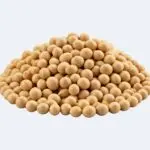
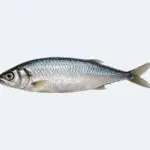
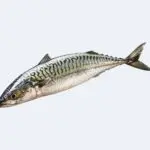
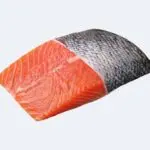
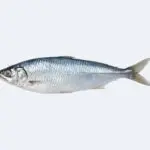
Leucine is in every protein food, so the richest sources are the foods richest in protein. In our USDA ranking per serving, soybeans lead with 2.33 g in 1 cup. Chicken breast follows (2.1 g in 4 oz), then a chicken drumstick (2 g) and a can of sardines (1.84 g).
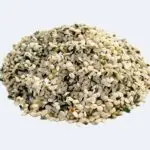
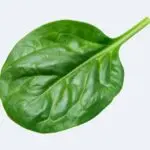
Per 100 g, pumpkin seeds (2.42 g) and hemp seeds (2.16 g) top the list, then sardines (2 g). Per 100 kcal, cod (1.76 g), tuna (1.74 g), shrimp (1.64 g) and chicken breast (1.55 g) lead, and spinach reaches 0.97 g. The ranking below shows the full lists.
Animal and plant proteins differ less in leucine than you might expect. In a lab analysis of protein isolates, leucine made up 9.0% of milk protein, 7.0% of egg protein and 7.6% of human muscle protein. Plant isolates ranged from 5.1% for hemp to 13.5% for corn.
For plant eaters, the amino acids that run short are usually others. In a 3-day food record of 40 Danish vegans, lysine was most often short, then the sulfur amino acids, then leucine and valine. The lab analysis authors note that blends of plant isolates, or of animal and plant proteins, can come close to animal protein.
Our arithmetic for realistic servings: the WHO’s average requirement for a 70 kg adult is 2.73 g a day (39 mg × 70). One cup of soybeans covers about 85% of that, 4 oz of chicken breast about 77% and a can of sardines about 67%. One large egg (0.54 g, on our eggs page) gives about 20%. Average US intake in surveys, 6.1 g a day, is above that requirement.
Per serving. No daily amount is set, so bars compare each food with the top food.
Per 100 g. No daily amount is set, so bars compare each food with the top food.
Per 100 kcal: the same calories of each food, for a fair comparison. Bars compare each food with the top food.
Food labels have no Daily Value or Reference Intake for leucine, so the % compares each food with the top food.
- 1.
- 2.

- 3.

- 4.
- 5.
- 6.

- 7.
- 8.

- 9.
- 10.


- 1.
- 2.
- 3.
- 4.
- 5.
- 6.
- 7.
- 8.
- 9.
- 10.


- 1.

- 2.
- 3.
- 4.
- 5.
- 6.

- 7.
- 8.
- 9.
- 10.


Sources
- FoodData Central. US Department of Agriculture, Agricultural Research Service. Values as shown in the ranking above.
- Gorissen SHM, Crombag JJR, Senden JMG, et al. Protein content and amino acid composition of commercially available plant-based protein isolates. Amino Acids. 2018.
- WHO/FAO/UNU Expert Consultation. Protein and amino acid requirements in human nutrition. WHO Technical Report Series 935. World Health Organization. 2007.
- Aaslyng MD, Dam AB, Petersen IL, Christoffersen T. Protein content and amino acid composition in the diet of Danish vegans: a cross-sectional study. BMC Nutr. 2023.
- Institute of Medicine, Food and Nutrition Board. Dietary Reference Intakes for energy, carbohydrate, fiber, fat, fatty acids, cholesterol, protein, and amino acids. National Academies Press. 2005.
How leucine works
Most of the biochemistry below is well established. The details of the signal come from cell experiments, and the study cards above test what extra leucine does in people.
Three ideas cover most of it: leucine is built into protein, it works as a growth signal, and muscle burns it for energy. It also shares carriers with other amino acids. Here is each one, and what has been seen in people.
Three jobs of leucine in the body. Not to scale.
It is built into protein
Most leucine in the body sits inside proteins. The WHO calls it the most abundant amino acid in tissue and food proteins. The US National Academies list it with isoleucine and valine as the three branched-chain amino acids.
The body recycles most of the amino acids released when old proteins break down. So the part that has to come from food replaces what is burned or lost, which for leucine is mostly oxidation (burning for energy).
It acts as a growth signal
Cells sense leucine with at least two proteins. In cell experiments, leucine binds Sestrin2, which lets go of GATOR2 and so lifts a brake on mTORC1. Sestrin2 binds leucine at the same level at which mTORC1 is half-maximally active.
A second sensor, leucyl-tRNA synthetase, binds the Rag proteins and passes the leucine signal on. In turn, mTORC1 controls protein building, cell size and autophagy, the cell’s own recycling.
This is the reason leucine is tested for muscle. In 2012, EFSA wrote that leucine acts as a signal for muscle protein synthesis in vitro (in lab dishes). It added that animal results are less consistent and that human data on leucine alone are limited. In older men, 5 g of leucine with each meal raised the 3-day rate of muscle protein synthesis. But that is a rate, not a gain in muscle.
How cells sense leucine, from cell experiments. Not to scale.
Muscle burns it for energy
Leucine is broken down mostly outside the liver. In muscle an enzyme called BCAT turns it into a keto acid (KIC), and the BCKD enzyme complex then oxidizes, or burns, that. The National Academies note that the three branched-chain amino acids together yield products that can make glucose or ketones.
The body can only burn leucine so fast. In short studies, oxidation levelled off at about 430 to 550 mg per kg a day. Blood ammonia rose above normal beyond about 500 to 550 mg per kg.
How leucine is broken down, simplified. Not to scale.
It shares carriers with other amino acids
Branched-chain amino acids share carriers with the aromatic amino acids, notably at the blood-brain barrier, and they compete for transport. When blood leucine and its relatives rise, less tryptophan and tyrosine get into the brain. According to a review by Fernstrom, that can lower the making of serotonin and catecholamines (brain messengers).
The same review notes that, as of 2005, no study had tried to find the intake of BCAAs that harms the brain. Levodopa, the Parkinson’s drug, uses a similar route. In nine patients, an oral dose of leucine reversed its effect.
What has been seen in people
Trial doses are roughly two to four times the average requirement for a 70 kg adult (our arithmetic). The chart puts them on one scale.
Leucine per day in grams, drawn to scale. Green bars are an official requirement or amounts eaten in US surveys, orange bars are supplement doses in trials, and red is a limit suggested from short studies in a few men.
The clearest finding is about the signal, not the outcome. Leucine at meals raises muscle protein synthesis in older men. Yet 7.5 g a day for 3 to 6 months added no muscle in older men. In trained young men, 10 g a day added none.
A meta-analysis of 17 trials found no gain in lean mass or grip strength from leucine alone. Gains appear with blends: leucine with whey and vitamin D in people with sarcopenia, and BCAAs in liver disease. Some smaller trials found gains in walking time or lean mass index, such as 6 g a day in institutionalized adults. All of these are among the study cards above.
Sources
- WHO/FAO/UNU Expert Consultation. Protein and amino acid requirements in human nutrition. WHO Technical Report Series 935. World Health Organization. 2007.
- Institute of Medicine, Food and Nutrition Board. Dietary Reference Intakes for energy, carbohydrate, fiber, fat, fatty acids, cholesterol, protein, and amino acids. National Academies Press. 2005.
- Wolfson RL, Chantranupong L, Saxton RA, et al. Sestrin2 is a leucine sensor for the mTORC1 pathway. Science. 2016.
- Han JM, Jeong SJ, Park MC, et al. Leucyl-tRNA synthetase is an intracellular leucine sensor for the mTORC1-signaling pathway. Cell. 2012.
- Fernstrom JD. Branched-chain amino acids and brain function. J Nutr. 2005.
- Nutt JG, Woodward WR, Hammerstad JP, et al. The “on-off” phenomenon in Parkinson’s disease. Relation to levodopa absorption and transport. N Engl J Med. 1984.
- Murphy CH, Saddler NI, Devries MC, et al. Leucine supplementation enhances integrative myofibrillar protein synthesis in free-living older men consuming lower- and higher-protein diets: a parallel-group crossover study. Am J Clin Nutr. 2016.
- EFSA Panel on Dietetic Products, Nutrition and Allergies (NDA). Scientific opinion on Dietary Reference Values for protein. EFSA J. 2012.
- Elango R, Chapman K, Rafii M, et al. Determination of the tolerable upper intake level of leucine in acute dietary studies in young men. Am J Clin Nutr. 2012.
- Strauss KA, Puffenberger EG, Carson VJ. Maple syrup urine disease. GeneReviews. University of Washington, Seattle. Updated 2020.
- Guo Y, Fu X, Hu Q, et al. The Effect of Leucine Supplementation on Sarcopenia-Related Measures in Older Adults: A Systematic Review and Meta-Analysis of 17 Randomized Controlled Trials. Front Nutr. 2022.
- Verhoeven S, Vanschoonbeek K, Verdijk LB, et al. Long-term leucine supplementation does not increase muscle mass or strength in healthy elderly men. Am J Clin Nutr. 2009.
- Leenders M, Verdijk LB, van der Hoeven L, et al. Prolonged leucine supplementation does not augment muscle mass or affect glycemic control in elderly type 2 diabetic men. J Nutr. 2011.
- DE Andrade IT, Gualano B, Hevia-Larraín V, et al. Leucine Supplementation Has No Further Effect on Training-induced Muscle Adaptations. Med Sci Sports Exerc. 2020.
- Martínez-Arnau FM, Fonfría-Vivas R, Buigues C, et al. Effects of Leucine Administration in Sarcopenia: A Randomized and Placebo-controlled Clinical Trial. Nutrients. 2020.
- Elango R, Rasmussen B, Madden K. Safety and Tolerability of Leucine Supplementation in Elderly Men. J Nutr. 2016.
- Rasmussen B, Gilbert E, Turki A, et al. Determination of the safety of leucine supplementation in healthy elderly men. Amino Acids. 2016.
How much leucine do you need?
Adults need about 39 mg of leucine per kg of body weight a day, according to the WHO, FAO and the United Nations University. That is about 2.7 g a day for a 70 kg adult. The US National Academies set a recommended dietary allowance (RDA) of 42 mg per kg, about 2.9 g for a 70 kg adult. The RDA is the amount that covers nearly all healthy people.
Both rest on a handful of small tracer studies. The WHO notes that the highest dose fed in the key studies was 40 mg per kg a day. So the true need could be higher.
| Source | Requirement (mg per kg a day) | For a 70 kg adult | Notes |
|---|---|---|---|
| WHO/FAO/UNU 2007, mean requirement | 39 | 2,730 mg | Also 59 mg per g of protein. Same pattern advised for older adults. |
| WHO/FAO/UNU 2007, safe level of intake | about 48 | about 3,390 mg | The report puts the safe level 24% above the mean requirement. |
| National Academies 2005, EAR | 34 | 2,380 mg | Average of earlier estimates. No separate values for sex or age. |
| National Academies 2005, RDA | 42 | 2,940 mg | EAR plus 24%, for 97 to 98% of adults. |
Children need more per kg because they are growing. The WHO’s mean requirement is 73 mg per kg a day at 6 months and 54 mg at 1 to 2 years. It is 44 mg at 3 to 14 years and 42 mg at 15 to 18 years.
The US allowances are 93 mg per kg at 7 to 12 months and 63 mg at 1 to 3 years. They are 49 mg at 4 to 8 years. At 9 to 13 they are 49 mg for boys and 47 mg for girls. At 14 to 18 they are 47 mg for boys and 44 mg for girls.
The National Academies found essentially no data on amino acid needs in pregnancy or breastfeeding. So they scaled from protein and milk content. For pregnancy the EAR (estimated average requirement) is 45 mg per kg and the RDA 56 mg. For breastfeeding the EAR is 50 mg and the RDA 62 mg.
We found no separate pregnancy or breastfeeding value for leucine in the WHO report. For older adults, the WHO says the data are too fragmentary and conflicting for a separate recommendation, so it advises the adult pattern.
Intakes are well above these numbers. In the US national survey NHANES III (1988 to 1994), mean intake was 6.1 g a day from food and supplements. That mean covers all ages and both sexes. Men aged 51 to 70 had the highest intakes, 14.1 g a day at the 99th percentile.
Leucine deficiency: signs and who is at risk
We found no source that describes a deficiency of leucine on its own in healthy people. Because leucine is a steady share of protein, a shortfall comes with too little protein overall. The WHO’s requirement pattern is 59 mg of leucine per g of protein. At the WHO’s mean protein requirement of 0.66 g per kg, that works out to the 39 mg per kg above.
Groups to watch are people who eat little protein, older adults, and people on plant-based diets that draw on only a few protein sources. In 40 Danish vegans, leucine recommendations were met by 70%, against 50% for lysine every day. A survey of vegans in Brazil found mean adequacy ratios for essential amino acids from 0.90 for lysine to 0.98 for phenylalanine and tyrosine.
A 2019 review concluded that the question of any amino acid deficiency on vegetarian diets has been substantially overstated. Its first author has a no-fee research contract with a French organization for plant oils and proteins.
The opposite problem is rare. In maple syrup urine disease the body cannot break down leucine, and treatment is a diet that restricts it, according to GeneReviews.
Sources
- WHO/FAO/UNU Expert Consultation. Protein and amino acid requirements in human nutrition. WHO Technical Report Series 935. World Health Organization. 2007.
- Institute of Medicine, Food and Nutrition Board. Dietary Reference Intakes for energy, carbohydrate, fiber, fat, fatty acids, cholesterol, protein, and amino acids. National Academies Press. 2005.
- EFSA Panel on Dietetic Products, Nutrition and Allergies (NDA). Scientific opinion on Dietary Reference Values for protein. EFSA J. 2012.
- Aaslyng MD, Dam AB, Petersen IL, Christoffersen T. Protein content and amino acid composition in the diet of Danish vegans: a cross-sectional study. BMC Nutr. 2023.
- Leitão AE, Esteves GP, Mazzolani BC, et al. Protein and Amino Acid Adequacy and Food Consumption by Processing Level in Vegans in Brazil. JAMA Netw Open. 2024.
- Mariotti F, Gardner CD. Dietary Protein and Amino Acids in Vegetarian Diets-A Review. Nutrients. 2019.
- Strauss KA, Puffenberger EG, Carson VJ. Maple syrup urine disease. GeneReviews. University of Washington, Seattle. Updated 2020.
Forms of leucine: absorption and effects
Leucine reaches people in four ways. It comes as free L-leucine powder or capsules, inside food protein such as whey, or in blends with other amino acids. It is also sold as related compounds for the same purpose. Chief among them is HMB, a breakdown product of leucine.
Dose, form and length differ so much between trials that the results are hard to compare. The honest bottom line: we found no trial that compared free leucine with the same leucine inside a protein for lasting muscle gain. The head-to-head work is short and measures muscle protein synthesis for a few hours, not muscle size.
In older men, trials gave free leucine at 2.5 g with each main meal (7.5 g a day) for 3 to 6 months. Trials also used 6 g a day in institutionalized adults and 10 g a day in trained young men.
The BCAA blends were mostly 2:1:1 leucine to isoleucine to valine. That is the ratio used in the athlete trial and, at 12 g to 6 g to 6 g, in the ALS trial.
| Form | What it is | What studies show | Source |
|---|---|---|---|
| Free L-leucine (powder, capsules) | Single amino acid, the L-form that proteins are made of | Given at 2.5 g with each main meal for 3 to 6 months in older men with no change in muscle mass, at 6 g a day for 13 weeks with better walking time, and at 10 g a day for 12 weeks in trained men with no extra muscle. Blood leucine and muscle protein synthesis rose at 5 g per meal in older men. We found no head-to-head trial against the same leucine in protein for muscle gain. | 17, 18, 19, 20, 21 |
| Leucine inside food protein (whey, milk, egg, soy) | Leucine bound in protein | Leucine is 9.0% of milk protein and 7.0% of egg protein in a lab analysis. In 24 men, 25 g of whey sustained muscle protein synthesis after exercise better than 6.25 g of whey plus matching leucine. In 48 untrained adults, soy and whey matched at 2 g of leucine gave similar lean mass gains. In young men whey hydrolysate raised blood leucine more than casein or soy and gave 122% more muscle protein synthesis than casein after exercise. | 1, 14, 10, 11 |
| Leucine-enriched protein, or whey with leucine and vitamin D | Blend of protein, extra leucine and sometimes vitamin D | A whey, leucine and vitamin D drink added 0.17 kg of limb muscle in 13 weeks in 380 adults with sarcopenia. Leucine-enriched protein (3 g leucine, 10 g protein) twice daily changed nothing in 107 older adults over 24 weeks. A meta-analysis found gains in grip strength and gait speed only when leucine came with vitamin D. | 12, 13, 15 |
| BCAA blend (leucine, isoleucine, valine) | Often 2:1:1 leucine to isoleucine to valine | In 16 athletes, 0.087 g per kg in a 2:1:1 ratio went with faster recovery of strength and less soreness at 24 and 48 hours. A review found less soreness in 7 of 10 trials. In cirrhosis, BCAA lowered hepatic encephalopathy (risk ratio 0.79). A 12 g, 6 g and 6 g blend in ALS was stopped early because more people died. We found no trial comparing a 2:1:1 blend with leucine alone. | 6, 7, 8, 9 |
| HMB and alpha-HICA | Products of leucine breakdown; HMB as free acid or calcium salt | In a short study, 3.42 g of free-acid HMB raised muscle protein synthesis by 70% against 110% for leucine, and cut breakdown by 57%. A meta-analysis of 11 trials in young adults found no extra fat-free mass or strength, while one in adults 65 and older found greater muscle mass gain. In 40 men, 8 weeks of training with alpha-HICA, free-acid HMB or calcium HMB gave no extra muscle thickness or strength. | 2, 3, 4, 5 |
| N-acetyl-L-leucine | Leucine with an acetyl group, studied as a drug | In a 60-patient crossover trial in Niemann-Pick disease type C, 2 to 4 g a day for 12 weeks improved the ataxia score by 1.97 points against 0.60 on placebo. It was funded by IntraBio. It treats a rare disease and is not a leucine supplement for muscle. | 16 |
| D- and DL-leucine | Mirror-image form, and a 50:50 mix | The National Academies reviewed only the L-forms found in protein when they looked at upper levels. We found no human trial of D-leucine or DL-leucine as a supplement. | 22 |
Here are the form-specific and head-to-head studies, strongest evidence first, 5 in all.
All 5 studies, strongest evidence first
In young adults, HMB added no fat-free mass or strength to training
This meta-analysis found 14 eligible studies and analyzed 11, with 302 people aged 18 to 45 doing resistance training. HMB is a leucine metabolite, a product the body makes from it. It gave a small gain in total body mass, but fat-free mass, fat mass and strength did not differ. The authors say the findings do not support HMB for body composition or strength gains with training.
In adults 65 and older, HMB went with greater muscle mass gain
This meta-analysis pooled 7 randomized trials, with 147 older people on HMB and 140 controls. Muscle mass rose more on HMB (standardized mean difference 0.352, from a fixed-effects model). Fat mass did not differ. The authors say studies of strength and physical function are still needed.
Low-dose whey plus leucine matched 25 g of whey, but only briefly
In 24 men, 6.25 g of whey plus leucine matched 25 g of whey for muscle protein synthesis 1 to 3 hours after exercise. The added leucine brought the total up to that of the larger whey dose. A third arm gave 6.25 g of whey with the other essential amino acids but no extra leucine. At 3 to 5 hours after exercise, only the 25 g of whey kept synthesis elevated, at 184%. Whey plus leucine gave 55% and whey plus other amino acids 35%. These were short-term measurements, not muscle gain.
Free-acid HMB raised muscle protein synthesis by 70%, against 110% for leucine
In this short tracer study, healthy volunteers took a single 3.42 g dose of free-acid HMB or 3.42 g of leucine. HMB also cut muscle protein breakdown by 57%, while leucine gave a stronger and longer mTOR signal. The HMB came from Metabolic Technologies, Inc., where one of the authors works.
Leucine-matched soy and whey gave similar lean mass gains with training
Of 61 untrained young adults enrolled, 48 finished. They trained three times a week for 12 weeks. They took 19 g of whey isolate or 26 g of soy isolate, each matched at 2 g of leucine. Lean body mass rose about 1.54 kg over the 12 weeks in both groups together, and the groups did not differ. There was no group without a supplement.
Sources
- Churchward-Venne TA, Burd NA, Mitchell CJ, et al. Supplementation of a suboptimal protein dose with leucine or essential amino acids: effects on myofibrillar protein synthesis at rest and following resistance exercise in men. J Physiol. 2012.
- Wilkinson DJ, Hossain T, Hill DS, et al. Effects of leucine and its metabolite β-hydroxy-β-methylbutyrate on human skeletal muscle protein metabolism. J Physiol. 2013.
- Jakubowski JS, Nunes EA, Teixeira FJ, et al. Supplementation with the Leucine Metabolite β-hydroxy-β-methylbutyrate (HMB) does not Improve Resistance Exercise-Induced Changes in Body Composition or Strength in Young Subjects: A Systematic Review and Meta-Analysis. Nutrients. 2020.
- Wu H, Xia Y, Jiang J, et al. Effect of beta-hydroxy-beta-methylbutyrate supplementation on muscle loss in older adults: a systematic review and meta-analysis. Arch Gerontol Geriatr. 2015.
- Teixeira FJ, Matias CN, Monteiro CP, et al. Leucine Metabolites Do Not Enhance Training-induced Performance or Muscle Thickness. Med Sci Sports Exerc. 2019.
- Waldron M, Whelan K, Jeffries O, et al. The effects of acute branched-chain amino acid supplementation on recovery from a single bout of hypertrophy exercise in resistance-trained athletes. Appl Physiol Nutr Metab. 2017.
- Weber MG, Dias SS, de Angelis TR, et al. The use of BCAA to decrease delayed-onset muscle soreness after a single bout of exercise: a systematic review and meta-analysis. Amino Acids. 2021.
- Aamann L, Deshpande N, Dam G, et al. Branched-chain amino acids for people with cirrhosis and hepatic encephalopathy. Cochrane Database Syst Rev. 2026.
- . Branched-chain amino acids and amyotrophic lateral sclerosis: a treatment failure? The Italian ALS Study Group. Neurology. 1993.
- Tang JE, Moore DR, Kujbida GW, et al. Ingestion of whey hydrolysate, casein, or soy protein isolate: effects on mixed muscle protein synthesis at rest and following resistance exercise in young men. J Appl Physiol (1985). 2009.
- Gorissen SHM, Crombag JJR, Senden JMG, et al. Protein content and amino acid composition of commercially available plant-based protein isolates. Amino Acids. 2018.
- Bauer JM, Verlaan S, Bautmans I, et al. Effects of a vitamin D and leucine-enriched whey protein nutritional supplement on measures of sarcopenia in older adults, the PROVIDE study: a randomized, double-blind, placebo-controlled trial. J Am Med Dir Assoc. 2015.
- Murphy CH, Flanagan EM, De Vito G, et al. Does supplementation with leucine-enriched protein alone and in combination with fish-oil-derived n-3 PUFA affect muscle mass, strength, physical performance, and muscle protein synthesis in well-nourished older adults? A randomized, double-blind, placebo-controlled trial. Am J Clin Nutr. 2021.
- Lynch HM, Buman MP, Dickinson JM, et al. No Significant Differences in Muscle Growth and Strength Development When Consuming Soy and Whey Protein Supplements Matched for Leucine Following a 12 Week Resistance Training Program in Men and Women: A Randomized Trial. Int J Environ Res Public Health. 2020.
- Guo Y, Fu X, Hu Q, et al. The Effect of Leucine Supplementation on Sarcopenia-Related Measures in Older Adults: A Systematic Review and Meta-Analysis of 17 Randomized Controlled Trials. Front Nutr. 2022.
- Bremova-Ertl T, Ramaswami U, Brands M, et al. Trial of N-Acetyl-l-Leucine in Niemann-Pick Disease Type C. N Engl J Med. 2024.
- Verhoeven S, Vanschoonbeek K, Verdijk LB, et al. Long-term leucine supplementation does not increase muscle mass or strength in healthy elderly men. Am J Clin Nutr. 2009.
- Leenders M, Verdijk LB, van der Hoeven L, et al. Prolonged leucine supplementation does not augment muscle mass or affect glycemic control in elderly type 2 diabetic men. J Nutr. 2011.
- DE Andrade IT, Gualano B, Hevia-Larraín V, et al. Leucine Supplementation Has No Further Effect on Training-induced Muscle Adaptations. Med Sci Sports Exerc. 2020.
- Martínez-Arnau FM, Fonfría-Vivas R, Buigues C, et al. Effects of Leucine Administration in Sarcopenia: A Randomized and Placebo-controlled Clinical Trial. Nutrients. 2020.
- Murphy CH, Saddler NI, Devries MC, et al. Leucine supplementation enhances integrative myofibrillar protein synthesis in free-living older men consuming lower- and higher-protein diets: a parallel-group crossover study. Am J Clin Nutr. 2016.
- Institute of Medicine, Food and Nutrition Board. Dietary Reference Intakes for energy, carbohydrate, fiber, fat, fatty acids, cholesterol, protein, and amino acids. National Academies Press. 2005.
Is leucine safe? Supplements, dose and interactions
Leucine from food is not a safety concern for healthy people. In 2005 the US National Academies set no tolerable upper intake level (UL) for leucine or any single amino acid. A UL is the most you can take each day without likely harm.
There were no adequate dose-response data to set a limit. The National Academies said caution is warranted with any single amino acid at levels well above those in food. We found no EFSA upper level for leucine either. Its 2012 protein opinion found the data insufficient to set an upper level for protein.
One research group has tested the question. In five young men given graded leucine doses, blood ammonia rose above normal beyond 500 mg per kg a day. That is about 35 g for a 70 kg man, and six older men gave a similar result.
A 2023 review by one of the authors lists 35 g a day for young men and 30 g for older men. It notes the series began under the International Council on Amino Acid Science, a nonprofit. These are one group’s findings from short studies, not official limits, and trial doses of 6 to 10 g a day are far below them.
- Doses and side effects. Trials gave 2.5 g with each meal for up to 6 months, and 6 to 10 g a day for 12 to 13 weeks. A short trial gave 5 g per meal for 3 days. The 6 g trial in institutionalized adults reported leucine was well tolerated. For BCAA blends, a Cochrane review found nausea and diarrhea in 12% on BCAAs against 3% on diets, but called the evidence very uncertain.
- Inherited disorder and ALS. People with maple syrup urine disease are treated with a leucine-restricted diet, so extra leucine is the opposite of what they need. A trial of a BCAA blend with 12 g of leucine in ALS was stopped early because more people died on it.
- Medicines. Leucine competes with other large neutral amino acids for transport. In nine people with Parkinson’s disease, a 100 mg per kg dose reversed the effect of infused levodopa. We found no trial of leucine supplements in people taking levodopa by mouth. Leucine and its relatives can also lower the amount of tryptophan and tyrosine that reaches the brain. Tell your doctor before taking leucine or BCAAs with levodopa.
- Blood sugar, pregnancy and organ disease. In large cohorts, higher dietary leucine went with 13% higher type 2 diabetes risk. Gene variants that raise blood leucine also went with higher risk. Yet 7.5 g a day for 3 to 6 months did not change HbA1c in two trials. These findings cannot show that supplements cause diabetes. We found no human data on leucine supplements in pregnancy. The National Academies cite rat studies in which very high BCAA doses lowered fetal weight. People with kidney or liver disease should ask a doctor first, because protein and amino acid intake is part of their care.
How to get enough leucine
- Best foods. Soybeans give 2.33 g in 1 cup and chicken breast 2.1 g in 4 oz. A can of sardines gives 1.84 g and one large egg 0.54 g. A cup of soybeans and 4 oz of chicken together give about 4.4 g, above the 2.7 g average requirement for a 70 kg adult.
- Protein first, powder second. EFSA found that when protein intake is adequate and amino acid needs are met, extra leucine has no further effect on muscle mass. In trials, 7.5 g a day for 3 months and 10 g a day for 12 weeks added no muscle. Spreading protein over meals is the habit the trials tested: 2.5 g of leucine was given with each main meal.
- Mix plant proteins. If you eat few animal foods, draw on several protein sources in a day. Danish vegans who ate from a limited set of sources were most often short on lysine, the sulfur amino acids and leucine. Blends of plant isolates can come close to animal protein.
Sources
- Institute of Medicine, Food and Nutrition Board. Dietary Reference Intakes for energy, carbohydrate, fiber, fat, fatty acids, cholesterol, protein, and amino acids. National Academies Press. 2005.
- EFSA Panel on Dietetic Products, Nutrition and Allergies (NDA). Scientific opinion on Dietary Reference Values for protein. EFSA J. 2012.
- FoodData Central. US Department of Agriculture, Agricultural Research Service. Values as shown in the ranking above.
- Elango R, Chapman K, Rafii M, et al. Determination of the tolerable upper intake level of leucine in acute dietary studies in young men. Am J Clin Nutr. 2012.
- Pencharz PB, Elango R, Ball RO. Determination of the tolerable upper intake level of leucine in adult men. J Nutr. 2012.
- Rasmussen B, Gilbert E, Turki A, et al. Determination of the safety of leucine supplementation in healthy elderly men. Amino Acids. 2016.
- Elango R, Rasmussen B, Madden K. Safety and Tolerability of Leucine Supplementation in Elderly Men. J Nutr. 2016.
- Elango R. Tolerable Upper Intake Level for Individual Amino Acids in Humans: A Narrative Review of Recent Clinical Studies. Adv Nutr. 2023.
- Strauss KA, Puffenberger EG, Carson VJ. Maple syrup urine disease. GeneReviews. University of Washington, Seattle. Updated 2020.
- . Branched-chain amino acids and amyotrophic lateral sclerosis: a treatment failure? The Italian ALS Study Group. Neurology. 1993.
- Nutt JG, Woodward WR, Hammerstad JP, et al. The “on-off” phenomenon in Parkinson’s disease. Relation to levodopa absorption and transport. N Engl J Med. 1984.
- Fernstrom JD. Branched-chain amino acids and brain function. J Nutr. 2005.
- Zheng Y, Li Y, Qi Q, et al. Cumulative consumption of branched-chain amino acids and incidence of type 2 diabetes. Int J Epidemiol. 2016.
- Lotta LA, Scott RA, Sharp SJ, et al. Genetic Predisposition to an Impaired Metabolism of the Branched-Chain Amino Acids and Risk of Type 2 Diabetes: A Mendelian Randomisation Analysis. PLoS Med. 2016.
- Aamann L, Deshpande N, Dam G, et al. Branched-chain amino acids for people with cirrhosis and hepatic encephalopathy. Cochrane Database Syst Rev. 2026.
- Martínez-Arnau FM, Fonfría-Vivas R, Buigues C, et al. Effects of Leucine Administration in Sarcopenia: A Randomized and Placebo-controlled Clinical Trial. Nutrients. 2020.
- Verhoeven S, Vanschoonbeek K, Verdijk LB, et al. Long-term leucine supplementation does not increase muscle mass or strength in healthy elderly men. Am J Clin Nutr. 2009.
- Leenders M, Verdijk LB, van der Hoeven L, et al. Prolonged leucine supplementation does not augment muscle mass or affect glycemic control in elderly type 2 diabetic men. J Nutr. 2011.
- DE Andrade IT, Gualano B, Hevia-Larraín V, et al. Leucine Supplementation Has No Further Effect on Training-induced Muscle Adaptations. Med Sci Sports Exerc. 2020.
- Gorissen SHM, Crombag JJR, Senden JMG, et al. Protein content and amino acid composition of commercially available plant-based protein isolates. Amino Acids. 2018.
- Aaslyng MD, Dam AB, Petersen IL, Christoffersen T. Protein content and amino acid composition in the diet of Danish vegans: a cross-sectional study. BMC Nutr. 2023.
- WHO/FAO/UNU Expert Consultation. Protein and amino acid requirements in human nutrition. WHO Technical Report Series 935. World Health Organization. 2007.
History of leucine
Leucine was among the first amino acids found. The French chemist Joseph Louis Proust described a substance he called “oxide caséeux” in 1819. Schulze and Likiernik at the Zurich Polytechnic worked out its correct structure in 1891.
Names were confused for years. In 1900 Emil Fischer complained that textbooks still called the straight-chain compound leucine. He urged that the name be kept for the branched one. In 1904 Felix Ehrlich announced isoleucine, its isomer.
How much people need was settled slowly. William Rose’s nitrogen balance studies in men gave the first figures. The 1973 and 1985 WHO values for leucine came from them: 14 mg per kg a day.
Later reviewers agreed those values were certainly too low, because the studies made no allowance for miscellaneous losses. Tracer studies with labelled leucine gave about 37 to 40 mg per kg, and the WHO’s 2007 report set 39.
The signal story is recent. In 2012, Han and colleagues showed that leucyl-tRNA synthetase senses leucine and activates mTORC1. In 2016, Wolfson and colleagues reported that Sestrin2 is another leucine sensor. Trials in older adults have asked whether the signal turns into muscle, and most found that it does not when protein is already adequate.
Sources
- Vock CA. Die bedeutende nicht-proteinogene Aminosäure Norleucin und ihre komplizierte Namensfindung (in German). Chimia. 2021.
- WHO/FAO/UNU Expert Consultation. Protein and amino acid requirements in human nutrition. WHO Technical Report Series 935. World Health Organization. 2007.
- Han JM, Jeong SJ, Park MC, et al. Leucyl-tRNA synthetase is an intracellular leucine sensor for the mTORC1-signaling pathway. Cell. 2012.
- Wolfson RL, Chantranupong L, Saxton RA, et al. Sestrin2 is a leucine sensor for the mTORC1 pathway. Science. 2016.
- Guo Y, Fu X, Hu Q, et al. The Effect of Leucine Supplementation on Sarcopenia-Related Measures in Older Adults: A Systematic Review and Meta-Analysis of 17 Randomized Controlled Trials. Front Nutr. 2022.
- Leenders M, Verdijk LB, van der Hoeven L, et al. Prolonged leucine supplementation does not augment muscle mass or affect glycemic control in elderly type 2 diabetic men. J Nutr. 2011.
- EFSA Panel on Dietetic Products, Nutrition and Allergies (NDA). Scientific opinion on Dietary Reference Values for protein. EFSA J. 2012.
Frequently asked questions about leucine
How much leucine per day to build muscle?
Start with enough total protein, because extra leucine alone adds little. The WHO’s average need is 39 mg per kg a day, about 2.7 g for a 70 kg adult. EFSA found no convincing evidence that long-term leucine above that builds muscle. In trials, 7.5 g a day for 3 months added no muscle in older men. Neither did 10 g a day for 12 weeks in trained young men. Leucine at 5 g per meal did raise muscle protein synthesis in older men over 3 days. That is a rate, not a gain in muscle.
Is leucine better than whey protein?
We found no trial showing that. Whey is a protein that carries leucine along with the other essential amino acids. In 24 men, 6.25 g of whey plus leucine matched 25 g of whey for the first 3 hours of muscle protein synthesis after exercise. Only the 25 g of whey kept it up from 3 to 5 hours. In 48 untrained adults, soy and whey matched at 2 g of leucine gave similar lean mass gains after 12 weeks.
What is the difference between leucine and isoleucine?
They are isomers: the same atoms arranged differently, and both are essential branched-chain amino acids. WHO’s average requirement is 39 mg per kg for leucine and 20 mg per kg for isoleucine. Chemists announced isoleucine in 1904, long after leucine. The National Academies say leucine appears to be the most metabolically active of the three branched-chain amino acids. See our page on isoleucine.
How much leucine is in one egg?
One large egg (50 g) holds 0.54 g of leucine, or 1.09 g per 100 g, on our eggs page, which uses USDA data. By our arithmetic, that is about 20% of the WHO’s average need for a 70 kg adult. Three eggs give 1.62 g, about 59%.
Which foods are highest in leucine?
Per serving, soybeans lead our USDA ranking with 2.33 g in 1 cup. Chicken breast follows (2.1 g in 4 oz), then a chicken drumstick (2 g) and a can of sardines (1.84 g). Per 100 g, pumpkin seeds lead with 2.42 g, then hemp seeds (2.16 g) and sardines. Meat, fish, eggs, dairy, soy and seeds all supply it, since it is in every protein food.
Do vegans get enough leucine?
Most likely, if they eat enough protein from varied sources. In 40 Danish vegans keeping a 3-day food record, leucine recommendations were met by 70%, and lysine was the amino acid most often short. In a survey of vegans in Brazil, mean adequacy ratios for the essential amino acids were 0.90 to 0.98. Plant proteins vary: in a lab analysis, leucine was 5.1% of hemp protein and 13.5% of corn protein, against 9.0% for milk.
Is leucine supplementation safe?
For healthy adults, trials used 6 to 10 g a day for 12 to 13 weeks. Another used 7.5 g a day for up to 6 months. The 6 g trial reported good tolerance. No official upper level exists. In short studies, blood ammonia rose above normal beyond about 500 mg per kg a day, roughly 35 g for a 70 kg man. People with maple syrup urine disease, ALS or Parkinson’s disease on levodopa should not take it without their doctor.
Should I take leucine, BCAA or HMB?
The evidence does not favor any of them for healthy adults who eat enough protein. Leucine alone did not add muscle in most trials. A BCAA blend reduced soreness in 7 of 10 trials, mostly in trained people. HMB added no extra fat-free mass or strength in a meta-analysis of 11 trials in young adults. We found no trial comparing the three head to head.