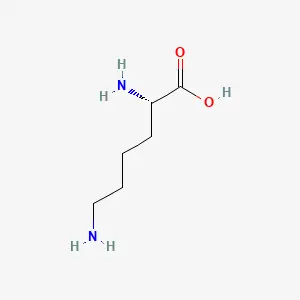
Lysine is one of the nine essential amino acids. These are building blocks of protein that the body cannot make and must take in from food. The US National Academies (NASEM, 2005) list it as indispensable, the official word for essential. So do the WHO (World Health Organization), FAO and UN University (2007), and EFSA, the EU’s food safety agency (2012).
EFSA adds that lysine and threonine are the strictly indispensable ones. The body cannot reverse their breakdown to rebuild them. The “L-” in L-lysine names the form that proteins are made from, and it is the form in food and in most supplements.
Beyond building protein, the body uses lysine to make carnitine, which moves fats into mitochondria to be burned for energy. It also uses lysine to form the cross-links that hold collagen together. NASEM calls lysine a dibasic amino acid (a positively charged amino acid, like arginine), and it shares carriers with arginine in the gut and kidney.
People who eat meat, fish, dairy or soy rarely fall short. In US surveys from 1988 to 1994, the median adult ate 3.6 to 7.5 g of lysine a day. The requirement is about 2.1 g for a 70 kg adult (our arithmetic from the WHO value).
The thing most readers do not know is where lysine runs short: in grains. Wheat protein holds only 57% of the lysine the WHO says a protein should have. NASEM gives wheat protein a quality score of 44% because lysine is the limiting amino acid, the amino acid in shortest supply.
The best-known supplement use, preventing cold sores, has no support from a Cochrane review of cold-sore prevention trials. Cochrane is a group known for careful reviews of trials.
Health benefits of lysine
The top findings from 27 studies, strongest evidence first
What the stars mean
- Strong. Several randomized trials, pooled in a meta-analysis, point the same way, or regulators (FDA or EFSA) have approved the claim.
- Moderate. Good randomized trials support it, but there are fewer of them, or their results vary.
- Limited. Small, short or single trials, or mixed results. Promising, but it needs confirmation.
Population and lab studies get no stars: they show a link or a mechanism, not proof.
How we rate evidence →- ★★No clear evidence it prevents cold soresA Cochrane review found no evidence that lysine supplements prevent cold sores. Small trials were mixed: one found 2.4 fewer infections on 3 g a day, while two at about 1 g a day found little.
- ★★Fewer diarrhea episodes in Ghanaian childrenIn a trial in poor households in Accra, 1 g of lysine a day gave children 19 diarrhea episodes against 35 on placebo. The result was only just clear of chance, among many outcomes tested.
- ★Mixed results on stress and anxietyLysine-fortified wheat lowered some stress measures in Syrian families, and a lysine and arginine blend lowered anxiety scores in 108 healthy adults. In another trial of 29 people with high-normal anxiety, the blend (3 g of each a day) raised stress hormone responses to public speaking.
- ★Larger height and weight gains with fortified flourIn 3-month studies of families eating mostly wheat, lysine-fortified flour raised children’s gains in height and weight in both China and Pakistan. Several blood and immune markers also rose.
- ★About 7.5% more muscle strength in young menIn an 8-week feeding study of healthy men, a high-lysine diet (80 mg per kg of body weight a day) raised strength. Muscle mass and insulin sensitivity did not change.
All 22 studies, strongest evidence first
Cochrane review of 32 trials: no evidence that lysine prevents cold sores
The review covered randomized trials of 19 treatments in 2,640 people with healthy immune systems, searched up to May 2015. Long-term oral antiviral drugs did reduce recurrences, though the clinical benefit was small. For lysine, as for several other supplements and two vaccines, the authors failed to find any evidence of efficacy. They rate the evidence behind most outcomes as low to moderate quality.
1 g of lysine a day cut diarrhea episodes in Ghanaian children
This double-blind trial (neither participants nor researchers knew who got what) included 271 men, women and children from poor households in Accra, Ghana. They took 1 g of lysine a day or a placebo (dummy pill). The authors estimated that 30% of men, 50% of women and 15% of children were at risk of lysine inadequacy. Children had 19 diarrhea episodes on lysine against 35 on placebo, and fewer days ill (21 against 47). Men had fewer total days ill (130 against 266). The children’s main results were only just clear of chance, among many outcomes tested.
A review found lysine ineffective for herpes under 1 g a day
This literature review of oral lysine for preventing herpes simplex searched EMBASE, Medline, AMED and CINAHL. Lysine appears ineffective at doses under 1 g a day without a low-arginine diet, the authors say. Doses above 3 g a day appear to improve patients’ own experience of the disease. They call for longer controlled studies of doses above 1.2 g a day. They also say people with heart or gallbladder disease should be cautioned about theoretical risks.
3 g of lysine daily meant 2.4 fewer herpes infections on average
This double-blind, placebo-controlled trial ran at several centers for 6 months. People took L-lysine monohydrochloride tablets, each holding 1,000 mg of L-lysine, three times a day. In all, 27 people on lysine and 25 on placebo finished. Symptoms were milder and healing time was shorter on lysine. It is a small trial of people with frequent recurrences, and two trials at about 1 g a day found little.
Herpes recurred less on 1,248 mg of lysine salt, not 624 mg
This double-blind, placebo-controlled crossover study included 41 people whose herpes simplex came back from time to time. Each person tried each option in turn. The daily doses were of lysine monohydrochloride, a salt of lysine. The higher dose may also have eased symptoms. Neither dose shortened healing time compared with placebo.
1,000 mg of lysine a day went with fewer cold sores
This double-blind crossover study ran for 12 months in 26 volunteers with frequently recurring lesions. Lesions rose again when people stopped lysine. Recurrences fell when serum lysine stayed above 165 nmol/ml and rose when it dropped below. It was a small study, and the blood-level link is a pattern inside the trial.
In 65 people, lysine did not cut cold-sore returns overall
In this double-blind, placebo-controlled crossover study, people took 1,000 mg of lysine monohydrochloride a day for 12 weeks, then placebo for 12 weeks. More people were free of recurrences on lysine than on placebo, a borderline result. The authors read it as a sign that some people may benefit. Lysine had no effect on healing rate or on how the lesions looked at their worst.
In 21 people, lysine gave no clear benefit against herpes
This double-blind, placebo-controlled trial included people in good general health with frequent recurrences. They took 400 mg of oral lysine hydrochloride three times a day. The authors measured how often, how long and how severe episodes were, and could detect no substantial benefit for treatment or prevention. They conclude that lysine is unlikely to help most people with frequently recurring herpes simplex.
Lysine-fortified wheat lowered some stress and anxiety measures in Syrian families
This randomized, double-blind study ran for 3 months in families in poor Syrian communities who eat wheat as their staple. The abstract gives no lysine dose. In females, the cortisol (stress hormone) response to a blood draw was lower. In males, skin conductance (a sign of sympathetic arousal) and trait anxiety (a person’s usual level of anxiety) were lower. The effects appeared only in some groups. The first author works for Ajinomoto, a maker of amino acids.
A lysine and arginine blend lowered anxiety scores in 108 healthy adults
In this double-blind, placebo-controlled trial, healthy Japanese adults took 2.64 g each of lysine and arginine a day for a week. Both trait anxiety and anxiety brought on by a stress test fell. In men, salivary cortisol and chromogranin-A, a marker of the sympathetic nervous system, were also lower. It was a lysine and arginine mix, so the result cannot be credited to lysine alone. The first author works for Ajinomoto, a maker of amino acids.
The same blend raised stress hormone responses in anxiety-prone people
This randomized, double-blind trial included 29 healthy people at the upper end of the normal range for trait anxiety. They took 3 g each of lysine and arginine a day for 10 days, then spoke in public. Their ACTH, cortisol, adrenaline, noradrenaline and skin conductance responses were higher than on placebo. Heart rate and blood pressure responses did not differ. The authors read this as a shift toward the pattern seen in people with low trait anxiety. It tested a blend, not lysine alone.
Lysine-fortified flour raised children’s gains in height and weight in China
This randomized trial ran for 3 months in 88 families in northern China. Each family gave a man, a woman and a child aged 5 to 12 years, and wheat supplied 58% to 67% of their protein. The flour held 3 g of lysine per kilogram. Hemoglobin did not change, but prealbumin, a blood marker of protein status, was higher in adults. Several immune markers (CD3 T cells, complement C3 and immunoglobulins) rose. These are indirect markers, and half the families got plain flour.
In Pakistan, lysine-fortified flour gave children larger gains in weight and height
This double-blind study ran for 3 months in Pakistani families eating mostly wheat. There were two groups of 40 families, one on fortified flour and one on plain flour. Wheat gave 58% to 65% of protein. Hemoglobin rose in women, transferrin rose in men, women and children, and CD4, CD8 and complement C3 were higher than in controls. Prealbumin fell in children. The abstract does not give the lysine dose.
A high-lysine diet raised muscle strength by about 7.5% in young men
This controlled feeding study on a metabolic ward, where all food is controlled, ran for 8 weeks in two groups of 20 healthy men. The high-lysine diet gave 80 mg per kg of body weight a day. The low-lysine diets gave about 25 mg/kg a day for undernourished men and about 40 mg/kg for well-nourished men. These were based on their usual intake. Strength was the only change: muscle mass, insulin sensitivity and leucine kinetics did not change. The 80 mg/kg dose is more than twice the 30 mg/kg WHO requirement.
Lysine raised calcium absorption in women with osteoporosis, unlike valine and tryptophan
There were two short studies. In the first, 15 healthy and 15 osteoporotic women took a 3 g calcium load with or without 400 mg of lysine. Only the healthy women on lysine showed a blunted rise in urinary calcium. In the second, 45 patients with osteoporosis took lysine, valine or tryptophan (800 mg a day), and absorption of labeled calcium was measured. Bone itself was not measured.
Lysine plus arginine tended to raise calcium absorption, but not clearly
In this double-blind crossover feeding trial, 14 young women ate a low-protein diet (0.7 g/kg). For 6 days it was topped up with arginine and lysine to match the amounts in a high-protein diet (2.1 g/kg). Calcium absorption, measured with isotopes, tended to rise (25.2% against 22.3%), but the difference could be chance. The title reports that the pair raised urinary calcium excretion. It was a lysine and arginine mix.
Lysine did not change blood fats in men with high triglycerides
This open-label randomized trial (everyone knew what they took) included 85 men with triglycerides (blood fats) above 150 mg/dL. They were split into five groups: lysine 1 g, vitamin B6 50 mg, lysine plus B6, carnitine 1 g, or placebo. Blood fats and glucose were checked at 6 and 12 weeks. No major changes appeared in the lysine and carnitine groups, or when lysine was added to B6. The idea was that the body makes carnitine from lysine and vitamin B6.
3 g of lysine daily lowered glycation products in type 2 diabetes
This randomized trial ran for three months in two groups of 25 people with type 2 diabetes, all taking metformin and glibenclamide. In the lysine group, the abstract reports lower serum advanced glycation end products (compounds formed when sugars bind proteins). It also reports higher activity of lysozyme, an antibacterial enzyme, plus test-tube work. It does not report blood sugar or HbA1c, and the authors’ idea that this could lower infection risk was not tested.
6 g of lysine daily improved negative symptoms of schizophrenia
This double-blind, placebo-controlled trial ran for 8 weeks in 72 inpatients with chronic schizophrenia who took the antipsychotic drug risperidone. Scores for negative symptoms (such as low drive and flat mood) and general psychopathology improved with lysine. Positive symptoms (such as hallucinations) did not. Side effects did not differ between groups and none was serious. The authors say higher doses and longer treatment remain untested.
In lysinuric protein intolerance, small lysine doses raised fasting blood lysine
This follow-up covered 27 people with lysinuric protein intolerance over 12 months. In this inherited defect, carrying lysine, arginine and ornithine across cell membranes fails, so people lose lysine in urine and absorb too little. Individually adjusted doses of L-lysine hydrochloride at mealtimes were well tolerated, with no high blood ammonia or other recognizable side effects. Earlier larger doses had caused severe diarrhea. The long-term health benefit is not yet known, and it does not apply to people without the disorder.
In cultured cells, lysine countered arginine’s help to herpes virus growth
In this tissue culture study, the virus did not replicate well without arginine. Lysine, which resembles arginine, antagonized (worked against) arginine’s growth-promoting effect. The authors suggested that people prone to herpes may need extra lysine and less arginine. This lab result is the source of the popular lysine and arginine advice, and the human trials above do not settle it.
Rat kidneys took up to 40% less radioactive peptide with lysine
Rats received radiolabeled octreotide, a hormone-like drug (a somatostatin analog), together with D-lysine. The D-lysine was given by vein or by mouth at various doses and times. Uptake in other organs did not change. In patients treated with such peptides, the abstract says, kidney uptake is lowered with a 4 to 10 hour infusion of lysine and arginine. Oral dosing could make this simpler. It is a hospital use, not a supplement use.
Foods high in lysine
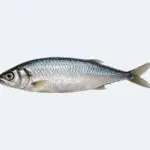
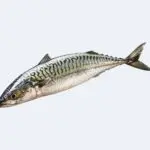
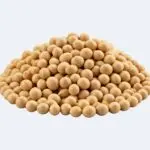
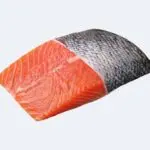
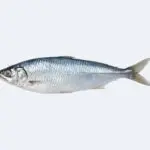
Meat, fish and soy lead the USDA rankings on this page. Per serving, chicken breast comes first with 2.44 g in 4 oz. Then come a chicken drumstick (2.2 g), a can of sardines (2.08 g) and a mackerel fillet (1.91 g). A cup of soybeans (1.91 g) is the only plant food in the top ten.
Per 100 g, sardines hold 2.26 g, shrimp 2.17 g and chicken breast 2.16 g. Per 100 kcal, lean fish and poultry rank highest: cod (1.99 g), tuna (1.96 g), shrimp (1.83 g) and chicken breast (1.8 g).
Servings go a long way against the requirement. The WHO value of 30 mg/kg is about 2.1 g a day for a 70 kg adult. By our arithmetic, one 4 oz chicken breast gives 116% of it and a can of sardines 99%. A cup of soybeans gives 91% and 3 oz of tuna (1.72 g) 82%.
Plants are the weak spot. The WHO scored food proteins against its lysine pattern. Beef scored 203%, milk 158%, soy 144% and egg 139%, but rice 86%, maize 58% and wheat 57%.
EFSA says it is well established that lysine is limiting in cereal protein. The sulfur amino acids are limiting in legumes, so the two complement each other.
NASEM gives wheat protein a protein score of 44%. It gives a mix of wheat, chickpea and skim milk proteins 110%, which it caps at 100. Processing matters too: heat can lock up lysine, as the forms section shows.
Per serving. No daily amount is set, so bars compare each food with the top food.
Per 100 g. No daily amount is set, so bars compare each food with the top food.
Per 100 kcal: the same calories of each food, for a fair comparison. Bars compare each food with the top food.
Food labels have no Daily Value or Reference Intake for lysine, so the % compares each food with the top food.
- 1.

- 2.

- 3.
- 4.
- 5.
- 6.

- 7.
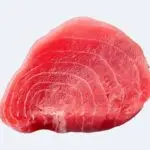
- 8.
- 9.
- 10.
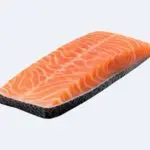


- 1.
- 2.
- 3.
- 4.
- 5.
- 6.
- 7.
- 8.
- 9.
- 10.



- 1.
- 2.
- 3.
- 4.
- 5.
- 6.
- 7.

- 8.
- 9.
- 10.

Sources
- FoodData Central. US Department of Agriculture, Agricultural Research Service. Values as shown in the ranking above.
- Protein and amino acid requirements in human nutrition: report of a joint WHO/FAO/UNU expert consultation. WHO Technical Report Series 935. World Health Organization. 2007.
- Institute of Medicine, Food and Nutrition Board. Dietary Reference Intakes for energy, carbohydrate, fiber, fat, fatty acids, cholesterol, protein, and amino acids. National Academies Press. 2005. Chapter 10, protein and amino acids.
- EFSA Panel on Dietetic Products, Nutrition and Allergies (NDA). Scientific opinion on dietary reference values for protein. EFSA J. 2012.
How lysine works
Most of the biochemistry below is well established. The details come from reviews, cell work and small human studies rather than from trials of extra lysine.
Four ideas cover most of it: lysine is built into proteins and decorated there, and it is the raw material of carnitine. It travels on carriers it shares with arginine, and the body breaks it down in a few set routes. A fifth idea is why grains fall short of it. Here is each one, and what has been seen in people.
It is built into proteins and then decorated
Lysine is one of the amino acids that proteins are made from, and NASEM calls it a dibasic amino acid. After it is in a protein, it can be modified. In collagen, some lysine becomes hydroxylysine. NASEM says these hydroxylated residues are critical parts of the cross-linking that makes collagen rigid and stable.
The enzyme that makes the hydroxylysine is lysyl hydroxylase, and ascorbic acid (vitamin C) is an essential cofactor for it. Lysine on histones (proteins that package DNA) and other proteins can also pick up acetyl groups. This widespread modification is tied to gene activity, metabolism and cell division.
Four jobs of lysine in the body. Not to scale.
It is the raw material for carnitine
Carnitine lets activated fatty acids into the mitochondria, where they are burned for energy, according to a review of its biosynthesis. NASEM says the body makes it from lysine and methionine in the liver and kidney. A trial paper adds that vitamin B6 is needed too.
In six healthy men, a single 5 g dose of lysine raised carnitine in blood and urine, as NASEM reports. Whether extra lysine helps anyone is another matter. In the trial of men with high triglycerides above, 1 g of lysine a day for 12 weeks changed nothing.
It shares carriers with arginine
NASEM says lysine shares an intestinal transport system with arginine and competes with it for reabsorption in the kidney. That is why high lysine intakes are more likely to cause trouble when protein or arginine intake is low. A review of transport across the gut and kidney lists lysinuric protein intolerance among the inherited disorders of this kind.
In it, the carrier at the blood-side membrane of gut and kidney cells is defective. So lysine, arginine and ornithine are absorbed poorly and lost in urine. Protein-rich meals can bring vomiting and, in some, coma, according to GeneReviews.
Why lysine and arginine are linked, and what goes wrong in lysinuric protein intolerance (LPI). Simplified. Not to scale.
Gut bacteria make some, and the body breaks it down
Gut bacteria make lysine too. In six adults given labeled nitrogen, lysine from bacterial protein in the stool made up 5% and 9% of the lysine entering the blood. The figure depended on the tracer, and it was 44% when estimated from the lower small intestine. The authors say this does not show how much bacterial lysine the body gains in net terms.
The body breaks lysine down by two routes. One, via saccharopine, is confined to mitochondria. The other, via pipecolic acid, is not fully mapped, and its enzymes sit in mitochondria, the cell fluid and peroxisomes. Faults in these routes cause two severe nerve and metabolism disorders: pyridoxine-dependent epilepsy and glutaric aciduria type 1.
Why grains fall short
NASEM explains that the amino acid in shortest supply sets the value of a whole protein. If a food holds less lysine than a person needs, lysine limits how much of the other amino acids can be used. In the WHO’s tables, lysine is the one that wheat, maize and rice fall short on, as the chart shows. Mixing foods fixes it, because legumes and animal foods hold lysine to spare.
Lysine in food proteins as a share of the WHO requirement pattern, drawn to scale. Values are for protein, not for whole foods.
What has been seen in people
The clearest human findings are about need and shortfall. Tracer studies set the requirement near 30 mg/kg a day. Where wheat is the staple, flour fortified with lysine improved children’s growth and some immune markers in China and Pakistan. In Ghana, 1 g a day cut diarrhea in children.
The fortification and Ghana trials are all small and used indirect markers. For cold sores, the Cochrane review found no evidence of benefit.
Yet three of the five small older trials we found reported fewer outbreaks. They used 3 g a day for 6 months, 1,248 mg a day, and 1 g a day with a high blood level. The other two found little at 1 to 1.2 g a day.
For stress, the trials combine lysine with arginine and disagree. For calcium, lysine looks promising in two small studies, and bone itself was never measured. All of these are among the study cards above.
Sources
- Institute of Medicine, Food and Nutrition Board. Dietary Reference Intakes for energy, carbohydrate, fiber, fat, fatty acids, cholesterol, protein, and amino acids. National Academies Press. 2005. Chapter 10, protein and amino acids.
- EFSA Panel on Dietetic Products, Nutrition and Allergies (NDA). Scientific opinion on dietary reference values for protein. EFSA J. 2012.
- Shvedunova M, Akhtar A. Modulation of cellular processes by histone and non-histone protein acetylation. Nat Rev Mol Cell Biol. 2022.
- Piersma B, Bank RA. Collagen cross-linking mediated by lysyl hydroxylase 2: an enzymatic battlefield to combat fibrosis. Essays Biochem. 2019.
- Pinnell SR. Regulation of collagen biosynthesis by ascorbic acid: a review. Yale J Biol Med. 1985.
- Vaz FM, Wanders RJ. Carnitine biosynthesis in mammals. Biochem J. 2002.
- Hlais S, Reslan DR, Sarieddine HK, et al. Effect of lysine, vitamin B6, and carnitine supplementation on the lipid profile of male patients with hypertriglyceridemia: a 12-week, open-label, randomized, placebo-controlled trial. Clin Ther. 2012.
- Bröer S. Amino acid transport across mammalian intestinal and renal epithelia. Physiol Rev. 2008.
- Tanner LM, Näntö-Salonen K, Niinikoski H, Huoponen K, Simell O. Long-term oral lysine supplementation in lysinuric protein intolerance. Metabolism. 2007.
- Nunes V, Niinikoski H. Lysinuric protein intolerance. GeneReviews. University of Washington, Seattle. Updated 2018.
- Metges CC, El-Khoury AE, Henneman L, et al. Availability of intestinal microbial lysine for whole body lysine homeostasis in human subjects. Am J Physiol. 1999.
- Leandro J, Houten SM. The lysine degradation pathway: subcellular compartmentalization and enzyme deficiencies. Mol Genet Metab. 2020.
- Griffith RS, DeLong DC, Nelson JD. Relation of arginine-lysine antagonism to herpes simplex growth in tissue culture. Chemotherapy. 1981.
- Protein and amino acid requirements in human nutrition: report of a joint WHO/FAO/UNU expert consultation. WHO Technical Report Series 935. World Health Organization. 2007.
How much lysine do you need?
Adults need about 30 mg of lysine per kilogram of body weight a day, according to the WHO, FAO and UN University (2007). That is about 2,100 mg for a 70 kg adult. The US National Academies (NASEM, 2005) set a slightly higher estimated average requirement of 31 mg/kg. Their recommended allowance (the amount that covers nearly everyone) is 38 mg/kg, about 2,660 mg for a 70 kg adult.
Neither the FDA nor the EU sets a label value for lysine, such as a Daily Value. EFSA sets no reference value for single amino acids and says the requirement values are not yet precise enough. It does use the WHO figures to build its protein quality pattern.
Needs rise when the body is building tissue. NASEM says there are essentially no data in pregnancy or breastfeeding, so it scaled the values to the higher protein needs. In pregnancy that gives an average requirement of 41 mg/kg and an allowance of 51 mg/kg. While breastfeeding the figures are 42 and 52 mg/kg.
For children, NASEM lists 62 mg/kg (allowance 89) at 7 to 12 months and 45 (58) at 1 to 3 years. At 4 to 8 years it is 37 (46), and 35 (43) for girls aged 9 to 13 and boys aged 14 to 18. The WHO’s values are 64 mg/kg at 6 months and 45 at 1 to 2 years. They are 35 at 3 to 10 years and 33 at 15 to 18 years.
We found no separate WHO lysine value for pregnancy. NASEM could not set separate values for men and women or for older adults. The WHO says the adult pattern also applies to older people.
| Source | Requirement (mg per kg a day) | For a 70 kg adult | Notes |
|---|---|---|---|
| WHO/FAO/UNU 2007, adults | 30 | 2,100 mg | Average requirement, 45 mg per g of protein, from tracer studies. The report says safe intakes are 24% higher, 37 mg/kg by our arithmetic, about 2,600 mg. |
| NASEM 2005, adults 19 and over, EAR | 31 | 2,170 mg | Average of six estimates that ranged from 26.6 to 36.9 mg/kg. |
| NASEM 2005, adults 19 and over, RDA | 38 | 2,660 mg | EAR plus two times an assumed 12% variation, 1.24 times the EAR. |
| NASEM 2005, pregnancy (EAR, RDA) | 41, 51 | Not calculated | Scaled from non-pregnant women in proportion to protein need. Essentially no direct data. |
| NASEM 2005, breastfeeding (EAR, RDA) | 42, 52 | Not calculated | Adds the lysine in human milk to the non-lactating value. Essentially no direct data. |
For context, NASEM reports median US lysine intake from food in 1988 to 1994. It was 4.65 to 7.50 g a day for men and 3.59 to 4.56 g for women. That is 1.7 to 3.6 times the WHO requirement for a 70 kg adult, by our arithmetic.
Lysine deficiency: signs and who is at risk
For people who eat enough protein from varied foods, a lysine shortfall is not expected. Official sources describe requirements and risk groups, not a set list of lysine deficiency signs. The risk is concentrated where diets rest on cereals.
The WHO notes that cereals supply lysine at 57% to 86% of the requirement pattern, and that the Indian diet falls below it, at 87%. In the Ghana trial above, the authors estimated that 30% of men, 50% of women and 15% of children were at risk of lysine inadequacy. In the fortification trials, lysine added to wheat flour gave measurable gains, though the markers were indirect.
Vegans are a group to watch, but most meet the requirement. Among 558 Brazilian vegans who kept a one-day food diary, lysine had the lowest adequacy ratio of the essential amino acids, 0.90. Phenylalanine and tyrosine scored 0.98.
In 193 New Zealand vegans, lysine just met the requirement at 31.0 mg/kg a day. When intakes were adjusted for digestibility, only about half could meet it. Legumes and pulses gave most of their lysine. That is why a daily portion of beans, lentils or soy matters on a plant-based diet.
An inherited condition, lysinuric protein intolerance, is the clearest case of lysine loss. GeneReviews says it usually appears when an infant is weaned, with vomiting, diarrhea, poor growth and stupor after protein-rich meals. Treatment includes limiting protein and giving citrulline and L-lysine hydrochloride. It needs a specialist.
Sources
- Protein and amino acid requirements in human nutrition: report of a joint WHO/FAO/UNU expert consultation. WHO Technical Report Series 935. World Health Organization. 2007.
- Institute of Medicine, Food and Nutrition Board. Dietary Reference Intakes for energy, carbohydrate, fiber, fat, fatty acids, cholesterol, protein, and amino acids. National Academies Press. 2005. Chapter 10, protein and amino acids.
- EFSA Panel on Dietetic Products, Nutrition and Allergies (NDA). Scientific opinion on dietary reference values for protein. EFSA J. 2012.
- Ghosh S, Smriga M, Vuvor F, et al. Effect of lysine supplementation on health and morbidity in subjects belonging to poor peri-urban households in Accra, Ghana. Am J Clin Nutr. 2010.
- Leitão AE, Esteves GP, Mazzolani BC, et al. Protein and amino acid adequacy and food consumption by processing level in vegans in Brazil. JAMA Netw Open. 2024.
- Soh BXP, Vignes M, Smith NW, von Hurst PR, McNabb WC. Evaluation of protein intake and protein quality in New Zealand vegans. PLoS One. 2025.
- Nunes V, Niinikoski H. Lysinuric protein intolerance. GeneReviews. University of Washington, Seattle. Updated 2018.
- Zhao W, Zhai F, Zhang D, et al. Lysine-fortified wheat flour improves the nutritional and immunological status of wheat-eating families in northern China. Food Nutr Bull. 2004.
- Hussain T, Abbas S, Khan MA, Scrimshaw NS. Lysine fortification of wheat flour improves selected indices of the nutritional status of predominantly cereal-eating families in Pakistan. Food Nutr Bull. 2004.
Forms of lysine: absorption and effects
Lysine supplements differ less than mineral supplements do. Most trials used L-lysine, often as the hydrochloride salt. We found no trial that compared one supplement form with another, for absorption or for any health outcome.
The better-studied question is food: how much of the lysine in a food the body can use. That depends on the food and on how it was processed, as the table shows.
The honest bottom line: compare the label’s milligrams of lysine, not of the salt. The salt weighs about a quarter more than the lysine in it.
In small studies of men, whole foods and milk powder gave 87% to 94% of the availability of crystalline (free-form) lysine. Heat or sugar-protein reactions lowered it. For the popular claims about “better” forms, such as chelates, esters or special blends, we found no trial. The cold-sore trials used L-lysine hydrochloride at 0.4 to 3 g a day.
| Form | What it is | What studies show | Source |
|---|---|---|---|
| L-lysine hydrochloride | The salt of free L-lysine. Lysine is about 80% of its weight (146.19 of 182.65, our arithmetic from PubChem molecular weights). | The form named in most cold-sore trials: tablets with 1,000 mg of L-lysine three times a day (Griffith), 1,000 mg of the salt a day (Milman), 1,248 mg a day (McCune) and 400 mg three times a day (DiGiovanna). Small mealtime doses were tolerated in lysinuric protein intolerance. We found no trial comparing it with other salts or with free lysine. | 1, 2, 3, 4, 5, 6, 7 |
| Free L-lysine (base) | The free amino acid, all lysine by weight. | Crystalline L-lysine is the reference in the availability studies below. The abstracts of the trials of 3 g a day in type 2 diabetes and 6 g a day in schizophrenia do not say which salt was used. | 8, 9, 10, 18, 19 |
| Lysine bound in food protein | Lysine released by digestion of the protein. | Compared with crystalline lysine in small studies of 5 to 7 men: sorghum 94%, whole wheat bread 90%, spray-dried milk powder 91.9% and a cereal-legume vegetarian meal 86.6% available. | 8, 9, 10 |
| Heated or glycated protein | Lysine that has reacted with sugars or other compounds during heating or storage. | Heat-treated milk powder gave 69.9% availability. Highly glycated milk protein released 31% less of its lysine into the blood in 6 hours. A review says lysine in heat-processed foods can form unavailable derivatives, so ordinary analysis can overstate usable lysine. | 10, 11, 12 |
| D-lysine and DL-lysine | The mirror-image form, and a half-and-half mix of both forms. | In four infants, 80.2% of a D-lysine nitrogen label left in the urine, against 7.6% for L-lysine. We found no human trial of D- or DL-lysine for any outcome. The rat kidney study used D-lysine. | 13 |
| Lysine and arginine blends | Two amino acids taken together. | Used in the anxiety and calcium trials at 2.64 to 3 g of each a day. Anxiety scores fell in one trial and stress hormone responses rose in another, and calcium absorption tended to rise. None of them can credit the result to lysine alone. | 14, 15, 16 |
| Combination products | Lysine with zinc, vitamin C, herbs or other ingredients, or with HMB and arginine. | A 30-person open-label pilot of a lysine, zinc and herbal ointment reported faster cold-sore resolution, with no placebo group. A 6-month trial of a lysine, zinc and vitamin C product in 110 people with prediabetes reported better blood sugar, and a 12-week trial of HMB, arginine and lysine in older women reported better get-up-and-go time. None tested lysine alone. | 17, 20, 21 |
Here are the head-to-head and form-specific studies, five in all, all with limited evidence.
All 5 studies, strongest evidence first
Lysine in cooked sorghum was 94% as available as pure lysine
This study used a tracer method (indicator amino acid oxidation) in five healthy young men, each tested eight times. It compared sorghum at three lysine levels with a reference diet of crystalline (free-form) amino acids at four levels. Mixing sorghum with lentils 1:1 cut oxidation of the tracer amino acid by 19%, which the authors read as better available lysine. Sorghum is still low in lysine, and the paper’s title notes the result held for moist cooking.
Lysine in whole wheat bread was 90% as available as pure lysine
The same tracer method was used in five healthy young men, each tested at seven lysine intakes in random order. Four came from crystalline L-lysine and three from whole wheat bread. The authors conclude that the lysine in bread is well used but still limiting, because wheat holds so little. They suggest pairing wheat with lentils.
Milk powder lysine was 92% available, but heating cut it to 70%
Seven healthy Indian men aged 19 to 24 were tested against crystalline lysine with the indicator amino acid oxidation method. Spray-dried milk powder gave 91.9%, heat-treated milk powder 69.9% and a habitual cereal-legume vegetarian meal 86.6%. The authors conclude that heat treatment lowered availability by 22%.
Highly glycated milk protein released 31 percentage points less lysine into blood
In this double-blind crossover trial, 15 men ate 40 g of milk protein labeled with a lysine tracer. Its glycation level was low (3%) or high (50%). Glycation is a reaction between sugars and protein that can happen in processing and storage. Over 6 hours, milk-derived lysine reached the blood at 18% of the ingested amount, against 49% for the low-glycation protein. Several authors work for FrieslandCampina, a dairy company.
In infants, 80% of a D-lysine label left in urine
This small study gave four babies aged 4 to 14 months a single oral dose of nitrogen-15 labeled D- or L-lysine. Both forms were absorbed well. Most of the D form was excreted in urine and 18.5% was retained, which the authors link to partial breakdown of D-lysine. For L-lysine, 7.6% of the label left in urine. The paper is in German, and it tested infants only.
Sources
- L-Lysine, compound summary (CID 5962). PubChem. National Library of Medicine.
- Lysine hydrochloride, compound summary (CID 69568). PubChem. National Library of Medicine.
- Griffith RS, Walsh DE, Myrmel KH, Thompson RW, Behforooz A. Success of L-lysine therapy in frequently recurrent herpes simplex infection. Treatment and prophylaxis. Dermatologica. 1987.
- Milman N, Scheibel J, Jessen O. Lysine prophylaxis in recurrent herpes simplex labialis: a double-blind, controlled crossover study. Acta Derm Venereol. 1980.
- McCune MA, Perry HO, Muller SA, O’Fallon WM. Treatment of recurrent herpes simplex infections with L-lysine monohydrochloride. Cutis. 1984.
- DiGiovanna JJ, Blank H. Failure of lysine in frequently recurrent herpes simplex infection. Treatment and prophylaxis. Arch Dermatol. 1984.
- Tanner LM, Näntö-Salonen K, Niinikoski H, Huoponen K, Simell O. Long-term oral lysine supplementation in lysinuric protein intolerance. Metabolism. 2007.
- Paoletti A, Fakiha A, Tul-Noor Z, et al. Bioavailable lysine assessed using the indicator amino acid oxidation method in healthy young males is high when sorghum is cooked by a moist cooking method. J Nutr. 2022.
- Tul-Noor Z, Paoletti A, Fakiha A, et al. Lysine from whole wheat bread consumed by healthy adult males has high metabolic availability when assessed using the indicator amino acid oxidation method. J Nutr. 2025.
- Bandyopadhyay S, Kuriyan R, Shivakumar N, et al. Metabolic availability of lysine in milk and a vegetarian cereal-legume meal determined by the indicator amino acid oxidation method in Indian men. J Nutr. 2020.
- Rutherfurd SM, Moughan PJ. Available versus digestible dietary amino acids. Br J Nutr. 2012.
- van Lieshout GAA, Trommelen J, Nyakayiru J, et al. Protein glycation compromises the bioavailability of milk protein-derived lysine in vivo in healthy adult males: a double-blind, randomized cross-over trial. Am J Clin Nutr. 2025.
- Walther F, Heine W, Richter I, Wutzke KD. Resorption and metabolic utilization of D-[alpha-15N]lysine and L-[alpha-15N]lysine after oral administration, with special reference to the metabolism of intestinal bacteria. Biomed Biochim Acta. 1987. In German.
- Smriga M, Ando T, Akutsu M, et al. Oral treatment with L-lysine and L-arginine reduces anxiety and basal cortisol levels in healthy humans. Biomed Res. 2007.
- Jezova D, Makatsori A, Smriga M, Morinaga Y, Duncko R. Subchronic treatment with amino acid mixture of L-lysine and L-arginine modifies neuroendocrine activation during psychosocial stress in subjects with high trait anxiety. Nutr Neurosci. 2005.
- Bihuniak JD, Sullivan RR, Simpson CA, et al. Supplementing a low-protein diet with dibasic amino acids increases urinary calcium excretion in young women. J Nutr. 2014.
- Singh BB, Udani J, Vinjamury SP, et al. Safety and effectiveness of an L-lysine, zinc, and herbal-based product on the treatment of facial and circumoral herpes. Altern Med Rev. 2005.
- Mirmiranpour H, Khaghani S, Bathaie SZ, et al. The preventive effect of L-lysine on lysozyme glycation in type 2 diabetes. Acta Med Iran. 2016.
- Zeinoddini A, Ahadi M, Farokhnia M, et al. L-lysine as an adjunct to risperidone in patients with chronic schizophrenia: a double-blind, placebo-controlled, randomized trial. J Psychiatr Res. 2014.
- Ranasinghe P, Jayawardena R, Chandrasena L. Effects of the Lysulin supplementation on pre-diabetes: a randomized double-blind, placebo-controlled clinical trial. Diabetes Metab Syndr. 2020.
- Flakoll P, Sharp R, Baier S, et al. Effect of beta-hydroxy-beta-methylbutyrate, arginine, and lysine supplementation on strength, functionality, body composition, and protein metabolism in elderly women. Nutrition. 2004.
Is lysine safe? Supplements, dose and interactions
Lysine from food is not a concern. NASEM says there is no evidence that amino acids from usual or even high protein intakes present any risk, and it focused on supplements. NASEM did not set a tolerable upper intake level, the most you can take each day without likely harm, for lysine.
It judged the data on harm from supplements not sufficient for a dose-response assessment. Very few adverse effects have been seen in people or animals, mostly after high, short-term doses. We found no EFSA upper level for lysine, and EFSA’s 2012 opinion says data are not sufficient to set one for protein.
For scale, NASEM puts mean US lysine intake from food and supplements at 5.3 g a day. At the 99th percentile for men aged 51 to 70, it was 12.6 g.
- Doses and side effects. A 2019 systematic review of 71 studies covered doses from 16.8 mg to 17,500 mg a day for 1 to 1,095 days. It found mostly nausea, stomach pain and diarrhea. It put the provisional no-observed-adverse-effect level (the highest dose with no harm seen) at 6,000 mg a day. That is one review’s finding, not an official limit. At 6 g a day for 8 weeks, side effects did not differ from placebo in a schizophrenia trial. At 3 g a day for 6 months, 3 of 27 people had an upset stomach, against 1 of 25 on placebo.
- Kidney and other conditions. NASEM notes that intravenous lysine at 16.5 to 41.3 g a day in young men inhibited kidney reabsorption of protein. In rats, a large lysine infusion lowered kidney filtration, and combined with the antibiotic gentamicin the harm was additive. Our PubMed searches found no human case report of kidney failure from lysine pills. The 2017 review still advises caution about theoretical risks for people with heart or gallbladder disease. Kidney disease is a reason to ask a doctor first.
- Arginine, calcium and medicines. NASEM says high lysine competes with arginine and is more likely to cause trouble when protein or arginine intake is low. Lysine looked like it raised calcium absorption in small studies, and lysine with arginine raised urinary calcium. We found no trial of what that means for kidney stones or bones. Beyond the gentamicin result in rats, we found no documented drug interaction.
- Pregnancy, children and inherited disorders. NASEM reports that infants given up to 1,080 mg of lysine monohydrochloride per 8 oz of milk showed no ill effects. Rats given lysine in pregnancy had higher fetal mortality. We found no trial of lysine supplements in pregnancy. People with lysinuric protein intolerance should avoid large boluses of protein or amino acids, according to GeneReviews. Ask a doctor first if you are pregnant or have kidney, liver or metabolic disease.
How to get more lysine
- Best food. A 4 oz chicken breast gives 2.44 g, a can of sardines 2.08 g and a cup of soybeans 1.91 g. By our arithmetic, each covers about 90% to 116% of the 2.1 g a day a 70 kg adult needs.
- Pair grains with legumes. Wheat and sorghum are low in lysine, and lentils fill the gap. A 1:1 mix with sorghum was recommended to meet a man’s requirement. NASEM scores a mix of wheat, chickpea and milk protein at 100%.
- Go easy on heat and processing. Heat-treated milk powder gave 69.9% available lysine against 91.9% for plain powder. Highly glycated milk protein released 18% of its lysine into the blood, against 49%. Most people do not need a pill, as typical adults already eat well above the requirement.
Sources
- FoodData Central. US Department of Agriculture, Agricultural Research Service. Values as shown in the ranking above.
- Protein and amino acid requirements in human nutrition: report of a joint WHO/FAO/UNU expert consultation. WHO Technical Report Series 935. World Health Organization. 2007.
- Institute of Medicine, Food and Nutrition Board. Dietary Reference Intakes for energy, carbohydrate, fiber, fat, fatty acids, cholesterol, protein, and amino acids. National Academies Press. 2005. Chapter 10, protein and amino acids.
- EFSA Panel on Dietetic Products, Nutrition and Allergies (NDA). Scientific opinion on dietary reference values for protein. EFSA J. 2012.
- Commission Regulation (EU) No 432/2012 establishing a list of permitted health claims made on foods. Official Journal of the European Union. 2012.
- Hayamizu K, Oshima I, Fukuda Z, et al. Safety assessment of L-lysine oral intake: a systematic review. Amino Acids. 2019.
- Malis CD, Racusen LC, Solez K, Whelton A. Nephrotoxicity of lysine and of a single dose of aminoglycoside in rats given lysine. J Lab Clin Med. 1984.
- Paoletti A, Fakiha A, Tul-Noor Z, et al. Bioavailable lysine assessed using the indicator amino acid oxidation method in healthy young males is high when sorghum is cooked by a moist cooking method. J Nutr. 2022.
- Tul-Noor Z, Paoletti A, Fakiha A, et al. Lysine from whole wheat bread consumed by healthy adult males has high metabolic availability when assessed using the indicator amino acid oxidation method. J Nutr. 2025.
- Bandyopadhyay S, Kuriyan R, Shivakumar N, et al. Metabolic availability of lysine in milk and a vegetarian cereal-legume meal determined by the indicator amino acid oxidation method in Indian men. J Nutr. 2020.
- van Lieshout GAA, Trommelen J, Nyakayiru J, et al. Protein glycation compromises the bioavailability of milk protein-derived lysine in vivo in healthy adult males: a double-blind, randomized cross-over trial. Am J Clin Nutr. 2025.
- Rutherfurd SM, Moughan PJ. Available versus digestible dietary amino acids. Br J Nutr. 2012.
- Zeinoddini A, Ahadi M, Farokhnia M, et al. L-lysine as an adjunct to risperidone in patients with chronic schizophrenia: a double-blind, placebo-controlled, randomized trial. J Psychiatr Res. 2014.
- Griffith RS, Walsh DE, Myrmel KH, Thompson RW, Behforooz A. Success of L-lysine therapy in frequently recurrent herpes simplex infection. Treatment and prophylaxis. Dermatologica. 1987.
- Bihuniak JD, Sullivan RR, Simpson CA, et al. Supplementing a low-protein diet with dibasic amino acids increases urinary calcium excretion in young women. J Nutr. 2014.
- Civitelli R, Villareal DT, Agnusdei D, et al. Dietary L-lysine and calcium metabolism in humans. Nutrition. 1992.
- Mailoo VJ, Rampes S. Lysine for herpes simplex prophylaxis: a review of the evidence. Integr Med (Encinitas). 2017.
- Nunes V, Niinikoski H. Lysinuric protein intolerance. GeneReviews. University of Washington, Seattle. Updated 2018.
History of lysine
The German chemist Edmund Drechsel first isolated lysine in 1889 from casein, the main milk protein. He named it from the Greek word for loosening. In 1902 Emil Fischer and Fritz Weigert settled its structure by making it in the lab.
Whether people need it in the diet took longer. The WHO credits the pioneering work of William Rose, who studied amino acid requirements with nitrogen balance. The 1973 and 1985 FAO and WHO reports took the lysine requirement from the highest of several studies in men and women. That figure was 800 mg a day, or 12 mg/kg.
The 2007 report raised it to 30 mg/kg after tracer studies, and noted that most amino acid values roughly doubled. It also singled out lysine as the likely limiting amino acid in cereals, especially wheat.
In 2004, three trials with the same senior author, Nevin Scrimshaw, tested that idea in the field. Families in Syria, northern China and Pakistan who lived mainly on wheat received lysine-fortified flour for three months. The results were encouraging but small, and later work such as the 2010 Ghana trial has stayed modest in size.
Sources
- Lysine. Wikipedia.
- Protein and amino acid requirements in human nutrition: report of a joint WHO/FAO/UNU expert consultation. WHO Technical Report Series 935. World Health Organization. 2007.
- Smriga M, Ghosh S, Mouneimne Y, Pellett PL, Scrimshaw NS. Lysine fortification reduces anxiety and lessens stress in family members in economically weak communities in Northwest Syria. Proc Natl Acad Sci U S A. 2004.
- Zhao W, Zhai F, Zhang D, et al. Lysine-fortified wheat flour improves the nutritional and immunological status of wheat-eating families in northern China. Food Nutr Bull. 2004.
- Hussain T, Abbas S, Khan MA, Scrimshaw NS. Lysine fortification of wheat flour improves selected indices of the nutritional status of predominantly cereal-eating families in Pakistan. Food Nutr Bull. 2004.
- Ghosh S, Smriga M, Vuvor F, et al. Effect of lysine supplementation on health and morbidity in subjects belonging to poor peri-urban households in Accra, Ghana. Am J Clin Nutr. 2010.
Frequently asked questions about lysine
Does lysine help with cold sores?
Probably not for prevention. A Cochrane review of 32 cold-sore prevention trials (19 treatments, 2,640 people) found no evidence that lysine prevents cold sores. Small trials disagree. In one trial, 3 g a day for 6 months gave an average of 2.4 fewer infections. Trials of 1 g a day in 65 people and 1.2 g a day in 21 people found no clear benefit. Long-term antiviral drugs did cut recurrences in that review, though the benefit was small.
How much lysine do you need a day?
The WHO sets 30 mg per kg of body weight, about 2,100 mg for a 70 kg adult. The US recommended allowance is 38 mg/kg (about 2,660 mg). It rises to 51 mg/kg in pregnancy and 52 mg/kg while breastfeeding. Typical US adults eat more: the median was 3.59 to 7.50 g a day in 1988 to 1994.
Which foods are highest in lysine?
Chicken breast leads our USDA ranking per serving, with 2.44 g in 4 oz. Then come a chicken drumstick (2.2 g), a can of sardines (2.08 g), a mackerel fillet (1.91 g) and a cup of soybeans (1.91 g). Per 100 g, sardines hold 2.26 g, shrimp 2.17 g and chicken breast 2.16 g.
Do vegans get enough lysine?
Most do, with less room to spare than for other amino acids. In 558 Brazilian vegans, lysine had the lowest adequacy ratio of the essential amino acids, 0.90. In 193 New Zealand vegans, lysine just met the requirement at 31.0 mg/kg a day. About half met it after adjusting for digestibility. Legumes and pulses gave most of the lysine, so a daily portion of beans, lentils or soy helps.
What are the side effects of lysine?
Mostly stomach complaints: nausea, stomach pain and diarrhea. A 2019 review of 71 studies put the provisional no-observed-adverse-effect level at 6,000 mg a day. NASEM set no upper limit because the data were not sufficient. At 3 g a day for 6 months, 3 of 27 people had an upset stomach against 1 of 25 on placebo. Ask a doctor first if you have kidney, liver or gallbladder disease.
Does lysine help with anxiety or stress?
The evidence is thin and mixed. Lysine-fortified wheat lowered some stress measures in Syrian families, and a lysine and arginine blend lowered anxiety scores in 108 healthy adults. But the first author of both works for an amino acid maker. Another blend trial found larger stress hormone responses. We found no trial of lysine alone for anxiety in people who already eat enough protein.
Should you balance lysine and arginine?
The idea comes from cell studies in 1981, where lysine blocked arginine’s help to herpes virus growth. NASEM confirms they share carriers, so high lysine matters more when arginine intake is low. We found no trial that tested an arginine-restricted diet for herpes. A 2017 review said lysine under 1 g a day looked ineffective without a low-arginine diet.
Does lysine help calcium absorption or bones?
Possibly, but the data are small. In 45 women with osteoporosis, 800 mg of lysine a day raised absorption of labeled calcium, while valine and tryptophan did not. In 14 young women, lysine plus arginine tended to raise absorption (25.2% against 22.3%) and raised urinary calcium. We found no trial that measured bone density.