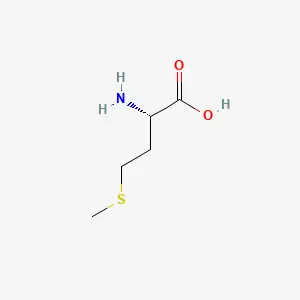
Methionine is an essential amino acid: the body cannot make it, so it has to come from food. Both the WHO/FAO/UNU report of 2007 and the US National Academies call it indispensable. (WHO is the World Health Organization, FAO the UN food agency and UNU the UN University.)
It is one of the 4 common sulfur-containing amino acids. It is also the one that starts nearly every protein. A review in the Journal of Nutrition says it is the first amino acid in the synthesis of virtually all eukaryotic proteins.
Beyond building protein, the body turns it into S-adenosylmethionine (SAMe), a donor of methyl groups. What is left goes on to homocysteine and cysteine, which in turn make glutathione and taurine.
Most people do not need to think about it. The WHO figure for adults is about 10 mg of methionine per kg of body weight a day. For a 70 kg adult, that is about 700 mg. US survey data cited by the National Academies put the average intake from food and supplements at 1.8 g a day.
The weak spot is plant protein. Sulfur amino acids are marginal in legume proteins, while cereal and animal proteins carry about as much as each other. So beans with rice is a sound mix.
One thing most readers do not know is that methionine has been used as a medicine. From the mid-1970s, doctors gave oral methionine to people poisoned with paracetamol (acetaminophen) to protect the liver. A 1981 report of 132 cases found severe liver damage in 7 of the 96 people treated within 10 hours.
Acetylcysteine has since become the standard treatment. A Cochrane review (Cochrane is a group known for careful reviews of trials) says its superiority to methionine was never proven in trials.
Health benefits of methionine
The top findings from 19 studies, strongest evidence first
What the stars mean
- Strong. Several randomized trials, pooled in a meta-analysis, point the same way, or regulators (FDA or EFSA) have approved the claim.
- Moderate. Good randomized trials support it, but there are fewer of them, or their results vary.
- Limited. Small, short or single trials, or mixed results. Promising, but it needs confirmation.
Population and lab studies get no stars: they show a link or a mechanism, not proof.
How we rate evidence →- ★★Diets with more methionine did not raise homocysteineA high-protein diet giving 2.7 g of methionine a day did not clearly change homocysteine, a blood marker, in 65 adults. Cutting methionine or doubling it for a week did not change fasting levels in 24 men.
- ★Methionine supplements raised homocysteineIn 20 women, 1,500 mg of methionine a day for 4 weeks raised homocysteine by about 2 µmol/L. A single big test dose nearly tripled it within 4 hours in 24 healthy adults.
- ★Not proven as a paracetamol overdose antidoteA Cochrane review of 11 trials, all at high risk of bias, found low-quality evidence and could not show acetylcysteine beats methionine for paracetamol overdose. Its authors say acetylcysteine should be given to people at risk of toxicity, and it is standard care worldwide.
- ★No approved EU health claimsIn 2010, EFSA, the EU’s food safety agency, found no cause and effect link for claims about cholesterol, hair, nails, skin, collagen or glutathione.
- ★Chickpea and lentil methionine is less availableIn small studies of young men, methionine from chickpeas was 63% as available as from a reference mix, and from lentils 69%. Adding rice improved protein quality.
All 14 studies, strongest evidence first
A high-protein diet with more methionine did not raise homocysteine
This randomized trial assigned 65 overweight adults to a low-protein diet (25 people), a high-protein diet (25) or a control diet with intermediate protein (15). For 6 months, the high-protein diet gave 2.7 g of methionine a day and the low-protein diet 1.4 g. Food was self-selected from a shop at the department. Homocysteine did not change in the low-protein or control groups. It was 25% lower in the high-protein group, but that could be chance. Homocysteine was linked to baseline levels, vitamin B12 intake and weight change, not to methionine or protein intake.
Cochrane review: acetylcysteine not proven better than methionine for paracetamol overdose
The review pooled 11 trials in 700 people. It covered antidotes (methionine, cysteamine, dimercaprol and acetylcysteine) and ways to block absorption. All trials were at high risk of bias, and the quality of the evidence was low or very low. The authors say acetylcysteine should be given to people at risk of toxicity. Standard care worldwide is intravenous or oral acetylcysteine, based mainly on observational studies.
Methionine: 7 of 96 treated within 10 hours had severe liver damage
This 1981 report covered 132 cases of severe paracetamol poisoning treated with oral methionine. The abstract gives no randomized comparison. None of the people treated early died. Of 36 people treated 10 to 24 hours after the overdose, 47% had severe liver damage and 2 died. Severe damage meant aspartate transaminase, a liver enzyme, above 1,000 IU/L. The course finished within 12 hours, against 20 hours for intravenous acetylcysteine, and the authors judged side effects unimportant.
EFSA found no cause and effect link behind methionine’s health claims
These are two 2010 opinions from EFSA on claims sent in under Regulation (EC) No 1924/2006. The claims covered blood cholesterol, hair, nails, skin, collagen and glutathione formation. For cholesterol, the only methionine data were from rats, and no human data were provided. For hair, nails, skin, collagen and glutathione (assessed for L-cysteine and L-methionine alone or together), no human studies were provided. The EU Register lists these claims as non-authorized.
1,500 mg of methionine daily raised homocysteine about 2 µmol/L
This placebo-controlled crossover trial included 20 women: 8 with chronic urinary tract infection and 12 healthy. After a methionine-loading test, they took 500 mg of L-methionine three times a day or a placebo, for 4 weeks each. Their vitamin status was adequate. Homocysteine rose from 9.4 to 11.2 µmol/L (micromoles per liter) in the patients and from 8.9 to 11.0 in the healthy women. The authors suggest that vitamin supplements, especially folate, might prevent such a rise.
A single big methionine dose nearly tripled homocysteine and halved artery dilation
In this randomized crossover study, 24 healthy adults took a single dose of 0.1 g of methionine per kg. Within 4 hours, homocysteine rose from 7.9 to 23.1 µmol/L. Flow-mediated dilation of the brachial artery (how much the arm artery widens) fell from 0.12 to 0.06 mm. The dip followed the same time course as the rise in homocysteine, tracked for up to 8 hours in 10 of them. This was an acute test dose, not a daily intake.
Cutting methionine by 79%, or doubling it, did not change fasting homocysteine
This crossover trial included 24 healthy men aged 19 to 29, chosen from 52 screened. The 13 with the highest habitual intake went from about 1,969 to 407 mg a day. The 11 with the lowest went from about 1,155 to 2,112 mg a day. Each change lasted 1 week, against a control diet. All had normal folate, vitamin B12 and vitamin B6 status. The authors say this holds in the absence of an obvious B-vitamin deficiency.
Low methionine and cysteine raised the hormone FGF21 in heavier women
This double-blind randomized pilot trial ran for 7 days in 20 women with overweight or obesity. They were assigned to a low (7 women), medium (7) or high (6) methionine and cysteine diet. FGF21 is a hormone involved in metabolism. Blood methionine and cystathionine fell, and fat-making genes were more active in fat tissue in the low group. It tested biomarkers, not weight loss or disease. One author is a founder, stockholder and consultant of a company (Vitas Ltd).
In 30 people at risk, oral methionine was followed by no deaths
This short report from 1976 covered people at risk of liver damage after a paracetamol overdose, with no comparison group described. They took 2 to 5 g of methionine every 4 hours, up to 10 g in total. The first dose came within 10 hours of the overdose. Liver enzymes were normal in 21. No liver encephalopathy (brain effects of liver failure) or other complications were reported. The authors suggest methionine may be a non-toxic alternative to cysteamine.
More methionine went with 23% lower colon cancer risk, not colorectal overall
This meta-analysis pooled 8 prospective cohorts (studies that follow people over time) with 431,029 people and 6,331 cases. People with the highest intake had 0.77 times the risk of colon cancer of those with the lowest. For colorectal cancer overall (0.89) and rectal cancer (0.88), the ranges were wide, so there was no clear drop. The link was clearer in studies with longer follow-up. Food-questionnaire links cannot show cause.
In Framingham, the most methionine went with 1.7 times the diabetes risk
This analysis of two Framingham cohorts covered 3,222 adults in the Offspring cohort and 3,205 in the Third Generation cohort, over 23 years. Intake came from a food questionnaire, and there were 472 new cases of type 2 diabetes. For the highest versus lowest intake, the risk was 1.8 times for total sulfur amino acids, 1.7 times for methionine and 1.4 times for cysteine. The link weakened after adjusting for animal protein intake, so methionine and animal protein are hard to separate.
Higher methionine intake went with lower odds of neural tube defects, borderline
This case-control study in South Carolina compared 170 affected pregnancies with 269 controls. Neural tube defects are birth defects of the brain or spine. Women whose diet gave more than 1,580 mg of methionine a day had about 30% to 55% lower odds. After adjusting for energy, race and body mass index, the odds ratios across the three higher quartiles were 0.72, 0.68 and 0.45. These results were borderline and could be chance. Intake covered 3 months before to 3 months after conception. Observational data cannot show that methionine itself lowers risk.
In 392 British men, plasma methionine was lowest in vegans
This EPIC-Oxford analysis took a snapshot of men aged 30 to 49. Plasma (blood) methionine, tryptophan and tyrosine were highest in fish-eaters and vegetarians, then meat-eaters, and lowest in vegans. Across the amino acids that differed, the gaps between meat-eaters and vegans were up to 16%. Intake of most amino acids was up to 47% lower in vegans. The authors say plasma differences were less marked than intake differences.
Cutting methionine gave treatment responses in mouse cancer models
Two patient-derived xenograft models of colorectal cancer responded to methionine restriction. These were human tumors grown in mice, resistant to chemotherapy and driven by RAS genes. A radiation-resistant sarcoma model also responded, through changes in one-carbon metabolism. In a controlled feeding study in humans, methionine restriction was tolerated and changed whole-body metabolism in ways similar to mice. The human part did not test cancer outcomes, and two authors hold patents on targeting amino acid metabolism in cancer therapy.
Foods high in methionine
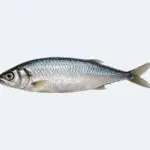
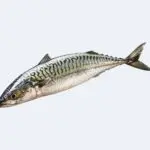
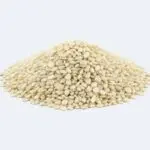
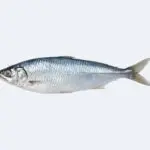
Fish and poultry lead our USDA ranking per serving. One can of sardines (92 g) holds 0.67 g of methionine and one chicken drumstick with skin 0.67 g. A 4 oz chicken breast holds 0.66 g.
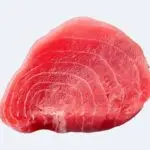
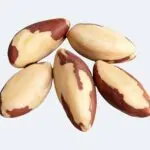
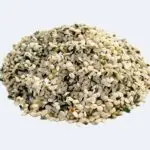
Per 100 g the order changes: Brazil nuts come first at 1.12 g, then hemp seeds (0.93 g) and sardines (0.73 g). Per 100 kcal, cod (0.64 g) and tuna (0.63 g) lead. The ranking below shows the full lists.
One chicken breast (0.66 g) or one can of sardines (0.67 g) gives about 95% of the 700 mg a 70 kg adult needs. That is our arithmetic, using the WHO figure for methionine alone, so an ordinary day of protein foods covers it.
Eggs are not in the top 10 lists on this page. But the National Academies’ table gives egg protein 56 mg of methionine plus cysteine per g of protein. Whole wheat flour has 35, milk 34 and navy beans 19. The WHO report says sulfur amino acids are marginal in legume proteins, and equally abundant in cereal and animal proteins.
Grains and legumes fill each other’s gaps. Lysine, not methionine, is the weak spot in grains: wheat flour has 26 mg per g of protein, against 45 in the WHO pattern. So beans with rice works both ways.
In two trials in young men, adding rice to chickpeas cut oxidation of a marker amino acid by up to 14%. Adding rice to lentils cut it by up to 16%, which the authors read as better protein quality.
An FAO report scores protein quality by digestible indispensable amino acids (DIAAS). Using the pattern for young children (6 months to 3 years), it scores wheat 40, peas 64 and whole milk powder 122.
Per serving. No daily amount is set, so bars compare each food with the top food.
Per 100 g. No daily amount is set, so bars compare each food with the top food.
Per 100 kcal: the same calories of each food, for a fair comparison. Bars compare each food with the top food.
Food labels have no Daily Value or Reference Intake for methionine, so the % compares each food with the top food.
- 1.
- 2.

- 3.

- 4.
- 5.

- 6.
- 7.
- 8.
- 9.
- 10.


- 1.
- 2.
- 3.
- 4.
- 5.
- 6.
- 7.
- 8.
- 9.
- 10.


- 1.

- 2.
- 3.
- 4.
- 5.

- 6.
- 7.
- 8.
- 9.
- 10.


Sources
- FoodData Central. US Department of Agriculture, Agricultural Research Service. Values as shown in the ranking above.
- FAO/WHO/UNU Expert Consultation. Protein and amino acid requirements in human nutrition. WHO Technical Report Series 935. World Health Organization. 2007.
- Institute of Medicine, Food and Nutrition Board. Dietary Reference Intakes for energy, carbohydrate, fiber, fat, fatty acids, cholesterol, protein, and amino acids. National Academies Press. 2005. Table 10-23.
- FAO Expert Consultation. Dietary protein quality evaluation in human nutrition. FAO Food and Nutrition Paper 92. 2013.
- Rafii M, Pencharz PB, Ball RO, et al. Bioavailable methionine assessed using the indicator amino acid oxidation method is greater when cooked chickpeas and steamed rice are combined in healthy young men. J Nutr. 2020.
- Rafii M, Pencharz PB, Boileau K, et al. Metabolic availability of methionine assessed using indicator amino acid oxidation method, is greater when cooked lentils and steamed rice are combined in the diet of healthy young men. J Nutr. 2022.
How methionine works
Most of the biochemistry below is well established, but it comes from reviews and tracer studies. The choices people make about supplements rest on a thinner set of trials.
Five ideas cover most of it. Methionine starts proteins and feeds methylation, and homocysteine is a fork in its path. A big dose overwhelms that path, amino acids compete for carriers, and foods differ in how much sulfur amino acid they carry. Here is each one, and what has been seen in people.
It starts proteins and feeds methylation
Methionine is the first amino acid in the synthesis of virtually all eukaryotic proteins, according to a Journal of Nutrition overview. The same overview says exposed methionine residues inside proteins are open to oxidative damage.
Its metabolism begins with activation to SAMe, a cofactor that passes on methyl groups. In animals the great bulk of SAMe is used in methylation reactions. A 2007 review names three main uses in mammals: making creatine, phosphatidylcholine (a membrane fat) and sarcosine.
The three main reactions that use methyl groups from SAMe in mammals, as named in the review. Not to scale, and the review does not rank them by amount.
Homocysteine is a fork: back to methionine, or on to cysteine
After SAMe gives up a methyl group, the product (S-adenosylhomocysteine) gives rise to homocysteine. Homocysteine may be remethylated to methionine or converted to cysteine by the transsulfuration pathway. Cysteine can become glutathione or taurine.
How much dietary cysteine can spare methionine (reduce the need for it) is uncertain. The WHO report notes one study that found sparing at a 5 to 1 ratio of cysteine to methionine. Two others suggested none at ratios nearer to 1. A tracer study in 8 men concluded that any sparing probably happens during first-pass removal in the splanchnic region (the gut and liver area).
The methionine cycle, simplified, with S-adenosylhomocysteine left out between SAMe and homocysteine. Not to scale.
B vitamins and choline help with the first branch. A review says the effects of methionine on homocysteine and vascular function are moderated by supplements. These are vitamins B6, B12 and C and folic acid. In a crossover trial in 26 men, choline taken as phosphatidylcholine cut the rise in homocysteine after a methionine load by 29%. Our choline page covers that nutrient in full.
A big dose overwhelms the cycle
At high methionine concentrations the body also uses a transamination pathway, which produces a number of toxic end products, according to the overview. The best-known human sign is the test dose used to probe homocysteine metabolism.
In one study of 24 healthy adults, 0.1 g of methionine per kg raised homocysteine from 7.9 to 23.1 µmol/L within 4 hours. It also reduced artery dilation. In another, 20 volunteers drinking 100 mg per kg went from 10.5 to 27.1 µmol/L, and their clotting and cell-adhesion markers rose too. Vitamin E with vitamin C blocked those changes in that trial.
Plasma homocysteine before and 4 hours after a methionine load, drawn to scale. In the second study the placebo was a methionine-free juice.
Amino acids compete for carriers
Nearly every amino acid crosses the gut wall and the kidney by more than one transporter. That gives the body backup, according to a review of epithelial transport.
The amino acids also crowd each other. The National Academies report that single oral doses of about 0.6 g of methionine in adults raised plasma methionine and alanine. They lowered plasma leucine, isoleucine, valine, tyrosine, tryptophan and phenylalanine.
In Parkinson’s disease, high-protein meals reversed the effect of infused levodopa without lowering its blood level. So did 100 mg per kg of oral phenylalanine, leucine or isoleucine. The authors put this down to competition between large neutral amino acids and levodopa for transport into the brain. They did not test methionine.
Foods differ in how much they carry
The WHO sets the adult pattern at 22 mg of methionine plus cysteine per g of protein. Egg, whole wheat and milk protein are above it in the National Academies’ table, and navy bean protein is below it. This is why legumes are the usual weak spot, and why trials of rice with chickpeas or lentils matter.
Methionine plus cysteine per gram of protein in four foods, drawn to scale, against the WHO adult pattern (dashed line).
What has been seen in people
The firmest human facts are about need and about homocysteine. Methionine loads raise homocysteine within hours and briefly impair artery dilation in healthy adults. A dose of 1,500 mg a day for 4 weeks raised it by about 2 µmol/L.
Ordinary changes in food intake did not move fasting homocysteine. Cutting methionine by 79% or doubling it for a week made no difference. Neither did a 6-month high-protein diet with 2.7 g a day. As an antidote for paracetamol, methionine is backed by case series, not by trials showing it beats acetylcysteine.
Links with diabetes and colon cancer come from food questionnaires and cannot separate methionine from animal foods. Methionine restriction slowed tumors in mice and raised FGF21 in a small trial in women. But we found no trial showing a health benefit in people. All of these are among the study cards above.
Sources
- Brosnan JT, Brosnan ME. The sulfur-containing amino acids: an overview. J Nutr. 2006.
- Mudd SH, Brosnan JT, Brosnan ME, et al. Methyl balance and transmethylation fluxes in humans. Am J Clin Nutr. 2007.
- FAO/WHO/UNU Expert Consultation. Protein and amino acid requirements in human nutrition. WHO Technical Report Series 935. 2007. Section 8.1.7.
- Hiramatsu T, Fukagawa NK, Marchini JS, et al. Methionine and cysteine kinetics at different intakes of cystine in healthy adult men. Am J Clin Nutr. 1994.
- Garlick PJ. Toxicity of methionine in humans. J Nutr. 2006.
- Olthof MR, Brink EJ, Katan MB, Verhoef P. Choline supplemented as phosphatidylcholine decreases fasting and postmethionine-loading plasma homocysteine concentrations in healthy men. Am J Clin Nutr. 2005.
- Bellamy MF, McDowell IF, Ramsey MW, et al. Hyperhomocysteinemia after an oral methionine load acutely impairs endothelial function in healthy adults. Circulation. 1998.
- Nappo F, De Rosa N, Marfella R, et al. Impairment of endothelial functions by acute hyperhomocysteinemia and reversal by antioxidant vitamins. JAMA. 1999.
- Bröer S. Amino acid transport across mammalian intestinal and renal epithelia. Physiol Rev. 2008.
- Institute of Medicine, Food and Nutrition Board. Dietary Reference Intakes for energy, carbohydrate, fiber, fat, fatty acids, cholesterol, protein, and amino acids. National Academies Press. 2005. Table 10-23 and the methionine section on tolerable upper intake levels.
- Nutt JG, Woodward WR, Hammerstad JP, et al. The “on-off” phenomenon in Parkinson’s disease. Relation to levodopa absorption and transport. N Engl J Med. 1984.
How much methionine do you need?
Adults need about 10 mg of methionine per kg of body weight a day, according to the WHO/FAO/UNU report of 2007. That is about 700 mg for a 70 kg adult. The same report sets 15 mg per kg (about 1,050 mg) for methionine and cysteine together. The US recommended dietary allowance (the amount that covers nearly everyone) for the pair is 19 mg per kg (about 1,330 mg).
| Source | Requirement (mg per kg a day) | For a 70 kg adult | Notes |
|---|---|---|---|
| WHO/FAO/UNU 2007, adults | 10 | 700 mg | Methionine alone. Cysteine adds 4 mg per kg. Same pattern for older adults. |
| WHO/FAO/UNU 2007, adults | 15 | 1,050 mg | Methionine plus cysteine, 22 mg per g of protein. |
| NASEM 2005, EAR, adults 19 and older | 15 | 1,050 mg | Methionine plus cysteine. The estimated average requirement. |
| NASEM 2005, RDA, adults 19 and older | 19 | 1,330 mg | Methionine plus cysteine. Set to cover 97 to 98 percent of people. |
| NASEM 2005, pregnancy | 20 (EAR), 25 (RDA) | Not calculated | Methionine plus cysteine. Scaled from the protein need, as there are essentially no direct data. |
For children, the WHO values for methionine plus cysteine fall with age. They are 31 mg per kg a day at 6 months, 22 at 1 to 2 years and 18 at 3 to 10 years. From age 18 the value is 15.
While breastfeeding, the US estimated average requirement is 21 mg per kg. The WHO says the data are too thin to set a separate pattern for older adults.
Newer tracer studies suggest the picture may differ by group. In 25 pregnant women the requirement was 11.1 mg per kg in early pregnancy and 15.0 in late pregnancy. That is below the US figures of 20 and 25.
In 15 adults aged 60 and over it was 26.2 mg per kg for men and 17.1 for women. So older men may need more than the current values. In 6 young men it was 12.6 mg per kg, close to the WHO figure. These are single small studies, and they measure methionine plus cysteine.
Methionine deficiency: signs and who is at risk
We found no report of a methionine deficiency syndrome in healthy people who eat enough protein. Intake could fall short on a very low protein diet that leans on legumes. Legume protein is marginal in sulfur amino acids, according to the WHO. In EPIC-Oxford men, plasma methionine was lowest in vegans, though the differences were smaller than the differences in intake.
Inherited disorders go the other way, with too much methionine or homocysteine rather than too little. In cystathionine beta-synthase deficiency (homocystinuria), homocysteine builds up. Severely affected people usually need a low-methionine diet, betaine or both, according to international guidelines.
In methionine adenosyltransferase I/III deficiency, methionine stays high, with a range from no symptoms to brain demyelination (loss of the coating on nerves). A review warns that lowering methionine can also lower SAMe. These conditions need a metabolic specialist.
Sources
- FAO/WHO/UNU Expert Consultation. Protein and amino acid requirements in human nutrition. WHO Technical Report Series 935. 2007. Tables 23 and 50.
- Institute of Medicine, Food and Nutrition Board. Dietary Reference Intakes for energy, carbohydrate, fiber, fat, fatty acids, cholesterol, protein, and amino acids. National Academies Press. 2005. Pages 679 to 682.
- Di Buono M, Wykes LJ, Ball RO, Pencharz PB. Total sulfur amino acid requirement in young men as determined by indicator amino acid oxidation with L-[1-13C]phenylalanine. Am J Clin Nutr. 2001.
- Scherbinsky K, Rasmussen BF, Li B, et al. Total sulfur amino acid requirements are higher during late gestation compared with early gestation in healthy Canadian pregnancies in a repeated-measures trial. Am J Clin Nutr. 2024.
- Paoletti A, Pencharz PB, Ball RO, et al. The dietary requirement for total sulfur amino acids in adults aged 60 years and over appears to be higher in males than in females. Am J Clin Nutr. 2023.
- Schmidt JA, Rinaldi S, Scalbert A, et al. Plasma concentrations and intakes of amino acids in male meat-eaters, fish-eaters, vegetarians and vegans: a cross-sectional analysis in the EPIC-Oxford cohort. Eur J Clin Nutr. 2016.
- Morris AA, Kožich V, Santra S, et al. Guidelines for the diagnosis and management of cystathionine beta-synthase deficiency. J Inherit Metab Dis. 2017.
- Furujo M, Kinoshita M, Nagao M, Kubo T. Methionine adenosyltransferase I/III deficiency: neurological manifestations and relevance of S-adenosylmethionine. Mol Genet Metab. 2012.
Forms of methionine: absorption and effects
Methionine reaches you in three ways. It comes bound in food protein and as free L-methionine in supplements and fortified products. Related compounds such as SAMe are sold for other purposes.
The honest bottom line: no trial shows a health benefit of free methionine in healthy people. So the choice of form matters little for most readers. The human comparisons below measure how well the body uses methionine, not health, and they are small.
| Form | What it is | What studies show | Source |
|---|---|---|---|
| Free L-methionine | The single amino acid in its natural L-form, sold as capsules and powder | In 15 older adults, 4 weeks of free methionine raised homocysteine only at the top dose (91 mg per kg a day). In another trial, 1,500 mg a day raised it by about 2 µmol/L, and a 0.1 g per kg load raised it far more. We found no trial showing a health benefit in healthy people. | 1, 2, 3 |
| Methionine in food protein | Bound in peptides, as in rice, chickpeas and lentils | In young men, methionine availability against a reference was 100% from rice, 63% from chickpeas and 69% from lentils, and combining rice with pulses improved protein quality. | 4, 5 |
| D- and DL-methionine | The mirror-image form and a 1 to 1 mix of D and L | On an oat diet, L-methionine improved nitrogen balance and D-methionine did not. A review says D and DL isomers were used in nutrition studies without reported adverse effects, and the National Academies reviewed only L-forms. We found no trial of D or DL forms for health outcomes. | 6, 7, 12 |
| N-acetyl-L-methionine | Methionine with an acetyl group attached | In 1-year-old infants, a single dose released as much methionine into the blood overall as L-methionine, and peak levels were about half those seen in adults. We found no trial of health outcomes. | 8 |
| SAMe (S-adenosylmethionine) | The activated form the body makes from methionine, sold as its own supplement | A Cochrane review found a small, uncertain gain in osteoarthritis pain, and a 2024 meta-analysis found no significant difference in depression against placebo or two antidepressants. These results do not apply to methionine pills. | 9, 10, 13 |
| “Lipotropic” injections and hair supplements | Mixes of methionine with inositol and choline, or with cysteine | EFSA found no cause and effect link between L-cysteine and L-methionine and hair, nails or skin, because no human studies were provided. We found no randomized trial of methionine, inositol and choline injections. | 11 |
The trials in the benefits section used free L-methionine capsules (the 4-week homocysteine trials, the paracetamol reports) and test loads. None of them compared forms. Here are the form-specific and related studies, strongest evidence first, 5 in all.
All 5 studies, strongest evidence first
SAMe did not clearly differ from placebo or antidepressants for depression
This 2024 meta-analysis pooled 14 trials with 1,522 people. SAMe doses ran from 200 to 3,200 mg a day for 2 to 12 weeks, alone or added to an antidepressant. It did not differ clearly from placebo or from the antidepressants imipramine and escitalopram. The authors say SAMe may relieve symptoms similar to the two drugs, but caution that there were few studies and a wide range of doses. SAMe is a different compound from methionine.
SAMe eased osteoarthritis pain slightly, 0.4 cm on a 10 cm scale
This Cochrane review pooled 4 trials of SAMe against placebo in 656 people with knee or hip osteoarthritis. All were of poor methodological quality. Pain fell by 0.17 standard deviations, a small and uncertain gain, and the range included no effect. The authors say routine use should not be advised for now.
Methionine from chickpeas was 63% as available as from a reference mix
This study in 11 young men used a tracer method (indicator amino acid oxidation with L-[1-13C]phenylalanine). The reference was a crystalline amino acid mix patterned on egg protein, with graded L-methionine. Methionine from rice was 100% as available. Mixing chickpeas with rice cut oxidation of the marker by up to 14%, which suggests better protein quality. The authors recommend 3 parts rice to 1 part chickpeas.
Methionine from lentils was 69% as available as the reference
This study used the same method as the chickpea study, by the same group, in 5 young men. Combining lentils and rice 1 to 1 cut oxidation of the marker by up to 16%, so adding rice improved protein quality. It is a very small study.
On oats, L-methionine improved nitrogen balance; D-methionine was poorly used
Adults ate instant oatmeal giving 4.0 g of nitrogen a day. In random periods they added L-, DL- or D-methionine at 0.58 or 1.16 g a day. Nitrogen balance is a measure of protein gained or lost. It was a loss of 0.22 g a day with no supplement and a gain of 0.06 g with 1.16 g of L-methionine. It was a loss of 0.15 g with DL and 0.18 g with D. Urinary methionine data pointed the same way.
Sources
- Deutz NE, Simbo SY, Ligthart-Melis GC, et al. Tolerance to increased supplemented dietary intakes of methionine in healthy older adults. Am J Clin Nutr. 2017.
- Ditscheid B, Fünfstück R, Busch M, et al. Effect of L-methionine supplementation on plasma homocysteine and other free amino acids: a placebo-controlled double-blind cross-over study. Eur J Clin Nutr. 2005.
- Bellamy MF, McDowell IF, Ramsey MW, et al. Hyperhomocysteinemia after an oral methionine load acutely impairs endothelial function in healthy adults. Circulation. 1998.
- Rafii M, Pencharz PB, Ball RO, et al. Bioavailable methionine assessed using the indicator amino acid oxidation method is greater when cooked chickpeas and steamed rice are combined in healthy young men. J Nutr. 2020.
- Rafii M, Pencharz PB, Boileau K, et al. Metabolic availability of methionine assessed using indicator amino acid oxidation method, is greater when cooked lentils and steamed rice are combined in the diet of healthy young men. J Nutr. 2022.
- Kies C, Fox H, Aprahamian S. Comparative value of L-, and D-methionine supplementation of an oat-based diet for humans. J Nutr. 1975.
- Garlick PJ. Toxicity of methionine in humans. J Nutr. 2006.
- Stegink LD, Filer LJ Jr, Baker GL. Plasma and urinary methionine levels in one-year-old infants after oral loading with L-methionine and N-acetyl-L-methionine. J Nutr. 1982.
- Rutjes AW, Nüesch E, Reichenbach S, Jüni P. S-adenosylmethionine for osteoarthritis of the knee or hip. Cochrane Database Syst Rev. 2009.
- Peng TR, Cheng HY, Wu TW. S-adenosylmethionine (SAMe) as an adjuvant therapy for patients with depression: an updated systematic review and meta-analysis. Gen Hosp Psychiatry. 2024.
- EFSA Panel on Dietetic Products, Nutrition and Allergies (NDA). Scientific opinion on the substantiation of health claims related to L-cysteine and L-methionine alone or in combination. EFSA J. 2010. EFSA NDA Panel. Scientific opinion on the substantiation of health claims related to methionine and maintenance of normal blood cholesterol concentrations. EFSA J. 2010. European Commission, EU Register on nutrition and health claims.
- Institute of Medicine, Food and Nutrition Board. Dietary Reference Intakes for energy, carbohydrate, fiber, fat, fatty acids, cholesterol, protein, and amino acids. National Academies Press. 2005. Page 695.
- Brosnan JT, Brosnan ME. The sulfur-containing amino acids: an overview. J Nutr. 2006.
Is methionine safe? Supplements, dose and interactions
Methionine from food is not a concern. The National Academies found no evidence that amino acids from usual or even high protein intakes present any risk. They set no tolerable upper intake level (the most you can take each day without likely harm) for methionine. They judged that there were no adequate data to describe a dose-response relationship in apparently healthy people.
We found no EFSA upper level for methionine either. The National Academies list single oral doses of 7 g producing lethargy in six people and 10.5 g producing nausea and vomiting in one. They also list 5 g a day for weeks reported as innocuous. In five healthy adults, 8 g a day for 4 days lowered serum folate.
One later trial gave capsules of free methionine to 15 healthy older adults (average age about 59). They took four doses for 4 weeks each: about 9, 23, 46 and 91 mg per kg a day. Blood homocysteine rose only at the top dose.
So the authors set 46.3 mg per kg (about 3.2 g for a 70 kg adult, our arithmetic) as the no-effect level. They set 91 mg per kg (about 6.4 g) as the lowest level with an effect, with no signs of intolerance. That is one study’s finding, not an official limit. It belongs to a series funded by the International Council on Amino Acid Science, and one author works for that council.
- Homocysteine and B vitamins. A review says a 0.1 g per kg load raises homocysteine briefly and is unlikely to cause permanent damage. But a tenfold larger dose given by mistake caused a death. Intakes above 5 times normal raised homocysteine in longer studies, and vitamins B6, B12 and C and folic acid moderate the effect. In the 4-week trial of 1,500 mg a day, homocysteine rose by about 2 µmol/L.
- Infants. In infants, methionine intakes of 2 to 5 times normal gave impaired growth and extremely high plasma levels. No long-term harm was seen, according to the same review.
- Schizophrenia. Methionine is known to worsen symptoms in people with schizophrenia, and the review found no sign of such effects in healthy people.
- Inherited disorders. In homocystinuria and methionine adenosyltransferase I/III deficiency, methionine or homocysteine builds up, and diet is managed by a metabolic specialist. Do not add methionine on your own.
- Levodopa and other medicines. In 20 people with Parkinson’s disease on levodopa, plasma methionine and SAMe were lower and homocysteine higher than in controls. Dietary protein can also compete with levodopa for brain transport. We found no trial of methionine given with levodopa, so ask your doctor.
- Pregnancy and ask a doctor. We found no randomized trial of methionine supplements in pregnancy, and the neural tube finding on the cards is observational. Ask your doctor before taking a supplement, particularly in pregnancy, with an inherited disorder, with schizophrenia or on levodopa.
How to get enough methionine
- Eat enough protein from varied foods. The average US intake of 1.8 g a day is about 2.5 times the 700 mg a 70 kg adult needs (our arithmetic). One chicken breast or can of sardines gives about 0.66 g.
- Pair legumes with grains. In young men, methionine was 100% available from rice, 63% from chickpeas and 69% from lentils. Adding rice cut oxidation of a marker amino acid by up to 14% with chickpeas and 16% with lentils.
- Skip the pills unless a doctor suggests them. We found no trial showing a benefit in healthy people, and 1,500 mg a day raised homocysteine by about 2 µmol/L.
Sources
- Institute of Medicine, Food and Nutrition Board. Dietary Reference Intakes for energy, carbohydrate, fiber, fat, fatty acids, cholesterol, protein, and amino acids. National Academies Press. 2005. Pages 695 to 726.
- Deutz NE, Simbo SY, Ligthart-Melis GC, et al. Tolerance to increased supplemented dietary intakes of methionine in healthy older adults. Am J Clin Nutr. 2017.
- Elango R. Tolerable upper intake level for individual amino acids in humans: a narrative review of recent clinical studies. Adv Nutr. 2023.
- Ligthart-Melis GC, Engelen MPKJ, Simbo SY, et al. Metabolic consequences of supplemented methionine in a clinical context. J Nutr. 2020.
- Garlick PJ. Toxicity of methionine in humans. J Nutr. 2006.
- Morris AA, Kožich V, Santra S, et al. Guidelines for the diagnosis and management of cystathionine beta-synthase deficiency. J Inherit Metab Dis. 2017.
- Furujo M, Kinoshita M, Nagao M, Kubo T. Methionine adenosyltransferase I/III deficiency: neurological manifestations and relevance of S-adenosylmethionine. Mol Genet Metab. 2012.
- Müller T, Woitalla D, Hauptmann B, et al. Decrease of methionine and S-adenosylmethionine and increase of homocysteine in treated patients with Parkinson’s disease. Neurosci Lett. 2001.
- Nutt JG, Woodward WR, Hammerstad JP, et al. The “on-off” phenomenon in Parkinson’s disease. Relation to levodopa absorption and transport. N Engl J Med. 1984.
- Ditscheid B, Fünfstück R, Busch M, et al. Effect of L-methionine supplementation on plasma homocysteine and other free amino acids: a placebo-controlled double-blind cross-over study. Eur J Clin Nutr. 2005.
- Rafii M, Pencharz PB, Ball RO, et al. Bioavailable methionine assessed using the indicator amino acid oxidation method is greater when cooked chickpeas and steamed rice are combined in healthy young men. J Nutr. 2020.
- Rafii M, Pencharz PB, Boileau K, et al. Metabolic availability of methionine assessed using indicator amino acid oxidation method, is greater when cooked lentils and steamed rice are combined in the diet of healthy young men. J Nutr. 2022.
- FAO/WHO/UNU Expert Consultation. Protein and amino acid requirements in human nutrition. WHO Technical Report Series 935. 2007.
History of methionine
Mueller’s work in the early 1920s identified a sulfur-containing amino acid in protein other than cysteine. John Mueller isolated 100 to 200 g of it from 45 to 68 kg of casein. He gave it the formula C5H11SNO2.
In 1928 George Barger and Frederick Coyne repeated the isolation with Mueller’s method. They showed it was identical to an amino acid made by synthesis from 3-methylthiopropanal, and worked out its structure. After conferring with Mueller, they named it methionine.
Its place in human nutrition was built on nitrogen balance studies, which the WHO report credits to the pioneering work of William Rose. The 1973 and 1985 FAO/WHO values for methionine and cysteine were 13 mg per kg a day.
The 2007 report set 15 mg per kg for the pair. It came from the obligatory oxidative losses of 10.4 mg of methionine and 4.1 mg of cysteine per kg. The US set an estimated average requirement of 15 and an allowance of 19 mg per kg in 2005.
Medicine found its own use for methionine. In 1976 Crome and colleagues reported oral methionine in 30 people poisoned with paracetamol. In 1981 Vale and colleagues reported 132 cases. Acetylcysteine has since become the standard treatment, and the 2018 Cochrane review found that its superiority to methionine was unproven.
Sources
- Parker ET, Cleaves HJ, Callahan MP, et al. Prebiotic synthesis of methionine and other sulfur-containing organic compounds on the primitive Earth: a contemporary reassessment based on an unpublished 1958 Stanley Miller experiment. Orig Life Evol Biosph. 2011.
- FAO/WHO/UNU Expert Consultation. Protein and amino acid requirements in human nutrition. WHO Technical Report Series 935. 2007. Sections 4.1 and 8.1.7.
- Institute of Medicine, Food and Nutrition Board. Dietary Reference Intakes for energy, carbohydrate, fiber, fat, fatty acids, cholesterol, protein, and amino acids. National Academies Press. 2005.
- Crome P, Vale JA, Volans GN, et al. Oral methionine in the treatment of severe paracetamol (acetaminophen) overdose. Lancet. 1976.
- Vale JA, Meredith TJ, Goulding R. Treatment of acetaminophen poisoning. The use of oral methionine. Arch Intern Med. 1981.
- Chiew AL, Gluud C, Brok J, Buckley NA. Interventions for paracetamol (acetaminophen) overdose. Cochrane Database Syst Rev. 2018.
Frequently asked questions about methionine
Is methionine bad for you?
Not at the amounts in food. The National Academies found no evidence that usual or even high protein intakes carry risk. The WHO need is about 700 mg a day for a 70 kg adult, against an average US intake of 1.8 g. Supplements are different. A dose of 1,500 mg a day for 4 weeks raised homocysteine by about 2 µmol/L. The top dose (91 mg per kg) in a 4-week trial raised it too. People with homocystinuria or schizophrenia should avoid extra methionine unless their doctor says otherwise.
How much methionine is too much?
No official upper limit exists: the National Academies found no adequate dose-response data, and we found none from EFSA. One 4-week trial in 15 older adults found no rise in homocysteine up to 46.3 mg per kg a day. That is about 3.2 g for a 70 kg adult. It found a rise at 91 mg per kg (about 6.4 g). Single doses of 7 g caused lethargy in six people and 10.5 g caused nausea and vomiting in one. A review reports a death after a tenfold excess of a test dose.
Which foods are highest in methionine?
In our USDA ranking per serving, sardines (0.67 g in one can) and chicken drumstick (0.67 g) lead. Chicken breast (0.66 g in 4 oz), mackerel (0.62 g per fillet) and shrimp (0.57 g in 3 oz) follow. Per 100 g, Brazil nuts come first at 1.12 g, then hemp seeds at 0.93 g and sardines at 0.73 g. Legumes are the usual weak spot, since sulfur amino acids are marginal in their protein.
Do vegans get enough methionine?
Probably, if they eat enough protein and mix foods, but we found no study of methionine deficiency in vegans. In EPIC-Oxford men, plasma methionine was lowest in vegans. The gaps were smaller than the up to 47% lower intake of most amino acids. In trials in young men, adding rice to chickpeas or lentils improved protein quality. Older men may need more: in 15 adults aged 60 and over, the requirement was 26.2 mg per kg for men and 17.1 for women.
Does methionine raise homocysteine?
A big dose does. In 24 healthy adults, 0.1 g per kg raised it from 7.9 to 23.1 µmol/L within 4 hours. A dose of 1,500 mg a day for 4 weeks raised it by about 2 µmol/L. Ordinary changes in food did not: cutting intake by 79% or doubling it for a week made no difference. Neither did a 6-month high-protein diet. B vitamins matter, and in 26 men 2.6 g of choline a day cut the post-load rise by 29%.
Should I eat less methionine to live longer?
There is no evidence that this helps people. Methionine restriction gave therapeutic responses in mouse cancer models, and in a human feeding study it changed metabolism in similar ways. A 7-day trial in 20 women found higher FGF21 on a low methionine and cysteine diet. Neither tested lifespan or disease, and methionine is essential: the WHO need is about 10 mg per kg a day.
What is the difference between methionine and SAMe?
SAMe is the activated form the body makes from methionine, and it is sold as a separate supplement. A Cochrane review of 4 trials in 656 people with knee or hip osteoarthritis found a small, uncertain gain in pain. It advised against routine use. A 2024 meta-analysis of 14 depression trials found no clear difference from placebo, imipramine or escitalopram. Neither result tells you anything about methionine pills.
Do methionine injections or hair supplements work?
We found no randomized trial of methionine, inositol and choline injections sold as “lipotropic” products. For hair and nails, EFSA’s 2010 opinion found no cause and effect link for L-cysteine and L-methionine, because no human studies were provided. The EU Register lists the claims as non-authorized. Eating enough protein covers the need for sulfur amino acids.