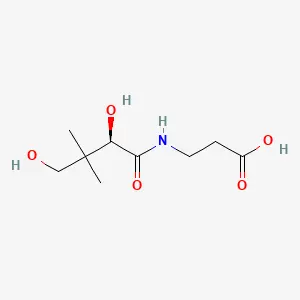
Vitamin B5, or pantothenic acid, is a water-soluble B vitamin. The body uses it to build coenzyme A (CoA) and acyl carrier protein, according to the NIH (the US National Institutes of Health). These two helpers move fatty acids and acetyl groups through metabolism. Its name comes from the Greek pantothen, “from everywhere”, because small amounts turn up in almost every food.
That is also why true deficiency is so rare. The NIH says it has been seen only in severe malnutrition and in experiments. These took the vitamin out of the diet or blocked it with an antagonist (a blocking compound). Burning, numb feet in underfed prisoners of war in World War II were ascribed to it.
A typical US diet gives about 6 mg a day, against an adequate intake (a best-estimate daily target) of 5 mg.
Here is what most readers do not know. The popular uses, for cholesterol, acne and hair, rest on small trials, on mixtures, or on a different molecule. The cholesterol results come from pantethine, a derivative, at 600 to 900 mg a day. The NIH says pantothenic acid itself does not appear to have the same effect.
This page weighs 23 studies and says plainly where the evidence is thin.
Health benefits of vitamin B5
The top findings from 23 studies, strongest evidence first
What the stars mean
- Strong. Several randomized trials, pooled in a meta-analysis, point the same way, or regulators (FDA or EFSA) have approved the claim.
- Moderate. Good randomized trials support it, but there are fewer of them, or their results vary.
- Limited. Small, short or single trials, or mixed results. Promising, but it needs confirmation.
Population and lab studies get no stars: they show a link or a mechanism, not proof.
How we rate evidence →- ★★★EU-recognized roles in energy and less tirednessThe EU allows four health claims for pantothenic acid, including normal energy metabolism, less tiredness and normal mental performance. They describe its normal roles in the body, not a treatment.
- ★★Slightly lower LDL, but only from pantethinePantethine, a form made from B5, lowered LDL cholesterol a little more than placebo in 120 people (4 mg/dL). The NIH says pantothenic acid itself does not appear to do this.
- ★★No help in PKAN from a B5-pathway drugIn 84 people with PKAN, a rare inherited disease, a drug that supplies a B5 building block did not improve daily function compared with placebo. It is a drug, not a vitamin supplement.
- ★Fewer acne lesions in one sponsored trialAdults with mild to moderate acne had fewer facial lesions at 12 weeks on a pantothenic acid-based supplement than on placebo. The maker sponsored this small trial, and no second trial was found.
- ★Faster skin repair with dexpanthenol on the skinDexpanthenol, a B5 derivative, closed laser-treated skin faster than petroleum jelly in 38 people. A dexpanthenol cream also repaired irritated skin faster than the cream base alone. These are skin products, not pills.
All 18 studies, strongest evidence first
The EU allows four pantothenic acid claims, including energy and less tiredness
The claims are listed in Commission Regulation (EU) No 432/2012, based on opinions from EFSA (the EU’s food safety agency) in 2009 and 2010. They say that pantothenic acid “contributes to normal energy-yielding metabolism” and “to normal synthesis and metabolism of steroid hormones, vitamin D and some neurotransmitters”. It also contributes “to the reduction of tiredness and fatigue” and “to normal mental performance”. A food may carry them only if it is at least a source of pantothenic acid (Annex to Regulation (EC) No 1924/2006). The list has no pantothenic acid claim for acne, skin, hair or adrenal function. The claims describe normal roles of the vitamin, not a treatment for any condition.
Pantethine, a B5 derivative, cut LDL cholesterol 4% more than placebo
This triple-blind trial (nobody involved knew who got what) included 120 people at low to moderate heart risk, 60 per group. All followed a therapeutic lifestyle change diet. The dose was 600 mg a day for 8 weeks, then 900 mg, for 16 weeks in all. LDL cholesterol fell 4 mg/dL more than on placebo. Total cholesterol fell 6 mg/dL (3%) and apolipoprotein B 4 mg/dL (5%), and the authors call the effect small. This is pantethine, not pantothenic acid, and the NIH says pantothenic acid itself does not appear to have the same effect. The same research group ran the smaller trial below, which a pantethine maker funded.
In PKAN, a pantothenate-pathway drug did not improve daily function
This randomized, double-blind, placebo-controlled trial tested fosmetpantotenate, a drug that supplies a pantothenate building block, at 300 mg three times a day. It included 84 patients aged 6 to 65 with PANK2 mutations (41 on the drug, 43 on placebo). PKAN is a rare inherited disease in which the first enzyme of coenzyme A production is faulty. So it is not caused by a low-vitamin diet. The difference in the daily-living score at week 24 was −0.09 (range −1.69 to 1.51). Serious side effects were similar, 19.5% against 14.0%. Employees of the drug’s developer are among the authors.
A pantothenic acid-based supplement cut acne lesions more than placebo
This randomized, double-blind, placebo-controlled trial included adults with mild to moderate acne: 48 enrolled and 41 could be evaluated. Total facial lesion count at week 12 was lower than on placebo, and inflammatory lesions and quality-of-life scores also improved. The product is described only as “pantothenic acid-based”, so it may hold other ingredients. The company that markets it sponsored the trial. The authors call for more placebo-controlled trials, and we found no second one.
Pantethine lowered LDL 11% from baseline; on placebo it rose 3%
This triple-blind trial included 32 people at low to moderate heart risk who were eligible for statins. They took 600 to 900 mg a day of pantethine or placebo. Total cholesterol and non-HDL cholesterol had fallen clearly by week 16, and homocysteine did not change. Daiichi Fine Chemical, a pantethine maker, supported the study. Three authors work for it or for Kyowa Hakko USA.
Pantethine cut total and LDL cholesterol 13.5% in type IIB hyperlipoproteinemia
This small double-blind trial included 29 patients with high blood fats. Of these, 11 had type IIB hyperlipoproteinemia, 15 type IV and 3 low HDL cholesterol. They took 300 mg of pantethine three times a day or placebo, 8 weeks each. Triglycerides fell about 30% when pantethine came first, and HDL cholesterol rose about 10% in type IIB only. Cholesterol returned to baseline when patients switched to placebo.
Pantethine cut triglycerides 16.5%, less than coenzyme A (33.3%)
This double-blind trial in 216 people with high triglycerides (a blood fat) ran for 8 weeks. It compared coenzyme A, 400 units a day (111 people), with pantethine (105 people). The NIH lists the pantethine dose as 600 mg a day. There was no placebo group, so the fall cannot be credited to pantethine alone. The NIH notes that dietary counseling may explain part of it. Coenzyme A also lowered total and non-HDL cholesterol more, while LDL and HDL cholesterol did not differ between the groups.
Zinc plus pantothenate raised hair density a little, less than minoxidil did
This four-month randomized trial in 73 women with hair loss had four groups. They took zinc sulfate with calcium pantothenate, zinc sulfate alone, calcium pantothenate alone, or 2% minoxidil solution, and there was no placebo group. In the combination group, hair density rose from 118.6 to 121.9 hairs/cm², but thickness (62.2 to 64.0 microns) did not change clearly. Minoxidil did better. The authors’ conclusion rests mostly on participants’ satisfaction, which was 85% in the combination group.
No major wound-healing gain from B5 plus vitamin C
In this double-blind randomized trial, 49 patients had tattoos removed, and 18 took the supplement. It held 0.2 g of pantothenic acid with 1.0 g of vitamin C, taken for three weeks. It is a mixture of pantothenic acid and ascorbic acid (vitamin C), so no result belongs to the B vitamin alone. Tests of skin and scars found changes in iron, manganese, copper and magnesium in supplemented patients. The authors suggest any benefit could work through these trace elements.
B5 plus cysteine did not raise muscle coenzyme A or performance
In this randomized, double-blind trial, 8 healthy men took 1.5 g of pantothenic acid plus 1.5 g of cysteine a day for a week. The placebo was 3 g a day of glucose polymer. The men cycled at 75% of maximal effort to exhaustion, then did a 15-minute work test. The mixture with cysteine was meant to raise coenzyme A in muscle. Muscle coenzyme A fell 13% after 60 minutes of exercise at every visit, with or without the supplement. Work output did not differ from placebo.
A thiamine and B5 mix did not help trained cyclists
This randomized, double-blind crossover trial (each person took both in turn) included 6 trained cyclists. Each day for 7 days, they took 1 g of allithiamin, a thiamine derivative. With it came 1.8 g of a compound that was 55% pantethine and 45% pantothenic acid. Then came a 50 km ride and a 2000-m time trial. Times were 178.2 s on placebo and 170.7 s on the supplement, a difference that could be chance, and exercise metabolism did not change. Because the product mixes a thiamine form with two B5 forms, it says little about pantothenic acid alone.
Pantothenic acid, among other nutrients, was linked to lower risk of death
This nutrient-wide analysis of 24-hour diet recalls covered 208,312 UK Biobank adults. Copper, manganese, iron, vitamin E, riboflavin, biotin and pantothenic acid all went with lower death rates from any cause. The abstract gives no hazard ratio for pantothenic acid, which was one of many nutrients tested. Foods rich in B vitamins are rich in other things too, so overall diet quality may explain the link.
High blood B5 went with 77% higher odds of death
This nested case-control study ran within the China Stroke Primary Prevention Trial, in Chinese adults with high blood pressure. It compared 505 people who died with 505 matched controls, followed for a median of 4.5 years. Mean plasma vitamin B5 was 43.7 ng/mL in those who died and 40.9 in controls. The top fifth of blood B5 had 1.77 times the odds of death of the bottom fifth (range 1.06 to 2.95). The link was stronger in older people and in people with adequate folate. The authors say the finding needs confirming.
Coronary disease odds fell as blood B5 rose, then leveled off
This case-control study compared 429 patients with more than 70% narrowing of a coronary artery and 429 matched controls. Against the lowest quarter (under 27.6 ng/mL), the third quarter (34.9 to 44.0) had odds of 0.42. The fourth (44.0 or more) had 0.49. Above 40.95 ng/mL there was no further drop. This and the card above point in different directions, and neither can show cause.
In older men with diabetes, low B5 intake predicted cognitive decline
This 6-year follow-up of the Japanese Elderly Diabetes Intervention Trial included 237 older people with diabetes. Intake came from a food questionnaire. Decline meant a drop of 2 points or more on the Mini-Mental State Examination, a memory and thinking test. Low intakes of carotene, vitamin B2, calcium and green vegetables predicted decline as well, so the link may reflect overall diet quality. No clear links were seen in women.
Higher B5 intake went with 5% higher macular degeneration risk
This UK Biobank study followed 103,192 adults for a median of about 13 years. There were 1,977 cases of macular degeneration (an eye disease that blurs central vision). It looked at intakes of 36 nutrients from 24-hour recalls. The risk was 1.05 times, stronger in older participants and men. The abstract does not say per what amount of intake, and with so many nutrients tested, a chance finding is possible.
High B5 intake went with 51% more micronuclei
This food questionnaire study in 190 healthy Australians compared the top third of pantothenic acid intake with the bottom third. Micronuclei are a marker of DNA damage. High riboflavin and biotin intakes also went with more micronuclei (+36% and +65%), while folate, vitamin E, nicotinic acid, retinol and calcium went with fewer. Micronuclei in white blood cells are a lab marker, not a disease. This single cross-sectional result does not show that pantothenic acid damages DNA.
In blood cells, B5 cut biotin uptake less than 12%
This lab study used mononuclear cells (a type of white blood cell) from donor blood, with pantothenic acid at 10 to 1,000 nmol/L. Pantothenic acid and biotin share a transporter. Food holds about 200 times more pantothenic acid than biotin, so competition looked possible on paper. The authors conclude the effect at physiologic concentrations is quantitatively minor. This is cell work, not a trial of pills in people.
Foods high in vitamin B5
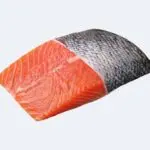
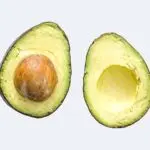
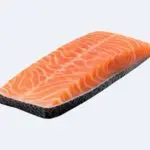
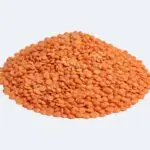
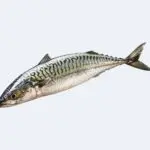
Poultry, fish, avocado and legumes lead our USDA ranking per serving. Chicken breast gives 1.69 mg in 4 oz (113 g), 34% of the 5 mg Daily Value (the FDA’s daily target for food labels). Wild Atlantic salmon (1.41 mg in 3 oz) and half an avocado (1.4 mg) follow. The ranking shows the rest, from a chicken drumstick and lentils to white mushrooms.
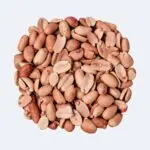
Per 100 g, peanuts (1.77 mg), wild salmon (1.66 mg) and farmed salmon (1.55 mg) lead, then eggs and white mushrooms. Per 100 kcal, white mushrooms (6.8 mg) and endive (5.29 mg) top the list.
Beef liver is not in our ranking, but the NIH lists boiled beef liver at 8.3 mg in 3 oz, 166% of the Daily Value. Cooked shiitake mushrooms have 2.6 mg per half cup and sunflower seeds 2.4 mg per quarter cup. Breakfast cereals fortified to 100% of the Daily Value give 5 mg.
Pantothenic acid is added to some cereals and drinks, and almost all plant and animal foods hold some. The Scientific Committee on Food names yeast and organ meats as the richest sources. Eggs, milk, whole grain cereals and vegetables such as broccoli are good ones.
Processing and absorption change what you get. The NIH reports food processing losses of 20% to almost 80%. The Scientific Committee on Food says calcium pantothenate, the supplement salt, is destroyed by heat and by alkaline or acid conditions.
About 85% of the pantothenic acid in food is bound as coenzyme A or phosphopantetheine, which gut enzymes free before absorption. The pantothenate in an average American diet was about half as available (50%) as the pure vitamin. Gut bacteria make some too, but how much of it is absorbed is not known.
Per serving. Bars show the share of the Daily Value (5 mg a day).
Per 100 g. Bars show the share of the Daily Value (5 mg a day).
Per serving. Bars show the share of the EU Reference Intake (6 mg a day).
Per 100 g. Bars show the share of the EU Reference Intake (6 mg a day).
Per 100 kcal: the same calories of each food, for a fair comparison. Bars compare each food with the top food.
- 1.

- 2.
- 3.
- 4.

- 5.
- 6.
- 7.

- 8.
- 9.
- 10.



- 1.
- 2.
- 3.
- 4.

- 5.
- 6.
- 7.

- 8.
- 9.
- 10.


- 1.
- 2.

- 3.
- 4.

- 5.
- 6.

- 7.
- 8.

- 9.

- 10.


Sources
- FoodData Central. US Department of Agriculture, Agricultural Research Service. Values as shown in the ranking above.
- Pantothenic acid: fact sheet for health professionals. National Institutes of Health, Office of Dietary Supplements. Updated May 1, 2026.
- Scientific Committee on Food. Opinion of the Scientific Committee on Food on the tolerable upper intake level of pantothenic acid (expressed on 17 April 2002). In: Tolerable upper intake levels for vitamins and minerals. European Food Safety Authority. 2006.
- Tarr JB, Tamura T, Stokstad EL. Availability of vitamin B6 and pantothenate in an average American diet in man. Am J Clin Nutr. 1981.
How vitamin B5 works
Most of the biochemistry below is well established. But the details come from reviews, enzyme work, cells and animals, and the human evidence is on the study cards above.
Three ideas cover most of it. Pantothenic acid is the raw material for coenzyme A, and coenzyme A carries carbon fragments through fat and energy metabolism. One carrier in the gut and in cells takes up pantothenic acid together with biotin.
Two more points follow. Only about half of the pantothenic acid in a mixed diet is absorbed, and a faulty first enzyme causes a rare brain disease. Here is each one, and what has been seen in people.
It is the raw material for coenzyme A
Cells build coenzyme A from pantothenate, the amino acid cysteine and ATP, in five enzyme steps. The first step adds a phosphate to pantothenate and is run by pantothenate kinase. The Scientific Committee on Food says the end products, coenzyme A and its acyl forms, control this enzyme. So a cell makes about as much as it needs.
Most pantothenic acid in tissues is coenzyme A, with smaller amounts in acyl carrier protein or free. Red blood cells carry it through the body, according to the NIH.
How cells build coenzyme A from vitamin B5. Not to scale. The steps are described in enzyme, cell and animal work.
Coenzyme A carries carbon fragments through fat and energy metabolism
The NIH says coenzyme A is essential for making and breaking down fatty acids. It is also essential for passing acetyl and acyl groups from one molecule to another. Acyl carrier protein helps build fatty acids, the NIH adds.
A 2024 review lists the energy (Krebs) cycle, the burning of nutrients, histone acetylation and the making of lipids, glycans and heme among its jobs. Acetyl-coenzyme A also acts as a signal that tells the cell how much energy it has. This breadth is why the EU authorized claims about energy metabolism and about steroid hormones, vitamin D and some neurotransmitters.
Four jobs of coenzyme A, simplified. Not to scale. The hormone job is the wording of an EU health claim; the others come from reviews.
One carrier brings in vitamin B5 and biotin
Cells take up pantothenate through a sodium-dependent multivitamin transporter (SMVT), which also carries biotin and lipoate. In the cloning study, rat placental SMVT moved pantothenate and biotin with constants of 4.9 and 15.1 micromolar. In human colon cells, pantothenic acid competed with biotin for uptake.
Food holds about 200 times more pantothenic acid than biotin, so competition looked possible. But at normal concentrations, pantothenic acid reduced biotin uptake by less than 12% in human white blood cells. The NIH adds that gut bacteria make some pantothenic acid, but how much of it the body absorbs is not known.
One carrier for three nutrients. Not to scale. The 12% figure comes from human white blood cells in a dish, not from people taking pills.
About half of the pantothenic acid in food is absorbed
About 85% of the pantothenic acid in food is bound as coenzyme A or phosphopantetheine. Gut enzymes free it before it is absorbed by active transport, and possibly by simple diffusion at higher doses, according to the NIH.
A controlled feeding study judged this by urinary excretion. The pantothenate in an average American diet was about half as available (50%, range 40% to 61%) as the pure vitamin. That study is one of the cards in the forms section below.
When the first enzyme fails, the brain suffers
Mutations in the PANK2 gene reduce the activity of pantothenate kinase 2 and cause pantothenate kinase-associated neurodegeneration (PKAN), according to the NIH. This rare inherited disorder brings brain iron accumulation, dystonia (uncontrolled muscle contractions) and sometimes retinal damage. It is not a dietary deficiency.
Whether pantothenate supplements help is not known, the NIH says. The one randomized trial of a drug that replaces the missing building block found no benefit in 84 patients.
What has been seen in people
The clearest result is about the need itself. Deficiency has been produced only by diets nearly free of pantothenic acid or by an antagonist. It caused burning, numb hands and feet, headache, fatigue and stomach upset. Beyond that, extra pantothenic acid has little proven benefit.
Pantethine at 600 to 900 mg a day lowered LDL cholesterol by 4% against placebo in 120 people and by 11% from baseline in 32. One sponsored trial found fewer acne lesions, and mixtures with vitamin C or cysteine showed no clear gain in wounds or exercise.
Large cohorts point in both directions: UK Biobank linked intake to lower mortality and to more macular degeneration. All of these are among the study cards above.
Sources
- Leonardi R, Jackowski S. Biosynthesis of pantothenic acid and coenzyme A. EcoSal Plus. 2007.
- Barritt SA, DuBois-Coyne SE, Dibble CC. Coenzyme A biosynthesis: mechanisms of regulation, function and disease. Nat Metab. 2024.
- Elbaum D, Beconi MG, Monteagudo E, et al. Fosmetpantotenate (RE-024), a phosphopantothenate replacement therapy for pantothenate kinase-associated neurodegeneration: mechanism of action and efficacy in nonclinical models. PLoS One. 2018.
- Pietrocola F, Galluzzi L, Bravo-San Pedro JM, et al. Acetyl coenzyme A: a central metabolite and second messenger. Cell Metab. 2015.
- Pantothenic acid: fact sheet for health professionals. National Institutes of Health, Office of Dietary Supplements. Updated May 1, 2026.
- Scientific Committee on Food. Opinion of the Scientific Committee on Food on the tolerable upper intake level of pantothenic acid (expressed on 17 April 2002). In: Tolerable upper intake levels for vitamins and minerals. European Food Safety Authority. 2006.
- Commission Regulation (EU) No 432/2012 establishing a list of permitted health claims made on foods. Official Journal of the European Union. 2012.
- Prasad PD, Wang H, Kekuda R, et al. Cloning and functional expression of a cDNA encoding a mammalian sodium-dependent vitamin transporter mediating the uptake of pantothenate, biotin, and lipoate. J Biol Chem. 1998.
- Said HM, Ortiz A, McCloud E, et al. Biotin uptake by human colonic epithelial NCM460 cells: a carrier-mediated process shared with pantothenic acid. Am J Physiol. 1998.
- Zempleni J, Mock DM. Human peripheral blood mononuclear cells: inhibition of biotin transport by reversible competition with pantothenic acid is quantitatively minor. J Nutr Biochem. 1999.
- Tarr JB, Tamura T, Stokstad EL. Availability of vitamin B6 and pantothenate in an average American diet in man. Am J Clin Nutr. 1981.
- Hayflick SJ. Defective pantothenate metabolism and neurodegeneration. Biochem Soc Trans. 2014.
- Klopstock T, Videnovic A, Bischoff AT, et al. Fosmetpantotenate randomized controlled trial in pantothenate kinase-associated neurodegeneration. Mov Disord. 2021.
How much vitamin B5 do you need?
Adults need 5 mg of pantothenic acid a day, according to both the US and the EU. These are adequate intakes (AIs), best estimates used when the data are too thin for recommended allowances. The US Food and Nutrition Board found the data insufficient to set an average requirement and based its values on usual intakes in healthy people.
EFSA based its value on observed intakes with a mixed diet and the apparent absence of deficiency in the EU. The label value, the Daily Value, is 5 mg.
In pregnancy the US adequate intake rises to 6 mg a day, while EFSA keeps the adult 5 mg. While breastfeeding both set 7 mg, which EFSA says compensates for losses in breast milk. Teenagers aged 14 to 18 have 5 mg in the US, and EFSA sets 4 mg for children and 5 mg for adolescents.
For infants, the US sets 1.7 mg a day up to 6 months and 1.8 mg from 7 to 12 months. EFSA sets 3 mg from 6 months. Older adults keep the adult value in both systems. We found no separate, higher value for any group other than pregnancy (US) and breastfeeding.
Many people eat close to the target. The NIH says a typical mixed US diet gives about 6 mg a day. In a 1996 to 1997 survey in New Brunswick, Canada, women averaged 4.0 mg and men 5.5 mg. An adequate intake is not a cutoff for deficiency, so eating a little less than 5 mg is not a sign of a problem.
Vitamin B5: recommended intake per day
US: Adequate Intake (NASEM). EU: Adequate Intake (EFSA).
| Age and sex | US (AI) | EU (AI) |
|---|---|---|
| Men, 31–50 years | 5 mg | 5 mg |
| Women, 31–50 years | 5 mg | 5 mg |
All ages, pregnancy and breastfeeding
| Age and sex | US (AI) | EU (AI) |
|---|---|---|
| Infants 0–6 months | 1.7 mg | None set |
| Infants 7–11 months | None set | 3 mg |
| Infants 7–12 months | 1.8 mg | None set |
| Children 1–3 years | 2 mg | 4 mg |
| Children 4–8 years | 3 mg | None set |
| Children 4–10 years | None set | 4 mg |
| Females 9–13 years | 4 mg | None set |
| Males 9–13 years | 4 mg | None set |
| Children 11–17 years | None set | 5 mg |
| Females 14–18 years | 5 mg | None set |
| Males 14–18 years | 5 mg | None set |
| Adults 18+ years | None set | 5 mg |
| Females 19–30 years | 5 mg | None set |
| Males 19–30 years | 5 mg | None set |
| Females 31–50 years | 5 mg | None set |
| Males 31–50 years | 5 mg | None set |
| Females 51–70 years | 5 mg | None set |
| Males 51–70 years | 5 mg | None set |
| Females >70 years | 5 mg | None set |
| Males >70 years | 5 mg | None set |
| Pregnancy 14–18 years | 6 mg | None set |
| Pregnancy | None set | 5 mg |
| Pregnancy 19–30 years | 6 mg | None set |
| Pregnancy 31–50 years | 6 mg | None set |
| Lactation 14–18 years | 7 mg | None set |
| Lactation | None set | 7 mg |
| Lactation 19–30 years | 7 mg | None set |
| Lactation 31–50 years | 7 mg | None set |
EU and US age bands differ; "None set" means that body sets no value for the group. Label reference: FDA Daily Value 5 mg, EU Reference Intake 6 mg.EU and US age bands differ; "None set" means that body sets no value for the group. Label reference: EU Reference Intake 6 mg, FDA Daily Value 5 mg.
Vitamin B5 deficiency: signs and who is at risk
Deficiency is rare except in people with severe malnutrition, according to the NIH. The NIH adds that it usually comes with shortages of other nutrients, which makes the effects of pantothenic acid itself hard to separate. The only people known to have developed it were fed diets with almost no pantothenic acid or took an antagonist of its metabolism. In underfed prisoners of war in the Philippines in World War II, painful burning feet and numb toes were ascribed to it.
In experimental deficiency, volunteers had headache, fatigue, insomnia, irritability, restlessness, numbness and burning of the hands and feet, and stomach upset with poor appetite. The Scientific Committee on Food adds a weaker response to the stress hormone ACTH and a loss of antibody production in those experiments.
Status is not routinely measured. Urinary excretion tracks intake best: about 2.6 mg a day on a typical American diet, and under 1 mg a day suggests deficiency. Whole-blood levels of 1.6 to 2.7 µmol/L (micromoles per liter) are normal and below 1 µmol/L are low, the NIH says. Plasma levels do not follow intake.
Severe malnutrition is the main risk. A separate group is people with PKAN, who have a faulty first enzyme of coenzyme A production. That is a gene problem, not a shortage in the diet.
Sources
- Pantothenic acid: fact sheet for health professionals. National Institutes of Health, Office of Dietary Supplements. Updated May 1, 2026.
- EFSA Panel on Dietetic Products, Nutrition and Allergies (NDA). Scientific opinion on dietary reference values for pantothenic acid. EFSA J. 2014.
- Institute of Medicine, Food and Nutrition Board. Dietary Reference Intakes for thiamin, riboflavin, niacin, vitamin B6, folate, vitamin B12, pantothenic acid, biotin, and choline. National Academy Press. 1998.
- Scientific Committee on Food. Opinion of the Scientific Committee on Food on the tolerable upper intake level of pantothenic acid (expressed on 17 April 2002). In: Tolerable upper intake levels for vitamins and minerals. European Food Safety Authority. 2006.
- Hayflick SJ. Defective pantothenate metabolism and neurodegeneration. Biochem Soc Trans. 2014.
- Klopstock T, Videnovic A, Bischoff AT, et al. Fosmetpantotenate randomized controlled trial in pantothenate kinase-associated neurodegeneration. Mov Disord. 2021.
- Hodges RE, Ohlson MA, Bean WB. Pantothenic acid deficiency in man. J Clin Invest. 1958.
- Hodges RE, Bean WB, Ohlson MA, Bleiler R. Human pantothenic acid deficiency produced by omega-methyl pantothenic acid. J Clin Invest. 1959.
Forms of vitamin B5: absorption and effects
Pantothenic acid is sold and used in several forms. Free pantothenic acid and its sodium salt are chemically unstable, so supplements usually hold calcium pantothenate, according to the Scientific Committee on Food. Pantethine, a dimer (paired molecule) of pantetheine, is the form tested in cholesterol trials.
Panthenol, also called dexpanthenol, is the alcohol form, which the body oxidizes to pantothenic acid. It is the one used in skin creams. In food, about 85% of pantothenic acid is bound as coenzyme A or phosphopantetheine.
The honest bottom line: the NIH says no study has compared how well the body absorbs pantothenic acid from calcium pantothenate and pantethine. We found no head-to-head human trial of calcium pantothenate against panthenol or pantethine. The studies below each test one form: food against the pure vitamin, dexpanthenol on skin, and dexpanthenol by injection.
In the outcome trials above, the cholesterol trials used pantethine at 600 to 900 mg a day. The hair-loss trial used calcium pantothenate with zinc sulfate. The acne trial used an unnamed pantothenic acid-based product, and the wound and exercise trials mixed pantothenic acid with vitamin C or cysteine.
| Form | Activity or conversion | What studies show | Source |
|---|---|---|---|
| Calcium pantothenate | Not stated | The usual supplement salt, stable in neutral solution and destroyed by heat and by alkaline or acid conditions. It was one arm of the hair-loss trial, mixed with zinc sulfate. We found no human study comparing its absorption with other forms. Contact allergy is rare, with case reports from cosmetics. | 1, 2, 10, 11 |
| Free pantothenic acid and sodium pantothenate | Not stated | Chemically unstable, which is why they are not the usual supplement form. Trials often list the form simply as “pantothenic acid”. | 2 |
| Pantethine | Not stated. A dimer of pantetheine, a coenzyme A building block | The form used in the cholesterol trials: 600 to 900 mg a day lowered LDL cholesterol 4% against placebo in 120 people, and 11% from baseline in 32. The NIH says pantothenic acid itself does not appear to do this, and no study has compared how well the body absorbs pantethine and calcium pantothenate. | 1, 8, 9 |
| Panthenol and dexpanthenol | Oxidized in the body to pantothenic acid | The alcohol form, used in creams and cosmetics. On skin it sped up barrier repair after irritation and wound closure after laser treatment; by injection it shortened the time to a first bowel movement in a pilot of 60 patients. | 2, 4, 5, 6, 7 |
| Pantothenic acid in food | About 85% is coenzyme A or phosphopantetheine; about 50% as available as the pure vitamin (range 40% to 61%) | Gut enzymes free pantothenic acid from its bound forms before absorption. Availability was judged from urinary excretion in a controlled feeding study. | 1, 3 |
Here are the human studies of forms, 5 in all.
All 5 studies, strongest evidence first
Diet pantothenate was about half as available as the pure vitamin
This controlled feeding study in healthy men had three periods. First came a formula diet with 8.2 mg of added pantothenate for 35 days. Natural foods giving 11.5 mg a day followed for 35 days, then the formula again for 21 days. Judged from urinary pantothenate, the average American diet was 50% as available as the pure vitamin (range 40% to 61%). That works out to 5.8 mg a day of available pantothenate from the average American diet.
Dexpanthenol ointment closed laser-treated skin faster than petroleum jelly
In this randomized trial, 38 people had fractional CO2 laser treatment for sun-damaged skin. Each treated area was split: one section got the dexpanthenol ointment and the other petroleum jelly, under 7 days of covered care. Lesions closed faster on days 1 and 2, and skin regrowth (re-epithelialization) and cosmetic scores were better on days 1, 2 and 5. All wounds had healed by day 14. This is a skin product, not a pill.
A dexpanthenol cream sped up skin barrier repair after irritation
In this randomized trial, irritation was induced with a detergent chemical under patch-test chambers. A dexpanthenol cream or the cream base alone was then applied twice daily. Barrier repair, hydration and redness were better with dexpanthenol than with the base or untreated skin. It was a test on irritated skin, not on dry or aging skin in general.
Dexpanthenol balm protected skin on only one of four measures
This double-blind, placebo-controlled test in 25 volunteers applied a 5% dexpanthenol balm and a placebo on both forearms, twice a day for 26 days. A 2% sodium lauryl sulfate (detergent) challenge came on days 15 to 22, and 21 volunteers finished. The clear difference was in skin hydration. At 11 sites the treated skin did better, and at 1 the placebo site did better. Of 6 volunteers who developed irritant dermatitis, 5 had worse symptoms at the placebo site.
After surgery, intravenous dexpanthenol sped the first bowel movement in a pilot
In this pilot, 60 orthopedic surgery patients were placed in six groups: five dexpanthenol doses and a saline control. They were treated on the second and third days after surgery. The time to first bowel movement shortened in a dose-related way, and dose was the only factor linked to it. The authors call the study preliminary and ask for larger randomized trials. Dexpanthenol is a derivative of pantothenic acid, and this was an injection into a vein.
Sources
- Pantothenic acid: fact sheet for health professionals. National Institutes of Health, Office of Dietary Supplements. Updated May 1, 2026.
- Scientific Committee on Food. Opinion of the Scientific Committee on Food on the tolerable upper intake level of pantothenic acid (expressed on 17 April 2002). In: Tolerable upper intake levels for vitamins and minerals. European Food Safety Authority. 2006.
- Tarr JB, Tamura T, Stokstad EL. Availability of vitamin B6 and pantothenate in an average American diet in man. Am J Clin Nutr. 1981.
- Heise R, Schmitt L, Huth L, et al. Accelerated wound healing with a dexpanthenol-containing ointment after fractional ablative CO2 laser resurfacing of photo-damaged skin in a randomized prospective clinical trial. Cutan Ocul Toxicol. 2019.
- Proksch E, Nissen HP. Dexpanthenol enhances skin barrier repair and reduces inflammation after sodium lauryl sulphate-induced irritation. J Dermatolog Treat. 2002.
- Biro K, Thaçi D, Ochsendorf FR, Kaufmann R, Boehncke WH. Efficacy of dexpanthenol in skin protection against irritation: a double-blind, placebo-controlled study. Contact Dermatitis. 2003.
- Giraldi G, De Luca d’Alessandro E, Mannocci A, et al. A pilot study of the effect of pantothenic acid in the treatment of post-operative ileus: results from an orthopedic surgical department. Clin Ter. 2012.
- Rumberger JA, Napolitano J, Azumano I, et al. Pantethine, a derivative of vitamin B5 used as a nutritional supplement, favorably alters low-density lipoprotein cholesterol metabolism in low- to moderate-cardiovascular risk North American subjects: a triple-blinded placebo and diet-controlled investigation. Nutr Res. 2011.
- Evans M, Rumberger JA, Azumano I, et al. Pantethine, a derivative of vitamin B5, favorably alters total, LDL and non-HDL cholesterol in low to moderate cardiovascular risk subjects eligible for statin therapy: a triple-blinded placebo and diet-controlled investigation. Vasc Health Risk Manag. 2014.
- Siavash M, Tavakoli F, Mokhtari F. Comparing the effects of zinc sulfate, calcium pantothenate, their combination and minoxidil solution regimens on controlling hair loss in women: a randomized controlled trial. J Res Pharm Pract. 2017.
- Pastor-Nieto MA, Gatica-Ortega ME, Sánchez-Herreros C, et al. Calcium pantothenate is present in cosmetics and may cause allergic contact dermatitis. Contact Dermatitis. 2021.
Is vitamin B5 safe? Supplements, dose and interactions
Pantothenic acid from food is not a safety concern, and neither the US nor the EU has set an upper level. The Food and Nutrition Board could not set a tolerable upper intake level because it found no reports of toxicity in humans at high intakes.
The Scientific Committee on Food reached a similar view in 2002. It found no human report of harm from oral pantothenic acid or panthenol, and too few dose-response data to derive a number. It judged that intakes well above current levels do not represent a health risk for the general population. No upper level does not prove a safe ceiling, and EFSA’s 2014 opinion sets only adequate intakes.
- Doses and side effects. Supplements range from about 10 mg in multivitamins to up to 1,000 mg in B-complex or single-vitamin products, the NIH says. Some people taking about 10 g a day develop mild diarrhea and stomach upset. The Scientific Committee on Food reports occasional diarrhea and water retention at 10 to 20 g a day. As that committee describes it, a 1980 trial gave up to 2 g a day of calcium pantothenate for 8 weeks. It noted no side effects in 94 people with arthritic symptoms.
- Mixtures. In one 12-week trial, 41 children took 1.2 g of pantothenic acid with 3 g of nicotinamide. The mix also held 3 g of vitamin C and 0.6 g of vitamin B6, and 17 children had raised liver enzymes. The Scientific Committee on Food said the study cannot show which ingredient was to blame. It is a reason to be careful with high-dose B-complex products.
- Biotin. The two vitamins share a carrier, but at normal concentrations pantothenic acid cut biotin uptake by less than 12% in human white blood cells. We found no human study showing that pantothenic acid supplements lower biotin status.
- Skin products. Contact allergy to calcium pantothenate has been reported from cosmetics in case reports. A 2026 review calls pantothenate allergy rare but possibly under-diagnosed in people with atopic skin.
- Medicines, pregnancy and who should ask a doctor. The NIH knows of no clinically relevant drug interactions. We found no study of high-dose supplements in pregnancy. Talk to a doctor first if you have PKAN or are thinking of pantethine for cholesterol. The same goes for high doses for acne or hair loss. A supplement is not a replacement for proven treatment.
How to get more vitamin B5
- Eat a mix of foods. Almost every food holds some. In our ranking, 4 oz of chicken breast gives 1.69 mg (34% of the Daily Value) and half an avocado 1.4 mg. A cup of lentils gives 1.26 mg and a cup of white mushrooms 1.05 mg. The NIH lists boiled beef liver at 8.3 mg in 3 oz.
- Favor less processed foods. The NIH reports processing losses of 20% to almost 80%, and only about half of the pantothenic acid in a mixed diet is absorbed. So fresh and lightly processed foods are the safer bet.
- Do not expect much from pills. A typical US diet gives about 6 mg a day against an adequate intake of 5 mg. The acne, wound and exercise trials above used far larger doses with limited or null results.
Sources
- Pantothenic acid: fact sheet for health professionals. National Institutes of Health, Office of Dietary Supplements. Updated May 1, 2026.
- Scientific Committee on Food. Opinion of the Scientific Committee on Food on the tolerable upper intake level of pantothenic acid (expressed on 17 April 2002). In: Tolerable upper intake levels for vitamins and minerals. European Food Safety Authority. 2006.
- EFSA Panel on Dietetic Products, Nutrition and Allergies (NDA). Scientific opinion on dietary reference values for pantothenic acid. EFSA J. 2014.
- Yang M, Moclair B, Hatcher V, et al. A randomized, double-blind, placebo-controlled study of a novel pantothenic acid-based dietary supplement in subjects with mild to moderate facial acne. Dermatol Ther (Heidelb). 2014.
- Vaxman F, Olender S, Lambert A, et al. Effect of pantothenic acid and ascorbic acid supplementation on human skin wound healing process. A double-blind, prospective and randomized trial. Eur Surg Res. 1995.
- Wall BT, Stephens FB, Marimuthu K, et al. Acute pantothenic acid and cysteine supplementation does not affect muscle coenzyme A content, fuel selection, or exercise performance in healthy humans. J Appl Physiol (1985). 2012.
- Pastor-Nieto MA, Gatica-Ortega ME, Sánchez-Herreros C, et al. Calcium pantothenate is present in cosmetics and may cause allergic contact dermatitis. Contact Dermatitis. 2021.
- Lis K. Pantothenic acid as an unexpected cause of hypersensitivity to sensitive or atopic skin care products: a narrative review. Pharmaceutics. 2026.
- Zempleni J, Mock DM. Human peripheral blood mononuclear cells: inhibition of biotin transport by reversible competition with pantothenic acid is quantitatively minor. J Nutr Biochem. 1999.
History of vitamin B5
In the 1920s, researchers learned that the heat-stable “vitamin B2” in yeast was not one substance but several. They included niacin, biotin and pantothenic acid, according to a 2012 history. Roger Williams showed in 1933 that pantothenic acid was needed for yeast to grow. His paper called it a growth determinant of “universal biological occurrence”.
He named it from the Greek pantothen, “from everywhere”, because it appeared in almost every food he tested. He worked out its structure in 1940, and it was soon shown to cure a skin disease in chickens too.
The reason it is everywhere came with coenzyme A. Fritz Lipmann won half of the 1953 Nobel Prize in Physiology or Medicine for discovering coenzyme A and its importance for intermediary metabolism. He shared it with Hans Krebs, honored for the citric acid cycle.
Deficiency in people was shown in two ways. Underfed prisoners of war in World War II developed burning feet. In experiments reported in 1958 and 1959, volunteers ate a diet without pantothenic acid and took an antagonist. They developed headache, fatigue and numb, burning hands and feet.
A double-blind trial of pantethine for cholesterol was reported in 1984, and North American trials followed in 2011 and 2014. In 2021, a trial of a pantothenate-pathway drug in PKAN found no benefit.
Sources
- Lanska DJ. The discovery of niacin, biotin, and pantothenic acid. Ann Nutr Metab. 2012.
- Williams RJ, Lyman CM, Goodyear GH, Truesdail JH, Holaday D. “Pantothenic acid,” a growth determinant of universal biological occurrence. J Am Chem Soc. 1933.
- Pantothenic acid. Wikipedia.
- The Nobel Prize in Physiology or Medicine 1953. NobelPrize.org.
- Scientific Committee on Food. Opinion of the Scientific Committee on Food on the tolerable upper intake level of pantothenic acid (expressed on 17 April 2002). In: Tolerable upper intake levels for vitamins and minerals. European Food Safety Authority. 2006.
- Pantothenic acid: fact sheet for health professionals. National Institutes of Health, Office of Dietary Supplements. Updated May 1, 2026.
- Hodges RE, Ohlson MA, Bean WB. Pantothenic acid deficiency in man. J Clin Invest. 1958.
- Hodges RE, Bean WB, Ohlson MA, Bleiler R. Human pantothenic acid deficiency produced by omega-methyl pantothenic acid. J Clin Invest. 1959.
- Gaddi A, Descovich GC, Noseda G, et al. Controlled evaluation of pantethine, a natural hypolipidemic compound, in patients with different forms of hyperlipoproteinemia. Atherosclerosis. 1984.
Frequently asked questions about vitamin B5
Is vitamin B5 good for acne?
The evidence is thin. One 12-week placebo-controlled trial in 48 adults with mild to moderate acne found fewer facial lesions on a pantothenic acid-based supplement. But the product’s marketer sponsored it, and we found no second trial. The EU has authorized no pantothenic acid claim for acne or skin. Ask a doctor or dermatologist about proven acne treatments.
What happens if you take too much vitamin B5?
Nothing serious is known. The US and the EU have set no upper level, and the NIH reports mild diarrhea and stomach upset at about 10 g a day. The Scientific Committee on Food puts occasional diarrhea and water retention at 10 to 20 g a day. In a 120-person trial, 600 to 900 mg a day of pantethine for 16 weeks was reported as safe.
Is vitamin B5 good for skin and hair?
Creams with dexpanthenol, the alcohol form, have some trial support. Laser-treated skin closed faster than with petroleum jelly in 38 people, and a cream sped up barrier repair after irritation. Swallowed pantothenic acid has little proof for skin or hair. The hair-loss trial had no placebo group, and the acne trial was sponsored. The wound trial of pantothenic acid with vitamin C showed no major improvement. The EU list has no claim for skin or hair.
Which foods are highest in vitamin B5?
Chicken breast leads our USDA ranking per serving, with 1.69 mg in 4 oz (34% of the Daily Value). Peanuts lead per 100 g with 1.77 mg. Per serving, wild salmon, avocado and a chicken drumstick come next; by weight, salmon, eggs and white mushrooms follow peanuts. The NIH lists boiled beef liver at 8.3 mg in 3 oz, which is not in our ranking. Fortified cereals can supply 5 mg per serving.
Does vitamin B5 lower cholesterol?
Pantethine does modestly, but pantothenic acid itself does not appear to, according to the NIH. In 120 people on a healthy diet, 600 to 900 mg a day of pantethine for 16 weeks cut LDL cholesterol more than placebo. The extra drop was 4 mg/dL (4%). A 32-person trial funded by a pantethine maker found an 11% drop from baseline. Talk to a doctor before using it in place of cholesterol treatment.
Does vitamin B5 interfere with biotin?
Both use the same carrier, and in human colon cells pantothenic acid competed with biotin. In human white blood cells, though, pantothenic acid at normal concentrations cut biotin uptake by less than 12%, and the authors called the effect minor. We found no human study showing that pantothenic acid pills lower biotin status.
What is the difference between pantothenic acid, pantethine and panthenol?
Pantothenic acid is the vitamin, and calcium pantothenate is the stable salt used in most supplements. Pantethine is a dimer of pantetheine, a coenzyme A building block, and it is the form tested for cholesterol. Panthenol, or dexpanthenol, is the alcohol form that the body oxidizes to pantothenic acid, and it is used in creams. The NIH says no study has compared how well the body absorbs these forms.
Does vitamin B5 help with stress or tiredness?
The EU allows the wording “contributes to the reduction of tiredness and fatigue” on foods that are at least a source of pantothenic acid. That describes a normal role, not a treatment. The trials we found in people who were not deficient tested exercise performance, not fatigue complaints, and found no gain. They gave 1.5 g a day with cysteine for a week to 8 men, and a mixture with allithiamin to 6 cyclists. The EU list has no claim for stress or adrenal function.