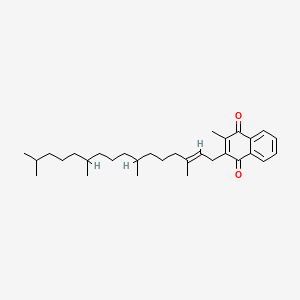
Vitamin K is a fat-soluble vitamin that the liver needs to make blood-clotting proteins. It is really a family, says the NIH (the US National Institutes of Health). Phylloquinone (vitamin K1) is found mainly in green leafy vegetables.
The menaquinones (vitamin K2, written MK-4 to MK-13) are made mostly by bacteria. They turn up in modest amounts in animal and fermented foods, the NIH says.
The letter K is not a code for a chemical. Henrik Dam, who discovered the vitamin, picked it in 1935 because it was the first free letter of the alphabet. It is also the first letter of the word for coagulation (clotting) in the Scandinavian and German spelling.
Here is the part most people do not know: the greens that supply most of our vitamin K give up very little of it. The NIH says the body absorbs only 4% to 17% as much phylloquinone from spinach as from a tablet. The vitamin is tightly bound inside the leaf.
Even so, clinical deficiency in healthy adults is very rare. The NIH says it is almost impossible to eat so little vitamin K that standard clotting tests change.
The practical issues are two. People who take warfarin and similar drugs need a steady vitamin K intake, not a low one. And newborns, who are born with little vitamin K, are given a dose at birth. The World Health Organization strongly recommends it, according to a 2026 history of the vitamin.
For bones and arteries, the large trials mostly found nothing. This page shows both the trials that did find something and the many that did not.
Health benefits of vitamin K
The top findings from 26 studies, strongest evidence first
What the stars mean
- Strong. Several randomized trials, pooled in a meta-analysis, point the same way, or regulators (FDA or EFSA) have approved the claim.
- Moderate. Good randomized trials support it, but there are fewer of them, or their results vary.
- Limited. Small, short or single trials, or mixed results. Promising, but it needs confirmation.
Population and lab studies get no stars: they show a link or a mechanism, not proof.
How we rate evidence →- ★★★A newborn injection prevents early bleedingIn two trials, one 1 mg vitamin K injection reduced clinical bleeding on days 1 to 7 of life, including after circumcision. Oral doses also improved clotting tests.
- ★★★Two approved EU health claimsThe EU allows claims that vitamin K contributes to normal blood clotting and to normal bones. They are not treatment claims.
- ★★No clear effect on bone density or fracturesA review of 36 trials found vitamin K did not change spine fractures. In trials of older adults and postmenopausal women, K1 and K2 pills did not change bone density.
- ★★Only a small gain in warfarin controlIn 626 people on warfarin-type drugs, a low daily dose added 3.5 percentage points of time in the INR range. For a very high INR (a slow-clotting reading), 1.25 mg lowered the INR but did not reduce bleeding.
- ★★Mixed results on calcium in heart and valvesMK-7 plus vitamin D did not slow calcium in the aortic valve in 365 men. MK-7 slowed the rise in coronary calcium in 180 people with symptoms of heart disease, but not in 178 on dialysis.
All 21 studies, strongest evidence first
Two EU claims: normal blood clotting and normal bones
Regulation (EU) No 432/2012 lists both claims, based on a 2009 opinion from EFSA, the EU’s food safety agency. The wording says vitamin K contributes to normal blood clotting and to the maintenance of normal bones. A food may carry the claims only if it is at least a source of vitamin K. As a rule, that means 15% of the 75 mcg (microgram) EU Reference Intake per 100 g. That is 11.25 mcg, under Regulation (EU) No 1169/2011. It is not a treatment claim. The regulation lists no claim for vitamin K and the heart or blood vessels. Yet the title of the EFSA opinion shows that such claims were assessed. The NIH notes that the FDA has not authorized a health claim for vitamin K in the United States.
One 1 mg vitamin K injection prevents early (classic) newborn bleeding
This Cochrane review found two randomized trials that compared a single injection into the muscle with placebo or nothing. One dose reduced clinical bleeding on days 1 to 7, including bleeding after circumcision, and improved blood clotting measures. This early bleeding is called classic bleeding. Eleven more trials compared oral doses with placebo or with an injection. They did not record clinical bleeding, but oral vitamin K improved clotting measures too, with no difference between the oral and injected routes. A single oral dose gave lower blood levels than one injection at two weeks and one month. Three oral doses gave higher levels at two weeks and two months. The reviewers found no randomized trial of either route for late bleeding (weeks 2 to 12).
In 36 trials, vitamin K did not change spine fractures
This review of randomized trials tested oral vitamin K (K1 or K2) against controls in adults, mostly postmenopausal or osteoporotic women. Vertebral (spine) fractures did not differ between groups. For any clinical fracture, trials at low risk of bias gave 0.76 times the odds, a difference that could be chance. Evidence on other fractures was insufficient. Gains in bone density were small, and shrank when trials at high risk of bias were removed. The authors say the integrity of some earlier evidence has been questioned. In a 2020 correction they removed one trial (the Yamaguchi study) from their estimates after concerns about its integrity, saying their conclusions held.
500 mcg of K1 daily did not change bone density
This double-blind trial included 452 men and women aged 60 to 80 who already had enough calcium and vitamin D. For 3 years, both groups took a multivitamin plus 600 mg of calcium and 400 IU of vitamin D. One multivitamin held 500 mcg of phylloquinone and the other none. Among the 401 who finished, bone density at the femoral neck (hip), spine and whole body did not differ. Phylloquinone raised blood phylloquinone and lowered the share of undercarboxylated osteocalcin, a marker of low vitamin K activity. The authors conclude that a dietary-size dose adds no bone benefit at the spine or hip when calcium and vitamin D are taken.
Neither K1 nor MK-4 changed bone density
This double-blind, placebo-controlled trial included 381 healthy, nonosteoporotic postmenopausal women in North America, who all took calcium and vitamin D3. They took vitamin K1 (1 mg), MK-4 (45 mg) or placebo for 12 months. Both forms lowered undercarboxylated osteocalcin, a marker of vitamin K activity. But neither changed bone turnover markers, lumbar spine or hip bone density, or hip geometry. Compliance was 93% for calcium and phylloquinone and 87% for the other form. The authors do not support vitamin K for osteoporosis prevention in healthy postmenopausal women taking calcium and vitamin D.
MK-7 plus vitamin D did not slow aortic valve calcium
This randomized, double-blind trial included 365 men from the community (mean age 71.0) with an aortic valve calcium score above 300. They took a daily tablet with 720 mcg of MK-7 plus 25 mcg of vitamin D, or placebo, for 24 months. The score rose by 275 units on treatment and 292 on placebo, a difference of 17 units that could be chance. Valve area, jet velocity, and aortic and coronary calcium did not differ, nor did valve surgery, death or cardiovascular events. The blood marker dp-ucMGP fell with MK-7 plus vitamin D, yet the valve did not change. This is a combination product, and the result cannot be credited to MK-7 alone.
Very high INR on warfarin: oral vitamin K lowered INR, not bleeding
This multicenter, placebo-controlled trial included people on warfarin without active bleeding, with an INR of 4.5 to 10.0 (a higher INR means slower clotting). In all, 355 people were assigned to a small dose, 1.25 mg of vitamin K by mouth, and 369 to placebo. Bleeding within 90 days occurred in 15.8% with vitamin K and 16.3% with placebo. Major bleeding hit 2.5% and 1.1%, a difference that could be chance. Clots occurred in 1.1% and 0.8%. The INR fell by 2.8 the next day on vitamin K and 1.4 on placebo. Public funds paid for the trial.
Daily low-dose vitamin K added 3.5 points of time in INR range
This meta-analysis, a study that pools trials, covered 3 trials in 626 people taking vitamin K antagonists such as warfarin. They got a low daily dose of vitamin K (100 to 200 mcg) or placebo. Time in the therapeutic range rose by 3.5 percentage points, which the authors call significant but clinically unimportant. Bleeding (3.2 times the risk) and clots (2.2 times) showed no clear effect, with very wide ranges. Quality was low, most patients already had good control, and there were too few data on people with unstable INRs.
Adding MK-4 to calcium did not clearly cut new spine fractures
This large open-label trial, with blinded evaluation, included postmenopausal women with osteoporosis. For 36 months, 2,193 women took calcium alone and 2,185 took calcium plus menatetrenone in 15 mg capsules. New vertebral fractures did not clearly differ. New clinical fractures at 48 months were lower with the combination, but not clearly. The risk of new vertebral fractures was lower in women with at least five fractures at the start. Adverse events were more frequent with the combination. The authors conclude it was not effective in the full group.
After liver cancer treatment, vitamin K2 did not prevent recurrence
This double-blind, placebo-controlled trial followed people after curative ablation or removal of a liver tumor (hepatocellular carcinoma). Of 548 assessed, 181 took placebo, 182 took 45 mg a day of vitamin K2 and 185 took 90 mg a day. Cancer returned or death occurred in 58, 52 and 76 people. The hazard ratio was 1.150 for placebo against the two doses combined, so vitamin K2 showed no benefit. The trial was stopped early, in March 2007, after a second interim analysis. These are drug doses, hundreds of times the adequate intake.
45 mg of MK-4 daily was followed by fewer fractures
This randomized, open-label trial had no placebo. Of 241 people with osteoporosis, 121 controls had no treatment. The other 120 took 45 mg a day of vitamin K2 (menatetrenone) for 2 years. Clinical fractures were clearly more frequent in the control group. Lumbar bone density changed by -3.3% at 24 months in controls and -0.5% on treatment. Treatment also lowered undercarboxylated osteocalcin. The dose is a drug dose, far above what food provides. In healthy North American women the same dose did not change bone density (Binkley, 2009, above).
180 mcg of MK-7 daily slowed bone density loss
This 3-year placebo-controlled trial included 244 healthy postmenopausal women. MK-7 improved vitamin K status. It lessened the age-related decline in bone mineral content and density at the lumbar spine and femoral neck, but not at the total hip. Bone strength estimates were also better, and loss of vertebral height in the lower thoracic spine was smaller. Fractures were not the outcome. The authors say results may not carry over to men or children.
K1 did not slow coronary calcium overall; faithful takers did better
This 3-year trial included 388 older adults. They took a multivitamin with 500 mcg of phylloquinone a day (200 people) or the multivitamin alone (188 people). The average rise in coronary calcium score was 27 and 37, a difference that could be chance. Among those who took at least 85% of their supplements, progression was lower in the vitamin K group. In that group, among people with calcium at the start, it was 6% lower. The authors call these findings hypothesis-generating, leads for more study.
In heart disease, MK-7 slowed the rise in coronary calcium
This randomized, placebo-controlled trial at two Dutch hospitals included 180 people with symptoms of coronary artery disease and a calcium score of 50 to 400. They took 360 mcg a day or placebo. After 2 years the median score was 184 on MK-7 and 214 on placebo, from similar starting points, a clear difference after adjustment. No significant adverse effects were seen. The authors say the clinical meaning for plaque stability is not known. One author reported grants from Gnosis by Lesaffre and shares in another company.
On hemodialysis, MK-7 did not slow coronary calcification
This single-center randomized trial included 178 people on hemodialysis (kidney dialysis), against a control group, for 18 months. The dose was 360 mcg three times a week. Follow-up was completed for 138 people. Coronary calcium scores did not differ (relative mean difference 0.85), nor did aortic valve calcium, arterial stiffness, heart events or death (0.98 times the risk). MK-7 did lower the blood marker dp-ucMGP. The NIH notes that people with chronic kidney disease have much higher rates of vascular calcification than the general population. So this was a likely place for an effect.
In cystic fibrosis, evidence for vitamin K is very low quality
This Cochrane review found 3 small trials in 70 people aged 8 to 46 with cystic fibrosis. In this condition, fat-soluble vitamins such as vitamin K may be poorly absorbed. One 12-month trial (38 people) gave 10 mg a day against placebo. Vitamin K raised blood levels and lowered undercarboxylated osteocalcin, but the effect on bone density is very uncertain. No trial reported blood clotting, quality of life or adverse events. The authors found no evidence of harm, and advise following national cystic fibrosis guidelines until better evidence arrives.
Evidence conflicts on whether dietary vitamin K changes warfarin control
This systematic review covered 2 diet trials and 9 observational studies. Median dietary vitamin K1 intake ranged from 76 to 217 mcg a day across studies. An effect on clotting may show only above 150 mcg a day. The authors found no support for the usual advice to cut back on greens when starting a vitamin K antagonist. They say restriction does not look like a valid way to improve control. They suggest that a stable diet, avoiding wide swings in vitamin K intake, may matter more. Reasons for treatment and INR targets varied across the studies.
Highest K1 intake went with 0.78 times the fracture risk
This meta-analysis pooled 5 studies with 80,982 people: four cohort studies (which follow groups over time) and one nested case-control study. There were 1,114 fracture cases, and all studies measured phylloquinone only. Highest against lowest intake gave 0.78 times the risk, and each extra 50 mcg a day gave 0.97 times. Results varied between studies (heterogeneity 59.2%). People who eat more greens differ in other ways, so these studies cannot show that vitamin K itself is the cause.
Top K2 intake went with 0.43 times the heart death risk
The Rotterdam Study followed 4,807 older Dutch adults from 1990-1993 to January 2000. It compared the top third of menaquinone (K2) intake with the bottom third. For death from coronary heart disease, the relative risk was 0.43. For death from any cause it was 0.74, and the odds of severe aortic calcification were 0.48 times. Phylloquinone (K1) intake was not related to any outcome. Menaquinone intake tracks other food habits, so an association cannot show cause.
Danes: K1 went with less dementia, K2 with more
The Danish Diet, Cancer, and Health cohort followed 54,968 people aged 50 to 65 at the start, for up to 28 years. There were 4,802 cases of dementia. The highest fifth of intake, against the lowest, gave 0.86 times the risk for vitamin K1 and 1.14 times for vitamin K2. The authors say dietary patterns and food sources may explain both results, and call for further research.
No convincing link between the newborn injection and childhood leukemia
This pooled analysis covered 6 case-control studies from Great Britain and Germany, with 2,431 children with cancer and 6,338 control children. Records of the injection were often missing, so two analyses were run. Treating missing records as no injection gave 1.09 times the odds for leukemia and 1.05 for other cancers. Filling gaps from hospital policy raised the leukemia figure to 1.21. But it fell back to 1.06 and 1.16 without the Bristol study that first raised the question. The authors say small effects cannot be ruled out, and a later UK national study found no association either.
Foods high in vitamin K
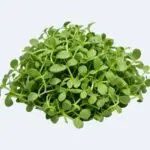
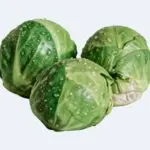
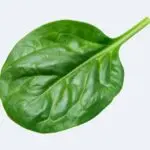
Green leafy vegetables supply most phylloquinone, and in our USDA ranking the leaders are not the foods most people think of. Per serving, garden cress leads with 271 mcg in 1 cup (50 g), 226% of the 120 mcg Daily Value (the FDA label value). Brussels sprouts follow with 156 mcg per cup, then spinach (145 mcg per cup), endive (116 mcg) and kale (81.8 mcg).
Broccoli, cabbage, parsley, green beans and asparagus complete the top ten. Parsley ranks eighth per serving only because 1 tablespoon weighs 3.8 g and gives 62.3 mcg. Per 100 g it comes first, with 1,640 mcg, followed by garden cress (542 mcg), spinach (483 mcg), basil (415 mcg) and kale (390 mcg).
The NIH lists the most common sources in the US diet as spinach, broccoli, iceberg lettuce, and fats and oils, particularly soybean and canola oil. Its table gives 1 tablespoon of soybean oil 25 mcg and canola oil 10 mcg.
Vitamin K2 is rarer. Natto, a Japanese dish of fermented soybeans, is the standout: 3 ounces give 850 mcg as MK-7 in the NIH table. A Japanese food analysis found 939 mcg per 100 g. Natto does not appear in our ranking.
Meat, dairy and eggs have little phylloquinone but modest MK-4. Per the NIH, 3 ounces of rotisserie chicken breast give 13 mcg and a hard-boiled egg gives 4 mcg. A US analysis found no single meat, dairy or fast food to be a rich source. A review suggests dairy may be the largest source of menaquinones in many regions.
Poultry and pork contain MK-4 when the animal feed holds menadione, a synthetic form of the vitamin, the NIH says.
Absorption and cooking matter more than the label number. The NIH says the body absorbs only 4% to 17% as much phylloquinone from spinach as from a tablet. It says eating vegetables with some fat helps, but still gives less than oils. EFSA reports that butter raised absorption from cooked spinach about threefold.
The effect of cooking is not a simple loss. In a Korean test of 21 vegetables, the measured phylloquinone content rose in most after blanching, boiling, steaming or grilling. In boiled legumes, the retained share fell.
A cup of spinach has more than the adequate intake for men, so the amounts are not the problem for most people. The issue is the share absorbed.
Per serving. Bars show the share of the Daily Value (120 µg a day). The line marks 100%.
Per 100 g. Bars show the share of the Daily Value (120 µg a day). The line marks 100%.
Per serving. Bars show the share of the EU Reference Intake (75 µg a day). The line marks 100%.
Per 100 g. Bars show the share of the EU Reference Intake (75 µg a day). The line marks 100%.
Per 100 kcal: the same calories of each food, for a fair comparison. Bars compare each food with the top food.
- 1.
- 2.
- 3.
- 4.

- 5.
- 6.
- 7.

- 8.
- 9.
- 10.


- 1.
- 2.
- 3.
- 4.
- 5.
- 6.
- 7.
- 8.
- 9.
- 10.


- 1.
- 2.
- 3.
- 4.
- 5.
- 6.
- 7.
- 8.
- 9.
- 10.
Sources
- FoodData Central. US Department of Agriculture, Agricultural Research Service. Values as shown in the ranking above.
- Vitamin K: fact sheet for health professionals. National Institutes of Health, Office of Dietary Supplements. Updated March 29, 2021.
- EFSA Panel on Dietetic Products, Nutrition and Allergies (NDA). Dietary reference values for vitamin K. EFSA J. 2017.
- Kamao M, Suhara Y, Tsugawa N, et al. Vitamin K content of foods and dietary vitamin K intake in Japanese young women. J Nutr Sci Vitaminol (Tokyo). 2007.
- Elder SJ, Haytowitz DB, Howe J, Peterson JW, Booth SL. Vitamin K contents of meat, dairy, and fast food in the U.S. diet. J Agric Food Chem. 2006.
- Walther B, Karl JP, Booth SL, Boyaval P. Menaquinones, bacteria, and the food supply: the relevance of dairy and fermented food products to vitamin K requirements. Adv Nutr. 2013.
- Kim HJ, Shin J, Kang Y, Kim D, Park JJ, Kim HJ. Effect of different cooking method on vitamin E and K content and true retention of legumes and vegetables commonly consumed in Korea. Food Sci Biotechnol. 2023.
How vitamin K works
Most of what is known about how vitamin K works comes from biochemistry, cells, animals and feeding studies in small groups of volunteers. It does not come from trials in disease.
Four ideas cover most of it. Vitamin K switches on proteins that bind calcium. Those proteins fall into three families, and the roles of two of them in bone and arteries are still being tested. Plants hold their vitamin K tightly, so the gut takes up little of it.
And gut bacteria make forms of vitamin K2 whose value is unclear. Then comes what has been seen in people.
It switches on proteins that bind calcium
Vitamin K, whether phylloquinone or a menaquinone, is a cofactor (helper) for an enzyme called gamma-glutamyl carboxylase, according to EFSA. The enzyme turns glutamic acid (Glu) residues in vitamin K-dependent proteins into gamma-carboxyglutamic acid (Gla) residues. That activates the proteins and gives them sites that bind calcium.
In the process, the active form of vitamin K is changed to vitamin K epoxide. An enzyme called VKOR turns it back, in a loop known as the vitamin K cycle. VKOR is the step that warfarin blocks, which is the basis of its anticoagulant (anti-clotting) effect. A review of this enzyme by Wallin and colleagues calls its gene, VKORC1, the rate-limiting step in making working vitamin K-dependent proteins.
The vitamin K cycle in simplified form. Not to scale.
Three families of proteins depend on it
The first family is the blood-clotting proteins that the liver makes. They are factors II (prothrombin), VII, IX and X, and the anticoagulant proteins C, S and Z. Once carboxylated, they bind calcium and attach to the membranes of platelets, where clots form. The second is osteocalcin, one of the most abundant non-collagen proteins in bone, which is involved in bone mineralization.
The third is made up of matrix Gla protein and related proteins in blood vessel walls and cartilage. Some authors suggest they help control calcium build-up in soft tissue, according to EFSA. The NIH says matrix Gla protein is the focus of considerable research, because it might help reduce abnormal calcification.
Those last two roles are still being tested. A review by Gundberg and colleagues notes that the share of osteocalcin that is not carboxylated is used as a marker of vitamin K status. But clinical trials do not support the idea that vitamin K supplements reduce bone loss or fracture in the general population, the review says. The exact function of osteocalcin in bone and in sugar metabolism has yet to be worked out.
A systematic review of 28 studies on matrix Gla protein and vascular calcification reports conflicting results.
Three families of vitamin K-dependent proteins. Not to scale. The roles for bone and soft tissue are still being tested.
Leaves give up little of their vitamin K
Phylloquinone in plant foods is tightly bound to chloroplasts, the structures in leaf cells that capture light. So it is less available than the vitamin in oils or tablets, according to the NIH.
EFSA reports that free phylloquinone from a supplement was absorbed at about 80% in one study with a fat-containing meal. In another, without a meal, it was 13%. Cooked kale gave 4.7% in a study with 13C-labeled vitamin K.
In a test meal in 5 volunteers, circulating phylloquinone was 7.5 times lower after spinach with butter than after a pharmaceutical form. After spinach without fat it was 24.3 times lower, which suggests that fat helps. The bars below show one such test meal.
Vitamin K1 absorbed over 9 hours after a test meal, in nanomoles per liter-hour of blood, drawn to scale. Very small groups: 8 people for the tablet and 3 for the 150 g of spinach.
The picture is not simple. In a 36-person crossover trial, 5 days of broccoli raised blood vitamin K as much as vitamin K1-fortified oil. So over several days, vegetables can work well. EFSA concluded that absorption from foods varies widely between studies, and that it is not possible to give one average figure.
Once absorbed, phylloquinone leaves the blood quickly. In the kale study its half-time in plasma was 8.8 hours, and in tissue 215 hours.
Gut bacteria make menaquinones, but how much counts is unclear
Almost all menaquinones, especially the long-chain ones, are also produced by bacteria in the human gut. The NIH says experts believe they meet at least some of the body’s need, although how much is unclear. EFSA adds that menaquinones made in the lower gut are probably not easy to absorb. In people not taking antibiotics, they did not make up for a diet low in phylloquinone.
In a feeding study, 32 healthy adults ate about 10 mcg of vitamin K1 a day for 13 days. Their blood levels fell to 13% to 18% of the starting level, which suggests the body keeps only a small reserve. Clotting times did not change. The body also makes MK-4 from phylloquinone by itself, without bacteria, according to the NIH.
What has been seen in people
The clearest human findings are the official ones. Vitamin K is needed for blood to clot, a dose at birth prevents newborn bleeding, and a steady intake matters for people on warfarin.
For bones and arteries, supplement trials mostly found no change in bone density in healthy adults. The three trials of vitamin K2 on calcium in the coronary arteries or heart valve split two to one against an effect. Studies of what people eat link vitamin K with better outcomes, but those groups differ in many other ways. The study cards above give the numbers.
Sources
- EFSA Panel on Dietetic Products, Nutrition and Allergies (NDA). Dietary reference values for vitamin K. EFSA J. 2017.
- Vitamin K: fact sheet for health professionals. National Institutes of Health, Office of Dietary Supplements. Updated March 29, 2021.
- Wallin R, Wajih N, Hutson SM. VKORC1: a warfarin-sensitive enzyme in vitamin K metabolism and biosynthesis of vitamin K-dependent blood coagulation factors. Vitam Horm. 2008.
- Gundberg CM, Lian JB, Booth SL. Vitamin K-dependent carboxylation of osteocalcin: friend or foe?. Adv Nutr. 2012.
- Barrett H, O’Keeffe M, Kavanagh E, Walsh M, O’Connor EM. Is Matrix Gla Protein Associated with Vascular Calcification? A Systematic Review. Nutrients. 2018.
- Novotny JA, Kurilich AC, Britz SJ, Baer DJ, Clevidence BA. Vitamin K absorption and kinetics in human subjects after consumption of 13C-labelled phylloquinone from kale. Br J Nutr. 2010.
- Garber AK, Binkley NC, Krueger DC, Suttie JW. Comparison of phylloquinone bioavailability from food sources or a supplement in human subjects. J Nutr. 1999.
- Gijsbers BL, Jie KS, Vermeer C. Effect of food composition on vitamin K absorption in human volunteers. Br J Nutr. 1996.
- Booth SL, O’Brien-Morse ME, Dallal GE, Davidson KW, Gundberg CM. Response of vitamin K status to different intakes and sources of phylloquinone-rich foods: comparison of younger and older adults. Am J Clin Nutr. 1999.
- Ferland G, Sadowski JA, O’Brien ME. Dietary induced subclinical vitamin K deficiency in normal human subjects. J Clin Invest. 1993.
How much vitamin K do you need?
Adults need 90 to 120 mcg of vitamin K a day, according to the US adequate intake. It is 120 mcg for men and 90 mcg for women aged 19 and older.
EFSA’s adequate intake in the EU is lower: 70 mcg a day for all adults. It is set at 1 mcg of phylloquinone for each kilogram of body weight. Both bodies set an adequate intake, not a recommended allowance, because the evidence was too thin to estimate a requirement.
Pregnancy leaves the US value at 90 mcg for ages 19 and older (75 mcg at ages 14 to 18), and so does breastfeeding. EFSA sets the same 70 mcg for pregnancy and breastfeeding. Its value of 1 mcg per kilogram already covers the small amount that passes to the baby.
Infants have 2.0 mcg (birth to 6 months) and 2.5 mcg (7 to 12 months) in the US. That value assumes they receive vitamin K at birth. EFSA gives 10 mcg for ages 7 to 11 months. For older adults the US value is the same as for younger adults, and EFSA found no evidence of different absorption by age.
No group has a higher value. But people on warfarin need a consistent intake. People with fat malabsorption may need their vitamin K status monitored and sometimes a supplement, the NIH says.
Most people in the US eat close to these amounts. In national survey data from 2011 to 2012, average intake from food was 122 mcg for women and 138 mcg for men. Earlier analyses found that only about a third of Americans were above the adequate intake. But the NIH says the meaning is unclear, because the adequate intake is only an estimate and food tables mostly list phylloquinone, not menaquinones.
In Germany, EFSA reports a median phylloquinone intake of 76 mcg a day.
Vitamin K: recommended intake per day
US: Adequate Intake (NASEM). EU: Adequate Intake (EFSA).
| Age and sex | US (AI) | EU (AI) |
|---|---|---|
| Men, 31–50 years | 120 µg | 70 µg |
| Women, 31–50 years | 90 µg | 70 µg |
All ages, pregnancy and breastfeeding
| Age and sex | US (AI) | EU (AI) |
|---|---|---|
| Infants 0–6 months | 2 µg | None set |
| Infants 7–11 months | None set | 10 µg |
| Infants 7–12 months | 2.5 µg | None set |
| Children 1–3 years | 30 µg | 12 µg |
| Children 4–6 years | None set | 20 µg |
| Children 4–8 years | 55 µg | None set |
| Children 7–10 years | None set | 30 µg |
| Females 9–13 years | 60 µg | None set |
| Males 9–13 years | 60 µg | None set |
| Children 11–14 years | None set | 45 µg |
| Females 14–18 years | 75 µg | None set |
| Males 14–18 years | 75 µg | None set |
| Children 15–17 years | None set | 65 µg |
| Adults 18+ years | None set | 70 µg |
| Females 19–30 years | 90 µg | None set |
| Males 19–30 years | 120 µg | None set |
| Females 31–50 years | 90 µg | None set |
| Males 31–50 years | 120 µg | None set |
| Females 51–70 years | 90 µg | None set |
| Males 51–70 years | 120 µg | None set |
| Females >70 years | 90 µg | None set |
| Males >70 years | 120 µg | None set |
| Pregnancy 14–18 years | 75 µg | None set |
| Pregnancy | None set | 70 µg |
| Pregnancy 19–30 years | 90 µg | None set |
| Pregnancy 31–50 years | 90 µg | None set |
| Lactation 14–18 years | 75 µg | None set |
| Lactation | None set | 70 µg |
| Lactation 19–30 years | 90 µg | None set |
| Lactation 31–50 years | 90 µg | None set |
EU and US age bands differ; "None set" means that body sets no value for the group. Label reference: FDA Daily Value 120 µg, EU Reference Intake 75 µg.EU and US age bands differ; "None set" means that body sets no value for the group. Label reference: EU Reference Intake 75 µg, FDA Daily Value 120 µg.
Vitamin K deficiency: signs and who is at risk
Bleeding is the classic sign. The NIH counts deficiency as clinically relevant when prothrombin time (how long blood takes to clot) lengthens because clotting proteins are less active. It says bleeding and hemorrhage occur only in severe cases. In adults deficiency is very rare, and it is usually limited to people with malabsorption or on drugs that interfere with vitamin K.
EFSA notes that in healthy adults eating under 10 mcg of phylloquinone a day, symptoms may take more than 2 to 3 weeks to appear.
Newborns are the group at risk. Little vitamin K crosses the placenta, stores are low and breast milk is low in it. So babies can develop vitamin K deficiency bleeding (VKDB), with bleeding from the umbilicus, gut, skin or nose.
Early VKDB occurs in the first week. Late VKDB, at 2 to 12 weeks, occurs especially in exclusively breastfed babies and in babies with cholestasis or cystic fibrosis. It can show up as sudden bleeding in the brain, which has a high death rate, according to the NIH. Without prophylaxis, a review puts late VKDB at 4 to 7 cases per 100,000 births in Europe, and higher in Southeast Asia.
The American Academy of Pediatrics recommends a single injection of 0.5 to 1 mg at birth. The European pediatric gastroenterology society (ESPGHAN) says all newborns should receive prophylaxis (preventive vitamin K), preferably by injection.
In adults the NIH lists malabsorption disorders such as cystic fibrosis, celiac disease, ulcerative colitis and short bowel syndrome, and bariatric surgery. Antibiotics can lower vitamin K by killing gut bacteria. But supplements are usually not needed unless use runs beyond several weeks with a poor diet. Bile acid binders such as cholestyramine and the weight-loss drug orlistat can also reduce absorption.
The usual test is prothrombin time. A blood test for PIVKA-II, a clotting protein made when vitamin K is missing, can confirm VKDB in infants even several days after treatment. Blood phylloquinone is not a reliable guide. In healthy people it ranged from 0.29 to 2.64 nmol/L, and people just below that range showed no signs of deficiency.
Sources
- Vitamin K: fact sheet for health professionals. National Institutes of Health, Office of Dietary Supplements. Updated March 29, 2021.
- EFSA Panel on Dietetic Products, Nutrition and Allergies (NDA). Dietary reference values for vitamin K. EFSA J. 2017.
- Ferland G, Sadowski JA, O’Brien ME. Dietary induced subclinical vitamin K deficiency in normal human subjects. J Clin Invest. 1993.
- Shearer MJ. Vitamin K deficiency bleeding (VKDB) in early infancy. Blood Rev. 2009.
- Mihatsch WA, Braegger C, Bronsky J, et al. Prevention of Vitamin K Deficiency Bleeding in Newborn Infants: A Position Paper by the ESPGHAN Committee on Nutrition. J Pediatr Gastroenterol Nutr. 2016.
Forms of vitamin K: absorption and effects
Vitamin K supplements come in three main chemical forms. Vitamin K1 is phylloquinone, the plant form; phytonadione is its synthetic version. Vitamin K2 is sold as MK-4 or MK-7; the MK-7 in the main 2007 comparison was derived from natto.
The NIH says few data compare how well the forms are absorbed. It says one study found phytonadione and MK-7 both well absorbed, but MK-7 longer lasting. Multivitamin and mineral products typically hold less than 75% of the Daily Value of vitamin K. Stand-alone vitamin K products, often combined with calcium, magnesium or vitamin D, range more widely, up to 4,050 mcg in some products.
Menadione (vitamin K3) is a fourth form. It damaged liver cells in laboratory tests in the 1980s and 1990s. So it is no longer used in supplements or fortified foods in the US.
The honest bottom line: the head-to-head trials measure blood levels and markers such as undercarboxylated osteocalcin, not fractures or heart disease. The only outcome comparison we found is Binkley’s trial of K1 against MK-4 for bone density, and neither changed it. We found no trial that compared K1 with K2 for fractures, calcium in arteries or any other health outcome. So the popular claim that K2 is better for bones and arteries rests on blood levels.
The same goes for the claim that natto-derived MK-7 is better than synthetic. The one study compared natto-derived MK-7 with synthetic K1, so it cannot separate the form from the source.
The outcome trials in the benefits section used phylloquinone (500 mcg a day) or MK-4 (15 to 45 mg). Others used MK-7 (180 to 720 mcg) or injected vitamin K1 (1 mg). Several of those were combination products: vitamin K with calcium and vitamin D, with a multivitamin, or MK-7 with vitamin D.
| Form | Activity or conversion | What studies show | Source |
|---|---|---|---|
| Vitamin K1 (phylloquinone; phytonadione is the synthetic form) | Reference form: EFSA’s adequate intake is set as phylloquinone; no conversion factor stated | Free phylloquinone was absorbed about 80% with a fat-containing meal and 13% in a kinetic study without a meal (EFSA). A 500 mcg tablet gave about 6 times more absorbed K1 over 9 hours than 495 mcg in 150 g of raw spinach (8 and 3 people). 500 mcg a day for 3 years in older adults and 1 mg a day for 12 months in postmenopausal women did not change bone density. | 1, 2, 5, 10, 12 |
| Vitamin K1 inside vegetables | Not stated | The NIH says 4% to 17% as much is absorbed from spinach as from a tablet; 4.7% from kale in the six people whose blood showed the labeled vitamin. Butter raised absorption from cooked spinach about 3 times (EFSA). But 5 days of broccoli matched fortified oil in 36 adults. | 1, 2, 6, 8, 9 |
| MK-4 (menatetrenone; short-chain K2, made in the body from K1) | Not stated | A single 420 mcg dose was not detectable in the blood of healthy women. The NIH notes that 45 mg a day is used as a drug for osteoporosis in Japan and other parts of Asia; in 381 North American women the same dose did not change bone density. | 1, 4, 10 |
| MK-7 (long-chain K2; made from natto) | EFSA: may have more activity than K1, but the data are insufficient to set a separate factor | Well absorbed, peaking at 4 to 6 hours and still detectable at 48 hours. It builds up 7- to 8-fold with daily use. EFSA reports MK-7 was about 2.5 times more potent than K1 against acenocoumarol. Doses as low as 10 mcg a day lowered the INR in some people on that drug. | 2, 3, 4, 7 |
| Menaquinones in food (natto, cheese) | Not stated | After 200 g of natto, circulating K2 was about 10 times higher than K1 after 400 g of spinach, in 6 men. EFSA found MK-4 and MK-9 less absorbed than free K1 in two studies, and MK-7 more absorbed. | 2, 11 |
| Menadione (vitamin K3) | Synthetic and water-soluble; an intermediate when the body converts K1 to MK-4 (EFSA) | Damaged liver cells in laboratory tests in the 1980s and 1990s and is no longer used in supplements or fortified foods in the US. | 1, 2 |
Here are the head-to-head and form-specific studies, 5 in all. Fuller results for the bone trials that used K1 and MK-4 are in the benefits section.
All 5 studies, strongest evidence first
MK-7 lasted far longer in blood than synthetic K1
This study in healthy volunteers compared a synthetic vitamin K1 supplement with natto-derived MK-7. Both were absorbed well, with peak blood levels 4 hours after a dose. MK-7 had a very long half-life, so levels stayed steady and rose 7- to 8-fold over prolonged daily intake. It also carboxylated osteocalcin more completely (a marker, not a health outcome). The authors warn that 50 mcg a day or more of MK-7 may interfere with oral anticoagulants. The abstract does not give the number of volunteers. Because the MK-7 was natto-derived and the K1 synthetic, the study cannot separate the form from its source.
Blood showed MK-7, not MK-4, after a 420 mcg dose
In this study, healthy Japanese women took a single 420 mcg dose of MK-4 or MK-7 with a standard breakfast. MK-7 peaked at 6 hours and was still detectable at 48 hours; MK-4 was not detectable at any time. After 7 days of 60 mcg a day, MK-7 raised blood MK-7, and MK-4 did not raise blood MK-4. The authors conclude that MK-4 from food does not add to blood vitamin K status. MK-7 may matter for tissues outside the liver, they say. Blood levels are not tissue effects, and the 45 mg MK-4 doses used as a drug are a different matter. One author works for a food company (J-Oil Mills), as the paper states.
Raw spinach delivered far less vitamin K1 than a tablet
In this study, healthy young adults (22 to 30) ate a standard test meal (402 kcal, 27% of energy from fat). Over 9 hours, the area under the blood curve was 27.55 nmol/(L·h) after a 500 mcg tablet (8 people). It was 4.79 after 495 mcg in 150 g of raw spinach (3 people), and 2.49 after 50 g of spinach. Fresh spinach, broccoli and romaine lettuce did not differ, and fresh and cooked broccoli did not differ. Adding fat (30 or 45% of energy) made no difference with lettuce. The groups were very small.
Broccoli raised vitamin K status about as much as fortified oil
This crossover trial in a metabolic unit included 36 younger and older men and women. They ate a mixed diet with 100 mcg of phylloquinone a day. For 5 days the diet was supplemented with broccoli (377 mcg a day) or phylloquinone-fortified oil (417 mcg a day). Blood phylloquinone rose and undercarboxylated osteocalcin fell after both. The response to broccoli did not clearly differ from the oil in either age group. This differs from the single-meal tests with spinach, where the tablet won.
Just 10 mcg of MK-7 daily lowered some people’s INR
In this study, 18 healthy volunteers took acenocoumarol (a vitamin K antagonist like warfarin) for 4 weeks, and 15 reached an INR of 2.0. Over the next six weeks they added 10, 20 and 45 mcg a day of MK-7. At 45 mcg the group average INR fell by about 40%. Two hematologists judged that 10 and 20 mcg lowered the INR to a clinically relevant degree in at least 40% and 60% of people. The authors say MK-7 supplements should be avoided in people on vitamin K antagonists. The usual retail dose they cite is 45 mcg.
Sources
- Vitamin K: fact sheet for health professionals. National Institutes of Health, Office of Dietary Supplements. Updated March 29, 2021.
- EFSA Panel on Dietetic Products, Nutrition and Allergies (NDA). Dietary reference values for vitamin K. EFSA J. 2017.
- Schurgers LJ, Teunissen KJ, Hamulyák K, Knapen MH, Vik H, Vermeer C. Vitamin K-containing dietary supplements: comparison of synthetic vitamin K1 and natto-derived menaquinone-7. Blood. 2007.
- Sato T, Schurgers LJ, Uenishi K. Comparison of menaquinone-4 and menaquinone-7 bioavailability in healthy women. Nutr J. 2012.
- Garber AK, Binkley NC, Krueger DC, Suttie JW. Comparison of phylloquinone bioavailability from food sources or a supplement in human subjects. J Nutr. 1999.
- Booth SL, O’Brien-Morse ME, Dallal GE, Davidson KW, Gundberg CM. Response of vitamin K status to different intakes and sources of phylloquinone-rich foods: comparison of younger and older adults. Am J Clin Nutr. 1999.
- Theuwissen E, Teunissen KJ, Spronk HM, et al. Effect of low-dose supplements of menaquinone-7 (vitamin K2 ) on the stability of oral anticoagulant treatment: dose-response relationship in healthy volunteers. J Thromb Haemost. 2013.
- Novotny JA, Kurilich AC, Britz SJ, Baer DJ, Clevidence BA. Vitamin K absorption and kinetics in human subjects after consumption of 13C-labelled phylloquinone from kale. Br J Nutr. 2010.
- Gijsbers BL, Jie KS, Vermeer C. Effect of food composition on vitamin K absorption in human volunteers. Br J Nutr. 1996.
- Binkley N, Harke J, Krueger D, et al. Vitamin K treatment reduces undercarboxylated osteocalcin but does not alter bone turnover, density, or geometry in healthy postmenopausal North American women. J Bone Miner Res. 2009.
- Schurgers LJ, Vermeer C. Determination of phylloquinone and menaquinones in food. Effect of food matrix on circulating vitamin K concentrations. Haemostasis. 2000.
- Booth SL, Dallal G, Shea MK, Gundberg C, Peterson JW, Dawson-Hughes B. Effect of vitamin K supplementation on bone loss in elderly men and women. J Clin Endocrinol Metab. 2008.
Is vitamin K safe? Supplements, dose and interactions
Vitamin K from food and standard supplements has not been linked with toxicity. The US Food and Nutrition Board did not set a tolerable upper intake level, because of the low potential for toxicity. The NIH notes that no adverse effects of vitamin K from food or supplements have been reported in humans or animals.
EFSA reports that the EU Scientific Committee on Food found no appropriate evidence to set an upper level either. It based this on two human studies of phylloquinone with no adverse effects at up to 10 mg a day for a month. EFSA did not revise it in 2017.
These statements cover phylloquinone; the 45 mg doses of MK-4 used as a drug in Japan are a different matter.
- Warfarin and similar drugs. This is the interaction that matters. The NIH says vitamin K antagonists (warfarin, phenprocoumon, acenocoumarol and tioclomarol) need a consistent intake of vitamin K from food and supplements. Sudden changes raise or lower the drug effect. A review found no support for avoiding greens, and a low daily dose gave only a small gain in control. MK-7 can interfere at supplement doses: as little as 10 mcg a day lowered the INR in some volunteers. Do not start or stop a vitamin K supplement without the anticoagulant clinic. A 2017 review says it has not been studied whether dietary vitamin K affects the newer direct oral anticoagulants in people.
- Other medicines. Antibiotics, especially cephalosporins, can lower vitamin K. The NIH says supplements are usually not needed unless use runs beyond several weeks with poor intake. Cholestyramine and colestipol can reduce absorption. Orlistat can reduce it, and combined with warfarin it may lengthen prothrombin time significantly.
- Vitamin E. EFSA notes that high intakes of alpha-tocopherol in people with low vitamin K status can impair blood clotting. It adds that data on interactions with other nutrients are limited.
- Newborn injection. A pooled analysis of six case-control studies found no convincing link between the injection and childhood leukemia. A later UK study found no association with leukemia or other cancers.
- Trial side effects. In the MK-4 and calcium trial in 4,378 women, adverse events were more frequent with the combination. The 2-year MK-7 trial in coronary disease reported no significant adverse effects.
- Who should ask a doctor first. Anyone taking an anticoagulant, and anyone with fat malabsorption (such as cystic fibrosis or celiac disease) or after bariatric surgery. Also parents deciding about the newborn dose. The NIH says people on these medicines should discuss their vitamin K status with their health care providers.
How to get more vitamin K
- Best foods. In our ranking, one cup of garden cress gives 271 mcg, Brussels sprouts 156 mcg and spinach 145 mcg. That is more than the 120 mcg Daily Value. For vitamin K2, natto gives 850 mcg per 3 ounces according to the NIH. Cheese, egg and chicken give small amounts.
- Eat greens with some fat. The NIH says vegetables eaten with fat give more absorbed vitamin K, though still less than oils do. EFSA reports about three times more from cooked spinach with butter. In a Korean test of 21 vegetables, the measured vitamin K content rose in most after blanching, boiling, steaming or grilling.
- Keep it steady if you take warfarin. The aim is the same amount week to week, not less. Tell the anticoagulant clinic before a big change in diet or a new supplement.
Sources
- Vitamin K: fact sheet for health professionals. National Institutes of Health, Office of Dietary Supplements. Updated March 29, 2021.
- EFSA Panel on Dietetic Products, Nutrition and Allergies (NDA). Dietary reference values for vitamin K. EFSA J. 2017.
- Violi F, Lip GY, Pignatelli P, Pastori D. Interaction Between Dietary Vitamin K Intake and Anticoagulation by Vitamin K Antagonists: Is It Really True?: A Systematic Review. Medicine (Baltimore). 2016.
- Lam J, Schulman S, Witt DM, Vandvik PO, Qayyum F, Holbrook AM. Anticoagulation control with daily low-dose vitamin k to reduce clinically adverse outcomes and international normalized ratio variability: a systematic review and meta-analysis. Pharmacotherapy. 2013.
- Theuwissen E, Teunissen KJ, Spronk HM, et al. Effect of low-dose supplements of menaquinone-7 (vitamin K2 ) on the stability of oral anticoagulant treatment: dose-response relationship in healthy volunteers. J Thromb Haemost. 2013.
- Kim HJ, Shin J, Kang Y, Kim D, Park JJ, Kim HJ. Effect of different cooking method on vitamin E and K content and true retention of legumes and vegetables commonly consumed in Korea. Food Sci Biotechnol. 2023.
- Gijsbers BL, Jie KS, Vermeer C. Effect of food composition on vitamin K absorption in human volunteers. Br J Nutr. 1996.
- Roman E, Fear NT, Ansell P, et al. Vitamin K and childhood cancer: analysis of individual patient data from six case-control studies. Br J Cancer. 2002.
- Fear NT, Roman E, Ansell P, et al. Vitamin K and childhood cancer: a report from the United Kingdom Childhood Cancer Study. Br J Cancer. 2003.
- Inoue T, Fujita T, Kishimoto H, et al. Randomized controlled study on the prevention of osteoporotic fractures (OF study): a phase IV clinical study of 15-mg menatetrenone capsules. J Bone Miner Metab. 2009.
- Vossen LM, de Leeuw PW, Schurgers LJ, et al. Two Years of Menaquinone-7 Supplementation and Coronary Artery Calcification: A Randomized Clinical Trial. JAMA Cardiol. 2026.
- Kampouraki E, Kamali F. Dietary implications for patients receiving long-term oral anticoagulation therapy for treatment and prevention of thromboembolic disease. Expert Rev Clin Pharmacol. 2017.
History of vitamin K
The discovery began with chickens. Between 1928 and 1930, Henrik Dam at the University of Copenhagen studied cholesterol in chicks raised on artificial diets. Some of them bled under the skin.
Green leaves and hog liver turned out to be the most potent cures, and the missing factor was fat-soluble. In 1935 it was named vitamin K. Dam’s Nobel lecture explains the letter.
It was the first one in the alphabet not already used for another vitamin. It is also the first letter of the Scandinavian and German spelling of coagulation. Almquist and Stokstad at Berkeley soon confirmed the finding, according to Dam and to a Danish history of the vitamin.
Dam and Paul Karrer in Zurich isolated vitamin K in 1939, and Edward Doisy worked out its structure. The 1943 Nobel Prize in Physiology or Medicine was divided between Dam, for discovering vitamin K, and Doisy, for discovering its chemical nature. The prize was awarded one year late, in 1944. The committee had found no nomination to meet the terms of Alfred Nobel’s will in 1943.
Prevention of bleeding in newborns with vitamin K began in the 1940s and is now a strong recommendation of the World Health Organization.
A parallel story gave medicine its best-known vitamin K blocker. In the 1920s, cattle in Canada died of internal bleeding. The veterinary pathologist Frank Schofield linked it to spoiled sweet clover hay. The chemist Karl Paul Link at the University of Wisconsin later isolated the cause, dicoumarol.
Link and his co-workers made more than a hundred relatives of it. One, warfarin, was first used as a rat poison and then became the standard anticoagulant, according to the Danish history by Norn and colleagues.
Sources
- Dam H. The discovery of vitamin K, its biological functions and therapeutical application. Nobel Lecture, December 12, 1946. NobelPrize.org.
- The Nobel Prize in Physiology or Medicine 1943. NobelPrize.org.
- Norn S, Permin H, Kruse E, Kruse PR. [On the history of vitamin K, dicoumarol and warfarin]. Dan Medicinhist Arbog (article in Danish, abstract in English). 2014.
- Tuxen HN, Zwisler L, Linneberg A. The History of the Discovery of Vitamin K. Basic Clin Pharmacol Toxicol. 2026.
Frequently asked questions about vitamin K
Can I eat spinach and kale while taking warfarin?
Yes, if you eat a steady amount. The NIH says people on warfarin need a consistent intake of vitamin K, because sudden changes in intake raise or lower the drug effect. A systematic review found no support for the usual advice to avoid greens, and said restriction does not seem a valid way to improve control. Tell your anticoagulant clinic before big changes in diet or a new supplement.
What is the difference between vitamin K1 and K2?
Vitamin K1 (phylloquinone) comes mainly from green leafy vegetables. K2 (the menaquinones) is made by bacteria and is found in modest amounts in animal and fermented foods, according to the NIH. Both act as cofactors for the same enzyme. MK-7 stays in the blood much longer than K1 (7- to 8-fold buildup with daily use). But we found no trial that compared the two for fractures or heart disease.
Do newborns need a vitamin K injection?
Yes, it is recommended for all newborns. A Cochrane review found that one 1 mg injection prevents classic bleeding in the first week. The American Academy of Pediatrics recommends a single dose of 0.5 to 1 mg, and ESPGHAN advises injection as the preferred route. A pooled analysis of six studies found no convincing link between the injection and childhood leukemia.
Which foods are highest in vitamin K?
In our USDA ranking per serving, garden cress leads (271 mcg per cup). Next come Brussels sprouts (156 mcg), spinach (145 mcg), endive (116 mcg) and kale (81.8 mcg). Per 100 g, parsley leads with 1,640 mcg. Natto is higher still in vitamin K2, with 850 mcg per 3 ounces according to the NIH, but it is not in our ranking.
Does vitamin K2 help bones or arteries?
Not clearly. In 452 older adults, 500 mcg of K1 for 3 years did not change bone density. Neither K1 nor MK-4 did in 381 women. A review of 36 trials found no effect on vertebral fractures. For arteries, trials of MK-7 split. It did not slow valve calcium in 365 men (given with vitamin D) or coronary calcium in 178 people on dialysis. But it slowed coronary calcium in 180 people with heart disease.
Can you take too much vitamin K?
No upper limit has been set. The US Food and Nutrition Board did not set one because of low potential for toxicity. EFSA reports that the EU committee found no appropriate evidence to set one. The main risk is an interaction with warfarin and similar drugs. As little as 10 mcg a day of MK-7 lowered the INR in some volunteers.
Does cooking destroy vitamin K?
Not in the tests we found. In a Korean test of 21 vegetables, the measured phylloquinone content rose in most after blanching, boiling, steaming or grilling. The retained share fell in boiled legumes, though. The bigger factor is absorption. The NIH says only 4% to 17% as much phylloquinone is absorbed from spinach as from a tablet, and fat helps.
Should vitamin K be taken with vitamin D?
There is no proof that the pairing adds anything. In the 3-year trial in 452 older adults, everyone took calcium and vitamin D and 500 mcg of K1 added no bone benefit. In 365 men, two years of MK-7 plus vitamin D did not slow aortic valve calcium. Many products combine them. Where everyone in a trial took calcium and vitamin D, adding vitamin K did not improve bone density, as in the 3-year trial above.