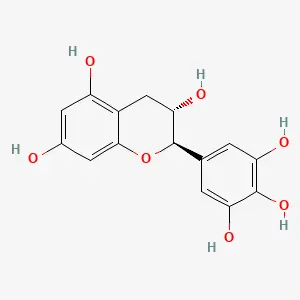
Gallocatechin, or GC, is a flavan-3-ol. That is the plant compound family that holds catechin and the green tea catechins EGC and EGCG. Compared with catechin, GC carries one extra hydroxyl group on its side ring, three instead of two.
Plants use it for defense. A fungus carried by bark beetles can infect Norway spruce. When it did, the gallocatechin in the bark and wood rose, and by more than catechin did. In the lab, GC held back the fungus’s melanin pigment more than catechin did. Catechin was better at stopping the fungus from growing.
In food, gallocatechin is mostly a tea story. The Japanese biochemist Michiyo Tsujimura first isolated it from green tea in 1934.
It is a minor tea catechin. In USDA data, green tea holds 1.54 mg of GC per 100 g, against 29.2 mg of EGC and 70.2 mg of EGCG. GC and EGC have the same atoms and differ only in how the middle ring is arranged: trans in GC and cis in EGC.
Heat adds a twist. Canned and bottled tea drinks contain GC along with other close cousins of the tea catechins, called epimers. In the lab, autoclaving (pressure-heating) a green tea extract at 120 °C for 20 minutes produced them. So some of the GC in a bottle may come from the factory rather than the leaf.
We found no trial that gave people GC on its own, so what it does for health is mostly unknown.
Health benefits of gallocatechin
The top findings from 7 studies, strongest evidence first
What the stars mean
- Strong. Several randomized trials, pooled in a meta-analysis, point the same way, or regulators (FDA or EFSA) have approved the claim.
- Moderate. Good randomized trials support it, but there are fewer of them, or their results vary.
- Limited. Small, short or single trials, or mixed results. Promising, but it needs confirmation.
Population and lab studies get no stars: they show a link or a mechanism, not proof.
How we rate evidence →- ★Brain-imaging change, but no better test scoresIn 35 healthy adults, one 900 mg dose of a green tea extract rich in GCG (a related molecule, not GC) changed a brain-imaging signal. Cognitive test scores did not differ.
- Population studyLinked to lower death risk in metabolic syndromeIn US adults with metabolic syndrome, higher gallocatechin intake from food went with a lower risk of death (0.71 times the risk). There was no link to heart-related death, and it cannot be separated from other tea compounds.
All 7 studies, strongest evidence first
GCG-rich extract changed a brain-imaging signal but not test scores
In this randomized, double-blind, placebo-controlled trial, 35 healthy adults were tested 1 hour after one dose of 900 mg of a GCG-rich green tea extract. GCG is a related molecule, not GC. Imaging showed clear group differences in the left and right dorsolateral prefrontal cortex, a front part of the brain. Cognitive performance did not differ between groups, the extract was a mixture, and its authors work for OBELAB and Amorepacific.
In metabolic syndrome, more gallocatechin linked to lower death risk
This cohort study followed US adults with metabolic syndrome from the NHANES survey for a median 114 months: 1,856 survived and 329 died. Intake came from USDA food databases, not blood tests. Higher gallocatechin intake went with a lower risk of death (hazard ratio 0.71). For all flavan-3-ols together, the top third of intake had a 33% lower risk of death than the bottom third (0.67). There was no link to heart-related death. The abstract gives no range for gallocatechin alone, and because tea compounds are eaten together, it cannot show that GC itself matters.
In the lab, gallocatechin was a weaker antioxidant than EGC
Canned and bottled tea drinks contain epimers such as GC. The authors made them by autoclaving a Longjing green tea extract at 120 °C for 20 minutes, then purified each one. GC was less potent than EGC, its precursor, in three test-tube antioxidant tests. In rats, tea catechins and their epimers were poorly absorbed (bioavailability 0.08 to 0.31), with mostly small differences.
In rats fed tea extract, gallocatechin was highest in the retina
Rats were given green tea extract by mouth, and their eyes were tested at different times afterward. Gallocatechin reached its highest concentration in the retina, at 22,729 pmol/g. Catechins spread unevenly, and epigallocatechin peaked in the aqueous humor (eye fluid) at 603 nM. A marker of oxidative damage fell in most eye compartments, but the abstract credits the catechins as a group, not GC, and gives no dose.
Three of four gut bacteria broke down gallocatechin in a dish
Four isoflavone-metabolizing bacterial strains were tested on GC and EGC. Two strains mainly opened GC’s central ring, and one removed a hydroxyl group. Hydrogen sped up the conversion. It was a culture study with no people, and the authors work at Mitsui Norin.
In cell tests, gallocatechin blocked most cancer cell growth
This test-tube study tried 11 catechins on four human cancer cell lines. Catechin and epicatechin did not block growth even at 100 µM. GC (listed as (-)-gallocatechin) blocked 95% of breast, 85% of colon and 87% of lung cancer cell growth at 50 µM. It stopped the growth of nervous system cells at 100 µM, but these are test-tube doses, far above blood levels (see the chart below).
Gallocatechin was a weaker antioxidant than its linked pairs
GC and three dimers (linked pairs, called prodelphinidins) that contain GC were purified from pomegranate peel. They were tested for stopping fat damage in lab vesicles and for scavenging a radical (ABTS). In water-based tests the dimers were much more effective than the GC monomer. In the fat-based test, only one dimer, gallocatechin-(4-8)-catechin, was clearly more effective.
Foods high in gallocatechin
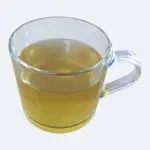
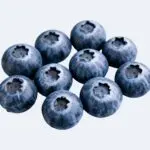
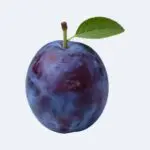
Green tea is the one food with a clear amount of gallocatechin in USDA data. It holds 1.54 mg per 100 g, or 3.77 mg in a 245 g cup. Everything else in the ranking below holds far less. Blueberries have 0.12 mg per 100 g and plums 0.09, and the ranking shows the rest.
Heating changes tea. Canned and bottled tea drinks contain GC, and in one lab test, autoclaving a tea extract at 120 °C for 20 minutes produced it. A green tea extract heat-processed at 121 °C for 1 minute still held GC among the eight flavanols identified in it.
We found no paper that measured GC in bottled and brewed tea side by side, so we cannot say how much more a bottle holds. GC turns up in other plants too. It was purified from pomegranate peel, and in a test tube a banana fruit homogenate turned EGC into GC.
Per serving. No daily amount is set, so bars compare each food with the top food.
Per 100 g. No daily amount is set, so bars compare each food with the top food.
Per 100 kcal: the same calories of each food, for a fair comparison. Bars compare each food with the top food.
Food labels have no Daily Value or Reference Intake for gallocatechin, so the % compares each food with the top food.
- 1.
- 2.

- 3.
- 4.
- 5.

- 6.
- 7.


- 1.
- 2.
- 3.
- 4.
- 5.
- 6.
- 7.
- 1.
- 2.
- 3.
- 4.
- 5.
- 6.
Sources
- USDA Database for the Flavonoid Content of Selected Foods, Release 3.3. Bhagwat S, Haytowitz DB. US Department of Agriculture, Agricultural Research Service. 2018.
- Xu JZ, Yeung SY, Chang Q, Huang Y, Chen ZY Comparison of antioxidant activity and bioavailability of tea epicatechins with their epimers. Br J Nutr. 2004.
- Wang LF, Kim DM, Lee CY Effects of heat processing and storage on flavanols and sensory qualities of green tea beverage. J Agric Food Chem. 2000.
- Plumb GW, de Pascual-Teresa S, Santos-Buelga C, Rivas-Gonzalo JC, Williamson G Antioxidant properties of gallocatechin and prodelphinidins from pomegranate peel. Redox Rep. 2002.
- Tanaka T, Kondou K, Kouno I Oxidation and epimerization of epigallocatechin in banana fruits. Phytochemistry. 2000.
How gallocatechin works
Almost nothing is known about how gallocatechin works in people. Most tea research is on EGCG, so we use only work that names GC. That work comes from test tubes, cells and animals.
It points to three ideas. GC scavenges radicals, but less than EGC. It slowed cancer cell growth in a dish at doses far above blood levels. And gut bacteria change it. Here is each one, and what has been seen in people.
It scavenges radicals, but less than EGC
Radicals are reactive molecules that can damage fats and proteins, and antioxidant tests measure how well a compound calms them. In three test-tube tests (human LDL oxidation, FRAP and DPPH), GC was less potent than EGC. That is even though the two have the same atoms and differ only in the arrangement of the middle ring.
Purified from pomegranate peel, GC alone also scavenged less than linked pairs of GC units in a water-based test. The authors of the epimer study concluded that the heat conversion in bottled tea would not much change a drink’s overall antioxidant activity or absorption.
It slowed cancer cell growth in a dish, at doses far above blood levels
In a cell study, GC at 50 µM blocked most of the growth of human breast, colon and lung cancer cells. GCG, its gallate relative, blocked 97%, 93% and 67%. Catechin and epicatechin did nothing even at twice that dose.
Drawn to scale, where the full bar width is 100%. GCG is gallocatechin gallate, a different molecule shown for comparison.
Blood holds far less. In ten people who drank 500 mL of green tea, single tea metabolites peaked at 29 to 126 nM in blood. Those are metabolites of several tea compounds, not free GC, so the comparison is rough. But the gap is about 400 times.
Drawn to scale. The blood bar is a thin line because it is about 1/400 of the width of the cell-test bar.
Gut bacteria change it
A lot of tea flavan-3-ol passes on to the colon. Some people have an ileostomy, an opening that bypasses the colon. When they drank green tea, 70% of the flavan-3-ols was still in the fluid leaving the small intestine. A third of it was unchanged. In a lab dish, three of four gut bacteria broke GC down, and we do not know what the breakdown products do in people.
Results of growing GC with four bacterial strains in the lab. Hydrogen sped up the conversion in all three strains that changed it.
What has been seen in people
Not much. No trial tested GC on its own. The only human trial used a GCG-rich extract and, for a day, changed a brain-imaging signal without changing test scores. One cohort linked higher dietary GC to lower mortality in metabolic syndrome, but it cannot separate GC from other tea compounds.
Absorption studies report GC and EGC together as “(epi)gallocatechin”. In ten people drinking 500 mL of green tea, urine held (epi)gallocatechin metabolites equal to 11.4% of the amount in the tea. So the lab findings above are ideas to test, not proven effects.
Sources
- Xu JZ, Yeung SY, Chang Q, Huang Y, Chen ZY Comparison of antioxidant activity and bioavailability of tea epicatechins with their epimers. Br J Nutr. 2004.
- Plumb GW, de Pascual-Teresa S, Santos-Buelga C, Rivas-Gonzalo JC, Williamson G Antioxidant properties of gallocatechin and prodelphinidins from pomegranate peel. Redox Rep. 2002.
- Hammerbacher A, Raguschke B, Wright LP, Gershenzon J Gallocatechin biosynthesis via a flavonoid 3′,5′-hydroxylase is a defense response in Norway spruce against infection by the bark beetle-associated sap-staining fungus Endoconidiophora polonica. Phytochemistry. 2018.
- Seeram NP, Zhang Y, Nair MG Inhibition of proliferation of human cancer cells and cyclooxygenase enzymes by anthocyanidins and catechins. Nutr Cancer. 2003.
- Stalmach A, Troufflard S, Serafini M, Crozier A Absorption, metabolism and excretion of Choladi green tea flavan-3-ols by humans. Mol Nutr Food Res. 2009.
- Stalmach A, Mullen W, Steiling H, Williamson G, Lean ME, Crozier A Absorption, metabolism, and excretion of green tea flavan-3-ols in humans with an ileostomy. Mol Nutr Food Res. 2010.
- Takagaki A, Nanjo F Biotransformation of (-)-epigallocatechin and (-)-gallocatechin by intestinal bacteria involved in isoflavone metabolism. Biol Pharm Bull. 2015. The authors work at Mitsui Norin Co.
- Cha J, Kim HS, Kwon G, Cho SY, Kim JM Acute effects of (-)-gallocatechin gallate-rich green tea extract on the cerebral hemodynamic response of the prefrontal cortex in healthy humans. Front Neuroergon. 2023. The authors are employed by OBELAB and Amorepacific.
- Zhang W, Zhou Q, Yang W, Tan X, Xu Y, Yi Z Relationship between dietary flavan-3-ols intake and mortality in metabolic syndrome population; a large cohort study. Front Nutr. 2025.
Is gallocatechin safe? Supplements, dose and interactions
Green tea as a drink is judged safe at usual intakes. But as far as we found, no official body has set an acceptable intake or upper level for gallocatechin on its own.
EFSA, the EU’s food safety agency, issued a 2018 opinion on green tea catechins. It said catechins from traditionally prepared green tea infusions are in general considered safe at the intakes reported in the EU. Its concern was EGCG, the main tea catechin. It noted rare cases of liver injury after drinking infusions, most probably an individual (idiosyncratic) reaction. It also noted higher serum transaminases (liver enzymes) at 800 mg of EGCG a day or more from supplements. The opinion gives no figure for GC.
- Doses in trials. We found no trial of GC alone. The one human trial gave a single 900 mg dose of a GCG-rich extract to 35 healthy adults. Its abstract says nothing about side effects, and GCG is a different molecule.
- Liver. The liver signal belongs to EGCG-rich supplements, and whether GC adds to it is unknown. Ask a doctor before taking green tea extract supplements if you have liver problems.
- Drugs and pregnancy. We found no studies of GC with medicines, and none in pregnancy or breastfeeding, so ask your doctor.
How to get more gallocatechin
- Best food. Green tea, at 1.54 mg per 100 g in USDA data. The next food, blueberries, holds 0.12 mg per 100 g.
- Bottled tea. Heat processing forms GC from other tea catechins, so canned and bottled teas contain it. We found no numbers that compare bottled with brewed tea.
- Absorption. In ten people drinking 500 mL of green tea, urine held (epi)gallocatechin metabolites equal to 11.4% of the amount in the tea. The paper does not separate GC from EGC. In rats, bioavailability was low (0.08 to 0.31) for tea catechins and their epimers. We found no data on taking GC with fat or food.
Sources
- EFSA Panel on Food Additives and Nutrient Sources added to Food (ANS) Scientific opinion on the safety of green tea catechins. EFSA J. 2018.
- Cha J, Kim HS, Kwon G, Cho SY, Kim JM Acute effects of (-)-gallocatechin gallate-rich green tea extract on the cerebral hemodynamic response of the prefrontal cortex in healthy humans. Front Neuroergon. 2023.
- Stalmach A, Troufflard S, Serafini M, Crozier A Absorption, metabolism and excretion of Choladi green tea flavan-3-ols by humans. Mol Nutr Food Res. 2009.
- Xu JZ, Yeung SY, Chang Q, Huang Y, Chen ZY Comparison of antioxidant activity and bioavailability of tea epicatechins with their epimers. Br J Nutr. 2004.
- USDA Database for the Flavonoid Content of Selected Foods, Release 3.3. Bhagwat S, Haytowitz DB. US Department of Agriculture, Agricultural Research Service. 2018.
History of gallocatechin
Gallocatechin was found in green tea. The Japanese agricultural chemist Michiyo Tsujimura worked out much of what tea contains. She isolated catechin from green tea in 1929 and earned a doctorate in agriculture in 1932, the first woman in Japan to do so.
In 1934 she reported another tea compound as a new catechin, which she called tea catechin II, or gallo-catechin.
The heat story came later. Hong Kong researchers studying canned and bottled tea showed in 2001 that autoclaving turns EGCG into its epimer GCG. In 2004 they showed that the same treatment of a tea extract yields GC from EGC, along with other epimers.
In 2018, researchers in Germany and South Africa showed that Norway spruce builds more gallocatechin from catechin when a fungus attacks. So the plant side of GC is about defense too.
Sources
- Gallocatechol. Wikipedia.
- Michiyo Tsujimura. Wikipedia.
- Tsujimura M. Isolation of a new catechin, tea catechin II or gallo-catechin from green tea. Bull Agric Chem Soc Jpn. 1934;10(7-9):140-147.
- Chen Z, Zhu QY, Tsang D, Huang Y Degradation of green tea catechins in tea drinks. J Agric Food Chem. 2001.
- Xu JZ, Yeung SY, Chang Q, Huang Y, Chen ZY Comparison of antioxidant activity and bioavailability of tea epicatechins with their epimers. Br J Nutr. 2004.
- Hammerbacher A, Raguschke B, Wright LP, Gershenzon J Gallocatechin biosynthesis via a flavonoid 3′,5′-hydroxylase is a defense response in Norway spruce against infection by the bark beetle-associated sap-staining fungus Endoconidiophora polonica. Phytochemistry. 2018.
Frequently asked questions about gallocatechin
What does gallocatechin do for the body?
Nobody knows yet, because no trial has tested it on its own. In the lab it scavenged radicals less strongly than EGC. At 50 µM it blocked most growth of cancer cells, but blood levels after tea are at least 400 times lower. One US cohort of adults with metabolic syndrome linked higher gallocatechin intake to a lower risk of death (hazard ratio 0.71). None of this reaches moderate evidence.
Which foods are high in gallocatechin?
Green tea, by a wide margin. USDA data give 1.54 mg per 100 g, or 3.77 mg in a 245 g cup. Blueberries have 0.12 mg per 100 g and plums 0.09, and the ranking above shows the rest. Canned and bottled tea drinks also contain it, because heat forms it.
What is the difference between gallocatechin and epigallocatechin (EGC)?
They have the same atoms and differ only in the arrangement of the middle ring: trans in GC and cis in EGC. In USDA data, green tea holds 1.54 mg of GC and 29.2 mg of EGC per 100 g, about 19 times more EGC. In the lab, GC was a weaker antioxidant than EGC. See our pages on EGC and EGCG.
Does bottled tea have more gallocatechin than brewed tea?
Possibly, but we found no measurement that compares them. Canned and bottled drinks contain GC because heat during manufacture turns other catechins into epimers. In one lab test, autoclaving a tea extract at 120 °C for 20 minutes did this. That study concluded that the change would not much alter the total antioxidant activity or absorption of tea polyphenols.
What is the difference between gallocatechin and gallocatechin gallate (GCG)?
GCG is a different molecule that carries a galloyl group, and GC does not. The only human trial we found used a GCG-rich extract, so it tells us nothing direct about GC. In the cell test above, GC blocked 87% of lung cell growth and GCG 67%, while GCG did better on breast and colon cells.
How much gallocatechin should you take?
No dose has been tested or set. We found no trial of GC on its own. The nearest human dose, 900 mg of a GCG-rich extract once, is not a GC dose. EFSA gives no figure for GC, and its liver concern is for 800 mg of EGCG a day or more from supplements. Drinking tea is how most people get GC.
Does gallocatechin have side effects?
None are reported for GC on its own, because it has not been tested alone. EFSA found rare liver injury linked to green tea infusions, most probably an individual reaction. It also found raised liver enzymes at 800 mg of EGCG a day or more from supplements. We found no studies of GC with medicines or in pregnancy.
Is gallocatechin a strong antioxidant?
In the test tube it works, but less well than EGC. GC was less potent than EGC in three tests, and GC-containing dimers from pomegranate peel beat the GC monomer in a water-based test. Whether this matters in the body is unknown, and no trial measured it for GC.