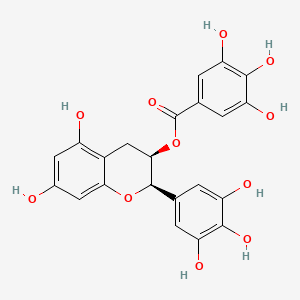
Epigallocatechin gallate, or EGCG, is a polyphenol and a member of the flavans. Chemically it is an ester of the catechin epigallocatechin with gallic acid. The tea plant, Camellia sinensis, makes it, and the European Food Safety Authority (EFSA) calls it the most relevant catechin in green tea.
Green tea is made without fermentation, so its catechins are not oxidized. EGCG belongs to the same family of tea compounds as catechin and epicatechin.
Black tea is made differently. During fermentation, enzymes oxidize the four main tea catechins into pigments such as theaflavins. Almost 60% of the solids in a black tea infusion are still uncharacterized, according to a 2020 review.
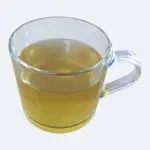
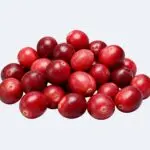
In USDA data, a cup of green tea (245 g) holds 172 mg of EGCG. Cranberries, the next-best food per cup, hold 0.97 mg.
Most readers do not know that EGCG is both a supplement and a drug ingredient. A green tea extract ointment, sinecatechins (sold as Veregen), carries a US Food and Drug Administration label for genital warts.
At the other end of the dose range, EFSA found that EGCG supplements of 800 mg a day or more raised liver enzymes in trials. Both stories are below, with the studies behind them.
Health benefits of EGCG
The top findings from 32 studies, strongest evidence first
What the stars mean
- Strong. Several randomized trials, pooled in a meta-analysis, point the same way, or regulators (FDA or EFSA) have approved the claim.
- Moderate. Good randomized trials support it, but there are fewer of them, or their results vary.
- Limited. Small, short or single trials, or mixed results. Promising, but it needs confirmation.
Population and lab studies get no stars: they show a link or a mechanism, not proof.
How we rate evidence →- ★★Little or no weight loss from green teaIn six trials outside Japan, green tea preparations changed weight by only 0.04 kg versus control, too small to tell from chance. A pooled review of catechins plus caffeine called the effect modest at best.
- ★★Slightly lower blood pressure from green teaIn 13 trials of green tea or extracts, the top blood pressure number fell by about 2 points (2.08 mm Hg). The bottom number fell by about 2 points (1.71 mm Hg).
- ★★Slightly lower LDL cholesterolIn 14 trials of green tea drinks and extracts, LDL (“bad”) cholesterol fell by 2.19 mg/dL. In 20 trials of catechins (all together, not EGCG alone), LDL fell by 5.30 mg/dL.
- ★★Slightly lower fasting blood sugarIn 17 trials, green tea lowered fasting glucose a little (0.09 mmol/L) and HbA1c, average blood sugar, by 0.30%. In 22 trials of catechins, fasting glucose fell by 1.48 mg/dL, but insulin and HbA1c did not change.
- ★★Higher liver enzymes at 843 mg a dayIn 1,075 postmenopausal women, a year of green tea extract (843 mg EGCG a day) raised liver enzyme ALT in 6.7%, against 0.7% on placebo. A review of 34 trials of green tea extract found liver events rare and mostly mild.
All 32 studies, strongest evidence first
Outside Japan, green tea barely changed weight: 0.04 kg
This Cochrane review covered randomized trials of 12 to 13 weeks in overweight or obese adults, using green tea preparations rather than pure EGCG. In six trials outside Japan, the difference from a control was too small to tell from chance. The eight Japanese trials (1030 people) could not be pooled and ranged from 0.2 to 3.5 kg lower weight. The authors call the loss small and unlikely to matter clinically. They found no help with keeping weight off, and most adverse events were mild to moderate.
13 trials: green tea cut systolic pressure about 2 mm Hg
This meta-analysis covered 13 randomized trials of green tea or its extracts. Systolic pressure (the top number) fell 2.08 mm Hg and diastolic (the bottom number) 1.71, about 1.7. Total cholesterol fell 0.15 mmol/L and LDL 0.16 mmol/L. The drop was larger in people with a starting systolic pressure of 130 or more, and in trials that used extracts.
In 14 trials, green tea lowered LDL cholesterol by 2.19 mg/dL
This meta-analysis covered 14 randomized trials with 1136 people, using green tea drinks and extracts. Total cholesterol fell 7.20 mg/dL, and HDL did not change. The authors say the results did not depend on the type of product, the catechin dose or the length of the trial.
843 mg EGCG raised liver enzyme ALT in 6.7% of women
The Minnesota Green Tea Trial gave a green tea extract or placebo for a year to 1075 postmenopausal women at risk of breast cancer, double-blind. ALT rose in 0.7% on placebo. Overall adverse events were alike (75.6% and 72.8%), but nausea was more common on the extract. 1.3% of extract users had serious ALT-related events, and the authors call most events mild and transient.
With caffeine, green tea catechins cut weight 1.38 kg versus caffeine alone
This systematic review and meta-analysis pooled 15 trials with 1243 people. BMI fell 0.55 and waist 1.93 cm. Against a caffeine-free control, the weight loss was 0.44 kg. The authors call the effect modest at best and say catechins alone, without caffeine, do not appear to change body measures.
20 trials: catechins cut total cholesterol 5.46, LDL 5.30 mg/dL
This meta-analysis pooled 20 randomized trials with 1415 people, using total catechin doses from 145 to 3000 mg a day for 3 to 24 weeks. HDL and triglycerides did not change. The doses are for all catechins together, not EGCG alone.
17 trials: green tea slightly lowered fasting glucose and HbA1c
This meta-analysis pooled 17 randomized trials with 1133 people, using green tea drinks and extracts. Fasting glucose fell 0.09 mmol/L and HbA1c (long-term blood sugar) by 0.30%. Fasting insulin fell by 1.16 µIU/mL only in the higher-quality trials.
In 22 trials, catechins lowered fasting glucose 1.48 mg/dL, not insulin
This meta-analysis pooled 22 randomized trials with 1584 people, using catechins with or without caffeine. Insulin, HbA1c and insulin resistance did not change. The glucose effect showed up when follow-up lasted longer than a median of 12 weeks. HbA1c changed by only 0.04%, unlike the glucose analysis above, and the authors ask for larger trials.
843 mg EGCG lowered LDL 4.1% in postmenopausal women
This study within the Minnesota Green Tea Trial above used the same postmenopausal women. There were 538 on the extract and 537 on placebo, and 936 completed this part. LDL rose 0.9% on placebo. Total cholesterol fell 2.1% against a 0.7% rise, and HDL did not change. Triglycerides rose 3.6% on the extract against a 2.5% fall on placebo. The total cholesterol drop was seen only in women whose level started at 200 mg/dL or more.
A year of 843 mg EGCG did not change breast density overall
This also comes from the Minnesota Green Tea Trial of postmenopausal women (1075 women, 932 completers), using mammograms. In women aged 50 to 55, percent density fell 4.40% on the extract against a 1.02% rise on placebo, a borderline result. There was no effect in older women, and the authors say further study is needed.
In 34 trials of green tea extract, liver events were rare
This systematic review of randomized trials counted seven liver-related events on extract against one on placebo. The odds were 2.1 times as high, but the range was wide and this could be chance. The events were mostly mild liver enzyme rises, and none was serious. The authors call it not conclusive, and several authors are employed by Clinical Study Support Inc.
Green tea ointment cleared genital warts in 57.2% of patients
In this phase 3 randomized double-blind trial, 502 adults used sinecatechins, a green tea extract ointment. They applied a 15% or 10% ointment three times a day for up to 16 weeks. Warts cleared in 56.3% on the 10% ointment and 33.7% on a plain ointment. Application-site reactions were common: 87.7% and 87.3%, against 72.1% on placebo. Sinecatechins is a defined extract of green tea, not pure EGCG, and it is a drug applied to skin, not a supplement.
856.8 mg EGCG daily trimmed weight slightly in 12 weeks
In this randomized double-blind trial, 102 women with central obesity took a green tea extract or placebo. All had a BMI of 27 or more and a waist of 80 cm or more. Weight on the extract fell from 76.8 kg to 75.7 kg, and BMI and waist fell too. Total cholesterol trended down 5.33%, ghrelin fell and adiponectin rose, and the authors report no side effects. The loss is small, and the liver findings at this dose level are in the safety section.
300 mg EGCG did not clearly add to diet weight loss
In this randomized double-blind trial, 83 premenopausal obese women on a calorie-restricted diet took EGCG or placebo for 12 weeks. The weight difference was -0.3 kg and the fat mass difference -0.7 kg; the weight difference was within chance. Cholesterol, insulin resistance and liver function markers did not differ, and the authors saw no harm to the liver.
A catechin drink cut belly fat area 7.7% with exercise
In this randomized trial, 132 overweight and obese adults (107 completers) drank a catechin drink or a control drink for 12 weeks. The catechin drink had about 625 mg of catechins, and both drinks had 39 mg of caffeine. All were asked to exercise 180 minutes a week or more. On the control drink, abdominal fat area fell only 0.3%. Body weight only trended lower, which could be chance, and fat mass did not differ, while triglycerides fell 11.2% against a 1.9% rise.
EGCG capsules lowered diastolic pressure 2.68 mmHg
In this randomized trial, 88 overweight or obese men aged 40 to 65 took EGCG or placebo for 8 weeks. The 46 on EGCG took 400 mg capsules twice a day, and 42 took placebo. On placebo, diastolic pressure changed by 0.058 mmHg, and the difference was clear. Insulin sensitivity, cholesterol and other risk factors did not change, and the EGCG group reported a slightly better mood.
An 800 mg EGCG trial was stopped for abnormal liver tests
Polyphenon E is a green tea extract with 50% EGCG. This phase 2 trial randomized 13 people with multiple sclerosis (12 started). A safety board stopped it after 5 of 7 people on it had abnormal liver tests, starting at a median of 20 weeks. One of 10 people in the earlier phase 1 trial also stopped for abnormal liver tests. Most phase 2 participants took a new capsule lot with similar EGCG but different minor catechins, and Mitsui Norin supplied the product.
Up to 800 mg EGCG: no drop in new lesions or relapses
This phase 2 randomized trial ran for 18 months in 122 people with relapsing multiple sclerosis on glatiramer acetate (62 on EGCG, 60 on placebo). New brain lesions on MRI and relapses did not fall, and no clinical measure differed. The treatment was well tolerated, with similar, mostly mild adverse events in both groups. Blood levels of EGCG varied widely.
400 mg EGCG daily did not reduce prostate cancer cases
This randomized trial gave Polyphenon E, a decaffeinated green tea catechin mixture, or placebo for a year to 97 men with precancerous prostate findings. Cancer appeared in 5 of 49 men on it against 9 of 48. A secondary analysis looked at men with HGPIN only. There, cancer plus ASAP occurred in 3 of 26 against 10 of 25, and PSA fell 0.87 ng/mL. Adverse events did not differ between groups.
In early leukemia, 31% saw lymphocytes fall after high-dose EGCG
This single-arm phase 2 trial had 42 people with early chronic lymphocytic leukemia and no placebo group. Polyphenon E gave 2000 mg of EGCG twice a day for up to 6 months, and a sustained fall in lymphocyte count followed. Lymph nodes shrank by at least 50% in 20 of 29 people with palpable nodes. The most common grade 3 side effects were transaminitis (liver enzyme rise), abdominal pain and fatigue, each in one person. The dose is far above supplement doses.
In Down syndrome, EGCG improved some memory and behavior scores
This phase 2 randomized double-blind trial had 87 young adults aged 16 to 34 with Down syndrome (84 analyzed). They took a green tea extract with 9 mg/kg of EGCG a day or placebo for 12 months, both with cognitive training. Visual memory, inhibitory control and adaptive behavior scores improved. Groups did not differ on 13 of 15 tests, adverse effects were alike, and the authors say larger trials are needed.
843 mg EGCG daily raised blood estradiol by 16% after menopause
This is a secondary result of the Minnesota Green Tea Trial (538 healthy women on the extract and 537 on placebo), lasting a year. The decaffeinated extract held 1315 mg of total catechins. Bioavailable estradiol rose 21%. IGF proteins were comparable between groups.
Cochrane: limited, inconsistent evidence that green tea lowers cancer risk
This Cochrane review of 142 studies pooled 11 randomized trials of green tea extract (1795 people) and 131 observational studies. The highest versus lowest intake had 0.83 times the risk of cancer, which could be chance, and 0.99 for cancer deaths. Extract trials reported stomach and bowel problems and raised liver enzymes. Most studies were in Asian populations.
Taken fasting, peak blood EGCG was over 3.5 times higher
In this randomized crossover study, 30 healthy volunteers took 400, 800 or 1,200 mg of EGCG as Polyphenon E (10 per dose). Each took it once fasted and once with a light breakfast. Mild nausea was most common at the top dose when fasting. The authors consider up to 800 mg well tolerated on an empty stomach.
Liver injury cases involved 140 to about 1000 mg EGCG a day
This US Pharmacopeia (USP) systematic review of green tea extract and the liver drew on published case reports. The injury pattern was hepatocellular (in liver cells), with wide differences in how easily people were affected. Repeated bolus doses on an empty stomach raised EGCG levels, and contaminants were not found to be involved. Authors include USP staff and employees of supplement companies.
A woman developed severe hepatitis on 93.2% EGCG capsules
In this case report, a 63-year-old woman took concentrated green tea capsules. Causality was rated probable on the CIOMS/RUCAM scale, and other causes were excluded. She recovered quickly and lastingly after stopping the capsules and receiving albumin dialysis. The capsules held no contaminants and a very high dose, which the abstract does not give in milligrams.
EGCG-rich extract cut blood levels of the beta-blocker nadolol
In this randomized three-phase crossover study, 13 healthy volunteers took 30 mg of nadolol with water or with a single dose of the extract. Nadolol levels fell to 0.72 of normal at the low extract dose and 0.60 at the high dose. In test cells, EGCG blocked the transporter OATP1A2, which carries nadolol into the body. Blood pressure and pulse did not change in this short study.
Heavy green tea drinking linked to lower death risk in women
This Japanese cohort study followed 40,530 adults aged 40 to 79 for up to 11 years. Women drinking 5 or more cups a day had 0.77 times the risk of death from any cause, compared with under 1 cup. In men the ratio was 0.88. Green tea was linked to fewer deaths from cardiovascular disease, but not from cancer. This measures cups of tea, not EGCG, and drinkers may differ from non-drinkers in other ways.
In cancer cells, EGCG blocked a DNA-tagging enzyme and woke silenced genes
This study used nuclear extracts and cell lines. EGCG blocked the DNA methylation enzyme DNMT with a Ki (binding strength) of 6.89 µM. 5 to 50 µM of EGCG reversed silencing of four genes in esophageal cancer cells over 12 to 144 hours. See the chart below for how these concentrations compare with blood levels.
EGCG binds tightly to a receptor on cancer cells
The receptor is the 67-kDa laminin receptor, and binding had a nanomolar dissociation constant. The study used cell experiments and surface plasmon resonance, a binding test. Cells that made more of the receptor responded to EGCG at concentrations the authors call physiologically relevant.
In dishes, EGCG’s harm depended on peroxide in the medium
In hamster ovary cells, EGCG’s toxicity depended on hydrogen peroxide formed in the medium. Across seven common culture media, the amount of peroxide and the cell damage varied. Catalase, an enzyme that breaks down peroxide, cut the toxicity substantially. The authors warn that dish results with EGCG can be artifacts.
Fasting dogs on extract: study stopped early for illness and deaths
Beagle dogs got a green tea extract (56 to 72% EGCG) on an empty stomach at 200, 500 and 1000 mg/kg a day. The 9-month study had to stop at 6.5 months. A follow-up 13-week study found that dosing with food gave much lower and less variable exposure than fasting. The groups were small, and the authors could not settle every question.
Foods high in EGCG
Green tea is the only common food with a large amount of EGCG. In USDA data it has 172 mg per cup (245 g) and 70.2 mg per 100 g.
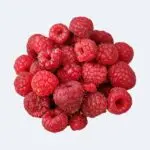
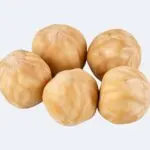
Everything else on the list is far lower. Per 100 g, pecans hold 2.3 mg, hazelnuts 1.06 mg and cranberries 0.97 mg, followed by raspberries, plums and pistachios. An ounce of pecans (0.65 mg) has less than 1% of the EGCG in a cup of green tea.
How the tea is made and brewed matters. Green tea is not fermented, which keeps its catechins from oxidizing, while black tea fermentation turns them into other pigments.
In one study of Turkish green tea, EGCG peaked at 50.69 mg per 100 ml after 3 minutes of brewing at 85 °C. It fell with longer brewing. So a generic cup in the USDA data is only a guide.
Per serving. No daily amount is set, so bars compare each food with the top food.
Per 100 g. No daily amount is set, so bars compare each food with the top food.
Per 100 kcal: the same calories of each food, for a fair comparison. Bars compare each food with the top food.
Food labels have no Daily Value or Reference Intake for epigallocatechin gallate, so the % compares each food with the top food.
- 1.
- 2.
- 3.
- 4.
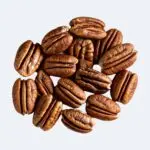
- 5.
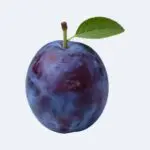
- 6.
- 7.
- 8.
- 9.
- 10.


- 1.
- 2.
- 3.
- 4.
- 5.
- 6.
- 7.
- 8.
- 9.
- 10.

- 1.
- 2.
- 3.
- 4.
- 5.
- 6.
- 7.
- 8.
- 9.
- 10.

Sources
- Bhagwat S, Haytowitz DB. USDA Database for the Flavonoid Content of Selected Foods, Release 3.3. US Department of Agriculture, Agricultural Research Service. 2018. Source of the ranking above.
- EFSA Panel on Food Additives and Nutrient Sources added to Food (ANS). Scientific opinion on the safety of green tea catechins. EFSA J. 2018.
- Tanaka T, Matsuo Y. Production mechanisms of black tea polyphenols. Chem Pharm Bull (Tokyo). 2020.
- Saklar S, Ertas E, Ozdemir IS, Karadeniz B. Effects of different brewing conditions on catechin content and sensory acceptance in Turkish green tea infusions. J Food Sci Technol. 2015.
How EGCG works
Most of what we know about how EGCG works comes from test tubes and cells. The amounts used there are often higher than what reaches the blood.
Researchers keep coming back to four ideas. It binds a receptor on the cell surface, and it blocks an enzyme that tags DNA. It can make hydrogen peroxide in a dish, and very little of it is absorbed. Here is each one, and what has been seen in people.
It sticks to a receptor on the cell surface
In 2004 a Japanese team reported that EGCG binds the 67-kDa laminin receptor, a protein on the surface of many cancer cells. The binding was strong (a nanomolar dissociation constant). Cells that made more of the receptor responded to EGCG at concentrations the authors call physiologically relevant.
A follow-up found that, through this receptor and a protein called eEF1A, EGCG switches on an enzyme called myosin phosphatase. Silencing any of the three in tumor cells removed EGCG’s tumor-slowing effect in animals. These are cell and animal findings, and none of the human trials above tested this route.
It can block an enzyme that tags DNA
DNA methyltransferase (DNMT) adds methyl tags to DNA that can switch genes off. Some cancers silence protective genes this way. In a test tube, EGCG blocked DNMT with a Ki of 6.89 µM. In esophageal cancer cells, 5 to 50 µM of EGCG reversed the silencing of four genes.
How do those amounts compare with the blood? Healthy men took single doses of 50 to 1,600 mg of purified EGCG on an empty stomach. Peak blood levels of total EGCG ranged from 130 to 3,392 ng/mL. We converted that to 0.28 to 7.4 µM, using EGCG’s molecular weight of 458.4 g/mol.
Only the top of that range came near the level that blocked the enzyme, and the dish tests went up to about seven times higher. The authors of another trial note that human blood levels are many times lower than the effective levels in test systems.
Drawn to scale. The blood values are our conversion from ng/mL to µM; the study reported the range across six single-dose groups, from 50 to 1,600 mg. The lowest bar is drawn at a minimum visible width.
In a dish, it can make its own hydrogen peroxide
In some cell experiments, EGCG reacts with the culture medium and forms hydrogen peroxide, and the peroxide does much of the damage. In hamster ovary cells, the toxicity of EGCG differed between seven common media. Catalase, an enzyme that breaks down peroxide, cut it substantially.
A 2010 review says tea catechins are chemical antioxidants, but that some of their effects may come from adding oxidative stress. That stress seems to drive cell death in tumor cells, and may also switch on the body’s own defenses in normal tissue. So “antioxidant” is only part of the story, and some dish results may not carry over to the body.
The finding in one study of hamster ovary cells, shown as a diagram. It is not drawn to scale.
Very little reaches the blood, and food changes how much
In people, EGCG is absorbed in small amounts, and the timing of a dose matters. In a crossover study of 30 healthy volunteers, peak free EGCG in blood was more than 3.5 times higher fasting than with a light breakfast. EFSA’s review agrees that a fasting bolus raises exposure compared with food or split doses.
Protein lowers it. In 24 women, drinking green tea extract with milk, caseinate or soy protein lowered EGCG blood exposure to 63 to 76% of the control.
Drawn to scale, with food as 1. The arrow means the real figure is higher than 3.5.
Much of the EGCG in tea is also lost in the gut. In a lab test that mimicked stomach and small-intestine digestion, 10% or less of the EGCG in green tea survived. Adding 30 mg of vitamin C to 250 mL of tea left 54%, and citrus juices left 56 to 76%. This was a test-tube model, not people.
Drawn to scale. The tea-alone value is an upper limit (10% or less), and the lighter part of the last bar marks the top of the 56 to 76% range.
What has been seen in people
These effects are much easier to show in a dish than in a person. Trials of green tea extracts with 300 to 857 mg of EGCG a day moved LDL cholesterol and blood pressure by small amounts. The weight results are close to zero outside Japan.
EGCG did not slow multiple sclerosis on MRI and did not lower prostate cancer cases in the trials above. The one clear success, sinecatechins ointment on warts, is a defined extract used on skin, not a pill. Both the benefits and the liver warnings are on the study cards above.
Sources
- Tachibana H, Koga K, Fujimura Y, Yamada K. A receptor for green tea polyphenol EGCG. Nat Struct Mol Biol. 2004.
- Umeda D, Yano S, Yamada K, Tachibana H. Green tea polyphenol epigallocatechin-3-gallate signaling pathway through 67-kDa laminin receptor. J Biol Chem. 2008.
- Fang MZ, Wang Y, Ai N, et al. Tea polyphenol (-)-epigallocatechin-3-gallate inhibits DNA methyltransferase and reactivates methylation-silenced genes in cancer cell lines. Cancer Res. 2003.
- Ullmann U, Haller J, Decourt JP, et al. A single ascending dose study of epigallocatechin gallate in healthy volunteers. J Int Med Res. 2003.
- Epigallocatechin gallate (compound summary, CID 65064). PubChem, National Library of Medicine. Molecular weight 458.4.
- Long LH, Kirkland D, Whitwell J, Halliwell B. Different cytotoxic and clastogenic effects of epigallocatechin gallate in various cell-culture media due to variable rates of its oxidation in the culture medium. Mutat Res. 2007.
- Lambert JD, Elias RJ. The antioxidant and pro-oxidant activities of green tea polyphenols: a role in cancer prevention. Arch Biochem Biophys. 2010.
- Chow HH, Hakim IA, Vining DR, et al. Effects of dosing condition on the oral bioavailability of green tea catechins after single-dose administration of Polyphenon E in healthy individuals. Clin Cancer Res. 2005.
- EFSA Panel on Food Additives and Nutrient Sources added to Food (ANS). Scientific opinion on the safety of green tea catechins. EFSA J. 2018.
- Egert S, Tereszczuk J, Wein S, et al. Simultaneous ingestion of dietary proteins reduces the bioavailability of galloylated catechins from green tea in humans. Eur J Nutr. 2013.
- Green RJ, Murphy AS, Schulz B, et al. Common tea formulations modulate in vitro digestive recovery of green tea catechins. Mol Nutr Food Res. 2007.
Is EGCG safe? Supplements, dose and interactions
Green tea brewed the usual way is not a safety concern in EFSA’s 2018 opinion. The agency judged traditionally prepared infusions safe at the intakes seen in Europe. The average there is 90 to 300 mg of EGCG a day, and heavy drinkers reach up to 866 mg. EFSA noted rare, probably idiosyncratic (individual) liver injury.
Extracts are a different case. EFSA found that doses of 800 mg of EGCG a day or more from supplements clearly raised liver enzymes (transaminases) compared with control. It concluded that no EGCG dose from green tea extracts could be called safe.
- Liver enzymes in trials. The largest trial (843 mg a day for a year) raised ALT in 6.7% of women against 0.7% on placebo. A multiple sclerosis trial using 800 mg a day was stopped when 5 of 7 people on it had abnormal liver tests. EFSA saw no evidence of liver toxicity in trials below 800 mg a day for up to 12 months. But liver toxicity was reported with one product (an 80% ethanolic extract) at 375 mg, so the product matters. A review of 34 trials found liver events rare.
- Case reports and labels. EFSA found 22 reports in which green tea was the only suspected cause, and none was fatal. 8 came after tea infusions, and most after supplements. Most cases resolved after stopping. A US Pharmacopeia review linked injury to EGCG intakes of 140 mg to about 1000 mg a day. Its label text for green tea extract says to avoid it with a liver problem. It also says to stop if you notice abdominal pain, dark urine or yellow skin or eyes.
- Empty stomach. Peak EGCG in blood was more than 3.5 times higher fasting, and the same USP label tells people to take extract with food. In dogs, a green tea extract given fasted caused illness and deaths at high doses. Dosing with food gave much lower exposure.
- Medicines, pregnancy and skin. A single dose of EGCG-rich extract lowered blood levels of the beta-blocker nadolol to 0.72 and 0.60 of normal. Drinking green tea (700 ml a day for 14 days) cut its peak blood level by 85.3%, so ask your pharmacist if you take it. EFSA noted that none of the trials covered pregnant women, breastfed infants or children. In phase 3 trials, the sinecatechins ointment caused redness in 70%, itching in 69% and burning in 67% of users. Its label says not to use it on warts inside the urethra, vagina, cervix, rectum or anus.
How to get more EGCG
- Best food. Green tea, at 172 mg a cup and 70.2 mg per 100 g in USDA data. No other food has more than 2.3 mg per 100 g, so nuts and fruit add little.
- Brew and pair it well. In one study of Turkish green tea, EGCG peaked at 85 °C and 3 minutes of brewing. In a lab digestion test, citrus juice left 56 to 76% of the EGCG, against 10% or less in plain tea. But milk or protein lowered EGCG absorption in women.
- Tea versus extract. Trial doses of 800 mg equal about 4.7 cups of the USDA green tea figure. Yet EFSA found no sign of raised ALT at 5 cups a day or 700 mg of EGCG from infusions, though the data were sparse. The liver signal comes mostly from concentrated extracts, and fasting doses raise exposure. So if you use one, take it with food.
Sources
- EFSA Panel on Food Additives and Nutrient Sources added to Food (ANS). Scientific opinion on the safety of green tea catechins. EFSA J. 2018. Full text read for case reports, doses and the 375 mg product.
- Dostal AM, Samavat H, Bedell S, et al. The safety of green tea extract supplementation in postmenopausal women at risk for breast cancer: results of the Minnesota Green Tea Trial. Food Chem Toxicol. 2015.
- Lovera J, Ramos A, Devier D, et al. Polyphenon E, non-futile at neuroprotection in multiple sclerosis but unpredictably hepatotoxic: Phase I single group and phase II randomized placebo-controlled studies. J Neurol Sci. 2015.
- Isomura T, Suzuki S, Origasa H, et al. Liver-related safety assessment of green tea extracts in humans: a systematic review of randomized controlled trials. Eur J Clin Nutr. 2016.
- Oketch-Rabah HA, Roe AL, Rider CV, et al. United States Pharmacopeia (USP) comprehensive review of the hepatotoxicity of green tea extracts. Toxicol Rep. 2020. Authors include USP staff and employees of supplement companies.
- Chow HH, Hakim IA, Vining DR, et al. Effects of dosing condition on the oral bioavailability of green tea catechins after single-dose administration of Polyphenon E in healthy individuals. Clin Cancer Res. 2005.
- Kapetanovic IM, Crowell JA, Krishnaraj R, et al. Exposure and toxicity of green tea polyphenols in fasted and non-fasted dogs. Toxicology. 2009.
- Abe O, Ono T, Sato H, et al. Role of (-)-epigallocatechin gallate in the pharmacokinetic interaction between nadolol and green tea in healthy volunteers. Eur J Clin Pharmacol. 2018.
- Misaka S, Yatabe J, Müller F, et al. Green tea ingestion greatly reduces plasma concentrations of nadolol in healthy subjects. Clin Pharmacol Ther. 2014.
- VEREGEN (sinecatechins) ointment, prescribing information. DailyMed, National Library of Medicine. Updated November 2022.
- Fantasia HC. Sinecatechins ointment 15% for the treatment of external genital warts. Nurs Womens Health. 2012.
- Egert S, Tereszczuk J, Wein S, et al. Simultaneous ingestion of dietary proteins reduces the bioavailability of galloylated catechins from green tea in humans. Eur J Nutr. 2013.
- Green RJ, Murphy AS, Schulz B, et al. Common tea formulations modulate in vitro digestive recovery of green tea catechins. Mol Nutr Food Res. 2007.
- Saklar S, Ertas E, Ozdemir IS, Karadeniz B. Effects of different brewing conditions on catechin content and sensory acceptance in Turkish green tea infusions. J Food Sci Technol. 2015.
Frequently asked questions about EGCG
What does EGCG do for the body?
The measured effects are small, and none reaches strong evidence. In meta-analyses of green tea and catechins, LDL cholesterol was 2 to 5 mg/dL lower, roughly. Systolic blood pressure was about 2 mm Hg lower and fasting glucose slightly lower. As an ointment (sinecatechins), a green tea extract cleared genital warts in 57.2% of people against 33.7% on a plain ointment. Most trials used extracts with 300 to 857 mg of EGCG a day, not tea.
Which foods are high in EGCG?
Green tea is the main one by a wide margin. USDA data list 172 mg per cup (245 g) and 70.2 mg per 100 g. The next foods are pecans at 2.3 mg per 100 g, hazelnuts at 1.06 mg and cranberries at 0.97 mg. So green tea has about 30 times more than pecans per 100 g.
How much EGCG should you take a day?
No dose is proven best. Trials used 300 to 857 mg of EGCG a day from extracts, and the largest trial used 843 mg a day for a year. EFSA saw raised liver enzymes at 800 mg a day or more from supplements, and could not name a safe dose for extracts. Traditionally brewed green tea gives most people 90 to 300 mg a day, which EFSA considers safe.
Can EGCG damage the liver?
Rarely, and almost always with concentrated extracts. In the Minnesota Green Tea Trial, 843 mg a day for a year raised ALT in 6.7% of women against 0.7% on placebo. EFSA counted 22 case reports with green tea as the only suspected cause, and most resolved after stopping. See a doctor if you have abdominal pain, dark urine or yellowing of the skin or eyes.
Does EGCG help with weight loss?
Probably not by an amount that matters. Cochrane’s review found a mean difference of 0.04 kg in six trials outside Japan and called the loss unlikely to be clinically important. A meta-analysis found catechins with caffeine cut weight by 1.38 kg versus caffeine alone. But 300 mg of EGCG added nothing to a diet in obese women. One trial of 856.8 mg lowered weight from 76.8 kg to 75.7 kg.
What is the difference between EGCG and catechin?
EGCG is one specific tea catechin, the gallate ester of epigallocatechin, while “catechin” can name the whole group or a single compound. Green tea holds EGCG with EGC, ECG and EC. Many trials give a mixture of these, so a result for “green tea catechins” cannot be credited to EGCG alone. See our pages on catechin and epicatechin.
When is the best time to take EGCG?
With a meal, if you take an extract. No trial here tested time of day. Peak blood levels of free EGCG were more than 3.5 times higher on an empty stomach. USP’s label text for green tea extract says to take it with food, and that higher exposure is the reason for the label.
Does EGCG interact with medicines?
It can with at least one, the beta-blocker nadolol. A single dose of EGCG-rich extract lowered nadolol exposure to 0.72 and 0.60 of normal. Drinking green tea (700 ml a day for 14 days) cut its peak blood level by 85.3%. We found no controlled data for most other drugs, so ask your pharmacist about any regular medicine before starting an extract.