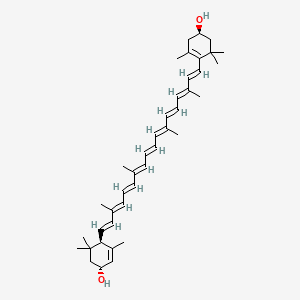
Lutein is a yellow pigment in the carotenoid family, the same family as beta-carotene and astaxanthin. Its name comes from the Latin luteus, which means yellow. Only plants make it. In green leaves, two xanthophylls, most likely lutein, sit next to chlorophyll in the light-harvesting complex. They play a major part in handling its light energy.
Animals take lutein in with their food. More than 85% of the carotenoids in egg yolk are lutein and zeaxanthin. Three yellow songbirds, the yellow warbler, the common yellowthroat and the evening grosbeak, color their feathers with lutein alone.
In people, lutein and zeaxanthin are the only two dietary carotenoids that cross the blood-retina barrier. They build up in the macula, the small central part of the retina that gives sharp, detailed vision, and together they make it yellow. The eye even converts some lutein into a third pigment, meso-zeaxanthin, which is rarely found in food. Lutein is also the main carotenoid in human brain tissue.
Here is what most readers do not know. The biggest trial of lutein for the eye, AREDS2, found no clear extra protection against advanced macular degeneration in its main analysis. Lutein is in the current AREDS eye formula mainly as a replacement for beta-carotene, which was linked to more lung cancers.
Health benefits of lutein
The top findings from 33 studies, strongest evidence first
What the stars mean
- Strong. Several randomized trials, pooled in a meta-analysis, point the same way, or regulators (FDA or EFSA) have approved the claim.
- Moderate. Good randomized trials support it, but there are fewer of them, or their results vary.
- Limited. Small, short or single trials, or mixed results. Promising, but it needs confirmation.
Population and lab studies get no stars: they show a link or a mechanism, not proof.
How we rate evidence →- ★★Raised macular pigment densityIn 20 trials, lutein and zeaxanthin supplements raised macular pigment density, a measure of eye pigment, in people with and without age-related macular degeneration (AMD). The rise was 0.07 in AMD and 0.09 in healthy people, and eating eggs raised it by 0.037 across 5 trials.
- ★★No clear slowing of advanced macular degenerationIn AREDS2 (4,203 people at risk), 31% on placebo and 29% on lutein plus zeaxanthin progressed to advanced AMD, a gap that could be chance. Exploratory analyses found 0.82 times the risk of late AMD against beta-carotene.
- ★★Slightly sharper vision and better contrast in AMDIn 8 trials of 1,176 people with AMD, supplements slightly sharpened vision (acuity score fell by 0.04, lower is sharper). Contrast sensitivity was better at all four detail levels tested.
- ★★Did not lower heart events or cataract surgeryIn AREDS2, 10 mg lutein plus 2 mg zeaxanthin a day did not clearly lower heart attacks, strokes or cardiovascular deaths (0.94 times the risk). It did not lower cataract surgery overall (0.96 times).
- ★★Mixed results for thinking skillsIn AREDS2, lutein plus zeaxanthin did not slow decline in thinking skills in 3,501 older adults with AMD. In a trial of 90 adults with thinking complaints, only visual memory and learning improved.
All 33 studies, strongest evidence first
Across 20 trials, supplements raised macular pigment density
This meta-analysis pooled 20 randomized trials of lutein, zeaxanthin and meso-zeaxanthin supplements. It covered 938 people with age-related macular degeneration (AMD), an eye disease of later life, and 826 healthy people. Pigment density rose by 0.07 in AMD and by 0.09 in healthy people, more with higher doses and in people who started with less pigment. This measures the pigment itself, not vision.
In AREDS2, lutein plus zeaxanthin did not clearly slow advanced AMD
This randomized, double-masked trial (neither people nor researchers knew who got what) had 4,203 people aged 50 to 85 at risk of advanced AMD. All were offered the AREDS vitamin and mineral formula, and some added 10 mg of lutein plus 2 mg of zeaxanthin a day. People were followed for a median of 5 years. By 5 years, 31% on placebo and 29% on lutein plus zeaxanthin had progressed (0.90 times the risk, a gap that could be chance). Omega-3s did not help either. More lung cancers occurred with beta-carotene, mostly in former smokers, so the authors suggest lutein plus zeaxanthin as a substitute.
In 8 AMD trials, supplements slightly improved sharpness and contrast vision
This meta-analysis pooled 8 randomized trials of lutein and zeaxanthin with 1,176 people with AMD. The acuity score (logMAR) fell by 0.04 against placebo, which means sharper vision. Contrast sensitivity was better at all four spatial frequencies tested. Each extra 1 mg a day went with a further 0.003 drop, and the gains tracked the rise in macular pigment.
Cochrane: lutein and zeaxanthin alone made little or no difference to AMD
This systematic review covered 26 trials with 11,952 people. Six compared lutein, with or without zeaxanthin, against placebo, mostly AREDS2. Risk of progressing to late AMD was 0.94 times that of placebo, a gap that could be chance, rated low-certainty evidence. Exploratory AREDS2 analyses supported swapping beta-carotene for lutein and zeaxanthin (0.82 times the risk of late AMD).
In 9 AMD trials, lutein raised macular pigment and contrast sensitivity
This meta-analysis pooled 9 randomized trials with 920 eyes (855 with AMD), using 10 or 20 mg of lutein a day. Pigment density rose by 0.07, and contrast sensitivity improved (difference 0.26). The authors say the higher dose raised pigment in a shorter time, and longer treatment helped too.
Across 5 trials, eating eggs raised macular pigment density and blood lutein
This meta-analysis pooled 5 randomized trials with 296 people. Egg consumption raised pigment density by 0.037 and serum lutein by 0.15 µmol/L. The pigment effect was larger in parallel-design trials. The trials measured pigment and blood levels, not eye disease.
Lutein and zeaxanthin did not lower the need for cataract surgery overall
This secondary analysis of AREDS2 covered 3,159 people with natural lenses. Over a median of 4.7 years, 1,389 of 6,027 eyes had cataract surgery. On 10 mg lutein plus 2 mg zeaxanthin, the risk was 0.96 times that without. In the lowest fifth of dietary intake it was 0.68 times, a subgroup result. Loss of 3 or more lines of vision was unchanged.
In AREDS2, lutein did not slow decline in thinking skills
This add-on study tested 3,501 older adults with AMD by telephone every 2 years, over 5 years. The yearly change in a composite score was -0.18 with 10 mg lutein plus 2 mg zeaxanthin and -0.19 without (difference 0.03). The groups did not differ, and one author consults for supplement and ingredient makers.
AREDS2: lutein did not lower heart attacks, strokes or cardiovascular deaths
This add-on study of AREDS2 had a median 4.8 years of follow-up, with 459 cardiovascular events that met a study definition. On 10 mg lutein plus 2 mg zeaxanthin, the risk was 0.94 times that without, a gap that could be chance. Adverse events did not differ between groups, and the trial could detect a 25% reduction.
Lutein, zeaxanthin and fatty acids ranked best for pigment among antioxidants
This network meta-analysis compared 38 randomized trials of antioxidant supplements with each other. It ranked lutein plus zeaxanthin and fatty acids best for raising macular pigment, on low-quality evidence. All groups raised pigment density and low-frequency contrast sensitivity. Only an antioxidant mix with lutein and fatty acids improved visual acuity, and lutein plus zeaxanthin shortened photostress recovery (recovery after a bright light). The authors rate the evidence low quality because of indirectness and possible publication bias.
Exploratory AREDS2 analyses: lutein and zeaxanthin beat beta-carotene for late AMD
This secondary, exploratory analysis covered the 4,203 AREDS2 participants. Against beta-carotene, lutein plus zeaxanthin had 0.82 times the risk of late AMD and 0.78 times for neovascular AMD (the wet form). For geographic atrophy (a dry form) it was 0.94, which could be chance. Against no lutein plus zeaxanthin the ratio was 0.90, and these were not the main analyses.
Ten years on, lutein and zeaxanthin went with 9% less late AMD
This long-term follow-up covered 3,882 AREDS2 participants. Only the first 5 years were randomized, because afterward everyone took a formula with lutein and zeaxanthin. Late AMD was 0.91 times as likely. At 10 years the odds of lung cancer were 1.82 times higher on beta-carotene, and not clearly higher on lutein and zeaxanthin (1.15). Bausch and Lomb supplied the supplements for the last 5 years.
In early AMD, 20 mg daily raised macular pigment by 0.076
In this randomized, double-masked trial, 108 people aged 50 to 79 were split into groups of 27 for 48 weeks. They took 10 mg lutein, 20 mg lutein, 10 mg lutein plus 10 mg zeaxanthin, or placebo. Pigment rose by 0.076 on 20 mg lutein and 0.058 on lutein plus zeaxanthin, and contrast sensitivity improved at two spatial frequencies. Visual acuity only trended better, and gains were smaller in people who started with more pigment.
A year of lutein plus zeaxanthin sped recovery from a bright flash
In this randomized, double-blind trial, 115 healthy young adults took 10 mg of lutein plus 2 mg of zeaxanthin or a placebo. There were 57 people on the supplement and 58 on placebo. Macular pigment rose at every distance measured, and photostress recovery time and chromatic contrast improved against placebo. Glare disability did not clearly improve in the treated group, and the abstract gives no size for the gains.
In heavy screen users, supplements improved tear measures and flash recovery
In this randomized, double-blind trial, 70 adults aged 18 to 65 used screens more than 6 hours a day. They took 10 mg of lutein plus 2 mg of zeaxanthin or a placebo for 6 months. The Schirmer tear test, photostress recovery and tear film break-up time improved against placebo. Questionnaires on eye strain (visual fatigue), sleep and attention did not differ, nor did contrast sensitivity. The first author’s research firm takes funding from supplement makers.
A review of 5 lutein trials found some gains in visual memory
This systematic review covered randomized trials in healthy adults, with 5 on lutein and 2 on astaxanthin. Lutein showed a consistent gain in visual episodic memory in young and middle-aged adults. The review reports a different pattern in middle-aged and older adults, and its conclusion points to 10 mg a day for 12 months. Lion Corporation, a supplement maker, supported the work and employs some authors.
19 studies linked more macular pigment to better thinking skills
This systematic review covered 19 studies, 7 of them randomized trials, and the tests varied widely. Intake of lutein and zeaxanthin raised macular pigment in six of the seven trials and improved most of the thinking skills studied. Memory, processing speed, attention and reasoning related to pigment in adults, while brain-activity results were inconsistent.
In a small trial, 12 mg daily improved attention in older adults
This double-masked trial randomized 62 community-dwelling adults and analyzed 51 (mean age 73.7). They took lutein plus zeaxanthin or a placebo. Macular pigment rose, and complex attention and cognitive (mental) flexibility improved against placebo. Executive function only trended, and memory improved in men only.
12 mg daily for a year appeared to buffer verbal learning decline
In this randomized trial, 44 community-dwelling adults (mean age 72) took lutein plus zeaxanthin or a placebo. The supplement group did better on a word-pair learning task (Cohen’s d 0.84, a large effect). On brain scans (fMRI), activity in left prefrontal regions rose instead of falling. That was the opposite of what the authors expected, and they read it as better brain blood flow.
6 months of supplements improved visual memory and learning, and nothing else
In this randomized, double-blind trial, 90 adults aged 40 to 75 had self-reported cognitive (thinking) complaints. They took 10 mg of lutein plus 2 mg of zeaxanthin or a placebo. Visual episodic memory and visual learning improved against placebo. No other thinking test or questionnaire differed, and no clear side effects were reported. The first author’s research firm takes funding from supplement makers.
Lutein from enriched eggs raised blood lutein more than supplements or spinach
In this crossover trial, 10 healthy men each took four lutein sources for 9 days, at about 6 mg each. The sources were a lutein supplement, a lutein ester supplement, spinach and lutein-enriched eggs. Serum lutein on day 10 was higher after eggs than after the same 6 mg from the other sources. Those three did not differ from one another, and it was a small trial.
One egg daily for 5 weeks: lutein up 26%, zeaxanthin 38%
In this randomized crossover trial, 33 men and women over 60 ate 1 egg a day or an egg substitute for 5 weeks each. Total, LDL and HDL cholesterol and triglycerides did not change. It measured blood levels, not eye outcomes.
Lutein-enriched eggs raised blood lutein by 76% but not macular pigment
In this randomized trial, 100 healthy volunteers were split into five groups for 90 days. They ate a normal egg, a lutein-enriched egg, a zeaxanthin-enriched egg, a lutein egg-yolk drink, or made no change. Serum lutein rose 76% on enriched eggs and 77% on the drink, about what a 5 mg supplement gives. Pigment density did not change in any group. The company Newtricious helped fund the work, and two authors co-invented a patent on an egg-yolk product.
In premature babies, oral lutein did not reduce retinopathy of prematurity
This meta-analysis pooled 3 randomized trials with 406 infants born at 32 weeks or earlier. Lutein with zeaxanthin did not lower retinopathy of prematurity (an eye disease of premature babies), lung disease, sepsis, gut disease or death. It may reduce transfusions, which the authors say needs its own trial.
Top lutein and zeaxanthin intake went with 26% less late AMD
This meta-analysis of 6 long-term cohort studies (which follow people for years) compared the highest with the lowest intake. Late AMD was 0.74 times as likely and neovascular AMD 0.68 times. Early AMD did not clearly differ (0.96). People who eat more greens may differ in other ways.
Top carotenoid intake went with 43% lower advanced AMD risk
This US case-control study compared 356 people with advanced AMD against 520 controls with other eye diseases, aged 55 to 80. The top fifth of carotenoid intake had 0.57 times the odds of the bottom fifth. Lutein plus zeaxanthin had the strongest link, and spinach and collard greens showed the largest food link.
Over 10 years, more dietary lutein went with less late AMD
This post hoc analysis (done after the fact) used food questionnaires for 14,135 eyes from two trials, AREDS and AREDS2. The higher two fifths of lutein and zeaxanthin intake, compared with the lowest fifth, went with less late AMD. So did vitamins A, B6 and C, folate, beta-carotene, magnesium, copper and alcohol. It cannot show that lutein itself made the difference.
In 12 cohorts, more lutein or zeaxanthin went with 19% less cataract
This meta-analysis covered 8 trials and 12 cohort studies. In the cohorts, lutein or zeaxanthin intake went with 0.81 times the risk of cataract. Every 10 mg a day of extra intake went with 26% less cataract (0.74 times). The review says the trial evidence for other antioxidants is less clear.
Higher blood lutein and zeaxanthin: 25% and 30% lower cataract odds
This meta-analysis pooled 13 observational studies with 18,999 people. The odds were 0.75 times for lutein and 0.70 times for zeaxanthin. Beta-carotene, lycopene and beta-cryptoxanthin showed no clear link. The authors say supplement trials are still needed.
In human retinal cells, lutein switched on the Nrf2 defense pathway
This cell study used ARPE-19 retinal pigment cells, with lutein in detergent micelles (62 µM of lutein in the cells after 24 hours). Nrf2 moved into the nucleus 1.5-fold. The protective genes NQO1, GCLM and HO-1 rose 1.7-, 1.4- and 1.8-fold (up to 1.8 times). Dish concentrations may not match what reaches the eye.
In model membranes, both lay across the membrane at about 40 degrees
This lab study of lutein and zeaxanthin used fluorescence and Raman imaging of lipid vesicles plus computer simulations. The tilt, measured from upright, was found independently by experiment and by simulation. The authors say it comes from the mismatch between membrane thickness and the distance between the two hydroxyl groups.
In a test tube, both beat vitamin E at protecting retinal pigment
This lab study used A2-PE, a fluorescent by-product of vision that builds up in retinal pigment cells. Lutein or zeaxanthin suppressed light-driven oxidation of A2-PE, and both did better than alpha-tocopherol (vitamin E). Zeaxanthin was more effective than lutein, and neither was used up much by the reaction.
A protein called StARD3 in the monkey macula binds lutein with high affinity
This lab study used antibody staining of monkey retina and surface plasmon resonance binding tests. StARD3 sat in macular nerve cells, especially cone inner segments. Recombinant StARD3 bound lutein selectively (dissociation constant 0.45 µM). It suggests how the macula picks lutein out of the blood.
Foods high in lutein
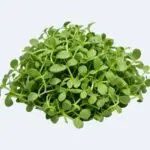
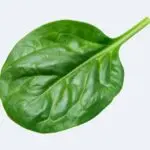
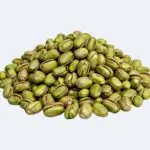
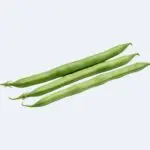
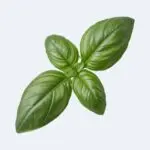
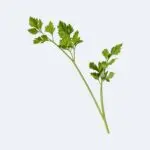
The USDA data on this page measure lutein and zeaxanthin together. So every number in the ranking below is for the pair, not for lutein alone. Dark leafy greens and herbs lead. Garden cress (12,500 µg per 100 g) and spinach (12,198 µg) come first, followed by kale (6,261 µg), basil (5,650 µg) and parsley (5,561 µg).
Serving size changes the picture. A cup of spinach (30 g) holds 3,659 µg and a cup of kale (21 g) holds 1,315 µg. For comparison, the AREDS2 supplement held 10 mg of lutein plus 2 mg of zeaxanthin, or 12,000 µg in all. By the USDA figures, that is about 98 g of spinach or 190 g of kale.
Egg yolk does not make the top ten per 100 g, but it is well absorbed (see below).
Per serving. No daily amount is set, so bars compare each food with the top food.
Per 100 g. No daily amount is set, so bars compare each food with the top food.
Per 100 kcal: the same calories of each food, for a fair comparison. Bars compare each food with the top food.
Food labels have no Daily Value or Reference Intake for lutein + zeaxanthin, so the % compares each food with the top food.
- 1.
- 2.
- 3.
- 4.
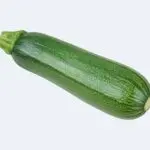
- 5.
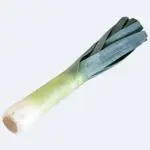
- 6.

- 7.
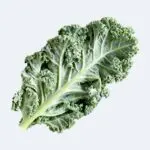
- 8.
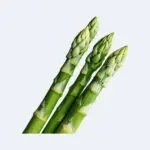
- 9.
- 10.


- 1.
- 2.
- 3.
- 4.
- 5.
- 6.
- 7.
- 8.
- 9.
- 10.


- 1.
- 2.
- 3.
- 4.
- 5.
- 6.
- 7.
- 8.
- 9.
- 10.

How lutein works
Most of what we know about how lutein works comes from test tubes, cells, animals and donated eye tissue. Researchers keep coming back to four ideas. It filters blue light in the macula, it guards the fats in cell membranes, and it switches on the cell’s own defenses. It also collects in the macula and the brain with the help of binding proteins.
Here is each one, and what has been seen in people.
It filters blue light
The macular pigment sits in front of the photoreceptors, the light-sensing cells, so light passes through it first. Wald established in 1945 that the pigment absorbs light between 430 and 490 nm, with a peak near 460 nm. Lutein itself peaks at 445 nm and zeaxanthin at 450 nm.
By absorbing blue light, the pigment is thought to protect the photoreceptors below it from light damage. That damage may start with reactive oxygen made in a light-driven reaction. The same review says filtering blue light is also thought to cut glare and blur from chromatic aberration. Whether that protection prevents disease has not been shown.
Drawn to scale along the wavelength axis. The 430 to 490 nm range and the 460 nm peak are Wald’s 1945 figures for the pigment in the human eye, as reported in a 2016 review.
It guards cell membranes
Lutein is a long molecule with a polar (water-loving) hydroxyl group at each end. In lipid vesicles used as model membranes, lutein and zeaxanthin lay across the bilayer at an average tilt of about 40 degrees from upright. Imaging and computer simulation both found this. A review says polar carotenoids in general span the bilayer with their polar ends anchored in the two surface zones.
The picture is not settled. An older study using linear dichroism found zeaxanthin mostly upright, but lutein in two pools, one upright and one lying parallel to the membrane.
Where lutein sits in a membrane. The 40 degree tilt comes from lab imaging and a computer simulation of artificial membranes. The flat pool is from an older study, and which picture holds in a living retina is not known.
In artificial membranes, lutein and zeaxanthin protected against free radical attack with almost the same strength. Zeaxanthin did better during long UV exposure, because lutein itself was slowly destroyed by the light.
In a separate test, both carotenoids stopped light from oxidizing A2-PE, a by-product of vision that builds up in retinal pigment cells. Both did better than vitamin E. Zeaxanthin was more effective than lutein, and neither was used up much.
It switches on the cell’s own defenses
Nrf2 is a control protein that tells cells to make more of their own protective enzymes. In human retinal pigment cells grown in a dish, lutein moved Nrf2 into the nucleus. After 4 hours this was 1.5 times more than with lutein-free micelles.
After 24 hours the NQO1, GCLM and HO-1 genes were up 1.7-, 1.4- and 1.8-fold. NQO1 enzyme activity rose 1.2-fold. The authors conclude that lutein is not only a direct antioxidant.
Drawn to scale, with untreated cells as 1. Nrf2 was measured after 4 hours and the rest after 24 hours, in cells that held 62 µM of lutein.
It collects in the macula and the brain
Lutein does not spread evenly. A review reports that carotenoid levels near the fovea, the center of the macula, are nearly 100 times those at the retina’s edge. The mix changes too. In donor eyes, lutein made up about 1 part in 3.4 of the pair at the center and more than two thirds at the edge.
Binding proteins help. StARD3 binds lutein, and a second protein, GSTP1, binds zeaxanthin (Li, 2011; Bernstein, 2016).
Drawn to scale. The ratios are Bone’s published ones (1 to 2.4 at the center, over 2 to 1 at the edge) and the 5 to 1 diet ratio from the review. The percentages are worked out from them.
Lutein reaches the brain too. Xanthophylls make up about 70% of all carotenoids in every brain region. In monkeys, lutein in the macula tracked lutein in several brain regions. In human donors, pigment in the retina was related to lutein plus zeaxanthin in the occipital cortex.
In brain tissue, lutein and StARD3 levels were closely related in infants (r = 0.75). The link was weak in people aged 55 to 86 and absent in centenarians. The samples were small, so treat these as hints.
What has been seen in people
These effects are much easier to show in a dish than in a person. Supplements do raise macular pigment, by 0.07 in people with macular degeneration and 0.09 in healthy people in a meta-analysis of 20 trials. Acuity and contrast sensitivity gains in people with macular degeneration were small, and 115 healthy young adults recovered faster from a bright flash.
But the 4,203-person AREDS2 trial did not find clear protection against advanced macular degeneration. So a higher pigment level has not been shown to prevent disease. For the brain, small trials reported better attention and visual memory, while AREDS2 found no effect on the rate of decline in thinking skills. All of these are among the study cards above.
Sources
- Bernstein PS, Li B, Vachali PP, et al. Lutein, zeaxanthin, and meso-zeaxanthin: the basic and clinical science underlying carotenoid-based nutritional interventions against ocular disease. Prog Retin Eye Res. 2016. Wald’s 1945 absorption range is quoted from this review.
- Krinsky NI, Landrum JT, Bone RA. Biologic mechanisms of the protective role of lutein and zeaxanthin in the eye. Annu Rev Nutr. 2003.
- Grudzinski W, Nierzwicki L, Welc R, et al. Localization and orientation of xanthophylls in a lipid bilayer. Sci Rep. 2017.
- Gruszecki WI, Strzałka K. Carotenoids as modulators of lipid membrane physical properties. Biochim Biophys Acta. 2005.
- Sujak A, Gabrielska J, Grudziński W, et al. Lutein and zeaxanthin as protectors of lipid membranes against oxidative damage: the structural aspects. Arch Biochem Biophys. 1999.
- Kim SR, Nakanishi K, Itagaki Y, Sparrow JR. Photooxidation of A2-PE, a photoreceptor outer segment fluorophore, and protection by lutein and zeaxanthin. Exp Eye Res. 2006.
- Frede K, Ebert F, Kipp AP, Schwerdtle T, Baldermann S. Lutein activates the transcription factor Nrf2 in human retinal pigment epithelial cells. J Agric Food Chem. 2017.
- Bone RA, Landrum JT, Fernandez L, Tarsis SL. Analysis of the macular pigment by HPLC: retinal distribution and age study. Invest Ophthalmol Vis Sci. 1988.
- Li B, Vachali P, Frederick JM, Bernstein PS. Identification of StARD3 as a lutein-binding protein in the macula of the primate retina. Biochemistry. 2011.
- Widomska J, Zareba M, Subczynski WK. Can xanthophyll-membrane interactions explain their selective presence in the retina and brain? Foods. 2016.
- Vishwanathan R, Neuringer M, Snodderly DM, Schalch W, Johnson EJ. Macular lutein and zeaxanthin are related to brain lutein and zeaxanthin in primates. Nutr Neurosci. 2013.
- Vishwanathan R, Schalch W, Johnson EJ. Macular pigment carotenoids in the retina and occipital cortex are related in humans. Nutr Neurosci. 2016.
- Tanprasertsuk J, Li B, Bernstein PS, et al. Relationship between concentrations of lutein and StARD3 among pediatric and geriatric human brain tissue. PLoS One. 2016.
- Peterman EJ, Gradinaru CC, Calkoen F, et al. Xanthophylls in light-harvesting complex II of higher plants: light harvesting and triplet quenching. Biochemistry. 1997.
- McGraw KJ, Beebee MD, Hill GE, et al. Lutein-based plumage coloration in songbirds is a consequence of selective pigment incorporation into feathers. Comp Biochem Physiol B Biochem Mol Biol. 2003.
- Johnson EJ. A possible role for lutein and zeaxanthin in cognitive function in the elderly. Am J Clin Nutr. 2012.
Is lutein safe? Supplements, dose and interactions
Lutein from food is not a safety concern. EFSA, the European food safety agency, set an acceptable daily intake for lutein from marigold (Tagetes erecta), the food color E 161b. That acceptable daily intake (ADI) is 1 mg per kg of body weight, about 70 mg for a 70 kg adult by our arithmetic. EFSA also noted that high-end estimates of intake from the color were above that ADI.
In the US, the FDA had no questions about crystalline lutein added to foods at 0.3 to 3 mg per serving. For meal replacements the level was 6 mg. That was GRAS notice 140 (Kemin Foods, 2004).
- Trial doses and side effects. Most trials used 10 to 12 mg of lutein plus 2 mg of zeaxanthin a day, and a few used 20 mg of lutein. In AREDS2, 4,203 people took 10 mg plus 2 mg for about 5 years, and adverse events did not differ from placebo. A 6-month trial in 90 adults also reported no clear side effects.
- Very high doses. One case report describes a woman in her sixties who took 20 mg of lutein a day for 8 years and ate lutein-rich greens daily. She had yellow crystals in the fovea without vision loss. The crystals were resolving in one eye 7 months after she stopped the supplement. One case cannot prove cause, but she took twice the usual 10 mg.
- Smokers and beta-carotene. Lutein replaced beta-carotene in the AREDS formula because beta-carotene was linked to more lung cancers, mostly in former smokers. At 10 years, the odds of lung cancer were 1.82 times higher on beta-carotene, and not clearly higher on lutein and zeaxanthin (1.15).
- Pregnancy, babies and other pills. One trial gave 10 mg lutein plus 2 mg zeaxanthin to 47 pregnant women. But its report covers carotenoid levels and eye measures, not safety, so ask your doctor. A 1999 review says carotenoids can compete with each other for absorption, but its findings conflict. We found no controlled study of lutein with a prescription drug.
How to get more lutein
- Best food. Garden cress, spinach and kale lead the ranking above by weight. In leafy greens nearly all of the pair is lutein, with only 0 to 3% of carotenoids as zeaxanthin. Egg yolk helps too. One egg a day for 5 weeks raised blood lutein by 26% in 33 older adults. But in 11 people eating 1.3 yolks a day, LDL cholesterol rose 8 to 11%.
- Eat it with fat. In 7 people, a salad with fat-free dressing gave essentially no carotenoid absorption. In 12 women, absorption of all carotenoids was highest with 32 g of soybean oil in the dressing. Lutein rose only slightly across 0 to 4 g.
- Chop or blend. In a lab digestion model, pureeing spinach freed 3 to 4 times more lutein than whole leaves, but stir-frying minced spinach erased the gain. In 10 men, lutein-enriched eggs raised blood lutein more than the same 6 mg from a supplement or spinach.
Sources
- EFSA Panel on Food Additives and Nutrient Sources added to Food (ANS). Scientific opinion on the re-evaluation of lutein (E 161b) as a food additive. EFSA J. 2010.
- GRAS Notice Inventory, GRN 000140: crystalline lutein. US Food and Drug Administration. Notifier: Kemin Foods. Closed June 14, 2004.
- Age-Related Eye Disease Study 2 Research Group. Lutein + zeaxanthin and omega-3 fatty acids for age-related macular degeneration: the AREDS2 randomized clinical trial. JAMA. 2013.
- Chew EY, Clemons TE, Agrón E, et al. Long-term outcomes of adding lutein/zeaxanthin and ω-3 fatty acids to the AREDS supplements on age-related macular degeneration progression: AREDS2 report 28. JAMA Ophthalmol. 2022.
- Choi RY, Chortkoff SC, Gorusupudi A, Bernstein PS. Crystalline maculopathy associated with high-dose lutein supplementation. JAMA Ophthalmol. 2016.
- Lopresti AL, Smith SJ, Drummond PD. The effects of lutein and zeaxanthin supplementation on cognitive function in adults with self-reported mild cognitive complaints: a randomized, double-blind, placebo-controlled study. Front Nutr. 2022.
- Addo EK, Gorka JE, Allman SJ, et al. Ocular effects of prenatal carotenoid supplementation in the mother and her child: the Lutein and Zeaxanthin in Pregnancy (L-ZIP) randomized trial, report number 2. Ophthalmol Sci. 2024.
- van den Berg H. Carotenoid interactions. Nutr Rev. 1999.
- Sommerburg O, Keunen JE, Bird AC, van Kuijk FJ. Fruits and vegetables that are sources for lutein and zeaxanthin: the macular pigment in human eyes. Br J Ophthalmol. 1998.
- Goodrow EF, Wilson TA, Houde SC, et al. Consumption of one egg per day increases serum lutein and zeaxanthin concentrations in older adults without altering serum lipid and lipoprotein cholesterol concentrations. J Nutr. 2006.
- Handelman GJ, Nightingale ZD, Lichtenstein AH, Schaefer EJ, Blumberg JB. Lutein and zeaxanthin concentrations in plasma after dietary supplementation with egg yolk. Am J Clin Nutr. 1999.
- Brown MJ, Ferruzzi MG, Nguyen ML, et al. Carotenoid bioavailability is higher from salads ingested with full-fat than with fat-reduced salad dressings as measured with electrochemical detection. Am J Clin Nutr. 2004.
- White WS, Zhou Y, Crane A, et al. Modeling the dose effects of soybean oil in salad dressing on carotenoid and fat-soluble vitamin bioavailability in salad vegetables. Am J Clin Nutr. 2017.
- Eriksen JN, Luu AY, Dragsted LO, Arrigoni E. In vitro liberation of carotenoids from spinach and Asia salads after different domestic kitchen procedures. Food Chem. 2016.
- Chung HY, Rasmussen HM, Johnson EJ. Lutein bioavailability is higher from lutein-enriched eggs than from supplements and spinach in men. J Nutr. 2004.
History of lutein
The name lutein comes from the Latin luteus, yellow. In 1945 Wald showed that the yellow pigment of the human macula absorbs light between 430 and 490 nm. In 1985 Bone, Landrum and Tarsis matched the pigment by chromatography to lutein and zeaxanthin. In 1988 Bone and colleagues mapped how the ratio of the two changes across the retina.
Population links to diet came next. In a 1994 US case-control study, the top fifth of carotenoid intake had a 43% lower risk of advanced macular degeneration. The strongest link was for lutein and zeaxanthin. Findings like this led to AREDS2. It enrolled 4,203 people at 82 US centers between 2006 and 2012 to test adding lutein and zeaxanthin to the AREDS formula.
AREDS2 reported in 2013 that the addition did not clearly lower progression in its main analysis. Because beta-carotene brought more lung cancers, the revised AREDS supplement replaced it with lutein and zeaxanthin. For the food color E 161b, EFSA’s 2010 review was based on lutein from marigold, Tagetes erecta.
Sources
- Lutein. Wikipedia.
- Bernstein PS, Li B, Vachali PP, et al. Lutein, zeaxanthin, and meso-zeaxanthin: the basic and clinical science underlying carotenoid-based nutritional interventions against ocular disease. Prog Retin Eye Res. 2016. Wald’s 1945 absorption range is quoted from this review.
- Bone RA, Landrum JT, Tarsis SL. Preliminary identification of the human macular pigment. Vision Res. 1985.
- Bone RA, Landrum JT, Fernandez L, Tarsis SL. Analysis of the macular pigment by HPLC: retinal distribution and age study. Invest Ophthalmol Vis Sci. 1988.
- Seddon JM, Ajani UA, Sperduto RD, et al. Dietary carotenoids, vitamins A, C, and E, and advanced age-related macular degeneration. JAMA. 1994.
- Age-Related Eye Disease Study 2 Research Group. Lutein + zeaxanthin and omega-3 fatty acids for age-related macular degeneration: the AREDS2 randomized clinical trial. JAMA. 2013.
- Chew EY, Clemons TE, Agrón E, et al. Long-term outcomes of adding lutein/zeaxanthin and ω-3 fatty acids to the AREDS supplements on age-related macular degeneration progression: AREDS2 report 28. JAMA Ophthalmol. 2022.
- EFSA Panel on Food Additives and Nutrient Sources added to Food (ANS). Scientific opinion on the re-evaluation of lutein (E 161b) as a food additive. EFSA J. 2010.
Frequently asked questions about lutein
What does lutein do for the body?
Lutein works mainly in the eye. It collects in the macula, where it filters blue light, and in lab tests it also acts as an antioxidant. Supplements raised macular pigment density by 0.07 in people with macular degeneration and 0.09 in healthy people, in a meta-analysis of 20 trials. They also slightly improved acuity and contrast sensitivity in macular degeneration. Beyond the pigment increase, no finding here reaches strong evidence.
Which foods are high in lutein?
Dark leafy greens and herbs. USDA data, which count lutein and zeaxanthin together, put garden cress (12,500 µg per 100 g) and spinach (12,198 µg) first. Kale (6,261 µg), basil and parsley come next. A cup of spinach has 3,659 µg and a cup of kale 1,315 µg. Egg yolk is another well-absorbed source.
How much lutein should you take a day?
We found no official recommended amount. Most trials used 10 mg of lutein with 2 mg of zeaxanthin, the AREDS2 dose, and some used up to 20 mg of lutein. EFSA’s acceptable daily intake is 1 mg per kg of body weight, about 70 mg for a 70 kg adult. Ask an eye doctor before taking it for macular degeneration.
Does lutein have side effects?
Trials reported few. In AREDS2, with 4,203 people over about 5 years, adverse events did not differ from placebo. One case report links 20 mg a day for 8 years, plus a lutein-rich diet, to yellow crystals in a woman’s fovea. They began to clear after she stopped. Tell your doctor about any supplement in pregnancy, because we found no safety trials there.
Does lutein help prevent macular degeneration?
Not proven. In AREDS2, 10 mg of lutein plus 2 mg of zeaxanthin did not clearly lower progression to advanced disease (31% on placebo against 29%). A Cochrane review found little or no difference with them on their own (0.94 times the risk). Lutein and zeaxanthin do look like a better choice than beta-carotene in the AREDS formula (0.82 times the risk). In cohort studies, the highest intake went with 26% less late disease.
What is the difference between lutein and zeaxanthin?
They are close relatives that sit side by side in the macula. Lutein absorbs light at 445 nm and zeaxanthin at 450 nm. Leafy greens supply mostly lutein. The center of the macula holds more zeaxanthin (lutein is about 29% of the pair there) and the edge more lutein. Most trials gave them together, so their effects cannot be told apart.
Is lutein the same as luteolin?
No. Lutein is a yellow carotenoid found in leafy greens and egg yolk. Luteolin is a flavonoid, a different class of plant compound, found in foods such as carrots, peppers, celery, olive oil, peppermint, thyme, rosemary and oregano. Most research on luteolin is preclinical. Check the spelling on a label.
When is the best time to take lutein?
No trial here tested time of day. Lutein dissolves in fat, so take it with a meal that contains some. In 7 people, a salad with fat-free dressing gave essentially no carotenoid absorption. In 12 women, absorption was highest with 32 g of oil. Several trials above ran 6 to 12 months.