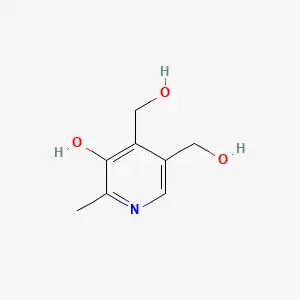
Vitamin B6 (pyridoxine) is a water-soluble vitamin. It helps more than 100 enzymes in the body, most of them handling protein and amino acids. That is according to the NIH (the US National Institutes of Health). The name covers six related compounds, and pyridoxal 5′-phosphate (PLP) is the form that does the work.
Adults need about 1.3 to 1.7 mg a day, a few thousandths of a gram. It is one of the B vitamins, and it works alongside folate and vitamin B12.
Here is the part most people do not know: about three quarters of your body’s B6 sits in muscle. Most of it is bound to an enzyme that releases glucose from stored glycogen, says EFSA (the EU’s food safety agency).
The name dates from the 1930s. Paul György showed that a factor curing a skin disease in rats was vitamin B6. He later proposed the name pyridoxine for its chemical structure.
B6 is unusual: the safety question is about too much, not too little. Deficiency from diet alone is uncommon, but long-term high-dose supplements can damage sensory nerves. The EU’s upper limit is 12 mg a day and the US limit is 100 mg a day. Part of the reason is that the two panels weighed older case reports differently.
Health benefits of vitamin B6
The top findings from 26 studies, strongest evidence first
What the stars mean
- Strong. Several randomized trials, pooled in a meta-analysis, point the same way, or regulators (FDA or EFSA) have approved the claim.
- Moderate. Good randomized trials support it, but there are fewer of them, or their results vary.
- Limited. Small, short or single trials, or mixed results. Promising, but it needs confirmation.
Population and lab studies get no stars: they show a link or a mechanism, not proof.
How we rate evidence →- ★★★EU allows ten claims for normal body functionsFoods that are a source of vitamin B6 may say it contributes to normal energy metabolism, the nervous system, immune function and less tiredness. These are function claims, not treatment claims.
- ★★★No change in heart attacks or deathsSupplements of B6, folic acid or B12, alone or combined, did not change heart attacks or deaths from any cause across 15 trials (71,422 people). B6 alone at 40 mg a day also left deaths and heart events unchanged in one trial of 3,096 people.
- ★★★Barely any change in thinking skillsSupplements of folic acid, B12 or B6, alone or combined, changed thinking scores only a tiny amount in 27,882 healthy adults, mostly over 60. In two small trials of healthy older people, B6 alone did not improve mood or thinking.
- ★★Less nausea in early pregnancyIn 342 women, 30 mg of B6 a day lowered nausea scores more than a placebo over 5 days. A Cochrane review found only limited evidence for B6 and other treatments for mild or moderate symptoms.
- ★★More relief from premenstrual symptomsAcross nine placebo-controlled trials of 940 women, B6 gave more than double the odds of improvement in overall symptoms (2.32 times). Most trials were low quality, and 100 mg a day, the top dose used, is above the EU upper limit of 12 mg.
All 23 studies, strongest evidence first
Ten EU health claims for B6, including less tiredness and fatigue
Regulation (EU) No 432/2012 lists normal cysteine synthesis, normal energy-yielding metabolism, normal functioning of the nervous system and normal homocysteine metabolism. Next come normal protein and glycogen metabolism, normal psychological function and normal red blood cell formation. The rest are normal function of the immune system, reduction of tiredness and fatigue, and regulation of hormonal activity. A food may carry them only if it is at least a source of vitamin B6 under Regulation (EC) No 1924/2006. As a rule, that means 15% of the 1.4 mg EU Reference Intake per 100 g (0.21 mg), according to Regulation (EU) No 1169/2011. The wording says vitamin B6 contributes to these functions; it is not a treatment claim.
Lowering homocysteine with B vitamins did not change heart attacks or deaths
This Cochrane review (third update) pooled 15 trials with 71,422 people. They took vitamin B6, folic acid (vitamin B9) or B12, alone or combined, for 1 to 7.3 years. Heart attacks were 1.02 times as likely as without the vitamins, and death from any cause 1.01 times. Strokes were slightly fewer, 4.3% against 5.1% (0.90 times the risk). The vitamins were given alone or together, so the result is not for B6 alone.
B vitamins probably barely changed thinking in cognitively healthy adults
This Cochrane review pooled 14 trials in 27,882 cognitively healthy people (no memory or thinking problems). They took folic acid, vitamin B12, vitamin B6 or combinations, or a placebo. Most were adults over 60 with a history of heart or blood vessel disease. Up to 5 years, overall thinking scores changed by between −0.03 and 0.06 standard deviations, a tiny amount. At 5 to 10 years the change was −0.01. Data on side effects and on dementia were very sparse. The review pooled the three vitamins, so it does not isolate B6.
30 mg of B6 daily lowered pregnancy nausea more than placebo
At a Thai university hospital, 342 women at 17 weeks of pregnancy or less took pyridoxine hydrochloride (30 mg a day) or a placebo. The trial was randomized and double-blind: chance decided who got what, and nobody knew until the end. The women rated their nausea on a visual scale for 5 days. The drop in nausea score was larger on pyridoxine. Vomiting episodes fell more too, but that difference could have been chance.
B6 more than doubled the odds of premenstrual relief
This systematic review pooled nine published placebo-controlled trials in 940 women with premenstrual syndrome, at doses up to 100 mg a day. The odds of improvement in overall symptoms were 2.32 times those on placebo. For depressive symptoms the odds were 1.69 times higher (4 trials, 541 women). The authors say the low quality of most trials limits the conclusions. A dose of 100 mg a day is above the EU upper limit of 12 mg (see the safety section).
A doxylamine-B6 pill improved pregnancy nausea scores slightly more than placebo
In this randomized, double-blind trial, 131 women took a delayed-release tablet with 10 mg of doxylamine and 10 mg of pyridoxine for 14 days. Another 125 took a placebo. The symptom score fell by 4.8 points on the tablet and 3.9 on placebo. Afterward, 48.9% on the tablet asked to continue, against 32.8% on placebo. The tablet mixes an antihistamine with B6, so the result is not for B6 alone. The maker of the tablet supported the trial, according to a later reanalysis.
B6 at 40 mg did not change deaths or heart events
In western Norway, 3,096 people having coronary angiography (an X-ray of the heart’s arteries) joined a randomized, double-blind 2 x 2 trial. Median follow-up was 38 months. The main end point was death, heart attack, hospital stay for unstable angina, or stroke. It hit 13.0% of people given B6 and 14.3% of those not given B6. That is 0.90 times the risk, and the range was wide. The trial stopped early after a Norwegian trial hinted at harm from the vitamins. One of the four groups got B6 alone (40 mg a day). The others got B6 with folic acid and B12, folic acid with B12, or placebo.
B6 alone did not prevent repeat events; all three trended worse
This randomized 2 x 2 trial followed 3,749 people after a heart attack for a median of 40 months. Some took 0.8 mg of folic acid, 0.4 mg of B12 and 40 mg of B6. The others took folic acid and B12, B6 alone, or placebo. B6 against no B6 gave 1.14 times the risk of the main end point, a gap that could be chance. The group on all three vitamins had 1.22 times the risk, a trend toward more events. The authors advised against such treatment.
B vitamins together did not cut major heart events; strokes fell
The HOPE 2 trial included 5,522 people aged 55 or older with vascular disease or diabetes. They took a placebo or a daily mix for about 5 years. The mix held 2.5 mg of folic acid, 50 mg of B6 and 1 mg of B12. Homocysteine fell by 2.4 µmol/L (micromoles per liter, a unit for blood levels) on the vitamins. Major cardiovascular events hit 18.8% on the vitamins and 19.8% on placebo (0.95 times the risk). Strokes were fewer (0.75 times the risk), and hospital stays for unstable angina were more common (1.24 times). The three vitamins were given together, so B6’s share cannot be separated.
No pregnancy nausea treatment had strong evidence, B6 included
This Cochrane review (2015 update) covered 41 randomized trials in 5,449 women. It covered acupressure, ginger, vitamin B6, anti-nausea drugs and more, for nausea and vomiting up to 20 weeks of pregnancy. The authors found only limited evidence for vitamin B6, doxylamine-pyridoxine and other drugs for mild or moderate symptoms. They could not pool most results because the trials differed. They write that this is not the same as saying the treatments are ineffective.
Reanalysis: the doxylamine-B6 benefit depended on handling of missing data
This reanalysis used the clinical study report obtained from Health Canada. It is the same trial as the card above (140 women randomized to each group; 131 and 125 analyzed). The gain over placebo was 0.73 points when each missing score was filled in with the woman’s last score. With other methods it could be chance (0.38 points with complete data). The authors say the difference was below the 3 points the trial had set as clinically important.
Over 4 days, B6 and ginger both beat placebo for nausea
This triple-blind trial included pregnant women with mild or moderate nausea. From weeks 6 to 16 of pregnancy, they took B6 (40 mg twice a day), ginger (500 mg twice a day) or a placebo. Of the 77 women who finished, 28 took ginger, 26 B6 and 23 placebo. B6 and ginger both beat placebo on the total Rhodes score. They did not clearly differ from each other. Scores fell in all three groups, placebo included.
Vitamin B6 in pregnancy did not change pre-eclampsia or eclampsia
This Cochrane review (2015) pooled 4 trials in 1,646 women who took vitamin B6 during pregnancy or labor. There were no clear differences in eclampsia (seizures) or pre-eclampsia (a dangerous rise in blood pressure). Dental decay was less common with B6 capsules (0.84 times the risk) or lozenges (0.68 times), each in one trial and low-quality evidence. A small trial of 33 women found lower birthweight with B6 (mean difference −0.23 kg). The authors say the trials were few, with unclear methods, and too weak to show clinical benefit.
In healthy older people, B6 did not improve mood or thinking
This Cochrane review looked for double-blind trials of B6 against placebo. It found 2 trials in 109 healthy older people over 5 to 12 weeks, and none in people with memory problems or dementia. One trial gave 75 mg a day for 5 weeks to women aged 65 to 92. The other gave 20 mg of pyridoxine hydrochloride a day for 12 weeks to 76 men aged 70 to 79. Neither found benefits for thinking or mood. In the men, blood pyridoxal 5′-phosphate rose, so the supplement did raise B6 status.
One month of high-dose B6 lowered self-reported anxiety in young adults
This double-blind trial ran in five linked phases with 478 young adults. They took a high dose of B6 or B12, or a placebo, for 1 month. Anxiety was assessed in 265 people and depression in 146. B6 reduced self-reported anxiety and showed a trend toward less depression, while B12 produced only trends. The authors link the effect to B6’s role in making GABA, a calming brain messenger. It was a short study, and the report describes the dose only as high.
Across 10 reports, B6 showed no clear effect on depression
This systematic review covered five randomized trials, one intervention study, three reviews and one case report on B6 for depression. The studies used no common outcome measure, so their effects could not be compared directly. Overall, a meaningful treatment effect was not apparent. But the papers on depression in premenopausal women pointed the same way, and the authors call for more study of hormone-related depression.
Long-term, B6 went with 42% higher hip fracture risk
This secondary analysis used two Norwegian randomized trials designed for heart disease. People took folic acid, B12 and B6 (40 mg) in a 2 x 2 design. During the trial (median 3.3 years), hip fractures did not clearly differ with B6 (1.42 times the risk, but the range was wide). Over the extended follow-up (median 11.1 years, including years after treatment ended), B6 went with the higher risk (1.42 times). Folic acid plus B12 had no clear link. Fractures were not the trials’ main outcome, and EFSA lists bone health as needing further study.
The highest blood PLP went with about half the colorectal cancer risk
This meta-analysis (a study that pools earlier studies) combined prospective studies, which follow people forward in time. There were 9 on vitamin B6 intake and 4 on blood pyridoxal 5′-phosphate (PLP). People with the highest PLP had 0.52 times the risk of those with the lowest. For intake, the pooled figure was 0.90 times the risk, a gap that could be chance. It was 0.80 after leaving out one study that made the results disagree. These are observational links and cannot show that B6 pills prevent cancer. The Norwegian trials of B6 found no clear effect on cancer.
Single B6 pills: almost twice the lung cancer risk in men
VITAL is a cohort study, a study that follows a large group for years and looks for links. It followed 77,118 adults aged 50 to 76, and 808 got lung cancer. B6 from individual supplements, but not multivitamins, went with a 30% to 40% higher risk in men. Men who took an average above 20 mg a day for 10 years had 1.82 times the risk, and higher still if they smoked. There was no link in women. B12 showed the same pattern. An observational finding cannot prove cause.
B6 intake was not linked to kidney stones in three cohorts
These three prospective cohorts of health professionals and nurses recorded 6,576 confirmed stones over 3,316,846 person-years. The highest intake group (40 mg a day or more) had 1.03 times the risk of the lowest (under 3.0 mg), so no difference. A smaller study of women in 1999 had found lower stone risk at 40 mg or more a day. So the idea that B6 prevents stones is not settled.
Seven adults on 2 to 6 g daily developed severe nerve damage
This was the first case series (a report on a few patients) of pyridoxine toxicity in people. Seven adults had ataxia (loss of coordination) and severe loss of sensation after daily high-dose pyridoxine. According to the Institute of Medicine (the US body that set the intake values), they were five women and two men. They took 2 to 6 g a day for 2 to 40 months. Four were severely disabled, and all improved after stopping. Weakness was not a feature. The authors called for safe-use guidelines.
Dutch reports: a B6 link to nerve problems was plausible
The Netherlands Pharmacovigilance Centre Lareb, the Dutch drug-safety center, collected these 90 reports. Each linked a B6 product to peripheral neuropathy (nerve damage, often in the hands and feet). The products held 1.4 to 100 mg of B6 per tablet. Blood B6 was known in 36 cases (mean 907 nmol/L, nanomoles per liter), with no correlation between dose and blood level. The authors judged a link plausible, especially with higher doses and long use, but could not exclude doses under 50 mg a day. Spontaneous reports cannot give a rate.
In lab cells, only pyridoxine lowered cell survival at high concentrations
This cell study exposed SH-SY5Y and Caco-2 cells for 24 hours to pyridoxine, pyridoxamine, pyridoxal, pyridoxal 5′-phosphate or pyridoxamine 5′-phosphate. Only pyridoxine reduced cell survival, raised the cell-death markers Bax and caspase-8, and blocked two PLP-dependent enzymes. The authors propose that pyridoxine competes with the active PLP, so that high-dose symptoms resemble deficiency. A cell result does not show what happens in people.
Foods high in vitamin B6
B6 is found in many foods, and in our USDA ranking per serving, animal foods and potatoes lead. A 4 oz (113 g) serving of chicken breast has 0.92 mg, 54% of the 1.7 mg Daily Value (the FDA label value). Tuna follows with 0.72 mg per 3 oz (85 g), then wild Atlantic salmon with 0.7 mg per 3 oz. Potatoes give 0.63 mg per medium potato (213 g).
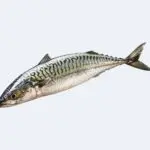
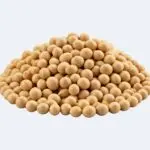
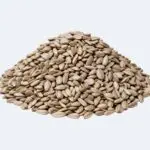
Farmed Atlantic salmon, pistachio nuts, chicken drumstick, mackerel, bananas and soybeans complete the top 10; the ranking below gives their amounts. Per 100 g the order changes: pistachio nuts lead with 1.7 mg, then sunflower seeds (1.35 mg) and garlic (1.24 mg). But the serving size matters for what you actually eat.
The NIH table adds foods that are not in the top 10 of our ranking. Canned chickpeas give 1.1 mg per cup (65% of the Daily Value) and pan-fried beef liver 0.9 mg per 3 oz. A breakfast cereal fortified with 25% of the Daily Value gives 0.4 mg.
US adults get most of their B6 from fortified cereals, beef, poultry, starchy vegetables and some non-citrus fruits, the NIH says. About 75% of the B6 in a mixed diet is absorbed.
Plants carry part of their B6 as pyridoxine glucoside. In isotope studies, people use it about half as well as pyridoxine. One 18-day feeding study in nine women tested this. With 27% of the diet’s B6 as the glucoside, B6 markers were 10% to 18% lower than on a diet with 9%.
EFSA adds that heating lowers the availability of B6 in animal foods by 25% to 30%. The reason is that pyridoxal and PLP react with the amino acid lysine. We found no measured cooking losses for individual foods that we could cite. So treat any single percentage you see with care.
Per serving. Bars show the share of the Daily Value (1.7 mg a day).
Per 100 g. Bars show the share of the Daily Value (1.7 mg a day).
Per serving. Bars show the share of the EU Reference Intake (1.4 mg a day).
Per 100 g. Bars show the share of the EU Reference Intake (1.4 mg a day). The line marks 100%.
Per 100 kcal: the same calories of each food, for a fair comparison. Bars compare each food with the top food.
- 1.

- 2.

- 3.

- 4.

- 5.

- 6.

- 7.

- 8.
- 9.

- 10.


- 1.
- 2.
- 3.

- 4.
- 5.
- 6.
- 7.
- 8.
- 9.
- 10.



- 1.

- 2.

- 3.

- 4.

- 5.
- 6.
- 7.
- 8.
- 9.

- 10.


Sources
- FoodData Central. US Department of Agriculture, Agricultural Research Service. Values as shown in the ranking above.
- Vitamin B6: fact sheet for health professionals. National Institutes of Health, Office of Dietary Supplements. Updated June 16, 2023.
- EFSA Panel on Dietetic Products, Nutrition and Allergies (NDA). Scientific opinion on Dietary Reference Values for vitamin B6. EFSA J. 2016.
- EFSA Panel on Nutrition, Novel Foods and Food Allergens (NDA). Scientific opinion on the tolerable upper intake level for vitamin B6. EFSA J. 2023.
- Nakano H, McMahon LG, Gregory JF 3rd. Pyridoxine-5′-beta-D-glucoside exhibits incomplete bioavailability as a source of vitamin B-6 and partially inhibits the utilization of co-ingested pyridoxine in humans. J Nutr. 1997.
- Gregory JF 3rd, Trumbo PR, Bailey LB, et al. Bioavailability of pyridoxine-5′-beta-D-glucoside determined in humans by stable-isotopic methods. J Nutr. 1991.
How vitamin B6 works
The biochemistry below is well established. But it comes from official reports and physiology studies, not from trials of B6 pills, and the toxicity mechanism comes mostly from cells.
Four ideas cover most of it. PLP helps more than 100 enzymes, and one of its jobs is to move homocysteine on to cysteine. The body keeps most of its B6 in muscle, and at high doses blood levels stop rising while pyridoxine itself builds up. Then comes what has been seen in people.
It is a helper for more than 100 enzymes
PLP is a coenzyme (a helper molecule) for more than 100 enzymes, most of them in amino acid metabolism, says the Institute of Medicine. EFSA explains what these enzymes do. They move amino groups from one molecule to another, and turn amino acids into their mirror forms. They also strip carboxyl groups off amino acids to make signaling amines such as serotonin, dopamine and GABA.
PLP also runs the first step of making heme, the iron-holding part of hemoglobin. That is why a shortage gives small, pale red blood cells (microcytic anemia). In muscle and liver, PLP is part of glycogen phosphorylase, the enzyme that frees glucose from glycogen. The nerve signs of deficiency are tied to lower GABA and to a build-up of tryptophan breakdown products that can provoke seizures, EFSA says.
The main jobs of pyridoxal 5′-phosphate (PLP), the active form of vitamin B6. Not to scale.
It moves homocysteine on to cysteine
Homocysteine, an amino acid in blood, has two routes. In one, a methyl group from folate turns it into methionine, a reaction that also needs vitamin B12. In the other, called transsulfuration, two PLP enzymes (cystathionine β-synthase and cystathionine γ-lyase) turn it into cysteine, EFSA says. PLP also helps run the one-carbon reactions that feed the folate cycle.
That is why B6 was tried in homocysteine trials, and why the EU allows the claim “normal homocysteine metabolism”. But lowering homocysteine with B vitamins did not prevent heart attacks or deaths in a Cochrane review of 15 trials. That review is among the study cards.
The two routes for homocysteine. The B6 route makes cysteine, and the folate and B12 route makes methionine. Not to scale.
Most of it sits in muscle, and the rest leaves in urine
About 75% to 80% of your body’s B6 is in muscle, including the heart, bound to glycogen phosphorylase. Another 5% to 10% is in the liver, EFSA reports.
That muscle pool is not a reserve for the rest of the body. In young men, muscle B6 hardly changed over 6 weeks on a restricted diet. It also hardly changed over the next 6 weeks on 164 mg a day of extra B6.
The Institute of Medicine cites estimates of body stores: about 61 mg in a young woman and 110 mg in a young man. These stores have a half-life of about 25 days. It says these may be underestimates because muscle turns over slowly, and notes that B6 is not stored to any substantial extent.
The main waste product is 4-pyridoxic acid in urine. At very high doses, much of the pyridoxine is excreted unchanged, the Institute of Medicine says.
Where the body keeps vitamin B6, as reported by EFSA, drawn to scale at the low end of each range.
Blood levels stop rising at high doses, and pyridoxine itself builds up
PLP travels in blood bound to albumin, a blood protein, and the binding has a limit. At high intakes, the enzymes that make PLP also saturate (work at full capacity). So blood PLP levels off, and free pyridoxal becomes the main form in plasma (the liquid part of blood). Pyridoxine itself, normally absent, starts to appear, EFSA says in its 2023 opinion.
EFSA summarizes one study of pyridoxine hydrochloride at 10 to 800 mg a day for 1 week. Every dose gave a similar plasma PLP of around 600 nmol/L. Without a supplement it was around 70 nmol/L. Other forms rose from 100 mg a day.
In cultured cells, only pyridoxine lowered cell survival, and it blocked two PLP enzymes, which suggests it competes with the active form. A 2021 review weighs the cause of the nerve damage. Blocked pyridoxal kinase and disturbed GABA signaling in sensory nerves is the most plausible cause, it concludes, but the mechanism is still unproven.
Plasma pyridoxal 5′-phosphate after 1 week of pyridoxine hydrochloride, as summarized by EFSA from one study with no design details, drawn to scale.
What has been seen in people
The human findings are mostly about intake, status and harm. Most US adults reach the RDA (the US recommended daily amount). But survey data show a low blood PLP in many young women, smokers and others at typical intakes. B6 pills raise blood PLP, as seen in older men, yet did not improve mood or memory.
Together with folic acid and B12, B6 lowered homocysteine without preventing heart attacks. In pregnancy, small trials found less nausea with 30 mg of pyridoxine, though a Cochrane review calls the evidence weak. The clearest risk is nerve damage from long-term high doses. All of these are among the study cards.
Sources
- Institute of Medicine, Food and Nutrition Board. Dietary Reference Intakes for thiamin, riboflavin, niacin, vitamin B6, folate, vitamin B12, pantothenic acid, biotin, and choline (chapter 7, Vitamin B6). National Academy Press. 1998.
- EFSA Panel on Dietetic Products, Nutrition and Allergies (NDA). Scientific opinion on Dietary Reference Values for vitamin B6. EFSA J. 2016.
- EFSA Panel on Nutrition, Novel Foods and Food Allergens (NDA). Scientific opinion on the tolerable upper intake level for vitamin B6. EFSA J. 2023.
- Vitamin B6: fact sheet for health professionals. National Institutes of Health, Office of Dietary Supplements. Updated June 16, 2023.
- Hadtstein F, Vrolijk M. Vitamin B-6-induced neuropathy: exploring the mechanisms of pyridoxine toxicity. Adv Nutr. 2021.
- Vrolijk MF, Opperhuizen A, Jansen EHJM, et al. The vitamin B6 paradox: supplementation with high concentrations of pyridoxine leads to decreased vitamin B6 function. Toxicol In Vitro. 2017.
- Morris MS, Picciano MF, Jacques PF, Selhub J. Plasma pyridoxal 5′-phosphate in the US population: the National Health and Nutrition Examination Survey, 2003-2004. Am J Clin Nutr. 2008.
- Martí-Carvajal AJ, Solà I, Lathyris D, Dayer M. Homocysteine-lowering interventions for preventing cardiovascular events. Cochrane Database Syst Rev. 2017.
How much vitamin B6 do you need?
Adults aged 19 to 50 need 1.3 mg of vitamin B6 a day, according to the US recommended dietary allowance (RDA). From age 51 the RDA is 1.7 mg for men and 1.5 mg for women. It is 1.9 mg in pregnancy and 2.0 mg while breastfeeding.
In the EU, EFSA’s population reference intake (an amount that covers nearly everyone) is 1.6 mg for women and 1.7 mg for men. It is 1.8 mg in pregnancy and 1.7 mg when breastfeeding.
The values differ a little because the panels used different blood targets. The US panel aimed for a plasma PLP of at least 20 nmol/L. EFSA used a population mean of 30 nmol/L, the traditional marker of adequate status. It found no conclusive evidence that B6 needs change with protein intake in the range eaten in Europe.
The Institute of Medicine thought the need rises by about 0.2 to 0.3 mg after age 50. It said the need may be higher on very high-protein diets. In pregnancy it estimated an extra 0.25 mg a day. It noted that blood PLP drops in pregnancy, and that it is not clear whether this reflects poorer status or a normal change.
In the US, babies have an adequate intake (AI) of 0.1 mg from birth to 6 months and 0.3 mg from 7 to 12 months. An AI is used when there is too little data for an RDA; these values come from the intake of healthy breastfed babies.
Intakes are close to the targets for many people. US adults eat about 1.5 mg a day (women) and 2 mg (men), according to the NIH. In the 2003 to 2004 national survey, 11% of B6 supplement users had a plasma PLP below 20 nmol/L, and 24% of non-users. Lower levels were more common in women, smokers and underweight people.
The survey’s authors found that intakes of 2 to 2.9 mg a day still left more than 3% with a low PLP in every group. Most users of oral contraceptives (birth control pills) had a PLP below 20 nmol/L. The authors concluded that 3 to 4.9 mg a day looked consistent with an RDA for most Americans.
A low blood level is not the same as deficiency symptoms. The Institute of Medicine says those symptoms have never been seen at intakes of 0.5 mg a day or more.
Vitamin B6: recommended intake per day
US: Adequate Intake / Recommended Dietary Allowance (NASEM). EU: Adequate Intake / Population Reference Intake (EFSA).
| Age and sex | US (RDA) | EU (PRI) |
|---|---|---|
| Men, 31–50 years | 1.3 mg | 1.7 mg |
| Women, 31–50 years | 1.3 mg | 1.6 mg |
All ages, pregnancy and breastfeeding
| Age and sex | US (AI/RDA) | EU (AI/PRI) |
|---|---|---|
| Infants 0–6 months | 0.1 mg | None set |
| Infants 7–11 months | None set | 0.3 mg |
| Infants 7–12 months | 0.3 mg | None set |
| Children 1–3 years | 0.5 mg | 0.6 mg |
| Children 4–6 years | None set | 0.7 mg |
| Children 4–8 years | 0.6 mg | None set |
| Children 7–10 years | None set | 1 mg |
| Females 9–13 years | 1 mg | None set |
| Males 9–13 years | 1 mg | None set |
| Children 11–14 years | None set | 1.4 mg |
| Females 14–18 years | 1.2 mg | None set |
| Males 14–18 years | 1.3 mg | None set |
| Children 15–17 years, female | None set | 1.6 mg |
| Children 15–17 years, male | None set | 1.7 mg |
| Adults 18+ years, female | None set | 1.6 mg |
| Adults 18+ years, male | None set | 1.7 mg |
| Females 19–30 years | 1.3 mg | None set |
| Males 19–30 years | 1.3 mg | None set |
| Females 31–50 years | 1.3 mg | None set |
| Males 31–50 years | 1.3 mg | None set |
| Females 51–70 years | 1.5 mg | None set |
| Males 51–70 years | 1.7 mg | None set |
| Females >70 years | 1.5 mg | None set |
| Males >70 years | 1.7 mg | None set |
| Pregnancy 14–18 years | 1.9 mg | None set |
| Pregnancy | None set | 1.8 mg |
| Pregnancy 19–30 years | 1.9 mg | None set |
| Pregnancy 31–50 years | 1.9 mg | None set |
| Lactation 14–18 years | 2 mg | None set |
| Lactation | None set | 1.7 mg |
| Lactation 19–30 years | 2 mg | None set |
| Lactation 31–50 years | 2 mg | None set |
EU and US age bands differ; "None set" means that body sets no value for the group. Label reference: FDA Daily Value 1.7 mg, EU Reference Intake 1.4 mg.EU and US age bands differ; "None set" means that body sets no value for the group. Label reference: EU Reference Intake 1.4 mg, FDA Daily Value 1.7 mg.
Vitamin B6 deficiency: signs and who is at risk
Deficiency is uncommon and usually shows up with low levels of other B vitamins, according to the NIH. The signs are microcytic anemia, abnormal brain-wave tracings, depression, confusion and weaker immunity. Another is a scaly rash with cracked lips and a swollen tongue (dermatitis with cheilosis and glossitis). In infants, it causes irritability, unusually acute hearing and seizures.
People with borderline status may have no signs for months or years. In the early 1950s in the USA, babies were fed a formula that was low in B6 because of a manufacturing error. They developed anemia, failed to thrive and had convulsive seizures, EFSA reports.
The NIH lists the groups most at risk. They include people with kidney disease, dialysis or a transplant, and people with alcohol dependence. Others have an autoimmune disease such as rheumatoid arthritis, celiac disease, Crohn’s disease or ulcerative colitis.
Blood PLP is also often low in people with obesity and in pregnancy. Some seizure medicines (such as valproic acid, carbamazepine and phenytoin) speed up B6 breakdown. Smokers and women on oral contraceptives had low PLP in the national survey.
The usual test is plasma PLP. Values of more than 30 nmol/L have been the traditional marker of adequacy, and the US panel used 20 nmol/L. Inflammation lowers plasma PLP through lower albumin and higher alkaline phosphatase, EFSA says. So a low value in someone who is ill may not mean a lack of B6 in the diet.
In people with rheumatoid arthritis, B6 supplements normalized the level but did not lower inflammatory markers, the NIH reports. Treating a true deficiency is a doctor’s call.
Sources
- Vitamin B6: fact sheet for health professionals. National Institutes of Health, Office of Dietary Supplements. Updated June 16, 2023.
- Institute of Medicine, Food and Nutrition Board. Dietary Reference Intakes for thiamin, riboflavin, niacin, vitamin B6, folate, vitamin B12, pantothenic acid, biotin, and choline (chapter 7, Vitamin B6). National Academy Press. 1998.
- EFSA Panel on Dietetic Products, Nutrition and Allergies (NDA). Scientific opinion on Dietary Reference Values for vitamin B6. EFSA J. 2016.
- EFSA Panel on Nutrition, Novel Foods and Food Allergens (NDA). Scientific opinion on the tolerable upper intake level for vitamin B6. EFSA J. 2023.
- Morris MS, Picciano MF, Jacques PF, Selhub J. Plasma pyridoxal 5′-phosphate in the US population: the National Health and Nutrition Examination Survey, 2003-2004. Am J Clin Nutr. 2008.
Forms of vitamin B6: absorption and effects
Vitamin B6 supplements mostly contain pyridoxine hydrochloride, the NIH says, although some contain pyridoxal 5′-phosphate (P5P). The body converts every form to PLP, so all of them count as vitamin B6. The NIH says absorption from supplements does not differ substantially among forms.
EFSA puts the absorption of pyridoxine hydrochloride at about 95%. Phosphate forms lose their phosphate in the gut first and are absorbed as pyridoxal.
The honest bottom line: P5P is marketed as the “active” form. But we found no trial that compared it with pyridoxine for absorption in deficiency, for health outcomes or for safety. The reports behind the US upper limit involved pyridoxine, the form the Institute of Medicine reviewed. In cell tests, pyridoxine was the only form that lowered cell survival.
Yet EFSA applies its upper level to every form, and asks for research on differences in toxicity between forms. It also notes that free pyridoxine can appear in the blood of some people after PLP supplements. Until trials exist, the dose matters more than the form.
| Form | Activity or conversion | What studies show | Source |
|---|---|---|---|
| Pyridoxine hydrochloride | Converted to PLP in the liver. The most common form in supplements. About 95% is absorbed. | Named in the nausea trial (30 mg a day) and in the trial in older men (20 mg a day, which raised blood PLP but did not change mood or memory). In cells it was the only form that lowered cell survival. EFSA’s upper level covers it like every other form. | 1, 2, 3, 9, 11, 12 |
| Pyridoxal 5′-phosphate (P5P or PLP) | The active coenzyme. The gut removes the phosphate before the vitamin is absorbed. | No trial we found compared it with pyridoxine for health outcomes. A Cochrane review of three small trials found milder tardive dyskinesia than placebo, with low-quality evidence. EFSA lists a small uncontrolled case series in which five people with neuropathy symptoms improved after switching from a B6 supplement to P5P, which cannot show that P5P is safer. | 1, 3, 8 |
| Pyridoxamine and pyridoxal | Converted to PLP in the body. | In a crossover study of five men, equal doses of pyridoxine, pyridoxal and pyridoxamine gave similar rises in blood PLP. EFSA agreed that differences between forms reflected metabolism, not absorption. | 2 |
| Pyridoxine glucoside (plant foods) | A sugar-bound form that must be split in the gut. | About 50% to 58% as available as pyridoxine in isotope studies in people, and it slowed the use of pyridoxine taken with it. It makes up roughly 15% of B6 intake in an average diet. | 2, 3, 6, 7 |
| B6 in a mixed diet | About 75% as available as pyridoxine in a supplement. | A feeding study found 71% to 79%. EFSA counts 1 mg of B6 from food as equal to 0.8 mg of pyridoxine hydrochloride from a supplement. | 1, 3, 5 |
In a single-dose study, 20 older adults had lower blood pyridoxine and PLP over 4 hours after a multivitamin than 20 younger adults. The authors say this may mean altered absorption or conversion with age. Here are the form-specific studies, 3 in all, strongest evidence first.
All 3 studies, strongest evidence first
Food B6 was 71% to 79% as available as pure pyridoxine
In this controlled feeding study, healthy men spent 35 days on a formula diet with 1.1 mg of pyridoxine. Then came 35 days on natural foods giving 2.3 mg of B6, then 21 days on a formula diet with 2.7 mg of pyridoxine. Taking the pure vitamin as 100%, B6 from this average American diet was 71% as available by blood PLP (range 61% to 81%). By urinary B6 it was 79% (range 73% to 92%). The diet held 1.7 mg of available B6 a day. It is an old study, and the one EFSA cites for its 75% figure for B6 from a mixed diet.
A plant B6 form was about 50% as available as pyridoxine
This study in people used isotope labels, which let researchers trace a dose through the body. People took a single oral dose of labeled pyridoxine or labeled pyridoxine glucoside, a plant form. Urinary 4-pyridoxic acid over 48 hours put the glucoside at approximately 50% of pyridoxine, close to the same group’s earlier 58%. When the glucoside was taken with pyridoxine, it slowed the use of the pyridoxine, but not its total extent.
Pyridoxal 5′-phosphate eased drug-induced tardive dyskinesia in low-quality trials
This Cochrane review covered three placebo-controlled trials in 80 hospitalized people with schizophrenia, followed for 9 to 26 weeks. All had drug-induced tardive dyskinesia, involuntary movements caused by their medicines. Movement scores were lower with pyridoxal 5′-phosphate (mean difference −4.07 points; 2 trials, 60 people). Whether it caused more side effects was unclear. The authors call the evidence low quality, from few, short, small studies. This tests the active form as a medical treatment, not against pyridoxine.
Sources
- Vitamin B6: fact sheet for health professionals. National Institutes of Health, Office of Dietary Supplements. Updated June 16, 2023.
- EFSA Panel on Dietetic Products, Nutrition and Allergies (NDA). Scientific opinion on Dietary Reference Values for vitamin B6. EFSA J. 2016.
- EFSA Panel on Nutrition, Novel Foods and Food Allergens (NDA). Scientific opinion on the tolerable upper intake level for vitamin B6. EFSA J. 2023.
- Institute of Medicine, Food and Nutrition Board. Dietary Reference Intakes for thiamin, riboflavin, niacin, vitamin B6, folate, vitamin B12, pantothenic acid, biotin, and choline (chapter 7, Vitamin B6). National Academy Press. 1998.
- Tarr JB, Tamura T, Stokstad EL. Availability of vitamin B6 and pantothenate in an average American diet in man. Am J Clin Nutr. 1981.
- Nakano H, McMahon LG, Gregory JF 3rd. Pyridoxine-5′-beta-D-glucoside exhibits incomplete bioavailability as a source of vitamin B-6 and partially inhibits the utilization of co-ingested pyridoxine in humans. J Nutr. 1997.
- Gregory JF 3rd, Trumbo PR, Bailey LB, et al. Bioavailability of pyridoxine-5′-beta-D-glucoside determined in humans by stable-isotopic methods. J Nutr. 1991.
- Adelufosi AO, Abayomi O, Ojo TM. Pyridoxal 5 phosphate for neuroleptic-induced tardive dyskinesia. Cochrane Database Syst Rev. 2015.
- Vrolijk MF, Opperhuizen A, Jansen EHJM, et al. The vitamin B6 paradox: supplementation with high concentrations of pyridoxine leads to decreased vitamin B6 function. Toxicol In Vitro. 2017.
- Sharma P, Han SM, Gillies N, et al. Circulatory and urinary B-vitamin responses to multivitamin supplement ingestion differ between older and younger adults. Nutrients. 2020.
- Malouf R, Grimley Evans J. The effect of vitamin B6 on cognition. Cochrane Database Syst Rev. 2003.
- Vutyavanich T, Wongtra-ngan S, Ruangsri R. Pyridoxine for nausea and vomiting of pregnancy: a randomized, double-blind, placebo-controlled trial. Am J Obstet Gynecol. 1995.
Is vitamin B6 safe? Supplements, dose and interactions
Vitamin B6 from food has not been reported to cause harm, according to the NIH and the Institute of Medicine. The risk comes from supplements, and the two main panels set very different upper limits.
The US Tolerable Upper Intake Level (UL, the most you should take each day) is 100 mg a day for adults. It counts pyridoxine from food and supplements together. It is 80 mg for ages 14 to 18, and lower for children. It does not apply to people treated for a medical reason under a doctor’s care.
EFSA’s 2023 upper level is 12 mg a day for adults, including pregnant and breastfeeding women. It covers all dietary sources and all forms of B6. For infants from 4 months and children it is 2.2 to 10.7 mg. The EU’s earlier committee had set 25 mg in 2000.
The gap comes from how the panels read the same older reports. The US panel took studies in patients with carpal tunnel syndrome or diabetic neuropathy. From them it set a no-effect level of 200 mg a day, then halved it. It judged a case-control study of women with premenstrual syndrome not reliable enough to use.
EFSA used that study: neuropathy symptoms were reported by 48% of women taking under 50 mg for more than 6 months. Case reports and national vigilance data supported it. EFSA took 50 mg a day as a reference point, divided it by 4, and checked the result against a dog study.
- Nerve damage. Taking 1 to 6 g a day for 12 to 40 months can cause severe, progressive sensory neuropathy with loss of coordination, the NIH says. The symptoms usually stop after the supplement is stopped. EFSA concluded that symptoms may occur at 50 mg a day and below, with large differences between people. In 90 Dutch reports, products with 1.4 to 100 mg of B6 were plausibly linked to neuropathy. Australia’s regulator announced in November 2025 that some products will be pharmacist-only from June 2027. They are those with more than 50 and up to 200 mg per daily dose. It cited 250 neuropathy reports up to the end of October 2025, according to RACGP newsGP. Other effects at high doses include skin lesions, sensitivity to sunlight, nausea and heartburn.
- Pregnancy. ACOG is the US college of obstetricians. It recommends 10 to 25 mg of B6 three or four times a day for nausea and vomiting in pregnancy, the NIH says. Doxylamine can be added if that is not enough. Pregnant women should talk to a doctor first, because such doses could approach the US limit. EFSA found no sign that pregnancy raises sensitivity, and three case-control studies found no higher risk with up to 60 mg a day. One covered about 23,000 babies with birth defects and 38,000 without. The Institute of Medicine notes that very high doses (600 mg a day by mouth) were used to suppress milk production. Trial results conflicted, and no such effect was found at lower doses.
- Cancer and bones. In one cohort, men taking more than 20 mg a day from individual supplements for 10 years had almost twice the lung cancer risk. In long follow-up of two trials, B6 went with more hip fractures. Both are observational or secondary findings that cannot prove cause, and the Norwegian trials of B6 found no clear effect on cancer. Higher blood PLP went with less colorectal cancer in cohorts.
- Medicines. Some seizure medicines (valproic acid, carbamazepine, phenytoin) lower blood PLP. In some research, 200 mg a day of pyridoxine lowered blood levels of phenytoin and phenobarbital, the NIH says. Theophylline, an asthma medicine, also lowers PLP. The antibiotic cycloserine increases urinary loss of pyridoxine, and pyridoxine supplements can help prevent its seizures and nerve toxicity. The Institute of Medicine adds that isoniazid and L-DOPA have been reported to lower plasma PLP.
- Who should ask a doctor. Anyone who is pregnant and considering B6, and anyone with kidney disease. Also anyone on seizure, tuberculosis or asthma medicines, and anyone with tingling or numbness in the hands or feet while taking B6. Stacking is the quiet risk: a multivitamin, a B-complex and a mood or sleep blend can each carry B6. Add the labels up and compare the total with the limits above.
Sources
- Vitamin B6: fact sheet for health professionals. National Institutes of Health, Office of Dietary Supplements. Updated June 16, 2023.
- Institute of Medicine, Food and Nutrition Board. Dietary Reference Intakes for thiamin, riboflavin, niacin, vitamin B6, folate, vitamin B12, pantothenic acid, biotin, and choline (chapter 7, Vitamin B6). National Academy Press. 1998.
- EFSA Panel on Dietetic Products, Nutrition and Allergies (NDA). Scientific opinion on Dietary Reference Values for vitamin B6. EFSA J. 2016.
- EFSA Panel on Nutrition, Novel Foods and Food Allergens (NDA). Scientific opinion on the tolerable upper intake level for vitamin B6. EFSA J. 2023.
- A long time coming: TGA clamps down on vitamin B6. RACGP newsGP. November 26, 2025.
- van Hunsel F, van de Koppel S, van Puijenbroek E, Kant A. Vitamin B6 in health supplements and neuropathy: case series assessment of spontaneously reported cases. Drug Saf. 2018.
- Brasky TM, White E, Chen CL. Long-term, supplemental, one-carbon metabolism-related vitamin B use in relation to lung cancer risk in the Vitamins and Lifestyle (VITAL) cohort. J Clin Oncol. 2017.
- Garcia Lopez M, Bønaa KH, Ebbing M, et al. B vitamins and hip fracture: secondary analyses and extended follow-up of two large randomized controlled trials. J Bone Miner Res. 2017.
- Ebbing M, Bønaa KH, Nygård O, et al. Cancer incidence and mortality after treatment with folic acid and vitamin B12. JAMA. 2009.
- Schaumburg H, Kaplan J, Windebank A, et al. Sensory neuropathy from pyridoxine abuse. A new megavitamin syndrome. N Engl J Med. 1983.
How to get more vitamin B6
- Eat B6 foods through the week. In our ranking, chicken breast gives 0.92 mg per 4 oz, tuna 0.72 mg per 3 oz and wild Atlantic salmon 0.7 mg. A medium potato gives 0.63 mg and a medium banana 0.43 mg, and the NIH lists canned chickpeas at 1.1 mg per cup. About 75% of the B6 in a mixed diet is absorbed.
- If you eat few of these, check fortified cereals. The NIH says US adults get much of their B6 from fortified cereals. A cereal fortified with 25% of the Daily Value gives 0.4 mg a serving. Read the label for the amount.
- Think twice before a high-dose pill. Food does not reach harmful amounts, and the daily need is 1.3 to 1.7 mg. The Institute of Medicine notes that over-the-counter B6 is sold at doses up to 100 mg or more. Compare the label with the EU limit of 12 mg, and ask a doctor if you are unsure.
Sources
- Vitamin B6: fact sheet for health professionals. National Institutes of Health, Office of Dietary Supplements. Updated June 16, 2023.
- Institute of Medicine, Food and Nutrition Board. Dietary Reference Intakes for thiamin, riboflavin, niacin, vitamin B6, folate, vitamin B12, pantothenic acid, biotin, and choline (chapter 7, Vitamin B6). National Academy Press. 1998.
- FoodData Central. US Department of Agriculture, Agricultural Research Service. Values as shown in the ranking above.
- EFSA Panel on Dietetic Products, Nutrition and Allergies (NDA). Scientific opinion on Dietary Reference Values for vitamin B6. EFSA J. 2016.
- EFSA Panel on Nutrition, Novel Foods and Food Allergens (NDA). Scientific opinion on the tolerable upper intake level for vitamin B6. EFSA J. 2023.
History of vitamin B6
The story starts with sore skin in rats. In the 1930s, Rudolf Peters fed young rats a purified diet with added thiamin and riboflavin. They developed severe skin lesions, which he called rat acrodynia. In 1934 Paul György showed that the factor curing it was vitamin B6.
Other work soon found that a lack of it also caused convulsions in rats, pigs and dogs, and a small-cell anemia in some animals. Samuel Lepkovsky isolated and crystallized the vitamin in 1938.
In 1939 Leslie Harris and Karl Folkers, and separately Richard Kuhn with colleagues, showed that it was a pyridine derivative. György then proposed the name pyridoxine. In 1942 Esmond Snell developed a growth test with microbes that led to the discovery of pyridoxamine and pyridoxal. These three forms have largely equal activity, because the body converts them into the active coenzyme, pyridoxal 5′-phosphate.
The first report of nerve damage from megadoses came much later. A 1983 case series described seven adults with severe sensory nerve damage after 2 to 6 g of pyridoxine daily, says the Institute of Medicine. Yet pyridoxine toxicity had been documented in animals since 1940. The Institute of Medicine also cites a 1954 report of convulsive seizures in infants fed a pyridoxine-deficient diet.
Sources
- Rosenberg IH. A history of the isolation and identification of vitamin B6. Ann Nutr Metab. 2012.
- Schaumburg H, Kaplan J, Windebank A, et al. Sensory neuropathy from pyridoxine abuse. A new megavitamin syndrome. N Engl J Med. 1983.
- Institute of Medicine, Food and Nutrition Board. Dietary Reference Intakes for thiamin, riboflavin, niacin, vitamin B6, folate, vitamin B12, pantothenic acid, biotin, and choline (chapter 7, Vitamin B6). National Academy Press. 1998.
- EFSA Panel on Dietetic Products, Nutrition and Allergies (NDA). Scientific opinion on Dietary Reference Values for vitamin B6. EFSA J. 2016.
Frequently asked questions about vitamin B6
How much vitamin B6 is too much per day?
It depends on who sets the limit. EFSA’s upper level is 12 mg a day for adults, from food and supplements together and covering every form of B6. The US limit is 100 mg a day for adults, set from older studies. Nerve damage was first reported at 2 to 6 g a day, but EFSA concluded symptoms may occur at 50 mg a day and below. Dutch reports of nerve problems involved products with 1.4 to 100 mg per tablet, so doses under 50 mg a day could not be excluded. The Institute of Medicine notes that over-the-counter B6 is sold at doses up to 100 mg or more. So check labels and add up every product. Food does not reach harmful amounts.
Does vitamin B6 help with pregnancy nausea?
Possibly a little. In a trial of 342 women, 30 mg of pyridoxine a day lowered nausea scores more than placebo over 5 days. But a Cochrane review of 41 trials found only limited evidence for B6, and no strong evidence for any treatment. The NIH says ACOG recommends 10 to 25 mg three or four times a day, with doxylamine added if needed. Pregnant women should talk to a doctor first, because such doses could approach the US limit. The US limit is not meant to apply to people treated under close medical supervision.
What is the difference between pyridoxine and P5P?
Pyridoxine is the usual supplement form. Pyridoxal 5′-phosphate (P5P or PLP) is the active coenzyme, and the body converts every form into it. The NIH says absorption does not differ substantially among supplement forms. We found no trial comparing P5P with pyridoxine for health outcomes or safety. So claims that P5P works better or is safer have no trial behind them. EFSA’s upper level covers every form.
Which foods are highest in vitamin B6?
In our USDA ranking per serving, chicken breast leads with 0.92 mg per 4 oz. Next come tuna (0.72 mg per 3 oz), wild Atlantic salmon (0.7 mg), potatoes (0.63 mg per medium potato) and farmed Atlantic salmon (0.54 mg). Per 100 g, pistachio nuts lead with 1.7 mg, then sunflower seeds (1.35 mg) and garlic (1.24 mg). The NIH table adds canned chickpeas at 1.1 mg per cup. About 75% of the B6 in a mixed diet is absorbed.
Does vitamin B6 help with premenstrual syndrome?
It may, but the evidence is weak. A review pooled nine placebo-controlled trials in 940 women. With B6 up to 100 mg a day, the odds of overall improvement were 2.32 times those on placebo. The authors said most trials were of low quality. That dose is far above EFSA’s 12 mg upper level. EFSA notes the first reports of B6 nerve damage came mainly from women taking it for premenstrual symptoms. So talk to a doctor before trying high doses.
Can vitamin B6 lower homocysteine and protect your heart?
B6 is part of the homocysteine pathway, but protection has not been shown. In a Cochrane review of 15 trials with 71,422 people, homocysteine was lowered with B6, folic acid or B12. Heart attacks (1.02 times the risk) and deaths (1.01 times) did not change. In the Norwegian trials, B6 alone did not clearly change events (0.90 times the risk in one, 1.14 times in the other). Strokes were slightly fewer in the Cochrane review (4.3% against 5.1%), but those trials gave the vitamins in mixes.
Does vitamin B6 help with anxiety, depression or memory?
The evidence is limited. In a one-month trial of 478 young adults, high-dose B6 lowered self-reported anxiety. But it was short, and the report calls the dose only high. A systematic review found no clear effect on depression overall. A Cochrane review of two trials in 109 healthy older people found no gain in mood or thinking from B6. A larger Cochrane review found B vitamins probably have little or no effect on thinking skills in healthy adults.