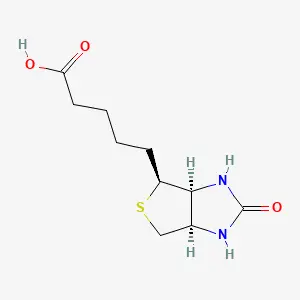
Biotin, also called vitamin B7 or vitamin H, is a water-soluble B vitamin. It is a cofactor (a helper) for five enzymes called carboxylases, says the NIH (the US National Institutes of Health). These enzymes carry out key steps in the metabolism of fatty acids, glucose and amino acids.
People cannot make biotin, so it comes from food. Bacteria in the large intestine make some too, but how much that adds is unclear.
Biotin is best known as a hair, skin and nail supplement, and that is where the evidence is thinnest. The NIH says these claims rest, at best, on a few case reports and small studies. Reviews find gains in people with a deficiency or a rare hair or nail disorder, and no high-quality trial in healthy people.
The hair and nail studies we found used 1 to 10 mg a day. That is about 33 to 333 times the 30 mcg adequate intake (mcg means micrograms, millionths of a gram).
Two facts surprise most readers. Raw egg white contains avidin, a protein that binds biotin and blocks its absorption, and cooking disables it.
And biotin supplements can make blood tests lie. The FDA warned in 2017 that biotin can cause incorrect lab results that may go undetected. It reported that a patient taking high levels of biotin died after a falsely low result on troponin, a heart attack test.
Health benefits of biotin
The top findings from 26 studies, strongest evidence first
What the stars mean
- Strong. Several randomized trials, pooled in a meta-analysis, point the same way, or regulators (FDA or EFSA) have approved the claim.
- Moderate. Good randomized trials support it, but there are fewer of them, or their results vary.
- Limited. Small, short or single trials, or mixed results. Promising, but it needs confirmation.
Population and lab studies get no stars: they show a link or a mechanism, not proof.
How we rate evidence →- ★★★EU-approved claims: normal hair, skin, mucous membranesThe EU allows foods that are a source of biotin to claim it helps maintain normal hair, skin and mucous membranes. It does not claim that extra biotin grows hair or treats hair loss.
- ★★High-dose biotin did not clearly help MS disabilityAt 300 mg a day, biotin pills did not clearly improve disability in progressive multiple sclerosis (MS). Walking was mixed: pooled trials found people 2.06 times as likely to improve their 25-foot walk time, but the biggest trial found no clear gain.
- ★★High-dose biotin can give false lab test resultsIn MS trials, 4.7% of people on 300 mg or more a day had affected lab tests (31 of 662), against none on placebo. At 10 mg a day for 7 days, 9 of 23 biotin-based tests gave wrong results in 6 adults.
- ★Little evidence it helps hair in healthy peopleA review found biotin improved hair or nails only in 18 cases that had an underlying cause, such as deficiency. A 2024 review found only 3 eligible hair studies, and its best trial found no difference in growth.
- ★Firmer nails in brittle-nail studies, with no placeboIn an uncontrolled study, 41 of 45 people assessed (71 were treated) had firmer nails on 2.5 mg of biotin a day. In a 50-person trial, adding 10 mg of biotin pills to a nail lacquer raised responders from 53% to 80%, a borderline gap.
All 24 studies, strongest evidence first
Seven EU health claims, including normal hair, skin and mucous membranes
The claims are listed in Regulation (EU) No 432/2012. They rest on opinions from EFSA, the EU’s food safety agency, published from 2009 to 2011. The other four are normal energy-yielding metabolism, normal functioning of the nervous system, normal macronutrient metabolism and normal psychological function. A food may carry them only if it is at least a source of biotin. The wording is about maintaining normal hair, skin and mucous membranes. It does not claim that extra biotin grows hair or treats hair loss.
In MS, high-dose biotin improved walking more often, but not disability
This review and meta-analysis (a study that pools trials) covered randomized trials of at least 300 mg a day for 3 months or more. The 3 trials had 889 people with multiple sclerosis (MS): 830 with progressive MS and 59 with relapsing-remitting MS. People on biotin were 2.06 times as likely to improve their 25-foot walk time as those on placebo (a dummy pill). The walking result came from 2 trials and 796 people and was rated moderate certainty. Measures of disability did not differ, and results varied a lot between trials. Lab test interference occurred in 31 of 662 people (4.7%) taking biotin and in none on placebo.
In progressive MS, high-dose biotin did not clearly improve disability or walking
This phase 3 trial gave 642 people with progressive MS 300 mg of biotin a day or a placebo, at 90 clinics in 13 countries. At month 12, confirmed at month 15, 39 of 326 people (12%) on biotin had improved, against 29 of 316 (9%) on placebo. Serious adverse events were equally common (26% in both groups). The biotin also caused wrong results on lab tests that use biotinylated antibodies, despite measures to limit it. The authors conclude it cannot be recommended for progressive MS. MedDay Pharmaceuticals funded the trial.
A hair review found no support for biotin in healthy people
This systematic review searched PubMed for case reports and randomized trials on biotin for hair and nails, and found 18 cases. All 18 improved with biotin, but each had an underlying cause of poor hair or nail growth. Examples were biotin deficiency, brittle nail syndrome and uncombable hair. The authors say these causes are uncommon and that evidence is lacking for healthy people.
A 2024 review’s best hair trial found no difference in growth
This review of oral biotin for hair found only 3 eligible studies; case reports and case series were excluded. The best was a double-blind, placebo-controlled trial. The other two studies were in patients taking isotretinoin (an acne drug) and in women after sleeve gastrectomy (stomach-reducing surgery). Both were open to several biases, and neither had striking results for biotin. The authors say the popularity of biotin for hair is not matched by high-quality studies.
Biotin was followed by harder nails in 91% of brittle-nail cases
In this uncontrolled study, published in German, 71 patients were treated with 2.5 mg of biotin a day for about 5.5 months. Of these, 45 could be evaluated, and 41 of the 45 had firmer, harder nails. In the other 4 of those 45 the improvement was questionable. There was no placebo group. The NIH notes that nail studies like this did not report the patients’ biotin status at the start, so a deficiency cannot be ruled out.
Adding biotin to nail lacquer raised responders from 53% to 80%, borderline
This randomized trial in 50 people with brittle nails lasted 4 months, and the person scoring the nails did not know the groups. 26 people used a chitosan nail lacquer alone and 24 used the lacquer plus 10 mg of oral biotin. A responder had at least a 50% improvement. Both groups improved, with severity scores down 57% on lacquer and 62% on lacquer plus biotin. The difference in responders was borderline, and the groups started at different severity (8.4 and 11.8). The people were mostly older (mean age 64), and there was no placebo group.
On isotretinoin, biotin raised growing hairs and kept skin hydration from falling
In this study, 60 people taking isotretinoin for acne were split into two groups of 30. For 4 months, one group also took 10 mg of biotin a day. In the biotin group, the share of growing (anagen) hairs rose and the share of resting (telogen) hairs fell. Skin hydration fell clearly without biotin but not with it. Hair was judged with a dermoscope (a skin magnifier), and the abstract does not say whether people were randomized or blinded.
A first MS trial: biotin reversed disability in 12.6%, none on placebo
This double-blind trial included 154 people with progressive MS. For 12 months they took a placebo or a pharmaceutical-grade biotin (MD1003), 100 mg three times a day, which is 300 mg a day. Disability reversed in 13 people on biotin and none on placebo. Reversal meant a drop of at least 1 point on a disability scale, or a 25-foot walk time at least 20% shorter. It was measured at month 9 and confirmed at month 12. The sponsor, MedDay Pharmaceuticals, is led by an author who is its chief executive and a shareholder. The larger SPI2 trial, in the card above, did not confirm the result.
In MS vision loss, biotin did not clearly improve sight
This trial gave 93 people with MS and lasting vision loss 300 mg of biotin a day or a placebo for 6 months. It was randomized 2:1, with 65 on biotin and 28 on placebo. Visual acuity (sharpness of sight) improved by 3.1 letters with biotin and 1.8 letters with placebo, a gap that could be chance. A subgroup with slowly progressive optic neuropathy (optic nerve damage) showed a trend, 2.8 letters better against 1.5 worse, that could also be chance. MedDay Pharmaceuticals funded the trial.
Biotin in type 2 diabetes: a glucose drop that could be chance
This meta-analysis pooled 5 trials in 445 people with diabetes, who took biotin for 28 to 90 days. Fasting glucose fell by 1.21 mmol/L (millimoles per liter, a blood unit), and triglycerides fell too. But for both, the range of likely values included zero, although the abstract calls them decreases. Total cholesterol fell by 0.22 mmol/L, a clear drop. Insulin did not clearly change, and there was too little data on HbA1c (long-term blood sugar) and LDL cholesterol. The trials were short, 28 to 90 days.
Chromium with biotin lowered the glucose curve; on placebo it rose
This randomized, double-blind pilot trial included 43 people with poorly controlled type 2 diabetes. On top of their usual diabetes drugs, they took a placebo or a combination supplement for 4 weeks. It held 600 mcg of chromium (as chromium picolinate) plus 2 mg of biotin. The 2-hour glucose curve fell by 9.7% on the supplement, while it rose 5.1% on placebo. Fructosamine and triglycerides also fell more with the supplement. Because the two ingredients were given together, the trial cannot show what biotin did on its own.
In pregnancy, 300 mcg of biotin lowered a marker of low biotin
This randomized, placebo-controlled trial included 26 pregnant women with a raised marker of low biotin. They took the biotin or a placebo daily for 14 days. The marker was 3-hydroxyisovaleric acid (3-HIA) in urine, which reflects low activity of a biotin-dependent enzyme. In early pregnancy it fell by 11.7 mmol/mol creatinine with biotin (5 women) and rose by 1.6 on placebo (5 women). This unit allows for how dilute the urine is. In late pregnancy it fell by 7.1 (8 women) and rose slightly, by 0.9 (8 women). The authors say this suggests marginal biotin deficiency is common in pregnancy and raises concern about birth defects.
Avidin shifted urine biotin markers within 20 days; blood barely moved
This experiment induced marginal deficiency in 10 adults. They were fed enough avidin, the protein in raw egg white that binds biotin, to bind seven times the biotin in their diet. Blood and 24-hour urine were collected twice a week. Urinary 3-HIA rose, and urinary biotin and its breakdown product bisnorbiotin fell clearly in all subjects. Blood biotin did not clearly drop. The result fits the NIH view that blood biotin is a poor marker of marginal deficiency.
10 mg of biotin daily skewed 9 of 23 biotin-based tests
In this nonrandomized crossover study, 6 healthy adults took biotin for 7 days. It tested 11 hormones and other analytes on 37 immunoassays (antibody-based tests), run on 4 systems. The affected tests use biotin technology; none of 14 tests without it gave wrong results. Results from 5 of 8 competitive tests (63%) were falsely high, and results from 4 of 15 sandwich tests (27%) were falsely low. The tests included thyroid hormones, parathyroid hormone, prolactin, NT-proBNP and 25-hydroxyvitamin D. The authors call it a preliminary study of 2 women and 4 men.
Without biotin in drip feeds, three patients lost hair; biotin cleared it
This case series described patients on long-term intravenous (drip) feeding without biotin. Each had total hair loss, low muscle tone and developmental delay, and two had a scaly rash around the mouth and eyes. Urinary biotin was low, and organic acids that point to two biotin-dependent enzymes were raised. Treatment was 100 mcg a day; one patient first had 1 mg a day for a week and then 10 mg for 7 weeks. The rash and delayed development cleared with biotin too. Only one had a low blood level, so the authors say blood biotin does not always show status.
Screened babies who got biotin soon after birth developed normally
Newborn screening in Michigan found 142 children with biotinidase deficiency, an inherited disorder in which the body cannot free biotin from food. They were followed in one clinic for 25 years: 22 had profound deficiency and 120 had partial deficiency. With good compliance they had normal physical and cognitive development, and biotin appeared to prevent the neurological and skin problems. There was no untreated comparison group.
Authors: biotin had low efficacy for hair loss after sleeve gastrectomy
Of 156 women who had sleeve gastrectomy (stomach-reducing surgery), 72% lost hair. It was self-reported, began around month 3 or 4, and lasted an average of 5.5 months; no one had permanent alopecia (baldness). Of 22 women with low biotin who were prescribed 1,000 mcg (1 mg) a day for 3 months, 5 (23%) reported a remarkable decline. Of 29 with optimal biotin who took it on their own, 11 (38%) did, so it helped about as often. The difference could be chance. There was no placebo group, and the authors conclude that biotin has low efficacy for this hair loss.
People with hair shedding had normal blood biotin, like healthy controls
This case-control study in Egypt compared 60 people with telogen effluvium (hair shedding) with 20 healthy controls. It excluded anyone who had taken biotin in the previous 3 months. Serum biotin, measured by ELISA (a lab test), did not differ between patients and controls, or between acute and chronic cases. Levels were slightly lower, but not clearly, in elderly people, smokers, athletes and pregnant or breastfeeding women. The authors say serum biotin has weak specificity and sensitivity in telling cases from controls.
Women who smoke excreted 30% less biotin in urine
This cohort-controlled study compared 8 women who smoke with 15 nonsmoking controls, after a preliminary study of 7 women and 3 men. The smokers excreted more of biotin’s breakdown products. Their urinary 3-HIA was also higher, which the authors read as biotin depletion at the tissue level. They conclude that smoking speeds up biotin breakdown in women. The study is small and did not test any health outcome.
Anticonvulsants raised urine markers of faster biotin breakdown
In adults on long-term anticonvulsant (seizure) drugs, urinary biotin breakdown products and 3-HIA were raised. The authors used urine markers because blood biotin may not reflect tissue status. They conclude that the drugs led to faster biotin breakdown and probably to lower biotin status. The abstract gives no group sizes.
Vegans excreted more biotin in urine than mixed eaters
This study compared adults and children on self-selected vegan, lacto-ovo vegetarian (with milk and eggs) or mixed diets. In adults, vegans excreted clearly more biotin in urine than the other two groups. In children, both vegan and lacto-ovo vegetarian groups excreted more than the mixed-diet group. Blood levels showed the same trend, but the differences were mostly not clear. So the vegans’ biotin status was not impaired.
In emergency patients, biotin rarely reached levels that affect troponin T
Among 850 emergency patients, only 1 in 797 blood samples (0.13%) had enough biotin to affect a troponin T test. Biotin above 20.0 ng/mL (nanograms per milliliter) can disturb this one assay. In a second sample of 2,023 US laboratory specimens, 15 (0.74%) were above that level. On cautious assumptions, the modeled chance of a false-negative heart attack result at the first blood draw was very low, 0.026%. It covers one assay only. Roche Diagnostics is among the funders, and three authors work for Roche, which makes the test. The FDA keeps a list of other troponin tests that remain subject to biotin interference.
In mice, more egg white raised birth defects such as cleft palate
Pregnant ICR mice were fed diets with different amounts of egg white, which binds biotin. Fetal biotin deficiency rose with the egg white, at levels like those in human pregnancy. Malformations included cleft palate, small jaw and tongue, and limb defects. Their rate rose strikingly with the egg white concentration, while the mothers showed no obvious signs of deficiency. The authors speculate that some human birth defects may be caused by biotin deficiency. EFSA and a Nordic review say no human data confirm this.
Foods high in biotin
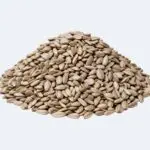
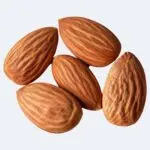
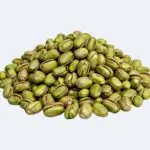
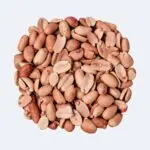
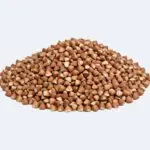
Oysters lead our ranking per serving: 3 oz (85 g) gives 34.9 mcg, 116% of the 30 mcg Daily Value (the FDA label value). Sunflower seeds (28.3 mcg per ounce), hazelnuts (24.9 mcg) and almonds (23.4 mcg) follow. One large egg gives 11.8 mcg.
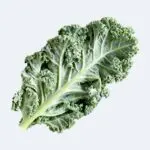
Per 100 g, sunflower seeds (99.8 mcg), hazelnuts (87.8 mcg) and almonds (82.5 mcg) are richest. Soybeans are not in our ranking. Per 100 kcal, kale (103 mcg), oysters (50.6 mcg) and white mushrooms (44.7 mcg) lead.
Beef liver is not in our ranking, but the NIH lists cooked beef liver at 30.8 mcg in 3 oz, 103% of the Daily Value. The NIH names organ meats, eggs, fish, meat, seeds, nuts and certain vegetables such as sweet potatoes as the richest sources. It lists a cooked egg at 10.0 mcg and canned pink salmon at 5.0 mcg in 3 oz. A cooked pork chop gives 3.8 mcg in 3 oz.
Treat food numbers for biotin with care. A team that measured 87 foods in the lab found that published values were likely to be inaccurate. Only 7 of 51 foods agreed within the margin of error, and measured values ran from 247 times higher to 36% lower than published ones.
Databases also differ. The NIH table lists roasted sunflower seeds at 2.6 mcg per ¼ cup. Our ranking uses the Danish Frida food database and shows 28.3 mcg in 1 oz. Use the ranking to see which foods are richer, not as an exact count.
How much you absorb also varies. Most biotin in cereals and meats is bound to protein and must be freed by digestion. Plant variety and season change the biotin in cereal grains, and the NIH says canning can reduce it. Eat eggs cooked, since raw egg white holds avidin.
Per serving. Bars show the share of the Daily Value (30 µg a day). The line marks 100%.
Per 100 g. Bars show the share of the Daily Value (30 µg a day). The line marks 100%.
Per serving. Bars show the share of the EU Reference Intake (50 µg a day).
Per 100 g. Bars show the share of the EU Reference Intake (50 µg a day). The line marks 100%.
Per 100 kcal: the same calories of each food, for a fair comparison. Bars compare each food with the top food.
- 1.

- 2.
- 3.

- 4.
- 5.
- 6.
- 7.

- 8.
- 9.
- 10.



- 1.
- 2.
- 3.
- 4.
- 5.
- 6.
- 7.
- 8.
- 9.
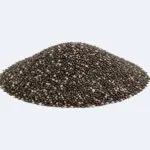
- 10.


- 1.
- 2.
- 3.

- 4.
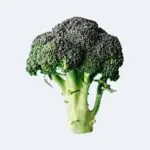
- 5.

- 6.
- 7.
- 8.
- 9.
- 10.



Sources
- Langwagen M, Jacobsen J, Christensen T, Poulsen A. The Danish Food Composition Database, Frida version 5.5. National Food Institute, Technical University of Denmark; 2025. Values as shown in the ranking above.
- Biotin: fact sheet for health professionals. National Institutes of Health, Office of Dietary Supplements. Updated January 10, 2022.
- Solvik BS, Strand TA. Biotin: a scoping review for Nordic Nutrition Recommendations 2023. Food Nutr Res. 2024.
- Staggs CG, Sealey WM, McCabe BJ, Teague AM, Mock DM. Determination of the biotin content of select foods using accurate and sensitive HPLC/avidin binding. J Food Compost Anal. 2004.
How biotin works
Most of this is established biochemistry, described in reviews, cell work and a few human feeding experiments, not in trials of extra biotin. Four ideas cover it: biotin helps five enzymes, and raw egg white can lock it up. The gut takes it in on a shared carrier, and in large amounts it can fool lab tests. Here is each one, and what has been seen in people.
It helps five enzymes
Biotin is a cofactor for acetyl-CoA carboxylase 1 and 2, pyruvate carboxylase, methylcrotonyl-CoA carboxylase (MCC) and propionyl-CoA carboxylase (PCC), according to the NIH. A 2024 Nordic review describes their work. They build fatty acids, make glucose from other fuels, and convert pyruvate to oxaloacetate in the citric acid cycle. They also break down branched-chain amino acids and odd-chain fatty acids.
The NIH adds that biotin also takes part in histone changes (changes to the proteins that package DNA) and gene regulation. The review treats this as a possible role outside the enzymes.
The five biotin-dependent enzymes, grouped by job and simplified. The two acetyl-CoA carboxylases share a panel, and propionyl-CoA carboxylase also works on odd-chain fatty acids. Not to scale.
Low biotin leaves a trace in urine
When biotin runs short, the MCC step slows. A by-product of the amino acid leucine, 3-hydroxyisovaleric acid (3-HIA), then builds up in urine. In 10 adults whose diet held enough avidin to bind seven times its biotin, urinary 3-HIA rose and urinary biotin fell within 20 days. Blood biotin did not clearly drop.
In 7 adults fed egg white for 28 days, PCC activity in white blood cells fell below normal in all of them by day 14. The NIH lists urinary 3-HIA above 3.3 mmol/mol creatinine as a sign of deficiency. It says blood biotin is not a good indicator of marginal deficiency.
Raw egg white can lock it up
Avidin is a glycoprotein (a protein with sugars attached) in raw egg white. It binds dietary biotin tightly and prevents its absorption in the gut, and cooking denatures (unfolds) it, according to the NIH. Deficiency has been reported in people who ate large amounts of raw egg white over a long time, as EFSA and the Nordic review note. A cooked egg is a source of biotin, with 10 mcg in the NIH food table.
Why raw egg white and cooked egg differ. Simplified diagram, not to scale. Effects in people come from two small feeding experiments in adults, lasting 20 and 28 days.
It crosses the gut wall on a shared carrier
Most biotin in food is bound to protein. Gut enzymes break the protein down to biocytin and small biotin peptides. The enzyme biotinidase then frees the biotin for absorption in the small intestine, the NIH explains.
Free biotin crosses the gut wall on the sodium-dependent multivitamin transporter, which also carries pantothenic acid and lipoate. In human-derived gut and liver cells it is the main, perhaps the only, uptake route at normal concentrations. EFSA says the nutritional meaning of the shared carrier is not known. At pharmacologic (drug-level) doses, biotin taken by mouth is absorbed completely.
In large amounts it can fool lab tests
Many lab tests, including those for thyroid hormones, troponin and 25-hydroxyvitamin D, use biotin and streptavidin, a protein that grips biotin. Excess biotin in the blood can disturb that binding. Six healthy adults took 10 mg a day for a week. Then 9 of 23 such tests gave wrong results, and none of the 14 tests without biotin did.
Depending on the test design, the error can run in either direction, falsely high or falsely low. A case report with a review of the literature found the same.
Share of tests with a wrong result in 6 healthy adults after 7 days of 10 mg of biotin a day, drawn to scale. Competitive and sandwich are two test designs. The study is small and preliminary.
What has been seen in people
The clearest human findings are about shortage and excess. Biotin is needed. Children on long-term intravenous feeding without it lost hair and developed a rash that cleared with biotin. Children with biotinidase deficiency who get biotin from birth develop normally.
Marginal shortage shows up in urine markers in pregnancy and in smokers, though what it means for health is still unclear. At the other end, doses of 10 mg and more disturb lab tests. For hair and nails, the gains seen so far are in people with a deficiency or a rare disorder, as the study cards above show.
Sources
- Biotin: fact sheet for health professionals. National Institutes of Health, Office of Dietary Supplements. Updated January 10, 2022.
- Solvik BS, Strand TA. Biotin: a scoping review for Nordic Nutrition Recommendations 2023. Food Nutr Res. 2024.
- Said HM. Cell and molecular aspects of human intestinal biotin absorption. J Nutr. 2009.
- Balamurugan K, Ortiz A, Said HM. Biotin uptake by human intestinal and liver epithelial cells: role of the SMVT system. Am J Physiol Gastrointest Liver Physiol. 2003.
- Mock NI, Malik MI, Stumbo PJ, Bishop WP, Mock DM. Increased urinary excretion of 3-hydroxyisovaleric acid and decreased urinary excretion of biotin are sensitive early indicators of decreased biotin status in experimental biotin deficiency. Am J Clin Nutr. 1997.
- Stratton SL, Bogusiewicz A, Mock MM, Mock NI, Wells AM, Mock DM. Lymphocyte propionyl-CoA carboxylase and its activation by biotin are sensitive indicators of marginal biotin deficiency in humans. Am J Clin Nutr. 2006.
- EFSA Panel on Dietetic Products, Nutrition and Allergies (NDA). Scientific opinion on dietary reference values for biotin. EFSA J. 2014.
- Li D, Radulescu A, Shrestha RT, et al. Association of biotin ingestion with performance of hormone and nonhormone assays in healthy adults. JAMA. 2017.
- Elston MS, Sehgal S, Du Toit S, Yarndley T, Conaglen JV. Factitious Graves’ disease due to biotin immunoassay interference: a case and review of the literature. J Clin Endocrinol Metab. 2016.
- Zempleni J, Mock DM. Bioavailability of biotin given orally to humans in pharmacologic doses. Am J Clin Nutr. 1999.
How much biotin do you need?
Adults have an adequate intake of 30 mcg of biotin a day in the US and 40 mcg in the EU. These are adequate intakes, not recommended allowances, because the data were too thin to set an average requirement. The label value is 30 mcg in the US (the Daily Value) and 50 mcg in the EU (the EU Reference Intake).
There are no national US estimates of intake. But the NIH says average intakes from food in other western populations are about 35 to 70 mcg a day. So most people there eat enough.
An EFSA report on five EU countries gives 26 to 50 mcg for adults under 65, according to the Nordic review. Intake estimates are rough, because food tables for biotin are imprecise.
In pregnancy the US adequate intake stays at 30 mcg and EFSA’s is 40 mcg. While breastfeeding it is 35 mcg in the US and 45 mcg in the EU.
For US children, the values are 8 mcg at ages 1 to 3 and 12 mcg at ages 4 to 8. They are 20 mcg at ages 9 to 13 and 25 mcg at ages 14 to 18. Infants get 5 mcg up to 6 months and 6 mcg from 7 to 12 months in the US.
The EU values are 20, 25 and 35 mcg for ages 1 to 3, 4 to 10 and 11 to 17. Neither body sets a higher value for older adults.
Some groups may need more, but no official value says so. In a controlled feeding study that gave 57 mcg of biotin a day, pregnant women excreted 69% more 3-HIA than controls. Breastfeeding women excreted 76% more of the breakdown product bisnorbiotin. The authors suggest that intakes above the current recommendations may be needed in pregnancy and breastfeeding.
Smokers break biotin down faster, and some anticonvulsants do the same, as the cards above show. The NIH adds that at least a third of pregnant women develop marginal biotin deficiency in spite of normal intakes. Its clinical meaning is not yet understood.
Vitamin B7: recommended intake per day
US: Adequate Intake (NASEM). EU: Adequate Intake (EFSA).
| Age and sex | US (AI) | EU (AI) |
|---|---|---|
| Men, 31–50 years | 30 µg | 40 µg |
| Women, 31–50 years | 30 µg | 40 µg |
All ages, pregnancy and breastfeeding
| Age and sex | US (AI) | EU (AI) |
|---|---|---|
| Infants 0–6 months | 5 µg | None set |
| Infants 7–11 months | None set | 6 µg |
| Infants 7–12 months | 6 µg | None set |
| Children 1–3 years | 8 µg | 20 µg |
| Children 4–6 years | None set | 25 µg |
| Children 4–8 years | 12 µg | None set |
| Children 7–10 years | None set | 25 µg |
| Females 9–13 years | 20 µg | None set |
| Males 9–13 years | 20 µg | None set |
| Children 11–17 years | None set | 35 µg |
| Females 14–18 years | 25 µg | None set |
| Males 14–18 years | 25 µg | None set |
| Adults 18+ years | None set | 40 µg |
| Females 19–30 years | 30 µg | None set |
| Males 19–30 years | 30 µg | None set |
| Females 31–50 years | 30 µg | None set |
| Males 31–50 years | 30 µg | None set |
| Females 51–70 years | 30 µg | None set |
| Males 51–70 years | 30 µg | None set |
| Females >70 years | 30 µg | None set |
| Males >70 years | 30 µg | None set |
| Pregnancy 14–18 years | 30 µg | None set |
| Pregnancy | None set | 40 µg |
| Pregnancy 19–30 years | 30 µg | None set |
| Pregnancy 31–50 years | 30 µg | None set |
| Lactation 14–18 years | 35 µg | None set |
| Lactation | None set | 45 µg |
| Lactation 19–30 years | 35 µg | None set |
| Lactation 31–50 years | 35 µg | None set |
EU and US age bands differ; "None set" means that body sets no value for the group. Label reference: FDA Daily Value 30 µg, EU Reference Intake 50 µg.EU and US age bands differ; "None set" means that body sets no value for the group. Label reference: EU Reference Intake 50 µg, FDA Daily Value 30 µg.
Biotin deficiency: signs and who is at risk
Deficiency is rare. The NIH says severe deficiency has never been reported in healthy people eating a normal mixed diet. When it occurs, signs appear gradually. Hair thins and can progress to loss of all body hair, and a scaly red rash appears around the eyes, nose, mouth and perineum.
Other signs are conjunctivitis, brittle nails, and in adults depression, lethargy, hallucinations and tingling in the arms and legs. Seizures and skin infection can follow. Infants can show low muscle tone, lethargy and developmental delay.
Deficiency has been reported in people who ate large amounts of raw egg white for a long time. It has also been seen in patients on long-term intravenous feeding without biotin. It also occurs in biotinidase deficiency, a rare inherited disorder in which the body cannot release free biotin from food. Without treatment it causes neurological and skin symptoms, and in the profound form it can lead to coma or death.
Lifelong oral biotin started at birth prevents the symptoms. That is why newborns are screened for it in all US states and in many other countries.
The NIH also lists chronic alcohol exposure, which inhibits absorption: plasma biotin was low in 15% of people with chronic alcoholism. Pregnancy, breastfeeding and anticonvulsant drugs are on its list too. Plant-based diets are not a risk factor in the one study we found: vegans excreted more biotin than people on mixed diets.
Testing is not simple. The most reliable markers are biotin-dependent enzymes in white blood cells and urinary 3-HIA above 3.3 mmol/mol creatinine. Blood biotin hardly falls in marginal deficiency, according to the NIH. The Nordic review notes that no single marker cleanly separates deficient from sufficient people.
Sources
- Biotin: fact sheet for health professionals. National Institutes of Health, Office of Dietary Supplements. Updated January 10, 2022.
- Institute of Medicine, Food and Nutrition Board. Dietary Reference Intakes for thiamin, riboflavin, niacin, vitamin B6, folate, vitamin B12, pantothenic acid, biotin, and choline. National Academy Press. 1998.
- EFSA Panel on Dietetic Products, Nutrition and Allergies (NDA). Scientific opinion on dietary reference values for biotin. EFSA J. 2014.
- Solvik BS, Strand TA. Biotin: a scoping review for Nordic Nutrition Recommendations 2023. Food Nutr Res. 2024.
- Perry CA, West AA, Gayle A, et al. Pregnancy and lactation alter biomarkers of biotin metabolism in women consuming a controlled diet. J Nutr. 2014.
- Sealey WM, Teague AM, Stratton SL, Mock DM. Smoking accelerates biotin catabolism in women. Am J Clin Nutr. 2004.
- Mock DM, Baswell DL, Baker H, Holman RT, Sweetman L. Biotin deficiency complicating parenteral alimentation: diagnosis, metabolic repercussions, and treatment. J Pediatr. 1985.
- Lombard KA, Mock DM. Biotin nutritional status of vegans, lactoovovegetarians, and nonvegetarians. Am J Clin Nutr. 1989.
- Jay AM, Conway RL, Feldman GL, et al. Outcomes of individuals with profound and partial biotinidase deficiency ascertained by newborn screening in Michigan over 25 years. Genet Med. 2015.
Forms of biotin: absorption and effects
Biotin supplements are free biotin, sold alone or inside B-complex and multivitamin products, as the NIH describes. Biotin in food is mostly bound to protein and has to be freed during digestion. The trials on this page used an ordinary supplement dose of 1 to 10 mg, or combination products. A pharmaceutical-grade product (MD1003) was given at 300 mg a day for multiple sclerosis.
The honest bottom line: free biotin is absorbed almost completely, even at large doses, so the form matters little for absorption. What differs between products is the dose and the other ingredients. We found no study that compared tablets, capsules, gummies or liquids, and none showing that one form works better for hair or nails. Nor did we find a trial of any form for hair in healthy people.
Several outcome trials used mixtures, and their results cannot be credited to biotin alone. Examples are chromium picolinate with biotin in diabetes, and a nail lacquer with biotin in brittle nails.
| Form | Activity or conversion | What studies show | Source |
|---|---|---|---|
| Free biotin (supplements) | Not stated. The NIH puts absorption of oral free biotin at 100%, even at up to 20 mg a day | In 6 healthy adults, urinary recovery of biotin and its metabolites was similar after oral doses of 8.2 and 81.9 micromol, which suggests complete absorption. We found no trial comparing it with other forms for hair or nails. | 1, 2 |
| Biotin in food (protein-bound) | Freed to biocytin and biotin peptides by gut enzymes, then to free biotin by biotinidase (NIH) | Absorption varies by food, and avidin in raw egg white blocks it. We found no study that measured the share absorbed from foods against supplements. | 1, 3 |
| Biotin in B-complex and multivitamin products | Not stated | A 1989 check found that labeled biotin amounts matched the assay in most products, and that some products with no biotin label held meaningful amounts, especially with liver or yeast extract. | 1, 4 |
| Pharmaceutical-grade biotin (MD1003), 300 mg a day | Not stated | Used in multiple sclerosis trials: disability reversed in 12.6% against none in 154 people in one trial, but no significant gain in 642 people in the larger one, and no gain in vision in 93 people. It also caused lab test interference. | 5, 6, 7 |
| Biotin with chromium picolinate or in a nail lacquer combination | Not stated | With chromium, the 2-hour glucose curve fell 9.7% against a 5.1% rise on placebo in 43 people; the trial cannot separate biotin from chromium. With a lacquer, 80% against 53% responders compared with lacquer alone in 50 people. | 8, 9 |
| Biotin made by gut bacteria | Not stated | Bacteria in the large intestine make biotin and the gut can absorb it, but how much this adds to human intake is unclear. | 3, 10 |
Here are the 2 studies that compared doses or checked what products contain.
All 2 studies, strongest evidence first
Six adults fully absorbed oral biotin up to about 20 mg
This crossover study gave the healthy adults oral doses of 2.1, 8.2 or 81.9 micromol, or 18.4 micromol by vein. There were at least 2 weeks between doses. The headline converts the 81.9 micromol dose to milligrams, as the NIH does. Urinary recovery of biotin plus its metabolites was similar for the 2 largest oral doses, which suggests complete absorption. The smallest dose showed about twice the recovery, for unexplained reasons. Biotin made up over half of the urinary total, and bisnorbiotin (13% to 23%) and biotin sulfoxide (5% to 13%) most of the rest.
Biotin supplements mostly matched their labels; some unlabeled ones held biotin
This study measured biotin with an avidin assay in several over-the-counter vitamin and nutritional supplements. In products that said they contained biotin, the assay agreed with the stated content for most, and biotin was the only avidin-binding substance found. Some products that did not list biotin had nutritionally significant amounts, especially those with liver or yeast extract. The authors say biotin intake may be underestimated in people who take such products. The products are from 1989.
Sources
- Biotin: fact sheet for health professionals. National Institutes of Health, Office of Dietary Supplements. Updated January 10, 2022.
- Zempleni J, Mock DM. Bioavailability of biotin given orally to humans in pharmacologic doses. Am J Clin Nutr. 1999.
- Solvik BS, Strand TA. Biotin: a scoping review for Nordic Nutrition Recommendations 2023. Food Nutr Res. 2024.
- Tolaymat N, Mock DM. Biotin analysis of commercial vitamin and other nutritional supplements. J Nutr. 1989.
- Cree BAC, Cutter G, Wolinsky JS, et al. Safety and efficacy of MD1003 (high-dose biotin) in patients with progressive multiple sclerosis (SPI2): a randomised, double-blind, placebo-controlled, phase 3 trial. Lancet Neurol. 2020.
- Tourbah A, Lebrun-Frenay C, Edan G, et al. MD1003 (high-dose biotin) for the treatment of progressive multiple sclerosis: a randomised, double-blind, placebo-controlled study. Mult Scler. 2016.
- Tourbah A, Gout O, Vighetto A, et al. MD1003 (high-dose pharmaceutical-grade biotin) for the treatment of chronic visual loss related to optic neuritis in multiple sclerosis: a randomized, double-blind, placebo-controlled study. CNS Drugs. 2018.
- Singer GM, Geohas J. The effect of chromium picolinate and biotin supplementation on glycemic control in poorly controlled patients with type 2 diabetes mellitus: a placebo-controlled, double-blinded, randomized trial. Diabetes Technol Ther. 2006.
- Chiavetta A, Mazzurco S, Secolo MP, Tomarchio G, Milani M. Treatment of brittle nail with a hydroxypropyl chitosan-based lacquer, alone or in combination with oral biotin: a randomized, assessor-blinded trial. Dermatol Ther. 2019.
- Said HM. Cell and molecular aspects of human intestinal biotin absorption. J Nutr. 2009.
Is biotin safe? Supplements, dose and interactions
Biotin from food is not a safety concern, and neither the US nor the EU has set an upper level. The US Food and Nutrition Board could not set a tolerable upper intake level. There is no evidence of biotin toxicity in people at high intakes.
The NIH notes several studies with no adverse effects at 10 to 50 mg a day. In people with biotinidase deficiency, it notes no toxicity at up to 200 mg a day by mouth or 20 mg a day by vein.
In the EU, the Scientific Committee on Food could not derive an upper level in 2001. It judged that observed intakes from all sources are not a health risk for the general population, as EFSA reports. No upper level means no known toxicity, not no risk. The lab-test problem below starts well below the doses studied for toxicity.
- Lab tests. Very high intakes can interfere with tests that use biotin and streptavidin, including thyroid hormones, 25-hydroxyvitamin D and troponin, the NIH says. Results can come out falsely high or falsely low. In 6 healthy adults, 10 mg a day for a week affected 9 of 23 such tests. The NIH lists cases that falsely suggested Graves’ disease (an overactive thyroid) in people taking 10 to 300 mg a day. It also lists a single 10 mg dose that interfered with thyroid tests within 24 hours. The FDA reported that a patient taking high levels of biotin died after a falsely low troponin result. It keeps a list of troponin tests still subject to interference. It advises health care providers to ask about biotin, tell the lab and consider interference when results do not fit the clinical picture. It also said the data were not enough to say how long biotin takes to clear from the blood. If you take biotin, tell your doctor and the lab before any blood test, and ask whether to stop it first. One modeling study found the risk very low for a single troponin T assay, but that does not cover other tests.
- Doses and side effects. The trials on this page gave 1 to 10 mg a day for hair and nails and 300 mg a day in multiple sclerosis. In the large MS trial, serious adverse events were equally common on biotin and placebo (26% in both). In the pooled MS trials, any adverse event and any serious event did not differ from placebo. But 4.7% of people on biotin had lab test interference, against none on placebo.
- Medicines. The NIH lists anticonvulsants as lowering biotin. Carbamazepine, primidone, phenytoin and phenobarbital were linked to lower blood biotin in 264 people with epilepsy, probably because treatment speeds up biotin breakdown. People who take these drugs regularly should talk to their doctor about their biotin status.
- Who should ask a doctor. Anyone due for blood tests such as thyroid, heart or vitamin D tests. People who are pregnant or breastfeeding, because prenatal vitamins can already contain biotin and needs may be higher. People on anticonvulsants, and anyone with hair loss that is sudden or lasting. The reviews above found gains only in people with a specific underlying problem, so it is worth finding the cause rather than guessing.
How to get more biotin
- Eat a mix of foods. The NIH lists 30.8 mcg in 3 oz of cooked beef liver and 10 mcg in a cooked egg. Our ranking has oysters (34.9 mcg in 3 oz), sunflower seeds and nuts. Single servings of some of these, such as liver or oysters, exceed the 30 mcg adequate intake.
- Cook your eggs. Raw egg white holds avidin, which binds biotin, and cooking denatures it. Deficiency from eggs has been reported only with large amounts of raw egg white over a long time.
- Skip high-dose pills unless a doctor prescribes them. Average intakes in other western populations are about 35 to 70 mcg a day. Hair and nail gains are shown only in deficiency, and large doses can disturb lab tests.
Sources
- Biotin: fact sheet for health professionals. National Institutes of Health, Office of Dietary Supplements. Updated January 10, 2022.
- Institute of Medicine, Food and Nutrition Board. Dietary Reference Intakes for thiamin, riboflavin, niacin, vitamin B6, folate, vitamin B12, pantothenic acid, biotin, and choline. National Academy Press. 1998.
- EFSA Panel on Dietetic Products, Nutrition and Allergies (NDA). Scientific opinion on dietary reference values for biotin. EFSA J. 2014.
- Li D, Radulescu A, Shrestha RT, et al. Association of biotin ingestion with performance of hormone and nonhormone assays in healthy adults. JAMA. 2017.
- Cree BAC, Cutter G, Wolinsky JS, et al. Safety and efficacy of MD1003 (high-dose biotin) in patients with progressive multiple sclerosis (SPI2): a randomised, double-blind, placebo-controlled, phase 3 trial. Lancet Neurol. 2020.
- Espiritu AI, Remalante-Rayco PPM. High-dose biotin for multiple sclerosis: a systematic review and meta-analyses of randomized controlled trials. Mult Scler Relat Disord. 2021.
- Mumma B, Diercks D, Twerenbold R, et al. Clinical risk assessment of biotin interference with a high-sensitivity cardiac troponin T assay. Clin Chem Lab Med. 2020.
- Mock DM, Dyken ME. Biotin catabolism is accelerated in adults receiving long-term therapy with anticonvulsants. Neurology. 1997.
- Biotin interference with troponin lab tests: assays subject to biotin interference. US Food and Drug Administration.
- US Food and Drug Administration. The FDA warns that biotin may interfere with lab tests: FDA safety communication. November 28, 2017 (text as reproduced by Shelby County Today).
- Solvik BS, Strand TA. Biotin: a scoping review for Nordic Nutrition Recommendations 2023. Food Nutr Res. 2024.
History of biotin
Biotin was found by following a puzzle. By the 1920s it was clear that the “water-soluble B” factor in yeast was several substances. Biotin and pantothenic acid were recognized as vitamins somewhat later, through work on growth factors for microbes.
Along the way, researchers saw that rats fed raw egg white as their main protein lost hair and developed skin disease and nerve problems. A factor found in liver protected them. Boas published on the nutritive properties of egg white in 1927.
The substance had several names. In 1936 Fritz Kögl and Benno Tönnis crystallized a yeast growth factor from egg yolk and called it biotin. Paul György called the protective factor in liver vitamin H, and a third substance was known as coenzyme R.
In 1940 György and Vincent du Vigneaud, with colleagues, reported that vitamin H and biotin were the same substance. The harmful part of raw egg white turned out to be avidin, which binds biotin. Harris and colleagues made biotin in the lab in 1943.
Human deficiency came to light more slowly. In the 1980s Donald Mock described biotin deficiency in children on long-term intravenous feeding. His group later showed that marginal deficiency is common in pregnancy. Biotinidase deficiency, a rare inherited disorder, is now screened for in newborns in all US states. In 2017 the FDA warned that high-dose biotin can distort lab tests.
Sources
- Lanska DJ. The discovery of niacin, biotin, and pantothenic acid. Ann Nutr Metab. 2012.
- Boas MA. The effect of desiccation upon the nutritive properties of egg-white. Biochem J. 1927.
- György P, Melville DB, Burk D, du Vigneaud V. The possible identity of vitamin H with biotin and coenzyme R. Science. 1940.
- du Vigneaud V, Melville DB, György P, Rose CS. On the identity of vitamin H with biotin. Science. 1940.
- Harris SA, Wolf DE, Mozingo R, Folkers K. Synthetic biotin. Science. 1943.
- Wolf B. Biotinidase deficiency and our champagne legacy. Gene. 2016.
- Mock DM, Baswell DL, Baker H, Holman RT, Sweetman L. Biotin deficiency complicating parenteral alimentation: diagnosis, metabolic repercussions, and treatment. J Pediatr. 1985.
- Mock DM, Quirk JG, Mock NI. Marginal biotin deficiency during normal pregnancy. Am J Clin Nutr. 2002.
- Biotin. Wikipedia, section on history, with the primary papers it cites for 1936 (Kögl and Tönnis, egg yolk) and the early egg-white experiments.
Frequently asked questions about biotin
Does biotin make hair grow?
Only if hair loss comes from a biotin deficiency or a rare hair disorder, as far as studies show. A review of 18 cases found that every person who improved had an underlying cause. A 2024 review found 3 studies, and the best of them saw no difference in hair growth. The EU authorizes a claim for maintaining normal hair. It applies to foods that are at least a source of biotin, and does not say that extra biotin grows hair. If your hair is thinning, ask a doctor to look for the cause first.
Does biotin help brittle nails?
Possibly, but the evidence is weak. In an uncontrolled study, 41 of 45 people (91%) had firmer, harder nails after about 5.5 months on 2.5 mg a day. In a randomized trial of 50 people, a nail lacquer plus 10 mg of biotin gave a 50% improvement in 80% of people. With the lacquer alone, 53% improved that much. That gap was borderline. Neither study tested healthy people, and neither had a placebo group.
Can biotin affect blood test results?
Yes. High-dose biotin can make tests that use biotin and streptavidin read falsely high or falsely low. In 6 healthy adults, 10 mg a day for a week affected 9 of 23 such tests and none of 14 tests without biotin. The FDA reported that a patient taking high levels of biotin died after a falsely low troponin result. Tell your doctor and the lab if you take biotin, and ask whether to stop it before a blood test.
Can you take biotin every day?
At food amounts, yes. Neither the US nor the EU has set an upper level. The NIH notes studies with no adverse effects at 10 to 50 mg a day. But supplements are unnecessary for most people. Their average intakes in other western populations are about 35 to 70 mcg a day, against an adequate intake of 30 mcg. And daily use can disturb lab tests.
Is raw egg white bad for biotin?
Yes, if you eat a lot of it over a long time. Raw egg white contains avidin, which binds biotin and stops its absorption, and cooking denatures it. In an experiment, 10 adults ate a diet with enough avidin to bind seven times their dietary biotin. Within 20 days they had signs of lower biotin status. A cooked egg gives 10 mcg of biotin, according to the NIH.
Which foods are highest in biotin?
In our ranking, oysters lead per serving with 34.9 mcg in 3 oz. Next come sunflower seeds (28.3 mcg per ounce), hazelnuts (24.9 mcg) and almonds (23.4 mcg). The NIH lists cooked beef liver at 30.8 mcg in 3 oz and a cooked egg at 10 mcg. Food tables disagree on biotin, so treat the numbers as a guide.
Do you need extra biotin in pregnancy?
The adequate intake in pregnancy is 30 mcg in the US and 40 mcg in the EU, the same as for other adults. In a randomized trial in 26 pregnant women with a raised marker of low biotin, 300 mcg a day for 14 days lowered the marker. The NIH says at least a third of pregnant women develop marginal deficiency. No human study has shown that low biotin causes birth defects, although it does in mice. Ask your doctor, since prenatal vitamins can already contain some.
Can biotin treat multiple sclerosis?
Not at present. A first trial in 154 people with progressive MS found disability reversal in 12.6% on 300 mg a day, against none on placebo. But the larger SPI2 trial in 642 people found no clear gain in disability or walking speed. A meta-analysis found a possible walking benefit of moderate certainty, and more lab test interference. The SPI2 authors conclude that biotin cannot be recommended for progressive MS.